Home Blog Page 325

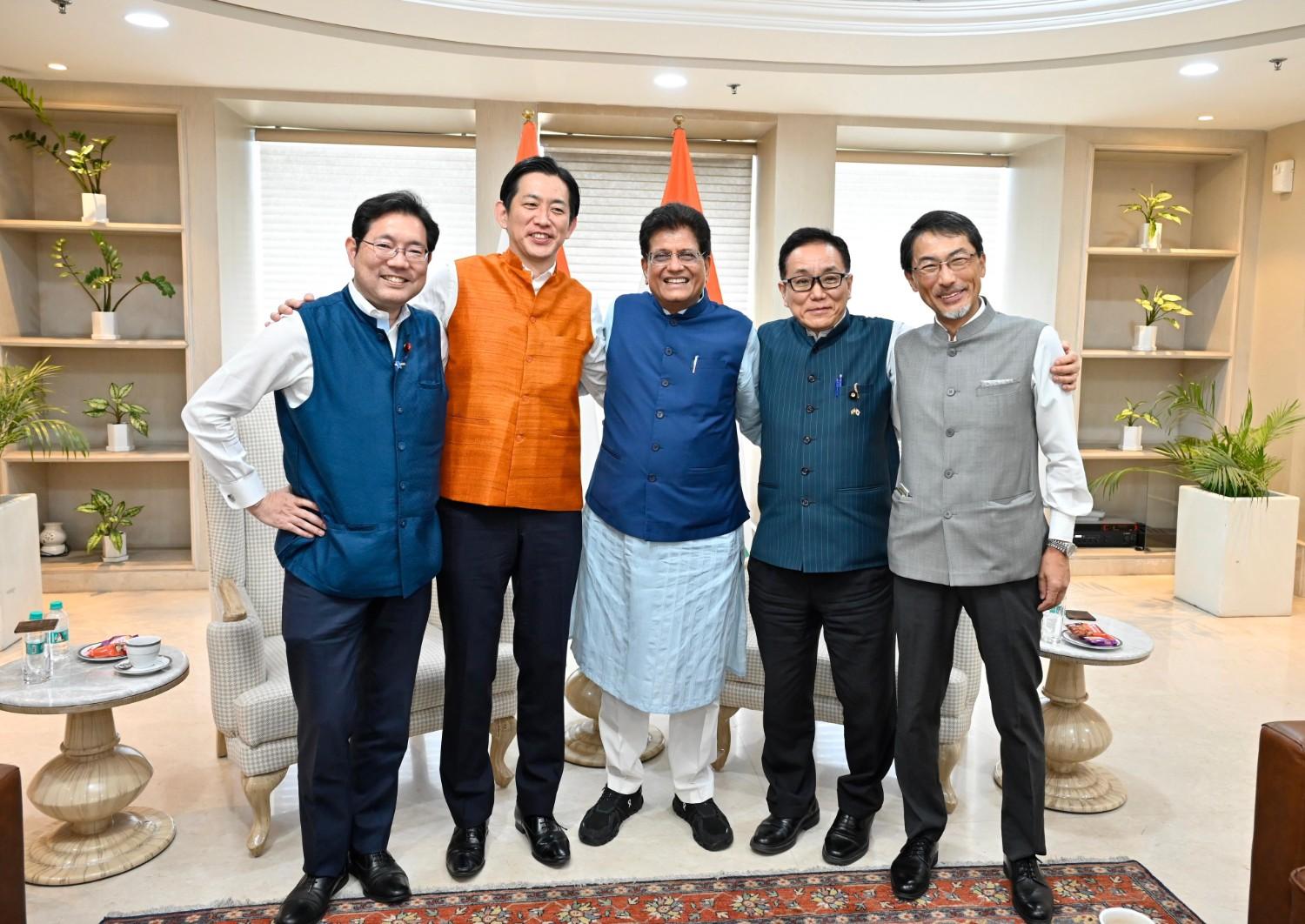
Piyush Goyal discusses boosting India-Japan economic ties, MSME partnerships with Japanese delegation

NEW DELHI: Union Commerce and Industry Minister Shri Piyush Goyal met a Japanese delegation led by Takayuki Kobayashi, Member of the House of Representatives and Chairperson of the Liberal Democratic Party’s Policy Research Council, to discuss strengthening India-Japan economic engagement and enhancing bilateral cooperation across key sectors.

Sharing details of the meeting, Goyal said on X, “Discussed strengthening India-Japan economic engagement, enhancing MSME partnerships, and deepening collaboration in key sectors like automobiles, infrastructure, pharmaceuticals, and advanced manufacturing.”

Goyal highlighted the need to boost exports from India and improve market access, underlining the importance of creating a more enabling business environment to facilitate trade and investment between the two countries.

The discussions also explored future pathways under the Comprehensive Economic Partnership Agreement (CEPA), along with broader frameworks for economic cooperation in the Indo-Pacific region.

The Minister noted that this “reaffirmed our commitment to further strengthening the business ecosystem and deepening economic ties with Japan, while identifying new opportunities for collaboration across sectors.”

In a related development last week, Goyal chaired a review meeting on the Export Promotion Mission (EPM) and allied activities to strengthen implementation mechanisms, improve coordination among stakeholders and enhance monitoring frameworks aimed at boosting India’s export performance.

“The discussion focused on strengthening implementation, improving coordination, and enhancing monitoring frameworks, while increasing emphasis on MSMEs, agricultural exports, and boosting Brand India,” Goyal said.

The meeting emphasised improving execution at the ground level to ensure export policies are effectively implemented. It also focused on sectoral priorities and capacity building to accelerate export growth, while enhancing monitoring systems for timely tracking of progress.

Source: ANI

DPA Chairman engages with Shramiks during landmark wheat export operation

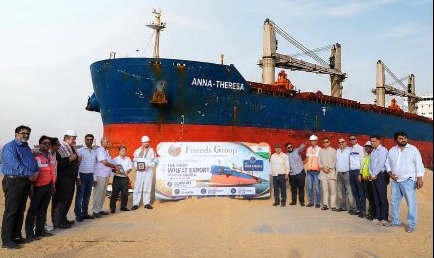
GANDHIDHAM : In a strong reaffirmation of Deendayal Port Authority’s people-centric approach, Shri Sushil Kumar Singh, IRSME, Chairman, DPA, personally engaged with the port’s dedicated Shramiks—rightly regarded as the true Partners in Progress—during a significant operational milestone at the port.

Pi7 Image Cropper 46 DPA Chairman engages with Shramiks during landmark wheat export operation

The interaction coincided with the landmark handling of 22,000 metric tonnes of wheat in bulk aboard MV Theresa, marking the first wheat export shipment from DPA since 2022. This achievement underscores the port’s renewed momentum in agri-bulk cargo handling and its vital role in supporting India’s export ecosystem.

During his visit to the operational site, the Chairman commended the Shramiks for their unwavering commitment, discipline, and efficiency in executing complex cargo operations. He emphasized that operational safety remains paramount and reiterated DPA’s continued focus on strengthening safety protocols, minimizing risks, and fostering a culture of vigilance across all levels of the workforce.

Shri Singh also took the opportunity to interact closely with workers on the ground, gaining first-hand insights into their daily routines, challenges, and requirements. He highlighted the Authority’s commitment to enhancing worker welfare through improved working conditions, access to essential facilities, and initiatives aimed at ensuring physical well-being and morale.

The successful handling of this wheat consignment not only reflects operational excellence but also showcases the seamless coordination between port officials, workforce, and stakeholders. It further reinforces DPA’s capability to efficiently manage diverse cargo streams while maintaining high standards of safety and productivity.

This milestone stands as a testament to the collective effort and resilience of the port community—where every achievement is truly powered by its people.

DPA Kandla to convert invasive Kutch shrub(Gando Bawal) into bio-methanol in Rs 100 crore pilot project

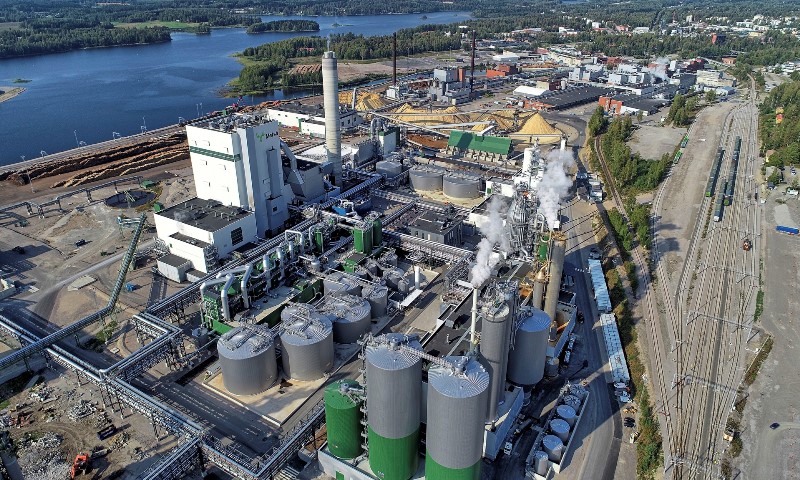
GANDHIDHAM : The Deendayal Port Authority (DPA) Kandla in Gujarat is developing India’s first bio-methanol demonstration plant using Prosopis juliflora — the invasive shrub locally known as Gando Bawal — as its primary feedstock, in a project that aims to turn an ecological burden into a source of clean marine fuel, The Hindu BusinessLine reported.

The pilot project, estimated to cost approximately Rs 100 crore, is currently at the engineering stage and is slated for commissioning by March 2027. It is being developed as a technology demonstration unit under the Harit Sagar Guidelines (2023) and Maritime India Vision 2030, both of which are aimed at driving India’s ports towards net-zero targets.

The project involves two technology partners. Ankur Scientific Energy Technology Limited is responsible for converting the biomass into syngas, while Thermax Limited will handle the subsequent syngas-to-methanol synthesis. At full capacity, the plant will produce around five tonnes of methanol per day, consuming 15 to 20 tonnes of biomass in the process.

Ankur Jain, Managing Director of Ankur Scientific Energy Technology Limited, said the company would work with local communities to collect gando bawal for use as feedstock, adding that supply was not a concern. He noted that the process was also flexible enough to accept other agricultural residues such as peanut shells and sawdust. On pricing, Jain said bio-methanol would be cheaper than electro-methanol — which is synthesised from green hydrogen and captured carbon dioxide — but more expensive than conventional fossil-fuel-derived methanol. Costs are expected to fall as the technology is scaled up and optimised.

The production process begins with high-temperature gasification of the biomass in a low-oxygen environment, passing it through four stages — drying, pyrolysis, oxidation, and reduction — to generate syngas, a combustible mixture of hydrogen and carbon oxides. The syngas is then cleaned, its composition adjusted through a water-gas shift reaction, and compressed before being fed into a methanol synthesis reactor containing a copper-based catalyst operating at 200 to 300 degrees Celsius and 50 to 100 bar of pressure. The resulting methanol is condensed and refined through distillation to produce fuel-grade output for industrial or maritime use.

For DPA, the bio-methanol produced is expected to be blended with conventional fuel to power tugs and other port service vessels during the pilot phase, while generating operational data on feedstock logistics, process stability, and integration within port infrastructure.

The bio-methanol project sits within a significantly larger strategic plan. DPA is simultaneously evaluating a Rs 3,500 crore electro-methanol project with a capacity of 1.5 to 2 lakh tonnes per annum, as part of its ambition to establish Kandla as a major bunkering hub for low-carbon fuels on the busy Rotterdam-to-Singapore shipping corridor by the end of the decade. The port is targeting supply to nearly 200 methanol-fuelled vessels operating along this route by 2030, and has set a goal of securing up to 500,000 tonnes per annum of green e-methanol by 2028-29.

Methanol bunkering at DPA has already moved from planning to execution. On April 2, 2026, the port successfully completed its first shore-to-ship methanol bunkering trial, with participation from Stolt Tankers, JM Baxi, Aegis Vopak, and Indian Oil Corporation Limited, and technical verification by classification society DNV. The port is now preparing for ship-to-ship bunkering operations in its next phase of development.

Andhra Pradesh strengthens industrial ecosystem with CM Naidu’s push

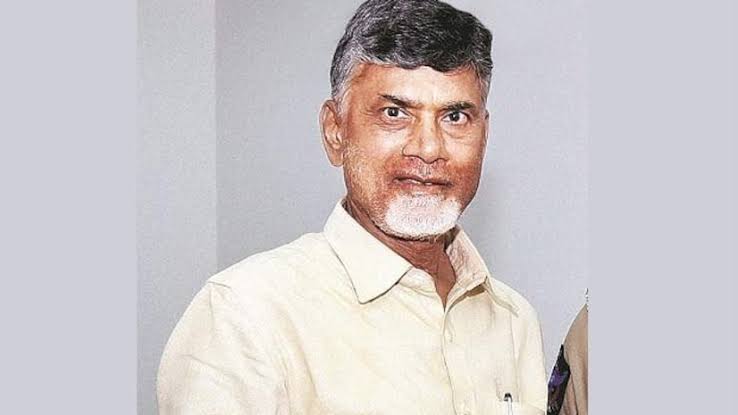
AMRAVATI : As Shri Nara Chandrababu Naidu assumed office as Chief Minister of the undivided Andhra Pradesh in 1995, he set out to position Hyderabad as a leading IT destination in India. This vision materialised in 1998 when Microsoft established its global R&D centre in the city—a development that proved transformative for both the State and its leadership. Hyderabad soon emerged as a preferred hub for global technology firms, attracting major players such as Oracle, Google, Amazon, and Cognizant.

At a review meeting held in Amaravati on Monday, the Chief Minister evaluated the progress of Product Perfection Clusters across the Visakhapatnam, Amaravati, and Tirupati economic regions. Discussions also covered the development of industrial and chemical parks under the Centre’s BHAVYA (Bharat Audyogik Vikas Yojana) scheme.

Naidu called for comprehensive plans to establish a Rare Earth Mineral Park by 2026–27, accelerate the East Coast Industrial Corridor, set up a container manufacturing cluster, and develop approximately 175 MSME parks across the State.

Highlighting the importance of efficiency, he emphasised that logistics integration must go hand-in-hand with product excellence, supported by critical infrastructure such as water supply, power, cold storage, and warehousing facilities.

The Chief Minister underscored that adherence to global quality standards is essential for local products to compete in regional, national, and international markets. He urged officials to assist MSMEs in achieving international benchmarks.

Additionally, he directed that Farmer Producer Organisations (FPOs) be integrated within industrial clusters to ensure greater participation and benefit for the farming community.

Structured tender model for shipbuilding: Government aims tech transfer, local manufacturing

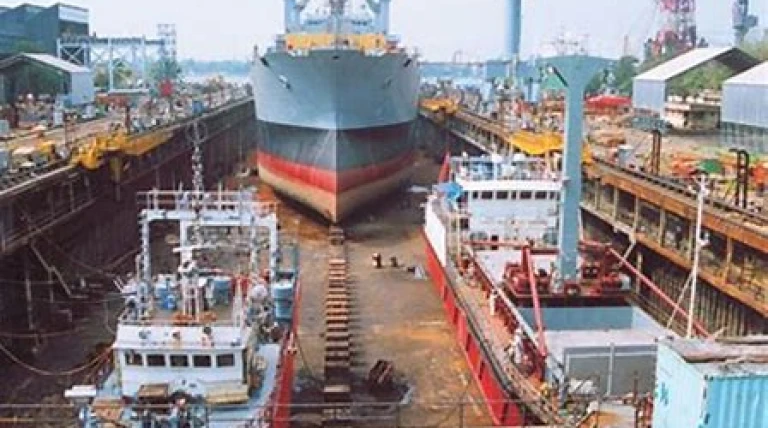
NEW DELHI : With focus on building resilience in the shipping sector, amid the West Asia conflict and increased instances of global supply chain disruptions, govt will adopt a “structured tender approach for manufacturing specialised vessels, such as gas and oil tankers, and fertiliser carriers. Under this, some vessels in the tender would be built overseas and the remaining will mandatorily be manufactured in India, the shipping ministry said on Thursday.

This strategy is intended to facilitate technology transfer and strengthen India’s domestic capabilities in the sector. Govt has, so far, aggregated demand for 437 vessels, as it seeks to boost domestic availability and manufacturing of vessels, Shri Mukesh Mangal, Additional Secretary in the shipping ministry said. He added that while demand of oil and gas PSUs is around 59 vessels, Shipping Corporation of India (SCI) has assessed a demand of 216 vessels and Bharat Container Shipping Line (BCSL) arrived at a requirement 51 vessels.

The official said there is a target to invite bids for procuring 61 vessels this year and 30 tenders for 34 vessels have been floated. Data showed that oil and gas PSUs have invited bids for 14 vessels, including LPG and crude tankers, out of the target of 26 for this year.

Shipping Minister Shri Sarbananda Sonowal has also urged fertiliser PSUs and major manufacturers to aggregate their demand for domestic production as a part of govt’s big push to make India “self-reliant” in this sector.

Mangal said that while green tugs and medium-range tankers are being built domestically, for vessels like ‘very large gas carriers’ and ‘very large crude carriers’, govt is going for “structured tenders”. Giving an example, he said, “Let’s say eight such vessels are to be manufactured, then two can be made out of country and six have to be manufactured within India.” Such vessels use very specialised technology and manpower.

Aushadhi Express launched: CONCOR Strengthens Pharma Cold Chain from Hyderabad to JNPT

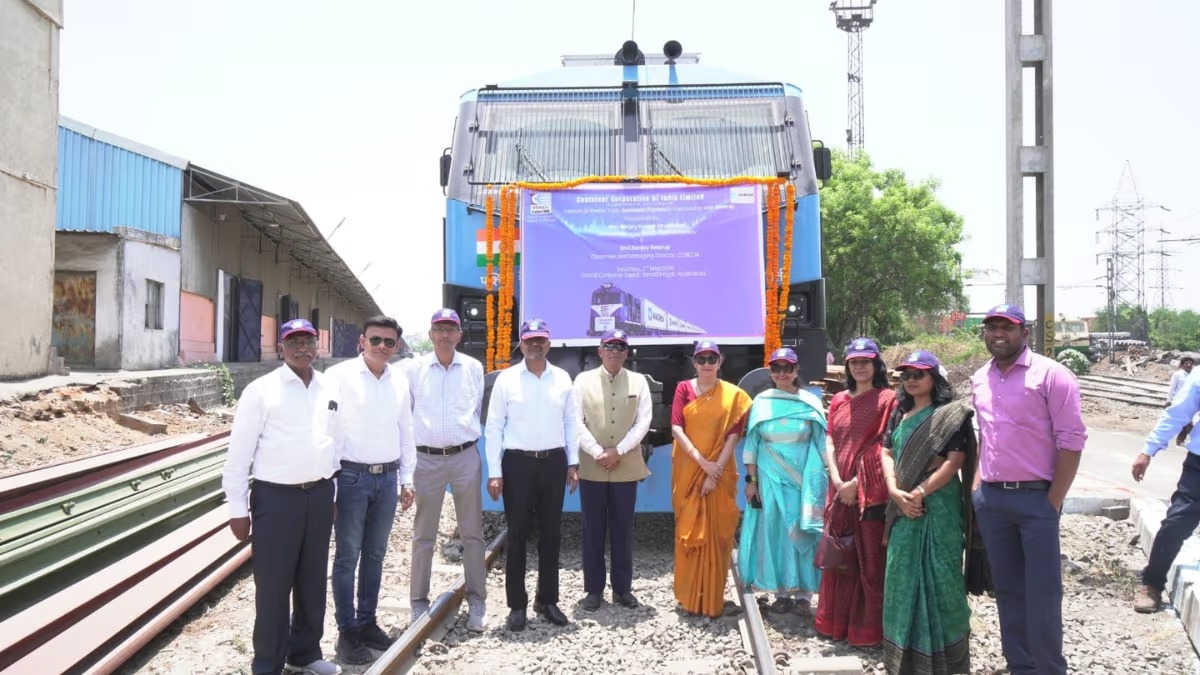
NEW DELHI : In a significant step toward strengthening India’s pharmaceutical logistics ecosystem, Container Corporation of India Ltd. (CONCOR) flagged off the country’s first dedicated Aushadhi Express, a temperature-controlled (reefer) train service for pharmaceutical cargo. The inaugural rake departed from ICD Sanathnagar to Jawaharlal Nehru Port on May 2, 2026.

The launch marks a major milestone in enhancing India’s rail–port connectivity and cold-chain logistics infrastructure—both crucial for supporting the country’s rapidly growing pharmaceutical exports.

Leadership Flags Off Inaugural Service

The inaugural service was flagged off by senior railway and logistics leadership, including Sanjay Kumar Srivastava, General Manager of South Central Railway, and Sanjay Swarup, Chairman and Managing Director of CONCOR. Senior officials from Indian Railways, CONCOR, and Maersk were also present, underscoring strong collaboration across rail, port, and shipping stakeholders.

Enhancing Cold-Chain Reliability for Pharma Cargo

Pharmaceutical products, including vaccines and temperature-sensitive medicines, require strict environmental control throughout transit. The Aushadhi Express addresses this critical need by offering:

Faster and more reliable transit from manufacturing hubs to port
End-to-end cold-chain integrity using refrigerated containers
Reduced risk of temperature excursions
Seamless multimodal connectivity from rail to ocean shipping

This dedicated service ensures that high-value pharma shipments reach global markets in optimal condition, meeting stringent international quality and compliance standards.

Strengthening Hyderabad’s Pharma Export Corridor

The initiative significantly enhances export logistics for Hyderabad, widely recognized as India’s pharmaceutical hub. The city hosts major manufacturing clusters such as Genome Valley, Jeedimetla, Patancheru, Nacharam, Cherlapally, and Mucherla.

By directly connecting these production centers to India’s premier container gateway at Jawaharlal Nehru Port, the Aushadhi Express establishes a high-efficiency logistics corridor linking factories to global shipping routes.

Rail–Port Integration Driving Export Competitiveness

The launch reflects a broader shift toward integrated, multimodal logistics solutions in India. Rail transport offers key advantages including cost efficiency, environmental sustainability, and operational reliability—factors critical for scaling exports in competitive global markets.

With this initiative, CONCOR further strengthens its role as a key logistics enabler for India’s pharmaceutical sector.

Reinforcing India’s Global Pharma Leadership

As one of the world’s largest exporters of pharmaceutical products, supplying medicines to over 200 countries, India continues to invest in robust supply chain infrastructure. Strengthening cold-chain connectivity remains essential to maintaining global leadership.

The Aushadhi Express is more than just a new train service—it represents India’s commitment to building faster, safer, and more efficient logistics systems for the future of global pharma trade.

How Logistics Workforce Skills Are Evolving in the Age of Digital Supply Chains

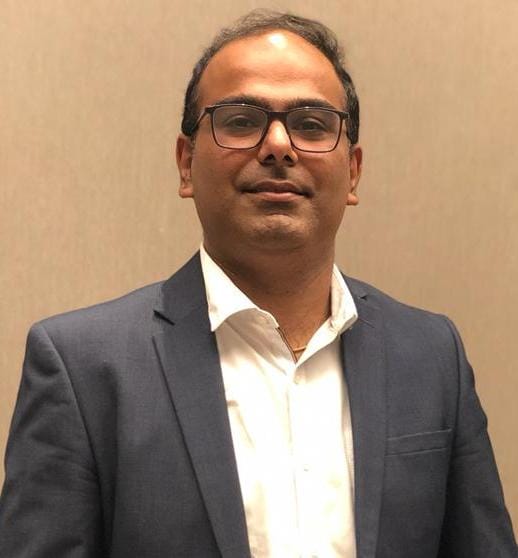
By Tanuj Anand, Senior Manager – Logistics, NICDC

Introduction – Workforce Transition

The rapid expansion of global trade has resulted in an ever-increasing amount of international commerce and interaction between countries; Hence the growth of India’s Logistics sector has changed due to both the development of new infrastructure as well as technological advancements. Digital Supply Chain solutions are now providing logistics professionals access to decades worth of experience, in addition to providing access to real-time data, automation tools and cloud-based solutions. Rather than eliminating traditional job functions, the use of technology has increased the number of traditional job functions available by taking logistics from purely execution-based processes to intelligent based operations.

India is projected to require over 4.3 million additional logistics professionals by 2030, driven by e-commerce growth, infrastructure expansion, and digitisation across supply chains.

The Role of Digital Enablement in Skill Development

Artificial Intelligence (AI) powered forecasting, Internet of things (IoT) based tracking, warehouse automation and cloud logistics platforms are proving to be the driving force for how Digital Supply Chains are significantly transforming the job function of attention/dedication/progress in Logistics; in short: moving from manual processing of logistics to insight driven logistics and decision making.

According to industry studies, Digital Tools have improved the capability of the logistics workforce and allowed for faster response times, better visibility and more resilient supply chains.

Core Digital Competencies Taking Centre Stage

Modern logistics experiences are based on both operational experiences as well as knowledge of technology. The skills required that form the basis for the development of the workers today will include:

  • Knowledge of how to interact and use a system’s features (such as dashboards, ERP, TMS, WMS)
  • Knowledge of data analysis and visual tools to improve the planning of goods and services.
  • Knowledge of how Automation and artificial intelligence can help improve the delivery of goods.
  • Knowledge of how to protect users, products, and data from cyber-attacks.
  • Adapting to work with people in jobs other than the worker’s immediate job.

These skills will no longer be specific to a selected few, but instead generalized. This change will create a fundamental change in the expectation of the worker within the workforce.

Hybrid Workforce Roles and End-to-End Expertise

Digital Supply Chains have created a new form of Hybrid Workforce Professionals who blend business, operations and technology disciplines together. According to global supply chain research, these “translator” roles are critical to unlocking the full value of digital transformation.

End-to-end visibility across procurement, warehousing, transportation, and last-mile delivery is now a competitive advantage and talent with both logistics knowledge and digital expertise is central to achieving it.

Digital Tools are Changing Quickly – Continuous Learning Will Allow Logistics Firms to Evolve

Logistics Firms are creating continuous learning models as part of their workforce strategy to accelerate the capability-building of their employees through the use of e-learning platforms, internal academies and partnerships with training providers in order to upscale employees on analytics and cloud platform skills and Optimisation Tools.

This investment is also improving talent retention by creating clear career progression pathways within digital supply chain functions.

Industry–Academic Collaboration Strengthening Talent Pipelines

To ensure workforce readiness at scale, logistics companies are collaborating with universities, skilling institutions, and professional bodies to align curriculum with real-world digital supply chain needs.

Global logistics leaders emphasise that a digitally skilled workforce is critical to India’s long-term economic growth, particularly as supply chains become more technology-driven.

Technology-Enabled Learning Accelerating Capability Building

Training is evolving with using technology the same way that supply chain operations are changing. Using technologies like Augmented Reality (AR), warehouse simulators, and other AI-based learning platforms, skill development can happen faster, in safer settings, and through use of more immersive experiences than have ever existed before, especially in the case of complex operational environments.

Each one of these tools contributes to logistics professionals developing confidence, taking less time to get on board with a new system, and adapting more rapidly when changes occur in their work environments.

Conclusion – Creating a Future Ready Logistics Workforce

Perceived evolution of logistics workforce development within the context of the digital world should not be viewed as disruptive; rather, seen as progressive in nature. Supply chains are evolving; hence, logistics professionals are working in higher value positions that blend operational knowledge and digital intelligence.

Associations that have a culture of ongoing learning, make continuous investments into their employees’ skill sets and develop innovative ways of collaborating with each other as well as with academia will not only identify and address their skills gaps but also set the stage for India to emerge as a global leader within the logistics sector by future-proofing their respective businesses.

Author:

Mr. Tanuj Anand, Senior Manager – Logistics, NICDC

Company Profile:

NICDC Logistics Data Services Ltd. (NLDSL)
Empowering India’s Logistics Through Digital Innovation

Overview

Established on December 30, 2015, NICDC Logistics Data Services Ltd. (NLDSL) is a joint venture between the Government of India, represented by the National Industrial Corridor Development and Implementation Trust (NICDIT), and Japanese IT major NEC Corporation, with equal equity participation. NLDSL aims to enhance efficiency, transparency, and digitization within India’s logistics sector by leveraging advanced Information and Communication Technology (ICT) solutions. ​

Flagship Initiatives

  • Logistics Data Bank (LDB): A pioneering single-window platform providing near real-time visibility and tracking of 100% Export-Import (EXIM) containers across India. LDB integrates data from various stakeholders to offer comprehensive analytics, aiding in reducing dwell time and improving supply chain efficiency. As of October 2024, LDB has successfully tracked over 75 million EXIM containers.
  • Unified Logistics Interface Platform (ULIP): An initiative under the National Logistics Policy, ULIP aims to digitize India’s logistics supply chain by integrating various digital systems across ministries and departments. This platform facilitates seamless data exchange, enhancing operational efficiency and reducing logistics costs. ​

Key Achievements

  • Operational coverage across 18 ports, 30 port terminals, 435+ Container Freight Stations (CFSs), Inland Container Depots (ICDs), and 88 Special Economic Zones (SEZs) in India.​
  • Integration with 183 toll plazas and 3 Integrated Check Posts (ICPs), providing comprehensive tracking capabilities.​
  • Contributed to India’s improvement in the World Bank’s Logistics Performance Index, with the country’s ranking moving from 44 in 2018 to 38 in 2023.

Leadership

NLDSL is led by Chairman Shri Rajat Kumar Saini, who also serves as the CEO & MD of NICDC. Under his leadership, the company has been instrumental in driving digital transformation within India’s logistics sector.

Contact Information

Central Railway begins automobile freight operations from Igatpuri Goods Shed

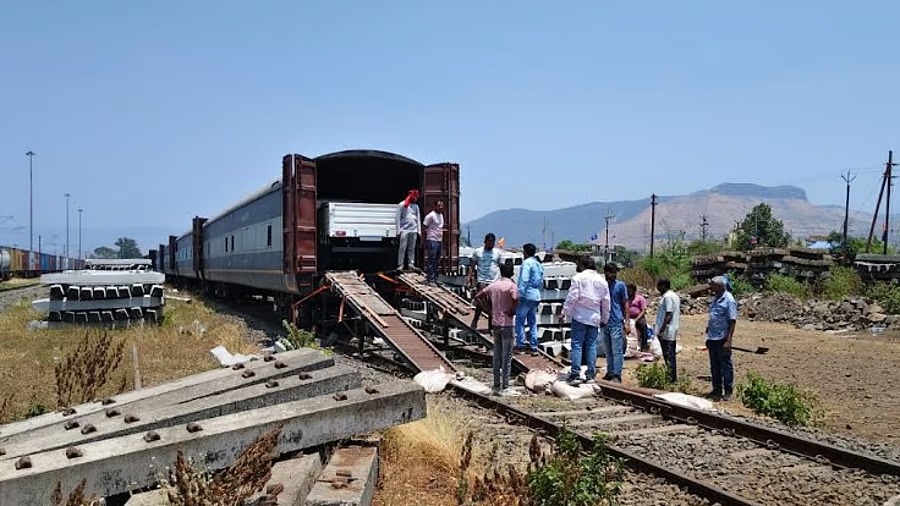
NASHIK : In a significant boost to its freight operations, Central Railway (CR) has successfully commenced the first-ever loading of automobiles from the newly notified Igatpuri Goods Shed in the Nashik district. The inaugural indent for this service was placed by Transport Corporation of India Ltd (TCOI), marking a new chapter in logistical efficiency for the region.

A total of 100 cars have been loaded for transportation in 25 New Modified Goods (NMG) wagons, specifically designed for the safe and efficient transport of vehicles. These rakes bound for Nautanwa Goods Terminal in North Eastern Railway in the Maharajganj district of Uttar Pradesh are expected to generate a revenue of approximately Rs. 17,16,750 per rake.

The vehicles loaded consist of a mixed fleet of cars sourced directly from the Mahindra & Mahindra plant in Nashik. By utilizing the Igatpuri Goods Shed, the Mumbai-headquartered Central Railway provides a more accessible and streamlined loading point for manufacturers in the Nashik industrial belt, reducing lead times and logistical overheads.

The notification of the Igatpuri Goods Shed for automobile loading is part of Central Railway’s ongoing efforts to diversify its freight basket and provide end-to-end solutions for the automotive industry.

Rail transport reduces carbon footprint and highway congestion compared to road movement. The shift from road to rail for automobile transport continues to offer a more sustainable, faster, and cost-effective alternative for bulk logistics.

“Central Railway’s Mumbai Division continues to tap new commodities and markets to increase its freight share under the Gati Shakti vision,” a CR spokesperson said.

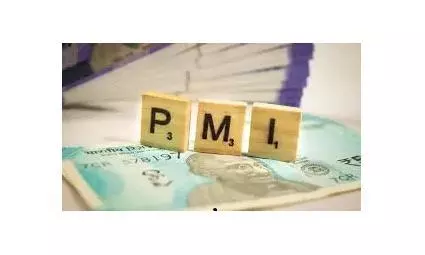
Manufacturing PMI rises to 54.7 in April, cost pressure hits 44-month high

NEW DELHI : India’s private sector manufacturing activity growth recovered in April on the back of a sharper export rise, after plummeting to a four-year low in March due to the West Asia situation, data compiled by S&P Global on Monday showed.

HSBC’s India Manufacturing Purchasing Managers’ Index (PMI), which measures monthly change in manufacturing output, rose to 54.7 in April from 53.9 in March.

However, the latest figure — a weighted average of new orders, output, employment, suppliers’ delivery times and stocks of purchases indices — was lower than the Flash India Manufacturing PMI of 55.9, released last month.

The reading remained above 50, which denotes expansion in activity, while below that signifies contraction. The headline figure has been in the expansion zone for the 54th month running.

“India’s manufacturing PMI rose to 54.7 in April from 53.9 in March, but still marking the second slowest improvement in operating conditions in nearly four years. Spillovers from the West Asia conflict are becoming more evident, particularly through inflation — input costs increased at the fastest pace since August 2022, and output prices rose at the quickest rate in six months,” Pranjul Bhandari, chief India economist at HSBC, said.

There were mild recoveries in growth of new business intakes and production among Indian manufacturers, but rates of increase were still the second-weakest since 2022, said the survey.

While new orders and output grew, they still trailed readings seen in at least three-and-a-half years. Growth was hampered by competitive conditions, the West Asia war and a reluctance among clients to approve pending quotes, the survey added.

Meanwhile, new export orders expanded sharply at the start of the first quarter of FY26, with the pace of growth at a seven-month high.

Despite only a marginal increase in outstanding business volumes, manufacturers recruited additional workers at the start of Q1.

Moreover, the rate of job creation was the strongest in 10 months. Hiring growth reflected expansion plans, according to anecdotal evidence.

Average cost burdens rose further in April due to higher prices of aluminium, chemicals, electrical components, fuel, leather, petroleum products and rubber, with respondents attributing the hikes to the West Asia war.

“The overall rate of inflation climbed to its highest since August 2022. Subsequently, goods producers lifted their fees to the greatest extent in six months,” the survey noted.

Consumer goods was the only category to see a slowdown in cost inflation. But the rate of increase (overall trend) still surpassed those seen elsewhere, the survey showed.

This sub-sector topped the rankings for output charge inflation.

Although manufacturers in India purchased additional raw materials and semi-finished items in April, the rate of expansion retreated to among the weakest in close to two-and-a-half years.

“Output, new orders (including exports) and employment grew moderately, pointing to continued resilience in India’s manufacturing sector,” Bhandari added.

The rate of job creation rose to the highest in 10 months, with hiring growth reflecting expansion plans, according to the survey respondents.

Source : BS

Iran prevents entry of U.S. warships into Strait of Hormuz – reports

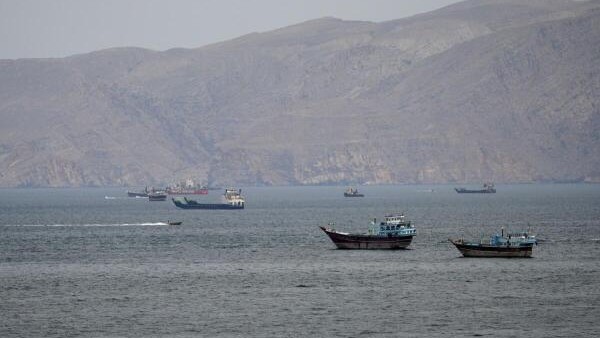
TEHRAN: Iran’s navy has said it has turned away enemy warships attempting to traverse the Strait of Hormuz following a “swift and decisive warning,” Reuters reported on Monday, citing Iranian state television.

Reuters was not able to immediately confirm the reports, while U.S. Central Command said no U.S. navy ships had been hit.

Tehran is ready for any possible scenario and will not be bullied by the U.S., an unnamed source told Iran’s Tasnim news agency said, according to Reuters. Tasnim added that aside from firing in the direction of U.S. warships, Tehran had prepared other scenarios it stands ready to activate if necessary.

Earlier, Iran’s military had issued warnings to U.S. forces not to enter the Strait of Hormuz, following President Donald Trump’s claim that the U.S. would begin to “guide” out vessels stranded by the effective closure of the narrow waterway. Any commercial vessels should also not make any movements would approval from Tehran’s armed forces, Iran’s military added.

Over the weekend, Trump unveiled what he called “Project Freedom,” a push to help reopen stalled shipping traffic through the strait, a vital conduit for a fifth of the world’s oil. Trump provided few details around the plan.

On Monday, the Associated Press reported that the U.S.-led Joint Maritime Information Center had set up an “enhanced security area” south of traditional shipping routes. Typical routes through the strait are considered to be “extremely hazardous” due to the presence of naval mines that “have not been fully surveyed and mitigated,” the center said, according to the AP.

Source: Investing.com