Home Blog Page 330

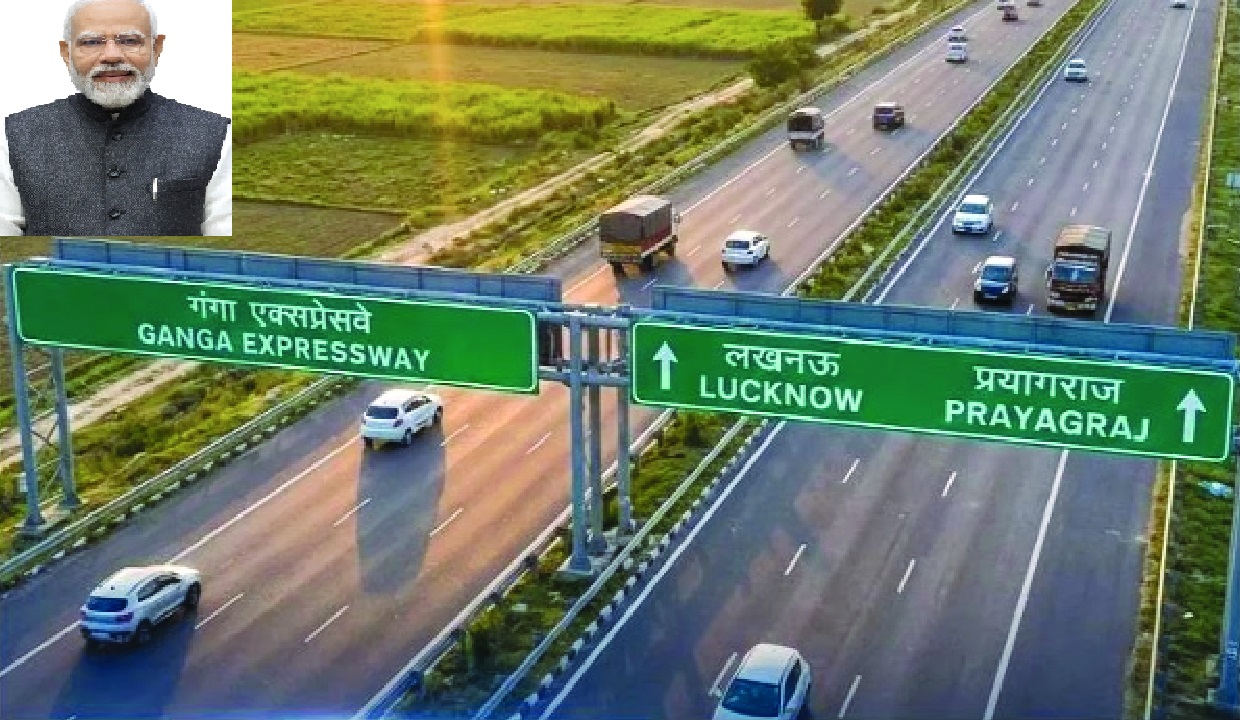
Ganga Expressway targets sub-10% logistics costs, ₹30,000 crore annual savings: Adani Group

HARDOI : Adani Group highlights the corridor’s potential to cut freight costs, improve supply chain efficiency and drive large-scale economic gains across Uttar Pradesh.

The ₹36,000 crore Ganga Expressway, which was inaugurated by Prime Minister Shri Narendra Modi on Wednesday, is expected to help reduce India’s logistics costs towards single digits, with annual savings estimated at ₹25,000–30,000 crore, according to Adani Group. The 594-km corridor is being positioned as a critical infrastructure intervention to improve freight efficiency, lower transit time and strengthen supply chains across northern India.

The project is designed to enhance average vehicle speeds, reduce turnaround time for freight operators and improve reliability across logistics networks. This is expected to lower inventory holding costs and support more efficient, just-in-time supply chains, particularly in sectors such as manufacturing, e-commerce and agro-processing.

Freight efficiency and cost optimisation at the core
With India’s logistics costs currently estimated at around 13–14% of GDP, the expressway is aligned with the broader objective of bringing these costs closer to global benchmarks. Improved transit efficiency and reduced delays are expected to increase freight velocity and optimise supply chain performance.

The corridor is also projected to deliver fuel savings of around 30%, providing a direct cost advantage to transporters while improving overall operational efficiency.

Integrated corridor linking key economic clusters
Beyond cost optimisation, the expressway integrates industrial clusters, agricultural belts, logistics hubs and emerging manufacturing centres across Uttar Pradesh, enabling more seamless movement of goods across regions.

Developed under a public-private partnership model by the Uttar Pradesh Expressways Industrial Development Authority, the project also reflects strong private sector participation, with Adani Enterprises Limited executing nearly 80% of the alignment.

According to government estimates cited in the release, the expressway is expected to generate nearly 3 lakh direct and indirect jobs over the next decade while contributing over ₹1 lakh crore to the state’s GDP. By reducing logistics friction and improving supply chain efficiency, the corridor is likely to support sustained industrial expansion and investment.

With benefits expected to extend to over 8 crore people, the project is also seen as a key enabler in unlocking the economic potential of eastern Uttar Pradesh while strengthening its integration with established industrial zones in the west.

MV DD Voyager berths at Deendayal Port with bulk fertilizer cargo for Narmada Biochem

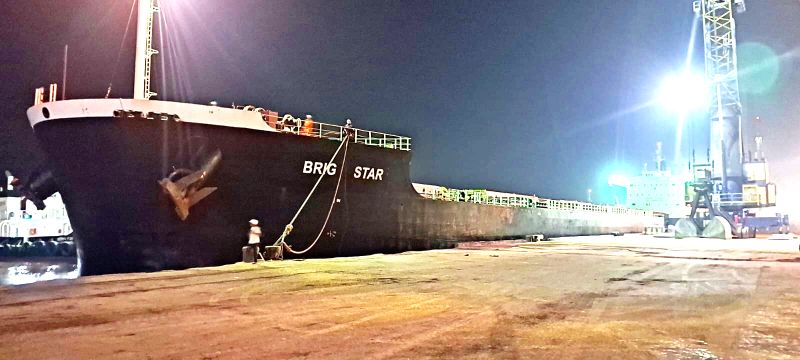
GANDHIDHAM : MV DD Voyager has successfully berthed at Deendayal Port, carrying a substantial consignment of 25,000 metric tons of Ammonium Sulphate Phosphate (ASP) in bulk for Narmada Biochem Limited.

The vessel’s arrival marks another significant milestone in the port’s ongoing efforts to efficiently handle essential agricultural commodities that support India’s fertilizer supply chain. The discharge operations are being undertaken using advanced bulk handling systems, ensuring minimal turnaround time while maintaining the integrity and quality of the cargo.

Port authorities and terminal operators have deployed well-coordinated logistics and skilled manpower to facilitate seamless cargo evacuation. The operations are being conducted under stringent safety protocols, with continuous monitoring to ensure compliance with environmental and occupational safety standards.

This call further reinforces Deendayal Port’s capability to handle large volumes of fertilizer cargo with precision and reliability. The efficient handling of ASP—a key nutrient for agricultural productivity—underscores the port’s vital role in supporting the nation’s agri-input distribution network.

With its robust infrastructure, mechanized handling facilities, and customer-focused approach, Deendayal Port continues to strengthen its position as a leading gateway for bulk cargo on India’s western coast, consistently delivering excellence in port operations.

Adani Ports Q4 profit rises 10% to ₹3,329 cr; margins ease despite strong topline growth

AHMEDABAD : Adani Ports and Special Economic Zone (APSEZ) reported a 10.4% year-on-year rise in consolidated net profit for the March quarter at ₹3,329 crore, as strong revenue growth was partly offset by a decline in margins.

Revenue for the quarter increased 26.5% to ₹10,737 crore, while EBITDA rose 20.5% to ₹6,034 crore. However, EBITDA margin slipped to 56.2% from 58.9% a year ago.

Margins soften as business mix shifts
The softer margin performance comes even as the company continues to expand beyond its core ports business. Faster growth in logistics, marine and international operations — which operate at lower margins compared to domestic ports — has begun to weigh on overall profitability.

During FY26, logistics revenue rose 55%, marine revenue jumped 134% and international ports revenue grew 34%, outpacing domestic ports. At the same time, domestic ports continue to deliver EBITDA margins of over 70%, compared with around 28–30% for international ports, resulting in a lower blended margin even as overall revenue expands.

FY26 growth beats guidance
For the full year, APSEZ reported revenue of ₹38,736 crore, up 25% year-on-year, while EBITDA grew 20% to ₹22,851 crore, marginally exceeding its guidance. Net profit for FY26 stood at ₹12,782 crore, up 16%.

The company crossed a key operational milestone during the year, handling 500.8 million metric tonnes (MMT) of cargo — becoming the first Indian integrated transport operator to breach the 500 MMT mark. Cargo volumes for the March quarter stood at 133.4 MMT.

Commenting on the performance, whole-time director and CEO Ashwani Gupta said the results underscore the resilience of the company’s business model and execution strategy.

“Despite the geopolitical volatility and ongoing global tariff uncertainty, we surpassed our FY26 guidance, led by record 500 MMT port cargo volumes,” he said.

Non-port segments drive growth
Growth during the year was led by non-port verticals. Logistics revenue rose 55%, supported by a ramp-up in trucking and international freight network services, while marine revenue more than doubled on the back of fleet expansion and offshore contracts. International ports also delivered strong growth, aided by the addition of the North Queensland Export Terminal in Australia and ramp-up at Colombo.

APSEZ stepped up investments during the year, with capital expenditure rising to ₹15,320 crore, exceeding its earlier guidance of ₹11,000–12,000 crore. Despite this, leverage remained under control, with net debt to EBITDA at 1.9x.

Dividend announced; AGM on June 24
The board has proposed a dividend of ₹7.5 per equity share of face value ₹2 each (375%) for FY26, with June 12, 2026 fixed as the record date. The company’s 27th annual general meeting is scheduled for June 24.

For FY27, the company has guided revenue in the range of ₹43,000–45,000 crore and EBITDA of ₹25,000–26,000 crore, implying continued double-digit growth.

Post-earnings, shares of Adani Ports fell over 3.5% as margin compression, higher-than-expected capex and a shift towards lower-margin businesses weighed on investor sentiment despite strong topline growth. The stock, however, remains up over 30% in the past one year, outperforming the benchmark Nifty 50 index, which has declined nearly 1.5% during the same period.

Triton Logistics & Maritime visits Ports and Depots to Honour Workforce Ahead of World Labour Day

“Tarakki sabko dikhti hai… par mehnat karne wale kab dikhenge?”

With this thought, Triton Logistics & Maritime marked World Labour Day by visiting its ports and depot locations to engage directly with the workers and labourers who power its day-to-day operations.

MUMBAI: Ahead of World Labour Day, Triton Logistics & Maritime, part of the ABRAO Group and a global end-to-end logistics and multimodal transport operator, took a step back from the boardroom and made its way to its ports and depot locations to sit with, speak to, and simply listen to the workers that keeps supply chains moving. The visits were part of Triton’s effort to recognise the often “invisible journey” powered by the people behind global trade.

With ongoing geopolitical tensions in West Asia, particularly around the Strait of Hormuz, have created significant uncertainty across one of the world’s most vital trade corridors. The situation has led to vessel delays, rising freight costs, and widespread supply-chain disruptions for exporters and importers. In this environment, port workers, depot staff, and ground crews continue to manage cargo backlogs, navigate operational complexities, and keep trade moving under extraordinary pressure. While technology and infrastructure are key enablers, it is ultimately the dedication of the workforce that keeps cargo flowing across borders and industries running without interruption.

Watch the initiative here:

YouTube: https://youtube.com/shorts/72bS_CijRSA?si=Cy5MYYnY8od9gbmn

Instagram: https://www.instagram.com/reel/DXtP3jUCriT/?utm_source=ig_web_copy_link&igsh=MzRlODBiNWFlZA==

LinkedIn: https://www.linkedin.com/posts/tritonmaritime_worldlabourday-invisiblejourney-tritonmaritime-activity-7455152671268823040-tHkG?utm_source=share&utm_medium=member_desktop&rcm=ACoAAAvTIN8Bu7X4GppohukM-mnmMtIJFa47wWg

Jitendra Srivatava Triton Abrao Group Triton Logistics & Maritime visits Ports and Depots to Honour Workforce Ahead of World Labour Day

Speaking on the initiative, Mr. Jitendra Srivastava, CEO, Triton Logistics & Maritime, said, “We spend a great deal of time looking at freight data, route maps, and geopolitical developments. But the real story of Indian logistics is told at the port gate, on the cargo floor, and inside the depots where men and women show up every single day regardless of what the global situation looks like. This World Labour Day, we wanted to go to them, listen to them, and say plainly: what you do matters, and we see it.“

Ms. Priyadarshani Jain, Head – Branding and Communication, argues that the 2026 B2B brand is built on a Sovereign Guarantee of Reliability. “Every milestone we reach is a debt paid to the people we enable. To connect worlds and create values, we must stop treating the supply chain as a sequence of data points and start seeing it as a sequence of human hands. People come to Triton because we protect the Invisible Journey of their business.If you aren’t honoring the hands that move your brand at 3:00 AM in a depot, you don’t have a brand, you have a brochure. We are making the invisible, indispensable.”

Through this World Labour Day initiative, Triton Logistics & Maritime reiterates its commitment to recognising and celebrating the people who form the foundation of the logistics ecosystem — the human force behind every shipment, delivery, and connection across global trade, while continuing to strengthen its role in connecting worlds and creating value.

About Triton Logistics & Maritime
Triton Logistics & Maritime is a global end-to-end logistics and multimodal transport operator headquartered in Mumbai, India. The company provides integrated logistics solutions across air freight, sea freight, ground logistics, warehousing and distribution, customs clearance, and project logistics, serving clients across industries including automotive, healthcare and pharma, engineering and manufacturing, chemicals, aerospace and defence, fashion and retail, oil and gas, FMCG, renewables, and technology. A part of the Abrao Group, Triton Logistics & Maritime combines global reach with local expertise, connecting businesses worldwide through trusted partnerships and cutting-edge digital solutions.

GIFT City to expand its area by 15%; over 161 acres to be added

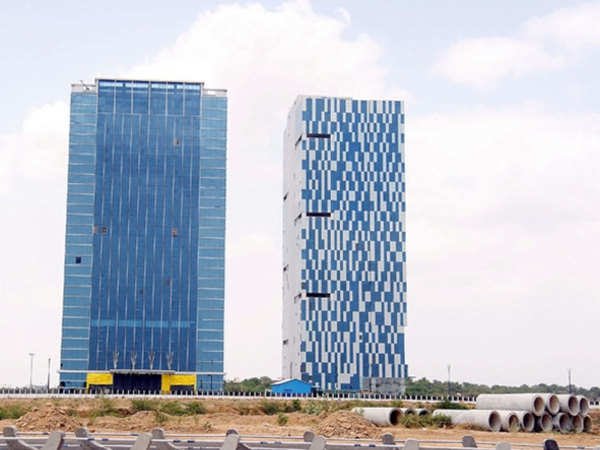
GANDHINAGAR : GIFT City is set to grow by more than 15 per cent, with plans to add 161 acres to its existing 1,065-acre footprint, taking the total area to over 1,220 acres as India’s flagship financial hub enters its next phase of expansion.

The increase in size will come from a mix of riverfront land reclamation and allocation of contiguous government land, marking a renewed push to scale up the city after an earlier attempt to expand its notified area was rolled back by authorities.

“We will be getting some more land through reclamation as part of the Sabarmati riverfront development. This is about 31 hectares which is on the river bank and will entail a different master planning,” Sanjay Kaul Managing Director and Group CEO of Gujarat International Finance Tec-City Company Ltd — a State-owned entity that builds, plans and manages the city’s core development — told businessline in an exclusive interaction at his office in Gandhinagar. He added that six entities — including four global firms —are in contention, with a reputed master planner set to be appointed.

Apart from the reclaimed land along the Sabarmati Riverfront, an additional 85 acres of government land near Shahpur village —contiguous to the existing development — will be integrated into GIFT City. “This land parcel is contiguous to the existing GIFT City. The allocation process is in motion,” Kaul said. Currently, GIFT City spans 1,065 acres, of which 741 acres are owned by the project company — now a wholly owned State entity following the exit of IL&FS — while the remaining land is privately held.

A draft of the revised master plan is expected to be submitted to the Government of Gujarat within the next four months. An earlier, far more ambitious plan to expand GIFT City had been proposed in 2023, when authorities considered increasing its footprint by around 2,300 acres — more than tripling the project size to about 3,365 acres by incorporating four surrounding villages in Gandhinagar district. However, the proposal did not move forward in its original form and was effectively rolled back as policymakers opted for a more calibrated approach, focusing on orderly development and infrastructure within the existing limits before taking on such a large-scale territorial increase.

The proposed expansion of 161 acres comes alongside steady progress in construction. “This year, 1.24 million square metres of commercial space will be ready and 2.36 million square metres of residential space is also expected to be completed,” Kaul said. Out of the planned 62 million square feet of total development in GIFT City, around 6 million square feet has already been completed. Allocation for another 29.1 million square feet has been awarded and is expected to be completed by mid-2028, indicating a strong pipeline of upcoming projects.

Source : BL

India sees strong export uptick in first three weeks of April as new trade deals boost prospects: Piyush Goyal

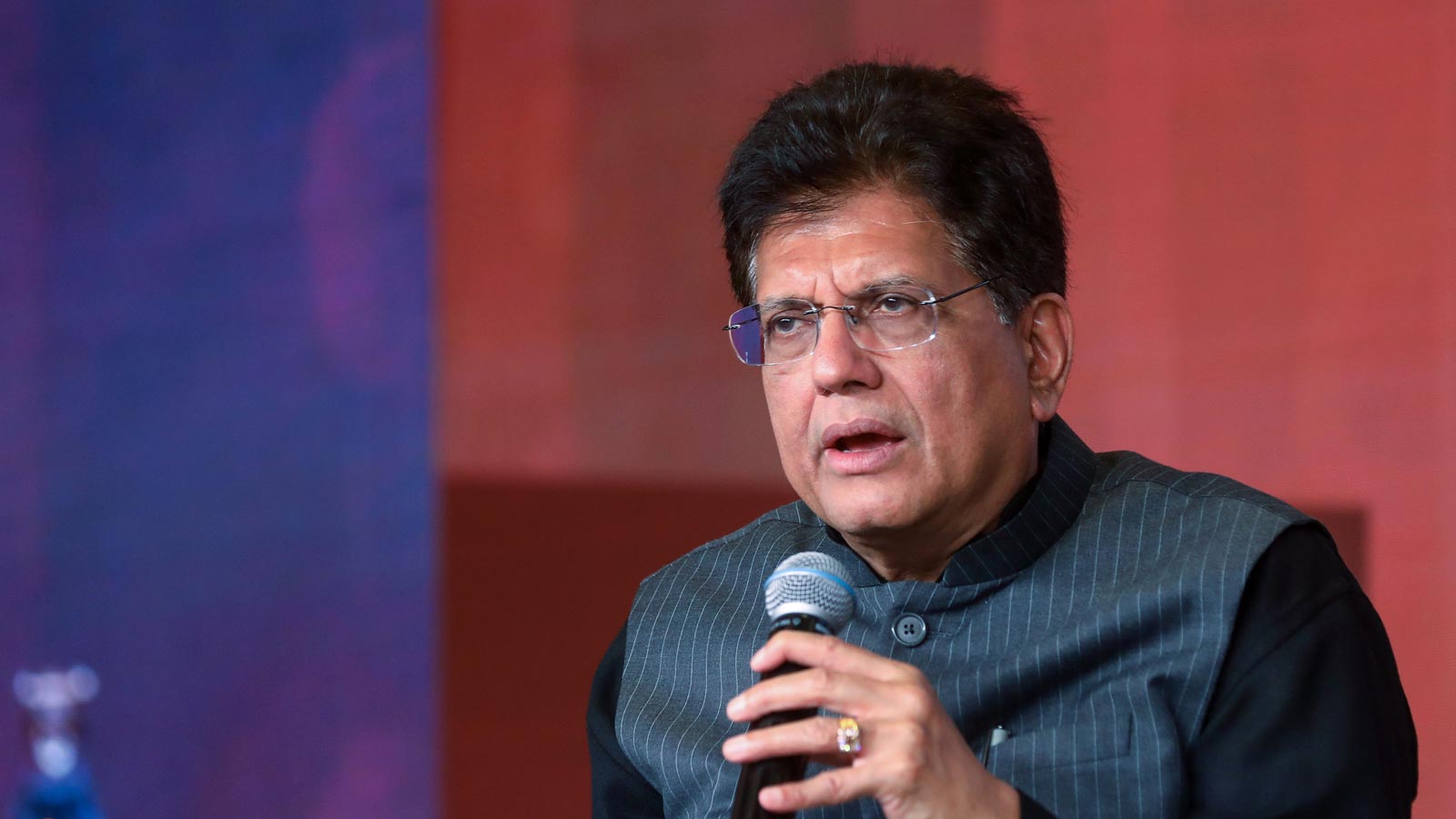
NEW DELHI: Indian exports witnessed a significant increase during the first three weeks of April compared to the same period last year, despite ongoing geopolitical tensions in West Asia. Union Commerce Minister Shri Piyush Goyal, while speaking to the media, noted that the momentum in trade continues as new agreements provide preferential market access for Indian goods across several key sectors.

“Despite the war in West Asia, there is tremendous enthusiasm among Indian exporters. If we look at the April figures, our exports have increased significantly in the first three weeks of April compared to last April. As new trade agreements are coming into effect, the possibilities are also increasing,” Goyal said.

The Minister identified several sectors where India sees vast opportunities. He explained that preferential access ensures that tariffs imposed on Indian products remain lower than those of many competitors, providing a substantial boost to these industries.

“Now, with great confidence, India will take its next steps in world trade. Different sectors, whether automobiles and auto parts, textiles, leather and footwear, agriculture, seafood, services and other sectors, people are seeing vast opportunities with major markets now open for India with preferential access. Which means that whatever tariff will be imposed on India, it will be less than our competitors. This will definitely give our multiple sectors great boost. With a lot a confidence, now India will step forward in the global markets,” the Minister highlighted.

Addressing the current logistical landscape, the Minister mentioned that while the Strait of Hormuz remains a challenge for maritime trade, exporters are successfully navigating these hurdles by utilizing alternative routes. “It is going through different routes obviously, the Strait of Hormuz is still a challenge,” he said.

Speaking on the India-US bilateral trade agreement, Goyal noted that, “We had very good discussions, I think about a week ago. Our team is back, and we continue to engage.”

Earlier on Tuesday, while addressing the media, Goyal also confirmed that the India-New Zealand agreement established a comprehensive framework for cooperation across education, technology, and traditional medicine. The deal specifically targeted a significant increase in foreign direct investment from New Zealand over the next quarter-century to boost domestic industry and employment.

“100% of goods that can be imported from India to New Zealand will now be subject to zero duty…Partnerships in education, sports, culture, agriculture, productivity and technology, intellectual property, and traditional medicine, including AYUSH and Maori traditions, have also been established. A unilateral agreement has been signed in the fields of traditional medicine…It will be a highly beneficial FTA,” Goyal said.

The Minister highlighted a substantial shift in the scale of bilateral capital flow. He noted that while New Zealand’s past contributions to India’s foreign direct investment remained modest, the new agreement set the stage for a transformational influx of capital. This investment aimed to support India’s development goals during the “Amrit Kaal” period.

“Most importantly, New Zealand, which has invested only Rs 70 million in foreign direct investment over the last 25 years, or Rs 600-650 crore at today’s exchange rate, will invest USD 20 billion dollars (approximately Rs 2 lakh crore) in India in the next 25 years. This massive investment will create millions of new employment opportunities, provide a major boost to business and industry, and enable us to move forward more rapidly in the ‘Amrit Kaal’,” the Minister added.

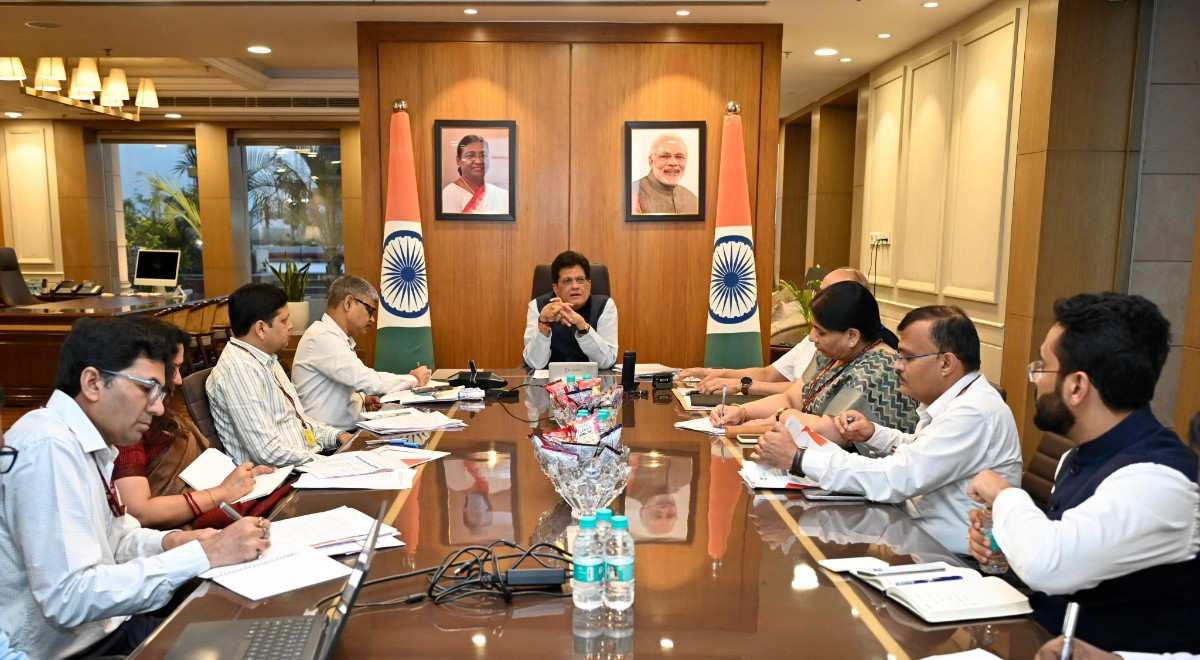
Piyush Goyal chairs review meeting on plan of action for achieving USD 2 Trillion export target by 2030-31

NEW DELHI : The Union Minister of Commerce and Industry, Shri Piyush Goyal, chaired a high-level review meeting to deliberate on the Plan of Action for achieving India’s USD 2 Trillion export target by 2030–31 and to review the implementation of the Export Promotion Mission (EPM).

India is targeting USD 2 Trillion in total exports by 2030–31, comprising USD 1 Trillion in merchandise exports and USD 1 Trillion in services exports. The Department of Commerce has developed a structured Export Monitoring Framework, which breaks down the national target into sector-wise actions across Engineering Goods, Textiles, Electronics, Pharmaceuticals, Chemicals and Services.

Reviewing the framework, Shri Goyal stated that achievement of the target will be based on three key pillars. These include clearly defined and actionable points with timelines, where each sectoral action is assigned to a Nodal Joint Secretary, classified as supply-side or demand-side, linked to key performance indicators and aligned with short, medium and long-term timelines. He also emphasised the importance of inter-departmental coordination, with supporting Ministries and Departments identified for each task to ensure effective resolution of exporter-related issues. In addition, Shri Goyal highlighted the need for an IT-enabled monitoring platform to facilitate regular tracking of progress, with an automated escalation mechanism for review at the levels of Secretary and Minister.

The Minister further directed that, in consultation with the concerned line Ministries, priority sectors be identified where a clearly defined import substitution strategy can be pursued alongside efforts to boost exports.

Shri Goyal reviewed the implementation of the Export Promotion Mission, a flagship MSME-focused initiative aimed at addressing key bottlenecks faced by exporters and enabling broad-based, inclusive and sustainable export growth. The EPM is being implemented through two integrated sub-schemes, ‘Niryat Protsahan’, focused on access to trade finance, and ‘Niryat Disha’, focused on market access.

He noted that ten components under the EPM have been operationalised. These include Interest Subvention, Alternative Trade Finance (Export Factoring), Credit Assistance for E-Commerce Exporters, Collateral Support for Export Credit, Risk Sharing for Emerging Export Opportunities, Support for Testing, Inspection and Certification, Market Access Support, Support for Export Warehousing and Logistics, Support for Inland Transport and Handling, and Support for Trade Facilitation and Intelligence. Shri Goyal also took note of the Relief Scheme launched under the EPM to support exporters affected by the ongoing West Asia crisis.

Emphasising effective implementation, the Minister stated that the benefits of all schemes must reach exporters at the ground level, particularly genuine and first-time exporters and MSMEs. He directed that awareness and outreach efforts be strengthened through Export Promotion Councils, Commodity Boards and DGFT Regional Authorities to ensure that exporters are fully informed about available schemes and their modalities. Shri Goyal also highlighted the need to focus on Overseas Warehousing and Logistics as well as Testing, Inspection and Certification components, which are critical for enhancing the global competitiveness of MSMEs.

Shri Goyal stressed that agricultural exports and Micro and Small Enterprises should remain a key focus across all components of the EPM. He further directed that Market Access Support should be extended beyond Export Promotion Councils to include other field-level organisations engaged in promoting exports. In addition, he emphasised the need to develop a rolling three-year calendar of trade fairs, Buyer-Seller Meets, Reverse Buyer-Seller Meets and trade delegations to provide greater predictability to exporters and Export Promotion Councils.

The Minister also underscored the importance of strengthening ‘Brand India’ as an overarching umbrella for India’s export promotion efforts across sectors and markets.

In his concluding remarks, Shri Goyal emphasised that all initiatives must translate into tangible support for exporters in areas such as finance, market access, compliance, logistics and brand visibility. He stated that the USD 2 Trillion export target is achievable with disciplined execution, real-time monitoring and effective inter-departmental coordination.

The meeting was attended by Director General of Foreign Trade, Additional Secretaries, Department of Commerce, Joint Secretaries of the commodity divisions and other senior officers of the Department of Commerce.

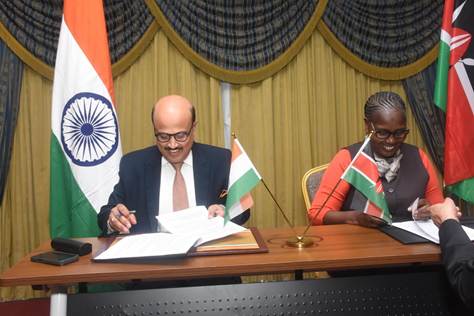
10th India–Kenya Joint Trade Committee Meeting held in Nairobi to strengthen Bilateral Trade and Economic Cooperation

KENYA : The 10th Session of the India–Kenya Joint Trade Committee (JTC) was held on 27 – 28 April, 2026, in Nairobi, Kenya, to review and strengthen bilateral trade and economic cooperation between the two countries. The meeting was co-chaired by Commerce Secretary, Department of Commerce, Ministry of Commerce & Industry, Government of India, Shri Rajesh Agrawal, and Principal Secretary, State Department for Trade, Republic of Kenya, Ms. Regina Akotah Ombam.

Both sides noted the steady growth in bilateral trade, with India emerging as one of Kenya’s key trading partners. Total trade between India and Kenya stood at USD 4.31 billion in 2025–26, reflecting an increase of 24.91 per cent from USD 3.45 billion in 2024–25. Discussions focused on enhancing trade diversification, addressing market access issues and leveraging complementarities in sectors such as engineering goods, pharmaceuticals, agriculture and electronics.

The Committee reviewed progress on ongoing trade facilitation initiatives, including the Memorandum of Understanding (MoU) between the Bureau of Indian Standards (BIS) and the Kenya Bureau of Standards (KEBS) to promote cooperation in standardisation and conformity assessment. An MoU was also signed between the Central Board of Indirect Taxes and Customs (CBIC) and the Kenya Revenue Authority (KRA) for exchange of pre-arrival customs information, with emphasis on streamlining customs procedures and improving ease of doing business.

Another MoU was signed between the Confederation of Indian Industry (CII) and the India Kenya Chamber of Commerce and Industry to promote trade, investment and industry collaboration on the sidelines of the JTC meeting.

Both sides acknowledged the potential for promoting trade settlement in local currencies. It was noted that Kenyan banks have opened Special Rupee Vostro Accounts (SRVAs) with Indian banks, and greater utilisation of this framework could facilitate smoother bilateral transactions. The possibility of adopting a Local Currency Settlement (LCS) mechanism was also discussed.

Sectoral cooperation in emerging areas was deliberated. In engineering and manufacturing, opportunities to expand exports of automobiles, machinery and construction equipment were highlighted, along with participation in exhibitions such as Autoexpo Kenya and The Big 5 Construct Kenya. Collaboration in infrastructure development, including railways, was discussed, with India offering support in feasibility studies, project management and supply of rolling stock for Kenya’s Standard Gauge Railway. Opportunities for collaboration in shipbuilding with Indian shipyards were also explored.

In pharmaceuticals, India highlighted its role as a supplier of affordable generic medicines and medical devices and proposed enhanced business-to-business engagement. Both sides also discussed enhancing trade in agricultural products while addressing sanitary and phytosanitary barriers.

In renewable energy, India expressed readiness to support Kenya’s clean energy initiatives, including solar and wind projects. The Kenyan side informed that it has conveyed its decision to sign the International Solar Alliance Framework Agreement and looks forward to signing it at the earliest. Discussions on digital public infrastructure covered collaboration on UPI-like payment systems, Bharat Connect and digital platforms to enhance financial inclusion.

Capacity building was identified as an important area of cooperation. India offered training programmes under initiatives such as the Indian Technical and Economic Cooperation (ITEC) programme in sectors including mining, earth sciences, healthcare and education. Collaboration in higher education, digital learning platforms and skill development was also discussed, along with promotion of student mobility under the “Study in India” programme.

Both sides reaffirmed their commitment to a diversified, balanced and future-oriented economic partnership and agreed to strengthen institutional mechanisms to facilitate trade, resolve pending issues and promote business-to-business engagement.

On the sidelines of the JTC, an India–Kenya Joint Business Forum was held with participation of leading Indian and Kenyan businesses, including representatives from the Confederation of Indian Industry (CII) and the Kenya National Chamber of Commerce and Industry (KNCCI). Commerce Secretary, Government of India, Shri Rajesh Agrawal, and Principal Secretary for Trade, Republic of Kenya, Ms. Regina Akotah Ombam, delivered keynote addresses and were joined by Chairman, KNCCI, and Chief Executive Officer, InvestKenya. The forum provided a platform for industry leaders to engage on expanding trade and investment linkages across sectors such as manufacturing, agriculture, pharmaceuticals, infrastructure, digital technologies and services.

Additionally, on the sidelines of the meeting, the India–Kenya Chamber of Commerce organised an interaction with the local Indian business community under the chairmanship of Commerce Secretary, Department of Commerce, Government of India, Shri Rajesh Agrawal. The interaction was attended by the local Indian business community and the accompanying CII business delegation and focused on opportunities and experiences related to doing business in Kenya.

Trump calls US naval blockade against Iran ‘genius’; CENTCOM says 42 ships turned back

WASHINGTON D.C.: US President Donald Trump on Wednesday described the ongoing US naval blockade against Iran as “genius,” asserting that Tehran would have to concede defeat while ruling out any agreement unless it abandons its nuclear ambitions.

“The blockade is genius. The blockade has been 100% foolproof. It shows how good our Navy is, I can tell you that. Nobody’s going to play games. We have the greatest military in the world and I built much of it during my first term and we’ve been building it since and the greatest anywhere in the world, nobody even close,” Trump said.

He further added, “Whether it’s Venezuela, they had a good military in Venezuela, but it was over in one day, it was actually over in about 48 minutes. Iran the same thing, I mean militarily we’ve wiped them out, they have no military left, their Navy’s at the bottom of the sea, the Air Force is never going to fly again.”

Highlighting economic pressure on Tehran, Trump said, “We’ve got an amazing military. Now, they have to cry uncle, that’s all they have to do, just say, ‘We give up. We give up.’ But their economy is really in trouble, so it’s a dead economy.”

On ongoing diplomatic efforts, he said, “I don’t know, it depends. We have talks, we’re having talks with them now and we’re not flying anymore with 18-hour flights every time we want to see a piece of paper. We’re doing it telephonically and it’s very nice. I make a call or I have my people make a call and you know the answer… I always like face-to-face, I consider it better.”

Trump stressed that any deal would hinge on nuclear concessions from Iran. “They’ve come a long way. The question is whether or not they’re going to go far enough. So at this moment, there will never be a deal unless they agree that there will be no nuclear weapons,” he said.

Meanwhile, US Central Command commander Admiral Brad Cooper said the blockade has significantly disrupted Iran’s oil trade.

“Today, US forces achieved a significant milestone after successfully redirecting the 42nd commercial vessel attempting to violate the blockade. This is a reflection of the outstanding work America’s sons and daughters in uniform are doing to prevent maritime commerce from entering or exiting Iranian ports,” he said.

According to The Wall Street Journal, Iran has proposed a conditional ceasefire in the Strait of Hormuz, offering to halt military operations if the US lifts the blockade and ends hostilities. The proposal, conveyed by Foreign Minister Abbas Araghchi, also outlines a phased de-escalation process mediated by regional actors.

The report noted that Washington is reviewing the offer, with officials acknowledging that Tehran appears willing to negotiate, though the US remains firm on preventing Iran from controlling the strategic waterway or advancing its nuclear programme.

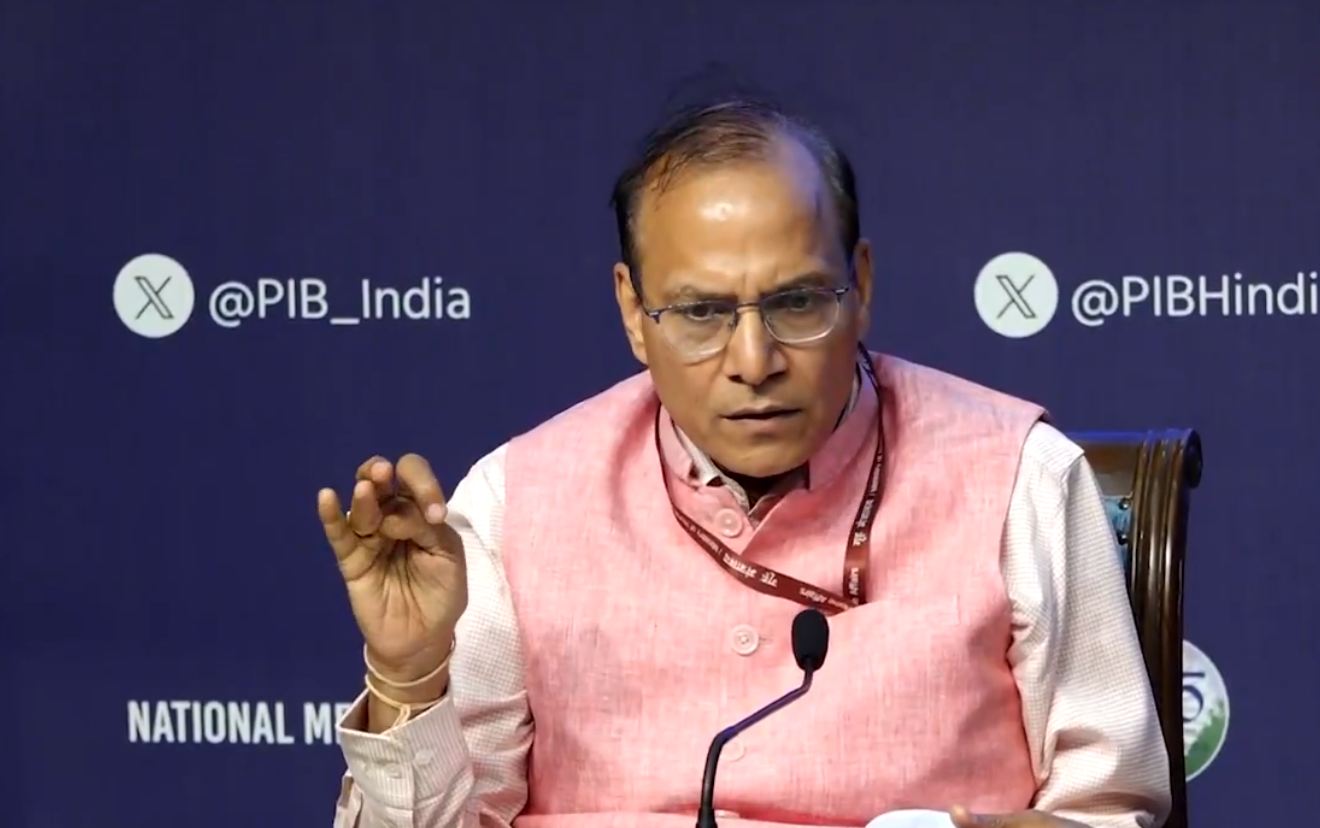
29 Indian seafarers repatriated from Gulf region in last 24 hours: Shipping Ministry

NEW DELHI: India has repatriated a total number of 2929 seafarers so far with 29 Indian seafarers being repatriated in the last 24 hours, the Ministry of Ports, Shipping and Waterways said on Wednesday.

Addressing an interministerial media briefing on recent developments in West Asia, Additional Secretary, Ministry of Ports, Shipping and Waterways, Mukesh Mangal, assured that all Indian vessels and crew currently in the Persian Gulf are being closely monitored, and confirmed that all seafarers in the region remain safe.

“All Indian seafarers are safe in the region. In the last 24 hours, there has been no report of any incident related to the Indian-flagged vessel,” the official said.

“Ministry of Port, Shipping has facilitated the safe repatriation of 2929 Indian seafarers. In the last 24 hours, 29 seafarers were repatriated,” Mangal added.

He further informed that the Directorate General of Shipping (DG Shipping) control room has been actively handling queries and support requests, “DGCA control room has received around eight thousand calls and seventeen thousand e-mails. In the last 24 hours, we have received 114 calls and 276 emails,” he said.

Tensions remain high in the Gulf region as the US and Iran have not reached an agreement to end the conflict. However, the temporary ceasefire continues to hold even after the April 21 deadline, allowing Washington and Tehran to take their time in negotiating the terms.

Trump has voiced significant dissatisfaction with Tehran’s recent diplomatic overtures. He asserted that Washington will not advance negotiations unless the nuclear issue is tackled directly.

The US President also claimed that Iran had indicated it was in a “state of collapse” and was consequently pushing for the reopening of the Strait of Hormuz “as soon as possible”.

Meanwhile, the United Arab Emirates has announced its decision to quit OPEC and OPEC+ to focus on “national interests”, dealing a heavy blow to the oil-exporting groups at a time when the US-Israel war on Iran has caused a historic energy shock and rattled the global economy, as per Al Jazeera.