Home Blog Page 331

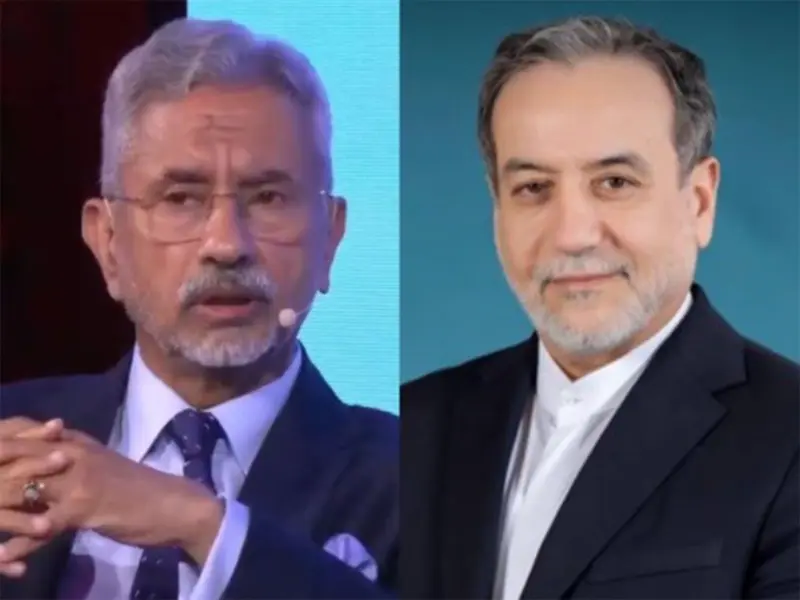
Iran’s FM Araghchi dials EAM Jaishankar, discusses current scenario

NEW DELHI: External Affairs Minister S Jaishankar on Wednesday evening received a call from his Iranian counterpart Seyed Abbas Araghchi. The leaders discussed the present situation and agreed to remain in close touch.

The Embassy of Iran in India said that during the conversation, the two sides discussed and exchanged views on the latest developments related to the ceasefire, bilateral relations, as well as regional and international issues.

EAM in a post on X said, “Received a phone call from Foreign Minister Seyed Abbas Araghchi of Iran this evening. @araghchi. Had a detailed conversation about various aspects of the current situation. We agreed to remain in close touch.”

As the security situation continues to evolve in West Asia and the Gulf region, Mohammad Hossein Ziyaeenia, the Deputy Representative of Iran’s Supreme Leader in India, has said that every country can play a role in facilitating an end to hostilies in West Asia.

During an interview with ANI on Tuesday, Ziyaeenia framed the current West Asian crisis as a struggle between “oppression” and “self-defence,” questioning the global community’s priorities in the face of rising human costs.

Responding to a question on the role of major powers, Ziyaeenia said, “In this conflict, every country can play a role. Every country can play a role, positive or negative.”

Meanwhile, the Islamic Revolutionary Guard Corps (IRGC) Navy has issued a sharp warning to Washington, claiming that the elite force is prepared to employ unconventional methods should tensions escalate further.

According to Iranian media Press TV, Mohammad Akbarzadeh, the deputy for political affairs of the IRGC Navy, stated that the maritime force has “surprise tactics” in store for the United States if it makes any new miscalculation.

The warning underscores a heightening of military rhetoric as the IRGC Navy signals its readiness to respond to any perceived aggression. Akbarzadeh further indicated that in the event of fresh US military action against Iran, the IRGC Navy would deploy its newly developed capabilities.

The conflict in West Asia began following US-Israeli joint military strikes on Iran on February 28, which killed Iran’s 86-year-old Supreme Leader, Ayatollah Ali Khamenei.

Tehran, in retaliation, targeted Israel and US assets in several Gulf countries, causing disruption in the waterways and affecting international energy markets and global economic stability. (ANI)

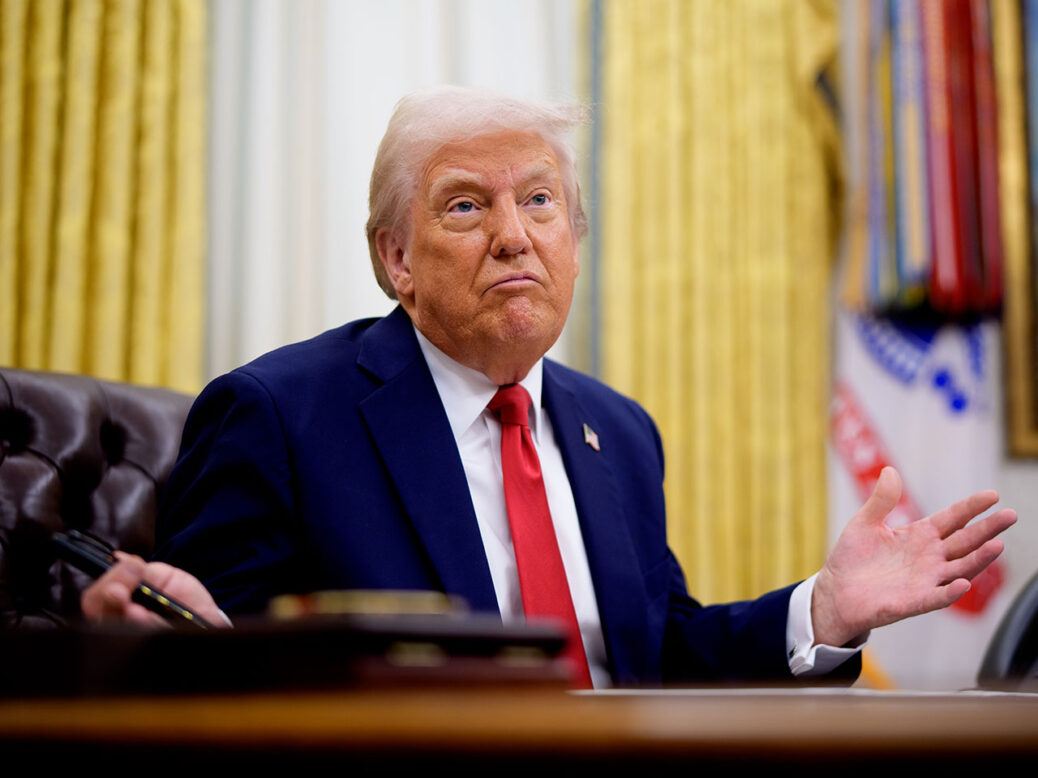
Trump discusses Iran offer to open Straits of Hormuz

WASHINGTON : US President Donald Trump on Monday met his national security team to discuss Iran’s latest proposal to open the Hormuz Strait, the crucial waterway for transporting one-fifth of the global oil supplies.

White House spokesperson Karoline Leavitt told a press conference here that Trump was discussing Iran’s latest proposal, but did not want to “get ahead” of the President or his security team on the meeting’s outcome.

“I would just say that there was a discussion this morning that I don’t want to get ahead of. And you’ll hear directly from the president, I’m sure, on this topic very soon,” Leavitt told reporters at the White House.

Earlier, Secretary of State Marco Rubio told Fox News that Iranian negotiators were “serious” about reaching a deal with the US, but were looking to buy themselves more time.

“I think they are serious about getting themselves out of the mess that they’re in; there are all the problems Iran had,” he said.

Rubio said Iranian negotiators often are in disagreement with other factions within the Iranian regime, severely limiting the scope of peace talks.

Trump’s meeting with the national security team came amid the US administration’s favourable view on the impact of its ongoing naval blockade of Iran’s ports.ABC News reported, quoting an official, that while Iran has proposed new terms for a deal to more permanently resolve the conflict between the countries over the weekend, those terms still appear to fall well short of the administration’s red lines.

In the Fox News interview, Rubio said the fact that Iran is run by radical Shia clerics is a pretty big impediment.

“The other is that they’re deeply fractured internally, and I think that’s always been the case, but I think it’s far more pronounced now,” he said.

Rubio said the best way to understand Iran is “you have a political class now who understand they have to run a country and an economy”.

“People talk about moderates and hardliners. They’re all hardliners in Iran. But there are hardliners who understand they have to run a country and an economy, and there are hardliners that are completely motivated by theology,” he said.

“The hardliners that are motivated by theology are not just the IRGC (Islamic Revolutionary Guard Corps) officials, but obviously the supreme leader and the council that surrounds him, Rubio said.

“And then you’ve got the political class, the foreign minister, the president, the speaker of the moguls. These guys, they’re hardliners, too, but they also understand the country has to have an economy,” he said.

Unfortunately, the hardliners with an apocalyptic vision of the future have the ultimate power in that country, Rubio said.

“So as much as anything else, one of the impediments here is that our negotiators aren’t just negotiating with Iranians. Those Iranians then have to negotiate with other Iranians to figure out what they can agree to, what they can offer, what they’re willing to do, even who they’re willing to meet with,” he said.

Bar Code India (BCI) launches BCI NAVI – an Indian-Built AI Agent helping Warehouse Teams Move from Fragmented Data to Faster Decisions

DELHI: Bar Code India (BCI), a leading provider of manufacturing & supply chain digitisation solutions, announced the launch of BCI NAVI, an Indian-built AI Agent designed to help warehouse teams convert fragmented operational data into faster, smarter decisions. Built to work alongside Warehouse Management Systems (WMS), edge devices, and legacy enterprise platforms, BCI NAVI enables real-time visibility, diagnosis, and decision support across warehouse operations.

The launch comes as Indian manufacturing and supply chain operations enter a new phase of digital maturity, where speed, throughput, quality, and agility are becoming critical markers of competitiveness. While many organisations have invested in software, hardware, and automation systems, operational data often remains fragmented across platforms, slowing the ability of teams to identify bottlenecks, diagnose exceptions, and take corrective action in time.

Unlike conventional dashboards that only report what has already taken place, BCI NAVI is designed to continuously monitor live workflows, detect operational deviations, analyse likely root causes, and recommend next-best actions before issues escalate. It combines edge data with transactional WMS data to help organisations move from delayed, reactive reporting to continuous, intelligence-led operations. The solution enables warehouse teams to query operations, build scenarios, identify bottlenecks, and act on human-in-the-loop AI recommendations, helping improve bottleneck response time, space utilisation, material flow, and workforce productivity.

The value potential of AI in industrial operations is becoming increasingly measurable. McKinsey & Company has noted that AI-powered tools can unlock 7-15% additional capacity in warehouse networks, while Deloitte’s 2025 Smart Manufacturing and Operations Survey found that smart manufacturing initiatives have delivered 10-20% improvements in production output, 7-20% improvements in employee productivity, and 10-15% unlocked capacity. BCI NAVI is designed to help warehouse teams target these value levers by turning live operational data into faster detection, diagnosis, and decision support.

RamBhutaniSeniorVicePresidentBarCodeIndia Bar Code India (BCI) launches BCI NAVI - an Indian-Built AI Agent helping Warehouse Teams Move from Fragmented Data to Faster Decisions

“Most warehouses today have the data they need, but they still lack the technology required to turn that data into actionable intelligence at operational speed. BCI NAVI combines edge data with transactional WMS data to detect patterns, shifts, and risks that typically go unnoticed. It brings human-in-the-loop AI recommendations into warehouse decision-making, enabling teams to act faster and more proactively,” said Ram Bhutani, Senior Vice President, Bar Code India. 

Ajay Bhutani Co Founder Chief Executive Officer Bar Code India Bar Code India (BCI) launches BCI NAVI - an Indian-Built AI Agent helping Warehouse Teams Move from Fragmented Data to Faster Decisions

“BCI NAVI has been built on over 30 years of domain expertise. Over the years, we have seen the need to equip warehouse teams with the right technology to help them move from reactive management to proactive control. With BCI NAVI, our aim is to build AI agents grounded in the operational reality of Indian manufacturing. We are equipping the ecosystem with a solution that will enable organisations to act on data with intelligence, consistency, and scale,” added Ajay Bhutani, Co-Founder & Chief Executive Officer, Bar Code India.

BCI NAVI is designed as a multi-layer AI reasoning system that combines live warehouse signals with historical operational baselines. The platform includes enterprise-grade security controls such as encryption, role-based access, and audit trails to support deployment in controlled supply chain environments.

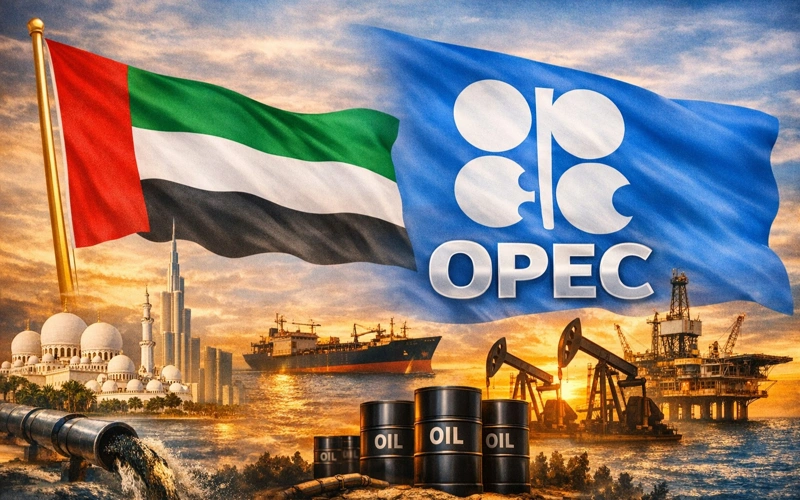
UAE OPEC exit signals de-dollarisation, positive for India’s “Oil for rupee”: Kotak Securities

MUMBAI: The impact of the United Arab Emirates (UAE) exiting OPEC on global oil prices will depend on when supply through the Strait of Hormuz normalises, and with strong relation between India-UAE, the move could also accelerate oil-for-rupee trade, according to Mr. Anindya Banerjee, Head of Research for Currency and Commodities, Kotak Securities.

In an exclusive conversation with ANI, Banerjee said that the short- to medium-term outlook remains tied to supply disruptions in West Asia. Once the West Asia situation stabilises and oil flows return to normal, the UAE’s exit from OPEC is likely to have a downward impact on oil prices.

“…Once the situation normalises in West Asia and oil begins to flow, the UAE stepping out of OPEC will definitely be bearish for oil prices because they also hold a significant spare capacity which they had taken offline because of the OPEC agreements,” he said.

He added that while Saudi Arabia remains the most important member of OPEC, the UAE’s move is structurally negative for oil prices in the long term.

Mr. Banerjee noted that the UAE’s production is significant, with plans to reach 5 million barrels per day by the end of 2027, making it a key global supplier with about 3 to 4 per cent share of global oil supply.

He linked the development to broader global shifts in the energy trade system. “Honestly, we see this as a step towards the ongoing de-dollarisation process, which is happening globally… we are seeing that structure is being unwound, is being reversed, and all these actions are in that direction…”

He said that in the future, oil trade may increasingly move away from the US dollar, with transactions taking place in currencies such as the yuan, rupee and others.

On India-UAE relations, Banerjee said strong strategic ties between the two countries could help India secure stable energy supplies and promote alternative trade mechanisms.

“Absolutely, oh because UAE and India has become strategic partners across various sectors… So I think the oil for rupee program will gain momentum, as I said, in the multipolar world order…,” he said.

He added that growing cooperation between Asian and West Asian countries reflects an emerging multi-polar global order, where countries are increasingly looking beyond traditional dollar-based systems.

Overall, Banerjee said that while immediate impact depends on supply normalisation, the UAE’s exit from OPEC could have long-term implications for oil prices, global energy trade, and currency dynamics.

Source: ANI

The Saudi-Pakistan factor behind UAE’s exit from OPEC

DUBAI : The United Arab Emirates‘ decision to exit the Organisation of the Petroleum Exporting Countries (OPEC) after almost 60 years is as much a political as a business move — one that could not only deal a significant blow to the oil cartel and its de facto leader, Saudi Arabia, but also to Riyadh’s defence partner, Pakistan.

Tensions have been simmering between Abu Dhabi and Riyadh for a while, but were partially covered by their shared anger with Tehran over its attacks on the Gulf states since the start of the US-Israel war on Iran.

“The Emirates were not happy to have to constrain themselves, particularly when they wanted to pump more, and the Saudis wanted to pump less,” Firas Maksad, director of Middle East at Eurasia Group, told The Financial Times.

The UAE has also been frustrated with Pakistan, partly because of its deepening ties with Saudi Arabia, but also because of what it considers Islamabad’s meek role as a mediator between the US and Iran, and not holding Tehran accountable for attacks on the Gulf during the war.

Pakistan’s role as mediator annoyed the UAE, as it “sees things in kind of black and white at the moment”, Neil Quilliam, an associate fellow at Chatham House, told the UK-based financial daily.

“There’s no neutrality in this [from the UAE perspective], there’s no middle ground, and if you’re mediating, then you are in the middle ground,” he added.

How OPEC Exit Helps The UAE
The UAE, OPEC’s third-largest producer, joined the oil-producing cartel in 1967. But the cartel’s production quotas have long been controlled by its de facto leader, Saudi Arabia, preventing it from exporting greater quantities of oil. In the short term, the exit will give Abu Dhabi the freedom to respond quickly to a long-term prospect of constrained supplies and to maximise profit.

The defection also comes as a blow to Saudi Arabia’s prestige, as it weakens Riyadh’s ability to manage the oil prices. It also helps the UAE position itself closer to US President Donald Trump, a long-term critic of OPEC.

UAE’s Frustration With Gulf Neighbours
The UAE made the big announcement without any prior consultation while the six-member Gulf Cooperation Council (GCC) met for an emergency session in Jeddah, the first since the Iran attacks. The UAE, the Gulf state politically closest to Israel and most hostile to Tehran, was Iran’s biggest target in the region, fending off more than 2,200 drones and missiles, in part a function of its geographical proximity.

According to a report by The Guardian, Abu Dhabi has been privately pushing Saudi Arabia and Qatar to launch joint counterattacks against Iran. But despite reports claiming that Riyadh was urging the US to defeat Iran, “no public GCC consensus was formed to take a step that could be seen as highly risky, since it could be interpreted not only as self-defence but also as siding with Israel”, the report said.

Unable to receive any political solidarity for its cause, the UAE has abandoned the economic solidarity and decided to go it alone.

Blow To Saudi
According to the UAE’s state-run firm Adnoc, Abu Dhabi’s exit from OPEC is likely to boost crude production from 3.4 million barrels a day before the start of the Iran war to 5 million barrels by 2027.

Notably, since Iran closed the Strait of Hormuz, the country’s crude production slumped by 44 per cent to 1.9 million in March, and its capacity to increase production is contested. Overall, the war has wiped out 7.88 million barrels a day of OPEC’s production in March, resulting in a 27 per cent fall to 20.79 million barrels a day that month – the biggest supply collapse for the cartel in recent decades.

Dr Ebtesam Al-Ketbi, the president of the Dubai-based Emirates Policy Centre, told The Guardian that the move was cast as an act of self-interest.

“In effect, the UAE is redefining its role from a producer within a bloc to a balancing producer that contributes to market stability through its ability to act,” she said.

“While this move may gradually weaken Opec’s cohesion, it simultaneously strengthens the UAE’s position as an actor capable of directly influencing global supply dynamics.”

Moreover, the decision to quit OPEC may also make it Trump’s diplomatic favourite, a status that could have investment benefits for the Emirates. Trump has been a vocal critic of OPEC.

The Pakistan Factor
The UAE has already been wielding its influence even before it exited OPEC. Earlier this month, Abu Dhabi recalled $3.5 billion in deposits from Islamabad, a fifth of Pakistan’s foreign exchange reserves. The move was seen as an indication of the UAE’s displeasure with Pakistan’s neutrality over Iran, forcing Saudi Arabia– which signed a defence pact with Islamabad in September–– to step in to help its South Asian partner.

A rift has been simmering between the Gulf’s powerhouses for years, but it burst into the open in December and January over disputes in the civil war in Yemen, where they back rival factions.

Another reason for this rivalry, according to analysts, is that Riyadh is more closely aligned with Pakistan, Turkey and Egypt than its Gulf neighbour.

“The rift is still there, and Pakistan is one area it can play out, and the UAE is much more invested in India anyway,” Quilliam told the FT.

“They [UAE] see this growing alliance between the Saudis and the Pakistanis, and for the UAE, that constitutes a conflict of interests for Abu Dhabi.”

By leaving OPEC, the UAE not only hopes to guarantee US engagement but also break the Saudi-Pakistan nexus.

A Benefit For India
The UAE’s exit from OPEC is likely to benefit India as it translates into lower costs and improved supply access.

The UAE wants to maximise output free from OPEC quotas and monetise reserves while demand still holds. More supply, especially from a low-cost producer, will lower the ceiling on prices over time. For India, that means a smaller import bill and reduced inflation pressure.

“The exit of the United Arab Emirates from OPEC is likely to increase global oil supply flexibility in the medium term… which could soften crude prices. It is likely to be beneficial for India’s import bill and inflation in that sense,” Sourav Mitra, Partner – Oil and Gas, Grant Thornton Bharat, told Financial Express.

Source : NDTV World

India turns net exporter of finished steel in 2025/26, data shows

NEW DELHI : India turned a net exporter of ​finished steel in the financial ‌year that ended on March 31, provisional government data reviewed by Reuters ​showed on Tuesday.
Here are some ​key details:

The world’s second-biggest crude steel ⁠producer shipped 6.6 million metric ​tons of finished steel in ​2025/26, up 35.9% from a year ago, the data showed.
Italy, Vietnam, Belgium, the UAE, ​and Spain were the biggest ​buyers of Indian finished steel.
New Delhi imported ‌6.5 ⁠million tons of finished steel during the fiscal year 2025/26, down 31.7% from a year earlier.
South ​Korea, China, ​Japan, Vietnam, ⁠and Russia were the biggest exporters of finished ​steel to India.
Crude steel production ​in ⁠the year reached 169.2 million tons, up 11.2% on year.
Finished steel ⁠consumption ​was at 164.2 ​million tons, up 8%, the data showed.

Strait of Hormuz disruption may push global food prices higher in coming years, warns Economics Professor, Singapore

SINGAPORE: Disruptions in the Strait of Hormuz could lead to a rise in global food prices in the coming years as fertilizer supply chains are affected, a professor from the National University of Singapore has warned.

In an exclusive conversation with ANI, Danny Quah, Li Ka Shing Professor In Economics, Lee Kuan Yew School Of Public Policy, National University of Singapore, said the closure of the Strait of Hormuz has both immediate and long-term consequences, particularly for global agriculture and food supply.

“The Strait of Hormuz being closed has two effects, one immediate and then the other longer term. The first immediate effect is that actually the Strait of Hormuz sees passage not just of oil and gas, but also of minerals that go into making fertilizer,” he said.

He explained that any disruption in fertilizer availability can directly impact agricultural production, as farming decisions are made well in advance.

“If there’s a fertilizer shortage everywhere in the world, the way agricultural production works is plants are made a year in advance. So if you are unable to condition on there being sufficient fertilizer going ahead, you will start curtailing supply right away,” he added.

The professor warned that the effects of the current disruption may be felt over several years. “We will be looking ahead two, three, four, five years where food supplies are now going to be curtailed and will be priced higher,” he said, adding that vulnerable populations would be most at risk.

He described the situation as a classic supply shock. “It is a restriction, a critical ingredient in how the world makes things… it’s a supply shock that will raise prices and reduce supply,” he said.

He added that this could lead to a scenario of slower growth and rising prices, commonly referred to as “stagflation.”

On the global impact, he said the disruption would affect all countries, though to varying degrees. “The food chain is one that means that when food gets traded across the world… it will affect everyone, but in the short run, it will affect some countries more than most,” he said.

He noted that even countries that are not heavily dependent on agriculture will face higher food import costs and tighter supplies. The situation, he added, is similar to concerns seen during the COVID-19 pandemic when food supply chains were disrupted globally.

On India, he said the impact would be significant through two channels. First, India’s agriculture depends on fertilizers that pass through the Strait of Hormuz, which could affect future crop production. Second, food preparation depends on fuel such as natural gas, and disruptions could impact households.

“A large part of Indian agriculture production does call on fertilizer that comes through the Strait of Hormuz … that will have a long-term ripple dynamic effect on food supplies in India,” he said.

As a solution, he suggested diversification of energy supplies. He noted that countries in Southeast Asia import natural gas not only from the Gulf but also from the United States and Australia.

Overall, he emphasized that the current disruption highlights the need for stronger supply chain resilience and diversification to manage future risks to food and energy security.

Source: ANI

Rhenus completes acquisition of LBH Group and accelerates global maritime growth

SINGAPORE: Rhenus Group announced the successful closing of the acquisition of the remaining 49 percent stake in LBH Global Agencies Inc. LBH Group is a globally active port agency with business sites in 24 countries worldwide. As an international maritime shipping agency, LBH Group manages incoming and outgoing vessels handling bulk goods, liquid cargo, containers, and general cargo. With the acquisition of the remaining shares from the Lagendijk family, the company is now a wholly owned subsidiary of Rhenus – a strategic step that has been pursued since the two companies joined forces in 2023. For many years, both parties have fostered a close and trustful relationship based on a shared goal.

Joined expertise for strong international customer service

The partnership between Rhenus and LBH Group was initially established with the shared objective of combining LBH’s global reach in port agency services with the international logistics network of Rhenus. Since then, the collaboration has strengthened both companies’ capabilities, enabling the development of more comprehensive service offerings and supporting customers with increasingly customized, resilient, and efficient supply chain solutions. Uniting two highly skilled and specialized teams marks another milestone in the Rhenus Group’s strategic growth plan in global trade, aiming to expand its network and foster supply chains worldwide.

Under full ownership, LBH Group will remain a central pillar of the maritime strategy of Rhenus. The company will continue to operate under its established brand, maintaining its market presence and well-recognized service quality. Inspired by the vision of expanding global logistics operations as one global team, the acquisition underscores the importance of reliable partnerships that continue to pave the way for the Rhenus Group’s growth trajectory.

About Rhenus

The Rhenus Group is one of the leading logistics specialists with global business operations and annual turnover amounting to EUR 8.2 billion. 39,000 employees work at 1,300 business sites in more than 70 countries and develop innovative solutions along the complete supply chain. Whether providing transport, warehousing, customs clearance or value-added services, the family-owned business pools its operations in various business units where the needs of customers are the major focus at all times.

MacGregor strengthens delivery partnership on 165T AHC crane with repeat order

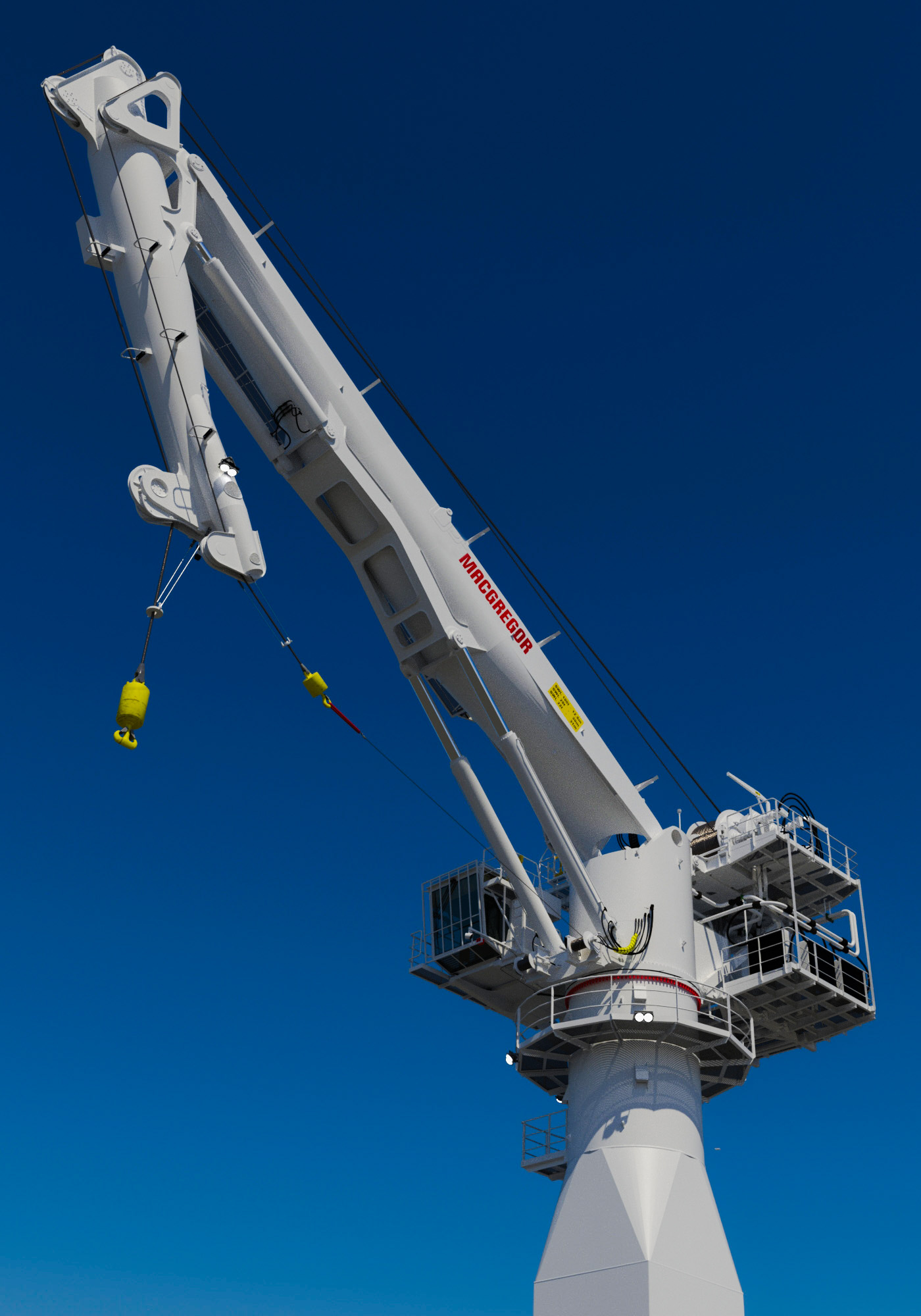
SINGAPORE: MacGregor has added to the orders for its newly developed high-performance lightweight 165-tonne active heave compensated (AHC) crane following a new contract with Hong Hua Yard in China. The repeat order involves vessel owner Atlantic Navigation. Equipment delivery is scheduled for completion by the third quarter of 2027.

The order is booked into MacGregor’s second quarter 2026 order intake.

The scope of supply includes the complete delivery of a modern 165-tonne AHC crane to be installed on a Construction Support Offshore Vessel built to American Bureau of Shipping (ABS) Class standards. This newly developed crane represents the next generation of offshore lifting technology, and is designed to offer superior performance and a competitive edge over traditional 150-tonne solutions.

“This repeat order highlights both our consistent delivery performance and the customer’s continued confidence in our next-generation offshore crane technology. Our lightweight 165-tonne AHC crane offers greater lifting capacity for the same weight as competing systems, delivering a clear operational advantage for our customers” says Lucie Addicks, Executive Vice President, Offshore Solutions, MacGregor.

“We are very satisfied with the collaboration and with the technical competence demonstrated by MacGregor,” a Hong Hua Yard spokesperson commented. “This lightweight, high-performance AHC crane will enhance the vessel’s capability and reliability.”

Wilson Sons revolutionises offshore logistics with drone delivery in Guanabara Bay

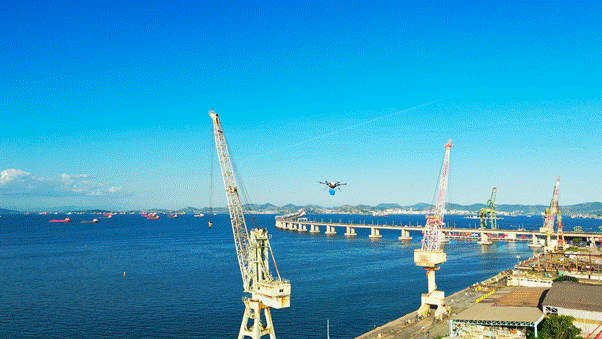
RIO DE JANERIO: Wilson Sons, a port and maritime logistics operator with more than 188 years of experience, is set to conduct its first drone operations to deliver and pick up documents for platform supply vessels (PSVs) and to perform other services in Guanabara Bay. The initiative began last year in the Port of Salvador (Bahia) and will once again be conducted through its Shipping Agency. This time, the tests have been run with the support of its Offshore Support Base in Rio since April 6th.

The uncrewed aerial vehicles and systems are owned by Speedbird Aero, which specializes in drone operations and has completed over one thousand offshore flights in Singapore. To carry out operations in Brazil, all necessary authorizations and licenses were obtained from the Brazilian authorities, including the National Civil Aviation Agency (ANAC) and the Department of Airspace Control (DECEA). The testing period is for the so-called Proof of Concept and to check technical feasibility.

Rodrigo Lopes, Operations Manager at Wilson Sons’ shipping agency, the largest and most experienced shipping agency in Brazil, explains that “Wilson Sons’ use of delivery drones is a milestone in the port and logistics industry, as it makes operations even safer and more efficient, thereby supporting, through innovation and new technologies, the decarbonization of the offshore energy industry and the sustainable development of Brazil.”

The drones provide operational speed, with safety first, a non-negotiable value for the company, by transporting lightweight documents (objects weighing up to five kilograms), for example. The average travel time between Base Rio and the vessels is estimated at nine minutes, covering an air distance of nearly eight kilometres.

For Edwardo Valverde, General Manager of Offshore Support Base Operations at Wilson Sons, the start of drone testing at the Rio Base heralds a trend in the energy industry in Brazil: “This technology increases the efficiency of offshore operations and directly contributes to sustainability goals, strengthening our role in supporting the reduction of greenhouse gas emissions by our partners.”

About Wilson Sons

With more than 188 years of operations across the Brazilian territory, Wilson Sons is a port and shipping logistics operator. As a reference in this segment, it offers comprehensive solutions to over 5,000 clients, including shipowners, importers and exporters, the offshore energy industry, renewable energy projects, the agribusiness sector, as well as other players across various economic segments.