Home Blog Page 332

No future for petrol and diesel vehicles: Nitin Gadkari

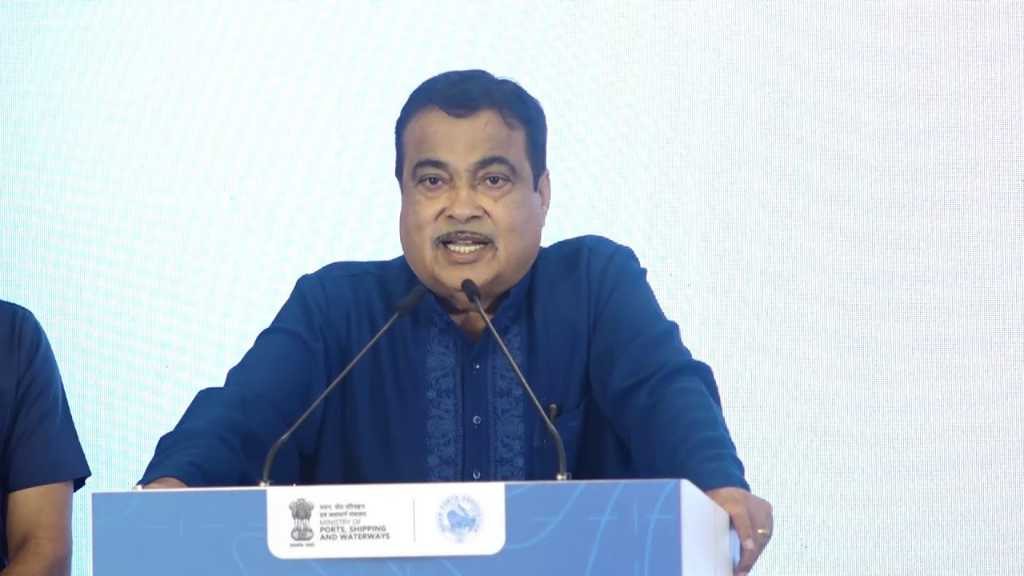
NEW DELHI : Minister of Road Transport and Highways Shri Nitin Gadkari said on Tuesday that there is no future for vehicles operating on fossil fuels like petrol and diesel in the long term. The statement from the minister came in favour of alternative fuel options, as he urged the automobile industry to work on a transition towards cleaner fuels. He also mentioned that this shift will contribute to improving the public transport system.

Shift Towards Cleaner Fuel Options
In his keynote speech at the Busworld India Conclave 2025, Nitin Gadkari stated, “There is no future for diesel and petrol vehicles.” He emphasised the need for manufacturers to transition towards cleaner fuel alternatives, such as biofuels, CNG, LNG, and electric powertrains. Gadkari highlighted that petrol and diesel pose “serious problems” in terms of imports and environmental impact.

The union minister also revealed that the government has already begun pilot projects for hydrogen mobility and companies. Major Indian companies, including Tata Motors, Volvo, Ashok Leyland, and Mahindra & Mahindra, are already involved in hydrogen fuel trials.

“We are now on the 10 routes where we are running hydrogen trucks and buses. Hydrogen is the fuel of the future,” he mentioned.

Coming back to the discussion on flex-fuel, the minister emphasised the importance of ethanol as a significant alternative fuel, pointing out India’s capability to generate ethanol from various feedstocks. He further revealed that the industry is already working on the development of flex fuel engines while vehicles continue to operate on E20 fuel.

Focus On Safety
Shifting focus from alternative fuel options, Gadkari also addressed safety concerns associated with public transport. He reiterated the government’s focus on improving safety standards. In his speech, he mentioned that the bus registrations will now need to be uploaded on the Vahan portal along with physical and video approvals. This replaces the self-certification regime for the bus manufacturers.

He called on all bus body manufacturers and original equipment manufacturers (OEMs) to prioritise quality, safety, and comfort over merely reducing costs. The demand for electric buses alone is projected to reach 150,000 units in the next three years, while the current manufacturing capacity is approximately 70,000 buses per year.

MoPSW convenes National Workshop with coastal states to drive maritime transformation under Amrit Kaal Vision 2047

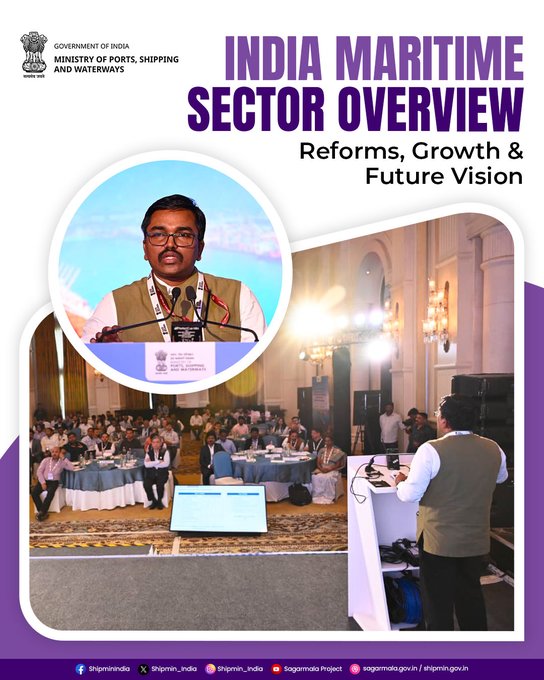
NEW DELHI : The Ministry of Ports, Shipping and Waterways (MoPSW) convened a National Consultative Workshop with Coastal States and Union Territories in New Delhi on Tuesday, bringing together key maritime stakeholders to chart the next phase of India’s maritime growth under the Maritime Amrit Kaal Vision 2047.

image001ACNW MoPSW convenes National Workshop with coastal states to drive maritime transformation under Amrit Kaal Vision 2047

The workshop served as a collaborative platform to align national priorities with state-level initiatives, with a focus on accelerating port-led development, strengthening logistics efficiency, and advancing digital and sustainable maritime practices.

Delivering the keynote address, Secretary, MoPSW, Shri Vijay Kumar, IAS, underscored the significant transformation of India’s maritime sector in recent years, marked by improved port performance, enhanced global rankings, and growing integration with international trade networks. He noted that India is steadily positioning itself as a competitive maritime nation, supported by policy reforms, infrastructure expansion, and increased private sector participation.

Anchored in the Maritime Amrit Kaal Vision 2047, the Government’s long-term roadmap envisages large-scale investments across ports, coastal shipping, inland waterways, shipbuilding, and green shipping. As highlighted in the background framework, the vision places strong emphasis on modernisation, digitisation, and sustainability as key drivers of growth.

Highlighting the scale of opportunity, the Secretary noted that India’s port capacity and operational capabilities are set to expand significantly over the coming decades, supported by ongoing investments, mechanisation, and port-led industrialisation initiatives. He also pointed to the Government’s focused push on shipbuilding as a strategic priority to enhance India’s position in the global maritime value chain.

A key focus of the discussions was the role of non-major ports (Other Than Major Ports), which handle nearly 46% of the country’s cargo. Recognising their critical contribution to regional development and coastal logistics, the Ministry emphasised the need for closer alignment of these ports with national frameworks, particularly in areas of process standardisation, digital integration, and operational efficiency.

The workshop deliberations were structured around three core themes: sectoral overview, regulatory and digital reforms, and state-level initiatives for capacity expansion and efficiency enhancement. Discussions underlined the progress made in infrastructure development, Public–Private Partnership frameworks, and ease of doing business measures, while also identifying areas for further improvement.

On the regulatory and technology front, participants discussed the implementation of the One Nation One Port Process (ONOP), aimed at standardising port procedures, and the Maritime Single Window (MSW) – Sagar Setu, which is expected to enable seamless, end-to-end digital transactions. The Indian Ports Act, 2025, along with other recent maritime legislations, was noted as a key enabler for strengthening Centre–State coordination and ensuring a transparent and future-ready regulatory ecosystem.

Coastal States and Union Territories shared their ongoing initiatives and plans, including infrastructure expansion, digitalisation, green port initiatives, and the development of shipbuilding and maritime industrial clusters. These presentations reflected strong alignment with national priorities and a shared commitment to building a resilient and efficient maritime ecosystem.

The workshop witnessed participation from Gujarat, Maharashtra, Goa, Karnataka, Kerala, Tamil Nadu, Andhra Pradesh, Odisha, West Bengal, and the Union Territories of Dadra & Nagar Haveli and Daman & Diu, Puducherry, Andaman & Nicobar Islands, and Lakshadweep. As detailed in the programme schedule, the deliberations enabled a comprehensive exchange of ideas and best practices across regions.

In his concluding remarks, Joint Secretary (Ports, IT & e-Governance), MoPSW, Shri Venkatesapathy S., emphasised that the discussions reflected a strong and shared commitment to advancing port-led growth, digitisation, and sustainability. He highlighted that initiatives such as the One Nation One Port Process, Maritime Single Window (Sagar Setu), and the Indian Ports Act, 2025, will be instrumental in driving efficiency, transparency, and integration across the maritime sector. He called for continued alignment of systems and policies across States and the Centre to translate these discussions into tangible outcomes.

The Ministry noted that the workshop marks an important step in strengthening cooperative federalism in the maritime domain. With sustained collaboration between the Centre and the States, India is well-positioned to unlock the full potential of its maritime sector and move decisively towards becoming a leading global maritime nation.

PSA India honoured with Global Container Terminal Operator Award at MARPORTS Global Conference & Excellence Awards 2026

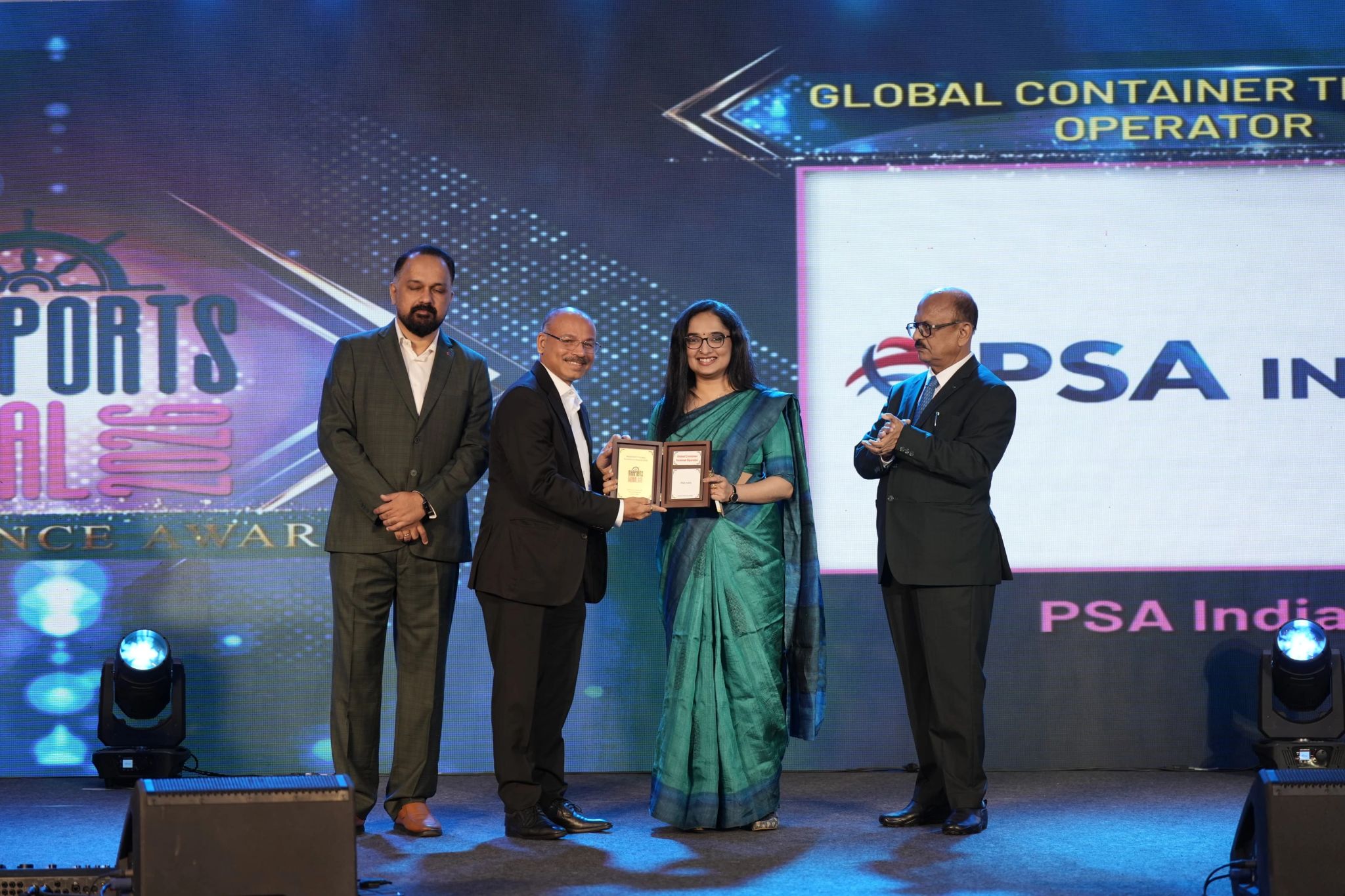
KOCHI : In a moment of pride for India’s maritime and logistics sector, PSA India has been conferred with the prestigious Global Container Terminal Operator Award at the MARPORTS Global Conference & Excellence Awards 2026, one of the industry’s most respected international platforms recognizing excellence and innovation in port operations.

The award acknowledges PSA India’s outstanding contribution to advancing terminal efficiency, digital transformation, and sustainable port operations. It highlights the company’s consistent focus on delivering world-class service standards, enhancing supply chain reliability, and driving operational excellence across its facilities.

1777308477718 1 PSA India honoured with Global Container Terminal Operator Award at MARPORTS Global Conference & Excellence Awards 2026

Under the dynamic leadership of Pavithran Kallada, Managing Director – PSA India, the organization has strengthened its position as a key enabler of global trade. By leveraging advanced technologies, automation, and data-driven decision-making, PSA India continues to set new benchmarks in productivity, turnaround time, and customer-centric solutions.

The recognition also reflects PSA India’s commitment to sustainability and future-ready infrastructure, with initiatives focused on green energy adoption, carbon footprint reduction, and environmentally responsible port operations. Its strategic investments in capacity expansion and multimodal connectivity have further enhanced its ability to handle growing EXIM volumes efficiently.

Speaking on the occasion, company representatives emphasized that the award is a testament to the collective efforts of its workforce, partners, and stakeholders who continuously strive to push the boundaries of performance and innovation.

The MARPORTS Global Conference & Excellence Awards brings together global maritime leaders, policymakers, and industry experts, making this recognition a significant milestone for PSA India on the international stage.

This achievement not only celebrates operational success but also underscores the critical role of leadership, innovation, and collaboration in shaping the future of the maritime industry. PSA India’s continued pursuit of excellence reinforces its contribution to strengthening India’s position as a global maritime hub.

Congratulations to PSA India and its leadership for this well-deserved honour, as they continue to power global trade and drive the next phase of growth and transformation in the maritime sector.

VGRC to open new doors of opportunities in Surat’s textile sector

SURAT : The upcoming ‘Vibrant Gujarat Regional Conference (VGRC)‘, scheduled to be held on May 1 and 2 at Auro University, Surat, will serve as a significant platform to further accelerate the industrial development of South Gujarat, the release said.

This ambitious initiative will attract large-scale investments in key sectors, including textiles, enhance direct linkages between global buyers and local manufacturers, and promote the exchange of new technologies and innovations, thereby providing strong momentum to the industrial growth of Surat and the South Gujarat region.

Located on the banks of the Tapi River, Surat has been an important trade centre since the Mughal era due to its strategic location. Once a prosperous port in the 16th century, it has now evolved into the world’s ‘Silk City’ in the 21st century. This identity is rooted in its rich history, as silk fabrics from Surat were exported to Arab and European countries centuries ago. Over time, the city expanded its expertise from natural silk to man-made fibre (MMF), or art silk.

According to the Gujarat CMO, Surat produces about 90 per cent of India’s artificial silk, earning it global recognition. What began as small-scale zari and cotton work in narrow lanes has now grown into a globally connected textile industry, supported by modern technology and skilled entrepreneurs.

The foundation of Surat’s textile industry was laid in the 19th century, with the establishment of mills and ginning factories between 1866 and 1881. Following the first textile accessories unit in 1925, the city has now evolved into a vast network comprising 240 large markets and more than 70,000 traders. Initially a small-scale industry, it has now grown into a sector with an annual turnover of ₹1.5 lakh crore and has emerged as a preferred investment destination for entrepreneurs across the country. Currently, this sector provides direct and indirect employment to an estimated 18 to 20 lakh people.

The textile industry of Surat and South Gujarat contributes over 25 per cent to the state’s GDP, making it a key driver of Gujarat’s industrial growth. Surat alone produces about 30 per cent of the world’s fabric and accounts for 65 percent of India’s man-made fibre segment. The city produces nearly 6 crore meters of fabric every day.

With more than 600 processing houses and lakhs of power looms, Surat has become a major hub for products ranging from sarees to the national flag and high-end fashion garments. Its strength lies in a strong supply chain and modern production systems, with lakhs of parcels shipped daily across the world by road, rail, and air through over 500 transporters.

From spinning to knitting, Gujarat and Surat together produce 90 per cent of MMF fabrics. Surat’s knitted fabric is gaining prominence on the global stage. Developed nations such as the United States, Israel, and New Zealand are admirers of Surat’s knitted fabrics, including technical textiles. Additionally, sports jerseys manufactured in Surat are in high demand in global sporting events such as the Olympics and the IPL.

Projects such as the bullet train, coastal road, and the PM MITRA Park in Navsari, along with support for technology upgradation, are set to be game changers for the textile industry. The upcoming VGRC in Surat will attract significant foreign direct investment (FDI), strengthen direct networking with international buyers, and enable local manufacturers to become more competitive globally through the exchange of advanced technologies. This will further reinforce Surat’s position as one of the world’s leading textile hubs.
Under the Gujarat Textile Policy 2019, industries in Surat district have received unprecedented momentum, with subsidies amounting to Rs 2,325.87 crore disbursed so far. The policy provides interest assistance of up to 6 per cent for new and expanding units, a concession of Rs 2 to Rs 3 per unit in electricity bills for weaving and knitting units and capital investment support for technical textiles.
Additionally, significant financial assistance for textile park infrastructure and the establishment of CETP plants for environmental protection have made Surat’s textile industry more modern, eco-friendly, and globally competitive.
To make the state’s textile industry globally competitive, the new Textile Policy 2024 has been implemented. Under this policy, capital subsidies ranging from 10 to 35 per cent are provided to new units, while employment opportunities are being generated in remote rural areas through value addition across the supply chain.
Free Trade Agreements (FTA) with Europe and tariff reductions in the United States have opened new global markets for garment exports from Surat.

Source : ANI

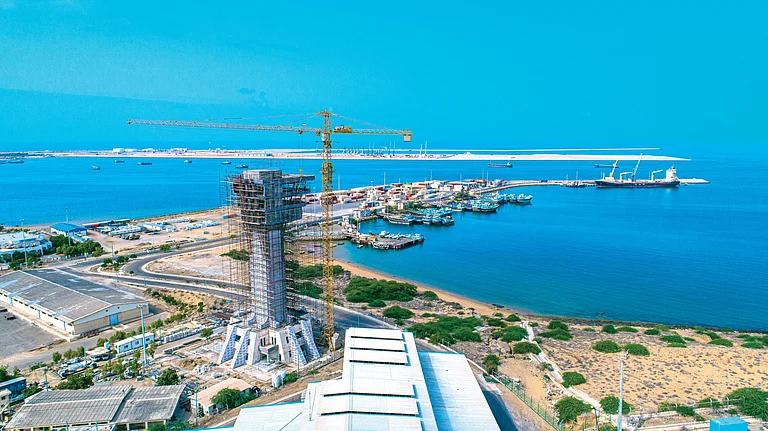
Vizhinjam Port set to start gateway cargo operations in May after key safety clearance

THIRUVANANTHAPURAM : Gateway cargo operations at Vizhinjam International Seaport are expected to begin in the second week of May, marking an important step in Kerala’s maritime infrastructure expansion.

The development follows the port securing mandatory approval from the Atomic Energy Regulatory Board (AERB) after a recent site inspection, clearing the facility for handling containerised export-import cargo.

Only the final customs clearance is now pending, with officials expecting the approval within days.

Once granted, the port will be able to commence Exim cargo movement, allowing exporters and importers in Kerala and neighbouring states to use Vizhinjam directly rather than routing shipments through other ports.

Authorities said both Adani Vizhinjam Port Pvt Ltd (AVPPL), the operator, and Vizhinjam International Seaport Ltd (VISL) have completed the necessary groundwork ahead of launch.

Demand from the regional trading community has reportedly been strong, particularly for faster and more cost-effective cargo movement.

During the initial phase, around 30 per cent of traffic is expected to consist of gateway cargo, while the remaining 70 per cent will focus on transshipment activity. At present, the port’s 800-metre berth can accommodate two motherships simultaneously.

Inside the port, high-capacity scanning systems for container trucks have already been installed to meet customs and security requirements. Trial runs for cargo movement are expected shortly, with limited initial volumes likely to consist mainly of local goods.

India in talks with US, Iran over Chabahar Port future

NEW DELHI : With the United States‘ sanctions waiver for Iran’s Chabahar Port expiring on April 26, India on Monday confirmed that discussions are ongoing with both Iran and the United States, noting that the evolving regional conflict has added complexity to the issue.

Ministry of External Affairs (MEA) spokesperson Randhir Jaiswal addressed the matter during an inter-ministerial briefing on the West Asia situation, stating that negotiations are actively underway.

“Regarding Chabahar and where we stand, the issue is under discussion with both Iran and the United States. The current conflict is also a complicating factor. We will keep you posted as the situation evolves,” Jaiswal said in response to queries about the project’s status following the waiver’s expiration.

The Chabahar Port project is considered strategically significant for India, as it provides a vital transit route for trade with Afghanistan and Central Asia, bypassing Pakistan. It has also been viewed as a key component in supporting Afghanistan’s reconstruction and enhancing regional economic connectivity.

The backdrop to the current uncertainty dates to September 16, 2025, when the US State Department revoked a sanctions exception originally granted in 2018 under the Iran Freedom and Counter Proliferation Act, which had allowed India to develop the port for Afghanistan’s economic benefit. The revocation became effective on September 29, 2025.

However, following diplomatic engagement, the US later issued guidance extending a conditional waiver until April 26, 2026. The Indian government had informed Parliament earlier this year that it remained in active dialogue with all relevant stakeholders to mitigate the impact of these developments.

With the waiver now lapsed and geopolitical tensions rising in West Asia, the future of India’s involvement in the Chabahar project remains uncertain, pending the outcome of ongoing diplomatic efforts.

Goods moved from SEZs to domestic markets treated as imports; duty drawback applicable on re-exports

NEW DELHI : The government has clarified that when goods are supplied from SEZ units to the domestic market after paying applicable duties and later re-exported, they will be treated as imported goods for the purposes of disbursement of duty drawback.

The instruction clarifies that goods supplied by an SEZ unit to the Domestic Tariff Area (DTA) after payment of customs duties will be treated as imported goods if later re-exported.

According to an instruction of the Central Board of Indirect Taxes and Customs (CBIC) to customs authorities, it has been observed by the audit that divergent practices are being followed in the processing of duty drawback claims filed by DTA units under Customs law.

It has been stated that some field formations have not treated clearance from SEZ to DTA as import and have denied the disbursement of drawback under Section 74 of the Customs Act, 1962.

The government has clarified that when goods are supplied from SEZ units to the domestic market after paying applicable duties and later re-exported, they will be treated as imported goods for the purposes of disbursement of duty drawback.

The instruction clarifies that goods supplied by an SEZ unit to the Domestic Tariff Area (DTA) after payment of customs duties will be treated as imported goods if later re-exported.

According to an instruction of the Central Board of Indirect Taxes and Customs (CBIC) to customs authorities, it has been observed by the audit that divergent practices are being followed in the processing of duty drawback claims filed by DTA units under Customs law.

It has been stated that some field formations have not treated clearance from SEZ to DTA as import and have denied the disbursement of drawback under Section 74 of the Customs Act, 1962.

“…it is hereby clarified that in cases where goods are cleared into DTA from SEZ unit on payment of applicable duties and are re-exported thereafter are to be treated as imported goods for the purposes of disbursement of drawback under Section 74 of the Customs Act, 1962,” it said.

Commenting on the move, think tank GTRI said this is a welcome and fair clarification by the CBIC.

It said by treating duty-paid goods supplied from SEZs to the DTA as imported goods for the purpose of refund under Section 74 of the drawback rules when they are later re-exported, the instruction removes an unnecessary ambiguity that had led to different practices across customs formations.

“It will bring uniformity, reduce litigation, and ensure justice for exporters who have already paid applicable customs duties. There is no reason such duties should remain locked when the same identifiable goods are exported again,” GTRI Founder Ajay Srivastava said.

He added that the change supports fairness, improves cash flows, and provides greater certainty to DTA buyers, exporters, and SEZ suppliers.

Federation of Indian Export Organisations (FIEO) said the decision provides much-needed clarity on the eligibility of duty drawback for re-exports of goods supplied by SEZ units to the DTA.

“By aligning the treatment with import principles and permitting drawback under Section 74, it removes long-standing ambiguity and supports exporters’ liquidity. We welcome this pragmatic step and urge uniform, facilitative implementation at the field level to fully realise its benefits for exporters, especially MSMEs,” it said.

Source : PTI

Piyush Goyal chairs meeting with EPCs and Industry to strengthen Export Ecosystem Post India–New Zealand FTA signing

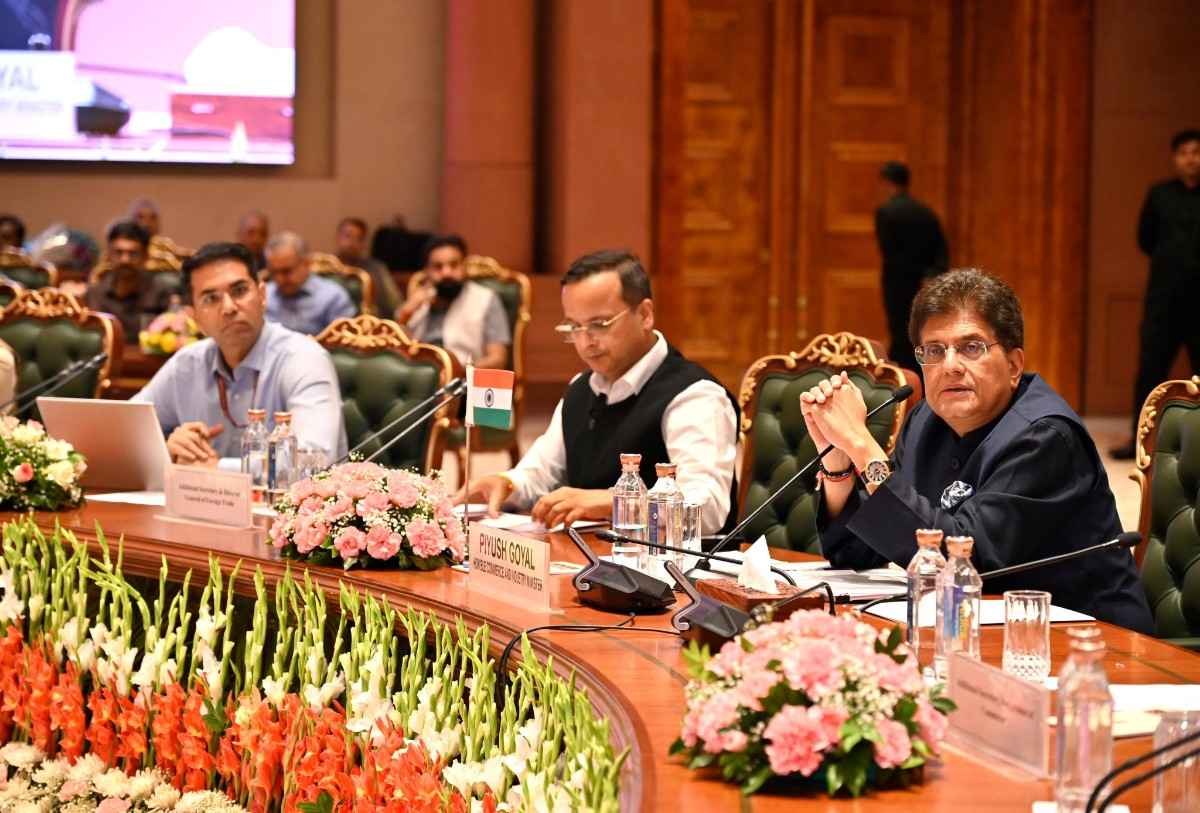
NEW DELHI : Union Minister for Commerce and Industry, Shri Piyush Goyal, chaired a meeting with Export Promotion Councils (EPCs) and Industry associations at Bharat Mandapam, New Delhi, on 27th April 2026, to deliberate on strategies for strengthening India’s export ecosystem in the context of evolving global trade dynamics. The meeting was held in continuation of the India–New Zealand FTA signing ceremony in Bharat Mandapam and was attended by representatives of 30 EPCs and apex industry chambers, along with senior officials from the Department of Commerce and the Directorate General of Foreign Trade (DGFT).

Addressing the gathering, Shri Goyal highlighted that India’s total merchandise and services exports reached a record USD 860.09 billion in FY 2025–26, registering a 4.22% year-on-year growth. He noted that sectors such as engineering goods, electronics, pharmaceuticals, chemicals, gems & jewellery and agri-based products have sustained export momentum despite global disruptions.

The Minister emphasised that this milestone should serve as a springboard for achieving USD 2 trillion in exports by 2030 under the Viksit Bharat vision. He urged exporters and industry bodies to fully leverage India’s Free Trade Agreements (FTAs) with developed economies to expand market access, boost exports and create employment opportunities, noting that timely utilisation of these agreements is critical.

During the meeting, the Director General of Foreign Trade made a detailed presentation on export performance, ongoing reforms and a structured framework for achieving measurable export outcomes. The presentation outlined a comprehensive export reform framework covering sectoral export performance, a KPI-based framework for EPCs, promotion of e-commerce exports, Districts as Export Hubs, the proposed Digital Trade Academy, the Government’s response to the West Asia crisis, progress under the Export Promotion Mission, and the ongoing special drive for expediting the Export Obligation Discharge Certificate (EODC). The DGFT stressed that EPCs must act as equal partners with the Government in driving market diversification, bringing more MSMEs into the export ecosystem, greater use of technology, and ensuring that policy measures translate into measurable outcomes at the national level.

Industry representatives raised issues relating to compliance costs, testing requirements, and challenges faced by MSMEs in entering export markets. The Minister assured continued Government support, including facilitation under ongoing schemes and targeted interventions to reduce entry barriers and enhance ease of doing business.

Key bodies participating in the meeting included the Federation of Indian Export Organisations (FIEO); Gem & Jewellery Export Promotion Council (GJEPC); Apparel Export Promotion Council (AEPC); Council for Leather Exports (CLE); Engineering Export Promotion Council of India (EEPC India); Basic Chemicals, Cosmetics & Dyes Export Promotion Council (CHEMEXCIL); Cotton Textiles Export Promotion Council (TEXPROCIL); Manmade and Technical Textiles Export Promotion Council (MATEXIL); other major textile EPCs; Carpet Export Promotion Council (CEPC); Export Promotion Council for Handicrafts (EPCH); agriculture & allied bodies including the Seafood Exporters Association of India (SEAI); Agricultural and Processed Food Products Export Development Authority (APEDA); Shellac & Forest Products Export Promotion Council (SHEFEXCIL); Indian Oilseeds and Produce Export Promotion Council (IOPEPC); Pharmaceuticals Export Promotion Council of India (PHARMEXCIL); National Association of Software and Service Companies (NASSCOM); Federation of Indian Chambers of Commerce & Industry (FICCI); Associated Chambers of Commerce & Industry of India (ASSOCHAM); PHD Chamber of Commerce and Industry (PHDCCI); and several other leading sectoral associations.

Discussions also highlighted progress under the Export Promotion Mission (EPM), the Government’s flagship scheme to support exporters. The Minister encouraged EPCs to take steps to increase the number of active exporters. He also emphasised Government support to exporters for entering new markets and increasing their presence in existing markets to accelerate export growth.

The Minister reaffirmed the Government’s commitment to strengthening a facilitative trade ecosystem through ongoing reforms, targeted support measures and close collaboration with industry, to accelerate export growth and position India as a trusted global supply partner.

India–New Zealand FTA opens 8,284 Tariff Lines as Trade Crosses USD 1 Billion Mark: Rubix Data Sciences

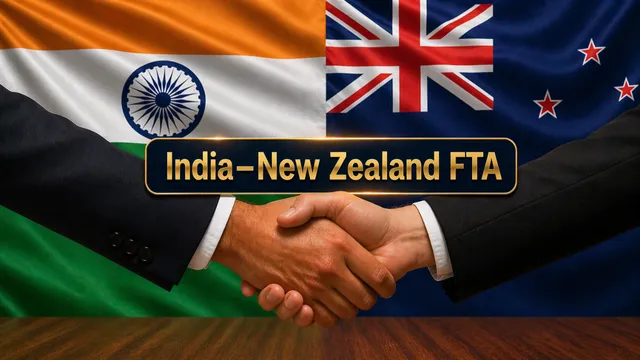
MUMBAI: India and New Zealand signed a landmark Free Trade Agreement (FTA), concluding one of India’s fastest trade negotiations in under a year. A new analysis by Rubix Data Sciences positions the agreement as a timely intervention in a bilateral trade relationship that has shown strong growth, but also recent signs of moderation.

Bilateral merchandise trade between the two countries crossed the USD 1 billion mark in FY2025, reflecting steady expansion in economic engagement. However, this momentum softened in FY2026, with total goods trade easing to USD 1.06 billion during April–February, indicating a pause after a peak year. The agreement is expected to provide greater stability and predictability to trade flows while creating a framework for long-term growth.

Trade Trends Signal Both Progress and Adjustment

India’s goods exports to New Zealand grew at a CAGR of 13% between FY2022 and FY2025, rising from USD 488 million to USD 711 million. This upward trajectory saw a correction in FY2026 (April–February), with goods exports declining to USD 524 million, reflecting demand normalisation after a strong performance in the previous year.

On the goods import side, India’s purchases from New Zealand expanded at a CAGR of 16% between FY2022 and FY2025, before moderating slightly in FY2026. The combined effect of these movements has led to a significant narrowing of India’s merchandise trade surplus, which declined from USD 203 million in FY2024 to USD 9.4 million in FY2026 (April–February).

These shifts point to a trade relationship that is expanding, while also adjusting to changing demand conditions and global market dynamics.

FTA Expands Market Access Across Sectors

The FTA introduces comprehensive tariff liberalisation and enhanced market access across goods, services, and investment.

New Zealand will eliminate tariffs across all 8,284 tariff lines, granting Indian exports full duty-free access from the outset. This is expected to strengthen the competitiveness of sectors such as textiles, apparel, leather, and footwear, while also supporting growth in engineering goods, automobiles, pharmaceuticals, electronics, and chemicals.

Agricultural trade is set to benefit from improved access for products such as fruits, vegetables, spices, cereals, and processed foods, alongside collaborative initiatives aimed at enhancing productivity and integrating farmers into global value chains.

In services, New Zealand has offered commitments across 118 sectors, alongside expanded technical cooperation in areas including healthcare, traditional medicine, tourism, and audiovisual industries.

The agreement also strengthens investment and mobility linkages, supported by a long-term investment commitment of USD 20 billion and new pathways for students and skilled professionals.

Evolving Trade Composition Reflects Structural Shifts

The composition of bilateral trade has been undergoing a gradual transformation.

India’s exports to New Zealand are becoming more concentrated in value-driven sectors. The share of pharmaceutical products has increased, while passenger vehicles and refined petroleum products have gained prominence, indicating a move toward higher-value and strategically competitive categories.

On the import side, there is a growing concentration in core raw materials. The share of wood logs and ferrous scrap has risen significantly, alongside increases in aluminium scrap and coal, reflecting demand linked to construction, recycling, and industrial energy needs.

This shift in trade composition suggests deeper alignment with industrial requirements and supply chain linkages between the two economies.

A Broader Strategic Opportunity

The agreement also carries significance beyond immediate trade gains. New Zealand’s position in Oceania, combined with strong people-to-people connections supported by a large Indian-origin population, provides a platform for expanding India’s engagement across the wider Pacific region.

Rubix had released a detailed report on the economy of New Zealand and its trade relationship with India in January 2026, which can be accessed here.

CMA CGM announces FAK rate increase for Asia–Mediterranean Trade

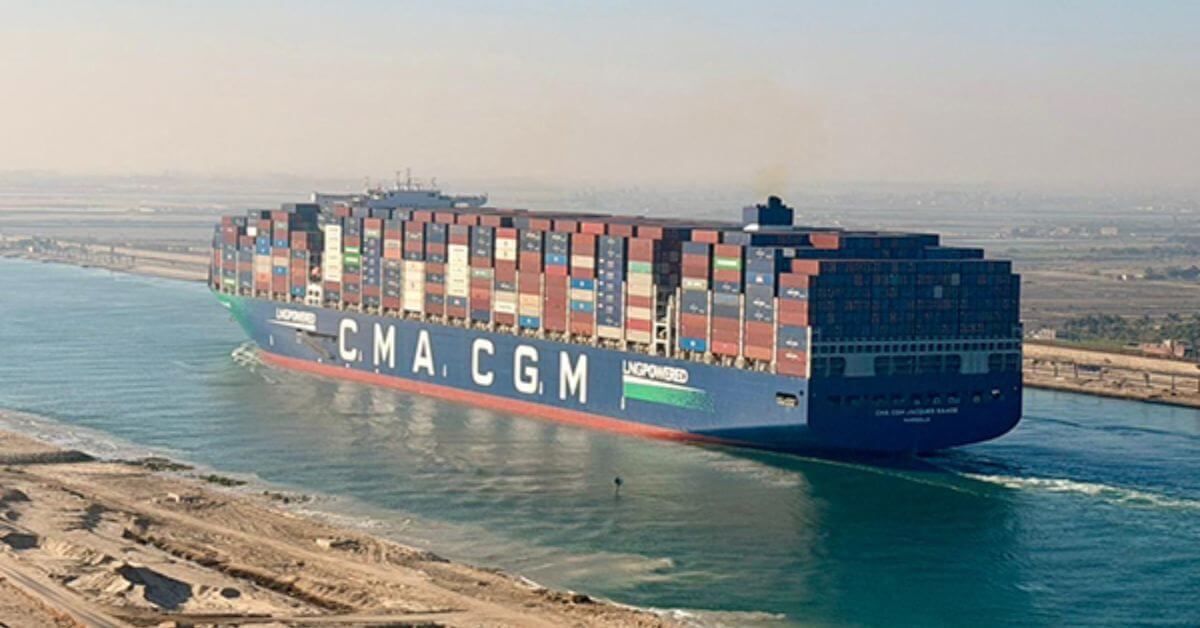
MARSEILLE : Global shipping major CMA CGM has announced an increase in its Freight All Kind (FAK) rates for shipments from Asia to Mediterranean destinations, effective from May 15 to May 31, 2026.

As per the latest advisory, the revised rates will apply to cargo originating from all major Asian ports and destined for key Mediterranean regions, including the West Mediterranean, Adriatic, East Mediterranean, Black Sea, and Algeria.

The updated FAK rates are as follows:

West Mediterranean: USD 3,300 (20’) | USD 4,600 (40’/40’ HC)
Adriatic: USD 3,400 (20’) | USD 4,700 (40’/40’ HC)
East Mediterranean: USD 3,500 (20’) | USD 4,800 (40’/40’ HC)
Black Sea: USD 3,500 (20’) | USD 4,800 (40’/40’ HC)
Algeria: USD 5,100 (20’) | USD 7,200 (40’/40’ HC)

The rate increase will cover a wide range of cargo types, including dry cargo, reefer containers, out-of-gauge (OOG) shipments, and paying empties.

The move is expected to reflect prevailing market dynamics and operational considerations across the Asia–Mediterranean trade lane, as carriers continue to adjust pricing in response to demand patterns and network costs.

Industry stakeholders are advised to take note of the revised rates and plan shipments accordingly within the specified validity period.