Home Blog Page 335

Seven ships cross Strait of Hormuz as Iran-US talks stall

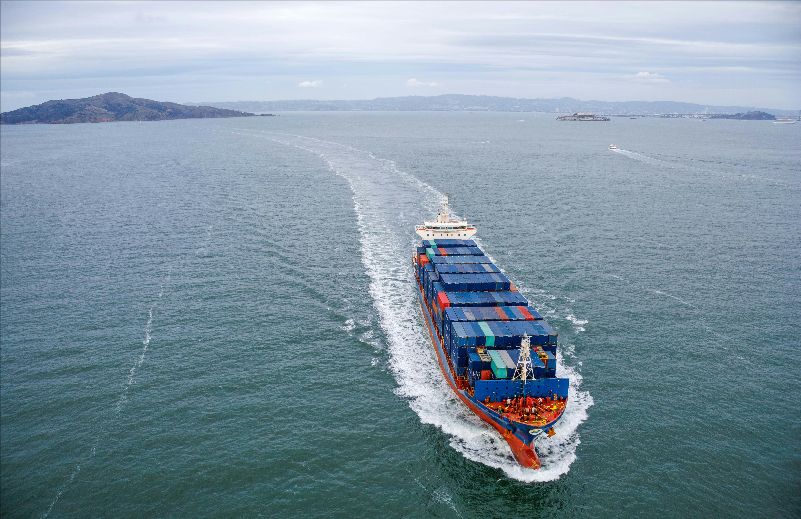
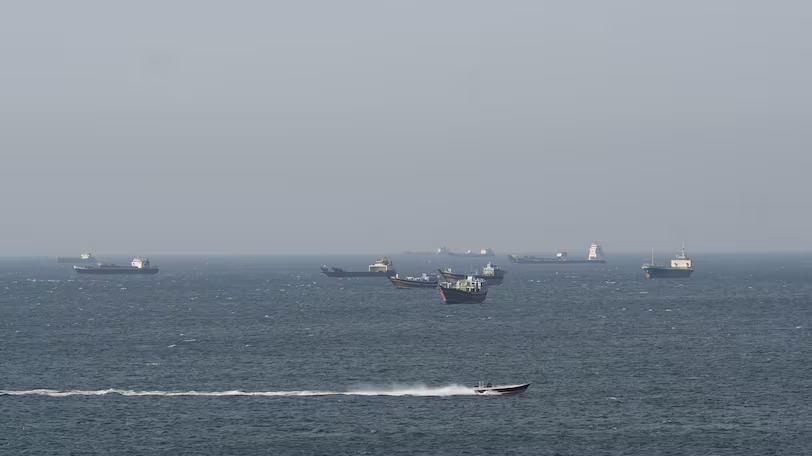
LONDON: Around seven ships, mainly dry bulk vessels, crossed the Strait of Hormuz in the past 24 hours, shipping data showed on Monday, as diplomatic talks between Iran and the United States have stalled.

The vessels included ships departing from Iraqi ports and one dry bulk vessel from an Iranian port, according to ship tracking data from Kpler and satellite analysis from data analytics specialists SynMax.

Shipping traffic through the waterway at the entrance to the Gulf during an uneasy ceasefire between Washington and Tehran represents a fraction of the average 140 daily passages before the Iran war began on February 28.

The volume of shipping traffic through Hormuz on Monday was similar to previous days, shipping data showed.

Six tankers carrying around 10.5 million barrels of Iranian oil were turned around by US forces and returned through Hormuz to Iran in recent days, according to TankerTrackers.com analysis.

Around 4 million barrels of Iranian oil onboard tankers passed through the US blockade on April 24, TankerTrackers.com analysis showed.

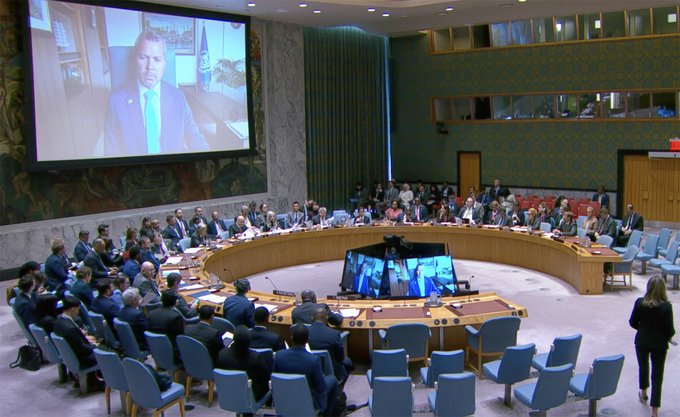
UN Security Council High-Level Open Debate – The safety and protection of waterways in the maritime domain

LONDON : The Safety and Protection of Waterways in the Maritime Domain”. Agenda item “Maintenance of international peace and security”. Keynote Remarks by IMO Secretary-General Arsenio Dominguez on Monday, 27 April 2026.

“Mr. President, Excellencies and distinguished members of the United Nations Security Council. Since the 1980’s, IMO has been addressing maritime security in the shipping and port sector and has in place the relevant mandatory standards to enhance global maritime security. Our regulatory process is constantly evolving to adapt to any new threats and make use of our experience and expertise.

The geopolitical conflict around the Strait of Hormuz is having a very negative effect on seafarers and shipping, and on the global population and economy.

Approximately, 20,000 innocent seafarers and nearly 2,000 vessels remained trapped in the Persian Gulf. Any disruption to shipping represents a global interference to energy and food security.

The principle of freedom of navigation is not negotiable. Ships must be allowed to trade worldwide unhindered and in accordance with international law.

In accordance with the United Nations Convention on the Law of the Sea and customary international law: Straits used for international navigation cannot be closed by bordering States.

Equally, there is no legal basis for any country to introduce payments or impose tolls, fees, or any discriminatory conditions on international straits.

Any deviation from these well-established and recognized principles would set a negative precedent and severely undermine the integrity and stability of shipping operations worldwide.

Since 1968, the International Maritime Organization has established a traffic separation scheme or maritime corridor, in the Strait of Hormuz.

This maritime corridor, jointly operated between Oman and Iran, has ensured safe navigation for decades. This is a mandatory mechanism in accordance with the IMO’s International Convention on the Safety of Life at Sea. Both countries are signatories to this Convention, which has governed the safety of ships at sea since 1974.

Our main concern remains the safety and the well-being of the innocent seafarers trapped in the Gulf due to the conflict.

Following the IMO Council decision, I have begun the development of an evacuation framework, using the existing traffic separation scheme, to securely evacuate ships and seafarers from the conflict zone provided it is safe to do so.

The technical and operational developments are being carried out with the involvement of the regional countries, including Iran, and with the support from relevant countries assisting in the negotiations.

As an Organization, we are ready to implement this framework without delay, but only once it is safe to do so. In this respect, I call upon States to uphold the principle of freedom of navigation; and reject an imposition of tolls, fees or discriminatory transit measures for the passage through a strait used for international navigation.

I would like to take this opportunity to further request States to: Support the IMO’s plan to facilitate the evacuation of affected seafarers; At the appropriate time, assist with the clearance of any hazards to the commercial ships navigating in the Strait of Hormuz, including mines; Provide any technical and operational civilian assistance to operationalize the evacuation framework; and Ensure practical assurances to the shipping sector, including access to insurance at reasonable costs, to enable the resumption of normal operations as soon as practicably possible.

I would like to reiterate my appreciation for the support provided by the countries in the region in delivering essential supplies to seafarers in the Persian Gulf, safeguarding their well-being, and request them to facilitate crew changes when safe and possible. Shipping and seafarers should never be used as leverage in geopolitical conflicts.

I would like to join and reiterate the call for de-escalation to ensure safety of seafarers, freedom of navigation and stability of supply chains worldwide. Thank you for this opportunity“.


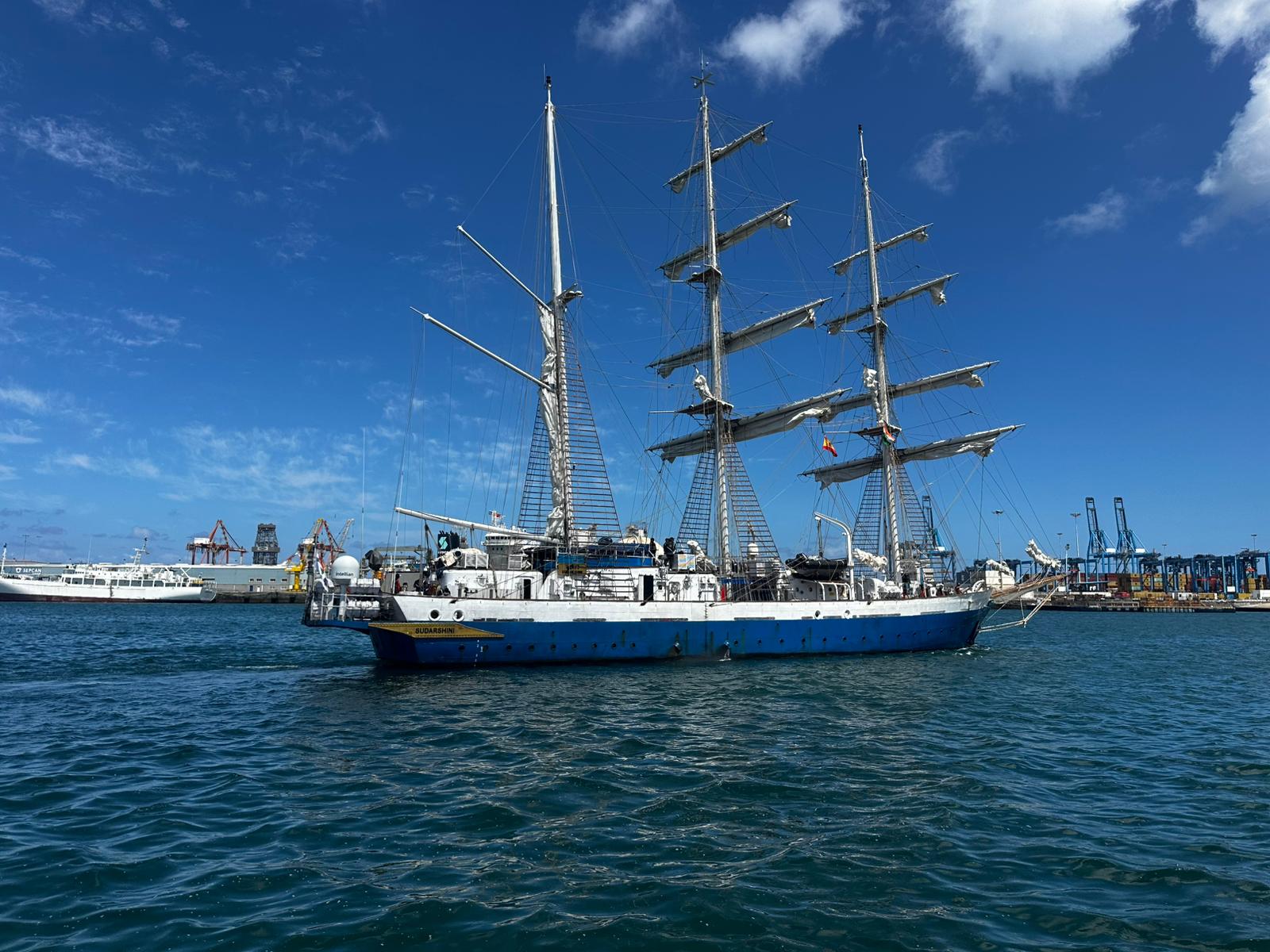
INS Sudarshini concludes port call at Las Palmas, Canary Islands

NEW DELHI : The Indian Navy’s Sail Training Ship, INS Sudarshini, concluded a landmark three-day port call at Las Palmas, Canary Islands, on 26 Apr 2026, marking a pivotal milestone in its Lokayan 26 transoceanic expedition. The visit to the Spanish archipelago provided an important avenue for maritime diplomacy and professional engagement.

The Commanding Officer, INS Sudarshini, called on RAdm Santiago de Colsa Trueba, Chief of Canary Islands Naval Command. The exchange highlighted the strengthening bilateral ties and the deepening partnership between the two navies.

During the port call, the ship was open to visitors, drawing large numbers from the local community and the Indian diaspora. Showcasing India’s proud seafaring legacy, the visitors were provided a guided tour of the ship, sharing invaluable experiences of ocean sailing and bonds of friendship across the ocean.

INS Sudarshini now proceeds to her next destination – Mindelo, Cape Verde, which will be the final African stopover prior embarking on the trans-Atlantic passage. Having completed seven port calls and maritime engagements with the Navies of West Asia, Mediterranean, Europe, and Africa, the voyage epitomises Indian Navy’s commitment to building Bridges of Friendship and mutual trust across the nations.

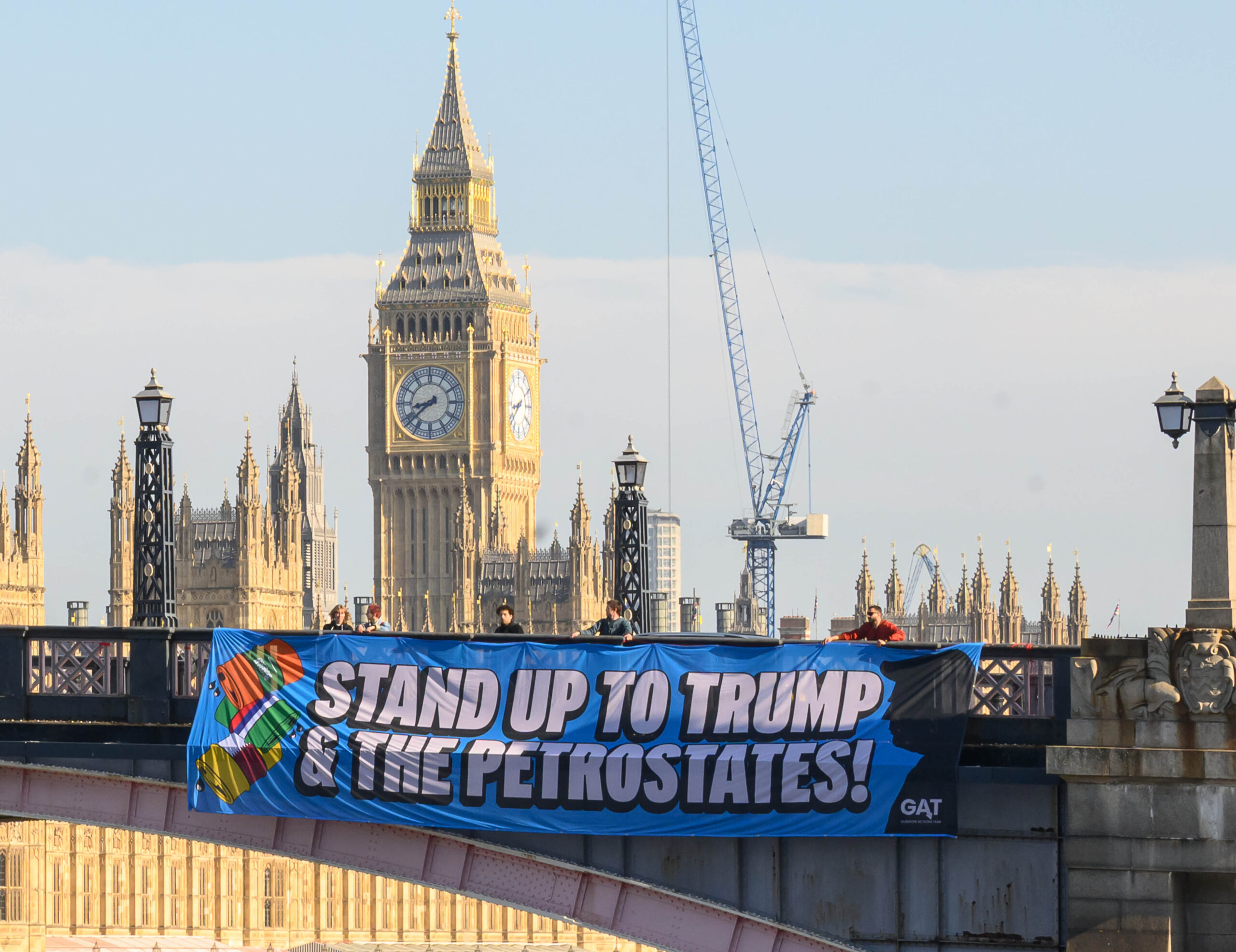
Climate Activists Greet IMO Delegates with Massive Banners Demanding: “Stand Up to Trump & the Petrostates! Green Shipping Now!”

LONDON: As delegates arrived at the International Maritime Organization (IMO) for critical negotiations on the world’s first global carbon emissions price on shipping, activists transformed the IMO headquarters into a site of direct confrontation—covering it with massive banners visible from the River Thames, Lambeth Bridge, and all surrounding approach routes. The action comes as global shipping routes face escalating instability—from tensions in the Strait of Hormuz to conflict-driven surges in oil and LNG transport—placing unprecedented pressure on supply chains and exposing the risks of continued fossil fuel dependence. The outcome of these talks will determine not just how shipping decarbonizes, but whether billions in revenue are directed to the countries most affected by climate breakdown. Vulnerable nations—who did the least to cause the crisis but face its worst impacts—stand to benefit most.

The message was unmissable for all delegate and passersby. Like London’s iconic “Mind the Gap” signs, the message is clear and directive: Stand up to Trump and the petrostates. Deliver green shipping now. Positioned directly along the route into the talks and dominating the riverfront skyline, the action was designed to ensure that every delegate enters the building under public scrutiny at a defining moment for global climate policy.

Em Fenton, Senior Director of Climate Diplomacy, at Opportunity Green stated: “The IMO Net-Zero Framework is not just a climate measure – it’s a test of whether international cooperation can survive in an era of increasing geopolitical pressure. A majority of the world’s nations want this to succeed. Opposition may be loud, but that doesn’t mean it will drown out the voices for ambition and justice, many of whom come from communities most greatly affected by climate impacts.”

Andrew Nazdin, Director of Glasgow Actions Team, stated: “The only beneficiaries of Trump’s foreign policy of chaos are the same oil executives he invited to Mar-a-Lago for fundraising dinners — and the rest of us are stuck with instability, war, and price spikes. Countries like Greece and Cyprus need to decide if they really want to align themselves with Trump and the other petrostates, or if they’re ready to say ‘enough is enough.’”

International maritime shipping emits about one billion tons of carbon dioxide per year—almost three times as much as the yearly emissions from the United Kingdom as a whole. Yet this sector has escaped serious regulation for decades. Now, after years of delay, the IMO is taking steps to adopt a global carbon levy.

The Net Zero Framework (NZF), already negotiated and backed by a majority of countries, would introduce the world’s first global carbon price on shipping. But after being delayed last year amid political pressure, it now faces a critical inflection point: it can move forward—or be weakened or abandoned entirely.

Over 60 countries support the measure, particularly climate-vulnerable nations who stand to benefit if revenues are directed toward climate finance and adaptation.

Yet some major shipping powers, including Greece—the owner of the world’s largest commercial fleet—and Cyprus, are now distancing themselves from the broader European position in favor of delay or dilution. Critics warn this risks undermining both European leadership and global momentum.

Environmental leaders have also criticized this retreat. Ahead of the IMO meeting, WWF Greece CEO Demetres Karavellas warned that opposing the framework at this moment is “inconsistent with the leadership role that Greek shipping has long claimed for itself.”

Fenton added: “We must remember that what happens at these IMO meetings matters far beyond the shipping industry. It will determine whether billions of dollars in revenue reaches the countries, communities, and zero-emission technology projects that need it most, accelerating an equitable transition for all.”

If approved, this levy could generate tens of billions annually. Vulnerable nations, which did the least to cause the climate crisis but suffer its worst effects, would benefit the most—through funding for adaptation, resilience, and a just transition—if it’s treated as climate finance, not just reinvested in the shipping industry. Data show a levy is the cheapest way to drive the sector’s energy transition, and help shield the poorest and most vulnerable economies from its impacts–provided that the revenues are invested strategically, with careful attention to ensuring it’s implemented equitably.

Spokespeople from a variety of social and global movements spanning the issues of climate, development, and international debt will be available for interviews throughout the week.

Global Shipping Climate Deal Edges Closer: IMO Member States Urged to Hold Line

LONDON:  Ahead of this week’s meeting of the International Maritime Organization’s Marine Environment Protection Committee (IMO, MEPC 84, April 27-May 1), the Clean Shipping Coalition welcomed progress made during last week’s intersessional meeting and called on member states to “hold the line against those looking to once again disrupt and delay” on the IMO’s Net-Zero Framework (NZF). 
 
The coalition is also calling for the meeting to expedite work on the revision of the IMO’s flag-ship energy efficiency measure, the Carbon Intensity Indicator (CII), for adoption of the North East Atlantic Emission Control Area, and for progress to be made on addressing the impact of plastic marine litter.
 

Net Zero Framework

The IMO’s Net-Zero Framework is aimed at reducing greenhouse gas (GHG) emissions from ships, in line with the 2023 GHG Strategy. The NZF includes a global fuel standard (GFS), requiring ships “to gradually reduce how polluting its ship fuel can be (i.e. how much greenhouse gas is emitted for each unit of energy used, across a fuel’s life cycle)”. It also includes a mechanism for setting prices on the GHGs ships emit, to encourage the shipping industry to lower emissions as per the global fuel standard.
 
See all relevant IMO papers submitted by eNGOs to MEPC 84
 
During the Intersessional Working Group on Reduction of GHG Emissions from Ships (ISWG-GHG 21, April 20-24th) meeting, IMO member states successfully continued to lay the groundwork for the adoption of the Net-Zero Framework (NZF) later this year, providing the greater clarity some member states requested during October’s MEPC/ES.2. 
 
“During the intersessional meeting, we were pleased to see member states actively engaged in working out the details of the Net Zero Framework, countering the claims from the framework’s opponents that the IMO is a ‘house divided’, said Delaine McCullough, President of the Clean Shipping Coalition and Ocean Conservancy’s Shipping Program Director. “Although there are differences on some of the details, IMO member states worked constructively to seek resolutions. While we welcome the progress achieved, during MEPC 84, IMO member states must hold the line against those looking to once again disrupt and delay. The Net Zero Framework is imperfect, but is the fruit of years of negotiations and compromise, and has broad support among IMO member states. It includes technical and economic elements that are essential for allowing the IMO and the shipping industry to meet their commitments in the 2023 IMO GHG Strategy–both to address the shipping sector’s climate impact and ensure that every country can fully participate in the shipping energy transition – without being harmed by it. Agreement on anything less than what is currently on the table would be a climate failure and a political dead end.”
 
During MEPC 84, IMO member states have three opportunities to ensure that progress is made towards slashing GHG emissions from shipping, minimising fuel burn and the overall cost of the energy transition. The first is to strengthen and make enforceable the Carbon Intensity Indicator, the IMO’s cornerstone energy efficiency measure. The second is to ensure the Net Zero Framework (NZF) is not watered down on its way to adoption. Third is to make sure the Life Cycle Assessment (LCA) guidelines include sustainability criteria that account for biodiversity and human rights impacts, real world emissions factors for methane-based fuels, and reflect GHG emissions of indirect land use change caused by production of biogenic fuels.
 
“To address its significant climate impact, the shipping sector must transform both how it uses energy–dramatically improving efficiency –and the type of energy it uses, shifting to wind propulsion, electricity and new zero-emission fuels”, said John Maggs, the Clean Shipping Coalition’s Representative at the IMO. “Pricing GHG emissions is the linchpin for enforceability and closing the price gap between the dirty fossil fuels the industry runs on and zero-emission energy. Critically, the fee sets a clear and predictable price signal for industry actors and generates funds that are needed to incentivize the energy transition and ensure no countries are left behind, particularly small island developing states and least developed countries.”
 

”Recent geopolitical instability may give the illusion that we are all reliant on fossil fuels but that is simply not true: shipping can and must decarbonise”, said Anaïs Rios, Senior Shipping Policy Officer, Seas At Risk. “During MEPC 84, countries must come together to support a strong Net-Zero Framework, including dedicated funding for those who need it most, and we are relying on the EU to stand united. Delaying or watering down the very regulation designed to clean up shipping leads us down a dangerous path towards weak action that comes too late. The ocean, the climate and ultimately, the people, will pay the price.”
 
“The Net-Zero Framework, shaped over years of negotiation and compromise, enjoys broad support from member states. During MEPC 84, countries must resist any attempts to delay or derail progress on shipping decarbonisation“, said Jenny Helle, Policy Expert at Carbon Market Watch. “Weakening the framework at this stage is not an option. Countries must ensure a fair transition to cleaner shipping, making sure no one is left behind. Providing dedicated support for those most in need is non-negotiable. It has to be part of the deal.”
 

Nexus of the Triple Planetary Crisis

“MEPC 84 arrives at a crucial moment for our planet and the marine sector”, said Elissama Menezes, Co-Director of Equal Routes. “The decisions taken during ISWG-GHG 21 have the potential to advance key agendas at the nexus of the triple planetary crisis of climate change, biodiversity loss, and pollution. We are looking to this Committee to re-establish a Correspondence Group on the Life Cycle Assessment (LCA) sustainability criteria that puts social equity and fuel sustainability at the heart of shipping’s energy transition, and to adopt an LNG default emissions factor that is conservative and globally representative to account for significant upstream methane leakage. As decarbonization advances, we call on all IMO Member States to uphold the precautionary principle and ensure that principles of justice and equity remain non-negotiable.”
 
“As the Net-Zero Framework moves to adoption, a focus should be on cutting black carbon emissions from shipping impacting the Arctic through new MARPOL regulations, rapid adoption of wind propulsion, improving efficiency, and strengthening and enforcing the Carbon Intensity Indicator”, added Andrew Dumbrille, Co-Director of Equal Routes. “In all this work, we call on all IMO Member States to ensure shipping does not transition at the expense of the most vulnerable.”
 
“The current oil crisis shows that fossil fuels are not only polluting, they are also far from the reliable cheap energy they are made out to be”, said Felix Klann, Shipping Policy Officer at Transport & Environment. “At the IMO, countries have the opportunity to stand up to those who want to keep the shipping industry locked in fossil fuel dependency, and get the energy transition back on track. Progressive countries, including the EU, need to find unity and fight for an ambitious deal for climate. Anything else would be bowing to Trump and his petrofriends.”
 

Emission Control Areas

“During MEPC 84, IMO member states are expected to adopt the world’s biggest emission control area, in the North East Atlantic – doing so will be great news for the environment, people’s health and the climate”, said Sönke Diesener, Senior Policy Officer at NABU. “Coastal states must not let last October’s postponement – during a turbulent IMO meeting – distract them from the task at hand. The new ECA will connect existing European and North American ECAs, delivering a huge sea area where low sulphur fuels and cleaner technologies must be deployed.”
 

“We encourage the inclusion of the remaining EU waters to deliver the same standards of air pollution regulation and likewise a level playing field for industry”, said Diesener. “Moreover we urge policy makers worldwide to include air pollution reduction in maritime strategies to benefit people and nature. As assessment studies show again and again the costs are marginal and outpaced multi times by health costs and environmental damage savings.” 
 

Marine Litter

“MEPC 84 represents a critical moment for addressing plastic pollution from maritime activities – a decision must be taken on the appropriate IMO instrument under which to advance mandatory measures for the transportation of plastic pellets, an issue of growing and serious environmental concern”, said EIA Ocean Campaign Leader, Christina Dixon.

“The Clean Shipping Coalition strongly believes that MARPOL is the appropriate instrument for this work, as it is specifically designed to prevent pollution from ships”, added Dixon. “While some member states are advocating for SOLAS, we are concerned that this would mischaracterise the issue by framing pellet loss primarily as a safety matter, rather than the significant environmental challenge it clearly represents.”

“The Clean Shipping Coalition welcomes the proposal for voluntary reporting of lost fishing gear as a useful interim step”, said Dixon. “However, it is essential that such measures do not replace or delay progress toward robust mandatory requirements. Despite sustained interest from members on this issue, work on fishing gear has lacked sufficient momentum. We are calling on IMO member states to ensure that efforts on gear marking and reporting are given the time and priority needed to deliver meaningful progress for the world’s oceans at this meeting.”

ETA ‘Learning from the Data’ report offers first ever industry benchmark of ECDIS knowledge

LONDON: Two years after launching its ECDIS Training Assessment (ETA) platform, NorthStandard draws on cumulative assessment data in a new report which includes key insights on the way shipping can improve ECDIS proficiency on the bridge.

A unique data set drawn from more than 5,000 ETA assessments underpins a new NorthStandard report which highlights common gaps in ECDIS knowledge and helps bridge teams take charge of their own upskilling.

The ‘ETA – Learning from the Data’ report draws on one year of Member engagement with NorthStandard’s ECDIS Training Assessment (ETA) – a first-of-its-kind tool developed with the UK Hydrographic Office (UKHO) to strengthen bridge team proficiency. Using anonymised ETA results from almost 120 Members, the report offers a clear picture of industry competence and how it changes over time.

Tom Mellor, Head of Technical Partnering, UKHO and Chairman of the International Hydrographic Organizations ENC standards maintenance working group commented: “ECDIS is a powerful tool whose use demonstrably improves navigational safety, as well as situational awareness, when used properly. However, improper use can lead to alarms and indications not functioning as expected – and ultimately navigational errors. These findings help identify where knowledge gaps exist today, so they can be addressed through targeted training; supporting confident use of current systems and helping crews build on familiar ECDIS principles as S-100 data is introduced.”

Assessments found two-thirds of bridge teams could not identify ENC updates, and nearly half did not prioritise correct ENC scale in planning. Many also struggled to distinguish alarms from alerts, spot datum issues and verify positions, with further gaps around safety settings (including contours), key symbols and ECDIS functions.

“The industry has long been aware of gaps in seafarers’ ECDIS proficiency but this report distils the issues that need attention,” said John Southam, Loss Prevention Director – Greece, NorthStandard. “Analysing consolidated data brings a better understanding of where gaps are superficial or entrenched, and insights that help NorthStandard make informed recommendations to Members on priorities for future navigational safety campaigns.”

Available free of charge to Members, NorthStandard’s ETA is an easy-to-use online ECDIS resource which offers instant feedback to support self-evaluation, while also guiding the user towards additional training materials. Anonymised engagement provides discretion to promote a continuous learning culture. Company-level data is not available to NorthStandard unless shared by the Member.

“NorthStandard’s ETA gives shipping companies an insight into crews competence at a granular level never seen before,” added Southam. “It supports learning to mitigate risk long before an accident can occur and gives individual crew members the opportunity to take charge of their own development as well.”

Owners using the NorthStandard ETA can redistribute the assessment to deck officers as often as needed. Repeated use over time helps seafarers to enhance skills, keep up to date and ensure ECDIS best practice is given priority. The data shows that learners retaking the assessment increase their results by up to 10% on the second attempt. This improvement can only be enhanced as recent updates include an AI-powered library of ECDIS information to support self-learning. The update also includes easier-to-read reports and clearer sign-up emails for crew and members, and a survey allowing crew to evaluate practical issues they face with different ECDIS models to assist with onboard familiarisation focus.

NorthStandard continues to work in collaboration with the UKHO and Seall ECDIS to enhance safe navigation. As well as leveraging simulator-based training, the partners are set to analyse new feedback from classroom training focusing on S-100 ENCs, to enrich understanding of issues relating to mandatory requirements for all newly installed ECDIS to be compatible with the S-100 framework from 1 January 2029.

ECDIS Training Assessment (ETA) – Learning from the Data can be downloaded here.

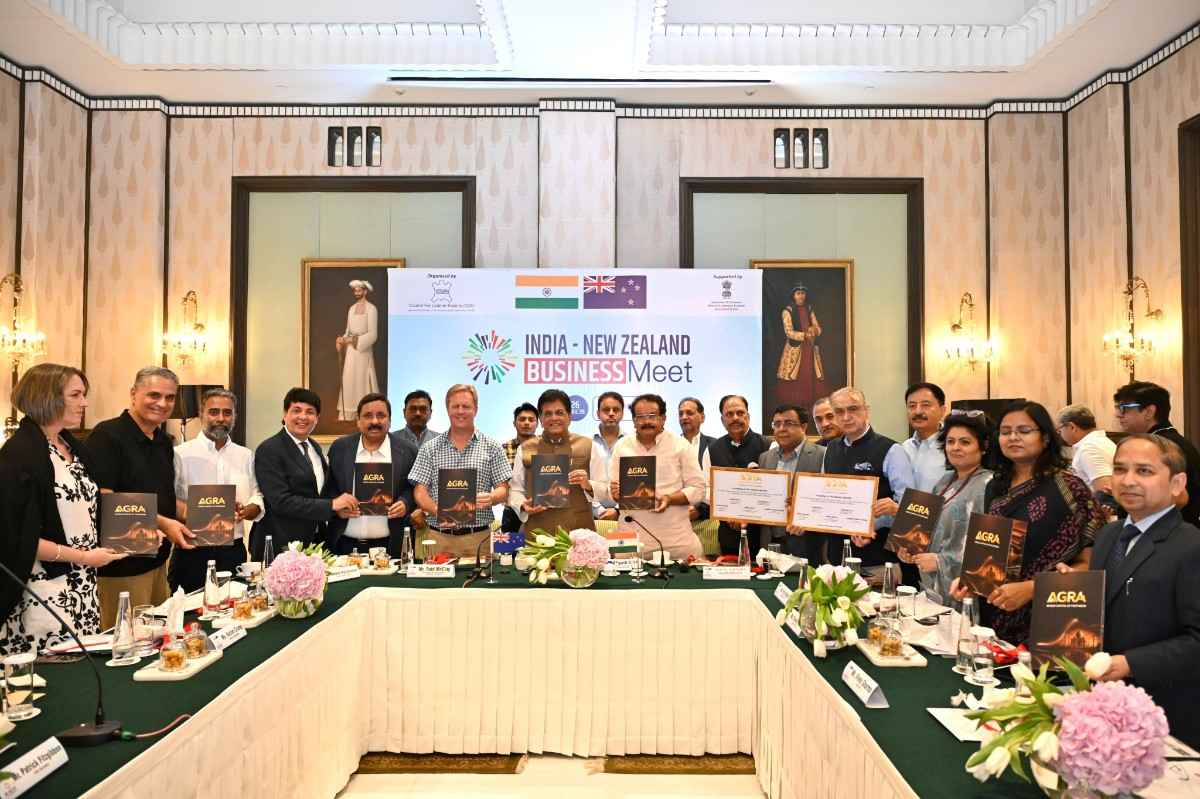
Piyush Goyal and Todd McClay lead industry engagement in Agra ahead of India–New Zealand FTA signing

NEW DELHI : On the eve of the signing of the India-New Zealand Free Trade Agreement (FTA), Union Minister for Commerce and Industry, Shri Piyush Goyal, and Mr. Todd McClay, Minister for Trade and Investment, New Zealand, participated in an Industry Engagement Programme at Agra. MoS of Fisheries, Animal Husbandry and Dairying Shri S P Baghel, also participated in the interaction. The interaction brought together leading industry representatives from the leather and footwear, AYUSH, medical devices, light engineering, sports goods sectors and Laghu Udyog Bharati, Uttar Pradesh. The industry presented their views reflecting the depth and diversity of India’s leather manufacturing prowess, Pharma industry, medical devices industry, engineering products.

In keeping with Prime Minister Shri Narendra Modi’s vision of building trade partnerships that are inclusive, forward-looking, and firmly rooted in India’s national priorities, both Ministers underscored that the India-New Zealand FTA is far more than a tariff agreement. It is a comprehensive framework encompassing market access, agricultural productivity, investment, talent mobility, collaboration in sports, tourism, and people-to-people ties, designed to benefit manufacturers, farmers, MSMEs, women entrepreneurs, students, and skilled professionals across both nations.

Agra, which accounts for approximately 75 per cent of India’s leather footwear production, holds a Geographical Indication (GI) tag for its leather footwear and is a flagship product under the One District One Product scheme. With the FTA eliminating duties on 100 per cent of Indian exports from Entry into Force, and bringing tariffs on leather and footwear from 5 per cent to zero, Indian exporters are set to gain a decisive competitive advantage. Industry representatives highlighted the sector’s potential to grow to USD 50 billion by 2030, driven by a strategic shift from mass production to high value-added manufacturing. New Zealand’s rich raw leather resources, combined with India’s manufacturing capabilities, offer a strong complementarity that both sides expressed keenness to harness. On the occasion, Both Ministers along with Industry representatives spoke of positioning Agra as a global sourcing destination, an employment engine, and an export powerhouse on the world stage.

The interaction also covered the pharmaceutical and medical devices sectors. Industry representatives welcomed the FTA’s provisions for faster regulatory access, including acceptance of GMP and GCP inspection reports from comparable international regulators, which will reduce compliance burdens and expedite product approvals for Indian manufacturers. They welcomed the inclusion of a dedicated chapter on Health and Traditional Medicine in the FTA, a first for both the countries recognising AYUSH.

Shri Piyush Goyal also touched upon the significant opportunities the Agreement creates in education and talent mobility. The Minister urged industry and stakeholders to actively leverage these provisions, encouraging Indian students and professionals to explore the new pathways the FTA opens, and called upon all to view this Agreement as a gateway to a deeper, people-centred partnership between the two nations.

Addressing the gathering, Shri Goyal described the FTA as an opening of both doors and minds, and urged industry to think beyond the ordinary and leverage the full breadth of the Agreement across sectors including pharma, AYUSH, education, sports, tourism and investment. He called upon industry bodies to ensure that its benefits reach every MSME and small enterprise. Mr. Todd McClay reaffirmed that India is a strategic priority for New Zealand and described this as the highest quality FTA New Zealand has concluded. He encouraged businesses on both sides to actively pursue joint ventures, and highlighted significant investment opportunities that New Zealand businesses see in India’s growing economy.

The Industry Engagement Programme at Agra is part of a series of high-level interactions accompanying the landmark signing of the India-New Zealand FTA in New Delhi, concluded in a record nine months since its launch on 16 March 2025, marking a new chapter in bilateral economic relations.

VOC Port Partners with ABB to Develop Shore Power Infrastructure, Advancing Green Port Vision

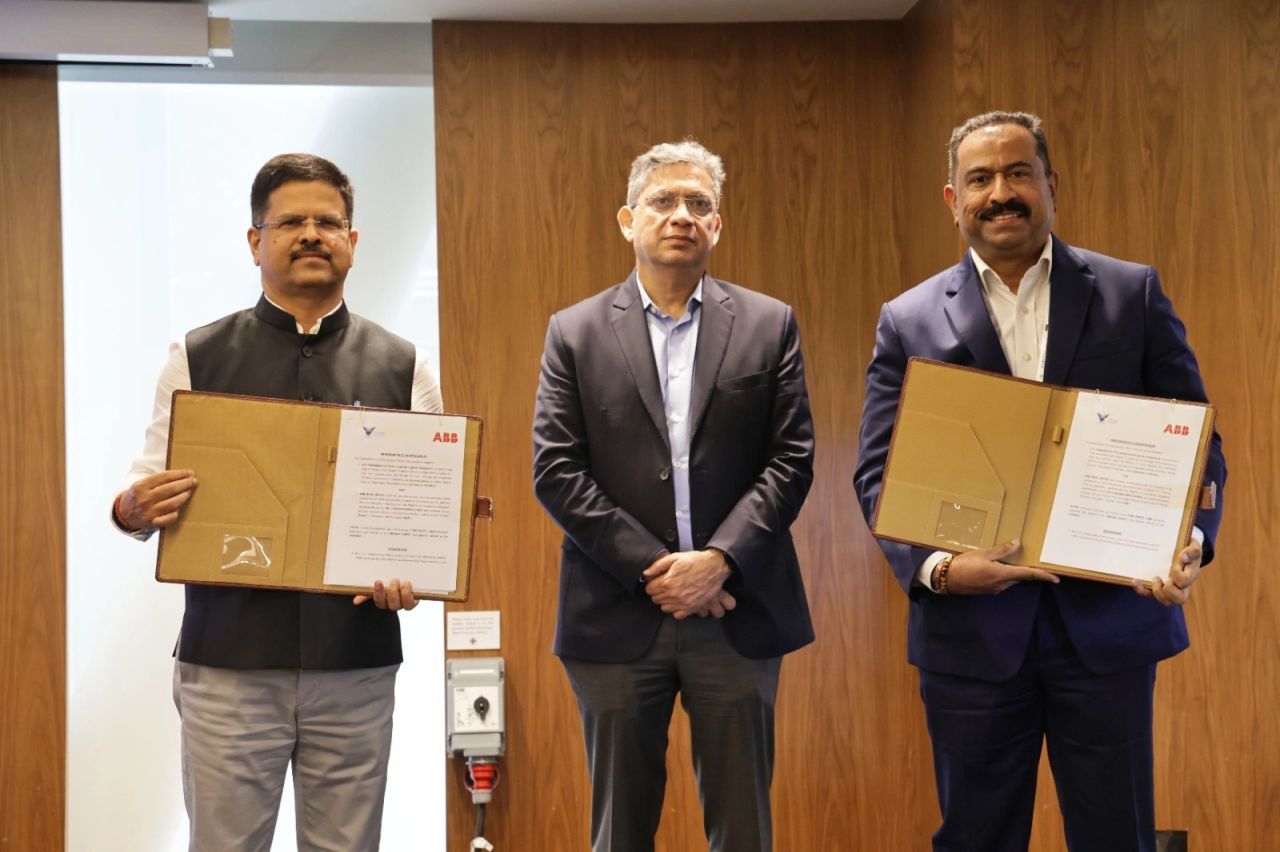
SINGAPORE: In a significant step towards sustainable maritime operations, the V.O. Chidambaranar Port Authority (VoCPA) has signed a Memorandum of Understanding (MoU) with global technology leader ABB during the prestigious Singapore Maritime Week.

The collaboration marks a major milestone in VoCPA’s strategic roadmap to transform into a future-ready green port. Under the agreement, both organizations will work towards the development of shore-to-ship power infrastructure across the port’s berths. This initiative will enable vessels to switch off onboard fossil fuel-powered generators while at berth and instead draw clean electricity from the shore.

The implementation of shore power solutions is expected to significantly reduce greenhouse gas emissions, improve air quality in and around the port, and align operations with India’s broader decarbonization objectives. It also positions V.O. Chidambaranar Port as a frontrunner in adopting environmentally sustainable maritime practices.

The MoU was formally exchanged between Shri Susanta Kumar Purohit, Chairperson of VoCPA, and Mr. Mahesh Krishnappa, Senior Vice President and Division Lead at ABB Singapore. The exchange took place in the esteemed presence of Vijay Kumar, Secretary, Ministry of Ports, Shipping and Waterways, Government of India.

This partnership underscores India’s commitment to greener ports and reinforces VoCPA’s role in driving innovation and sustainability within the maritime sector.

NMPA sets ambitious cargo target after record 50 million tonnes throughput in FY26: Chairman Sushil Kumar Singh

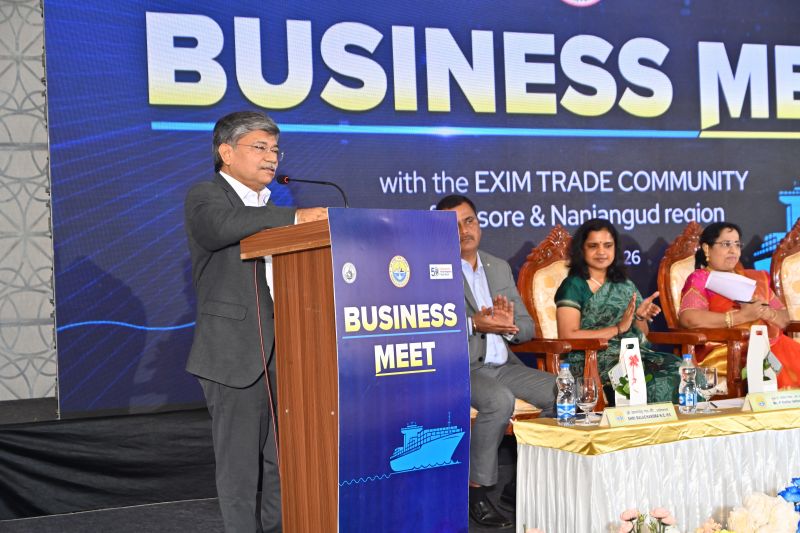
MYSURU: The New Mangalore Port Authority (NMPA) is eyeing another record year after registering its highest-ever cargo throughput of 50 million tonnes in FY26, marking an 8% year-on-year growth, Chairman Shri Sushil Kumar Singh said on Sunday at a business meeting with the Export-Import (EXIM) trade community in Mysuru.

Shri Singh credited the milestone to sustained collaboration across the port ecosystem. “This has only been possible because of the support and contribution from all the stakeholders here — the export import, the traders, the industry, the state officials, the federal government agencies,” he told ANI, expressing gratitude and urging continued partnership.

The business meeting brought together stakeholders from across the trade and logistics value chain to review the port’s progress and outline its future roadmap. Singh said the interaction also served as an opportunity to share NMPA’s vision and gather valuable inputs from users. “We explained to them about our plans and the vision of our honorable prime minister of making the maritime sector of this country as a leader on the global map,” he said, referring to the Viksit Bharat 2047 and Maritime India Vision 2030 frameworks.

Outlining the port’s strategy, Singh highlighted ongoing efforts towards capacity augmentation, automation and mechanisation. “All those aspects were explained to them just to build confidence amongst them that this port… is there to grow and this is there to modernize,” he said. The alignment of NMPA’s strategy with the national mission, he added, is aimed at strengthening India’s maritime competitiveness globally.

Shri Singh expressed confidence that the synergy between the port and its stakeholders would help set a new benchmark for cargo throughput this year. “This year again we are going to set a very ambitious target for this port… I’m sure that this year again we will be able to touch a very high level of cargo throughput volumes and that will set a benchmark for this port also for the other similar ports in similar category,” he said.

The chairman noted that the meeting generated constructive suggestions from the trade community, which would feed into NMPA’s planning and operations. He reiterated that the port’s infrastructure and facilities are being continuously upgraded for the benefit of users and to support India’s broader maritime ambitions.

“We will find the results coming very soon,” Singh said, indicating that the momentum built in FY26 is expected to carry forward into the current fiscal.

Source: ANI

NMPA showcases growth, sustainability, and expansion vision at Mysuru Business Meet

MYSORE : At a Business Meet held in Mysuru, Shri Sushil Kumar Singh, Chairman of New Mangalore Port Authority (NMPA), delivered a keynote address highlighting the port’s strong infrastructure capabilities and strategic vision for future growth.

Emphasising NMPA’s role as a key maritime gateway on India’s western coast, Shri Singh outlined ongoing and planned expansion projects aimed at enhancing cargo handling capacity, modernising terminal infrastructure, and improving turnaround efficiency. He noted that these initiatives are designed to position New Mangalore Port as a preferred hub for EXIM trade, catering to the evolving needs of exporters and importers.

The Chairman also showcased the port’s impressive performance in cargo growth across key commodities, supported by continuous process optimisation and adoption of digital solutions. He highlighted several customer-centric initiatives, including streamlined documentation processes, improved logistics coordination, and enhanced stakeholder engagement, which have contributed to greater ease of doing business at the port.

Reinforcing NMPA’s commitment to sustainable development, Shri Singh spoke about ongoing green initiatives such as energy-efficient operations, promotion of cleaner fuels, and efforts to reduce the port’s carbon footprint. He further underlined the Authority’s focus on operational excellence through the adoption of best practices in safety, efficiency, and environmental management.

Addressing connectivity, he stressed the importance of strengthening multimodal linkages—rail, road, and coastal shipping—to ensure seamless cargo movement and support regional trade and industry. He highlighted collaborative efforts with various stakeholders to enhance hinterland connectivity and unlock new trade corridors.

The address concluded with a forward-looking vision of NMPA as a modern, efficient, and sustainable port, playing a pivotal role in driving economic growth and supporting India’s maritime ambitions.