Home Blog Page 338

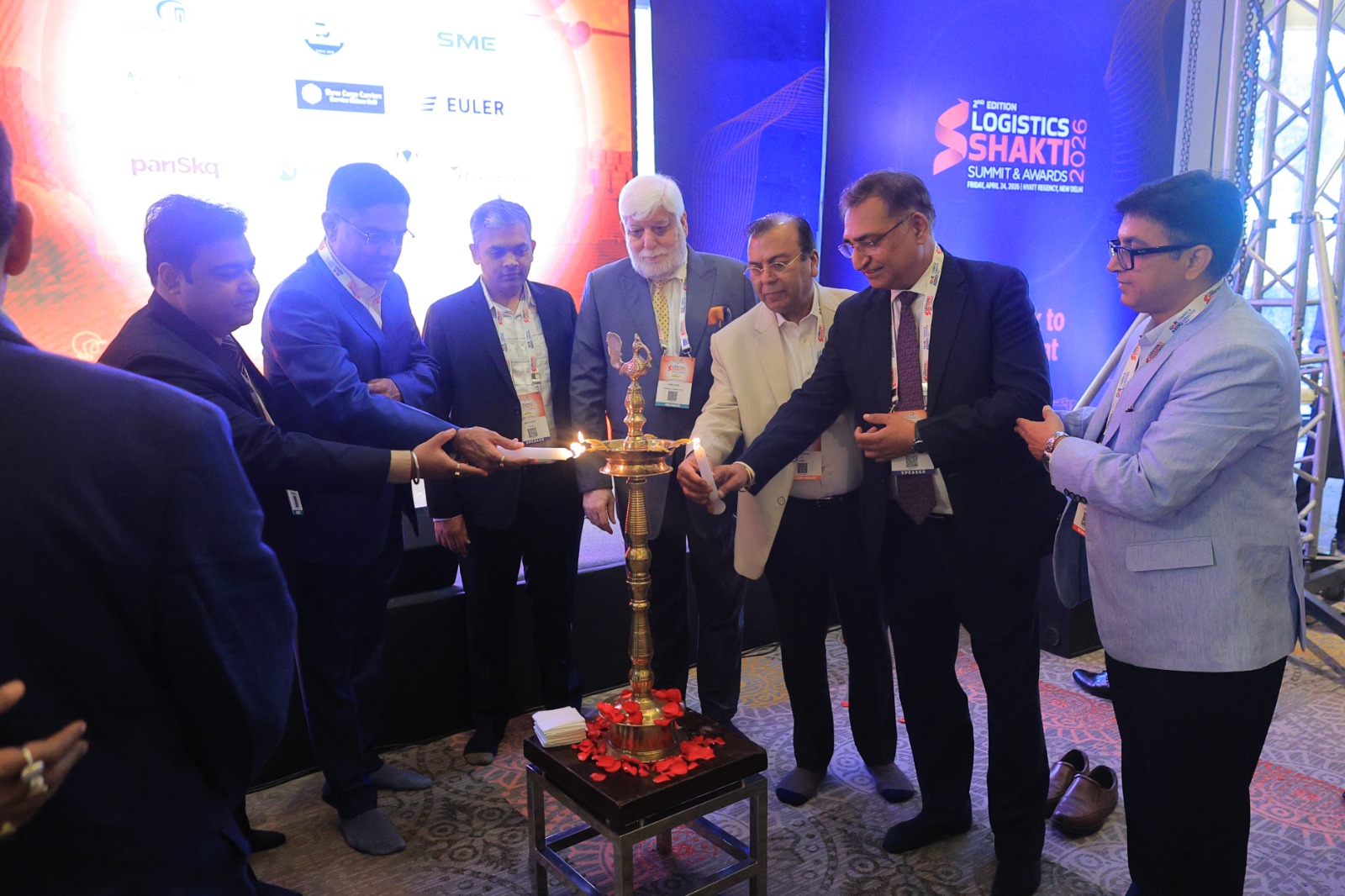
Amid Global Trade Realignment, India Pivots to BRICS-Led Supply Chain Strategy at 2nd Logistics Shakti Summit 2026 in New Delhi

NEW DELHI: At a time when global trade routes are being redefined amid geopolitical disruptions and shifting economic alliances, India is stepping into a more central role in shaping the future of logistics and supply chains. This transition was reflected in the second edition of the Logistics Shakti Summit & Awards 2026, held at Hyatt Regency on Friday, which brought together senior policymakers, global representatives, and industry leaders under one platform.

Taking place during India’s BRICS Presidency, the summit was positioned against the backdrop of expanding BRICS influence and the increasing importance of emerging economies in global trade. Discussions were centred around the theme of building integrated trade corridors, strengthening supply chain resilience, enabling digital and paperless trade, advancing multimodal connectivity, and accelerating sustainable logistics practices.

The proceedings began with an inaugural ceremony and plenary session on “India’s Global Logistics Leap: Vision 2047 & Logistics 3.0,” outlining the country’s transition from fragmented logistics systems to a digitally connected, infrastructure-led ecosystem. The session brought together key voices from government and industry, including Ateesh Kumar Singh, alongside senior leaders from logistics, infrastructure, and manufacturing sectors. The opening also featured remarks from organisers and industry stakeholders, setting the context for a day of policy-led and industry-driven dialogue.

The summit’s agenda reflected the complexity of the current global supply chain environment. The first session on global geopolitics and trade architecture examined disruptions arising from conflict-affected supply chains and explored how India and BRICS economies could navigate these challenges through new-age trade corridors and cross-border partnerships. The discussion included participation from policymakers, industry leaders, and international representatives, including officials linked to the Russian Federation’s trade ecosystem. A sustainability-focused session followed, addressing the transition towards net-zero logistics. Industry participants discussed the role of renewable energy, decarbonisation strategies, and ESG frameworks in reshaping logistics into a more resilient and environmentally aligned sector.

Image 1 Amid Global Trade Realignment, India Pivots to BRICS-Led Supply Chain Strategy at 2nd Logistics Shakti Summit 2026 in New Delhi

A key highlight of the summit was the address by Nitin Gadkari, Hon’ble Union Minister for Road Transport and Highways, Government of India, during which he said,  “ “We have set a clear target to bring down India’s logistics cost from 14–16% to a single-digit 9%. With an investment of ₹1 lakh crore in multi-modal logistics infrastructure, where every ₹100 invested can generate ₹321 in GDP impact, we are transforming connectivity across the country. Projects that once took 9 hours are now completed in just 2.25 hours, reflecting our commitment to speed and efficiency. Guided by the 4 pillars of speed, scale, sustainability, and smart technology, we are also accelerating the shift towards EVs, biofuels, and hydrogen to power the future of logistics. Our focus is to reduce costs, improve ease of movement, boost exports, generate employment, and position India as a global logistics hub, accelerating our journey towards a $5 trillion economy.” “

Post-lunch sessions focused on sectoral transformation and future readiness. A special focus discussion on cargo-first aviation examined the need for India to build dedicated air freight capacity to support exports, manufacturing, and e-commerce, marking a shift from reliance on passenger aircraft cargo space to purpose-built logistics infrastructure.

Another session explored India’s emergence as a global supply chain workforce hub, highlighting the country’s growing role in providing skilled manpower across logistics, warehousing, ports, and digital supply chains. The discussion underscored the importance of skilling, certification, and workforce mobility in strengthening India’s global positioning. The summit also featured a series of partner presentations, roundtables, and industry interactions, including a dedicated roundtable on express logistics and discussions around startup growth and innovation pathways. A fireside conversation on the “Logistics Unicorn Playbook” examined the journey from early-stage ideas to scalable enterprises within the sector.

Technology remained a key focus area, with a session on AI, automation, and digital platforms bringing together leaders from digital infrastructure and startup ecosystems to discuss how intelligent systems are transforming supply chain management. The summit also saw the launch of a drone-based logistics prototype, highlighting the growing role of emerging technologies in redefining logistics operations.

Ramdas Athawale, Minister of State for Social Justice & Empowerment, Government of India, said, “The logistics sector is one of the largest employment generators, particularly for semi-skilled and skilled workers. Strengthening this sector through formalisation, skilling, and better working conditions will not only improve efficiency but also contribute to inclusive growth and social equity.”

From the industry perspective, Amit Shankhdhar, Co-founder, Logistics Shakti Enterprise, stated, “The sector is at an inflection point where policy intent, infrastructure investments, and private sector innovation are converging. The focus now needs to be on execution, building scalable models, improving service reliability, and ensuring that India’s logistics ecosystem is aligned with global standards in terms of cost, speed, and transparency.”

Sarvam Shukla, National Head Industry, Apollo Innovatione, added, “Technology adoption in logistics is moving beyond pilots to large-scale implementation. Whether it is AI-driven demand forecasting, automation in warehousing, or digital platforms for visibility, the challenge now is integration across the value chain to create end-to-end efficiency rather than isolated improvements.”

The summit also included the Logistics Shakti Rising Ecosystem Partners Awards and Frontline Ambassadors Awards, recognising contributions across the sector, followed by the Logistics Shakti Awards 2026 in the evening. These awards honoured achievements across logistics infrastructure, sustainability, technology adoption, and workforce excellence, including recognition of frontline workers who play a critical role in maintaining supply chain continuity.

As global supply chains continued to undergo realignment, the discussions at the summit reflected a broader shift in which India is increasingly being seen not just as a participant but as a key architect of future trade and logistics frameworks.
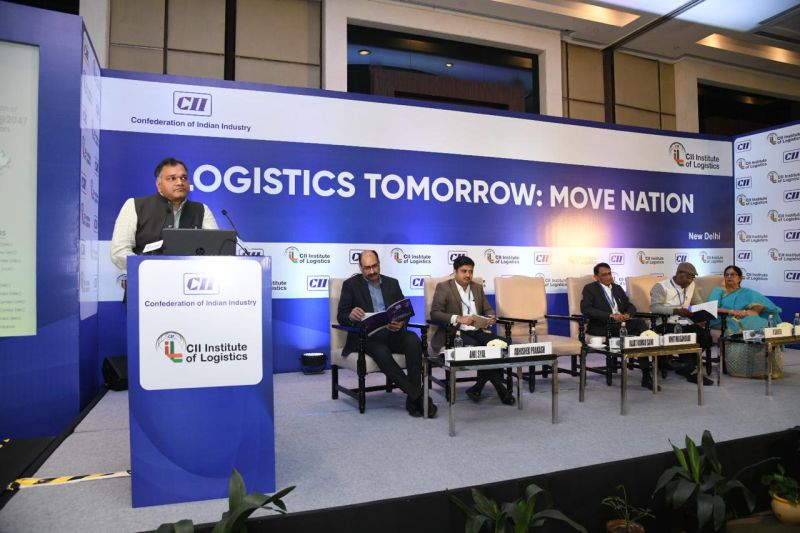
NICDC CEO Rajat Kumar Saini highlights Integrated, Digital-Driven Logistics Vision at CII IL ‘Logistics Tomorrow – Move Nation’

NEW DELHI : Shri Rajat Kumar Saini, CEO & Managing Director, National Industrial Corridor Development Corporation (NICDC) and Chairman, National Logistics Data Services Ltd. (NLDSL), delivered the inaugural address as Chief Guest at the 29th edition of “Logistics Tomorrow – Move Nation,” organised by the CII Institute of Logistics (CII IL).

In his address, Shri Saini highlighted the ongoing transformation of India’s logistics landscape—from fragmented and silo-based systems to integrated, multimodal, and data-driven networks. He emphasised the critical role of digital platforms such as the Unified Logistics Interface Platform (ULIP), Logistics Data Bank, and e-Logs in enabling seamless data exchange, enhancing container visibility, and supporting faster, coordinated decision-making across stakeholders.

Underscoring the need to go beyond conventional industrial infrastructure planning, Shri Saini elaborated on NICDC’s approach of embedding multimodal logistics connectivity within its Greenfield Industrial Smart Cities. He noted that this integrated planning model is key to driving efficiency and ensuring long-term sustainability.

Highlighting key initiatives, he referred to the development of multimodal logistics hubs at Dadri and Nangal Chaudhary, as well as the recently approved 100 industrial parks under the BHAVYA initiative. These efforts, he said, reflect a strong push towards scale, integration, and efficiency in the logistics sector.

Shri Saini emphasised that close collaboration between government, industry, and technology partners will be essential in building resilient and future-ready logistics systems aligned with India’s growth ambitions.

The event brought together industry leaders, policymakers, and experts to deliberate on emerging trends and strategies shaping the future of logistics in India.

DFCCIL delegation explores advanced track inspection technologies in New York

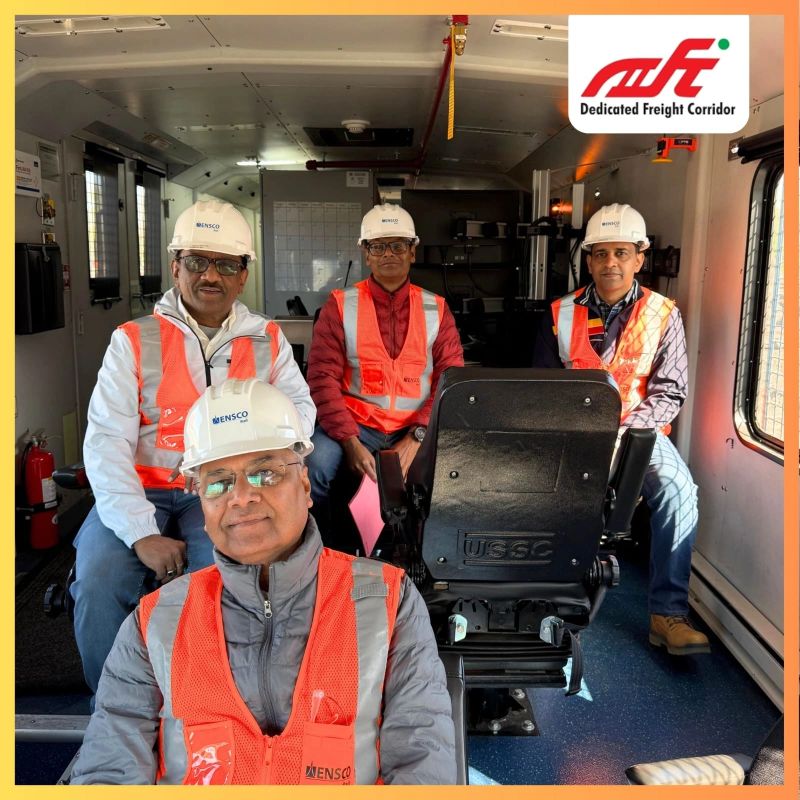
NEW YORK : A high-level delegation from Dedicated Freight Corridor Corporation of India Ltd. (DFCCIL), led by its Managing Director, Shri Praveen Kumar, visited New York to inspect an advanced automated track inspection vehicle developed by ENSCO, a global leader in railway technology solutions.

During the visit, the delegation witnessed live demonstrations of the ENSCO system, which enables precise, real-time monitoring of critical track parameters such as geometry, alignment, rail profile, and structural integrity. The system leverages cutting-edge sensors, high-speed data acquisition, and analytics to detect potential defects at an early stage, significantly enhancing railway safety and maintenance efficiency.

The delegation included Shri Manish Awasthy, Executive Director (Infrastructure); Shri Amit Saurastri, General Manager (Coordination & Contracts); and Shri D. L. Yadav, General Manager (Administration). Detailed technical discussions were held with ENSCO experts on the integration of such advanced inspection systems into high-density freight corridors.

The visit provided valuable insights into global best practices in predictive and condition-based maintenance, including the use of automation, artificial intelligence, and data-driven decision-making in modern railway networks.

Shri Praveen Kumar noted that adopting such state-of-the-art technologies aligns with DFCCIL’s vision of building a safe, efficient, and future-ready freight rail infrastructure in India. He emphasized that automated inspection systems can play a crucial role in improving asset reliability, reducing downtime, and optimizing maintenance planning across dedicated freight corridors.

This engagement reflects DFCCIL’s continued efforts to benchmark with international standards and incorporate innovative solutions to enhance operational excellence and safety across its network.

CONCOR CMD highlights Green, Digital and Maritime Expansion at Maritime & Logistics Conclave 2026

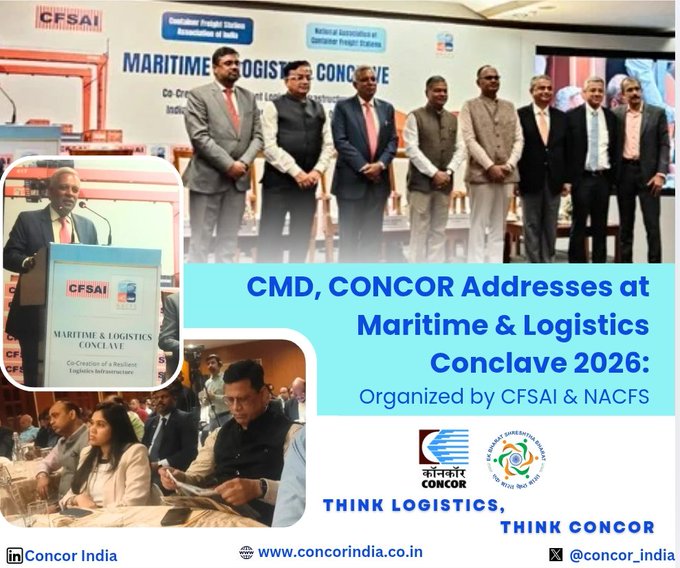
NEW DELHI : At the Maritime & Logistics Conclave 2026 held here in New Delhi on Friday, Shri Sanjay Swarup, Chairman and Managing Director of Container Corporation of India Ltd. (CONCOR), delivered the keynote address during the session on “Co-Creation of Resilient Logistics Infrastructure.” The conclave was jointly organized by the Container Freight Station Association of India (CFSAI) and the National Association of Container Freight Stations (NACFS).

In his address, Shri Swarup underscored CONCOR’s commitment to building a greener and more sustainable logistics ecosystem. He highlighted the deployment of 230 LNG-powered trucks, supported by in-house fueling facilities at Khatuwas and upcoming infrastructure at Dadri. He also noted the company’s collaboration with GAIL through a Memorandum of Understanding for the development of LNG infrastructure. Further advancing its green agenda, CONCOR has initiated the induction of electric vehicles, including Rail Mounted Gantry (RMG)-based systems and trucks, aimed at reducing carbon emissions.

Emphasizing digital transformation as a key enabler of efficiency, Shri Swarup spoke about the integration of AI-based solutions in terminal operations and the adoption of advanced digital platforms to enhance operational efficiency and promote ease of doing business.

Highlighting CONCOR’s expanding presence in maritime logistics, he shared insights on the company’s recently launched shipping services using its own containers, connecting India with the Middle East and other global markets. He also referred to strategic Memorandums of Understanding for port and terminal development, as well as the formation of Bharat Container Shipping Line (BCSL), aimed at strengthening India’s footprint in the global shipping sector.

Shri Swarup reiterated that these initiatives collectively reflect CONCOR’s vision to build a resilient, sustainable, and globally competitive logistics network aligned with India’s growth aspirations.

Indian delegation visits Washington D.C. for discussions on BTA between India-U.S. from 20th-23rd April

WASHINGTON D.C. : India and the United States issued a Joint Statement on 7th February 2026 agreeing on a framework for an Interim Agreement regarding reciprocal and mutually beneficial trade. The framework reaffirmed the countries’ commitment to the broader India-U.S. Bilateral Trade Agreement negotiations.

In pursuance thereof, the Indian side visited Washington D.C. for in person round of meetings with their U.S. counterparts to finalize the details of the Interim Agreement and take forward the negotiations under the broader BTA. Multiple areas such as Market Access, Non-Tariff Measures, Technical Barriers to Trade, Customs and Trade Facilitation, Investment Promotion, Economic Security Alignment and Digital trade were discussed. The meetings were conducted in a constructive and positive spirit with meaningful and forward-looking discussions enabling progress on key matters. Both sides agreed to remain engaged to maintain this momentum as they move forward.

Allcargo Logistics appoints Samir Ahuja as Chief of Sales – Express to accelerate growth momentum

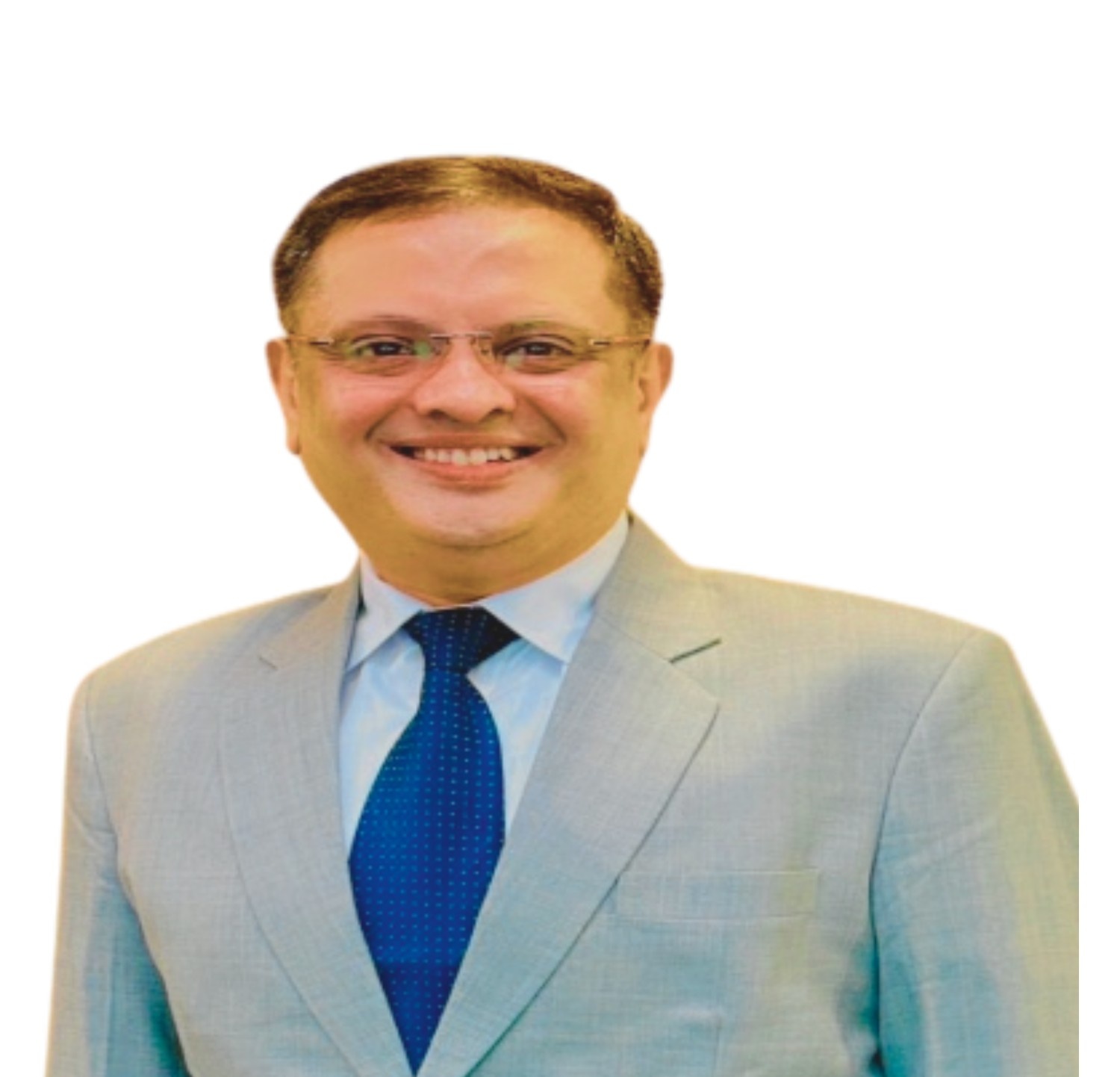
MUMBAI: Allcargo Logistics Limited, which operates its Domestic Supply Chain businesses across Express Distribution and Contract Logistics, has announced the appointment of Mr. Samir Ahuja as Chief of Sales – Express.

In this role, Samir will lead the company’s sales strategy for its express business, with a focus on driving revenue growth, expanding market share, and building a high-performing national sales organisation. He will oversee key areas including key account management, pricing, channel partnerships, and execution across regions and industry verticals, with a strong emphasis on profitability, customer centricity, and data-driven decision-making.

Welcoming the appointment, Ketan Kulkarni, Managing Director & CEO, Allcargo Logistics, said,
“As customer expectations and supply chains continue to evolve, building a sharper and more responsive commercial engine is critical. Samir’s strong execution focus, coupled with his ability to translate market opportunities into scalable business outcomes, will play a key role in strengthening our express business and accelerating growth.”

Samir brings over 29 years of diverse experience across logistics, telecom, and retail sectors. He has a proven track record of scaling businesses, strengthening distribution networks, and delivering sustainable, profitable growth. Over the years, he has successfully led large teams and driven market expansion initiatives across geographies.

On his appointment, Samir Ahuja, Chief of Sales – Express, Allcargo Logistics, said,
“The express logistics sector is undergoing rapid transformation, driven by rising customer expectations for speed, reliability, and integrated supply chain solutions. Allcargo Logistics has built a strong foundation in this space, and I look forward to strengthening our go-to-market strategy, deepening customer partnerships, and building a future-ready sales organisation that is agile, performance-driven, and focused on delivering sustained, profitable growth.”

Samir holds a B.Tech in Civil Engineering from NIT Calicut and a Post Graduate Diploma in Marketing Management from IMT Ghaziabad.

Shiprocket Accelerates MSME Export Awareness through ShiprocketX Yatra in Bangalore

BENGALURU: Strengthening export awareness and readiness among Indian sellers remains a key focus for Shiprocket through its on-ground initiative, ShiprocketX Yatra. Designed to educate MSMEs, D2C brands, and emerging exporters on cross-border commerce, the programme focuses on export compliance, logistics optimisation, market access, and operational readiness for global trade.

Bangalore represents a high-potential market for export enablement, driven by Karnataka’s strong base of technology-led startups, D2C brands, and manufacturing MSMEs. Government data indicates that Karnataka is home to over 90 lakh MSMEs, with Bangalore serving as a key innovation and commerce hub, making it an important contributor to India’s evolving export ecosystem particularly in sectors such as electronics, apparel, and consumer goods.

Through ShiprocketX Yatra, the company is engaging directly with businesses in the region to bridge awareness gaps around international commerce. The initiative enables sellers to better understand regulatory frameworks, shipping infrastructure, digital commerce tools, and strategies required to expand beyond domestic demand, ultimately simplifying export entry barriers and supporting sustainable global growth.

Akshay Ghulati, CEO – International Shipping, Shiprocket, said, “Bangalore is home to a new generation of digital-first brands and entrepreneurs who are inherently global in their outlook. Through ShiprocketX Yatra, we aim to equip these businesses with the right knowledge, tools, and infrastructure support to seamlessly enter international markets. Our focus is on simplifying the complexities of cross-border trade so that sellers from the region can scale globally with confidence and agility.”

These awareness efforts are complemented by broader ecosystem collaborations aimed at improving export infrastructure accessibility. As part of this agenda, Shiprocket continues to work alongside India Post to strengthen operational support for exporters, enabling improved service accessibility and streamlined export processes for MSMEs exploring international markets.

Together, initiatives like ShiprocketX Yatra and ongoing infrastructure collaborations reflect Shiprocket’s continued commitment to empowering Indian MSMEs to participate more confidently in global commerce while simplifying their journey from domestic seller to global brand.

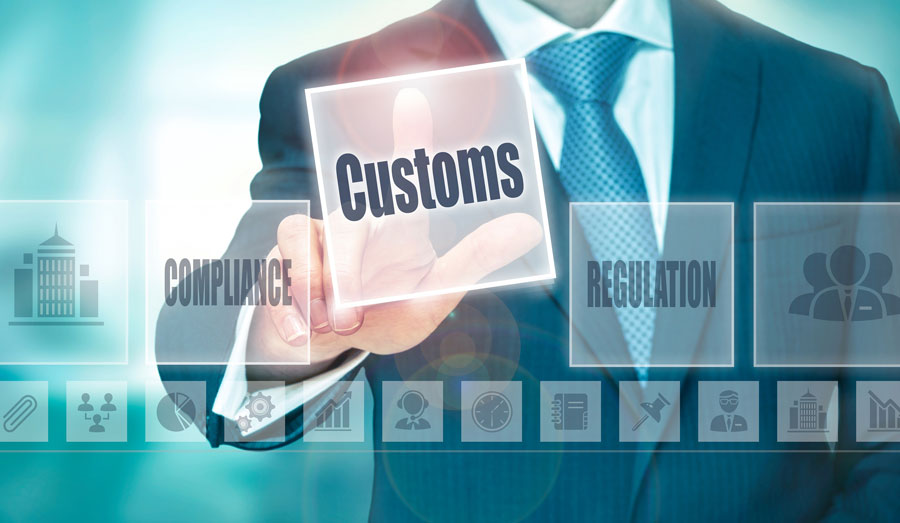
Free Online Classes announced for Customs G & H Card Exam 2026–27; New Batch begins 15 May

AHMEDABAD: In an initiative aimed at strengthening trade facilitation and enhancing professional competencies in the customs and logistics sector, a new batch of free online classes has been announced for aspirants preparing for the Customs G Card Examination 2026–27. The programme is designed specifically for working professionals, freshers, and individuals seeking to build or advance their careers in customs clearance and EXIM operations.

The initiative focuses on supporting candidates from key trade hubs including Ahmedabad, Mundra, and Kandla, with the broader objective of promoting skill development within the Ahmedabad Customs Zone and simplifying the handling of customs and export-import procedures.

The online training programme will commence on 15 May 2026 and will be conducted in a flexible virtual format, making it accessible to participants across locations. Notably, the classes are being offered completely free of cost, providing an inclusive opportunity for aspirants from diverse backgrounds.

Course Highlights

The curriculum has been structured to provide comprehensive coverage of essential subjects, including:

  • Customs Act, 1962
  • Customs Tariff Act, 1975
  • Allied Acts
  • Shipping and Logistics

Programme Details

  • Mode: Online / Virtual
  • Duration: 1 hour per session
  • Frequency: 3–4 days per week
  • Fees: Free

Eligibility Criteria

The programme is open to:

  • Candidates with a minimum qualification of 10+12 (Higher Secondary Pass)
  • Individuals with experience in customs field operations or back-office roles
  • Freshers interested in entering the customs and logistics domain

Organisers emphasize that the initiative aims to bridge the knowledge gap in the industry while preparing candidates to successfully clear the G Card examination and contribute effectively to trade operations.

Interested participants can join the batch through the following QR code by scanning it using the WhatsApp camera to access the dedicated group and receive further updates.

G Card Free Online Classes announced for Customs G & H Card Exam 2026–27; New Batch begins 15 May

This initiative is expected to play a vital role in nurturing skilled professionals and supporting the evolving needs of India’s growing EXIM and logistics ecosystem.

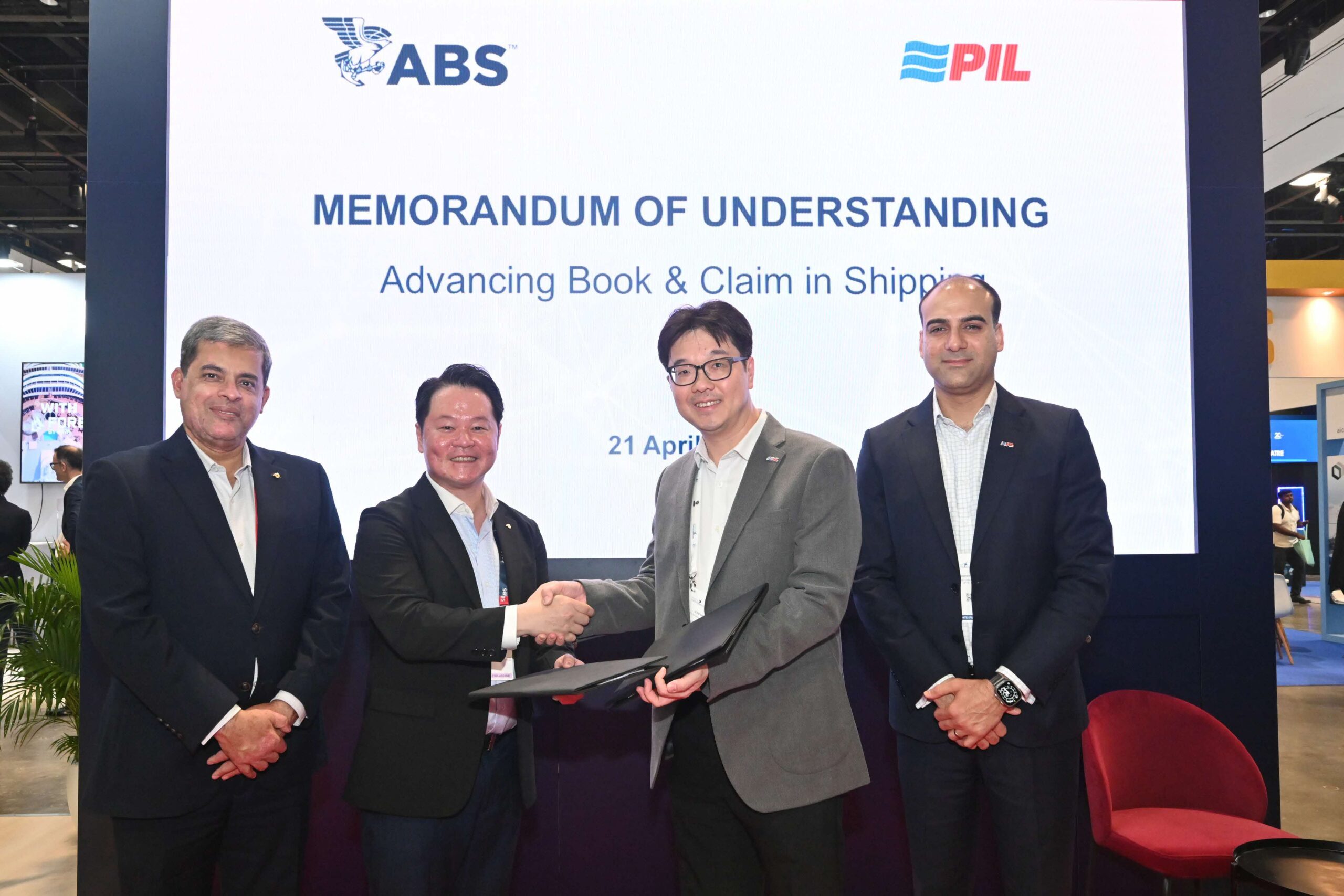
PIL and ABS to Advance Maritime Decarbonisation with Alternative Marine Fuel Emissions Verification

SINGAPORE: Pacific International Lines (PIL) and ABS have announced a formal collaboration with a Memorandum of Understanding (MOU) to support PIL’s participation in Book and Claim registries, enabling credible, independently verified claims of emission reductions from alternative marine fuels.

The MOU brings together PIL’s operational experience, fleet data and customer insights with ABS’s expertise in classification, certification and assurance to strengthen the credibility and consistency of emissions-related claims associated with the use of low-and zero-emissions marine fuels.

Under the agreement, ABS will serve as an independent third-party verifier for PIL’s fuel consumption, transport activity and emissions data, providing the rigorous, transparent oversight that credible book and claim participation demands.

“PIL is committed to advancing practical decarbonisation solutions for customers and industry. Our MOU with ABS enhances oversight and independent assurance for Book and Claim, ensuring consistent and reliable assessment of emissions and fuel data. This supports broader adoption of low- and zero-emission fuels as their availability grows, while maintaining accuracy in emissions claims,” said Abhishek Chawla, PIL Chief Marine Officer.

“ABS is committed to helping clients navigate maritime digitalisation with clarity and confidence. As digitalisation accelerates, independent data verification is essential to building the trust that drives meaningful progress. ABS brings deep technical expertise to this work, and we are pleased to support PIL’s commitment to reducing emissions across its fleet,” said Rostom Merzouki, ABS Vice President, Global Sustainability.

The long-term collaboration will focus on fostering transparency and driving continuous improvement in emissions monitoring and reporting. It also supports PIL’s broader decarbonisation strategy in alignment with international maritime emission reduction goals set by the International Maritime Organisation (IMO).

The Book and Claim mechanism, in the context of shipping, would be a chain-of-custody approach where environmental attributes are tracked and transferred separately from the physical fuel delivery or use on a specific voyage or vessel. Done through clear rules and a trusted registry, it can help customers access low- and zero-emission fuel solutions and support credible emissions reporting without being constrained by immediate fuel availability on a given route.

Maritime and Port Authority of Singapore Renews Partnership with Shanghai Maritime University to Strengthen Maritime Development

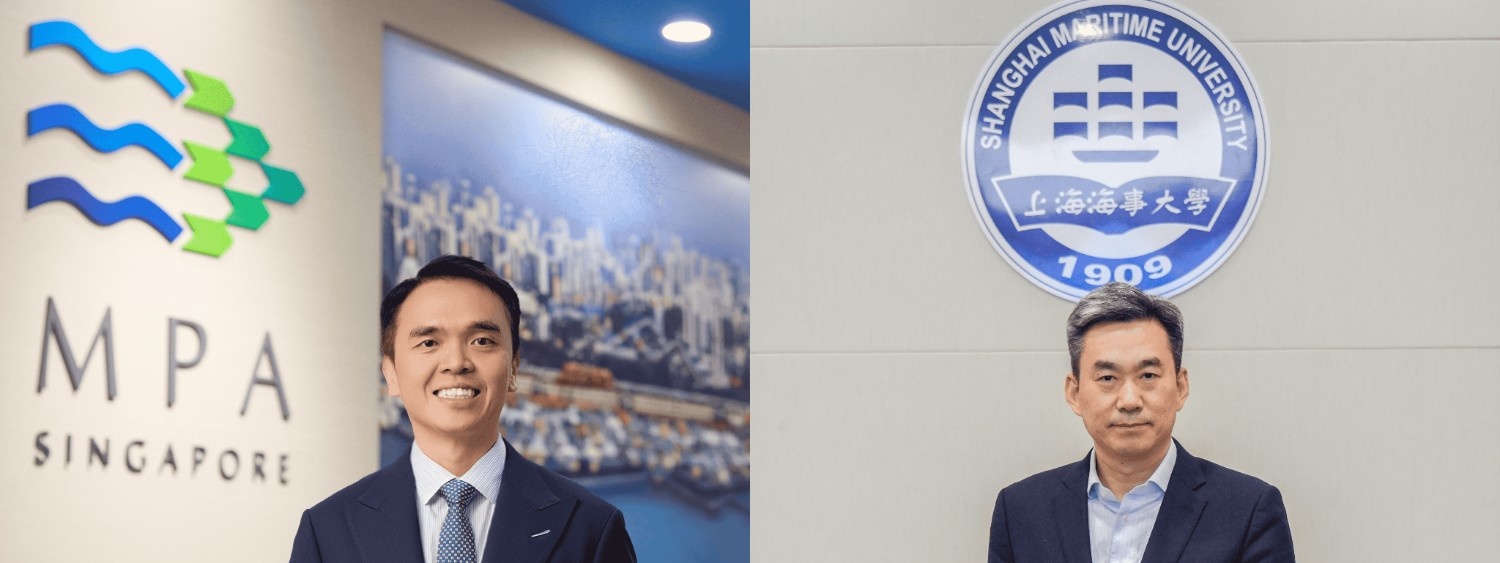
SINGAPORE: The Maritime and Port Authority of Singapore (MPA) and Shanghai Maritime University (SMU) have signed a Memorandum of Understanding (MOU) to deepen cooperation in maritime talent development and knowledge exchange. The MOU was signed by Mr Ang Wee Keong, Chief Executive of MPA, and Professor Chu Beiping, President of SMU.

Started in 2020, this partnership supports exchanges of students and maritime professionals and facilitates participation in high-level seminars and knowledge sharing platforms. These efforts provide valuable opportunities for participants to gain insights into development in maritime safety, digitalisation and decarbonisation in both countries.  

Since 2023, MPA and SMU have enhanced collaboration through mutual participation in maritime leadership programmes, and by contributing expert speakers to high-level forums that help shape maritime policy across China and ASEAN. 

Reaffirming Partnership

Under the MOU, both parties will continue to facilitate information sharing and exchanges between academia and maritime professionals. This includes study visits, learning journeys, and joint training programmes across areas such as maritime safety and security, maritime energy, port management, navigational technologies, and marine environmental management. 

Mr Ang Wee Keong, Chief Executive, MPA, said, “This MOU signifies the value of this partnership with Shanghai Maritime University. As a leading knowledge partner, Shanghai Maritime University offers deep expertise in many areas such as maritime safety, digitalisation and decarbonisation. Our collaboration allows both sides to learn from each other’s experience and strengthens our capabilities in these areas”.  

Mr Beiping Chu, President of Shanghai Maritime University, said, “The continued partnership between Shanghai Maritime University and MPA fully reflects our shared commitment to advancing maritime education and international exchange. Against the major transformations facing the global maritime industry, including digitalisation and green low-carbon development, deepening international academic and professional exchanges is particularly important. We look forward to expanding our collaboration in key maritime areas such as maritime safety and security, maritime energy, port management, navigational technologies, and marine environmental management through the MOU, creating more opportunities for mutual learning between maritime professionals and students of both countries.” 

Please refer to the following Annex for areas of cooperation under the MOU.

Annex

Areas of Cooperation between Maritime and Port Authority of Singapore and Shanghai Maritime University 

a) Exchange of academia and professionals, including participation in events, seminars and knowledge-sharing platforms. 

b) Academic information exchange on areas of mutual interest. 

c) Maritime professional or student study visits and exchanges in Singapore and Shanghai, where applicable. 

d) Joint training programmes and collaboration in maritime capability development.