Home Blog Page 339

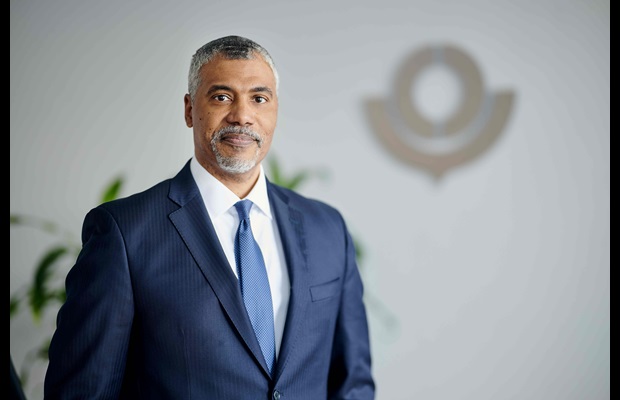
Op-Ed from WCO Secy Gen Ian Saunders / A steady hand at the border – why Customs matters more than ever

BRUSSELS : Largely unseen and rarely recognized, Customs officers stand at the frontline between the flow of global commerce and the fight against illicit trade. Our responsibilities require Customs to act and adapt to constant innovation – driven by those looking to better society and those working against it. In a world where attempts to exploit global trade show no sign of abating, that steady, vigilant hand of Customs has never been more indispensable.

For most people, Customs is only understood as a brief airport interaction. However, Customs work is profoundly human: protecting lives, safeguarding livelihoods, and holding the line for the societies it serves. The mission stretches far beyond the border checkpoint, from sophisticated risk analysis and physical inspections at ports of entry, to the seamless sharing of intelligence across national boundaries.

Today, that mission has never been more demanding. The converging challenges of geopolitics, organised crime, and the exponential growth of e-commerce have transformed not only what crosses our borders, but how, when, and why. All are changes that demand Customs evolve at a pace that matches the complexity of the world it monitors.

Every threat intercepted is a harm that society never has to reckon with. The success of Customs is often defined by what is removed from the system, not by what the public sees, but by what it is spared.

Regional Cooperation

This vigilance is more effective when shared. This week, 34 Customs Administrations will be represented at the WCO Regional Conference of Customs Directors General for the Americas and Caribbean, hosted by SUNAT, in Lima.

Enhancing regional cooperation among Customs administrations with the support of the WCO is firmly on the agenda. The efforts of Customs, when we work together, are stronger and more effective in protecting society. The results include tangible societal benefits; illicit drugs, weapons and ozone-depleting chemicals intercepted; counterfeit medicines removed; and illegal financial flows stopped.

In December 2025, the WCO and Argentina Customs hosted Customs colleagues from the Americas and Africa to examine the growing impact of illicit drug trafficking through General Aviation (small private aircraft) and how to tackle this new threat, especially with respect to synthetic drugs.

We also concluded Operation Calypso 2 in the Caribbean, focused on small weapons and drug smuggling, which saw over 500 seizures in just three weeks. From intercepting narcotics and weapons to removing unsafe and counterfeit goods and blocking illegal financial flows, we are quietly and systematically detecting, disrupting and deterring organized crime through our joint operations.

Continuous capacity building and innovation

The WCO brings Customs administrations together to share and develop innovative solutions to global issues and keep pace with evolving threats. We also ensure that Customs administrations have the tools they need to facilitate the smooth and secure movement of goods and people. In sharing best practices and innovations, we can jointly advance greater efficiency in Customs procedures.

We have tackled challenges through efforts to train Customs officers, improve detection capability, build expertise through mentoring, and ensure effective employment of technology platforms for information sharing and intelligence.

In the past months, for example, WCO experts have strengthened capacities and provided technical assistance to Customs officers in enhancing analytical use of Customs data that will contribute to stronger risk management and support the continued modernization of customs processes in Peru. We have expanded the use of a Geo-Intelligence platform that boosts the monitoring capacity of high-risk aircraft movement and sharing of intelligence across borders in real-time. We also provided technical support and guidance to enhance Colombia’s e-commerce clearance procedures working with Customs and the private sector.

We do this because when Customs administrations are equipped, connected, and prepared, the societies they protect are safer for it.

Commitment and Vigilance

The WCO is firm in its commitment to working with all partners to combat illicit trade and ensure supply chain integrity. That is why we have set our theme for 2026 as “Customs protecting society through vigilance and commitment.” This was to emphasize to the public, and to the global trade community, that Customs’ daily vigilance and commitment to stemming the ever-evolving range of threats at borders is fundamental for our societies to flourish, economically and socially.

One of my goals, as Secretary General of the WCO, is to increase awareness of the crucial role of Customs. Customs’ actions do more than collect revenue or scan luggage; they preserve the security and well-being of entire societies. And we do this every day.
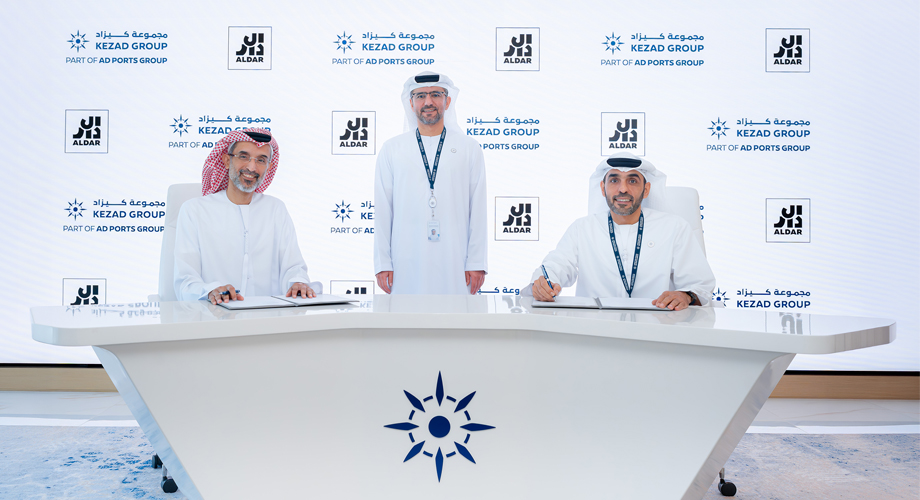
AD Ports Group completes third sale of warehouses in KEZAD for AED 650 Million

ABU DHABI : AD Ports Group , a leading global enabler of trade, industry and logistics solutions, today announced the sale of three warehouses in KEZAD Logistics Park (KLP) in Abu Dhabi to Aldar for AED 650 million (USD 177 million) as part of its strategy to selectively monetise real estate assets to reinvest in the Group and enhance shareholder value.

The transaction, comprising three warehouses with a total leasable area of 161,000m2, represents the second warehouse asset sale between the two companies, following Aldar’s acquisition of two built-to-suit warehouses from AD Ports Group in November 2025 for a total consideration of AED 570 million.

It also marks the second transaction this year under the Group’s asset optimisation programme, following the January 2026 sale of KEZAD Logistics Park – KLP Free Zone 3, a free zone industrial and logistics group of warehouse assets, to Mair Group for AED 295 million (USD 80.4 million).

The transaction underscores the continued strong investor interest in logistics and industrial assets located in Abu Dhabi, with seven local, regional, and international bidders part of the sale process.

The proceeds of the transaction, which represents 65% of the minimum AED 1 billion target value from additional asset monetisation transactions set for 2026, will be used to continue to de-leverage the Group’s balance sheet and fund part of this year’s growth projects.

Abdullah Al Hameli, CEO, Economic Cities & Free Zones Cluster – AD Ports Group, said: “The successful sale of the three KEZAD Logistics Park warehouses to Aldar reinforces the strength of our asset monetisation model, which enables us to unlock capital at scale and redeploy it with discipline into high-return growth opportunities, including the expansion of our warehouse infrastructure, while continuing to de-leverage the Group’s balance sheet. As our second transaction with Aldar in less than a year, this milestone reflects sustained investor confidence in KEZAD’s world-class industrial ecosystem, and the strength and resilience of Abu Dhabi’s industrial and logistics real estate market.”

AD Ports Group’s asset optimisation programme, launched in 2025 is designed to recycle capital into higher returning projects that strengthen the Group’s integrated core businesses across trade, transport, logistics and industrial development.

In 2025, the Group generated AED 4.6 billion (USD 1.3 billion) from asset monetisation, including the sale of KEZAD land and warehouses, as well as its 9.77% stake in NMDC Group.

KEZAD Group, part of AD Ports Group’s Economic Cities & Free Zones Cluster (EC&FZ), is one of the fastest-growing facets of the Group’s integrated trade-related business ecosystem. In 2025, the EC&FZ Cluster revenue rose 45% year-on-year and EBITDA increased 31%. KEZAD’s 550 km² land bank comprises 55% of the UAE’s industrial area, and provides long-dated, recurring revenue streams for the Group, underpinned by 25 to 50-year land leases.

“K” Line Board of Directors Effectiveness Evaluation

TOKYO: Based on the belief that effective corporate governance function is essential for sustainable growth and enhancement of corporate value over the medium- to long-term, we evaluate and analyze the  effectiveness of the Board of Directors each year and then disclose the results in a timely and proper  manner. We have completed the board effectiveness evaluation for fiscal year 2025 and we would like to report  an overview of the results as follows. 

1. Evaluation Method 

This fiscal year, the Board of Directors engaged in discussion based on the results of the questionnaire and interviews conducted with all Directors, and self-evaluations were carried out  properly. 

<Key Areas of Inquiry> 
· Composition of the Board 
· Board operations 
· Board discussion 
· Board monitoring function 
· Outside Directors’ performance 
· Dialogue with shareholders and investors 
· Functions of the Nominating, Audit and Compensation Committees 

2. Evaluation Results 

Analysis of evaluation results 

As a result of the fiscal year 2025 evaluation, the Board of Directors was assessed as generally  functioning effectively. In particular, many opinions positively evaluated the governance structure that  places emphasis on the supervisory function following the transition to a Company with a Nominating  Committee, etc.

 The evaluation showed stable performance in the following key areas, contributing to the effective  functioning of the Board of Directors. 
· Sufficient time for deliberations and open and constructive discussions  
· Improvement of discussions and issues based on issues from the effectiveness evaluation in the  previous year  
· Discussions regarding potential risks for the entire Group and methods for dealing with them, the  crisis management system, etc.  
· Follow-up on the progress of the management plan  
· Constructive dialogue with shareholders and investors and feedback for the Board of Directors

On the other hand, it has been recognized that there is room for further enhancement in areas such as  the usage of data, digital technologies and discussions at the Board of Directors reflecting constructive  dialogue with shareholders and investors, etc. These points will continue to be identified as issues to  be addressed to further improve governance. 

Status of measures for issues in the previous year 

Regarding the items listed as issues in the effectiveness evaluation in the previous year, the following  were evaluated as having been discussed and addressed. 
· Follow-up on the progress of the management plan (continuing issue) 
Improvement was observed in follow-up on progress compared to the previous year. On the other  hand, we recognize the need to continue further follow-up beyond progress reporting alone. 
· Discussions regarding the medium- to long-term capital policy (continuing issue) There were opinions that sufficient discussions had been conducted regarding capital policy and  the optimal capital structure. Looking ahead to the next Medium-Term Management Plan, further  in-depth discussions on capital policy were considered necessary from a medium- to long-term  corporate value perspective. 
· Strengthen group governance (continuing issue) -While necessary measures regarding internal controls have been implemented, we recognize that  enhancing the effectiveness of supervision over overseas subsidiaries and affiliates, including the  containership business integration company (OCEAN NETWORK EXPRESS PTE. LTD.), remains  a continuing issue. 
· Create value that utilizes data and digital technologies (continuing issue) We recognize that it is an issue to enhance reporting to the Board of Directors on strategies for  promoting digital transformation and to establish a structure that enables effective discussion and  supervision by the Board. 

Key Issues for Fiscal Year 2026 

Based on the above analysis and evaluation results, we will work on the following key issues for fiscal  year 2026 in order to realize a more effective Board. 
· Follow-up on the progress of the management plan 
· Discussions regarding the medium- to long-term capital policy 
· Strengthen group governance 
· Create value that utilizes data and digital technologies 
· Discussions reflecting dialogue with shareholders and investors

Less engine noise at the Port of Klaipėda: shore power supply coming soon

KLAIPEDA: An important step has been taken at the Port of Klaipėda towards a cleaner future. With the installation of shore power supply equipment completed, testing has now begun. Soon, vessels arriving at the port will be able to switch off their engines and contribute to reducing pollution.

“The Port of Klaipėda’s ambition to become more environmentally friendly is reflected in real actions – shore power equipment has already been installed and is now being tested at two terminals. Quay electrification marks a turning point in port operations, helping to reduce noise from vessels at berth as well as emissions. As we complete the first phase of quay electrification, we are already entering the second phase, where design work is now in progress. We are choosing the path followed by the most advanced ports in the world,” says Algis Latakas, CEO of Klaipėda State Seaport Authority.

Shore power supply equipment has been installed and is now being tested at the Central Klaipėda Terminal and Klaipėda Container Terminal. The latter will operate one unit capable of supplying electricity to vessels, while the Central Klaipėda Terminal will have three. All units will serve ferries operating on international routes and transporting both passengers and cargo vehicles. At the same time, up to four vessels will be able to connect to the system, switch off their engines while at berth, and use electricity supplied from shore.

Funding for the quay electrification project at the Port of Klaipėda has been allocated under the Connecting Europe Facility (CEF) Transport programme of the European Commission. The project, valued at around €10 million, will receive approximately €8.6 million in EU funding.

Another shore power unit was installed at the port’s Fleet Base in September last year. Funded by the Port Authority, it is intended for the new hydrogen and electric-powered waste collection vessel and recently built pilot boats.

In the coming years, similar systems are planned for other terminals, where they will also be available for cruise and container ships. Design work for these installations has already started. The second phase of quay electrification at the Port of Klaipėda is expected to be completed by 2030.

Supplying electricity from shore will help reduce the environmental impact of port operations, decrease the use of fossil fuels, and directly improve the quality of life for the people of Klaipėda.

The Port Authority is consistently investing in solutions that reduce its environmental footprint. Quay electrification is among the most important environmental projects currently underway.

Bencros delivers fast on-site fender replacement for Boluda

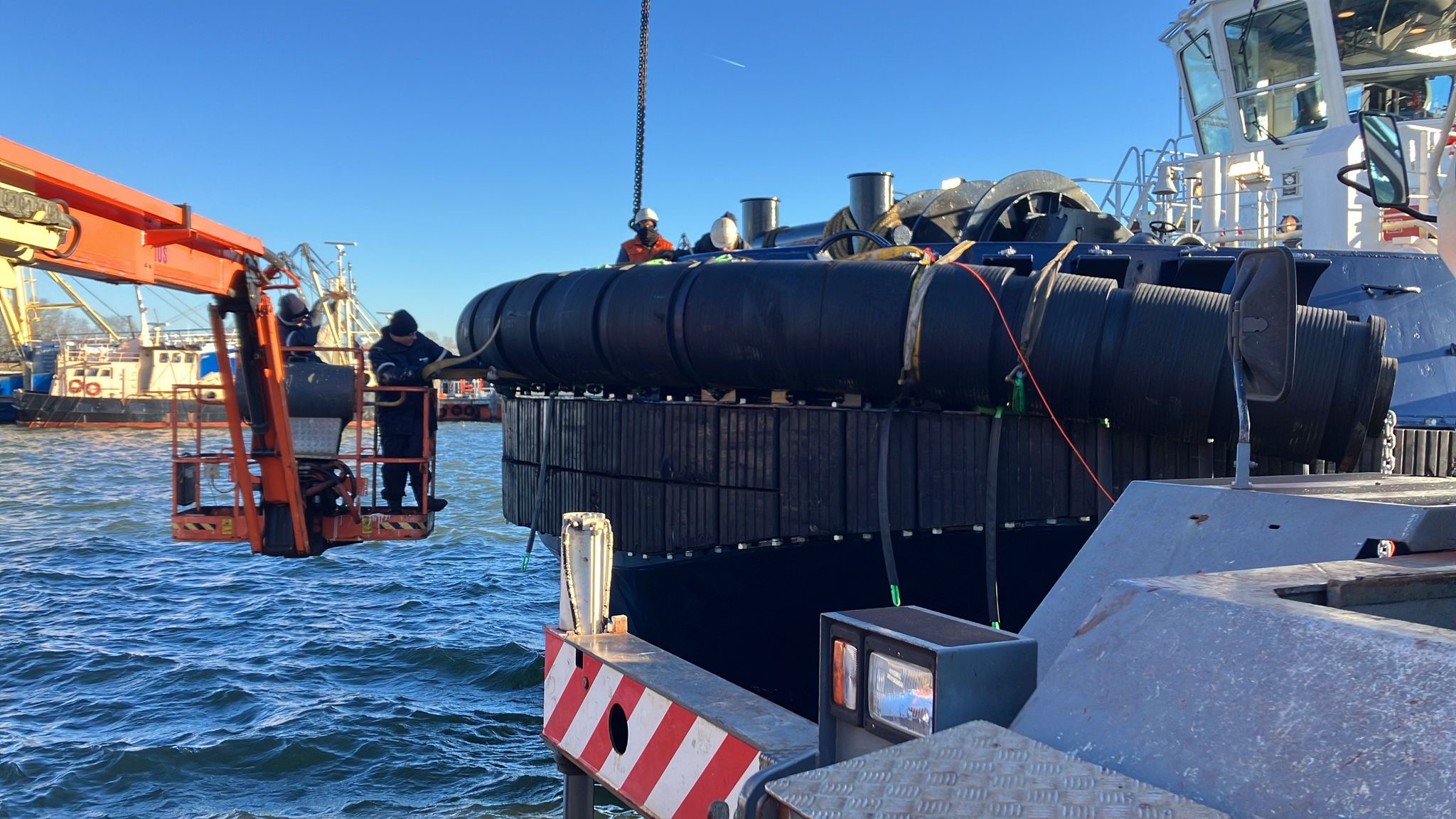
ROTTERDAM: Boluda Towage Rotterdam has successfully upgraded the fender systems of three of their ASD tugboats through a new rapid, on-site fender service by Bencros. The new method eliminates the risk of costly installation errors and operational delays, and can be provided worldwide.

The project originated from a practical challenge: missing and outdated vessel drawings. This is a common issue in operational fleets where vessel drawings go missing or vessel modifications over time make standard fender specifications unreliable. In such cases, ordering replacement fenders without verification can result in misfits, requiring structural rework such as re-welding of mounting systems, leading to significant downtime and cost.

To address this need, Bencros developed an on-site service model, measuring fender mounting systems directly on board during drydock. For all three vessels, time was of the essence, so Bencros executed its Rapid Service Model.

Three workboats, three solutions

For one vessel, measurements had to be taken manually, for which Bencros sent off one of its specialist fender engineers, Jakub Bartoň. The second workboat was originally not designed to be outfitted with proper marine fenders. Hence, Bencros used its advanced 3D scanning technology to generate an accurate digital model for a fitting fender configuration. From this, a drawing for the company’s CAD system was created – and within one week the replacement fender was produced and later successfully installed.

Ronald Tomassen, General Manager at Bencros, says: “I am very happy to see that our new on-site measuring service, including recycling the old fenders, works so well. It clearly fills the void the market was asking us about, and I’m thankful to Boluda for giving us the opportunity to prove this service in practice.”

The third tug needed a very long replacement fender; one that couldn’t be transported in a normal truck. Here, Bencros proposed a solution based on three separate fender parts that could be connected seamlessly. This was easier to produce, more economic to transport, and kept full functionality.

Seven days

Based on these measurements, Bencros produced the fenders in only 3 days, and delivered custom-fit fenders within another 4 days directly from its own factory in Bošany, Slovakia. The solution guaranteed a precise fit without the need for modifications to the vessel fender mounting structure.

In addition to speed and accuracy, the project incorporated a circular approach. Existing fenders were removed, taken back and recycled, with recovered materials reused in the production of new fender systems.

Operational impact

Ronald: “Boluda Towage Rotterdam required solutions that fit their vessels instead of having to adapt their tugboats to standard fender solutions. Our approach delivered clear operational benefits.” In practice, the vessels’ downtime was reduced, no structural adjustments were needed, the new replacement method lowered overall cost and guaranteed fit, and the old fenders were taken by Bencros for recycling and reuse of rubber in Bencros’ own production facilities.

Joren van Delft, Fleet Manager at Boluda, says: “This was an interesting project. At the time, we did not have access to the drawings. That brought the very real risk of ordering a replacement fender system and then having to weld a new mounting system, which costs a lot of time and money. Hence, we needed a specialist on site. As it turned out, no-one was willing to do that, except Bencros. We had an immediate click, in part due to their willingness to think in solutions, not products. Another positive point was that they proposed to take back our old fenders and recycle them, which neatly fits Boluda’s Net Zero Target.”

A shift towards service-driven fender solutions

With this project, Bencros introduces a service model that goes beyond traditional supply. Unlike standard procurement processes that rely on existing drawings, the on-site approach ensures that each fender system is tailored to the actual vessel condition — even when drawings are missing or outdated. By combining 3D on-site measurement, rapid production and circular material handling, the company aims to support vessel operators in reducing risk, time and lifecycle costs.

HD Hyundai expands India push with shipyard joint venture

NEW DELHI : HD Hyundai said Tuesday it has signed a memorandum of understanding in New Delhi with NSHIP TN and Sagarmala Finance Corp. to cooperate on building core infrastructure and establishing a joint venture for a new shipyard project in India.

NSHIP TN, a special-purpose vehicle led by the V.O. Chidambaranar Port Authority under the Indian central government, will be responsible for implementing support policies and incentives tied to the project.

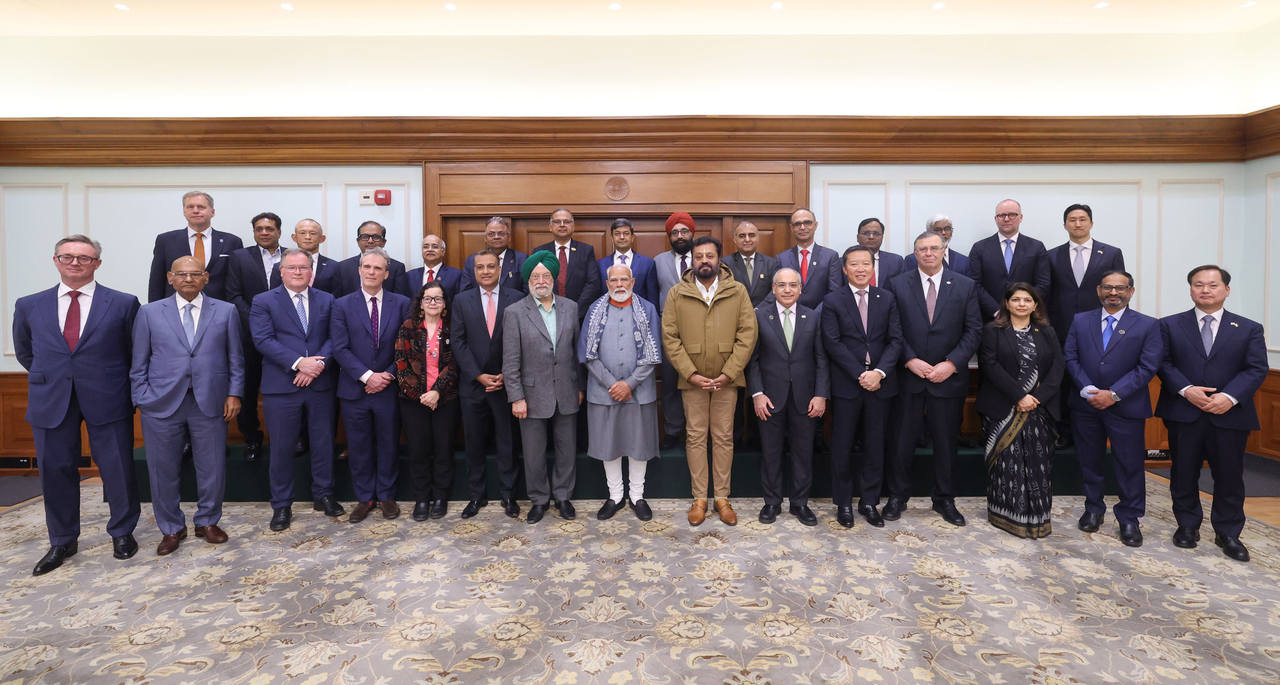
The agreement follows HD Hyundai’s earlier memorandum with the state of Tamil Nadu in December to develop a new shipyard. In January, Executive Chairman Chung Ki-sun also discussed potential cooperation with Indian Prime Minister Shri Narendra Modi during the Global Energy Leaders Roundtable, laying the groundwork for deeper collaboration.

Under the latest deal, HD Hyundai will establish a joint-venture shipbuilding company with its partners through a dedicated shipbuilding investment fund, taking on the role of the largest shareholder and overseeing overall operations.

To support the project’s early phase, the Indian government plans to place initial shipbuilding orders with HD Hyundai’s domestic yards before the launch of the new venture. It will also send local workers to Korea for training. Once they acquire the necessary shipbuilding expertise, they are expected to help set up and operate the new yard, helping ensure a smooth rollout.

HD Hyundai also plans to develop a digital shipyard in India by leveraging industry-academia cooperation and deploying automation and AI-based technologies to strengthen competitiveness across design, production and operations.

In parallel, the company will establish a training center to nurture local talent and support the entry of Korean suppliers into the Indian market, to build a stable and localized supply chain.

“The agreement marks a shift in bilateral shipbuilding cooperation into the implementation stage,” a company official said. “Entry into the Indian market will help secure new orders, develop new business models and expand overseas opportunities for domestic suppliers.”

Source : The Korea Herald

India’s maritime sector transformed into engine of growth in last 12 years: Sarbananda Sonowal

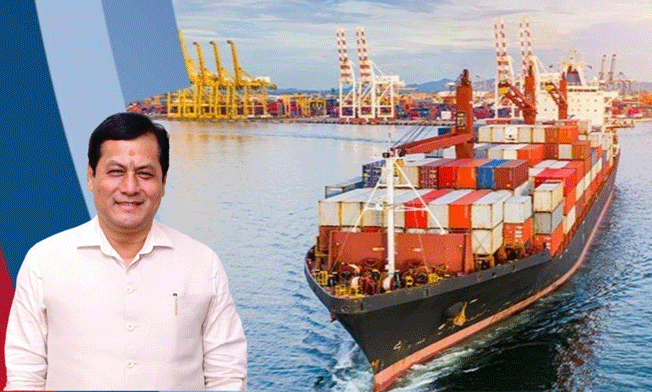
NEW DELHI : Union Ports, Shipping and Waterways Minister, Shri Sarbananda Sonowal, said that India’s maritime sector has transformed into an engine of unmatched growth in the last 12 years. In a social media post, Shri Sonowal highlighted India’s Maritime Rise and noted that India has achieved historic milestones through Sagarmala Scheme.

He added that the turnaround time has been slashed from 96 hours in 2014 to 49 hours. The Minister also noted the 7-fold increase in Inland water cargo and a record 915 Metric Tonnes of cargo handling in the last financial year.

India’s maritime journey reflects a shift from infrastructure creation to ecosystem development. By combining scale, efficiency. and inclusivity, the sector is powering trade. generating livelihoods, and strengthening connectivity.

DPA Chairman held a productive meeting with the DP World delegation

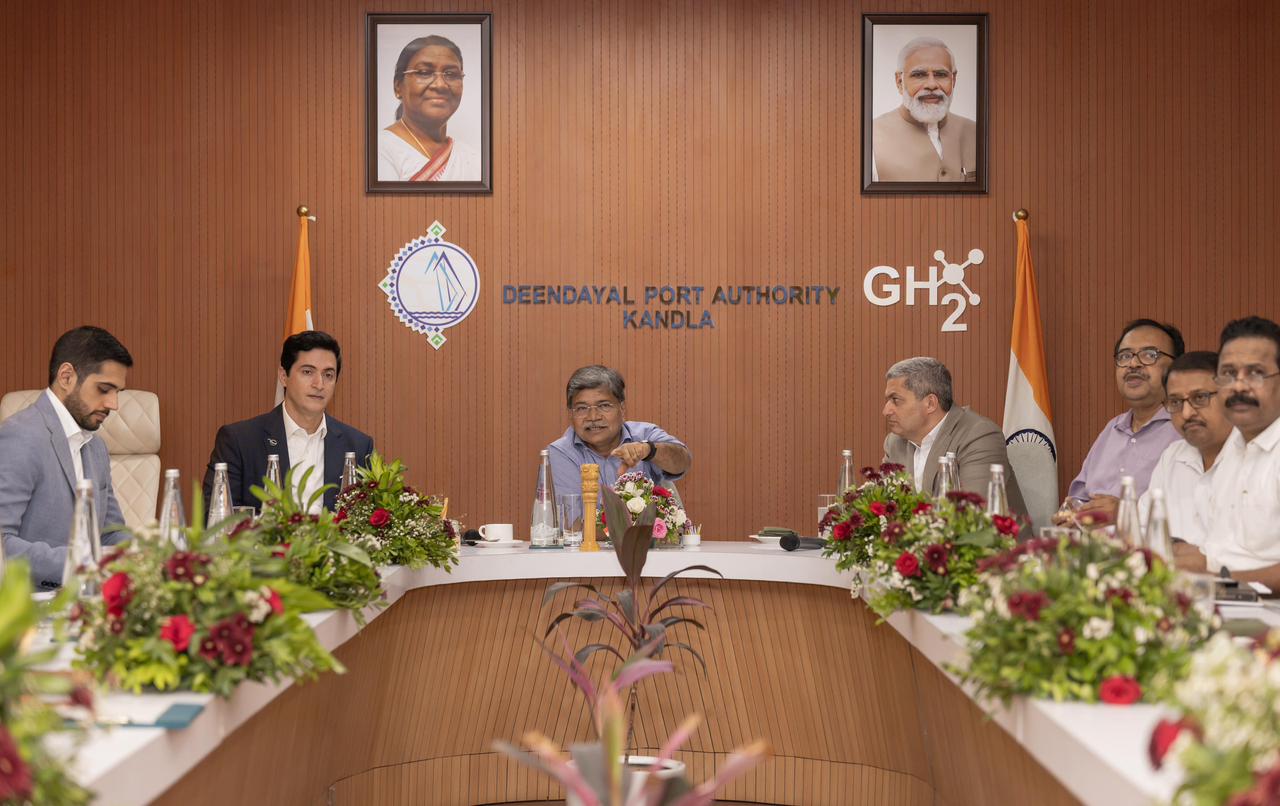
GANDHIDHAM : Shri Sushil Kumar Singh, IRSME, Chairman of Deendayal Port Authority (DPA), held a productive meeting with a high-level delegation from DP World, led by Mr. Rizwan Soomar, CEO & MD for SCO – Central Asia, Levant & Egypt, at the GH2 Conference Hall in Gandhidham.

The meeting centered on advancing key infrastructure and technology-driven initiatives that are set to enhance the port’s operational capabilities and reinforce its position as a major logistics hub on India’s western coast.

sushil kumar dpa DPA Chairman held a productive meeting with the DP World delegation

Among the main agenda items was the upcoming Container Terminal at Tuna Tekra, a flagship project envisioned to significantly augment container handling capacity at DPA. Discussions highlighted the terminal’s potential to attract larger volumes of EXIM cargo, improve turnaround times, and integrate seamlessly with global shipping networks.

The delegation also reviewed progress on the innovative Magrail Pilot Project at Kandla Port, which aims to introduce cutting-edge rail-based cargo movement technology within port premises. This initiative is expected to boost efficiency, reduce carbon emissions, and support India’s broader push toward sustainable and smart port infrastructure.

Both sides explored opportunities for deeper collaboration in areas such as multimodal logistics, digital port solutions, supply chain optimization, and green energy integration. The discussions emphasized leveraging DP World’s global expertise alongside DPA’s strategic location and growing cargo base to unlock new trade corridors and enhance regional connectivity.

Shri Singh reaffirmed DPA’s commitment to fostering strategic partnerships that drive innovation, sustainability, and efficiency in port operations. Mr. Soomar expressed confidence in the port’s growth trajectory and reiterated DP World’s interest in supporting its long-term development vision.

The meeting marks a significant step toward strengthening public-private collaboration in India’s maritime sector and aligns with national priorities of enhancing port-led development and logistics competitiveness.

Indian Govt is worried as Indian seafarer among crew of ship captured by Iran

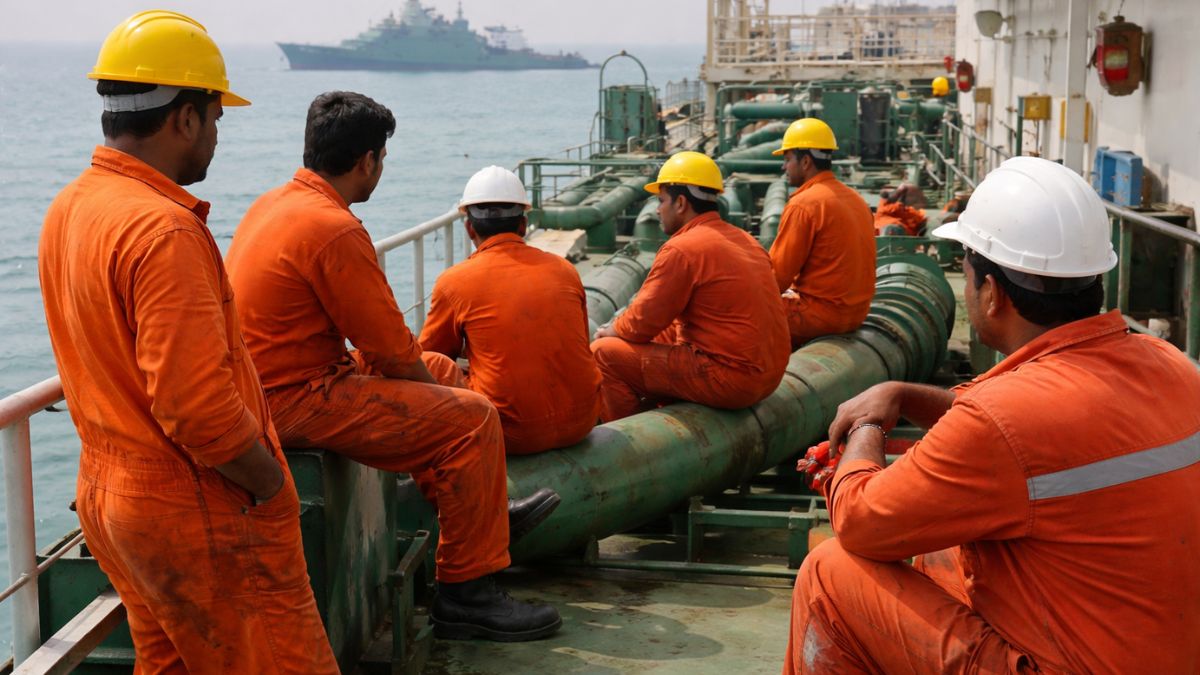
NEW DELHI : One Indian seafarer was among the crew of a vessel which was detained by Iran amid rising tensions in the Strait of Hormuz, raising concerns within the government over the safety of Indian crew members following reports of ships coming under fire in the region.

Amid escalating tensions in the Strait of Hormuz, the Government of India has expressed concern over the safety of Indian seafarers following recent maritime incidents involving vessels in the region.

Officials confirmed that two of the three foreign commercial vessels targeted by Iranian forces on Wednesday had Indian crew members on board. A total of 22 Indian seafarers were present across the two ships, and all have been reported safe.

One Indian national was among the 21-member crew of Epaminondas, a Panama-flagged container vessel en route to India. Authorities have established contact with the individual and confirmed his safety. The third vessel, Euphoria, also Panama-flagged, had 21 Indian seafarers on board, all of whom remain unharmed. No Indian nationals were present on the vessel Francesca.

According to officials, Epaminondas and Francesca were located on the western side of the Persian Gulf, while Euphoria had moved east of the strait. Iranian authorities stated that the vessels were intercepted for allegedly violating transit regulations or ignoring official warnings. However, a maritime security firm indicated that at least one of the ships had prior clearance to transit the waterway.

The developments follow reports of a separate incident in the Sea of Oman, where an Iranian commercial vessel was reportedly seized by the United States. The Islamic Revolutionary Guard Corps (IRGC) accused the U.S. of breaching a ceasefire and engaging in what it described as “armed piracy,” alleging that American forces fired upon the vessel and disabled its navigation systems.

Heightened tensions in the region, particularly around the Strait of Hormuz—a critical global oil transit route—have contributed to increased volatility in international energy markets.

The Ministry of Ports, Shipping and Waterways stated that it is closely monitoring the situation and remains concerned about Indian seafarers operating in the area. It reiterated that no Indian nationals have been injured in the recent incidents.

Since the onset of the Iran-related conflict on February 28, the government has facilitated the evacuation of at least 2,680 Indian seafarers.

The Ministry of External Affairs (MEA) spokesperson Randhir Jaiswal said confirmed that 10 Indian vessels have safely transited the Strait of Hormuz over the past week, while 14 Indian ships remain in the Persian Gulf amid ongoing maritime tensions.

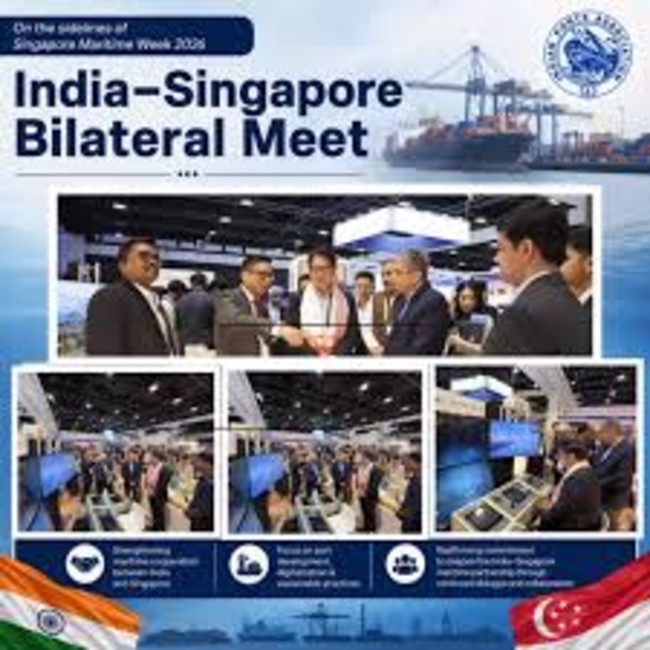
India and Singapore Bilateral Meet at Singapore Maritime Week 2026

SINGAPORE : On the sidelines of Singapore Maritime Week 2026, the Indian delegation held a high-level bilateral meeting with representatives from Singapore, reaffirming their shared commitment to strengthening maritime collaboration and advancing sustainable growth in the sector.

The Indian delegation, comprising senior officials from the Ministry of Ports, Shipping and Waterways, Directorate General of Shipping, and key maritime stakeholders, engaged with their Singaporean counterparts to explore avenues for deeper cooperation across a range of priority areas.

Discussions focused on port modernisation and capacity expansion, with emphasis on enhancing efficiency, competitiveness, and global connectivity of ports through the adoption of advanced technologies. Both sides highlighted the importance of digitalisation, including the implementation of smart port systems, maritime single window platforms, and data-driven logistics solutions to streamline operations and improve ease of doing business.

Sustainability emerged as a key pillar of the dialogue, with both countries exchanging views on green shipping initiatives, decarbonisation strategies, and the development of eco-friendly port infrastructure. The potential for collaboration in alternative fuels, such as green hydrogen and ammonia, as well as energy-efficient port operations, was also discussed.

The meeting further explored opportunities in skill development and capacity building, with a focus on training seafarers, port personnel, and maritime professionals to meet evolving industry demands. Enhancing maritime connectivity and strengthening supply chain resilience in the face of global disruptions were also key themes.

Both sides acknowledged the strong and longstanding maritime relationship between India and Singapore, and reiterated their commitment to fostering innovation-led growth, facilitating trade, and promoting sustainable maritime practices.

The engagement underscores a shared vision to build a future-ready maritime ecosystem, further reinforcing the India–Singapore partnership as a cornerstone of regional and global maritime cooperation.