Home Blog Page 348

Conservation Groups Urge Governments to Reject Biofuels in Shipping Decarbonization Plans

As the International Maritime Organization negotiations open in London, a group of conservation organisations calls on governments to reject biofuels as a decarbonisation pathway for international shipping

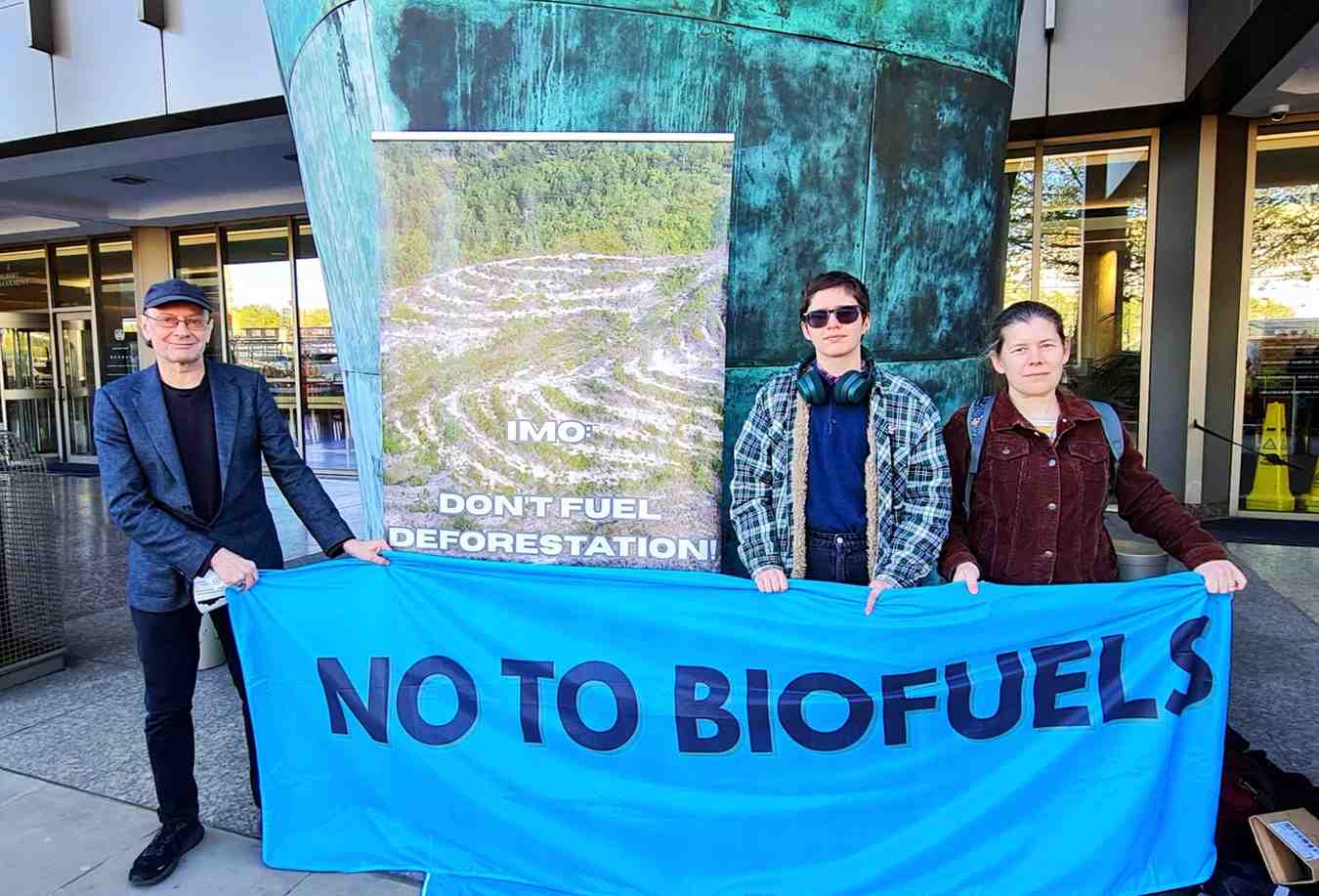
LONDON: As delegates convene on Monday at the International Maritime Organization (IMO) headquarters for the 21st session of the Intersessional Working Group on Greenhouse Gases (ISWG-GHG-21), a number of conservation and environmental justice organisations – lead by Biofuelwatch and Global Forest Coalition – are issuing a call to member states to not allow biofuels to be counted as a green solution to shipping’s climate problem. 

The group, representing organisations working across Latin America, Southeast Asia, Africa and Europe, warns that endorsing biofuels within the IMO’s decarbonization pathway would accelerate deforestation, drive land grabs, threaten biodiversity and deepen food insecurity in some of the world’s most vulnerable regions. 

“Biofuels are being promoted as a climate solution for shipping, but the reality on the ground tells a very different story,” said Xavier León, Member of the Latin America Program at Grain. “From Indonesia to Latin America, expanding biofuel production at the scale required by global shipping would have devastating consequences.”

The evidence from regions already affected by industrial biofuel production is extensive:

  • Deforestation and biodiversity loss: In countries such as Indonesia, the expansion of palm oil plantations has been a major driver of tropical deforestation, threatening critical habitats for endangered species and accelerating climate change through carbon-rich peatland destruction.
  • Land-use change and emissions: In Latin America, increased cultivation of crops like soy for biofuels has contributed to land-use change, often displacing forests and lands that act as vital carbon sinks. These indirect emissions can negate or even exceed the purported climate benefits of biofuels.
  • Impacts on local communities: Biofuel expansion has been associated with land grabbing, displacement of Indigenous peoples, and heightened social conflict, particularly in rural areas where governance protections are weak.
  • Food security risks: Diverting agricultural land to fuel production places additional pressure on global food systems, contributing to price volatility and reduced access to staple crops in vulnerable regions.

“As the demand for biofuels for shipping rises, the pressure on ecosystems and indigenous communities intensifies. In Indonesia, palm oil concessions overlapping with indigenous territories cover 2.26 million hectares – an area larger than the island of Bali. Biofuels are far more than a matter of energy, they are a struggle for social and ecological justice”, said Respati Bayu, Researcher at Forest Watch Indonesia. 

The IMO is under mounting pressure to finalise its decarbonisation framework for international shipping, a sector responsible for nearly 3% of global greenhouse gas emissions. While the group strongly supports the sector’s urgent decarbonisation, it warns that biofuels offer an accounting fiction rather than a genuine emissions reduction.

“We have watched our forests disappear to fuel cars in Europe,” said Eko Yunanda, Director of WALHI Riau. “We cannot now stand by while the same logic is extended to fuel the ships crossing our oceans.” 

“Governments have a responsibility to ensure that the transition to zero-emission shipping does not come at the expense of forests, communities, and food systems,” said Pax Butchart, Biofuelwatch campaigner. “Excluding biofuels from the decarbonization pathway is a necessary step toward a truly sustainable future.”

The NGOs warn that classifying biofuels as “green” shipping fuels risks locking the sector into a pathway that fails to deliver genuine emissions reductions. Instead, the group urges IMO member states to prioritize truly zero-emission solutions, such as speed reduction and wind propulsion. 

Background information

ISWG-GHG-21 runs from 20-24 April and will be followed by the 84th session of the Marine Environment Protection Committee (MEPC 84) on 27 April – 1 May 2026 at IMO Headquarters in London. The sessions are expected to address the emissions associated with fuels and technologies, including biofuels, and the IMO’s Net-Zero Framework.

Despite the delay in the adoption of the Net-Zero Framework, the 2023 IMO GHG Strategy remains in place, setting net-zero targets for the IMO and international shipping by 2050.
Pusan National University and LR to establish first global certification framework for liquid hydrogen shipping

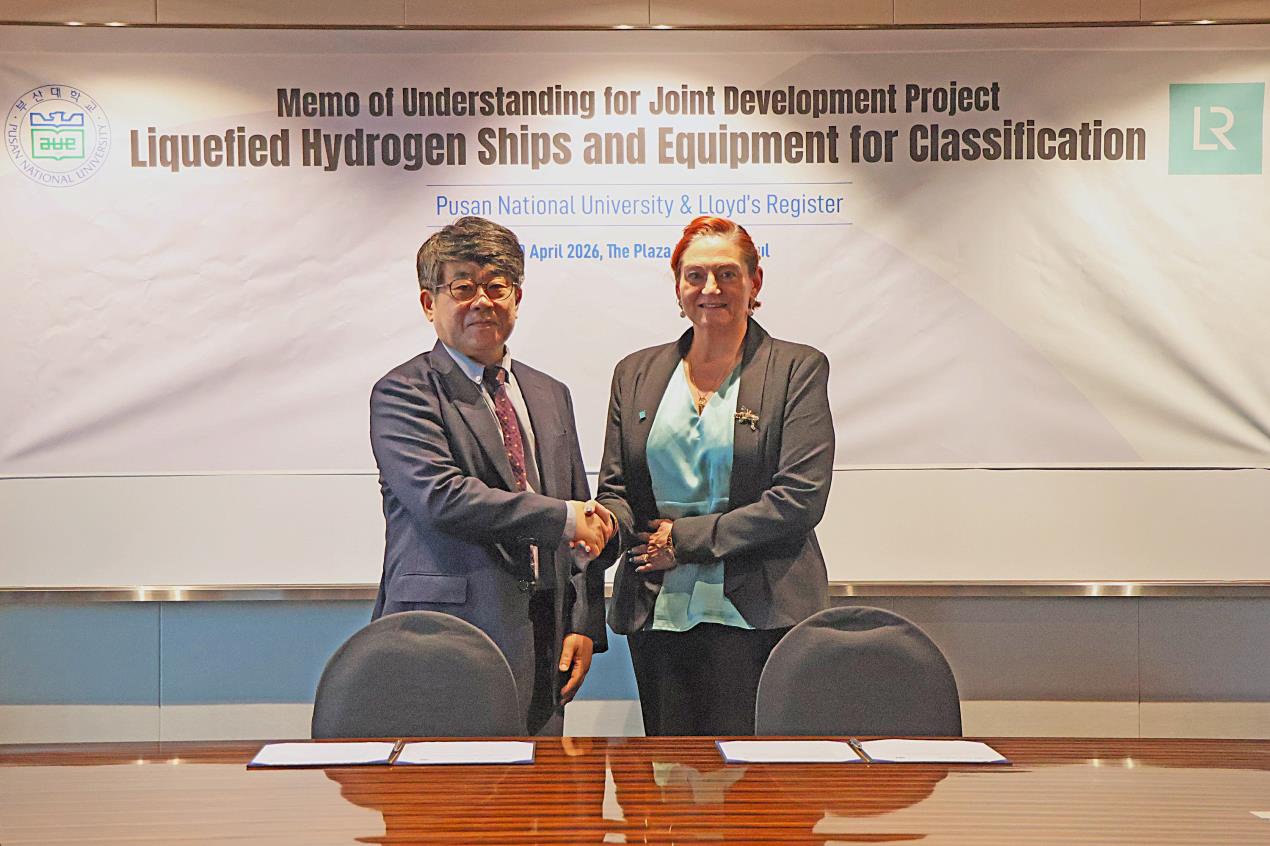
SEOUL: A new collaboration between Lloyd’s Register (LR) and Pusan National University (PNU) Hydrogen Ship Technology Center aims to create the first internationally recognised joint performance evaluation and certification framework for liquid hydrogen carriers and onboard systems.

The partnership was formalised through a memorandum of understanding (MOU) agreed  by PNU President Jae-Won Choi and LR CEO Nick Brown in Seoul.

While hydrogen continues to attract attention as a potential zero-carbon fuel option, progress in the maritime sector has been slowed by a lack of agreed standards for testing and verification. Liquid hydrogen presents specific technical challenges, requiring storage at around –253°C and placing extreme demands on materials, containment systems and safety design.

The new framework is intended to provide a consistent, globally applicable basis for evaluating performance, safety and reliability, helping to reduce uncertainty at the design and approval stages of projects.

The collaboration combines LR’s maritime classification and assurance expertise with PNU’s research capabilities in cryogenic engineering, to deliver a structured certification regime covering containment systems, materials and onboard infrastructure for liquid hydrogen storage and transport. The framework is expected to support early-stage vessel and containment projects moving from concept design towards approval and construction.

Under the agreement, the two organisations will jointly evaluate the cryogenic and insulation performance of storage tanks and associated piping systems, verify structural integrity under operational loads, and carry out detailed safety and risk assessments for onboard storage and transport systems.

The collaboration will also define testing methodologies and certification procedures tailored specifically to marine environments, with the aim of informing future class rules and international regulatory development.

Claudene Sharp‑Patel, Global Technical Director at Lloyd’s Register, said: “As pressure mounts on shipping to decarbonise, the introduction of a clear and technically robust certification pathway for liquid hydrogen systems is expected to accelerate project development and reduce barriers to entry. By aligning testing, verification and certification under a recognised framework, our partnership with PNU aims to provide the level of assurance required for shipowners, yards and regulators to advance liquid hydrogen from concept to commercial reality.”

Dr Jae-Myung Lee, Director of the PNU Hydrogen Ship Technology Center, said: “This agreement effectively designates PNU’s Hydrogen Ship Technology Center as a liquid hydrogen performance evaluation and certification institution by Lloyd’s Register, the world’s leading classification and technical certification organization in the maritime sector. It marks the establishment of the world’s first certification body in the liquid hydrogen field.”

The collaboration builds on an existing programme of joint research between LR and PNU into cryogenic engineering for liquid hydrogen carriers and technical knowledge exchange between specialists from both organisations.

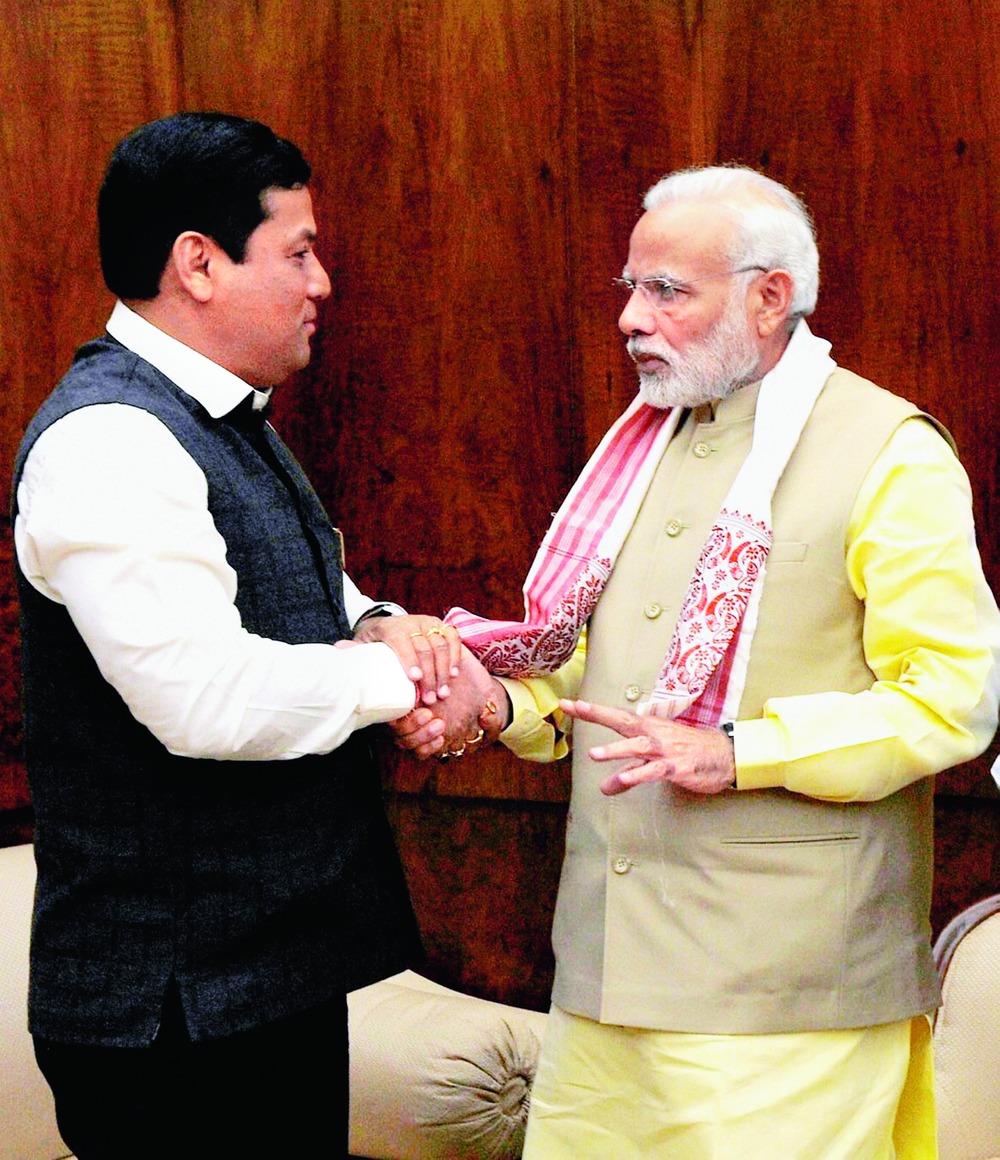
Sarbananda Sonowal hails PM Modi for ‘Bharat Maritime Insurance Pool’ to bolster India’s shipping Industry against Global Volatility

NEW DELHI : In a major policy intervention by the Narendra Modi Government, the Union Cabinet has approved the creation of a domestic maritime insurance pool with a sovereign guarantee of Rs 12,980 crore. This is aimed at insulating India’s maritime trade from global volatility. The move is expected to significantly reduce dependence on foreign underwriters and ensure uninterrupted risk coverage for Indian shipping.

The proposed ‘Bharat Maritime Insurance Pool’ (BMI Pool) will provide comprehensive coverage across key segments — hull and machinery, cargo, protection and indemnity (P&I), and war risk — for Indian-flagged and Indian-controlled vessels, including those operating in conflict-prone international waters. This is an important step towards powering India’s shipping industry to become one of the top maritime nations by 2047.

Union Minister of Ports, Shipping and Waterways (MoPSW), Shri Sarbananda Sonowal described the decision as a “transformational step” in strengthening India’s maritime resilience. “For decades, Indian shipping has remained exposed to external uncertainties dictated by foreign insurance markets. Now, under the visionary and decisive leadership of Prime Minister Narendra Modi ji, this landmark decision ensures that India now has the sovereign capacity to safeguard its maritime trade, even in the most challenging global scenarios.”

India’s maritime sector handles over 70% of the country’s trade by volume and nearly 95% by value, yet insurance coverage for this vast ecosystem has largely remained in foreign hands. This structural vulnerability became evident during recent disruptions in key shipping corridors such as the Red Sea, Strait of Hormuz and the Gulf of Oman, when several global insurers sharply increased premiums or withdrew coverage altogether, exposing Indian exporters and shipping operators to heightened financial risk and operational uncertainty. The BMI Pool is designed to address this gap by ensuring continuity of coverage regardless of geopolitical developments, thereby stabilising trade flows and reducing cost pressures on exporters and logistics stakeholders.

The pool will extend insurance protection to vessels carrying cargo between international ports and India in both directions. It will cover the physical structure of ships under hull and machinery insurance, protect goods in transit through cargo insurance, and address third-party liabilities such as crew injury and environmental damage under protection and indemnity (P&I) coverage. In addition, it will provide war risk insurance for vessels operating in conflict zones and high-risk maritime corridors, ensuring Indian shipping remains operational even in volatile regions.

Sarbananda Sonowal said the decision reflects a broader push towards strategic self-reliance in critical sectors. “This is not just an insurance mechanism; it is a statement of India’s growing confidence and capability. With the bold and dynamic leadership of Prime Minister Narendra Modi ji, India is building resilient systems that protect national interests while enabling global trade leadership.”

Officials said the move aligns India with major maritime nations such as the United Kingdom, Japan and South Korea, which have already established state-supported insurance frameworks to safeguard national trade interests. The initiative also fits within the broader Maritime India Vision 2030, which identifies the development of robust insurance infrastructure as a key pillar in positioning India as a leading global maritime power.

Good news for shipping sector: Cabinet clears Rs 12,980 crore maritime insurance pool amid Hormuz tensions

NEW DELHI : Union Cabinet has approved a Rs 12,980 crore Bharat Maritime Insurance Pool to ensure uninterrupted insurance cover for Indian shipping amid rising global risks. The move aims to safeguard trade routes and reduce dependence on foreign insurers during geopolitical tensions like the Hormuz crisis. In a significant decision, the Union Cabinet on Saturday, April 18, approved the creation of the ‘Bharat Maritime Insurance Pool’ (BMI pool) with a Rs 12,980 crore sovereign guarantee to ensure uninterrupted maritime insurance coverage amid rising global uncertainties.

What Ashwini Vaishnaw said?
Briefing about decisions taken at meeting of the Union Cabinet, Information and Broadcasting Minister Shri Ashwini Vaishnaw said the pool ensures that Indian trade continues to have access to affordable insurance for vessels carrying cargo from any international origin to Indian ports and vice-versa, even when transiting volatile maritime corridors.

“Any ship that goes into the ocean has insurance. Insurance is available for many types of activities. There’s basic insurance for damage. Another is for protection and indemnity… A sovereign guarantee fund of approximately Rs 12,980 crore will be created for maritime insurance. It will cover all types of maritime risks, including machinery, cargo, and war. It will be given to Indian-flagged vessels, Indian-controlled vessels, and those with either an origin or destination in India. This will be for a ten-year period, with a five-year extension,” he said.

Why the decision was taken?
The decision comes amid disruptions in global energy supply chains caused by the conflict in West Asia. An official release said that there was a need for a domestic maritime risk covering pool to maintain sovereignty and continuity of trade in the wake of geopolitical tensions.

Rising global risks and insurance challenges
“With increased global volatility and geopolitical instability, maritime trade has been impacted with increased risk of losses for cargo and vessels resulting in increased insurance costs and uncertainty in continuous availability of insurance. Further, there is high dependence of Indian vessels on International Group of Protection and Indemnity (IGP&I) Club for P&I insurance covering third-party liabilities like Oil pollution liability, Wreck removal, Cargo damage, Crew injury and repatriation, Collision liabilities and so on,” the release said.

Need for domestic maritime risk pool
“Accordingly, there was a need for a domestic maritime risk covering pool to maintain sovereignty and continuity of trade in face of withdrawal of coverage due to sanctions or due to geopolitical tensions,” it said.

Coverage and structure of BMI pool
The release said the Government has approved formation of ‘Bharat Maritime Insurance Pool’ (BMI pool) for Indian flagged or controlled vessels or vessels destined to or starting from India, backed by a sovereign guarantee.

The pool would cover all maritime risks like Hull and Machinery, Cargo, P&I and War risk.

How the pool will function?
The policies will be issued by insurers that are Pool members, using the combined underwriting capacity of the Pool, which would be around Rs.950 crore.

The Pool will help to manage liability insurance locally, tailored to Indian shipping conditions and regulatory requirements, develop specialized marine underwriting, claims management and legal expertise within India.

Governance and oversight
The release said a Governing Body constituted for this pool would oversee the formation and functioning of the pool.

Why sovereign guarantee is important?
The rationale for providing a sovereign guarantee to the proposed domestic insurance entity is rooted in the objectives of strengthening self-reliance, sanctions resilience and ensuring greater sovereign control, it said.

Source : Zee Business

Kandla Port facilitates landmark export of Cryogenic LNG Tanks to The Bahamas

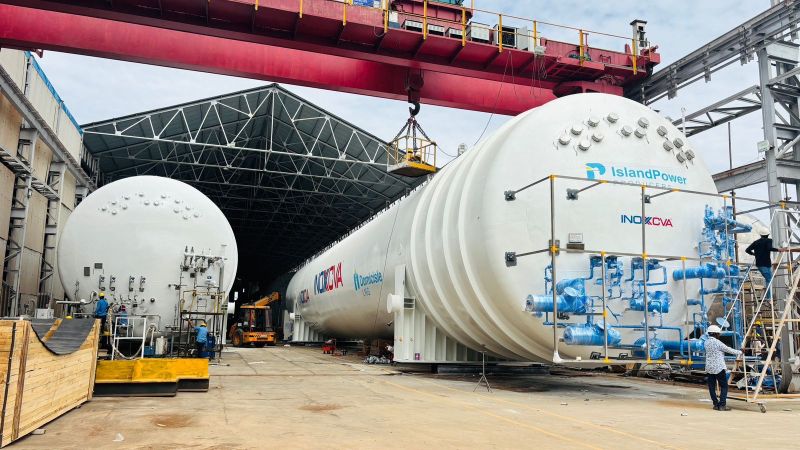
GANDHIDHAM : India: Reinforcing its position as a key gateway for project and heavy-lift cargo, Kandla Port has successfully handled and dispatched a major consignment of cryogenic LNG storage tanks manufactured by INOX India Limited for a mini-LNG terminal project in The Bahamas.

The shipment marks a significant milestone not only for the port but also for India’s growing footprint in the global energy infrastructure space. The consignment includes some of India’s largest cryogenic LNG tanks, designed for the storage and transportation of liquefied natural gas at extremely low temperatures. These high-value, precision-engineered units required meticulous planning, specialized handling equipment, and seamless coordination among multiple stakeholders.

Kandla Port demonstrated its operational excellence by ensuring safe and efficient movement of the over-dimensional cargo (ODC), leveraging its robust infrastructure, skilled workforce, and experience in handling complex project shipments. From yard operations to vessel loading, every stage was executed with strict adherence to international safety and quality standards.

Officials highlighted that the successful dispatch underscores the port’s capability to support India’s expanding export portfolio, particularly in high-technology engineering goods and energy-related equipment. It also reflects the increasing trust placed by leading manufacturers like INOX India Limited in Kandla Port’s logistics ecosystem.

The mini-LNG terminal project in The Bahamas is expected to play a crucial role in enhancing energy accessibility and supporting cleaner fuel adoption in the region, aligning with global sustainability goals.

With this achievement, Kandla Port continues to strengthen its reputation as a preferred hub for handling specialized and high-value cargo, contributing to India’s ambition of becoming a global leader in infrastructure development and energy solutions.

The port extended its best wishes to INOX India Limited and all stakeholders involved for the successful execution of this landmark pr

India to Champion Decarbonised Trade at Green Shipping Corridors Solutions Lab in Singapore

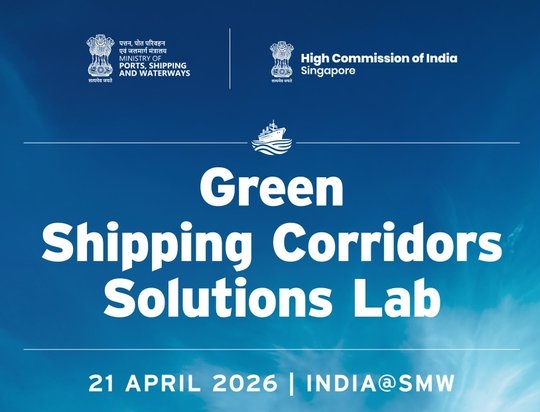
SINGAPORE: India is set to play a pivotal role in advancing the global maritime decarbonisation agenda at the Green Shipping Corridors (GSC) Solutions Lab, being held during Singapore Maritime Week 2026.

Organised as part of one of the maritime industry’s most influential global gatherings, the session will see India driving forward discussions on practical, scalable, and globally aligned solutions aimed at accelerating the transition towards greener shipping corridors.

The GSC Solutions Lab will convene a diverse group of stakeholders from across the maritime value chain—including policymakers, port authorities, shipping companies, technology providers, and sustainability experts. The objective is to move beyond dialogue and into actionable implementation, marking a significant shift from policy discussions to on-ground execution.

India’s participation underscores its growing leadership in promoting sustainable maritime practices and its commitment to aligning with international decarbonisation goals. The session is expected to foster collaboration, build consensus among global stakeholders, and catalyse coordinated efforts toward reducing emissions in international shipping.

Scheduled to take place at Suntec Singapore Convention & Exhibition Centre (MR 330) from 2:00 p.m. to 5:00 p.m. SST, the Solutions Lab will serve as a platform for meaningful engagement and knowledge exchange, reinforcing the urgency of transitioning to low-carbon shipping corridors.

With sustainability now central to the future of maritime trade, India’s proactive engagement at the forum signals a decisive step toward shaping greener, more resilient global shipping networks.

PESB recommends Ajit Kumar Panda as CMD of Container Corporation of India

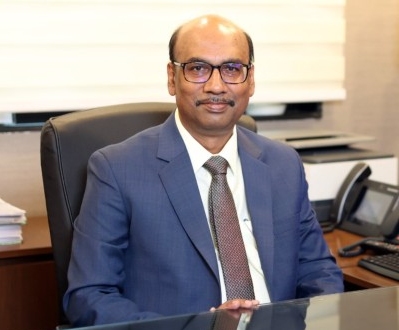
NEW DELHI: Shri Ajit Kumar Panda has been recommended by the Public Enterprises Selection Board (PESB) for appointment as Chairman and Managing Director (CMD) of Container Corporation of India Limited (CONCOR). The recommendation follows a competitive selection process involving senior executives from logistics, railways, infrastructure and government.

Professional Background

Ajit Kumar Panda currently serves as Director (Projects & Services) at CONCOR. He has built a strong reputation in:

  • Rail-based logistics and multimodal transportation
  • Container terminal development and modernization
  • Freight infrastructure projects and supply-chain integration
  • Strategic expansion and operational efficiency

His experience positions him to steer CONCOR through the next phase of India’s logistics transformation, especially with the growth of freight corridors and multimodal logistics parks.

Candidates Interviewed by PESB

The selection meeting held on 18 April 2026 saw participation from eight senior candidates:

  1. Ajit Kumar Panda – Director (Projects & Services), CONCOR
  2. Harish Chandra – Principal Executive Director (Finance), Company Secretary & CFO, CONCOR
  3. Dr. Alok Badkul – Executive Director (Cold Chain Air Cargo) & CEO FHEL, CONCOR
  4. Ghalib Ahmed Jillani – Executive Director (Quality Assurance), RITES Limited
  5. Arvind Malkhede – Principal Chief Operations Manager, Central Railway
  6. Navin Kumar Parsuramka – Principal Executive Director (Coaching), Indian Railways
  7. Jayant Singh – Chairman, Land Ports Authority of India
  8. Manish Tiwari – Joint Secretary, Ministry of Consumer Affairs, Food and Public Distribution

Following the interviews, PESB recommended Ajit Kumar Panda for the top leadership role.

Leadership at a Crucial Time

CONCOR plays a pivotal role in India’s freight logistics ecosystem, operating inland container depots, terminals and rail freight services across the country. Panda’s leadership is expected to focus on:

  • Strengthening rail logistics competitiveness
  • Expanding multimodal transport solutions
  • Supporting national logistics and trade initiatives
  • Enhancing operational efficiency and digitalization

His appointment now awaits final government approval.

Massive fire hits JWR Logistics Park near Panvel, no casualties reported

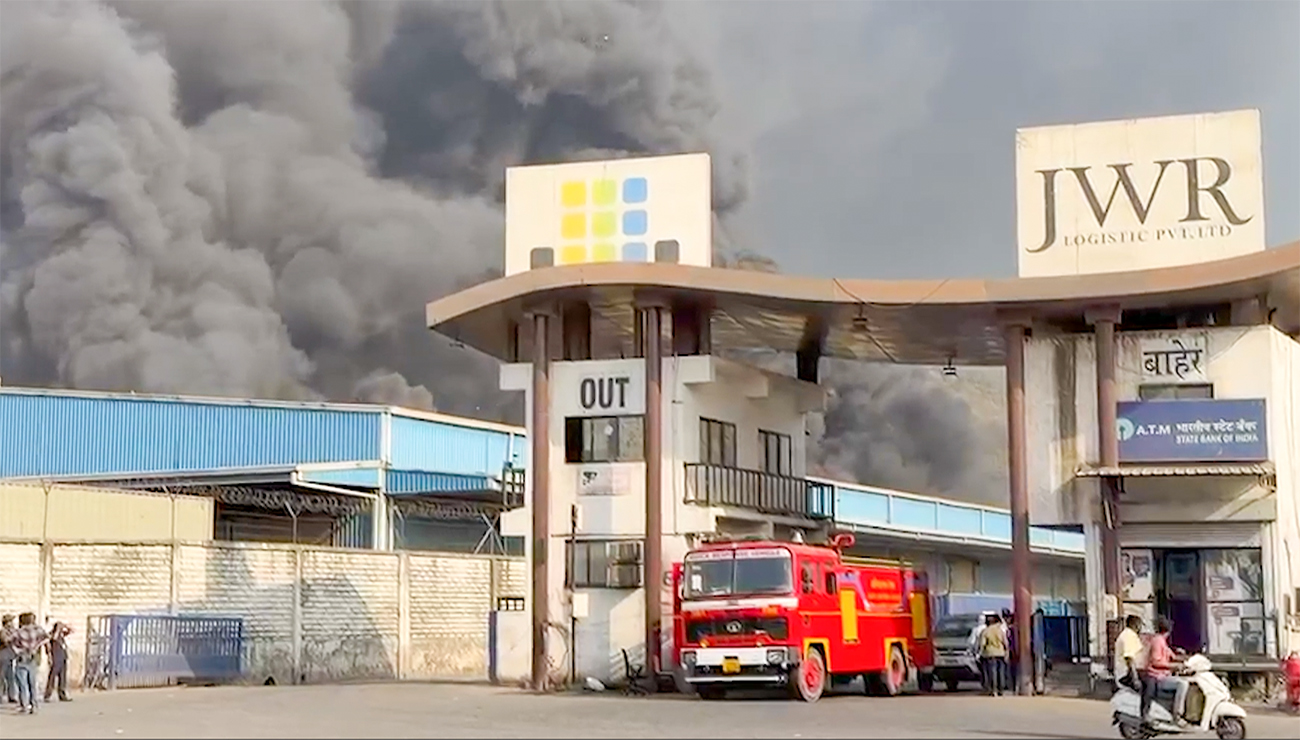
NAVI MUMBAI: A massive fire broke out at the JWR Logistics facility on the Palaspe-JNPA Highway near Padeghar, close to Panvel, on Saturday afternoon, sending up thick plumes of smoke and triggering explosions in a hazardous chemical storage section. The blaze was reported around 3 pm, and its cause is yet to be known.

According to fire officials, explosions were heard shortly after the fire started, as flames quickly spread to an area storing hazardous chemical materials, complicating access for emergency teams.

Teams from CIDCO, Panvel Municipal Corporation and Jawaharlal Nehru Port Authority rushed to the spot. CIDCO chief fire officer Vijay Rane said they received a call and immediately mobilised resources.

“After seeing the scale of the blaze, we immediately called additional fire engines. The fire is almost under control, but because it is a hazardous area, our teams are facing difficulty entering the main section,” he said.

He added that around nine fire vehicles from multiple agencies were deployed. However, officials said that even after several hours, the fire had not been fully put out and efforts were expected to continue late into the evening.

According to primary information from local authorities, the blast occurred at approximately 3:30 PM inside a facility handling volatile chemicals. 

While the exact cause of the explosion remains under investigation, witnesses reported a series of deafening sounds that shattered windowpanes in nearby office buildings.

“It sounded like a sonic boom,” said a worker from a neighbouring Container Freight Station (CFS). “Within seconds, we saw a thick plume of black smoke rising from the chemical unit. The ground literally shook beneath our feet.“

Inferno at JWR Logistics Park

The impact of the blast quickly spread, leading to a massive blaze at the JWR Logistics Park. The fire, fueled by industrial materials and potential chemical runoff, has engulfed a significant portion of the logistics hub. 

Massive clouds of acrid, dark smoke have blanketed the skyline, visible from several kilometres away, including parts of Belapur and Uran.

At least eight to ten fire tenders from the JNPT Fire Service, CIDCO, and Navi Mumbai Municipal Corporation (NMMC) have been rushed to the spot.

Firefighting operations are currently underway on a war footing to prevent the flames from spreading to adjacent chemical storage units and container yards.

JWR Logistics runs a large cargo handling facility in the Panvel-JNPA belt and claims to run India’s largest LCL (Less than Container Load) Container Freight Station. The site, spread over 97 acres, offers container handling, warehousing, inventory management and pan-India cargo movement services.

Strategically located on National Highway 4B, the facility is about 11 km from Jawaharlal Nehru Port and 4 km from Navi Mumbai International Airport, making it a critical node in the region’s supply chain network.

The Panvel-Uran-JNPA belt has witnessed rapid warehousing expansion in recent years, even as concerns persist over fire safety and hazardous material handling.

Casualties and Evacuation

While there has been no official confirmation regarding the number of casualties, unconfirmed reports suggest that few workers were inside the plant at the time of the explosion.

Emergency medical teams and ambulances have been stationed at the entry points of the logistics park.

Authorities have ordered an immediate evacuation of all non-essential personnel from the JWR Logistics Park and surrounding industrial plots.

The police have cordoned off the main approach roads to the port to ensure a clear path for emergency vehicles.

The nature of the chemicals involved has raised serious environmental and health concerns for the residents of Navi Mumbai.

Local administration has advised citizens in the downwind areas to stay indoors and keep their windows closed to avoid inhaling potentially toxic fumes.

India invited to join UK–France maritime initiative for Strait of Hormuz security

NEW DELHI : India has officially confirmed that it has been invited to take part in a maritime initiative led by the United Kingdom and France to protect transit through the Strait of Hormuz, widely regarded as a critical global chokepoint.

During a weekly media briefing in the capital, Ministry of External Affairs spokesperson Randhir Jaiswal confirmed the invitation. This invitation arrives as the international community intensifies efforts to ensure the security of one of the world’s most vital energy corridors, which facilitates nearly twenty per cent of the global oil trade.

According to the Ministry of External Affairs, New Delhi has been asked to contribute to a collaborative plan aimed at maintaining “uninterrupted navigation” through the strategic passage.

In a related diplomatic push, British Prime Minister Keir Starmer and French President Emmanuel Macron held talks at the Élysee Palace. The two leaders are preparing to host a virtual summit with approximately 40 countries to address the situation in the Strait of Hormuz. German Chancellor Friedrich Merz is also slated to attend and has suggested that he wants US President Donald Trump to be included in the process.

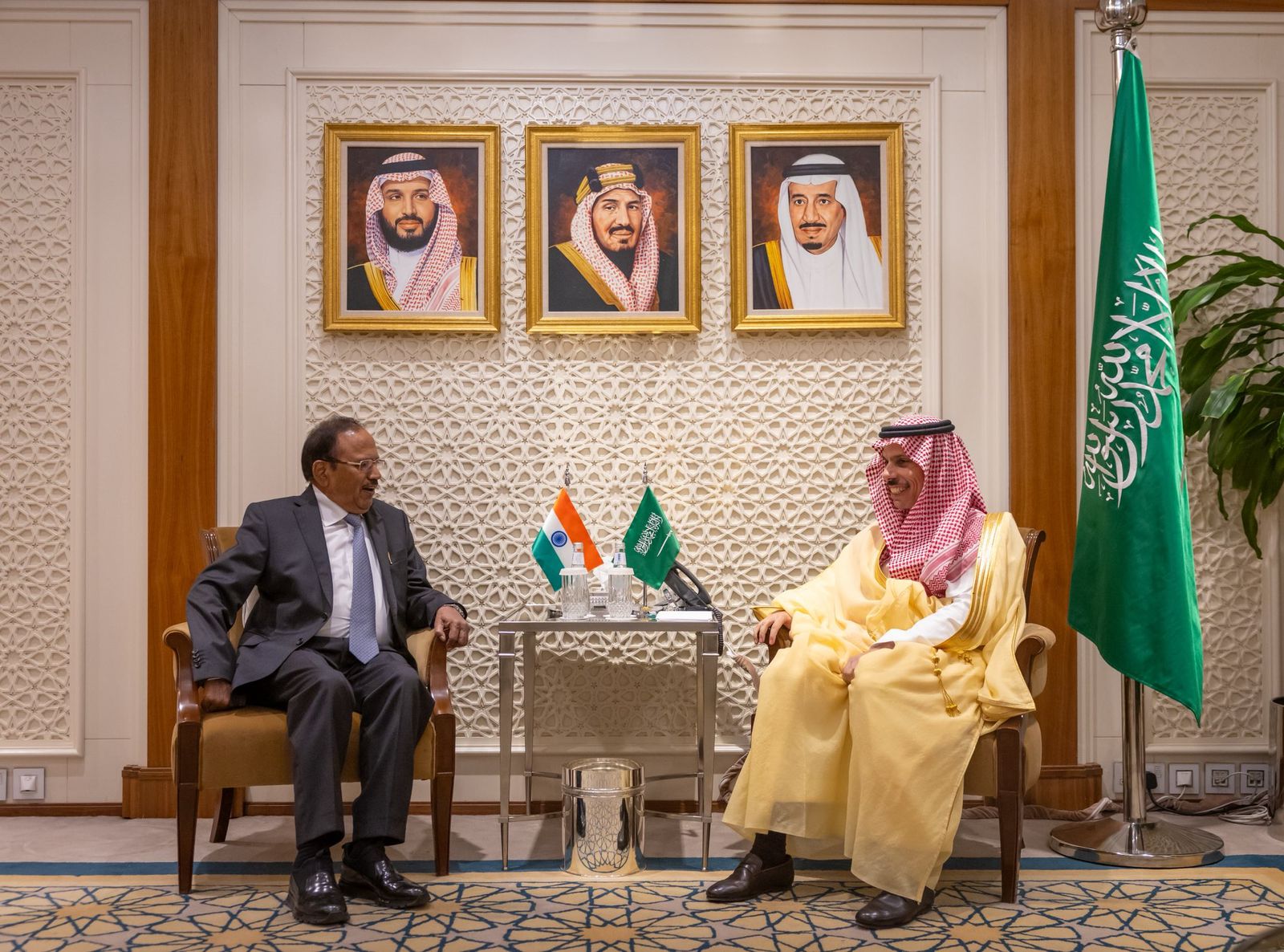
NSA Ajit Doval visits Riyadh, discusses bilateral, regional issues with Saudi ministers

RIYADH: India’s National Security Advisor (NSA) Shri Ajit Doval paid an official visit to Saudi Arabia’s capital Riyadh on Sunday, where he held high-level meetings with senior Saudi leadership focusing on bilateral relations, energy cooperation and regional developments, the Embassy of India in Riyadh said.

“NSA Ajit Doval paid an official visit to Riyadh on April 19. He had meetings with Energy Minister Prince Abdulaziz bin Salman, Foreign Minister Prince Faisal bin Farhan and National Security Advisor Dr Musaed Al-Aiban,” the Embassy of India in Riyadh said in a post on X.

According to the statement, discussions covered a wide range of strategic and regional issues of mutual interest between the two countries.

“During the meetings, they discussed bilateral relations, the regional situation and other issues of mutual interest,” the embassy added.

Earlier on Friday, in a significant high-level diplomatic engagement, the Secretary of the National Security and Defence Council of Ukraine, Rustem Umerov, held extensive talks with India’s National Security Advisor (NSA) Shri Ajit Doval.

The meeting, taking place against the backdrop of the protracted Russia-Ukraine conflict, served as a platform for both nations to review their bilateral cooperation and address urgent geopolitical concerns.

According to Ministry of External Affairs spokesperson Mr. Randhir Jaiswal, the meeting underscored continued engagement between New Delhi and Kyiv at the security and strategic level, with a focus on maintaining dialogue amid the prolonged war in Eastern Europe.

In a post on social media platform X, Jaiswal said: “Secretary of the National Security and Defence Council of Ukraine Rustem Umerov met NSA on 17 April 2026.”

He further said: “The two sides reviewed bilateral relations and discussed the ongoing Russia-Ukraine conflict. NSA reiterated India’s principled position and focus on peaceful resolution through dialogue and diplomacy.”

During the discussions, both sides are understood to have taken stock of the broader geopolitical situation arising out of the conflict, which has now entered its fourth year, and its implications on global security, energy supplies, and food stability.

Source: ANI