Home Blog Page 347

Iran War derails India’s IMEEC & INSTC trade routes: Hormuz closure pauses Delhi’s connectivity ambitions

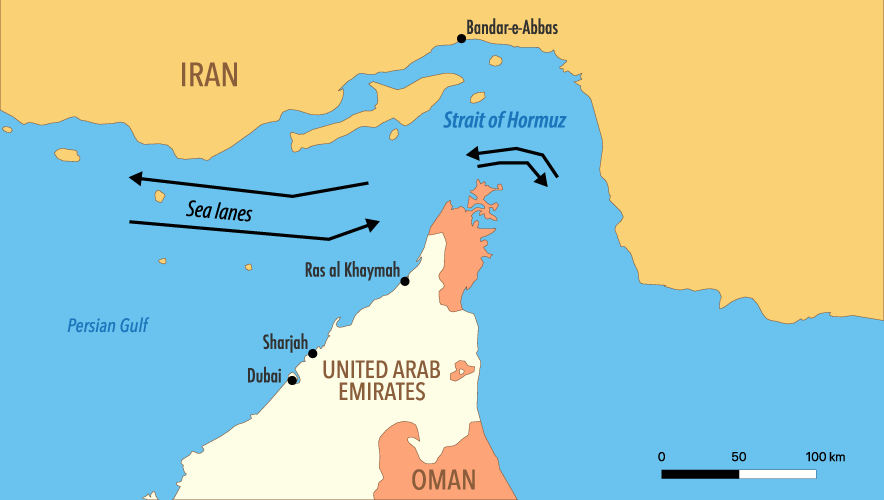
TEHRAN : If anything, the ongoing conflicts in the Middle East have reaffirmed the intensified weaponization of the trade routes. The Strait of Hormuz is closed, the Bab al-Mandab Strait is vulnerable to Somalian pirates, and the Red Sea is hostage to the whims of Yemeni militias in the face of drones, speedboats, and mines.

However, what is even worse is that the alternatives to global trade that nations, particularly India, have been pursuing via land routes, such as the India-Middle East-Europe Economic Corridor (IMEEEC) and the International North-South Transport Corridor (INSTC), are no longer feasible without Iran’s cooperation.

Recent years have seen the geopolitics of traditional trade routes, particularly the waterways such as Suez, Malacca, and Panama that can be easy chokepoints, shift towards “friend-shoring,” land-based corridors, and emerging Arctic routes. It was said that geoeconomics was changing the contours of geopolitics.

The Eurasian Times has previously analyzed how Russia is slowly and steadily playing its geoeconomic game in the Arctic by emphasizing the importance of access to Arctic ports and the further development of the Northern Sea Route (NSR), which connects the Pacific and Atlantic.  China has joined Russia in this game, with both geopolitical and geoeconomic dimensions.

The Northern Sea Route is a shipping lane from the Kara Sea to the Pacific Ocean, specifically running along the Russian Arctic coast from the Kara Gates Strait between the Barents Sea and the Kara Sea, along Siberia, to the Bering Strait. It has several alternative passages and routes between Novaya Zemlya and the Beringia landmass.

The NSR is expected to give Russia enormous strategic and commercial benefits. For instance, compared with the Suez Canal route, shipping through the NSR will reduce the distance between Shanghai and Rotterdam (Europe’s largest commercial port in the Netherlands) by almost 2,800 nautical miles, or 22 percent. This route is also likely to reduce the transportation cost by 30 to 40 percent.

Similarly, while a container ship from Tokyo to Hamburg (Germany’s major port city) sails for about 48 days via the Suez Canal, it can cover the same distance in about 35 days via the NSR. As regards the land-based alternatives, these are trade corridors that integrate sea, road, rail, and other infrastructure networks, designed to facilitate efficient, fast, and secure transport of goods between countries and regions, often bypassing traditional maritime bottlenecks. Here, many landlocked countries are connected to seaports, fostering economic development in hinterland regions.

In fact, some of the most important such proposed corridors criss-cross overland borders with road, rail, inland water, and coastal linkages between economies.

For instance, since 2013, China, through its so-called Belt and Road Initiative (BRI), has been building land and sea networks to diversify away from traditional maritime bottlenecks such as the Strait of Malacca. It has financed ports, railways, and pipelines across more than 140 countries to secure overland and maritime paths to Europe, Africa, and the Middle East.

That it has, in the process, resulted in what is called “debt-trap diplomacy”, thanks to the unpopular phenomena of “using Chinese contractors, Chinese standards, and Chinese loans”, is a different matter.

One of the important and in a way successful BRO projects has been “the China-Europe rail freight corridor”, connecting Chinese cities to over 200 European cities. Running via northern routes (via Russia) and the growing Middle Corridor (via Caspian Sea), this freight rail connects major hubs like Duisburg and Warsaw in roughly 10–18 days, primarily carrying electronics, vehicles, and high-value cargo.

Similarly, there is the Türkiye–Iraq Development Road Project, a regional connectivity initiative with significant geo-economic and diplomatic implications. Officially launched on October 3, 2023, by Iraqi Prime Minister Mohammed Shia’ al-Sudani, the project envisions creating an integrated trade corridor stretching from the Grand Al-Faw Port, which is currently near completion on Iraq’s Persian Gulf coast, northward through Iraqi territory to the Turkish border at Ovaköy. From there, the corridor extends into Türkiye, linking with European markets via road and rail infrastructure.

Another example of an alternative trade corridor is Mexico’s proposal for a land bridge connecting the Atlantic and Pacific Oceans to bypass the Panama Canal.

Likewise, Thailand is considering the Kra Isthmus corridor to connect the South China Sea and the Bay of Bengal, providing an alternative to the congested Strait of Malacca.

Reportedly, in August 2025, Armenia and Azerbaijan signed an agreement to develop the “Trump Route for International Peace and Prosperity” (TRIPP), which would connect Azerbaijan to its Nakhchivan exclave via Armenia’s Syunik province. This US-brokered 99-year lease project involves road/rail links, oil/gas pipelines, and fiber-optic infrastructure, operating under Armenian jurisdiction but managed by a private US company.

India, too, has such connectivity projects with two of its Southeast Asian neighbors. India-Myanmar connectivity projects, anchored by the Kaladan Multi-Modal Transit Transport Project (expected 2027) and the India-Myanmar-Thailand (IMT) Trilateral Highway, seek to integrate Northeast India with Southeast Asia. These projects involve upgrading ports and road networks.

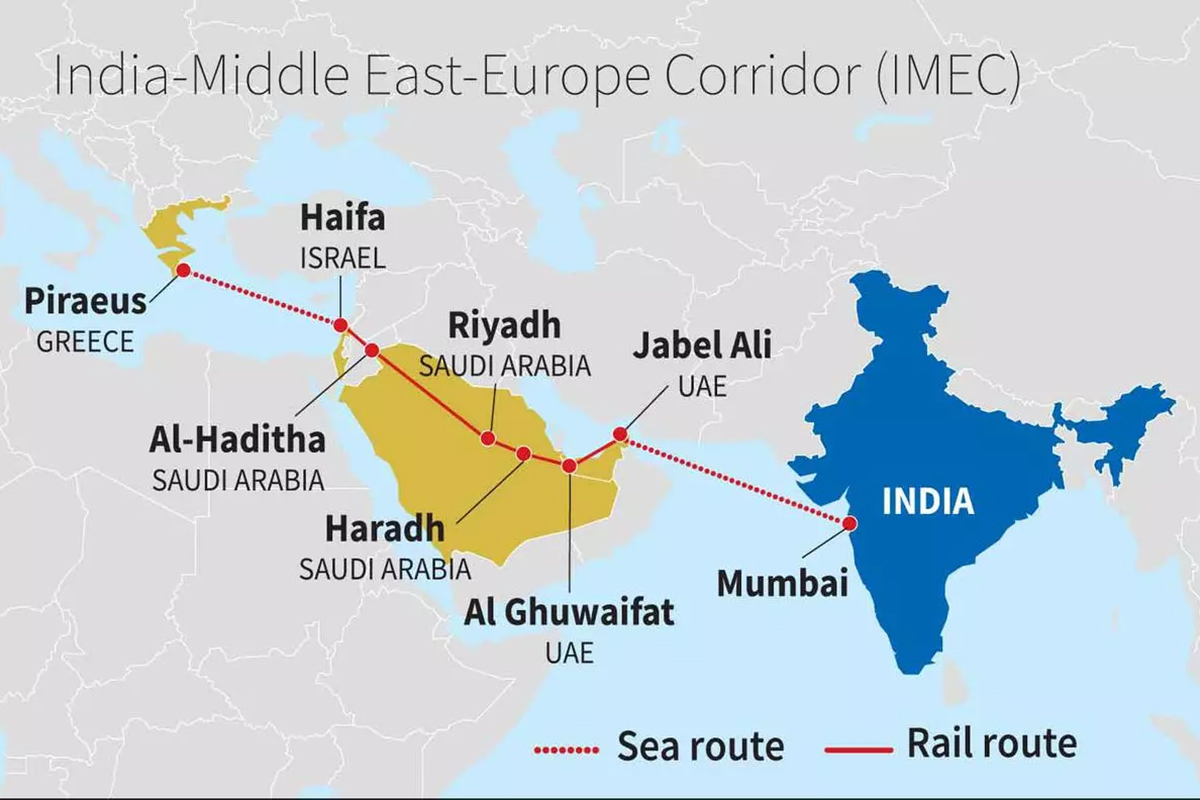
However, the major alternate corridors that India is involved with are the IMEEEC and the INSTC. The IMEEEC, better known as simply IMEC for convenience, was announced in 2023 during the G20 Summit in New Delhi. And it has been endorsed by the United States, India, Saudi Arabia, the United Arab Emirates, France, Germany, Italy, and the European Union. Israel has also assured its support.

The idea comprises an “Eastern Corridor” connecting India to the Gulf region and a “Northern Corridor” connecting the Gulf region to Europe. It will include a railway and ship-rail transit network, as well as road transport routes. This is conceived as a strategic alternative to existing maritime trade routes passing through the Red Sea and the Suez Canal.

The proposed route would connect ports in India with those in the United Arab Emirates, then via road or rail to the Mediterranean port of Haifa in Israel, and from there to ports in Greece.

On the other hand, the INSTC is a multimodal transportation network connecting India and Iran and then to Russia and Northern Europe. It is a 7200 km-long project, and when completed, it will be the shortest trade route connecting India with Russia, 30 percent cheaper and 40 percent shorter than the traditional Suez route, reducing transit time to an average of 23 days for Europe-bound shipments from the traditional 45-60 days.

The INSTC is also a multimodal network of ship, rail, and road for moving freight, approved by India, Russia, and Iran at the Euro-Asian Conference on Transport in St. Petersburg on September 12, 2000. Other members included Turkey, Oman, Syria, Belarus, and Ukraine; the Central Asian nations of Tajikistan, Kyrgyzstan, Kazakhstan; and the Caucasus nations Armenia and Azerbaijan.

This project was said to be operationalized partially in 2024, with India playing a pioneering role in conceptualizing and promoting this corridor. India has plans to connect it to Central Asian markets and integrate it with Iran’s Chabahar Port at a later stage.

However, the ongoing Middle Eastern War between Iran and the US-Israel combine seems to have turned out to be bad news for both the INSTC and IMEC. Vulnerability in the Strait of Hormuz due to Iranian threats jeopardizes connectivity between Indian ports and the two UAE ports — Jebel Ali and Fujairah — as proposed under the IMEC project.

Of course, analysts like M Jamshed argue that, in the current geopolitical landscape, Fujairah appears to be the most viable option because it is located on the Gulf of Oman and would remain unaffected by any potential blockade of the Strait of Hormuz. But he also mentioned the challenges. Though the existing Etihad Rail network already connects all seven Emirates from Fujairah to Al-Ghuwaifat near the Saudi border, a missing rail segment of approximately 300 km still needs to be constructed between Al-Ghuwaifat and Haradh in Saudi Arabia. Then, to complete the IMEC route, an east-west rail corridor across Jordan will be required to link Al-Haditha with Israel’s rail network at Beit She’an.

All these need peace and stability within the region, which is not the case at the moment.

As regards the INSTC, it faces bigger challenges. Because Iran has to play a central role in this project. Here, Iran retains structural advantages in connecting India with Central Asia and Russia. Its ports, particularly Chabahar, offer strategic depth that remains crucial for India.

But Iran, hitherto facing internal and external constraints, is now at war. This has further accentuated Infrastructure gaps, financial limitations, and sanctions-related risks on the path of the INSTC.

Thus, at present, it appears unlikely that major advancements in these two projects will occur until stability returns to the region in general and Iran in particular. And that means that geopolitics is overriding geoeconomics again.
Gulf Trade Exposure Index: Nations at greatest risk from Hormuz Strait closure

The war with Iran has laid bare one of the global economy’s most exposed fault lines. For nearly two months, traffic through the Strait of Hormuz has all but stopped and the countries that depend most heavily on what passes through it are now confronting the full weight of that reliance.

A new index by The National’s data team maps that exposure across the globe. The Gulf Trade Exposure Index (GTEI), compiled using 2024 trade data via BACI, ranks countries by their vulnerability to disruption and Gulf reliance on oil and fertiliser shipments. Each country receives a rated category reflecting both measures, providing a comprehensive picture of how deeply the global economy depends on Gulf supply routes.

Fuel
Our index shows just how concentrated global demand for Gulf fuel is and how heavily it leans towards Asia. The chart below uses a Marimekko format: the width of each bar shows how dependent a country is on the Gulf as a share of its total fuel imports, while the height reflects the total value of imports. Countries such as South Korea, Japan and China import vast volumes of oil and gas, making them some of the most exposed economies when supply is disrupted. But it is not just about how much they buy. The width of each bar in the chart below highlights how dependent they are on the region as a supplier, revealing a deeper layer of vulnerability.

Who depends most on Gulf fuel?
Asian economies dominate imports, with exposure driven by both volume and reliance. Bar height indicates total fuel imports and width indicates share of fuel imports from the Gulf.

Pakistan sources nearly 80 per cent of its fuel imports from the Gulf, the highest share among the major economies in the index, earning it a Critical exposure rating. Kenya, despite disappearing when all countries are displayed due to the relatively modest size of its imports, is also rated Critical: almost 70 per cent of its fuel comes from the Gulf.

Japan tells a different story of exposure. It imports 97 per cent of its oil needs from abroad and is structurally one of the most energy import-dependent advanced economies in the world. The Gulf accounts for just under half of that, at 49.3 per cent of Japan’s fuel imports in 2024, earning it a High exposure rating. For the world’s fourth-largest economy, that is significant vulnerability.

Africa’s exposure to Gulf-critical imports runs deeper still. Tanzania also relies on 54 per cent, and South Africa, the continent’s largest economy, around 45 per cent. For these nations, Gulf dependency has led to fuel subsidy announcements, as well as a push for more people to use public transport options to save on fuel and turn to liquefied petroleum gas (LPG) cooking canisters.

China is the world’s largest crude oil importer by volume. According to our index, China imported 36.5 per cent of its crude oil and fuel products from Gulf countries, but it is not only the percentage share of imports that makes China a key importer – it is also the size of imports in 2024. China spent $174.84 billion on Gulf fuel imports, making it the largest exporter. That ratio, along with the total volume of imports of fuel from the Gulf, makes China a high-risk dependent on Gulf fuel.

Analytics firm Kpler, which tracks tanker movements, recorded 1.38 million barrels per day of Chinese crude imports from Iran in 2025, equivalent to 12 per cent of China’s total. While most of those barrels were almost certainly relabelled as Malaysian to disguise their origins, some may have been rebranded as Indonesian, Iraqi, Omani or Emirati crude. China’s GAC has not reported any imports from Iran since 2022.

Despite high index scores, exposure does not translate uniformly into immediate risk. China, for all its dependence, holds vast strategic petroleum reserves, enough to weather a disruption over many months. The more acute danger lies with smaller, less-protected economies where Gulf fuel has no substitute and reserves are thin.

Fertiliser
The disruption of the Strait of Hormuz is not linked only to energy. Gulf states, led by Saudi Arabia, Qatar and the UAE, are among the world’s largest producers and exporters of nitrogen and phosphorus fertilisers, and countries that depend on them face different but equally consequential forms of exposure that affect food production, supply and prices. The impact of the fertiliser shortages will translate into food shortages and higher prices for consumers, with the Food and Agriculture Organisation of the UN warning that ‘disruptions in fertiliser markets are increasing production costs for farmers’ and affecting agricultural productivity both within the region and beyond.

Who depends most on Gulf fertilisers?
African economies that rely heavily on agricultural products have the largest exposure. Bar height indicates total fertiliser imports and width indicates share of fuel imports from the Gulf.

Malawi is the most Gulf-dependent nation for fertilisers in the index, sourcing 61.3 per cent of its fertiliser imports from the region, earning it a Critical rating with very high import concentration. For one of sub-Saharan Africa’s poorest and most food-insecure countries, sustained supply disruption would feed directly into the planting season and staple crop yields.

India also stands out as the largest exposure to fertiliser distribution from the Gulf by value. It imports $2.76 billion in Gulf fertilisers annually, the highest figure in the data set, with 35.9 per cent of its supply coming from the region. With more than a billion people to feed and a huge agriculture sector that accounts for an estimated 15 per cent of its GDP, India’s fertiliser dependency carries hefty consequences.

Sri Lanka (47.3 per cent), Myanmar (35 per cent) and Pakistan (30.4 per cent) also have Critical ratings, each relying on the Gulf for about a third or more of their fertiliser supply. Australia’s presence in the index is notable. Despite being one of the world’s leading agricultural exporters, it sources 32 per cent of its fertilisers from the Gulf, earning it a High exposure rating in our index.

Some of the main crop cycles and dependencies that rely on gulf fertilisers highlighted by the FOA, include:

Sri Lanka, where the Maha rice harvest is underway
Bangladesh, currently in its critical Boro rice season
Sudan, already facing acute food insecurity
In Sub-Saharan Africa, Somalia, Kenya, Tanzania, and Mozambique are particularly exposed due to high dependence on fertiliser imports.
Major agricultural exporters such as Brazil may also face production impacts, with potential spillovers into global markets.
The real concern, however, is not for agricultural powers such as Australia and India, both of which hold substantial stockpiles and have the diplomatic and financial weight to reroute supply chains if the Strait of Hormuz remains blocked. It is for poorer nations such as Malawi, Sri Lanka and Myanmar, which may simply find themselves priced out of whatever alternative supply exists.

Direct impact on markets
Even countries that can find alternative suppliers may not be able to afford them. Urea futures have risen above $700 per tonne, their highest level since October 2022, and are up more than 70 per cent this year, as the conflict severely disrupts global fertiliser markets.

The war has driven a sharp surge in natural gas prices, a key feedstock for urea production, while restrictions on traffic in the Strait of Hormuz have curtailed flows through a chokepoint that handles about a third of global fertiliser shipments. For nations already operating on thin import budgets, the price shock alone may be enough to trigger shortfalls long before any physical supply gap materialises.

Urea fertiliser is a highly concentrated nitrogen source used primarily to promote rapid growth in leafy, green foliage plants such as wheat, maize, rice and sugar cane, and pasturelands for livestock. Adnoc is a major global sulphur producer, accounting for roughly 5 per cent of worldwide production, largely from the Shah Sour Gas Plant, which produces 4.2 million tonnes annually.

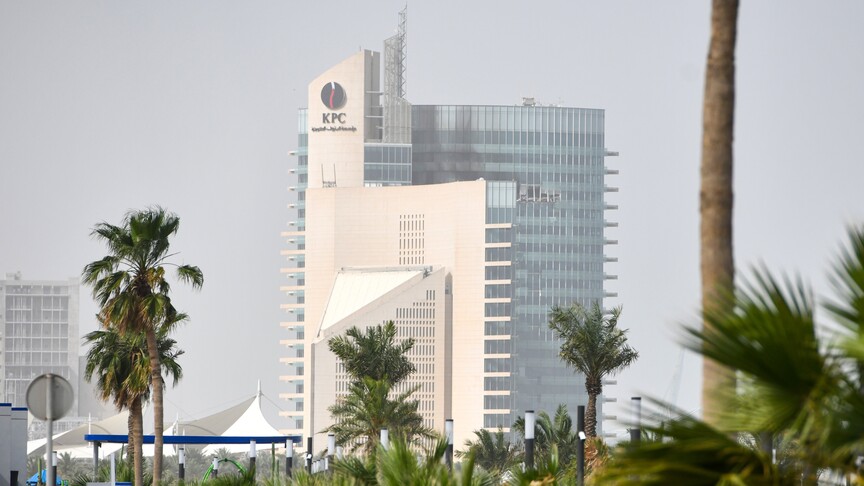
Kuwait declares force majeure on oil shipments amid Hormuz blockade : Bloomberg

RIYADH : Kuwait has declared force majeure on ​shipments of crude oil ‌and refined products after a blockade of the ​Strait of Hormuz ​prevented some vessels from entering ⁠the Persian Gulf, ​hindering its ability to ​meet certain customer commitments, Bloomberg News reported on Monday, citing ​a document. State-run Kuwait ​Petroleum Corp. notified customers on ‌Friday ⁠that it was invoking a contract clause allowing it to withhold ​scheduled deliveries, ​the ⁠report said.

It added that the ​decision is not expected ​to ⁠result in a complete halt in supply.State-run Kuwait Petroleum Corp. notified customers Friday that it was invoking the contractual clause that allows a supplier to miss deliveries, according to a document obtained by Bloomberg News. The move doesn’t mean supplies will come to a complete halt, a person with knowledge of the matter said.

KPC didn’t immediately respond to a request for comment. The Iran war has brought Hormuz traffic to a near-standstill, causing storage tanks in the region to fill up and upending global oil markets. The virtual shutdown of the critical waterway is a nightmare scenario for Persian Gulf countries, which rely on energy-export revenues to fund public spending. Countries across the region have had to reduce output of oil, gas and refined products as a result of the Hormuz shutdown and Iranian strikes. Earlier this month, the US government estimated that more than 9 million barrels a day of oil production would be shut in during April.

Kuwait has suffered multiple hits to oil infrastructure, and output is now at levels last seen in the early 1990s after the Iraqi invasion. Full production will take time to recover once hostilities ease, potentially meaning a continued impact on exports, the person familiar with the matter said, asking not to be identified discussing confidential information.

Kuwaiti officials have said they could return output to prewar levels within a few months of an end to the conflict.


CONCOR’s CSR Initiative Strengthens Cultural Foundations with Sanskrit Bharati Headquarters in New Delhi

NEW DELHI: In a significant blend of infrastructure development and cultural preservation, Container Corporation of India (CONCOR) has reinforced its commitment to nation-building through a landmark Corporate Social Responsibility (CSR) initiative supporting the construction of the headquarters of Sanskrit Bharati in New Delhi.

The newly constructed building, inaugurated on April 20, 2026, stands as a testament to collaborative efforts aimed at revitalizing India’s linguistic heritage. The project was executed through two Memorandums of Understanding (MoUs) signed by Konkan Railway Corporation Limited for the construction and finishing works of the ground and first floors during the financial years 2018–19 and 2022–23 under CSR initiatives.

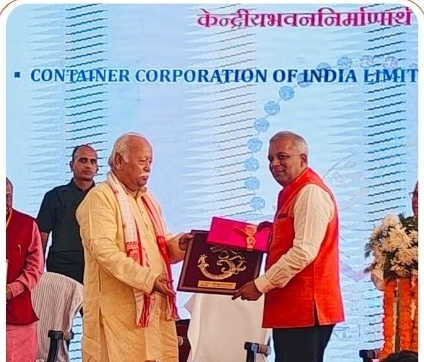
The inauguration ceremony was marked by the presence of Shri Mohan Bhagwat, Sarsanghchalak of the Rashtriya Swayamsevak Sangh, who felicitated Shri Sanjay Swarup, Chairman and Managing Director of CONCOR, in recognition of the organization’s meaningful contribution.

Highlighting the broader vision behind the initiative, CONCOR emphasized that the project reflects a holistic approach to development—where infrastructure growth goes hand in hand with the preservation of India’s rich cultural and linguistic traditions. The newly established headquarters is expected to serve as a vibrant center for Sanskrit learning, enabling wider access to the language and fostering its continued relevance in contemporary society.

In a statement, Shri Sanjay Swarup underscored that such initiatives go beyond conventional CSR, embodying a deeper sense of responsibility toward cultural continuity. He noted that the Sanskrit Bharati building will not only promote and propagate Sanskrit but will also emerge as a powerful hub of knowledge, tradition, and intellectual engagement for future generations.

The initiative underscores CONCOR’s evolving CSR philosophy—one that integrates economic progress with cultural stewardship—reinforcing the idea that sustainable nation-building must preserve the essence of heritage while advancing modern infrastructure.

CONCOR ICD Whitefield strengthens Multimodal Logistics with Seamless Port Connectivity and Green Infrastructure

BENGALURU: In a significant boost to India’s multimodal logistics ecosystem, Container Corporation of India Ltd. (CONCOR) has enhanced operational capabilities at its Inland Container Depot (ICD) Whitefield in Bengaluru, reinforcing seamless connectivity between key eastern and western ports while embracing sustainable logistics solutions.

Strategically positioned in the industrial hub of Bengaluru, ICD Whitefield is playing a pivotal role in connecting southern hinterlands to major ports on the East Coast, including Chennai Port, Kattupalli Port, and Kamarajar Port. With multiple daily rail services, the terminal ensures efficient cargo evacuation and streamlined export-import operations, significantly reducing transit times and logistics costs.

Further strengthening its network reach, CONCOR has introduced a dedicated bi-weekly rail service linking ICD Whitefield to Jawaharlal Nehru Port Authority (JNPA), India’s premier container gateway on the West Coast. This strategic linkage enables faster cargo movement across coasts, facilitating trade fluidity and supporting the growing demands of regional industries.

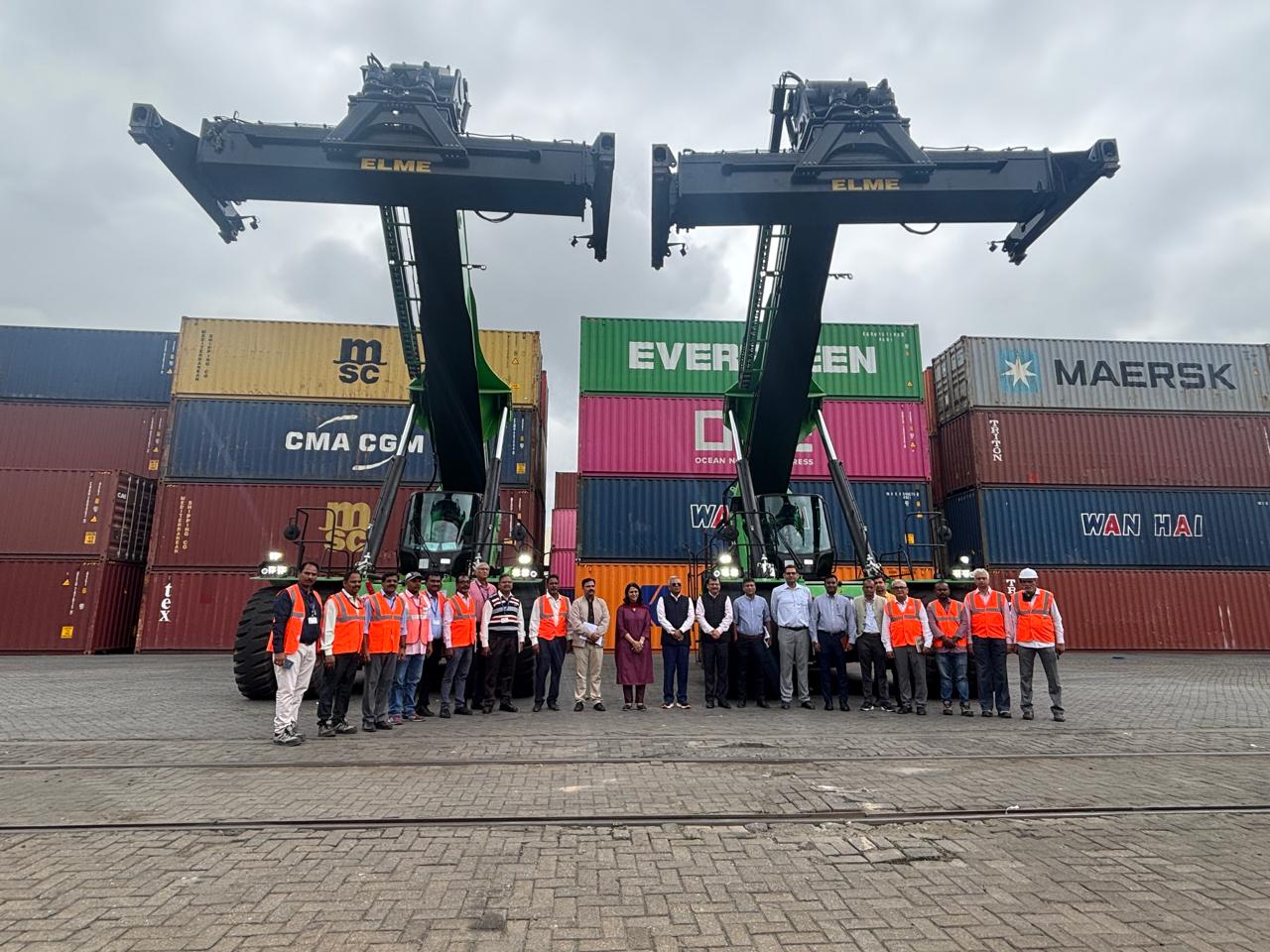
In line with India’s sustainability goals, ICD Whitefield has integrated future-ready infrastructure and green technologies into its operations. The deployment of Electric Reach Stackers (EV RSTs), Rail Mounted Gantry Cranes (RTGs), and LNG-powered trucks underscores CONCOR’s commitment to reducing carbon emissions while enhancing operational efficiency across first-mile and last-mile connectivity.

These advancements position ICD Whitefield as a key logistics node driving innovation, reliability, and speed in cargo handling and transportation. By bridging critical port corridors and adopting environmentally responsible practices, CONCOR continues to play a crucial role in modernising India’s logistics landscape.

With a strong focus on end-to-end service excellence, CONCOR reaffirms its commitment to delivering integrated, efficient, and sustainable logistics solutions—supporting India’s vision of becoming a global trade powerhouse.

Rhenus Logistics Strengthens Asia–Latam Trade with Record Growth in 2025

SINGAPORE: In a global environment marked by the acceleration of international trade, Rhenus Logistics reaffirms its position as one of the leading logistics companies in Latin America by consolidating the strategic Asia–LATAM trade lane and recording unprecedented growth during the 2024–2025 period.

Rhenus handled over 170,000 TEUs in full container load (FCL) shipments along the Far East Asia – Latin America corridor, positioning itself among the Top 3 players on this strategic tradelane. This performance reflects sustained expansion and operational execution aligned with the increasingly demanding requirements of global trade.

The impact of growth along the Asia–LATAM corridor is evident in strong results at both regional and local levels. In particular, Rhenus achieved the No. 1 ranking in Far East inbound flows to Argentina, Colombia, and Paraguay, consolidating its leadership in these key markets.

Additionally, Rhenus significantly strengthened its performance in other countries in Latin America by leveraging its local presence and operational capabilities to efficiently meet the needs of international trade. This positioning reinforces Rhenus as a key player in the Far East–Latin America corridor, combining scale, local expertise, and a robust operational network to support its customers’ growth across the region.

These results are especially relevant in a context where Asian companies are expected to continue increasing exports to Latin America. According to estimates from Americas Market Intelligence, trade volume between China and Latin America could reach US$700 billion by 2035, driving growing demand for logistics providers with increasingly robust, efficient capabilities aligned with Asian market standards.

Strategic Support from Asia

As part of its strategy to further strengthen this corridor, Rhenus operates a procurement center in Hong Kong, exclusively dedicated to serving the Latin American market. This presence in one of the company’s main commercial hubs ensures efficient origin management, optimized coordination with Asian suppliers, and direct connectivity between regional operations and global markets.

The Hong Kong center acts as a strategic bridge between Asia and Latin America, providing greater supply chain visibility, agility, and control, while enhancing Rhenus’ ability to respond to the increasing demands of global trade.

A Long-Term Strategic Commitment

The sustained growth we are achieving in Latin America confirms that the Asia–LATAM corridor is a strategic pillar for Rhenus in the region. These results reflect not only our local execution capabilities, but also a long-term vision focused on anticipating global market needs and actively supporting the development of local economies across the region,” said Fadelly Duque, Head of Sales LATAM, Rhenus Logistics.

With a strategy focused on efficiency, operational reliability, and regional strengthening, Rhenus Logistics continues to position itself as a key logistics partner for trade between Asia and Latin America, supporting the evolution of supply chains and the growth of commercial exchange between both regions.

About Rhenus
The Rhenus Group is one of the leading logistics specialists with global business operations and annual turnover amounting to EUR 8.2 billion. 39,000 employees work at 1,300 business sites in more than 70 countries and develop innovative solutions along the complete supply chain. Whether providing transport, warehousing, customs clearance or value-added services, the family-owned business pools its operations in various business units where the needs of customers are the major focus at all times.

DP World launches First Port-Based Carbon Insets at Southampton

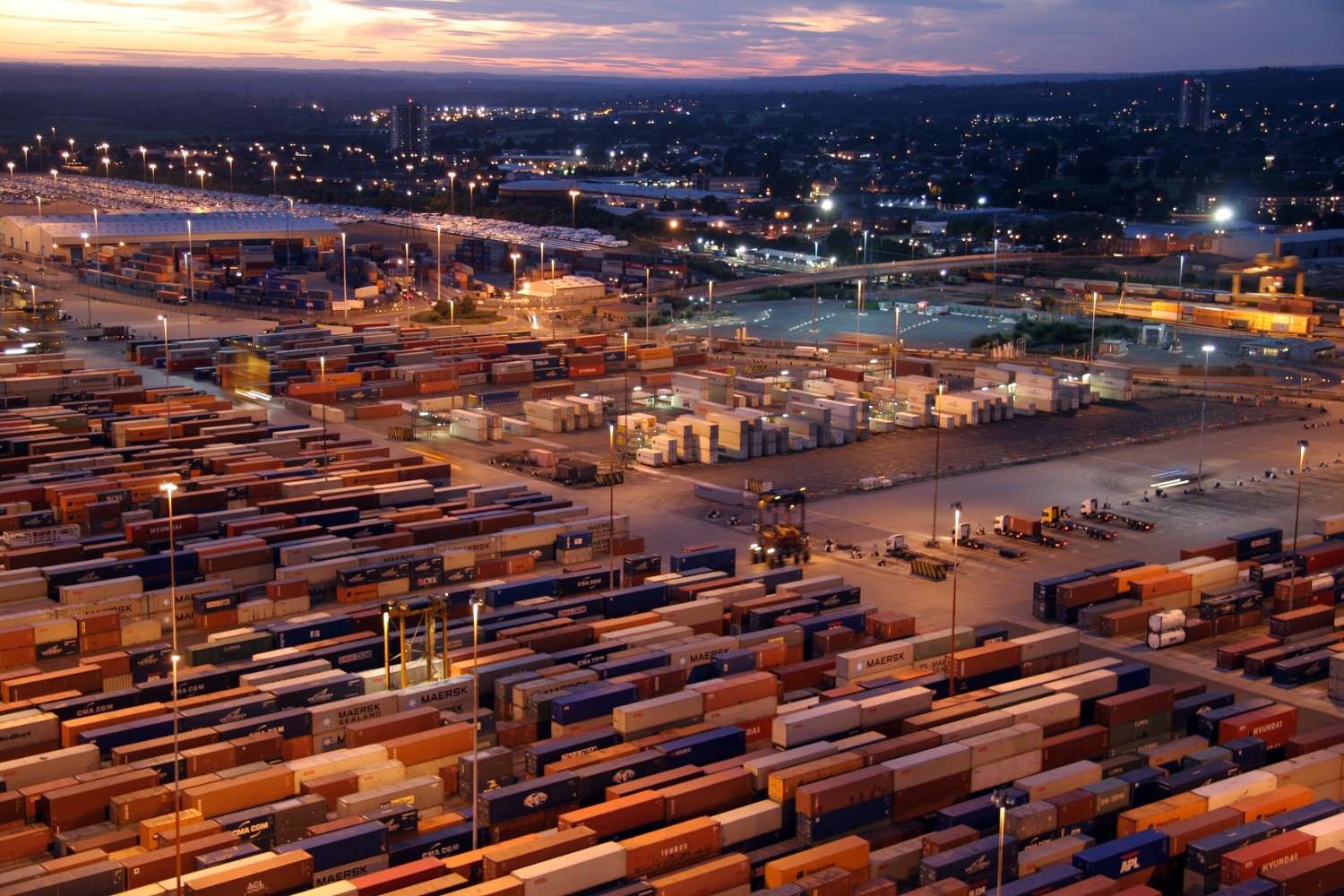
LONDON: DP World has launched a new carbon inset scheme at its Southampton terminal, allowing customers to claim a share of emissions reductions generated at the port towards their own supply chain targets for the first time.

The new Container Terminal Inset Certificates are created through emissions reductions at Southampton, where the use of biofuels, such as HVO, port-wide electrification and the generation of renewable electricity has resulted in significant carbon savings. These savings are then converted into uniquely allocated certificates that customers can use to report lower Scope 3 emissions across their supply chains.

The certificates will be included in DP World’s Carbon Inset Programme as a share of the 250kg CO₂e allocation and automatically applied to qualifying cargo moving through DP World Southampton from 1 April 2026. Customers will receive independently verified documentation to support their sustainability reporting.

DP World’s Carbon Inset Programme, which was introduced in January 2025 in partnership with global Carbon insetting platform 123Carbon, has so far registered more than 250,000 TEU of cargo in its first year, issuing over 9,000 tonnes of CO₂e savings. Originally scheduled to be a 12-month trial, the Carbon Inset Programme was subsequently extended to 31 December 2026.

John Trenchard, Vice President – Sustainable International Supply Chains, Europe said:“At DP World, we believe decarbonising global supply chains requires practical solutions that deliver measurable impact today. This scheme will turn real emissions reductions at Southampton into verified savings our customers can count towards their Scope 3 targets. By working with partners like Bureau Veritas and 123Carbon, we’re scaling a model that recognises the critical role ports play in driving lower-carbon logistics across road, rail and sea.”

Jeroen van Heiningen, Chief Executive Officer, 123 Carbon, said: “This project is a landmark milestone, as it represents a new standard on how carbon reductions realised in port operations can be shared with owners. The development of such a standard together with industry leaders as DP World is necessary to ensure companies can safely and securely reduce transport-related emissions from origin to destination, regardless of transport type and including container handling at ports.”

The Carbon Inset Programme in the UK is funded by the Energy Transition Contribution applied to all import laden containers through DP World UK ports. Registered programme users who move containers into the UK through DP World ports can access carbon credits to address residual emissions for container ships, tug boats and container terminal operations.

Headquartered in Dubai, United Arab Emirates, DP World operates across more than 75 countries, enabling over 9% of global containerised trade.

China’s Blueprint for a new trade era

LONDON: As the dust settles on the last month’s National People’s Congress, the global shipping community is beginning to digest a document that could be much more than a legislative checklist. China has officially unveiled its economic playbook for the rest of the decade, outlining a strategy that could reshape global trade and investment flows, according to specialists at the World Economic Forum (WEF).

This 15th Five-Year Plan (2026-2030), arrives at a pivotal moment for the world’s second-largest economy, signalling a transition from pure volume to what Beijing calls “new quality productive forces”.

The authors of a WEF analysis, Dan Cowen, lead for economy, trade and jobs content and programming, Greater China, and Oscar Yang, project fellow, trade, investment and services facilitation, suggest that this document is “more than an internal procedure”.

They argue that these plans are “high-level policy blueprints that have long guided national priorities, mobilised resources and signalled the country’s economic and social policy direction to domestic and international stakeholders”.

For global shipping markets, the 15th Five-Year Plan provides critical “insights into how the world’s largest manufacturing ecosystem intends to navigate the increasingly complex global environment, marked by geopolitical fragmentation, policy uncertainty and rapid technological breakthroughs”.

At the heart of this new strategy is a sophisticated balancing act. While the plan continues to build on the core priorities of previous iterations—specifically industrial upgrading and the centring of innovation—there is a noticeable shift in rhetoric. Cowen and Yang point out that “innovation is framed more explicitly in terms of self-reliance and the development of ‘new quality productive forces’ – a reference to more high-tech and efficient methods of industrial production”.

This shift “reflects a more strategic and security-oriented approach” to national growth.

Double pronged

Yet, even as Beijing looks inward to fortify its industrial base, it is simultaneously championing “high-level opening up”, a policy focus that Cowen and Yang believe signals “continuing external economic engagement”.

This duality is perhaps the most striking feature of the 2026-2030 period. China is seeking to “balance stronger domestic resilience with continued global economic integration, with better relations and conditions for trade and investment”.

Despite the “de-risking” rhetoric seen in some Western capitals, the plan “underscores continued support for international trade, explicitly committing to safeguarding the multilateral trading system with the World Trade Organization at its core, while opposing protectionism and indiscriminate tariffs”.

The data from 2025 suggests that China’s commitment to trade remains robust. The country saw 5.5% growth in US dollar terms last year, even as it faced significant global headwinds. However, the geography of this trade is shifting. While exports to the US plummeted by 20% year-on-year, China’s exports to other regions, including the European Union (EU) and the Association of Southeast Asian Nations (ASEAN), rose. This pivot, combined with stagnant imports, resulted in a record $1.2 trillion trade surplus.

Yet this dominance has brought friction. ASEAN, now China’s largest trading partner, is reportedly facing a struggle against a flood of underpriced Chinese goods, according to analysis. The tensions are not limited to emerging markets. In the West, the issue is not that China exports more, it is that China exports more of what Europe also produces.

Cowen and Yang warn that “as China continues to promote exports, its competition with Europe and other advanced economies will intensify, whilst its dominance in lower-cost manufacturing will also squeeze the development of emerging economies”.

Looking south

To mitigate these pressures, the plan emphasises deepening ties with the Global South. Specifically, Beijing intends to use the Belt and Road Initiative to “expand market access, strengthen supply chain linkages and build new growth corridors”. This is part of a broader “technology-led development” strategy that has become the hallmark of President Xi Jinping’s tenure.

The new plan sets ambitious benchmarks, including growing core digital industries to 12.5% of GDP and ensuring that research and development spending grows by more than 7% annually.

The ultimate goal, according to Cowen and Yang, is to achieve “decisive breakthroughs” in critical technologies such as integrated circuits, industrial machine tools, and biomanufacturing. These are seen as “essential to strengthening economic security, especially in an era of rising geopolitical and technological competition”. This approach effectively “puts self-reliance at the core of a new growth model built on advanced, high-quality production”.

For foreign investors, the message is nuanced. While self-reliance is the priority, the plan offers “positive signals for businesses that export to and invest in China”. The government is specifically looking to grow services in telecoms, education, and health, and will “adjust tariffs and incentives to encourage imports of advanced technologies, high-quality agricultural products and productive services”. Furthermore, Beijing is working to improve the investment ecosystem by “promoting the internationalisation of China’s renminbi currency” and “easing restrictions on cross-border payments”.

Interestingly, the plan also encourages Chinese firms to look outward.

Cowen and Yang note that “firms are encouraged to expand, invest and form new partnerships overseas”, with specific support for AI companies and professional services like law and accounting. This outward push is reflected in a shift in how China may measure its success.

The 15th Five-Year Plan makes it clear that “China’s economic story will be increasingly interwoven with the rest of the world”, the WEF authors say. However, the path forward is fraught with challenges. The Cowen and Yang remind us that “China’s policy aspirations do not operate in a vacuum”. External shocks—from trade disruptions to energy market volatility already seen in early 2026—will inevitably impact the plan’s delivery. Furthermore, as China’s export-heavy model impacts jobs in other nations, “those countries may react with more targeted policies to counteract China’s new direction”.

Source: Baltic Exchange

Despite global challenges, The Port of Klaipėda records a strong first quarter

KLAIPEDA: The Port of Klaipėda started the year with growing cargo volumes. In the first quarter of this year, cargo handling increased by 9% compared to last year, with some segments reaching record highs. During the first three months, Klaipėda Port was the only port among the Baltic states to achieve positive results, further strengthening its role in the region.

“Three months of stable and sustainable cargo growth – that’s how we can describe the first quarter of this year. Consistent investments in infrastructure and terminal capacity have allowed Klaipėda Port to diversify cargo, adapt to the changing geopolitical situation, and respond to new market conditions. Nearly 11 million tonnes handled, 9% growth, and the best container handling results in the port’s history mark a strong start to the year. Behind these figures are high-quality port services, efficiently developed infrastructure, and reliable companies operating in the port,” says Algis Latakas, CEO of Klaipėda State Seaport Authority.

Compared to last year, the most significant growth – 38% – was recorded in container handling during the first quarter. More than 4 million tonnes of cargo were handled in containers over the first three months of the year. Since the beginning of the year, over 374 thousand TEU have been handled at Klaipėda Port. Looking at monthly results, March stands out with the best performance in the port’s history both in tonnes and in TEU.

Positive trends are also seen in the second-largest cargo segment. Compared to last year, ro-ro cargo increased by 5%, reaching nearly 1.7 million tonnes.

Steady growth is also recorded in the liquefied natural gas (LNG) segment. During the first three months of the year, 827 thousand tonnes were handled – 26% more than in the same period last year. One of the key reasons behind this growth is strong regional demand. The Baltic states and neighboring markets continue to diversify energy supply and reduce dependence on Russian gas. Klaipėda LNG terminal plays a strategic role in this process by ensuring reliable supply.

Fertilizer handling also increased by 27% compared to the first quarter of last year, reaching over half a million tonnes. The port mainly handles bulk and liquid fertilizers produced by Lithuanian companies, as well as packaged fertilizers for export, which make up about 75% of total fertilizer volumes.

The growth in fertilizer cargo is driven by export volumes from Lithuanian producers. Klaipėda Port remains the main gateway for their products to international markets. Growth is also supported by stable demand in the agricultural sector and efficient logistics chains. In addition, new supply flows have emerged after sanctions on Russia and Belarus, partly taken over by EU producers.

Oil product handling is close to last year’s level. This year, just over 1.03 million tonnes have been handled, compared to 1.05 million tonnes during the same period last year.

Not all cargo segments showed growth. Compared to last year, grain handling decreased in the first quarter. During the first three months, 752 thousand tonnes were handled, compared to 971 thousand tonnes last year.

Compared to last year, 146 thousand tonnes less of minerals and construction materials were handled (447 thousand tonnes this year vs. 592 thousand tonnes last year). Scrap metal volumes also declined to 261 thousand tonnes (343 thousand tonnes last year). Timber cargo decreased similarly – 97 thousand tonnes this year compared to 199 thousand tonnes last year.

At the beginning of the year, 1,123 vessels called at Klaipėda Port – 7% fewer than last year. Passenger numbers also slightly decreased, with just over 36 thousand passengers compared to more than 41 thousand during the same period last year.

Despite declines in some segments, strong growth in others has offset losses and allowed Klaipėda Port to deliver the best results among Baltic ports. In the first quarter, Klaipėda was the only port to record growth (+9%), while Riga, Tallinn, Ventspils, and Liepāja all saw declines.

Currently, Klaipėda Port holds nearly 46% of the Baltic market. Riga accounts for 17%, Tallinn for 13%, Ventspils for 7.6%, and Liepāja for 6.5%.

Net Zero Framework: This Week Crucial to IMO’s Plans to Slash GHG Emissions from Shipping

LONDON: Ahead of the upcoming meeting of the International Maritime Organization’s Intersessional Working Group on Reduction of GHG Emissions from Ships (ISWG-GHG 21, April 20-24th) and its Marine Environment Protection Committee (MEPC 84, April 27-May 1), Delaine McCullough, President of the Clean Shipping Coalition and Ocean Conservancy’s Shipping Program Director said:  
“At this week’s ISWG-GHG meeting, to lay the groundwork for the upcoming adoption of the Net-Zero Framework (NZF), IMO member states must continue filling in critical details on components of the NZF and the Life Cycle Assessment guidelines, in order to provide the greater clarity some member states requested during October’s MEPC ES.2. Member states must use these coming days to build out key guidelines, such as those for incentives for first movers and how to measure the emissions from different fuels, to allow for adoption of the NZF later this year.”

“During MEPC 84 next week, IMO member states have three opportunities to ensure that progress is made towards slashing GHG emissions from shipping, minimising fuel burn and the overall cost of the energy transition. The first is to strengthen and make enforceable the Carbon Intensity Indicator, the IMO’s cornerstone energy efficiency measure. The second is to ensure the Net Zero Framework (NZF) is not watered down on its way to adoption. Third is to make sure the Life Cycle Assessment (LCA) guidelines include sustainability criteria that account for biodiversity and human rights impacts, real world emissions factors for methane-based fuels, and reflect GHG emissions of indirect land use change caused by production of biogenic fuels.”
 
“The Net Zero Framework is imperfect, but includes all of the critical technical and economic elements to allow IMO and the shipping industry to meet the climate commitments they set themselves in the 2023 IMO GHG Strategy, as well as their commitment to ensuring that all countries have the opportunity to fully participate in the shipping energy transition – or at least are not harmed by it. It is the outcome of years of negotiations and compromise and has broad support among IMO member states. Anything less would be a climate failure and a political dead end.”

 
“To address its significant climate impact, the shipping sector must transform both how it uses energy–dramatically improving efficiency –and the type of energy it uses, shifting to wind propulsion, electricity and new zero-emission fuels. Pricing GHG emissions is the linchpin for enforceability and closing the price gap between the dirty fossil fuels the industry runs on and zero-emission energy. Critically, the fee sets a clear and predictable price signal for industry actors and generates funds that are needed to incentivize the energy transition and ensure no countries are left behind, particularly small island developing states and least developed countries.”