Home Blog Page 353

How Logistics Workforce Skills are evolving in the Age of Digital Supply Chains

By Tanuj Anand, Senior Manager – Logistics, NICDC

Introduction – Workforce Transition

The rapid expansion of global trade has resulted in an ever-increasing amount of international commerce and interaction between countries; Hence the growth of India’s Logistics sector has changed due to both the development of new infrastructure as well as technological advancements. Digital Supply Chain solutions are now providing logistics professionals access to decades worth of experience, in addition to providing access to real-time data, automation tools and cloud-based solutions. Rather than eliminating traditional job functions, the use of technology has increased the number of traditional job functions available by taking logistics from purely execution-based processes to intelligent based operations.

India is projected to require over 4.3 million additional logistics professionals by 2030, driven by e-commerce growth, infrastructure expansion, and digitisation across supply chains.

The Role of Digital Enablement in Skill Development

Artificial Intelligence (AI) powered forecasting, Internet of things (IoT) based tracking, warehouse automation and cloud logistics platforms are proving to be the driving force for how Digital Supply Chains are significantly transforming the job function of attention/dedication/progress in Logistics; in short: moving from manual processing of logistics to insight driven logistics and decision making.

According to industry studies, Digital Tools have improved the capability of the logistics workforce and allowed for faster response times, better visibility and more resilient supply chains.

Core Digital Competencies Taking Centre Stage

Modern logistics experiences are based on both operational experiences as well as knowledge of technology. The skills required that form the basis for the development of the workers today will include:

  • Knowledge of how to interact and use a system’s features (such as dashboards, ERP, TMS, WMS)
  • Knowledge of data analysis and visual tools to improve the planning of goods and services.
  • Knowledge of how Automation and artificial intelligence can help improve the delivery of goods.
  • Knowledge of how to protect users, products, and data from cyber-attacks.
  • Adapting to work with people in jobs other than the worker’s immediate job.

These skills will no longer be specific to a selected few, but instead generalized. This change will create a fundamental change in the expectation of the worker within the workforce.

Hybrid Workforce Roles and End-to-End Expertise

Digital Supply Chains have created a new form of Hybrid Workforce Professionals who blend business, operations and technology disciplines together. According to global supply chain research, these “translator” roles are critical to unlocking the full value of digital transformation.

End-to-end visibility across procurement, warehousing, transportation, and last-mile delivery is now a competitive advantage and talent with both logistics knowledge and digital expertise is central to achieving it.

Digital Tools are Changing Quickly – Continuous Learning Will Allow Logistics Firms to Evolve

Logistics Firms are creating continuous learning models as part of their workforce strategy to accelerate the capability-building of their employees through the use of e-learning platforms, internal academies and partnerships with training providers in order to upscale employees on analytics and cloud platform skills and Optimisation Tools.

This investment is also improving talent retention by creating clear career progression pathways within digital supply chain functions.

Industry–Academic Collaboration Strengthening Talent Pipelines

To ensure workforce readiness at scale, logistics companies are collaborating with universities, skilling institutions, and professional bodies to align curriculum with real-world digital supply chain needs.

Global logistics leaders emphasise that a digitally skilled workforce is critical to India’s long-term economic growth, particularly as supply chains become more technology-driven.

Technology-Enabled Learning Accelerating Capability Building

Training is evolving with using technology the same way that supply chain operations are changing. Using technologies like Augmented Reality (AR), warehouse simulators, and other AI-based learning platforms, skill development can happen faster, in safer settings, and through use of more immersive experiences than have ever existed before, especially in the case of complex operational environments.

Each one of these tools contributes to logistics professionals developing confidence, taking less time to get on board with a new system, and adapting more rapidly when changes occur in their work environments.

Conclusion – Creating a Future Ready Logistics Workforce

Perceived evolution of logistics workforce development within the context of the digital world should not be viewed as disruptive; rather, seen as progressive in nature. Supply chains are evolving; hence, logistics professionals are working in higher value positions that blend operational knowledge and digital intelligence. Associations that have a culture of ongoing learning, make continuous investments into their employees’ skill sets and develop innovative ways of collaborating with each other as well as with academia will not only identify and address their skills gaps but also set the stage for India to emerge as a global leader within the logistics sector by future-proofing their respective businesses.

Author:

Mr.Tanuj Anand, Senior Manager – Logistics, NICDC
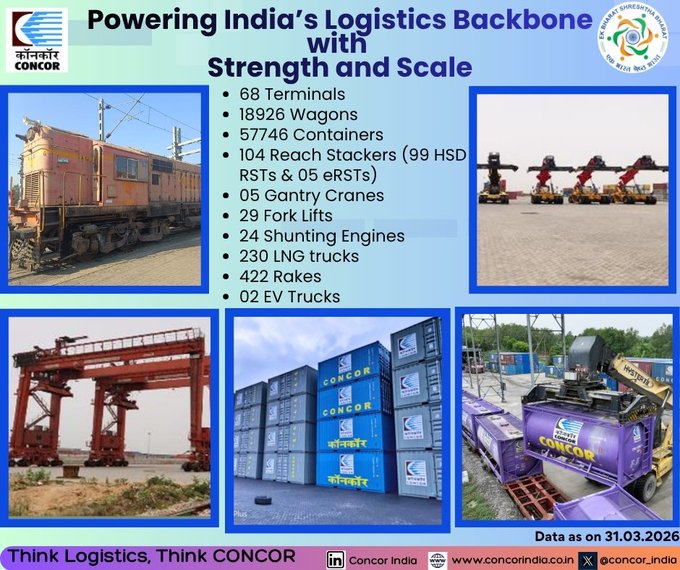
CONCOR strengthens India’s logistics backbone with robust asset portfolio and expanding network

NEW DELHI : Container Corporation of India Ltd. (CONCOR) continues to reinforce its position as a key driver of the nation’s logistics ecosystem, supported by a strong and diversified portfolio of movable assets and a rapidly expanding operational footprint.

With train operations spanning over 190 locations and backed by a network of 68 strategically located terminals, CONCOR has developed a comprehensive and integrated infrastructure that enables seamless, efficient, and reliable cargo movement across the country. Its asset base—including a large fleet of containers, specialized wagons, advanced cargo handling systems, and environmentally sustainable mobility solutions—ensures the flexibility to cater to a wide range of commodities and customer requirements.

The company’s multi-modal capabilities play a crucial role in strengthening first-mile and last-mile connectivity, facilitating smoother transitions between rail, road, and port operations. Continued investments in mechanization, terminal modernization, and digital interfaces have further enhanced operational efficiency, reduced turnaround times, and improved service reliability for customers.

CONCOR’s infrastructure framework is also aligned with national priorities such as the PM Gati Shakti initiative, Dedicated Freight Corridor (DFC) integration, and the push towards greener logistics solutions. Its focus on sustainable practices—including the adoption of energy-efficient equipment and optimization of rail-based transport—supports the broader objective of reducing carbon emissions in the logistics sector.

By continuously building capacity, expanding reach, and embracing innovation, CONCOR remains committed to enabling trade growth, improving supply chain resilience, and contributing significantly to the Government of India’s vision of enhancing ease of doing business and developing a world-class logistics ecosystem.

Govt launches smart dashboard to monitor performance of infra sectors

NEW DELHI: The Ministry of Statistics and Programme Implementation (MoSPI) has launched a performance monitoring dashboard for infrastructure sectors, aimed at strengthening data-driven governance and evidence-based policymaking in the country.

The dashboard, developed under the PAIMANA (Project Assessment, Infrastructure Monitoring & Analytics for Nation-building) framework, provides a comprehensive view of infrastructure performance across six key sub-sectors — power, civil aviation, telecommunications, railways, roads, and ports, shipping and waterways.

According to the ministry statement, the revamped framework replaces the earlier Online Computerised Monitoring System (OCMS-2006) and aligns with the Harmonised Master List of Infrastructure (2022) of the Department of Economic Affairs.
The dashboard currently tracks 116 indicators across the six sub-sectors, offering a unified digital interface with interactive visualisation and time-series analysis for policymakers, researchers and stakeholders.

The ministry said the new approach marks a shift from measuring sectoral outputs to assessing multi-dimensional performance, including access, quality, fiscal cost and revenue, utilisation, and affordability.

In the civil aviation sector, 163 aerodromes are operational, while passenger traffic reached 20.2 crore in FY 2025-26 (up to September), reflecting sustained demand.

The power sector recorded an installed capacity of 4,75,211 MW in FY 2024-25, with strong capacity utilisation and minimal peak demand deficit of 0.03 per cent.

Telecommunications continued to expand, with average wireless data usage rising to 25.2 GB per subscriber per month and tele-density improving to 91.7, indicating deeper digital penetration.

In the roads sector, 4,989 km of national highways were constructed in FY 2025-26 (up to December), while digital tolling saw increased adoption with 282.5 crore electronic transactions.

The railways sector showed improvement in operational efficiency, with passenger train kilometres rising to 835 million km and punctuality improving to 77.1 per cent.

Meanwhile, the ports, shipping and waterways sector maintained steady growth, with 229 ports and inland waterways length reaching 29,267 km, supporting multimodal connectivity.

The ministry said the launch of the dashboard represents a significant step towards enhancing transparency, efficiency and accountability in infrastructure monitoring.

The dashboard will be updated on a quarterly basis.

MSC becomes World’s first Company to operate fleet of 1,000 container ships

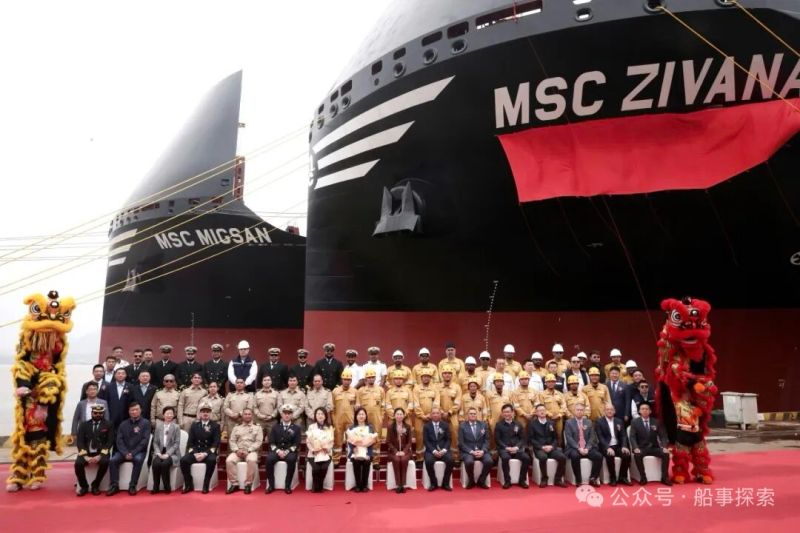
GENEVA : MSC’s fleet has reached its 1,000th vessel, according to data from Hong Kong-based consultancy Linerlytica. Privately held, Aponte family-owned MSC hit the fleet total with the delivery of 11,480 TEU MSC Migsan from Zhoushan Changhong shipyard in China, Linerlytica said.

Founded in 1970 by Captain Gianluigi Aponte, MSC overtook Danish container shipping giant Maersk in 2022 as the largest ocean carrier by operated ship capacity. At the time, MSC’s fleet of box ships stood at 645 vessels, with a total capacity of 4,284,728 TEU and a global market share of 17%.

MSC’s operated fleet is currently 57% larger than Maersk’s, standing at more than 7M TEU, according to reports. As of November 2025, Alphaliner recorded MSC’s fleet at 955 vessels, with a 21% global market share, and an orderbook of 124 newbuildings, so the liner’s record tally will continue to grow.

While MSC grew steadily and organically in its first five decades through the phase-in of large newbuild container vessels, Alphaliner said, the analysts noted that since 2020 the company has also compounded its growth with the rapid acquisition of secondhand container vessels in “an unprecedented” buying spree.

Alphaliner commented in 2022 that “Contrary to most other major ocean carriers, which reached their positions in the top-10 through a series of mergers and acquisitions, MSC’s rise to the top was entirely organic.”

Mr Aponte, founder and chairman of MSC, recently transferred ownership of the business to his adult children. MSC confirmed that a transfer of ownership took place during Q4 2025, to Mr Aponte’s son and daughter, Diego and Alexa Aponte.

“This transition marks a significant milestone in the Geneva-based company’s history, as Diego Aponte, group president, and Alexa Aponte, group chief financial officer, have demonstrated leadership and vision, achieving remarkable successes within their respective roles in the business. The move ensures the continued stability and growth of the MSC Group of companies under the stewardship of the next generation,” the company said in a statement.

Mr Gianluigi Aponte commented, “I am incredibly proud of this historic moment. Passing ownership to my children is not only a reflection of their dedication and achievements, but also a continuation of our family’s centuries-long maritime heritage. With Diego and Alexa at the helm, I am confident that our Group will continue to thrive and honour our family’s legacy of innovation, resilience, and unwavering commitment to the sea.”

MSC said the company will remain focused on its core business, ocean freight, with Mr Gianluigi Aponte continuing as executive chairman of the Group.

US-led “Most Disruptive” Hormuz blockade could jolt global economy, India to face inflation risks: PHDCCI

NEW DELHI: A complete blockade of the Strait of Hormuz would be the “most disruptive geopolitical shock” to the global economy, with immediate implications for India through surging energy prices, rising inflation and supply chain disruptions, Mr. Ranjeet Mehta, CEO and Secretary General of PHDCCI, told ANI on Thursday.

“A blockade of the Strait of Hormuz will be the most disruptive geopolitical shock the world economy can ever have… this narrow passage handles around 20 to 30 per cent of the global energy supply,” he said, warning that any disruption would sharply push up crude prices and trigger economy-wide cost pressures.

He said India would feel the impact almost immediately as higher energy prices would translate into increased logistics costs, disruptions in transport and supply chains, and a broader inflationary spiral.

“With energy prices, all other prices are connected; logistics costs will go up, and supply chains will be disrupted,” he noted, adding that the Reserve Bank of India (RBI) would have “very little room” to manage inflation under such circumstances.

On the current inflation trajectory, Mr. Mehta said price levels remain under control for now. “As of now, there is not much of a problem… inflation is within manageable limits, it is below 4 per cent,” he said, while cautioning that prolonged tensions in West Asia or any escalation around Hormuz could have “very serious implications for the world economy,” with India unlikely to remain insulated.

Source: ANI

Global fallout of Middle East war to hit poorest countries hardest: IMF

WASHINGTON D.C. : The economic fallout from the war in the Middle East is turning global, and the International Monetary Fund (IMF) in a recent report warned that the poorest and most vulnerable countries will again be hit hardest.

In a new assessment of policy priorities, the IMF said the shock comes when “policy space has eroded, and international cooperation is weaker,” leaving little room for error.

“Countries that pair financial strength with credible policy frameworks, strong institutions, vibrant private sectors, and agile policymaking enjoy more resilience to shocks, and are better able to promote economic growth and job creation, ” IMF said in its report. The appropriate response, the Fund noted, “depends on how the shock propagates through the domestic economy, calling for pragmatism and agility, backed by credible policy frameworks.”

To manage the fallout, the IMF said it is “closely monitoring and assessing developments at the country, regional, and global levels; running scenarios and sharing its findings with the membership to inform good and agile policymaking.” It has activated a coordination group with the World Bank and the International Energy Agency to track developments, align analysis, and coordinate support. The Fund also stressed it “stands ready to deploy all its tools to assist the membership,” including balance of payments financing and capacity development.

The IMF cautioned members against distortive measures like price and export controls that create negative spillovers. On monetary policy, the IMF said central banks “must strike a balance.” They should “remain vigilant and be prepared to act clearly and decisively in line with their mandates” and guard against supply shocks destabilizing medium-to-long-term inflation expectations. At the same time, policymakers should “reserve the option to look through negative supply shocks–such as the current one–if the shock is transitory and monetary policy stance is already properly calibrated.”

Transparent communication and strong central bank independence are “critical for credibility” Where exchange rates face “imminent risk of excessive or disorderly movements,” temporary FX intervention and capital flow management measures may be warranted, provided they support appropriate monetary and fiscal stances.

The Fund said its advice remains grounded in the Integrated Policy Framework and reiterated that preserving price stability is key, even while allowing flexibility on transitory shocks.

With risks elevated, the IMF called financial sector policies “the sentinels of stability.” Strong banking supervision should be complemented by “greater use of systemic risk monitoring” and tighter reporting on non-bank financial intermediaries, especially where leverage or liquidity mismatches have risen. Weak financial institutions may need reinforced capital and liquidity requirements in line with global standards.

The IMF emphasised that this “new test must not derail essential medium-term priorities.” For emerging and low-income economies, the war’s spillovers via fuel costs, supply chains, and tighter financial conditions will tighten fiscal space just as growth slows and borrowing costs climb.

“The IMF stands ready to act decisively and deploy all its tools in support of its membership,” the report said. For global economies, the path through this crisis runs through discipline today and flexibility tomorrow with fundamentals doing the heavy lifting.

Source: ANI

Wilhelmsen Ship Management launches dedicated vessel lifecycle-company Cyclus Marine

SINGAPORE: While new in name, the foundation is proven. Cyclus Marine builds on more than 50 years of Wilhelmsen Ship Management deliveries.

Cyclus Marine supports vessels across all major stages under one brand:

  • Newbuilding
  • Dry-docking
  • Riding crews
  • Retrofits
  • Conversions
  • Recycling

Cyclus Marine brings together capabilities we already deliver daily, except now we present them in a clearer, more focused way, says Gabriel Yeo, Cyclus Marine General Manager. Vessels are long-term assets. Our company is structured to support owners through every critical phase with continuity, predictability, and expertise.

The same experienced teams known from Wilhelmsen Ship Management remain in place, now operating through a dedicated lifecycle platform designed to simplify engagement and sharpen delivery.

Reducing complexity. Increasing control.
Cyclus Marine is built on three principles: trust, precision, and specialisation. The model emphasises continuity of people, disciplined project execution, and strong governance, reducing risk in technically complex operations.

By consolidating services under one brand, Cyclus Marine gives shipowners and managers a clearer entry point to lifecycle expertise, while remaining closely integrated with Wilhelmsen Ship Management.

About Cyclus Marine (www.cyclusmarine.com)
Cyclus Marine is a standalone vessel lifecycle-company under Wilhelmsen Ship Management. The company delivers specialist services across every stage of a vessel’s life, from newbuilding to recycling, designed to protect asset value, reduce risk, and support long-term performance.

About Wilhelmsen Ship Management (www.wilhelmsen.com/ship-management) 
Wilhelmsen Ship Management (Wilhelmsen) is a part of Wilhelmsen Maritime Services, a Wilh. Wilhelmsen Group company. Wilhelmsen is one of the world’s largest third-party ship managers with a portfolio of about 400 vessels and 15,000 active seafarers. Wilhelmsen provides technical and crew management services for various vessel segments: LNG/LPG; Ro-Ro and PCC/PCTC vessels; FPSO/FSO; Container; Cruise; Bulk; Seismic; and Offshore. Wilhelmsen manages vessels from eight offices worldwide alongside a crewing network of 11 manning offices. Other key services include dry-docking services, layup services and newbuilding supervision.

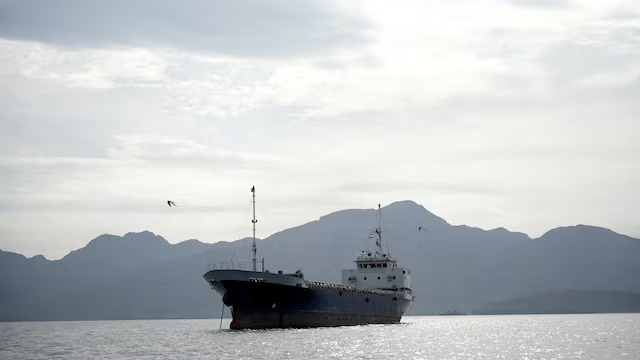
Iran may offer free passage to ships through Oman side of Hormuz

TEHRAN : Iran could consider allowing ships to sail freely through the Oman side of the Strait of Hormuz without risk of attack as part of proposals it has offered in negotiations with the United States if a deal is clinched to prevent renewed conflict, a source briefed by Tehran said.

The war has resulted in the largest-ever disruption of global oil and gas supplies due to Iran’s interruption of traffic through the strait, which handles about 20% of the world’s oil and liquefied natural gas flows.

Hundreds of tankers and other ships and 20,000 seafarers have been stuck inside the Gulf since the Iran war began on February 28.

Follow LIVE Updates
The source, who declined to be identified due to the sensitivity of the matter, said Iran could be willing to let ships use the other side of the narrow strait in Omani waters without any hindrance from Tehran.

The source did not say whether Iran would also agree to clear any mines it may have placed in that stretch of water or if all ships – even those linked to Israel – would be allowed to pass freely.

But the source added that the proposal hinged on whether Washington was prepared to meet Tehran’s demands, a condition that was central to any potential breakthrough with the Strait of Hormuz.

The White House did not immediately respond to a request for comment.

GEODIS extends long-term partnership with Beta Utensili in Italy

FRANCE: GEODIS, a world leader in transport and logistics, announces the renewal of its partnership with Beta Utensili, the renowned Italian manufacturer of professional tools and equipment. This agreement solidifies a long-standing collaboration, reinforcing GEODIS’ role as a strategic logistics partner supporting Beta Utensili’s global reach.

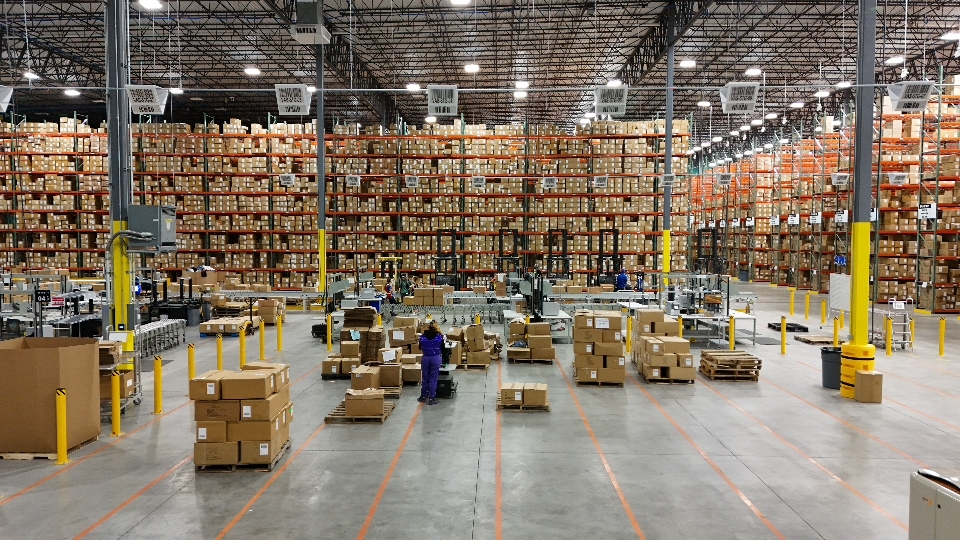
The partnership, which began in 2014, has been extended to ensure continued operational excellence. GEODIS will provide comprehensive contract logistics services, including storage, handling, and value-added activities such as labelling and kitting, from its Massalengo facility. This site is fully tailored to Beta Utensili’s evolving product portfolio and complex operational requirements. In 2025 alone, the operation demonstrated its scale by managing approximately 90,000 orders and over 45,000 SKUs.

Over the years, the operation has significantly expanded, with warehouse space increasing from 14,000 sqm in 2021 to 32,000 sqm in 2026. This growth reflects the ability of GEODIS teams to support Beta Utensili’s development, while maintaining high service levels and flexibility in managing seasonal peaks and fluctuations in demand. The facility has also been customized to reflect the customer’s brand identity, serving as showcase for partners and visitors.

“This renewed agreement reflects our ability to adapt logistics solutions to our customer’s evolving needs,” said Sandro Cappiello, Managing Director GEODIS for Contract Logistics activities in Italy. “By combining operational expertise with a flexible and customer-focused approach, we continue to support Beta Utensili optimize its supply chain and drive its growth.”

Looking ahead, the partnership offers further opportunities as Beta Utensili continues to expand its product range and integrate new brands. This development is backed by GEODIS’ expertise in delivering efficient and scalable logistics operations.

IMO : GMN project launches AI-driven fuel optimisation pilot in Mexico

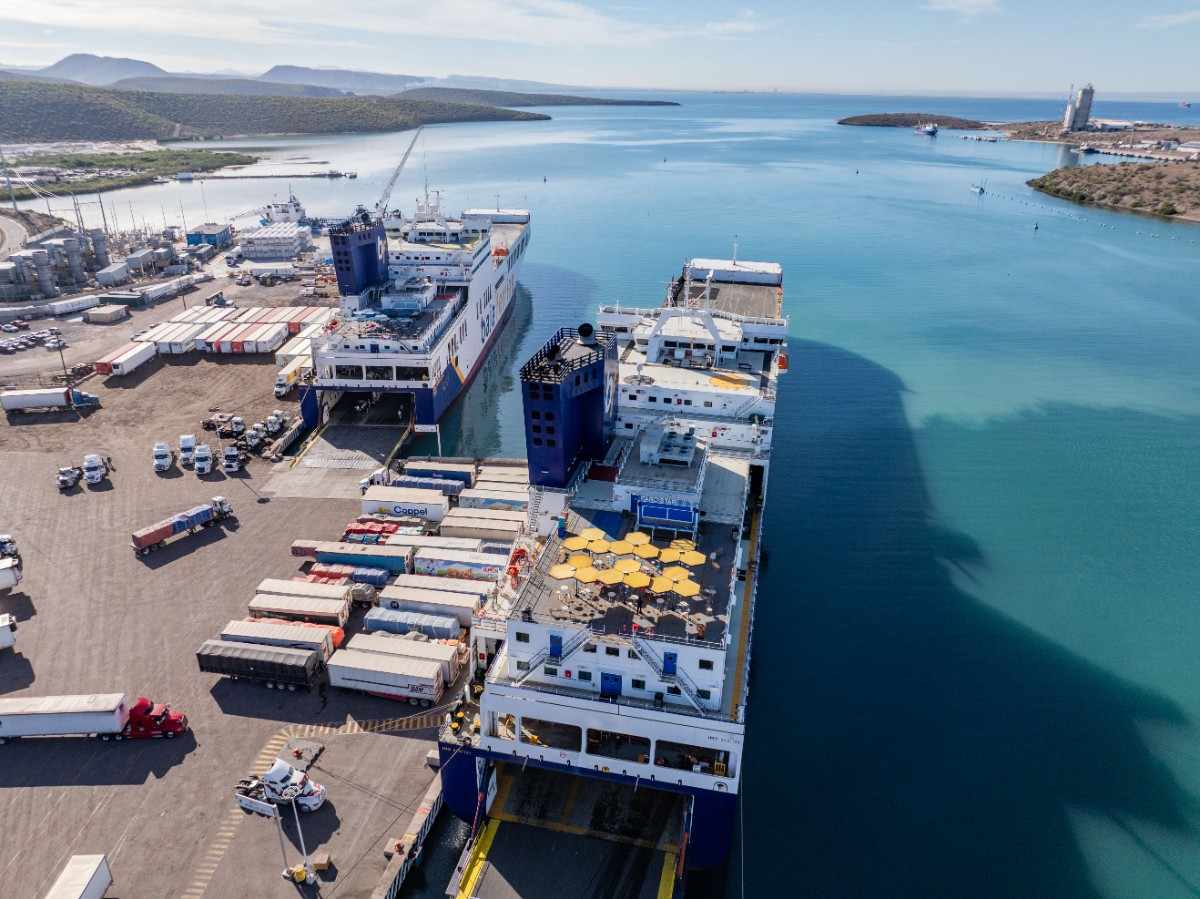
MEXICO : A technology pilot introducing an AI-driven fuel optimisation and performance management system onboard a vessel was launched in Pichlingue Port, Mexico (8 April).

The aim is to demonstrate how advanced digital decision-support tools can enhance operational performance, reduce fuel consumption, and help cut greenhouse gas emissions from maritime operations.

The pilot is part of the European Union (EU)-funded Global Maritime Technology Cooperation Centres Network (GMN) Phase II project, implemented by theInternational Maritime Organization (IMO).

It introduces an AI-enhanced performance management approach to support operational decision-making. The onboard system is intended to integrate elements such as:

real-time fuel consumption monitoring,

performance analytics, and

maintenance and operational planning support.

Supporting implementation of the IMO GHG Strategy
The launch of the pilot took place during a national workshop organized by Maritime Technology Cooperation Centre (MTCC) for Latin America.

The workshop, held under the theme: “Advancing Maritime Decarbonisation in Mexico: Energy Efficiency Technology and Innovation for a Sustainable Transition”, brought together national maritime professionals to exchange insights and practical approaches related to energy efficiency, innovation and implementation of the 2023 IMO GHG Strategy.

Technology demonstrations under GMN Phase II
The Mexico pilot is part of GMN Phase II’s wider set of technology demonstration activities designed to generate practical experience and lessons that can inform uptake in other contexts. GMN works through regional Maritime Technology Cooperation Centres (MTCCs) to support capacity building and practical demonstrations to improve maritime energy efficiency and reduce emissions.

Across regions, GMN Phase II includes pilot demonstrations addressing areas such as port efficiency and digitalisation, renewable and alternative energy applications, wind-assisted solutions, hull efficiency improvements, and vessel retrofit options – with the aim of identifying approaches that can be scaled or replicated where appropriate.

GMN Phase II supports developing countries – particularly Least Developed Countries (LDCs) and Small Island Developing States (SIDS)- through technical cooperation, capacity building and practical demonstrations that can help advance more energy-efficient and lower-carbon maritime transport.