Home Blog Page 355

India slips to sixth-largest economy in 2025, now seen becoming third-biggest by 2031

NEW DELHI : India slipped to become the world’s sixth-largest economy in 2025, dropping one rank from the previous year, according to the latest International Monetary Fund data, even as the country continued to post one of the fastest growth rates among major economies.

The Indian economy is estimated at $3.92 trillion in 2025, placing it behind the UK ($4 trillion) and Japan ($4.44 trillion). US tops the list with a GDP of $30.8 trillion, followed by China at $19.6 trillion and Germany at $4.7 trillion.

India ($3.5 trillion) had ranked fifth in 2024, ahead of the UK at $3.4 trillion.

The drop in ranking comes despite India logging around 9 percent nominal growth in rupee terms during the year. However, a stronger dollar and downward revisions to GDP under the new series reduced the pace of India’s rise in dollar-denominated GDP terms.

Since global economic rankings are measured in dollars, currency depreciation has weighed heavily on India’s position. IMF projections show the rupee weakening from around 84.6 per dollar in 2024 to 88.5 in 2025, with further depreciation expected over the medium term.

Return to the fourth by 2027

India is expected to remain the sixth-largest economy in 2026 as well, but is projected to regain momentum thereafter.

By 2027, India is forecast to overtake the UK and return to being the fourth-largest economy, with GDP rising to $4.58 trillion, compared with Britain’s projected $4.47 trillion.

India is then expected to surpass Japan in 2028, when its economy is projected at $5.06 trillion, compared with Japan’s $4.74 trillion, making India the world’s third-largest economy in nominal terms.

However, under the revised IMF trajectory provided, India appears to move decisively into third position only by 2031, when GDP is projected at $6.79 trillion, well above Japan’s $5.13 trillion.

Why has the climb slowed

While India has maintained strong real growth, the rupee’s steady depreciation against the dollar has offset part of those gains.

IMF data shows India’s GDP in rupee terms rising from Rs 318 trillion in 2024 to Rs 346.5 trillion in 2025, but the gain in dollar terms is more modest because of currency weakness.

Still fastest among major economies

Despite the ranking shift, India remains the fastest-growing major economy and one of the few large countries expected to consistently expand above 6 percent over the medium term.

By 2030, India’s economy is projected to reach $6.17 trillion, narrowing the gap with Germany, before moving firmly into the global top three thereafter. US economy will retain the top spot with a size of $39 trillion, while Chinese economy will follow at $27.5 trillion.

Source : Moneycontrol
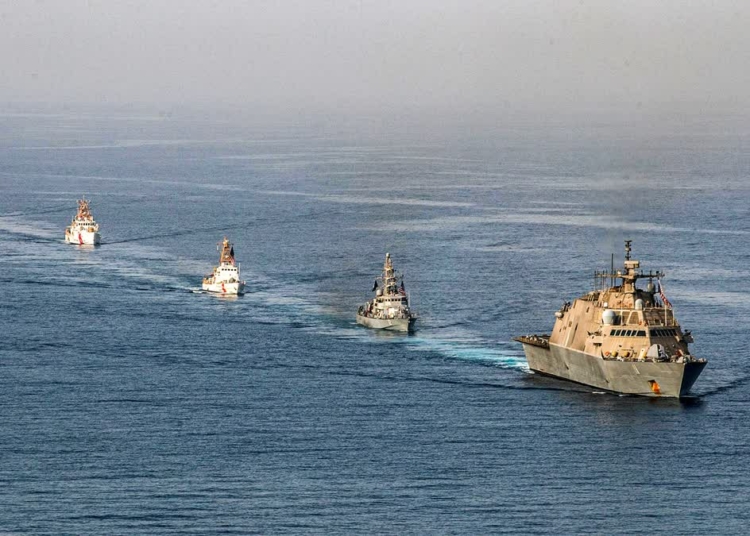
Six ships ‘turn back’ after US blockade of Iranian ports

WASHINGTON : No ships made it past the blockade of the Strait of Hormuz, with six turning back on orders of the US military, officials claimed Tuesday. US Central Command said that more than 12 warships and 100 aircraft were involved in the first 24 hours to stop ships from being allowed in or out of Iranian ports.

The United States has announced that six merchant vessels were compelled to alter course during the initial phase of a newly enforced naval blockade targeting Iranian ports, signalling a notable escalation in regional maritime tensions.

According to the U.S. Central Command (CENTCOM), no vessel was able to breach the blockade within the first 24 hours of its implementation. The ships reportedly complied with directives to turn back upon nearing restricted waters associated with Iranian port access.

The operation—supported by a substantial deployment of U.S. personnel, naval assets, and air support—is intended to curb maritime movement to and from Iran as part of wider strategic pressure measures.

Officials indicated that enforcement spans critical approaches in the Gulf of Oman and adjoining sea lanes, with continuous surveillance and interception measures in place to ensure adherence by commercial shipping.

CENTCOM further clarified that the restrictions apply to vessels of all nationalities seeking entry to or departure from Iranian ports, while humanitarian cargo is permitted subject to stringent inspection procedures.

This development has heightened concerns among global shipping stakeholders and energy markets, given the region’s pivotal role in international trade and oil transportation routes.

US President Donald Trump is hoping the blockade will force officials in Tehran to accept Washington’s terms for ending the US-Israel war on Iran. He announced the blockade after weekend talks broke down between US and Iranian negotiations in Pakistan, which had followed a ceasefire announcement that halted attacks.

China told Maersk and MSC to drop Panama port operations, FT reports

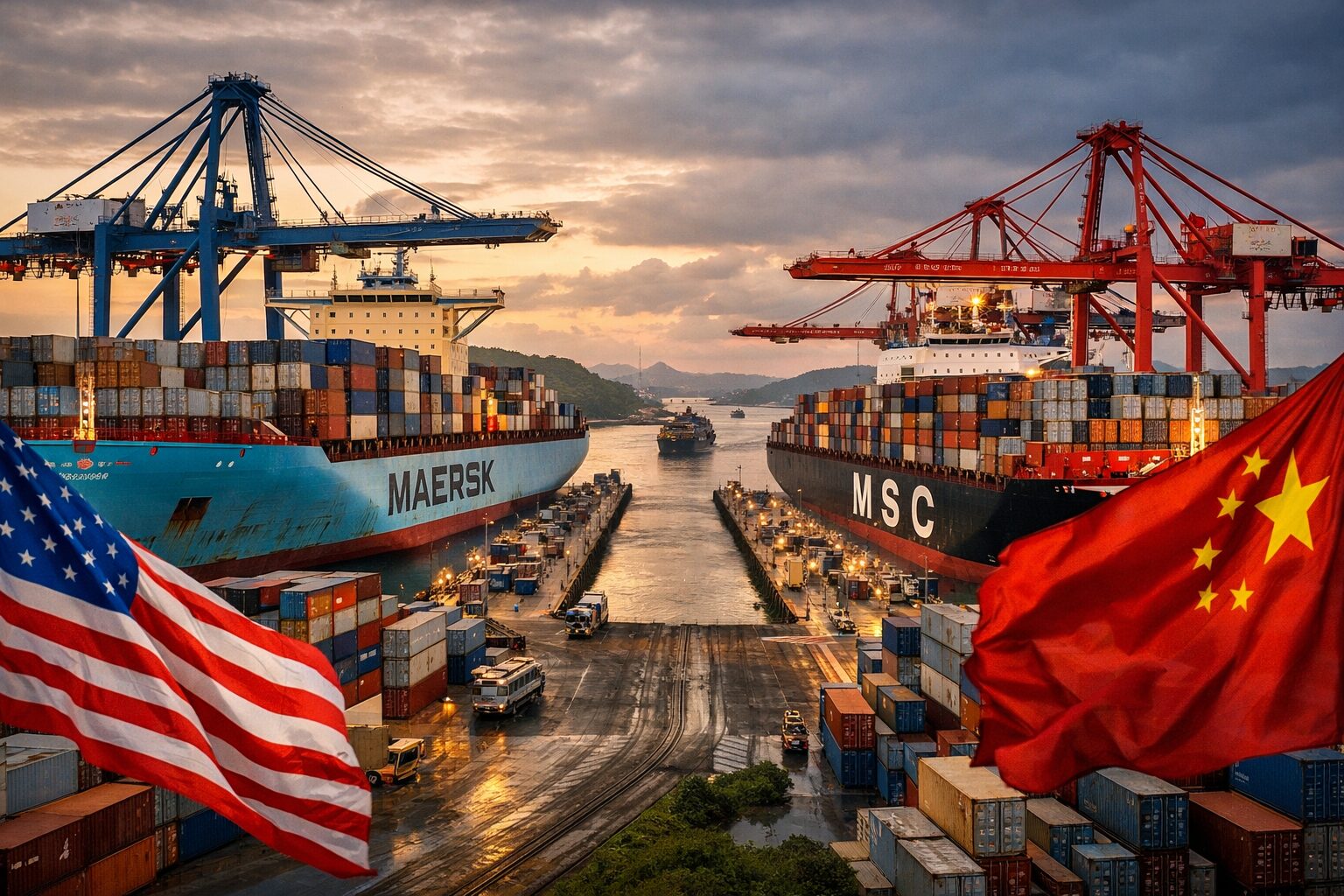
BEIJING : China has told Danish shipping group Maersk (MAERSK), and Switzerland-based Mediterranean ​Shipping Company (MSC ) to cease operating ports ‌on the Panama Canal, the Financial Times reported on Wednesday. In a meeting with China’s state planner last month, ​Maersk and MSC Shipping were told to ​withdraw from the Balboa and Cristóbal ports ⁠immediately, the report said, citing two people ​familiar with the talks.

Reuters could not immediately confirm ​the report. Maersk, MSC Shipping, China’s foreign ministry and state planner did not immediately respond to Reuters’ requests for ​comment.

Maersk and MSC were told not to “engage ​in illegal activities that harm the interests of Chinese companies, ‌and ⁠to uphold commercial ethics and international rules,” the report said.

Panama has granted temporary 18-month concessions to keep the terminals operating, with APM Terminals, a unit ​of Maersk, ​managing Balboa ⁠and TIL Panama, a unit of MSC, handling Cristobal.

CK Hutchison (0001.HK), has faced heavy ​criticism from China since unveiling a ​plan ⁠in March 2025 to sell 43 ports in 23 countries, including the Balboa and Cristóbal ports, ⁠to ​a group led by BlackRock (BLK.N), ​and Italian Gianluigi Aponte’s family-run shipping firm MSC.

World’s largest, China’s first 10,000-ton all-electric smart container vessel delivered

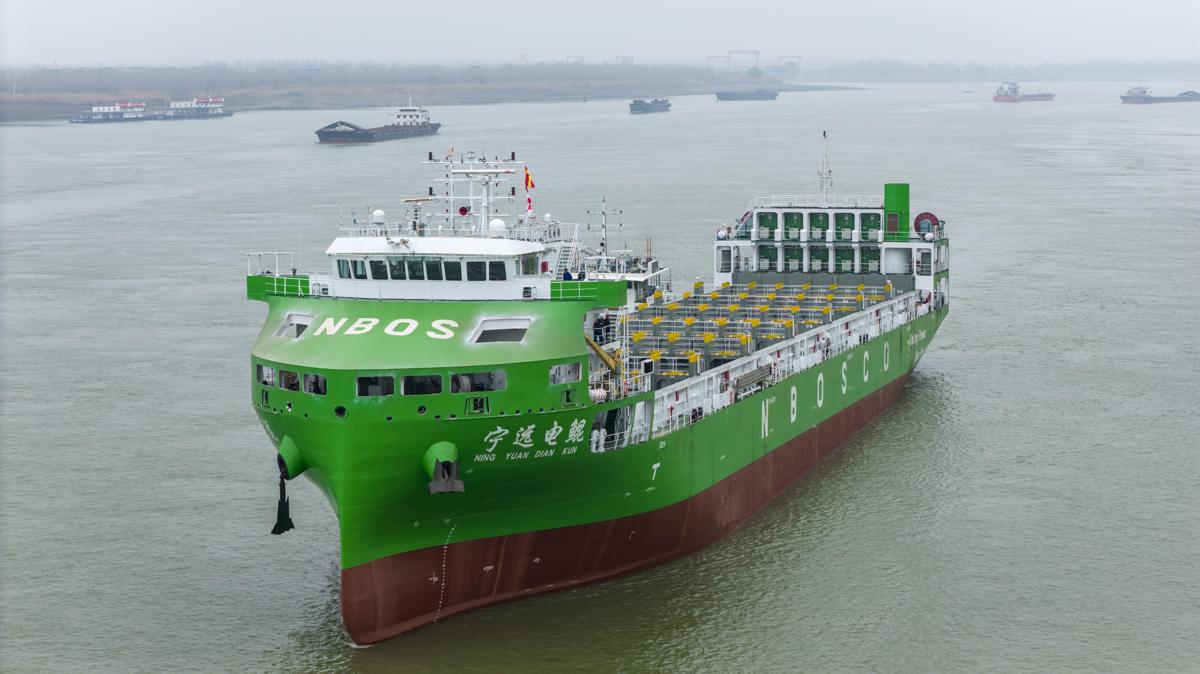
JIAXING : The world’s largest and China’s first 10,000-ton pure electric intelligent container vessel, the Ningyuan Diankun, set sail on Wednesday from the Ningbo-Zhoushan Port bound for the Zhapu Port area in Jiaxing, marking the official start of its commercial operations, and ushering in a new phase of exploration and development for China’s coastal container shipping driven by pure electric power and intelligent navigation, Ningbo-Zhoushan Port told the Global Times in a statement.

Developed by Ningbo Ocean Shipping Co, the Ningyuan Diankun measures 127.8 meters in length and 21.6 meters in width, with a carrying capacity of 742 standard containers. The vessel is powered by 10 standardized battery containers with a total storage capacity of about 20,000 kilowatt-hours, equivalent to the combined battery capacity of about 300 household electric vehicles. It is expected to save 580 tons of fuel a year and reduce carbon dioxide emissions by more than 1,400 tons after being put into operation, delivering genuinely zero-emission, zero-pollution voyages, Ningbo-Zhoushan Port said.

“This project is an important step in aligning with the shipping industry’s broader green transition and proactively supporting the country’s dual-carbon goals,” a representative of Ningbo Ocean Shipping Co said in an interview.

Ningbo Ocean Shipping operates 32 green and energy-efficient vessels, accounting for 57 percent of its fleet, and 19 intelligent vessels, or about 34 percent, underscoring solid progress in its low-carbon and smart fleet upgrade.

The Ningyuan Diankun is one of the company’s first two all-electric intelligent vessels. Its sister ship, the Ningyuan Dianpeng, is scheduled to begin trial voyages in May and be delivered in June. Once both vessels are put into operation, they will begin scaled-up service on designated routes.

Beyond its green and low-carbon advantages, the Ningyuan Diankun has also achieved a milestone breakthrough in intelligent navigation.

The vessel is deeply integrated with an intelligent platform and smart engine-room system, and is equipped with core autonomous navigation technologies for open waters. It features a full suite of smart functions, including real-time panoramic vessel monitoring, all-weather visual perception, autonomous route planning, automatic collision-avoidance alerts, and seamless switching between manual and intelligent navigation modes.

The system can capture navigation environment data in real time, automatically calculate an optimal route, and proactively identify and avoid navigational risks, reducing the likelihood of human error at the source. The solution fills a domestic technological gap in the intelligent control of 10,000-ton all-electric seagoing vessels and offers a new benchmark for coastal smart shipping worldwide.

Ma Jihua, a veteran tech industry analyst, told the Global Times on Wednesday that China has built a relatively complete and mature industrial chain in new energy, especially in electricity-related sectors. From electric vehicles on the road and drones in the sky and now to electric ships at sea, electric propulsion is expanding into more applications while also driving smarter systems. He said that China’s advances in batteries, electric drive systems and motors have created reusable technologies and shared industrial resources for shipbuilding, making the rise of large electric vessels a natural step.

Ma said that the main constraint on large electric vessels at this stage is still battery technology, particularly range, while most other technical challenges are manageable. That means such ships are currently better suited to inland waterways and short-haul coastal shipping, with full electrification of oceangoing vessels still difficult for now.

“The significance of all-electric ships goes far beyond replacing oil with electricity. Like electric vehicles, they could drive a broader intelligent upgrade of ships and reshape how the sector develops,” Ma said.

He added that recent global energy strains have accelerated interest in new energy, and as more countries put electric ships on the agenda, China’s strengths in both shipbuilding and electrification could give a strong lift to the industry and related exports.

China unveiled a new action plan on March 30 to accelerate the deep integration of cutting-edge technologies such as artificial intelligence (AI) with the shipping industry, aiming to foster new quality productive forces in the sector.

The plan sets out a two-phase development roadmap. By 2027, China aims to achieve the deep integration of AI with core shipping elements, make breakthroughs in key technologies, establish more than three comprehensive smart shipping pilot zones, open more than five pilot routes, develop more than 10 replicable typical smart shipping scenarios and operate more than 100 smart vessels, according to the Xinhua News Agency.

By 2030, the country expects to achieve full mastery of core technologies, establish a new model of coordinated development encompassing technology, industry and governance, and reach internationally advanced levels in smart shipping development, Xinhua reported.

Maersk expands Brazil footprint with additional depots in Rio Grande and Paranagua

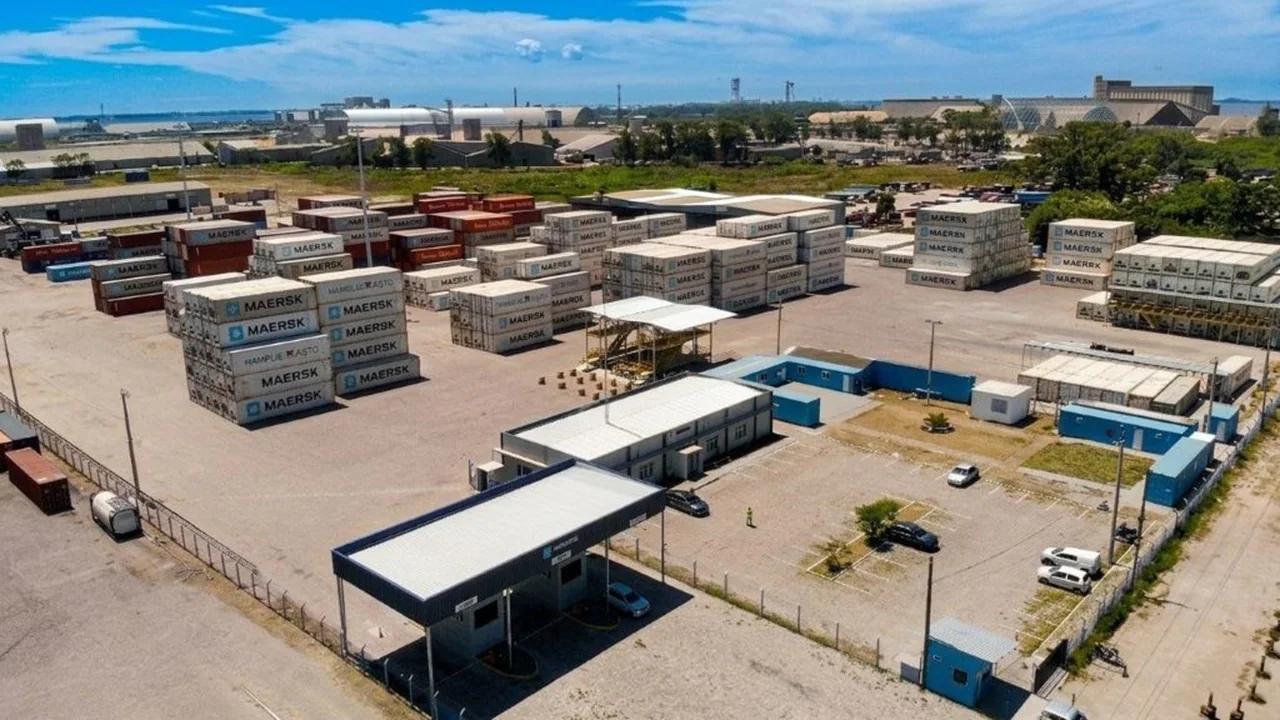
SAO PAULO, BRAZIL : A.P. Moller – Maersk announced new investments in two strategic inland facilities in Rio Grande (RS) and Paranaguá (PR), expanding its logistics network in Southern Brazil. The developments support growing customer demand for integrated endtoend solutions and reinforce Maersk’s longterm commitment to Brazil’s role in South American trade flows.

Rio Grande and Paranaguá were selected for their position within high volume export corridors and proximity to major production centers. Both sites are located near their respective ports with direct road access to regional distribution hubs, enabling faster container rotation, improved inland transport efficiency, and reduced bottlenecks during seasonal peaks. The facilities also strengthen connectivity between ports, hinterland markets, and crossborder flows within South America. Rio Grande additionally supports the cabotage network operated by Aliança Navegação e Logística.

These investments respond to the needs of customers moving agribusiness, refrigerated commodities, and industrial cargo through Brazil’s main export corridors. By expanding capacity near the ports of Rio Grande and Paranaguá, we strengthen inland reliability, support peak season demand, and create simpler end to end logistics solutions for the sectors driving Brazil’s trade growth.

Ricardo Rocha, Vice President – Managing Director East Coast South America
The new depots address customer demand for infrastructure close to ports to reduce dwell times, increased capacity during export peaks, integrated solutions linking ocean, inland, and depot services, and expanded reefer handling as agribusiness volumes grow. In Paranaguá, customers specifically highlighted the need for more space during high demand periods for agricultural and refrigerated cargo. The extension meets this need by expanding the Cargo Services area to 6,000 m², enabling higher throughput and more efficient truck flow.

Facility Specifications

Rio Grande (RS)
Located only 2.5 km far from Rio Grande Port one of the key port in Brazil.
Close to the key industrial zones of the South of Brazil
Approx. 70,000 m²
Multipurpose depot designed for highvolume operations
Dry and reefer container handling
Empty and full container storage
Cargo Services, crossdocking, and operational support activities
Paranaguá (PR)
3,160 m² expansion, bringing the total CFS area to 6,000 m²
Designed to ease congestion and improve export cargo processing
Enhanced capacity for dry, reefer, and export flows
Both locations feature optimized layouts to improve container handling and truck circulation, dedicated reefer plug capacity, and infrastructure designed for safe and efficient operations.

The developments incorporate energy‑efficient layouts and operational optimization to reduce fuel consumption and unnecessary movements, waste‑treatment and water‑reuse systems are also part of the design.

Value Added and Integrated Logistics Capabilities
The facilities will offer container inspection, cleaning, repairs, and operational support services to help reduce customer lead times. The expanded infrastructure also enables Maersk to further integrate depot operations with inland transport, customs related activities, and ocean services. Key customer segments expected to benefit include agribusiness exporters, refrigerated cargo shippers, industrial importers, and businesses seeking end to end logistics solutions.

Maersk operates a nationwide logistics network in Brazil that includes depots, warehouses, landside transportation, air capabilities, and integrated logistics solutions. The company’s depot footprint spans more than 361,600 m², with facilities in Southern Brazil (Itapoá, Itajaí, Araquari, Paranaguá), the Southeast (Santos, São Bernardo do Campo, Cambé), the North (Manaus), and the West/Southwest corridor (Cascavel). This is complemented by over 46,000 m² of warehousing and distribution capacity in Cabo Santo Agostinho (Northeast), Cajamar (Southeast), and Navegantes (South). The new facilities expand this network and reinforce Maersk’s long term position in one of South America’s key logistics markets.

About Maersk:
A.P. Moller – Maersk (Maersk) is an integrated logistics company connecting and simplifying its customers’ supply chains. As a global leader in logistics services, the company has 100,000+ customers, operates in about 130 countries, and employs 100,000+ people. Maersk delivers innovative, reliable ocean network solutions, offers truly integrated logistics products and operates advanced container terminals, both gateways and hubs, with 60+ locations globally.

Smart Freight Centre and BIFA partner to bring discounted emissions training to UK freight forwarders

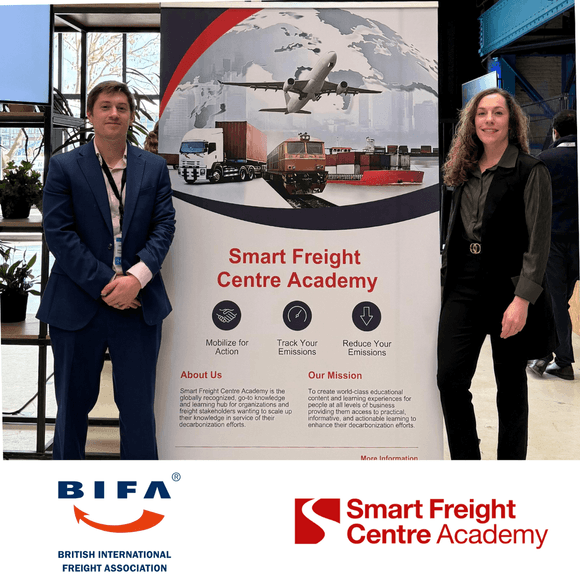
LONDON: Smart Freight Centre (SFC) and the British International Freight Association (BIFA) have announced a new partnership to provide technical expertise to BIFA members to support them in managing complex emissions reporting.

Through the SFC Academy, BIFA members will gain discounted access to expert-led training across three key areas: the Global Logistics Emissions Council (GLEC) Framework, market-based measures mechanisms, and road freight electrification. Each course draws on SFC’s expertise to give freight forwarders the practical knowledge they need to act on decarbonisation.

The partnership reflects growing demand from freight forwarders for credible, actionable guidance as regulatory requirements and commercial pressure to decarbonise supply chains intensifies globally.

SFC and BIFA will continue to explore opportunities to expand the collaboration and further support the sector’s transition to zero-emission logistics.

Steve Parker, BIFA’s director general says: “This partnership is BIFA’s latest initiative in equipping the trade association’s members with the information and support that they require to deliver emissions reporting and decarbonisation solutions that are viable operationally and commercially.

“In the last few years, we have created a policy group that is looking into the issues surrounding sustainable logistics, as well as developing a dedicated area of our website, packed with useful information, including a good practice guide.”

Jamie McKean, BIFA’s sustainable logistics policy adviser adds: “The SFC Academy is widely respected for its pragmatic and industry-focused approach to sustainability training. Through this partnership, and by offering discounted access to its courses, BIFA members will be better equipped with the tools and knowledge they need.”

TKMS signs MoU with Navantia on Shipbuilding Cooperation Roadmap

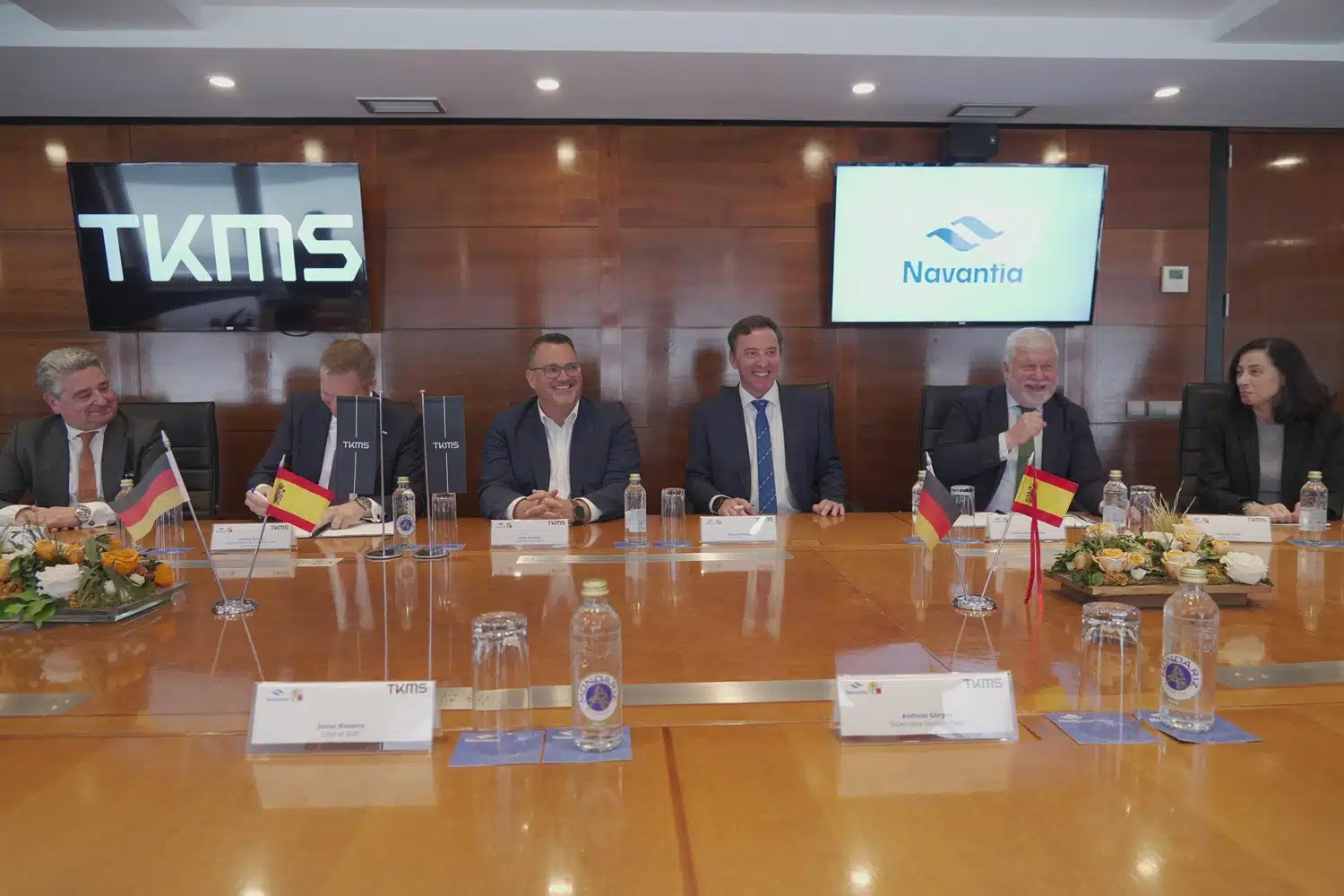
SPAIN : TKMS AG & Co. KGaA (TKMS), one of the world’s leading providers of maritime defense solutions including conventional submarines, naval ships and innovative electronics solutions, and Spanish company Navantia S.A., SME (Navantia), one of Europe’s market leaders in the design, construction and through life support of naval ships and submarines as well as combat systems integrator, have signed a Memorandum of Understanding to explore strategic cooperation on naval projects in Europe, NATO and worldwide. The agreement foresees potential production of TKMS designs, particularly submarines, at Navantia’s shipyards in Spain.

Geopolitical developments in recent years have significantly increased demand for modern naval products. At the same time, there are considerable bottlenecks in shipyard capacity and technological resources across Europe. Against this backdrop, TKMS and Navantia intend to explore how closer industrial cooperation can help implement projects more efficiently, quickly, and cost-effectively. The parties have agreed to initiate management level discussions based on mutual trust and in full compliance with all competition and export control regulations.

Oliver Burkhard, CEO of TKMS, says: “The signing of this Memorandum of Understanding is an important signal for European maritime defense. At a time when our customers’ security requirements are growing and manufacturing capacity is limited, it is crucial that European industrial companies collaborate more closely. TKMS and Navantia jointly have the expertise, infrastructure, and experience to overcome these shared challenges and strengthen the ability to deliver to our partner nations’ armed forces.”

Volkmar Dinstuhl, Chairman of the Supervisory Board of TKMS adds: “TKMS has been a global market leader in non-nuclear submarines for decades. We share Navantia’s commitment to the highest quality standards and the clear goal of delivering quickly and reliably to our customers. This Memorandum of Understanding enables us to leverage synergies between our shipyard capacities and to act together as strong European partners.”

Miguel López, Deputy Chairman of the Supervisory Board of TKMS and CEO of thyssenkrupp AG explains: “As the majority shareholder of TKMS, thyssenkrupp AG bears responsibility for the strategic direction of one of Europe’s leading naval companies. Our task is to enable TKMS to meet the growing international demand for modern naval systems. A partnership with Navantia is a promising approach to achieving this.”

Ricardo Domínguez, Navantia Executive Chairman, states: “Today we are taking a significant step towards our shared goal of strengthening Europe’s strategic autonomy and sovereignty in defence. This collaboration will deliver cutting‑edge capabilities to our armed forces while leveraging the full potential of European defence investment. As leading players in the naval and defence domain, Navantia and TKMS are committed to actively contributing to this common European effort.”

Gonzalo Mateo-Guerrero, Navantia Chief Operating Officer, adds: “European defence companies share a responsibility to respond decisively to today’s challenges. Europe needs an industry capable of providing not only state‑of‑the‑art technologies, but also ensuring fast, reliable delivery and long‑term sustainment, while strengthening the European industrial ecosystem and supporting its SMEs.”

TraPac chooses ABB for new cranes and systems upgrade in Los Angeles terminal yard expansion

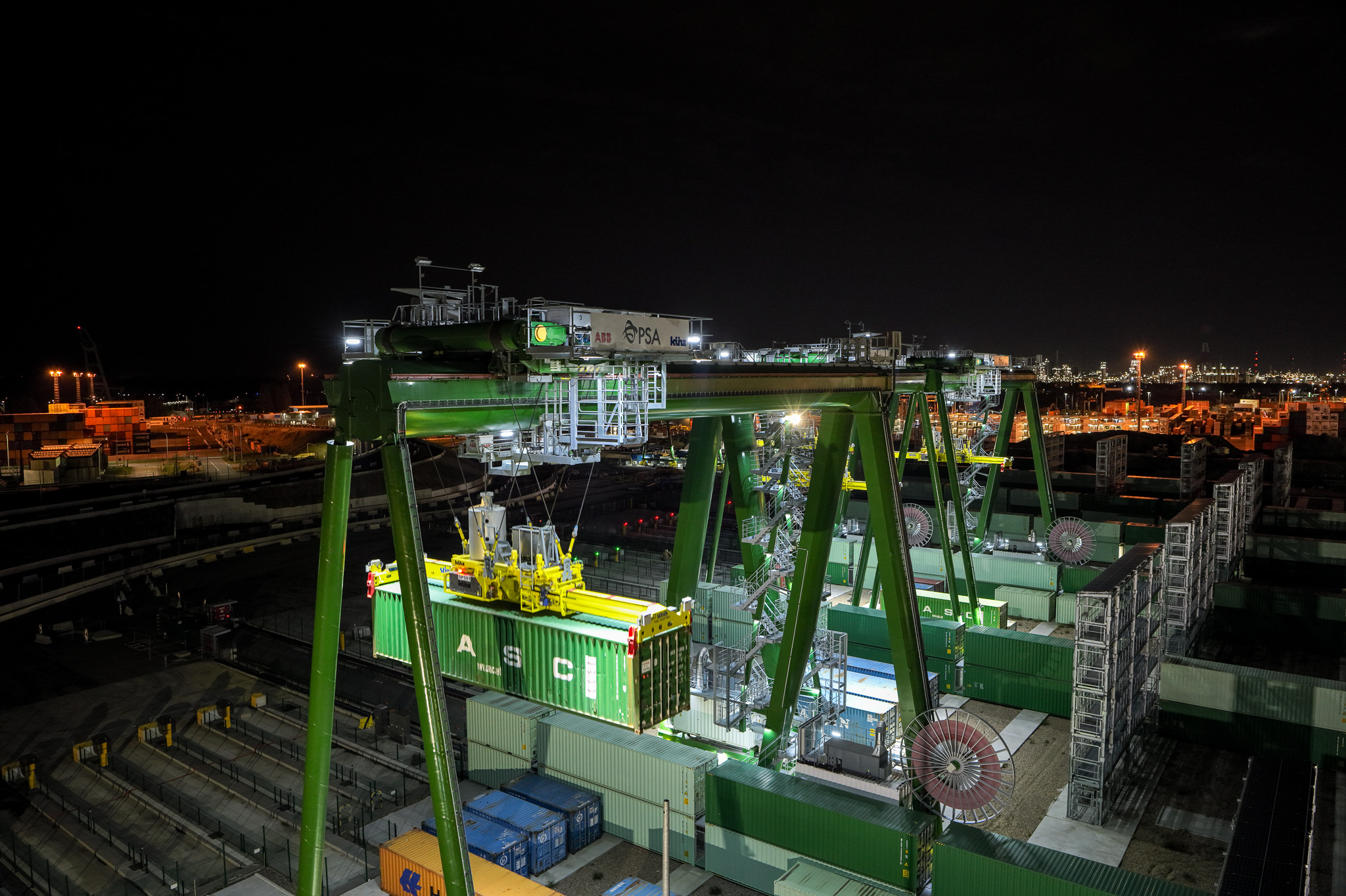
VASTERAS (SWEDEN): Leading US-based container terminal operator TraPac has selected ABB and crane builder Kuenz, headquartered in Austria, to deliver nine new rail-mounted stacking cranes as part of a major expansion of its Los Angeles facilities. ABB will deliver design, installation and commissioning of electrical and control systems for the new rail-mounted stacking cranes from Kuenz. In addition, ABB will upgrade systems of existing stacking cranes. 

Amid growing demand for its services, TraPac is seeking not only to increase terminal capacity but also to ensure new and existing cranes function as a single, unified fleet. To ensure that all of TraPac’s cranes operate to the same high standards, ABB will refurbish systems on 29 existing stacking cranes and three rail-mounted gantry cranes serving intermodal operations. ABB’s OEM-agnostic crane technology will seamlessly integrate with existing equipment and support long-term reliability and operational performance.  

“We selected Kuenz and ABB based on their respective proven track record in supplying high-performance cranes and integrating electrical and control systems,” said Cameron Thorpe, President and Chief Executive Officer, TraPac. “The nine new rail-mounted stacking cranes from Kuenz with ABB systems will support the increasing demand for our services, while ABB’s upgrades to our existing stacking cranes not only extend their lifecycle but also ensure performance excellence across the board.”

“The contract with TraPac on the US West Coast underlines our capabilities in serving the international container industry,” said David Moosbrugger, Managing Director, Kuenz. “With innovative technical solutions and a consistent focus on quality and reliability, we continue to position ourselves successfully in highly competitive global markets.”

“Our integration of electrical and control systems for new and existing cranes enables TraPac to operate a single, cohesive fleet for years to come,” said Clara Holmgren, Global Business Line Manager, Ports, ABB’s Marine & Ports division. “The flexibility of our crane technology also lays a foundation for further upgrades to the existing fleet.”

FIS expands its Global Fuel Oil Coverage

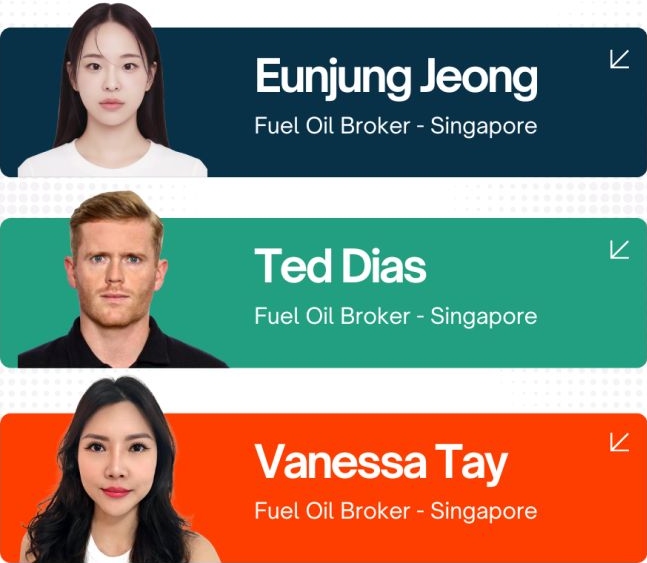
LONDON: FIS, a leading freight and commodity brokerage, has announced some key hires in Singapore, expanding its coverage of fuel oil products at a crucial moment for global oil markets.

FIS is pleased to welcome Eunjung (Erica) Jeong, Ted Dias, and Vanessa Tay to the Fuel Oil desk. Based in Singapore, the new team will support the established operations, further strengthening the company’s global presence and capabilities in the fuel oil market. The team is now composed of 13 brokers across offices in Shanghai, Singapore, Dubai, and London, providing a 24-hours market coverage and actionable insights to clients during a time of heightened global volatility.

Luke Longhurst, Head of Fuel Oil at FIS said: “I am really excited to be working with our new Singapore team. They come with a strong reputation in the market, and I know their relationships, experience, and skill set will greatly support our existing business. We continue to build on the success of the past decade and grow our market share and presence in this highly competitive space, offering something different with our unique client flow and relationships.”

FIS now offers a range of oil products from residual fuel like Singapore 0.5% fuel oil to key gasoils and LPG products.

George Dranganoudis, CEO of FIS said: “With these excellent hires into our Singapore business, FIS continues our focus on hiring established and proven brokers, who can deliver on our client focused culture. This is part of our strategy of sustained, global expansion, adding key products and extending our offering across the barrel. I am particularly pleased that our Singapore office, a key bunkering and trading hub and a location I know personally, is growing steadily.”

The FIS fuel oil desk has created a strong position as a key player in the fuel oil futures market and prides itself on its level of service. It has a unique market position, with a strong focus on end user clients for fuel oil and gasoil hedging and trading.

FIS has responded to the specific needs of companies by helping develop smaller volume contracts to aid shippers with specific hedging tools. FIS was the first broker to trade the new 0.5% grade contract, pioneering the contracts available to help its customers try to mitigate their risk exposure, and the company continues to be the leading broker in this specialism.

With the increasing diversification of the market, FIS is also pleased to offer clearable products across the barrel: from marine fuel oils to gasoils. FIS offers services on all major exchanges: ICE, CME and SGX for sizes as small as 50mt upwards.

PM receives call from US President Donald Trump, reviews bilateral cooperation and discusses West Asia and Strait of Hormuz

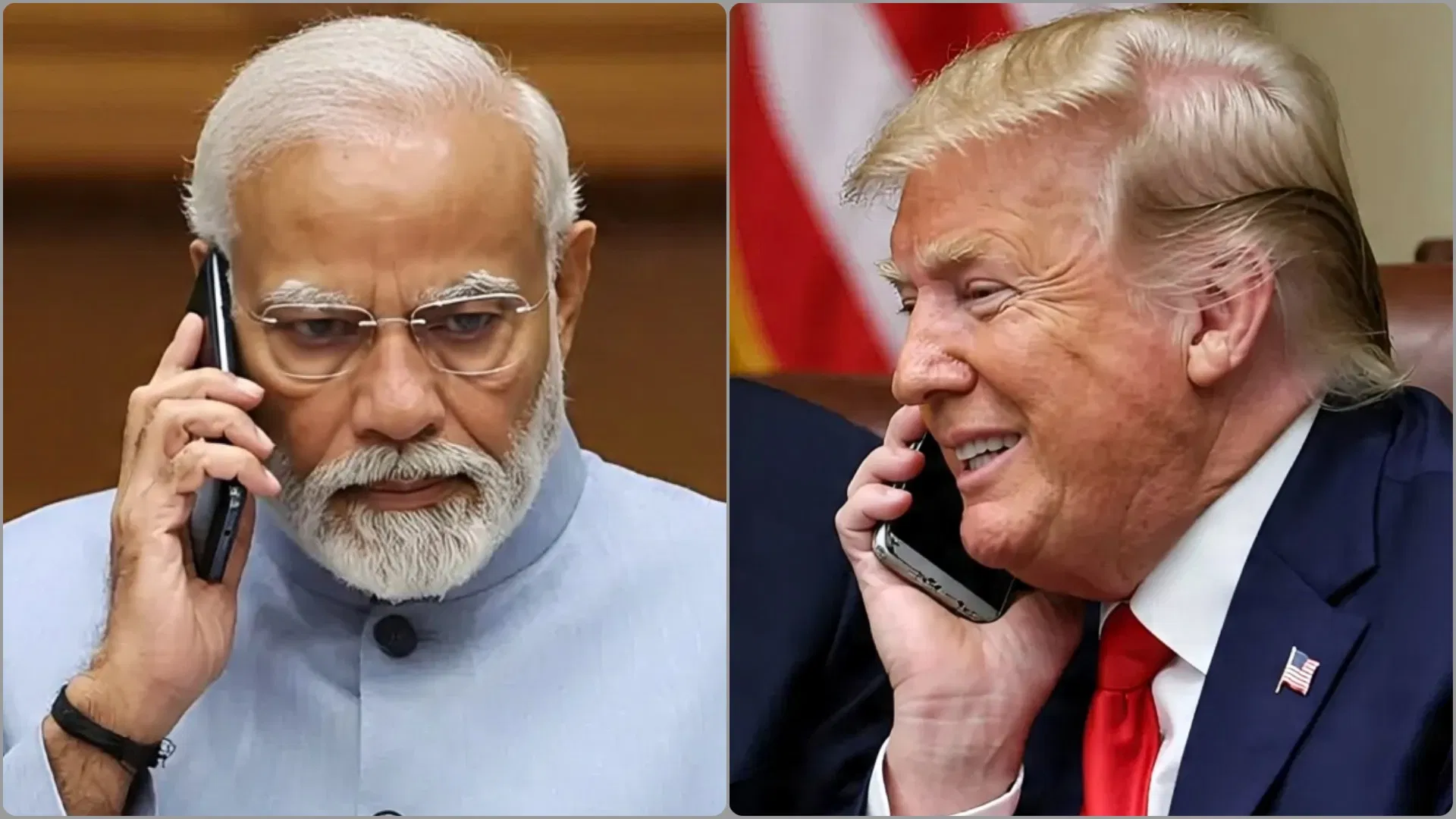
NEW DELHI : The Prime Minister, Shri Narendra Modi received a call from US President Donald Trump.The two leaders reviewed the substantial progress achieved in bilateral cooperation across various sectors and expressed commitment to further strengthening the Comprehensive Global Strategic Partnership in all areas.

They also discussed the situation in West Asia and stressed the importance of keeping the Strait of Hormuz open and secure.

Shri Modi wrote on X; “Received a call from my friend President Donald Trump. We reviewed the substantial progress achieved in our bilateral cooperation in various sectors. We are committed to further strengthening our Comprehensive Global Strategic Partnership in all areas. We also discussed the situation in West Asia and stressed the importance of keeping the Strait of Hormuz open and secure.”