Home Blog Page 358

Econowind moves into deepsea market with new 5-series VentoFoil

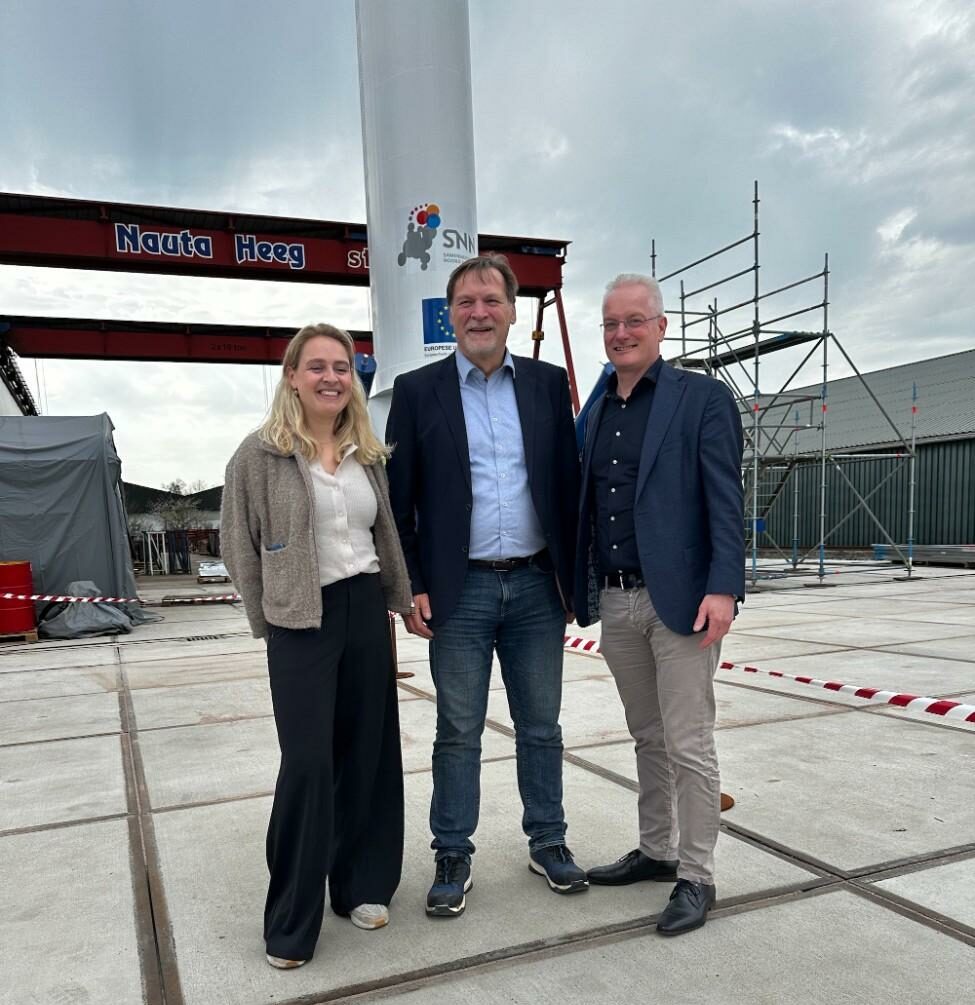
ZEEWOLDE: Dutch wind-assisted ship propulsion specialist Econowind is moving into the deepsea market with the launch of its new 5-series VentoFoil, a larger steel suction wing system for oceangoing vessels. Unveiled last week in Heeg, the 30-metre model is based on the same principles as the company’s successful 3-series wing.

The 5-series targets deepsea owners and operators looking for practical ways to cut fuel consumption and improve regulatory compliance. The launch is the next step for Econowind, after selling more than 150 suction wings across a broad range of vessel types and trades. After gaining traction in shortsea and regional shipping markets, the Dutch company is now setting its sights on larger vessels and longer trading patterns, where the fuel-saving potential of wind-assisted ship propulsion becomes even more compelling.

The first 5-series unit will be installed on a Boomsma Shipping vessel this summer, giving the new model its commercial debut. The order also reflects the Dutch shipowner’s continued confidence in VentoFoils as a practical way to reduce fuel consumption and support more sustainable operations.

“As a returning customer, we are pleased to use VentoFoils again on our vessels, now in the form of the 5-series,” said Johan Boomsma of Boomsma Shipping. “Wind propulsion has proven its value both economically and environmentally. With high fuel prices adding to the urgency, this is a logical next step for us. Energy efficiency is high on our agenda, which is why our eight newbuild vessels will be all delivered wind-ready. The first, Frisian Future, will enter service in May.”

To support its move into deepsea shipping, Econowind is also organising production in the Far East, close to where a large share of the world’s new vessels are being built. The aim is to bring manufacturing closer to major shipbuilding hubs and make it easier for owners and yards to integrate the larger VentoFoil units into newbuild projects.

“The 3-series has shown that our technology works in daily operations,” said Chiel de Leeuw, Chief Commercial Officer of Econowind. “With the 5-series, we are bringing that proven concept into the deepsea market.”

The launch underlines Econowind’s view that deepsea shipping is the next growth market for wind-assisted ship propulsion. Econowind’s VentoFoil uses boundary-layer suction technology to generate additional thrust from wind, reducing the power required from the main engine. The company positions the system as a practical and robust solution with limited deck impact, bridge-controlled operation and the ability to tilt the units when required for cargo operations or air-draught limitations.

About Econowind
Econowind develops wind-assisted ship propulsion systems that help the shipping industry reduce fuel use and emissions. Its patented VentoFoil technology uses suction-based airflow control to deliver scalable, cost-effective energy savings. With more than 150 units sold, the company is contributing to a practical and profitable path toward maritime decarbonization.
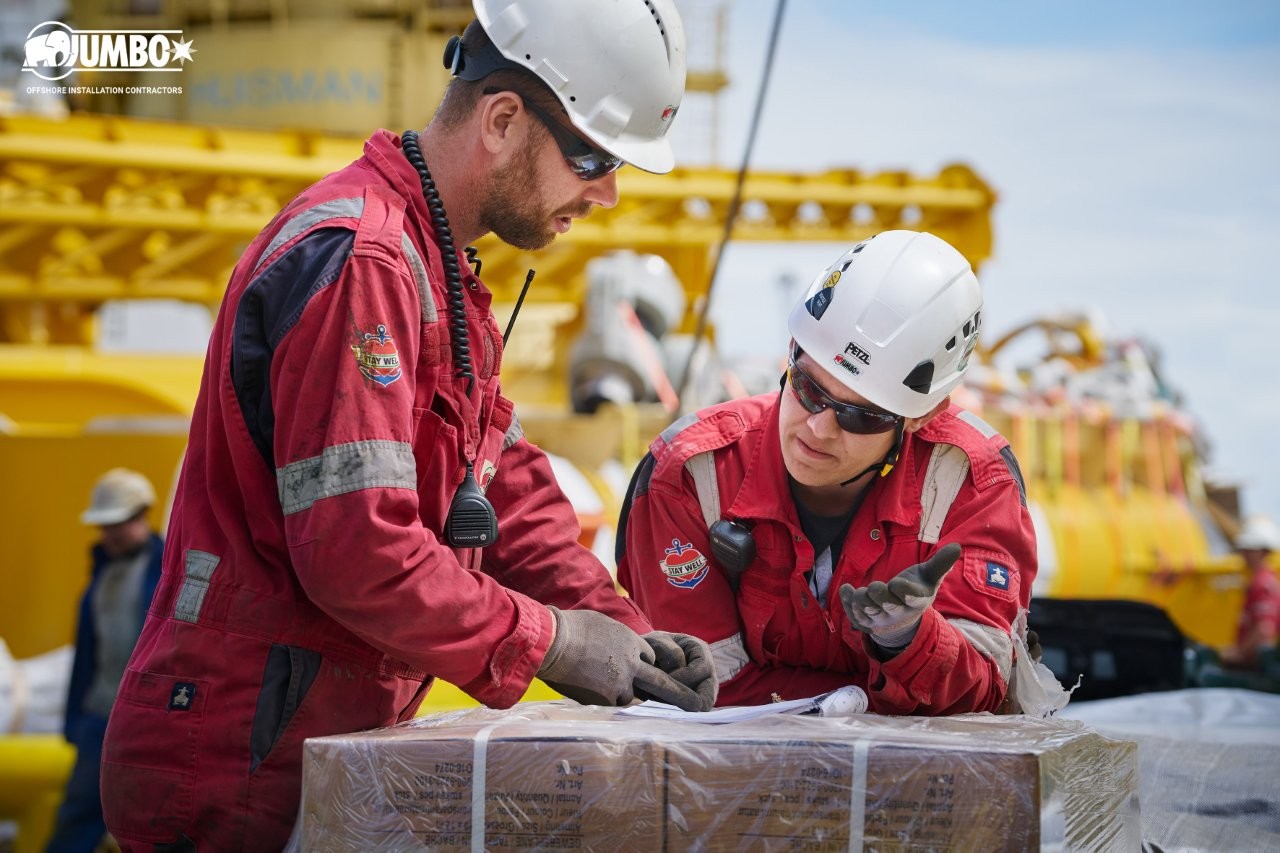
CoreMarine & Jumbo Offshore Awarded Landmark FLNG Installation & Hook-up Project in Argentina

SCHIEDAM: CoreMarine & Jumbo Offshore are proud to announce the award of a significant contract to perform the transport and installation of the soft-yoke (SSY) mooring systems, and hook-up of both the Hilli Episeyo FLNG and MKII FLNG vessels, in Argentina’s Golfo San Matías. The award represents a major milestone for both companies as well as a breakthrough project for Argentina’s gas sector as it ramps up in export capabilities.

The contract has been awarded by Southern Energy S.A. (SESA), supported by a world-class international consortium comprising Pan American Energy, YPF, Pampa Energía, Harbour Energy, and Golar LNG. Together, the partners are advancing one of Argentina’s most strategically important energy developments to date.

INTEGRATED PROJECT DELIVERY

CoreMarine and Jumbo Offshore will deliver the project through a fully integrated execution model that combines project management engineering, transportation, offshore installations and hook-up.

As lead contractor, CoreMarine will contract Jumbo Offshore to transport and install the SSY mooring system including heavy lift and piling activities. Jumbo Offshore are the leading global experts in soft-yoke installations and have extensive experience with such systems in Brazil and Cameroon. CoreMarine will follow-up with diving and construction activities including spool installation, ballasting, riser hook-up, pre-commissioning, positioning and hook-up of both FLNG units.

The offshore campaign will involve complex, simultaneous operations including heavy lifting, riser installation, piling, spool installation, saturation diving, and multi-vessel SIMOPS. The project will require the chartering of multiple assets including DSV’s, support vessels and station keeping tugs.

The SSY systems, supplied by NOV, will enable both FLNG units to weathervane around a single mooring point, aligning with environmental forces and providing a robust, cost-efficient solution that eliminates the need for fixed infrastructure such as jetties.

CoreMarine and Jumbo Offshore both commenced project management and engineering in January 2026. The Hilli Episeyo FLNG is scheduled for installation in 2027, followed by the MKII FLNG in 2028, marking the first application of SSY technology in Argentine waters.

LEADERSHIP PERSPECTIVE
Commenting on the award, Ben Fitzgerald, CEO of CoreMarine, said:“Projects like this are at the top end of offshore construction complexity. Moving, positioning, and permanently installing floating assets of this scale demands absolute precision, proven experience, and flawless execution offshore. This is where CoreMarine and Jumbo Offshore will make a real difference. Our objective is not just to deliver two FLNG installations, but to leave behind strong local capability, confidence, and a proven model for future offshore developments in the region. SESA have put a great deal of trust in us and our abilities. We look forward to working even closer with them to deliver these landmark projects.”

Brian Boutkan, Commercial Director of Jumbo Offshore, added: “This award reflects the strength of the collaboration between our two organisations. By combining Jumbo Offshore’s transport and installation expertise with CoreMarine’s offshore engineering capabilities, we are delivering a robust, efficient, and tailored solution. We are proud to contribute to such a landmark development in Argentina and to support the delivery of critical energy infrastructure to the highest standards of safety and performance.”

EXPERIENCE AND APPROACH

Together, CoreMarine and Jumbo Offshore bring decades of global experience in offshore engineering, heavy lift transportation, and subsea installation. The project will be delivered in close collaboration with SESA and its partners, underpinned by the following shared principles:

  • Safety leadership – zero harm, zero compromise
  • Collaborative delivery – transparent engagement with clients, partners, and stakeholders
  • Local value creation – developing regional capability and utilizing local resources wherever possible
  • Key Partners – Projects don’t happen in a vacuum. Our partners on this project are key to its very success.

This project represents CoreMarine’s first FLNG development and largest contract in Latin America, while further strengthening Jumbo Offshore’s track record in SSY installations and floating energy infrastructure. Leveraging their combined presence across Europe and South America, both companies are committed to delivering lasting value for the client and the broader region.

VIKING Helix shapes simpler, easier ship evacuation at speed

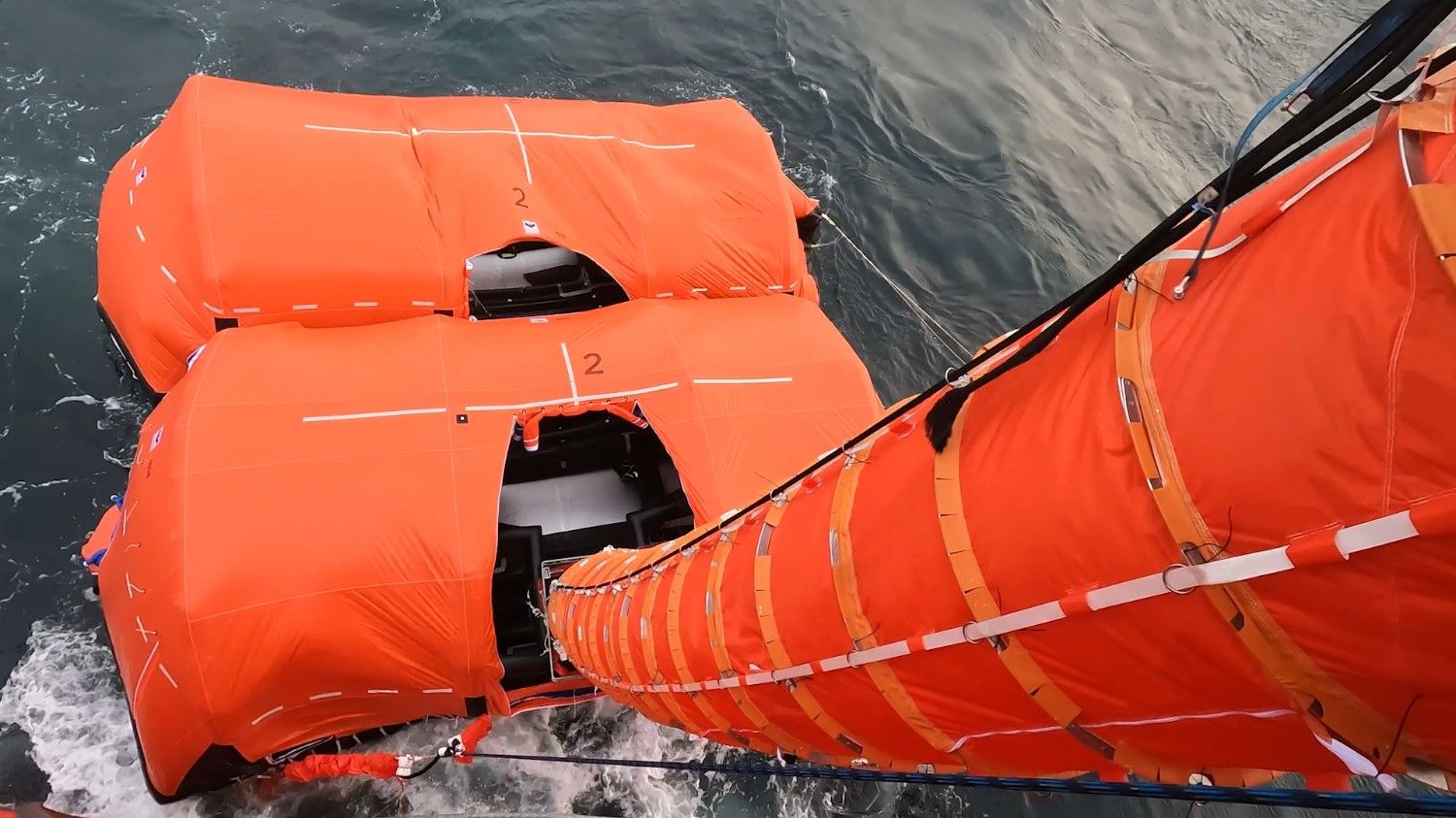
BASEL: Developed for passenger ships needing high evacuation capacity, the VIKING Helix MES introduces a new helix-type slide that 4-8 people can use at once, and a unique  bowsing system that keeps life rafts on-side with minimal crew involvement.

Enabling the controlled ship evacuation of up to 477 persons within 30 minutes into 153-person life rafts alongside, the multiple occupancy slide accommodates adults of all sizes. It also allows adults and children to evacuate together, while even stretchers carrying injured persons can be brought into the continuous flow.

“The Helix solution has been designed for operational speed and simplicity, technical efficiency, while the controlled descent of evacuees means they need less crew assistance transferring from the slide to the life raft,” said Alex Kristensen, VP Cruise & Ferry, VIKING Life-Saving Equipment.

Certified for use by DNV, the VIKING Helix supports a wide range of vessel configurations and is especially suited to larger ferries and small to mid-size cruise ships. Installed at heights ranging between 5 and 23 meters, the system requires no welding on the ship side, making integration straightforward into newbuild and retrofit projects.

For heights of up to 12 meters, the VIKING Helix features a patent-pending bowsing system which automatically activates cylinders after raft ballast water bags are filled to maintain position manual bowsing. Bowsing line tightening is the failing most frequently reported in evacuation training.

“Automated bowsing allows the Helix MES to work with trim and list in a working range of 4-29 meters, so that fast and safe evacuation goes ahead even in challenging conditions,” said Kristensen. “Users also avoid the service time and cost needed to reinstall bowsing systems every three years when systems are deployed – as required by SOLAS.”

Harbor trials at the VIKING Testing Center, Esbjerg focused on materials, structural integrity and system behavior, with volunteers of different ages and physical conditions moving through the slide and boarding life rafts. Subsequent heavy-weather sea trials in the North Sea verified performance in waters where wind, waves and motions tested the slide’s movement with a vessel and control over evacuee descent in changing trim and list conditions.

Minimized operational disruption is also designed in to a system which requires service at an authorized service station once every 30 months. “One Helix slide and a 153-person life raft are housed in an enclosed GRP frame which fits into the standard height between two decks and is removed as one unit,” said Kristensen. “Switch-out is straightforward, even during short port stays.”

About VIKING Life-Saving Equipment

VIKING Life-Saving Equipment A/S is a global leader in advanced maritime, defence and fire safety solutions. Founded in 1960 and headquartered in Esbjerg, Denmark, VIKING designs, manufactures and services a wide range of life-saving and firefighting equipment for the cruise and ferry industry, naval forces, coastguards, maritime authorities, offshore operators and commercial shipping fleets worldwide. 

Trusted by professional users operating in the most demanding environments, VIKING delivers proven safety products and integrated service concepts that ensure operational readiness and regulatory compliance. The company is privately owned and has production facilities in Denmark, Norway, Bulgaria, Greece, China and Thailand, supported by a global network of servicing stations and safety experts. 

Union Minister Sarbananda Sonowal Pays Tribute to Maritime Visionary Capt. J. C. Anand

NEW DELHI: Union Minister of Ports, Shipping & Waterways, Shri Sarbananda Sonowal, has expressed deep sorrow over the passing of Captain J. C. Anand, remembering him as a pioneering force behind India’s maritime self-reliance.

In a message shared on X, the Minister paid homage to the late maritime stalwart, acknowledging his foundational role in shaping the country’s shipping and classification ecosystem. Highlighting his enduring legacy, Shri Sonowal noted:

“Captain JC Anand Ji was a visionary stalwart and architect of the Indian Register of Shipping, laying a strong foundation for India’s maritime self-reliance.

My deepest condolences on his demise. His huge contributions to the nation will be remembered forever. Om Shanti.”

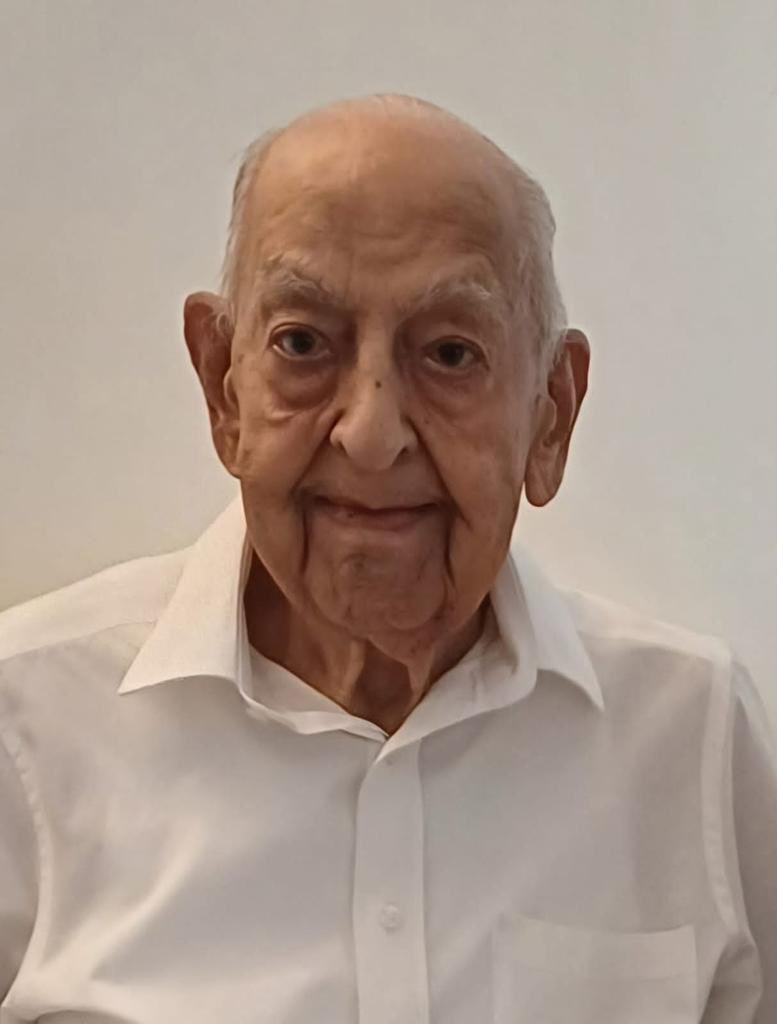
Capt. J. C. Anand, widely regarded as the architect of Indian Register of Shipping, played a pivotal role in establishing India’s credibility in global maritime standards and classification services. His leadership and vision were instrumental in nurturing indigenous capabilities and strengthening the nation’s maritime infrastructure.

The Minister’s tribute reflects the sentiments of a grateful nation, as the maritime community and policymakers alike remember Capt. Anand’s unparalleled contributions and lasting impact on India’s maritime growth story.

His legacy continues to inspire generations, reinforcing the importance of self-reliance, technical excellence, and visionary leadership in the maritime domain.

Kandla Maritime Community Pays Tribute to Legendary Capt. J. C. Anand

GANDHIDHAM: The maritime fraternity of Kandla came together in solemn remembrance of Captain J. C. Anand, a towering figure in India’s shipping and classification sector, whose passing marks the end of an era in the nation’s maritime history.

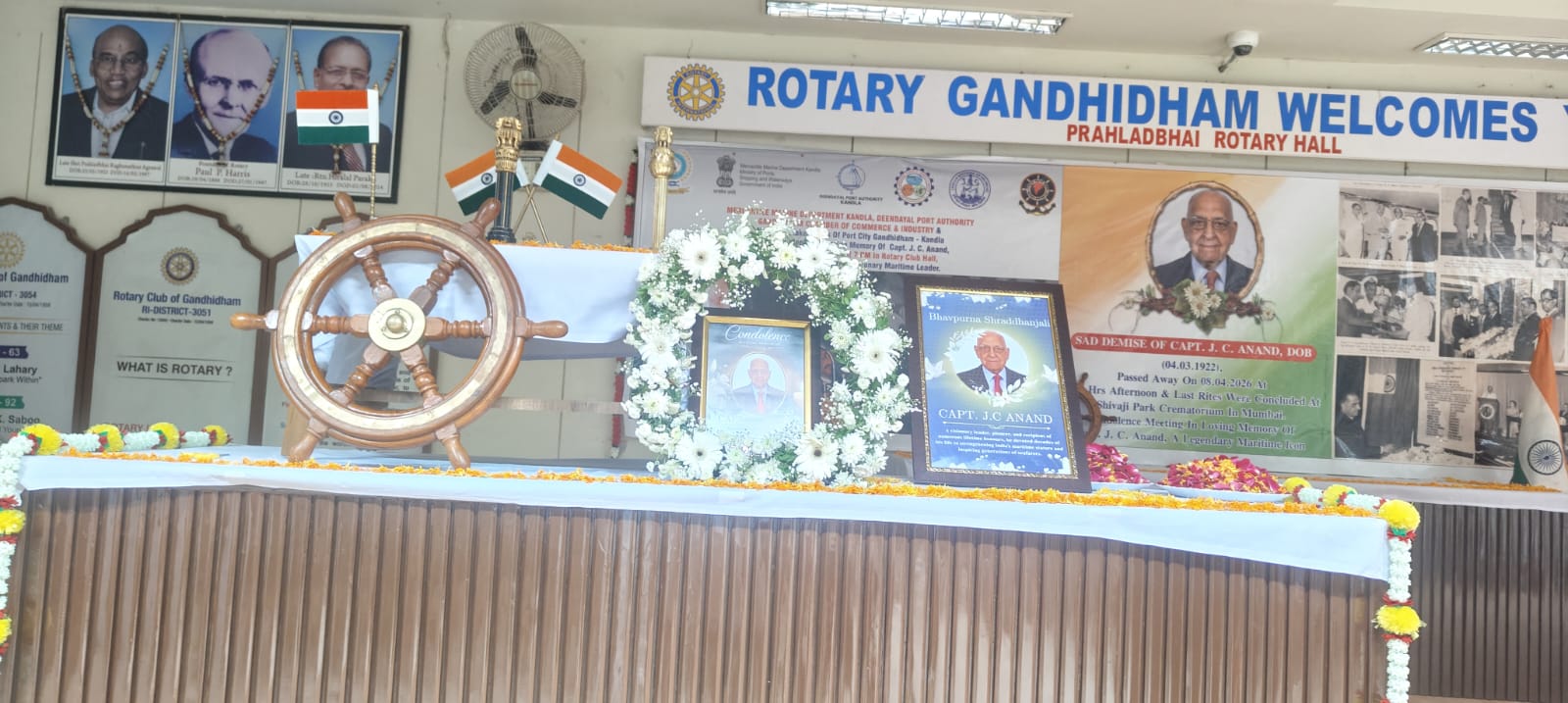
A condolence meeting was jointly organized by the Mercantile Marine Department (MMD), Deendayal Port Authority (DPA), Gandhidham Chamber of Commerce & Industry, along with key maritime stakeholders of the Gandhidham–Kandla port city. The gathering took place on April 9, 2026, from 1900 to 2030 hours, bringing together officials, industry leaders, and members of the maritime community to pay their respects.

The meeting served as a heartfelt tribute to Capt. Anand’s extraordinary legacy, recognizing his immense contributions to the growth and global recognition of India’s maritime sector. Speakers at the event highlighted his visionary leadership, unwavering commitment to excellence, and the pivotal role he played in shaping modern maritime standards in the country.

Attendees observed a moment of silence in his honour, reflecting on a life dedicated to service, innovation, and nation-building. Floral tributes and heartfelt messages underscored the deep respect and admiration he commanded across the maritime world.

Capt. Anand, born on March 4, 1922, passed away on April 8, 2026. His last rites were conducted at Shivaji Park Crematorium in Mumbai. Remembered as a pioneer and mentor, his legacy continues to inspire generations of maritime professionals.

The condolence meeting in Kandla stood as a testament to the enduring impact of a leader whose contributions will remain etched in the annals of India’s maritime history.

Trump says U.S. will blockade Strait of Hormuz after Iran peace talks fail

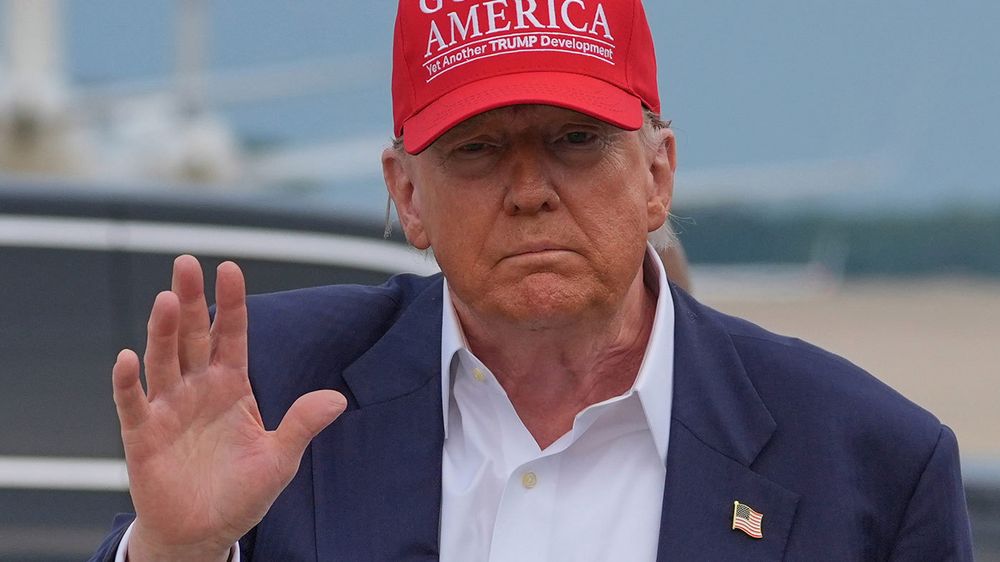
WASHINGTON: President Donald Trump on Sunday said the U.S. will blockade the Strait of Hormuz after talks held in Pakistan to end the Iran war hit the skids.

“Effective immediately, the United States Navy, the Finest in the World, will begin the process of BLOCKADING any and all Ships trying to enter, or leave, the Strait of Hormuz,” Trump said in a post to his social media platform Truth Social. “The Blockade will begin shortly. Other Countries will be involved with this Blockade. Iran will not be allowed to profit off this Illegal Act of EXTORTION.”

The U.S. Central Command said in a post on X late Sunday that the U.S. military would begin implementing the blockade on Monday at 10 a.m. ET. CENTCOM said additional information would be provided to commercial vessels prior to the start of the blockade.

The blockade of vessels transiting the strait appeared to be somewhat more limited than the broad enforcement action Trump initially announced. CENTCOM said the U.S. will not impede vessels transiting the strait to and from non-Iranian ports. The blockade will only be enforced against vessels entering or departing Iranian ports or coastal areas, including all Iranian ports on the Arabian Gulf and Gulf of Oman.

The announcement of a U.S. blockade has dimmed hopes that the war would end in the coming days following peace talks in Islamabad. It also threatens to exacerbate the economic crisis that has gripped global economies since the war broke out and Iran began restricting access to the strait, a chokepoint which carries about a fifth of the world’s oil
.

Trump said the U.S. blockade is an effort to stop Iran from policing the strait and benefiting economically while the rest of the world suffers from its closure.

“At some point, we will reach an ‘ALL BEING ALLOWED TO GO IN, ALL BEING ALLOWED TO GO OUT’ basis, but Iran has not allowed that to happen by merely saying, ‘There may be a mine out there somewhere,’ that nobody knows about but them,” he said. “THIS IS WORLD EXTORTION, and Leaders of Countries, especially the United States of America, will never be extorted.”

Trump, speaking on Fox News’ “Sunday Morning Futures,” said the effort will be a “complete blockade” and “all or none,” meaning no ship will be allowed to pass until Iran relents.

Trump also announced in the post that the U.S. Navy will “seek and interdict every vessel in International Waters that has paid a toll to Iran.”

Iran was preparing to toll vessels seeking passage through the strait, a move that invoked Trump’s ire as Tehran tries to cement its grip on the passage amid a two-week ceasefire in the conflict.

“No one who pays an illegal toll will have safe passage on the high seas,” the president said.

Trump and his advisers are also reportedly considering the resumption of limited military strikes in Iran, to put additional pressure on the regime to break the peace talk stalemate, The Wall Street Journal reported, citing officials and people familiar with the situation.

In an interview on Fox News, Trump appeared to once again threaten strikes on Iran’s critical infrastructure.

“I would hate to do it, but it’s their water, their desalinization plans, their electric-generating plants, which are very easy to hit,” Trump said.

Peace talks hosted by Pakistan broke down over what the U.S. described as Iran’s unwillingness to give up its efforts to obtain a nuclear weapon. Tehran’s demands include control of the Strait of Hormuz, payment of war reparations and a ceasefire across the region, including in Lebanon, according to Iranian state TV and officials. It is also seeking the release of its frozen assets abroad.

The U.S. delegation, led by Vice President JD Vance, met with Iranian and Pakistani negotiators for more than 21 hours during the rare face-to-face summit.

The war, and nearly complete closure of the strait, have put immense pressure on oil prices and the global economy. Markets have whipsawed throughout the campaign, and oil has at times rocketed to more than $100 per barrel.

World may be more fragmented, but Indian Ocean nations must be more cohesive : EAM Jaishankar

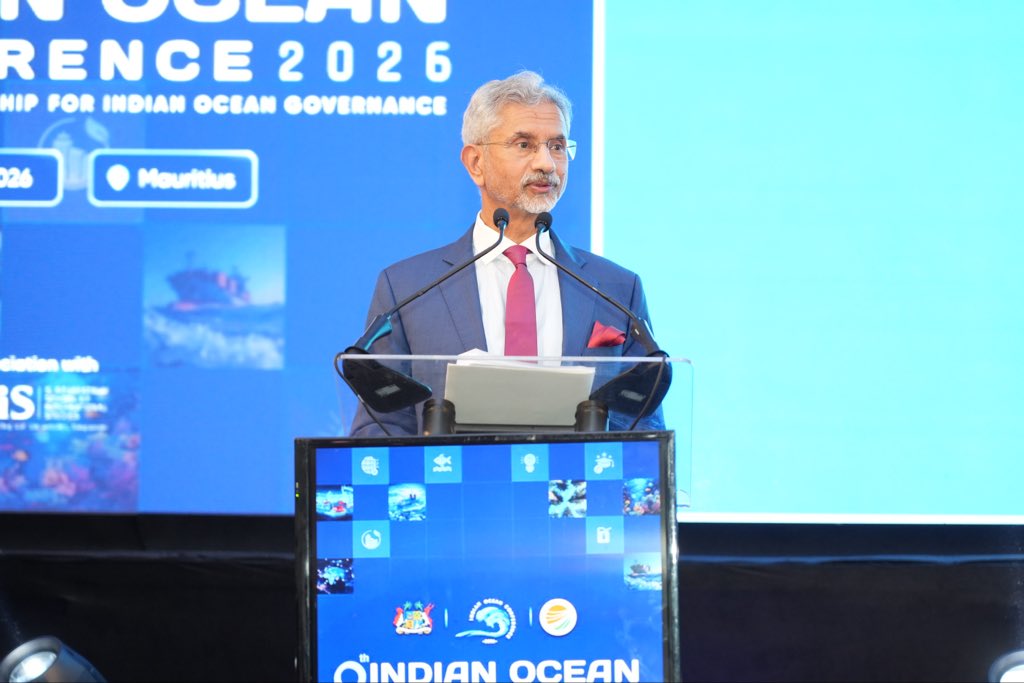
MAURITIUS : External Affairs Minister Dr S Jaishankar said the global order is undergoing a period of profound transition and Indian Ocean nations must plan for stormy days. Addressing the 9th Indian Ocean Conference in Mauritius, the Minister said that the world may be more fragmented, but Indian Ocean nations must seek to be more cohesive. He stressed that chokepoints are now a great global anxiety, and overcoming the controlled mindset is essential for the well-being of the international economy.

Dr Jaishankar expressed concern over the situation in West Asia, calling for an early return to normalcy. He firmly opposed the targeting of civilians, infrastructure and commercial shipping. He said it is essential that navigation remains safe and unimpeded.

The External Affairs Minister said global trends are a reality that cannot be ignored. He said the world is more competitive, fractured, and inward-looking than in the past. The benefits of globalisation are today overshadowed by the temptation to leverage and the temptation to weaponise. As a result, the world is in a quest for greater resilience and is seeking trusted partners.

Dr Jaishankar called for collective resilience in the Indian Ocean nations. He said that in the last decades, the focus was on overcoming the artificial barriers of the colonial era. He added that this meant deeper regional cooperation, stronger economic linkages, rebuilding of connectivity and revival of traditions.

Piyush Goyal holds virtual call withhis Saudi Arabia counterpart H.E. Dr. Majid bin Abdullah Al Qassabi

NEW DELHI : Union Minister of Commerce and Industry, Shri Piyush Goyal, had a virtual call with his Saudi Arabia counterpart H.E. Dr. Majid bin Abdullah Al Qassabi, Minister of Commerce of Saudi Arabia.

Shri Goyal expressed optimism that the recently announced ceasefire would pave the way to lasting peace and security in the region. He hailed indomitable spirit of Saudi people who have been steadfast in their resolve to maintain supply chain resilience amidst increased disruptions and volatility. He condemned attacks in the country during the ongoing conflict and appreciated Saudi Arabia’s efforts to protect Indian community.

Both sides noted the strain conflict has put on regional supply chains and stressed the need for an early recovery through coordinated efforts to ensure smooth trade flows. Shri Goyal highlighted India’s steps to support exports to KSA and the Gulf region.

The Ministers reaffirmed their commitment to strengthening bilateral trade and expressed optimism for early progress in the India-GCC FTA negotiations.

The meeting underscored the shared commitment to further deepening the India-Saudi Arabia economic partnership.

Mundra becomes India’s largest auto export hub, Adani Port ships record 6,008 cars in single vessel

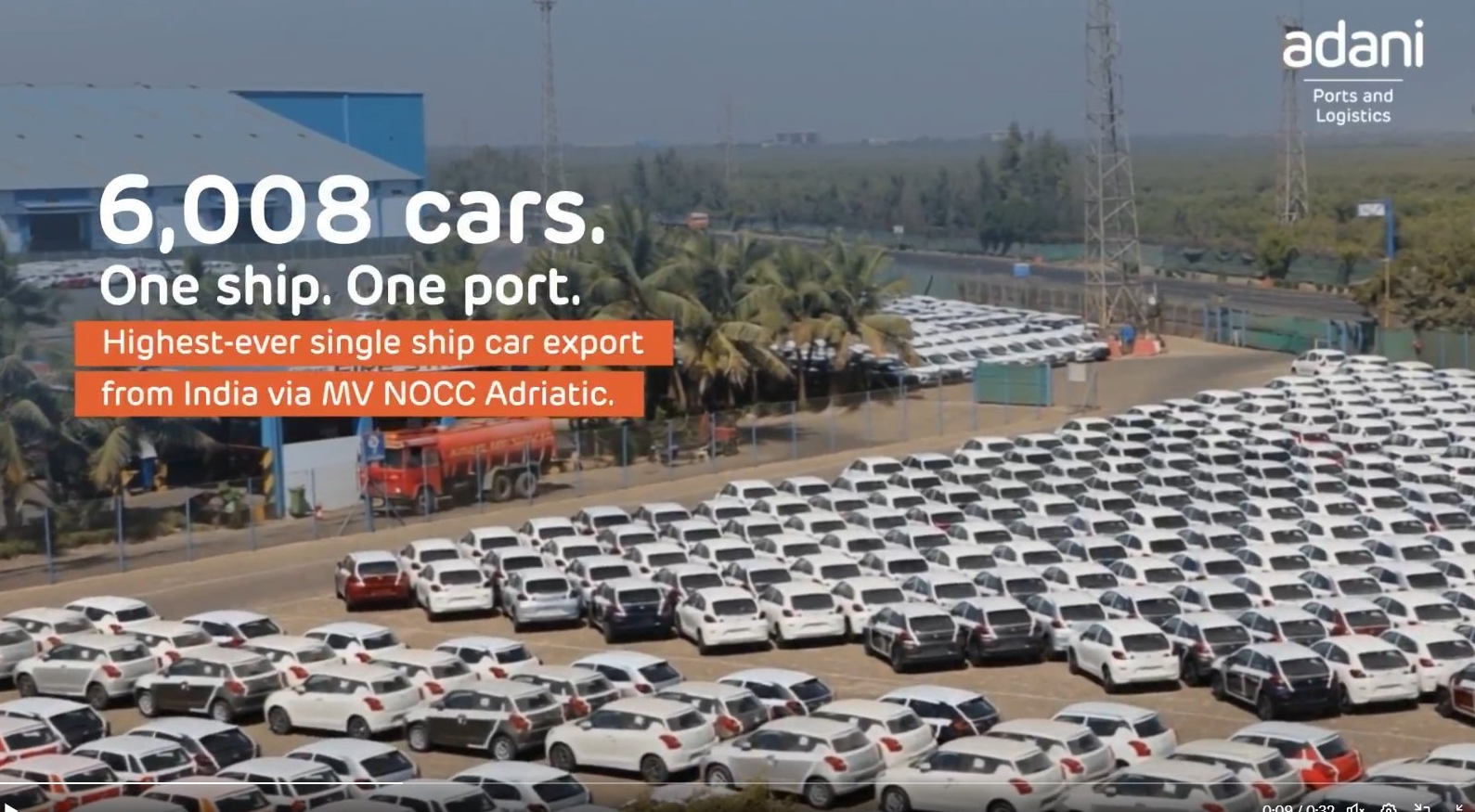
AHMEDABAD: Adani Ports and Special Economic Zone (APSEZ) on Thursday said that Mundra Port has emerged as India’s largest automobile export hub, setting a national record by exporting 6,008 cars in a single vessel.

According to the Adani Group, Mundra has become a major export centre for vehicles, with shipments reaching more than 100 countries through its Roll-on/Roll-off (RoRo) terminal.

The development highlights India’s growing strength in automobile exports and the increasing role of port infrastructure in supporting global trade.

India’s automobile exports have been expanding steadily, with key markets including regions in Africa, Latin America, the Middle East, and parts of Europe.

The rising demand for Indian-made passenger vehicles, two-wheelers, and commercial vehicles has contributed to the country’s position as a major global supplier.

The company said that Mundra’s RoRo terminal has played a crucial role in enabling large-scale vehicle shipments, supporting automakers in efficiently reaching international markets.

The milestone comes alongside APSEZ’s broader growth trajectory in cargo handling. Chairman Mr. Gautam Adani recently stated that the company is targeting a cargo handling capacity of one billion tonnes by 2030, after crossing the 500 million tonnes milestone.

Highlighting the company’s rapid expansion, Adani said that it took 16 years to reach the first 100 million tonnes of cargo. The second 100 million tonnes were achieved in five years, the third in three years, while the fourth and fifth 100 million tonnes were added in just two years each.

“What this shows is that, once vision and execution begin to align, momentum starts to compound. That compounding is now defining our journey,” he said.

He added that the company is firmly on track to reach the ambitious target of one billion tonnes by 2030.

The emergence of Mundra as a leading auto export hub reflects the growing integration of India’s manufacturing and logistics sectors, with modern port infrastructure playing a key role in boosting export competitiveness.

Port operations across India remain normal with no congestion reported

NEW DELHI: In view of the evolving situation in West Asia, the Government of India is closely monitoring developments and undertaking coordinated measures to ensure preparedness across critical sectors. The following update outlines the measures being undertaken in the areas of energy supply, maritime operations, and assistance to Indian nationals in the region:

Energy Supply and Fuel Availability

The Ministry of Petroleum and Natural Gas shared an update on the current fuel supply situation, outlining measures being undertaken to ensure uninterrupted availability of petroleum products and LPG amid the ongoing developments affecting the Strait of Hormuz. It was noted that:

Public Advisory and Citizen Awareness

  • Citizens are advised to avoid panic purchase of petrol, diesel and LPG and rely only on official sources for information.
  • LPG consumers are requested to use digital booking platforms and avoid visiting distributors.
  • Citizens are encouraged to use alternate fuels such as PNG and electric or induction cooktops.
  • All citizens are urged to conserve energy in their daily use during the current situation.

Government Preparedness and Supply Management Measures

  • Despite the ongoing geopolitical situation, the Government has prioritised domestic LPG and PNG supply, along with high priority for hospitals and educational institutions.
  • The Government has already implemented several rationalisation measures on both the supply and demand side, including enhancing refinery production, increasing the booking interval from 21 to 25 days in urban areas and up to 45 days in rural areas and prioritising sectors for supply.
  • Alternate fuels such as kerosene and coal have been made available to ease pressure on LPG demand.
  • The Ministry of Coal has directed Coal India and Singareni Collieries to supply additional coal to States for distribution to small and medium consumers.
  • States have been advised to facilitate new PNG connections for domestic and commercial consumers.

Coordinated Efforts with States/UTs and Institutional Mechanisms

  • State Governments are empowered under the Essential Commodities Act, 1955 and LPG Control Order, 2000 to monitor supply and act against hoarding and black marketing of petroleum products.
  • The Government of India vide letters dated 27.03.2026 and 02.04.2026 have stressed the need for proactive public communication to reassure citizens regarding adequate fuel availability. Regular review meetings are being held with States/UTs. In this context, meetings were convened on 02.04.2026 (Chaired by Secretary, MoPNG) and on 06.04.2026 (Chaired by Secretary, MoPNG along with Secretaries of I&B and Consumer Affairs), wherein the following was emphasized:
    • To issue daily press briefings and issue regular public advisories.
    • To actively monitor and counter fake news / misinformation on social media.
    • To intensify daily enforcement drives by District admin and to continue raids and inspections in coordination with OMCs
    • To issue Commercial LPG allocation orders within their States/UTs
    • To issue SKO allocation orders for additional SKO allotted to the States/UTs.
    • To promote PNG adoptions and alternate fuels.
    • To prioritise LPG supply, especially for domestic needs, and adopt targeted distribution of 5 kg FTL cylinders to ensure supply stability.
  • All States/UTs have established control rooms and district monitoring committees to curb hoarding and black marketing.
  • Currently, 24 States/UTs are issuing regular press briefings.

Enforcement and Monitoring Actions

  • Enforcement actions continue across the country to curb hoarding and black marketing of LPG. On 11.04.2026, more than 2700 raids were conducted across the country.
  • PSU Oil Marketing Companies have strengthened and continued surprise inspections and imposed penalties on 219 LPG distributorships and suspended 56 distributorships till now.

LPG Supply

Domestic LPG Supply Status:

  • LPG supply continues to be affected by the prevailing geopolitical situation.
  • No dry-outs have been reported at LPG distributorships.
  • Online LPG bookings have increased to about 98% across the industry.
  • Delivery Authentication Code (DAC) based deliveries have increased to around 93% to prevent diversion.
  • Domestic LPG cylinder deliveries remain normal.
  • On 11.04.2026, more than 52.3 Lakh domestic LPG cylinders were delivered.

Commercial LPG Supply and Allocation Measures:

  • Total commercial LPG allocation has been increased to about 70% of pre-crisis levels, including 10% reform-linked allocation.
  • The Government of India vide letter dated 06.04.2026 has conveyed that daily quantity of 5 Kg FTL cylinders in each State available for disbursal to migrant labourers is being doubled based on the average daily supply (Number of cylinders) to migrant labourers during 2nd-3rd March 2026 beyond the limit of 20% mentioned in letter dated 21.03.2026. These 5 Kg FTL cylinders will be at disposal of the State Government for supplying only to migrant labourers in their State with assistance of Oil Marketing Companies (OMCs).
  • PSU OMCs have organised around 3300 awareness camps for 5 Kg FTL Cylinders during last 8 days, wherein more than 35,800 – 5Kg FTL cylinders were also sold.
  • On 11.04.2026, more than 1 lakh Kg FTL Cylinders were sold across the country against a daily average of 77000 in the month of Feb-26.
  • Since 23 March 2026, more than 13 lakh 5-kg Free Trade LPG cylinders have been sold
  • A three-member committee of Executive Directors from IOCL, HPCL and BPCL is coordinating with State authorities and industry bodies to plan commercial LPG distribution.
  • A total of 1,20,898 MT (Equivalent to more than 63.6 Lakh of 19 Kg LPG Cylinders) of Commercial LPG has been sold since 14th March 2026.
  • On 11.04.2026, 7665 MT of Commercial LPG (Equivalent to more than 4 lakh- 19 Kg LPG cylinders) was sold.

Natural Gas Supply and PNG Expansion Initiatives

  • Consumers have been prioritised with 100% supply to domestic PNG and CNG transport.
  • Based on available inventory and scheduled LNG cargo arrivals, the overall gas allocation to fertilizer plants is being further enhanced by 5% to reach approximately 95% of their six-month average consumption, effective 09.04.2026.
  • CGD entities have been advised to prioritise PNG connections for commercial establishments such as hotels, restaurants and canteens, to address concerns regarding the availability of commercial LPG.
  • CGD companies including IGL, MGL, GAIL Gas and BPCL are offering incentives for domestic and commercial PNG connections.
  • States/UTs and Central Ministries have been requested to expedite approvals required for expansion of CGD networks.
  • The Government of India vide letter dated 18.03.2026 has offered all States/UTs additional 10% allocation of commercial LPG to States provided they can help in long term transition from LPG to PNG.
  • 21 States/UTs are already receiving additional commercial LPG allocation linked to PNG expansion reforms.
  • The Ministry of Road Transport & Highways has adopted an Accelerated Approval Framework for CGD infrastructure for three months to process applications on priority.
  • The Government of India vide Gazette dated 24.03.2026 has notified the Natural Gas and Petroleum Products Distribution (Through Laying, Building, Operation and Expansion of Pipelines and Other Facilities) Order, 2026 under the Essential Commodities Act, 1955. The Order provides a streamlined and time-bound framework for laying and expanding pipelines across the country, addressing delays in approvals and access to land, and enabling faster development of natural gas infrastructure, including in residential areas. It is expected to accelerate PNG network growth, enhance last-mile connectivity, and support the transition to cleaner fuels, thereby strengthening energy security and advancing India’s gas-based economy.
  • PNGRB has extended the National PNG Drive 2.0 till 30 June 2026 to sustain momentum in PNG expansion.
  • To encourage a cleaner, more secure and self-reliant energy future, the Government of India has developed a model draft State CBG Policy. The model policy is intended to serve as a comprehensive flexible guiding framework to enable States to create their own investor-friendly and implementation-oriented ecosystem for CBG development. Those States which opt for this, will be prioritized for the next tranche of additional allocation of commercial LPG.
  • Since March 2026, more than 4.24 lakh PNG connections have been gasified. Further, more than 4.66 lakh customers have registered for new connections.
  • Till 11.04.26, more than 30,000 PNG consumers have surrendered their LPG connections via MYPNGD.in website.

Crude Position and Refinery Operations

  • All refineries are operating at high capacity with adequate crude inventories, while sufficient stocks of petrol and diesel are being maintained.
  • Domestic LPG production from refineries has been increased to support domestic consumption.
  • The Government of India vide order dated 01.04.2026 has permitted Refining companies including Petrochemical Complexes in India to make available certain minimum quantities of C3 & C4 streams for critical sectors like Department of Pharmaceuticals, Department of Food & Public Distribution, Department of Chemicals & Petro Chemicals etc. Provision for 800 MT/day has been made for companies related to above departments.

Retail Fuel Availability and pricing Measures

  • Retail outlets across the country are operating normally.
  • The Middle East crisis has led to an abnormal increase in crude prices; however, to protect consumers, the Government of India has reduced excise duty on petrol and diesel by ₹10 per litre.
  • Govt. of India vide Gazette notification dated 11.04.2026 has increased the export levy on diesel to Rs. 55.50 per litre and on ATF to Rs. 42 per litre, to ensure availability of these products in the domestic market.
  • Retail prices of petrol and diesel remain unchanged with no increase at retail outlets.

Kerosene Availability and Distribution Measures

  • An additional allocation of 48,000 KL of kerosene has been provided to States/UTs over and above regular allocation.
  • 18 States/UTs have issued SKO allocation orders, while Himachal Pradesh and Ladakh have indicated no requirement.

Maritime Safety and Shipping Operations

Necessary measures have been put in place to safeguard Indian vessels and seafarers operating in the region, by the Ministry of Ports, Shipping and Waterways. The Ministry stated that:

  • All Indian seafarers in the region are safe and no incident involving Indian-flagged vessels has been reported in the past 24 hours.  
  • The Shipping Control Room remains operational 24×7 and has handled 6,053 calls and more than 12,787 emails since activation. In the past 24 hours, 80 calls and 112 emails have been received.
  • The Ministry, through the Directorate General of Shipping (DG Shipping), has facilitated the safe repatriation of more than 2,084 Indian seafarers so far, including 75 in the last 24 hours from various locations across the Gulf region.
  • Port operations across India remain normal, with no congestion reported.
  • The Ministry continues to coordinate with the Ministry of External Affairs, Indian Missions, and maritime stakeholders to ensure seafarer welfare and uninterrupted maritime operations.

Safety of Indian Nationals in the Region

Across the region, Indian Missions and Posts remain in close contact with the Indian community, while continuing to provide assistance and issue necessary advisories for their safety and well-being. As informed by Ministry of External Affairs:

  • The Government continues to closely monitor developments in the Gulf and West Asia region.
  • Ministry of External Affairs is in regular contact with State Governments and Union Territories for better sharing of information and coordination.
  • Efforts remain focused on ensuring the safety, security and welfare of the Indian community in the region.
  • Indian Missions and Posts continue to operate round-the-clock helplines and are proactively assisting Indian nationals.
  • Updated advisories are being issued regularly, including information on local government guidelines, flight and travel situations and consular services.
  • Our Missions remain actively engaged with Indian community associations, professional groups, Indian companies and other stakeholders in the region.
  • Flights continue to operate from countries where airspace remains open. Since 28 February, around 8,97,000 passengers have travelled from the region to India.
  • In the UAE, airlines continue to operate limited non-scheduled commercial flights between the UAE and India based on operational and safety considerations, with around 95 flights expected today.
  • Flights continue to operate from various airports in Saudi Arabia and Oman to destinations in India.
  • With Qatar airspace partially open, Qatar Airways is expected to operate around 8–10 flights to India today.
  • Kuwait airspace remains closed. Jazeera Airways of Kuwait and Kuwait Airways are operating non-scheduled commercial flights from Dammam Airport in Saudi Arabia to India. Travel of Indian nationals from Kuwait continues to be facilitated through Saudi Arabia.
  • Bahrain airspace is open. Gulf Air is expected to begin limited flight operations from Bahrain to India soon and is currently operating non-scheduled flights from Dammam Airport in Saudi Arabia to India. Travel of Indian nationals from Bahrain continues to be facilitated through Saudi Arabia to India.
  • Iran airspace remains closed. We continue to facilitate the travel of Indian nationals from Iran, through Armenia and Azerbaijan to India.

Iraq airspace is open with restricted flight operations. Travel of Indian nationals continue to be facilitated through Jordan and Saudi Arabia to India.

Israeli airspace remains closed. Travel of Indian nationals continue to be facilitated through Jordan and Egypt to India.