Home Blog Page 362

Adani group announces Rs 33,081 crore investment in Odisha across data, power, cement projects

AHMEDABAD : The Adani Group pledged three large-scale infrastructure projects in Odisha, focusing on digital infrastructure, energy security, and manufacturing. Karan Adani, Managing Director of Adani Ports and Special Economic Zone, detailed the initiatives at the ground breaking and inauguration ceremony of 36 industrial projects in Khordha. The expansion reflected a long-term commitment to the state’s goal of becoming a USD 1.5 trillion economy by 2047. Across these three projects, the total commitment to Odisha stands at Rs 33,081 crore, creating a total of 9,700 jobs, direct and indirect.

Speaking at the event, Adani noted that the foundation for growth existed in Odisha’s mineral wealth, coastline, and young workforce. He emphasized that the current government acted as a partner in this development rather than a gatekeeper. The first project involves a data center at Info Valley, Bhubaneswar with an investment of Rs 800 crore. This facility is aimed at providing the infrastructure required for AI, cloud computing, and digital governance. Adani stated that the project would create 200 high-end jobs, both directly and indirectly.

“This project… is not a building full of servers. It is going to be Odisha’s claim on the digital economy, the infrastructure through which AI, cloud computing, and digital governance will flow for decades to come,” he added.

The second initiative consists of a thermal power plant near Cuttack with an investment of Rs 30,181 crore. The facility is aimed at providing reliable power to prevent growth from stalling. It is designed to generate 7,000 jobs and bring stability to the regional power grid, benefiting households and small businesses alike.

“Growth without reliable power is growth that stalls. This plant will bring stability to the grid, security to industries, and predictability to millions of households and MSMEs whose future depends on consistent electricity,” Adani stated.
The third project is focused on a cement manufacturing unit near Cuttack, involving a Rs 2,100-crore investment. Adani linked this project to the historical legacy of Kalingan builders, noting that the plant would employ 2,500 people. He described the facility as a means for the state to build its own hospitals, schools, and roads using its own resources.

“Today we do the same, but the material is cement. And the structures we are building are hospitals, schools, roads, and homes. This plant will… ensure that Odisha builds its own future with its own hand from its own earth,” he noted. Adani highlighted that the Group’s stake in the state was structural rather than incidental. He thanked the Chief Minister for the clarity of his vision and the trust extended to the Group, promising that the ground broken today carried a commitment to the people of Odisha.

“The Vision 2036 and 2047 roadmap — a USD 500 billion economy by 2036, USD 1.5 trillion by 2047 — is ambitious. But ambition untethered from foundation is just aspiration. What makes Odisha’s vision credible is that the foundation is here, the resources are here, the people are here, the governance reform is happening,” Adani said.

Source : ANI
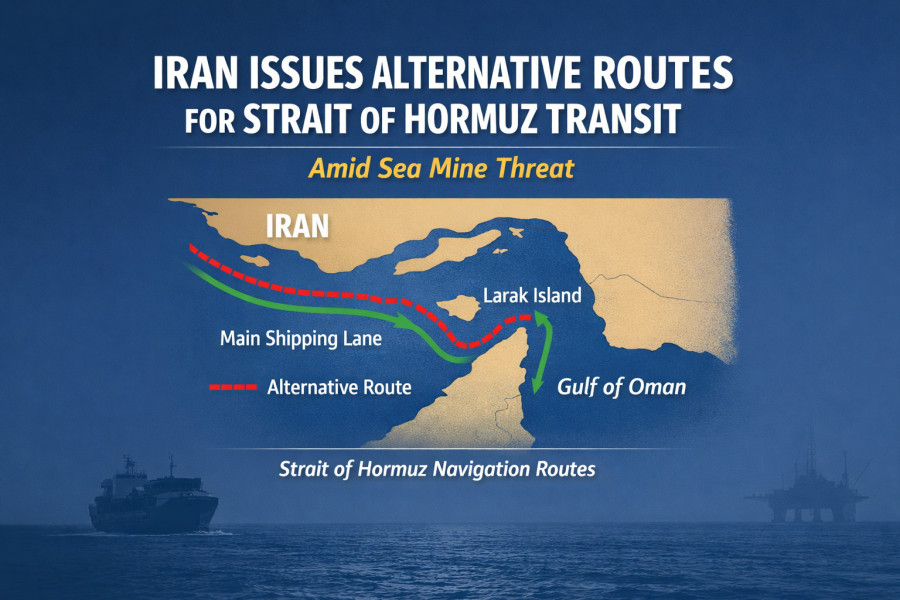
Iran announces alternative routes in Hormuz Strait

TEHRAN : Iran announced alternative routes on Thursday for ships traveling through the Strait of Hormuz, citing the risk of sea mines in the main zone of the vital waterway.Tehran has agreed to temporarily reopen the strait, through which one-fifth of the world’s oil usually passes, as part of a two-week truce.

“All ships intending to transit the Strait of Hormuz are hereby notified that in order to comply with the principles of maritime safety and to be protected from possible collisions with sea mines…they should take alternative routes for traffic in the Strait of Hormuz,” Iran’s Revolutionary Guards said in a statement quoted by local media.

The statement shared instructions for an alternative entry and exit route through the strait. The United States and Iran agreed to a two-week ceasefire overnight from Tuesday to Wednesday, less than an hour before US President Donald Trump’s deadline to obliterate the Islamic republic if it did not bow to his demands for a deal to reopen the Strait of Hormuz.

Tehran had effectively blocked the key shipping route since early March, sending global energy prices spiralling.

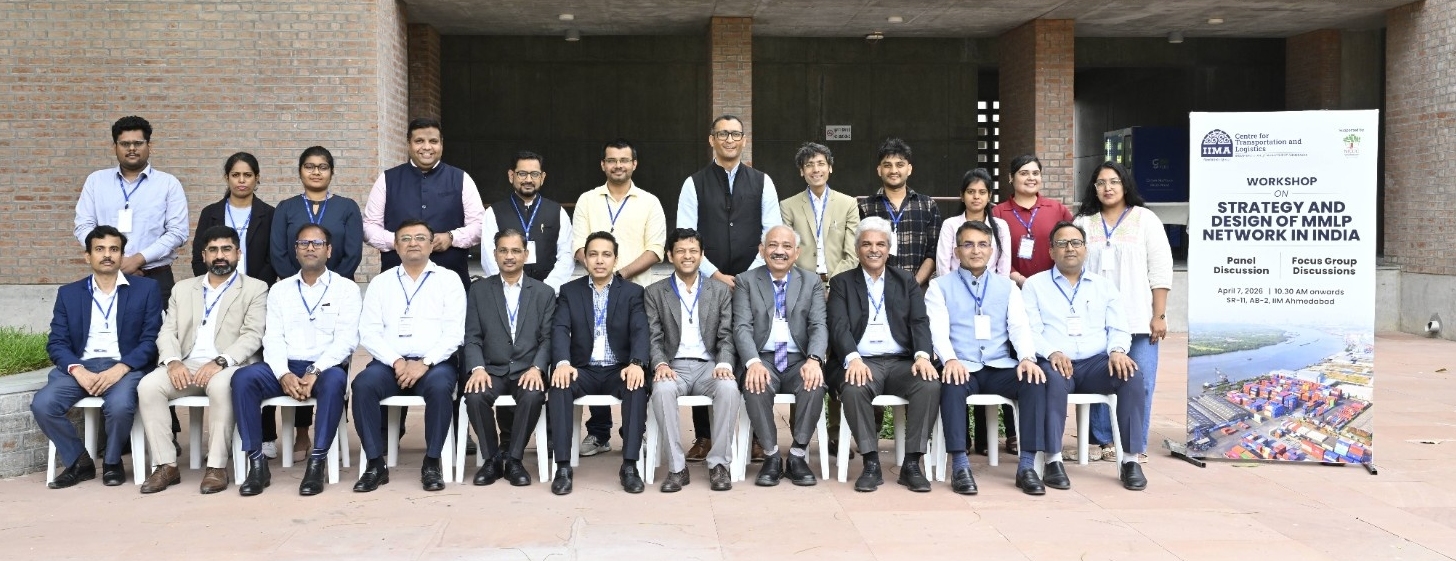
IIMA Hosts Strategic Workshop on Designing India’s Multimodal Logistics Parks Network

AHMEDABAD: Indian Institute of Management Ahmedabad (IIMA), through its Centre for Transportation and Logistics, convened a high-level workshop on ‘Strategy and Design of MMLP Network in India’ on April 7, 2026, bringing together policymakers, industry leaders, and domain experts to deliberate on the future of India’s logistics infrastructure. The workshop was supported by the National Industrial Corridor Development Corporation (NICDC).

The event addressed the longstanding challenges of India’s fragmented warehousing ecosystem while aligning discussions with transformative initiatives such as the PM GatiShakti National Master Plan and the National Logistics Policy. These flagship programmes aim to streamline logistics planning, enhance multimodal connectivity, and reduce overall logistics costs.

1 1 IIMA Hosts Strategic Workshop on Designing India’s Multimodal Logistics Parks Network

Moderated by Prof. Debjit Roy and Prof. Ankur Sinha, the workshop featured a series of sessions, including a panel discussion, project deliberations, and focused group engagements. In their opening remarks, both professors underscored the need for integrated planning and collaborative approaches in designing efficient Multimodal Logistics Parks (MMLPs).

Delivering the keynote address virtually, Shri Rajat Kumar Saini, CEO & MD of NICDC, highlighted India’s growing prominence in global manufacturing and emphasized the pivotal role of strategically located MMLPs in supporting supply chain efficiency. He stressed the importance of data-driven planning, noting that robust analytics and informed decision-making would be critical to unlocking the full potential of logistics infrastructure in the country.

The panel discussion delved into key aspects of MMLP development, including network design, optimal location planning, and demand-side dynamics. Experts also examined critical challenges such as land acquisition hurdles, rail and road connectivity gaps, power infrastructure requirements, and the complexities of multi-agency approvals. Policy and implementation bottlenecks were discussed alongside future growth considerations, offering a comprehensive perspective on the sector’s trajectory.

A key highlight of the workshop was the focus group discussions, where participants were divided into two thematic groups. Group I explored the design dimensions of MMLPs, evaluating factors, constraints, and cost considerations, while Group II examined the role of data and technology layers in shaping strategies for the setup and operations of these logistics hubs.

The workshop ultimately served as a dynamic platform for open dialogue and knowledge exchange, reflecting the rapidly evolving landscape of MMLPs in India. The insights generated are expected to contribute to more data-driven location strategies and the development of integrated logistics ecosystems, thereby enhancing efficiency, competitiveness, and growth across India’s logistics sector.

23 IIMA Hosts Strategic Workshop on Designing India’s Multimodal Logistics Parks Network

JM Baxi Group Chairman visits V.O. C Port, discusses collaborative opportunities

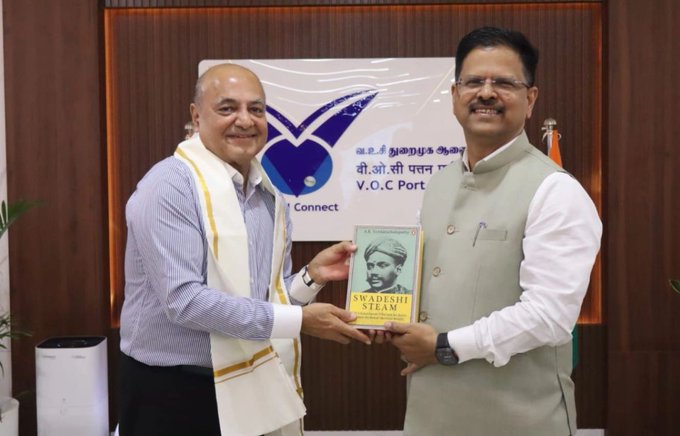
TUTICORIN : Krishna Kotak, Chairman of JM Baxi Group, on 9 April 2026 visited V.O. Chidambaranar Port Authority, Tuticorin, along with his team.

They were warmly welcomed by Susanta Kumar Purohit, IRSEE, Chairperson, and Rajesh Soundararajan, IAS, Deputy Chairperson, along with senior port officials.

During the visit, the Chairperson presented an overview of the port’s key initiatives, including cargo performance, capacity augmentation, port-led development, and various green and sustainability initiatives.

The meeting also featured productive discussions on exploring collaborative opportunities to enhance cargo volumes and strengthen business growth at the port.

Source : Port Wings

Gujarat invites bids for DPRs of new ports at Dahej and Mahuva

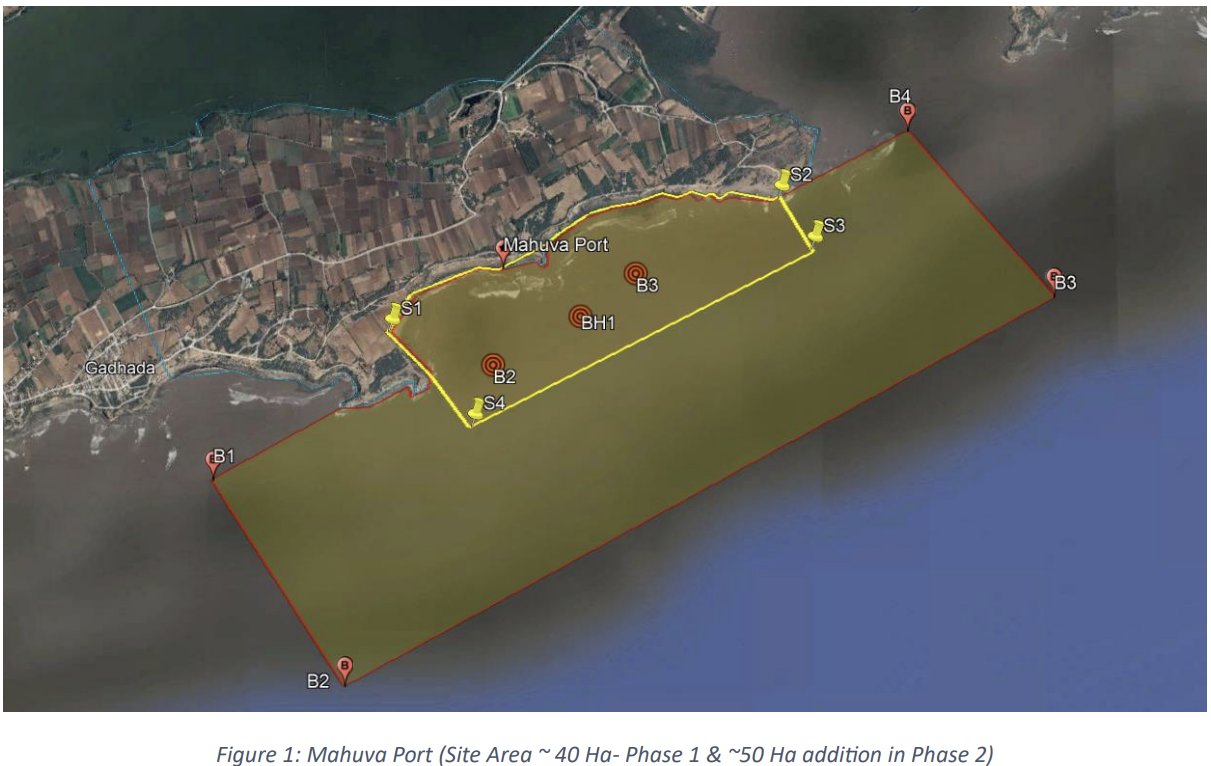
GANDHINAGAR : The Gujarat Maritime Board (GMB) has issued a Request for Proposal (RFP) to appoint a consultant for preparing Detailed Project Reports (DPRs) for two proposed ports at Dahej and Mahuva. The move is part of the state’s ongoing efforts to position Gujarat as a globally competitive hub for ports and allied industries

Gujarat’s non-major ports continue to play a dominant role in national trade, handling 488 million metric tonnes (MMT) of cargo in FY 2024–25, accounting for around 30 per cent of India’s total port traffic. The proposed developments at Dahej and Mahuva aim to enhance cargo-handling capacity, strengthen navigational infrastructure, and improve coastal logistics efficiency.

Dahej is recognised as a key industrial and petrochemical hub, while Mahuva is strategically positioned to support agro-industrial activities and regional trade. The DPRs will lay the groundwork for developing modern, efficient, secure, and sustainable maritime infrastructure aligned with national priorities.

The selected consultant will undertake a comprehensive range of tasks, including:

Detailed site investigations and baseline assessments of marine and oceanographic conditions
Infrastructure planning, including quay walls, jetties, breakwaters, and storage yards
Financial analysis covering revenue projections, internal rate of return (IRR), and project viability
Preparation of EPC tender documents for the construction phase
The consultancy assignment is expected to be completed within 24 weeks from the date of award. The last date for submission of bids is April 27, while bid opening is scheduled for May 1.

Preliminary Studies Completed
As per GMB, a pre-feasibility study for the proposed ports has already been carried out, covering data review, site visits, field surveys, and stakeholder consultations. Preliminary traffic and demand assessments were undertaken to estimate cargo potential, vessel mix, and operational requirements.

Bathymetric and geotechnical surveys, including three boreholes, were conducted, along with the preparation of site topography maps. Engineering studies and modelling assessed marine conditions, including breakwater alignment and basin tranquillity. An initial environmental and social impact assessment examined Coastal Regulation Zone (CRZ) aspects, coastal processes, and fishing activity interactions.

Based on these inputs, preliminary layouts and conceptual designs for marine infrastructure, dredging, and reclamation were prepared, along with indicative capital and O&M costs and an initial financial viability analysis.

For Dahej, detailed assessments covered its strategic location within the industrial corridor and PCPIR (Petroleum, Chemicals and Petrochemicals Investment Region), cargo potential across key commodities, and connectivity with road and rail networks. Preliminary master planning, infrastructure design, and phased development strategies have also been outlined, indicating the project’s long-term viability.

Source : Desh Gujarat

India grants waivers for some ships to deliver Iran cargoes : Sources

NEW DELHI : With a view to speeding delivery of energy supplies from the Gulf, India recently granted waivers to allow two Iranian cargoes aboard an older ​tanker and another under international sanctions to enter its ports, ​two officials familiar with the matter said.

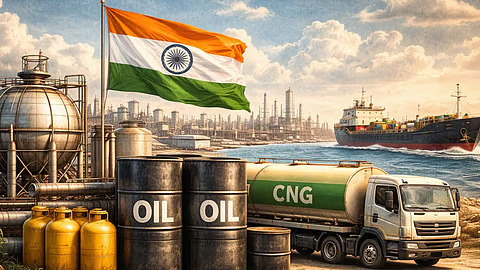
The world’s No.2 ⁠importer of liquefied petroleum gas (LPG), India is facing its worst gas crisis ​in decades, with the government rationing supplies to industry to ensure ​households are supplied with the cooking gas.India recently permitted the LPG tanker Aurora to dock in the southern port of Mangalore despite it being about 30 years ​old, one of the sources said.

A crude oil tanker, the Jaya, despite ​being under U.S. sanctions, was also permitted to unload, the other source said.
The ‌officials ⁠said the approvals were being made on a case-by-case basis and only vessels meeting safety parameters were being considered for waivers.

India typically requires tankers that are more than 20 years old to have ​seaworthiness certification from a ​member of ⁠the International Association of Classification Societies, or an entity authorised by India’s maritime administration.

It also typically bars ​vessels subject to U.S. sanctions from its ports. Iran ​has sidestepped ⁠Western sanctions to deliver its oil in recent years by deploying a “shadow fleet” of older tankers lacking such paperwork.

The Ministry of Ports, Shipping and ⁠Waterways ​and the Ministry of Petroleum and Natural ​Gas did not immediately respond to Reuters requests for comment sent by email.

Source : Reuters

Why the Iran Crisis Matters Deeply for India—and Why It Chose Not to Mediate

By Mr. Rajesh Menon, Maritime Expert

The conflict involving Iran has emerged as a major geopolitical shock to global energy markets and supply chains, exposing how deeply interlinked energy flows and logistics networks have become. At the centre lies the Strait of Hormuz, through which about 20% of global oil consumption (17–21 million barrels per day) and one-fifth of global LNG trade pass, as well as nearly 25% of seaborne oil flows. Major importers such as China, India, Japan, and South Korea depend heavily on this route, as do exporters like Saudi Arabia, Iraq, the United Arab Emirates, Qatar, and Kuwait. This dual dependency makes disruption systemically consequential.

The crisis is real because risk alone is disruptive. Oil benchmarks such as Brent Crude have risen 3–5% in a single session on escalation signals. War-risk premiums have increased by 30–50%, in some cases reaching 5% of vessel value. Shipping has responded with delays, route reassessments, and reduced exposure. Tanker traffic dropped sharply, and even post-de-escalation, flows may remain below normal. The consequences ripple quickly. Reduced vessel movement tightens capacity, raises freight costs, and extends transit times, disrupting just-in-time supply chains in sectors like automotive, electronics, and pharmaceuticals.

The impact extends beyond oil and gas. The Gulf is a key supplier of petrochemicals, fertilizers, and critical inputs. Disruptions from producers in Saudi Arabia, Qatar, and the United Arab Emirates can raise global polymer prices, strain fertilizer supply, and impact agriculture. Qatar’s role in helium exports further links the crisis to semiconductor manufacturing and medical systems in China, Japan, and South Korea.

For India, the macroeconomic impact is direct. With over 85% dependence on crude imports, largely routed through the Strait of Hormuz, price shocks widen the current account deficit, weaken the currency, and fuel inflation. A USD 10-per-barrel increase can raise the deficit by 0.3–0.4% of GDP, according to some estimates. Higher energy costs cascade across transport, agriculture, and industry, complicating policy for the Reserve Bank of India and pressuring fiscal balances. The crisis also exposes structural vulnerabilities. India’s LNG, LPG, fertilizers, and petrochemical supply chains are closely tied to the Gulf, making logistics disruptions immediately felt through higher costs and delays.

In response, resilience strategies are diverging. India is focusing on diversification by expanding sourcing, building strategic reserves, investing in renewables, and strengthening multimodal logistics. China is pursuing scale and control through large reserves, overseas assets, and alternative corridors through pipelines and Belt and Road infrastructure. Both these large economies have different paths, with the same objective of reducing exposure to chokepoints.

India’s calibrated geopolitical stance reflects its stakes. The Middle East anchors its energy security, trade, and diaspora interests, while partnerships with Israel strengthen defence and technology ties. Rather than mediate, India is maintaining balance by engaging all sides while prioritizing stability, energy flows, and economic security. Mediation in such conflicts requires leverage typically held by powers like the United States, not a role India seeks to assume.

Critics argue that this crisis was a missed opportunity for India to assert geopolitical influence. However, this underestimates both the complexity of the conflict and the risks of overreach. Effective mediation requires not just intent but leverage, security presence, and acceptance by all parties, a condition India does not yet possess. More importantly, India’s core interests lie in preserving stability, ensuring energy security, and protecting its economic partnerships across the region, including with Israel, Saudi Arabia, the United Arab Emirates, and Iran. Any overt alignment risks undermining this delicate balance; hence, it was a matter of diplomatic maturity that we did not intervene.

India’s restraint, therefore, is not a limitation but a strategic choice. By maintaining multi-alignment and focusing on long-term resilience rather than short-term visibility, India preserves its role as a stable and credible partner across competing blocs. In an increasingly fragmented global order, this ability to engage all sides while safeguarding national interests represents a form of influence in itself.

Unlike India, Pakistan does not have significant stakes at the economic, social, and strategic levels, does not possess India’s diplomatic stature and soft power, and has little to lose. Moreover, being a fellow Islamic nation, it can actively play a messenger role, which it has done rightly, and there is no sense in comparing with us, who hold a wider global campus

The lesson is clear. The Iran conflict is not just a regional crisis and it is a global supply chain stress test. It demonstrates that in an interconnected world, vulnerability at one chokepoint can reshape trade, costs, and strategy worldwide. For India and others, resilience, diversification, and strategic balance are no longer optional—they are foundational.

Author:

Rajesh Menon Why the Iran Crisis Matters Deeply for India—and Why It Chose Not to Mediate

Mr. Rajesh Menon, Maritime Expert

Svayam–KPMG Release Whitepaper Putting $191 Billion Accessibility Opportunity in Focus

NEW DELHI: Svayam, India’s leading accessibility organisation, in collaboration with KPMG, has released a new whitepaper titled “Does Accessibility Make Economic Sense?”, examining how accessibility can drive economic value across tourism, sports, transport, and information and communication technology (ICT).

The report positions accessibility as a core economic lever, highlighting that up to 34% of India’s population—over 486 million people—experience reduced mobility, extending beyond persons with disabilities to include elderly individuals, caregivers, and those with temporary or situational limitations. When viewed at the household level, the impact extends to nearly half the population, underscoring the scale of the issue.

It estimates that USD 191 billion (₹16.08 lakh crore) in economic value remains unrealised across the four sectors analysed, driven by gaps in infrastructure, services, transport systems, and digital access.

Across sectors, the findings point to clear economic upside. In tourism, 191.8 million people face barriers to travel, translating into an additional USD 16.6 billion (₹1.39 lakh crore) in potential revenue if accessibility improves. The report further highlights that structured inclusion of accessible rooms as a defined category, along with reliable and standardised data on accessibility features across hotels, tourist attractions, and religious destinations, can significantly strengthen tourism demand. Limited availability of such information continues to deter travel for people with reduced mobility, who often avoid destinations due to uncertainty around facilities and services.

In sports, improved access to infrastructure and programmes could expand participation significantly, pushing the sector to USD 50.79 billion by 2030–31. In transport, limited accessibility continues to restrict mobility and workforce participation, with an estimated USD 125 billion (₹10.5 lakh crore) in annual economic value recoverable through improved systems. The report also highlights that over 262 million Indians face digital accessibility challenges, with USD 37 billion (₹3.11 lakh crore) in annual gains achievable through accessible digital platforms and services.

The findings underline a consistent pattern: when systems remain inaccessible, they reduce participation, limit consumption, and weaken productivity across the economy. Addressing these gaps creates direct economic value by enabling more people to engage with services, markets, and opportunities.

Within this context, the whitepaper emphasises that accessibility cannot remain confined to a narrow definition linked only to disability. A large segment of the population experiences reduced mobility at different stages of life, making accessibility a mainstream requirement rather than a specialised intervention.

Founder-Chairperson, Svayam, Sminu Jindal frames this shift as essential to how accessibility is understood in India, where inclusive systems enable wider participation across sectors and strengthen economic outcomes. “Accessibility is often evaluated at the level of individual assets, whether it is a building, a station, or a website. But people experience systems as a journey. If that journey is broken at any point, access is incomplete. The focus now has to move towards ensuring continuity across infrastructure, transport, and digital platforms so that people can move independently and with confidence,” she notes.

Naveen Aggarwal, Partner, KPMG, builds on the economic significance of accessibility, noting, “Accessibility at its core is an economic enabler. When everyday systems are designed to include everyone, nearly 34% of Indians can participate more fully in economic life, as workers, consumers, and contributors. That means better productivity, stronger demand, and infrastructure that delivers for more people. At this scale, accessibility shapes how India grows and who gets to grow with it. Embedding it into national planning is essential to building a Viksit Bharat by 2047, one that works for people as they are, at every stage of life and in every part of the country.”

Tina Mathur, Associate Partner, G&PS, KPMG, adds to this perspective the broader development impact, adding, “Investing in accessibility creates shared progress across the Sustainable Development Goals. When infrastructure, services, and digital systems are accessible, more people can work, travel, learn, and contribute productively. This expands livelihoods across age groups and communities, strengthens workforce participation, and improves the returns on public and private investment. Accessibility, when planned upfront, becomes a powerful driver of inclusive and resilient growth.”

The whitepaper outlines key recommendations across sectors, including integrating accessibility into infrastructure design, strengthening implementation and monitoring mechanisms, improving workforce sensitisation, and embedding accessibility standards into digital systems.

As India advances toward long-term development goals, the report positions accessibility as a critical factor in expanding participation, improving service delivery, and unlocking economic value at scale.

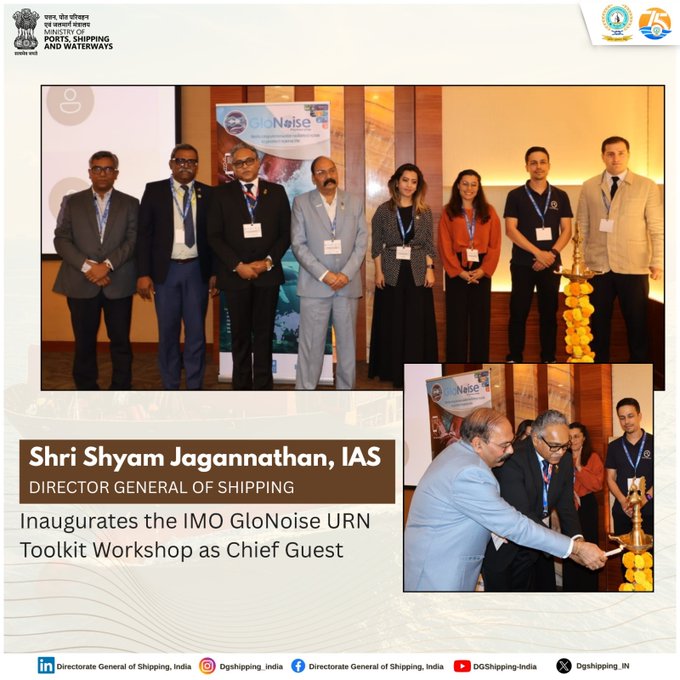
IMO GloNoise URN Toolkit Workshop commences in Mumbai to advance underwater Noise Mitigation Efforts

MUMBAI : The IMO GloNoise Underwater Radiated Noise (URN) Toolkit Workshop commenced in Mumbai, bringing together global experts, policymakers, and maritime stakeholders to strengthen capacity building and accelerate the implementation of international guidelines on underwater noise mitigation.

Organised under the GloNoise Partnership, the workshop aims to support member states and industry stakeholders in addressing the environmental impacts of underwater radiated noise from shipping, with a focus on practical tools, best practices, and collaborative solutions.

The inaugural session began with the ceremonial lighting of the lamp, symbolising the formal commencement of the workshop and a shared commitment to environmentally responsible and sustainable maritime practices.

The ceremony was graced by the presence of distinguished dignitaries, including:

Shri Shyam Jagannathan, IAS, Director General of Shipping

Shri P.K. Mishra, Managing Director, Indian Register of Shipping (IRS)

Ms. Sevtap Ozdogan, Project Manager, IMO GloNoise

Ms. Maria Apolonia, Senior Consultant, Aquatera (Consultant for IMO)

Mr. Tiago Gomes, Chief Technology Officer, Blueoasis (Consultant for IMO)

Mr. Nikolai Kheveli, Representative, Georgia Maritime Administration

In their remarks, speakers underscored the growing importance of mitigating underwater noise to protect marine biodiversity and ensure sustainable ocean ecosystems. The workshop is expected to facilitate knowledge exchange, technical discussions, and collaborative approaches to implement the International Maritime Organization (IMO) guidelines on underwater noise reduction.

India, as a Lead Pilot Country under the GloNoise Partnership, continues to play a pivotal role in advancing global efforts to address underwater radiated noise. The workshop provides a vital platform for stakeholders to align strategies, share expertise, and strengthen institutional capacities in this critical area.

The event marks another significant step towards fostering quieter oceans and reinforcing the maritime sector’s commitment to sustainability and environmental stewardship.

New UCL and RMI study emphasises the critical role of GHG pricing in shipping’s energy transition

LONDON: — A landmark study from the UCL Shipping and Oceans Research Group and RMI has found that the inclusion of GHG pricing in the International Maritime Organization’s (IMO’s) policy framework will be critical in the shipping industry achieving a cost-effective energy transition.

The analysis shows that there are multiple benefits from GHG pricing, including a less volatile and more investable fuel market, improving the availability of compliant solutions, protecting countries from risks of policy-driven economic shocks, enabling early adoption of low-emissions fuels, and creating the revenue streams crucial for contributing to a just and equitable transition.

The results are publishing just as the IMO is about to reconvene at the 84th session of the Marine Environment Protection Committee (MEPC 84) to consider how to move forward policy ambitions after the decision to adopt the Net Zero Framework (NZF), a global policy framework for the shipping sector, was postponed in October 2025. The in-depth research shows that alternative policy architecture proposals removing GHG pricing and focusing on a technical-only solution will have negative impacts on the sector’s transition. 

The findings come from a new fleet evolution modelling (FEM) framework from the UCL Shipping and Oceans Research Group and RMI — the first of its kind to explicitly model several shipowner behaviours, including ‘peer influence’ on how they perceive different fuel options. The modelling was used to evaluate both the NZF, approved in principle at MEPC 83 last year, along with other policy architectures that have been proposed as a way forwards in the event the negotiations on architecture are reopened. The results reveal critical differences in the ability to invest in the transition for early adopters and fuel producers based on policy choices.

Dr Marie Fricaudet, Senior Research Fellow at UCL Shipping and Oceans Research Group said: “This research fills a critical gap in the evidence base. By modelling how mass market shipowners actually make decisions — cautiously, with limited foresight, and with one eye on their competitors — we get a fundamentally different picture of what different policy architectures and GHG pricing will deliver.”

What the fleet evolution model reveals for policy design

Applied to five foreseeable IMO policy architectures, the model produces findings that differ meaningfully from existing approaches:

  • Regional policy alone cannot drive global fleet transition. A ‘no IMO, EU only’ scenario shows no evidence of driving energy transition in the global fleet. Most vessels have limited exposure to EU regulation, so those policies alone don’t change investment decisions — reinforcing the imperative for a robust global IMO measure.
  • The transition will start slowly — then accelerate quickly. Most shipowners will wait until a critical mass adopts new fuels. However, once that tipping point is reached, including peer effects can drive rapid, self-reinforcing shifts that can put pressure on fuel supply chains. Policymakers should plan for both the slow-start to transition and the acceleration.
  • Policy design determines investability. Only architectures combining a GHG price, a capped SU market, and a reward mechanism for zero- and near-zero (ZNZ) fuels create the conditions for an investable transition. Uncapped SU supply, as arises under a technical-only measure, generates price volatility that deters the investment the policy is meant to unlock.
  •  Early adopter support is critical, not optional. Mass market actors will not move until early adopters have demonstrated a technology pathway. Without reward mechanisms to incentivise early ZNZ uptake, first movers won’t invest. Failing to support early adopters in policy design carries significant transition risk.
  • Price stability requires deliberate design. Even under the NZF, credit prices could become unstable if too many rewards or multipliers create a surplus of units too quickly. If governments then step in to keep prices artificially low — below the real cost of compliance — it would weaken the business case for investing in clean fuels and disrupt the very markets the policy is meant to support.
  • Fuel availability is as decisive as fuel cost. Supply constraints can slow adoption even when alternative fuels are economically viable. Rapid demand surges — particularly for ammonia in high biofuel price scenarios — may outpace production, Strong revenue support for early fuel investment is critical to avoid these bottlenecks.

Modelling innovations in this study

Existing models used in IMO policy debates have typically assumed shipowners have perfect foresight and minimise costs rationally, and that surplus unit (SU) prices are fixed or modelled independently of fleet behaviour. This research demonstrates that neither holds, and addresses both through two key innovations:

  • Realistic mass market behaviour. Drawing on interviews with 16 shipowners, the model distinguishes early adopters from mass market actors (95% of the fleet). Most shipowners are modelled as risk-averse, with shorter planning horizons and a tendency to follow others — investing most confidently when around 20% of the fleet has done so. This produces non-linear adoption dynamics and tipping points that conventional models often miss.
  • Dynamic SU market modelling. Rather than assuming a fixed SU price, the model calculates SU supply and demand across the fleet at each time step to determine a market price. This creates a feedback loop — investment decisions today affect SU prices tomorrow, which in turn shape future investment — mirroring how the NZF and other architectures would operate in practice.

Ruosida Lin, Modelling & Analytics Lead at RMI climate aligned industry program shipping team said: “By linking individual shipowner behaviour to sector-wide dynamics, this research offers a bottom-up view of the shipping transition. It shows how cautious, competitive decisions shape market outcomes and policy effectiveness. We see this as an advancement over traditional modelling and look forward to building on this further.”

Implications for the NZF architecture

The analysis offers a direct comparative assessment of the four candidate IMO policy architectures:

  • The NZF ‘as is’ contains the key structural features needed for an investable transition: a capped SU market and a reward mechanism. Careful design of reward rates, multipliers and review mechanisms will be needed to manage SU price volatility.
  • A levy combined with a Greenhouse Gas Fuel Intensity (GFI) limit offers the same structural features with a simpler, more predictable revenue architecture and greater flexibility to fund a just and equitable transition.
  • A single-tier GFI can provide a capped SU market but introduces risks of SU price instability if the regulatory unit (RU) price must balance both compliance incentives and revenue generation simultaneously.
  • A technical-only measure delivers none of the above. It leaves the SU market uncapped, provides no revenue for rewards or just transition, and — on the evidence of this modelling — carries the highest transition risk and cost of any architecture considered.

A well-designed global framework that reflects real-world investment behaviour, and that rewards early action and ensures price stability, can unlock the momentum needed to scale clean fuels across the shipping sector. As the IMO moves toward finalizing its Net Zero Framework, the right policy decisions can help the sector achieve a timely, cost-effective, just and equitable transition.

Link to full report: https://www.shippingandoceans.com/post/critical-role-of-ghg-pricing-in-shippings-energy-transition