Home Blog Page 364

India puts off global steel conference citing Middle East crisis

NEW DELHI : India’s federal steel ministry has postponed a global steel ​conference scheduled for April 16-17 ‌in New Delhi, citing disruption to international participation due to the Middle East crisis, the ​ministry said.

“In view of the ​evolving global situation, including the West ⁠Asia crisis, a number of ​participating delegates, speakers, exhibitors and other stakeholders ​are facing considerable inconvenience and hardship in relation to travel, logistics, scheduling and associated ​arrangements,” a Ministry of Steel statement ​said on Wednesday.

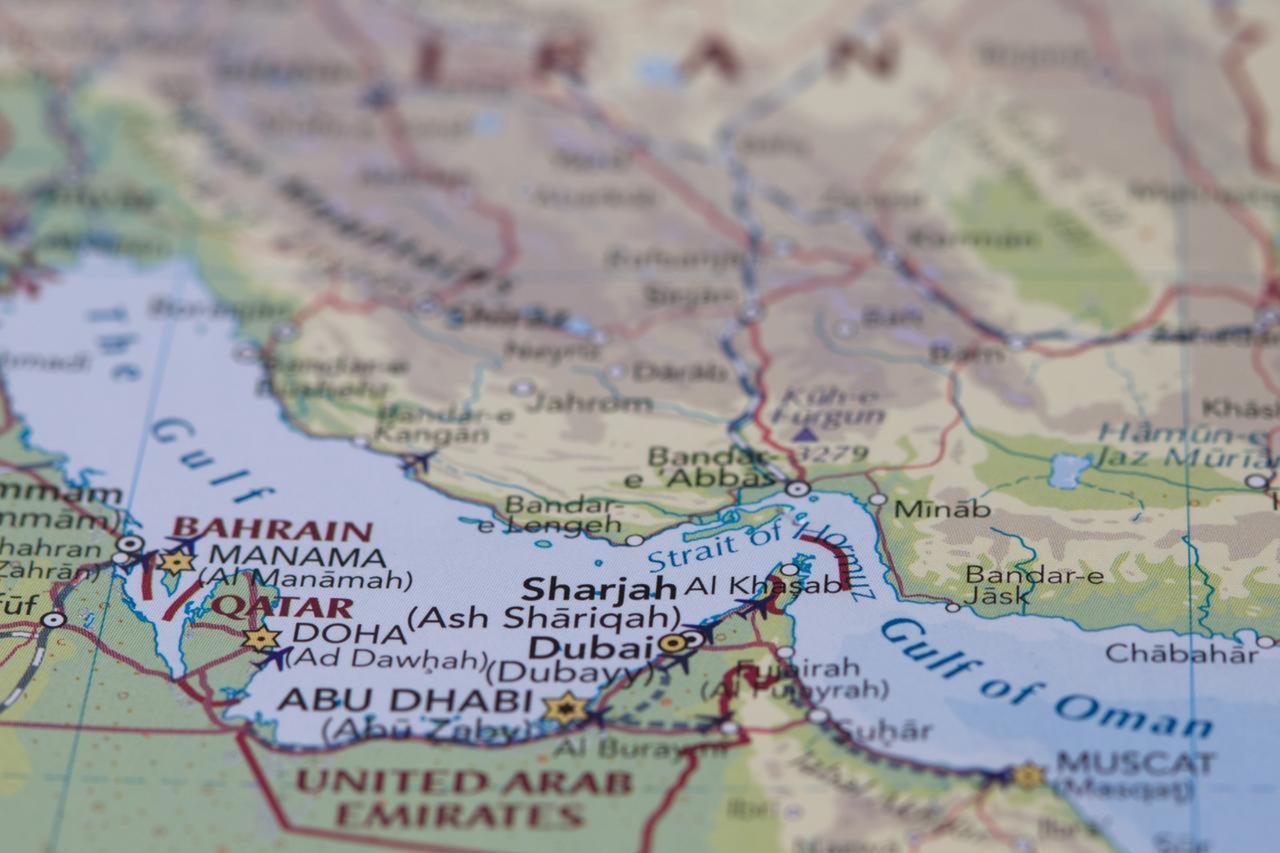
The Middle East conflict began on ‌February ⁠28 when the U.S. and Israel launched attacks on Iran. Tehran has since closed the Strait of Hormuz ​and struck ​sites ⁠in other countries in the region. In a separate statement ​issued earlier today, the government ​said ⁠the steel sector will need to navigate challenges on energy security even ⁠as ​the sector was expected ​to maintain growth momentum with demand remaining robust.

Source : Reuters

Ceasefire may bring relief to 14% of India’s exports, but recovery hinges on Gulf stability

NEW DELHI : Nearly 14 percent of India’s exports could benefit from the April 8 Iran-US ceasefire, as shipments to the Gulf Region begin to stabilise after weeks of disruption caused by the closure of the Strait of Hormuz.Exporters in sectors such as jewellery, agriculture and industrial goods are expected to benefit the most, given their significant exposure to the region. Trade flows may gradually resume, particularly through the Strait of Hormuz, a key shipping route for Indian exports.

The pace of recovery will depend on how quickly Gulf economies restore production and demand. Elevated logistics costs, including higher insurance premiums and transit charges through the Strait, may continue to delay a return to pre-crisis levels despite the ceasefire.

Data shows that several export categories are highly dependent on the region. Refined copper wire exports saw their share rise from 91.4 percent in 2024 to 93.8 percent in 2025, while silk fabrics increased from 66.7 percent to 81.7 percent. Similarly, fresh eggs (70.3 percent to 80.8 percent) and tankers (25.2 percent to 62.7 percent) recorded sharp increases in regional share.

In value terms, key export segments also posted strong growth. Articles of precious metal rose from $5.46 billion in 2024 to $7.09 million in 2025, while smartphone exports increased from $2.78 billion to $4.07 million.

Other categories, such as portable data processing machines like laptops, saw a 132 percent rise in export value, while silk fabrics and fresh eggs recorded increases of 119 percent and 141 percent, respectively.

Some commodities saw a decline in regional share despite rising values. Bananas fell from 83 percent to 78 percent, while cardamom declined from 76 percent to 73 percent.

The Gulf region has also emerged as a key alternative market for Indian exporters amid shifting global trade dynamics. Following US tariff-related disruptions, exports in select categories to the US dropped from $7 billion between September and December 2024 to $2.1 billion in 2025. Over the same period, shipments to Gulf countries nearly doubled from $854 million to $1.7 billion as exporters redirected trade flows.

Overall, more than a third of India’s export categories witnessed over 30 percent increase in growth, while 55 percent of categories witnessed an increase in share.

India exported goods across 4,005 categories to nations linked with the Strait of Hormuz.The ceasefire could provide near-term relief to a significant share of India’s exports, but a sustained recovery will depend on stabilising logistics costs and demand conditions in the Gulf region.

Türkiye, Saudi Arabia launch transit route for goods amid Hormuz crisis

TURKEY : Türkiye has initiated a transit trade with Saudi Arabia to keep shipments moving to regional countries amid disruptions in the Strait of Hormuz, Trade Minister Ömer Bolat said Monday.

Speaking at a ceremony in Ankara, Bolat said products unable to pass through the strategic waterway would be redirected through alternative logistics channels.

“We have launched transit trade through the agreement made with Saudi Arabia. With this, products that cannot pass through the Strait of Hormuz will continue to reach countries in the region, some through pipelines and some through road transportation,” he said.

Bolat said transit visas are now being issued under the arrangement with Saudi Arabia, adding that the move would help sustain trade flows across the Gulf region.

He said the world is going through a period of major uncertainty and stressed that the government is working to prevent economic interests from being damaged under the current conditions.

Bolat said Türkiye is seeking to increase exports of goods and services while keeping imports at reasonable levels, adding that producers are being backed through production support schemes and investment incentives.

Referring to the war that began in late February with U.S. and Israeli attacks on Iran, he said energy basins had been closed to traffic, causing serious disruptions in products including petrochemicals, chemicals and fertilizers.

He also said Türkiye has made major advances in logistics and now has a logistics sector worth $112 billion.

On agriculture, Bolat said Türkiye has sufficient stocks, particularly in food products, and expects record output in nearly all products this year if there is no frost risk.

He also said the government has built adequate fertilizer stocks to prevent supply problems in agriculture, placed exports under registration, and reduced customs duties on imports to zero.

Hanseatic Global Terminals becomes full owner of Florida International Terminal, LLC

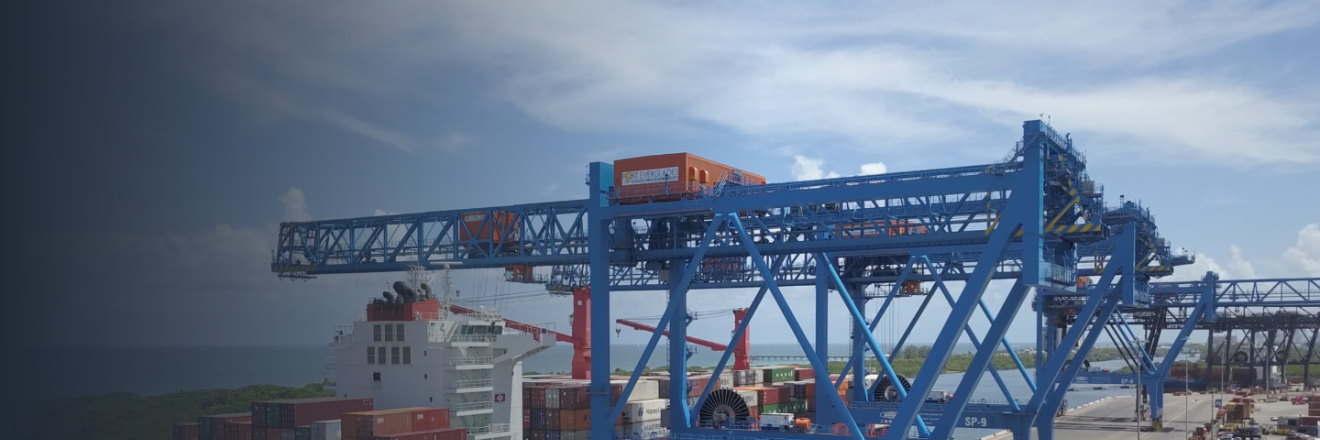
ROTTERDAM: Hanseatic Global Terminals and Grupo Empresas Navieras, through its affiliate Agunsa USA, Inc. (AGUNSA), have completed the capital structure adjustment of Florida International Terminal, LLC (FIT), operator of the Florida International Terminal. With this transaction finalized, Hanseatic Global Terminals has become the sole member of FIT. The transaction also aligns with AGUNSA’s strategic focus on streamlining its portfolio by exiting minority positions.

The Florida International Terminal is strategically located in Port Everglades, South Florida, serving one of the largest consumer markets globally. The terminal specializes in container and general cargo handling and provides direct connectivity to major highways and rail networks, ensuring efficient inland and intermodal transportation and access to the region’s hinterland.

Established in 2023, Hanseatic Global Terminals operates as an independent entity within the Hapag-Lloyd Group, focusing on terminals and infrastructure. With a clear vision for 2030, Hanseatic aims to grow from 21 port terminals to approximately 30 globally, reinforcing its position as a leading terminal operator.

Mawani adds MSC’s North India to Middle East Service to King Abdullah Port

RIYADH : The Saudi Ports Authority (Mawani) announced the addition of Mediterranean Shipping Company’s (MSC) North India to Middle East shipping service to King Abdullah Port in King Abdullah Economic City in Rabigh, a move that will help strengthen the competitiveness of Saudi ports on the maritime transport map, support the smooth flow of global trade, and increase operational efficiency.

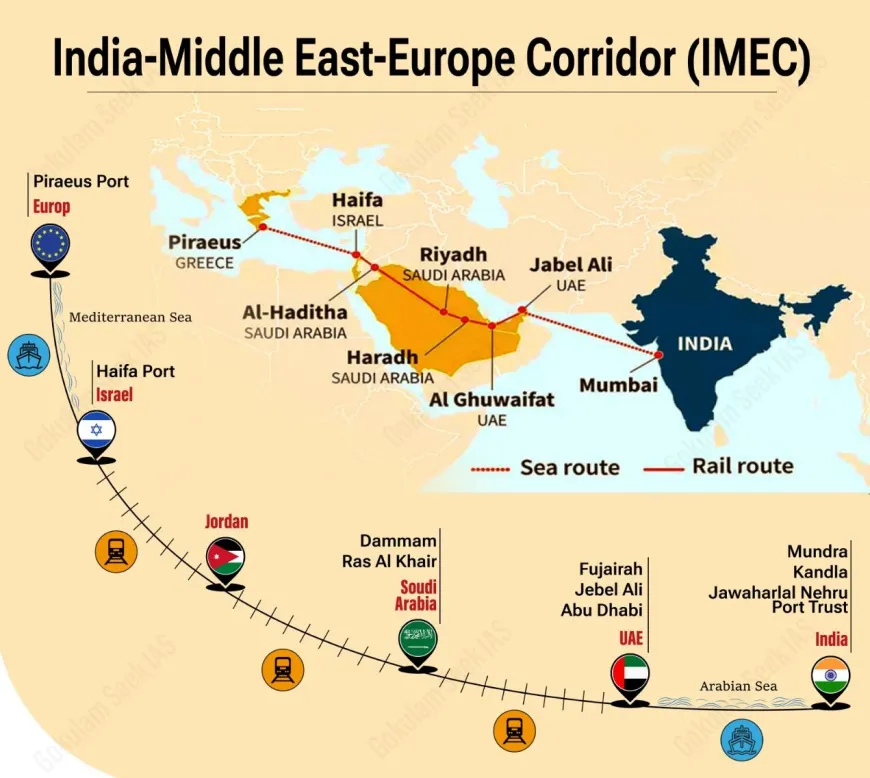
The North India to Middle East shipping service links King Abdullah Port in King Abdullah Economic City in Rabigh with regional and international ports, including Mundra Port and Jawaharlal Nehru Port (Nhava Sheva) in India, before reaching King Abdullah Port in Rabigh, with a capacity of up to 2,500 TEUs.

King Abdullah Port continues to strengthen its role as a strategic logistics hub through its advanced operational capabilities and diverse services, supporting the smooth flow of cargo, improving supply chain efficiency, and enhancing the competitiveness of Saudi ports regionally and globally.

MSC Mawani e1775706179519 Mawani adds MSC's North India to Middle East Service to King Abdullah Port

Korean shipbuilders at center of US-China rivalry

SEOUL : Beijing struggles to weaken Washington’s push to revive American shipyards. Competition has intensified between the United States and China to strengthen cooperation with Korea’s shipbuilding sector, as the world’s two largest economies vie for maritime supremacy.

Amid Washington’s push to revive American shipyards with Korean investments and technologies, Beijing has begun extending an olive branch to shipbuilders here after previously warning them about their ties with U.S. partners.

China’s state-owned Global Times said in a column on Monday that Korea and China have different technological levels, cost structures and market positioning, which create room for mutually beneficial cooperation.

Despite the rivalry between the two countries’ shipbuilders to win global orders, the newspaper emphasized their complementary strengths, citing Korea’s expertise in designing high-end vessels and China’s mass production efficiency.

“South Korea still holds certain technological edge in manufacturing some key components, for which Chinese shipbuilders have strong demand,” it said.

“In green shipbuilding technology, joint research and development, shared testing data and coordinated participation in international standard-setting can reduce technological risks for both sides and accelerate commercial application.”

Global Times warned last July of the risks in Korea’s proposal to invest in U.S. shipyards in return for tariff cuts, claiming that the Make American Shipbuilding Great Again initiative could make Korea increasingly dependent on or even subordinate to U.S. interests.

The following month, the newspaper said that if Korea, the U.S. and Japan strengthen their cooperation in shipbuilding, economic outcomes would be uncertain and not necessarily profitable.

In addition, China’s Ministry of Commerce announced sanctions against Hanwha Ocean’s five U.S. affiliates in October, following the Korean company’s alleged support for the U.S. government’s investigation into Chinese competitors and the subsequent imposition of new port fees.

After the measure drew harsh criticism from U.S. Trade Representative Jamieson Greer, China decided in November to temporarily lift the sanctions for one year.

Both Hanwha and HD Hyundai have continued mass sales of engines to major Chinese shipyards. China has also relied heavily on Korean components to build high-end vessels.

Data compiled by the Korea International Trade Association showed that the economic value of Korea’s exports of ship engines and components to China reached $1.29 billion in 2025, up 24 percent from the previous year.

While Korea’s technologies have been used to reinforce U.S. naval forces, industry officials expect Washington and Beijing to intensify efforts to court Korean shipbuilders.

Source : Korea Times

FIATA and AON World announce Strategic Partnership to advance the Global Freight Forwarding Community

GENEVA : FIATA is pleased to announce that it has a new Bronze Partner: AON World, a network dedicated to connecting and empowering professionals within the global logistics and freight forwarding industry. This collaboration marks a meaningful step in advancing the shared mission of both organisations: to support, connect, and elevate the global freight forwarding community.

FIATA has played a central role in representing and supporting freight forwarders worldwide for the last 100 years, with a focus on fostering dialogue, professional development, and forward-looking industry vision. This partnership with AON World demonstrates how FIATA and AON World jointly contribute to a more interconnected freight forwarding landscape, supporting professionals in engaging and accessing opportunities within an otherwise highly fragmented environment. By working together, both organisations aim to bridge this gap, bringing greater coherence to industry interactions and amplifying the voice of freight forwarders in a shifting global trade context.

“Partnerships like this one with AON World are central to how FIATA continues to evolve alongside the industry it represents. The strength of freight forwarding lies in its ability to connect across borders, organisations, and perspectives. AON World reflects a more curated and relationship-driven approach to that connectivity. Together, we can ensure that freight forwarders remain visible, relevant, and influential as the industry continues to transform. We warmly welcome AON World into the FIATA community and look forward to advancing this collaboration for the benefit of the global freight forwarding community.”
— Dr Stéphane Graber, FIATA Director General

AON World brings a focused approach to building trusted, high-quality connections within the logistics sector. Partnering with FIATA offers an opportunity to align this network with a broader institutional perspective, reinforcing its international reach while contributing to a more cohesive industry landscape.

“We are pleased to partner with FIATA, an organisation that reflects the diversity and global nature of our industry. At AON World, we are committed to building long-term, trusted relationships, and we see this partnership as an important step in strengthening our role within the global logistics community.”
— Rudy Suharto, Director, AON World

Both organisations have expressed their commitment to developing a structured roadmap of joint activities in the months ahead, with further details to be announced.

About FIATA
FIATA International Federation of Freight Forwarders Associations is a non-governmental, membership-based organisation representing freight forwarders in some 150 territories. FIATA’s membership is composed of 104 Associations Members and more than 4,700 Individual Members, overall representing an industry of 50,000 freight forwarding and logistics firms worldwide. Based in Geneva, FIATA is ‘the global voice of freight logistics’.

About AON World
AON World is a premium boutique logistics network connecting carefully selected independent freight forwarders across key global markets. Built on a foundation of trust, accountability, and quality, AON prioritises meaningful partnerships over scale.

The network brings together like-minded companies committed to long-term collaboration, supported by structured engagement, clear compliance standards, and a focus on consistency in performance. By maintaining a selective membership approach, AON ensures a high level of reliability and alignment among its partners.

Through curated events, strategic initiatives, and an active global community, AON World provides a focused platform for members to strengthen relationships, expand their reach, and grow together within the international logistics landscape.

Egyptian Customs introduces transit facilitation measures for Gulf Corridor

GENEVA : The Egyptian Customs Authority has issued Procedural Circular No. 4 of 2026 and Instructions to facilitate Transit Procedures Egypt to and from the Gulf Arab States, introducing temporary facilitation measures for indirect transit shipments that are effective as of 9 March 2026 for a period of three months.

Key Measure
Indirect transit shipments arriving at Egyptian ports whose final destination is outside Egypt are exempted from the requirement to obtain an Advance Cargo Identification Number (ACID).

This exemption covers:

Shipments transiting Egyptian territory to the ports of Nuweiba, Ain Sokhna, or Safaga, onward to final destinations in the Gulf States (West Asian countries); and
Shipments originating from Gulf States and transiting Egypt en route to destinations worldwide.
The exemption applies retroactively to detained shipments and those dispatched after the onset of the regional events referenced in the circular.

Operational Requirements
Freight forwarders and shipping agencies must ensure the following conditions are met:

Bills of lading and cargo manifests must clearly indicate a foreign final destination.
All customs formalities under the indirect transit regime must be completed, with these shipments being accorded priority processing.
Both the importer and exporter must be foreign entities.
Full compliance with regulatory and security requirements must be maintained throughout transit.
Diversion of shipments to the Egyptian domestic market is strictly prohibited.
The Movement Department will affix electronic seals and record seal numbers on the dispatch request, designating the approved route and estimated transit time.
Shipments will be closely monitored; any delays must be reported to the Central Directorate of Customs Enforcement or the Customs Security Directorate.
This information has been communicated to FIATA by the Permanent Mission of Egypt to the United Nations Office in Geneva, the WTO and Other International Organizations.

GEODIS in Switzerland strengthens its healthcare capabilities and expands its national footprint

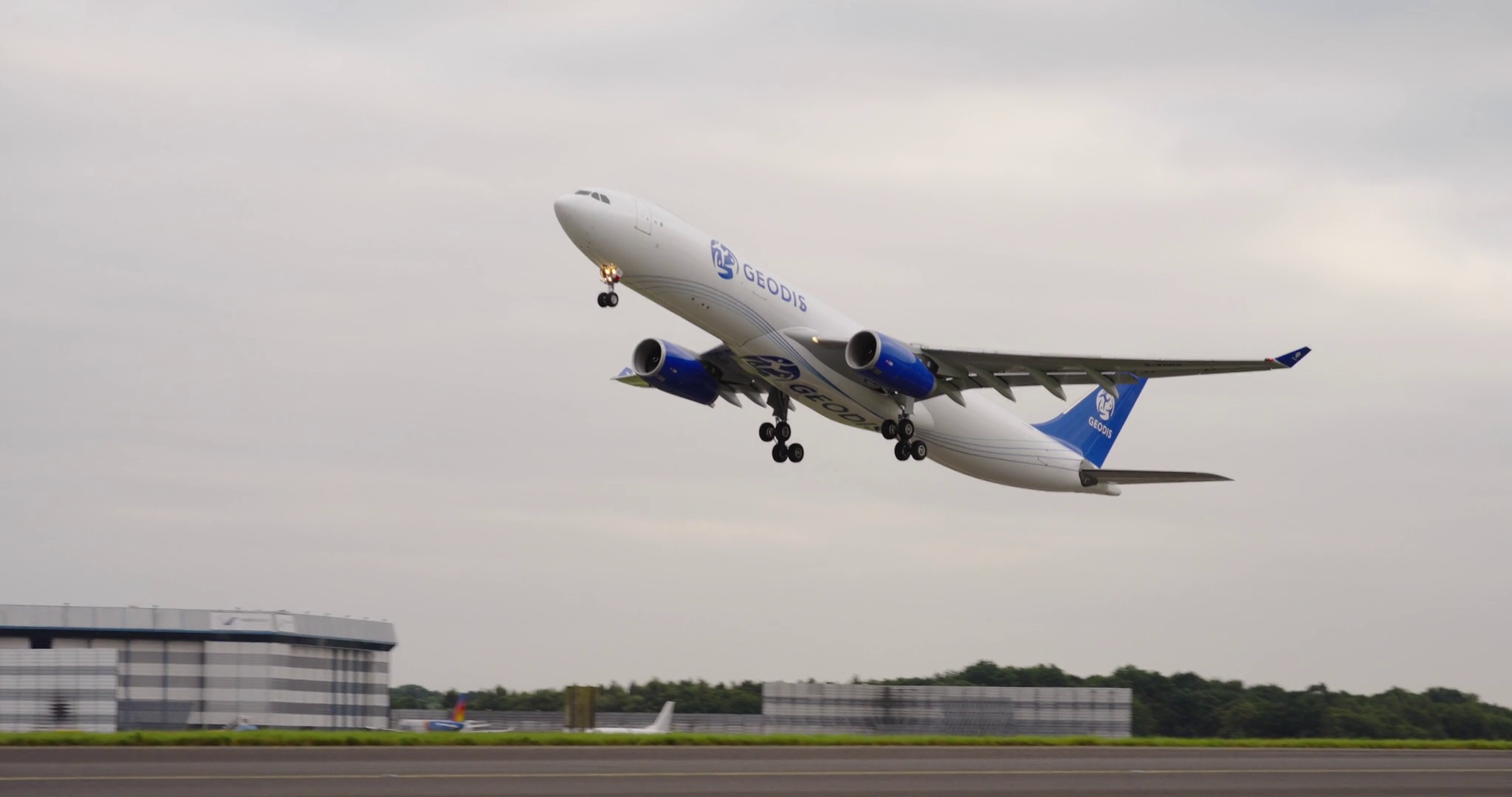
SWITZERLAND: GEODIS in Switzerland has achieved a significant milestone in solidifying its healthcare logistics capabilities, obtaining three key certifications in less than six months: ISO, CEIV Pharma, and GDP. These certifications demonstrate GEODIS’ commitment to the highest standards of quality, safety, and regulatory compliance in pharmaceutical and healthcare logistics.

These milestones support GEODIS’ ambition to further develop its capabilities in high-value and regulated sectors such as Healthcare and Life Sciences, for which Switzerland represents a key European hub.

GEODIS Switzerland’s commitment to operational excellence is underscored by its CEIV Pharma and GDP certifications, ensuring strict regulatory compliance, temperature-controlled logistics, and full traceability for pharmaceutical products. This specialized expertise is built upon a robust quality management framework, including ISO 9001, 14001, and 45001.

These standards cover the company’s core operations, including Worldwide Freight Management, Project Logistics, and Supply Chain Solutions, guaranteeing the highest levels of quality, environmental responsibility, and safety. At the same time, GEODIS has expanded its national presence with the relocation and expansion of its Zurich and Basel offices, as well as the opening of a new office in Geneva.

These new workplaces foster closer collaboration between teams and enhance the company’s ability to serve customers across the country. Designed with sustainability and employee well-being in mind, the offices provide a modern and efficient working environment that supports operational excellence and customer engagement.

“These recent developments reflect our ambition to further cement GEODIS’ position in Switzerland and to support our customers in key sectors such as Healthcare, Retail, FMCG and Project Logistics,” said David Erismann, Managing Director, Freight Forwarding, GEODIS in Switzerland.

“With these certifications, our robust organizational structure and our expanded presence, we are enhancing our ability to deliver reliable, compliant and innovative logistics solutions.” With these milestones, GEODIS further reinforces its role as a trusted logistics partner in Switzerland, supporting companies with resilient and high-quality supply chain solutions and ensuring a better way to deliver.

ClassNK appoints full-time executives

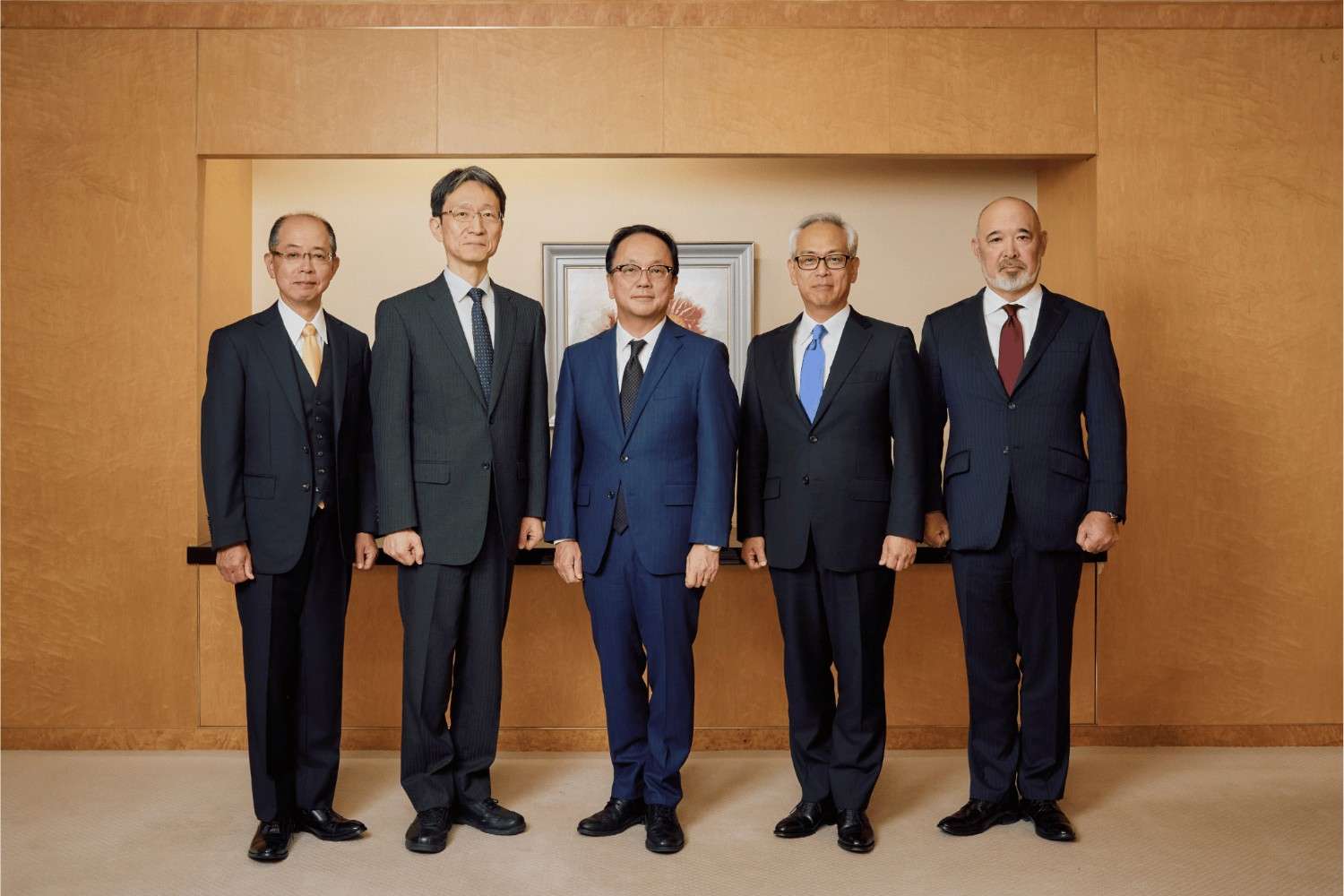
TOKYO:  ClassNK has carried out a regular reshuffle of its full-time executives effective 17 March 2026. Yoshifumi Miyatake has been appointed as Senior Executive Vice President, and current Corporate Officer Toshio Kurashiki has been appointed as Executive Auditor. President & CEO Hayato Suga, Executive Vice President Masaki Matsunaga, Yoshiya Yamaguchi, and Fumihiko Higashi continue in their current roles.

Former Senior Executive Vice President Junichiro Iida, Executive Vice President Toshiro Arima, and Executive Auditor Katsuhide Kuno have assumed the position of Advisor to the Society.