Home Blog Page 365

MoPSW launches 20 maritime reforms to boost trade efficiency and cut logistics costs

NEW DELHI : In a significant move to enhance the efficiency and global competitiveness of India’s maritime sector, the Ministry of Ports, Shipping and Waterways has announced a comprehensive package of 20 major reforms aimed at reducing logistics costs, improving port performance, and boosting the country’s presence in global trade.

The reforms form part of the government’s broader vision to modernize maritime infrastructure and align it with international best practices. With logistics costs in India currently higher than global benchmarks, the initiative seeks to streamline processes, enhance multimodal connectivity, and promote ease of doing business across the shipping and port ecosystem.

Key measures include the simplification of regulatory frameworks, increased digitization of port operations, and the introduction of advanced cargo handling systems to reduce turnaround times. The reforms also focus on strengthening port-led industrialization through improved connectivity with inland transport networks, including rail, road, and inland waterways.

A major thrust has been placed on promoting private sector participation and attracting investment into port infrastructure and maritime services. Policy changes are expected to facilitate faster clearances, encourage innovation, and create a more business-friendly environment for domestic and international stakeholders.

The initiative also emphasizes sustainability, with provisions to accelerate the adoption of green technologies, alternative fuels, and environmentally responsible practices across ports and shipping operations. This aligns with India’s commitment to reducing carbon emissions and transitioning towards a cleaner maritime future.

Additionally, the reforms aim to enhance India’s transshipment capabilities, reduce dependency on foreign ports, and position the country as a key hub in global shipping routes. Skill development and capacity building within the maritime workforce are also integral components, ensuring readiness for evolving industry demands.

Officials noted that the implementation of these reforms is expected to significantly improve operational efficiency, reduce cargo dwell time, and lower overall logistics costs—thereby strengthening India’s export competitiveness and supporting economic growth.

This ambitious reform agenda underscores India’s intent to emerge as a leading maritime nation, leveraging its strategic geographic location and expanding infrastructure to play a greater role in global trade.

Iran, US agree to 2‑week ceasefire with temporary passage through Hormuz

TEHRAN/WASHINGTON : US-Iran-Israel War Live Updates: Iran’s Supreme National Security Council officially acknowledged that a two‑week ceasefire, reportedly negotiated through Pakistan, has been agreed. The council added that the ceasefire deal was concluded with the endorsement of Iran’s new Supreme Leader, Ayatollah Mojtaba Khamenei.

Iran has announced its acceptance of a two-week ceasefire, following US President Donald Trump’s statement that he would suspend attacks if Tehran agreed to fully reopen the Strait of Hormuz.

This development came after Pakistan’s Prime Minister Shehbaz Sharif requested that Trump extend the deadline for a deal and urged Iran to ensure the strategic waterway is completely accessible.

Meanwhile, Iran’s Islamic Revolutionary Guard Corps (IRGC) warned that any US attacks on civilian facilities would trigger a response beyond the region, potentially cutting off oil and gas supplies to the US and its allies for years.

Source : FirstPost

Govt likely to launch $1.5-billion reinsurance fund for ships navigating war-hit West Asia

NEW DELHI : War risk insurance premiums for commercial shipping have surged up to 7.5 percent in recent weeks. The Centre may announce a $1.5 billion-fund soon to provide reinsurance cover to Indian vessels travelling through war-hit West Asia, two senior government officials said.

General Insurance Corporation of India (GIC Re) will likely manage the Rs 14,000-crore fund. “The aim is to encourage insurance companies to extend coverage to the Indian vessels sailing in the war-struck waters,” one of the officials cited above told Moneycontrol. “The reinsurance fund will back the insurance companies, as their costs have gone up significantly during these times.”

The fund will likely back only those ships that sail in conflict zones such as the Strait of Hormuz, which has virtually remained closed after the US and Israel launched strikes on Iran on February 28.

Another official said the Reserve Bank of India (RBI) and the Directorate General of Foreign Trade (DGFT) have already announced some steps to help sectors affected by the Iran war and the fund would be in addition to those measures.

Moneycontrol reported on March 11 that the government is examining possible measures to support Indian shipping companies and exporters as insurance costs rise amid the ongoing war, as industry stakeholders have flagged a sharp increase in war risk insurance premiums as tensions escalate in the region.

War risk insurance premiums for commercial shipping have surged up to 7.5 percent in recent weeks, data released by Lloyd’s of London shows.

Premiums have climbed sharply to 1-1.5 percent in many high-risk regions and in extreme cases have surged to 3-7.5 percent of a ship’s value, reflecting the severity of the threat environment. This spike translates into a massive increase in absolute costs.

According to industry executives, within days of hostilities intensifying in West Asia, insurers began issuing cancellation notices on existing war risk covers, often with just seven days’ notice, and reintroducing them at significantly higher rates.

On March 14, at CNBC TV-18 India Business Leader Awards, Commerce and Industry Minister Shri Piyush Goyal had said that commerce ministry is working on setting up certain schemes which will help create an insurance cover should any export cargo be damaged or lost or even inordinately delayed because of the crisis at Red Sea or Strait of Hormuz.

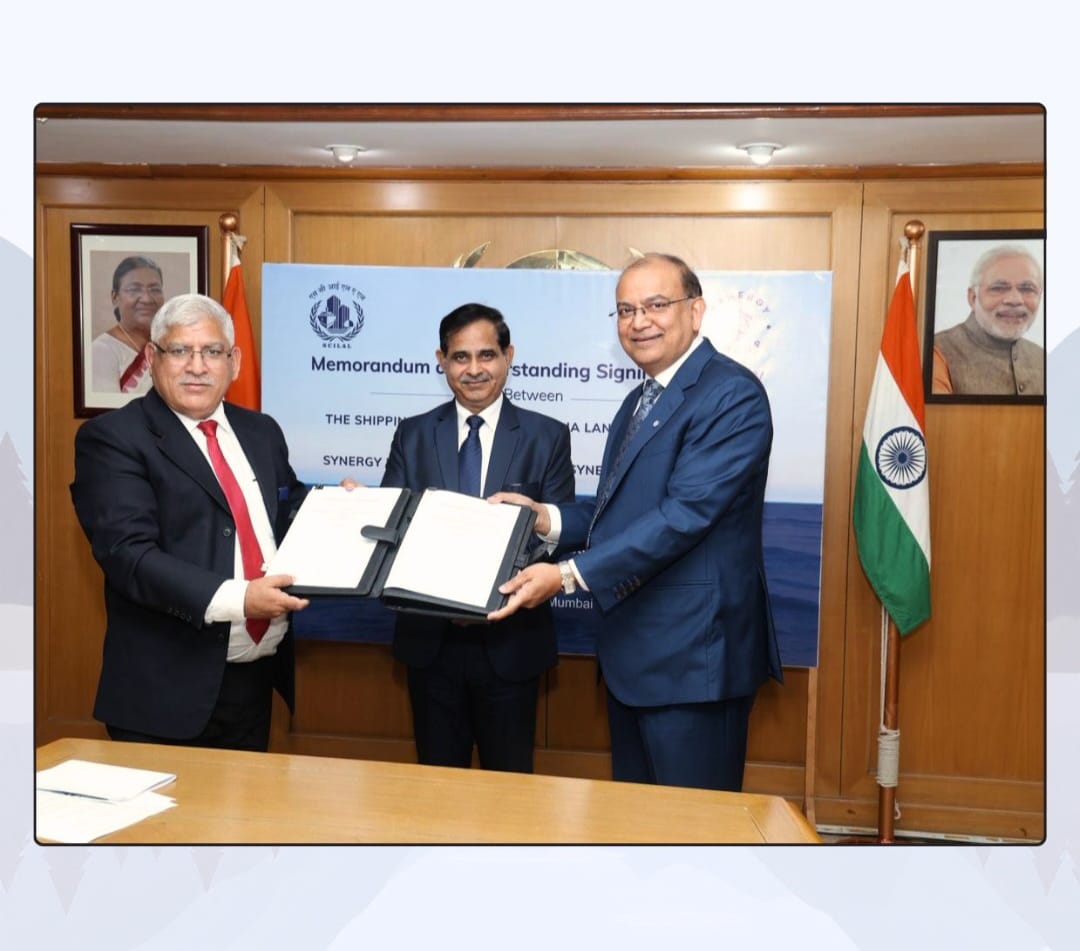
SCILAL signs MoU with Synergy Marine to strengthen maritime training and capability development

MUMBAI : Shipping Corporation of India Land & Assets Ltd. (SCILAL) has signed a Memorandum of Understanding (MoU) with Synergy Marine Pte. Ltd. to advance collaboration in maritime capability development and training. The partnership marks a significant step toward enhancing India’s pool of skilled seafarers in line with evolving global shipping standards.

SCI synergy SCILAL signs MoU with Synergy Marine to strengthen maritime training and capability development

Building on constructive engagements during India Maritime Week 2025, the MoU lays the foundation for a structured and future-ready training ecosystem. A key highlight of this collaboration is the launch of a Diploma in Nautical Studies (DNS) programme at the Maritime Training Institute (MTI), Powai, designed to equip cadets with the technical expertise and practical competencies required for modern ship operations.

The programme will focus on critical areas such as navigation, ship handling, maritime safety, environmental compliance, and international regulatory frameworks including IMO conventions. It will combine classroom learning with advanced simulator-based training and onboard exposure, ensuring a balanced blend of theoretical knowledge and real-world experience.

Under the agreement, Synergy Marine will bring its global operational expertise into the training framework through curriculum inputs, mentorship, and potential onboard training opportunities across its managed fleet. This industry-academia linkage is expected to significantly improve cadet employability and readiness for international maritime careers.

SCILAL, leveraging its strong legacy and infrastructure, will facilitate the development of training modules and support capacity-building initiatives, reinforcing its commitment to nurturing world-class maritime professionals.

This partnership aligns with India’s broader vision of becoming a global maritime hub and supports national initiatives aimed at strengthening the maritime workforce. By fostering skill development and international collaboration, SCILAL and Synergy Marine aim to contribute meaningfully to the growth, safety, and sustainability of the global shipping industry.

India takes the lead in ship recycling under the Hong Kong Convention

HONG KONG : Ship recycling is a critical component of the maritime lifecycle, contributing significantly to resource efficiency and circular economy, with over 90% of a ship’s material recovered and reused.

To ensure that this process is carried out safely and responsibly, the Hong Kong International Convention for the Safe and Environmentally Sound Recycling of Ships (HKC) establishes a global framework for environmentally sound and worker-safe ship recycling.

India has emerged as a global leader in compliant ship recycling, with 115 HKC-compliant ship recycling yards, primarily located at Alang, Gujarat — the world’s largest ship recycling cluster.

Aligned with the HKC through the Recycling of Ships Act, 2019 and Ship Recycling Rules, 2021, India has established a robust regulatory framework, with the Directorate General of Shipping as the National Authority overseeing implementation.

With the Hong Kong Convention entering into force globally, India stands fully prepared and continues to strengthen its position as a leader in safe, environmentally responsible and globally compliant ship recycling.

Looking ahead, India aims to further expand its recycling capacity and drive sustainable growth across the maritime sector.

SDHI secures India’s First Ammonia Dual-Fuel Bulk Carrier Order

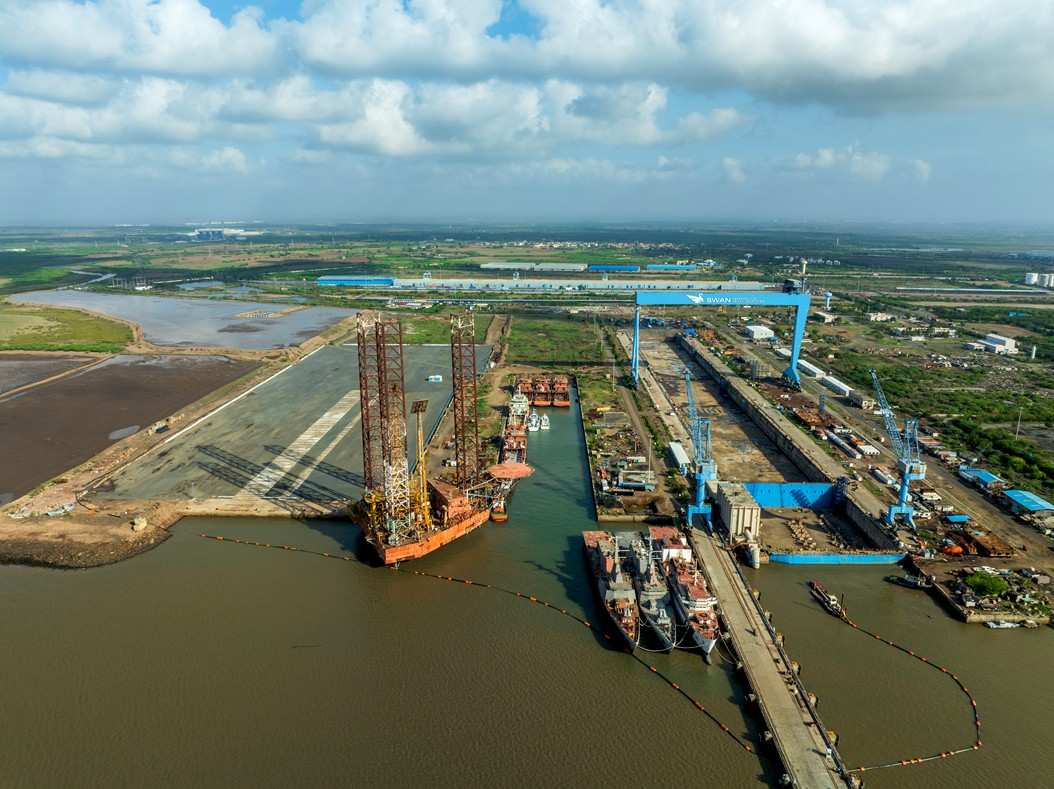
MUMBAI: In a landmark development for India’s green shipbuilding ambitions, Swan Defence and Heavy Industries Limited (SDHI) has secured a Category 4 order* from Energy ONE Limited for the construction of four (4) 92,500 DWT dual-fuel ammonia bulk carriers – marking a first for the country.

These will be the first ammonia dual-fuel ships built in India and are also among the largest commercial vessels ever to be built at an Indian shipyard, representing a significant step forward in both technological capability and scale for the domestic shipbuilding industry.

This milestone underscores SDHI’s growing capability to execute complex, next-generation shipbuilding programs aligned with the global transition toward lower-emission shipping.

Measuring 229.5m in length with a beam of 37m, each of the dual-fuel vessels will be equipped with ammonia-fuelled propulsion system. The vessels will be designed by KMS-EMEC, South Korea and classed by Det Norske Veritas (DNV) – one of the leading Class societies in the world.

Commenting on the development, Vivek Merchant, Director, Swan Defence and Heavy Industries Limited (SDHI), said, “Winning this project is an important step forward for us. It reflects the confidence global stakeholders are placing in Indian shipbuilding, and in the capabilities, we have developed at Pipavav. Ammonia as a marine fuel is still at an early stage, and we are proud to be part of that transition – building vessels that are not just relevant for today but aligned with where the industry is heading.”

The first vessel is expected to be delivered in October 2029, with subsequent deliveries scheduled at four-month intervals.

Energy ONE Limited is a General Partner for New Energy One (NEO), an investment fund registered in Jersey Channel Islands. NEO is committed to investing in new building green assets. With a total capital investment program of USD 2 billion in zero emission ships, NEO is enabling industrial end users/producers of commodities reduce their greenhouse gas (GHG) emissions. NEO has executed an MoU with Sagarmala Finance Corp Ltd (SMFCL) for the Maritime Development Fund (MDF) to co-invest in green shipping projects.

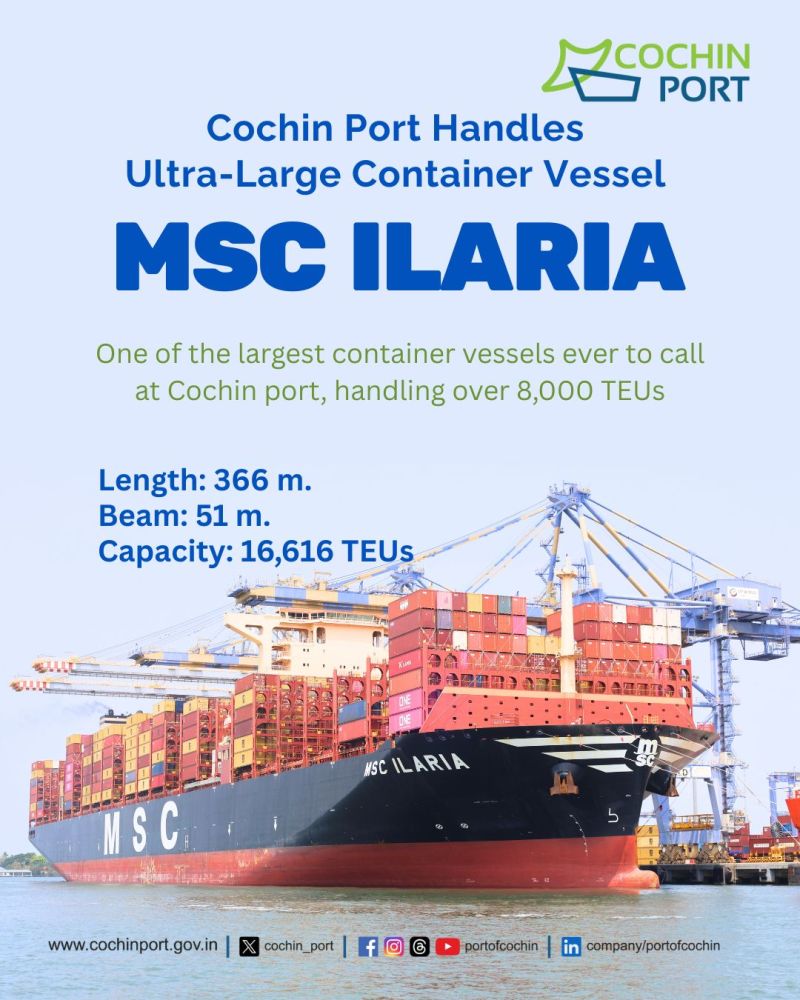
Cochin Port achieves major milestone with record Container handling from MSC ILARIA

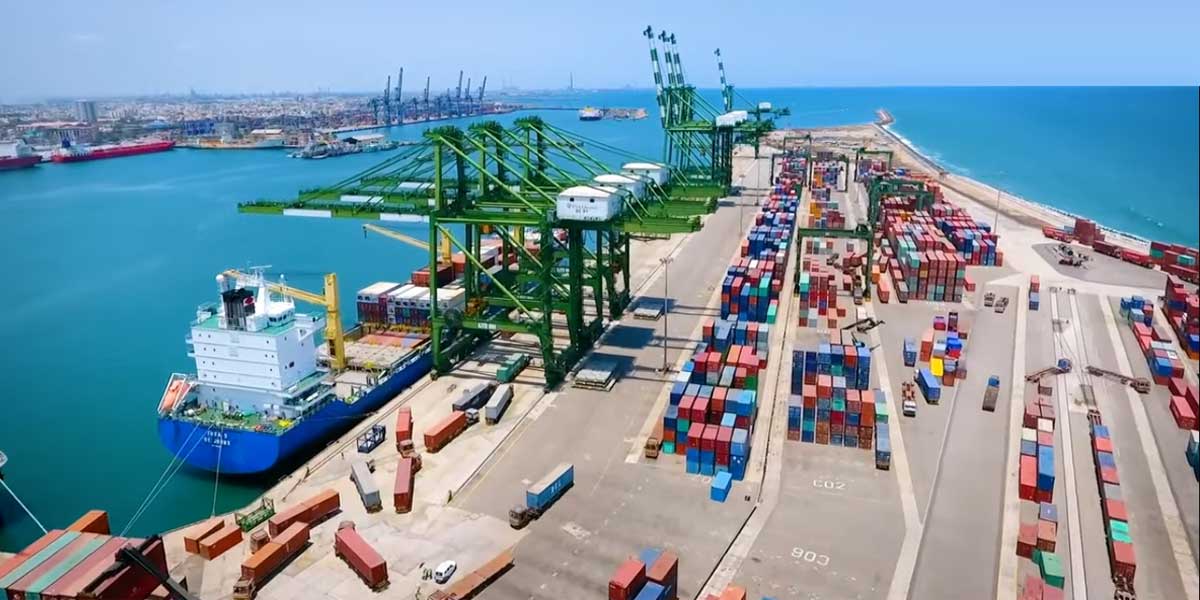
KOCHI : Cochin Port Authority has set a new operational benchmark by successfully handling over 8,000 TEUs from a single vessel, marking one of the highest container volumes ever managed at the port in a single call. This milestone was achieved with the arrival of the mega container vessel MSC ILARIA, one of the largest ships to berth at Cochin.

The seamless handling of such a large volume underscores the port’s enhanced infrastructure, operational efficiency, and growing capability to accommodate larger vessels in line with global shipping trends. The operation involved meticulous planning, coordinated terminal management, and optimized yard and gate operations to ensure swift turnaround time.

This achievement reflects Cochin Port’s continued focus on modernisation, including upgraded cargo handling equipment, improved draft availability, and digitalised port operations. It also highlights the port’s increasing importance as a strategic hub for container traffic on India’s southwest coast.

With rising global trade demands and evolving shipping dynamics, this milestone further strengthens Cochin Port’s position in the international maritime network, reinforcing its role in boosting India’s logistics efficiency and trade connectivity.

Officials noted that such achievements are a testament to the dedication of port personnel, terminal operators, and all stakeholders who contributed to the successful handling of the vessel.

This landmark event signals a new era of growth for Cochin Port as it continues to scale new heights in capacity, performance, and global engagement.

63rd National Maritime Day Celebrations 2026 at IMU Mumbai Campus

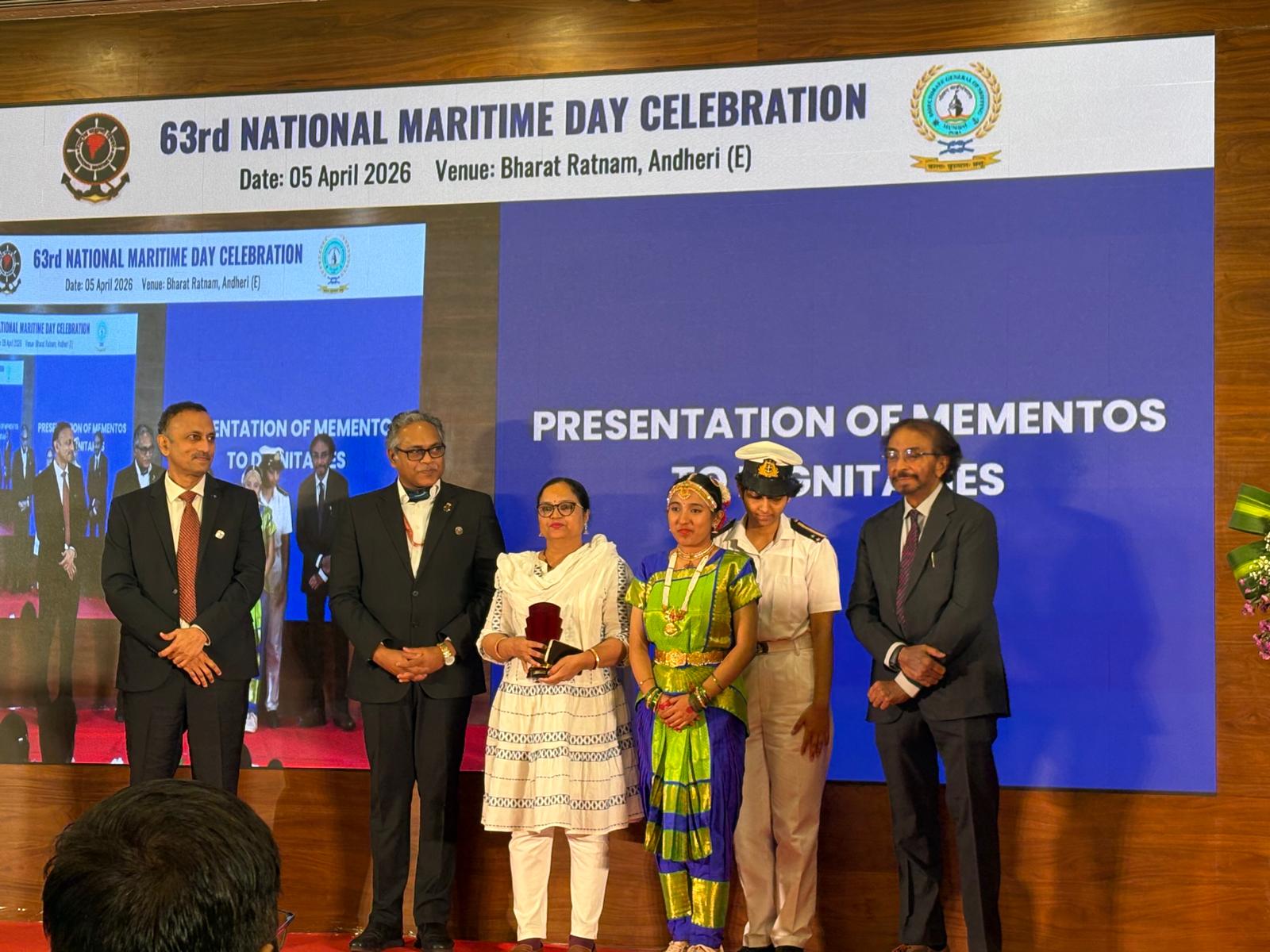
MUMBAI: The Grand Finale of the 63rd National Maritime Day Celebrations 2026 was held on 5th April 2026 at Bharat Ratnam Auditorium, organized by the National Maritime Day Celebrations (Central) Committee. The event brought together eminent personalities from the maritime sector, industry leaders, academicians, and cadets from various maritime institutions. The programme was graced by the Chief Guest, Nitesh Narayan Rane, Hon’ble Cabinet Minister of Fisheries & Ports Development, Government of Maharashtra, and the Guest of Honour, Deepak Shetty.

The event also featured addresses and video messages from distinguished dignitaries, including Shri Sarbananda Sonowal and senior officials from the Ministry of Ports, Shipping and Waterways. The celebration commenced with the arrival of the Chief Guest, followed by a ceremonial Guard of Honour, National Anthem, and the traditional lighting of the lamp. The programme included welcome addresses, keynote speeches on the theme “Maritime India – Empowering Progress”, and presentation of prestigious Sagar Samman Awards recognizing excellence in the maritime domain.

National Maritime Day 2026 63rd National Maritime Day Celebrations 2026 at IMU Mumbai Campus

Cadets of the Indian Maritime University – Mumbai Port Campus (IMU-MPC) actively participated in the event. They contributed significantly to the ceremonial proceedings and cultural programmes. A classical dance performance by an IMU-MPC cadet Sananda Nath was a highlight of the cultural segment, showcasing the rich cultural heritage and talent of the cadets. Additionally, cadets were part of the formal interactions and recognition ceremonies conducted during the event. The programme also featured cultural performances, presentation of recognition certificates, and glimpses of the 63rd Merchant Navy Week celebrations. The event concluded with the presentation of mementos to dignitaries, vote of thanks, and the National Anthem, followed by dinner.

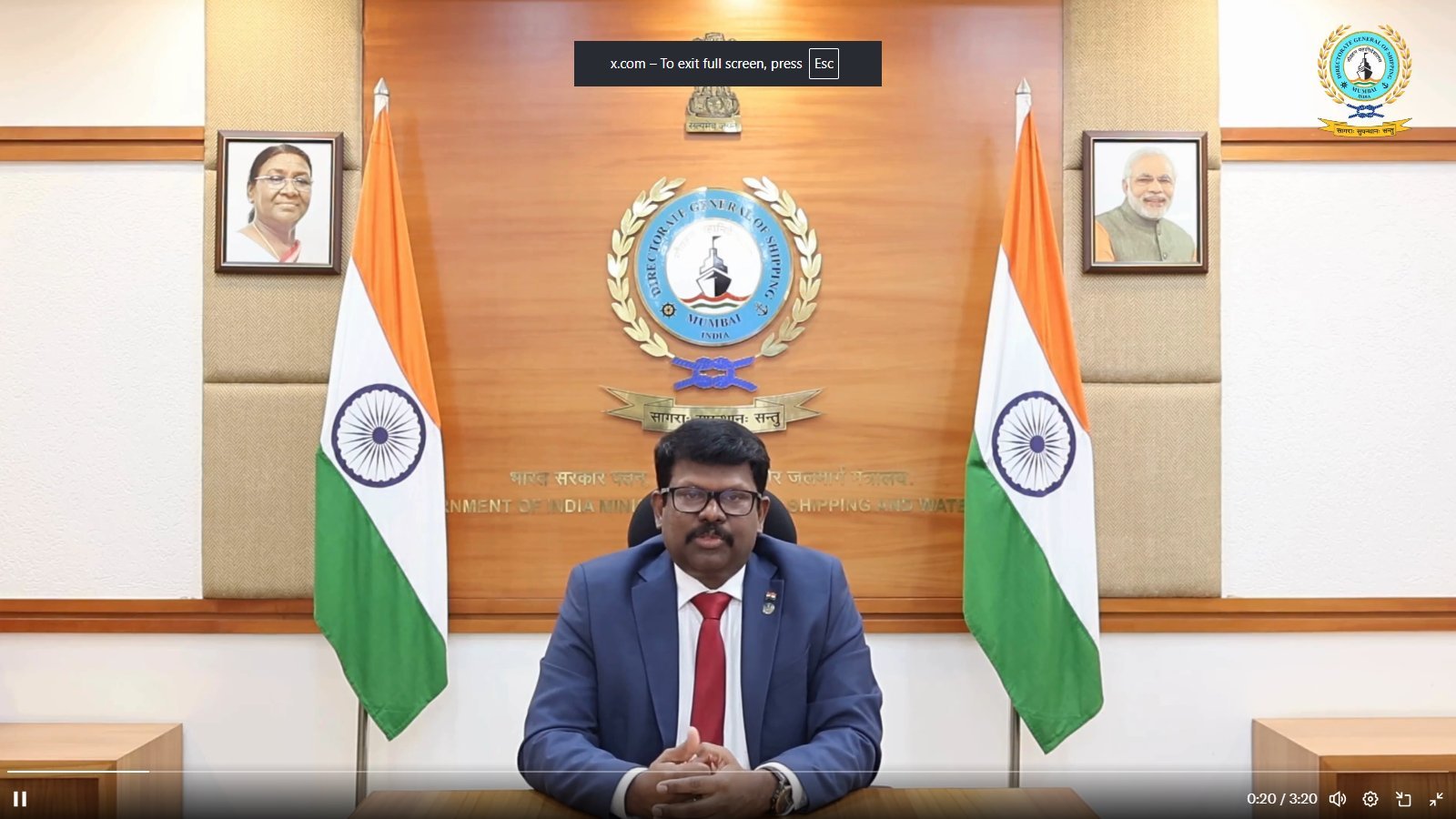
During the ceremony, cadets were felicitated in the presence of eminent dignitaries from the maritime sector, including Shri Shyam Jaganath, IAS, DGS. Their participation highlighted the spirit of professionalism, cultural pride, and active engagement that IMU-MPC continues to foster among its students.

The participation of IMU-MPC cadets in this prestigious national event reflects their discipline, cultural excellence, and commitment to the maritime profession. Their involvement added vibrancy and pride to the celebrations, reinforcing the role of Indian Maritime University in nurturing future maritime leaders. Overall, the involvement of IMU-MPC cadets, faculty and staff significantly contributed to the success and vibrancy of the National Maritime Day celebrations.

Rs 2,360 Crore, 32 Km Highway To Vadhavan Port Will Cost Palghar Over 72,000 Trees and 611 Homes: Reports

MUMBAI : A proposed highway connecting Varor village to Tawa village in Palghar district, designed to provide high-speed access to the upcoming Vadhavan Port, will require the felling of 72,790 trees, the filling up of 21 ponds and 209 wells and borewells, and the demolition of 611 structures, the Hindustan Times reported.

The port is being jointly developed by the Jawaharlal Nehru Port Authority (JNPA) and the Maharashtra Maritime Board. The highway will cut through Dahanu and Palghar talukas, affecting over two dozen villages.

In Palghar taluka alone, 573 houses and other structures are set to be razed, while more than 54,000 trees, including forest trees, palms and fruit-bearing varieties, will be axed.

Twenty ponds and 182 borewells will also be lost. The state earmarked Rs 197.07 crore in compensation.

In Dahanu taluka, land belonging to 5,214 individuals spanning 244.18 hectares will be acquired, with another 38 structures facing demolition and over 18,000 trees marked for removal.

The Hindustan Times reported, citing a JNPA document, that the 120-metre-wide highway will need 177.56 hectares of forest land, 52.16 hectares of government land and 454.54 hectares of private land.

NHAI has awarded the first phase, a four-lane expressway expandable to eight lanes, to J Kumar Infraprojects Limited and Shinde Developers Pvt Ltd for Rs 2,360 crore.

The expressway will link the Delhi-Mumbai Expressway and NH 48.

Green activists have opposed the project. “The project is unnecessary since there are existing toll roads connecting Vadhavan Port to the Western Express Highway and the proposed Delhi-Mumbai expressway,” said Debi Goenka, adding that it was never part of the Vadhavan project’s Environmental Impact Assessment and that “the destruction of more than 75,000 trees is also not acceptable.”

Environmentalist D Stalin of Vanashakti warned that “the Mumbai Metropolitan Region will resemble a desert in the next seven years” and that “Palghar, a district with tribals, farmers, fishermen and vibrant natural ecosystems, will become history.”

Source : Swarajya

Petronet LNG commissions Dahej Terminal expansion to 22.5 MMTPA

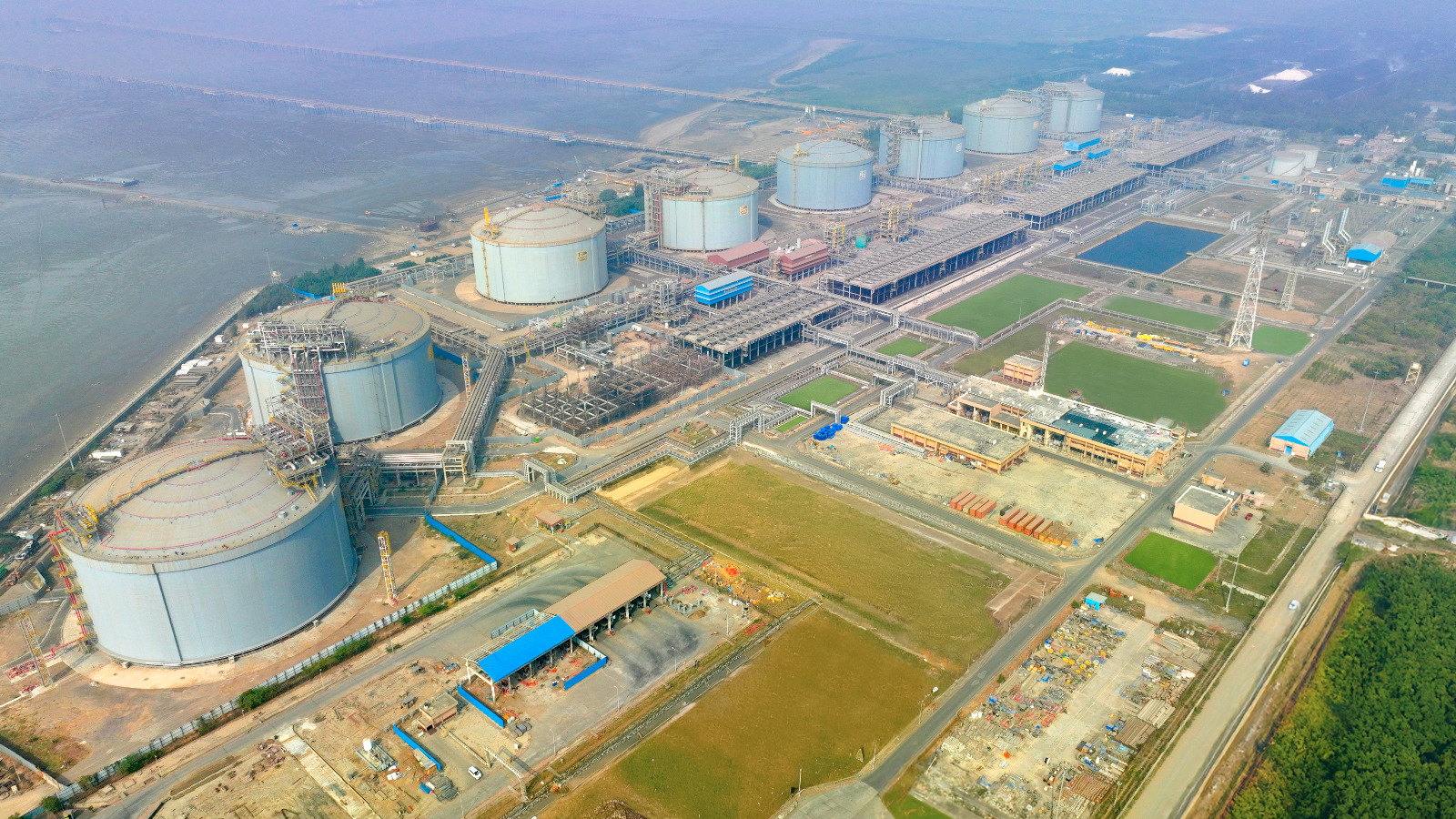
DAHEJ : Petronet LNG has commissioned the expansion of its Dahej liquefied natural gas terminal, increasing capacity from 17.5 million metric tonnes per annum (MMTPA) to 22.5 MMTPA. The commissioning was completed at 23:30 hours on 31 March 2026 and represents an increase of five MMTPA in nominal capacity.The move extends the terminal’s regasification throughput and increases throughput flexibility for inbound cargoes. The additional five MMTPA will provide greater regasification slots and allow more flexible scheduling of imports.

The facility is located in the GIDC Industrial Estate in Dahej, Gujarat, and is described as one of India’s largest LNG import terminals. The terminal is central to the import and regasification chain that supplies natural gas to power, fertiliser and industrial consumers across the region. The enhanced capacity is expected to bolster supplies and reduce bottlenecks as demand rises. Operational improvements at the terminal are expected to ease turnaround times for carriers and to improve cargo handling efficiency.

Petronet LNG framed the expansion as part of a strategic response to growing domestic demand for cleaner fuels and the government’s policy emphasis on increasing the share of natural gas in the energy mix. The company indicated that higher regasification capability will support industrial growth and contribute to energy security and emissions reduction targets by facilitating substitution of higher carbon fuels. The expansion also reflects investment in infrastructure to improve reliability of supply. Improved reliability at Dahej is likely to support downstream investment decisions by industrial users seeking stable gas supplies.

The information was disclosed in a regulatory filing to the National Stock Exchange of India (NSE). Market participants will monitor the operational ramp up and any effects on domestic gas availability and pricing. Petronet LNG’s completion of the Dahej upgrade underscores a broader trend of capacity additions in the Indian gas sector aimed at meeting projected demand growth. Observers will assess any operational teething problems as the terminal moves to stabilise its new throughput levels. ..

Source : CW