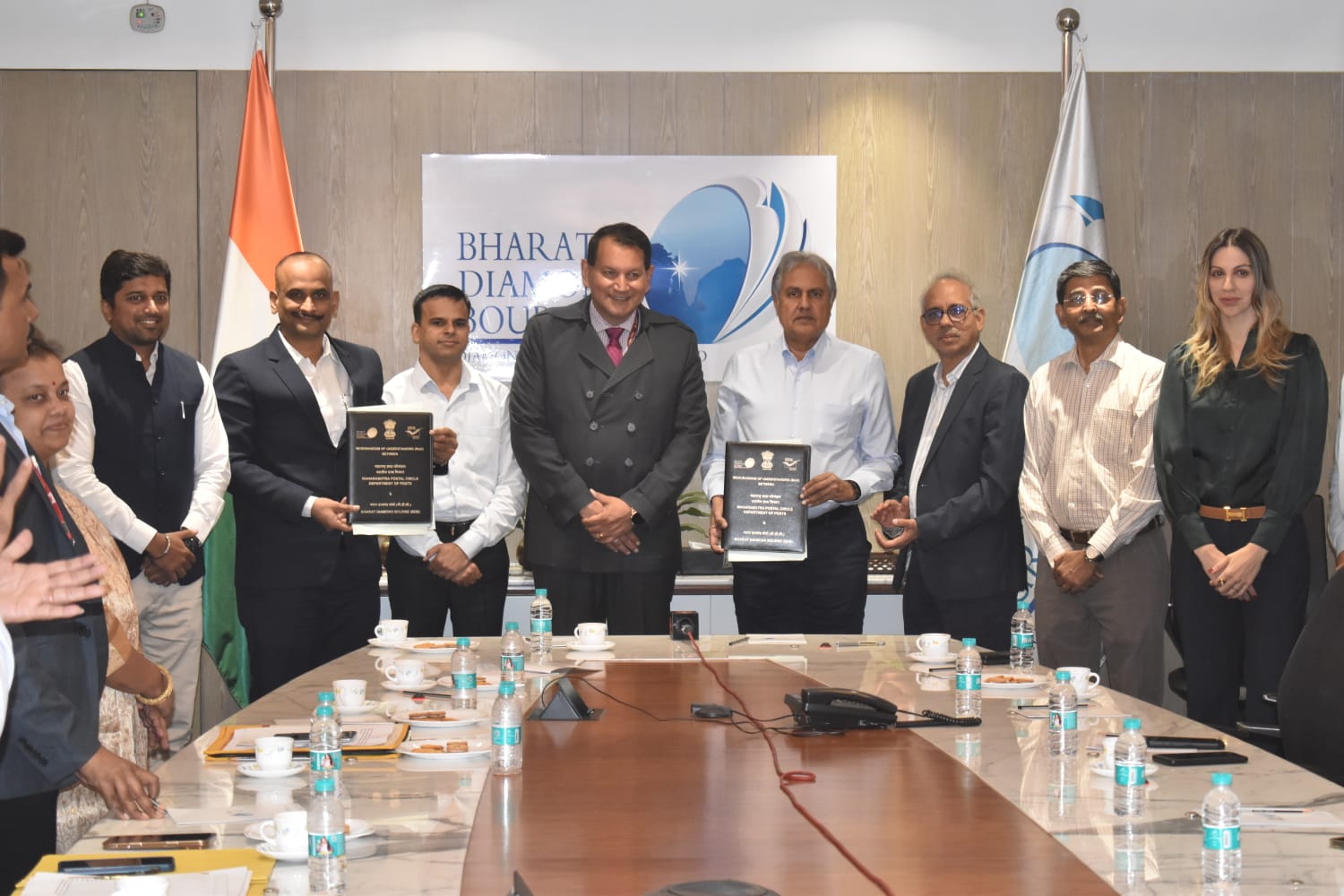
NEW DELHI : The Department of Posts (DOP), Maharashtra Circle, and BDB (BHARAT DIAMOND BOURSE) entered into a Memorandum of Understanding (MOU) on Tuesday, to establish a partnership aimed at offering various postal services for precious cargo to BDB. The MOU was signed by Shri Pandurang Chormale, Senior Superintendent of India Post, and Shri. Anoop Mehta, President, Bharat Diamond Bourse, in the presence of Shri. Amitabh Singh, Chief PMG Maharashtra Circle.
The partnership will aim to provide comprehensive logistics facility to members and non-members of BDB for export and import consignment and domestic parcels booked at Foreign Post Office situated in Bharat Diamond Bourse unit number 1 & 2, at BKC, Mumbai.
BDB Experiences a daily footfall of 45,000 people and 3500 offices and will actively promote the postal services for export/imports within the BDB complex for benefits of its members/non-members.
This collaboration will lead to ‘Doorstep Logistics Services’. The Department of Posts will act as the primary logistics partner and will offer Speed Post, India Post Parcel, and Logistics Post services and other services like Media Post to members and non-members of BDB for bookings of International Parcels for Export & Import of High Value Cargo and Domestic Parcels by offering in house booking facility to BDB as a foreign Post Office in their premises at BKC, Bandra East, Mumbai – 400051.
“This partnership leverages the world’s largest postal network for facilitating import and export of valuable cargo and domestic parcels of BDB business community and it brings India Posts at the doorstep of BDB and connects it to the largest Postal network to Global Geography”. As part of the agreement, India Post will open Foreign Post Office at Bharat Diamond Bourse for booking export shipments, providing a cost-effective solution for exporters. This will enable BDB’s exporters to leverage India Post’s Global network and expertise, streamlining their export processes.
“India Post is committed to supporting India’s export growth story,” said Shri. Amitabh Singh. This partnership with BDB will provide a significant boost to the diamond and jewellery export sector.
The collaboration is expected to increase export shipments from BDB, making it a win-win for both India Post and BDB’s exporter community.
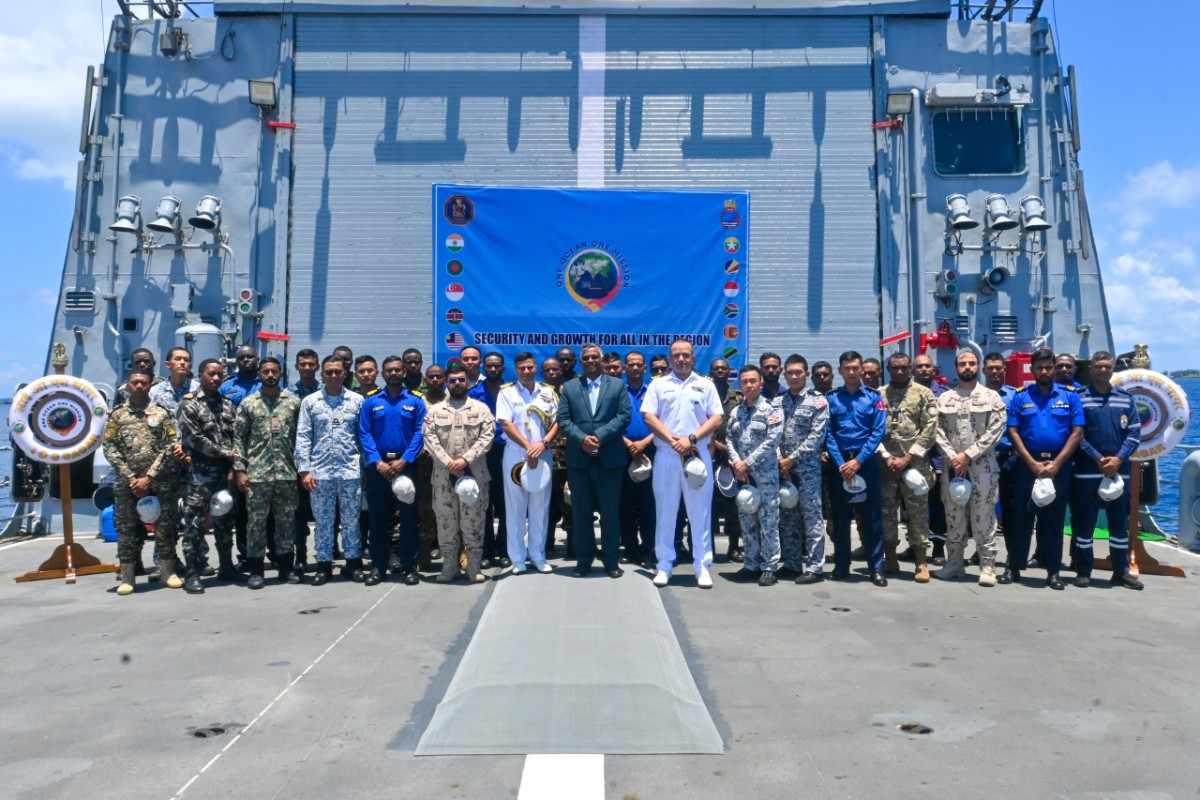
MALE : Indian Navy’s INS Sunayna, deployed under Indian Ocean Ship (IOS) SAGAR initiative, arrived at Male on 06 Apr 2026, marking the first port call of her operational deployment. The ship was accorded a warm welcome by the Maldives National Defence Force (MNDF), underscoring a strong and enduring maritime partnership, and close regional ties between the two nations.
Notably, two MNDF personnel are also part of the multinational crew embarked onboard.
During transit to Male, the international crew undertook intensive training in seamanship, small arms firing, and damage control drills – reflecting a strong emphasis on collective readiness, operational interoperability, and maritime cooperation. The deployment highlights Indian Navy’s continued commitment to strengthening maritime partnerships and capacity building across the Indian Ocean Region, thereby enhancing mutual trust and regional security.
On arrival, Shri G. Balasubramanian, High Commissioner of India to Maldives, visited the ship and interacted with the multinational crew. A range of professional and social interactions and sporting engagements are planned during the port call aimed at fostering closer cooperation and camaraderie. A Passage Exercise (PASSEX) with the MNDF Coast Guard is also scheduled upon the ship’s departure.
IOS SAGAR, with international crew from 16 Friendly Foreign Countries (FFCs), is on deployment to the South East Indian Ocean Region, reinforcing India’s Neighbourhood First policy and the vision of MAHASAGAR (Mutual and Holistic Advancement for Security and Growth Across Regions).
The ship was ceremonially flagged off from Mumbai on 02 Apr 2026 by Raksha Rajya Mantri Shri Sanjay Seth. This initiative reflects the enduring vision of ‘One Ocean, One Mission,’ further strengthening maritime ties between India and its maritime neighbours.
BENGALURU : India’s services sector grew at its weakest pace in 14 months in March as the Middle East war dampened domestic demand, a survey showed on Monday, though overseas orders hit a near record while input cost pressures were at their most intense since mid-2022. Here are the key details:
• The final HSBC India Services Purchasing Managers’ Index (PMI) compiled by S&P Global, fell to 57.5 in March from February’s 58.1, but was higher than a preliminary estimate of 57.2.
New business – a key gauge for demand – rose at the slowest pace since January 2025 with firms citing competition, difficult market dynamics and fading domestic demand.
Business activity was constrained by the impact of the Middle East war on demand, market conditions and tourism, according to survey respondents.
Growth in foreign orders climbed to the second-highest since the index was added to the survey in September 2014, topped only by June 2024.
Input costs rose at the fastest pace in 45 months.
Prices charged to clients climbed at the quickest rate in seven months but lagged cost inflation by the widest margin in close to three years. Services firms transferred part of their additional cost burdens to clients but continued to absorb some of it, the survey showed.
Employment expanded for a third straight month and at the strongest pace since June 2025 as business confidence strengthened to its highest in nearly 12 years. Firms were optimistic about improving demand and market conditions.
The slowdown in services, combined with manufacturing growth hitting a near-four-year low, pushed the overall Composite PMI to 57.0 in March from 58.9, marking the weakest expansion in nearly three-and-a-half years.
BENGALURU: Digital-first brands are increasingly turning to AI-led interventions to strengthen last-mile reliability in Tier-2 and smaller cities. AI voice calls, automated order and address verification and COD-to-prepaid conversion have improved delivery completion rates by 11%, according to data from Velocity Shipping, the AI-powered shipping aggregation platform by Velocity.
Tier-2 and beyond cities have become key growth markets for India’s e-commerce ecosystem. According to Bain & Co’s How India Shops Online 2025 report, three in five new online shoppers since 2020 are from Tier-3 cities and smaller towns, while nearly 60% of new sellers since 2021 are based outside Tier-1 markets.
However, fulfilment infrastructure has struggled to keep pace with demand. Velocity Shipping’s analysis of over 40 lakh orders processed shows a clear demand-fulfilment gap in Tier-2 and smaller cities. These markets accounted for more than 67% of total shipments, but only about 60% were successfully delivered. This is far lower than the metro fulfilment rates of 73%.
This gap is largely due to structural challenges such as inconsistent address formats, limited courier coverage, larger delivery areas, and a high share of cash-on-delivery (COD) orders, which increases the risk of cancellations and failed deliveries.
“For digital-first brands, logistics inefficiencies are where profitability is increasingly lost,” said Abhiroop Medhekar, Co-Founder and CEO of Velocity. “While demand from Tier-2 and Tier-3 markets has grown significantly, fulfilment reliability remains inconsistent due to higher last-mile costs, limited network density, and operational complexity. What our data consistently shows is that proactive, early AI-driven intervention across order and address verification, risk scoring, and delivery workflows significantly improves delivery outcomes. When brands apply operational intelligence across the fulfilment journey, delivery success rates improve, RTOs fall, enabling scalable and profitable expansion into these next wave of high-growth regions.”
The fulfilment challenge is emerging at a time when India’s digital commerce ecosystem itself is expanding rapidly. According to McKinsey & Company’s 2026 report “The Great Unbundling of Indian E-commerce: MSMEs and the Direct-to-Consumer Revolution,” India’s e-commerce market is projected to grow from $70–80 billion in 2024 to $180–200 billion by 2030, where the D2C channel is expected to grow nearly three times faster than traditional marketplaces. The report also notes that 53% of MSME’s prefer direct-to-consumer channels due to lower platform and delivery costs; however, fulfilment efficiency remains a challenge. With Tier 2 and Tier 3 consumers now accounting for more than half of online demand, brands are increasingly focusing on optimizing delivery channels to better serve customers in these regions.
Failed deliveries are a major profitability drain
Failed deliveries and return-to-origin (RTO) shipments are not merely operational inefficiencies but a significant financial burden for brands. According to Velocity Shipping’s analysis of over 1000 digital-first brands, failed deliveries and RTOs account for around 25 to 30% of revenue losses during peak festive periods.
Even when demand is strong, weak logistics infrastructure makes deliveries harder in smaller cities. Many Tier-3 pincodes still have limited coverage from national courier networks, forcing brands to rely on regional partners or postal services. This leads to uneven service quality, slower deliveries, and poor visibility into where orders get stuck. Issues like unclear addresses, lack of standard location data, and last-minute customer cancellations further delay or derail deliveries. This makes it harder for brands to convert orders into actual revenue in these fast-growing markets.
Parikshit Batra, Co-founder, PureFlow Tape, a D2C brand focused on nasal strips and breathing wellness, said, “Earlier, we faced multiple challenges, including fake delivery attempts and issues with last-mile fulfilment, particularly for COD orders. Since partnering with Velocity, we have seen a significant improvement in delivery success rates. The use of AI-led features has contributed to higher delivery success rates, while consistent customer support and dedicated account management have helped streamline operations. We have been working with Velocity as our shipping partner for quite some time, and the experience has been consistently positive.”
AI-led verification is improving delivery outcomes
To address these bottlenecks, Velocity Shipping has deployed an AI-led intelligence layer across the fulfilment journey. Orders are assessed before dispatch using buyer risk indicators based on historical return behaviour, COD patterns, and address quality checks, allowing brands to identify high-risk shipments early and reduce avoidable delivery attempts. Once an order is placed, automated WhatsApp messages enable customers to confirm, cancel, or update delivery details. For non-responsive customers, typically 30–35% in COD-heavy segments, AI voice calls are triggered to validate intent and verify delivery attempts.
Velocity Shipping data shows that orders processed through Velocity’s AI verification flows in Tier-2 and beyond cities recorded an improvement in delivery completion rates by 11%.
“Shipping used to be one of the most unpredictable parts of our operations,” said Pratham Solanki , founder of Magnet Club, a premium bottom wear D2C brand. “Incorrect addresses, unresponsive customers, and frequent delivery failures were driving up costs and hurting the customer experience. Since moving to Velocity Shipping, that uncertainty has reduced significantly. With AI-led order confirmation and address verification, orders are validated before dispatch, eliminating the need for constant manual follow-ups. The process is now far more controlled and data-driven, which is critical given how inconsistent courier performance can be across regions. We’ve seen fewer failed deliveries, better cost efficiency, and a much smoother post-order experience, allowing us to focus on scaling the business rather than managing exceptions.”
A key driver has been AI-enabled nudges for COD-to-prepaid conversion. When COD orders originate from high-risk locations, AI voice agents initiate local-language conversations, explain prepaid benefits, and offer real-time incentives. Prepaid orders, which reflect higher purchase intent, demonstrate materially better delivery performance and lower RTO rates.
A challenge in India’s logistics ecosystem is the variation in courier performance across pincodes and regions. As a result, a logistics partner that delivers efficiently in one region may not necessarily replicate the same performance in another, making it challenging for businesses to rely on a single network for consistent service levels. However, many businesses continue to work with a limited set of logistics partners, often basing these decisions on recent experience rather than comprehensive, data-led evaluation. This can lead to inefficiencies such as inconsistent delivery timelines and higher RTO rates, ultimately affecting customer experience.
In this context, shipping aggregation is increasingly emerging as an important layer in the fulfilment stack. By integrating multiple logistics partners into a single platform, shipments are dynamically allocated based on pin code-level performance rather than relying on a single courier network. This enables a more tailored approach to fulfilment, where shipments are matched with the most suitable courier for each destination.
Platforms like Velocity Shipping continuously evaluate courier partners on parameters such as delivery timelines, RTO rates, escalation frequency, and adherence to service-level agreements. Each order is then assigned to the most suitable courier for that specific location. This reduces manual intervention, improves delivery consistency, and lowers RTO rates.
In addition, automated NDR (non-delivery report) validation mechanisms help address premature or inaccurate delivery failures. Customers are prompted in real time to confirm delivery attempts, while discrepancies are escalated to logistics partners, improving order recovery rates and minimising avoidable returns.
Velocity recently earmarked an investment of ₹100 crore to scale Velocity Shipping, strengthening its commitment to enabling digital-first brands with faster, more reliable and transparent logistics powered by AI-led interventions across the e-commerce funnel. Since its launch in 2025, Velocity Shipping has witnessed strong traction, onboarding over 1000 brands and recording more than 50% month-on-month growth in order volumes.
Velocity Shipping enables same-day, next-day, express and standard deliveries, helping brands meet rising consumer expectations without adding operational complexity. The platform works with multiple third-party logistics (3PL) partners, including Delhivery, Ekart, Amazon, Blue Dart, Blitz, Pikndel and XpressBees, allowing brands to access the best-performing courier networks across regions through a single interface and serves over 19,000 pincodes pan-India.
About Velocity
Velocity is India’s leading e-commerce enablement platform, empowering digital-first businesses with fast, flexible non-dilutive capital, logistics, and AI-powered tools to scale efficiently. Founded in 2020 by IIT Bombay alumni Abhiroop Medhekar, Atul Khichariya, and Saurav Swaroop, Velocity’s mission is to accelerate the growth of India’s e-commerce ecosystem. Backed by Peter Thiel’s Valar Ventures, Velocity has partnered with 4,000+ D2C and digital-first brands, disbursing over ₹1,100 crore in funding. Beyond capital, the company offers a comprehensive suite of products- Velocity Shipping for AI-driven shipping and logistics, Velocity Insights for actionable business intelligence and Vani AI, an award-winning AI-powered telecalling solution for personalized customer engagement
LONDON: Clarksons Research, the data and analytics arm of the Clarksons Group have been closely monitoring shipping activity and markets impacted by the conflict.
Summarising their latest update issued today at 10.00 am 7th April, Steve Gordon, Global Head of Clarksons Research commented :
Small increase in Strait of Hormuz transits – now 90% down on pre-conflict levels (avg. 11 transits per day over past 5 days vs ~125 pre-conflict)
75% of transits have been to exit the Gulf in the past week while ‘non-mainstream’ vessels have accounted for over half (~60%) of transits
LPG carrier (76% below typical levels) and bulkcarrier (85%) continue to lead recent uptick in transits though the first LNG carrier transit for over a month was recently recorded and small-scale increases emerging in other segments (e.g. crude tanker, containerships)
~10 crude tankers (17m bbl / $2.0bn cargo value) estimated to have transited through the Strait over the past 7 days compared to 135 vessels (105m bbl / $7.3bn cargo value) in a typical week in 2025
Crude exports from Yanbu are now running at 4-5m bpd (up from 1m bpd, with the pipeline now at capacity and with ~25 VLCCs waiting/enroute)
US oil and gas loading activity also remains strong, with increasing vessels heading West – westbound transits round the Cape of Good Hope for tankers / LPG carriers are up 70% / 60% versus pre-conflict levels
11% / 6% of global oil / gas supply still offline, alongside 3% of global refining capacity
~3,300 vessels estimated to still be in the Gulf (2% of global tonnage, est. value: $41bn). Excluding local traffic (~2,100 vessels, including ~1,100 offshore vessels and ~300 general cargo ships), around 8% of VLCC, 3% of product tanker / VLGC tonnage remains ‘stuck’ in the Gulf.
Vessel charter rates across tanker and gas remain elevated despite the loss of cargo volume, with support for the moment from alternative energy supply sources, supportive distance trends, disruption, re-positioning and inefficiency
Tanker earnings at exceptionally strong levels, with average VLCC earnings at $201,000/day, while Suezmax ($303,000/day) and Aframax ($268,000/day) earnings have softened marginally from late March but remained close to record highs while the product tanker market also remains very strong (but unbalanced regionally and driven by rates in the Atlantic / West), with global MR earnings standing at $62,000/day
Gas carrier rates have also eased marginally but remain strong, with LNG carrier spot rates standing at $88,000/day (x2 versus 2025 average of $37,000/day) while VLGC earnings on the US-Japan route stand at $73,000/day, 25% above the (strong) 5-year average
Bulkcarrier markets (average earnings: $16,000/day) have continued to see generally regional not global impacts from the conflict in the Middle East, although volatile bunker prices have continued to make finalising transactions difficult
Container markets have seen improved sentiment since the start of the conflict, with freight rates lifted by higher bunker costs. The SCFI Far East – Europe rate rose 20% across March before easing for the first time since the conflict began last week, by 3% to $1,650/TEU (still well below prior peaks of >$8,000/TEU during the Covid-19 pandemic and >$5,000/TEU in 2024)
The cost of moving a barrel of crude oil has eased back a little in the Atlantic, softening by around $1.5/bbl from late March to $16/bbl on a US Gulf – India Suezmax voyage and $21/bbl on a US Gulf – Europe Aframax voyage, still elevated compared to $6/bbl on both routes at start-2026
Bunker prices remain elevated though below recent highs; VLSFO in Singapore now at $890/t, up 1% over the last week and double the pre-conflict level, though down from >$1,100/t in mid-March
Prior to the conflict, 20% of global oil supply passed through the Strait of Hormuz, including 37% / 19% of seaborne crude oil and products trade. 19% of global LNG trade (3% of global natural gas supply) also passed through the Strait, alongside 28% of global LPG volumes (~10% of supply), as well as 13% of seaborne chemicals, 9% of cars, 4% of dry bulk and 3% of container trade volumes
About Clarksons Research
Clarksons Research, the data and analytics arm of Clarksons, is the market leader in the provision of independent data and intelligence across shipping, trade, offshore, and the maritime energy transition. Millions of data points are processed and analysed each day to deliver trusted insights to thousands of stakeholders across the maritime sector. Better data for better decisions.
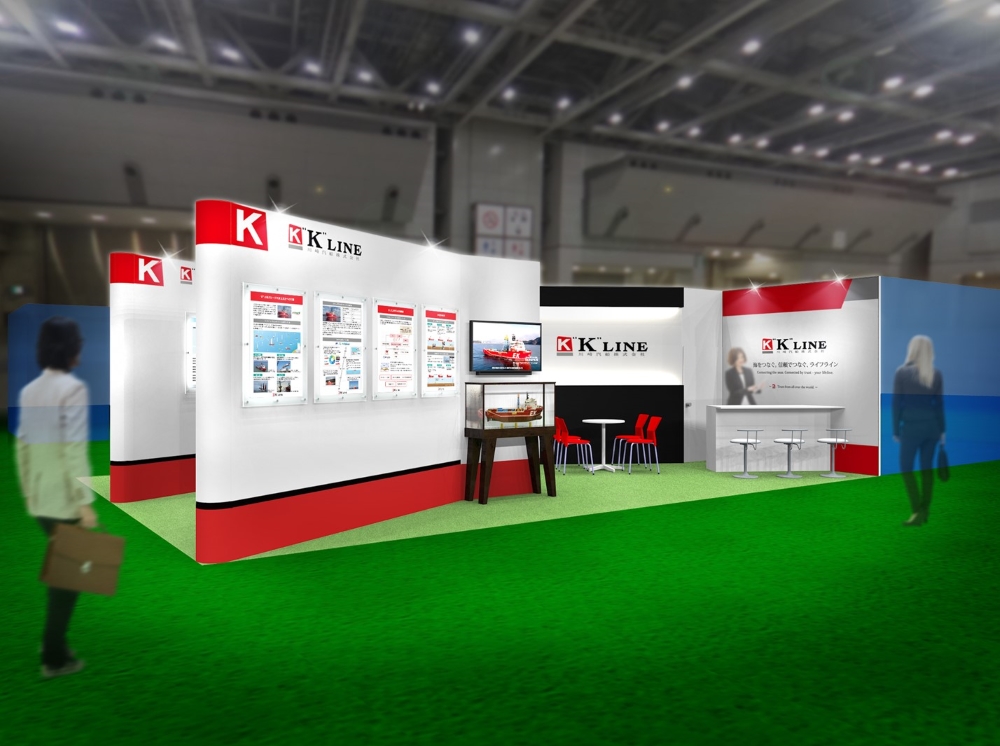
TOKYO: Kawasaki Kisen Kaisha, Ltd. (“K” LINE) will exhibit at Sea Japan 2026, an international exhibition for the maritime industry that will be held at Tokyo Big Sight from April 22 to 24, 2026.
Using panel displays, video and other fixtures, “K” LINE will showcase the various initiatives by the “K” LINE Group companies to support the transition to low-carbon and carbon-free solutions for both “K” LINE and society, through exhibitions of its offshore support vessel business, “Seawing” automated kite system utilizing wind power, “K-Assist Project” a technology development project related to automated ship operation, CCS projects to capture and store CO2, and so on.
Additionally, from 2:10 p.m. on Thursday, April 23, Senior Managing Corporate Officer Michitomo Iwashita, who is responsible for the Dry Bulk Carriers Unit, is scheduled to give a seminar on “Future of Dry Bulk Shipping” in Reception Hall A on the first floor of the Meeting Building of the venue.
We very much hope attendees will visit the “K” LINE booth (2M-14) and listen to the seminar. We look forward to seeing you at the event.
LONDON: The British International Freight Association (BIFA) has appointed Richard Catt as its regional representative for South East England to strengthen regional engagement and support the trade association’s corporate members in Kent and East Sussex.
The new post has been created to reduce the geographic scope previously covered by regional representative, Paul Newman, who will now focus on BIFA members based in East Anglia and East London.
Already a member of BIFA’s Council, and its Customs Policy Group, Richard brings extensive industry experience, having held senior leadership roles with the PSL Group, and then Rhenus Logistics when it acquired PSL in 2019. Currently, he is a director of ALS Brokerage Service, and will continue in that role.
Richard has extensive knowledge of Customs brokerage and serves as a member of the Joint Customs Consultative Committee (JCCC), a HMRC-sponsored forum which was established in 1969 to exchange views on and discuss proposed changes to customs procedures and documentation relating to the entry and clearance of goods.
He is also a member of a number of industry groups including the Southern Road Corridor Working Group (SRCWG); Freight Liaison Group (FLG) and the Intermediaries Task Force Group (ITFG).
BIFA director general, Steve Parker comments: “We are delighted to welcome Richard as our new regional representative for members based in Kent and East Sussex.
“With wide ranging experience of freight forwarding, Richard is a fount of knowledge on Customs issues that will be of significant benefit to members in Kent and East Sussex as they navigate their way around ongoing changes to border processes.”
BIFA’s team of seven regional representatives support and engage with BIFA members across the UK, and are the trade association’s ‘eyes and ears’ at a local level in each of its regions.
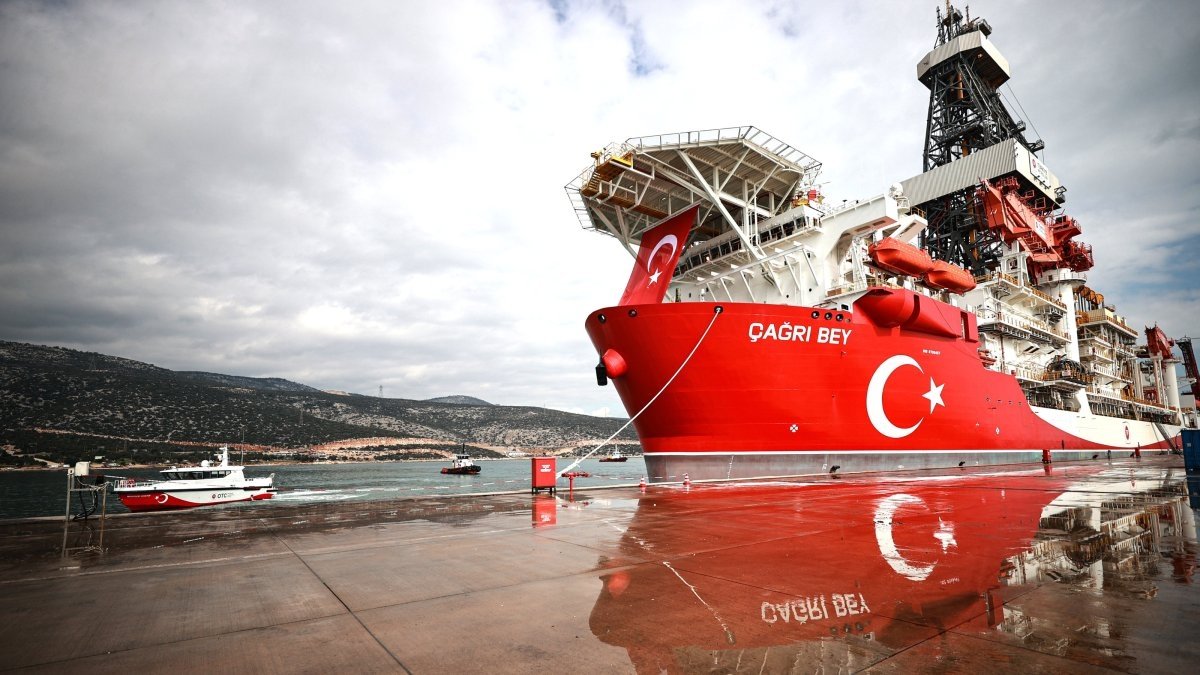
SOMALIA : Türkiye is preparing to begin its first offshore drilling operation in Somalia as its new vessel Çağrı Bey is due to arrive at the Horn of Africa nation on Friday, according to a top official on Saturday.
Speaking during a visit to northern Trabzon province, Energy and Natural Resources Minister Alparslan Bayraktar emphasized Ankara’s aim of becoming “energy independent,” as he addressed key energy-related topics, including domestic exploration and production plans.
According to the written statement from the ministry, he also evaluated the current crisis due to the disruptions in the Strait of Hormuz, underlining in this regard the importance of the vision of being energy independent.
Stating that currently 20 million barrels of oil per day are not flowing through the Strait of Hormuz and that the world is facing a supply crisis, Bayraktar suggested that this is not a crisis “that can be managed in a single day.”
“If you do not have serious preparation, preparations that span decades, and if you have not put forward a vision, you have no chance of managing such a crisis,” he said, according to remarks shared by the ministry on Saturday.
“Since 2002, under Justice and Development (AK Party) governments, the goal and vision set by our president has been very clear: what I call our ‘Kızılelma’ is to make Türkiye energy independent,” he added.
Çağrı Bey to arrive in Somalia on Friday Moreover, explaining that Türkiye has become a country searching for oil and natural gas in Somalia, Bayraktar said: “Next week, in a few days, I will travel to Somalia. On Friday, our vessel Çağrı Bey will arrive there.”
“With the Çağrı Bey ship, we will begin our first offshore drilling operation in Somalia,” he furthered.
Türkiye in February sent off its new deep-drilling vessel Çağrı Bey for operation in Somalia, marking what it said was a “historic step” in efforts to boost gas and oil exploration, both at home and abroad.
Prior to that, the research and seismic vessel Oruç Reis was dispatched to Somalia from Istanbul in October 2024, and it completed its mission in the summer of last year.
Türkiye enjoys close relations with Horn of Africa nation with energy being one of the domains of their multifaceted cooperation.
Black Sea exploration Similarly, pointing out that domestic natural gas production in the Black Sea would double this year, the minister said they “are working in the Black Sea for new discoveries.”
“We have now started a new drilling operation, and we will begin another one in April. With these new drills, we aim to increase both our oil and natural gas production through new discoveries,” he added.
At the same time, Bayraktar suggested that energy subsidies will continue as he drew attention to soaring oil and natural gas prices globally.
“We are continuing these subsidies within our means so that our citizens are affected as little as possible, and we will continue to do so going forward,” he noted.
He also shared that “Türkiye currently uses the cheapest electricity in Europe for households.”
Also evaluating the so-called sliding-scale system that curbs fuel hikes, Bayraktar said that nearly TL 13.50 ($0.30) per liter in taxes was removed to prevent fuel price increases from being passed on to citizens.
“The recent developments alone have cost our treasury around TL 600 billion. Despite this, our president has made it clear that we will use all available means to prevent our citizens from being adversely affected by these price increases and to support them. We are continuing our work in this framework and will carry on doing so,” he said.
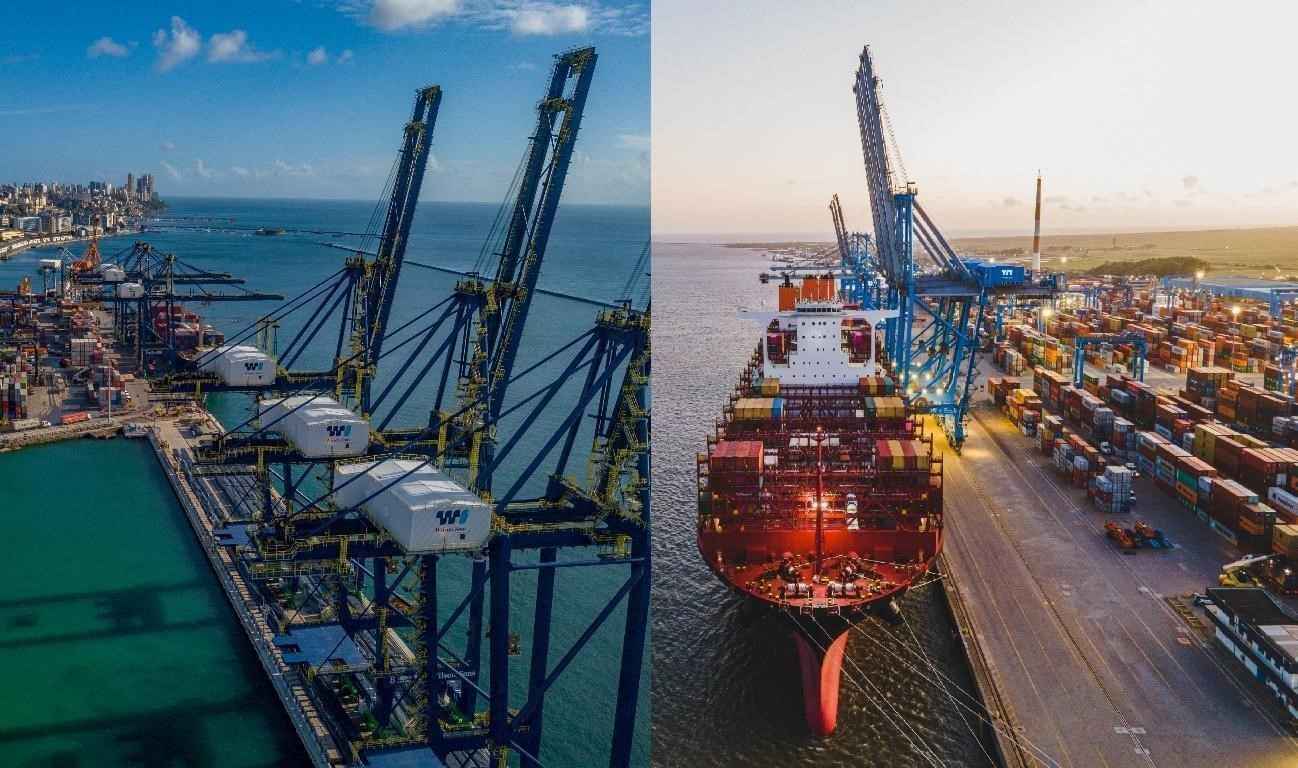
RIO DE JANERIO: With an extensive experience of more than 188 years, Wilson Sons operates in the port and shipping logistics industry throughout Brazil and is considered a leading reference in this field. It offers comprehensive solutions to over 5,000 clients, including shipowners, importers and exporters, the offshore energy industry, renewable energy projects, the agribusiness sector, as well as other players across various economic segments. Engaged in the continuous pursuit of new technologies to support sustainable development in Brazil, it will participate in Intermodal South America from April 14th to 16th at exhibition stand E095, in Distrito Anhembi, São Paulo (SP), where it will present its diversified portfolio, promote information exchange, make new connections, and strengthen stakeholder relations.
Its businesses include two container terminals (in Bahia and in Rio Grande do Sul); more than 80 tugboats operating along the Brazilian coast; a shipyard in Guarujá (São Paulo), in the Santos port complex — the largest in Latin America; two offshore support bases in Guanabara Bay (Rio de Janeiro); a bonded logistics centre in Santo André (São Paulo); and a shipping agency with representatives in Europe and an office in China.
According to Wilson Sons CEO Arnaldo Calbucci, the company invests in the modernization of its fleet and infrastructure, thereby improving the safety, efficiency, and sustainability of its operations. This benefits its stakeholders and strengthens its commitment to the development of the port industry and Brazil.
“Our presence at Intermodal, the industry’s leading event in Latin America, supports our long-term commitment to innovation and the development of the markets in which we operate. It is a strategic opportunity to present to clients and partners the new solutions we have developed to generate sustainable value, boost the Brazilian economy, and strengthen our presence on the international stage,” says Calbucci.
Container terminals
The two terminal facilities owned by Wilson Sons are capable of operating New Panamax ships. Rio Grande Container Terminal, based in Rio Grande do Sul (RS), is the most automated in the country, with infrastructure to operate as the Southern Cone’s port and shipping hub. High efficiency levels at Salvador Container Terminal enable the expansion of exports and imports for companies based in Bahia and in the Northeast, thereby connecting the region to the main global markets (USA, Europe, and Asia) and to the rest of the country via coastal shipping.
Building tugboats to attend New Panamax ships
In January this year, Wilson Sons launched the tugboat WS Halcyon. It is the first of a new series of three high-powered tugs. Built at the company’s shipyard in Guarujá, WS Halcyon is a class 2312 tug (23 metres long and 12 metres wide) with azimuth propulsion and 70 tons of bollard pull. It is capable of supporting New Panamax ships on docking and undocking manoeuvres in Brazil’s main ports. Two more 2312 class tugboats are being built at the Wilson Sons shipyard, with delivery scheduled for 2026.
Innovation, sustainability, and people management
Wilson Sons saw, early on, how technology could improve port operations while ensuring safety and propelling the maritime infrastructure. That was how the company incorporated technology as a strategic pillar to leverage the safety, efficiency, and competitiveness of its operations. With consistent investments and high-impact partnerships, Wilson Sons has built a high-performance ecosystem that redefines the standards of the logistics industry.
The company is recognized as one of the most innovative companies in Brazil, according to a study conducted by PwC for Valor Econômico, which evaluated more than 270 companies based on strategy, governance, execution, results, and ESG practices. Additionally, it is one of the companies that most practices open innovation in the Transport and Logistics industry, according to the Top Open Corps 100 Open Startups ranking.
With approximately 3,900 employees, Wilson Sons reaffirms its commitment to human development and excellence in the organizational climate, integrating care for people into its forward-looking mindset, aiming for sustainable growth. The company has earned, for the third time, the Best Company to Work For certification awarded by the global consulting firm Great Place to Work (GPTW).
BUSAN: The volume and pace of regulatory change from the International Maritime Organization is increasing the complexity of compliance for shipowners and maritime stakeholders, as amendments to major frameworks such as SOLAS and MARPOL continue to evolve.
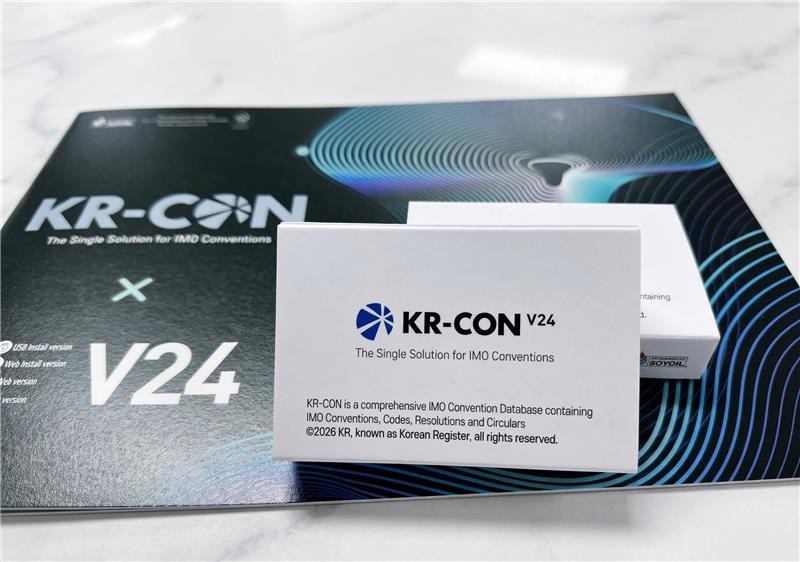
In response, Korean Register (KR) has launched Version 24 of ‘KR-CON’, its comprehensive digital database of international maritime conventions, with enhanced search functionality designed to help users more efficiently navigate and verify applicable regulatory requirements. The upgrade integrates KR’s AI-powered features into the web-based service and restructured the classification system of convention documents, significantly enhancing search performance. As a result, users can retrieve relevant regulatory information more quickly and with greater accuracy.
The ‘Convention Today’ menu—used to identify applicable conventions based on specific entry-into-force dates—now features more detailed search conditions, improving both efficiency and clarity. Visibility has been enhanced through expanded display of update dates and improved visibility of recently amended documents.
KR-CON Version 24 includes amendments adopted at key IMO meetings in 2025, including the 34th IMO Assembly, the 110th session of the Maritime Safety Committee (MSC), and the 83rd session of the Marine Environment Protection Committee (MEPC). These include updates to major international conventions such as the SOLAS Convention and the MARPOL Convention. Newly adopted instruments will continue to be added as they are adopted.
KIM Hoijun, General Manager of Convention & Legislation Service at KR, stated:
“Through this upgrade, we have significantly improved accessibility to convention information and search efficiency. Looking ahead, we plan to adopt Agentic RAG (Agentic Retrieval-Augmented Generation), a next-generation AI-based search technology that retrieves external data, generates responses, and incorporates autonomous decision-making to further advance KR-CON into an intelligent service where AI can autonomously explore and verify information.”
KR-CON is available in multiple formats, including a web platform, mobile application, USB, and web-installed version, providing access to IMO conventions, codes, resolutions, and circulars.