Home Blog Page 367

MoPSW confirms all Indian seafarers are safe; Indian-flag vessels continue smooth transit through Strait of Hormuz

NEW DELHI : The Ministry of Ports, Shipping and Waterways (MoPSW) has confirmed that all Indian seafarers operating in the Western Persian Gulf region are safe, with no incidents involving Indian-flag vessels reported in the past 24 hours.

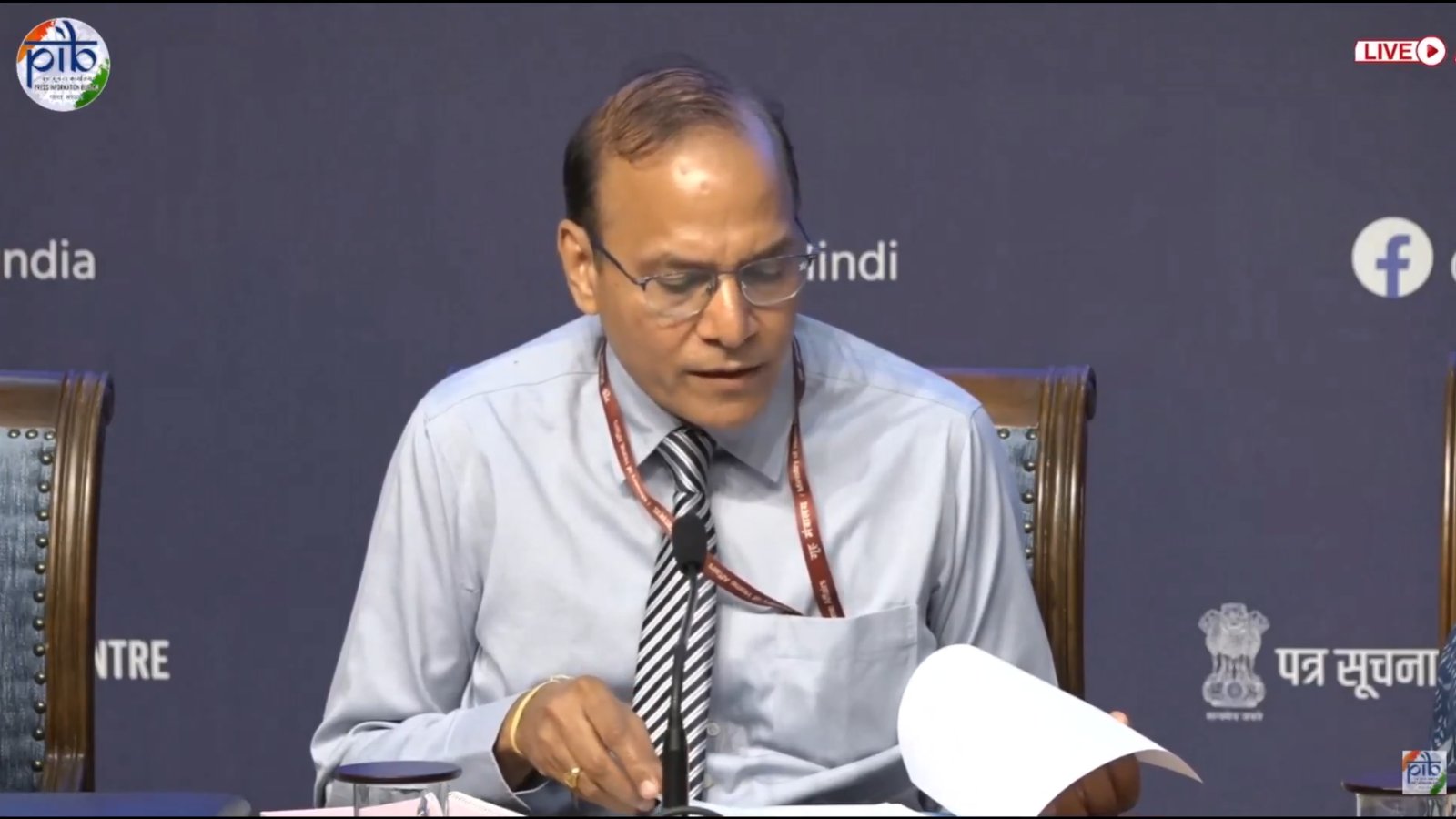
Providing an update on the prevailing maritime situation, Mukesh Mangal stated that two Indian-flagged LPG carriers, Green Sanghvi and Green Asha, have successfully transited the strategically significant Strait of Hormuz over the past two days without any disruptions.

At present, a total of 16 Indian-flagged vessels are operating in the Western Persian Gulf region, collectively carrying 433 Indian seafarers. Authorities are maintaining close coordination with ship operators, port authorities, and international maritime agencies to ensure continuous monitoring and safety of Indian crew and assets in the region.

The Strait of Hormuz, a critical global energy corridor through which a significant portion of the world’s oil and gas supplies passes, remains under heightened observation due to evolving geopolitical dynamics. In this context, Indian maritime authorities have strengthened surveillance mechanisms and advisories to vessels transiting the area.

The Directorate General of Shipping, along with other concerned agencies, is actively engaging with stakeholders to provide real-time updates and ensure adherence to safety protocols. Shipping companies have also been advised to exercise enhanced caution, maintain communication with regional maritime security agencies, and follow established best practices for safe navigation.

The Government of India continues to prioritize the safety and welfare of Indian seafarers and remains vigilant in safeguarding national maritime interests amid changing global conditions.

NMPA culminates Merchant Navy Week with 63rd National Maritime Day Celebrations

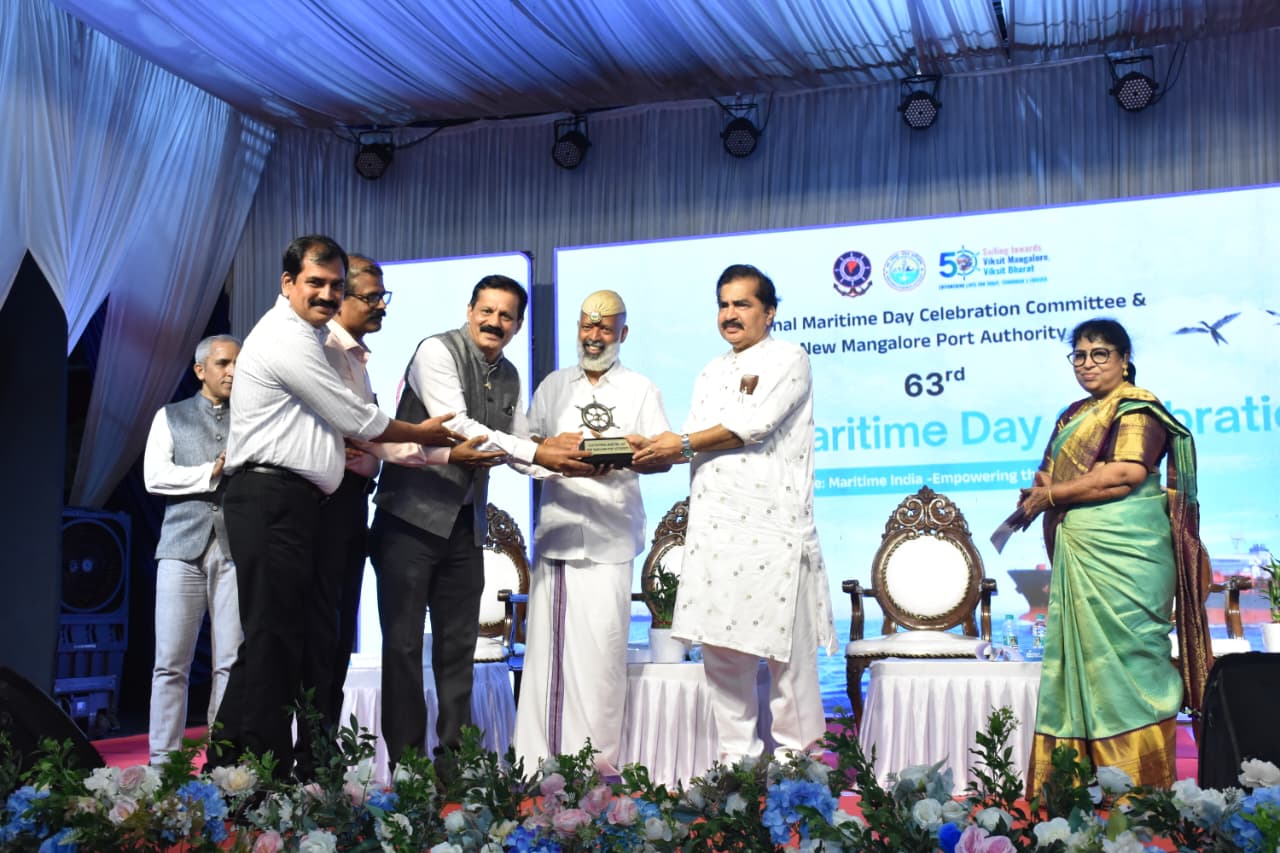
MANGALURU : New Mangalore Port Authority (NMPA) marked the culmination of the Merchant Navy Week celebrations with the observance of the 63rd National Maritime Day on 05 April 2026, celebrating India’s rich maritime legacy and honouring the invaluable contributions of seafarers and maritime stakeholders.

To mark the occasion, a Wreath Laying Ceremony was held at the Seafarers’ Memorial, NMPA, where Smt. S. Shanthi, Deputy Chairperson, NMPA, laid the wreath and paid homage to seafarers who lost their lives in the line of duty. Senior officers, employees, port users, and stakeholders also paid their respects to the brave seafarers.

Later in the evening, a Grand Valedictory Function of the Merchant Navy Week celebrations was held at JNC Hall, NMPA, Panambur. The function was presided over by Smt. S. Shanthi, Deputy Chairperson, NMPA. Dr. M. Mohan Alva, Chairman, Alva’s Education Foundation (R), Moodbidri, graced the occasion as the Chief Guest and inaugurated the valedictory function.
The event was also graced by distinguished dignitaries including Dr. R. K. Nair, Green Hero of India, as Guest of Honour, Capt. Manoj Joshi, President, Maritime Day Celebration Committee, NMPA, and Shri Ubaidu Rehman, Surveyor-in-Charge, Mercantile Marine Department (MMD), Mangalore.

Addressing the gathering, Dr. M. Mohan Alva highlighted the vital role played by seafarers and maritime stakeholders in strengthening India’s economy and emphasized the importance of recognising their dedication and contributions to global trade.
In her presidential address, Smt. S. Shanthi, Deputy Chairperson, NMPA, appreciated the active participation of port users, stakeholders, and employees during the Merchant Navy Week and emphasized the importance of collaboration among maritime stakeholders to strengthen India’s maritime sector.

Dr. R. K. Nair also addressed the gathering and highlighted the importance of environmental sustainability and responsible maritime operations in ensuring sustainable growth of the maritime sector. The programme featured presentation of Merchant Navy Week report, felicitation of distinguished contributors in the maritime sector, and prize distribution to winners of various competitions conducted during the week-long celebrations.

A vibrant cultural programme by students of Alva’s College added colour and enthusiasm to the celebrations, followed by dinner for participants and stakeholders. Background – Merchant Navy Week Celebrations NMPA observed Merchant Navy Week from 28 March to 05 April 2026, organizing a series of events to celebrate the maritime fraternity and promote stakeholder engagement. The celebrations commenced with a Friendly Maritime Cricket Match on 28 March 2026, followed by a Treasure Hunt on 29 March 2026.

On 30 March 2026, a Beach Cleaning Drive and Tug of War Competition were conducted at Panambur Beach. A Blood Donation Camp was organized on 31 March 2026 at Srinivas Port Hospital, where 123 donors participated. On 01 April 2026, a Maritime Seminar on Maritime Adversities and Role of Stakeholders and Indian Port Act 2025 was conducted, bringing together industry experts and stakeholders.

Essay and drawing competitions for students and a Throwball Competition for women employees were held on 02 April 2026, along with a Radio Talk on Akashvani – All India Radio highlighting the significance of Merchant Navy Week.

On 03 April 2026, the Merchant Navy flag/lapel was ceremonially pinned on Capt. Brijesh Chowta, Hon’ble Member of Parliament, Dakshina Kannada, marking the formal commencement of the observance also Port visit for family members of Port employees, users and staff. A Maritime Marathon was also organized on 04 April 2026 with enthusiastic participation.

The week-long celebrations concluded with the 63rd National Maritime Day observance on 05 April 2026, reaffirming the commitment of New Mangalore Port Authority to recognize the dedication, resilience, and professionalism of seafarers and maritime stakeholders who play a vital role in keeping global trade and logistics moving.

Envisioning India’s Logistics Ecosystem in 2030

Introduction
The logistics industry in India is at a tipping point in its evolution, in terms of geography and technology, and is undergoing a shift that may transform the role of cities in the supply chain. The interplay of the growth of cities in India and the growth of e-commerce, and the implications of this on new technologies and data, are part of the factors that will shape the future of the logistics industry in India through 2030. The future is more than just a projection of the present, and it is important to understand how new technologies, data, policies, and sustainability will interact to create value in the supply chain.

Digitally Integrated Supply Chains

The logistics sector in India is expected to have highly integrated supply chains by 2030, thanks to end-to-end digital platforms. Real-time tracking, predictive analytics, and AI-driven route optimization will be the norm. This will enable all players, whether large fleet owners or individual truckers, to tap into the same data streams, thereby enabling unprecedented levels of transparency and efficiency.

Digital integration will also be applied to regulatory requirements. E-way bill processing, GST reconciliation, and vehicle certification will be automated, thereby making it easier for smaller players, who have always been at a disadvantage because of regulatory requirements, to compete on an equal footing.

At the core of sustainability

From 2030 onwards, sustainable practices will not only be a choice, but will also have its way into every aspect of the design of logistics and all aspects associated with logistics. Vehicles will become greener, with more use of load-sharing and enhanced efficiency through the use of algorithms for route planning; employing both of these together will help optimise the reduction of greenhouse gases produced by the freight and transport industries. All opportunities for innovations to reduce carbon emission footprints will be available for the use of stakeholders and industry.

As part of this movement towards energy efficiency, new logistics hubs and new warehouses are going to implement more energy-efficient design practices; utilise renewables as an energy source; and improve the use of smart inventory management and procurement techniques. Each of these methods will lead to lower operating costs and improve the resiliency of your supply chain through minimising the risk posed by the lack of resource availability and the impacts of climate change on your operations.

Resilient and Adaptive Networks

Logistics will continue to be a valuable asset for 2030 in meeting both normal business and unexpected disruptions, such as adverse climate events, political changes and a sudden influx in demand. The use of integrated technology systems enables the ability to create scenarios to better forecast risk and allocate resources quickly. Through the use of AI and machine learning to monitor changes in equipment or supply chain networks, logistics companies can mitigate risk prior to escalation through robust continuity and reliability.

Collaboration is essential to developing a resilient logistics network. In order to develop a resilient network, it is critical for all stakeholders to work together through open data exchange, including carriers; shippers; government; and other relevant interests. Informal logistics operators have now entered the digital economy, creating new means of using their own network and increasing the overall agility and redundancy of the network. Through establishing these new relationships and opportunities for new coordinated effort, it is possible to create potential bottlenecks as sources of opportunity, rather than obstacles.

Emergence of Logistics Marketplaces

While there has been a sustained spent in the growth and adoption of private marketplaces, there is room for a trusted national platform that can democratise access to the small and medium sized logistics service providers, enable price discovery and reduce overall logistics costs in the country. This can be built on leveraging the current digital stack comprised of ULIP, PM Gati Shakti and other systems.

Strategic Intelligence and Innovation will make India’s Logistics Ecosystem Smarter in 2030

The logistics ecosystem of 2030 will also be smarter because insight will be generated through data not only for day-to-day operations but for strategic planning. Market trends, demand forecasting, and asset usage will provide the foundation for investment in infrastructure, fleet expansion and technology adoption. Decision makers including policymakers, investors and corporate executives will leverage this intelligence to make informed decisions that will improve the competitiveness of their businesses and optimise their cost structure.”

Conclusion

The logistics ecosystem in India in 2030 can become a model for efficiency, sustainability and resilience through the digital integration, data-driven decision making and collaboration that will transform how goods are moved throughout the world. This new system will not simply be a faster and less expensive method for transporting goods; it will be smarter, greener and more adaptable than any logistics system we know of today. This entails millions of operators, shippers and regulators involved in the logistics business need to be prepared today for the logistics ecosystem of the future, which will operate on visibility, intelligence and sustainability working in concert to unleash India’s ability to fully participate in the global supply chain.

Author:

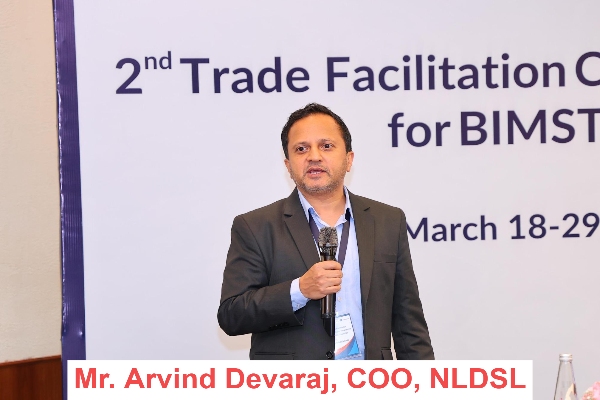
Mr. Arvind Devaraj, COO, NLDSL

FIATA and Otonomi Partner to bring cargo and delay insurance to freight forwarders worldwide

GENEVA : FIATA International Federation of Freight Forwarders Associations and Otonomi Inc., an Insurtech provider specialising in cargo delay insurance, announced a strategic partnership to make best-in-class cargo and delay insurance solutions accessible to FIATA Members globally.

The partnership was formalised during the session “Unlocking Value with Emerging Technologies in Freight Forwarding” at the 2026 FIATA HQ Meeting in Geneva. As delays continue to disrupt logistics operations worldwide, the collaboration enables freight forwarders to better manage business interruption risks linked to delayed cargo, across air, ocean, and eCommerce parcel shipments.

FIATA Members can now access Otonomi’s cargo delay solution directly on the official partnership page on the Otonomi website, where they can request a quote in seconds. By entering core shipment information, including Air Waybill or Bill of Lading details, Otonomi’s proprietary algorithms evaluate potential delays across routes, carriers and schedules, generating a digital quote instantly, without paperwork or manual underwriting. Members can select their preferred delay trigger (from 3 to 24 hours) and coverage limit, with policy terms confirmed and issued digitally.

Dr Stéphane Graber, FIATA Director General, welcomed the announcement: “At FIATA, our mission is to connect the freight forwarding community with the tools, knowledge, and partnerships that help our Members thrive in an increasingly complex global trade environment. By offering FIATA Members access to a modern, digitally-driven cargo and delay insurance solution, we are helping them protect their business and their clients’ cargo with greater ease and efficiency. This is exactly the kind of value-added collaboration that FIATA is proud to champion.”

Yann Barbaroux, CEO and Founder of Otonomi, added: “Freight forwarders have long been underserved when it comes to protecting their business against cargo delays. Partnering with FIATA gives us the opportunity to change that at scale — bringing a solution that is instant, digital, and purpose-built for the realities of modern logistics to tens of thousands of forwarders worldwide. Delays are inevitable; being unprotected shouldn’t be.”

The unique programme covers sectors including perishables, pharmaceuticals, aerospace, critical automotive, life sciences, electronics, and e-commerce, serving the full spectrum of FIATA’s global membership. Otonomi’s platform handles all aspects of the insurance lifecycle such as quoting, policy issuance, and claims handling, while ensuring full regulatory and compliance oversight across relevant jurisdictions.

FIATA Members are invited to visit the dedicated partnership page on the Otonomi website to learn more and request a quote from Otonomi.

About FIATA
FIATA International Federation of Freight Forwarders Associations is a non-governmental, membership-based organisation representing freight forwarders in some 150 territories. FIATA’s membership is composed of 104 Associations Members and more than 4,700 Individual Members, overall representing an industry of 50,000 freight forwarding and logistics firms worldwide. Based in Geneva, FIATA is ‘the global voice of freight logistics’.

www.fiata.org

Contact
Pritha Prasad
FIATA Marketing Officer
marketing@fiata.org

About Otonomi, Inc.
Founded in 2021 and headquartered in New York City, Otonomi is a next-generation insurtech company that provides parametric cargo delay insurance for global trade disruption, complex and critical cargo shipments. Otonomi operates as both a technology platform and a managing general agent (MGA), enabling insurance carriers and reinsurers to deploy customized parametric products efficiently. The company serves logistics providers, freight forwarders, manufacturers, and shippers managing time-sensitive cargo across air, ocean, and ground transportation modes.

For more information about Otonomi, visit www.otonomi.ai.

Media Contact
Bertrand Leseigneur
marketing@otonomi.ai

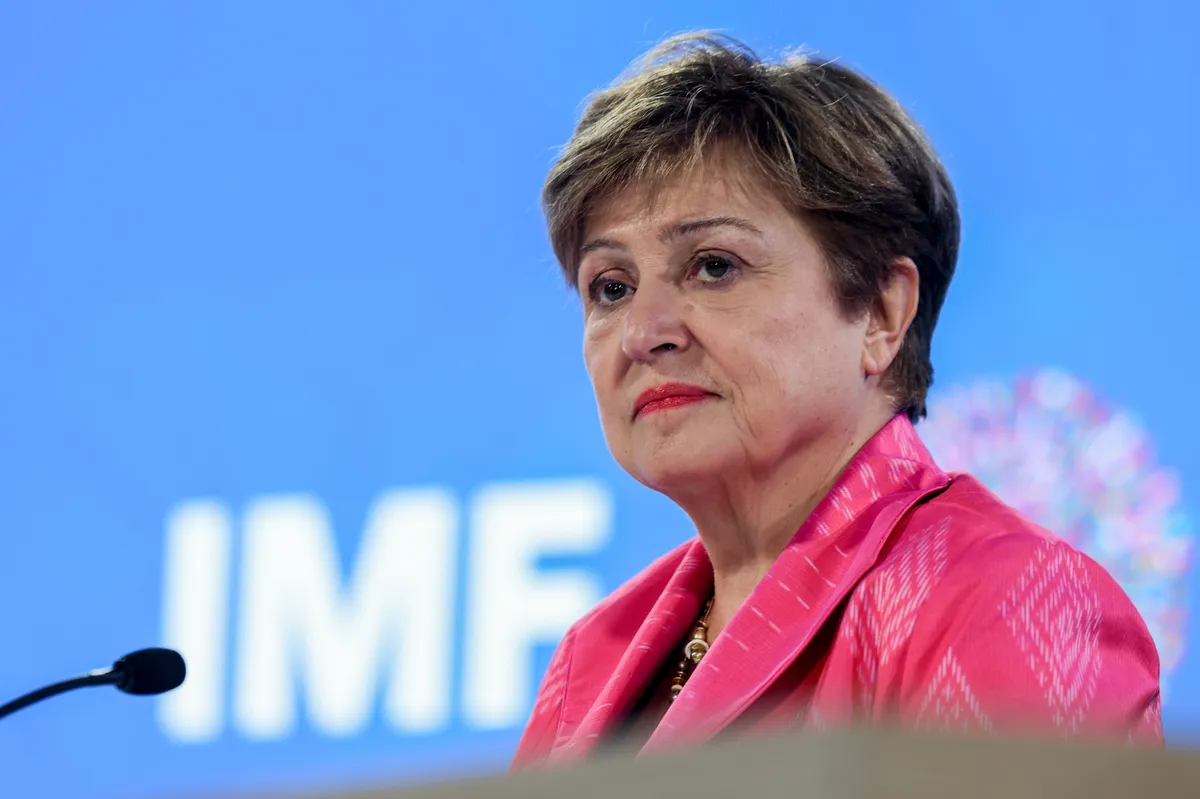
Middle East war means ‘all roads’ lead to higher prices, slower growth : IMF Chief

WASHINGTON : The war in the Middle East will lead to higher inflation and slower global ​growth, the head of the International Monetary Fund told Reuters on Monday, ahead of a forecast for the world economy planned by the global lender for ‌next week.
The war has triggered the worst-ever disruption in global energy supply, with millions of barrels of oil production shuttered due to Iran’s effective blockage of the Strait of Hormuz, crucial for shipping one-fifth of the world’s oil and gas. Even if the conflict is swiftly resolved, the IMF is set to reduce its forecast for economic growth and bump up its outlook for inflation, Kristalina Georgieva, Managing Director of the IMF, said.

The war is expected ​to dominate discussions among finance officials from around the world at next week’s spring meetings of the IMF and World Bank in Washington. The Fund is expected to release ​a range of scenarios in its upcoming World Economic Outlook due on April 14. It signaled a possible downgrade in a March 30 blog post, ⁠citing the asymmetric shock of the war and tighter financial conditions. Without the war, Georgieva said the IMF had expected a small upgrade in its projection for global growth of 3.3% in 2026 and ​3.2% in 2027 as economies continue to recover from the pandemic.

“Instead, all roads now lead to higher prices and slower growth,” said Georgieva, who will preview the spring meetings in a speech ​on Thursday. World Bank President Ajay Banga will present his view at an Atlantic Council event on Tuesday.

“We are in a world of elevated uncertainty,” the IMF chief said, citing geopolitical tensions, technological advancements, climate shocks and demographic shifts. “All of this means that after we recover from this shock, we need to keep our eyes open for the next one.”

The war has shrunk global oil supply by 13%, Georgieva said, with the impact rippling ​through oil and gas shipments and into related supply chains such as helium and fertilizers.

Even a rapid end to hostilities and a fairly rapid recovery will result in a “relatively small” downward revision of the ​growth forecast and an upward revision of its inflation forecast, she said. If the war is protracted, the effect on inflation and growth will be greater.

POOR COUNTRIES WILL BE HIT HARDEST

Poor, vulnerable countries with no ‌energy reserves will ⁠be hardest hit, Georgieva added, noting that many countries had little to no fiscal space to help their populations weather the price increases caused by the war, which in turn also increased the prospects of social unrest.

Georgieva said some countries had already asked for funding help, but did not name them. She said the IMF could augment some existing lending programs to meet countries’ needs. Eighty-five percent of the IMF’s members are energy importers.
Broad energy subsidies were not the answer, she said, urging policymakers to avoid government payments that could further inflame inflationary pressures.

The impact has been asymmetric, ​hitting energy-importing countries hardest, but even energy exporters ​such as Qatar are feeling the effect ⁠from Iranian strikes against their production facilities.

Qatar expects it will take three to five years to restore 17% of its natural gas production because of the damage, Georgieva said, while the International Energy Agency has reported 72 energy facilities have been damaged in the war, one-third of which ​have suffered significant damage. “Even if the war is to stop today, there would be a lingering negative impact to the rest of the ​world,” she said.

Source : Reuters

DP World Cochin handles Record 8,000+ TEU from a Single Vessel

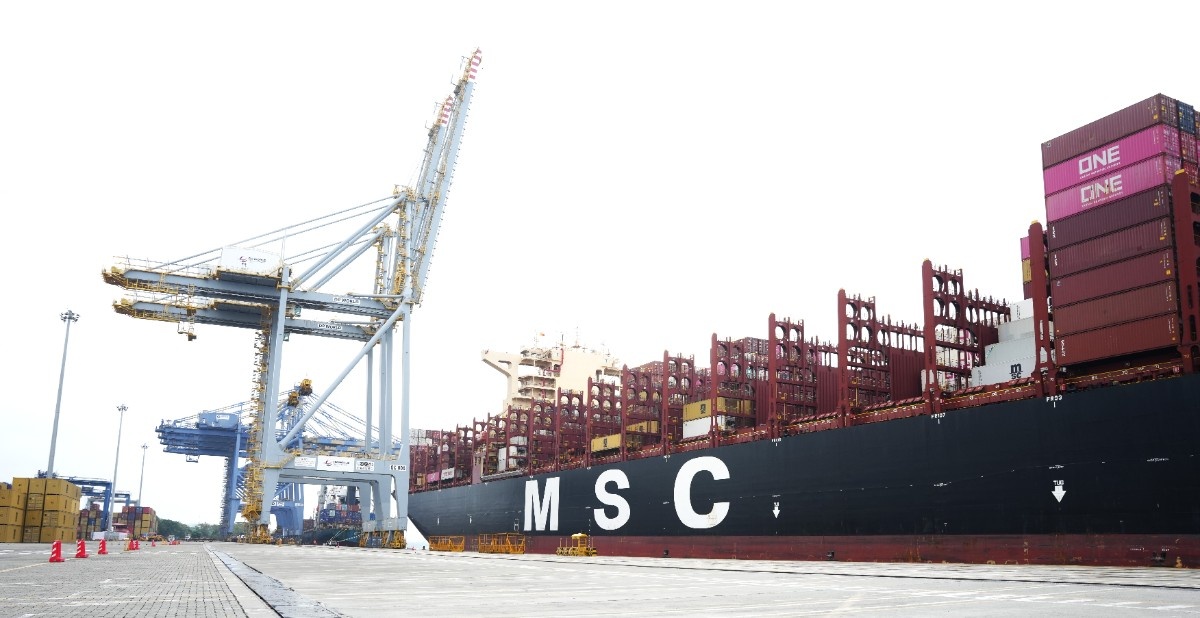
KOCHI:  DP World Cochin has welcomed MSC Ilaria, one of the largest container vessels to call at the port, marking a major milestone for the terminal. The call recorded over 8,000 twenty-foot equivalent units (TEUs) handled – including import, export and transshipment volumes– the highest volume ever achieved in a single vessel operation. This surpasses the previous record of handling 6000+ TEUs for MSC Aurora.

The arrival of MSC Ilaria underscores DP World Cochin’s ability to handle next-generation Ultra Large Container Vessels (ULCVs) and support growing trade volumes with efficiency and reliability. Key specifications for the vessel include:

  • Capacity: 16,616 TEUs
  • Overall Length: 366 metres
  • Beam: 51 metres
  • Deadweight tonnage (DWT): 171,079 tonnes
  • Maximum draft: 17 metres.

These dimensions reflect the increasing scale of global shipping and highlight the infrastructure required to accommodate larger container ships, as well as the growing size of vessels calling at Indian ports.

DP World Cochin has significantly expanded its capacity with strategic infrastructure investments, including the introduction of new Ship-to-Shore (STS) cranes, electrified Rubber-Tyred Gantry Cranes (e-RTGs), and an expanded yard space—boosting the terminal’s total capacity to ~ 1.4 million TEUs. The terminal’s power infrastructure upgrades from 3 MVA to 5 MVA ensures seamless operations during peak demand, while the 100% electrification of yard cranes along with the in-house solar plant reduces the carbon footprint for cargo. These enhancements have strengthened DP World Cochin’s ability to handle larger vessels, improve productivity and ensure fast, more efficient operations.

Dipin Kayyath, Chief Executive Officer – Ports & Terminals DP World Cochin, said, “We are honoured to welcome MSC Ilaria and her crew to DP World Cochin. Handling a vessel of this scale for the first time marks a proud milestone for our team and reinforces the terminal’s role as South India’s premier gateway. It reflects our commitment to serving global trade efficiently, supported by upgraded infrastructure including new quay cranes, expanded yard space and e-RTGs, while enabling faster turnaround times and supporting growing demand.”

The terminal benefits from minimal deviation from international sea routes and proximity to key cargo origins in Kerala and Southwest Tamil Nadu, offering significant cost and time advantages to EXIM trade. It also provides strong coastal connectivity across India, from Gujarat to Kolkata, serving as a key transit point for cargo movement between the east and west coasts. DP World has also developed Kerala’s first Free Trade Warehousing Zone (FTWZ) within the Cochin Port – the only facility in India to be co-located within a major port – supporting EXIM trade and driving regional economic growth.

It was an extraordinary situation, ship master was given route to follow: SCI chairman recounts Hormuz transit of LPG carrier Shivalik

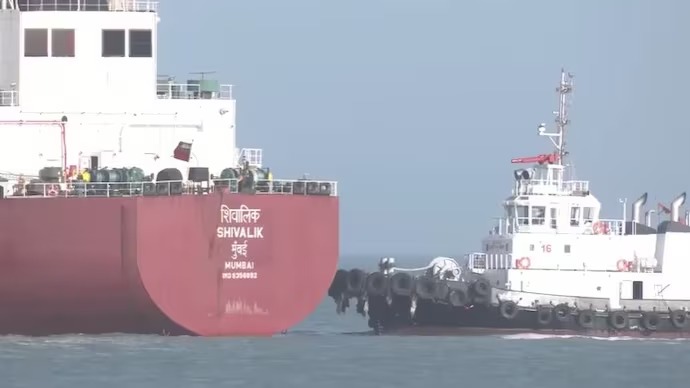
MUMBAI : For the captain and the 26-member crew of the Shivalik, it was an uncharted route. Sailing close to the Iranian coast, the LPG carrier made its way out of the Strait of Hormuz making it the first Indian vessel to return home from the Persian Gulf on March 16.

Captain B K Tyagi, chairman and managing director of Shipping Corporation of India (SCI) recounted on Sunday that the transit was made possible due to excellent coordination between Indian Navy, Directorate General of Shipping and the Ministries of External Affairs and Shipping.

“I clearly remember the night of March 13 when we were planning the passage of our LPG carriers Shivalik and Nanda Devi. The Strait of Hormuz was closed and we were not sure what would be the next course for the vessel. We were given instructions after about 5-6 hours of waiting and were told about the route to follow,” Tyagi said at the National Maritime Day event in Mumbai.

“Normally the master (captain) of a merchant vessel decides the route himself and then executes the passage. But this was an extraordinary situation where the master was given the route coordinates. This was not a normal route that any master would take in the region. Our agencies coordinated so well that the master and we as ship owners had no doubt at all,” Tyagi said.

Shivalik was asked to navigate close to Iran’s coast and channel width in some of the areas was just one mile. “Once we were given the clearance no one bothered us. The operation went on the entire night of March 13 first with the passage of Shivalik and then Nanda Devi,” he said.

After these six other Indian-flagged LPG vessels have transited the Strait of Hormuz. The latest to exit the region on Sunday was a tanker named Green Asha which is estimated to carry 20,000 tonnes of LPG. Still 17 Indian flagged vessels with around 460 seafarers remain in the Persian Gulf.

“The situation in the Persian Gulf region is critical. There is a lot of uncertainty. All the shipowners and ship managers are doing a good job but it will not be complete until all seafarers come out and the Strait of Hormuz is open for normal navigation,” Tyagi said.

Top Korean business heads set to visit India, Vietnam in search for opportunities

SEOUL : The leaders of Korea’s top conglomerates will likely visit India and Vietnam later this month as they seek business opportunities to hedge against uncertainties stemming from the Middle East crisis and rising protectionist policies.

According to industry officials Monday, the Federation of Korean Industries (FKI) and the Korea Chamber of Commerce and Industry (KCCI) have formed business delegations to visit India and Vietnam, respectively, later this month.

The delegations will be comprised of up to 200 companies each and will participate in business forums with local companies.

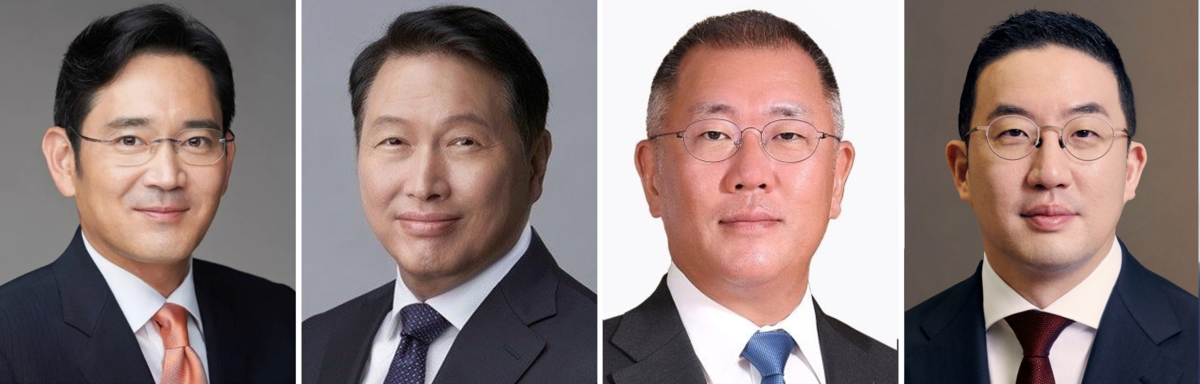
Samsung Electronics Executive Chairman Lee Jae-yong, Hyundai Motor Group Executive Chair Chung Euisun and LG Group Chairman Koo Kwang-mo are expected to join the delegation to India, given the importance of the market to their businesses.

For Samsung Electronics and LG Electronics, India is a critical market for IT devices and home appliances, as it has a population of 1.4 billion and its economy continues to grow. The country is also an important manufacturing base for the two electronics giants.

Samsung Electronics operates production bases in Noida and Tamil Nadu, manufacturing smartphones and home appliances, and also runs its largest research and development center outside Korea there. LG Electronics has identified India as a key pillar of its Global South strategy and operates plants in Noida and Pune, while currently building a new facility in Sri City. LG Electronics’ Indian unit is listed on the local stock exchange.

Hyundai Motor has also listed its Indian unit on the local stock exchange and plans to expand production capacity at its Pune plant to reach 1 million units annually in India.

The Vietnam delegation is expected to be joined by the three chairmen, along with SK Group Chairman Chey Tae-won. SK Innovation has secured a large-scale project in Vietnam worth $2.3 billion, including the construction of a gas-fired power plant and a liquefied natural gas terminal, as it ramps up its energy infrastructure business.

Samsung Electronics manufactures nearly half of its global smartphone shipments in Vietnam, while Samsung Display’s Vietnam unit also operates in the country. LG Electronics, LG Innotek and LG Display run global production bases in Vietnam through 12 affiliates.

“Emerging markets such as India and Vietnam are gaining traction as hedges against supply chain uncertainties stemming from Middle East risks and protectionist policies,” an industry official said.

“The visits are expected to help reduce uncertainties and explore synergies with local partners.”

Source : The Korea Times

Iran halts two Qatar LNG tankers it previously cleared to transit Strait of Hormuz : sources

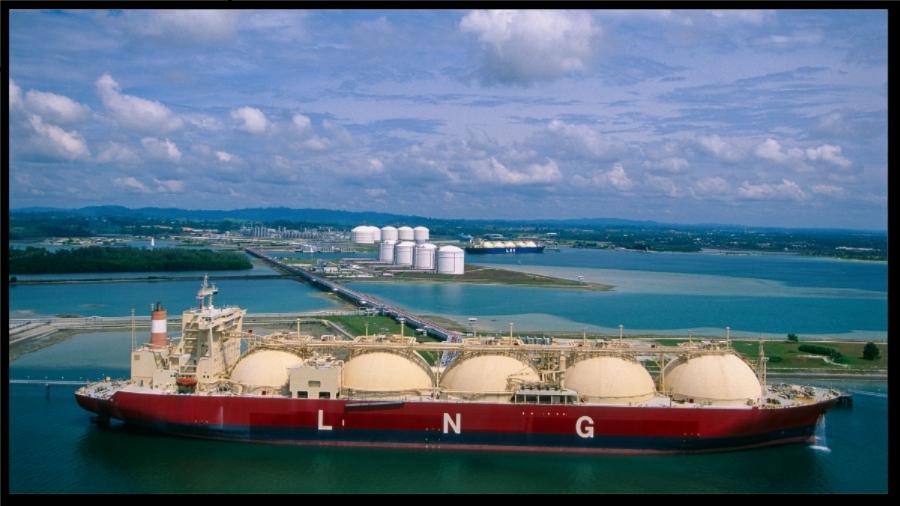
SINGAPORE : Iran’s Revolutionary Guards halted two Qatar liquefied natural gas tankers that had been heading towards the Strait ‌of Hormuz on Monday morning and instructed them to hold position without explanation, a source told Reuters on Monday.
Iran had permitted the vessels to transit the strait under an agreement reached with the United States last week via Pakistani mediation, said the source who had been briefed on the agreement and spoke on ​condition of anonymity.

“This was part of an arrangement negotiated as part of talks spearheaded by Pakistan last week,” the source ​said. Both ships were positioned off the coast of the United Arab Emirates on Monday evening and had ⁠not transited Hormuz, ship-tracking data showed. Had the vessels successfully crossed the strait, they would have been the first transit of LNG cargoes ​through the waterway since the start of the U.S.-Israeli war with Iran on February 28.
The conflict, which began with U.S. and Israeli strikes ​on Iran, has killed thousands and damaged economies by driving up oil prices. Tanker traffic through the Strait of Hormuz, a route that carries about a fifth of global oil and LNG flows, has been effectively closed by the fighting and retaliatory attacks.

U.S. President Donald Trump said on March 26 that Iran had agreed to let 10 oil tankers transit ​the Strait of Hormuz as an apparent goodwill gesture in negotiations. “They said, to show you the fact that we’re real and solid and ​we’re there, we’re going to let you have eight boats of oil, eight boats, eight big boats of oil,” Trump said. “I guess they were right, ‌and they ⁠were real, and I think they were Pakistani-flagged… It ended up being 10 boats.”

Data from analytics firms Kpler and LSEG showed the two Qatari vessels, Al Daayen and Rasheeda, loaded their cargoes in late February. The vessels were loaded with LNG from Ras Laffan, Qatar. They had been moving eastward towards the strait but turned back on Monday morning, ship-tracking data showed.

The two vessels changed course signals on Monday afternoon. The Al Daayen began signalling Ras ​Laffan as its destination after ​previously indicating a destination of ⁠Pakistan, while the Rasheeda switched to signalling “for orders” – a generic placeholder – from Port Qasim, in Pakistan. Earlier on Monday the Al Daayen had been signalling for China, the data showed.

Kpler data showed both tankers ​as controlled by QatarEnergy. QatarEnergy did not immediately respond to a Reuters request for comment about Iran’s Revolutionary Guards ​having stopped the ships. Previously, ⁠a Japanese LNG tanker, the Sohar LNG, managed to cross the strait, its joint owner Mitsui O.S.K. Lines said on Friday. The tanker, however, was empty, and a company spokesperson declined to disclose when the passage took place or whether any negotiations were involved.

Qatar is the world’s second-largest exporter ⁠of LNG, ​with shipments mostly going to buyers in Asia. Iranian attacks knocked out 17% of Qatar’s ​LNG export capacity, with repairs expected to sideline 12.8 million tons per year of the fuel for three to five years.

Source : Reuters

West Asia crisis : Jaishankar speaks to Qatari PM and UAE Foreign Minister

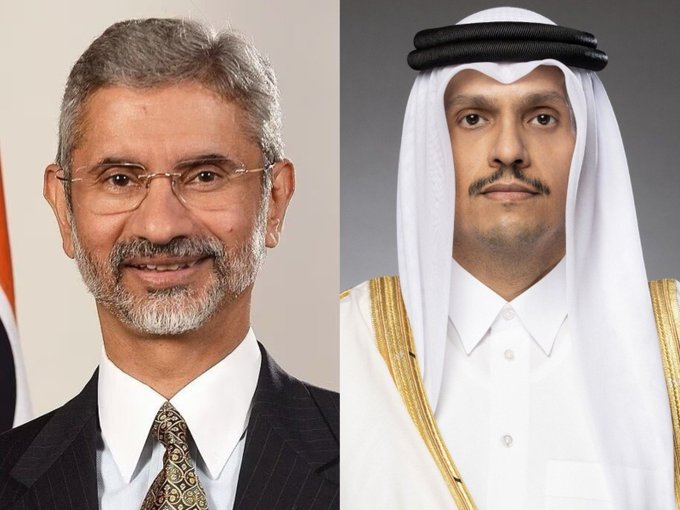
NEW DELHI : External Affairs Minister Dr. S Jaishankar spoke with Qatari Prime Minister Sheikh Mohammed bin Abdulrahman bin Jassim Al Thani on Sunday to discuss the West Asia conflict and its impact on global energy supplies. The external affairs minister also held a phone conversation with the Foreign Minister of the United Arab Emirates, Sheikh Abdullah bin Zayed Al Nahyan.

Jaishankar’s phone conversations with the Qatari prime minister and the UAE foreign minister came amid a spike in tensions in West Asia after US President Donald Trump renewed ultimatum to Tehran, threatening to destroy Iranian power plants and bridges if the Strait of Hormuz is not reopened for shipping.

“Had a telecon on the ongoing conflict with PM & FM @MBA_AlThani_of Qatar this evening,” Jaishankar said on social media. Al Thani is also Qatar’s foreign minister. Following his talks with Al Nahyan, the external affairs minister, without sharing much details, said the evolving situation in West Asia was discussed.

“Discussed the evolving situation in West Asia with DPM & FM @ABZayed of UAE,” he said. Al Nahyan is also the deputy prime minister of the UAE. Global oil and gas prices have surged after Iran virtually blocked the Strait of Hormuz, a narrow shipping lane between the Persian Gulf and the Gulf of Oman, that handles roughly 20 per cent of global oil and LNG (Liquefied Natural Gas).

West Asia has been a major source of India’s energy procurement. There have been growing global concerns over disruptions in commercial shipping through the Strait of Hormuz, with many leading powers pressing for the full reopening of the waterway.

Iran has allowed ships belonging to its friendly countries, including India, to transit through the waterway. In the last couple of weeks, India has made diplomatic efforts focusing on ending the conflict in West Asia as soon as possible and ensuring the unimpeded flow of energy through the Strait of Hormuz.

New Delhi thinks there could be serious ramifications for fuel and fertiliser security for many countries, including India, if the blockade of the shipping lane continues.

Source : PTI