Home Blog Page 369

Shipping Corporation of India honours India’s Seafarers with solemn tribute

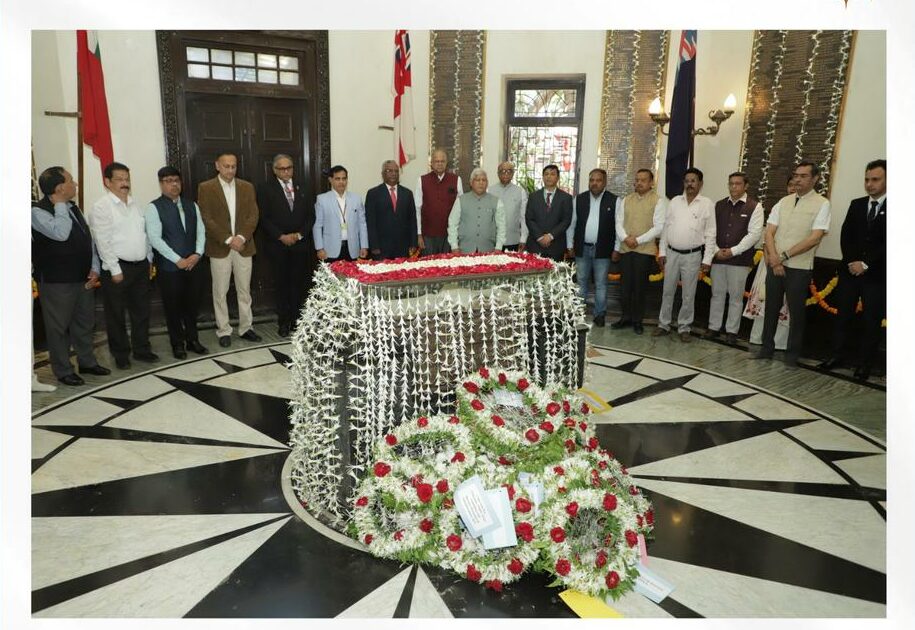
MUMBAI : The Shipping Corporation of India (SCI) paid heartfelt tribute to India’s seafarers with a solemn Wreath Laying Ceremony organised at the Indian Sailors’ Home as part of the 63rd National Maritime Week Celebrations 2026.

The ceremony was graced by the presence of Shyam Jagannathan, IAS, Director General of Shipping, and B. K. Tyagi, Chairman and Managing Director, SCI, along with senior officials from the maritime fraternity, SCI personnel, and cadets.

As a mark of deep respect and remembrance, wreaths were laid in honour of seafarers who have made invaluable contributions to the nation’s maritime legacy and those who have laid down their lives in the line of duty. The ceremony underscored the critical role played by seafarers in sustaining global trade, ensuring supply chain resilience, and supporting India’s economic growth.

Adding dignity to the occasion, cadets from the Maritime Training Institute (MTI), SCI, presented a ceremonial Guard of Honour, reflecting discipline, commitment, and the spirit of the next generation of maritime professionals. Their participation symbolized the continuity of India’s rich seafaring tradition and the enduring commitment to excellence in maritime service.

Addressing the gathering, dignitaries highlighted the significance of National Maritime Week in recognizing the relentless dedication, courage, and professionalism of seafarers, who often operate under challenging conditions to keep global commerce moving. They also emphasized the importance of strengthening maritime training, welfare measures, and safety standards to support the seafaring community.

The event served as a poignant reminder of the maritime sector’s vital contribution to national development and reinforced SCI’s commitment to honouring and supporting India’s seafarers—true ambassadors of the nation across the world’s oceans.

External factors posed challenges to exports in March, yet optimistic of India’s exports, says Commerce Secretary

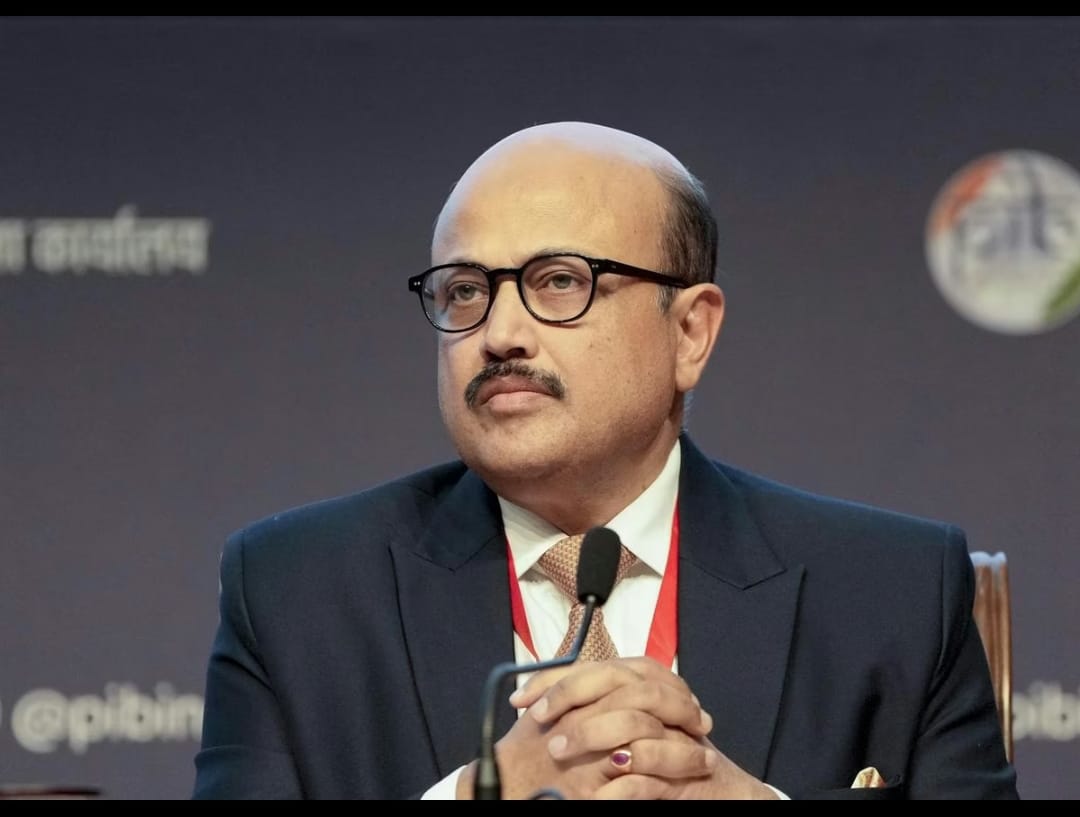
NEW DELHI: India’s exports may have faced challenges in March due to external factors, but the government will have clearer data on the overall impact once official numbers are released later this month, Commerce Secretary Mr Rajesh Agrawal said.

Speaking about the country’s export performance, Mr. Agrawal said that March saw certain difficulties due to global developments.

“In March, there have been challenges because of different externalities, all of which you are aware of,” he said.

The Commerce Secretary added that the government is waiting for complete data before drawing any conclusions about the extent of the impact.

“Wait for 15th April when we’ll have clear data on exports. We’ll be having clear numbers and instead of estimating we’ll have real numbers to talk about. I’ll request each one of you to wait for another 10 days to have the real numbers,” Mr. Agrawal said.

Despite the short-term uncertainties, he expressed confidence that India’s export growth trajectory remains positive.

“As I told, we have been doing well in terms of exports and I think that export trajectory will carry on,” he added.

However, earlier this month, the Centre announced ‘Resilience & Logistic Intervention for Export promotion’ (RELIEF) scheme to support Indian exporters impacted by the ongoing conflict in West Asia.

The initiative aims to provide a calibrated support package to stabilise export flows and protect India’s market share during the crisis period.

The scheme focuses on mitigating the sharp rise in logistics costs and insurance premiums for shipments heading to the Gulf and West Asia.

The details of the intervention were shared during a press briefing by the Commerce Secretary Rajesh Agrawal on March 19, 2026, who stated that the “Middle East conflict has an impact” and noted there are significant “challenges due to this conflict.

“The Commerce Secretary also informed that ‘the government has come together to set up two inter-ministerial groups in the Department of Commerce. We are meeting daily to assess the challenges. We are trying to listen to them and respond to them.

“The RELIEF scheme is structured under the Export Promotion Mission (EPM) with a total financial outlay of Rs 497 crore. The Secretary explained that the government is “trying to build an export package” and that “in this conflict we are trying to help export keep going.”

Stay in regular contact with DG Shipping’: IFC-IOR urges vessels at Strait of Hormuz

NEW DELHI : The premier maritime security hub hosted by the Indian Navy has advised all vessels operating in the Arabian Gulf, Strait of Hormuz (SoH), and Gulf of Oman to provide transit details to the centre and maintain regular contact with it, besides maritime security centres and DG Shipping in Mumbai.

The Information Fusion Centre-Indian Ocean Region (IFC-IOR) termed the security environment across the region at a critical threat level.

In a latest analysis report on the West Asia conflict, the IFC-IOR said that 29 incidents and 23 vessels hit since February 28 underline the scale and persistence of hostilities. Recent attacks confirm that earlier lulls were tactical pauses, not de-escalation.

The IFC-IOR was established by the central government in 2018 to promote collaboration for maritime safety and security.

The Ministry of External Affairs recently said that as many as 20 Indian vessels are stranded amid the West Asia conflict. According to the analysis report, 29 maritime security threats (hybrid) incidents involving commercial vessels and offshore infrastructure have been recorded.

“The threat has evolved from initial strikes in the Strait of Hormuz to a broader operational footprint extending into the northern Arabian Gulf, UAE territorial waters and key port approaches,” it said.

The campaign reflects a coordinated, multi-vector approach employing projectiles, UAVs, USVs and indirect effects such as debris from interceptions. Furthermore, it has reduced Strait of Hormuz traffic by over 96 per cent against the historical daily average.

The non-state actors in Yemen have declared alignment with the ongoing campaign. While no confirmed maritime attacks have been recorded in this phase, their demonstrated capabilities and intent present a credible risk of spillover into the Red Sea, Bab el-Mandeb Strait and Gulf of Aden, the analysis said.

Current threat environment

The present threat environment has three interlocking dimensions: a sustained kinetic campaign across the Arabian Gulf and Strait of Hormuz; declared Houthi re-entry from the south; and pervasive GPS jamming degrading navigation and situational awareness region-wide.

The analysis further said that the nine-day lull was not a ceasefire, a diplomatic development or an indication of campaign exhaustion. “It was likely a deliberate pause. All three areas remain at critical threat level. Recent attacks on MV EXPRESS ROME, MV AL SALMI, and MV AQUA 1 confirm the preceding lull was a tactical pause, not a cessation. The campaign’s pattern is established: concentrated strikes, deliberate intervals, and renewed strikes,” it said.

The centre has monitored a total of 29 attacks since February 28 to date. “Recent maritime security incidents indicate that commercial vessels may face risks from a range of hostile activities, including missile or projectile strikes, uncrewed aerial vehicle (UAV) attacks, armed approaches by unidentified craft and collateral damage arising from regional hostilities,” it said.

According to IFC-IOR, persistent GPS/GNSS interference continues across the Strait of Hormuz approaches, Gulf of Oman, and Arabian Gulf, impacting navigation reliability, AIS integrity, and situational awareness.

“These threats may manifest with minimal warning and may target vessels irrespective of flag, ownership or cargo profile. Vessels at anchor, awaiting orders or operating in proximity to strategic chokepoints, may remain particularly vulnerable due to limited manoeuvrability,” it said.

Current SoH traffic and analysis of attacks

Traffic through the Strait of Hormuz has reduced drastically, as low as approximately four to five vessels per day (last seven days), per current automatic identification system-derived observations. Historical averages stand at approximately 130-140 vessel transits per day.

Multiple days have recorded near-zero inbound or outbound movements, reflecting heightened operator risk aversion.

The IFC-IOR said that the current threat environment is characterised by unpredictability, expanded geographic scope and indiscriminate targeting of commercial shipping irrespective of flag, cargo, or ownership.

“Attacks have occurred both underway and at anchor, including within port limits and during ship-to-ship operations. Vessels with limited manoeuvrability remain particularly vulnerable,” it said.

The Indian-flagged vessel, Libra Trader, was hit by a missile on March 3 at night. As many as 22 foreign-flagged vessels were hit by either a drone or a missile since February 28 in the Strait of Hormuz.

As per the analysis, the cumulative impact of this campaign on maritime trade, global energy supply, and port infrastructure has been severe and, in several respects, without precedent in the modern era.

“The Strait of Hormuz, through which approximately 21 million barrels of oil flow per day, with no viable alternative exit route for Gulf producers, is effectively closed for the majority of commercial shipping,” it said.

Stating that unknown projectiles, drones, and USVs are being used, the analysis further said strikes often target engine rooms or above the waterline to cause fires and explosions, leading to abandonment or sinking.

“The breakdown of vessel types confirms there is no ‘safe’ category. Crude oil product tankers, container ships, bulk carriers and salvage support vessels were targeted in the attacks. Most of the attacks occurred during daylight or at unspecified times, but patterns suggest opportunistic strikes on transiting vessels, often in the morning or afternoon,” it said.

Available option for safe ferry

It said that rerouting via the Cape of Good Hope is operationally the safest available option, but adds high costs and voyage times and places additional strain on bunkering infrastructure at Cape ports.

“Some crude shipments are being routed via the Saudi East-West Pipeline to Yanbu for onward loading. This provides short-term capacity but is a choke point in its own right, subject to threat from Yemeni nonstate actors,” the IFC-IOR said.

Duqm, Oman, is also explored by some operators as an alternative STS and transhipment hub given its position outside the immediate Arabian Gulf threat zone.

The IFC-IOR aims at strengthening maritime security in the region by building a common, coherent maritime situation picture and acting as a maritime security information-sharing hub. Since its inception, the Centre has established 76 linkages in 28 countries.

Source : ETV Bharat

JNPA sign pact with UPSIDA to position Lalitpur Pharma Park as global export hub

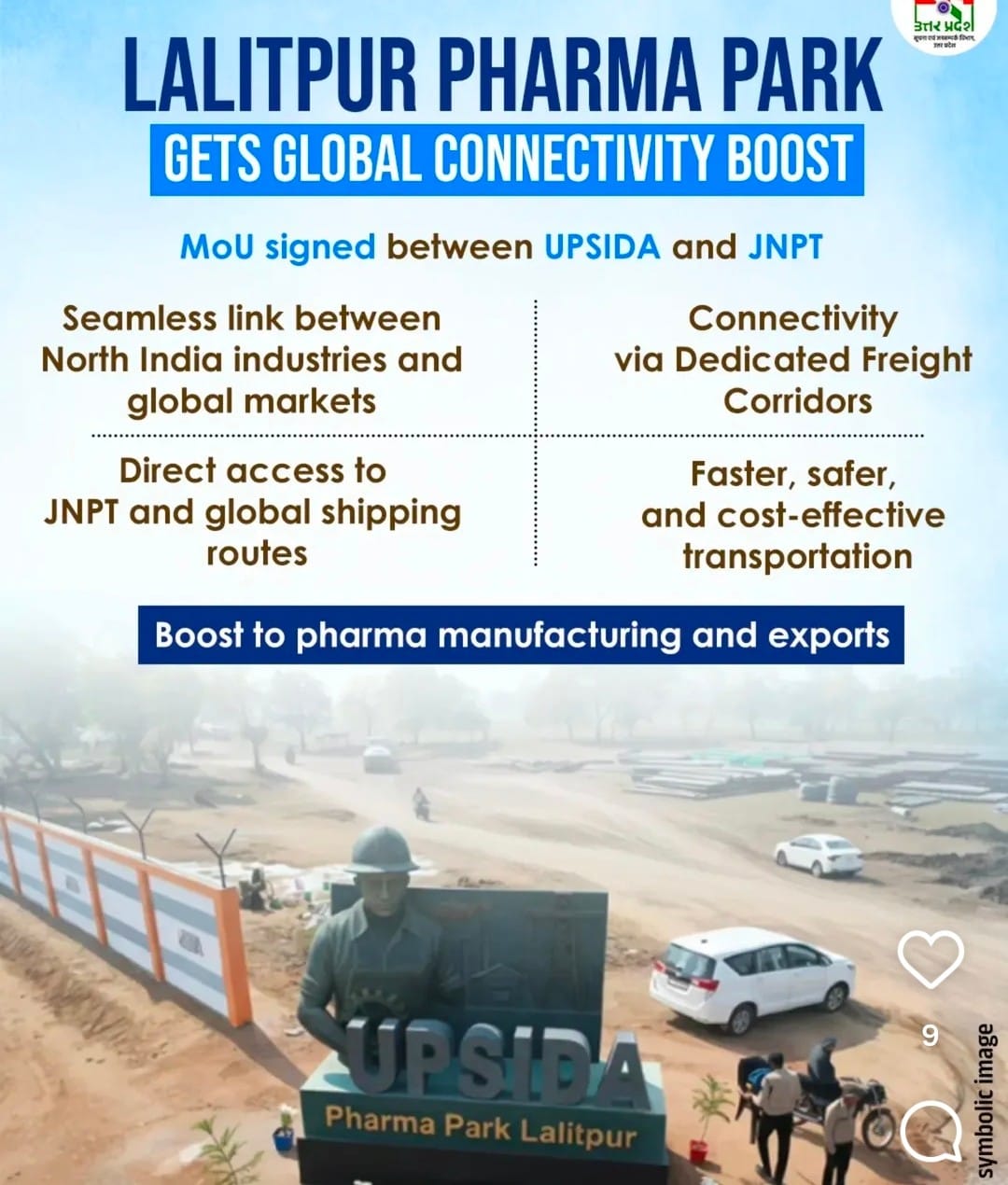
KANPUR : Jawaharlal Nehru Port Authority and the Uttar Pradesh State Industrial Development Authority(UPSIDA) have signed an agreement to position the proposed Lalitpur Pharma Park as a global export hub.

The memorandum of understanding (MoU) was signed by UPSIDA Chief Executive Officer Vijay Kiran Anand and JNPA Chairman Gaurav Dayal to seamlessly connect industrial regions of northern India to global markets, according to an official statement issued by UPSIDA on Saturday.

The strategic partnership would enable the Lalitpur Pharma Park to be directly linked to international maritime trade routes, marking a significant step towards transforming it into a global export centre, it stated.

Highlighting the significance of the collaboration, Anand said the pharma park in Lalitpur is a key component of the vision of Chief Minister Yogi Adityanath to establish Uttar Pradesh as a leading force in healthcare and pharmaceutical manufacturing.

“By partnering with JNPA, we are enabling world-class logistics facilities for our investors. Integration with dedicated freight corridors will allow pharmaceutical manufacturers to access markets with unprecedented speed, significantly enhancing their global competitiveness,” he said.

As part of the agreement, the Dadri-Khurja rail link will be strategically utilised to connect with the Western Dedicated Freight Corridor (WDFC) and Eastern Dedicated Freight Corridor (EDFC), creating an advanced multi-modal rail network.

This network will ensure efficient, secure and cost-effective transportation of high-value pharmaceutical products manufactured in Lalitpur directly to JNPA, India’s largest container port.

The collaboration aims to boost export-import (EXIM) trade by providing seamless logistics support for the import of raw materials and export of finished pharmaceutical products from the Lalitpur cluster.

It will also facilitate technical and operational cooperation tailored to the complex logistics needs of the pharmaceutical sector, while strengthening coordination among industry stakeholders, logistics service providers and other entities to build a more efficient and competitive supply chain.

The statement said the partnership represents a concrete step towards integrating Uttar Pradesh’s industrial growth with national logistics infrastructure, thereby enhancing the state’s ease of doing business ecosystem and making it more attractive for investment.

UPSIDA, as the nodal agency for industrial infrastructure development in the state, is driving economic growth through the development of specialised industrial clusters, it said.

The Jawaharlal Nehru Port Authority, located in Navi Mumbai, is India’s premier container port, handling around 50 per cent of the total containerised cargo across major ports. Commissioned in 1989, it is connected to over 200 ports worldwide and is supported by an extensive rail and road network.

Strategically located along a major industrial corridor, the Lalitpur Pharma Park will gain seamless connectivity to global shipping routes through its linkage with the WDFC and EDFC via the Dadri-Khurja.

Source : PTI

Gujarat Highway upgrades worth Rs 1,206 crore to improve ceramic logistics, port and pilgrimage connectivity

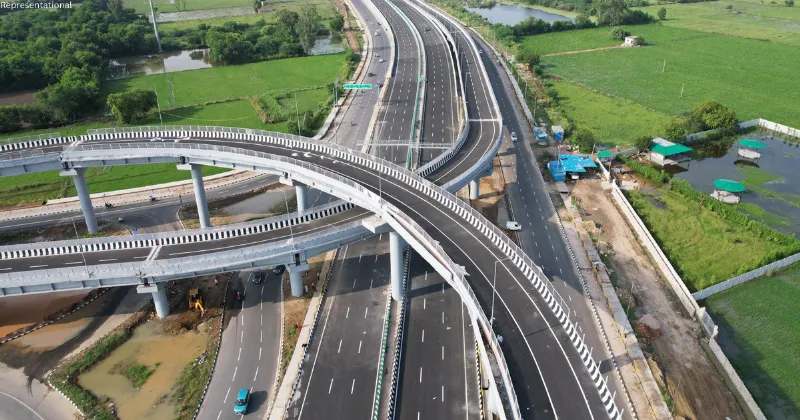
NEW DELHI : The Central government has approved two highway upgrade projects worth around Rs 1,206 crore in Gujarat, aimed at improving connectivity, road safety and supporting regional economic and tourism activity.

Union Minister for Road Transport and Highways Shri Nitin Gadkari announced on Saturday (4 April) that the Chitrod–Rapar–Balasar section of National Highway-927C, spanning 57.848 Km, will be upgraded at a cost of Rs 698.78 crore.

National Highway-927C originates near Chitrod from National Highway-27, part of the Amritsar–Jamnagar corridor, and terminates near Balasar at National Highway-754K.

The corridor plays a critical role in supporting industrial logistics, particularly for the Morbi ceramic industry, as Fatehgarh serves as a key source of raw materials.

The minister stated that the strategic corridor also connects several tourist destinations, including Dholavira, Dhordo, and the ‘Road-to-Heaven.’

The upgrade is expected to improve connectivity, enhance road safety.

The project also includes a bypass for Rapar town, which will help reduce traffic in the city.

In a separate announcement, Gadkari said that the Naliya–Narayan Sarovar section of National Highway-41 in Gujarat, covering 68 Km, will be upgraded at a cost of Rs 508 crore.

The project aims to improve connectivity to Narayan Sarovar, one of the five sacred Panch-Sarovars in Hinduism, which attracts thousands of pilgrims during major fairs held in the region.

The minister noted that the upgraded stretch will also improve access to key ecological and tourism sites, including the Great Indian Bustard Sanctuary and the Narayan Sarovar Wildlife Sanctuary, thereby supporting tourism-linked economic activity in the region.

The Naliya–Narayan Sarovar upgrade will address identified accident-prone locations along the route to ensure safer and smoother travel.

The project is also expected to reduce travel time and enhance connectivity between Narayan Sarovar and Mundra Port.

Columbia Group CEO questions whether shipping is heading for a wider crewing shortage

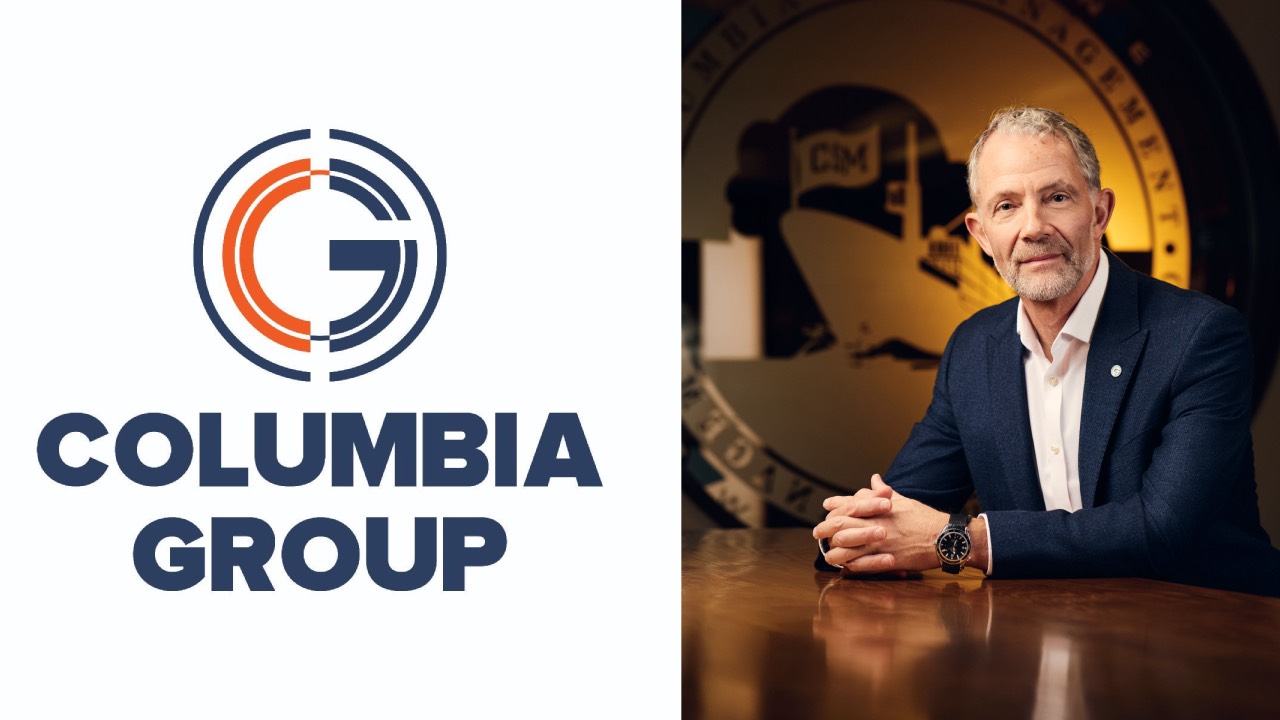
LIMASSOL: Mark O’Neil, CEO of Columbia Group, has questioned whether the shipping industry is heading for a wider crewing shortage as conflict in the Middle East, fuel disruption in the Philippines and rising repatriation costs place growing strain on global crewing.

In Mr O’Neil’s view, the industry risks focusing too heavily on freight, routing and insurance, while giving too little attention to a more immediate and potentially more serious issue: whether enough seafarers will continue to join and leave vessels under increasingly difficult conditions.

He believes the pressure is no longer confined to what happens at sea. With security concerns rising in and around the Gulf, fear of operating in higher-risk areas is now being compounded by disruption to domestic travel in the Philippines and the rising cost of flights for relief crews, all of which is beginning to weigh on the movement of seafarers through the system. His concern is that the cumulative impact is becoming too significant for the industry to dismiss as a short-term operational complication.

Mr O’Neil said: “The industry needs to ask itself a very direct question: are we creating the conditions for a wider crewing shortage? If seafarers are being asked to accept greater personal risk, while at the same time it becomes harder and more expensive to move them to and from vessels, then this stops being only a security issue. It becomes a workforce issue for the industry. You cannot look at this purely through the lens of vessel transit or insurance premiums. You also have to look at what is happening behind the scenes, including the pressure on crew changes, the uncertainty around repatriation, the rising cost of flights, and the effect of fuel disruption in countries like the Philippines, which remain critical to global crewing.”

For Mr O’Neil, the real danger lies in assuming that seafarers will continue absorbing rising risk and disruption without consequence. He argues that family concerns, fatigue and logistical barriers are all intensifying at once, and that the industry may be underestimating how quickly confidence in the crewing pipeline could begin to weaken if that burden continues to grow.

He said: “Shipping should be very careful not to mistake professionalism for unlimited tolerance of danger. There comes a point where fear, fatigue, family pressure and logistics all start pushing in the same direction. If that happens, the next crisis for shipping will not just be about trade routes. It will be about whether there are enough people willing to serve on them. At the end of the day, shipping depends on seafarers. If the industry does not take seriously what this environment is doing to crew confidence, crew mobility and crew welfare, it will be facing more than temporary disruption. It will be facing a serious crewing problem.”

Source: Columbia Group

IFFCO clocks record profit before tax of Rs 4,106 crores in FY 2025-26

NEW DELHI: Indian Farmers Fertiliser Cooperative Ltd. (IFFCO) Saturday said it clocked a record profit before tax of Rs 4,106 crores in the financial year 2025-26. IFFCO Chairman Shri Dileep Sanghani stated that the financial year 2025-26 has emerged as a milestone in the history of the Indian cooperative movement, the company said in a press release.

IFFCO said it also set new benchmarks in production and sales. A record sale of 118.75 lakh metric tonnes of fertilisers, coupled with a nationwide supply of 119.68 lakh metric tonnes, stands as proof that the institution accords the highest priority to farmers’ needs. The rising sales of urea and DAP have further solidified IFFCO’s pivotal role in the agricultural sector.

“In FY 2025-26, the popularity of nano-fertilisers witnessed rapid growth, with sales exceeding 30.1 lakh bottles. Products such as Nano Urea Plus, Nano DAP, Nano Zinc, Nano Copper, and ‘Dharamrut’ have emerged as highly effective, eco-friendly, and cost-efficient alternatives for farmers,” according to the press release.

Furthermore, Nano NPK Liquid (8-8-10) and Nano NPK Granular (20-10-10) have been notified under the Fertiliser Control Order–these are the first products of their kind in the world. They can be utilised through both foliar spraying and soil application, enhancing nutrient use efficiency and creating a positive environmental impact.

To expand the reach of nano technology, IFFCO inaugurated its fourth nano-fertiliser plant in Devanahalli, Bengaluru, bringing the total production capacity to approximately 950,000 bottles per day. Meanwhile, the Nano Innovation Centre in Coimbatore is emerging as a pivotal platform for research and technological development, with work underway on new technologies focused on the future of agriculture.

“The path ahead is clear: Through nano technology, organic practices, and harmonising fertilisers with modern agriculture–via IFFCO–we are united in our collective endeavour to realise Prime Minister Shri Narendra Modi’s vision of “Viksit Bharat @ 2047”,” the company said in the press release

Somalia registers first ship under national flag in over 30 years

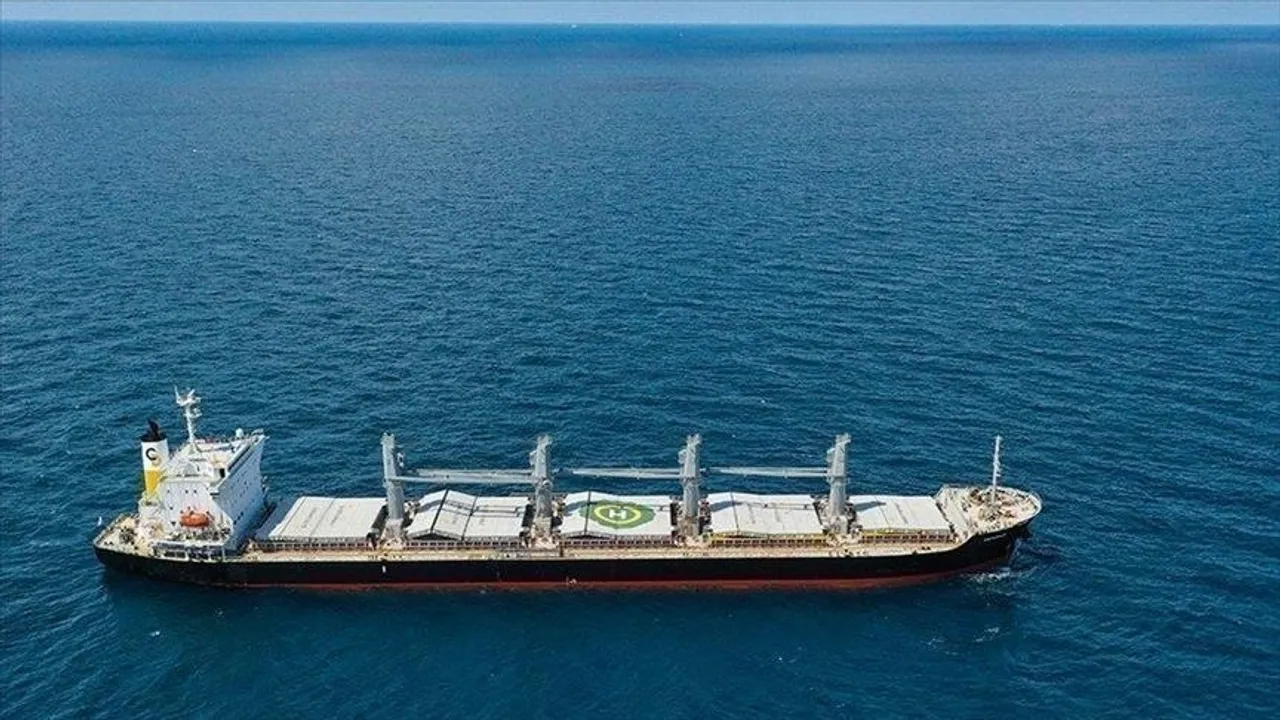
Somalia announces that it has officially registered the first vessel to sail under the Horn of Africa nation’s flag since the collapse of former institutions in the 1991 civil war.

“Today, we officially registered the vessel ‘Guney’ (IMO 8230417) under the flag of the Federal Republic of Somalia,” Ports and Marine Transport Minister Abdulkadir Mohamed Nur said in a statement on Thursday.

He said that the registration of the vessel, which marks the first time since the collapse of the state more than three decades ago in the civil war, is “symbolizing the revival of Somalia’s maritime authority and the renewed credibility of the Somali flag.”

He called the shipowners and maritime businesses to register their vessels under the national flag.

The announcement comes after Mogadishu adopted the necessary national legislation and international maritime regulations required to establish Somalia’s ship registry.

Somalia has coastal areas stretching over 3,330 kilometres (2069 miles), making it the longest in mainland Africa, running along both the Gulf of Aden in the north and the Indian Ocean in the east and south.

INS Trikand calls at Dar-es-Salaam, Tanzania

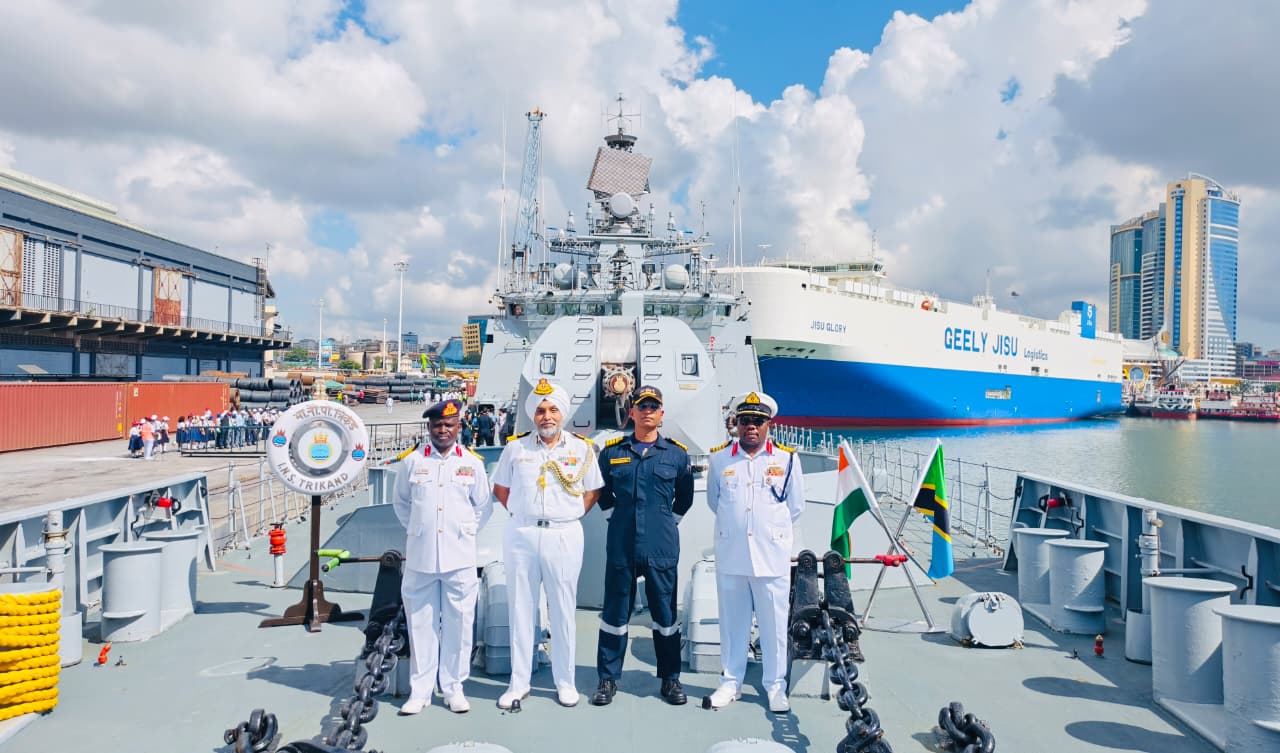
NEW DELHI : INS Trikand, frontline guided missile frigate of the Indian Navy, arrived at Dar-es-Salaam, Tanzania on 03 Apr 2026, as part of its ongoing deployment in the South West Indian Ocean Region. The visit aims to strengthen maritime cooperation and enhance bilateral ties between India and Tanzania.

Engagements during the port call include professional interactions – joint training activities with the Tanzania Navy to enhance interoperability and maritime cooperation. In addition, a range of social and community engagements are planned, including friendly sports fixtures and yoga. A cultural evening will also be hosted onboard, fostering goodwill, and people to people connections.

Critical stores ferried from India will be handed over during the visit. Captain Sachin Kulkarni, Commanding Officer of the ship, will call on senior dignitaries of the Tanzania People’s Defence Forces and Government of the United Republic of Tanzania.

The port call by INS Trikand is aligned with India’s vision of MAHASAGAR – Mutual and Holistic Advancement for Security and Growth Across Regions.

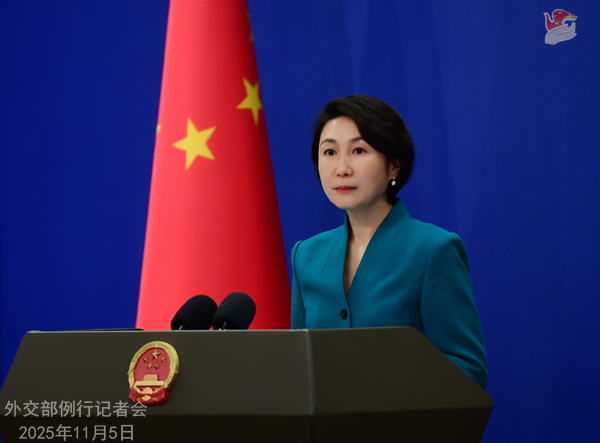
Gulf ceasefire ‘fundamental’ to global shipping: China’s FM spokeswoman

BEIJING: A ceasefire, as well as peace and stability, in the Gulf region are the fundamental prerequisites for keeping the international shipping route safe and unimpeded, Mao Ning, spokeswoman for China’s Foreign Ministry has said.

Mao Ning made the remarks after United States President Donald Trump called on countries affected by rising fuel prices caused by the US-Israeli war on Iran to seize the Strait of Hormuz.

Trump also said that the US is going to hit Iran “extremely hard over the next two to three weeks”.

However, at a daily news conference in Beijing on Thursday, Mao said that the root cause for disruption to passage through the Strait of Hormuz lies in the illegal US-Israeli military operations against Iran.

Mao urged parties to the conflict to immediately stop military operations and start peace talks as soon as possible to resolve issues through dialogue and negotiation.

Relevant parties should work together to promote de-escalation and prevent regional turmoil from having a greater impact on the global economy and energy security, she added.

Source: China Daily