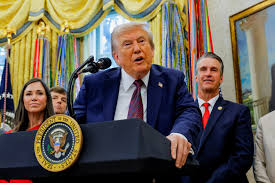
Iran rejected the latest ceasefire proposal and instead said it wanted a permanent end to the war, as U.S. President Donald Trump’s ultimatum loomed within hours. Iran’s state-run IRNA news agency said Tehran had conveyed its response through Pakistan, a key mediator. Meanwhile, U.S. President Donald Trump said on Monday (April 6, 2026) that the U.S. had studied a proposal for a 45-day ceasefire in the Iran war, a move he called a “very significant step”.
He also said that Iran’s proposal was significant but not good enough. Earlier, the White House informed that Mr. Trump had “not signed off” on the proposal and is continuing the war.
Iran won’t reopen the Strait of Hormuz in exchange for a “temporary ceasefire”, a senior Iranian official told Reuters on Monday (April 6, 2026), adding that Tehran views Washington as lacking the readiness for a permanent ceasefire. The official confirmed Iran had received Pakistan’s proposal for an immediate ceasefire and was reviewing it, adding that Tehran does not accept being pressured to accept deadlines and make a decision.
Israel’s army said on Monday (April 6, 2026) it had completed a wave of strikes against “regime targets” in Tehran, killing at least 25 people. The attack came after Donald Trump issued a threat to Iran that it must reopen the Strait of Hormuz.
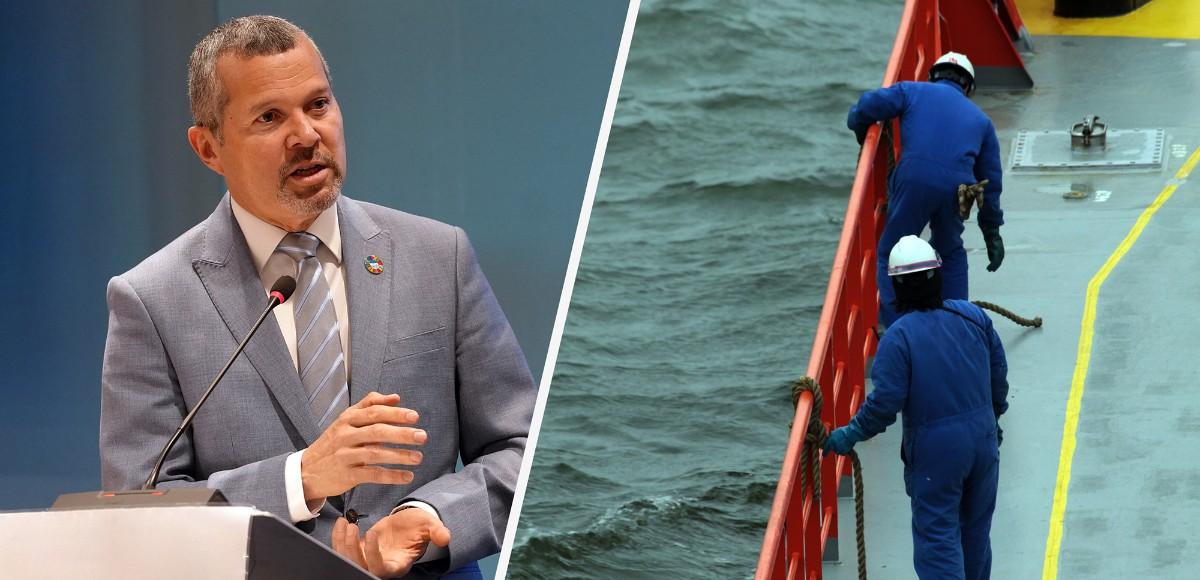
Foreign Ministers updated on IMO actions related to the situation in the Strait of Hormuz
LONDON : The Secretary-General of the International Maritime Organization (IMO) Mr. Arsenio Dominguez has urged States to support diplomatic efforts to secure the evacuation of around 20,000 seafarers still stranded in the Persian Gulf, and enable humanitarian corridors for urgent assistance.
During a virtual meeting for Foreign Ministers from more than 40 countries hosted by the United Kingdom’s Foreign, Commonwealth and Development Office (FCDO) to discuss the situation in the Strait of Hormuz, Secretary-General Dominguez called on all Parties to respect the rights and freedoms of navigation and stressed the paramount importance of the safety and wellbeing of seafarers.
He emphasized the need for de-escalation and operational maritime solutions rather than purely military approaches.
“Fragmented responses are no longer sufficient to resolve this crisis. What is urgently required is diplomatic engagement, practical and neutral solutions, and coordinated international action,” he said following the meeting.
“IMO is advancing a maritime evacuation framework built on coastal State cooperation, security guarantees and operational coordination, with the clear objective of releasing stranded vessels, enabling safe crew rotations and preventing an environmental disaster.”
IMO actions Since the beginning of the conflict on 28 February 2026, IMO has confirmed 21 attacks on commercial shipping, resulting in the deaths of 10 seafarers with several more severely injured. Around 20,000 civilian seafarers remain aboard vessels in the Persian Gulf, facing dwindling supplies, fatigue and severe psychological stress.
Safe passage for seafarers Ongoing discussions are being held by the IMO Secretary-General and representatives from the relevant States on the development of a safe passage framework to evacuate seafarers currently stranded in the Persian Gulf.
Support from coastal States IMO is engaging States in the region that have stepped forward to secure supply lines to ships and facilitate humanitarian access for seafarers. Focal point information is available on IMO’s dedicated webpage.
Data collection and verification The IMO website features an online hub that includes verified information on ship attacks, guidance from key industry bodies and international partners, contacts for stranded seafarers, as well as resources related to the global economic impact.
Supporting industry coordination IMO maintains close communication with industry bodies (BIMCO, ICS, ITF, INTERTANKO, WSC and others) to share information and coordinate action where necessary.
UN Task Force on Strait of Hormuz IMO is a member of a new dedicated Task Force established by the UN Secretary-General to work on technical mechanisms specifically designed to meet humanitarian needs in the Strait of Hormuz.
The Task Force is led by Under-Secretary-General Jorge Moreira da Silva, Executive Director of United Nations Office for Project Services (UNOPS), and includes representatives from the UN Conference on Trade and Development (UNCTAD), the International Chamber of Commerce (ICC) and others, alongside IMO.
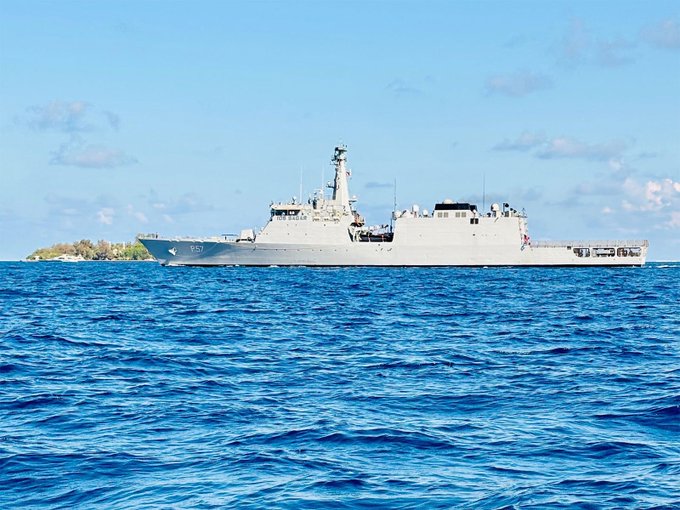
MALE : IOS Sagar on Monday arrived at Maldives, marking first port call of its overseas deployment. IOS Sagar was accompanied by 39 international crew from 16 countries. In a post on X, Indian Embassy in Maldives said, “IOS SAGAR with 39 international crew from 16 countries incl. MNDF personnel arrives at Male’, Maldives – marking first port call of its overseas deployment & reflection of India’s vision of “leadership through partnership, strength through unity, progress through peace”.”
Reaffirming India’s commitment to collaborative maritime security in the Indian Ocean Region, the second edition of Indian Ocean Ship (IOS) SAGAR commenced on March 16, as per a statement by the Ministry of Defence on March 18. The Indian Navy assumed the chair of the Indian Ocean Naval Symposium (IONS) in February 2026. Therefore, this Edition includes participation from 16 IONS nations of the Indian Ocean Region (IOR).
The initiative builds on India’s long-standing maritime cooperation efforts and reflects the Government of India’s vision of Security and Growth for All in the Region (SAGAR), while also advancing the broader framework of MAHASAGAR – Mutual and Holistic Advancement for Security Across the Regions, the statement said.
IOS SAGAR is designed as a unique operational engagement programme that enables naval personnel from Friendly Foreign Countries to train and sail together onboard an Indian Naval Ship. By integrating international participants into shipboard activities and professional training modules, the initiative promotes practical cooperation, interoperability and shared understanding of maritime operations.
As part of the current edition of IOS SAGAR, naval personnel from 16 Friendly Foreign Countries will participate in the programme.
The programme will commence with professional training interactions at Indian Naval training establishments in Kochi, where participants will be exposed to key aspects of naval operations, seamanship practices and maritime security concepts. This phase will be followed by deployment onboard an Indian Naval Ship, where international participants will sail together with Indian Navy personnel and take part in operational activities at sea, as per the Ministry of Defence. During the voyage, the ship will undertake maritime engagement activities and port visits, enabling interaction with partner navies and maritime agencies across the region. These engagements are intended to strengthen professional linkages, encourage exchange of best practices and foster a deeper understanding of shared maritime challenges.
SINGAPORE: MariApps Marine Solutions, a global leader in maritime digital solutions and a member of the Schulte Group, is pleased to announce it has acquired 100% ownership of Hyderabad-based software company, EffiaSoft Private Limited.
This strategic acquisition marks a significant milestone in MariApps’ commitment to expanding its digital ecosystem and enhancing its technological capabilities. By integrating EffiaSoft’s portfolio of enterprise software solutions, MariApps reinforces its position as the chosen provider of end-to-end digital transformation for the maritime industry and beyond.
This acquisition serves as a force multiplier for MariApps, allowing for an increase in the scale of development of next-generation maritime tools and incorporate sophisticated supply chain functionalities into its market-leading smartPAL suite. Furthermore, by absorbing engineering talent and strategic Hyderabad operations, MariApps is poised to deliver even more robust, high-performance digital solutions to its global clientele with unmatched speed and technical precision.
Prior to this acquisition, MariApps and EffiaSoft had worked closely on several areas including MariApps’ cruisePAL development and travel solutions for the maritime Industry.
“The acquisition of EffiaSoft is a testament to our vision of building a comprehensive digital maritime ecosystem. Their expertise in creating high-performance software aligns perfectly with our goal of driving operational efficiency for our clients worldwide.”
Sankar Ragavan, CEO, MariApps Marine Solutions
“Joining forces with MariApps opens a world of opportunity for our teams. We are excited to bring our passion for innovation to the maritime sector and contribute to the growth of a global industry leader.”
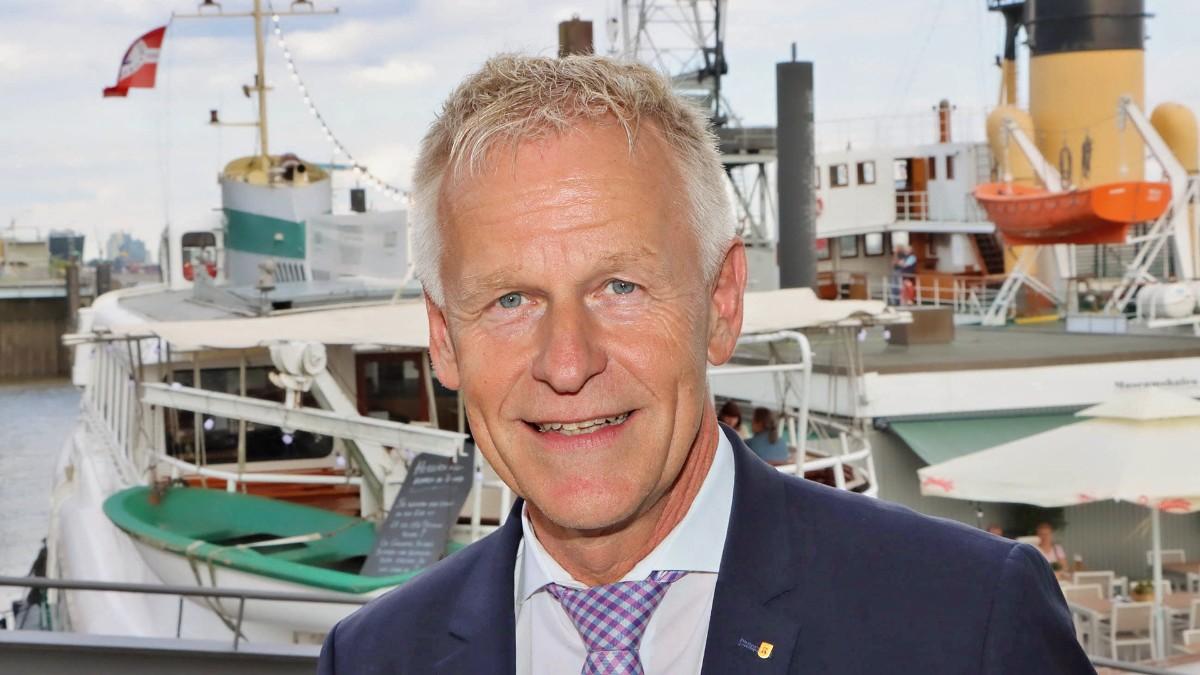
TOKYO : CV Jens Meier has been the CEO of Germany’s Hamburg Port Authority since 2008. With over 25 years of experience in the port, logistics, finance and IT sectors, the computer science graduate is a recognised leader in the maritime industry. In 2023, Meier was elected President of the International Association of Ports and Harbours (IAPH) and re-elected for a second term in October 2025. Jens Meier, noted that while large infrastructure projects have improved performance, integrating these assets is the next crucial step for India to “hit the big league” of global maritime logistics
Tokyo-based IAPH, a non-governmental organisation, represents over 200 ports and 170 maritime-related businesses across 90 countries. It acts as a global alliance for port authorities and operators, focusing on decarbonisation, digitalisation and risk management.
During his recent visit to Chennai, Meier spoke on issues related to Indian ports., Meier emphasized that accelerating multimodal connectivity, particularly rail, and standardizing digital processes are critical for the next phase of growth.
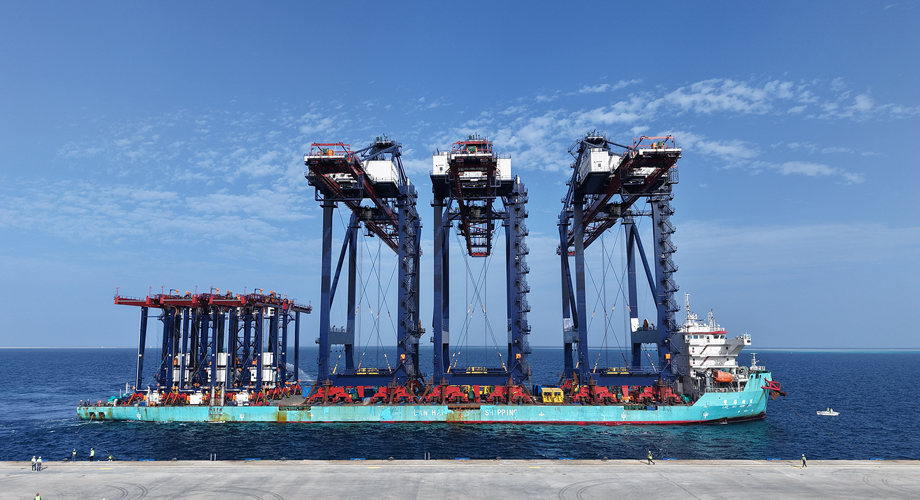
ABU DHABI : Nawatom Ports, the international port operator arm of Abu Dhabi Ports Group on Monday announced the arrival of three quay cranes and six rubber-tired gantry cranes at its new multi-purpose terminal in Safaga, Egypt. This significant milestone comes ahead of the anticipated opening later this year of this major new commercial marine gateway on the Red Sea in Upper Egypt.
The Superpost Panamax cranes, manufactured by Shanghai Shenhua Heavy Industries Co., Ltd. (ZPMC), a world leader in industrial cranes, were successfully delivered after being shipped by sea from China. This paves the way for the phased commencement of operations at Nawatom Ports – Safaga Terminal, following the completion of key infrastructure development. Strategically located on the Red Sea coast, Nawatom Ports – Safaga Terminal is the first international marine terminal in Upper Egypt, serving as a vital gateway to the region and enhancing connectivity between Egypt, the Middle East, Africa, and global shipping lanes.
The terminal is equipped to handle containers, general cargo, liquid and dry cargo, and roll-on/roll-off cargo, supporting regional and international trade flows by providing high productivity levels, a deep draft to accommodate mega-ships, and best-in-class port operations and services. Furthermore, the terminal will play a pivotal role in enabling industrial development in Upper Egypt and the Red Sea region in general, including container trade, project cargo for industrial infrastructure and green energy, and logistics services for the mining sector. On this occasion, Mohamed Al Tamimi, CEO of Nawatom Ports,
said : “The arrival of the quay cranes and gantry cranes today marks a significant milestone in the operational journey of Nawatom Ports – Safaga Terminal, ahead of its opening later this year, which will be a major new gateway to support economic development in Upper Egypt. This achievement confirms our transition from the development phase to the operational phase in a vital and strategic location, where the terminal will be a pivotal gateway on the Red Sea, supporting global trade flows and contributing to driving economic growth in Egypt.”
The Nawatom Ports – Safaga Terminal covers an area of approximately 810,000 square meters and includes a 1,000-meter quay wall, a container handling yard with a capacity of up to 450,000 TEUs, a handling capacity of up to 5 million tons of general and dry cargo, and 1 million tons of liquid cargo, in addition to roll-on/roll-off (Ro-Ro) cargo handling facilities with a capacity of up to 50,000 vehicles.
The terminal also features various facilities including administrative buildings, workshops, warehouses, and government facilities, supported by a comprehensive infrastructure of roads, public utilities, and security and safety systems.Abu Dhabi Ports Group has invested AED 193 million to purchase and operate these cranes at the terminal, which is expected to commence operations in the second half of 2026. These cranes are part of a total investment of $200 million that the group committed to allocating to the Safaga Terminal, following the signing in 2023 of a 30-year concession agreement with the Red Sea Ports Authority to develop and operate the multi-purpose terminal.
The project is being partially financed through a $115 million financing facility from the International Finance Corporation (IFC), with participation from the National Bank of Kuwait – Egypt and other investment institutions, as announced by the group in February 2026. This financing is provided through a syndicated loan portfolio managed by the IFC, with a maturity of up to 15 years. This reflects strong international confidence in the operational capabilities of Abu Dhabi Ports Group and the strategic role of the Arab Republic of Egypt within global supply chains.
This new project is part of the group’s broader strategy to develop and operate high-performance port facilities and infrastructure along high-growth trade corridors, particularly in Egypt, which has become one of the group’s most important international markets. The delivery of the cranes reflects Nautom Ports’ long-term commitment to investing in advanced infrastructure and state-of-the-art equipment across its portfolio, reinforcing its role in delivering safe, efficient, and reliable terminal operations worldwide.
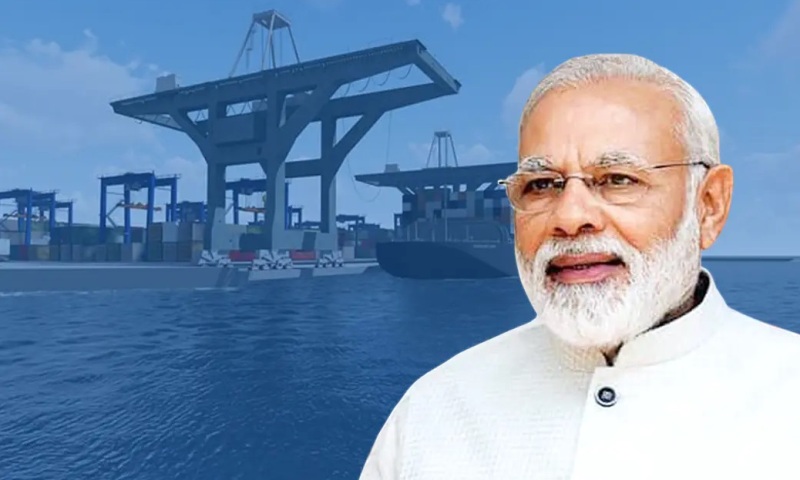
NEW DELHI : The Prime Minister, Shri Narendra Modi on the occasion of 63rd National Maritime Day, recalled India’s rich maritime heritage and acknowledged the invaluable contribution of all those associated with the sector.
Shri Modi stated that the dedication of individuals in the maritime sector strengthens the nation’s economy, trade and connectivity.
The Prime Minister further reaffirmed the government’s commitment to harness the immense potential of the maritime sector for ensuring a prosperous future for the nation.
The Prime Minister wrote on X;
“On National Maritime Day, we recall India’s maritime heritage and the invaluable contribution of all those associated with this sector. Their dedication strengthens our economy, trade and connectivity.We will continue to harness the immense potential of our maritime sector for a prosperous future.”
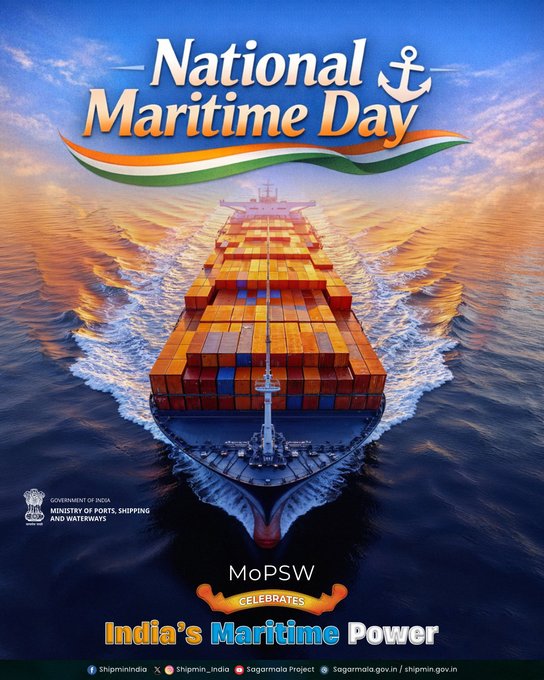
NEW DELHI : On the occasion of 63rdNational Maritime Day, the Ministry of Ports, Shipping and Waterways (MoPSW) paid tribute to the invaluable contribution of India’s seafarers and the enduring legacy of the maritime sector that continues to drive the nation’s trade and economic progress.
Highlighting the pivotal role of the maritime industry, MoPSW emphasized how India’s ports—spanning the eastern and western coasts—serve as vital gateways for international trade. From handling bulk cargo and containers to facilitating energy imports and export-driven growth, all major ports have consistently demonstrated resilience, efficiency, and a commitment to excellence.
India’s maritime sector handles over 90% of the country’s trade by volume and around 70% by value, underlining its critical importance to the economy. Major ports such as Jawaharlal Nehru Port Authority, Deendayal Port Authority, Paradip Port Authority, Visakhapatnam Port Authority, and Chennai Port Authority continue to set benchmarks in cargo handling, operational efficiency, and sustainability.
In recent years, the sector has witnessed significant transformation through flagship initiatives like the Sagarmala Programme, aimed at modernizing port infrastructure, enhancing connectivity, and promoting port-led industrialization. The push towards green ports—with increased adoption of renewable energy, shore power, and carbon reduction measures—further reflects the government’s commitment to sustainable maritime growth.
MoPSW also acknowledged the dedication and professionalism of Indian seafarers, who form one of the largest and most respected maritime workforces globally. Their efforts ensure the seamless movement of goods across oceans, even in challenging conditions, reinforcing India’s position as a reliable partner in global trade.
As the nation celebrates National Maritime Day, MoPSW reaffirmed its vision of building a future-ready, efficient, and environmentally sustainable maritime ecosystem—one that continues to power India’s growth, strengthen global trade linkages, and uphold the legacy of its seafaring community.
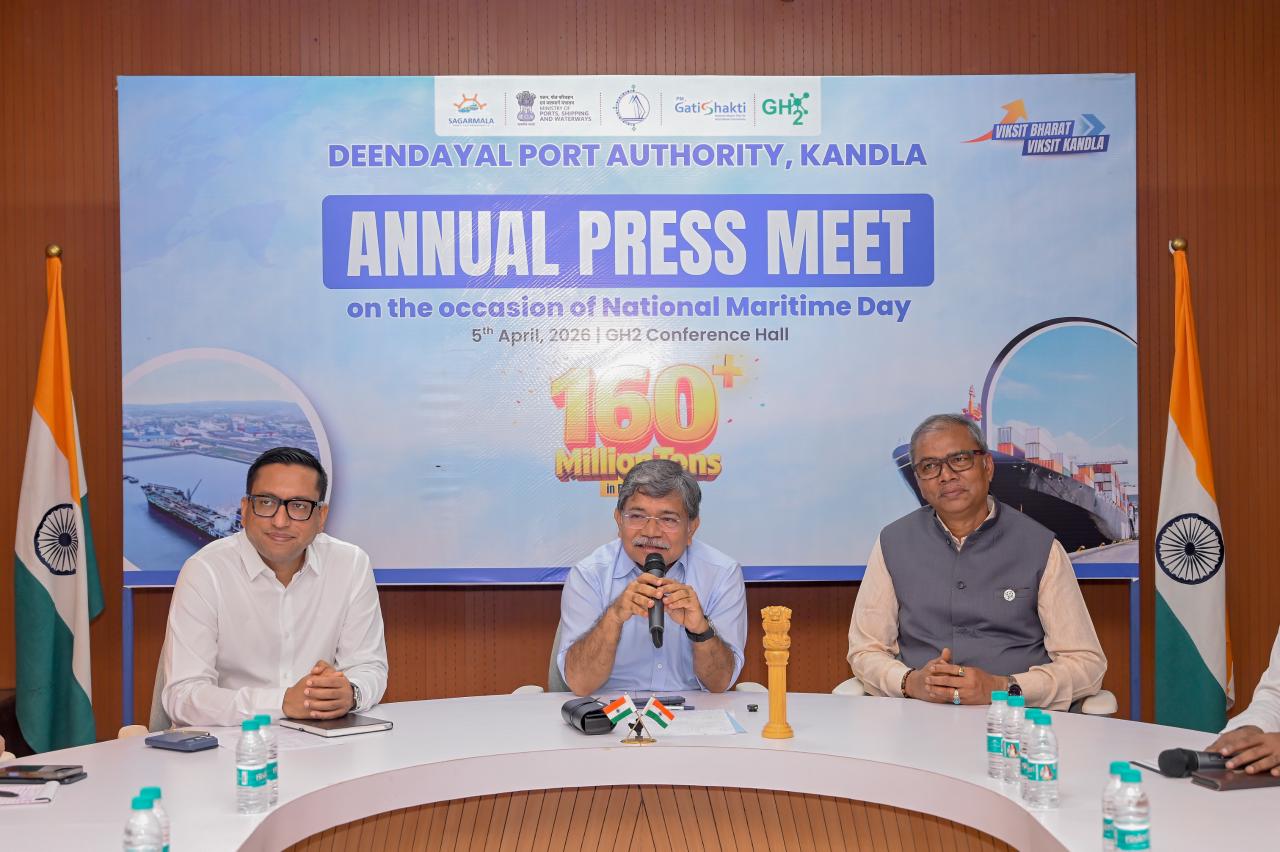
GANDHIDHAM : On the occasion of the 63rd National Maritime Day, Deendayal Port Authority, Kandla organized a Press Meet on Saturday, chaired by Shri Sushil Kumar Singh, IRSME, Chairman, DPA, highlighting the port’s remarkable achievements and future-ready initiatives in India’s maritime sector.
Addressing the gathering, the Chairman extended warm greetings to the entire maritime fraternity and stated: “It is a matter of great honour and privilege to be present here today on the occasion of the 63rd National Maritime Day. I extend my heartfelt congratulations to all members of the maritime community, whose relentless efforts continue to strengthen our nation’s maritime sector.”
Significance of National Maritime Day National Maritime Day, celebrated on 5th April, commemorates the historic voyage of SS Loyalty in 1919, the first ship of an Indian shipping, company that sailed from Mumbai to London. This landmark event marked the beginning of India’s journey towards self-reliance in maritime trade and shipping.
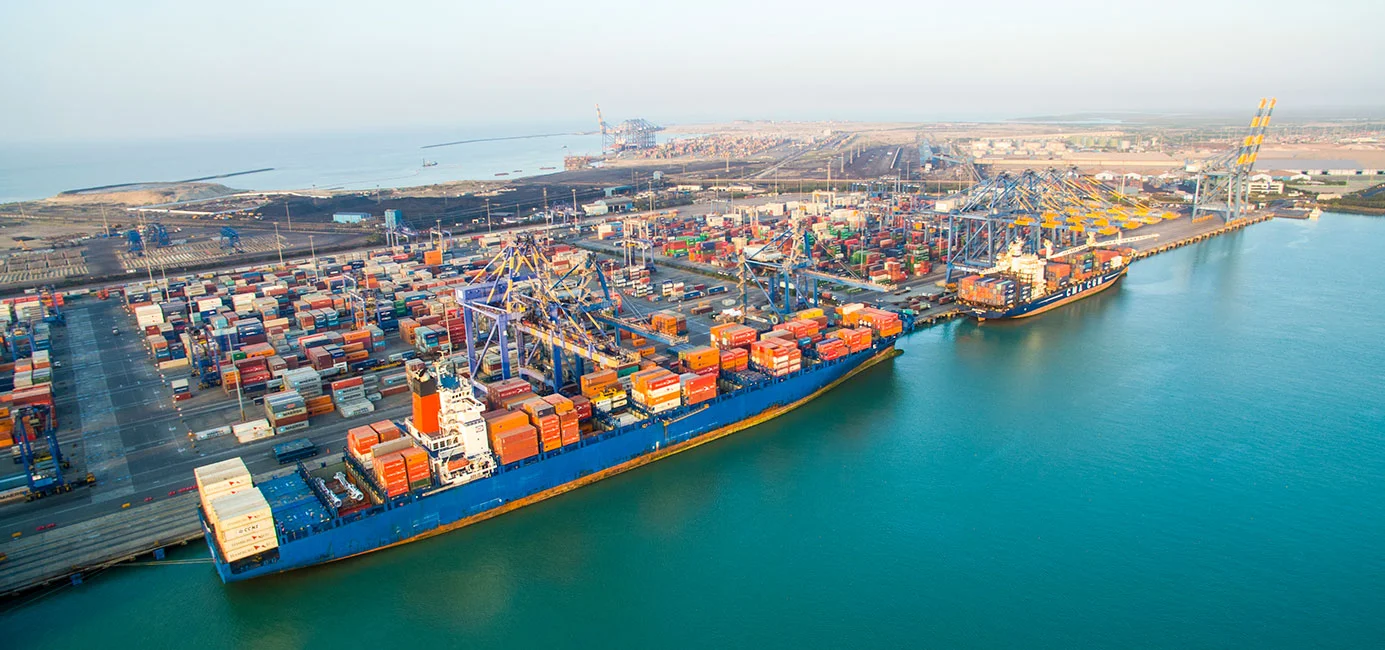
Historic Cargo Achievement – Crossing 160 Million Tons, DPA Kandla has achieved an extraordinary milestone by crossing 160 Million Metric Tonnes (160.11 MMT) of cargo handling during FY 2025–26 — the highest-ever cargo volume handled by any Major Port in India.
Key Highlights: ➢ India’s No. 1 Major Port: DPA has achieved the Numero-Uno, position among all Major Ports in the country. ➢ Best Performer: Leading all India Major Ports with the highest, cargo throughput. ➢ Unmatched Growth: Has grown from 150 Million Tons last year to 160 Million Tons this year, 7% Y-o-Y growth over a high baseline.
This monumental feat is a testament to the relentless efforts of the port’s leadership, employees, dock workers, trade unions, PPP operators, all stakeholders and dedicated Shramiks, who have contributed to making DPA a beacon of operational excellence and national pride.
Commodity wise analysis There has been around 32% increase in fertilizers, 23.4% increase in liquid cargo and 54% increase in Container cargo. Other commodities that, added to Kandla’s volumes are Iron & Steel (43% growth) & Clay (17% growth). However, there has been a drop in certain commodities like Timber (4.3% drop), Salt (12.4% drop), Crude & POL at Vadinar (5 % drop) & Coal (2.8% drop). Inspite of these reduction in certain commodities,
Kandla Port had compensated these shortfall by increased volume of Container traffic, Fertilizer and liquid Cargo at Kandla and has crossed, 160.11 Million Tons.Methanol Bunkering – A Leap Towards Green Maritime Future In a major stride towards maritime decarbonization, DPA Kandla has successfully demonstrated Methanol Bunkering (Shore-to-Ship) on 2 nd April 2026, marking a pioneering achievement in India’s port sector.
Kandla Port is emerging as a frontrunner in adopting low-carbon alternative fuels, aligning with the global target of achieving Net-Zero Emissions by 2050.
Key Developments:
Existing infrastructure already compatible with methanol handling
Assessed at Level-6 on IAPH PRL-Methanol Bunkering Scale by DNV Maritime Advisory Services
Successful trial conducted in collaboration with STOLT Tankers, J.M. Baxi, Aegis Vopak, IOCL, and validated by DNV
Plans underway to supply ~500 KTPA of e-Methanol by 2028–29 for international trade routes
Next phase: Ship-to-Ship Methanol Bunkering This milestone positions Kandla as a key enabler in global green shipping corridors, reinforcing India’s commitment to sustainability and clean energy transition.
Celebrating the Milestone: To commemorate this remarkable milestone, celebrations were held across multiple locations:
Chairman’s Address
Shri Sushil Kumar Singh, Chairman, DPA, expressed his gratitude: “Crossing the historic milestone of 160 Million Tons is not merely an achievement in numbers, but a reflection of the unwavering commitment, synergy, and resilience of the entire port community.
This accomplishment stands as a testament to our collective strength and continuous pursuit of excellence. Under the visionary leadership of Hon’ble Prime Minister Shri Narendra Modi ji, DPA Kandla is proud to contribute towards building a stronger, selfreliant and globally competitive maritime ecosystem.”
This milestone reflects DPA’s commitment to the “Viksit Bharat 2047” vision of our Hon’ble Prime Minister Shri Narendra Modi ji and reinforce its role as a crucial pillar in India’s maritime and economic growth.
NEW DELHI : In a significant achievement for India’s maritime sector, the Major Ports under the Ministry of Ports, Shipping and Waterways have collectively handled 915.17 million tonnes (MT) of cargo during FY 2025–26, surpassing the annual target of 904 MT. This marks a year-on-year growth of 7.06%, reaffirming the sector’s strong recovery, enhanced efficiency, and sustained growth trajectory. This milestone underscores the impact of transformative reforms and strategic investments undertaken by the Government of India to modernize port infrastructure, enhance logistics efficiency, and strengthen India’s position as a leading maritime nation under the Maritime Amrit Kaal Vision 2047.
Union Minister of Ports, Shipping and Waterways, Shri Sarbananda Sonowal, said, “The record cargo handling of over 915 million tonnes by our Major Ports is a testament to the Government’s unwavering commitment to strengthening India’s maritime sector. Guided by the vision of Hon’ble Prime Minister Shri Narendra Modi ji, we are building world-class port infrastructure, improving efficiency, and enabling seamless logistics to support India’s growing economy. This achievement reinforces our resolve to position India as a global maritime powerhouse under the Maritime Amrit Kaal Vision 2047.”
The performance reflects consistent growth across major ports, with Deendayal Port Authority emerging as the top performer at 160.11 MT, followed by Paradip Port Authority at 156.45 MT, and Jawaharlal Nehru Port Authority (JNPA) at 102.01 MT. Other key ports including Visakhapatnam Port Authority, Mumbai Port Authority, Chennai Port Authority, and New Mangalore Port Authority also registered strong performance, contributing significantly to the overall cargo throughput. In terms of growth rate, Mormugao Port Authority recorded the highest increase at 15.91%, followed by Kolkata Dock System at 14.28% and JNPA at 10.74%, reflecting improved efficiency and rising cargo volumes.
The sustained growth in cargo handling has been driven by capacity augmentation and modernization of port infrastructure, strengthened multimodal connectivity and seamless hinterland linkages, adoption of digital and smart port initiatives, increased handling of key commodities including coal, crude oil, containers, fertilizers, and POL, as well as improved turnaround time and ease of doing business across ports. The Ministry of Ports, Shipping and Waterways continues to advance a comprehensive maritime strategy focused on port-led development, logistics integration, and sustainability.
The record performance in FY 2025–26 reflects growing trade confidence and the effectiveness of policy measures aimed at enhancing operational efficiency and capacity utilization. With sustained policy momentum and infrastructure investments, India’s Major Ports are well-positioned to further scale new milestones and contribute significantly to the nation’s economic growth and global trade leadership.