Home Blog Page 389

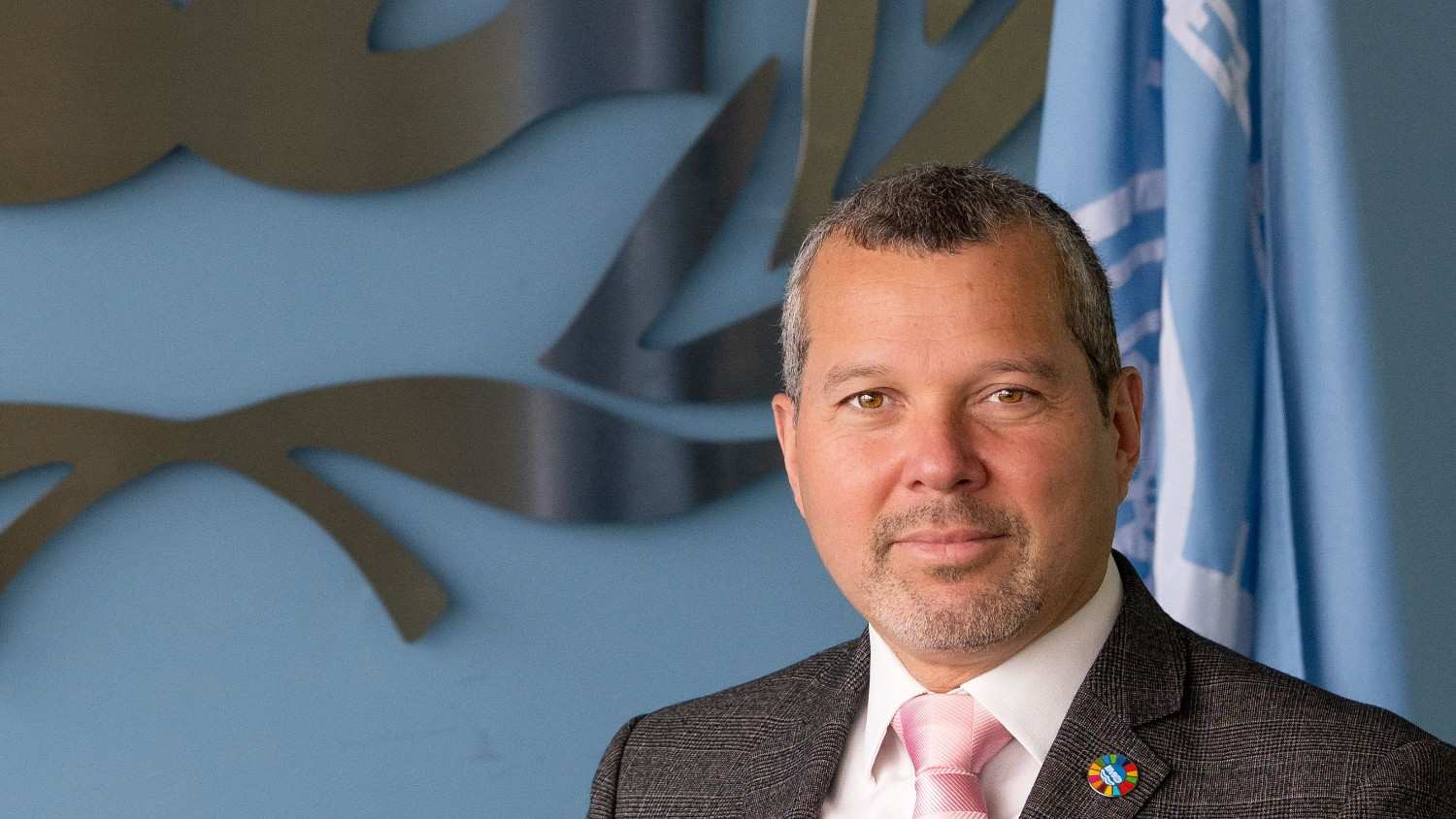
Hormuz naval escorts will not ensure vessel transits through Hormuz: IMO head

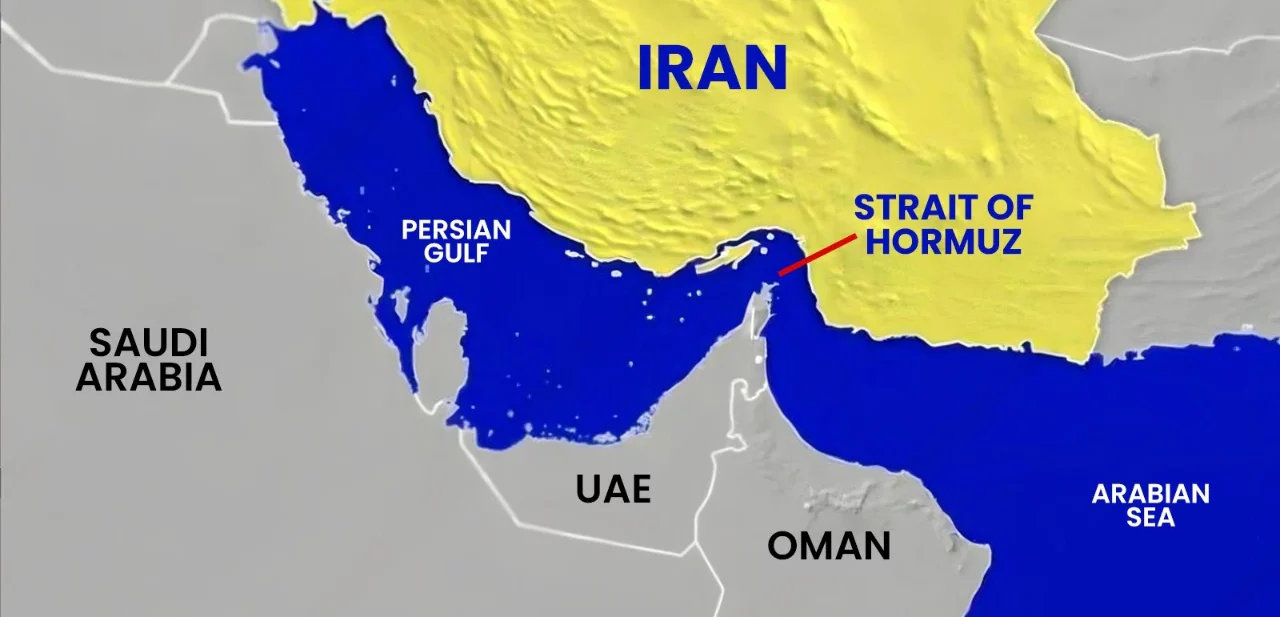
LONDON: Naval escorts for oil tankers and other merchant vessels through the Strait of Hormuz have limited power to restore the free flow of shipping through the critical chokepoint, as they cannot eliminate risk, the head of the International Maritime Organization said March 19.

The US will provide insurance and guarantees for energy ships traveling through the Persian Gulf and begin escorting oil tankers through the Strait of Hormuz, US President Donald Trump said on March 3.

“Naval escorts on commercial ships is not 100% safe for ships, and it’s not a long-term sustainable solution, because ships can still be targeted. There’s still a risk there,” IMO Secretary-General Arsenio Dominguez told journalists at a press conference to conclude an Extraordinary Session of the IMO Council, March 18-19.

A number of countries wish to restore transits through the Strait of Hormuz, through which 20% of the world’s oil flowed until open conflict flared between Israel and the US on one side and Iran on the other on Feb. 28.

“We express our readiness to contribute to appropriate efforts to ensure safe passage through the Strait,” the leaders of the United Kingdom, France, Germany, Italy, the Netherlands and Japan said in a statement March 19.

The conflict has caused widespread disruption and volatility in prices. Crude futures surged to fresh four-year highs on March 19 and the Brent-Dubai spread widened further as Iran launched a volley of missiles and drones at Gulf energy infrastructure, marking a significant new escalation in the Middle East war.

The Platts Dubai crude benchmark was assessed at a record high of $166.80/b on March 19, up 7% day over day. It was around $70/b pre-war. Platts, part of S&P Global Energy, assessed Dated Brent at $112.53/b on March 18, up 9% day over day and the highest since July 2022.

“The United States through, a maritime reinsurance facility, is working to restore market confidence and resume energy and commercial trade,” the US delegation to the IMO said during the meeting of the council March 18.

The delegation said it welcomes complementary efforts, including a proposal before the council to encourage a safe maritime corridor for the safe evacuation of merchant ships from affected areas. “We urge partners around the world to support efforts to reopen the strait,” the delegation said.

Transit through the strait has slowed to a trickle. Only two vessels transited it March 18, down from an average of 135/day during February, according to data from S&P Global Commodities at Sea.

However, Iran’s delegation to the IMO said March 18 the strait was not closed; “The Strait of Hormuz is open for all vessels.” However, the delegation said that due to attacks by the US and Israel, “international navigation has faced some problems and appropriate measures should be considered and taken for security, safety of ships and seafarers.”

Source: Platts
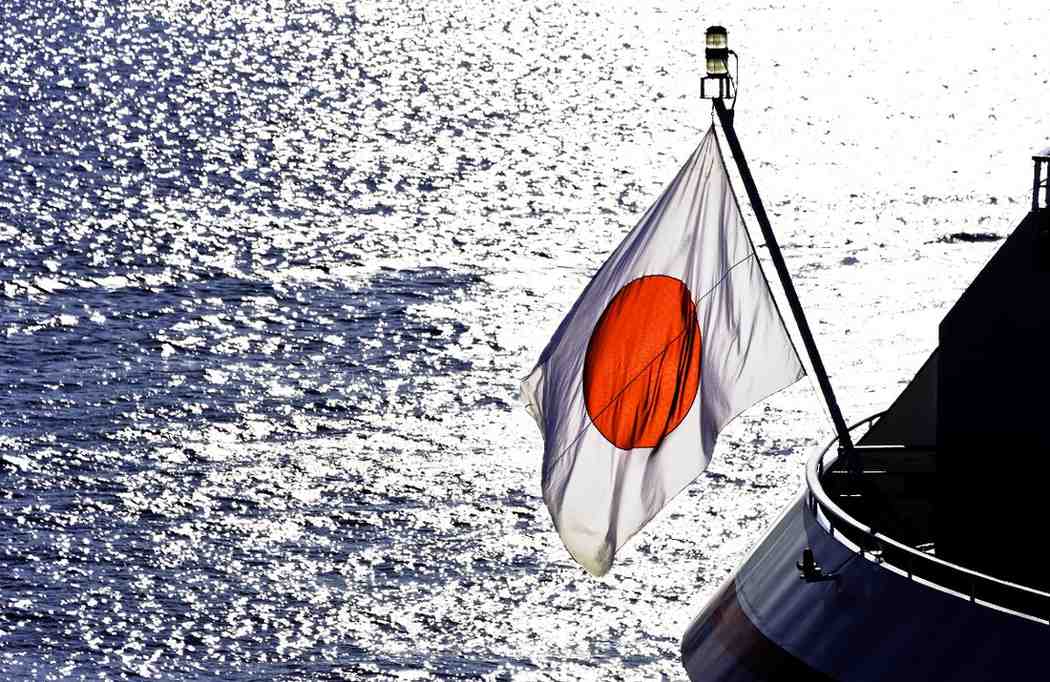
Iran ready to let Japanese vessels transit Strait of Hormuz,

TEHRAN : Iran is ready to let Japanese-related vessels pass through the Strait of Hormuz, a vital artery for global oil supplies, Kyodo news reported, citing Iranian Foreign Minister Abbas Araqchi.

Tehran has started talks with Tokyo, including with Foreign Minister Toshimitsu Motegi, about possibly opening the strait, Araqchi told the Japanese news agency in a phone interview on Friday.

Japan’s foreign and trade ministries and the Prime Minister’s Office did not pick up calls from Reuters on Saturday seeking comment on the report.

“Iran is, of course, ready to support the passing of Japan-related vessels through the Strait of Hormuz,” if Japan seeks its reopening of the strait, Araqchi told Kyodo.

Japan gets around 90% of its oil shipments via the strait, which Tehran has largely closed during the U.S.-Israeli war on Iran. A spike in global oil prices sparked by the war, which enters its fourth week on Saturday, has prompted Japan and other countries to release oil from their reserves.

U.S. President Donald Trump met Japanese Prime Minister Sanae Takaichi on Thursday, urging her to “step up” as he presses allies – so far unsuccessfully – to send warships to help open the strait.

Takaichi told reporters after the Washington summit that she had briefed Trump on what support Japan could and could not provide in the strait under its laws.

Japan’s actions are limited under its postwar pacifist constitution, but 2015 security legislation allows Japan to use force overseas if an attack, including on a close security partner, threatens Japan’s survival and no other means are available to address it.

Araqchi, a former ambassador to Japan, said Tokyo has a friendly relationship with Tehran, expressing hope that it would play a role in ending what he called unjustifiable and illegal “invasion” of his country.

The U.S. does not seem ready to open conversations, Araqchi said, adding that Iran wants an end to the war, not a ceasefire, and is seeking a commitment that it would not be attacked.

Source : Reuters

How can Strait of Hormuz shipping blockage be solved?

LONDON: Here are five ways that experts say commodities could begin moving again through the Strait of Hormuz, a crucial trade route currently blocked by Iranian forces in the Middle East war.

US-led military action
The most-talked-about option is for the US and willing allies to secure the 167-kilometre (104-mile) long passage militarily.

There are currently two US carrier strike groups — naval formations built around an aircraft carrier — in the region, the “bare minimum number of warships” required for an escort mission, Nick Childs, senior fellow at the IISS, told a seminar convened by the London-based defence think-tank.

Britain, France, Germany, Italy, the Netherlands and Japan on Thursday said they were ready “to contribute to appropriate efforts to ensure safe passage through the strait.”

But it remains a daunting mission.

“This is not just a maritime issue, and escort ships will not solve the problem alone… it would need a whole wrap around it, of air capability, maritime capability, crewed, uncrewed, long-range strike, short-strike, et cetera,” a UK defence official said in a briefing on Wednesday.

“It’s a significant military challenge… This must be a multinational solution,” the official added. “We’re not anywhere near that at the moment.”

Diplomatic off-ramp
A purely diplomatic solution remains on the table and is the preferred route for many global leaders.

Several governments are in bilateral talks with Tehran over an “emerging IRGC registration and vetting system”, said Richard Meade, editor-in-chief of maritime intelligence journal Lloyd’s List — a reference to Iran’s Revolutionary Guards.

The proposed system would create an Iranian-approved “safe corridor” for ships to use, Meade told an online briefing on Thursday.

“We know that several governments — including China, but (also) India, Pakistan, Iraq, Malaysia — they’re all in direct talks with Tehran, coordinating vessel transits,” he said.

At least nine ships have already used this corridor, which routes ships close to Iran’s Larak Island for visual checks by Iranian authorities, he added.

While this offers some movement, Meade warned that “negotiated safe passage… is unlikely to dramatically increase the trickle of tonnage”.

Take the chance

Another option is for shipowners to risk crossing the strait without dealing with Iran. 

“Greek owners and operators have, typically, a higher risk appetite” and continue to move tankers through the route, Bridget Dyken, an analyst at analysis group Lloyd’s List Intelligence, told the briefing.

Her colleague Cichen Shen added there was evidence of a potential Chinese exit plan where tankers pay a “7.5 percent of hull value” insurance rate for 72 hours of coverage to transit the strait.

Muddle through

Iran could continue to maintain a partial opening of the strait in the medium term, with opaque rules for transiting, Richard Luckyn-Malone of intelligence consultancy Herminius told the Marine Insurance London industry conference on Friday.

“Strategic ambiguity is absolutely fundamental to what they do, and it would very much serve Iran’s purposes if this was where we sat,” he said.

But he questioned whether “the world is actually going to sit still and accept the idea of the straits being ambiguously open for months and months.”

Wait it out

Iran’s Parliament Speaker Mohammad-Bagher Ghalibaf warned on Tuesday that “the Strait of Hormuz won’t return to its pre-war status”.

“Even in the best-case scenario, going back to a fully reopened status is several months away,” Luckyn-Malone said.

“There’s unexploded ordnance floating around. There may be minefields… and there’s going to be nervous security forces on either side.”

Source : NDTV World

PM Modi and Dr. Jaishankar work the phones, call for dialogue as strikes on energy infrastructure escalate

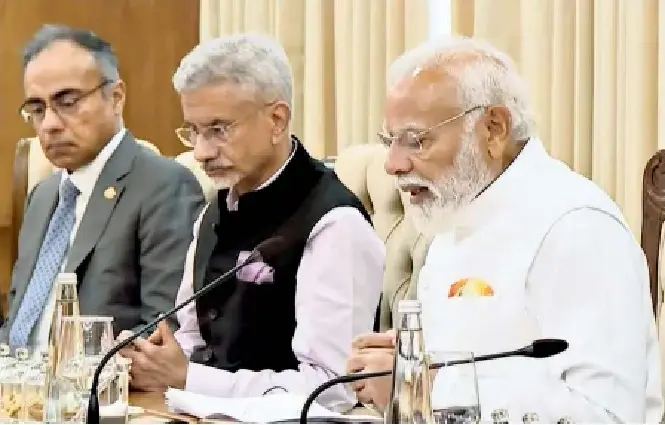
NEW DELHI : India and France are “working closely together” to de-escalate tensions in West Asia, French President Emmanuel Macron said, after a conversation with Prime Minister Shri Narendra Modi on Thursday (March 19, 2026), one of many calls that Mr. Modi and External Affairs Minister Dr. S. Jaishankar made to leaders worldwide.

As Israel and Iran both stepped up attacks on energy installations and gas fields across the Gulf region, the government said this targeting of civilian infrastructure was “deeply disturbing” and “unacceptable”, calling for them to stop.In the past, New Delhi had condemned Iran’s attacks on Gulf states, but not the strikes by the United States and Israel. Just last week, India had co-sponsored a UN Security Council resolution that only condemned strikes by Iran on its neighbours. In a marked shift, however, the government is now emphasising the need to avoid attacking civilian infrastructure “across the region”.

Major escalation
“Recent attacks against energy installations in different locations across this region are deeply disturbing and only serve to further destabilise an already uncertain energy scenario for the whole world,” the MEA’s official spokesperson Randhir Jaiswal said on Thursday, broad-basing India’s concerns.

The attacks marked a major escalation in the ongoing war in West Asia, with Israeli missiles striking Iran’s largest gas field in South Pars, and Iran’s retaliatory strikes targeting Qatar’s Ras Laffan gas plant, and oil and gas facilities in Kuwait, Saudi Arabia, and the UAE.

Speaking to Sheikh Tamim bin Hamad Al Thani, the Amir of Qatar, PM Modi said India stands in solidarity with Qatar, that suffered major losses from the Iranian strikes on the Ras Laffan gas facility, and “strongly condemns the attacks on the region’s energy infrastructure”.

Phone diplomacy
In a flurry of telephone calls to discuss the worsening situation, the Prime Minister also spoke to the leaders of Jordan, Malaysia and Oman. Since February 28, Mr. Modi has spoken to his counterparts across the Gulf states, Iran, and Israel, and a number of other leaders, other than U.S. President Donald Trump.

In addition, Mr. Jaishankar met with UAE Minister of State for International Cooperation Reem Al Hashimy, and spoke to Israeli Foreign Minister Gideon Saar over the telephone. India has also been engaging all leaders of the 10-member BRICS grouping that it is chairing this year, although it has not been able to craft a consensus statement due to differences between Iran and the UAE, which are both members.

The lack of a statement from BRICS is in contrast to the Shanghai Cooperation Organization (SCO) grouping, which includes Iran but not the UAE. The SCO issued a statement on March 2 condemning the strikes on Iran as well as the ensuing conflict.

“BRICS membership and SCO membership are two different categories. If you look at the members, you will get an answer as to why we are having issues with forming a consensus,” Mr. Jaiswal said, in response to a question from The Hindu.

‘Dialogue and diplomacy’
In his phone calls on Thursday, Mr. Modi said he had called for a return to “dialogue and diplomacy”. Referring to the call with Mr. Macron, he said: “We look forward to continuing our close coordination to advance peace and stability in the region and beyond.”

“India and France are working closely together to reduce tensions in the region and to keep diplomacy at the heart of our efforts for peace,” Mr. Macron said in a post thanking Mr. Modi for the call. Mr. Macron has expressed particular concern over Iran’s restrictions of ships in the Hormuz Strait and the Israeli bombardment of Lebanon.

Speaking to Jordanian King Abdullah, Mr. Modi said that “attacks targeting energy infrastructure in West Asia are condemnable acts, and they are liable to lead to escalation that can be avoided.” He added that India and Jordan both support the “free flow of goods and energy without any obstacles”.

In a conversation with Sultan Haitham bin Tariq of Oman, the Prime Minister condemned the “violation of the Sultanate of Oman’s sovereignty and the unity of its territories”, without naming Iran as the source of strikes on Omani facilities. He added that he and Malaysian PM Anwar Ibrahim had a “shared commitment to de-escalation and the early restoration of peace and stability through dialogue and diplomacy”.

In his conversations with Gulf leaders, Mr. Modi also thanked them for their help in securing the safety of Indians in the region, including those being facilitated to return to India.

Source : The Hindu

IMO condemns attacks on shipping, calls for safe-passage framework in Strait of Hormuz

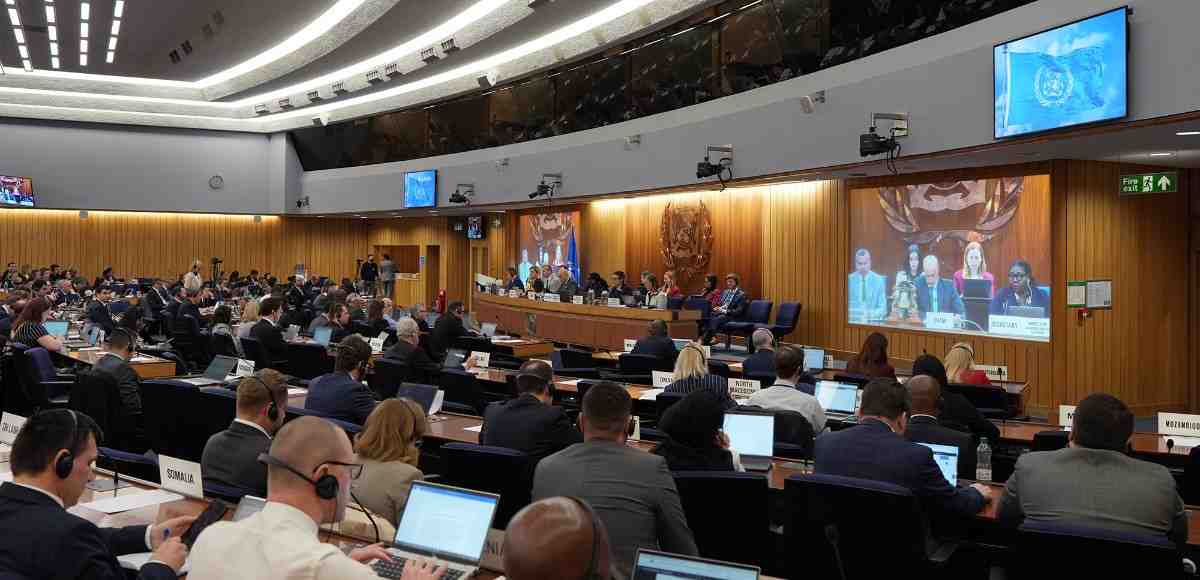
LONDON : IMO Council condemns attacks on merchant ships and urges international coordination to safeguard civilian shipping, during extraordinary session in London. The IMO Council met from 18 to 19 March, 2026 to discuss the situation in the Middle East and its impact on shipping and seafarers.

The Council of the International Maritime Organization (IMO) has strongly condemned the threats and attacks against vessels and purported closure of the Strait of Hormuz, in line with UN Security Council Resolution 2817, which have adversely affected merchant and commercial vessels and threatened the safety and welfare of seafarers.

The Council called for a coordinated approach to security be adopted and that the response be internationally coordinated. It reiterated that the exercise of navigational rights and freedoms by merchant and commercial vessels, in accordance with international law, must be respected.

In his closing remarks, IMO Secretary-General said: “Let it be the responsibility of each and every one of us to demonstrate that inaction is not an option, that words alone are not sufficient. Together, we can drive the change required to protect the wellbeing of those who have no voice and safeguard the principle of freedom of navigation.”

Protection, safety and welfare of seafarers
The Council urged that all attacks on ships affecting innocent civilian seafarers be halted immediately. It called upon Member States to ensure the continuous provision of water, food, fuel and other essential supplies to ships currently unable to leave the region.

States were encouraged to facilitate crew change and crew renewal operations in accordance with international standards, to safeguard the health, safety and well-being of the seafarers affected. The Council urged States to ensure that seafarers’ communication with their families and friends can be maintained and that stores and provisions remain adequate for their needs.

The Council called for a coordinated international approach to the safety of navigation, taking into account the fatigue and pressure of those on board, the master’s overriding authority, as well as the risks associated with transiting the area while Global Navigation Satellite Systems (GNSS) suffer extensive jamming and spoofing.

Safe passage framework
The Council called for the establishment of a safe maritime framework, as a provisional and urgent measure, to facilitate the safe evacuation of merchant ships currently confined within the Gulf region. This measure aims to protect the lives of seafarers and ensure safe commercial shipping by avoiding military attacks.

The Council directed IMO Secretary-General Mr. Arsenio Dominguez to take the necessary immediate actions to initiate the establishment of the framework, in collaboration with the relevant parties.

“I am ready to start working immediately in negotiations to establish a humanitarian framework to evacuate all vessels and seafarers trapped. However, for this to materialize, I will need the understanding, commitment and, above all, the concrete actions from all relevant countries and stakeholders,” said Secretary-General Dominguez. [Read full closing remarks]

IMO Council
The Extraordinary Session of Council was convened followed requests from several Member States. The Council is the Executive Organ of IMO, consisting of 40 Member States, elected by the IMO Assembly. More than 120 Member States participated in the session, including all 40 Council Members.

Paradip Port Authority surpasses 150 MMT Cargo throughput, Sets New National Benchmark

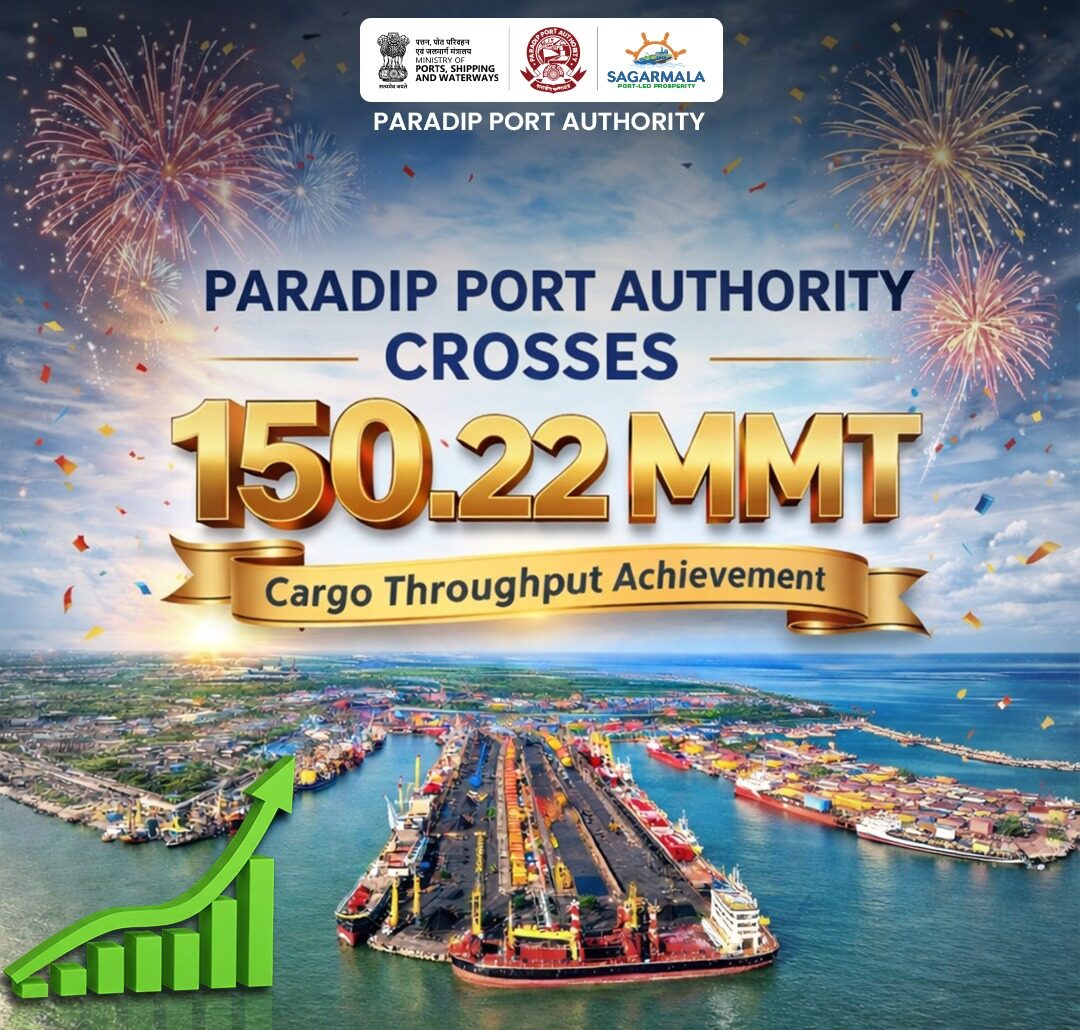
PARADIP: In a landmark achievement for India’s maritime sector, the Paradip Port Authority has surpassed an impressive 150.22 million tonnes (MMT) in cargo throughput—accomplished with 12 days still remaining in the financial year. This milestone not only marks a record for the port but also sets a new benchmark in operational performance and efficiency across the country’s port ecosystem.

The achievement highlights Paradip Port’s growing stature as one of India’s leading gateways for bulk cargo, driven by streamlined operations, enhanced infrastructure, and strong stakeholder collaboration. The port’s ability to cross the 150 MMT mark ahead of schedule reflects its consistent focus on improving turnaround times, optimizing logistics chains, and adopting efficient cargo handling practices.

Paradip Port 150 MMT 1 Paradip Port Authority surpasses 150 MMT Cargo throughput, Sets New National Benchmark

To commemorate the historic feat, officials and staff at the port marked the occasion with a celebratory cake-cutting ceremony—symbolizing not just a numeric milestone, but a collective triumph of dedication and teamwork.

This accomplishment reinforces Paradip Port Authority’s critical role in strengthening India’s trade and logistics backbone, supporting key industries such as energy, steel, and manufacturing. It also underscores the port’s commitment to driving speed, scale, and reliability in maritime operations.

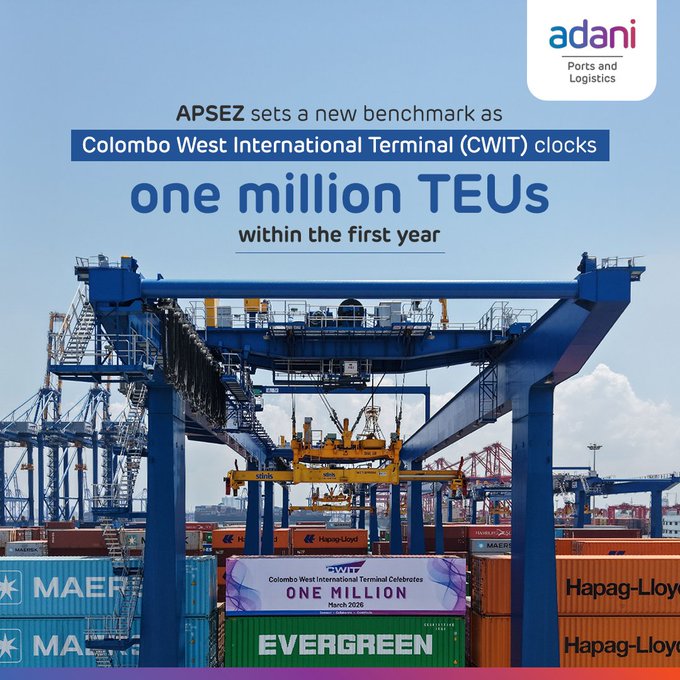
APSEZ achieves major milestone as Colombo West International Terminal crosses 1 Million TEUs

AHMEDABAD : Adani Ports and Special Economic Zone Limited (APSEZ) has marked a significant milestone in its international expansion journey, as the Colombo West International Terminal (CWIT) surpasses one million TEUs of container throughput within its first year of operations—the fastest ramp-up recorded in the history of the Port of Colombo.

Developed in partnership with leading regional stakeholders, the terminal reflects a strong model of international collaboration and infrastructure excellence. Strategically located in Sri Lanka, CWIT is designed to enhance the port’s position as a key transshipment hub in the Indian Ocean.

The terminal’s rapid success is driven by its state-of-the-art infrastructure, deep-water capabilities, and advanced automation systems, enabling faster vessel turnaround times, improved cargo handling efficiency, and seamless logistics operations. Its ability to handle large mainline vessels further strengthens connectivity between Asia, the Middle East, and global trade routes.

This achievement underscores APSEZ’s focus on leveraging technology, operational excellence, and strategic partnerships to scale its global footprint. It also highlights the growing importance of the Indian Ocean Region as a critical artery for international trade.

With this milestone, APSEZ continues to reinforce its position as a leading global port operator, committed to delivering world-class infrastructure and driving sustainable growth across key maritime corridors.

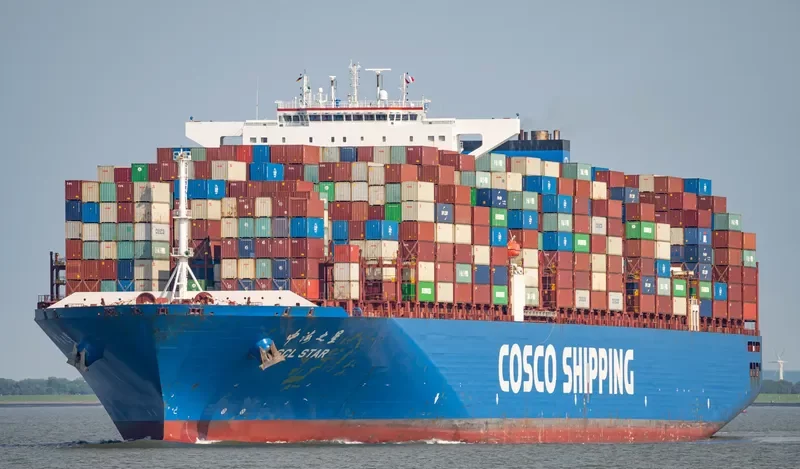
Nhava Sheva Freeport Terminal handles record 8,736 TEUs on M.V. CSCL Star in landmark single call


MUMBAI : The Nhava Sheva Freeport Terminal (NSFT) has reached a significant milestone by recording its highest-ever container handling volume for a single vessel call. The terminal successfully managed 8,736 TEUs from the vessel M.V. CSCL Star, setting a new benchmark in operational excellence.

This achievement is not just a number it represents the terminal’s growing capability to handle large-scale cargo operations efficiently. As global trade expands and vessel sizes increase, such performance highlights NSFT’s readiness to meet modern shipping demands.

Terminal officials credited this record to meticulous planning and execution, ensuring that every stage of the operation from berthing to cargo discharge and loading was carried out smoothly without delays.

Strengthening India’s Maritime Trade Ecosystem

This milestone further reinforces NSFT’s position as a key logistics hub in India’s maritime sector. With Indian ports witnessing increasing cargo volumes and accommodating larger vessels, terminals like NSFT play a critical role in:

  • Enhancing port efficiency
  • Reducing congestion and delays
  • Supporting international trade growth
  • Improving supply chain reliability

The achievement reflects India’s broader push toward modernizing port infrastructure and becoming a global logistics powerhouse.

The Power of Collaboration
A key factor behind this success was the strong collaboration between:

Terminal operators

Shipping lines

Logistics partners

Their combined efforts ensured smooth cargo movement, minimized bottlenecks, and maintained high service standards throughout the operation.

A Preferred Gateway for Container Traffic
By setting this new record, Nhava Sheva Freeport Terminal strengthens its reputation as a preferred gateway for container traffic in India. The milestone highlights its commitment to:

Delivering world-class port services

Adapting to evolving global shipping trends

Supporting India’s growing trade ambitions

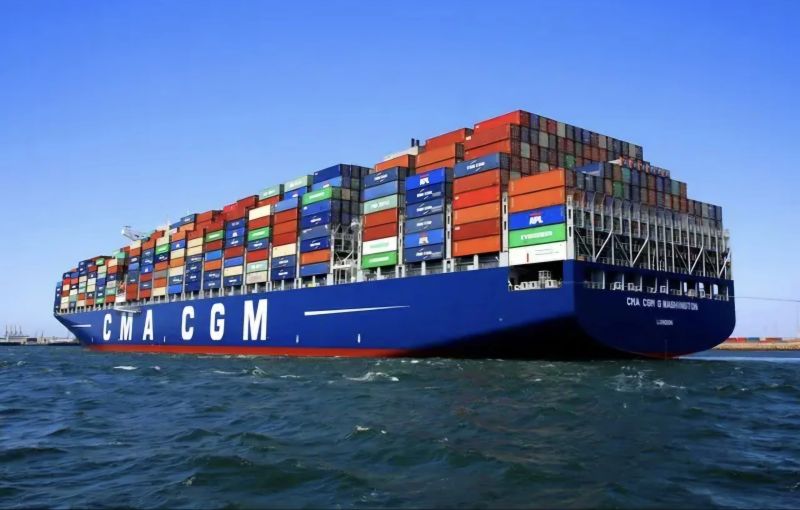
CMA CGM introduces PSS on Asia–West Africa Trade

MARSEILLE : Global shipping major CMA CGM has announced the implementation of a Peak Season Surcharge (PSS) on cargo shipments from Asia to key West and Central African markets, effective March 23, 2026, until further notice.

The surcharge will apply to all cargo moving under short-term contracts from China to multiple destinations across the West Africa Central & South range. Under the revised pricing structure, shipments destined for Nigeria, Angola, Congo, the Democratic Republic of Congo (DRC), Namibia, Gabon, and Cameroon will attract a PSS of USD 715 per TEU.

Meanwhile, cargo flows from China to West African countries including Côte d’Ivoire, Benin, Ghana, Togo, and Equatorial Guinea will be subject to a slightly higher surcharge of USD 740 per TEU.

The move comes amid tightening vessel capacity, sustained cargo demand, and ongoing operational challenges across global shipping networks. Industry observers note that trade lanes connecting Asia and Africa have witnessed increased pressure in recent months, driven by infrastructure bottlenecks, port congestion, and schedule disruptions.

By introducing this surcharge, CMA CGM aims to maintain service reliability and ensure continued equipment availability across the affected corridors. The PSS is expected to impact exporters and importers relying on short-term freight agreements, particularly in high-demand sectors such as consumer goods, industrial materials, and project cargo.

The carrier has advised customers to plan shipments in advance and coordinate closely with local representatives to mitigate potential cost impacts and secure space amid evolving market conditions.

This development reflects broader trends in the container shipping industry, where carriers continue to adjust pricing mechanisms in response to fluctuating demand patterns and operational constraints across global trade routes.

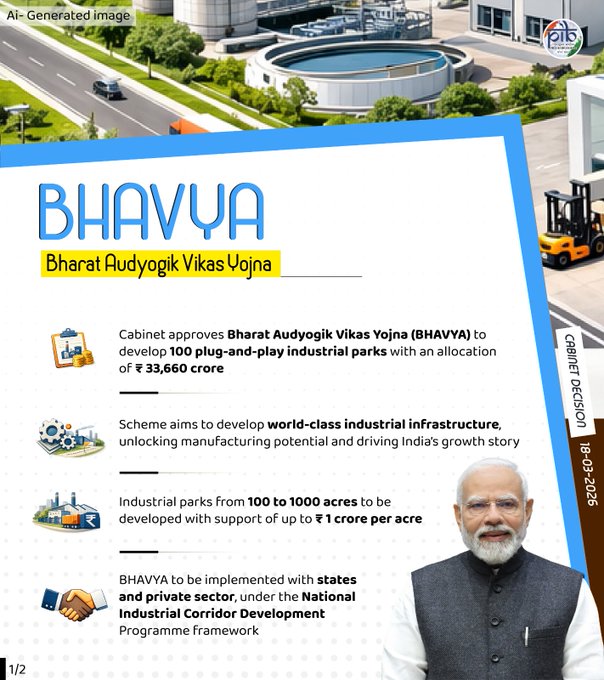
Cabinet approves a new era of Plug-and-Play Industrial Development through Bharat Audyogik Vikas Yojna (BHAVYA)

NEW DELHI : In a landmark step towards accelerating industrial growth, the Union Cabinet chaired by the Prime Minister Shri Narendra Modi has approved the Bharat Audyogik Vikas Yojna (BHAVYA), with an allocation of Rs.33,660 crore for developing 100 plug-and-play industrial parks across the country.

The scheme aims to develop world-class industrial infrastructure, unlocking manufacturing potential and driving India’s growth story.

Laying the Industrial Foundation for Viksit Bharat:

Building on the success of Industrial Smart Cities developed under the National Industrial Corridor Development Programme (NICDP) framework, BHAVYA will be implemented in partnership with states and private sector players.

From Approvals to Operations: A New Ease of Doing Business

At the heart of BHAVYA lies a strong push for deregulation and ease of doing business, with streamlined approvals, effective single-window systems, and investor-friendly reforms led by states.

The scheme will deliver plug-and-play industrial ecosystems, enabling industries to move from intent to production with speed and certainty. With pre-approved land, ready infrastructure, and integrated services, BHAVYA will significantly reduce entry barriers for investors.

Under the scheme, industrial parks ranging from 100 to 1000 acres will be taken up for development. Financial support of up to Rs. One crore per acre will be provided for:

Core infrastructure (internal roads, underground utilities, drainage, common treatment facilities, ICT and administrative systems)
Value-added infrastructure (ready-built factory sheds, built-to-suit units, testing labs, warehousing)
Social infrastructure (worker housing and support amenities)
Support for external infrastructure will also be provided up to 25% of the project cost, ensuring seamless connectivity and integration with existing networks.

Project selection will be undertaken through a challenge mode, ensuring that only high-quality, reform-oriented and investment-ready proposals are taken forward.

Future-Ready, Sustainable and Efficient Industrial Parks:

The industrial parks will be designed as futuristic and sustainable ecosystems:

Aligned with the PM GatiShakti Principles to enable seamless multimodal connectivity and efficient last-mile access
Green energy and sustainable resource use with integrated underground utility corridors enabling a no-dig environment for efficient maintenance and uninterrupted industrial operations
These parks will set new benchmarks in industrial infrastructure, ensuring reliability, reducing inefficiencies, and enhancing productivity across sectors.

Driving Jobs, Investment and Economic Growth Across Regions:

BHAVYA is expected to drive large-scale job creation, generating substantial direct and indirect employment across manufacturing, logistics, and services, while catalysing significant investments.

The scheme will extend to all States and Union Territories, creating lakhs of employment opportunities across the country and accelerating industrial growth nationwide.

By fostering cluster-based development and enabling co-location of industries, suppliers, and service providers, BHAVYA will strengthen domestic supply chains, promote regional industrialization, and create new opportunities for millions of people.

The scheme will benefit:

Primary beneficiaries: Manufacturing units, MSMEs, startups, and global investors seeking ready-to-use industrial infrastructure
Secondary beneficiaries: Workers, logistics providers, service sector enterprises, and local communities
The approval of BHAVYA represents a transformational step in India’s journey towards Atmanirbhar Bharat, reinforcing the country’s manufacturing capabilities, boosting exports, and laying the foundation for a resilient, inclusive, and globally competitive economy.

About NICDC:

National Industrial Corridor Development Corporation Limited (NICDC), under the Department for Promotion of Industry and Internal Trade (DPIIT), Ministry of Commerce and Industry, is spearheading the development of world-class greenfield industrial smart cities to enhance manufacturing competitiveness, attract investments, and generate employment. NICDC is currently implementing 20 projects across 13 states.

NICDC-led initiatives are built on the concept of plug-and-play industrial parks—ready-to-use ecosystems where land, utilities, approvals, and infrastructure are pre-developed, enabling industries to start operations quickly without delays related to land acquisition or infrastructure setup.