Home Blog Page 390

India offers insurance support as small exporters face cash-flow strain

NEW DELHI : Indian small and ‌medium exporters are facing payment delays and cash‑flow stress ​as war‑risk premiums ​and emergency surcharges drive freight ⁠rates sharply higher, ​the trade ministry said ​on Thursday.
Routes through conflict‑hit West Asia have seen a steep ​rise in freight ​and insurance bills, costs that exporters ‌have ⁠limited ability to pass on, the ministry said.

Addressing a press conference on Thursday, Secretary in the Commerce Ministry Rajesh Agarwal said, “We are announcing a new scheme under the Export Promotion mission, especially focused upon exporters exposed to these 17-18 geographies which have been impacted by the conflict to assuage some of the challenges that our exporters are facing.”

The package under the RELIEF scheme, with ECGC (Export Credit Guarantee Corporation of India) as the implementing agency, includes automatic extension of export obligations, logistical support, and potential financial measures to manage shipping delays.

The RELIEF scheme mainly includes consignments destined for delivery or trans-shipment to the UAE, Saudi Arabia, Kuwait, Qatar, Oman, Bahrain, Iraq, Iran, Israel, and Yemen.

Speaking during an inter-ministerial briefing on Wednesday, Special Secretary in the Shipping Ministry Rajesh Kumar Sinha, said, “The additional war risk premium is being imposed now. Under normal circumstances, it is very low around 0.01 per cent or 0.02 per cent.”

He added that the premium increases depending on the risk exposure of a vessel’s route, particularly when entering conflict zones.

“If a ship enters a war zone, is on a voyage through such an area, or enters any high-risk region, the war risk premium increases,” Sinha noted.

He further said that insurance companies assess and determine these premiums based on prevailing security threats in the region.

Amid uncertainty over energy supplies due to the ongoing West Asia conflict, Sinha also said that no congestion has been reported at any port across India, assuring that maritime operations and cargo movement remain smooth and under close monitoring.

Additional Secretary said the Visakhapatnam Port Authority has created approximately 2,250 square metres of additional storage space to handle any potential surge in cargo.

He cited Mundra Port as an example, where, against a total container handling capacity of around four lakh TEUs, current occupancy stands at approximately 25 per cent.

New Delhi launched a ​4.97 billion ​rupees ($53.26 ⁠million) scheme to support insurance cover ​for shipments moving ​through ⁠the affected corridors to stabilise costs and prevent ⁠order ​cancellations, it ​added.

Source : Reuters

Inauguration of new Saradhana Gati Shakti Multi Modal Cargo Terminal on WDFC

HD21rsCboAcmwlv Inauguration of new Saradhana Gati Shakti Multi Modal Cargo Terminal on WDFC

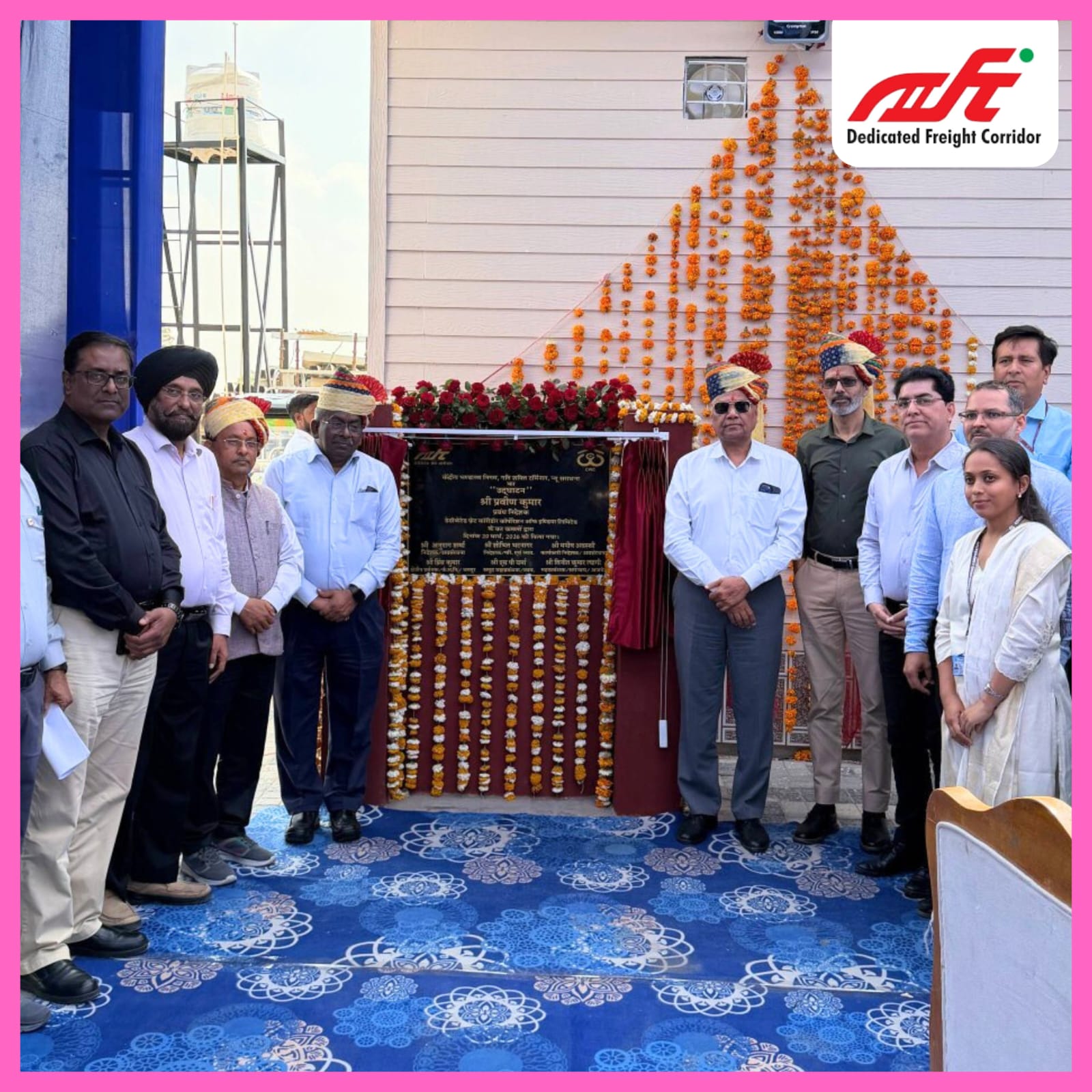
NEW DELHI : Shri. Praveen Kumar, MD/DFCCIL, inaugurated the New Saradhana Gati Shakti Cargo Multi Modal Terminal (GCT) on the Western Dedicated Freight Corridor (WDFC), along with Sh. Shobhit Bhatnagar, Director/OP & BD; Sh. Anurag Sharma, Director/Infra; Sh. S. P. Verma, GGM/BD & BA; Sh. Vineet Tyagi, GM/Coordination (Ajmer); Sh. Rajendra Singh Chaudhary, GM/Co-ordination (Jaipur); Sh. Prince Kumar, Regional Manager/CWC; and officers from the #DFCCIL Corporate Office and Jaipur & Ajmer Unit.

Developed by the @cwc_warehouse (CWC) at a cost of approximately ₹5 crore, this is the first GCT developed with optimal cost efficiency, setting a benchmark for future projects. Spread over an area of about 4.3 acres, the terminal is equipped with modern cargo handling infrastructure, warehousing facilities, and multimodal connectivity, ensuring seamless integration between rail and road networks. The commissioning of the terminal is expected to significantly improve first-mile and last-mile connectivity, making freight transportation faster, safer and more economical for industries and traders.

The terminal (DGSN) is expected to handle approximately 40 rakes per month (approximately over 1.5 million tonnes per annum), primarily containers, marble, granite ,mineral and other traffic. Now Ajmer(Rajasthan) will’s be connected with JNPT, Pipavav and Mundra Ports through faster #rail network of WDFC.

Sky Light’s Indian Seafarers return home with only the clothes on their backs

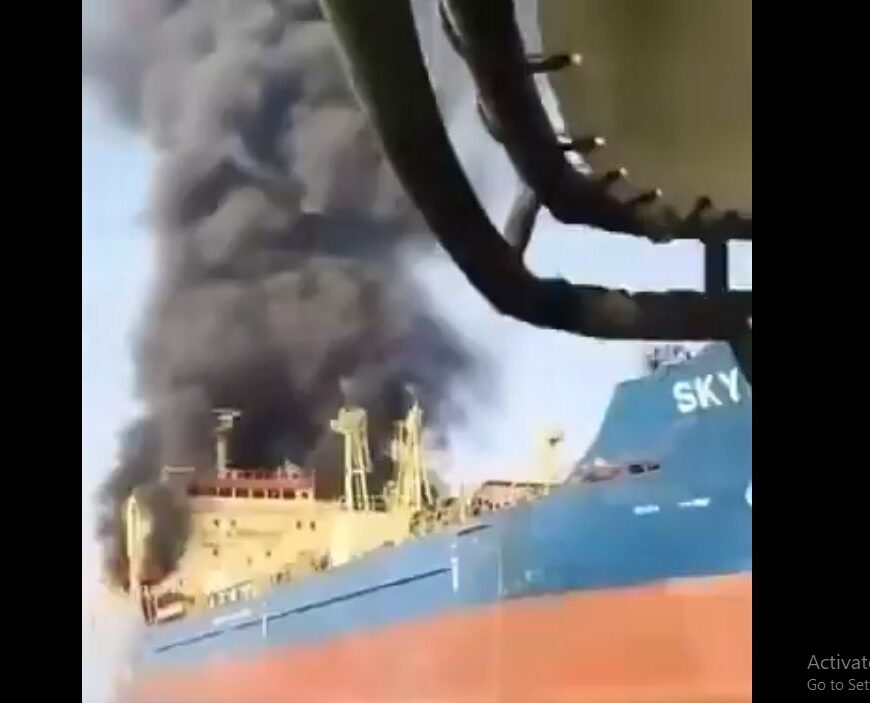
MUMBAI: Eight Indian seafarers who survived the March 1 missile attack on the oil tanker Sky Light near Oman’s Khasab port returned to Mumbai on March 18 around 1 pm, amid the ongoing Iran–Israel conflict, but now face uncertainty over documentation, compensation and their journey back home.

The crew members, from West Bengal, Haryana, Rajasthan and Andhra Pradesh, most in their early 20s and on their first assignment at sea, said they lost all their belongings, including passports, identity documents, phones, gold items and cash, in the fire that engulfed the vessel following the attack.

“We are still wearing the same clothes we jumped into the sea with. Some of us were given an extra pair after rescue, but we have nothing else, not even basic items like a toothbrush or soap,” one of the survivors told The Indian Express on condition of anonymity.

Recalling the incident, a crew member said the attack took place around 7.05 am. “There was a sudden impact, the ship shook and there was a complete blackout. Smoke and fire spread quickly. There was no clear escape route, so we had to jump into the ocean to save ourselves,” he said.

The survivors said they wore life jackets, as many did not know how to swim and were rescued after a few minutes by an Omani army boat. Some sustained injuries and were hospitalised, while others were taken to a police station to record their statements.

The attack killed the vessel’s captain, Ashish Kumar from Bihar, while another crew member, Dalip Singh from Rajasthan, remains missing.

As reported first by The Indian Express on March 12, the eight survivors were stranded in Oman for over a week as the fire destroyed their travel documents. They stayed in a guest room at Khasab Airport and were later issued emergency outpasses before being flown back to India.

“We left Oman on March 17. We were taken by cab to board a cargo flight to Muscat, which took around 45 minutes. From there, we were taken to the airport and flew to Mumbai,” another survivor said.

After arriving in Mumbai, the seafarers were taken by cab to an office in Navi Mumbai, where they were asked to complete formalities, including signing off on documents. However, they said they were unclear about the implications.

“Our contract is not over, so we don’t understand why we are being asked to sign off. We want clarity before we proceed,” one of them said.

They added that they were later dropped at a different location in Navi Mumbai in the evening without clarity on accommodation and spent hours looking for a place to stay. “The shipping company credited our salaries after we reached Mumbai, but since we lost our documents, we are unable to access our bank accounts and have no cash. Only one of us has access to his account and he is paying for all our expenses. The agency has said it will reimburse the amount,” a crew member said, adding that they eventually found accommodation late at night.

More than two days after their return, the seafarers said they are eager to go home but cannot leave without completing formalities.

An official from the Directorate General of Shipping said the office will assist the seafarers in obtaining documents lost in the fire and assess compensation on a case-by-case basis. “We will speak to each of them individually to understand their losses and requirements. Our subordinate office will coordinate with them to complete the necessary formalities,” the official said, adding that the process is expected to move forward within a day or two once procedures are completed.

Sumit Singh, Director of Lucknow-based SKS Krishi Marine Services (Opc) Private Limited, which helped bring back six of the eight crew members to the country, said the crew will have to report to the Directorate General of Shipping (DG Shipping) as part of the post-incident procedure. “We credited salaries for all the eight crew members on Wednesday after their arrival, including for those who died or remain missing, as their families depend on them. We had also arranged basic necessities such as clothes, shoes, accommodation and food when they were in Oman,” he said.

Explaining further, Singh said the Continuous Discharge Certificate (CDC), a mandatory document for seafarers, functions like a passport and is essential for continuing in the profession. “If someone does not wish to continue sailing, they can choose not to obtain the CDC and return home. Our responsibility was to bring them safely to Mumbai. We have spent over Rs. 3 lakh on tickets alone. If they need assistance to travel home by train, we will help on humanitarian grounds,” he added.

On claims of loss of valuables, Singh said verification remains a challenge. “It is difficult to compensate for items like gold, laptops or iPhones without proof,” he said. He added that the crew will also have to attend a hearing at the DG Shipping office to narrate the incident, though formal communication is still awaited. “We expect clarity by Friday,” he said.

An official from Sairam Ship Management Pvt Ltd, another shipping agency that sent one crew member, said the salary of its seafarer has also been credited, but the company cannot bear the cost of compensation for lost belongings.

The survivors said they now plan to leave the profession. “For most of us, this was our first job. We are the first in our families to step out of our villages and go abroad to work. We thought this would solve our financial problems, but everything has changed,” one of them said.

Another added, “What is the point of such a job, leaving our parents behind, when there is no guarantee of life or whether we will see them again? This feels like a second birth and God has given a second chance to live this life. We just want to go back to our villages, live with our families, earn less but be content.”

The trauma of the incident continues to linger. “Every time we close our eyes, the visuals come back. We never imagined something like this would happen to us,” a crew member said. “It is a relief to be in India, but the anxiety to reach home is growing. Our families cannot come here to see us or take us back home, they have never stepped out of their villages and do not have the means. We are their only support.”

Source : Indian Express

MSC Alexandra broke her mooring lines at Mundra Port, containers overturn in gusty winds

MUNDRA: Due to a sudden change in weather and strong winds across Gujarat, a serious situation developed at Mundra Port in Kutch on Thursday. Amid the Meteorological Department’s forecast of thunderstorms and gusty winds, a storm-like atmosphere prevailed in parts of Kutch since early morning, severely affecting operations and infrastructure at the port.

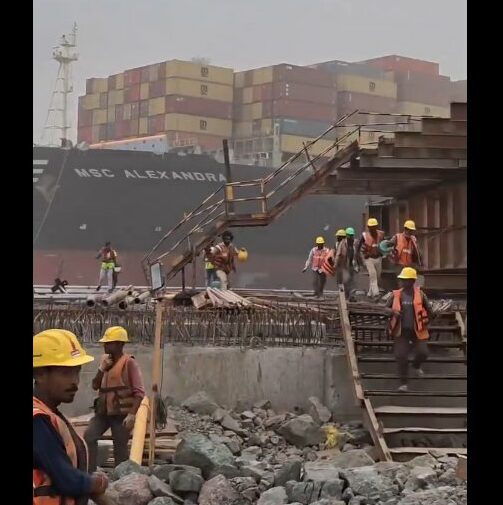
A large cargo vessel MSC Alexandra, anchored at the CT3 terminal of Mundra Port, failed to withstand the impact of the strong winds. Due to the high wind speed, the mooring ropes of the ship snapped, causing the vessel to drift out of control in the water.

Not only the vessel, but several heavy cargo containers stacked at the port were blown away by the strong winds, with some containers overturning due to the intensity of the gusts. Considering the seriousness of the situation, the port administration immediately imposed a complete restriction on vehicle movement inside the port premises and instructed employees to move to safe locations.

The impact of the sudden storm-like weather was not limited to the port area. Strong winds and rain were reported in Lakhpat, Abdasa, Bhuj, and Nakhatrana talukas of Kutch district. Due to the untimely rain, farmers suffered damage to standing crops, including pomegranate, mango, wheat, fennel, and isabgul.

Reports have also emerged of mobile towers collapsing in the Kandla area due to strong winds.

Paradip Port officials conduct first site visit to proposed Bahuda Satellite Port

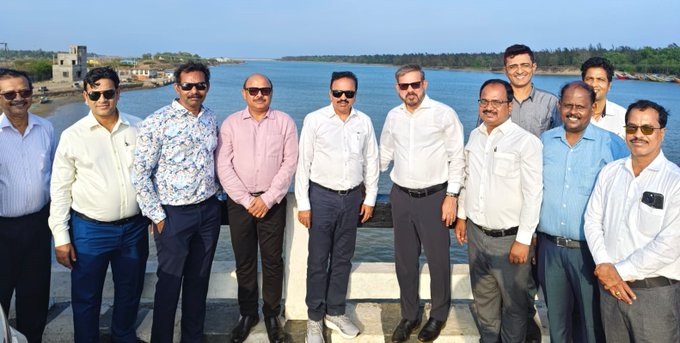
PARADIP : Taking a significant step forward in the development of the proposed Bahuda Satellite Port, officials from the Paradip Port Authority (PPA) on 20 March 2026 conducted the first on-ground inspection of the project site at Chikiti.

The visit was led by P. L. Haranadh, IRTS, Chairman, and T. Venu Gopal, Deputy Chairman, along with Board Members and senior officials. This marks the commencement of on-site activities following the Memorandum of Understanding (MoU) signed in September 2025 for the development of the greenfield deep-sea port.

With a planned investment of ₹21,500 crore, the Bahuda Satellite Port is poised to enhance Odisha’s maritime capacity and support India’s growing trade requirements. The port is being designed to handle large vessels, streamline cargo movement, and ease congestion at existing ports along the eastern coast.

During the visit, the team assessed site conditions and deliberated on key aspects such as infrastructure planning, connectivity, and phased development. The project is expected to improve logistics efficiency while creating strong industrial linkages across the region.

The development is also anticipated to generate substantial employment opportunities and drive industrial growth in Chikiti and surrounding areas, contributing to the state’s economic progress.

Speaking on the occasion, P. L. Haranadh stated that the site visit reflects PPA’s commitment to advancing the project in a structured and time-bound manner.

He emphasized that the Bahuda Satellite Port will play a crucial role in strengthening Odisha’s position in national and global trade.

Following this visit, further technical studies, statutory clearances, and detailed planning activities will be undertaken to move the project toward execution.

110th Meeting of Network Planning Group under PM GatiShakti evaluates key Infrastructure projects

The 110th Meeting of the Network Planning Group (NPG) was convened at the Department for Promotion of Industry and Internal Trade (DPIIT) to evaluate infrastructure projects. The meeting focused on enhancing multimodal connectivity and logistics efficiency in alignment with the PM GatiShakti National Master Plan (PMGS NMP). The NPG evaluated 02 Rail projects, 02 Metro projects, 02 Road and Highway projects for their conformity to the PM GatiShakti principles of integrated multimodal infrastructure, last-mile connectivity to economic and social nodes and ‘Whole of Government’ approach. These initiatives are expected to boost logistics efficiency, reduce travel times, and deliver significant socio-economic benefits to the catchment areas of the project. The evaluation and anticipated impacts of these projects are detailed below:

Doubling of Rail line from Arakkonam to Chengalpattu (Tamil Nadu): The Ministry of Railways has proposed the doubling of the existing single broad-gauge railway line between Chengalpattu (CGL) and Arakkonam (AJJ) in Tamil Nadu. The project spans approximately 67.794 kilometres and passes through the districts of Chengalpattu, Kanchipuram, and Ranipet under the administrative jurisdiction of the Chennai Division of Southern Railway. The alignment covers 12 stations, including the junction stations at Chengalpattu and Arakkonam, five crossing stations, and five halt stations along the route.

The proposed doubling aims to enhance line capacity, improve operational efficiency, and facilitate smoother movement of passenger and freight traffic along this important corridor. The project is expected to reduce congestion, minimize delays, and strengthen regional connectivity, supporting economic growth and improved rail services across the region.

Proposed Quadrupling between Whitefield and Bangarpet Stations (Karnataka): The Ministry of Railways has proposed the construction of a double line between Whitefield and Bangarpet stations in Karnataka, covering approximately 47 km. The proposed quadrupling of the Whitefield–Bangarpet section is aimed at significantly enhancing logistics efficiency along the Bengaluru–Chennai corridor. Under the plan, the existing double line will be prioritized for passenger services, while the additional two lines will primarily handle freight traffic, reducing detention, improving punctuality, and augmenting overall line capacity.

This strategically important corridor provides vital inter-state connectivity between Karnataka and Tamil Nadu and supports substantial freight movement. The project is expected to lower transportation costs and enhance the global competitiveness of Indian industry by facilitating efficient movement of containerized EXIM cargo, steel, cement, petroleum products, fertilizers, and agricultural produce. With support from key freight terminals and sidings, the initiative will strengthen supply chains, optimize logistics operations, and contribute to sustained industrial and regional economic growth.

Ministry of Housing and Urban Affairs (MoHUA)

Mumbai Metro Line 11 (Anik Depot to Gateway of India) (Maharashtra): The Ministry of Housing and Urban Affairs has proposed the construction of Mumbai Metro Line–11 from Anik Depot to Gateway of India in Maharashtra, spanning a total length of 17.41 km. The fully underground corridor will feature multiple interchange stations connecting operational and upcoming metro lines, further strengthening the integrated metro network of approximately 337 km across the Mumbai Metropolitan Region. The alignment will provide high-capacity connectivity to key residential, commercial, institutional, and heritage areas of South and Central Mumbai, including Wadala, Byculla, Nagpada, Crawford Market, CSMT, Horniman Circle, and the Gateway of India.

The project is expected to deliver significant socio-economic benefits by easing road congestion and enhancing overall urban mobility. It will result in savings in travel time, vehicle operating costs, and fuel consumption, while also contributing to reduced road accidents and lower air pollution levels. The implementation of Metro Line–11 will substantially augment Mumbai’s public transport infrastructure and support the development of a more efficient, sustainable, and environmentally responsible urban transport system.

Pune Metro Rail Project Line-4B: Hadapsar-Loni Kalbhor and Line-4C: Hadapsar Bus Depot to Saswad Road (Maharashtra): The Ministry of Housing and Urban Affairs has proposed the development of Pune Metro Line–4 extensions (4B and 4C) in Maharashtra, covering a total length of 16.67 km. The proposed corridors are aimed at strengthening connectivity in Pune’s eastern and south-eastern regions by linking key residential, industrial, and emerging township areas along the Pune–Solapur Highway and Saswad Road, including Hadapsar, Manjari, Lonikalbhor, Phursungi, Bhekrai Nagar, and Wadki. Line–4B (Hadapsar–Lonikalbhor) will run along the Pune–Solapur Highway, while Line–4C (Hadapsar Bus Depot–Saswad Road) will extend along Saswad Road with seamless integration at Hadapsar.

The project is expected to significantly enhance Pune’s public transport infrastructure by improving connectivity with major bus depots and the Pune–Daund railway line. The extensions will facilitate smoother urban mobility, reduce road congestion and travel time, and contribute to lower vehicular emissions. The initiative will support sustainable urban growth and provide efficient, reliable public transport options for the expanding metropolitan region.

Ministry of Road, Transport and Highways (MoRTH)

Construction of 4 Lanning of Badnawar-Petlawad-Thandla-Timarwani from Badnawar Bypass Timarwani Interchange of Delhi Mumbai expressway (NE-4)(Madhya Pradesh): The Ministry of Road Transport and Highways has proposed the four-laning of the 80.450 km Badnawar–Petlawad–Thandla–Timarwani corridor in Madhya Pradesh to enhance regional connectivity and strengthen economic integration. The upgraded highway will improve linkages between Badnawar, Petlawad, and Thandla and major cities including Ujjain, Dewas, Bhopal, Indore, Ratlam, Dahod, and Godhara, facilitating better access to essential services, markets, and employment opportunities.

The project will also provide seamless connectivity to the PM MITRA (Pradhan Mantri Mega Integrated Textile Region and Apparel) Park near Dotriya village in Dhar district, along with improved access to the Delhi–Mumbai Expressway and the Pithampur logistics hub. The enhanced corridor is expected to boost industrial growth, improve freight efficiency, and contribute significantly to the socio-economic development of the region.

Construction of FotuLa Tunnel with Approaches on NH-1(Ladakh): The Ministry of Road Transport and Highways has proposed the construction of the 2.65 km Fotu La Tunnel in the Union Territory of Ladakh to ensure reliable, all-weather connectivity along the Srinagar–Leh corridor (NH-01). The tunnel will bypass one of the highest and most weather-sensitive stretches of the highway, preventing frequent winter closures caused by heavy snowfall, avalanches, and black ice. The project is expected to reduce travel distance by approximately 8.5 km and cut travel time by around 23 minutes, significantly enhancing safety and operational efficiency.

Strategically important, the tunnel will facilitate uninterrupted movement of defence convoys and essential supplies, strengthening logistics along this critical route. It will also promote socio-economic development by ensuring stable connectivity between Leh, Kargil, and Srinagar, benefiting key locations such as Kargil, Khaltsi, Budhkharbu, Lamayuru, and Leh. Year-round access will improve connectivity to Leh Airport, support remote habitations, and drive sustained economic growth in Ladakh by maintaining continuous linkage with the rest of the country.

Hapag-Lloyd introduces temporary measures to sustain Gulf container flows amid regional disruptions

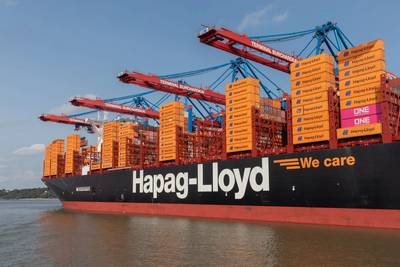
HAMBURG : Global shipping major Hapag-Lloyd has announced a set of temporary operational measures to maintain the continuity of container flows across the Gulf region, as ongoing instability in the Middle East continues to impact conventional shipping routes.

In response to the evolving situation, the company has introduced alternative cargo handling options through selected regional ports. These solutions provide customers with the flexibility to either arrange container movement independently or opt for carrier-managed logistics, ensuring minimal disruption to supply chains under current constraints.

As part of the initiative, exporters and importers operating via designated ports will be able to collect empty containers free of charge from selected depots across the United Arab Emirates, Bahrain, Qatar, Kuwait, Saudi Arabia, and Iraq. The move is aimed at facilitating smoother cargo operations and improving equipment availability across the region.

Hapag-Lloyd has also advised customers to ensure timely collection of cargo at the port of discharge. Containers can subsequently be transported across borders to final destinations within other Gulf countries using customer-arranged inland logistics. However, the carrier has specified that empty containers must be returned to the original port of discharge, with additional charges applicable for returns at alternate locations.

To address the heightened risk environment, the company has introduced insurance charges for all commercial cargo movements under these arrangements. The applicable fees are set at USD 3,000 per 20-foot container, USD 5,500 per 40-foot container, and USD 15,000 per reefer unit.

Additionally, customers will benefit from an extended free period of 10 days for cargo movements, after which a fixed rate of USD 25 per day will be levied before standard tariffs come into effect.

All service requests related to these temporary measures will be processed manually by customer service teams to ensure effective coordination and oversight. The company has clarified that these provisions will not apply to intra-Gulf trade movements.

The initiative underscores the growing emphasis among global carriers on flexible, multimodal, and contingency-driven logistics strategies to navigate ongoing geopolitical and operational challenges in the region.

Motherson partners Hellmann to strengthen auto supply chain business

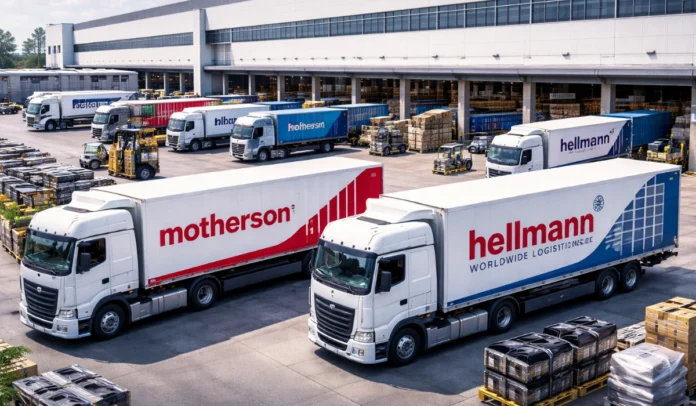
DUBAI : Samvardhana Motherson International Ltd has approved entering into a joint venture on Thursday, March 19, with Hellmann Worldwide Logistics to strengthen its global supply chain capabilities.

The partnership will be executed through a joint venture agreement with Hellmann Worldwide Logistics (MESA) Holding Limited, based in Dubai International Financial Centre, UAE. The collaboration aims to provide integrated logistics solutions to the automotive sector and enhance end-to-end supply chain support for customers, according to an exchange filing.

The joint venture will focus on delivering third-party and fourth-party logistics (3PL and 4PL) services globally, excluding Japan, with an emphasis on improving resilience, efficiency and stability across supply chains.

As part of the agreement, a new joint venture company will be incorporated in Dubai, with SAMIL holding a 51% stake and Hellmann owning the remaining 49%. The board of the JV entity will comprise a minimum of six directors, with equal representation from both partners, while SAMIL will appoint the chairman.

Hellmann Worldwide Logistics, headquartered in Germany, operates across more than 170 countries and provides integrated logistics services including air, ocean and road freight, customs brokerage and contract logistics.

The company said the partnership is not a related-party transaction and will combine SAMIL’s logistics solutions division capabilities with Hellmann’s global network to offer world-class supply chain solutions to the automotive industry.

Separately, the board of the company has also approved an interim dividend of ₹0.35 per equity share (face value ₹1 each) for the financial year 2025–26. The record date for the dividend has been fixed as March 27, 2026.

CMA CGM starts bypassing Hormuz by deploying emergency multimodal solutions

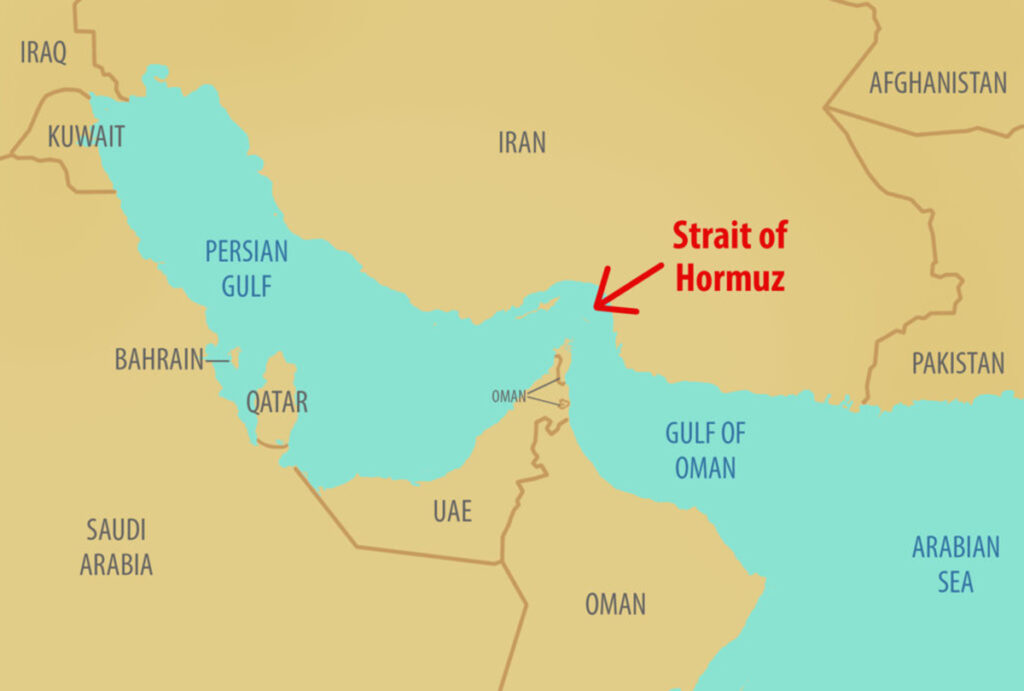
MARSEILLE: CMA CGM is deploying emergency multimodal solutions for its customers to support supply chains in the United Arab Emirates and the northern Gulf (Iraq, Bahrain, Qatar, Kuwait) without transiting through the Strait of Hormuz.

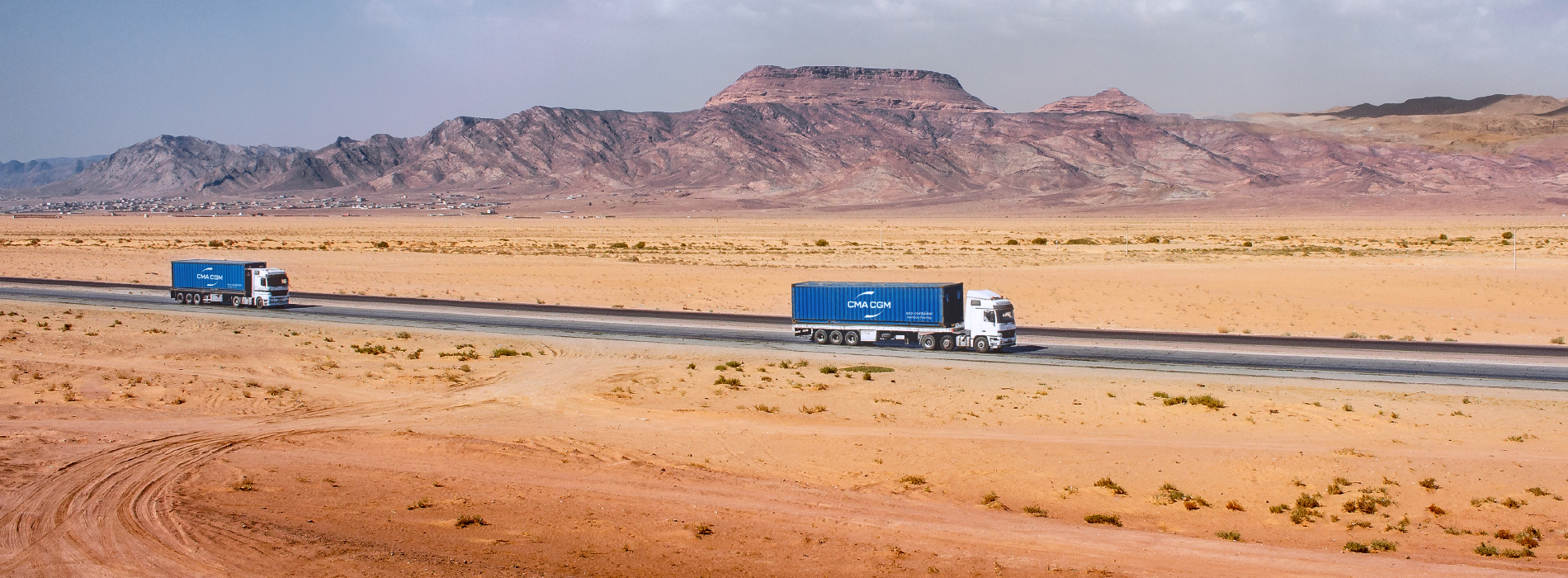
Given the situation in the Middle East and the restrictions affecting maritime traffic in the Strait of Hormuz, CMA CGM Group said in its latest advisory to its clients that it is deploying alternative multimodal solutions combining maritime, rail and road transport in order to maintain the fluidity of logistics flows despite the situation in Hormuz.

Secure logistics corridors via the United Arab Emirates

Located south of the Strait of Hormuz, Khor Fakkan, Fujairah and Sohar serve as strategic entry points for cargo flows destined for the Gulf.

From these ports, CMA CGM offers logistics corridors serving the main hubs of the United Arab Emirates (Khalifa, Jebel Ali, Sharjah), and other countries bordering the Arabian Gulf through a combination of regional land and maritime transport.

An alternative road corridor via Saudi Arabia

The port of Jeddah, located on the Red Sea, also provides an alternative to transit through the Strait of Hormuz.

From Jeddah, CMA CGM is deploying road corridors, with or without a maritime connection, to handle onward transportation to Saudi Arabia (Dammam), the United Arab Emirates, Qatar, Bahrain, Kuwait and Iraq.

According to CMA CGM, this setup also enables cargo flows to be connected to the Mediterranean and Asia without exposure to the Strait.

An additional road solution via the Sultanate of Oman

CMA CGM also relies on Omani ports to offer a third major road bypass solution. These ports enable road connections to the United Arab Emirates and links to the Upper Gulf combining road and feeder services.

map corridor cma cgm CMA CGM starts bypassing Hormuz by deploying emergency multimodal solutions

West Asia crisis impact limited so far, but risks rise if Strait of Hormuz disruption prolongs: Jefferies

NEW YORK: The ongoing West Asia crisis has not yet triggered a sharp market correction, but risks to energy-dependent economies like India could intensify if disruptions in the Strait of Hormuz persist, according to a Jefferies report.

The report notes that markets have remained relatively resilient despite escalating geopolitical tensions, highlighting that “markets have not corrected more given the historic newsflow in the Middle East.”

A key reason for the relative calm is continued energy flows through the Strait of Hormuz, which is critical for Asia, including India. The report highlights that “85 per cent of energy traffic through the strait is for Asia with China, India and South Asia accounting for around 60 per cent of the flows.”

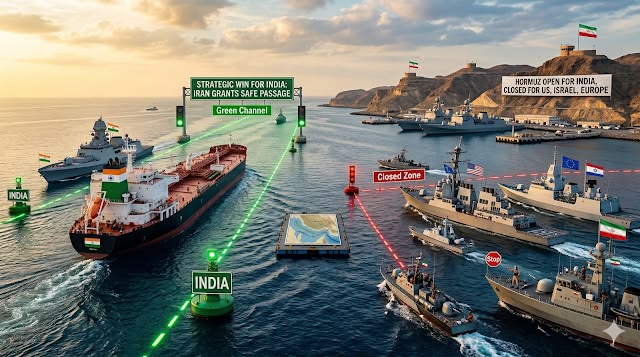
This selective passage of ships by Iran has helped ease immediate supply concerns. As the report states, “Iran allowing selective passage of ships through the Strait of Hormuz… reduces the pressure on supply.”

However, the report cautions that the situation remains fragile, especially for energy-importing economies. It warns that “the longer the Strait of Hormuz is closed, the more negative and prolonged the economic consequence.”

The report further emphasizes the fundamental linkage between energy and growth, noting that “economic growth is energy consumed,” implying that any sustained disruption could directly hit growth trajectories of countries like India.

From a broader Asia perspective, the report suggests that geopolitical shocks have increasingly been treated by markets as temporary, with investors viewing such episodes as buying opportunities. It observes that “markets have become accustomed in recent years to such geopolitical events being a buying opportunity.”

While the report does not single out India in detail, the heavy dependence on Hormuz-linked energy flows implies vulnerability to oil price shocks and supply disruptions.

At the same time, continued energy transit and market resilience suggest near-term stability, provided the conflict does not escalate into a prolonged blockade or wider military confrontation.

The key risk trigger remains any sustained closure or escalation in the Strait, which could amplify inflationary pressures and weigh on growth across major Asian economies, including India.

Source: ANI