Home Blog Page 393

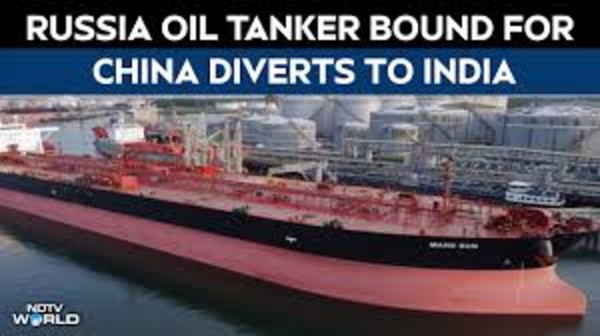
7 China-bound Russian oil tankers make U-turn, head to India

NEW DELHI : At least seven tankers carrying Russian oil, destined for China, have changed course midway and are now headed to India amid New Delhi’s renewed push to secure its energy supplies amid disruption due to the Iran war, Bloomberg reported. The rerouting of these vessels, monitored by ship-tracking firm Vortexa Ltd, comes after India received a temporary waiver from the US to buy “sanctioned” Russian oil currently stranded at sea.

Among the seven, the Aqua Titan, a medium-sized crude oil tanker, is set to arrive at the New Mangalore Port on Saturday (March 21). The tanker, which was loaded at a Baltic Sea port in late January, was originally bound for the Chinese port of Rizhao. However, it did a U-turn in mid-March, days after India got the US waiver.

Another tanker, the Suezmax Zouzou N, is also heading towards Sikka port in Gujarat’s Jamnagar and is expected to arrive on March 25. It reversed its course in early March, Bloomberg reported.

The development comes as Indian refiners stepped up purchases of Russian oil after the US issued a 30-day waiver amid the effective closure of the Strait of Hormuz by Iran amid the war. Iran has almost completely blocked ship movements through the Strait, through which 1/5th of the world’s oil and gas passes.

Earlier this week, External Affairs Minister S Jaishankar said India does not have a “blanket arrangement” with Iran for the transit of Indian-flagged ships.

The arrival of the seven tankers carrying Russian crude is expected to mitigate the short-term crisis of crude oil for India.

Source : IT

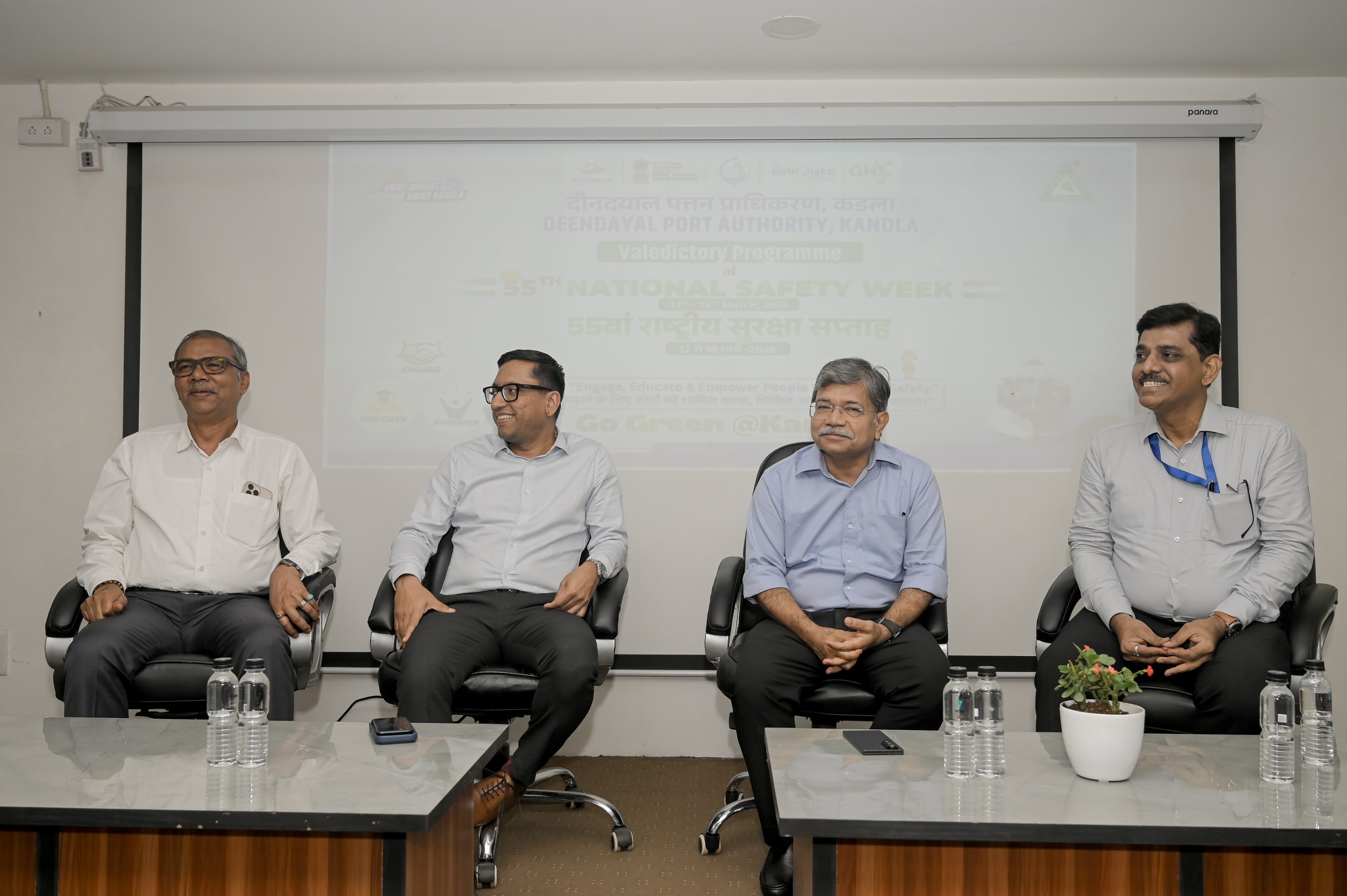
DPA Kandla concludes 55th National Safety Week with strong commitment to safety excellence

GANDHIDHAM : Deendayal Port Authority, Kandla marked the Valedictory Programme of the 55th National Safety Week in the esteemed presence of Shri Sushil Kumar Singh, IRSME, Chairman; Shri Nilabhra Dasgupta, IRS, Dy. Chairman; Shri J.K. Rathod, CPES, CVO; Shri Manoj B. Kasulla, Asst. Director (Safety), Inspectorate Dock Safety, Kandla; other senior officials, employees & port users.

The week-long observance, organized in line with the nationwide campaign on industrial safety, witnessed a series of engaging and awareness-driven activities including safety drills, mock emergency response exercises, toolbox talks, training sessions, poster-making competitions, and interactive workshops. These initiatives were aimed at reinforcing best safety practices and enhancing preparedness across all operational areas of the port.

Addressing the gathering, Chairman Sushil Kumar Singh emphasized the critical importance of fostering a proactive safety culture, stating that safety is not merely a compliance requirement but a shared responsibility of every stakeholder. He highlighted DPA’s continuous efforts in adopting modern safety standards, upgrading infrastructure, and leveraging technology to minimize risks and ensure smooth and secure port operations.

Deputy Chairman Nilabhra Dasgupta reiterated the need for continuous learning and vigilance, while CVO J.K. Rathod underlined the role of accountability and adherence to safety protocols in maintaining operational integrity.

On the occasion, awards and certificates were presented to departments, employees, and port users for exemplary performance and contributions towards safety excellence. Special recognition was given to teams demonstrating outstanding commitment to accident prevention and hazard management.

The valedictory programme concluded with a renewed pledge by all participants to uphold the highest standards of safety, sustainability, and operational efficiency, further strengthening Deendayal Port Authority’s position as a responsible and safety-conscious maritime gateway of India.

In Brussels, Jaishankar discusses Iran with EU counterparts

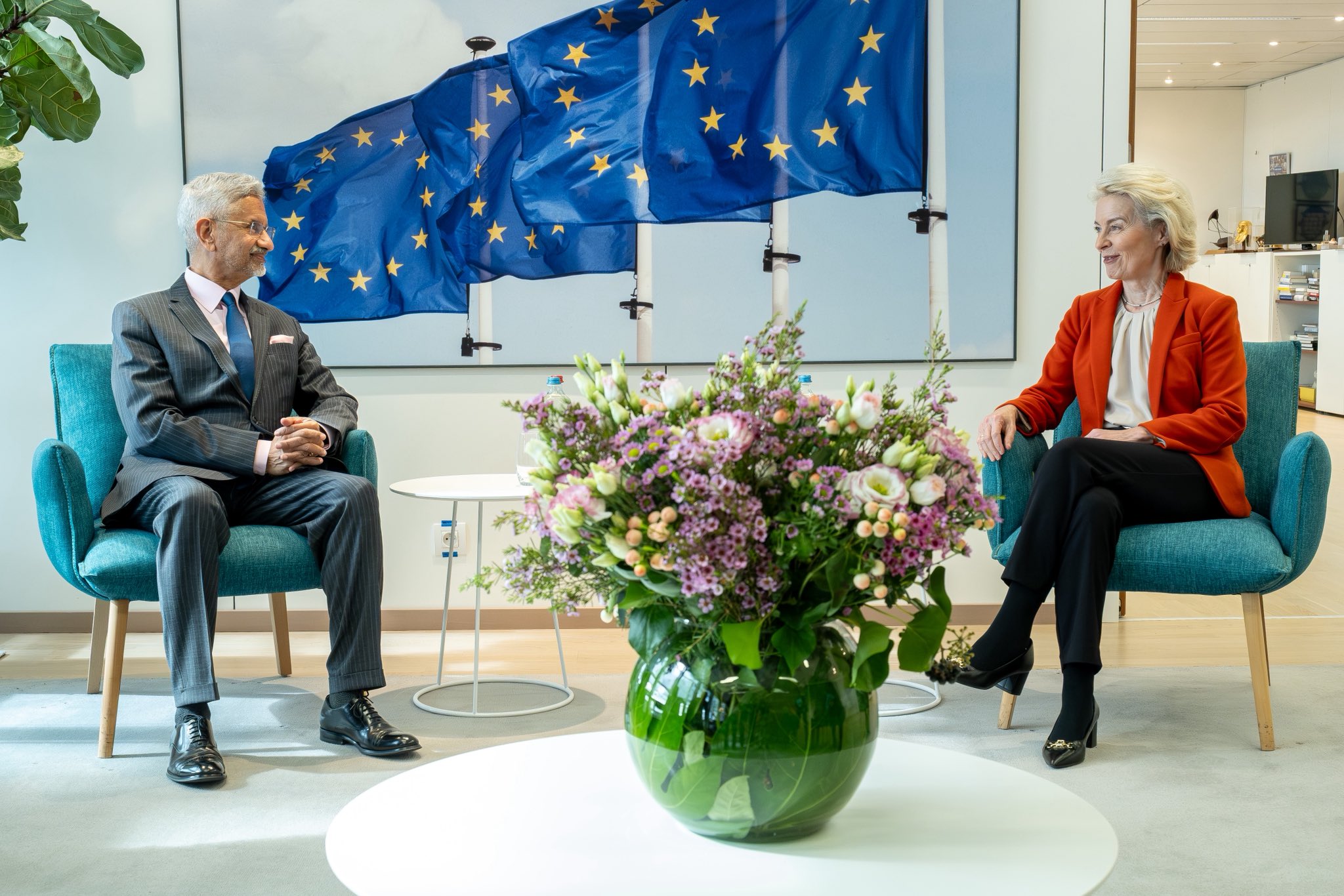
BRUSSELS : On the second day of his Brussels visit, External Affairs Minister Dr.S. Jaishankar met with European Commission President Ursula von der Leyen and had discussions, including about the situation in West Asia and Ukraine. Mr. Jaishankar was invited to interact with Foreign Ministers from the 27-member bloc, during the EU Foreign Affairs Council meeting on Monday (March 16, 2026), as per a statement from the Ministry of External Affairs.

“We also discussed developments in the Middle East and in Ukraine. De-escalation, stability and energy security are our shared objectives,” Ms. Von der Leyen said in a post on X, about her meeting with Mr. Jaishankar. The EU and India were focused on implementing the trade deal signed in January in New Delhi, “as soon as possible”, she said.

Thanking the EU’s top diplomat Kaja Kallas for inviting him to the Foreign Affairs Council, Mr. Jaishankar said, “Our conversation today therefore covered trade, investment, technology, mobility and defence in particular.”

The stronger convergence between India and the EU in a multipolar world is also expressed in closer consultations,” he added, saying West Asia, Ukraine and the Indo Pacific were discussed at the meeting. On Sunday (March 15, 2026), Mr. Jaishankar publicly thanked Armenia for the safe evacuation of 550 Indian nationals from Iran.

Ahead of the meeting, Ms. Kallas had outlined various options the EU was considering to open the Strait of Hormuz, a crucial body of water through which a quarter of the world’s oil passes. The Strait has effectively remained sealed off by Iran since Israel and the U.S. launched strikes against the country on February 28.

Different relationship
Mr. Jaishankar had said that India would be happy to share what New Delhi was doing with Tehran, with European countries, although he acknowledged that every country had a different relationship with Iran. He had also said there was no quid pro quo involved with Iran permitting the passage of two Indian-flagged tankers carrying LPG crossing the Strait on Saturday, saying this was based on a “history of dealing” with each other. Calling the conflict “most unfortunate”, Mr. Jaishankar called for other countries to engage with Tehran. The Minister had also emphasised that India did not have a “blanket arrangement” with Tehran for safe passage of ships, but it was being arranged on a case-by-case basis and discussions were ongoing.

Mr. Jaishankar met with Cyprus’s Foreign Minister Constantinos Kombos on Sunday and discussed ways to strengthen India’s strategic partnership with the country. They also exchanged views on West Asia; Cyprus currently holds the six-month rotating Presidency of the EU Council, a body made up of the 27 member-states of the bloc.

Earlier, Mr. Jaishankar met with Belgian Deputy Prime Minister and Foreign Minister Maxime Prevot. They agreed to establish India-Belgium strategic dialogue, according to the Minister.

NICDC organises stakeholder consultation on revitalising export-oriented industrial clusters

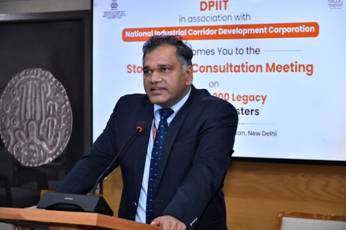
NEW DELHI : The National Industrial Corridor Development Corporation (NICDC) organised a consultation meeting on the Union Budget announcement regarding the rejuvenation of export-oriented industrial clusters at Vanijya Bhawan, New Delhi.

image002VBNR NICDC organises stakeholder consultation on revitalising export-oriented industrial clusters

The consultation was convened as a follow-up to the Post-Budget Webinar on “Sustaining and Strengthening Economic Growth” to carry forward deliberations on cluster revitalisation and translate Budget announcements into actionable strategies through sustained industry engagement. The meeting witnessed wide participation from representatives of Export Promotion Councils (EPCs), industry associations, financial institutions, research organisations, and government stakeholders.

During the deliberations, stakeholders emphasised the need for a holistic and balanced approach to cluster rejuvenation, integrating infrastructure upgradation with capacity building, technology adoption, and improved market access. The importance of strengthening domestic manufacturing ecosystems, particularly in sectors with high import dependence, was highlighted. Participants also stressed the need for robust testing, certification, and quality infrastructure to enhance global competitiveness and reduce reliance on overseas facilities.

The discussions underscored the importance of promoting innovation, research and development, and technology commercialisation within clusters. Targeted support for MSMEs to enhance productivity and facilitate their integration into global value chains was also emphasised.

Stakeholders highlighted the need for effective governance mechanisms, including industry-led participation through Special Purpose Vehicles (SPVs), and the establishment of cluster-level facilitation systems to support investors and enterprises. Simplification of regulatory processes, improved awareness and accessibility of government schemes, and greater flexibility at the state and district levels for context-specific implementation were also emphasised.

The consultation further reinforced the importance of developing integrated and future-ready industrial ecosystems, including social and urban infrastructure to support workforce retention and long-term sustainability. Strengthening design, innovation and intellectual property ecosystems, developing sustainable financing models, and leveraging existing government initiatives to scale high-potential clusters were also discussed.

A broad consensus emerged on placing MSMEs at the centre of cluster development efforts, with a focus on improving access to finance, enhancing capabilities, and enabling greater participation in export markets. The need to align cluster development with global demand trends and strengthen India’s position in global value chains was also highlighted.

The consultation provided a platform for constructive industry–government dialogue and facilitated the sharing of actionable recommendations to support the implementation of the Budget announcement on industrial cluster rejuvenation. The meeting marks a significant step towards translating Budget priorities into on-ground action.

The discussions were guided by CEO & Managing Director, NICDC, Shri Rajat Kumar Saini, who emphasised the importance of continued stakeholder engagement to refine and operationalise the cluster development framework.

The consultation saw participation from leading industry bodies and institutions, including ASSOCHAM, FICCI, CII, PHDCCI, NASSCOM, SIDBI, CSIR, National Productivity Council (NPC), Indian Dairy Association, Apparel Export Promotion Council (AEPC), Automotive Component Manufacturers Association of India (ACMA), Indian Machine Tool Manufacturers’ Association (IMTMA), Institute of Indian Foundrymen, Warehousing Association of India, and the Society of Indian Defence Manufacturers, among others. Representatives from industry and corporates such as Reliance, Tata Chemicals, Relaxo, Beumer Group and JLL, as well as sector-specific associations, also actively participated in the consultation.

The meeting was chaired by Secretary, Department for Promotion of Industry and Internal Trade (DPIIT), Shri Amardeep Singh Bhatia.

About NICDC

National Industrial Corridor Development Corporation (NICDC) is Government of India’s nodal agency for planning, developing and implementing greenfield industrial smart cities to strengthen India’s manufacturing ecosystem and logistics competitiveness.

Indian Navy continues IOS Sagar Initiative to strenthen maritime partnership with Indian Ocean nations

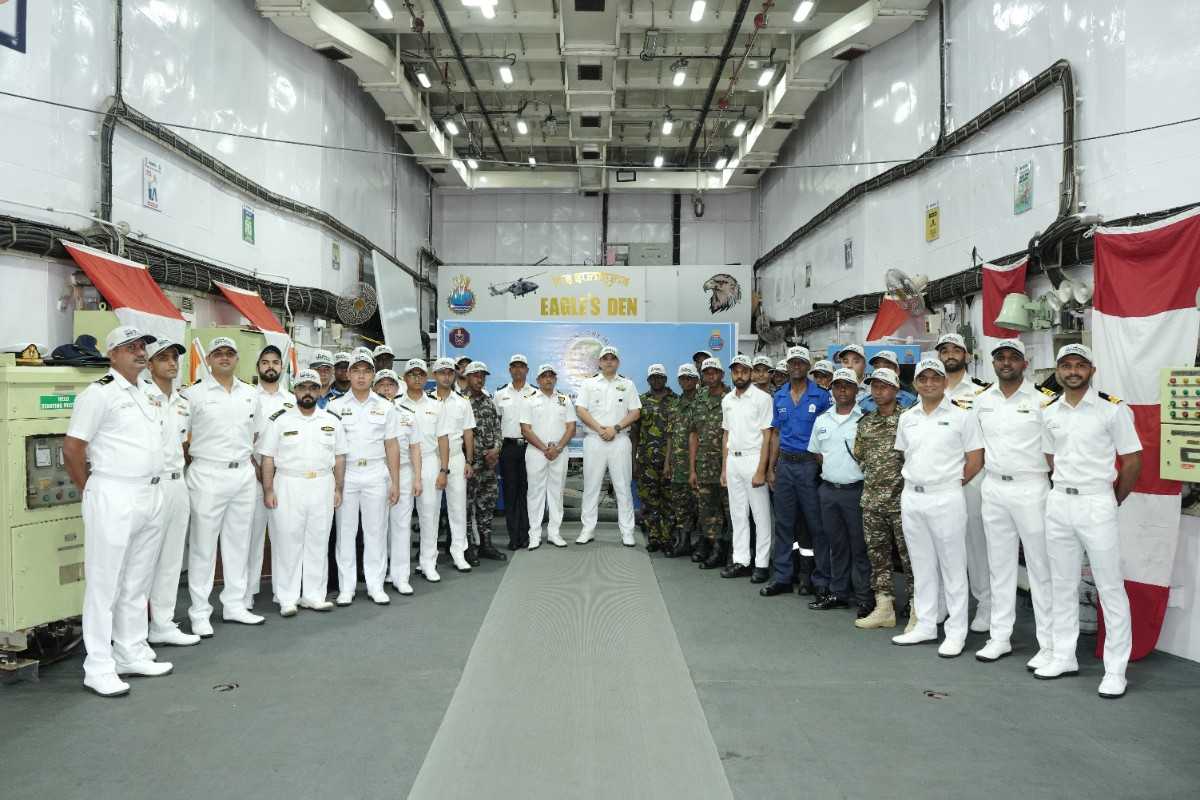
NEW DELHI : Reaffirming India’s commitment to collaborative maritime security in the Indian Ocean Region, the second edition of Indian Ocean Ship (IOS) SAGAR commenced on 16 Mar 2026.

The Indian Navy assumed the chair of the Indian Ocean Naval Symposium (IONS) in Feb 2026. Therefore, this Edition includes participation from 16 IONS nations of the Indian Ocean Region(IOR).

The initiative builds on India’s long-standing maritime cooperation efforts and reflects the Government of India’s vision of Security and Growth for All in the Region (SAGAR), while also advancing the broader framework of MAHASAGAR – Mutual and Holistic Advancement for Security Across the Regions.

IOS SAGAR is designed as a unique operational engagement programme that enables naval personnel from Friendly Foreign Countries to train and sail together onboard an Indian Naval Ship. By integrating international participants into shipboard activities and professional training modules, the initiative promotes practical cooperation, interoperability and shared understanding of maritime operations.

As part of the current edition of IOS SAGAR, naval personnel from 16 Friendly Foreign Countries will participate in the programme.

The programme will commence with professional training interactions at Indian Naval training establishments in Kochi, where participants will be exposed to key aspects of naval operations, seamanship practices and maritime security concepts. This phase will be followed by deployment onboard an Indian Naval Ship, where international participants will sail together with Indian Navy personnel and take part in operational activities at sea.

During the voyage, the ship will undertake maritime engagement activities and port visits, enabling interaction with partner navies and maritime agencies across the region. These engagements are intended to strengthen professional linkages, encourage exchange of best practices and foster a deeper understanding of shared maritime challenges.

PepsiCo India expands Green Logistics Network with EV Green Corridor and Wider Low-Emission Fleet Transition

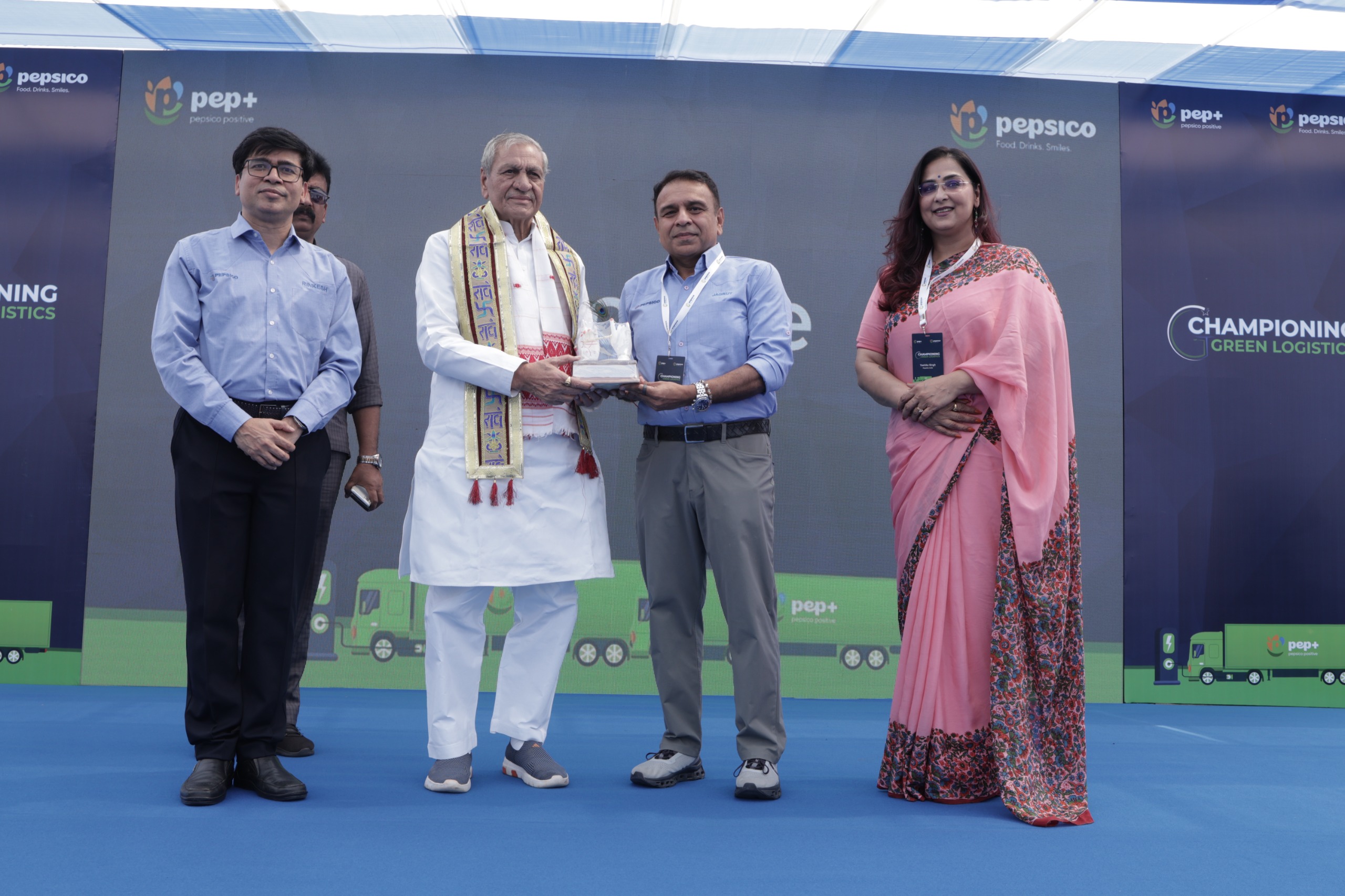
KOSI: PepsiCo India Wednesday announced a significant step up in its green logistics network, bringing together three interconnected initiatives that together mark a major step forward in the company’s efforts to reduce emissions across its supply chain. At the center of the announcement is the launch of a dedicated EV Green Corridor on the Kosi-Pataudi route, developed in collaboration with Kalyani Powertrain Limited. The corridor will operate with eight 32-feet single-axle Re-Powered electric container trucks, enabling approximately 4.8 lakh electric kilometres annually on the route.

The Green Corridor was inaugurated in the presence of Shri Laxmi Narayan Chaudhary, Cabinet Minister for Sugar Industry and Cane Development in the Government of Uttar Pradesh, along with Jagrut Kotecha, CEO, PepsiCo India and South Asia, and Pankaj Sonalkar, Managing Director- Kalyani Powertrain Limited, and senior leaders from PepsiCo, logistics partners and distribution ecosystem partners.

Alongside the corridor launch, PepsiCo India has also converted more than 400 distributor-linked vehicles to electric three and four-wheelers across markets, directly reducing emissions at the last mile of delivery. In the National Capital Region, the company has deployed over 80 CNG vehicles, through its logistics partners, as part of its strategy to lower the environmental footprint of urban logistics. Taken together, the three initiatives represent a coordinated step in PepsiCo India’s efforts to advance greener logistics operations, spanning linehaul freight, urban distribution, and last-mile delivery.

Speaking on the occasion, Chief Guest, Shri Laxmi Narayan Chaudhary, Cabinet Minister for Sugar Industry and Cane Development, Government of Uttar Pradesh, said, “I appreciate PepsiCo India and its partners for taking this important step with the inauguration of the Green Corridor. Initiatives like these reflect how industry can grow while remaining mindful of the environment. The Government is strongly focused on promoting electric mobility and encouraging cleaner modes of transportation, and this initiative is well aligned with that vision. Such efforts will go a long way in supporting sustainable development and further strengthening the region’s industrial progress.”

Highlighting PepsiCo India’s collaborative approach to advancing sustainable logistics, Jagrut Kotecha, CEO, PepsiCo India & South Asia said, “At PepsiCo India, sustainability is embedded in how we operate and grow. The launch of the EV Green Corridor on the Kosi-Pataudi route, together with the electrification of our distributor fleet and CNG deployment in NCR, reflects our commitment to building a supply chain that is cleaner, more efficient, and future-ready. Through our Partnership of Progress approach, we have brought together the right partners across technology, logistics, infrastructure, and finance to make this a reality. We believe this kind of ecosystem collaboration is what it takes to drive lasting change, not just for PepsiCo, but for the sector.”

Speaking on the collaboration, Mr. Pankaj Sonalkar, Managing Director- Kalyani Powertrain Limited, “We are proud to partner with PepsiCo India in advancing sustainable freight mobility through the deployment of electric container trucks on Kosi–Pataudi Green Corridor. This initiative demonstrates how electric vehicle technology can be effectively integrated into commercial logistics operations when supported by strong ecosystem collaboration. At Kalyani Powertrain, we remain committed to developing innovative and reliable mobility solutions that enable businesses to transition toward cleaner, more efficient transportation while supporting India’s broader decarbonization goals.”

Speaking on the collaboration, Ashwani Singhal, Managing Director, Vayudoot Road Carriers, a Pune‑based logistics company said: “Our 25+ year partnership with PepsiCo India has helped us steadily build stronger capabilities and higher operating standards across our network. Anchoring on this trust, we are proud to deploy electric container trucks on the Kosi–Pataudi Green Corridor, reaffirming our commitment to sustainable and future-ready logistics.”

Speaking on the occasion, Mr. Saurabh Tiwari, Director, New Trishul Transport Services based at Kanpur, said, “With over three decades in transportation, we believe the future of logistics must balance efficiency with environmental responsibility. Our collaboration with PepsiCo on EV deployment reinforces our longstanding commitment to innovation and cleaner mobility solutions, while continuing to strengthen reliable and forward looking supply chains.”

Aligned with PepsiCo India’s Partnership of Progress philosophy, these initiatives have been developed through close collaboration with OEMs, logistics partners, and distributors to build solutions suited to real operating conditions.

The Kosi-Pataudi EV Green Corridor is designed as a scalable model for electric linehaul freight, with the supporting ecosystem addressing charging infrastructure, route optimization and vehicle customization. The corridor reflects PepsiCo India’s intent to build solutions that can grow with the sector’s needs. These initiatives sit within PepsiCo India’s PepsiCo Positive (pep+) sustainability agenda, which aims to embed sustainability into the heart of the business, including its supply chain. By demonstrating that green logistics is operationally and commercially viable, PepsiCo India aims to encourage and accelerate the transition across the wider industry.

Prozo strengthens Hyderabad presence with 1,04,524 sq. ft. fulfilment centre in Medchal

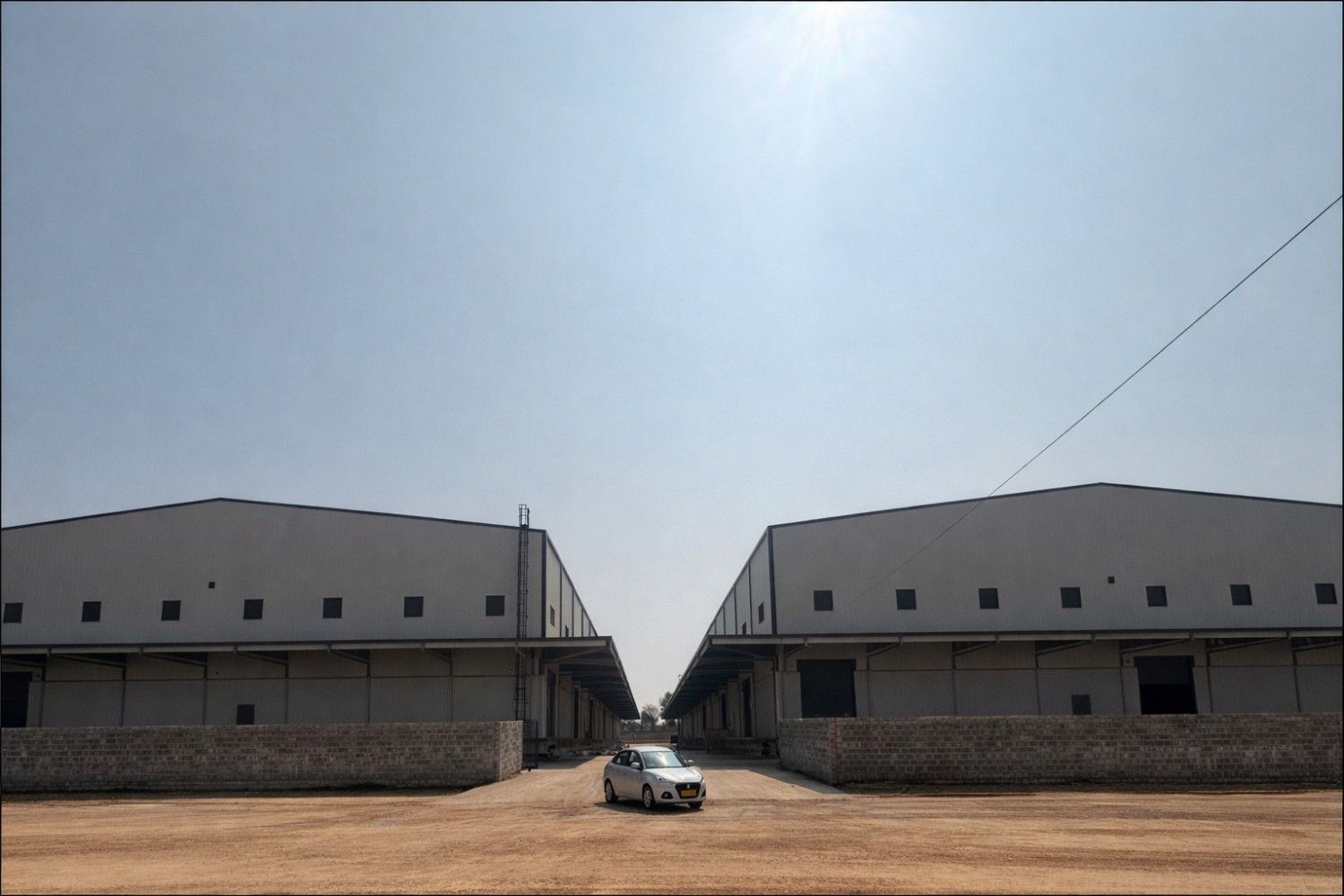
HYDERABAD: Prozo, India’s fastest-growing full-stack supply chain company, has strengthened its presence in Hyderabad with the launch of a new multi-client fulfilment centre in Medchal spanning 1,04,524 sq. ft. Following its recent launch in Bengaluru, the new facility marks another step in the company’s ongoing network expansion. With this addition, Prozo now operates 9 warehouses and fulfilment centres in Hyderabad covering a combined area of 6.5 lakh sq. ft. Across South India, its network now spans 26 fulfilment centres with a combined warehousing footprint of approximately 17 lakh sq. ft.

HyderabadFC2.jpg Prozo strengthens Hyderabad presence with 1,04,524 sq. ft. fulfilment centre in Medchal

The Medchal location is a deliberate strategic choice. Positioned on Hyderabad’s northern corridor along NH-44, with direct access to the Outer Ring Road (ORR), the site provides efficient connectivity for both pan-India freight movement and last-mile delivery into the Greater Hyderabad urban catchment.

According to Knight Frank India’s India Warehousing Market 2025 report, Medchal accounted for 60% of Hyderabad’s warehousing transactions in 2025, making it the city’s most active logistics submarket. Hyderabad’s logistics real estate market recorded 3.4 million sq. ft. of warehousing transactions in 2025, with Grade A facilities accounting for 55% of total transactions, a clear indicator that occupiers are prioritizing quality, compliance, and technology-enabled infrastructure.

The new Medchalcentre will operate on the same enterprise-grade standards that govern Prozo’s national network, supported by advanced warehouse management systems (WMS) that deliver real-time inventory visibility, multi-client segregation, rigorous safety compliance, and the operational flexibility that high-growth, multi-channel brands require. Built for high-throughput B2C and B2B operations, the facility adds meaningfully to Prozo’s South India capacity-building programme. Looking ahead, the company continues to strengthen its presence in the region to capture the growing demand for precision-led, full-stack supply chain solutions.

Speaking on the expansion, Dr Ashvini Jakhar, Founder and CEO, Prozo, said: “South India is a strategic priority for Prozo, and our back-to-back expansions in Bengaluru and now Hyderabad are a direct reflection of that commitment. These are high-velocity commerce markets, and brands operating here need supply chain partners who can match that pace with precision, reliability, and operational depth. The Medchal facility gives us the infrastructure to do exactly that, at scale, and with the multi-channel capability that modern brands increasingly demand. As Hyderabad’s commercial and industrial base continues to grow, we intend to grow with it.”

Over the past year, Prozo has accelerated investments in AI-driven forecasting, SLA intelligence, automated reporting, and integrated multi-channel order management. The new site integrates with these capabilities and advances Prozo’s mission to become the most trusted supply chain partner for brands scaling across South India and beyond.

Prozo works with leading brands such as Reliance, TMRW (Aditya Birla), Tira, Traya, Minimalist, Beardo, Neemans, Comet Shoes, Bata, Relaxo and VIP (Caprese), among several other enterprise, retail and digital-first brands across FMCG, consumer electronics, healthcare, beauty, fashion and lifestyle categories. The new Medchal facility will support both existing clients expanding their regional footprint and new brands on-boarding onto Prozo’s multi-client network.

About Prozo

Prozo is a full-stack supply chain company that helps omni-channel brands achieve fast and reliable fulfillment. Backed by a pan-India warehousing and logistics network and its proprietary Control Tower tech stack, Prozo offers enterprise-grade capabilities on a flexible, pay-per-use model.

India launches anti-dumping probe into ethyl chloroformate imports from China

NEW DELHI : India on Tuesday opened an anti-dumping investigation into ethyl chloroformate imports from China after a domestic producer alleged the ​chemical used in pharmaceutical and agrochemical manufacturing was being sold at ‌unfairly low prices

The Directorate General of Trade Remedies (DGTR), under the federal trade ministry, said it initiated the probe following an application by Paushak (PAUS.NS), opens new tab that alleged that imports from China ​had caused “material injury” to domestic producers.

In its filing, Paushak said it is India’s sole domestic producer of ethyl chloroformate and it is responsible for the country’s entire output. It alleged that rising imports from China had led to price suppression and ​weakened profitability. The DGTR ​said its preliminary ⁠assessment indicated the dumping margin appeared to be above the de minimis level, suggesting significant price undercutting by Chinese ​exporters.

The investigation will cover the period from October 2024 to ​September ⁠2025, the DGTR said, and will assess evidence from exporters, importers and other interested parties before deciding whether to recommend duties to the government.
In a separate case, ⁠the ​DGTR also initiated an anti-dumping investigation into imports ​of hexamine – another intermediate used by the chemical and pharmaceutical industries – originating in or exported from China, ​Russia and the United Arab Emirates.

Source : Reuters

Nearly 90 ships cross Strait Of Hormuz as Iran exports millions of barrels of oil despite war

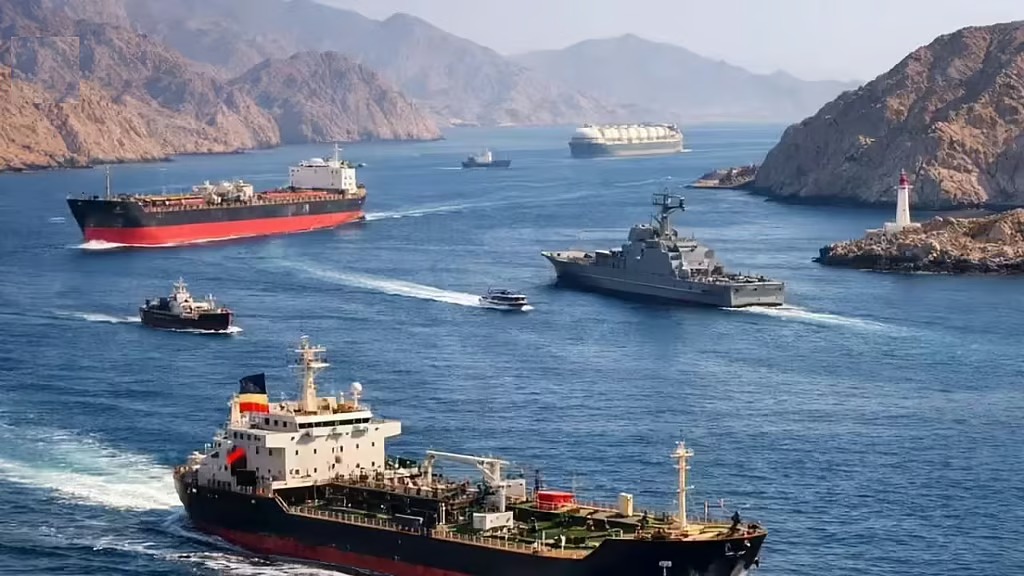
HORMUZ : About 90 ships including oil tankers have crossed the Strait of Hormuz since the outset of the war with Iran and it is still exporting millions of barrels of oil at a time when the waterway has been effectively closed, according to maritime and trade data platforms.

Many of the vessels that passed through the strait were so-called “dark” transits evading Western government sanctions and oversight that likely have ties to Iran, maritime data firm Lloyd’s List Intelligence said. More recently, vessels with ties to India and Pakistan have also successfully crossed the strait as governments stepped up negotiations.

As crude prices spiked above $100 a barrel, U.S. President Donald Trump pressured allies and trade partners to send warships and reopen the strait, hoping to bring oil prices lower.

Most shipping traffic through the Strait of Hormuz, a waterway for global oil and gas transport that supplies roughly one-fifth of the world’s crude oil, has been halted since early March, after the war started. About 20 vessels have been attacked in the area.

However, Iran has still managed to export well above 16 million barrels of oil since the beginning of March, trade data and analytics platform Kpler estimated. Due to Western sanctions and associated risks, China has been the biggest buyer of Iranian oil.

There has been ​​”continued resilience” in Iran’s oil export volumes, said Kpler trade risk analyst Ana Subasic.

Iran has managed to profit from oil sales and also “preserve its own export artery” by using control over the chokepoint, said Kun Cao, client director at consulting firm Reddal.

Iran’s oil export data estimates are largely aligned with maritime traffic data.

At least 89 ships crossed the Strait of Hormuz between March 1 and 15 – including 16 oil tankers, according to Lloyd’s List Intelligence, down from roughly 100 to 135 vessel passages per day before the war. More than one-fifth of the 89 vessels were believed to be Iran-affiliated, while Chinese and Greece affiliated ships are among the rest, it said.

Other vessels also have been getting through.

The Pakistan-flagged crude oil tanker Karachi, controlled by the Pakistan National Shipping Corp., passed through the strait on Sunday, Lloyd’s List Intelligence said.

Shariq Amin, a spokesman at the Pakistan Port Trust, refused to confirm or deny which route the MT Karachi had used but he said the ship would soon safely reach Pakistan.

The India-flagged liquefied petroleum gas (LPG) carriers Shivalik and Nanda Devi, both owned by state-owned Shipping Corp. of India, also traveled through the strait around March 13 or 14, according to Lloyd’s List Intelligence. LPG is used as a primary cooking fuel by millions of Indian households.

India’s External Affairs Minister, S Jaishankar, told the Financial Times the two vessels were able to pass following talks with Iran. Iraq was also in talks with Iran to allow Iraqi oil tankers through the Strait of Hormuz, its state-run news agency reported.

Vessels may be transiting “with at least some level of diplomatic intervention,” said Richard Meade, editor-in-chief of Lloyd’s List. So, Iran may have “effectively created a safe corridor” with some ships passing close to the Iranian coast.

Some vessels near or in the strait were found to have declared themselves as China-linked or with all Chinese crew to reduce risks of being attacked, based on an earlier analysis on ship tracking platform MarineTraffic. Analysts believe they were taking advantage of China’s closer ties with Iran.

Oil prices have jumped more than 40% to above $100 per barrel since the Iran war began, and Iran has threatened it won’t allow “even a single liter of oil” destined for the U.S., and Israel and their allies to pass through.

To try to stabilize oil prices, the U.S. said it was allowing Iranian oil tankers to cross the strait. “The Iranian ships have been getting out already, and we’ve let that happen to supply the rest of the world,” Treasury Secretary Scott Bessent said in an interview with CNBC on Monday.

The U.S. bombed military sites on Kharg Island off the Iranian coast, which is key for Iran’s oil network and exports, but President Donald Trump said he had left its oil infrastructure alone for now.

The latest passages through the Strait of Hormuz show the strait was not simply “closed,” Cao said. “It is better understood as closed selectively against some traffic, while still functioning for Iranian exports and a narrow set of tolerated non-Iranian movements,” he said.

However, if Iran’s plan is to “inflict pain through higher energy prices, the number of tankers it allows through the Strait of Hormuz may be very limited,” Dutch bank ING’s strategists Warren Patterson and Ewa Manthey wrote in a research note.

New UCL research reveals a complex mix of opportunity and risk to key maritime nations under various IMO outcomes

LONDON: A new report from the UCL Shipping and Oceans Research Group finds that no major maritime nation is fully prepared for the tightening decarbonisation rules being negotiated at the International Maritime Organization (IMO). The study — the first systematic comparative assessment of national policy posture across ten major shipping nations — warns that some of the world’s most technically capable maritime nations, including high income economies, face an “incumbent paradox”: their current asset base, in combination with their national policy’s misalignment with the IMO’s Revised Strategy, creates risks that may weaken and/or forestall their incumbency. Equally, some countries, such as India, with lower existing lock in and stronger latent industrial potential are better positioned to take advantage of clear/strong GHG policy at the IMO and disadvantaged by fragmented regional policy.

Dr Pinar Langer, Research Fellow at the UCL Energy Institute Shipping and Oceans Research Group, said: “This report shows that countries are not starting from the same place in the shipping transition, and that readiness depends on more than headline ambition alone. What matters most is whether policy signals, investment priorities and transition planning are aligned in ways that support scalable zero-emission pathways and reduce risk of long-term lock-in”

The report assesses national alignment with the IMO’s 2023 GHG Strategy across three domains — greenhouse gas targets and long-term planning; fuel pathway signals; and shipbuilding transition support for ten major shipping nations. Countries fall into four distinct policy-posture archetypes:

  • Aspiring Leaders (USA, China, UK): Strong green-fuel readiness and comparatively lower LNG lock-in exposure, better position them to benefit  under a comprehensive global deal.
  • Hedged Incumbents (Singapore, South Korea, Japan, EU): Highly capable, but maximum LNG exposure creates acute vulnerability if well-to-wake standards and carbon pricing tighten.
  • Developing Industrialists (India): High industrial transition potential and zero LNG legacy risk — a potential “leapfrog” economy if international finance mechanisms close the investment gap.
  • Policy Takers: (UAE, Malaysia): High LNG exposure and weaker domestic transition signals; face conflicting compliance demands and imported transition costs under divergent regional regimes.

The United States is treated as a volatile case in the report. Under Biden-era policies the US would sit close to the “Aspiring Leader” profile, but the current administration’s opposition to core elements of the IMO Net-Zero Framework means any fixed classification would be time-bound.

The report draws three overarching policy implications for governments seeking to implement the IMO 2023 Strategy. First, managing transitional fuel lock-in is as important as setting long-term targets: LNG-specific infrastructure creates asymmetric downside risk under stringent regulatory designs, making early planning for orderly pivot pathways and lifecycle (well-to-wake) performance increasingly urgent. Second, credible IMO fund, reward and finance mechanisms are not optional — they are central to both formation of a broad majority of support for a policy design at the IMO, and to activating high-potential countries such as India without imposing unfunded compliance burdens. Third, governance coherence reduces system-wide transition costs, while prolonged fragmentation amplifies compliance complexity and deepens technology-taker dependence for countries with weaker industrial transition capacity.

The report also highlights the risk of “pseudo-action” under a partial NZF deal scenario: a standards-only NZF outcome may temporarily validate LNG-heavy strategies while weakening the investment case for genuinely zero-emission fuels, raising long-run adjustment costs across the sector.

Prof. Tristan Smith, Professor of Energy and Transport at UCL Shipping and Oceans Research Group, said: “It is clear from this analysis that although IMO’s Revised Strategy was unanimously adopted, countries are at different points in their journey to convert that outcome into national policy. It’s also clear that maritime nations face risks from their incumbency, which are not always best served by a weak outcome in how IMO’s Net Zero Framework now advances. There is significant complexity in how competing pressures might play out both within IMO’s member countries and between countries.”

The report draws on a systematic documentary review of official maritime strategies and decarbonisation policies for ten countries. National signals are coded against a common indicator rubric and aggregated into four composite dimensions: Target Commitment & Alignment (TCA), Green Fuel Readiness (GFR), Transitional Fuel Risk (TFR), and Industrial Reorientation (IR). Countries are then grouped into policy-posture archetypes and assessed through a structured scenario stress test across three regulatory futures. Full methodology and indicator definitions are available in the report annex.

Dr Will McDowall, Associate Professor at the UCL Institute for Sustainable Resources said “The long-term direction of travel towards clean shipping is inevitable as the pressures of climate change mount. Our analysis highlights the risks for countries that are not aligning their policies with that long-term reality”

The report follows on from a report released last week, which showed LNG and methanol create path dependencies that divert investments from shipping’s long-term decarbonisation pathway. Whilst they generate some knowledge spillovers and procedural regulatory learning useful for scalable zero emission fuels, these benefits are likely outweighed by capital lock-in and the entrenchment of fossil fuel infrastructure, which then compete with, rather than enable the long-term solution.

2WDE+3OFEUAAAAASUVORK5CYII= New UCL research reveals a complex mix of opportunity and risk to key maritime nations under various IMO outcomes

About UCL Energy Institute

The UCL Energy Institute hosts a world leading research group which aims to accelerate the transition to an equitable and sustainable energy and trade system within the context of the ocean. The research group’s multi-disciplinary work on the shipping and ocean system leverages advanced data analytics, cutting-edge modelling, and rigorous research methods, providing crucial insights for decision-makers in both policy and industry. The group focuses on three core areas: analysing big data to understand drivers of historical emissions and wider environmental impacts, developing models and frameworks to explore energy and trade transition to a zero emissions future, and conducting social science research to examine the policy and commercial structures that enable the decarbonisation of the shipping sector. For more information visit www.shippingandoceans.com