Home Blog Page 394

New report warns shipping must master data to remain competitive

LONDON: Shipping companies must improve how they collect, structure and use operational data if they are to remain competitive in an increasingly regulated and digital operating environment, according to new research from Lloyd’s Register (LR) and OneOcean. 

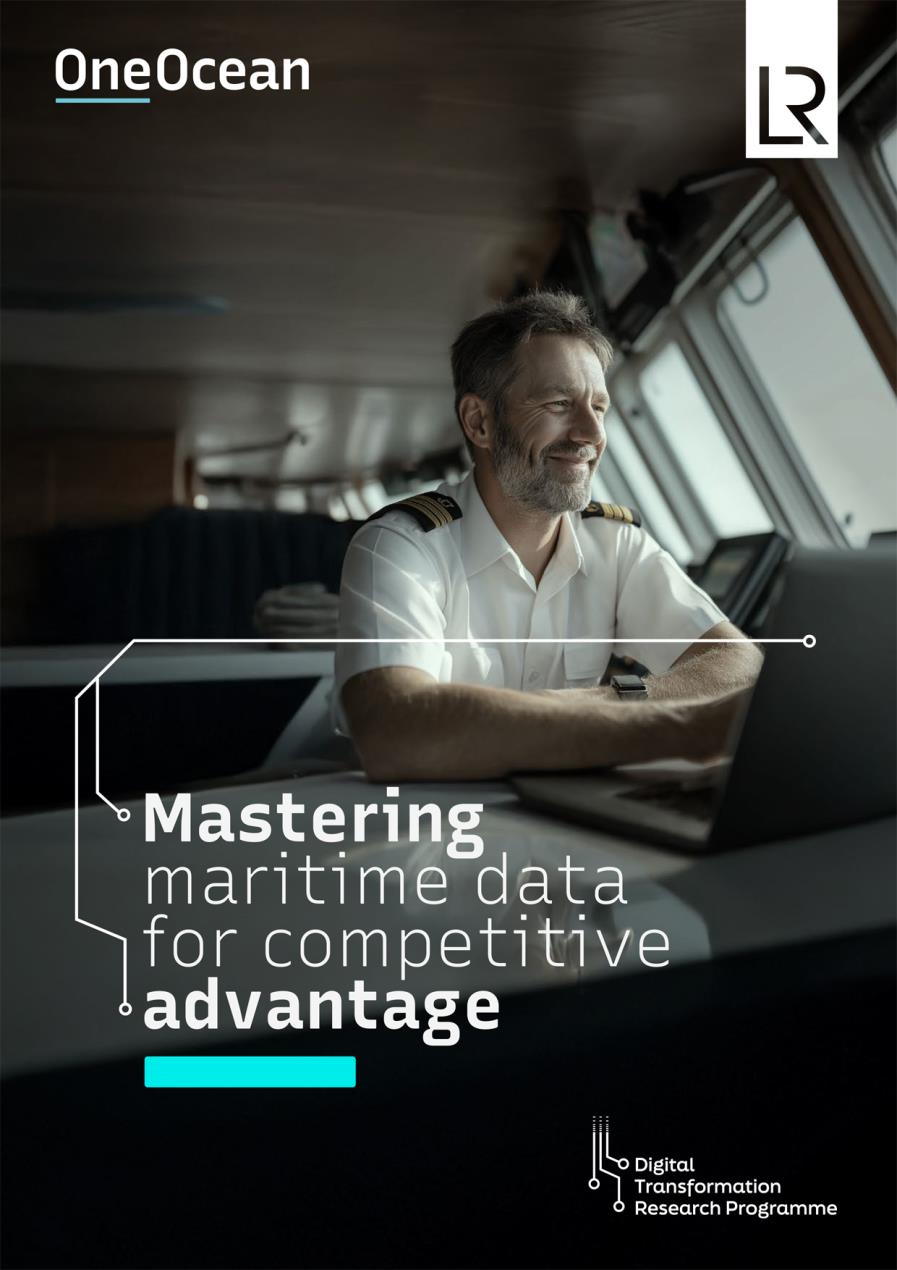
The report, Mastering maritime data for competitive advantage, launched Wednesday (18 March) at the Smart Maritime Network Conference in Athens, argues that while the maritime sector is generating more operational information than ever before, much of it remains fragmented, poorly structured or underused. This leads to inadequate data quality levels and a lack of data standardisation, which has a large impact on maritime digital transformation.  

As regulatory pressure intensifies through frameworks such as the EU Emissions Trading System and FuelEU Maritime, reliable operational data is becoming central to both compliance and commercial decision-making. 

The report suggests that the industry still has some way to go before digital tools deliver their full potential. According to LR’s latest Digital Maturity Index (DMI) data standardisation stood at 2.45 out of 4, with shipping’s overall digital maturity currently sitting at 2.1 out of a possible 4, highlighting uneven progress across the sector. 

For many shipowners and operators, the challenge lies not in generating data but in ensuring it reaches adequate data quality levels and can be trusted and used effectively across ship and shore operations. 

The report examines how maritime organisations handle information across the full data lifecycle, from onboard collection and validation through to transfer, processing and operational use. 

Weaknesses frequently emerge at the earliest stages, the research suggests, where operational information is still often entered manually or stored in isolated systems. This can lead to data quality issues that later complicate emissions reporting, performance analysis or commercial decision-making. 

The report argues that improving data governance, standardisation and system integration will be essential if the industry is to unlock the value of information already being produced across fleets. 

Improved vessel connectivity and cloud-based platforms are also reshaping how data moves between ship and shore. High-capacity satellite networks and integrated digital systems now allow operators to transmit vessel performance data in near real time, enabling quicker operational decisions and closer monitoring of fleet performance. 

However, the report cautions that advanced technologies such as artificial intelligence and predictive analytics depend heavily on the quality of the underlying data. Without consistent governance and verification processes, automated systems risk amplifying inaccuracies rather than delivering operational insight. 

The research concludes that the next stage of maritime digitalisation will depend on stronger collaboration across the wider maritime ecosystem, including shipowners, technology providers, class societies, ports and regulators. 

Pranav Kumar, Global Advisory Lead – Operational Excellence at LR Advisory, said: “The industry is transitioning toward a data-driven operational landscape in which regulators, charterers, and cargo owners increasingly demand greater transparency.  

“With reliable and qualified data underpinning key areas, from emissions reporting to voyage optimisation, effective data management is crucial to shipping operations. The companies that manage their data well will be better positioned to respond to regulatory change and commercial pressures.” 

Barry Hooper, Vice-President of Product and Technology at OneOcean, said: “The role of operational data in shipping is changing as regulation and digital tools reshape the sector. 

“Compliance used to be the goal – now it’s the baseline. Companies are increasingly using operational data to optimise voyages, manage emissions exposure and improve margins. 

“Those that treat operational data as a strategic asset rather than simply a compliance requirement are likely to gain a competitive edge as regulation, emissions management and fleet performance become increasingly data-driven.” 

The report forms part of LR’s Digital Transformation Research Programme and was produced jointly with OneOcean.  
Download a copy of the report here.  

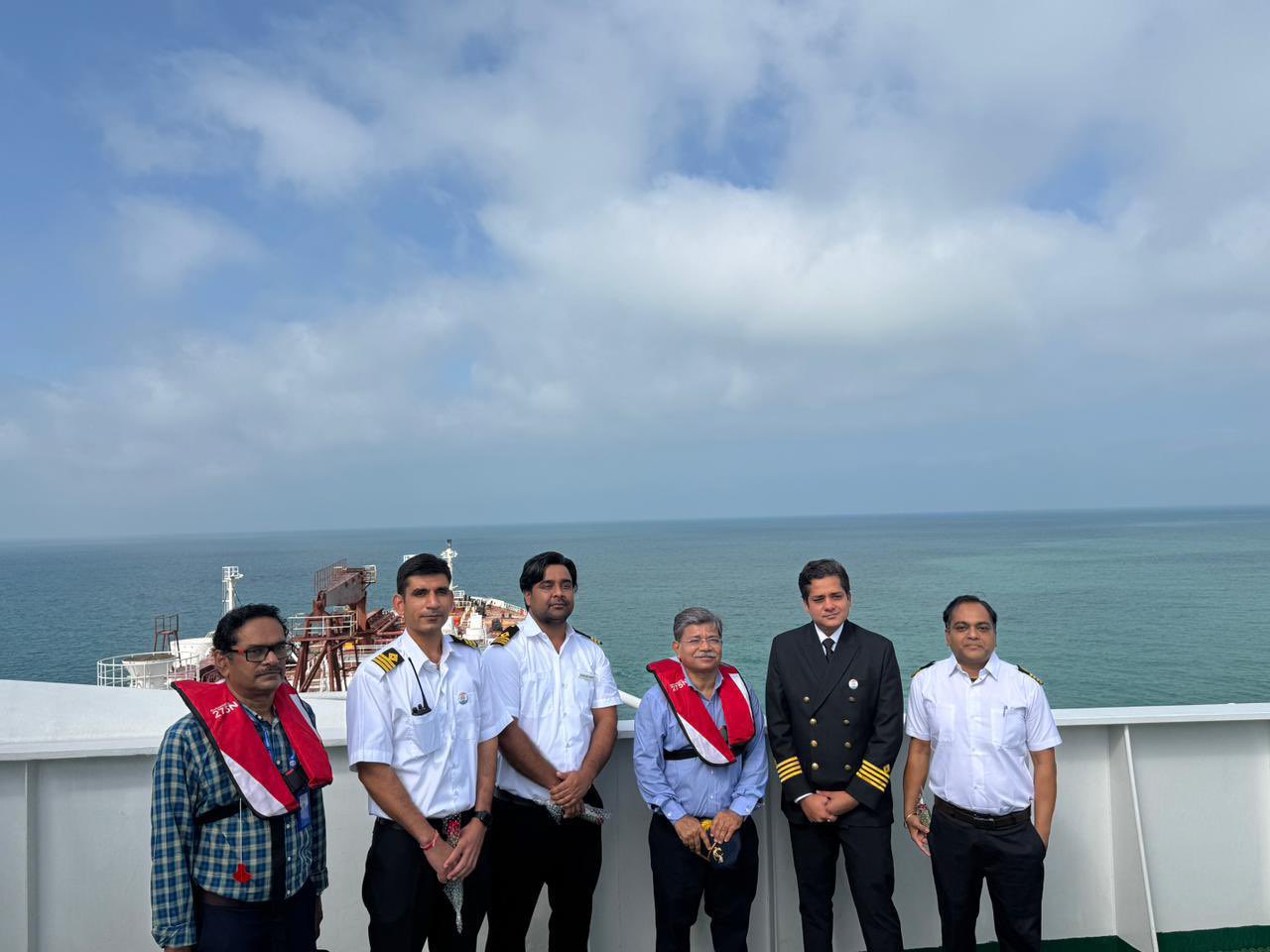
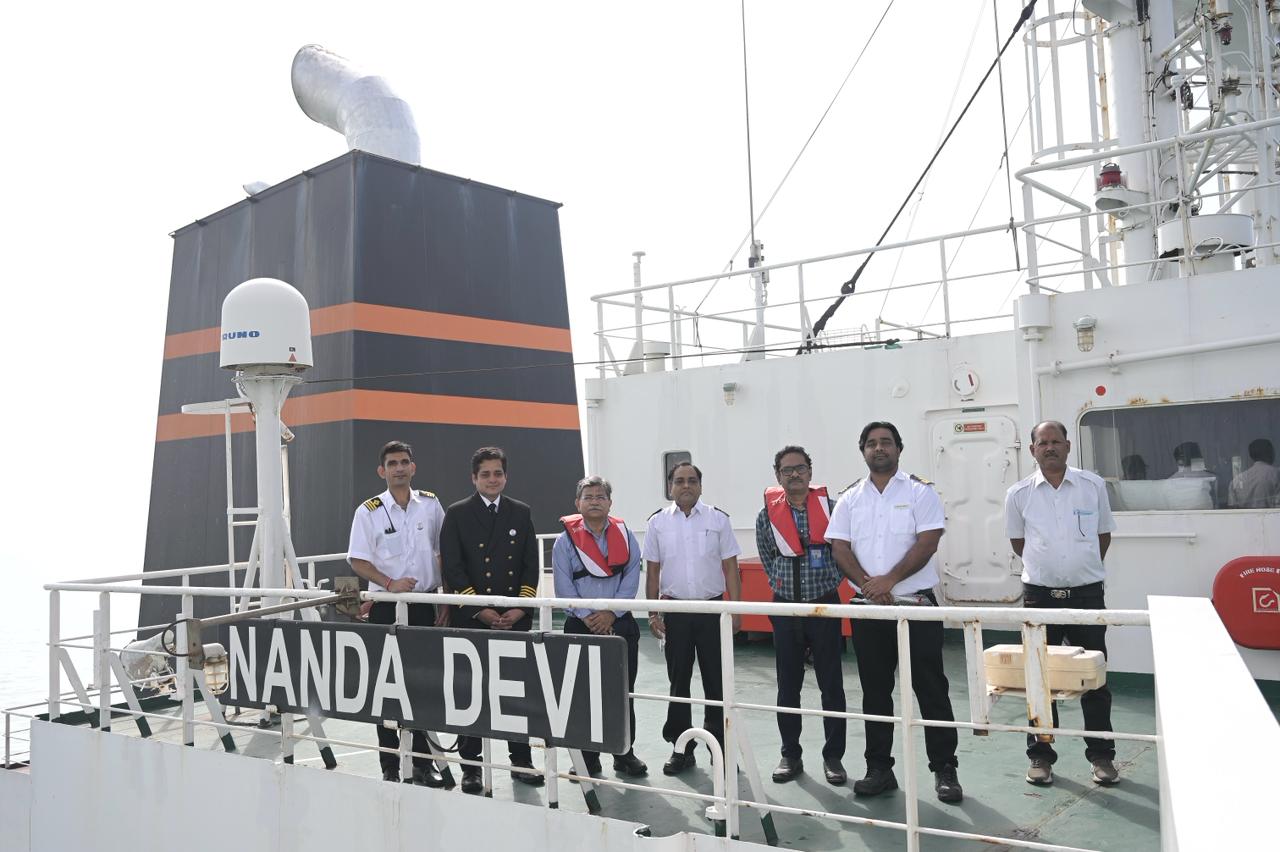
Sarbananda Sonowal interacts with the brave Crew of Indian Flagged LPG Carriers Shivalik & Nanda Devi

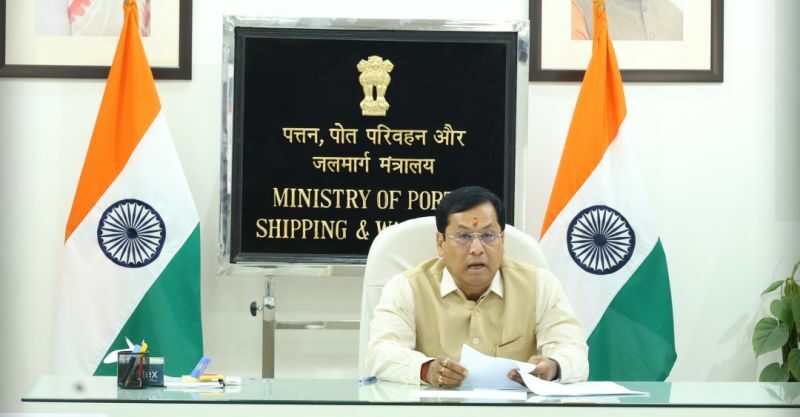
NEW DELHI/JAMNAGAR : The Union Minister for Ports, Shipping and Waterways (MoPSW), Shri Sarbananda Sonowal, along with senior officials of the Ministry, interacted with the brave crew members of Indian-flagged LPG carriers Shivalik and Nanda Devi, expressing the nation’s gratitude for their courage and unwavering sense of duty in ensuring the safe transit of critical LPG cargo here on Tuesday.

seafarers lpg Sarbananda Sonowal interacts with the brave Crew of Indian Flagged LPG Carriers Shivalik & Nanda Devi

The interaction, held via video conference, was attended by Vijay Kumar, secretary, Ministry of Ports, Shipping and Waterways; Shyam Jagannathan, director general of shipping; Capt. B.K. Tyagi, chairman and managing director, Shipping Corporation of India; Capt. Sukhmeet Singh and crew of Shivalik; and Capt. Dhiraj Kumar Agrawal along with the crew of Nanda Devi.

Addressing the seafarers, Sarbananda Sonowal said the interaction was a “heartfelt expression of the nation’s gratitude” to the crew, who ensured the safe delivery of vital LPG supplies despite operating in a high-risk maritime environment.

“It is a matter of immense pride to recognise the courage, dedication and professionalism of the crew of Shivalik and Nanda Devi. Your efforts ensured the safe passage of critical LPG cargo, strengthening India’s energy security,” Sarbananda Sonowal said.

The minister noted that both vessels remained stationed in a high-risk zone for nearly two weeks amid heightened security concerns before continuing their voyage to India. Sonowal said the crew demonstrated exceptional calmness, vigilance and professionalism under challenging conditions.

Earlier, the two Indian-flagged LPG carriers safely crossed the Strait of Hormuz before arriving India on March 16 and 17, as the government continues to closely monitor maritime operations in the Persian Gulf region amid the evolving geopolitical situation in West Asia. MT Shivalik and MT Nanda Devi — carrying approximately 92,712 metric tonnes of LPG, crossed the Strait of Hormuz early Friday (13 March, 2026).

“Seafarers are the unsung heroes of global trade. Far away from your homes and families, you ensure that essential cargo reaches its destination safely,” Sonowal said, highlighting the critical role played by maritime personnel in sustaining global supply chains.

The Union Minister further emphasised that the successful voyage of the two Indian-flagged vessels, fully manned by Indian seafarers, reflects the strength and resilience of India’s maritime workforce.

“Under the leadership of Prime Minister Narendra Modi, we are committed to strengthening the maritime sector and ensuring the safety, dignity and global recognition of our seafarers,” Sarbananda Sonowal said.

Sonowal also acknowledged the support of seafarers’ families, calling them a vital pillar behind their dedication and service. Congratulating the masters, officers and crew of both vessels, the minister said their achievement stands as an example of professionalism and commitment, and wished them safe voyages ahead.

The Directorate General of Shipping (DG Shipping) is closely monitoring the situation in coordination with ship owners, Recruitment and Placement Service License (RPSL) agencies and Indian diplomatic missions in the region. The Union Minister Sarbananda Sonowal is actively and directly monitoring the situation.

To ensure smooth maritime operations, the government is working closely with ports, shipping lines and logistics stakeholders to minimise any operational disruptions to maritime trade. Ports have been advised to extend relief measures where required, including concessions in anchorage, berth hire and storage charges.

Major ports are prioritising berthing for LPG vessels to ensure timely discharge of cargo and continuity in energy supply. Over the past few days, six LPG vessels have been received at major Indian ports. Additionally, ports are providing safe anchorage areas for vessels loaded with cargo bound for the Gulf region that are currently unable to transit due to prevailing conditions.

The ministry said it continues to monitor the maritime situation in close coordination with the Ministry of External Affairs, Indian missions abroad, shipping companies and other maritime stakeholders, with a focus on safeguarding the welfare of Indian seafarers and ensuring the resilience of India’s maritime logistics network.

Indian-flagged vessel Nanda Devi arrives at Vadinar for LPG ship-to-ship transfer: Kandla Port Authority Chairman

JAMNAGAR/GANDHIDHAM: The Indian-flagged vessel Nanda Devi arrived at Vadinar, Jamnagar, in the early hours of Tuesday to commence a ship-to-ship transfer of Liquefied Petroleum Gas (LPG). The vessel, carrying a parcel size of 46,500 metric tons of LPG, reached the location at 2:30 a.m. and is currently positioned in the anchorage area.

Nanda Devi Indian-flagged vessel Nanda Devi arrives at Vadinar for LPG ship-to-ship transfer: Kandla Port Authority Chairman

Shri Sushil Kumar Singh, Chairman of the Deendayal Port Authority, Kandla, confirmed the arrival and the planned maritime operations. Speaking to ANI, Singh stated, “It has arrived today in this morning. So Nanda Devi vessel has just arrived at early morning today at 2.30 a.m. and it has come with a parcel size of 46,500 metric tons of LPG. Now it has come here for ship to ship transfer.”

The operation is scheduled to take place in the anchorage area and the high seas, involving a second vessel. According to the Chairman, the daughter vessel, BW Birch, has also reached the site to facilitate the transfer. Logistics for the process, including the arrangement of fenders and necessary equipment, were initiated following the arrival.

“The daughter vessel is BW Birch. So that vessel has also arrived. The equipments for ship to ship transfer are being arranged by 1 o’clock in the afternoon. So it will be placed alongside and the operation will start at around 3,” Singh said.

He noted that the vessel is anchored approximately “five nautical miles” from the port while the towing of fenders is completed to allow the ships to be placed side-to-side.The handling of the cargo follows specific protocols established by the central government regarding energy supplies. Singh highlighted that the Ministry of Ports, Shipping and Waterways has issued clear instructions to prioritize LPG shipments at all national ports.

“It is an instruction and direction from the Ministry of Port Shipping and Waterways. Our Honourable Shipping Minister is also in touch, regular touch with all of us. He has directed that any LPG vessel coming to any of the ports is to be given priority. So it has to be dealt on a high priority and it has to be birthed and provided all facilities for efficient discharge,” the Chairman added.

Port officials have engaged with the crew and representatives of the vessel to ensure smooth operations. Singh mentioned that the authority has offered full support to the maritime personnel involved in the delivery.

“Everything is okay, are all happy, we have met them and we have offered them, we have felicitated them and we have thanked them for bringing this parcel here and we have given them this assurance that any facility or any support is required from our side of any kind, we are here to support them,” Singh said.

He stated that the authority remains in readiness to handle further instructions from the Government of India as the operation proceeds.

Source: ANI

MT Nanda Devi brings 46,500 MT LPG to Vadinar anchorage; STS transfer operations strengthen India’s energy logistics

JAMNAGAR : India continues to reinforce its energy security and logistics resilience under the visionary leadership of Hon’ble Prime Minister Shri Narendra Modi, ensuring uninterrupted energy lifelines even amid evolving global challenges and supply chain disruptions.

In a significant development, the LPG carrier MT Nanda Devi has successfully arrived at the Vadinar anchorage near Jamnagar under the jurisdiction of Deendayal Port Authority, carrying 46,500 metric tonnes of Liquefied Petroleum Gas (LPG). The cargo will be transferred through a Ship-to-Ship (STS) operation to MT BW Birch, marking another important step in strengthening India’s coastal and maritime energy logistics.

The STS transfer operation, scheduled to commence today at the Vadinar anchorage, will be conducted with stringent adherence to international maritime safety standards and operational protocols. Such operations play a crucial role in enabling efficient cargo redistribution, reducing port congestion, and ensuring timely delivery of energy supplies to downstream markets.

On this occasion, Shri Sushil Kumar Singh, IRSME, Chairman of Deendayal Port Authority, visited onboard MT Nanda Devi to oversee the arrangements and facilitate smooth operational coordination. During his visit, he interacted with the Captain and crew of the mother vessel, appreciating their professionalism and dedication in executing complex maritime operations safely and efficiently.

The Chairman also reviewed the preparedness of port authorities and maritime stakeholders involved in the STS transfer, highlighting the importance of coordinated efforts among marine services, port officials, and vessel operators to ensure seamless and safe cargo handling.

Vadinar anchorage has emerged as a strategically important hub for offshore energy cargo operations, supporting India’s growing demand for LPG and other petroleum products. Efficient handling of such large-volume shipments reflects the robust maritime infrastructure, skilled manpower, and operational excellence maintained by Deendayal Port Authority.

This operation further underscores India’s commitment to strengthening its maritime logistics network and ensuring reliable energy supply chains to support the nation’s economic growth and energy requirements.

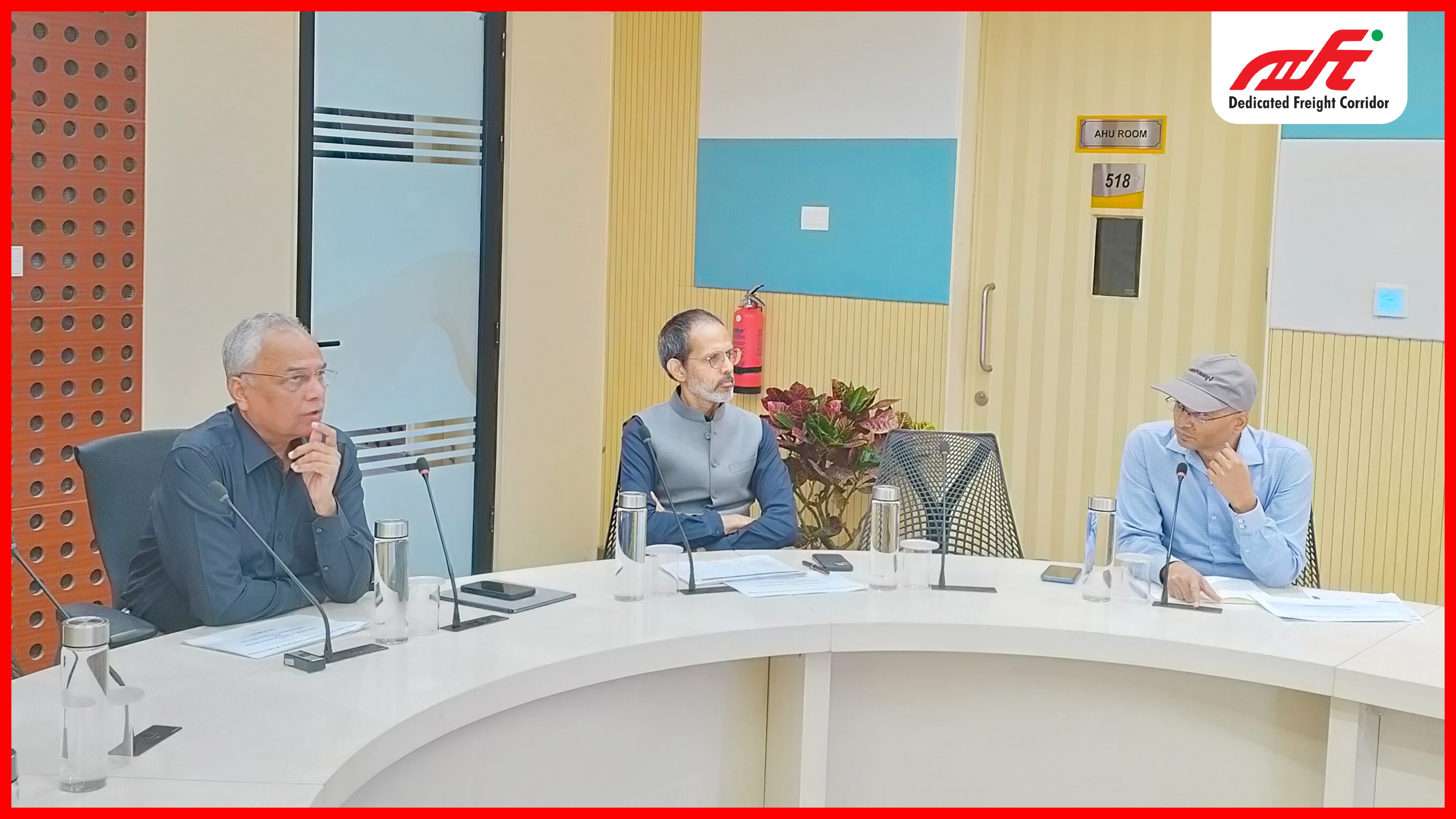
Review meeting on JNPT–Vaitarna section of WDFC : DFCCIL

MUMBAI : A high-level review meeting was convened by Shri Praveen Kumar, Managing Director of Dedicated Freight Corridor Corporation of India Limited (DFCCIL), to assess the progress of the JNPT–Vaitarna section under the Western Dedicated Freight Corridor (WDFC). The meeting witnessed the participation of senior officials including Shri Anurag Sharma, Director (Infrastructure), and Shri Ran Vijay Singh, GGM (Electrical), along with representatives from Kalpataru Projects International Ltd.

The JNPT–Vaitarna stretch is a critical segment of the WDFC, aimed at strengthening seamless rail connectivity from Jawaharlal Nehru Port Authority to the hinterland. During the meeting, detailed discussions were held on the current status of civil works, track laying, electrification, and system integration. Emphasis was laid on accelerating execution while maintaining the highest standards of quality and safety.

Key implementation challenges, including land-related issues, interface coordination, and resource mobilization, were reviewed, with directions issued to ensure swift resolution through close coordination among all stakeholders. The contractor was advised to enhance deployment of manpower and machinery to meet targeted timelines.

The MD/DFCCIL reiterated the strategic importance of the WDFC in boosting freight efficiency, reducing logistics costs, and supporting port-led development under the Government of India’s infrastructure vision. He stressed adherence to milestone-based monitoring and proactive planning to ensure timely commissioning of the section.

Once operational, the JNPT–Vaitarna section is expected to significantly enhance cargo evacuation capacity from JNPT, decongest existing rail networks, and contribute to faster, more reliable freight movement across the western corridor.

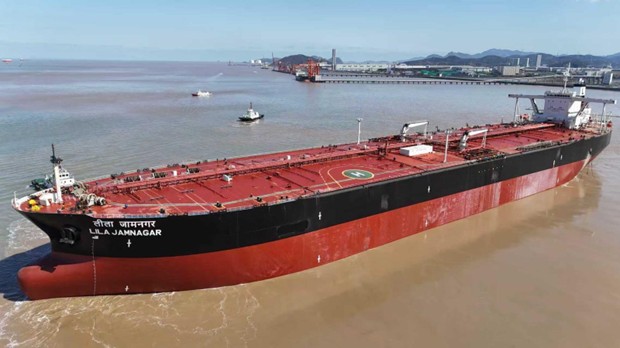
Indian Register of Shipping takes one of India’s largest crude tankers, VLCC Lila Jamnagar, into Class

JAMNAGAR : Indian Register of Shipping (IRS) has taken into class Lila Jamnagar, a 298,997 DWT Very Large Crude Carrier (VLCC) and one of the largest vessels to sail under the Indian flag. The addition of the vessel marks an important milestone for India’s tanker fleet and highlights the growing role of Indian classification in supporting the country’s maritime ambitions.

Owned by RFK Shipping IFSC Private Limited and operated through the Lila Global platform, Lila Jamnagar has been registered at Gujarat International Finance Tec-City (GIFT City). The classing of Lila Jamnagar demonstrates IRS’s capability to provide classification and technical services for large, complex vessels engaged in global energy transportation. IRS will support the vessel throughout its operational lifecycle, ensuring compliance with international standards governing safety, structural integrity and operational performance.

Commenting on the development, Mr. P K Mishra, Managing Director of IRS, said: “India’s aspiration to expand its merchant fleet and strengthen energy transportation capabilities requires robust technical oversight and globally recognised standards. The classification of Lila Jamnagar demonstrates IRS’s ability to support large tanker operations while contributing to the growth of India’s maritime ecosystem.”

The vessel is also the first Indian-flagged VLCC structured through GIFT City, reflecting the increasing role of the financial hub in enabling maritime asset ownership and investment structures linked to India.

Prolonged West Asia crisis deals multiple blows to Indian exporters

NEW DELHI : The prolonged West Asia crisis and the near-halt of traffic through the Strait of Hormuz and other Gulf shipping lanes have triggered widespread disruption for Indian exporters, with industry estimates suggesting nearly 70 per cent of outbound shipments have been affected.

Shipping delays, freight rates surging by as much as 300 per cent, cargo stranded at ports and in transit, and gas shortages have created severe stress across export sectors. While the government has asked exporters to identify consignments that could be diverted to alternative markets, exporters say this is difficult as shipping lines are unwilling to take responsibility for such changes.

Export Strain
“Only about 30 per cent of shipments are currently moving, as most major shipping lines have suspended services. Even when vessels operate, they are taking longer routes via the Cape of Good Hope, which adds to the challenge. Exporters say that out of the seven or eight shipping lines they usually work with, only one or two are currently operating,” said Ajay Sahai, Director General, FIEO.

Exporters have also flagged a 200–300 per cent increase in logistics costs due to longer routes, war-risk and emergency fuel surcharges, higher insurance premiums, and mounting demurrage and storage charges.

“There are three immediate problems exporters are facing,” said Israr Ahmed, a Chennai-based leather goods exporter. “Transport and logistics costs have risen sharply, supply-chain costs for petroleum-based materials have increased, and energy costs such as LPG and fuel have also gone up.”

Uncertainty has worsened for exporters whose cargo is already in transit or stuck at ports. Shipping lines are redirecting vessels to the Port of Khorfakkan, which lies outside the Strait of Hormuz, but exporters are then required to arrange onward transport to their final destinations.

Trade Bottleneck
The Commerce and Industry Ministry has sought details of stranded shipments for possible diversion to alternative markets, but exporters say this is difficult in practice.

“Shipping lines are taking cargo to ports like Khorfakkan but want exporters to take delivery there and assume responsibility for it,” Sahai said. “MSMEs do not have the logistics capacity to move cargo onward. They have already paid for shipping to the final destination, their money is not being returned, and they must incur additional costs to transport the goods.”

The disruption is already affecting export clusters. About 1,500 containers from the Morbi ceramic industry in Gujarat are currently stuck at ports, exposing exporters to heavy losses. The cluster, which relies on natural gas and propane to fire kilns and run drying processes, is also facing a severe gas shortage.

Gas Crunch
Engineering exporters, too, have been hit by the gas shortage. “West Asia accounts for about 16 per cent of India’s engineering exports, and shipments to the region have been severely disrupted. Gas shortages have also forced some furnaces to shut, so we expect a shortfall in engineering exports in March 2026 compared with March last year,” said Pankaj Chadha from EEPC India.

GCC countries accounted for roughly 13 per cent of India’s total exports in FY25 at $56.86 billion, with exports to the UAE alone at over $36 billion. About 25–30 per cent of export consignments from India transit Gulf shipping lanes connected to the Strait of Hormuz, while about 30-40 per cent transit through the Red Sea route, according to various industry estimates.

Source : BL

Department of Posts launches ’24 Speed Post’ for next-day guaranteed delivery in six cities

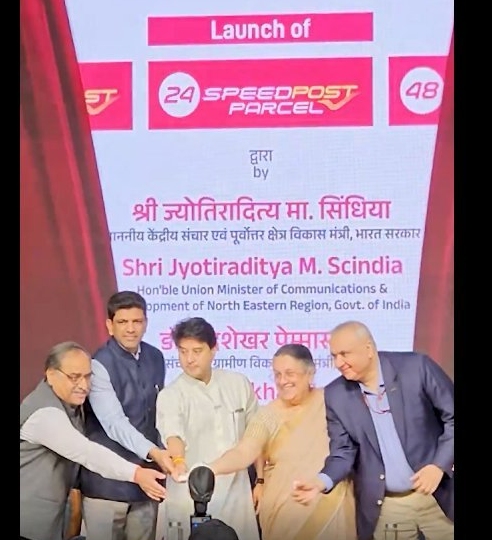
NEW DELHI: The Department of Posts has launched a 24-hour Speed Post service on Tuesday, in the presence of Shri Jyotiraditya Scindia, Union Minister of Communications, and Shri Chandra Sekhar Pemmasani, Minister of State for Communications.

The 24 Speed Post introduces next-day guaranteed delivery for urgent and time-sensitive consignments. In the first phase, the service will be available across Delhi, Mumbai, Chennai, Kolkata, Bengaluru and Hyderabad. Alongside this, 24 and 48 Speed Post services will provide assured D+1 and D+2 delivery timelines, enabled through dedicated processing windows and priority air transmission.

“Today, India Post is on her growth path with three new products being launched today. 24 Speed Post, 48 Speed Post and 24 Speed Pass. These three products have been tested on a pilot basis across multiple cities,” Scindia said.

With the 98 per cent delivery hit time, the minister said they are being launched across six cities.

“We assure our customers that not only will we deliver on time, but we will deliver based on our customers’ aspirations. We will deliver based on cutting-edge technology. We will deliver based on the latest customer relationship management tools. And we will satisfy each and every single customer of ours. India Post has the scale and the trust that no other delivery system across the world has, with 165,000 post offices across the length and breadth of our country,” he said.

He said the Department aims to be the logistics fulfilment provider for every e-commerce transaction in the country.

“And it is with that ambition and that goal that we today launch three products. We will be increasing the number of lanes and the number of cities that we will be spreading these products to by September, and in stage two by 31st December. For 24 speedposts and 48 speedposts, we hope to reach all T1 and T2 cities, and for 24 speed parcel, an increasing number of cities by December 31st,” he further noted.

Cargo Matters invests ₹66 Crore to deploy 550+ High-Speed EV Charging Stations in strategic partnership with TRYK Charge

NEW DELHI: Cargo Matters, a leading technology-driven logistics and sustainable infrastructure firm, Tuesday announced a ₹66 Crore investment to build and operate a comprehensive electric vehicle (EV) charging network across South India. To execute this large-scale infrastructure rollout, Cargo Matters has entered into a strategic partnership with TRYK Charge Services LLP, a veteran EV charging infrastructure provider.

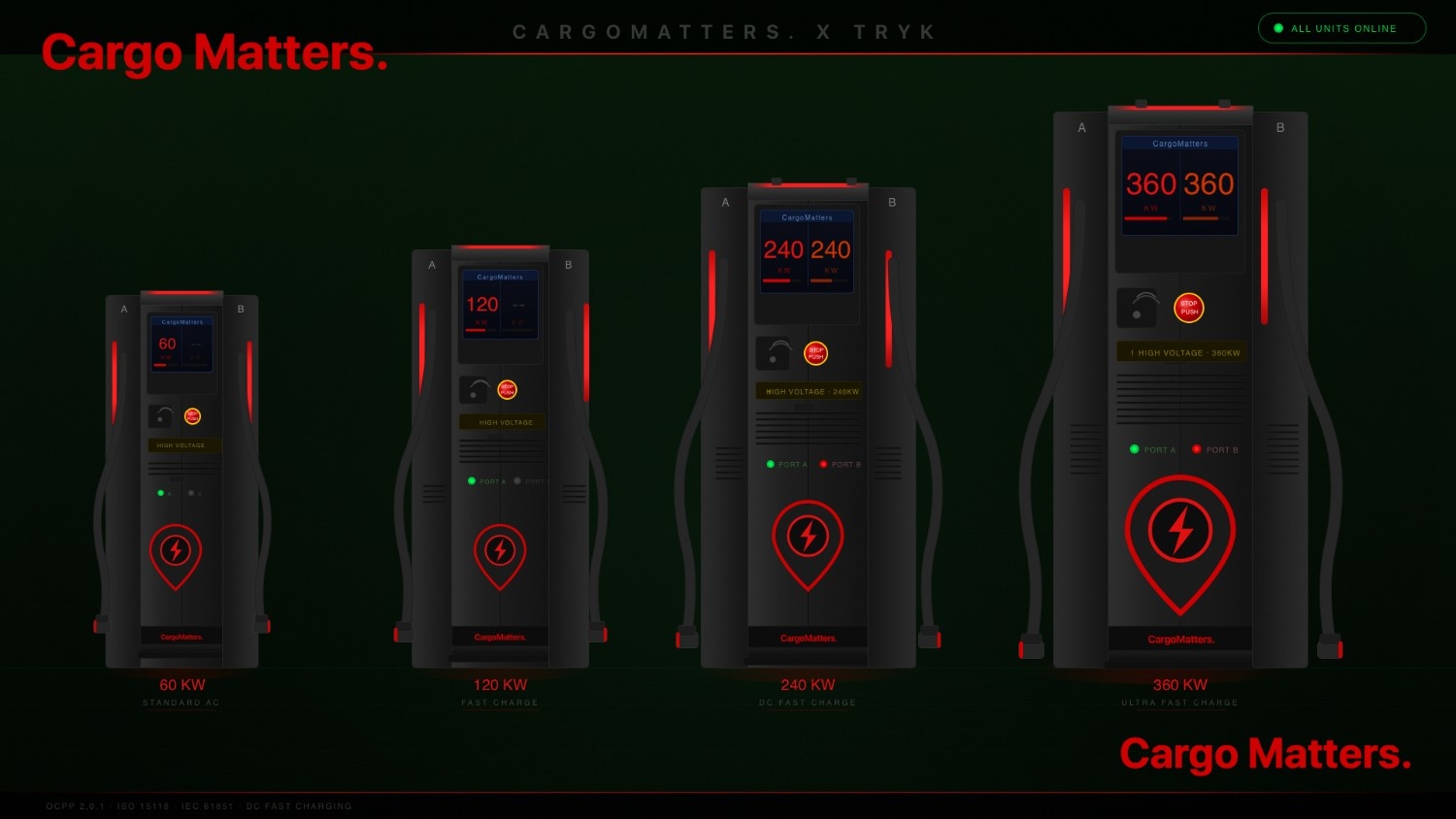
The ₹66 Crore capital expenditure, fully invested by Cargo Matters, will fund the installation of over 550 smart grid-enabled and solar-integrated charging stations across Andhra Pradesh, Telangana, Karnataka, Tamil Nadu, and Kerala.

Mr. Umesh Padala, Founder & Chairman, Cargo Matters: “The bottleneck to scaling electric logistics in India is no longer the vehicles; it is the absence of reliable, heavy-duty charging infrastructure on our freight corridors. By fully investing ₹66 Crore into this network, Cargo Matters is helping secure India’s operational future and accelerating the electrification of commercial transport. We aren’t just moving freight; we are building the intelligent grid required to move it sustainably.”

. By fully investing ₹66 Crore into this network, Cargo Matters is helping secure India’s operational future and accelerating the electrification of commercial transport.

Aimed at solving the infrastructure bottleneck for both commercial logistics and passenger mobility, the network will introduce 360 kW DC fast chargers—marking a first-of-its-kind deployment of this capacity in South India. The stations will support universal global standards, including CCS2 and CHAdeMO, alongside standard AC charging options.

Mr. Kulbhushan Gawande, CEO, TRYK Charge Services, added: “We will combine advanced charging technology, smart platform integration, and robust field execution to deliver scalable, reliable, and user-centric EV charging solutions for Cargo Matters. Since launching our first highway fast-chargers in 2021, TRYK Charge has focused on accessible and resilient networks. This partnership with Cargo Matters allows us to deploy top-tier technology, including ultra-fast 360 kW DC chargers, at an unprecedented scale. Together, we are building a unified ecosystem that serves both high-tonnage commercial fleets and everyday EV drivers with a single, seamless platform.”

Crucially for the logistics sector, the partnership will collaborate with leading electric bus and truck OEMs to establish charging hubs at fleet depots, bus terminals, and major freight corridors.

The infrastructure will be managed via a complete Charge Point Operator (CPO) platform, providing real-time analytics, remote monitoring, and compliance with OCPP 1.6, OCPP 2.1, and OCPI protocols. In a move to unify the fragmented charging market, Cargo Matters will also onboard existing unmanaged third-party chargers onto its platform, optimizing operations and unlocking new revenue streams for independent charger owners.

To streamline user experience across the network, the companies are jointly launching an RFID-based charging card for single-tap access to all stations.

About Cargo Matters: Cargo Matters (Parmelee Cargo Matters Logistic Solutions Pvt Ltd) is a technology-driven logistics provider headquartered in New Delhi. The firm operates a fleet of over 400 GPS-equipped trucks across 15,000+ pincodes, serving blue-chip clients including Tata Steel, DHL, and Havells. Integrating data through the National ULIP, the company specializes in FTL and LTL services with a focus on real-time visibility and “Green Freight” innovation.

About TRYK Charge Services: Founded in 2021, TRYK Charge Services is a specialist provider of electric vehicle (EV) charging infrastructure in India. The company focuses on the deployment of reliable charging solutions across key touchpoints, including highways, commercial hubs, corporate environments, hospitality venues, and public locations.

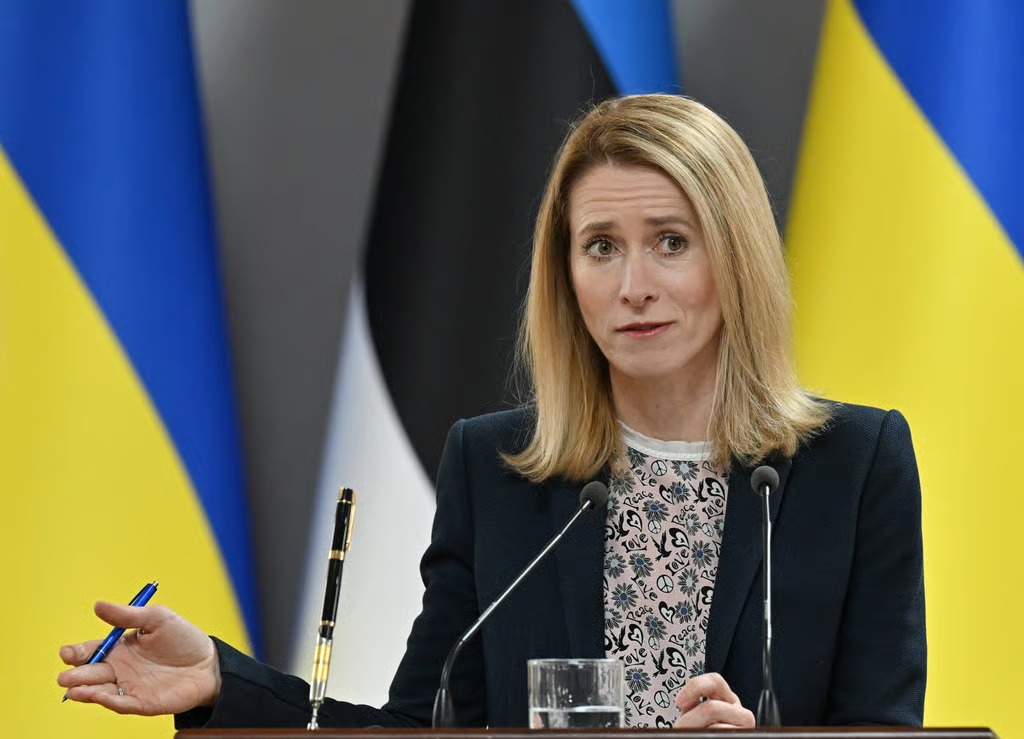
EU, UN discussing Black Sea type initiative for Strait of Hormuz: Kaja Kallas

LONDON : The European Union (E.U.) is in discussion with the U.N. on a Black Sea Grain initiative type arrangement to open up the Strait of Hormuz, according to its top diplomat Kaja Kallas.The strait, a waterway for a fifth of the world’s oil supply, has been virtually closed by Iran following a conflict in the region which began after Israel and the U.S. struck Iran on February 28, sending oil prices soaring to above $100 per barrel.

Speaking ahead of an EU foreign affairs meeting in Brussels on Monday (March 16, 2026) morning, Ms. Kallas said that she had discussed adopting a Black Sea initiative type arrangement for the Strait with UN Secretary General António Guterres. The Black Sea initiative, facilitated by the U.N. and Turkey, sought to ensure the safe export of grain and fertilizer from Ukraine’ ports after Russa invaded Ukraine in 2022.

Ms. Kallas pointed out that 85% of the oil that goes through the Strait of Hormuz is destined for Asia, and that the blocking of the Strait was also impacting fertilizer production and warned of food shortages next year if the Strait isn’t opened up.

Ms. Kallas also suggested one option was to expand Aspides, the E.U.’s security mission to protect vessels in the Red Sea from attacks by Houthi militants in Yemen. German Foreign Minister Johann Wadephul had said he was “very skeptical” of using Aspides to secure the passage.

“…We will discuss with Member States whether it is possible to really change the mandate of this mission. The point is that whether the Member States are willing to actually use this mission,” she said, adding that a third option was to form a “Coalition of the Willing” to open the Strait.

U.S. President Donald Trump had called on NATO allies and other countries to assist in forcibly opening the Strait, telling the Financial Times on Sunday (March 15, 2026) that it would be “very bad” for the future of NATO if allies did not help the U.S. in opening the passage.

The easing of U.S. sanctions on Russia was a “dangerous precedent”, Ms. Kallas said, adding that the closure of the Strait of Hormuz was to Russia’s benefit, helping it to fund its war with Ukraine.

New Delhi has also been in talks with Teheran regarding the safety of Indian vessels passing through the Strait.European leaders resisted pressure from Mr. Trump to join Washington and Israel’s war with Iran. “We will not be drawn into a wider war,” British Prime Minister Keir Starmer said on Monday as he announced millions of pounds in assistance for households facing rising energy costs. The price of oil soaring has increased inflationary pressures and energy costs most directly with oil shipments via the Strait of Hormuz being severely curtailed.

Referring to the British opposition parties, Mr. Starmer said: “They would have rushed the U.K. headlong into this war, without the full picture of what they were sending our forces into and without a plan to get us out.”

Mr. Starmer said a diplomatic solution was needed once the armed conflict ended, “to constrain the threat posed by Iran”, which he suggested lay with Teheran’s ability to rebuild a nuclear programme, pose a ballistic missile threat and to arm proxy militias.

“This war has nothing to do with NATO. It’s not NATO’s war,” German government spokesperson Stefan Korenilius said on Monday. The U.S. and Israel did not consult Europe before the war, Mr. Kornelius said, adding that Washington had dismissed the need for Europe’s assistance initially.

“Italy is not at war with anyone and sending military ships in a war zone would mean entering the war,” Italian Deputy Prime Minister Matteo Salvini said, as per news agency Reuters.

France, like the U.K., has emphasised that it is focused on defence in the region not offensive strikes. French President Emmanuel Macron said on Sunday that he had spoken to Iranian President Massoud Pezeshkian, and conveyed that France was only taking “strictly defensive” actions to protect its assets in the region and its regional partners and that it was “unacceptable” for France to be targeted.

“Freedom of navigation in the Strait of Hormuz must be restored as soon as possible,” Mr Macron wrote on X.

Source : The Hindu