Home Blog Page 397

ClassNK issues Statement of Fact (SOF) for the performance analysis evaluation for the automated kite system ‘Seawing’ developed by “K” LINE and OCEANICWING

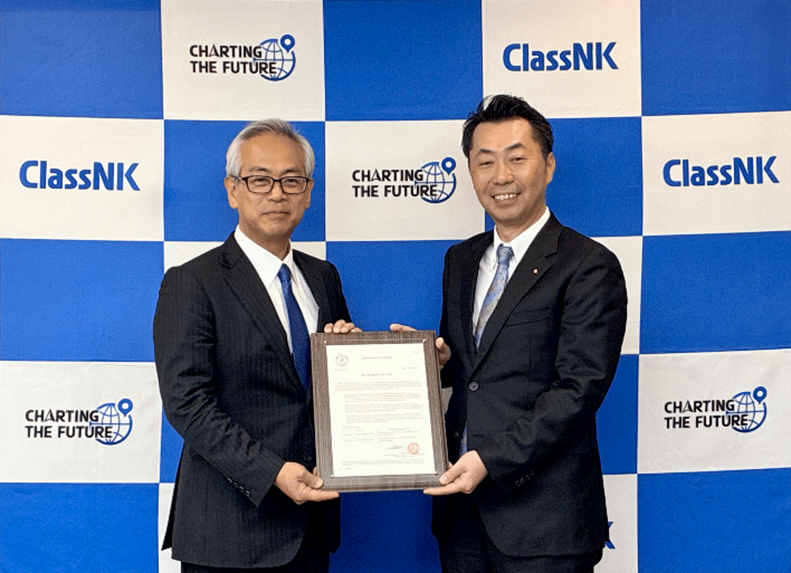
TOKYO: ClassNK has confirmed the validity of the performance analysis evaluation for the automated kite system ‘Seawing’, which is being developed by Kawasaki Kisen Kaisha, Ltd. (“K” LINE) and its French subsidiary OCEANICWING S.A.S. (OCEANICWING), and issued a Statement of Fact (SOF). 

In response to environmental regulations and as a solution for reducing fuel costs, the implementation and installation planning of wind-assisted propulsion systems (WAPS), including kite systems, have been progressing. As standards for wind-assisted propulsion systems and ships equipped with such systems, ClassNK has been updating the ‘Guidelines for Wind-Assisted Propulsion Systems for Ships’, which were first issued in 2019, based on operational experience and knowledge gained to date. In accordance with these guidelines and other relevant rules, ClassNK also issued an Approval in Principle (AiP) for the `Seawing’ in 2020.

In this assessment, ClassNK reviewed performance analysis evaluation documents submitted by “K” LINE and OCEANICWING based on actual data obtained from land-based testing using the ‘Seawing’ system with 300 m² kite. Through this review, ClassNK confirmed that the verification processes for the tension generating the ship’s traction force and system performance are appropriate.

ClassNK will continue to support efforts toward further introduction and practical operation of wind-assisted propulsion systems, as well as the evaluation of their performance.

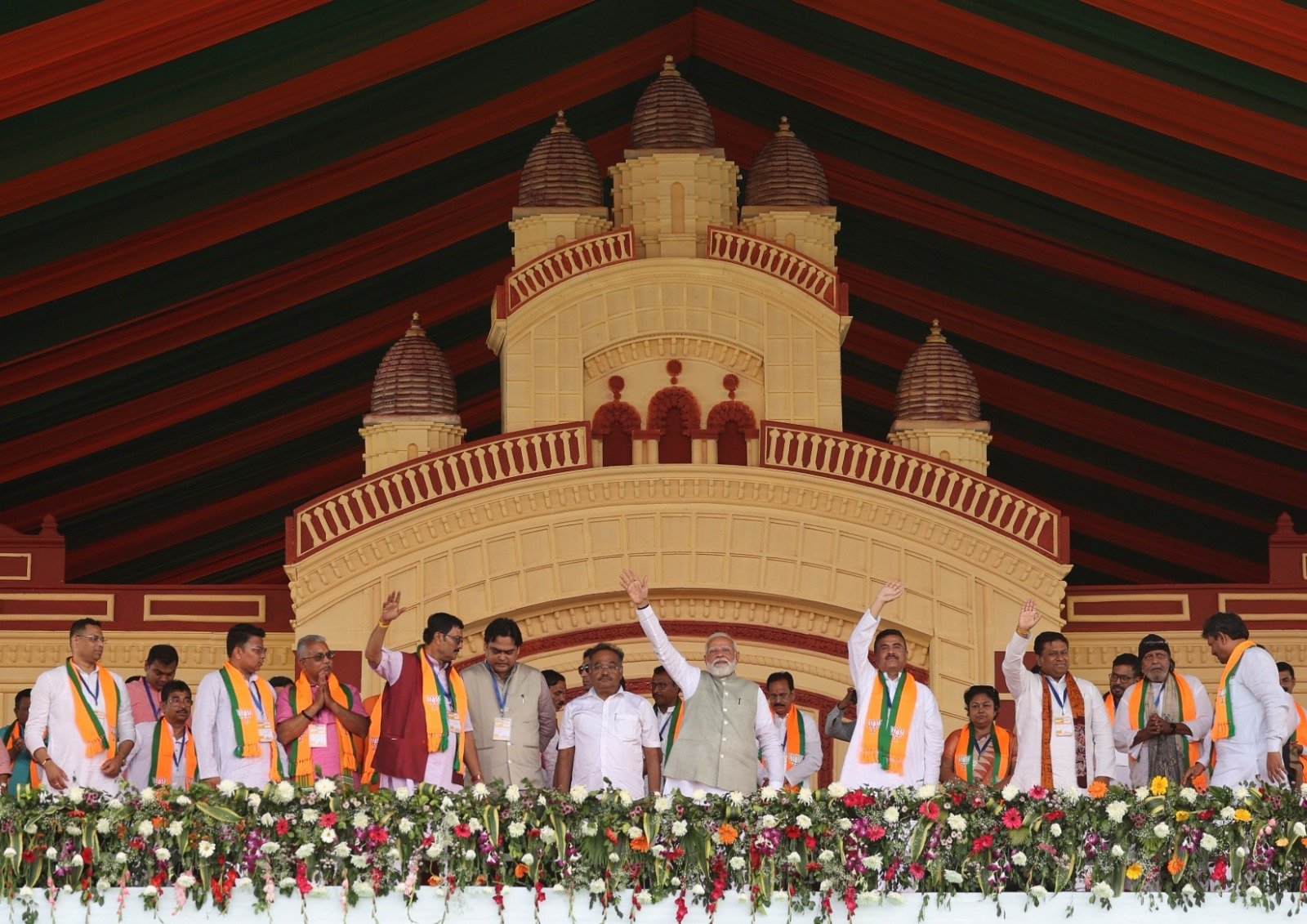
PM Modi lays foundation stone, inaugurates various development works worth Rs.18,700 crore in Kolkata, West Bengal

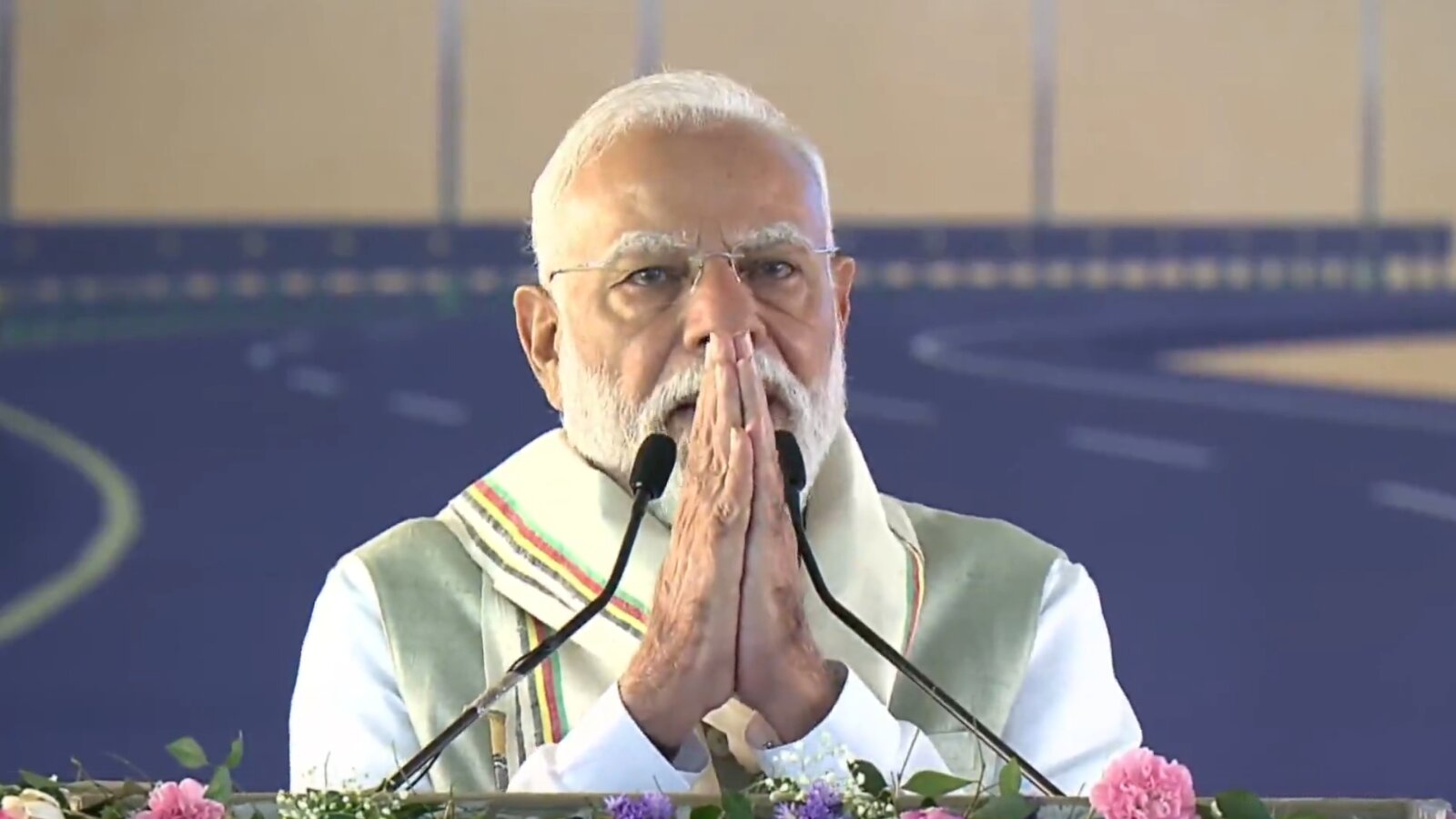
KOLKATA : Prime Minister Shri Narendra Modi laid the foundation stone, inaugurated various development works worth more than Rs.18,000 crore in Kolkata, West Bengal, on Saturday. Addressing the gathering the Prime Minister remarked, “Today, from the land of Kolkata, a new chapter of development is being written for West Bengal and Eastern India.”

The Prime Minister highlighted that the foundation stones and dedications of projects worth more than ₹18,000 crore related to roads, railways, and port infrastructure have been carried out at this event. He emphasized that these projects will give new momentum to West Bengal and Eastern India, boost trade and industry, and make life easier for lakhs of people by providing them new opportunities. Referring to some of the key projects, the Prime Minister noted that the completion of the Kharagpur–Moregram Expressway will accelerate economic activities across many parts of West Bengal. He also mentioned the Dubrajpur Bypass and the major bridges being constructed over the Kangsabati and Shilabati rivers, which will further improve connectivity. “I congratulate the people of West Bengal and the entire Eastern India for these transformative projects,” remarked Shri Modi.

The Prime Minister stated that a vigorous campaign is underway across the country to modernize the Indian Railways, and it is the firm resolve of the government that West Bengal does not lag behind in this mission. He pointed out that the Central Government is rapidly expanding the railway infrastructure in West Bengal. On this occasion, the Automatic Block Signalling System on the Kalaikunda–Kanimahuli section has been dedicated to the nation. “These initiatives will enhance the capacity of busy rail routes, make journeys safer, and also increase speed and convenience for passengers”, asserted Shri Modi.

The Prime Minister announced the inauguration of six stations, Kamakhyaguri, Anara, Tamluk, Haldia, Barabhum, and Siuri,as Amrit Bharat Stations. He noted that the great culture of Bengal is now shining even more brightly at these stations, and several more stations are undergoing redevelopment. A new express train service between Purulia and Anand Vihar Terminal has also been flagged off. “This train service will benefit not only the people of West Bengal but also those in Jharkhand, Bihar, Uttar Pradesh, and Delhi” , affirmed Shri Modi.

The Prime Minister emphasized that ports and water transport play an equally important role as road and rail connectivity in driving economic progress. He observed that for decades, this immense potential of Eastern India was largely neglected, but today, waterways are opening new avenues for trade and industrial advancement. In this direction, foundation stones and dedications of key port infrastructure projects have been carried out. The Prime Minister highlighted that Kolkata and Haldia ports have long been major centres of trade in Eastern India, and the mechanization of the Haldia Dock Complex will accelerate cargo operations, enhance port capacity, and provide new facilities for trade. Additionally, the renovation of the Bascule Bridge in the Kolkata Dock System and the augmentation of cargo handling capacity at Kidderpore Dock are also being undertaken. “All these projects will further strengthen the logistics system of Eastern India”, asserted Shri Modi.

In his concluding remarks, the Prime Minister underscored that the new projects related to roads, railways, and ports are paving the way for a modern future for West Bengal. He noted that the benefits of these projects will reach farmers, traders, entrepreneurs, students, and every section of society. New opportunities will emerge in sectors like tourism, and local industries and services will gain fresh momentum. The Prime Minister recalled Bengal’s historic role in showing the way to India and expressed his conviction that strong connectivity and modern infrastructure will form the foundation of a developed Bengal. “It is our resolve that Bengal, which has always shown the way to India, should once again achieve that glory by becoming a ‘Viksit Bengal’ “, emphasized Shri Modi.

PM Modi inaugurates APSEZ’s Haldia Bulk Terminal in Ahmedabad-India’s first fully automated bulk facility

AHMEDABAD : Prime Minister Shri Narendra Modi on Saturday commissioned the Haldia Bulk Terminal (HBT) and formally dedicated it to the nation. Designed to handle dry bulk cargo at an annual capacity of 4 MMTPA, the terminal is a fully automated bulk facility on the Hooghly River with direct rail connections – a structural upgrade for bulk cargo movement through India’s eastern maritime corridor.

“The Haldia Bulk Terminal is a next generation facility that brings full mechanisation and direct rail evacuation to the Hooghly, setting a new benchmark for efficiency on India’s eastern seaboard. By eliminating jetty dumping and lowering cargo loss through advanced automated systems, we are ensuring cleaner, safer and more sustainable operations. The terminal will play a pivotal role in strengthening industrial supply chains of West Bengal, Odisha and Jharkhand, while supporting the Prime Minister’s Modi vision of lowering logistics costs through modern multimodal infrastructure.” said Mr. Ashwani Gupta, Whole-time Director & CEO, APSEZ.

Located within the Haldia Dock Complex (HDC) of Syama Prasad Mookerjee Port, Kolkata, the terminal has been developed under a 30-year concession through the Design, Build, Finance, Operate and Transfer (DBFOT) model by HDC Bulk Terminal Ltd — and delivered within its construction window, from commencement on 14 July 2023 to commissioning readiness today. This showcases the execution capability of APSEZ in executing projects on time, every time.

Strategically positioned on the western bank of the Hooghly River, the terminal is equipped to handle imported coal and a range of dry bulk commodities. The east coast accounts for about 60% of India’s dry bulk imports, including coal, bauxite and limestone, making Haldia the most efficient and direct maritime entry port for the steel, aluminium and power industries of West Bengal, Odisha and Jharkhand. This capacity addition will materially reduce logistics costs and turnaround times for these industries.

Since commencement of construction, APSEZ has executed the following infrastructure works:

Installation of a 2,000 T Railway Wagon Loading System (RWLS) and commissioning of a 1.54 km dedicated railway line, enabling direct ship-to-train cargo evacuation
Refurbishment of the existing jetty
Installation of advanced conveyor systems, automating the process
Deployment of two stacker-cum-reclaimers for automated stockyard management
Addition of two mobile harbour cranes for faster vessel discharge
The RWLS and the dedicated rail line are the terminal’s most consequential features. Together they allow bulk cargo discharged from vessels to load directly onto railway wagons and connect to the main lines, reducing port dwell time, and cutting the delivered cost of raw materials for industrial consumers across three states.

The Haldia Terminal is a direct expression of India’s Sagarmala Programme and the PM Gati Shakti National Master Plan, both of which prioritise multimodal port infrastructure to reduce India’s logistics costs. Prime Minister Modi’s dedication of the facility reflects the national strategic importance of modernising the eastern seaboard.

Adani Ports ready to handle critical energy cargo amid Gulf conflict : Karan Adani

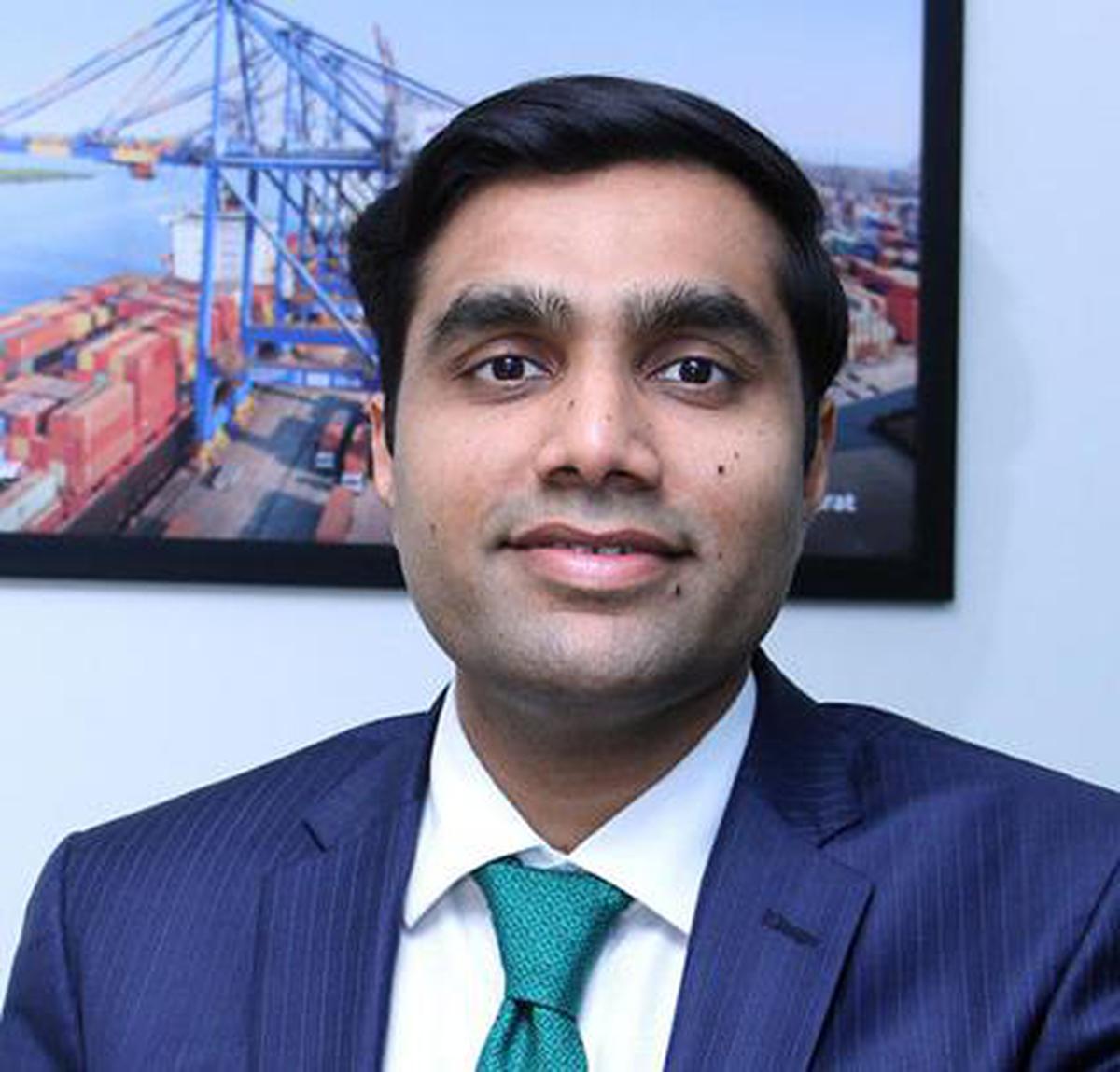
NEW DELHI : As global supply chains face recurring disruptions from geopolitical tensions and shifting trade routes, resilient infrastructure and logistics networks will be critical to sustaining economic growth, said Karan Adani, Managing Director, Adani Ports and Special Economic Zone (APSEZ).

Speaking at an event, he said the ongoing crisis in West Asia has highlighted the vulnerability of global trade routes passing through key maritime choke points, such as the Strait of Hormuz, the Suez Canal and the Strait of Malacca.

“Anything which is imported–I would say any commodity where the country is reliant from an import perspective–will get affected. Whether it’s crude, whether it’s gas, or whether it’s LPG. This kind of event affects all commodities across the board,” he said, answering a query.

Disruptions along these corridors can quickly ripple across global supply chains, reinforcing the need for stronger logistics infrastructure and diversified trade networks.

“Need to make ourselves self-reliant as a country from energy import perspective”: Karan Adani on disruptions caused by West Asia crisis. Anything which is imported–I would say any commodity where the country is reliant from an import perspective–will get affected. Whether it’s crude, whether it’s gas, or whether it’s LPG. This kind of event affects all commodities across the board,” he said, answering a query.

“I think what we need to look at is how do we make ourselves self-reliant as a country from an energy import perspective. Do we have alternatives towards, let’s say, LPG? Do we have alternatives towards LNG? That’s where we’ll have to play our cards for what is right for us as a country. Because India has a lot of resources, whether it is coal, or whether it’s even our own production of crude or gas,” he said.

Karan Adani, who is the eldest son of Adani Group Chairman Gautam Adani, said India has to prioritize what is important and “where our strength is”.

“And I think this becomes a classic case where we have to further accelerate our energy independence, how we protect ourselves from that energy dependence,” he said.

He was asked about the challenge of oil and gas supply disruptions from Strait of Hormuz due to conflict in West Asia between US and Israel on one side and Iran on the other.

Answering another query, Karan Adani, who is also Director at Adani Cement, said there has been constant disruption on the supply chain for the last four to five years and spoke about COVID-19, Suez Canal obstruction and Russia-Ukraine conflict.

“There is always been something or the other which is going on which is affecting the supply chain. And if you see from 2020 onwards, most countries have moved from globalization of the supply chain to more of a regionalization of the supply chain. Even India did that as well. So that is number one. And in that, having your own infrastructure becomes extremely critical for a country to make sure that your supply chain is stable and reliable. From our perspective, given the current situation, we are fully geared up as a port to handle any and every cargo which comes into India,” he said.

“We’ve been able to prioritize what is important for the country, whether it’s energy, whether it’s LPG, or whether it’s crude. So we are fully geared up in terms of handling all of this cargo. I think it becomes extremely critical going forward: how do we make our supply chain even more resilient as a country? Obviously, we would love to play a part in that because this becomes a very critical part. It happens once in every two to three years, but whenever it happens, it does pinch a lot. So I think that becomes extremely important,” he added.

Answering a query, Karan Adani said the Adani Group is very focused and knows its strengths.

“If you look at the group, we are in three big verticals, if I have to club it. The first is the whole energy piece, where as a group we believe that we have to generate energy which is cheapest for the consumer. To prioritize what the government is looking from a long-term perspective. So, that’s where in the energy vertical, we are fully integrated–whether it’s the transmission, distribution, generation. In generation, it is thermal, we started renewable, now we are starting battery storage. So basically, we keep developing and focus on the energy that is our core competence and obviously next is the data center that we’ve just announced,” he said.

“The second big part of the group is the whole ports, logistics, transport utility…And the third big vertical for the group is the whole materials and science part…even the defence–that falls part of the materials business. That’s how you should look at the Group. We are very focused, we know where our core competency is, and that’s how we are structured,” he added.

Karan Adani also spoke about the need to cut management layers in the Group as it has grown in size.

“Today we have a Capex plan of two lakh crores annually for the next five years….so when we look at this kind of growth that we are doing, we looked at ourselves first: What is the risk? Where are we going? Are we doing it in the right way? Are we doing it in the best excellence way? And one of the things that we realised is, it was okay when we were smaller, but now as the Group, the kind of growth that we are envisaging, it is going to be unsustainable for us to continue the way we are operating,” he said.

“And when we look at ourselves in the mirror, we do feel that we’ve become quite slow. We’ve become quite heavy, we’ve become slow, decisions have become slower. So that’s where we are going through this whole transition or, I would say, transformation as an organisation, where it’s a unique transformation that we are going towards where we are looking at partnership models, where we are going to be partnering with multiple companies to help us in terms of Capex execution or O&M execution,” he added.

Karan Adani said the Group today has almost 10 layers from the Chairman all the way to the bottom-most person.

“It is almost a 10-layer organisation. We want to reduce it to six layers–three at HO (Head Office), three at site. And basically, the idea is: focus on what we are good at as an organisation, which is, you know, ability to take decisions much faster, giving trust at the bottom-most person on the ground because they are the ones who are running the assets. And third, to bring in transparency and accountability for the people.”

JNPA strengthens trade support through coordinated stakeholder efforts amid Middle East Disruptions

MUMBAI : Ministry of Ports, Shipping and Waterways (MoPSW) has issued the SOP for all the Major Ports to mitigate the impact of geopolitical disturbance in the Middle East. Accordingly JNPort has constituted a task force comprising of following members:
• Joint DGFT
• Addl Commissioner Customs
• CGM (Traffic) JNPA
• Dy Director General (DG Shipping)

Shri Girish Thomas, CGM (Traffic), JNPA (Mob:9526062433, Email-cmt@jnport.gov.in), has been appointed as the Single Point of Contact for all coordination and communications related to trade disruptions arising from the evolving geopolitical situation in the Middle East.

The disruption has impacted on vessel schedules and export cargo movement to Middle East, prompting coordinated efforts between port authorities and trade stakeholders. Shri Gaurav Dayal, IAS, Chairman, JNPA and Shri Ravish Kumar Singh, IRTS, Deputy Chairman, JNPA are holding regular consultations with shipping lines, exporters, terminal operators, Customs and maritime authorities, BCBA, APEDA, CSLA, MANSA, FFFAI, and Transporters Association to closely monitor the situation and address operational concerns.

To support the EXIM community and ease congestion at the port, JNPA has implemented several facilitation measures.

Key initiatives undertaken include:
• Temporary transshipment storage for Middle East-bound cargo
• Allocation of additional storage areas at terminals where required • Facilitation of ad-hoc vessel calls for moving Middle East cargo to Middle East ports which are on eastern side of the strait Hormuz mainly Fujairah and Khor Fakkan in the UAE and Sohar, Muscat, and Salalah in Oman.
• Priority handling for perishable cargo and export cargo returning from the Middle East
• Expedited ‘Back to Town’ (BTT) movement of export containers

An important facilitation measure has been taken by Customs authorities at JNCH enabling BTT movement of export cargo even in cases where the Export General Manifest (EGM) has not been filed. Where container seals are intact, permission will be granted after basic verification. Containers at CPP require only e-seal verification, while those at Container Freight Stations undergo limited inspection linked to the shipping bill. The usual detailed physical examination has been waived, and any BTT-related fees or penalties have also been waived.

Following consultations with the Reefer Transporters Association, it has also been confirmed that adequate trailers are available for the movement of reefer as well as other containers requiring BTT evacuation, ensuring smooth evacuation of containers from the port without logistical constraints, especially for banana, grapes and other perishable cargo which have lesser shelf life.

Speaking on the situation, Shri Gaurav Dayal, IAS, Chairperson, JNPA, said: “JNPA is closely monitoring the evolving situation and remains fully committed to supporting the EXIM community. We are in constant consultation with the Ministry, Customs authorities, terminal operators and trade stakeholders to explore relief measures that can ease cargo movement and minimize disruption. Our endeavor is to identify practical solutions that support exporters and ensure seamless port operations”.

As a result of these coordinated efforts, the situation at the port has shown steady improvement. The number of stranded containers at JNPA has reduced from around 5,000 TEUs on 1 March to nearly 3,200 TEUs on 8 March, while stranded perishable containers have reduced from around 2,000 to about 1,000. Efforts are ongoing to further reduce the number of stranded containers at the earliest possible time.

JNPA remains in close coordination with the Ministry, terminal operators, shipping lines and the trade community to ensure smooth cargo movement and sustained support to the EXIM sector, while actively exploring additional facilitation measures to further ease trade operations.

About Jawaharlal Nehru Port Authority (JNPA)

Jawaharlal Nehru Port Authority (JNPA), commissioned in 1989, is India’s largest container port and a key gateway for the country’s international trade. The port operates five container terminals and handles a significant share of India’s containerised EXIM cargo. JNPA also manages a multi-product Special Economic Zone (SEZ) aimed at boosting export-led industrial growth. In addition, JNPA is developing the Vadhvan Port in Maharashtra, envisioned to be among the largest deep-draft ports in the world and India’s first green port of its scale.

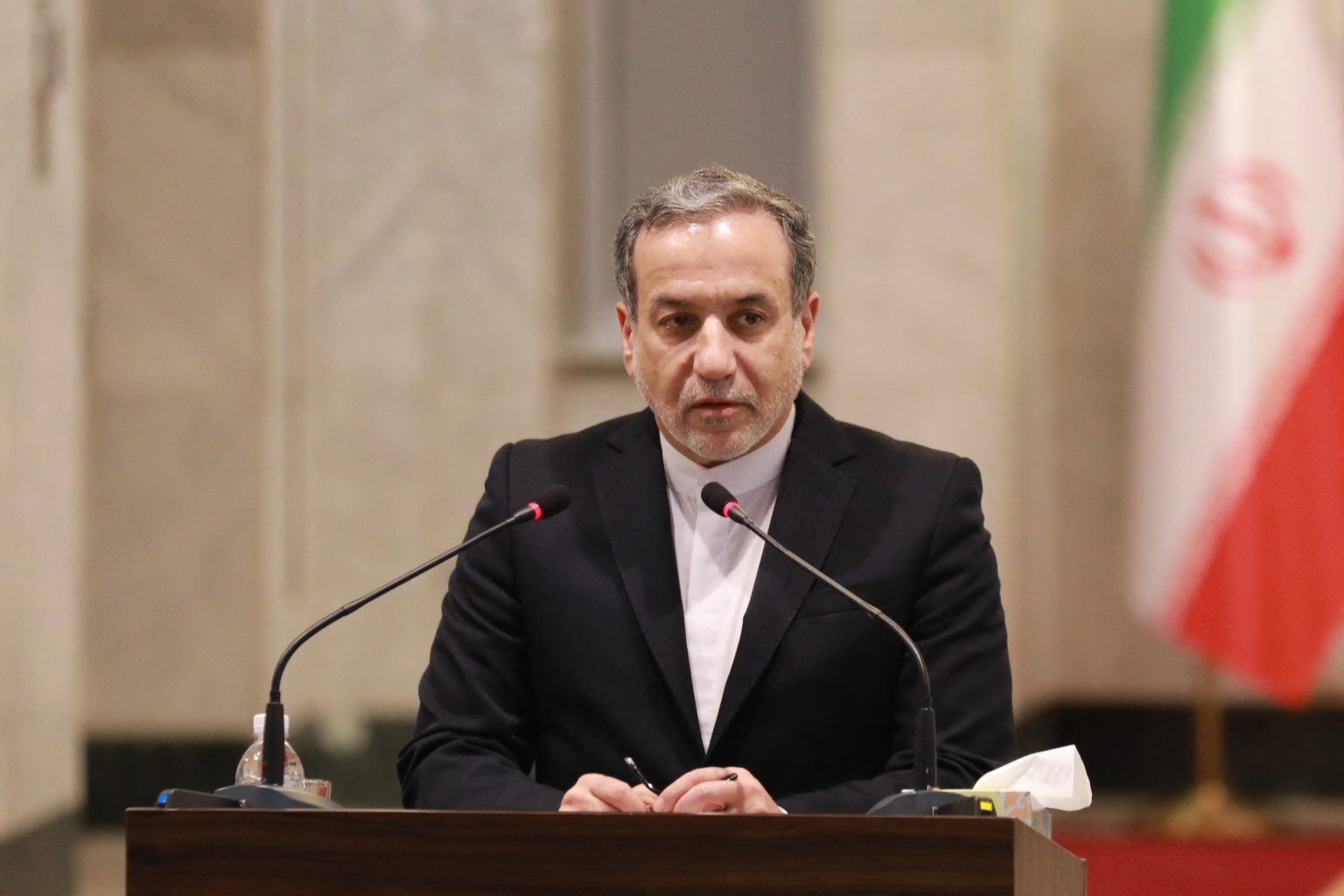
Iran’s FM Abbas Araghchi says Strait of Hormuz open but bars US, Israel-linked vessels

TEHRAN: Iran’s Foreign Minister Abbas Araghchi has said that the strategically vital Strait of Hormuz remains operational for international shipping, but vessels linked to the United States and Israel are not permitted to pass through the waterway.

His remarks come amid escalating tensions in the region following recent military developments. In an interview with American Cable News Channel, Araghchi said the maritime passage has not been entirely shut down. The claim from the Iranian minister comes even as hundreds of ships, including many Indian vessels, remain stranded in the narrow sea lane between the Persian Gulf and the Gulf of Oman.

He emphasised that other nations remain free to navigate the passage. The minister also suggested that some shipping companies are choosing to avoid the area due to safety concerns rather than an outright blockade. He maintained that several tankers and cargo ships are still moving through the strait despite the heightened tensions.

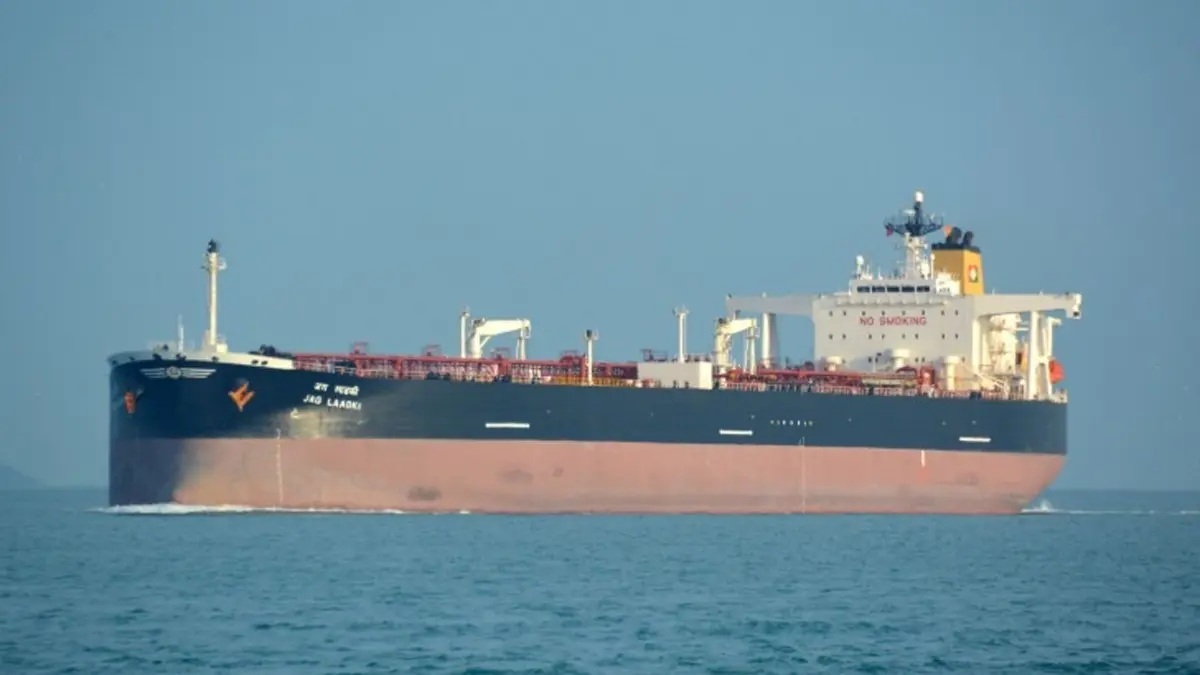
4th India-flagged tanker, Jag Laadki, safely sails out of war zone from UAE’s Fujairah Port

NEW DELHI : An Indian-flagged crude tanker sailed out safely from the UAE’s Fujairah after loading oil, despite an attack on the oil terminal, as the government on Sunday said it is closely monitoring the situation in West Asia while ensuring stable fuel supplies and maritime safety.
The vessel, Jag Laadki, carrying about 80,800 tonnes of Murban crude oil, departed Fujairah at 1030 hrs IST and is bound for India, with all crew members safe, the government said in an update on preparedness measures.
Jag Laadki is the fourth Indian-flagged vessel to have come out of the war zone unharmed. Besides, the safe passage being an important milestone for Indian diplomacy, the cargo they are carrying is considered critical as shipping constraints in the Strait of Hormuz have impacted India’s energy supplies.
“On March 14, 2026, while the Indian-flag vessel Jag Laadki was loading crude oil at the Fujairah Single Point Mooring, the Fujairah oil terminal was attacked. The vessel sailed safely from Fujairah at 1030 hrs IST today (Sunday) carrying about 80,800 tonnes of Murban crude oil and is bound for India,” the update said.
“The vessel and all Indian seafarers onboard are safe.”
On Saturday, two Indian-flag LPG carriers – Shivalik and Nanda Devi – carrying about 92,712 tonnes of LPG crossed the war-hit Strait of Hormuz.
Shivalik is due to reach Mundra port in Gujarat on March 16, and Nanda Devi would dock at Kandla port on March 17, according to the update.
The two ships were among the 24 ships that were stranded on the west side of the strait since the war broke out in the region.
Besides the 24 on the west side of the strait, four others were stranded on the east side.
One of the four on the east side, an India-flagged oil tanker, Jag Prakash, carrying gasoline from Oman to Africa, crossed the war-hit strait on Friday.
Jag Prakash loaded gasoline from Sohar port in Oman and is now headed to Tanga in Tanzania. It is due to reach Tanga on March 21.
The government said Indian vessels and seafarers operating in the region remain safe, and maritime operations are being closely monitored. At present, 22 Indian-flagged vessels with 611 seafarers remain on the west side of the Persian Gulf region.
India imports about 88 per cent of its crude oil, 50 per cent of its natural gas and 60 per cent of its LPG needs. Before the US-Israel strikes on Iran on February 28 and Tehran’s retaliation, more than half of India’s crude imports, about 30 per cent of gas and 85-90 per cent of LPG imports came from West Asian countries, such as Saudi Arabia and the UAE.
The conflict has led to a blockade of the Strait of Hormuz, the main transit route for Gulf energy supplies. While India has partly offset crude supply disruptions by sourcing oil from countries, including Russia, gas supplies have been curtailed to industrial users and LPG availability to commercial establishments, such as hotels and restaurants, has been reduced.
“The Directorate General of Shipping continues to monitor the situation in coordination with ship owners, RPSL agencies and Indian Missions,” the update said. “Since the activation of the DG Shipping Control Room, 2,995 phone calls and more than 5,357 emails have been handled from seafarers, their families and maritime stakeholders seeking information and assistance.” DG Shipping has facilitated the safe repatriation of 276 Indian seafarers from the Gulf region so far, including 23 repatriations in the past 24 hours from airports and regional locations. Ports across the country are closely monitoring vessel movements and cargo operations in view of the evolving maritime situation

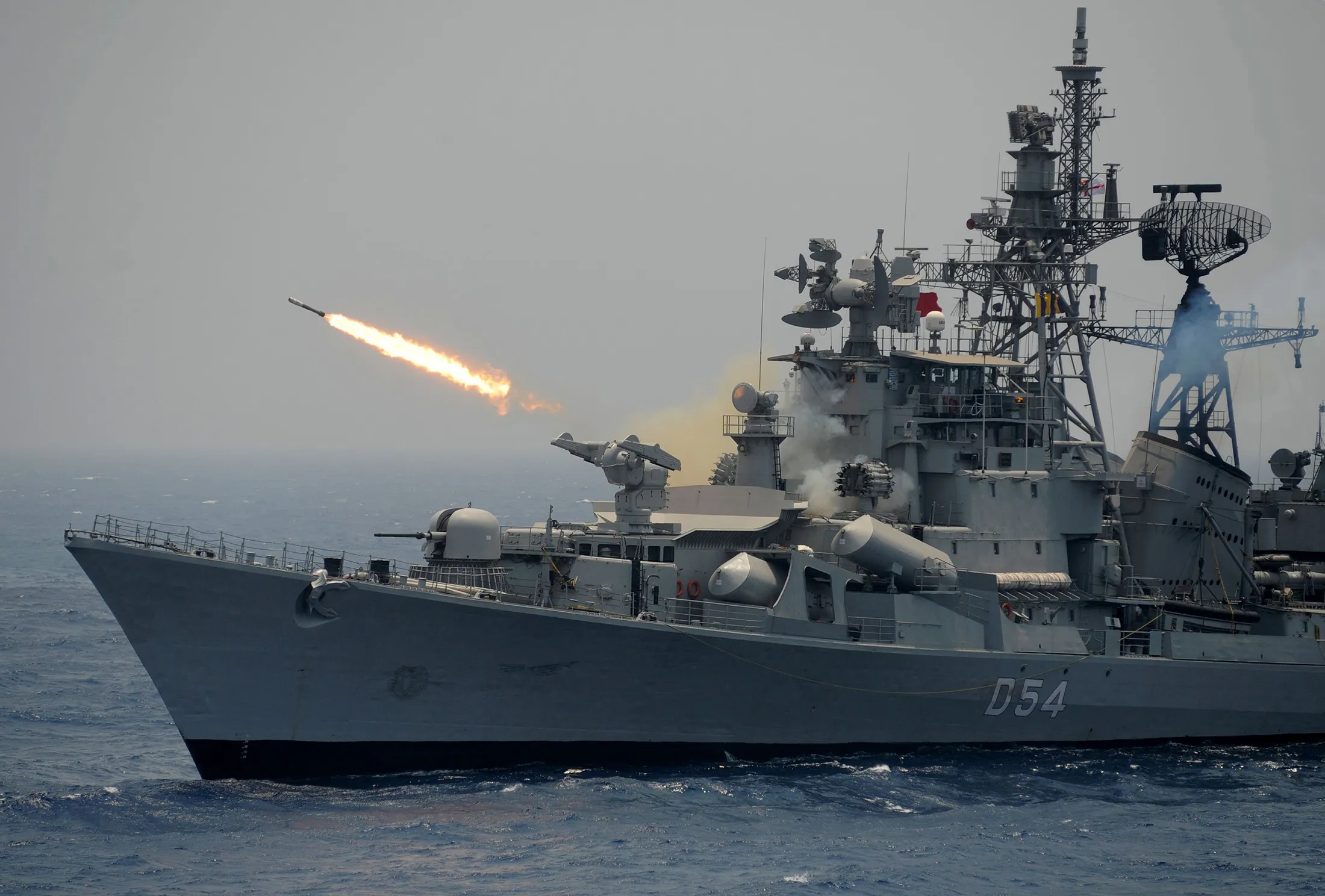
Indian Navy Warships to keep watch on India-bound vessel in Strait of Hormuz

NEW DELHI: The Indian Navy deployed multiple warships to escort two Indian-flagged LPG tankers through the Strait of Hormuz safely between Friday night and Saturday, according to the sources.

This comes as diplomatic efforts continued to secure passage for 22 more Indian vessels stuck in the Persian Gulf.

The two very large gas carriers — Shivalik and Nanda Devi, both operated by the state-owned Shipping Corporation of India and chartered by Indian Oil Corporation — are cumulatively carrying 92,700 tonnes of LPG.

Shivalik is headed to Mundra port and expected to arrive Monday, while Nanda Devi is likely to reach Kandla port on Tuesday.

According to the report, at least two warships had been on operational standby since Iran began its blockade of the Strait of Hormuz.

Under the Navy’s Operation Sankalp, some warships are already deployed in the Gulf of Aden and Gulf of Oman for anti-piracy operations, multiple additional warships have since sailed to the region.

Indian Govt. proposes ‘Economic Stabilisation Fund’ to tackle global headwinds

NEW DELHI : Indian Government has proposed an ‘economic stabilisation fund‘ to provide fiscal ​headroom for the country to respond to ‌global headwinds, Finance Minister Smt. Nirmala Sitharaman told parliament on Friday. The 573-billion-rupee ($6.20 billion) proposed fund will also help the ​government to respond to unanticipated supply chain ​disruptions and unexpected shocks to the Indian economy, ⁠Sitharaman said.

This week, the Indian government had ​sought parliament’s approval for gross additional spending of 2.81 ​trillion rupees, part of which will be offset by savings and higher receipts from ministries and departments.

There is no ​increase in overall expenditure beyond what was projected ​in the budget, Sitharaman said.

Sitharaman also proposed additional fertiliser subsidies ‌of ⁠about 192.30 billion rupees to meet higher spending under the nutrient-based subsidy policy and urea subsidy payments.

India’s fertiliser subsidy bill has come under pressure after ​the Iran conflict ​disrupted supply ⁠routes through the Strait of Hormuz, a key corridor for global fertiliser ​shipments, pushing up prices of crop nutrients ​such ⁠as urea and ammonia and raising import costs for major buyers like India.

Smt. Sitharaman said there would ⁠be no ​shortfall in funds for fertiliser ​subsidies for farmers.

Source : Reuters

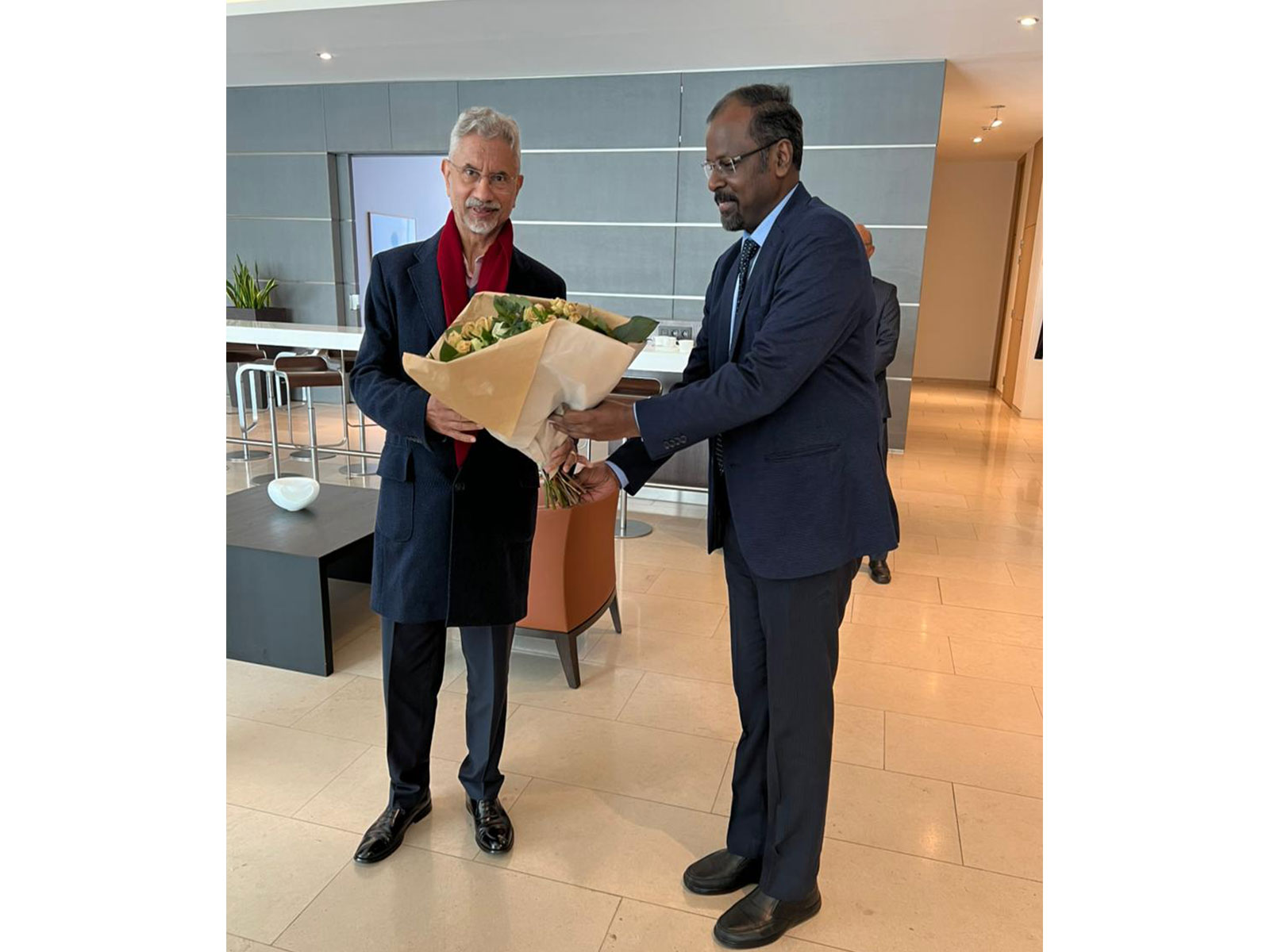
India-EU ties in focus as Dr. Jaishankar starts 2-day visit to Brussels

NEW DELHI : External Affairs Minister Dr. S.Jaishankar on Sunday (March 15, 2026) kick-started a two-day visit to Brussels for talks with his counterparts from member states of 27-nation European Union.

It is the first high-level visit from India to Brussels headquartered EU after the two sides firmed up a landmark Free Trade Agreement (FTA) in January. The External Affairs Ministry said Mr. Jaishankar is travelling to the capital of Belgium at the invitation of EU High Representative and Vice President Kaja Kallas to interact with Foreign Ministers of the 27 member states of the bloc at its Foreign Affairs Council Meeting.

“During the visit, the External Affairs Minister will also hold meetings with the leadership of the European Union, and his counterparts from Belgium and other EU member states,” the Ministry said.

“The visit of the External Affairs Minister coming soon after the historic 16th India-EU summit is expected to further deepen India’s strategic partnership with the European Union,” it said in a brief statement.

India and the EU sealed the free trade agreement — billed as the “mother of all deals” — following the summit meeting between Prime Minister Narendra Modi and the top EU leadership on January 27.

As Mr. Jaishankar visit to Brussels is taking place amid the Iran-U.S. conflict, the two sides are expected to deliberate on dealing with its consequences, especially on the flow of energy.