Home Blog Page 398

DGS visits GRSE to review shipbuilding growth initiatives

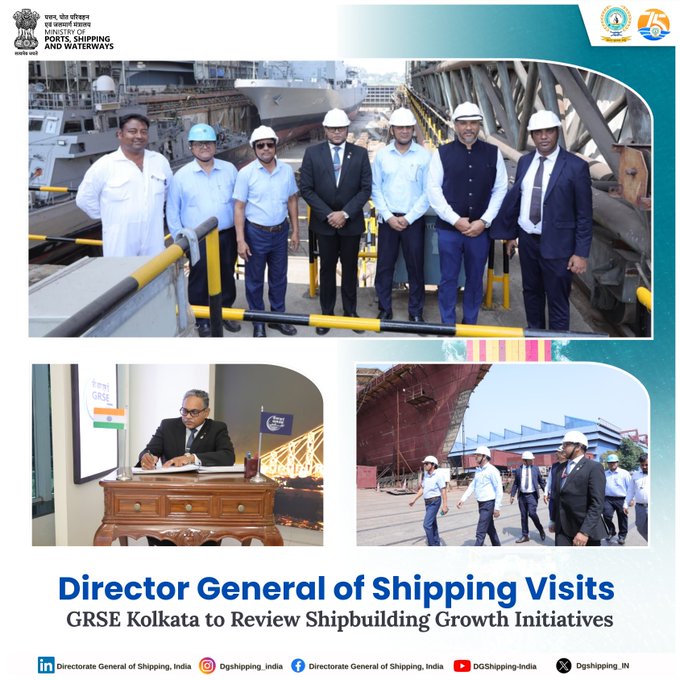
MUMBAI : Director General of Shipping, Shri Shyam Jagannathan visited GRSE, Kolkata on 13 March 2026, reinforcing the Government of India’s sharpened focus on scaling domestic shipbuilding. The visit comes alongside a significant policy push: a ₹24,736 crore allocation for the Shipbuilding Financial Assistance Scheme to catalyse vessel construction in India and enhance global competitiveness. Complementing this, the Shipbuilding Development Scheme carries a ₹19,989 crore outlay, including ₹9,930 crore for Greenfield clusters and ₹8,261 crore for Brownfield expansions—a decisive pathway to add capacity, modernise infrastructure, and deepen the ecosystem across the country.

This integrated approachunderscores the Government of India and MoPSW commitment to position India among the world’s leading shipbuilding nations by 2047. DG Shipping (DGS) is steering implementation end to end, ensuring momentum on approvals, adherence to standards, and timely progress under the scheme architecture.

As one of India’s premier defence shipyards, GRSE continues to play a pivotal role in this journey with its proven design-engineering capabilities, modular construction expertise, and multi yard capacity. The GRSE visit reflects the collaborative, mission mode approach now driving India’s maritime growth—aligning central policy, implementation agencies, and shipyards to deliver scale, speed, and self reliance.

Department of Commerce holds Chintan Shivir to strengthen India’s medical devices export ecosystem

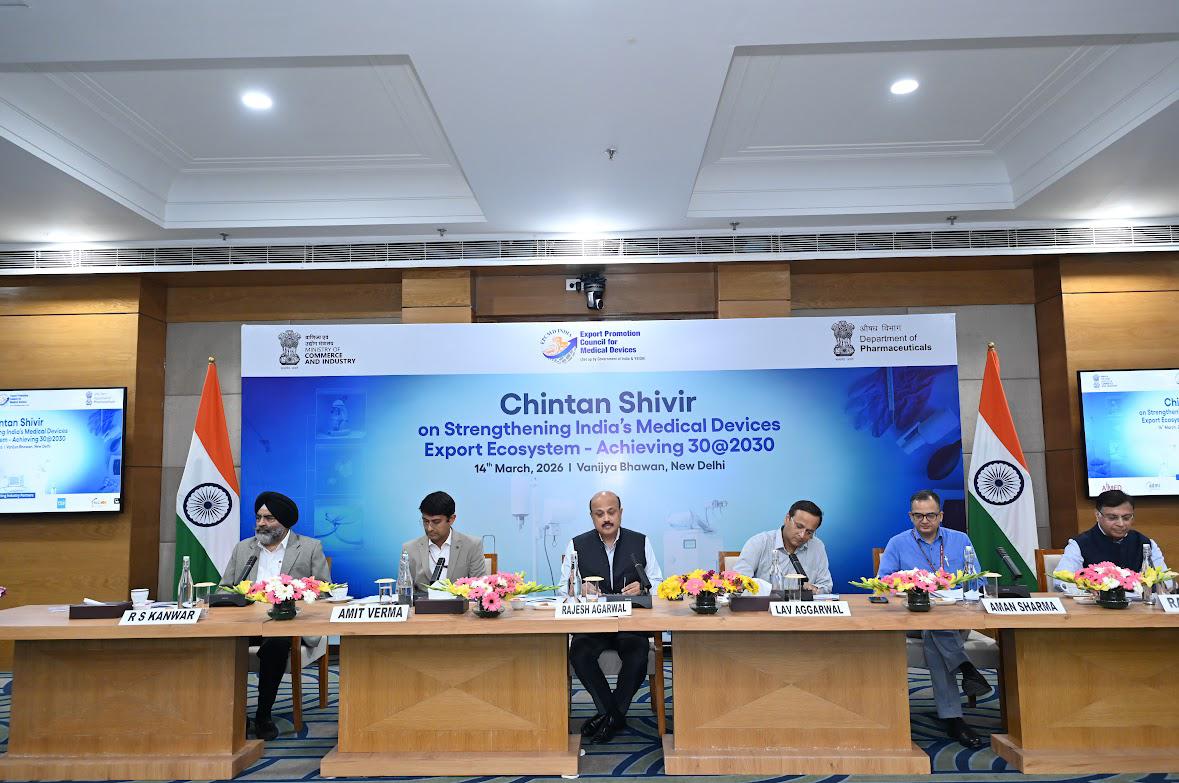
NEW DELHI: The Department of Commerce organised a Chintan Shivir on Saturday at Vanijya Bhawan to deliberate on strengthening India’s medical device export ecosystem.

The high-level meeting, held in collaboration with the Department of Pharmaceuticals and the Export Promotion Council for Medical Devices (EPCMD), focused on enhancing global competitiveness and addressing structural bottlenecks within the MedTech sector.

According to the Ministry of Commerce & Industry, the event centred on the theme “Achieving 30@2030 – USD 30 Billion Market Size by 2030”. The gathering brought together over 150 participants, including policymakers, industry leaders, and regulators, to identify priority areas for manufacturing and export growth.

Inaugurating the session, Secretary, Department of Commerce, Shri Rajesh Agarwal, stated that India must move beyond its identity as the ‘Pharmacy of the World’ to emerge as a global MedTech manufacturing hub.

He noted that while medical device exports surpassed USD 4 billion in FY25, the country needs to significantly increase its global market share over the next decade. He highlighted the importance of “high-value manufacturing, research and development investments, incremental innovation and regulatory harmonization” to reach the USD 30 billion target by 2030.

The discussions addressed the need for a collaborative approach between the government and private players. Joint Secretary, Department of Pharmaceuticals, Aman Sharma emphasized the quality aspect of production. Sharma said both industry and regulators need to work together toward the objective of “focusing on the quality of medical devices manufacturing in the country.”

Additional Secretary and Director General of the Directorate General of Foreign Trade (DGFT), Lav Aggarwal, also delivered a special address regarding the pace of industry growth. He emphasised the “need to grow faster by addressing structural issues” and pointed to the role of trade policy measures in expanding India’s international presence.

From the industry side, Forum Coordinator of AiMeD, Rajiv Nath, shared perspectives on scaling domestic production. He emphasised the need for continued government-industry collaboration to address global regulatory challenges and scale domestic manufacturing.

The Chintan Shivir featured three thematic sessions covering free trade agreements, infrastructure, and regulatory frameworks.
One session explored how global trade deals open new pathways for MedTech exports, while another focused on strengthening manufacturing clusters and testing infrastructure to build a global brand for Indian products. The final session addressed the “evolving regulatory frameworks,” focusing on streamlining approval processes and improving coordination between the industry and the Central Drugs Standard Control Organisation (CDSCO).

The Department of Commerce intends to use the insights from these sessions to promote a more vibrant export ecosystem.

“The Chintan Shivir concluded with discussions on actionable pathways for strengthening India’s medical devices manufacturing ecosystem and enhancing export competitiveness. The learnings from the Chintan Shivir will help the Department of Commerce leverage the advantages of India’s medical devices industry and promote a vibrant export ecosystem through active engagement with the Department of Pharmaceuticals, CDSCO and EPCMD,” the Ministry said.

Source: ANI

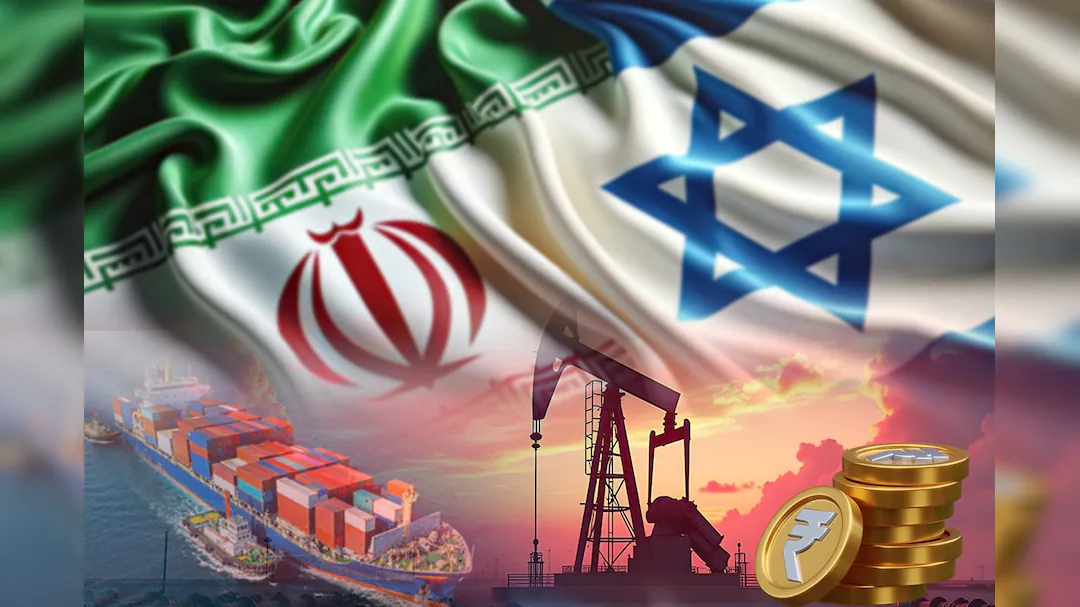
Iran War escalation raises shipping costs and delivery risks for B2B sellers

CHICAGO: The escalating war in the Middle East is beginning to disrupt global shipping networks, raising freight costs and delivery logistics uncertainty for U.S. companies that sell through B2B ecommerce channels.

Airspace closures, security risks and vessel rerouting tied to the U.S. and Israel’s war on Iran are affecting cargo movement across key trade corridors linking Asia, Europe and North America. The disruptions are pushing up transportation costs and extending delivery timelines for many cross-border shipments.

Air cargo rates on some international routes have surged as much as 70% as airlines divert flights around conflict zones and shippers shift freight from ocean transport to air, according to industry reports.

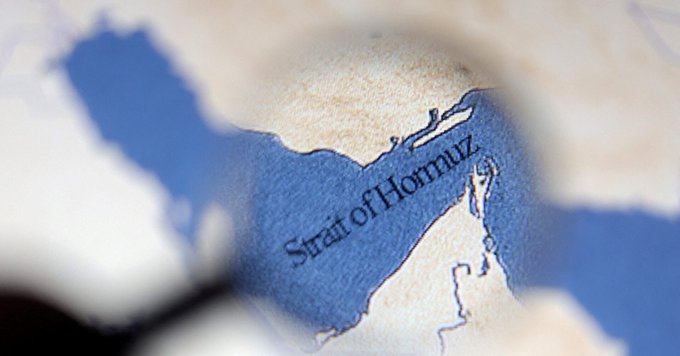
Shipping through the Strait of Hormuz and nearby Gulf routes — critical corridors for both energy shipments and container trade — has also slowed as carriers assess security risks. The strait handles roughly one-fifth of global oil shipments and is an important gateway for industrial goods moving through global supply chains.

For companies selling through digital procurement platforms, the immediate impact is longer lead times and rising fulfillment costs.

How the war on Iran disrupts B2B logistics in the U.S.

Several logistics companies have issued updates warning customers of potential disruptions tied to the conflict.

DHL said it continues to accept shipments to and from the Middle East but warned that airspace restrictions and operational changes may cause delays. Ocean carriers have also begun adjusting operations across the region.

Major container shipping lines including Maersk, Hapag-Lloyd and CMA CGM have implemented surcharges, rerouted vessels or limited certain bookings as security risks increase across Gulf shipping lanes.

Higher war-risk insurance premiums for vessels operating in the region are also contributing to rising freight costs.

While logistics providers have begun warning customers about disruptions, most B2B sellers in the U.S. have not yet issued detailed public statements about the war’s impact on operations.

Industry analysts say that is typical during the early stages of geopolitical disruptions, as U.S. companies evaluate the scope and duration of logistics disruptions from war before adjusting guidance or supply chain strategies.

Some global ecommerce platforms have already reflected the impact operationally by extending delivery estimates on affected international shipments.

War impacts fuel, which impacts transportation logistics and cost

Energy markets have also reacted to the conflict. Higher oil prices have increased transportation costs across global logistics networks.

Fuel price increases typically feed quickly into ocean freight surcharges, parcel delivery costs and warehouse operating expenses. For companies selling through digital channels, those increases can significantly affect order profitability because ecommerce fulfillment involves frequent shipments and smaller order sizes.

If disruptions persist, B2B sellers may need to adjust pricing, modify delivery commitments or shift sourcing strategies to maintain product availability.

The war highlights the dependence of B2B ecommerce on stable global logistics networks.

Over the past decade, manufacturers and wholesalers have invested heavily in digital ordering platforms that promise fast fulfillment and real-time inventory visibility. Those systems rely on predictable inbound shipments from global suppliers.

When war disrupts shipping routes, the effects can quickly ripple through digital ordering systems. Those systems depend on accurate inventory and delivery timelines.

To manage volatility, companies increasingly are:

  • Increasing safety stock for critical products.
  • Diversifying supplier networks.
  • Shifting inventory closer to end markets.
  • Using supply-chain analytics to monitor disruptions.

If war in the Middle East continues, analysts said the effects could extend beyond freight markets and energy prices. They could reshape sourcing and logistics strategies that support global B2B ecommerce.

Source: Digital Commerce 360

PM Modi inaugurates Elevated Port Corridor in Guwahati, launches multiple waterways projects with ₹526 Crore investment in Assam

image003U3QV PM Modi inaugurates Elevated Port Corridor in Guwahati, launches multiple waterways projects with ₹526 Crore investment in Assam

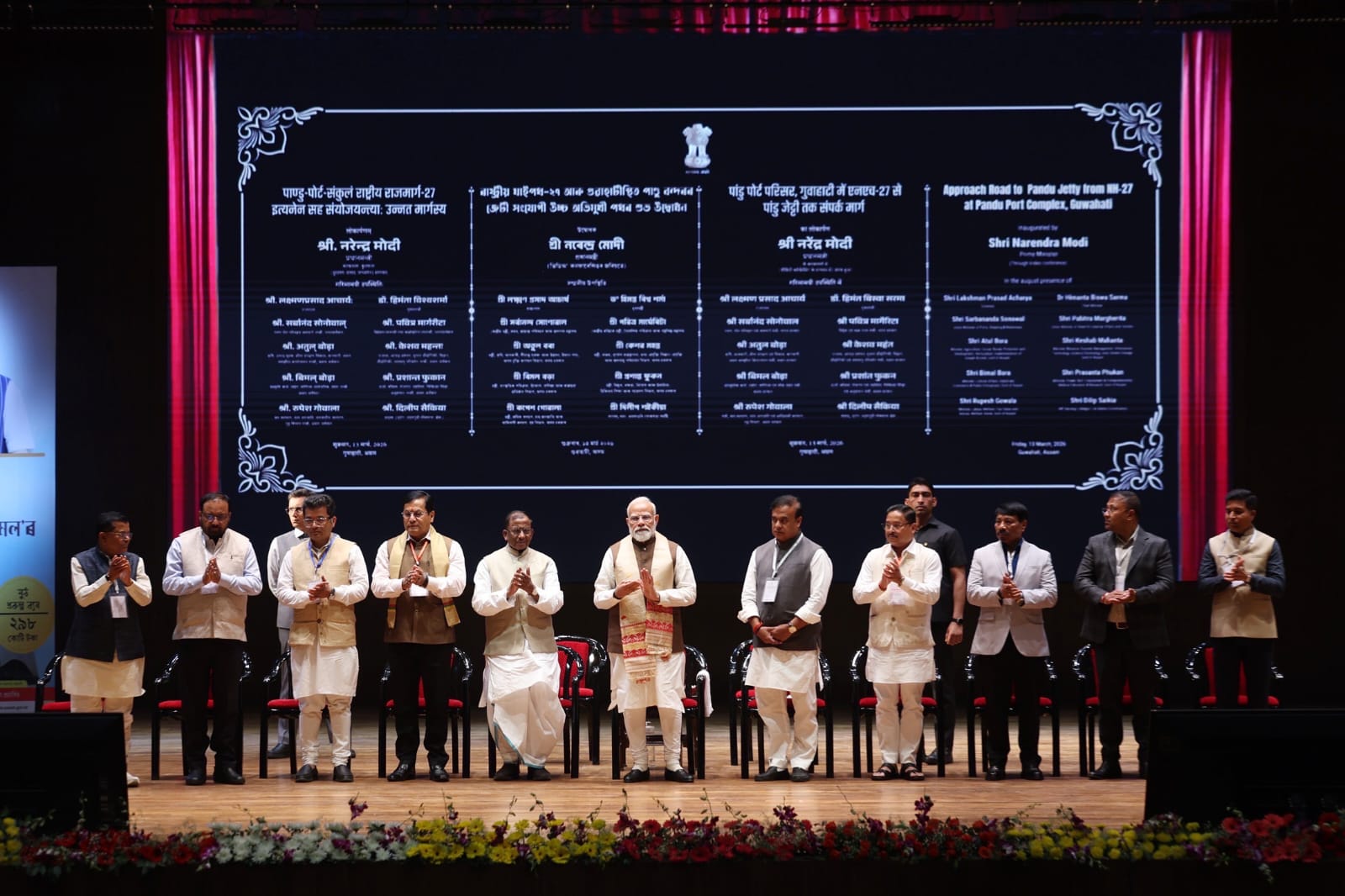
GUWAHATI : Prime Minister Shri Narendra Modi dedicated to the nation a state-of-the-art elevated road corridor connecting Pandu Port in Guwahati to National Highway-27, while also laying the foundation stone for the Cruise Terminal at Biswanath Ghat and performing the Bhoomi Pujan for the Regional Centre of Excellence (RCoE) at Bogibeel, Dibrugarh, and the Cruise Terminal at Neamati. The four projects represent a combined investment of ₹526 crore to boost infrastructure on inland waterways on river Brahmaputra (NW-2), as these projects are being implemented by the Inland Waterways Authority of India (IWAI) under the Ministry of Ports, Shipping and Waterways (MoPSW).

The Prime Minister announced that the work of building modern cruise terminals at the famous Neamati Ghat and Biswanath Ghat has also commenced from today. PM Modi emphasised that this is not merely an infrastructure project , it is a step that will give a new direction to tourism and the local economy in Assam. The Prime Minister stated that the current government has not limited tourism to just sightseeing but has viewed it as a major opportunity for employment and development. PM Modi noted that with this very vision, the possibilities of water tourism on the Brahmaputra River are being expanded. The Prime Minister highlighted that once the cruise terminals are built, cruise operations on the Brahmaputra will advance further, and it will become even easier for tourists from India and around the world to reach Assam. PM Modi stated that as cruise tourism grows, new employment opportunities will be created for local youth, artisans and handicraft workers will find new markets, and the income of small shopkeepers, boatmen, and people associated with hotels and transport will also increase. “Tourism in Assam is no longer limited to just travel and sightseeing ,it is becoming a new engine of local development and public prosperity,” asserted PM Modi.

The programme was held at Jyoti-Bishnu Auditorium, Guwahati, in the august presence of Assam Governor Lakshman Prasad Acharya, Chief Minister Dr Himanta Biswa Sarma and Union Minister for Ports, Shipping and Waterways Shri Sarbananda Sonowal among other dignitaries.

Prime Minister Modi has consistently recognised the immense potential of inland waterways as an environment-friendly and cost-effective mode for passenger and cargo transport. Under his leadership, a new phase of connectivity and growth has taken shape across the northeastern states through terminals, jetties and waterways-linked infrastructure that is transforming livelihoods and deepening India’s Act East Policy commitments.

The Prime Minister stated that Assam is today emerging as a model for the new future of India’s North East , the Ashtalakshmi. PM Modi noted that the progress of Assam is giving new momentum to the entire North East. Urging every youth and every family, PM Modi asserted, “We must work together for a Viksit Assam so that Assam emerges as a model state in the nation.”

The Prime Minister expressed his gratitude for the privilege of being on the sacred land of Maa Kamakhya on the eve of Navratri. “I have been blessed with the fortune of having your darshan on this pious land of Maa Kamakhya, just before Navratri begins,” said PM Modi.

Sarbananda Sonowal said the projects inaugurated and initiated were a direct expression of Prime Minister Modi’s vision for a developed and connected Northeast. “Prime Minister Modi ji has done what decades of governance could not — he has turned the Northeast from a region of promise into a region of progress. The Brahmaputra is no longer just a river. Under his leadership, it is becoming a highway of opportunity for millions of people. With his able leadership, the inland waterways are being transformed as the most economical and environment-friendly mode of transportation. Strengthening them has established the path of transformation of India’s logistics sector unlocking new growth opportunities,”

The elevated road corridor connecting Pandu Port Complex to NH-27, built with an investment of ₹180 crore, addresses the critical last-mile connectivity gap between one of NW-2’s principal river terminals and the national highway network. Engineered to bypass Guwahati’s urban congestion, the corridor ensures seamless two-access to Pandu Port, improving operational flexibility and port connectivity reducing logistic cost considerably.

The Cruise Terminal at Biswanath Ghat, for which the foundation stone was laid on Friday, is part of a coordinated effort to build modern cruise infrastructure along the Brahmaputra (NW-2). The terminal will enhance passenger amenities, support river cruise operations and generate fresh economic opportunities for local communities in tourism, hospitality and handicrafts.

The Regional Centre of Excellence (RCoE) at Bogibeel in Dibrugarh, for which the Bhoomi Pujan was performed, is being developed with an investment of ₹188 crore. The first maritime skill development hub of its kind in Northeast India, the RCoE will train over 5,000 students annually in vessel operations, inland navigation and maritime logistics. It will also house research and development infrastructure for crew and trainee programmes, building the skilled manpower base that India’s expanding inland waterways sector requires.

The Cruise Terminal at Neamati, also initiated through a Bhoomi Pujan on Friday, will strengthen cruise tourism and organised passenger movement along NW-2, improving infrastructure for tourists and communities along the Brahmaputra corridor. The twocruise terminal projects at Biswanath Ghat and Neamati carry a combined investment of ₹158 crore.

“These projects worth thousands of crores are creating new avenues of employment for Assam’s youth and are boosting the state’s prosperity,” asserted PM Modi. The Prime Minister highlighted that in the past decade, the current government has undertaken a monumental initiative towards self-reliance.

“The Brahmaputra has always been the lifeline of the north-east — but we never truly harnessed its potential as an engine of growth. Our dynamic Prime Minister Modi ji has changed that. Waterways offer cost advantage which directly benefits farmers, traders and manufacturers across the Northeast. The re-energised waterways system in the region strengthens that economic artery at its most critical juncture. The upcoming cruise terminals at Biswanath Ghat and Neamati will act as new livelihood platforms for enriching thousands of families along the river. The Regional Centre of Excellence (RCoE) at Bogibeel ensures this growth is sustainable by building the skilled human capital to expand this ecosystem for the benefit of the next generation. Thousands of our youths will now be able to equip themselves to be a part of the upcoming and booming maritime industry. Under Modiji’s Act East Policy, the Brahmaputra is becoming an empowered conduit connecting Assam to Southeast Asia — through a mode of transport that is green, inclusive and sustainable,” said Sarbananda Sonowal.

Together, the four projects are designed to boost trade, tourism, skilling, employment generation, reduce logistic cost and facilitate regional and global connectivity along National Waterway-2, advancing the Government of India’s broader vision for developing Brahmaputra as a transformative logistics and tourism corridor for Assam and the wider Northeast.

DPA Kandla achieves historic milestone of crossing 150 MMT cargo throughput as fastest-ever

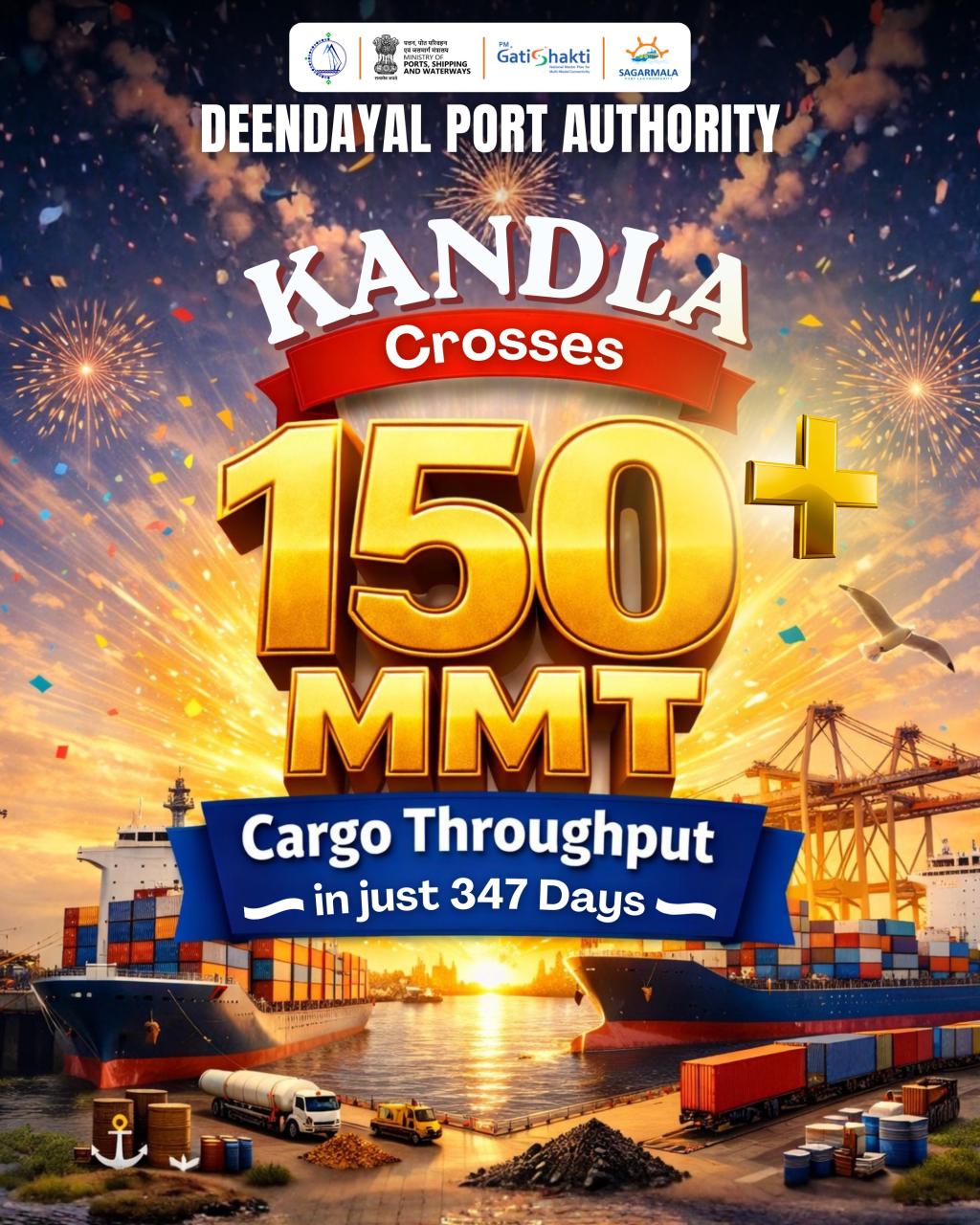
GANDHIDHAM : It is to share with immense pride that Deendayal Port Authority, Kandla has achieved a historic milestone by crossing 150 Million Tons of Cargo throughput 18 days ahead of last Financial Year, making it the Fastest-Ever 150 MMT in the history of Indian Major Ports.

This accomplishment reflects commitment of Kandla Port towards operational excellence, efficient logistics management and seamless maritime services.

This has been possible only with collective efforts of Port Users, Transporters, Stevedores, Shipping Agents, Custom Officials, Port Employees, Trade Unions and above all our dedicated Shramik Brothers & Sisters – The True Partners in Progress.

Even amidst the evolving geopolitical situation, the Port continues to maintain Operational resilience. It remains fully geared to handle the surge in Vessel traffic. With more than 35 vessels expected to be handled in the next 72 hours, Kandla Port demonstrates robust demand and operational readiness.

Under the visionary leadership of Hon’ble Prime Minister and the ambitions envisioned in Viksit Bharat@2047, the historic milestone is not merely a numerical achievement but a symbol of India’s growing maritime strength and the collective resolve to contribute towards the realization of vision under Viksit Bharat @ 2047.

We remain fully committed to strengthening the Port’s capabilities and operational efficiency driving the nation’s economic growth and global maritime leadership.

Adani Group plans to invest Rs 2 lakh crore annually in greenfield infrastructure over next five years: Karan Adani

NEW DELHI: The Adani Group plans to invest Rs 2 lakh crore in greenfield infrastructure projects annually over the next five years, spanning renewable energy, transmission, airports, logistics and data centres, Mr. Karan Adani, Managing Director (MD), Adani Ports and Special Economic Zone (APSEZ) has said.

Speaking at the India Today conclave here, Mr. Karan Adani spoke of the need to make India self-reliant from an energy import perspective.

He said resilient infrastructure and logistics networks will be critical to sustaining economic growth as global supply chains face recurring disruptions from geopolitical tensions and shifting trade routes.

Mr. Karan Adani, who is also Director, Adani Cement, noted that the ongoing crisis in West Asia has highlighted the vulnerability of global trade routes passing through key maritime choke points such as the Strait of Hormuz, the Suez Canal and the Strait of Malacca.

Disruptions along these corridors can quickly ripple across global supply chains, reinforcing the need for stronger logistics infrastructure and diversified trade networks.

Mr. Karan Adani added that the infrastructure platforms built by the Adani Group are national assets that strengthen India’s trade, logistics and energy security.

Speaking during a fireside conversation at the conclave that brings together leaders from politics, business, technology and culture, Adani said disruptions since 2020 — from the Covid-19 pandemic to geopolitical conflicts — have reshaped global trade and supply chain strategies.

“Supply chains have faced continuous shocks over the past few years. In such an environment, countries must build strong logistics networks and resilient infrastructure,” he said.

Mr. Karan Adani said the Adani Group’s infrastructure strategy reflects this paradigm shift. By building platforms across ports, logistics, energy and airports, the Group aims to strengthen India’s capacity to support trade, manufacturing and economic growth.

“We strongly believe in the India story. We know the assets we are building and the role they can play in the country’s future,” he said.

According to Karan Adani, the Group’s long-term aspiration is to become the country’s most efficient logistics provider and among the cheapest generators of power while maintaining strong corporate governance.

Reducing logistics costs remains a key priority. Stronger integration between ports, transport utilities, airports and logistics networks can significantly improve supply chain efficiency. “Once infrastructure is built, trade follows,” he said.

To support this vision, the Adani Group plans to invest Rs 2 lakh crore in greenfield infrastructure projects annually over the next five years, spanning renewable energy, transmission, airports, logistics and data centres.

Mr. Karan Adani also spoke about the need to cut management layers in the Group as it has grown in size.

“Today we have a Capex plan of two lakh crores annually for the next five years….so when we look at this kind of growth that we are doing, we looked at ourselves first: What is the risk? Where are we going? Are we doing it in the right way? Are we doing it in the best excellence way? And one of the things that we realised is, it was okay when we were smaller, but now as the Group, the kind of growth that we are envisaging, it is going to be unsustainable for us to continue the way we are operating,” he said.

“And when we look at ourselves in the mirror, we do feel that we’ve become quite slow. We’ve become quite heavy, we’ve become slow, decisions have become slower. So that’s where we are going through this whole transition or, I would say, transformation as an organisation, where it’s a unique transformation that we are going towards where we are looking at partnership models, where we are going to be partnering with multiple companies to help us in terms of Capex execution or O&M execution,” he added.

Renewables remain a core capability for the Adani Group, alongside emerging technologies such as battery storage. The Group is also expanding its presence in materials such as cement, aluminium, copper and defence manufacturing, sectors that support large-scale infrastructure development.

In aviation, the Group plans to increase passenger handling capacity across its airport network from 100 million to about 200 million by 2030.

With APSEZ operating international assets, including Haifa Port in Israel, the company has had to adapt to shifting trade patterns while maintaining cargo operations.

Mr. Karan Adani said many global companies are increasingly moving towards regional supply chains to improve resilience.

Looking ahead, the Adani portfolio aims by 2030 to double port capacity from 600 million metric tonnes (MMT) to 1,200 MMT, expand renewable energy capacity from 18 gigawatts to 50 gigawatts (GW), and increase thermal power generation from 17 GW to 45 GW.

Mr. Karan Adani said growth must also be guided by values. “Speed and scale are important, but empathy and responsibility are equally essential,” he said, echoing Chairman Gautam Adani’s emphasis on purpose-driven leadership.

“The second big part of the group is the whole ports, logistics, transport utility…And the third big vertical for the group is the whole materials and science part…even the defence–that falls part of the materials business. That’s how you should look at the Group. We are very focused, we know where our core competency is, and that’s how we are structured,” he added.

NICDC signs MoU with IIM-A to strengthen India’s logistics planning

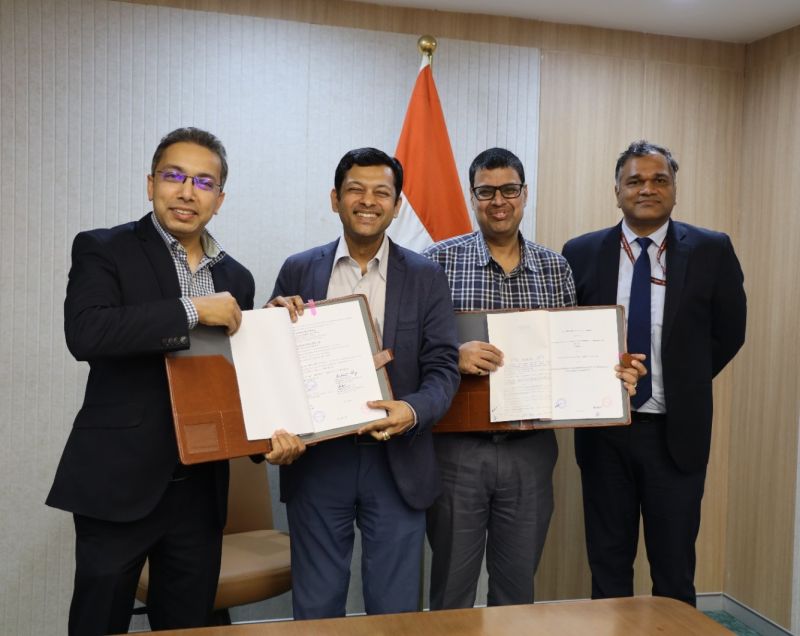
AHMEDABAD : NICDC has signed an MoU with Indian Institute of Management Ahmedabad to undertake an evidence-based demand assessment for identifying suitable locations for Multi Modal Logistics Parks (#MMLPs) across the country.

In the presence of Shri Rajat Kumar Saini, CEO & MD, NICDC, the MoU was signed by Shri Vikas Goel, General Manager – Company Secretary & Marketing, NICDC, and Prof. Debjit Roy, Ph.D. and Prof. Ankur Sinha, Professors, Operations & Decision Sciences, IIM Ahmedabad.

The collaboration will undertake a data-driven assessment of freight flows, logistics demand, and connectivity to key infrastructure, including industrial corridors, rail networks, #highways, #ports, and #airports, while also factoring in environmental and statutory requirements across major commodity corridors. The study will also include stakeholder consultations and data-based analysis to support practical and sustainable planning.

Through this partnership, NICDC seeks to build an efficient, integrated logistics ecosystem that lowers costs, improves supply chain reliability, and strengthens India’s logistics network.

Infrastructure platforms built by Adani Group strengthen India’s trade, logistics and energy security: Karan Adani

NEW DELHI: Resilient supply chains and integrated infrastructure are critical as global trade faces repeated disruptions, Mr. Karan Adani, Managing Director (MD), Adani Ports and Special Economic Zone (APSEZ), has said and noted that infrastructure platforms built by the Adani Group are national assets that strengthen India’s trade, logistics and energy security.
Speaking at the India Today conclave, he said Adani Group’s long-term aspiration is to become the country’s most efficient logistics provider and among the cheapest generators of power while maintaining strong corporate governance.

He said the ongoing crisis in West Asia has highlighted the vulnerability of global trade routes passing through key maritime choke points such as the Strait of Hormuz, the Suez Canal and the Strait of Malacca. Disruptions along these corridors can quickly ripple across global supply chains, reinforcing the need for stronger logistics infrastructure and diversified trade networks.
Karan Adani added that the infrastructure platforms built by the Adani Group are national assets that strengthen India’s trade, logistics and energy security.

Speaking during a fireside conversation at the conclave, Karan Adani said disruptions since 2020 — from the Covid-19 pandemic to geopolitical conflicts — have reshaped global trade and supply chain strategies.

“Supply chains have faced continuous shocks over the past few years. In such an environment, countries must build strong logistics networks and resilient infrastructure,” he said.

Mr. Karan Adani said the Adani Group’s infrastructure strategy reflects this paradigm shift. By building platforms across ports, logistics, energy and airports, the Group aims to strengthen India’s capacity to support trade, manufacturing and economic growth.
“We strongly believe in the India story. We know the assets we are building and the role they can play in the country’s future,” he said.

Reducing logistics costs remains a key priority. Stronger integration between ports, transport utilities, airports and logistics networks can significantly improve supply chain efficiency. “Once infrastructure is built, trade follows,” he said.

To support this vision, the Adani Group plans to invest Rs 2 lakh crore in greenfield infrastructure projects annually over the next five years, spanning renewable energy, transmission, airports, logistics and data centres.

Renewables remain a core capability for the Group, alongside emerging technologies such as battery storage. The Group is also expanding its presence in materials such as cement, aluminium, copper and defence manufacturing, sectors that support large-scale infrastructure development.|

In aviation, the Group plans to increase passenger handling capacity across its airport network from 100 million to about 200 million by 2030.

With APSEZ operating international assets including Haifa Port in Israel, the company has had to adapt to shifting trade patterns while maintaining cargo operations.

Karan Adani, who is also Director, Adani Cement, said many global companies are increasingly moving towards regional supply chains to improve resilience.

Looking ahead, the Adani portfolio aims by 2030 to double port capacity from 600 million metric tonnes (MMT) to 1,200 MMT, expand renewable energy capacity from 18 gigawatts to 50 gigawatts (GW), and increase thermal power generation from 17 GW to 45 GW.

Karan Adani said growth must also be guided by values. “Speed and scale are important, but empathy and responsibility are equally essential,” he said, echoing Chairman Gautam Adani’s emphasis on purpose-driven leadership.

He acknowledged the influence of both his parents, describing the Chairman’s leadership as a constant inspiration and highlighting the stellar social work of Dr Priti Adani through the Adani Foundation in education, healthcare and sustainable livelihoods.


“Our focus remains clear,” he said. “We believe deeply in the India story and are committed to building assets that contribute to the country’s long-term development.” Answering a query, Karan Adani said the Adani Group is very focused.

“If you look at the group, we are in three big verticals, if I have to club it. The first is the whole energy piece, where as a group we believe that we have to generate energy which is cheapest for the consumer. To prioritize what the government is looking from a long-term perspective. So, that’s where in the energy vertical, we are fully integrated–whether it’s the transmission, distribution, generation. In generation, it is thermal, we started renewable, now we are starting battery storage. So basically, we keep developing and focus on the energy that is our core competence and obviously next is the data center that we’ve just announced,” he said.

“The second big part of the group is the whole ports, logistics, transport utility…And the third big vertical for the group is the whole materials and science part…even the defence–that falls part of the materials business. That’s how you should look at the Group. We are very focused, we know where our core competency is, and that’s how we are structured,” he added.
Source: ANI

Govt of India monitors Indian-flagged vessels in Gulf region amid rising tensions

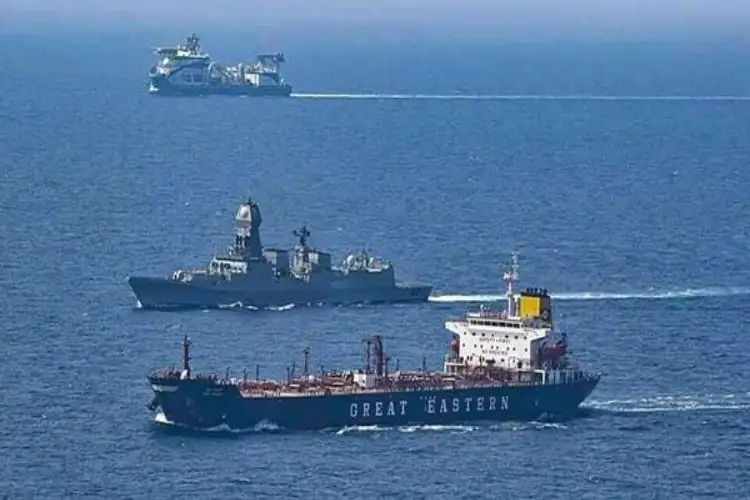
NEW DELHI : India is actively monitoring its vessels and seafarers operating in the Gulf region, including three Indian-flagged ships in the Gulf of Oman, amid ongoing regional tensions and maritime security concerns, government said.
Highlighting the government’s commitment to safeguarding its maritime workforce amid West Asia conflict, Rajesh Kumar Sinha, Ministry of Ports, Shipping and Waterways Chief Secretary said, “All Indian vessels and seafarers are under active monitoring to ensure their safety and security.”

“On the eastern side of the Strait of Hormuz, in the Gulf of Oman, there were four Indian-flagged vessels yesterday, but one oil tanker — Jal Prakash — has moved out, so three Indian-flagged vessels remain in that area now, with 76 Indian seafarers on board,” he said during an inter-ministerial meeting today.

Sinha also provided an update on Indian ships in the nearby Persian Gulf. “On the western side of the Strait of Hormuz, in the Persian Gulf, there are currently 24 Indian-flagged vessels. The number was the same yesterday and remains the same today. A total of 677 Indian seafarers are onboard these vessels,” he said.

Apart from these vessels, Sinha said around 23,000 Indian seafarers are working across the Gulf region on merchant ships, offshore vessels and other maritime operations. “The Directorate General of Shipping is in constant contact with them,” he said.
Communication with seafarers is being maintained “through their engagement agencies known as Recruitment and Placement Service Licenses (RPSL), through Indian missions in those countries, and through other stakeholders,” Sinha said.

The DG Shipping had also issued an advisory on March 4 in this regard. There are around 7.5 lakh Indian seafarers overall, and the Directorate General of Shipping sent a communication to all of them updating the contact details of its 24/7 helpline, he said
Since February 28, he said, DG Shipping’s 24/7 control room, known as the DG Communication Centre, has received around 2,425 calls and approximately 4,500 emails. These communications have come from seafarers, their family members, and other stakeholders.

Sinha said DG Shipping has also been facilitating returns for those whose terms of employment have ended.
“The DG Shipping has also successfully facilitated the return of around 200-225 Indian nationals who were working in the Gulf region and whose employment terms had ended and who had signed off from ships. This was done in close coordination with Indian embassies,” he said.

“All Indian vessels and Indian seafarers are under active monitoring to ensure their safety and security,” Sinha added.
Sinha reiterated key points from the DG Shipping advisories.”Seafarers should contact the DG Shipping communication centre through the helpline or email in case of any requirement. They should follow safety instructions and comply with directives issued by local authorities or Indian missions abroad. All Indian-flagged ships should conduct ship-shore security drills. Seafarers should also regularly monitor advisories or updates issued by DG Shipping or the Ministry of External Affairs,” he said.
On port operations in India, Sinha said, “Port operations across India remain stable. Standard Operating Procedures have been issued for all major and non-major ports so that they maintain coordination with shipping lines and exporters. Any grievances from stakeholders should be addressed within a time-bound framework.”

He added that “each major port has also designated a single point of contact, and this information has been communicated to stakeholders. LPG carrier vessels are being given priority berthing at major ports. Ports have also implemented facilitation measures such as allowing storage of Middle East-bound cargo affected by the situation… providing ad-hoc vessel berthing… prioritising handling of perishable and returning export cargo… expediting back-to-town movement in coordination with customs, and enhancing bunkering support wherever feasible.”

Sinha expressed regret over casualties in the ongoing Gulf crisis: “Unfortunately, three Indian nationals have been reported dead. One seafarer is currently missing. Four seafarers had sustained minor injuries, but they have now been evacuated and are receiving medical treatment. The Directorate General of Shipping remains in contact with the families and next of kin of all the affected seafarers.”

The conflict in the region escalated following the killing of 86-year-old Iran’s Supreme Leader, Ayatollah Ali Khamenei, in joint military strikes by the US and Israel on February 28, after which Iran, in its retaliation, targeted Israeli and US assets in several Gulf countries and Israel, causing disruption in the waterway and affecting international energy markets and global economic stability.

Source : ANI

Iran lets two gas tankers sail to India through Hormuz, sources

NEW DELHI : Iran has allowed two Indian-flagged liquefied petroleum gas carriers to sail through the Strait of Hormuz, four sources with direct knowledge of the matter said, a rare exception to the Iranian blockade that has disrupted global energy supplies.

The Indian-flagged LPG tanker Shivalik ‌crossed the Strait under escort from the Indian Navy, said two of the sources, and the second vessel, Nanda Devi, was expected to clear in the next few hours.

Shivalik, which had arrived in Qatari waters on February ‌25, last reported its position on March 12 as within the exclusive economic zone waters up to 39km (24 miles) off the United Arab Emirates, according to tracking data ‌on MarineTraffic.

Nanda ‌Devi was last seen on Friday in Iranian waters close to the entrance of the Strait of Hormuz, according ‌to MarineTraffic data. It had called at Qatar’s Ras Laffan anchorage on February 27 before sailing to UAE waters, the data showed.

Separately, a ⁠crude tanker is expected to arrive in India on Saturday carrying Saudi Arabian oil after sailing through the Strait around March ⁠1, according to two of the sources and data from Lloyd’s List Intelligence.

The Liberia ​flagged Smyrni crude ⁠oil suezmax tanker, which can carry a maximum capacity of 1 million barrels, is expected to arrive at an Indian port for state refiner Hindustan Petroleum Corp (HPCL.NS), opens new tab.
India’s foreign ministry, navy, Shipping Corp and HPCL did not respond to Reuters emails ⁠sent out ​after business hours.
India consumed 33.15 million metric tons of cooking gas ​last year, with imports accounting for about 60% of demand. About 90% of those imports came from the Middle East.
On Thursday India said 24 Indian-flagged ​vessels were stuck in the Gulf area past the narrow strait.

Since the United States and Israel launched a bombing campaign on Iran, Tehran has largely halted ​traffic through the strait, which runs past its coast and normally supplies around 20% of global oil ​and seaborne liquefied natural gas.

Iran has said it will not permit any supplies for ⁠the United States or its allies to leave the strait, but India has sought exemptions. Prime Minister Narendra Modi said ​on Thursday he had spoken to Iran’s President Masoud Pezeshkian and discussed the transit of goods and energy from ​the Gulf.

India has also given safe harbour to 183 Iranian sailors from a vessel that docked after the war broke out. The vessel was one of three that had participated in exercises in India; one of the others was sunk by a U.S. torpedo off Sri ​Lanka.India is reeling under its worst gas crisis in decades with the government cutting supplies for industries to shield ​households from any shortage of cooking gas. Shivalik and Nanda Devi are owned by state-run Shipping Corp of India.

Source : Reuters