Home Blog Page 399

Piyush Goyal urges industry to leverage India–EFTA TEPA; Highlights $100 Billion FDI commitment and potential for 1 million jobs

NEW DELHI : Union Minister of Commerce and Industry Shri Piyush Goyal urged industry leaders to fully leverage the opportunities created under the India–EFTA Trade and Economic Partnership Agreement (TEPA), highlighting the $100 billion legally binding FDI commitment from the four EFTA nations and the potential to create 1 million jobs in India.

Addressing the Commemorative Session marking two years of the signing of the India–EFTA TEPA, organized by ASSOCHAM via video conference in New Delhi today, Shri Goyal described the agreement as a momentous occasion and a major milestone in India’s engagement with Europe.

Shri Goyal noted that India–EFTA TEPA marked the beginning of India’s deeper economic engagement with Europe. He said that following the conclusion of the EFTA agreement, India successfully concluded the agreement with the United Kingdom and subsequently finalized the trade agreement with the 27-nation European Union, which was described by European Commission President Ursula von der Leyen as the “mother of all deals”.

Shri Goyal also highlighted the rapid progress in the ratification of the India-UK trade agreement, stating that under the stewardship of the Indian diplomatic team in London, the agreement could become one of the fastest trade agreements ever approved by the UK Parliament. He noted that the agreement was signed on 24 July during the visit of the Prime Minister Shri Narendra Modi to the United Kingdom at Chequers and expressed optimism that it could enter into force soon.

The Minister called upon industry associations to actively participate in what he described as the transition “from deal to delivery”. He emphasized that trade agreements are meaningful only when they translate into increased trade flows, investments and technology partnerships.

Shri Goyal underscored the $100 billion investment commitment secured from Switzerland, Norway, Liechtenstein and Iceland, describing it as an unprecedented achievement in global trade negotiations. He noted that never before in the history of the World Trade Organization or global trade agreements had a Free Trade Agreement been combined with a legally binding investment commitment.

He explained that the commitment is not merely an announcement or a Memorandum of Understanding but a legally binding provision under the agreement. The investment commitment also includes the creation of one million jobs in India’s ecosystem, he added.

The Minister further pointed out that the agreement includes a safeguard clause under which India can claw back the benefits extended under the FTA if the investment commitments are not fulfilled, a provision that has not been seen in earlier trade agreements globally.

Shri Goyal observed that other countries have begun attempting similar frameworks after India introduced this model, but none have been able to secure legally binding investment commitments of this nature.

Highlighting early signs of progress, the Minister noted that Iceland has already made a modest beginning with an investment of $30 million in the fisheries sector in Maharashtra. He remarked that the flood starts with a drizzle and expressed hope that such initial investments would grow into a much larger wave of investments in India.

He described the TEPA as a comprehensive agreement encompassing trade, technology, innovation and investment, opening significant opportunities across sectors. The agreement also opens up the services sector substantially and provides nearly 100 percent market access across the four EFTA countries, he said.

Shri Goyal encouraged members of ASSOCHAM and businesses from the services sector to actively leverage the opportunities provided under the agreement. He noted that the framework offers opportunities for technology collaboration, capacity building and deeper partnerships with European businesses.

At the same time, the Minister emphasized that the Government has carefully safeguarded India’s sensitive sectors while negotiating FTAs. He reiterated that sectors such as agriculture and other sensitive industries have been protected and that concessions have not been provided where they could adversely impact domestic stakeholders.

He further noted that the Government has consistently protected the interests of farmers, fishermen and MSMEs in all trade agreements. Sensitive sectors such as dairy remain protected and genetically modified (GM) products have not been granted concessions or market access.

Quoting the Prime Minister Shri Narendra Modi, Shri Goyal said the India–EFTA TEPA reflects a steadfast commitment to shared prosperity and to building a stronger and more inclusive partnership between the participating nations.

He called upon ASSOCHAM, under the leadership of its office bearers, to take the message of the FTA and its benefits to grassroots businesses across India. He noted that the organization represents thousands of associations and lakhs of enterprises and can play a crucial role in connecting Indian producers and service providers with global markets.

The Minister urged ASSOCHAM to connect women entrepreneurs, youth, farmers, food processing units, seafood exporters, seafood processing units, MSMEs and service sector professionals with the opportunities created through the agreement.

He also highlighted the opportunities available to professionals and service providers including architects, chartered accountants, nurses, engineers, IT and business services professionals, audiovisual service providers, education and cultural sectors.

Shri Goyal informed the participants that an FTA desk has been created in West India to facilitate businesses seeking to explore opportunities under India’s trade agreements. The desk will help connect Indian companies with businesses in FTA partner countries and assist in identifying collaboration opportunities.

He encouraged ASSOCHAM to play a bridging role between Indian companies and businesses in the four EFTA countries to ensure that the TEPA becomes a landmark agreement driving India’s economic growth story.

Referring to global geopolitical challenges and conflicts, the Minister noted that the world is currently facing several uncertainties but expressed confidence that these challenges will pass and new opportunities for growth will emerge.

Concluding his address, Shri Goyal expressed confidence that Indian businesses will grow, expand and achieve significant success by leveraging the opportunities created through India’s trade agreements.

APEDA facilitates first export of GI-Tagged Joha Rice from Assam to the UK and Italy

NEW DELHI : The Agricultural and Processed Food Products Export Development Authority (APEDA), under the Ministry of Commerce & Industry, Government of India, facilitated the first export consignment of 25 metric tonnes of Geographical Indication (GI)-tagged Joha Rice from Assam to the United Kingdom and Italy. The consignment was dispatched on 12 March 2026 in collaboration with the Department of Agriculture, Government of Assam.

Joha rice, an indigenous aromatic variety from Assam, received the Geographical Indication (GI) tag in 2017. Known for its distinct fragrance, fine grain texture and rich taste, the rice is gaining recognition in premium domestic and international markets.

In Assam, Joha rice is cultivated across about 21,662 hectares with an estimated production of approximately 43,298 metric tonnes during FY 2024–25. The major producing districts include Nagaon, Baksa, Goalpara, Sivasagar, Majuli, Chirang and Golaghat, providing strong potential for expanding exports while enhancing farmers’ income.

APEDA has been actively promoting the global presence of Joha rice. Earlier, the Authority facilitated the export of 1 metric tonne of GI-tagged Joha rice to Vietnam and 2 metric tonnes to five Middle Eastern countries — Kuwait, Bahrain, Qatar, Oman and Saudi Arabia.

The export consignment was flagged off by Minister of Agriculture, Government of Assam, Shri Atul Bora, in the presence of Agriculture Production Commissioner, Government of Assam, Smt. Aruna Rajoria (IAS); State Project Director, ARIAS Society, Shri Virendra Mittal (IAS); Director of Agriculture, Government of Assam, Dr. Uday Praveen (IAS); APEDA Official, Shri Saurabh Srivastava; along with officials from the Plant Quarantine Department, the Department of Agriculture and APEDA Regional Office, Guwahati.

The export is being undertaken by APEDA-registered exporter M/s Safe Agritrade Pvt. Ltd., Kolkata. The consignment has been processed and packed at Pratik Agro Food Processing, Guwahati, Assam.

This initiative is part of APEDA’s continued efforts to promote GI-tagged agricultural products from India and strengthen market linkages between producers and international buyers, while expanding agricultural exports from the North Eastern Region and ensuring better price realisation for farmers.

Western Railway crosses 100 MT freight loading mark for fourth consecutive year

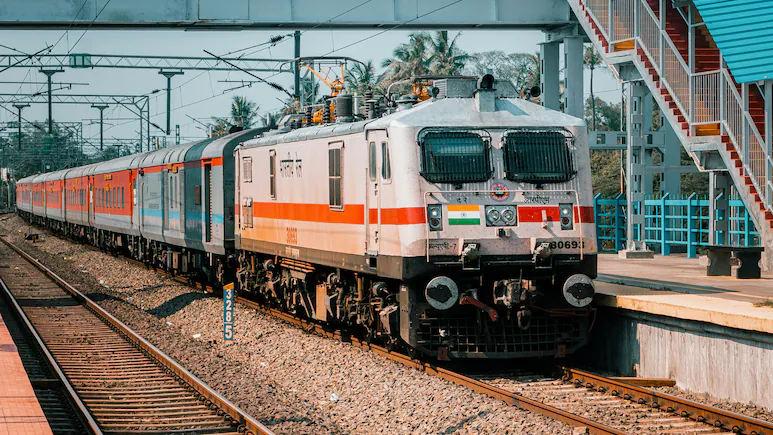
GANDHINAGAR : Western Railway announced it has achieved a significant milestone by crossing 100 Million Tonnes (MTs) of originating freight loading o­n 12th March, 2026 for the financial year 2025–26. With this achievement, Western Railway has surpassed the 100 MT freight loading mark for the fourth consecutive year, reaffirming its strong and consistent performance in freight transportation and its important role in supporting the nation’s logistics network.

According to a press release issued by Chief Public Relations Officer, Western Railway, Vineet Abhishek, WR has registered impressive growth in several commodities during the current financial year compared to the previous year. Container loading reached 33.66 MTs, registering a growth of over 10%, Fertilizer loading recorded 18.92 MTs, reflecting a significant growth of around 22%. Foodgrain loading reached 1.00 MT, showing a growth of over 28%, while Iron & Steel loading stood at 0.69 MTs with a growth of around 24%, while cement loading was 14.53 MTs with a growth of over 3%. Loading of other commodities also performed strongly at 15.94 MTs, registering a growth of around 10%.

Commodity-wise freight loading during the period April 2025 to 12th March 2026 includes Coal, Fertilizer, Container, POL, Cement, Foodgrains, Iron & Steel and other commodities, taking the total freight loading to 100.02 MTs.

During the year, Western Railway also generated new streams of freight traffic in commodities such as Industrial Salt, o­nion, Automobiles etc. from various locations including Sanosara, Bhimasar, Vartej, Vadodara Marshalling Yard, Kadi, Gandhidham etc. further strengthening Western Railway’s freight portfolio.

Western Railway continues to focus o­n attracting new freight streams, enhancing logistics efficiency and providing customer-centric freight solutions, which has contributed significantly to achieving this milestone.

FIATA: Middle East Security Alert – Legal & Insurance Guidance for Freight Forwarders

GENEVA: The ongoing escalation of geopolitical tensions in the Middle East is having a direct and growing impact on international freight operations. Disruptions to maritime traffic through the Strait of Hormuz, and disruptions to regional airspaces are affecting transit times, freight costs, carrier schedules, and insurance conditions across global supply chains.

To support Members in navigating this complex environment, FIATA’s Advisory Body on Legal Matters, with the support of FIATA Headquarters, has published a dedicated Middle East Security Situation – Contractual and Insurance Considerations for Freight Forwarders: FIATA Legal & Insurance Briefing

What the briefing covers
The briefing provides practical guidance on the key legal, contractual, and insurance considerations freight forwarders need to be aware of right now, including:

  • Carrier contractual rights — how carriers may reroute, suspend, or terminate voyages, and what this means for your obligations and exposure
  • Recovery of additional costs — war-risk surcharges, deviation costs, and how to ensure your contracts allow you to pass these through to customers
  • Force majeure provisions — understanding when and how these apply, and the steps needed to invoke them correctly
  • Your contracting role — the differing implications for forwarders acting as contractual carriers versus those acting as agents
  • Insurance gaps — why standard cargo policies may not cover war risks or delay losses, and what to check immediately
  • Operational risks — practical guidance on abandoned cargo, demurrage and detention exposure, and lien rights

A practical risk-management checklist is included to help your team take immediate, targeted action.

Act now
The situation is evolving rapidly. Routes, surcharges, and carrier operational measures may change at short notice. FIATA strongly encourages all Members to review the briefing, assess the impact on current and upcoming shipments, and ensure that customers are informed promptly of any developments affecting their cargo.

FIATA members are encouraged to make use of the FIATA Model Rules, the FIATA Multimodal Transport Bill of Lading (FBL and eFBL), and the FIATA Best Practice Guides, including those on Maritime Contracting, Contract Management, Abandoned Goods, and Demurrage and Detention, which provide practical tools for managing disruptions in international transport operations.

FIATA will continue to monitor developments and will provide further guidance to members as the situation evolves.

Click here to access the legal and operational guidance

Strait of Hormuz update – VLGCs ballasting from Gulf of Oman; Asian petchem receives a serious blow: Drewry

LONDON: Drewry AIS showcases several VLGCs that reached or were idling in the Gulf of Oman have altered course towards the USGC as buyers scramble to procure alternative cargoes for the disrupted Middle Eastern LPG supplies. A series of force majeures in the Asian petchem sector are creating serious concerns for the petchem industry and shipping at large.

The blockade at the Strait of Hormuz following the escalating conflict in the Middle East has disrupted 40% of the global LPG supply. The disruption is particularly significant for Asian countries where LPG is a key residential fuel. In India, LPG is widely used as a cooking fuel, making demand relatively inelastic, and the current disruptions are poised to create ‘critical’ supply shortages.

Drewry Map Middle East Crisis Strait of Hormuz update - VLGCs ballasting from Gulf of Oman; Asian petchem receives a serious blow: Drewry

To manage tightening supplies, the government has 1) restricted LPG deliveries to the petchem sector to around 65% of normal levels, 2) prioritised residential consumption, and 3) directed domestic refineries to boost LPG production and oil majors to procure alternative cargoes.

However, for the global petchem sector, a potential halt in shipments of naphtha and LPG (propane and butane) from the Arabian Gulf would create significant feedstock shortages, putting pressure on petchem producers. This, in turn, could reduce operating rates and disrupt global petchem trade.

For instance, traffic through the Strait of Hormuz accounts for about 24% of global naphtha supply. Any prolonged disruption would therefore significantly affect cracker operating rates, particularly in Asia, where many petchem plants rely heavily on imported naphtha.

Drewry Graph 2 Strait of Hormuz update - VLGCs ballasting from Gulf of Oman; Asian petchem receives a serious blow: Drewry

The global petchem industry is facing dire circumstances due to the Middle Eastern conflict with surging feedstock prices or supply shortages forcing production shutdowns. Will this give the oversupplied market a chance to rebalance or create further troughs for the industry desperately looking for recovery?

Intra-Asia petchem shipping schedules are also poised to be disrupted with several vessels expected to become idle, impacting rates. Meanwhile, TC rates for smaller petchem carriers tend to be stable, changing monthly, but the duration of the conflict may significantly impact them as well.

Source: Drewry

Yang Ming to Order Six 13,000 TEU Class LNG Dual-Fuel Containerships

KEELUNG CITY: To accommodate ongoing business development and facilitate the renewal of its existing operating fleet, Yang Ming Marine Transport Corp. (Yang Ming) held its 411th Board Meeting on Thursday (12th March) and approved a plan to add six 13,000 TEU class full container LNG dual-fuel vessels. Subsequent procurement procedures will be executed in accordance with the Company’s internal regulations.

Committed to delivering comprehensive and efficient global transportation services, Yang Ming continues to adapt to economic and trade developments, striving to achieve its mid- to long-term goals of a 124-vessel fleet, 1.25 million TEU in operating capacity, and a 3.0% to 3.5% share of the global container market by 2032. To reach these targets, the Company is enhancing fleet competitiveness and optimizing its service network. The strategic fleet planning project for next-generation mainstream vessels will replace aging units and upcoming charter-expiry vessels ranging from 4,250 to 6,500 TEU. The replacement aims to strengthen the operational advantages of Yang Ming’s primary service routes. The new-generation 13,000 TEU class is highly compatible with the existing 10,000 TEU fleet and is expected to serve as the backbone of Yang Ming’s East-West services.

These vessels offer optimal economies of scale and deployment flexibility across key trade lanes, including Asia to/from North America (both East and West Coasts), South America, and the Mediterranean. These new vessels will incorporate advanced energy-saving designs to deliver immediate benefits by reducing fuel consumption and lowering greenhouse gas emissions. Furthermore, the adoption of LNG dual-fuel design aligns with Yang Ming’s goal to gradually reduce carbon intensity. By utilizing this relatively mature and economically viable alternative fuel, the Company is actively navigating the transition toward Net Zero. With the delivery of Yang Ming’s LNG fleet beginning this year, these vessels are expected to increase the company’s low-carbon fleet ratio and strengthen its environmental competitiveness.

In the face of global supply chain restructuring and an uncertain market environment, Yang Ming remains focused on the steady development of its core container shipping business and the reinforcement of operational resilience. Through the vessel deployment, Yang Ming aims to rejuvenate its fleet and address the requirement to reduce emissions driven by climate change trends. This strategic move enables Yang Ming to fulfill its commitment to providing customers with comprehensive and efficient global transport services.

Source: Yang Ming


Asia Pacific strengthens its position as a global trade anchor as Singapore ranks #1 worldwide – DHL Global Connectedness Report 2026

SINGAPORE: Globalization remains at a historically high level at 25% in 2025 – despite escalating geopolitical tensions, rising U.S. tariffs, and uncertainty about future trade policies. Equally, the Asia Pacific region features prominently in this year’s DHL Global Connectedness Report, with Singapore ranked #1 globally. A broad swath of regional economies in the Asia Pacific region has also strengthened its position on cross-border flows. The DHL Global Connectedness Report 2026 is produced with New York University’s Stern School of Business. It examines four ‘pillars’ measuring the depth and breadth of trade, capital, information, and people flows.

Asia Pacific remains a global anchor in cross-border trade

The Asia Pacific region is one of the world’s strongest pillars of global connectedness with several markets continuing to post strong breadth and depth of international ties. In fact, broad-based gains were observed across the Southeast Asia, Northeast Asia, and Oceania regions. The report shows East Asia & Pacific’s share of world trade has climbed from 24% (2001) to 32% (2025), underscoring the region’s long-run momentum. Several other economies in Asia Pacific also advanced sharply in the global connectedness ranking: Malaysia (#16; +13 ranks), Thailand (#27; +7), Korea (#31; +6), Taiwan (#32; +4), and Vietnam (#36; +3).

Intra-Asia trade has also strengthened since 2023. The report’s country profiles show that Asia-Pacific economies are deeply networked within the region, with most major trade and investment flows anchored in Asian partner markets. At the same time, China’s redirected exports to ASEAN markets—up 13% (+USD 79 billion) in 2025 — further cement ASEAN’s position as a fast growing trade corridor.

Singapore leads the country ranking

Singapore has retained the top position among 180 economies – reflecting exceptional depth in trade and capital flows. The country is ranked first on the trade pillar (out of 180 countries) and second on the capital pillar (out of 158 countries). Particularly on trade flows, Singapore ranks first on ‘depth’ (up one place from 2019), with the largest international flows relative to its domestic economy. Additionally, the city-state stands out most for the breadth of its inward foreign domestic investment (FDI) stocks (ranked first worldwide).

“Asia Pacific continues to demonstrate extraordinary resilience and adaptability,” said Ken Lee, CEO of DHL Express Asia Pacific. “The DHL Global Connectedness Report shows that countries across our region – from Singapore to Malaysia, Thailand, Vietnam and beyond – are deepening their global ties and attracting new trade flows. Even as global patterns shift, Asia remains a central engine of global trade. This is why we continue to invest in and enhance our Asia Pacific network, particularly in the eight fast-growing markets that DHL Group has identified. Our priority is to support businesses to stay connected and diversify their markets.”

AI boom and race to beat tariff hikes fueled trade in 2025

Global trade grew faster in 2025 than in any year since 2017, excluding the volatile Covid-19 period. U.S. importers accelerated shipments early in the year ahead of tariff increases. U.S. imports dropped below prior-year levels, but rising Chinese exports to non-U.S. markets helped sustain global trade volumes.

Trade in AI-related goods surged as countries and companies raced to build AI infrastructure. AI-related products drove 42% of goods trade growth in the first three quarters of 2025, according to WTO figures. In fact, AI hardware and data infrastructure are amplifying Asia Pacific’s trade. Notably, Taiwan, Korea, Singapore and Malaysia’s tech supply chains are benefitting from the surge in demand for AI chips, servers and data center buildouts. In answer, DHL Express has added significant payload capacity for flights out of Hanoi to support Vietnam’s rapidly expanding tech manufacturing sector.

Trade outlook: growth continues, even with higher tariffs

Looking ahead, recent U.S. tariff increases are expected to modestly slow trade growth in 2026 – but not stop it. Global goods trade is projected to expand by an average of 2.6% per year through 2029, in line with the past decade.

One reason trade can keep growing despite U.S. tariff hikes is that most trade does not involve the U.S. In 2025, 13% of imports went to the U.S., and 9% of exports came from the U.S. In addition, many countries are pursuing new trade agreements to secure access to alternative markets, such as the recently minted India-EU free trade agreement.

Information flows face barriers, people flows reach new highs

The report notes that people flows – travel, migration, and student mobility – have fully recovered and reached record highs. This trend is especially pronounced in Asia Pacific, where highly connected hubs such as Singapore and Hong Kong continue to attract substantial cross‑border movement.

Many of the region’s most connected markets, such as Hong Kong SAR, Japan, and Korea – remain deeply tied to global data and digital exchanges as these have risen in ranks in the information pillar since 2019. Capital flows remain resilient overall in the region, where there is no broad shift of investment from foreign to domestic markets.

U.S.–China tensions affect only small share of global flows

The report also finds that ties between the world’s two largest economies – the U.S. and China – continue to weaken. However, these ties are surprisingly small in a global perspective. For example, trade between the U.S. and China accounted for 3.6% of world trade at its peak in 2015, before falling to 2.7% in 2024 and to only 2.0% during the first three quarters of 2025. The U.S.–China share of international business investment is even smaller – less than 1% in 2025.

No global split into rival blocs

Even as the U.S. and China decouple, most countries – including those in Asia – continue to engage with their longstanding partners. Over the past decade, only 4–6% of global goods trade, greenfield FDI, and cross-border M&A have shifted away from geopolitical rivals. Of these flows, most have not moved to close allies but to countries with flexible geopolitical positions, such as India and Vietnam. Overall, the world economy remains far from a broad split into rival blocs.

“The politics and policy surrounding globalization are much more volatile than the actual flows between countries,” said Prof. Steven A. Altman, Director of the DHL Initiative on Globalization at NYU Stern’s Center for the Future of Management. “In Asia Pacific, as in the rest of the world, the data shows that cross‑border flows have remained remarkably resilient despite heightened geopolitical tensions. Sound decision‑making in this region requires a calibrated view of how much global business ties are really changing. The risks to globalization are real, but so is the resilience of global flows, and Asia Pacific continues to play a pivotal role in sustaining that connectivity.”

The DHL Global Connectedness Report

Published regularly since 2011, the DHL Global Connectedness Report provides reliable insights on globalization by analyzing 14 types of international trade, capital, information, and people flows. The 2026 edition is based on more than 9 million data points. It ranks the connectedness of 180 countries, accounting for 99.6 percent of global gross domestic product and 99.0 percent of the world’s population. A set of 180 one-page country profiles summarizes each country’s pattern of globalization.

The report was commissioned by DHL and authored by Steven A. Altman and Caroline R. Bastian of New York University Stern School of Business.

Drewry: World Container Index gain 8% Last Week

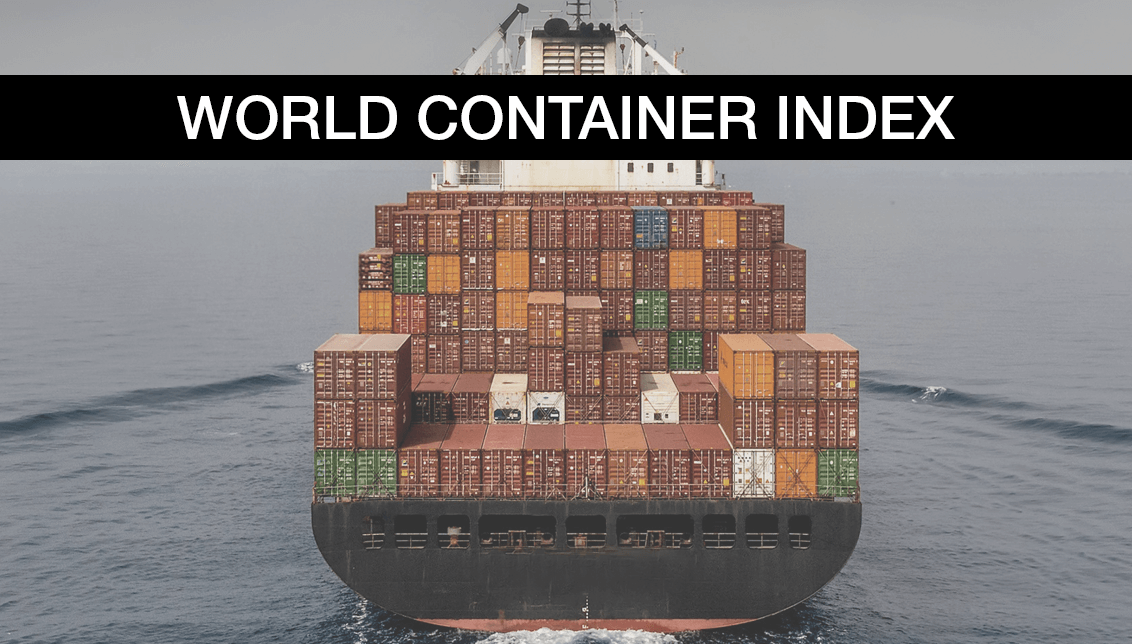
LONDON: Drewry’s World Container Index increased 8% to $2,123 per 40ft container this week.

Drewry’s detailed assessment for Thursday, 12 March 2026

The Drewry World Container Index (WCI) increased 8% to $2,123 per 40ft container, mainly due to a sharp rise in rates on the Asia–Europe route, alongside gains on the Transpacific route. Notably, while double-digit growth was observed on the Transpacific route last week, the Asia–Europe route recorded a double-digit increase this week.

Spot rates on the Shanghai–Rotterdam trade route increased 19% to $2,443 per 40ft container and those on Shanghai–Genoa increased 10% to $3,120 per 40ft container. According to Drewry’s Container Capacity Insight, only 5 blank sailings have been announced on the Asia–Europe trade route next week. Meanwhile, several carriers such as MSC and CMA CGM have announced higher FAK rates effective 22 March. As carriers continue to manage capacity while implementing rate increases, Drewry expects spot rates to rise further in the coming weeks.

Spot rates from Shanghai to Los Angeles increased 4% to $2,503 per 40ft container, while those from Shanghai to New York increased 3% to $3,080 per 40ft container. According to Drewry’s Container Capacity Insight, 7 blank sailings have been announced for the next week on the Transpacific East and West Coast trade routes. Meanwhile, the ongoing Middle East conflict continues to affect global supply chains, supporting higher freight rates in the short term. Drewry thus expects spot rates on this trade to increase in the coming weeks.

Ocean spot market freight rates against 6,700 global port pairs

If you need spot market container freight rate information on other routes to those above, find out more about our Container Freight Rate Insight (CFRI) online service, which covers 6,700 global port pairs updated monthly (2,450 updated fortnightly).

Drewry Spot Freight Rate Chart Drewry: World Container Index gain 8% Last Week
Screenshot

Source: Drewry

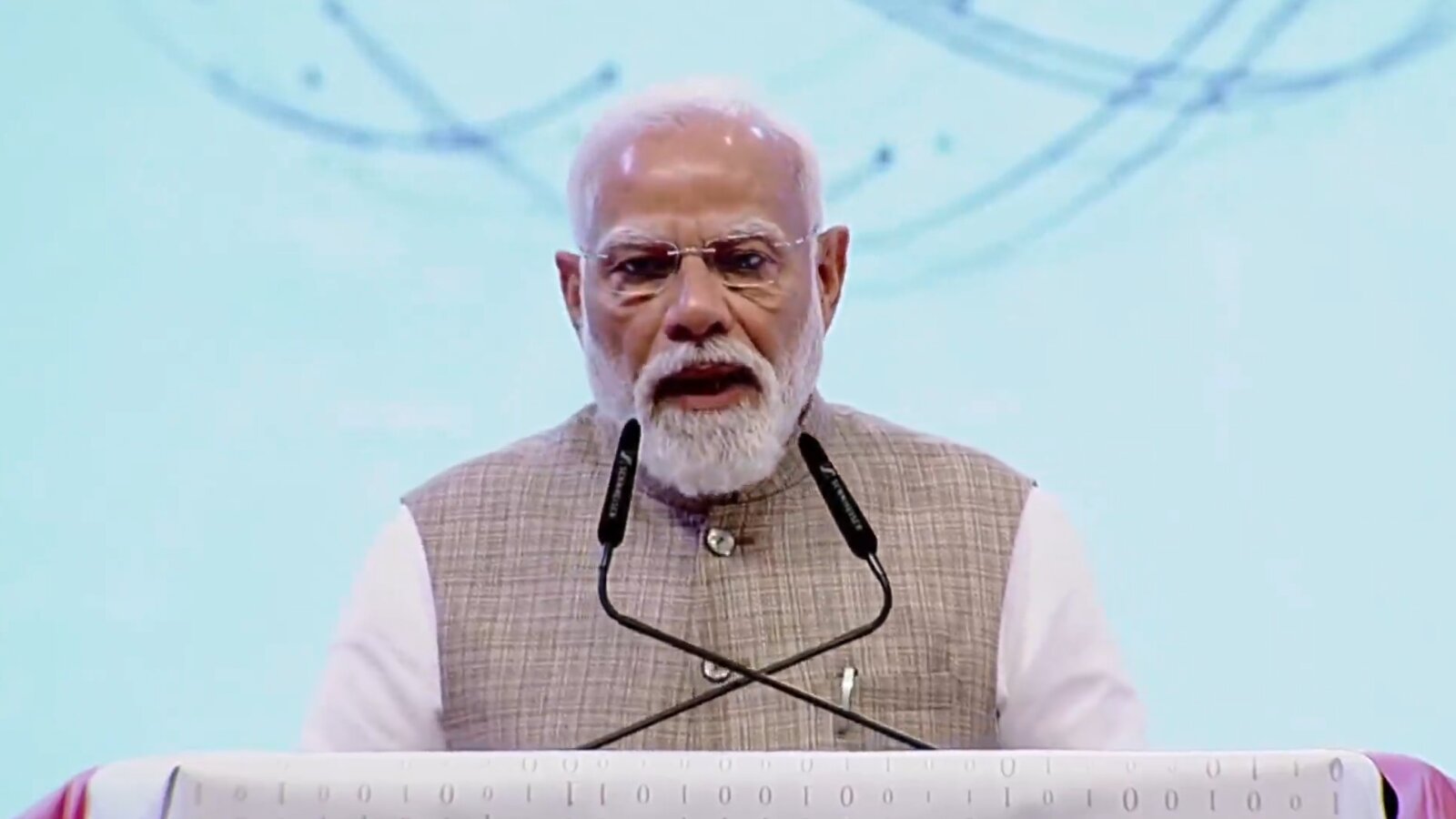
PM Modi addresses the NXT Summit

NEW DELHI : Prime Minister addressed the iTV Network’s NXT Summit , marking the historic anniversary of the Dandi March and drawing a parallel between India’s struggle for independence and its current pursuit of becoming a developed nation. Shri Modi emphasized that just as the 1930 march unified the country toward freedom, the current “Viksit Bharat” mission is the collective goal of 140 crore Indians. “Today, nearly 100 years after that historic journey, we Indians have set out on a new journey once again for a ‘ Viksit Bharat’ (Developed India),” said the PM.

Reflecting on the unique challenges of the 21st century, the Prime Minister noted that India is emerging as a beacon of hope and stability despite global conflicts and disrupted supply chains. The Prime Minister highlighted how top global leadership and experts now view India as the primary driver of the new world order, noting that during a recent visit, the President of Finland, Alexander Stubb, remarked that the direction of the world will now be decided by the Global South. PM Modi further mentioned that Mark Carney of Canada identified India as the center toward which the world’s Economic Gravity is shifting over the next three decades, while French President Macron views the nation as an essential partner for solving global challenges. “If you want to be part of the future, you must be associated with India and you must be in India,” asserted Shri Modi. The Prime Minister spoke about the unprecedented level of confidence and aspiration among Indian citizens, comparing the public’s interest in economic growth to the national passion for cricket. He highlighted how the country has transitioned to “Next Level” operations, particularly in digital payments and large-scale reforms that were once deemed impossible. “India is not just progressing; India is moving to the Next,” asserted Shri Modi.

The Prime Minister drew a vivid parallel between the nation’s passion for cricket and the current public interest in India’s growth story, noting that just as citizens eagerly track a T-20 World Cup score, they now seek a “running commentary” on the country’s economic status. PM Modi emphasized that this unprecedented curiosity reflects the rising aspirations and self-confidence of the Indian people, which serves as the foundation for global trust in the nation. Shri Modi underscored that with the world’s eyes on India’s progress, the collective responsibility of all citizens to maintain this momentum has grown. “When so many expectations are attached and the world is looking at our country, our responsibility increases significantly,” remarked the Prime Minister.

The Prime Minister emphasized that modern India is no longer merely progressing but is actively elevating itself to the “Next Level” through the creation of world-class physical and digital assets. PM Modi noted that the rapid evolution of the Unified Payments Interface (UPI) has transitioned the nation’s financial ecosystem into a new phase, making India the global leader in real-time digital transactions. This transformation in infrastructure is serving as a catalyst for a more connected and efficient economy. “Today, India has become the country with the fastest real-time digital payments in the world,” highlighted Shri Modi.

The Prime Minister observed that India is currently on a high-speed trajectory of “Next-Generation Reforms,” successfully executing decisions that were long considered impossible. PM Modi highlighted landmark achievements such as the abrogation of Article 370, the inclusion of over 50 crore citizens into the banking system through Jan Dhan accounts, and the enactment of the law providing 33% reservation for women in legislatures.Shri Modi further noted that India has shattered previous technological limits by venturing into advanced frontiers through dedicated missions in space, semiconductors, and quantum computing. “Today Moon Mission, Semiconductor Mission, and Quantum Mission are taking India toward the Next Frontier of Technology,” remarked the Prime Minister.

The Prime Minister emphasized that the nation has moved beyond the stage of mere aspiration to a phase of concrete implementation and realization of its goals. PM Modi noted that the global community has recognized this shift in momentum, acknowledging that India’s growth is no longer incremental but transformative in nature. This new reality reflects a nation that is actively turning its long-held visions into tangible achievements across all sectors. “India is not just progressing; India is moving to the Next,” asserted Shri Modi.

The Prime Minister emphasized that a nation’s development is fundamentally defined by its resilience in the face of sudden global shifts, citing the consecutive challenges of the pandemic and ongoing international conflicts. PM Modi noted that the current war which is going on nearby has triggered a worldwide energy crisis, serving as a critical test of national character that requires dealing with circumstances through peace, patience, and increased public awareness. Highlighting the collective responsibility of political parties, media, and industry, the Prime Minister recalled how united action during the pandemic multiplied India’s strength and called for a similar spirit of cooperation to address current challenges. “We must make collective efforts and perform our duties by keeping the national interest supreme,” remarked Shri Modi.

The Prime Minister addressed the ongoing discussions surrounding LPG.The Prime Minister urged for a responsible discourse that prioritizes facts over misinformation during global uncertainties.

The Prime Minister observed that the far-reaching consequences of the current global conflict have impacted every nation, necessitating a proactive and multi-level response from the Indian government. PM Modi shared that he has been in continuous dialogue with top world leaders to navigate these complexities and find sustainable solutions to the global crisis. Furthermore, the Prime Minister emphasized that the government is working relentlessly to address and overcome the various disruptions that have emerged within international supply chains. “Continuous efforts are also underway to determine how we can overcome the disruptions that have occurred in the supply chain,” asserted Shri Modi.

The Prime Minister detailed a dual-track strategy for India’s energy security, focusing on expanding domestic infrastructure and reducing foreign dependency to ensure rapid national development. PM Modi provided a comparative analysis of the gas sector’s growth, noting that LPG connections have surged from 14 crore in 2014 to approximately 33 crore today, effectively covering the vast majority of Indian households. Shri Modi highlighted that this expansion is supported by a significant scaling of bottling capacity, a doubling of LNG terminals, and the extension of the gas pipeline network from 3,500 kilometers to 10,000 kilometers. The Prime Minister remarked that, to further bolster this supply chain, the Government has substantially increased import terminal capacities at major ports to manage the 60 percent of LPG that is sourced internationally. “For India’s rapid development, it has been constantly necessary to promote different energy sources and emphasize self-reliance in the energy sector,” stated Shri Modi.

The Prime Minister highlighted the massive scale of urban energy transformation, noting that the reach of Piped Natural Gas (PNG) has expanded from a mere 25–26 lakh households before 2014 to over 1.25 crore today. PM Modi further pointed out the significant shift in green mobility, with the number of CNG-powered vehicles rising from under 10 lakhs to more than 70 lakhs within the same period. The Prime Minister attributed this progress to the strategic establishment of City Gas Distribution networks across more than 600 districts over the last decade. “This is only possible because in the past decade, City Gas Distribution networks have been established in more than 600 districts of the country,” asserted Shri Modi.

The Prime Minister observed that the current global instability has underscored the strategic necessity for national self-reliance, particularly in critical sectors. PM Modi noted that the government has adopted a holistic approach over the past several years to strengthen India’s energy security and reduce vulnerability to external shocks. The Prime Minister stated that this comprehensive strategy aims to ensure that the nation’s growth remains uninterrupted by international fluctuations. “This global crisis has once again shown why it is so essential for any country to be self-reliant,” remarked Shri Modi.

The Prime Minister highlighted the government’s strategic focus on ethanol and biofuels as a primary means to curtail petroleum dependency, noting that blending capacity has surged from a mere 1–1.5 percent before 2014 to nearly 20 percent today. PM Modi explained that this initiative has prevented the necessity of purchasing an additional 18 crore barrels of oil over the past 11 years, significantly bolstering national reserves. The Prime Minister remarked that Currently, this shift allows India to reduce its annual oil imports by approximately 4.5 crore barrels, resulting in a monumental financial gain for the economy. “The country has saved about one-and-a-half lakh crore rupees from ethanol blending alone,” asserted Shri Modi.

The Prime Minister underscored the transformative impact of railway electrification and renewable energy on national fuel savings, noting that while only 20 percent of the rail network was electrified by 2014, today nearly 100 percent of the broad-gauge network is powered by electricity. PM Modi stated that this achievement alone saved Indian Railways approximately 180 crore liters of diesel in 2024-25, significantly reducing the need for crude oil imports. Further highlighting the green energy revolution,The Prime Minister pointed out that India’s renewable capacity has reached a historic 250 GW, with solar power capacity alone jumping from 2 GW in 2014 to 130 GW today. He also mentioned the success of the PM Surya Ghar Muft Bijli Yojana, which has empowered 30 lakh families with rooftop solar to transition domestic energy use toward electricity. “Our total renewable capacity today has crossed the historic figure of 250 gigawatts and half of our total installed power generation capacity now comes from renewable sources,” asserted Shri Modi.

The Prime Minister detailed the government’s robust efforts in capacity building and waste-to-energy initiatives, noting that over 100 Compressed Bio-Gas plants are now operational under the GOBARdhan scheme with 600 more in progress. PM Modi highlighted a significant shift in national security through the creation of a Strategic Petroleum Reserve exceeding 50 lakh tonnes, a massive leap from the negligible storage capacity that existed before 2014. Furthermore, the Prime Minister pointed out that India’s emergence as a global refining hub is the result of increasing annual refining capacity by over 40 million tonnes in the last decade. PM Modi expressed confidence that these structural strengths would allow the nation to navigate the current global energy challenges effectively. “We will certainly be able to face the crisis created by this war and continue our work to make India self-reliant on a massive scale,” asserted Shri Modi.

The Prime Minister expressed his profound confidence in the collective strength of India’s 140 crore citizens to navigate the current global uncertainties. Drawing a parallel to the nation’s unified response during the pandemic, PM Modi stated that the same spirit of organization and resilience would ensure that the country overcomes the prevailing international crisis. The Prime Minister reaffirmed his administration’s commitment to relentless service and proactive measures to safeguard the nation’s progress. “In our every decision, the interest of the public will be paramount,” remarked Shri Modi.

The Prime Minister observed that while the global market and citizens worldwide continue to feel the repercussions of international conflicts, the Government of India has consistently worked to shield its own people from these external pressures. PM Modi cited the example of the Russia-Ukraine crisis, during which the government heavily subsidized essential supplies to prevent a domestic price surge. The Prime Minister noted that even when international urea prices reached ₹3000 per bag, the government ensured farmers received it at the nominal rate of ₹300 to maintain agricultural stability. “This time too, our every possible effort will be to ensure that the war has the minimum possible impact on the lives of the country’s farmers and citizens,” asserted Shri Modi.

The Prime Minister issued a call to action for state governments, emphasizing the need for heightened vigilance and coordination during the current global situation. PM Modi stressed that preventing the spread of misinformation and curbing illegal trade practices are critical to maintaining social and economic stability. The Prime Minister urged local authorities to maintain a rigorous oversight of market conditions to protect consumers from artificial scarcity or price manipulation. “It is essential that serious monitoring of the situation is conducted and strict action is taken against those engaging in black marketing,” asserted Shri Modi.

The Prime Minister emphasized that the last decade has been defined by a shift toward sensitive governance, prioritizing regions and communities that were previously neglected by past administrations. PM Modi noted that through dedicated initiatives like the Aspirational District Program and PM JANMAN, the government has successfully delivered essential infrastructure, including housing, healthcare, and education, to the country’s most remote areas. Furthermore, the Prime Minister highlighted the dramatic improvement in internal security, pointing out that the number of districts affected by Maoist terror has plummeted from over 180 in 2013 to single digits today. This shift reflects a national resolve to replace fear with development and inclusive growth. “Today, the number of districts affected by Maoist terror has reached single digits,” remarked Shri Modi.

The Prime Minister highlighted the significant successes in internal security over the past year, noting that over 2,100 Naxals have surrendered and more than 300 hardcore militants were neutralized, leading to a resurgence of development in formerly conflict-ridden areas. PM Modi emphasized that the momentum of India’s progress is now unstoppable, driven by the “next level” aspirations of 140 crore citizens which he views as a vital capital of public trust rather than a burden. Concluding his address, he reaffirmed his commitment to fulfilling the national dream of a self-reliant and developed nation, fueled by the continued blessings of the people. “India will become self-reliant in every sector and India will become developed in every circumstance,” asserted Shri Modi.

Iran’s new leader issues first statement: Strait of Hormuz must remain closed until war ends

TEHRAN : Iran’s new supreme leader, Mojtaba Khamenei, released his first statement on Thursday, asserting the Strait of Hormuz will remain closed and Tehran will continue attacks on its Persian Gulf neighbors.

In a message read on Iranian state television by a news anchor, Khamenei said the “lever of blocking the Strait of Hormuz must definitely continue to be used,” defying calls by the U.S. and global markets to reopen the vital shipping lane for oil trade.

He also threatened that “other fronts” in the war “in which the enemy has little experience” would be opened if joint U.S.-Israeli strikes on the country continue, according to a quote from his message shared by the Islamic Republic of Iran Broadcasting.

This is the first public message from Khamenei since he was named as Iran’s highest leader on Sunday, replacing his father, Supreme Leader Ayatollah Ali Khamenei, who was killed in targeted U.S.-Israeli strikes on his compound on Feb. 28.

The war in Iran continues to escalate as the U.S. and Israel bomb locations inside the country and Tehran responds with drone and missile launches toward its Gulf neighbors. The attacks so far have killed seven American service members and wounded another 140.

In addition, Iran has effectively blocked the Strait of Hormuz since the start of the war nearly two weeks ago, upending the global oil market. Ships attempting to transit the narrow channel between the Persian Gulf and the Gulf of Oman, through which about a fifth of the world’s oil supply flows, have been under threat from Iranian drones, missiles and boats.

Three cargo ships were struck by unknown projectiles in the Gulf on Wednesday, with another three ⁠other ⁠ships hit on Thursday — one of which was claimed by the Islamic Revolutionary Guard Corps. That brings the number of reported attacks against vessels operating near the Iranian coast to at least 19.

A day earlier, the U.S. military announced its forces had destroyed 16 mine-laying vessels in the waterway. President Trump on Wednesday tried to brush away concerns, telling reporters the “straits are in great shape.”

“We’ve knocked out all of their boats. They have some missiles, but not very many. I think we’re in very good … we’re in very good shape,” he said at Joint Base Andrews.

In his message, Khamenei also said Iran would “avenge the blood” of those killed in the war, and that the U.S. must close all its military bases in the region or face attacks from Tehran. “The countries of the region must close down the US military bases; otherwise, we will be forced to attack them,” he said.

In addition, Khamenei demanded war reparations and “if the enemy refuses, we will seize as much of its assets as we deem appropriate; and if that is not possible, we will destroy an equivalent amount of its property.”

Khamenei still hasn’t been seen in public since he was appointed, with reports circulating that he was in a coma and had his leg amputated after being wounded on the first day of attacks that killed his father.