Home Blog Page 401

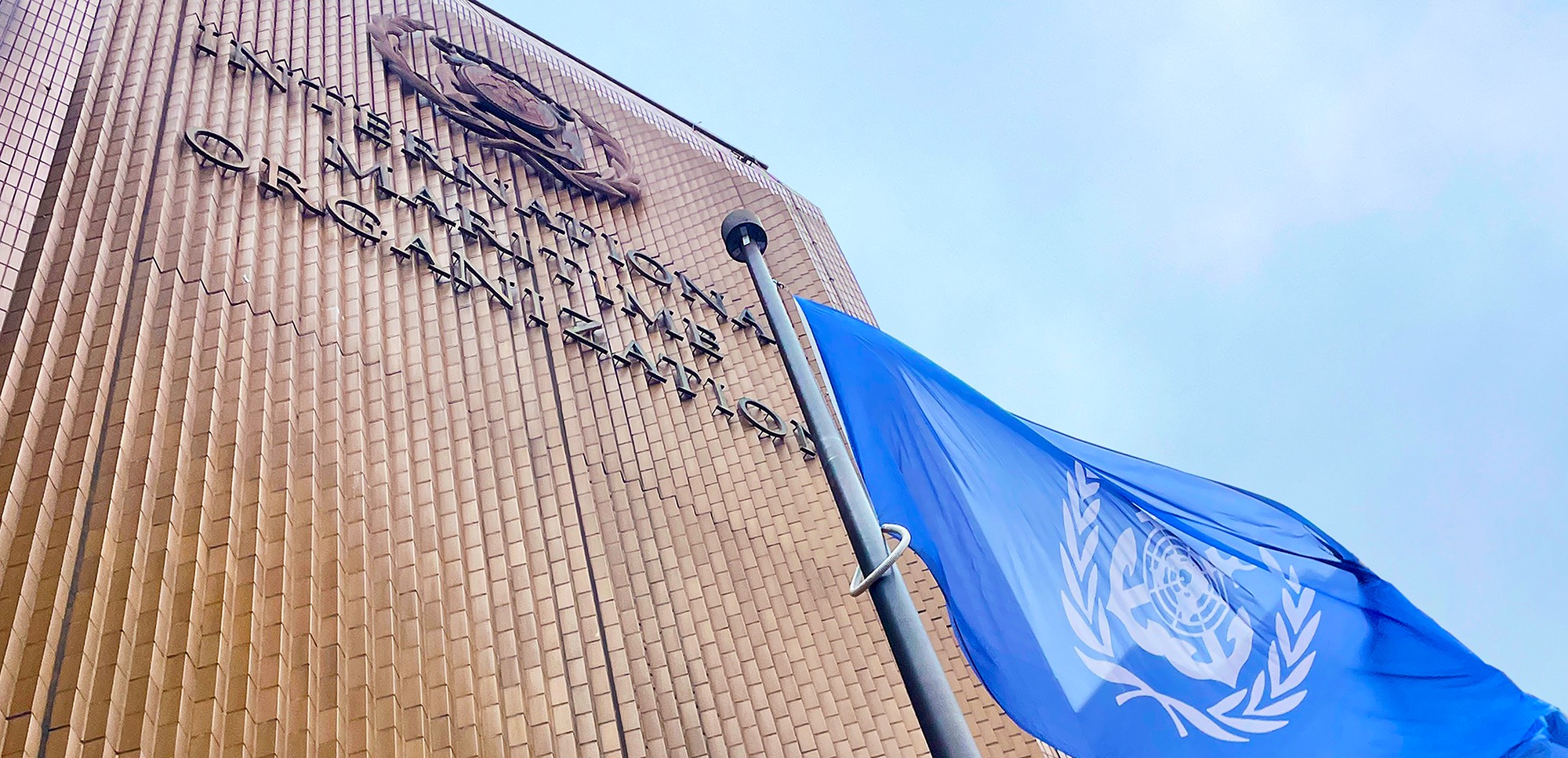
IMO calls extraordinary council meeting to discuss situation in Middle East

LONDON : The Council will focus on the impact on shipping and seafarers in the Arabian Sea, the Sea of Oman and the Gulf region, particularly in and around the Strait of Hormuz.

The International Maritime Organization (IMO) will hold an Extraordinary Session of its Council to address the impacts on shipping and seafarers of the situation in the Arabian Sea, the Sea of Oman and the Gulf region, particularly in and around the Strait of Hormuz.

The session will be held on 18 to 19 March 2026 at IMO headquarters in London, United Kingdom, to be chaired by Mr. Victor Jiménez of Spain.

The Extraordinary Session (C/ES.36) is convened following requests from several Council Members.

IMO Secretary-General Mr. Arsenio Dominguez held briefings with industry organizations (11 March) and Member States (12 March) to share information and discuss recent developments.

The Council is the Executive Organ of IMO, consisting of 40 Member States, elected by the IMO Assembly.

Middle East conflict is creating a three-layer cost impact for European and Italian trade, says Sogese

LIVORNO (ITALY): The ongoing conflict in the Middle East is beginning to reshape global shipping routes and place growing pressure on European supply chains, with Italian businesses facing longer transit times, rising freight costs, and increasing uncertainty in logistics planning, according to container logistics specialist Sogese. According to Sogese, a growing number of containers remain stranded across ports and terminals in the Gulf region, disrupting normal cargo flows and equipment rotation.

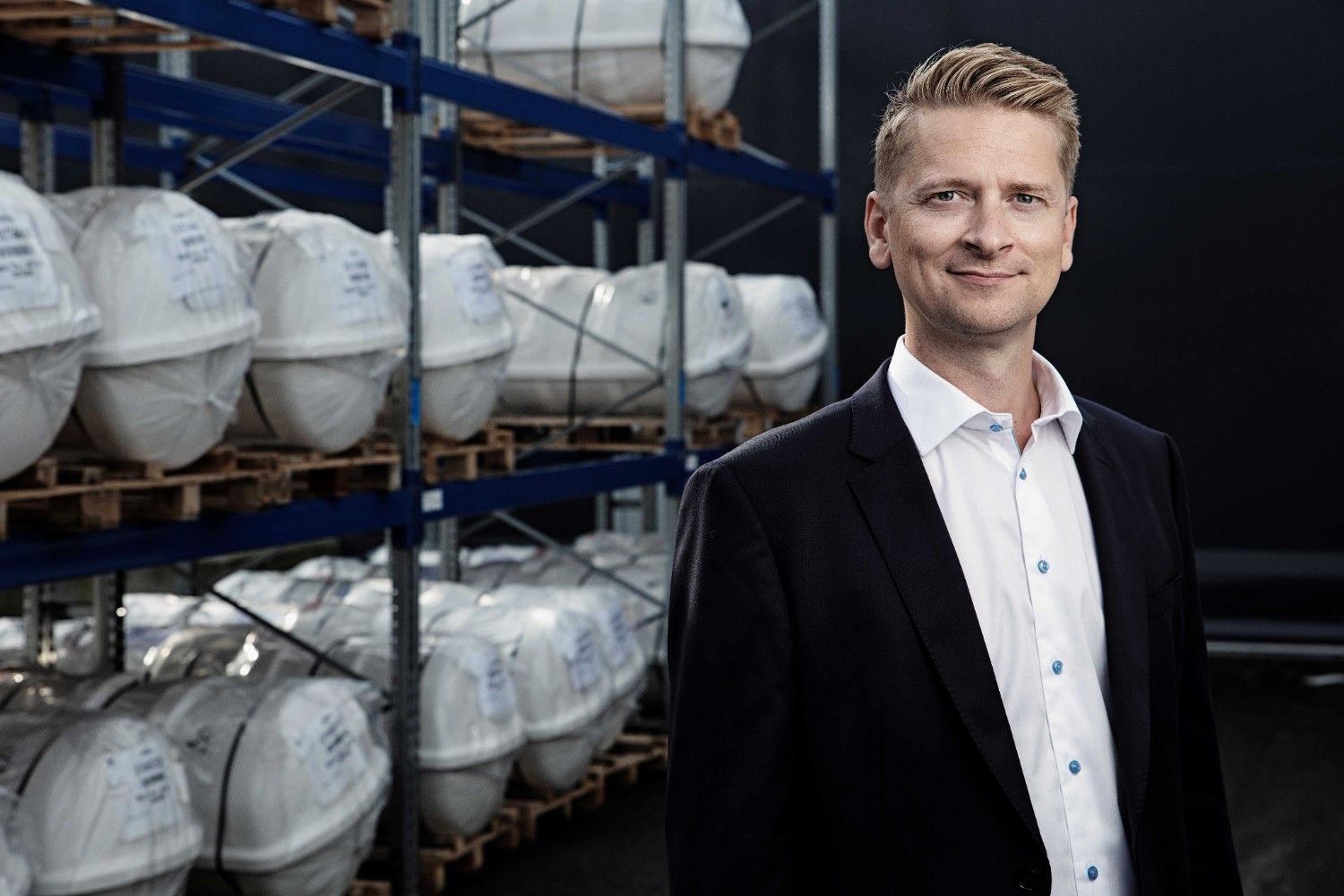
“The crisis is already creating pressure on local businesses operating in the region,” said Andrea Monti, CEO and Managing Director of Sogese. “Each container trapped in the Middle East effectively removes multiple pieces of equipment from circulation across global trade routes. This has an immediate knock-on effect on payment cycles, because shipments cannot be completed while the cargo is held up.”

“Shipping networks are adapting rapidly to a much more uncertain geopolitical environment,” added Monti. “The combined pressure from the Red Sea security situation and the tensions around the Strait of Hormuz is forcing carriers to rethink routes, schedules and risk exposure. For European shippers, this can cause 2–3x longer supply chain recovery time which translates into longer voyages, higher costs and less predictable transit times.”

The disruption means that carriers and logistics operators may need to reposition containers from other global markets to compensate for the equipment trapped in affected ports. Beyond shipping routes, the conflict is also creating operational challenges across the logistics chain.

Escalating tensions across the region and disruptions around the Strait of Hormuz have forced major container carriers to suspend or reroute services serving the Gulf. Shipping lines including Maersk, CMA CGM, Hapag-Lloyd, and MSC Mediterranean Shipping Company have begun redirecting vessels to alternative routes or ports while imposing emergency conflict and war-risk surcharges on affected cargo.

The disruption adds to existing pressures across the Red Sea and Suez Canal corridor, creating a highly complex routing environment for Asia–Europe trade.

Freight rates and container availability under pressure

The imbalance in container availability is also expected to create volatility in freight pricing.

Freight markets have already begun reflecting the disruption. The Drewry World Container Index shows container freight rates stabilising or rising on several trade lanes, with the Shanghai–Genoa route trading at roughly $2,800 per 40-foot container in early March.

“Whenever equipment becomes trapped in one region of the world, it creates a ripple effect across global logistics networks,” Monti explained. “Containers will need to be repositioned from other locations, which temporarily tightens availability and can put upward pressure on freight and container prices.”

Reliability concerns for shipping schedules

The crisis would also temporarily disrupt shipping schedules as carriers rearrange services and cargo flows.

Sogese notes that service realignments and rerouting could create localized congestion in certain ports, particularly where diverted cargo volumes suddenly increase.

“Logistics networks are extremely interconnected,” Monti said. “When routes are rearranged quickly, some ports can suddenly receive more vessels than expected while others see fewer calls. This can create temporary imbalances, with ships waiting longer to berth and schedules becoming less reliable for a period of time.”

Italian ports such as Livorno, Salerno, and Trieste are currently facing some operational headwinds, with labor strikes and high yard utilization leading to intermittent delays. While it is true that most Asia–Europe container traffic is now routed around the Cape of Good Hope to avoid regional security concerns in the Gulf, the resulting uneven arrival of vessels has further strained local port capacity, prompting congestion surcharges at hubs like Salerno.

Wider economic implications for Europe

Beyond logistics, the crisis is also contributing to volatility in global energy markets. Rising oil and gas prices linked to Middle East tensions are increasing costs for shipping, manufacturing and transportation across Europe.

According to Sogese, sustained increases in energy prices could create broader economic risks if they persist. “Energy prices are a critical variable for logistics and industrial production,” Monti said. “If oil and gas costs remain elevated for an extended period, Europe could face the risk of inflation rising without corresponding economic growth. That is a scenario businesses will be watching closely.”

Impact on Italian ports and export sectors

For Italy, while ports remain open, the operational landscape is increasingly strained by yard congestion and labor disruptions at gateways like Livorno and Salerno. While much of the Asia–Europe container traffic has already bypassed the Gulf due to regional tensions, but the impact on Italian exports is substantial. Italy’s €18–19 billion annual trade with the GCC spanning across machinery, aerospace, and agri-food is currently facing delayed schedules, spiked insurance premiums, and selective booking suspensions. For Italian exporters, the crisis has shifted from a threat of port closures to the daily reality of inflated freight costs and the logistical complexity of ‘last mile’ Mediterranean feeder legs.

“While physically open, Italian ports are continuing to operate under strain, but exporters are starting to feel the ripple effects,” said Andrea Monti, CEO and Managing Director of Sogese.“The main pressure is not at the terminal level but across shipping routes, where longer voyages, higher insurance costs, and equipment imbalances are making logistics planning more complex for Italian businesses.”

Supply chains adapting to a shifting landscape

To mitigate disruptions, logistics providers are exploring alternative transport corridors and multimodal solutions linking maritime and overland routes across the Middle East and Eastern Mediterranean.

However, Sogese notes that these alternatives have limited capacity and cannot fully replace established sea routes in terms of efficiency.

“Global trade will continue to move, but the environment has clearly become more complex,” Monti said. “For European businesses, the priority now is flexibility in supply chain planning and close coordination with logistics partners as routes and costs continue to evolve.”

About Sogese S.r.l

Founded in 1980 as a maritime container repair terminal, Sogese S.r.l. has evolved into one of Italy’s established players in container sale, leasing, and maintenance. With over 40 years of operational experience, the company provides dry and refrigerated container solutions across domestic and international markets. Following its merger with Coremas Polaris in 2025 and the launch of a new logistics hub in Taranto, Sogese now operates a commercial and logistics network spanning the length of Italy. Its direct exposure to equipment utilisation, depot activity, and asset pricing dynamics enables Sogese to offer grounded market insights into container demand and trade flows.

Al-Jasser launches Logistics Corridors Initiative from Western Coast Ports in Integration with ZATCA

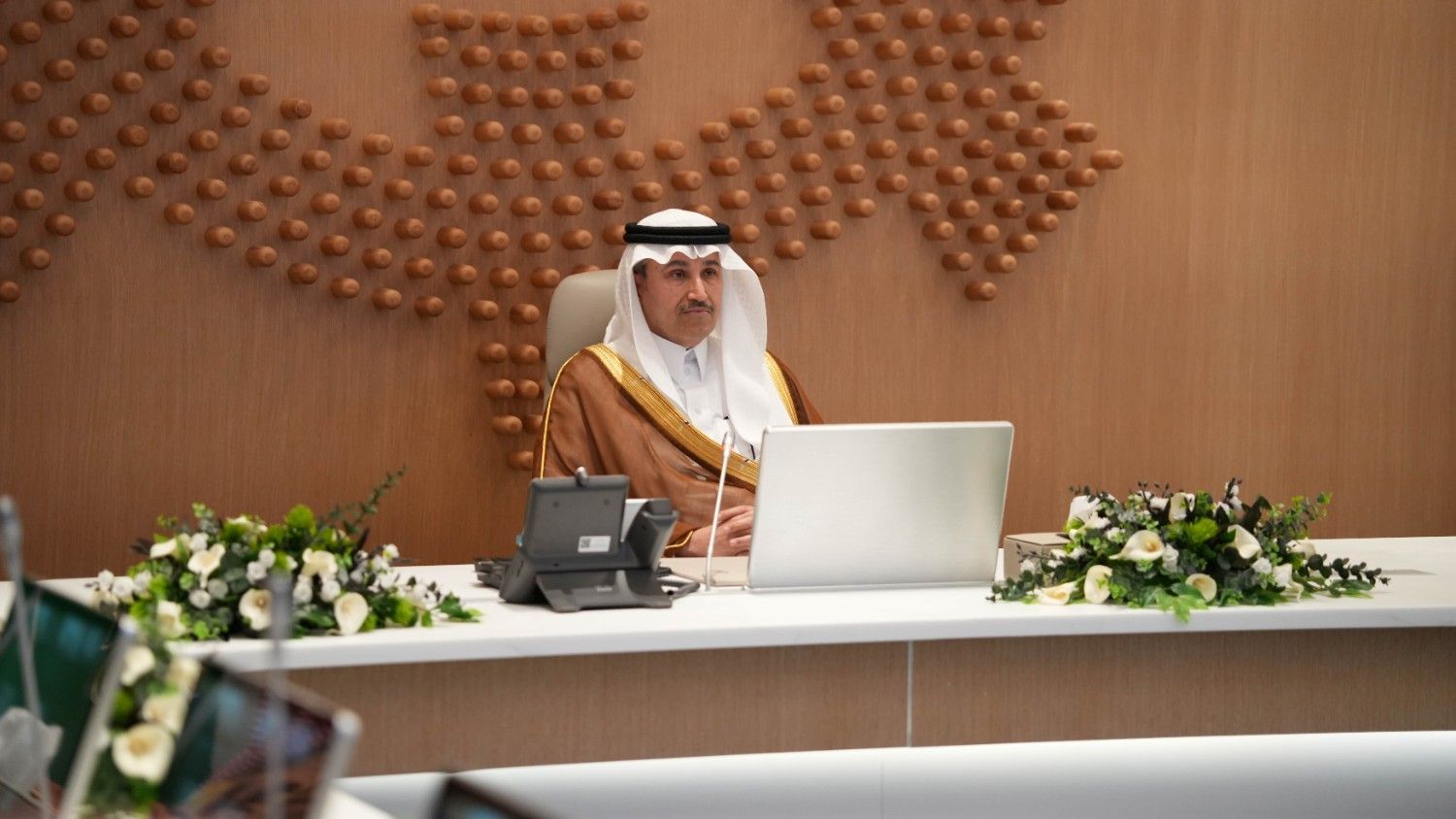
H.E. the Minister of Transport and Logistics Services and Chairman of the Board of the Saudi Ports Authority “Mawani”, Eng. Saleh bin Nasser Al‑Jasser, launched the Logistics Corridors Initiative in the presence of H.E. the Governor of the Zakat, Tax and Customs Authority (ZATCA), Eng. Suhail bin Mohammed Abanmi, and the President of Mawani, Eng. Suliman bin Khalid Al‑Mazroua, along with a number of officials from government entities and the logistics sector. The initiative aims to provide operational corridors dedicated to receive containers and cargo redirected from ports in the Kingdom’s Eastern Region and from ports in Gulf Cooperation Council countries to Jeddah Islamic Port and other Saudi ports on the Red Sea coast, thereby enhancing supply chain efficiency and facilitating cargo movement between the Kingdom’s ports.

During his field visit, the Minister highlighted the strong support that the transport and logistics ecosystem receives from King Salman bin Abdulaziz Al Saud, the Custodian of the Two Holy Mosques, and the Crown Prince. He emphasized that Saudi Arabia, as a global logistics hub, continues under all circumstances to ensure supply chain stability, support regional and global markets, and maintain the smooth flow of goods and commodities through international trade routes. Al-Jasser noted that Jeddah Islamic Port and other Saudi ports on the western coast play a pivotal role by accommodating shipments and containers redirected from ports on the Kingdom’s eastern coast, receiving containers arriving from Gulf ports, and strengthening connectivity with regional and global markets.

He also stressed the high level of readiness within the Kingdom’s transport and logistics system, as well as its diverse capabilities to respond swiftly to supply chain requirements. He praised the strength of Saudi Arabia’s infrastructure and the flexibility of its logistics services, which have enabled the Kingdom to respond rapidly to current developments and activate alternative logistics corridors to ensure the continuity of trade and supply chains in the region.

Al-Jasser added that the transport and logistics ecosystem, supported by the significant facilitation provided by the Kingdom’s leadership, continues to operate efficiently by expanding the operational capacity of ports, airports, and transport networks, ensuring stable supply chains and supporting local and regional markets with reliability and efficiency.

For his part, H.E. the Governor of the Zakat, Tax and Customs Authority, Eng. Suhail bin Mohammed Abanmi, stated that the Logistics Corridors Initiative represents an important step toward enhancing the integration of customs and logistics procedures between Saudi ports and ports across the Gulf Cooperation Council countries. He noted that ZATCA is working in coordination with relevant entities to facilitate cargo movement and accelerate customs clearance procedures, thereby supporting smooth supply chains and improving the efficiency of regional and international trade flows.

Abanmi added that through all customs ports across the Kingdom, the Authority provides the transit service, which enables goods to be transported across Saudi territory to GCC countries via land, sea, and air ports. In addition, the Authority offers services through bonded warehouse zones across the Kingdom, allowing importers and exporters to store goods with suspended duties and taxes while managing them flexibly and efficiently before customs clearance or re-exporting them outside the Kingdom.

These services contribute to facilitating trade movement, accelerating supply chain operations, and strengthening the Kingdom’s position as a global logistics hub.

He affirmed that these efforts reflect the Kingdom’s role in supporting integrated supply chains and enhancing the smooth flow of international trade, reinforcing its standing as a logistics hub that facilitates the movement of goods and supports trade flows between countries.

Meanwhile, the President of Mawani, Eng. Suliman bin Khalid Al-Mazroua, stated that these corridors are the result of the leadership’s support, strong integration with government entities, and partnership with the private sector to ensure the continuity of supply chains and enhance the smooth flow of cargo. He emphasized that Saudi ports possess advanced operational capabilities and integrated infrastructure that have enabled them to accommodate shifts in global trade flows and efficiently receive redirected containers and cargo, particularly through the western coast ports led by Jeddah Islamic Port. This reflects the readiness, capacity, and operational efficiency of Saudi ports in supporting regional and global trade.

During his visit to the port, the Minister of Transport and Logistics Services chaired a meeting at the Command and Control Center at Jeddah Islamic Port, where he was briefed on cargo handling operations, vessel traffic, and loading and offloading activities. He then conducted a field tour inspecting container terminals, logistics parks, and re-export centers within the port. At the conclusion of the visit, he met with port employees, commending their efforts and praising the strong cooperation and effective coordination among public and private sector entities in implementing the leadership’s directives in this vital sector.

It is worth noting that Jeddah Islamic Port is the largest hub port on the Red Sea and one of the most important logistics centers in the region. Saudi ports along the Red Sea coast also have a combined annual capacity exceeding 18.6 million TEUs, strengthening their ability to support international trade and accommodate shifts in global supply chain routes.

MacGregor launches revolutionary Balanced Lashing System to redefine container shipping safety and capacity

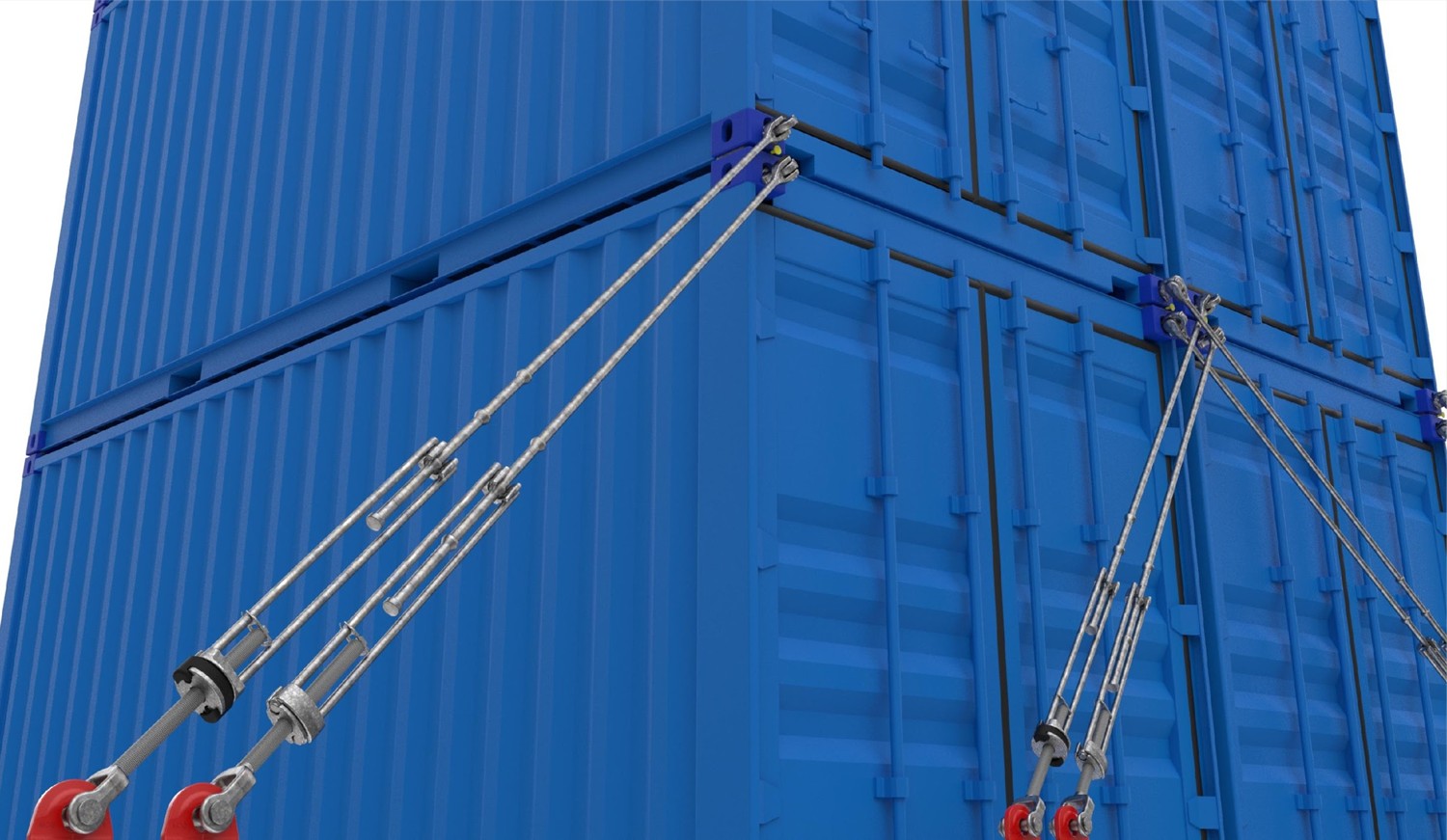
HELSINKI: MacGregor has launched its new Balanced Lashing System, a reliable solution designed to solve the long-standing industry challenge of uneven load distribution in container ship lashings.

On conventional container ships, lashings often share loads unevenly, with upper lashings bearing the majority of the stress while lower lashings operate at only about half of their safe capacity. The Balanced Lashing System changes this dynamic by using proven elastic elements, materials used successfully for decades in hatch cover bearing pads, to distribute forces evenly across the entire lashing system.

Key Benefits of the Balanced Lashing System for shipowners:

  • Increased Payload: By evening out component stress, shipowners can achieve significantly better stack weights, enabling the loading of up to 10% more cargo on deck.
  • Enhanced Safety: The system reduces the risk of broken container corners and lashing bar failures by eliminating peak loads on the upper turnbuckles.
  • Operational Resilience: The integrated elastic elements act as shock absorbers, smoothening vertical impact forces caused by a ship’s rolling in extreme sea states.
  • Simplicity and Efficiency: For existing vessels, the upgrade requires no hot works; operators simply need to replace the upper turnbuckle.

“Our Balanced Lashing System answers the critical question of whether to prioritise safety or capacity by delivering both,” says Magnus Sjöberg, Executive Vice President, MacGregor. “It allows for a more intuitive lashing process while simultaneously boosting the vessel’s earning potential.” 

The system has already undergone two years of successful onboard testing with major partners. Far from a concept, it is already in active commercial service and has been ordered for over 100 forthcoming ships.

The Balanced Lashing System is now available for all container ships larger than 5,000 TEU equipped with external lashing systems. It has already received class approvals from Det Norske Veritas (DNV) and American Bureau of Shipping (ABS), with Lloyd’s Register (LR) approval currently in process.

VIKING delivers solid results inunpredictable market

BASEL: VIKING grows revenue and earnings in a market characterised by geopolitical uncertainty and lower growth rates. 

After years of significant growth in key segments, developments have now normalised. Despite slowdowns in former growth markets, VIKING continues to deliver organic growth, solid results and satisfactory growth rates in new markets.

Revenue for the year totalled DKK 4.2 billion (DKK 4.0 billion in 2024), and profit before tax was DKK 471 million (DKK 452 million in 2024). 

In a year when geopolitical unpredictability resulted in rough seas in a number of markets, VIKING stayed on course. 

Even though the top line was impacted by the normalisation of former growth markets, both revenue and earnings still saw stable and positive development. Revenue for the year of DKK 4.2 billion (DKK 4.0 billion in 2024) and a profit before tax of DKK 471 million (DKK 452 million in 2024) were therefore considered satisfactory.

“From a period of significant growth in selected segments, we’ve transitioned to a situation of more subdued market developments and rising geopolitical uncertainty. Against this backdrop, we’re pleased to be delivering stable margins and continued top-line and bottom-line growth,” says VIKING CEO Henrik Helsinghof.

Overall growth across markets 

The Commercial Shipping segment, which is the largest segment, was satisfactory, as were activity levels in the Cruise & Ferry segment. 

The significant growth seen earlier in the Offshore Oil & Gas segment slowed in 2025. On the other hand, the Defence & Professional segment, which has been identified as a focus area in the new strategy period, grew strongly. 

“The Defence & Professional segment is under development, and in 2025 it remained the smallest segment. But it is a market that suits us well, where we expect to see continued positive developments in the coming years,” says Henrik Helsinghof. 

In 2025, developments were also positive in two key maritime safety service areas. With Marine Fire Service and Life Boat Service, VIKING provides global services in the form of inspection, maintenance and certification of fire-extinguishing systems as well as lifeboats, cranes and similar equipment.

“We are taking greater responsibility for safety at sea. In recent years, we’ve gone from focusing on liferafts to becoming a total supplier of maritime safety,” says Henrik Helsinghof.

Closer to customers 

2025 marked the start of a new strategy period, BP28. An essential element of the new strategy is organisational restructuring, focused on making it simpler for customers to do business with VIKING.

“The idea is to get closer to customers with clearer structures and less complexity, making it easier to navigate our business. At the same time, we’ve moved more responsibility and decision-making power closer to our customers,” says Henrik Helsinghof.

He continues: “With the new segment-based structure, our customers have a single point of access for all enquiries and access to specialised expertise in their field. This means simpler collaboration, faster decisions and a more streamlined experience every time they work with us.”

During the year, other focus areas were efficient sourcing and robust production. As a result, efficiency has increased significantly, and more stable deliveries have been ensured in a more unstable world.

“A more subdued market has a bearing on how we run our business. We’ve achieved significant improvements in this area and made our delivery processes more robust, while at the same time strengthening our competitiveness,” says Henrik Helsinghof.

VIKING still expects modest growth rates in 2026, as reflected in the strategy:

“In a market characterised by lower growth, responsible development is an imperative. We must continue to develop our robust and profitable business,” concludes Henrik Helsinghof. 

Key figures 2025

8169312d 49b2 20bf 48fa 4baea9eaced3 VIKING delivers solid results inunpredictable market

Thordon Bearings and SNAME announce New Graduate Scholarship to Accelerate Innovation in Green Vessel Design

ONTARIO: Thordon Bearings Inc. has partnered with the Society of Naval Architects and Marine Engineers (SNAME) to launch the Thordon Bearings Graduate Scholarship, an annual award that will support exceptional postgraduate students developing solutions to reduce the marine industry’s environmental footprint.

Made possible through a significant contribution from Thordon founder George A. “Sandy” Thomson, the scholarship is intended to inspire the design of greener, cleaner, and more efficient vessels. The award encourages innovation in any area of ship design above or below the waterline which delivers meaningful benefits to noise, air, or water quality.

Applicants are evaluated for: the innovation value and novelty of the idea; technical soundness of the engineering approach; potential for significant environmental improvement; and its practicality of implementation and commercial viability.

“The maritime industry needs bold ideas and determined young engineers,” said Thomson. “SNAME has long been the home of rigorous technical discourse, and supporting students who are passionate about reducing pollution is one of the most impactful ways we can contribute to the future of naval architecture.”

Sandy Thomson has spent more than five decades advancing clean marine technology. He pioneered seawater lubricated propeller shaft bearings in the late 1970s, the innovation which has since prevented the secretion of millions of liters of lubricating oils and greases into oceans, seas and rivers. Thordon’s seawater lubricated bearings have been widely adopted across commercial fleets, inland waterways, and more than 50 navies and coast guards worldwide.

Thomson has long championed SNAME as a vital institution for nurturing excellence in marine engineering. “The Society is key for its role as a forum for open and collegial debate and as a guardian of best practice,” he says.

“By creating this new scholarship, we hope to encourage and inspire the next generation of innovators in ship design and engineering in their work to develop practical and efficient solutions that also protect our precious marine environment.”

Thordon Bearings has built a global reputation by eliminating the need for grease and oil in bearing and seal systems. Today, its technologies are used across ships, hydropower stations, and industrial installations worldwide, reducing maintenance costs while supporting a zero-pollution operational philosophy. The new scholarship is directly aligned with that mission.

With applications already closed for the 2026-2027 academic year, the recipient of the first Thordon Bearings Graduate Scholarship will be announced later this year.  More details on the SNAME Graduate Scholarships Program and the Thordon Bearings Graduate Scholarship can be found at www.sname.org/scholarships

The Caravel Group, IMI, and Fleet Management Celebrate Significant Progress on the 1st Anniversary of Working Together as One to Train a New Generation of Future-Ready Seafarers

HONG KONG:12th March 2026 marks a significant milestone for the global shipping industry as The Caravel Group, celebrates the first anniversary of the International Maritime Institute (IMI) joining its family.

This milestone marks a strategic move by The Caravel Group in addressing the critical talent shortage affecting the global shipping industry, while supporting India’s national goal to grow its share of seafarers to 20% of the global workforce by 2030. By combining IMI’s proud 35-year legacy as a premier maritime institute with sister company Fleet Management Limited‘s operational excellence and depth, The Caravel Group has forged an integrated ecosystem that fosters the highest standard in training, broadens career opportunities for seafarers, and supports sustainable operations for the shipping industry.

The Caravel Group has upgraded IMI’s facilities and invested in its curriculum, including adding advanced simulator training and specialised courses in alternative fuels, emissions reduction, and digital navigation. This year, IMI has also initiated 13 Pre-Sea batches and graduated 400 Pre-Sea cadets, sending many into professional placements with Fleet Management, one of the world’s largest shipping management companies.

Dr. Harry S. Banga, Founder and Executive Chairman of The Caravel Group, said: ” With the International Maritime Institute and Fleet Management under The Caravel Group, we have strengthened the connection between education and enterprise. Fleet Management’s global operations provide real world exposure that anchors IMI’s training in practical experience and opens pathways into professional careers.”

To mark the strategic importance of IMI to The Caravel Group and long-term commitment to maritime excellence, IMI has unveiled a new logo that honours IMI’s 35-year legacy while bringing it visually closer to Fleet Management through shared colours and design elements. Its new tagline, “Anchored in Maritime Excellence, Broadening Horizons,” underscores IMI’s core mission of providing seafarers with exceptional training to unlock a world of opportunities.

Pioneering an Integrated Ecosystem that Benefits Seafarers and Shipowners

For Fleet Management, the integration of IMI directly enhances its ability to secure a sustainable and high-quality talent pipeline. The partnership ensures aspiring talents receive unparalleled real-world exposure and mentorships from its senior officers, with training that is aligned with operational requirements. This results in robust career pathways, from classroom to vessel, providing direct access to highly competent seafarers, a significant advantage for its customers. In a sector facing crew shortages, it means a reliable supply of professionals who maintain the highest standards of safety and performance across its managed fleet.

This partnership also ensures that the next generation of seafarers is fully prepared to navigate modern fleets, comply with evolving regulations, and operate the advanced technologies that the industry will need onboard ships in the future.

Elevating Maritime Education through Innovation and Future-Readiness

With global seafarer talent shortages, The Caravel Group, IMI, and Fleet Management will continue to develop the next generation of global maritime professionals and ensure the industry’s long-term sustainability in the years to come.

The Caravel Group is committed to preserving IMI’s legacy in training excellence and ensuring that IMI’s world-class education remains at the forefront of industry changes and advancements, preparing seafarers for the challenges and opportunities of modern shipping. For Fleet’s customers, the quality of training means customers could continue to count on Fleet to deliver quality of manning, operational safety, and vessel performance.

Nurturing a Diverse and Resilient Global Seafaring Workforce

Building on IMI’s proud legacy, Fleet Management is investing in a workforce that embodies competence, character, and confidence. Its commitment extends to championing diversity and inclusion. IMI now offers a scholarship on tuition fees exclusively for women cadets, directly contributing to India’s goal of 12% female representation in technical maritime roles by 2030 and employs over 20,000 Indian seafarers within its 27,000-strong force. Furthermore, Fleet Management implements market-leading initiatives for seafarer wellbeing, including the Fleet Care team for mental health support, Gender Awareness training, a Women’s Network, and women-centric PPE, underscoring its dedication to a psychologically safe and inclusive workplace for all its seafarers.

One year in, Fleet Management stands committed to this strengthened partnership. With a new look for IMI, robust training and professional development pathways, and an unwavering commitment to safety, ingenuity, responsibility, and excellence, Fleet Management continues to shape the future of maritime professionals for its fleet and the global industry.

About The Caravel Group
The Caravel Group, headquartered in Hong Kong, is a privately held and globally diversified group with operations across maritime services, dry bulk commodity trading, institutional investment management, and philanthropy. Its maritime division includes Fleet Management Limited, the world’s second-largest third-party ship manager with over 600 vessels under management, and strategic investments, including a major stake in Pacific Basin (HKEX: 2343). Caravel also owns the International Maritime Institute (IMI) in India, reinforcing its commitment to maritime talent development. Through Caravel Asset Management, the Group invests globally across public markets and private equity, while its philanthropic arm, The Caravel Foundation, supports the education and well-being of underprivileged youth across Hong Kong, China, and India.

About Fleet Management Limited
Fleet Management Limited, part of The Caravel Group, is the world’s second largest ship management company, managing more than 600 vessels. This rank bears testament to the resilience and commitment of 27,000+ seafarers and 1,200+ onshore maritime professionals, serving shipowners worldwide. Fleet manages a range of vessels, including bulk carriers, containers, car carriers, oil tankers, gas carriers and chemical tankers from 600 to 320,000 DWT in size – with many being young and energy-efficient with an age profile below the industry average. The company also has a dynamic newbuilding supervision department.

About the International Maritime Institute (IMI), Noida
The International Maritime Institute (IMI) is a premier maritime training institution established in 1991. Located in Noida, North India, IMI addresses the global shipping industry’s workforce needs by providing high-quality training and education. The institute boasts state-of-the-art simulators, experienced faculty, and a curriculum designed to equip cadets with essential skills for a successful maritime career. IMI’s commitment to excellence has earned it a strong reputation, making it a sought- after institution for aspiring seafarers. With a focus on holistic development, IMI prepares students to become responsible leaders and outstanding seafarers.

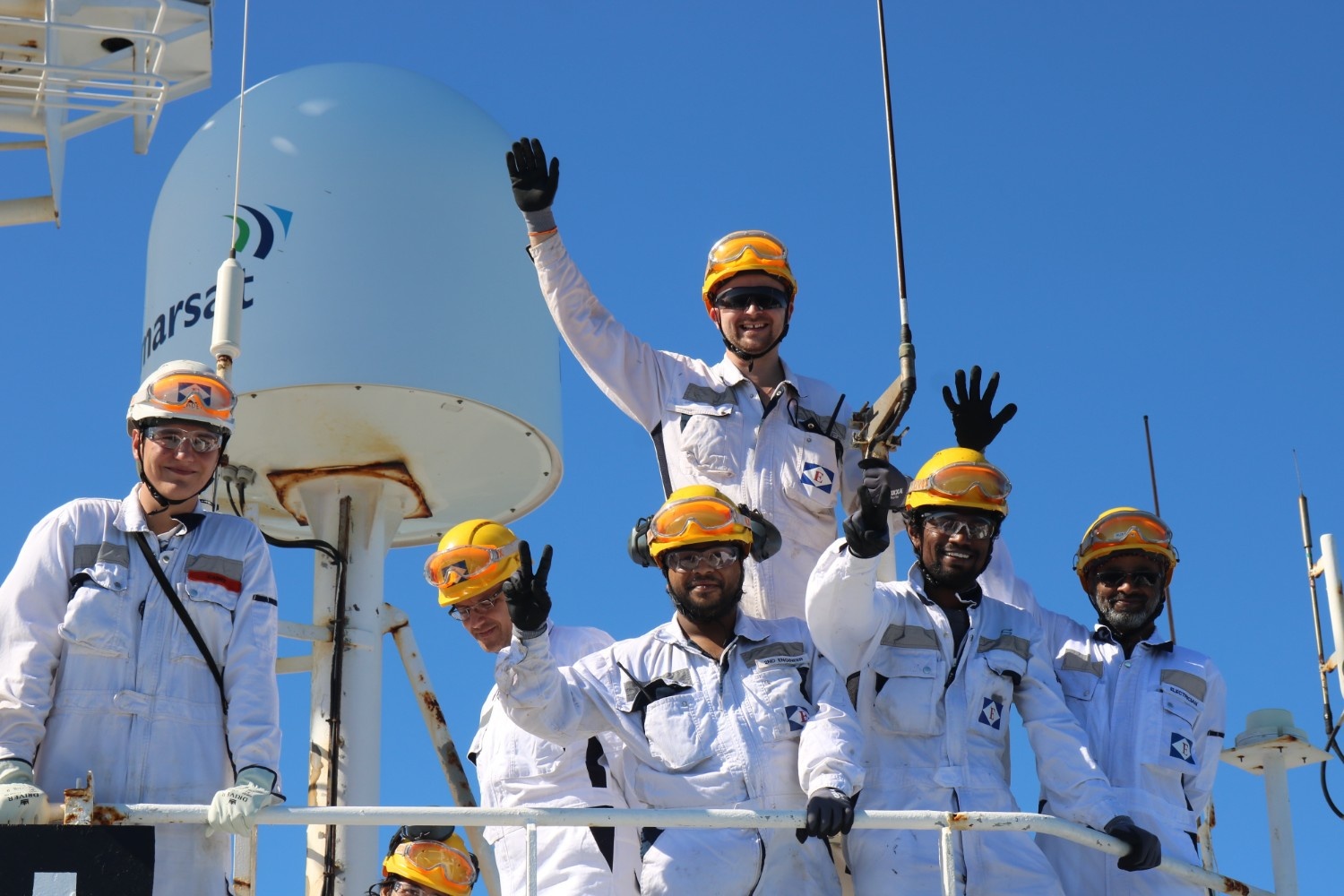
EXMAR deploys Inmarsat NexusWave to power secure, always-on connectivity across its fleet

ANTWERP: Inmarsat Maritime, a Viasat company, is rolling out NexusWave across EXMAR’s growing fleet of gas carriers to meet the Belgian shipping company’s evolving commercial and crew connectivity demands.

ImarsatNexusWave EXMAR EXMAR deploys Inmarsat NexusWave to power secure, always-on connectivity across its fleet

Operating globally in high-demand environments, EXMAR is seeking to close the gap between its ship- and shore-based teams while enhancing seafarer welfare on board its vessels.

NexusWave fully managed connectivity service intelligently bonds multiple network underlays (GX Ka-band, LEO, LTE and L-band) to help ensure a consistent uninterrupted connection. For EXMAR, this preserves business continuity and seafarer well-being, preventing costly operational delays and supporting crew retention.

With NexusWave now active on part of the fleet, the company is already seeing enhanced ship-to-shore collaboration and more reliable access to business-critical applications, such as seamless video conferencing and real-time communications. Crew welfare remains central to EXMAR, and seafarers get access to free, unlimited data to enjoy in their spare time. EXMAR also reports that upgrading to NexusWave will reduce fleetwide operating expenditure by 20% by consolidating connectivity under a single provider.

Maintaining consistent security across its vessels and shore-based offices was another important consideration for EXMAR. NexusWave is designed to enable seamless integration with EXMAR’s existing enterprise IT and security infrastructure, delivering secure-by-design connectivity with end-to-end encryption and data splitting across the network underlays, to keep EXMAR’s data safe.

Before deploying NexusWave across EXMAR’s operational vessels, both engineering teams conducted comprehensive configuration testing in a ship laboratory environment, completing validation within a single day and enabling rapid fleet-wide rollout.

David de Roock, IT Director, EXMAR, commented: “Inmarsat’s understanding of our business needs, its round-the-clock global support offering, and its commitment to developing services in line with evolving requirements were all key factors in our decision to upgrade our fleet to NexusWave. The solution gives us the reliability, performance and security we need to operate efficiently, while also meaningfully enhancing life onboard for our crews. We are pleased to extend our longstanding relationship with Inmarsat as we prepare our vessels for the challenges and opportunities of a fast-evolving industry.”

Ab Argam, Senior Sales Manager, EMEA, Inmarsat Maritime, said: “EXMAR’s decision to deploy NexusWave across its growing fleet of gas carriers underscores the trust and reliability we’ve built together for more than 20 years.  This is just the beginning, and I’m proud to continue our partnership to unlock future NexusWave enhancements with EXMAR that grow alongside their fleet and future ambitions.”

Bureau Veritas approves BAR Technologies’, supporting Pwind compliance within FuelEU the Maritime framework

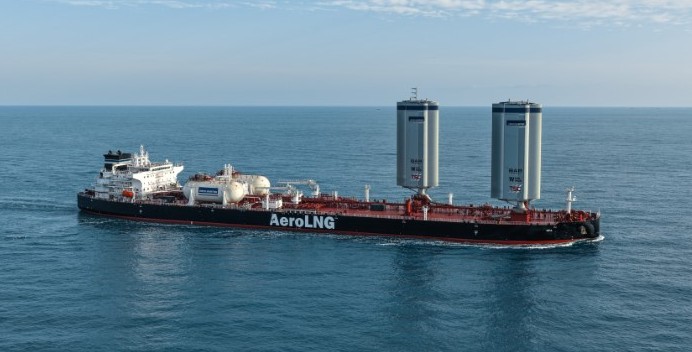
PORTSMOUTH: Bureau Veritas Marine & Offshore (BV) has completed a technical review confirming BAR Technologies’ calculation of available effective power of the two 37.5m WindWings® of 760m² installed on the tankers as part of UML AeroPower LR2 programme.

The approval confirms that BAR Technologies’ computational fluid dynamics (CFD) approach and resulting force matrix align with IMO Guidance for innovative energy-efficiency technologies, providing shipowners with a recognised pathway to quantify the propulsive contribution of WindWings® installations under IMO frameworks.

Following a detailed technical review, VersionBureau Veritas concluded that BAR Technologies’ submission is acceptable across all assessment categories, including CFD code specification, boundary conditions, grid independence, validation against experimental data and the generation of installation-specific force matrices.

The outcome provides a transparent, class-reviewed calculation of wind-assisted power contribution without the need for extended full-scale testing.

WindWings® technology is already in commercial operation across the Union Maritime fleet, including on the AeroPower vessels Brands Hatch and SPA. Meanwhile, the AeroPower newbuild programme at Xiamen Shipbuilding Industry (XSI) continues to advance. Construction is underway on the first 113,600 dwt vessel, with additional LR2 and MR2 tanker projects in development at major shipyards across Asia.

As vessels trade and newbuild programmes advance, wind propulsion is being integrated into mainstream bulker and tanker construction rather than confined to isolated installations. Bureau Veritas’ approval provides a support to methodological consistency required to support scale in these and other vessel types.

John Cooper, CEO of BAR Technologies, said: “WindWings® are already delivering in commercial service. What this approval does is formalise how that performance is assessed and recognised by class. Owners don’t need promises — they need certainty. A consistent, class-recognised methodology provides that certainty.”

Lauren Eatwell, Head of WindWings® at BAR Technologies, added: “As WindWings® continue to be adopted in larger tanker programmes, consistency in performance validation becomes critical. This approval ensures that the engineering analysis behind each installation is assessed to recognised standards, supporting predictable integration across vessel series.”

Alex Gregg-Smith, President, Marine & Offshore at Bureau Veritas, added: “Bureau Veritas’ review confirmed that BAR Technologies’ WindWings® available effective wind power calculation for UML AeroPower LR2 tankers is consistent with IMO Circ.896 Guidance for innovative energy-efficiency technologies. Our assessment examined the underlying modelling approach, validation processes and generation of installation-specific force matrices. Independent verification supports the consistent application of recognised technical standards and enables safe integration of wind-assisted propulsion systems within existing regulatory frameworks.”

As fleet renewal continues and tanker newbuild programmes expand, approvals such as this reinforce that wind propulsion can be incorporated into large-scale shipbuilding projects with technical rigour and regulatory clarity.

PM Modi inaugurates, dedicates to the nation multiple developmental projects worth around ₹11,000 crore in Ernakulum, Keralam

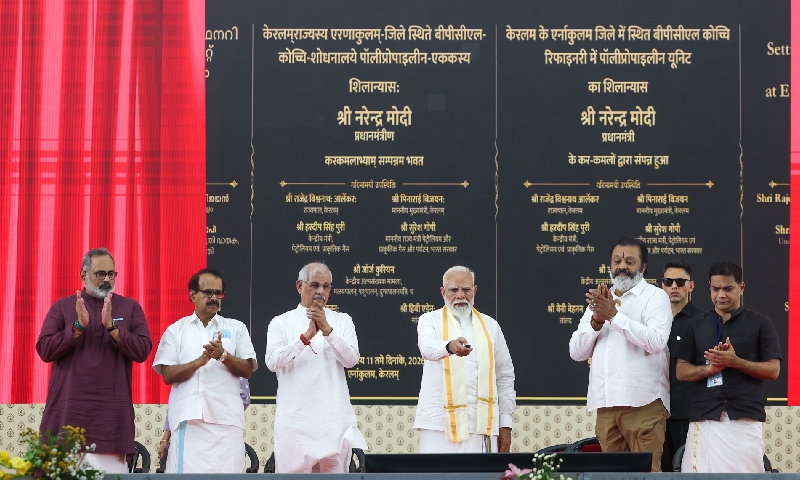
KOCHI : Prime Minister Shri Narendra Modi visited the vibrant coastal city of Kochi to accelerate the development of Keralam by launching multiple high-impact projects. Highlighting the scale of the investment, the Prime Minister inaugurated and laid the foundation stones for initiatives totaling approximately ₹11,000 crore. Addressing the gathering, the Prime Minister noted that coming to Kochi is always a magnificent experience, stating, “I extend my heartiest congratulations to the people of Keralam for these projects.”

The Prime Minister highlighted that the goal behind laying the foundation stone of the Polypropylene Unit at the Kochi Refinery today is to make the petroleum sector robust. This unit is expected to produce four lakh tonnes annually to support the packaging, textile, and medical device industries. Underscoring the strategic importance of this facility, Shri Modi remarked, “To build a self-reliant India, for ‘Make in India’, the expansion of the petroleum sector is essential.”

In a move to bolster India’s position as a global manufacturing and technology hub, the Prime Minister linked the nation’s progress in AI and semiconductors to the rising demand for sustainable energy. Shri Modi remarked that, with the aim of ensuring Keralam progresses in the field of solar power generation, the foundation stone of a 50 MW Floating Solar Project has been laid in West Kallada today. Shri Modi remarked that with a very large number of water bodies in Keralam, the state holds great potential in the field of floating solar power. Highlighting the shift toward a greener future, Shri Modi said, “It is our endeavor that Keralam moves further ahead in solar power generation.”

The Prime Minister also detailed the significant strides made in regional connectivity through the Amrit Bharat Station Scheme and railway electrification. Modernization efforts at Shoranur Junction, Kuttipuram, and Changanassery, along with the new Palakkad–Pollachi train service, are set to transform the travel experience for residents of both Kerala and Tamil Nadu. Stressing the impact of the national budget on local growth, Shri Modi observed, “Today, the world praises India for the investment being made in modern infrastructure.”

On road infrastructure, the Prime Minister highlighted how the new six-lane projects, including the Kozhikode Bypass and improved connectivity to Azhikkal Port, will drastically reduce travel time and congestion. “All these projects will benefit the farmers of Keralam; they will give a boost to tourism and other industries here”, asserted Shri Modi.

Concluding his address, the Prime Minister reiterated that every rupee invested in infrastructure serves as a catalyst for large-scale employment for the youth. Shri Modi expressed his firm belief that these multi-sectoral projects are essential building blocks for a prosperous future for the state. Reinforcing his commitment to the region’s progress, Shri Modi concluded, “I am fully confident that these projects will play a pivotal role in fulfilling our resolve for a ‘Viksit Keralam’.”