Home Blog Page 402

Govt engages National Shipping Board (NSB) to address sectoral challenges amid Global Maritime Uncertainty

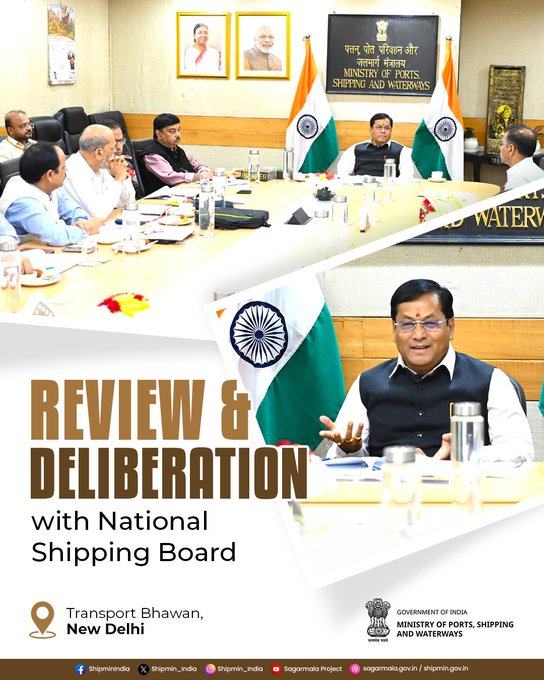
NEW DELHI : The government held a high-level interaction with the National Shipping Board (NSB) to address emerging challenges in India’s shipping sector and review measures to strengthen maritime capacity amid evolving global geopolitical and trade dynamics.

Union Minister for Ports, Shipping and Waterways (MoPSW), Shri Sarbananda Sonowal chaired the meeting, which brought together members of the National Shipping Board, industry leaders, maritime stakeholders and senior officials of the ministry to deliberate on operational issues and policy priorities affecting the sector.

“Under the visionary leadership of Hon’ble Prime Minister Shri Narendra Modi ji, India is steadily advancing towards becoming a major maritime power. Through strategic reforms, infrastructure expansion and close collaboration with stakeholders, we are unlocking the immense potential of the blue economy and strengthening India’s position in global maritime trade,” Sarbananda Sonowal said.

During the meeting, participants discussed challenges faced by shipping industry which has been impacted by recent global geopolitical developments, supply chain management and rising operational pressures on maritime trade. The deliberations focused on identifying policy interventions to strengthen India’s shipping ecosystem, enhance fleet capacity and ensure resilience in maritime logistics. The Union Minister took note and directed the officials to prepare a roadmap to resolve them.

Officials said the discussions also aimed at resolving key concerns raised by industry stakeholders while aligning policy responses with the government’s long-term maritime roadmap.

The meeting reviewed progress under major national initiatives such as Maritime Amrit Kaal Vision 2047 and Maritime India Vision 2030, which seek to expand port infrastructure, boost shipping capacity and position India as a leading global maritime hub.

Emphasising the importance of dialogue with industry stakeholders, Sonowal highlighted the role of the National Shipping Board as a critical advisory platform for addressing sectoral issues and shaping policy direction.

The interaction was attended by Sameer Kumar Khare, IAS (retired), Chairperson of the National Shipping Board (NSB), along with other board members and representatives from the shipping industry.

The government’s engagement with the board comes at a time when global maritime trade faces heightened geopolitical uncertainties and shifting supply chains, prompting India to reinforce its shipping capabilities and operational preparedness.

Officials said the interaction underscored the government’s continued efforts to ensure uninterrupted cargo movement and maintain stability across the maritime sector while addressing industry concerns.

India’s crude supply remains secure, gas companies have procured LNG cargoes from new sources: Senior government official

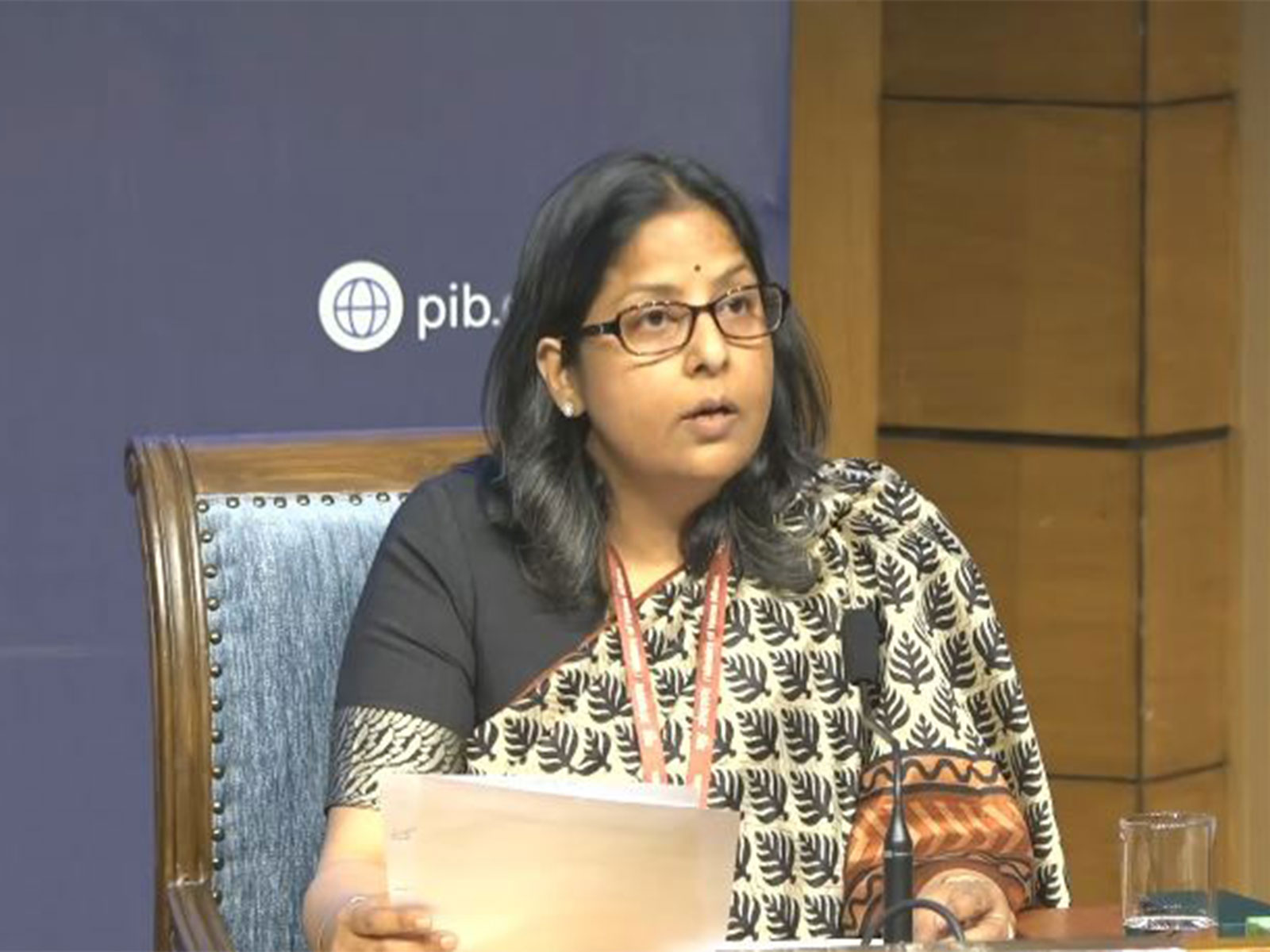
NEW DELHI: India’s crude supply remains secure through diversified procurement amid the West Asia crisis that has affected global energy routes, Ms. Sujata Sharma, Joint Secretary, Ministry of Petroleum and Natural Gas, said on Wednesday.

“India’s crude supply remains secure. Our daily consumption is about 55 lakh barrels. Through diversified procurement, the volumes we have secured today exceed what would normally have arrived through the Strait of Hormuz during this period,” Sujata Sharma said at a joint press briefing.

Amid LPG supplies to India impacted by tensions in West Asia, Sharma said the government has absorbed a significant part of the cost increase to the increase to protect the consumers.

“Currently, LPG is being directed to the domestic sector. For non-domestic LPG, priority is being given to essential sectors such as hospitals and educational institutions. The committee is consulting with state authorities and industry bodies to finalise the plan to ensure that available LPG is distributed fairly and transparently,” she said addressing an Inter-Ministerial press briefing.

Sharma said two LNG cargos are on their way to India.

“Our gas companies have procured LNG cargoes from new sources. Two LNG cargos are on their way to India,” she said.

Speaking about crude supplies, she said India imports crude from about 40 countries.

She added that domestic refineries are currently operating at full capacity, and in some cases even above capacity, to ensure a steady supply of petroleum products across the country.

The government has also decided to prioritise gas supplies for key sectors such as tea production, gas grid operations and allied activities, as well as fertiliser manufacturing, which are critical for both agriculture and industrial activity.

Sharma noted that the country imports around 60 per cent of its LPG requirements, and about 90 per cent of these imports pass through the Strait of Hormuz.

To strengthen domestic availability, the government has directed refining and petrochemical units to optimise LPG production. As a result, domestic LPG production has increased by about 25 per cent, she said.

The additional production is being directed primarily towards household consumers to ensure uninterrupted cooking gas availability, Sharma said.

For commercial LPG consumption, the government has identified priority sectors including educational institutions and hospitals to ensure essential services remain unaffected.

Sharma urged people not to rush book LPG cylinders. “As a temporary demand management measure, the minimum gap between LPG bookings has been increased from 21 days to 25 days,” she said.

Source: ANI

Hormuz Shipping Disruption Triggering Liquidity Stress for India’s MSME Exporters, Warns Sarjak Container Lines

MUMBAI: India’s MSME exporters and importers are beginning to face growing liquidity pressure as disruptions to maritime trade routes through the Strait of Hormuz trigger freight escalation, war-risk insurance premiums and shipment delays, according to a policy whitepaper released by Sarjak Container Lines (SCL).

The Indian container shipping and logistics company has cautioned that ongoing geopolitical tensions are starting to create financial stress for MSME businesses, many of which depend on predictable shipping schedules and tightly managed working-capital cycles.

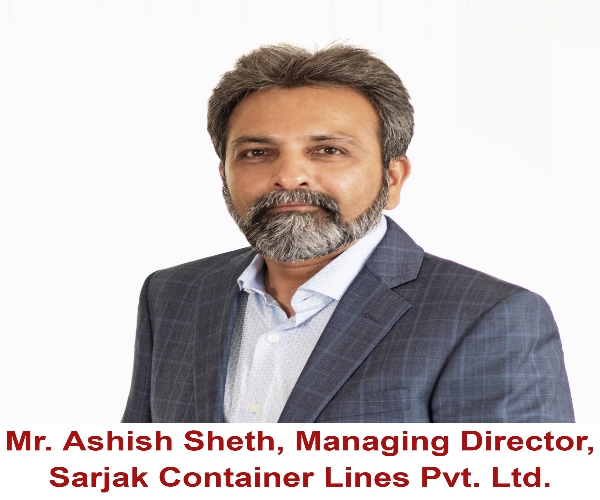
“Many MSME exporters operate on 30–90 day payment cycles. When shipments are delayed and freight costs rise unexpectedly at the same time, working capital gets locked for longer periods,” said Mr. Ashish Sheth, Managing Director, Sarjak Container Lines Pvt.Ltd.

“For smaller exporters who operate with limited financial buffers, these disruptions can quickly translate into liquidity stress. Temporary financial support mechanisms could help stabilize MSME exporters during this period of geopolitical uncertainty.”

MSME exporters often have limited ability to pass unexpected logistics costs to overseas buyers, meaning the additional freight and insurance expenses frequently have to be absorbed directly by the exporter.

Import-dependent MSME manufacturers are also beginning to feel the impact as delays in shipments of raw materials, including chemicals, polymers and machinery components, start to disrupt production schedules.

To mitigate the cascading effects of these disruptions, Sarjak Container Lines has recommended a set of targeted financial stabilization measures, including:

  • creation of a temporary MSME EXIM liquidity window through banks
  • interest subvention on export credit and working capital loans
  • relief mechanisms for extraordinary freight and war-risk insurance costs
  • accelerated processing of GST refunds and export incentives
  • recognition of the Hormuz disruption as a force majeure event affecting trade contracts.

“Ensuring that MSME exporters have access to liquidity support during such disruptions will help preserve the stability and competitiveness of India’s export ecosystem.”

The whitepaper has been published for consideration to the Ministry of Commerce & Industry, Ministry of MSME, Ministry of Finance, and relevant export promotion councils.

Indian government partners with Lloyd’s Register Advisory to deliver decarbonisation and digital transformation programme

LR will provide strategic and technical guidance as India accelerates efforts to modernise and decarbonise its maritime industry

NEW DELHI: Lloyd’s Register (LR) Advisory has been appointed as Technical Support Unit (TSU) to the Directorate General of Shipping (DG Shipping), Government of India, supporting the country’s efforts to deliver a more sustainable, digitally enabled maritime sector.

India’s maritime sector is seeing rapid growth, requiring a robust and forward-looking regulatory framework capable of balancing expansion with safety, environmental stewardship, and global competitiveness. Under the guidance of the DG Shipping and the Ministry, the TSU model has been established to strengthen institutional capacity through structured policy review, strategic interventions, and systematic process modernisation.

The TSU will undertake comprehensive assessments of existing regulatory and governance frameworks, identify gaps in alignment with international conventions and best practices, and recommend targeted policy and regulatory reforms. Through evidence-based analysis and strategic intervention, the initiative aims to enhance regulatory efficiency, transparency, and compliance, while reinforcing safety and environmental standards.

LR Advisory will support the development of the Green Port Index, advise on the refinement of India’s Integrated Shipping Policy, and contribute to frameworks for onshore power supply. The work will also include advancing green shipbuilding and green recycling practices, building national capability on decarbonisation, and supporting the digital transformation of regulatory processes. These initiatives form part of India’s wider strategy to build cleaner, more efficient and globally competitive ports and shipping networks.

An initial one-year contract has been agreed, with a framework in place to extend the collaboration for up to five years.

The appointment builds on LR’s recent involvement in developing India’s National Green Shipping Policy and reinforces its global advisory position and commitment to supporting national authorities in achieving sustainable maritime growth.

Shri Shyam Jaganathan DG Shipping Indian government partners with Lloyd’s Register Advisory to deliver decarbonisation and digital transformation programme

Shri Shyam Jagannathan, Director General of Shipping, Government of India, said: “This appointment reflects India’s ambition to work with partners who can bring a depth of technical expertise and international perspective to national maritime reforms. LR’s experience in policy development, decarbonisation pathways and digital modernisation were cited as key factors in the selection.”

Ambrish Bansal LR Advisory Indian government partners with Lloyd’s Register Advisory to deliver decarbonisation and digital transformation programme

Mr. Ambrish Bansal, Global Head – Management Consulting & ESG Advisory, LR Advisory, said: “India is rapidly expanding its port infrastructure and maritime connectivity. As growth accelerates, regulation must keep pace — driven by clear strategy and focused implementation.

“Our role is to turn policy ambition into practical, scalable regulation. By leveraging global expertise and benchmarking, we support implementation at pace — accelerating India’s transition to lower-emission shipping while reinforcing long-term resilience and investor confidence.”

Gujarat-bound Thai cargo ship attacked in Strait of Hormuz; 20 crew members rescued; 3 missing

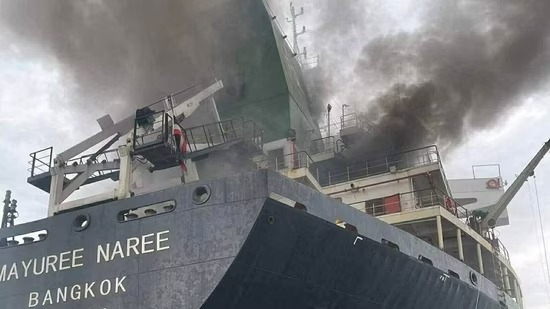
KANDLA : A Thai-flagged cargo vessel heading to India came under attack in the Strait of Hormuz on Wednesday, with thick black smoke seen rising from the ship, according to the Royal Thai Navy. Twenty crew members have been rescued, while three sailors are still missing.

The vessel, Mayuree Naree, a bulk carrier owned by Thai company Precious Shipping PCL, had departed from Khalifa Port in the United Arab Emirates and was on its way to Kandla Port in Gujarat when it was attacked while passing through the Strait of Hormuz.

Photographs released by the Thai Navy showed heavy black smoke emerging from the ship’s hull and upper structure, with life rafts floating in the surrounding waters. Officials said the exact cause of the attack is under investigation, and no group has claimed responsibility so far.

According to an official statement, the Omani Navy rescued 20 crew members, and search operations are underway to locate the remaining three sailors.The ship is about 178 metres long and has a capacity of nearly 30,000 tonnes, officials said.

The incident comes amid rising tensions in the Middle East following recent military exchanges between Israel and Iran. Tehran has repeatedly warned about possible threats to shipping in the Strait of Hormuz, one of the world’s most crucial routes for global oil and cargo transport.

Meanwhile, Indian officials said that 28 Indian-flagged vessels are currently operating in the Strait of Hormuz region. Of these, 24 vessels are west of the Strait of Hormuz with 677 Indian seafarers on board, while four vessels are east of the Strait carrying 101 Indian seafarers.

Source : Desh Gujarat

World’s first Autonomous Maritime Shipbuilding Centre to come up at Juvvaladinne

NELLORE : :In a boost to indigenous maritime technology and defence manufacturing, Sagar Defence Engineering, with AP government support, would setup the world’s first autonomous maritime shipbuilding and systems centre – near the Juvvaladinne fishing harbour in Sri Potti Sriramulu Nellore district soon.

The proposed facility, located in Bogole mandal along the Bay of Bengal, is set close to key maritime routes on the eastern coast. The centre aims to strengthen the nation’s capabilities in autonomous maritime technologies, shipbuilding, and unmanned systems development, while also driving regional economic growth.

Spread across 29.58 acres in Phase I, the project would integrate autonomous shipbuilding, testing infrastructure, a research and development centre, a ship maintenance and repair facility (MRO), and a specialised training hub within a single campus.

The facility would focus on designing and building autonomous vessels for defence, commercial and coastal applications, while also supporting innovation in maritime robotics, artificial intelligence and electric propulsion systems.

The centre’s director (R&D), Saurabh Patil, said the centre would develop Unmanned Surface Vessels (USVs) for missions such as maritime surveillance, coastal security, logistics support and environmental monitoring. It would also work on Autonomous Underwater Vehicles for underwater reconnaissance, seabed mapping and scientific research.

The facility would feature advanced infrastructure for modular shipbuilding, sensor integration, navigation systems and remote-control technologies, with real-sea trials conducted in nearby coastal waters to test autonomous capabilities such as docking, navigation and obstacle avoidance.

A dedicated ship maintenance, repair and overhaul facility would provide lifecycle support for autonomous, fishing and commercial vessels including vessels of Coastguard and Navy. This is expected to benefit the local fishing community by enabling faster repairs, improving vessel safety and reducing downtime.

The centre will also house research laboratories and simulation-based training facilities to develop skilled manpower in autonomous vessel operations, maritime AI and advanced marine systems.

Partnerships with universities and technology providers are planned to accelerate innovation.

The project is expected to generate more than 300 jobs locally and indirect employment to many more, including jobs for engineers, naval architects, technicians, skilled workers and administrative staff, while also boosting ancillary industries, logistics and harbour services.

Once operational, the centre would position Andhra Pradesh as a major hub for maritime innovation and advanced shipbuilding, strengthening the nation’s ambitions to emerge as a leading maritime power, claimed SPSR Nellore collector Himanshu Shukla.

Crediting education minister Nara Lokesh with efforts to bring the project to AP, the collector said the minister would participate in the groundbreaking ceremony of the entity on March 12 at Juvvaladinne.

Source : DC

Great Nicobar Airport Project near Malacca Shipping Route moves ahead after Green Nod

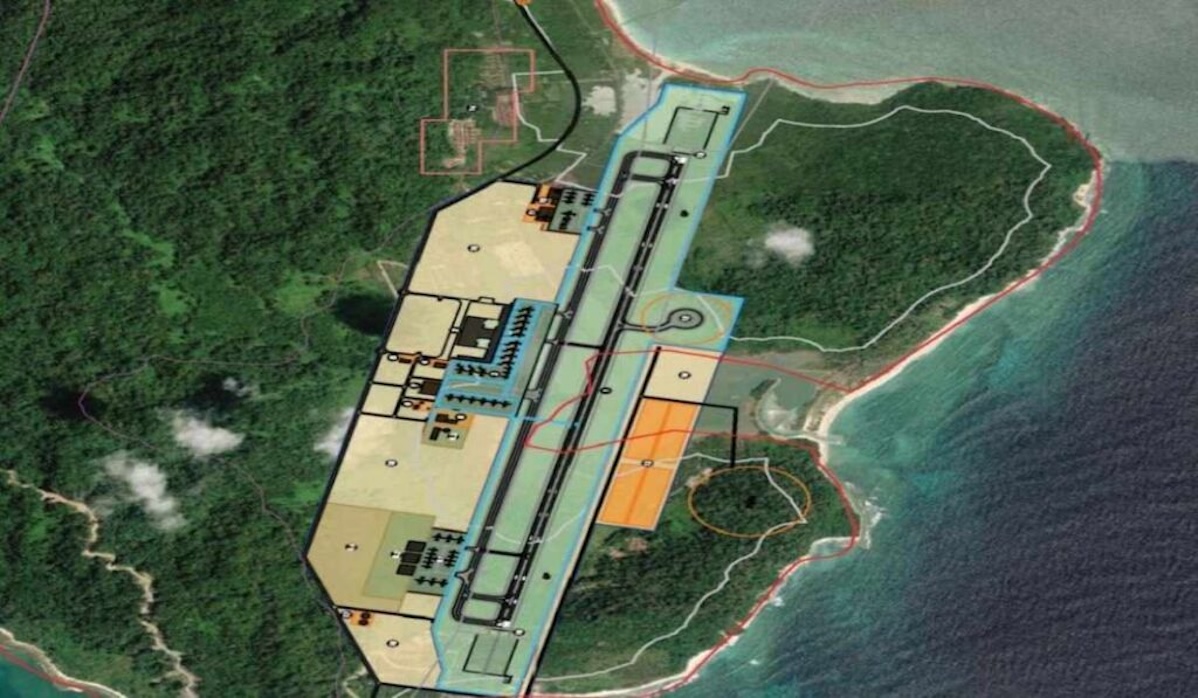
NEW DELHI : After years of planning and debate, the proposed Great Nicobar International Airport has moved a step closer to reality. The Airports Authority of India (AAI) has now invited tenders for consultancy for the construction of the airport, marking a major milestone for one of India’s most ambitious infrastructure projects in the Andaman and Nicobar Islands.

The move comes after environmental clearance for the project was upheld recently by the National Green Tribunal, clearing a key hurdle that had been closely watched by environmental groups and strategic planners alike. The proposed airport will come up on Great Nicobar Island, India’s southernmost island, located barely 180 kilometres from Sumatra in Indonesia. Though remote and sparsely populated today, the island sits close to some of the world’s busiest shipping routes that pass through the Malacca Strait, making it strategically important for India’s presence in the Indian Ocean region.

A tender document with CNN-News18 dated March 7 shows that the airport is being designed with a long-term vision. Traffic forecasts suggest that as development on the island accelerates, the population could reach around 3.25 lakh by 2040, generating passenger demand of about 13.5 lakh travellers annually. In the initial years, most flights are expected to be domestic, with international routes likely to develop gradually as tourism grows.

The airport’s master plan spans a 50-year horizon up to 2075, with development divided into four phases. Each phase will expand capacity as passenger traffic increases. The airfield is also being designed so that it can eventually accommodate larger international aircraft in the future.

Beyond civilian connectivity, the project has a strong strategic dimension. Around 100 acres of land have been earmarked for Indian Navy infrastructure, including aircraft hangars, operational facilities and residential areas for personnel. This would allow India to strengthen its surveillance and operational reach in a region that is becoming increasingly important for global trade and security.

Officials say the airport is a crucial component of the government’s broader plan to develop Great Nicobar as a strategic and economic hub. The project is designed as a dual-use airport, serving both civilian and military purposes. Under the proposed arrangement, the Indian Navy will control airside operations and air traffic control, while the Airports Authority of India will manage the passenger terminal and civilian operations.

APEDA showcases India’s Agri and Processed Food Export Strength at AAHAR 2026

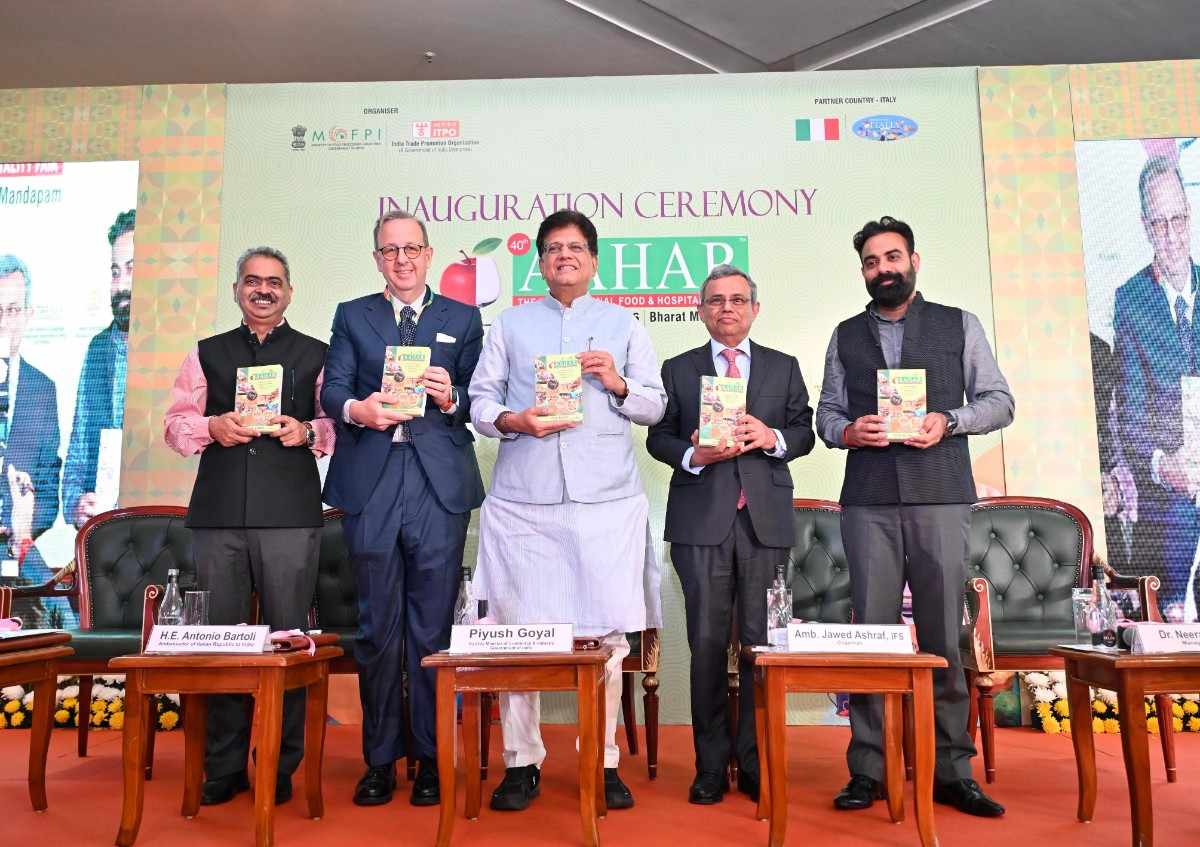
NEW DELHI : The Agricultural and Processed Food Products Export Development Authority (APEDA), under the Ministry of Commerce & Industry, participated in the 40th edition of AAHAR 2026 held from 10–14 March 2026 at Bharat Mandapam, New Delhi. APEDA presented a pavilion highlighting India’s agricultural and processed food export capabilities, bringing together exporters, State representatives and industry stakeholders on a common platform.

The 40th edition of AAHAR – The International Food & Hospitality Fair was inaugurated by Union Minister of Commerce and Industry Shri Piyush Goyal. Organised by the India Trade Promotion Organisation (ITPO), the landmark edition of the event features Italy as the Country Partner. The inauguration ceremony was attended by senior officials from the Embassy of Italy, representatives of ITPO, government officials, industry leaders, exhibitors and delegates from India and abroad.

In his keynote address, Union Minister of Commerce and Industry Shri Piyush Goyal said that India’s food and agriculture sector is entering a new phase of global opportunity. He noted that with exports of agricultural and processed food products crossing ₹5 lakh crore annually, India today stands among the world’s leading exporters. Over the past decade, exports of processed foods, fruits, pulses and vegetables have grown significantly, reflecting the strength and diversity of farmers, fishermen and food processors across the country.

The Minister further said that India’s expanding network of Free Trade Agreements has opened significant opportunities for the country’s food and agricultural exports. In recent years, India has concluded trade agreements with countries and regions including the United Arab Emirates, Australia, Switzerland and other EFTA nations, while strengthening engagement with partners such as Japan, Korea, the United Kingdom, Oman and Mauritius, and advancing discussions with Canada and the European Union. He noted that these agreements are enabling preferential market access for Indian products across nearly two-thirds of global trade, creating new opportunities for farmers, MSMEs and food processors to expand exports and access high-value markets.

The APEDA Pavilion was inaugurated by Additional Secretary, Department of Commerce Shri Nitin Kumar Yadav along with Chairman, APEDA Shri Abhishek Dev and Managing Director, ITPO Shri Neeraj Kharwal in the presence of senior officials from the Government of India, APEDA, participating State Governments, exporters and industry representatives. The pavilion served as an important platform to showcase India’s diverse agri-export basket and facilitate interactions between exporters and buyers from domestic as well as international markets.

On the occasion, research reports on cucumber, cashew, pineapple and pomegranate prepared by APEDA in collaboration with ICRIER as the knowledge partner were also released. The reports provide insights on supply chains, export potential and strategies to enhance India’s competitiveness in global markets.

APEDA also announced the launch of packaging design solutions and technical standards for selected region-specific agricultural products developed in collaboration with the Indian Institute of Packaging (IIP). The initiative focuses particularly on GI-tagged and organic products and aims to improve product protection, shelf life and market presentation for exports. The products covered under this initiative include Karbi Anglong Ginger (Assam), G4 Chilli and Jalgaon Banana (Maharashtra), Assam Kaji Nemu (Assam) and Prayagraj Surkha Guava (Uttar Pradesh).

Spread across an exhibition area of 2,500 square metres, the APEDA Pavilion hosted over 100 exhibitors representing exporters, producer organisations, startups and food processing enterprises from across the country. The exhibition provided opportunities for industry stakeholders to explore collaborations, expand market linkages and promote value-added agricultural products.

The pavilion highlighted key export segments including Basmati Rice, Non-Basmati Rice, Organic Products and emerging plant-based food products, reflecting India’s expanding portfolio in global agri-food markets. A special feature on plant-based products showcased innovative and sustainable food alternatives gaining traction in international markets.

Several State Pavilions were featured within the APEDA space with participation from Andhra Pradesh, Assam, Bihar, Delhi, Gujarat, Haryana, Karnataka, Kerala, Madhya Pradesh, Maharashtra, Meghalaya, Punjab, Rajasthan, Tamil Nadu, Telangana, Uttar Pradesh, Uttarakhand and West Bengal. These pavilions showcased region-specific products, traditional food items and export-ready agricultural produce, reflecting the diversity and strength of India’s agri-food sector.

APEDA’s participation at AAHAR 2026 attracted significant industry engagement, with over one lakh visitors during the five-day event. The exhibition created opportunities for exporters, food processors and agri-entrepreneurs to interact with buyers, distributors and institutional stakeholders from India and abroad.

A key highlight of the APEDA Pavilion was live wet sampling sessions conducted by a renowned chef presenting innovative recipes and applications using Indian agricultural and processed food products. The pavilion also featured focused displays on Basmati Rice, Non-Basmati Rice, Organic Products and Plant-Based Food products, enabling buyers and visitors to explore India’s export-ready offerings.

AAHAR continues to be one of the largest B2B platforms for the food and hospitality industry in South Asia, offering an important interface for business networking, product promotion and knowledge exchange across the agri-food value chain.

Through its participation at AAHAR 2026, APEDA showcased India’s growing capabilities in high-quality agricultural production, value addition and export-oriented supply chains. The pavilion brought together exporters, startups, State agencies and producer organisations, highlighting opportunities to expand India’s presence in international markets.

DPIIT signs MoU with Voltas Limited to support Industry–Start-up Collaboration in Cooling and Smart Appliance Technologies

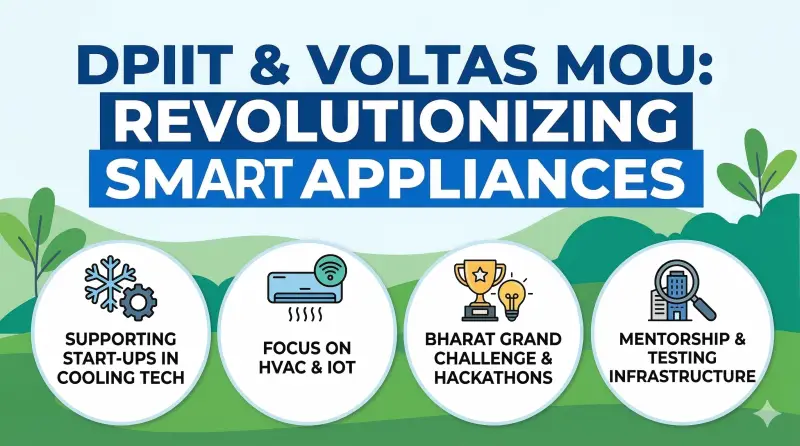
NEW DELHI : The Department for Promotion of Industry and Internal Trade (DPIIT), Ministry of Commerce and Industry, has signed a Memorandum of Understanding (MoU) with Voltas Limited, a Tata Enterprise, to facilitate industry–start-up collaboration in the cooling and smart appliance ecosystem.

The collaboration seeks to engage start-ups working on technologies across areas such as heating, ventilation and air conditioning (HVAC), advanced control systems, power electronics, artificial intelligence and machine learning-based diagnostics, IoT-enabled smart appliances, and digitalisation in manufacturing and service operations.

As part of the initiative, the Startup India initiative under DPIIT and Voltas Limited will explore organising innovation challenges under the Bharat Start-up Grand Challenge and conducting hackathons focused on industry-related problem statements.

Speaking on the occasion, Joint Secretary, DPIIT, Shri Sanjiv said the collaboration is in line with the Government’s efforts to facilitate greater engagement between industry and start-ups, particularly in emerging technology areas and advanced manufacturing sectors. He noted that such partnerships can help provide start-ups with opportunities to develop and test solutions relevant to industry needs.

Under the partnership, DPIIT through the Startup India initiative will work with Voltas Limited to identify start-ups aligned with emerging industry requirements. Selected start-ups may receive mentorship, technical guidance, access to testing infrastructure, and opportunities for market linkages to support product development.

Focus areas may include energy-efficient cooling systems, air-quality monitoring and filtration technologies, advanced inverter controls, predictive maintenance solutions, refrigerant safety systems, and digital tools for installation and servicing.

Selected start-ups may also participate in structured Proof-of-Concept (PoC) programmes with Voltas engineering teams for product validation and technology integration. The collaboration may also facilitate field trials through Voltas’s service network to support testing and refinement of solutions.

The MoU was signed by Director, DPIIT, Dr. Sumeet Kumar Jarangal, and Managing Director, Voltas Limited, Mr. Mukundan Menon, in the presence of senior officials from both organisations.

Softlink Global Partners with ISTE to Bring Real Logistics Technology into Engineering Education

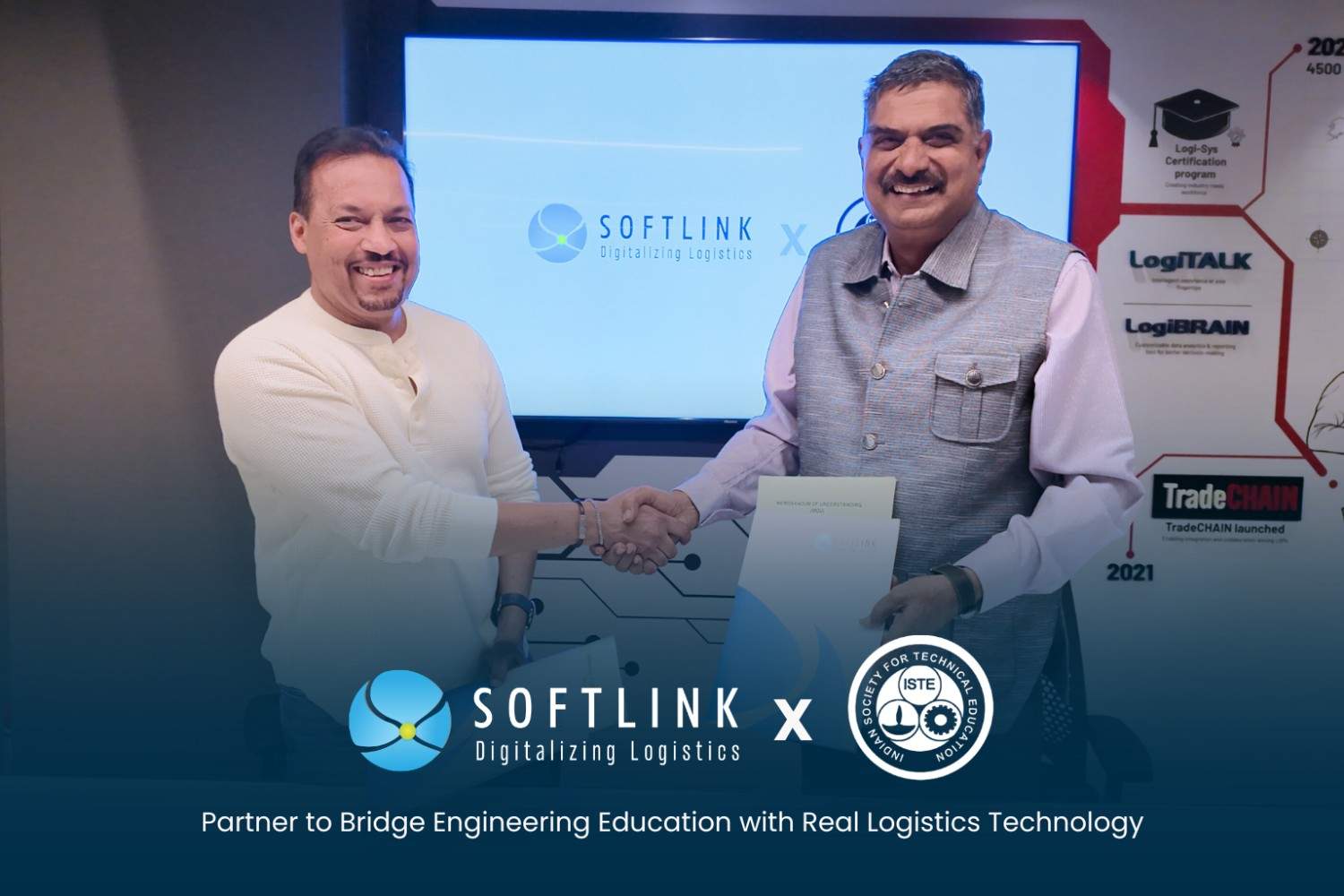
MUMBAI: Softlink Global has signed a Memorandum of Understanding with the Indian Society for Technical Education (ISTE), one of India’s largest professional bodies for technical education with a network of over 100,000 faculty members and hundreds of thousands of engineering students across the country.

The partnership aims to bring practical logistics technology and real industry workflows into technical institutions, helping prepare students for careers in freight forwarding, global trade, and logistics operations.

Through this collaboration, Softlink will introduce its industry platforms and training programs into academic environments through initiatives such as LogiLEARN, LogiSKILL, and LogiXPERT, allowing students and faculty to gain exposure to real systems used by logistics companies around the world.

While most technology companies focus only on selling software to businesses, Softlink has taken a different path — investing in building the talent and knowledge base that the logistics industry will depend on in the future.

Amit Maheshwari, Founder and CEO of Softlink Global, said:

“Logistics today runs on technology platforms that connect operations, compliance, finance, and global trade. Yet many graduates enter the workforce without exposure to these systems. Our collaboration with ISTE is about bringing real logistics technology into the classroom so students understand how the industry actually operates.”

Mr. PratapSinh Desai from ISTE added:

“Technical education must remain aligned with industry practice. Through this partnership with Softlink Global, students will gain exposure to real logistics systems and operational workflows. This initiative will help improve industry readiness for students pursuing careers in logistics and international trade.”

The collaboration will also support faculty development programs, internships, student certifications, hackathons, and industry interaction initiatives designed to strengthen the connection between technical education and real logistics operations.

With more than three decades of experience building technology for the logistics industry and deployments across more than 50 countries, Softlink continues to play a key role in shaping the digital backbone of modern logistics.


About Softlink Global

Softlink Global develops Logi-Sys, an Intelligent Cloud ERP platform used by logistics service providers across more than 50 countries. The platform manages freight forwarding, customs brokerage, warehouse operations, transport management, finance, and compliance in a unified environment.

About ISTE

The Indian Society for Technical Education (ISTE) is a national professional organization dedicated to improving the quality of engineering and technical education through collaboration between academia and industry.