Home Blog Page 41

Cochin Port welcomes MV Empress of Cordelia Cruises on maiden call

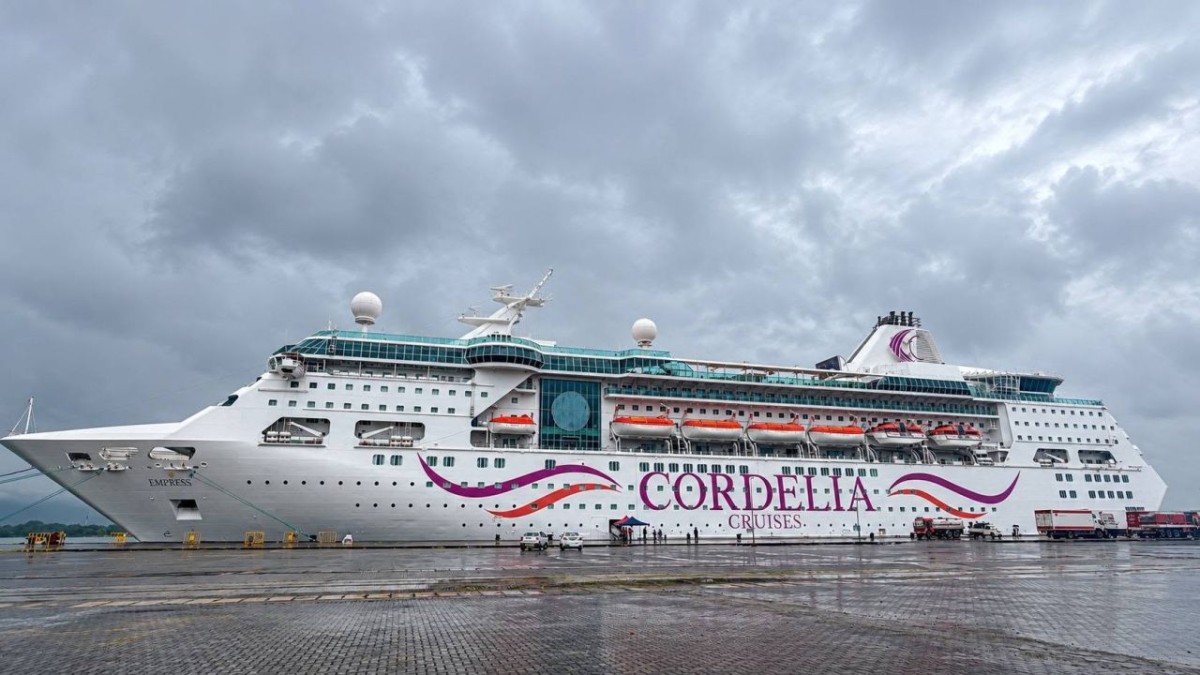
KOCHI : Cochin Port marked a significant milestone in India’s cruise tourism sector with the maiden call of MV Empress, operated by Cordelia Cruises, on October 25, 2026. The arrival marked the vessel’s first voyage following Kochi’s designation as a home port for Cordelia Cruises, reinforcing the city’s growing importance in India’s domestic and regional cruise tourism network.

The vessel arrived from Mumbai at 7:30 AM, carrying approximately 1,320 domestic passengers. It departed for Malé at 6:00 PM with around 1,500 passengers and 607 crew members on board, highlighting Kochi’s growing potential as a key embarkation and disembarkation point for cruise travellers.

Cochin Port Authority’s state-of-the-art Sagarika International Cruise Terminal played a vital role in facilitating smooth passenger embarkation and disembarkation. The modern terminal is an important component of the port’s efforts to enhance the passenger experience and strengthen infrastructure for the growing cruise tourism segment.

With direct cruise connections to Lakshadweep, Malé in the Maldives, and Colombo in Sri Lanka, Cochin Port is expanding regional maritime connectivity while opening up new opportunities for tourism, hospitality and associated service sectors. The development is expected to support greater passenger movement, encourage tourism-related economic activity and enhance Kochi’s appeal as a preferred cruise destination.

The designation of Kochi as a home port for Cordelia Cruises represents an important step towards establishing the city as a prominent cruise hub on India’s southwestern coast. By combining modern cruise infrastructure with strategic regional connectivity, Cochin Port continues to contribute to the growth of maritime tourism and India’s broader vision of strengthening its coastal and cruise tourism potential.

The maiden call of MV Empress thus signals a promising new chapter for Kochi’s cruise industry, reinforcing Cochin Port’s role as a gateway connecting India with key destinations across the Indian Ocean region.
Chennai Port records five-year high in daily container handling, achieves 9,929 Teus in a single day

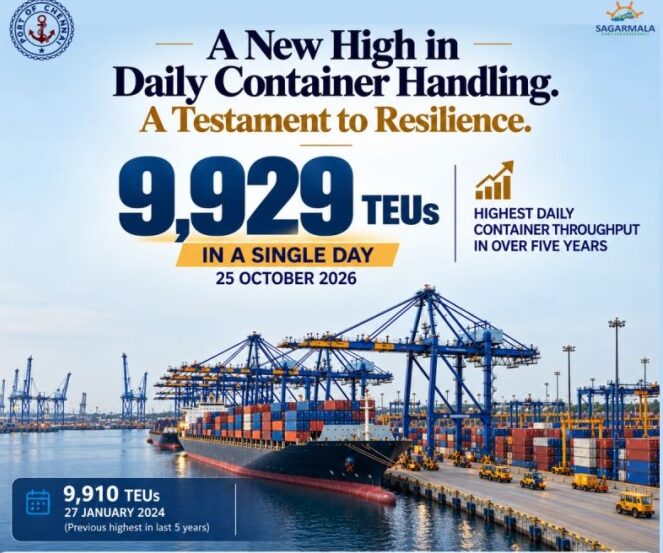
CHENNAI : Chennai Port Authority has achieved a significant operational milestone by handling 9,929 TEUs (Twenty-foot Equivalent Units) in a single day on October 25, 2026, recording its highest daily container throughput in more than five years since the COVID-19 pandemic. The achievement highlights the Port’s operational resilience, improved cargo-handling efficiency and continued commitment to facilitating international trade.

The latest performance surpassed the previous post-pandemic daily record of 9,910 TEUs, achieved on January 27, 2024, bringing Chennai Port closer to its all-time daily container-handling record of 10,063 TEUs, established on January 28, 2017, before the pandemic.

Operational Efficiency Drives Record Performance

The achievement comes at a time when global maritime logistics continues to face uncertainty and disruptions. Chennai Port’s sustained focus on operational improvements, trade facilitation and efficient utilisation of port infrastructure has helped maintain cargo-handling momentum despite the evolving challenges in the international shipping environment.

Among the key initiatives supporting the Port’s operational performance is the operationalisation of an Empty Container Yard, which helps improve container management and yard utilisation. The Port has also advanced the digitalisation of end-to-end port processes through ONOP, aimed at streamlining procedures and facilitating smoother coordination among stakeholders.

In addition, Chennai Port has earmarked additional space for transshipment containers affected by the West Asia crisis. This measure reflects the Port’s responsiveness to changing cargo movements and its efforts to support shipping lines and trade stakeholders amid regional disruptions.

Strengthening Chennai Port’s Role in Global Trade

The record daily throughput demonstrates Chennai Port’s ability to adapt to changing maritime trade dynamics while maintaining operational continuity. By combining infrastructure utilisation, digital initiatives and proactive trade facilitation measures, the Port continues to strengthen its position as a reliable gateway for containerised cargo.

The milestone also underscores the importance of coordinated efforts among port management, terminal operators, shipping lines, logistics service providers and other stakeholders in achieving higher productivity and efficient cargo movement.

With its continued focus on operational excellence and customer-oriented services, Chennai Port Authority remains committed to enhancing its container-handling capabilities, strengthening supply-chain reliability and supporting India’s growing international trade.

The achievement of 9,929 TEUs in a single day marks another important step towards surpassing the Port’s all-time daily record and reinforces its determination to build a more efficient, resilient and competitive maritime logistics ecosystem.

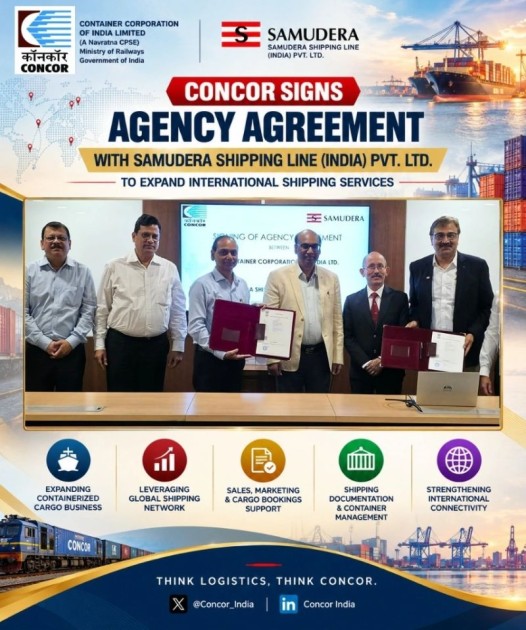
CONCOR signs Agency Agreement with Samudera Shipping Line to expand international shipping services

NEW DELHI : Container Corporation of India Limited (CONCOR), a Navratna Central Public Sector Enterprise under the Ministry of Railways, has signed an agency agreement with Samudera Shipping Line (India) Pvt. Ltd. to expand its international shipping services and strengthen end-to-end logistics solutions for export-import (EXIM) customers.

The agreement marks an important step towards enhancing collaboration between CONCOR’s extensive multimodal logistics network and Samudera Shipping Line’s international shipping capabilities. The partnership is aimed at expanding containerised cargo business, improving access to global shipping networks and creating additional opportunities for exporters, importers and other stakeholders in the logistics sector.

Under the agreement, the collaboration will focus on sales and marketing, cargo bookings, shipping documentation, and container management, supporting smoother coordination between inland logistics operations and international maritime transportation. The arrangement is expected to facilitate greater integration of shipping and logistics services while helping customers manage their cargo movement more efficiently.

Strengthening International Shipping and EXIM Operations

CONCOR has established a strong presence in India’s containerised logistics sector through its extensive network of terminals, rail-based freight transportation and multimodal logistics services. By deepening its engagement with international shipping operators, the company continues to explore opportunities to strengthen connectivity between inland production and consumption centres and overseas markets.

The partnership with Samudera Shipping Line is expected to support CONCOR’s efforts to expand its international shipping business, enhance cargo-handling opportunities and offer more coordinated logistics solutions to customers involved in global trade.

The agreement also creates scope for improved coordination in container availability, cargo bookings and shipping-related documentation, helping streamline processes across the logistics chain. Such integration is increasingly important as exporters and importers seek reliable, efficient and cost-effective solutions to meet their international supply chain requirements.

Advancing Integrated Multimodal Logistics

The collaboration aligns with CONCOR’s broader commitment to strengthening India’s logistics ecosystem by connecting rail transportation, container terminals and shipping services. A more integrated approach can help improve operational coordination, expand service options and support the efficient movement of EXIM cargo.

For the trade and shipping community, the partnership represents an opportunity to access more coordinated logistics support across inland and international transportation networks. It also reinforces the importance of collaboration between logistics service providers and shipping lines in facilitating India’s growing participation in global trade.

Through this agency agreement, CONCOR and Samudera Shipping Line aim to build a stronger foundation for international shipping cooperation, expand containerised cargo business and contribute to the development of a more connected and efficient supply chain ecosystem.

The initiative reinforces CONCOR’s guiding philosophy, “Think Logistics, Think CONCOR,” while supporting the broader objective of enhancing India’s global trade connectivity through integrated and customer-focused logistics solutions.

Cochin Shipyard hands over FY 2025–26 profit share to Mumbai Port Authority as ship repair unit records ₹200 crore-plus turnover

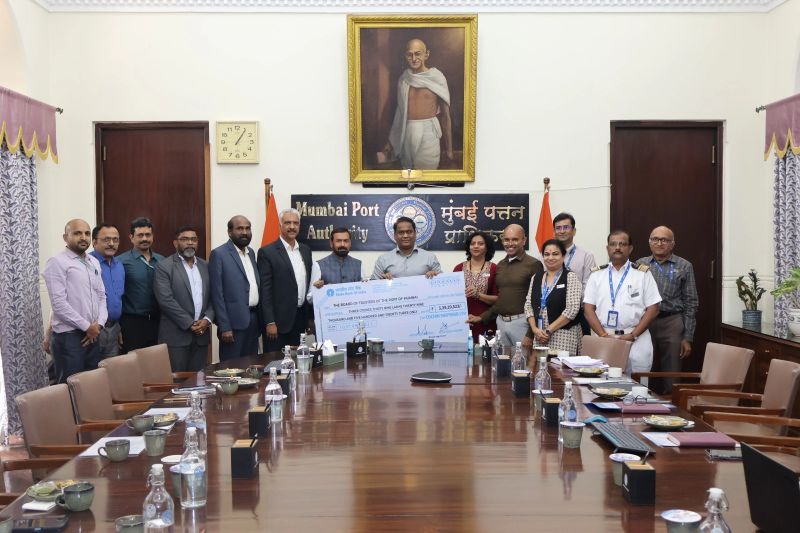
KOCHI : Cochin Shipyard Limited (CSL) has formally handed over its profit share for the financial year 2025–26 to Mumbai Port Authority (MbPA) for the CSL Mumbai Ship Repair Unit (CMSRU), marking a significant milestone in the unit’s operational and financial performance.

The cheque was handed over by Shri Jose V. J., Chairman and Managing Director of Cochin Shipyard Limited, to Dr. Angamuthu, Chairperson of Mumbai Port Authority, in the presence of senior officials from both organisations. The CSL delegation included Shri Rajesh Gopalakrishnan, Director (Technical); Shri Sivakumar A., Chief General Manager (Ship Repair); Shri Sanil Peter, General Manager (Ship Repair); and Shri Shyam Kumar G., Unit Head, along with heads of departments from Mumbai Port Authority.

CMSRU Achieves Record Turnover of Over ₹200 Crore

The CSL Mumbai Ship Repair Unit recorded a turnover exceeding ₹200 crore during FY 2025–26, reflecting its strong operational performance and growing contribution to India’s ship repair industry. The achievement highlights the unit’s commitment to delivering quality ship repair services, maintaining operational efficiency and meeting the requirements of the maritime sector.

The milestone also underscores the importance of the Mumbai facility in expanding CSL’s ship repair operations beyond its established base in Kochi. By strengthening its presence in one of India’s key maritime centres, CSL is contributing to the development of ship repair capabilities and supporting the operational requirements of vessels serving the country’s ports and shipping industry.

Strengthening India’s Ship Repair Ecosystem

The profit-sharing arrangement reflects the collaborative partnership between Cochin Shipyard Limited and Mumbai Port Authority in developing and strengthening ship repair infrastructure. Such cooperation plays an important role in expanding domestic maritime capabilities, improving access to repair facilities and supporting the growth of India’s shipping and port ecosystem.

The performance of CMSRU also highlights the potential for strategic partnerships between public-sector maritime organisations to generate commercial value while strengthening essential maritime services.

With its record turnover and continued focus on operational excellence, the CSL Mumbai Ship Repair Unit is emerging as an important contributor to India’s ship repair sector. The achievement reinforces the shared commitment of CSL and Mumbai Port Authority to advancing domestic ship repair capabilities and supporting the country’s broader maritime development objectives.

DFCCIL strengthens Rail-Based Parcel Logistics with daily JPP–RCS Service connecting Northern and Western India

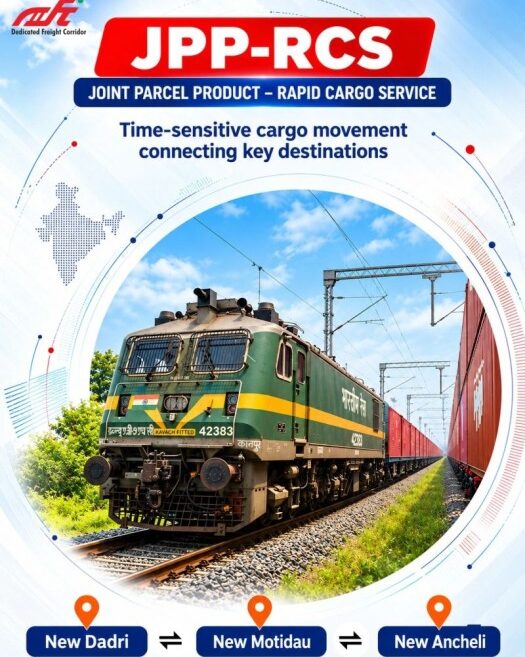
NEW DELHI : The Dedicated Freight Corridor Corporation of India Limited (DFCCIL) is strengthening India’s rail-based parcel logistics network through its Joint Parcel Product – Rapid Cargo Service (JPP–RCS), offering businesses a scheduled and reliable transportation solution for parcels, e-commerce shipments and other time-sensitive cargo.

Operating on the Western Dedicated Freight Corridor (WDFC), the service connects New Dadri in Uttar Pradesh with New Motidau and New Ancheli in Gujarat, covering approximately 1,200 km in one direction with a scheduled transit time of around 23 hours. With daily services, JPP–RCS is designed to improve connectivity between key logistics hubs in northern and western India while supporting the growing demand for efficient parcel transportation.

Connecting Businesses to Faster Logistics Solutions

The JPP–RCS initiative is designed to serve a broad customer base, including e-commerce companies, fast-moving consumer goods (FMCG) businesses, retail and courier operators, logistics aggregators, manufacturers, traders and bulk parcel customers.

The service offers a scheduled rail-based option for businesses seeking predictable transit times and improved shipment planning. By facilitating the movement of time-sensitive consignments across long distances, it can help logistics operators strengthen distribution networks and improve the coordination of supply-chain activities.

New Motidau serves as an intermediate loading and unloading point, providing additional flexibility for cargo operators and businesses moving shipments between regional markets.

Integrated Rail-and-Road Connectivity

A key feature of JPP–RCS is its integrated logistics approach, combining rail transportation for long-distance movement with road-based first-mile and last-mile connectivity. The model enables cargo to be collected from customers, consolidated and transported by rail before being delivered to its final destination through logistics service providers and aggregators.

This integrated approach can help streamline cargo movement, reduce handling complexities and provide businesses with an additional option for managing time-sensitive shipments. The service also creates opportunities to extend parcel connectivity beyond the Ahmedabad region, linking shipments towards destinations such as Surat and Mumbai through onward transportation networks.

Digital Booking and Improved Shipment Planning

The service is supported by a digital booking mechanism through the Virtual Aggregation Platform (VAP) under the Freight Business Development (FBD) portal. The platform facilitates parcel-space booking and helps logistics aggregators plan their transportation requirements more efficiently.

Digital access to booking facilities, along with the potential for shipment tracking and integration with logistics partners, supports greater transparency and coordination across the cargo movement process.

Advancing Efficient and Sustainable Freight Transportation

The introduction of JPP–RCS reflects DFCCIL’s broader efforts to expand the use of dedicated freight infrastructure beyond conventional bulk cargo and strengthen customer-oriented freight services.

Shifting suitable long-distance parcel traffic from road to rail can help improve transport efficiency, reduce pressure on road networks and support more sustainable logistics operations. By integrating dedicated rail services with road-based distribution, the initiative can contribute to a more connected and multimodal freight ecosystem.

With its daily operations, scheduled transit and connectivity across important northern and western logistics centres, JPP–RCS represents a significant step towards expanding rail-based parcel transportation in India.

Through initiatives such as this, DFCCIL continues to enhance the utility of the Western Dedicated Freight Corridor, create new opportunities for logistics stakeholders and support the development of a faster, more reliable and efficient supply-chain network.

Department of Commerce extends RELIEF initiative under Export Promotion Mission until March 31, 2027

RELIEF Component II Offers 95% Risk Coverage to Encourage ECGC Cover for Export Shipments

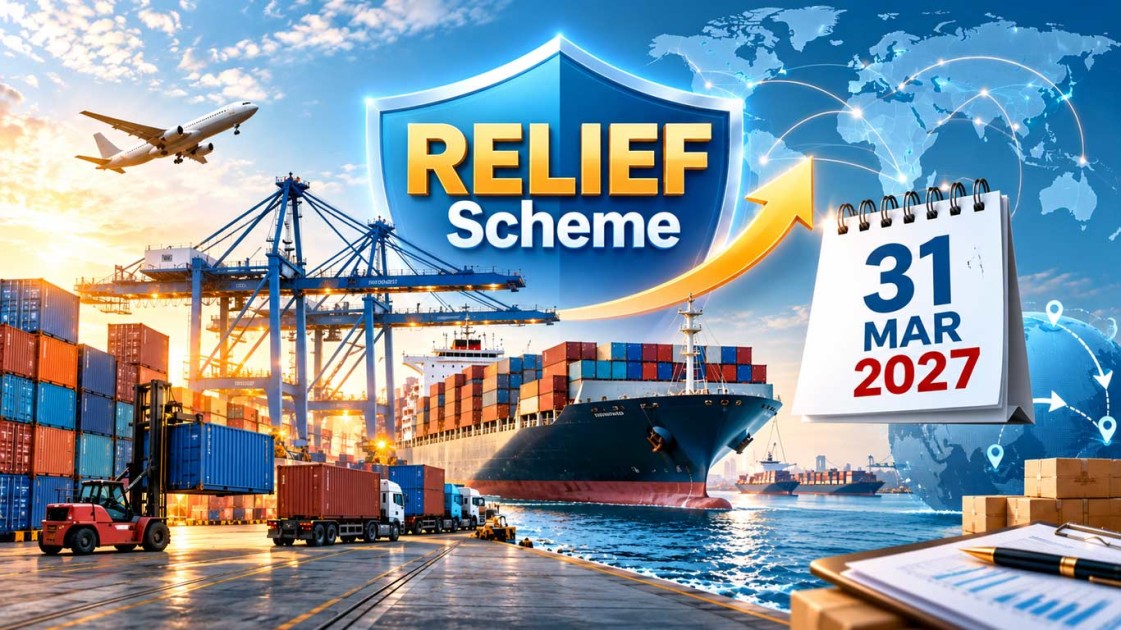
NEW DELHI : The Department of Commerce has extended the timelines under Component II of RELIEF (Resilience & Logistics Intervention for Export Facilitation), a time-bound intervention under the Export Promotion Mission (EPM), until March 31, 2027. The extension was notified vide Notification No. 37/2026-27 dated September 30, 2026, in view of continued geopolitical disruptions in West Asia and their impact on maritime logistics across the Gulf and adjoining regions.

Component II of the initiative aims to encourage exporters to obtain Export Credit Guarantee Corporation of India (ECGC) cover for upcoming shipments to specified regions by providing 95 per cent risk coverage. The benefit is available for Standalone Policies and Whole Turnover Policies obtained on or after March 16, 2026. Under this component, the premium payable by eligible exporters is protected against increases beyond pre-disruption levels during the eligible period. The covered cargo categories include Full Container Load (FCL), Less than Container Load (LCL) and refrigerated (reefer) containers, excluding energy shipments.

Exporters seeking coverage under the RELIEF initiative are required to submit claims and supporting documents through the ECGC customer portal at www.ecgcltd.in. Guidance on generating user IDs and passwords, completing exporter registration and submitting claims under the initiative is available through dedicated video tutorials on ECGC’s official YouTube channel, @ecgcltd7016.

Launched on March 19, 2026, RELIEF is a targeted intervention to support Indian exporters facing extraordinary freight cost escalation, higher insurance premia and war-related export risks arising from disruptions in the Gulf and the wider West Asian maritime corridor.

The extension of RELIEF underscores the Government’s commitment to strengthening export resilience, sustaining trade flows and supporting Indian exporters amid continuing geopolitical and maritime logistics uncertainties.

DP World launches two-doule-stack rail services connecting JNPA with NCR and Gujarat

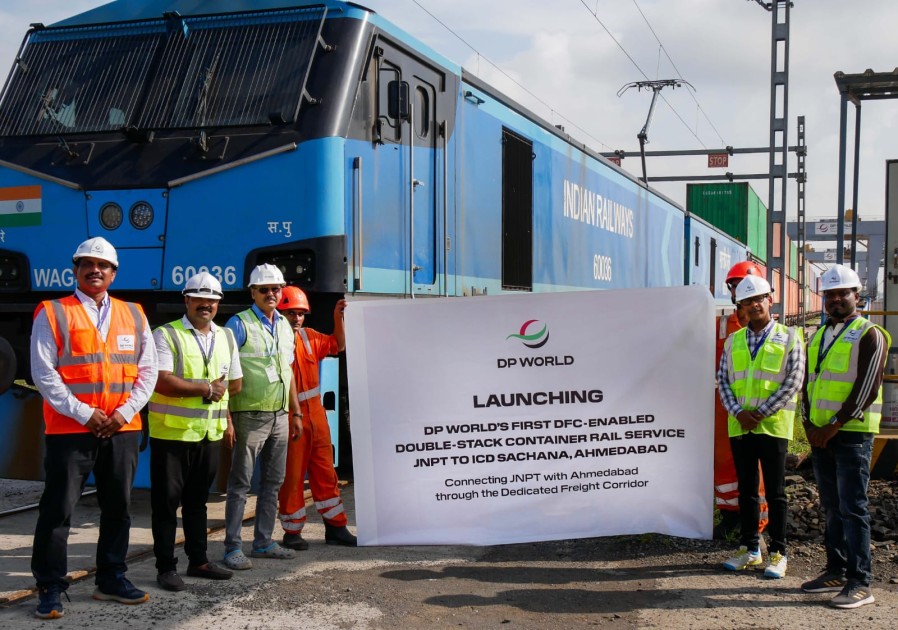
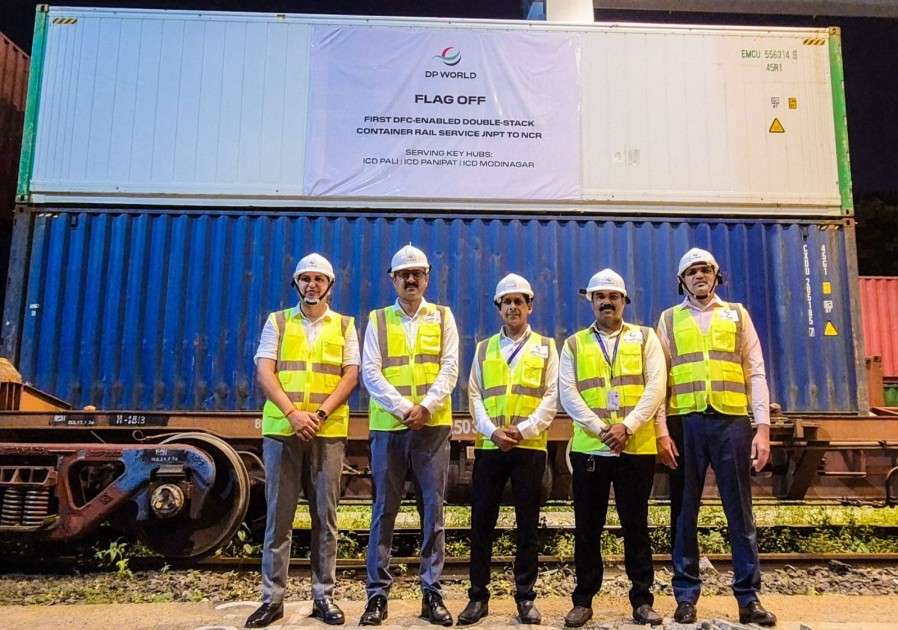
MUMBAI : DP World has launched two new Dedicated Freight Corridor (DFC)-enabled double-stack rail services connecting Jawaharlal Nehru Port Authority (JNPA) with its inland container depot (ICD) network in the National Capital Region (NCR) and Sachana in Ahmedabad, Gujarat.

WhatsApp Image 2026 10 27 at 12.01.03 AM DP World launches two-doule-stack rail services connecting JNPA with NCR and Gujarat

The first service, effective September 2026, connects JNPA with DP World’s ICD network at Pali/Rewari, Jhattipur–Panipat and Modinagar in NCR. The second service, connects JNPA with ICD Sachana in Ahmedabad, extending JNPA’s double-stack rail connectivity into Gujarat. Together, the services leverage dedicated infrastructure, higher speeds and higher capacity to move more cargo efficiently, with the potential for improved turnaround times between the maritime gateway and key inland markets.The new services further strengthen gateway-to-hinterland connectivity by combining port and inland infrastructure within an integrated network across key consumption and production centres. They provide customers with dependable rail alternatives designed to support faster transit, predictable cargo movement and efficient supply chain planning, while strengthening connections between maritime gateways and inland markets.
Double-stack operations increase the amount of cargo that can be moved by rail, while greater use of rail supports a more sustainable logistics network by reducing reliance on road transportation.

Hemant Kumar Ruia, Country Manager, Subcontinent (India), DP World, said, ”Expanding double-stack rail connectivity through the Dedicated Freight Corridor is an important step towards making India’s logistics more efficient. As the economy grows, moving goods faster and more cost-effectively between ports and key markets will be critical. By connecting JNPA with major markets across NCR and Gujarat, we are helping businesses move cargo faster, reduce logistics costs and build stronger, more resilient supply chains.”

Adhendru Jain, Vice President – Rail & Inland Terminals – SCO DP World, said, “India’s National Logistics Policy and PM GatiShakti are driving a more integrated, multimodal and efficient logistics ecosystem, with stronger connections between ports, rail networks and inland markets. Our expansion of DFC-enabled double-stack rail services is aligned with this vision, as we continue to build greater rail capacity and strengthen the link between maritime gateways and key consumption and production centres. By connecting JNPA with our ICD network across NCR and Gujarat, we are bringing together dedicated freight infrastructure, higher-capacity rail operations and our inland network to provide customers with more efficient and predictable cargo movement. This not only gives businesses greater choice in how they move cargo but also supports the broader shift towards a more cost-efficient, resilient and sustainable freight network in India.”

The new rail connectivity will support key production and consumption clusters across Gujarat and North India, including automotive, engineering, manufacturing, pharmaceutical, chemical, textile and home-furnishing sectors. By connecting these clusters more efficiently with JNPA, the services will provide exporters, importers and domestic supply chains with greater rail capacity and more reliable cargo movement.

Follow DP World on: 

Twitter: https://twitter.com/DP_World  

LinkedIn: https://www.linkedin.com/company/dp-world  

About DP World  

DP World is reshaping the future of global trade to improve lives everywhere. Operating across six continents with a team of over 125,000 employees, we combine global infrastructure and local expertise to deliver seamless supply chain solutions. From Ports and Terminals to Marine Services, Logistics and Technology, we leverage innovation to create better ways to trade, minimising disruptions from the factory floor to the customer’s door. 

In India, DP World serves a quarter of India’s EXIM container market with 5 container terminals with a total installed capacity of 6 million TEUs per annum. It has 3 free trade warehousing zones, 5 million square feet of warehousing space, 5 container freight stations, express logistics network covering 15000 pin codes and advanced freight forwarding expertise. It is also one of the largest private rail freight operators in India with 16000+ owned containers and 8 inland rail terminals. 

GCCI highlights industry concerns at interaction on key outcomes of 57th GST Council Meeting

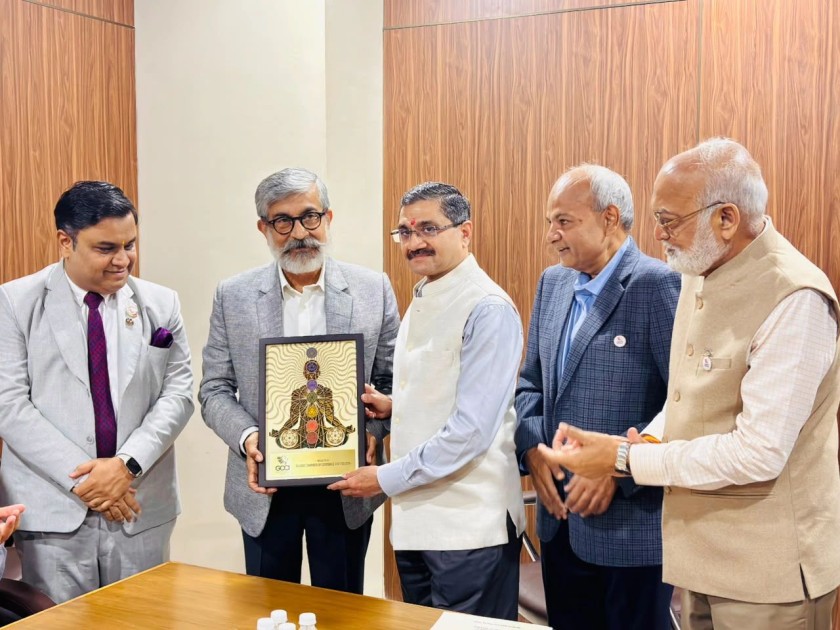
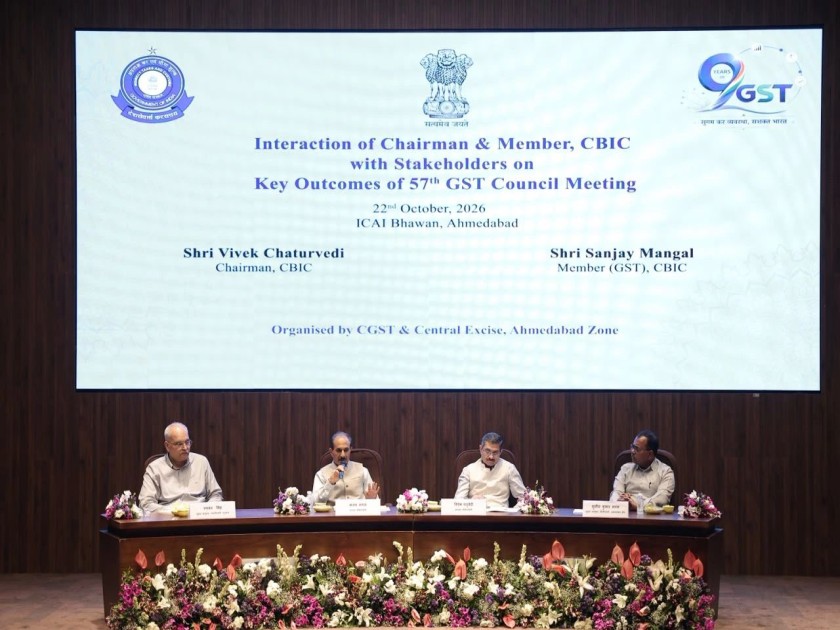
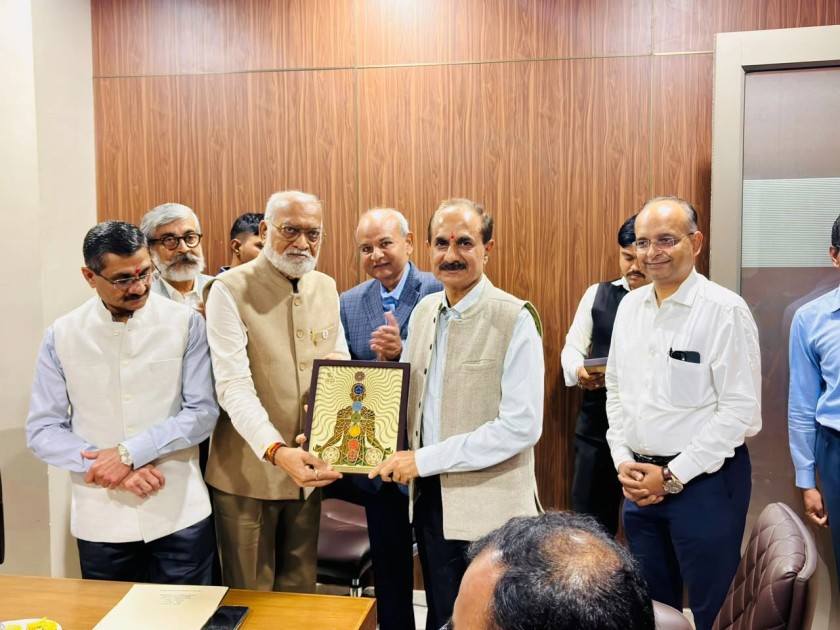
AHMEDABAD : The Gujarat Chamber of Commerce & Industry (GCCI) participated in an interaction session on the key outcomes of the 57th GST Council Meeting, organised by the CGST Ahmedabad Zone on October 22, 2026, at ICAI Bhawan, Ahmedabad. The session brought together senior tax officials, representatives of trade and industry, industry associations, and chambers of commerce to discuss GST-related developments and address practical challenges faced by businesses.

Shri Hiten Vasant, Vice President, GCCI, attended the session along with Shri Shailesh Patwari, Past President, GCCI, and Shri Nayan Sheth, Chairman, Indirect Tax Committee, GCCI. Members of the GCCI Indirect Tax Committee were also present, representing the interests and concerns of the business community.

The interaction was attended by senior officials, including Shri Vivek Chaturvedi, Chairman, Central Board of Indirect Taxes and Customs (CBIC); Shri Sanjay Mangal, Member (GST), CBIC; Shri Sunil Kumar Mall, IRS, Chief Commissioner, CGST Ahmedabad Zone; and Shri Roopwant Singh, IAS, Chief Commissioner of State Tax, Gujarat. The officials engaged with industry stakeholders on the key outcomes of the 57th GST Council Meeting and matters concerning the implementation and administration of GST.

GCCI Raises Key GST-Related Industry Concerns

During the interaction, Shri Nayan Sheth, Chairman of the GCCI Indirect Tax Committee, highlighted key issues affecting trade and industry. The matters raised included challenges relating to GST registration, refund processing, input tax credit (ITC), and the rationalisation of GST provisions.

The discussions provided an opportunity for industry representatives to bring practical implementation issues to the attention of tax authorities, seek greater clarity on relevant GST provisions, and share suggestions for improving compliance processes and the overall ease of doing business.

Strengthening Dialogue Between Tax Authorities and Industry

The session served as a constructive platform for direct engagement between tax administrators and the business community. Such interactions are important in identifying operational bottlenecks, improving understanding of tax regulations, and encouraging a more transparent, responsive, and business-friendly GST framework.

GCCI appreciated the initiative taken by the CGST Ahmedabad Zone to facilitate meaningful dialogue with industry stakeholders. The Chamber reiterated the importance of continued cooperation between tax authorities and businesses to address genuine concerns, improve tax administration, and support trade, investment, and economic growth in Gujarat.

The interaction reaffirmed the value of industry participation in policy discussions and implementation-related consultations, helping bridge the gap between regulatory requirements and the practical realities of business operations.

GCCI continues to advocate constructive engagement between the government and industry to strengthen Gujarat’s business ecosystem and advance its economic growth agenda.

Grow Business. Transform Gujarat.

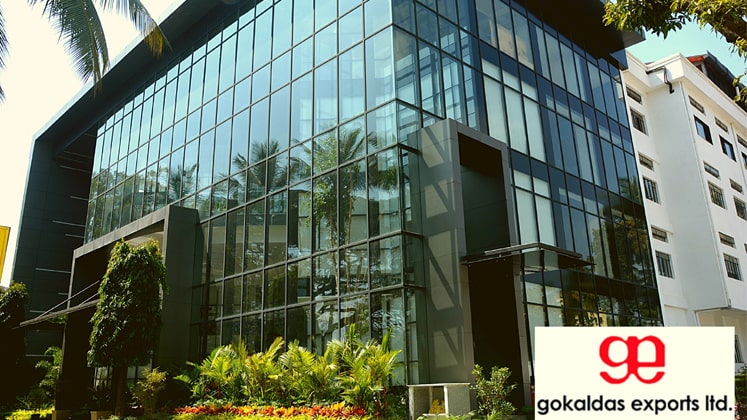
Gap apparel supplier Gokaldas eyes doubling Europe exports share to cut US reliance

BENGALURU : Indian apparel supplier Gokaldas Exports (GOKL.NS)expects Europe to nearly double its share of exports as it benefits from a proposed trade ​deal, while diversifying beyond the US, a top executive told ‌Reuters. Domestic garment exporters are looking beyond the United States as uncertainty over tariffs persists, while anticipating stronger demand from Europe as India secures better trade access.

“Europe accounts for ​around 15% of our exports. Over the next three to five ​years, we expect Europe’s share to increase to approximately 25%-30%,” ⁠said Sivaramakrishnan Ganapathi, Gokaldas’ Vice-Chairman and Managing Director.

The European Union is expected ​to sign a landmark trade deal with India by the end of 2026, cutting ​tariffs on imports.
Gokaldas is “actively holding discussions with major European retailers in preparation for duty-free trade,” Ganapathi said without naming them, adding it is boosting capacity in India instead ​of moving production elsewhere.

The exporter, whose top customers include brands such as Gap, ​Carhartt, and JCPenney, is investing 1.25 billion rupees ($13.2 million) in fiscal 2027 to expand overall ‌capacity ⁠and upgrade facilities. Gokaldas, which counts Pearl Global Industries (PGIL.NS), and KPR Mill (KPRM.NS), among its peers, expects the US share of exports to moderate from 69%, seeking to cut exposure to tariff shocks and policy uncertainty. It did not ​say by how ​much the share ⁠would fall.

“The India–EU trade agreement could provide a medium-term opportunity to improve competitiveness, subject to implementation, product coverage and ​origin requirements,” said Equirus Securities analyst Ronak Shah.
US apparel ​imports from across ⁠the globe fell 7% to $49.08 billion in January-August, government data showed.
But Gokaldas’ US spring and summer orders for 2027 were stronger than the 2026 holiday season, when its shipments ⁠from ​India rose 3%-4% from a year earlier, ​Ganapathi said. He added that holiday sales would provide an early indication of demand for next ​year.

Source : Reuters

Ashwini Vaishnaw and Suvendu Adhikari flagged off Jaipur (Khatipura) – Tatanagar – Santragachi Express Train

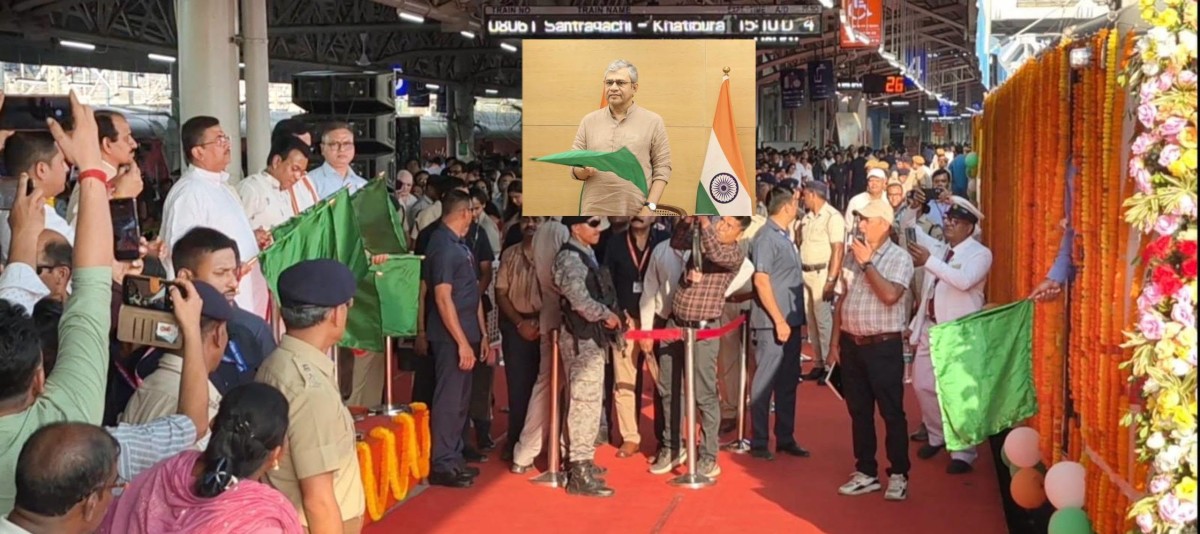
KOLKATA : Union Minister for Railways, Shri Ashwini Vaishnaw, and the Chief Minister of West Bengal, Shri Suvendu Adhikari flagged off the Jaipur (Khatipura)–Tatanagar–Santragachi Express train on Monday. Shri Vaishnaw participated in the programme through video conferencing.

Shri Dilip Ghosh, Minister, Government of West Bengal; Shri Sunil Kothari, Mayor; Shri Bidyut Baran Mahato, Member of Parliament; and Smt. Manju Sharma, Member of Parliament, along with other public representatives and dignitaries, were present at the programme.

The Minister of Railways, Shri Vaishnaw said that the new train service connecting Jaipur with Jamshedpur and Kolkata would improve rail connectivity between Rajasthan, Uttar Pradesh, Bihar, Jharkhand and West Bengal. The Railway Minister added that the new service would benefit migrant workers residing in Rajasthan, business communities, students and other passengers travelling between different regions.

Highlighting the development of Railways in Jharkhand, Shri Vaishnaw said that the railway budget allocation for the state has increased from ₹450 crore to ₹7,500 crore, which is approximately 16 times the earlier allocation. He added the projects worth approximately ₹75,000 crore are underway in the state. He also stated that 57 stations in Jharkhand are being redeveloped under the Amrit Bharat Station Scheme. Work has been completed at several stations, including Godda, Govindpur Road, Lohardaga, Madhupur and Muri.

The Railway Minister said that redevelopment work under the Amrit Bharat Station Scheme is underway across the country, with more than 1,300 stations taken up for development. Several stations in West Bengal, including Santragachi, Jalpaiguri Road, Joychandi Pahar, Haldia and Kamakhyaguri, are also being redeveloped.

Shri Vaishnaw said that railway development is being undertaken keeping in mind the needs of middle-class and economically weaker families, for whom Railways is a major means of affordable transport. He emphasised that station redevelopment and improved connectivity would benefit passengers across all income groups.

Shri Vaishnaw said that the work of expanding the railway line connecting Howrah, Kharagpur, Chakulia and Tatanagar to four lines is underway. The Railway Minister also stated that the 4.5-kilometre-long section connected to the Beleghata-IT Centre of Kolkata Metro has been completed and trial runs have commenced on it. He said that this section would provide connectivity with the Green Line.

Chief Minister of West Bengal, Shri Suvendu Adhikari expressed his gratitude to Railway Minister Shri Ashwini Vaishnaw during the programme for the railway infrastructure projects being undertaken in the state.

Referring to the increase in railway budget allocation for West Bengal, Shri Adhikari said that the annual average allocation during 2009-2014 was ₹4,380 crore, which has increased to ₹14,205 crore for 2026-27. He said that the increased investment would help in the development of railway infrastructure and improvement of connectivity in the state.