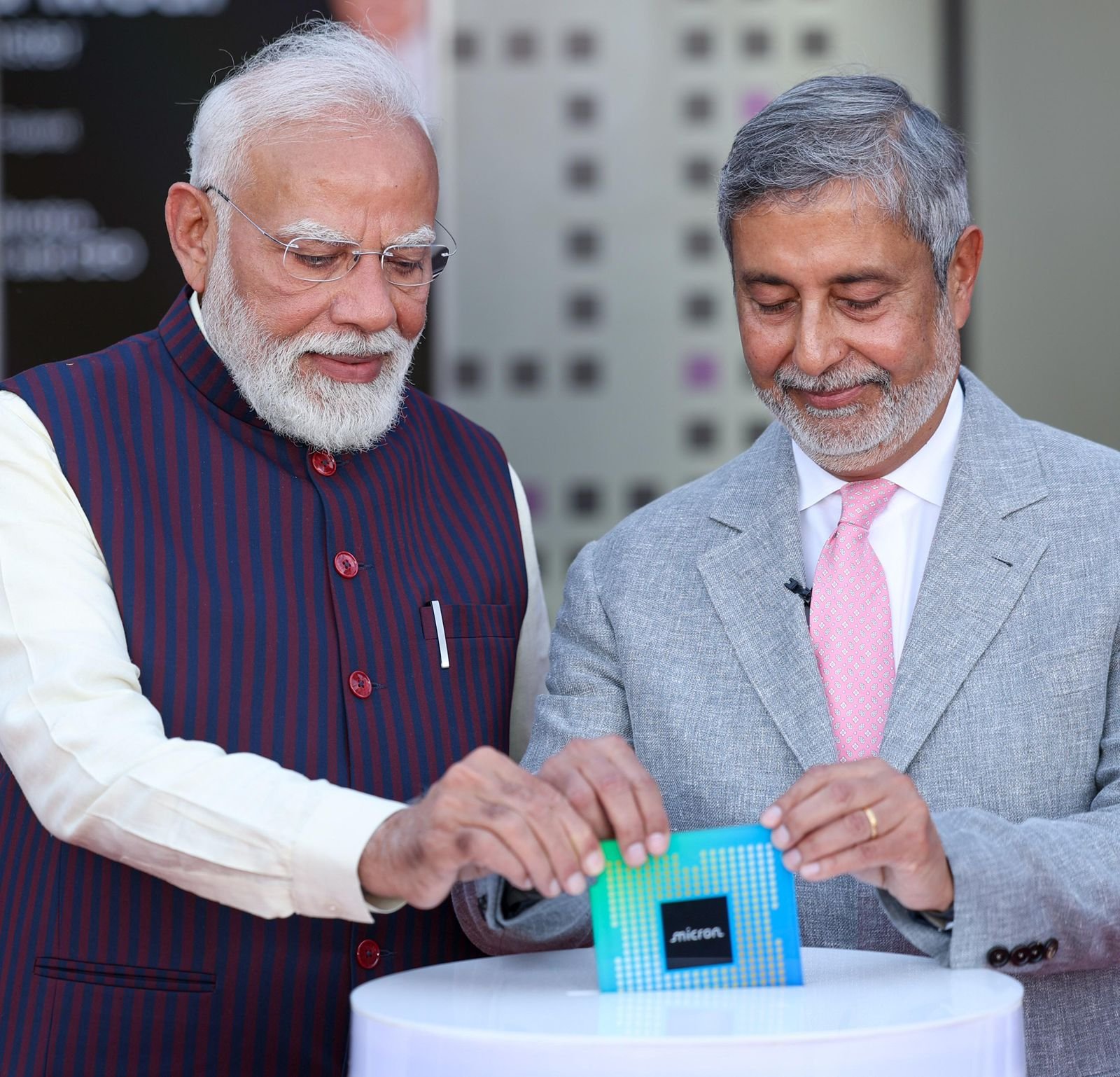
AHMEDABAD: Prime Minister Shri Narendra Modi, on last Saturday(28-02-26) inaugurated the Micron ATMP (Assembly, Test, Marking, and Packaging) facility in Sanand, Gujarat. This landmark event, marking the commencement of commercial production, signifies a historic milestone in India’s journey toward global technology leadership.
The Prime Minister noted that after the world’s largest and most successful AI Summit, today we are witnessing another historic milestone. “While the AI Summit introduced the world to India’s AI prowess, today is a testament to India’s commitment to technology leadership”, Shri Modi remarked.
The Prime Minister noted that while India was once primarily known for software and IT services, it is now rapidly strengthening its identity in the hardware sector. “Today, in Sanand, we see the dawn of a new future. The commencement of commercial production at Micron’s ATMP Facility is set to bolster India’s role in the global technology value chain”, Shri Modi emphasised.
The Prime Minister highlighted the “New India” mindset, where the transition from policy to production is happening at unprecedented speed. The Prime Minister emphasised the project’s rapid progression, noting that the Memorandum of Understanding was signed in June 2023, followed by the groundbreaking in Sanand in September 2023. “By February 2024, machine installation in the pilot facility had begun, leading to the commencement of commercial production in February 2026”, Shri Modi added.
Shri Modi stated that India has significantly streamlined complex regulatory processes, successfully clearing Advanced Pricing Agreements (APAs) in just a few months. He noted that this same procedure typically takes between three and five years to complete, even in developed nations.
“When the intent is clear and the dedication is toward the nation’s rapid development, policies become transparent and decisions gain momentum,” the Prime Minister remarked.
The Prime Minister emphasized that this facility is a testament to the robust partnership between India and the USA, particularly in AI and chip technology. He mentioned that two of the world’s largest democracies, India and the USA are working continuously to secure the global supply chain, citing the Pax Silica agreement signed during the AI Summit as a key effort to make the supply chain for critical minerals more reliable.
Noting this century as the century of the AI Revolution, the Prime Minister called semiconductors a bridge to this change. Comparing historical shifts, Shri Modi stated that if oil was the regulator of the 20th century, the micro-chip is the regulator of the 21st century. A tiny chip is the medium connecting the Industrial Revolution to the AI Revolution. “With this vision, India decided to move forward aggressively in the semiconductor sector. Recall that when the world was struggling with the havoc of Covid, India announced its Semiconductor Mission. During the pandemic, when everything felt like it was falling apart, the seeds we planted with conviction are now growing and bearing fruit.” Shri Modi highlighted.
The Prime Minister reiterated India’s commitment to the semiconductor sector, noting that while 10 projects have been approved under the Semicon India program, three more are set to begin production soon across various states, including Uttar Pradesh, Assam, Odisha, and Punjab. “This ecosystem we are building is not limited to one region; it is Pan-India. New tech hubs for a ‘Viksit Bharat’ are being developed in every corner of the country. “ Shri. Modi stated.
The Prime Minister noted that a semiconductor ecosystem is far more than just a factory; it is a multi-layered system comprising machine manufacturers, design engineers, research institutions, logistics networks, and skilled technicians. A chip is produced through the seamless coordination of all these elements. “India is focusing on the entire value chain. In this year’s budget, we announced the ‘India Semiconductor Mission 2.0’ for this very purpose,” the PM stated. Highlighting the scale of the growth, PM Modi added, “As production increases, the demand for materials, components, and services within India will also grow. This is the greatest opportunity.”
Shri Modi highlighted, “ A massive portion of India’s population is becoming first-time gadget users. Whether it is electronics, automobiles, or other technologies, demand is constantly rising. “Make in India” is now in full swing.” Stating the manifold growth in the production and exports of the electronics sector in the last 11 years, Shri Modi pointed out that, “ For investors, both the domestic market and global opportunities stand ready.”
Drawing parallels to Sanand’s transformation into an automobile hub, the Prime Minister expressed confidence that the Micron facility would anchor a new semiconductor ecosystem. The plant will produce D-RAM and NAND solutions to power global data centers, AI applications, and mobile devices. He also lauded the facility for housing one of the world’s largest ATMP cleanrooms and its focus on environmental sustainability through minimized water consumption.
Praising the policies of the Gujarat government, Shri Modi noted that the policies created for the semiconductor sector are now yielding results on the ground. The Prime Minister highlighted that Gujarat is advancing rapidly in technology. “Simplifying processes like approvals, land allotment, and utilities has strengthened investor confidence. Dholera and Sanand are developing as the semiconductor clusters of Western India”, noted Shri Modi. The Prime Minister further stated that industries related to the inputs required for the semiconductor sector,such as chemicals and petrochemicals,along with skill centers and training initiatives, are being developed simultaneously.
The Prime Minister concluded with a powerful message to global investors, asserting, “India is ready. India is reliable. India delivers.” He assured global partners and investors of unwavering support from both the Central and State governments, marking this decade as a historic turning point for India’s technological trajectory. His address resonated globally with a clear, firm commitment: “India is Capable. India is Competitive. India is Committed.”
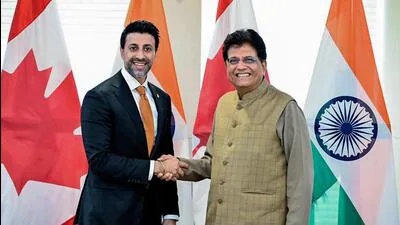
NEW DELHI: India and Canada launched negotiations for the Comprehensive Economic Partnership Agreement (CEPA) on Monday in New Delhi and decided to finalise it soon. The Terms of Reference (ToR) for the India-Canada Comprehensive Economic Partnership Agreement (CEPA) were signed by Shri Piyush Goyal, Minister of Commerce & Industry and Mr. Maninder Sidhu, Minister of International Trade of Canada on 2nd March 2026 and were exchanged in the presence of Prime Minister Shri Narendra Modi & Prime Minister Mr. Mark Carney of Canada at Hyderabad House, New Delhi.
During the ceremony, Prime Minister Modi highlighted that the goal for bilateral trade is to reach US$50 billion by 2030. The priority is to unlock the full potential of economic cooperation for which India and Canada has decided to finalize the Comprehensive Economic Partnership Agreement (CEPA) soon. Prime Minister Carney said that it is the expansion of a valued partnership with new ambition, focus, and foresight—a partnership between two confident countries charting own course for the future.
The ToR of negotiations will provide format, frequency, and approach to India-Canada CEPA negotiations. It will serve as a guide to facilitate negotiations in order to conclude an ambitious, balanced and mutually beneficial Comprehensive Economic and Partnership Agreement (CEPA).
As follow up to the leader’s statement during their bilateral meeting on the margins of the G7 meeting in Kananaskis, Canada in October 2025, both sides started working towards finalising the ToR for the negotiations of India-Canada CEPA.
The negotiations would cover trade in goods, services and other mutually agreed policy areas.
Canada represents a market of 41.65 million people (2025) and US$ 2.34 trillion in terms of GDP at PPP. The India–Canada CEPA holds significant potential to unlock and expand bilateral trade which stood at USD 8.66 billion) in FY 2024-25 (Exports: USD 4.22 billion; Imports: USD 4.44 billion. (Source: DGCI&S)
Key exports from India to Canada include drugs & pharmaceuticals, iron & steel, seafood, cotton garments, electronic goods and chemicals among others. Key imports of India from Canada include pulses, pearls & semiprecious stones, coal, fertilizer, paper and petroleum crude.
Key sectors of India’s services exports to Canada include telecommunications, computer and information services, and other business services. These sectors hold significant future growth potential and are expected to expand further following the conclusion of the CEPA.
Canada is also home to over 425,000 Indian students and a strong Indian community. These strong and enduring people-to-people ties which constitute “One Family” would be further reinforced by the conclusion of India- Canada CEPA.
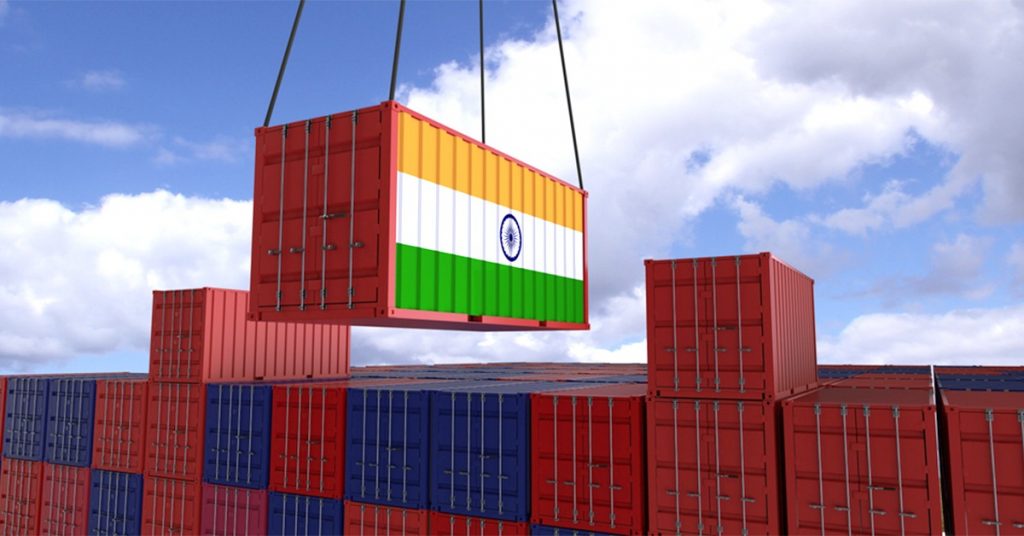
NEW DELHI: The Department of Commerce, Ministry of Commerce & Industry, held a stakeholder consultation with all stakeholder ministries, key logistics and trade facilitation partners to review the emerging geo-political situation and its potential impact on India’s export-import (EXIM) cargo flows, including the export ecosystem.
The meeting was chaired by Special Secretary, Department of Commerce, Shri Suchindra Misra and Shri Lav Agarwal, Director General of Foreign Trade (DGFT). The meeting was attended by representatives from logistics operators and shipping lines/forwarders, Central Board of Indirect Taxes & Customs, Department of Financial Services, Ministry of Petroleum & Natural Gas, Ministry of Ports, Shipping and Waterways, the Reserve Bank of India, export promotion ecosystem and other concerned agencies.
Stakeholders presented an assessment of the evolving operational environment, including routing and transit-time changes, vessel scheduling adjustments, container/equipment availability, freight and insurance cost trends, and implications for time-sensitive exports. The discussions covered the need to maintain predictability in cargo movement, minimise avoidable delays, and ensure seamless documentation and payment processes for exporters and importers.
The Department reiterated the Government of India’s priority of ensuring continuity of EXIM logistics and mitigating any disruptions to India’s trade flows. It was emphasised that the approach will remain facilitative and coordinated, with a focus on maintaining supply chain resilience, protecting the interests of exporters—particularly MSMEs—with a view that essential imports required for domestic production and consumption are not adversely affected.
During the meeting it was agreed amongst the stakeholders to maintain close, real-time coordination for monitoring route and capacity developments, surcharges, and equipment availability. Mechanisms for facilitation of time-sensitive export segments such as perishables, pharmaceuticals, and high-value manufactured exports were also discussed. The meeting emphasised strengthening facilitation at ports/ICDs and ensuring smooth cargo evacuation to avoid congestion and extended dwell times.
The Government reiterated its readiness to facilitate trade operations, including:
Procedural flexibility in export-related authorisations in cases of genuine disruption;
Coordination with Customs authorities to ensure smooth clearance;
Engagement with financial and insurance institutions to support exporter interests;
Continued inter-ministerial coordination.
The Department reaffirmed that it will continue to engage closely with all stakeholders and relevant Ministries/Departments to ensure that India’s trade continues to move efficiently and that any emerging issues are addressed in a timely manner.
India’s Trade Resilience
India has successfully navigated multiple global disruptions in recent years and continues to strengthen supply chain resilience. The Government remains committed to ensuring that India remains a stable and reliable trading partner.
GANDHIDHAM: Inspired by the spirit of theSeva Sankalp Resolution adopted by the Union Cabinet, Deendayal Port Authority (DPA), Kandla has reaffirmed its unwavering commitment to the national vision of Viksit Bharat 2047. The Authority has reiterated its resolve to align its institutional mission with the transformative goals of nation-building and sustainable economic progress.
In consonance with the Resolution, DPA Kandla emphasized its accountability and dedication toward strengthening India’s maritime sector and accelerating the country’s emergence as a global hub in the green energy transition. The Port Authority underscored its pivotal role in driving infrastructure modernization, enhancing operational efficiency, and promoting environmentally sustainable port-led development.
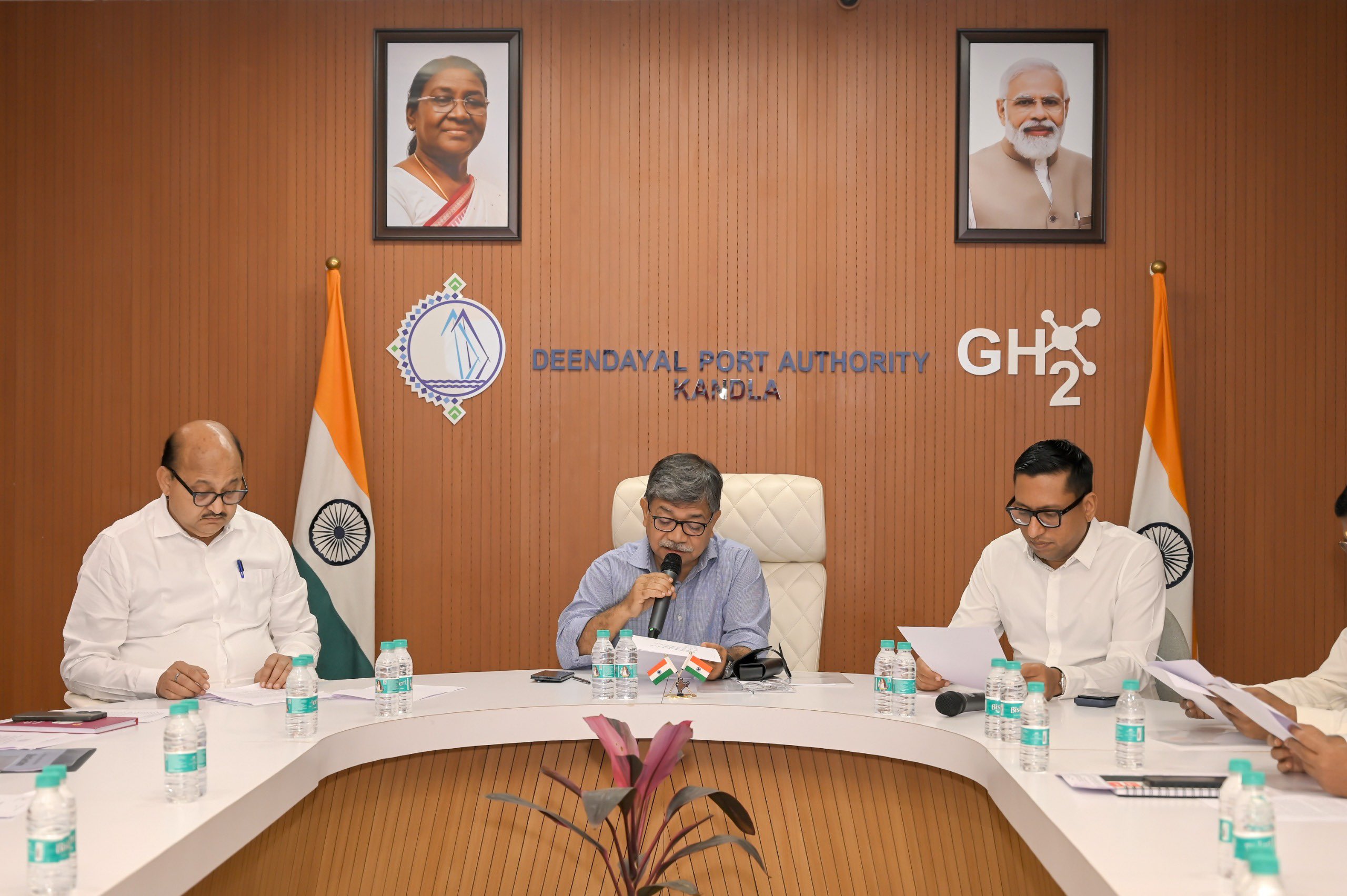
The Seva Sankalp Resolution was ceremonially read out by Shri Sushil Kumar Singh, IRSME, Chairman, DPA; Shri Nilabhra Dasgupta, IRS, Deputy Chairman; in the presence of Heads of Departments and senior officials of the Authority.
Addressing the gathering, the Chairman highlighted the deeper ethos and national significance of the Resolution, calling upon all officers and staff to internalize its principles in both letter and spirit. He urged officials to demonstrate renewed dedication, integrity, and service orientation in their respective domains, thereby contributing meaningfully to the larger national objective of building a developed, self-reliant, and globally competitive India.
DPA Kandla reaffirmed that through collective effort, institutional excellence, and steadfast adherence to the ideals enshrined in the Resolution, it will continue to play a catalytic role in advancing India’s maritime growth story and the realization of Viksit Bharat 2047.
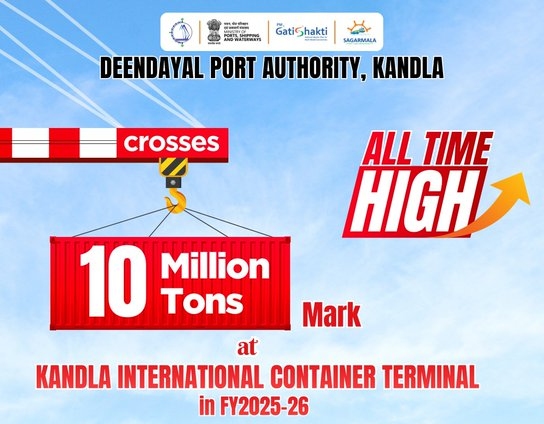
GANDHIDHAM: In a landmark achievement for India’s maritime sector, Kandla International Container Terminal (KICT) has scripted history by handling 10 Million Metric Tonnes (MMT) of cargo in a single financial year for the very first time.
As of 24th February, the terminal recorded an impressive throughput of 10,047,358 metric tonnes, decisively surpassing its previous highest annual performance of 8,663,243 metric tonnes achieved in FY 2021–22. The milestone underscores KICT’s steady growth trajectory and its expanding role in strengthening India’s trade and logistics ecosystem.
The achievement reflects not only enhanced cargo volumes but also operational excellence, seamless coordination, and the collective commitment of stakeholders across the maritime value chain. Improved efficiency, streamlined processes, and a customer-centric approach have significantly contributed to the terminal’s record-breaking performance.
This milestone marks a new chapter in KICT’s journey, reinforcing its position as a key driver of regional economic growth and a vital gateway for international trade. As cargo volumes continue to rise, the terminal stands as a testament to India’s growing maritime strength and its ambition to scale new heights in port-led development.
With this historic accomplishment, KICT sets a new benchmark for performance and signals strong momentum for the years ahead.
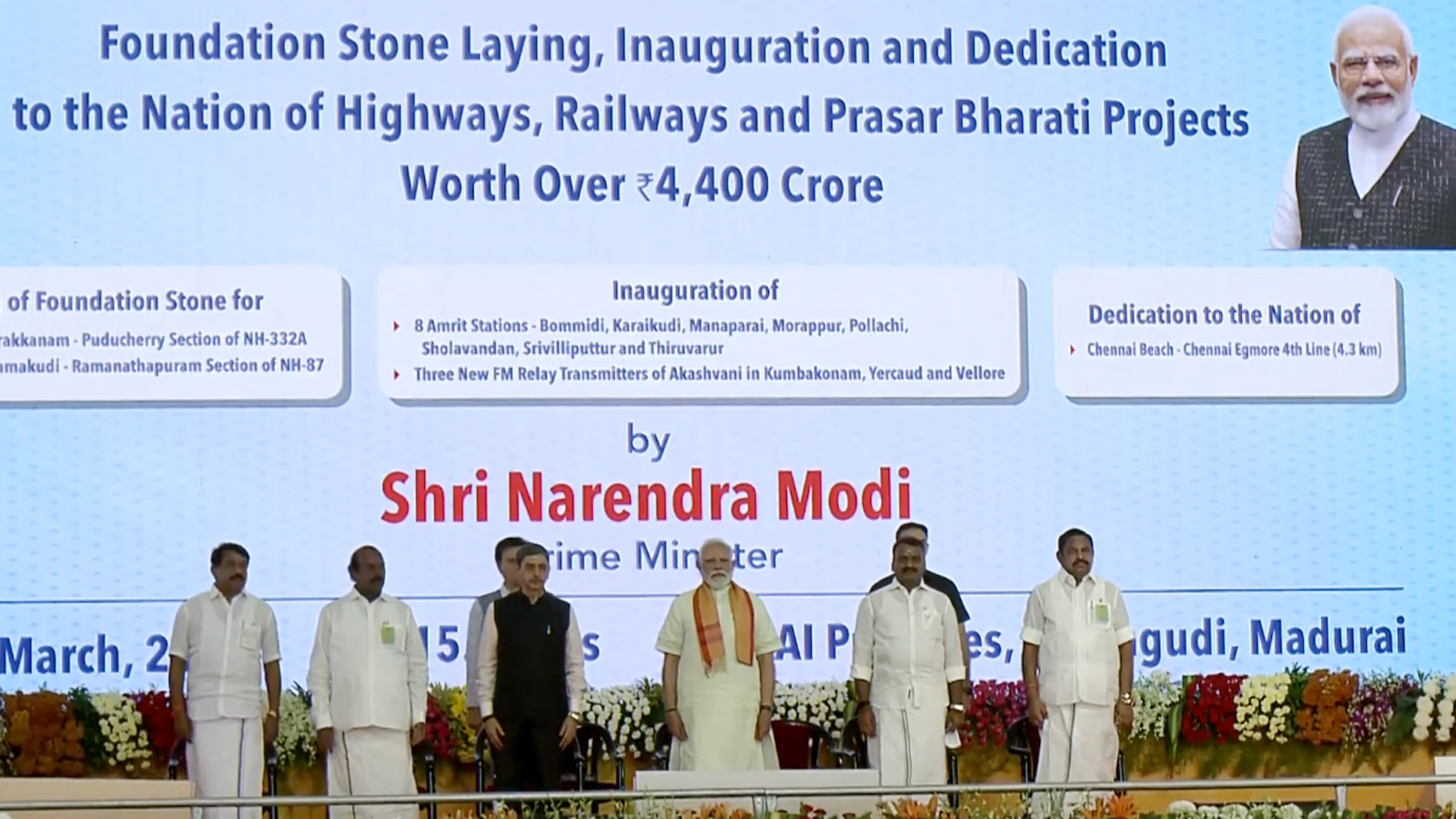
MADURAI: The Prime Minister Shri Narendra Modi inaugurated and laid the foundation stone for multiple development projects worth more than Rs. 4,400 crore in Madurai, Tamil Nadu on Sunday (01-03-2026). Addressing the gathering in the sacred city of Madurai, the Prime Minister stated that today marks a proud chapter in Tamil Nadu’s development journey. These projects are aimed at transforming connectivity, boosting the economy, and creating significant job opportunities for the youth and transforming lakhs of people’s lives. of the state. The Prime Minister emphasized that building high-quality infrastructure is fundamentally about empowering people. “These developments mean better roads for farmers to reach markets, easier travel for pilgrims and tourists, and faster transport for businesses”, highlighted Shri Modi.
The Prime Minister said, “over the past twelve years, the Government of India has made significant investments in Tamil Nadu’s highway network, with more than four thousand kilometres of highways constructed since 2014.” He noted the foundation stone laying for two major national highway projects, the four-laning of the Marakkanam–Puducherry section, involving an investment of over Rs. 2,100 crore to strengthen coastal tourism and trade, and the four-laning of the Paramakudi–Ramanathapuram stretch. With an investment of over Rs. 1,800 crore, the latter project will significantly enhance access to sites like Rameshwaram and Dhanushkodi, ensuring ease of travel for pilgrims and smoother movement for agricultural and marine products.
The Prime Minister underscored that over the last decade, Indian Railways has undergone a historic transformation, emerging as a modern, efficient, and people-centric transport system. “This transformation is particularly visible in Tamil Nadu, where the railway budget allocation has increased nearly nine-fold since the current government took office,” Shri Modi stated. The Prime Minister pointed out that while the average yearly allocation was Rs. 880 crore between 2009 and 2014, it has risen to Rs. 7,600 crore for the year 2026–27. He further detailed that more than 1,300 kilometres of new tracks have been laid in the state, 97% electrification has been achieved, and hundreds of flyovers and underpasses have improved safety and efficiency. Recalling a major milestone, The Prime Minister mentioned his privilege in inaugurating the new Pamban Bridge last year, describing India’s first vertical
The Prime Minister highlighted that currently, 9 Vande Bharat trains and 9 Amrit Bharat trains are serving the people of Tamil Nadu, with their coaches being manufactured at the Integral Coach Factory in Chennai. He expressed pride in the ‘Make in India’ vision, noting , “ It is boosting self-reliance and creating jobs for the youth.” Under the Amrit Bharat Station Scheme, seventy-seven railway stations in the state are being modernized to blend comfort, accessibility, and local identity, with eight redeveloped stations being inaugurated today, Shri Modi stated . He further added that,the dedication of the Chennai Beach–Chennai Egmore fourth line will benefit thousands of daily commuters. The Prime Minister also inaugurated Akashvani’s new FM relay transmitters in Kumbakonam, Yercaud, and Vellore, dedicating these radio stations to the service of the people.
The Prime Minister highlighted that infrastructure funding for Tamil Nadu has tripled compared to the previous decade, noting that the 2026 Union Budget maintains this strong focus on the state. He detailed proposals for the Bengaluru-Chennai and Chennai-Hyderabad bullet train corridors, which are set to revolutionize the regional economy. Additionally, the Prime Minister pointed out, “The budget positions Tamil Nadu within the Rare Earth Corridors, aimed at promoting advanced manufacturing, research, and technology development.”
The Prime Minister remarked that Tamil Nadu possesses a rich history and heritage, announcing that historic sites such as Adichanallur will be developed into global heritage destinations. Shri Modi noted that ecotourism initiatives around Lake Pulicat and Podhigai Malai will create new job opportunities while simultaneously preserving natural ecosystems. Furthermore, he mentioned that approximately two hundred industrial clusters will be identified and supported nationwide to boost manufacturing. Emphasizing that Tamil Nadu is home to many industries, the Prime Minister stated that this scheme will significantly benefit the local youth.
The Prime Minister emphasized that every Indian is inspired to build a developed nation by 2047, noting that Tamil Nadu will play a decisive role in shaping the nation’s destiny. Reaffirming the Centre’s full commitment to enabling inclusive development and the state’s progress, he concluded with the assertion, “Our collective goal is a developed Tamil Nadu for developed India.”
Sectors such as electronics, automobiles, pharmaceuticals and defense manufacturing are expanding through targeted policy support
Institutional reforms like the Export Promotion Mission (EPM) enhances trade finance, logistics, compliance, and market access
Introduction
In the post-pandemic period, India has emerged as a fast-growing major economy, leveraging domestic strengths to navigate global uncertainties. The Economic Survey 2025-26 notes that India’s growth rates are “the envy of the world,” backed by healthy banking system, credit intermediation, ample foreign reserves and a comfortable current account balance.
The global trade landscape has been undergoing adjustments as reflected inUNCTAD Trade Policy Uncertainty (TPU) Index and the Global Economic Policy Uncertainty (GEPU) Index in April 2025. At the same time, these developments have accelerated India’s efforts to strengthen resilient supply chains, expand diversified trade and investment partnerships worldwide.
Against this backdrop, India has been able to pursue targeted import substitution in critical sectors, pairing it with an export-oriented approach to stay competitive over the long run.
Manufacturing Renaissance: Building Domestic Capabilities
India’s quest for import substitution is powered by themes of swadeshi and aatmanirbharta and has translated into targeted policies across industries. The government has focused on sector-specific incentives, investments, and reforms in scaling domestic manufacturing capabilities. Over the past decade, bold reforms and visionary policies like Make in India initiative and Production-Linked Initiatives have transformed the country into a global manufacturing hub.
Highlights of Union Budget 2026-27 The Union Budget 2026-27 places a sharp focus on scaling domestic manufacturing in strategic and labour-intensive sectors, thereby strengthening export competitiveness andreducing critical import dependence. The Government announced a wide range of measures spanning the services sector, manufacturing, Special Economic Zones (SEZs), infrastructure, ease of doing business, and sector-specific reforms.Flagship initiatives include Biopharma SHAKTI, the launch of India Semiconductor Mission 2.0, expansion of the Electronics Components Manufacturing Scheme, development of Rare Earth Corridors, establishment of Chemical Parks, and targeted support for capital goods and container manufacturing.It proposes facilitation measures to enable customs duty reductions on aviation parts, lithium‑ion cell manufacturing, and parts for defence and civil aviation thatwill help to lower manufacturing costs for engineering sub‑segments such as aerospace components, electronics engineering, and energy storage hardware.
Electronics Success Story
A direct outcome of the import substitution efforts is clearly visible in the striking performance of India’s electronics manufacturing. With a target of building a $500 billion domestic electronics ecosystem by 2030-31, India is now firmly on track to become a global leader in electronic design, manufacturing, and exports.
Electronics production in India rose from ₹1.9 lakh crore in 2014-15 to ₹11.3 lakh crore in 2024-25, nearly a six-fold increase.
India has attracted over USD 4 billion in FDI in electronics manufacturing since 2020-21, reflecting rising global investor confidence.
The electronics manufacturing sector has generated around 25 lakh jobs in India over the last ten years.
Today, India is one of the world’s fastest-growing electronics manufacturers, particularly in mobile phones. India has now achieved near self-reliance in mobile production, moving from importing most of its requirements a decade ago to manufacturing almost all devices domestically.
Production in the mobile manufacturing segment has increased from ₹18,000 crore in 2014-15 to ₹5.45 lakh crore in 2024-25, a 28-fold rise.
India is now the world’s second-largest mobile phone manufacturer, with more than 300 manufacturing units operating today compared to just two units in 2014.
A similar thrust is visible in other high-value sectors. Semiconductors and electronics components are critical areas where import substitution is strategically important, as seen during global chip shortages. Acknowledging this, Budget 2026-27 announced the launch of India Semiconductor Mission 2.0 to produce equipment and materials, design full stack Indian IP, and fortify supply chains, alongside expanding the Electronics Components Manufacturing Scheme with an increased outlay of ₹40,000 crore.
In August 2025, India inaugurated one of its first end-to-end OSAT (Outsourced Semiconductor Assembly and Test) facilities in Sanand, Gujarat, strengthening the Atmanirbhar Bharat push in semiconductors. Earlier, in May 2025, two state-of-the-art semiconductor design facilities were inaugurated to focus on advanced 3-nanometer chip design, marking a significant milestone in the nation’s semiconductor innovation journey.
India has also approved 10 semiconductor projects across six states, including its first commercial Silicon Carbide fab in Odisha on the anvil and an advanced packaging unit, with total investments of about ₹1.6 lakh crore, further strengthening the country’s position in the global semiconductor value chain.
Key initiatives to strengthen electronics manufacturing
Recognising that electronics manufacturing requires large capital investments, economies of scale, long gestation periods, access to advanced technologies, and a highly skilled workforce, the Government has undertaken a series of strategic interventions to strengthen domestic capabilities and enable domestic firms to integrate more effectively into Global Value Chains (GVCs). To support this objective, several targeted schemes have been launched to strengthen domestic manufacturing and attract investments.
Electronics Component Manufacturing Scheme (ECMS):Notified in 2025 with an outlay of ₹22,919 crore, the scheme aims to strengthen component manufacturing and integrate India’s electronics industry with global value chains through turnover-linked, capex, and hybrid incentives. With investment commitments already nearly double the initial target, the Union Budget 2026-27 increased the outlay to ₹40,000 crore to capitalise on this momentum.
India Semiconductor Mission:Approved in 2021 with an outlay of ₹76,000 crore, the India Semiconductor Mission (ISM) 1.0 provides up to 50% fiscal support for semiconductor fabrication, assembly, testing, and chip design. Building on this, the Union Budget FY 2026-27 provides ₹1,000 crore for ISM 2.0, focusing on industry-led research, technology development, and skilled workforce creation.
Other key initiatives include the Production Linked Incentive (PLI) Scheme for Large Scale Electronics Manufacturing, PLI Scheme 2.0 for IT Hardware, Electronics Manufacturing Clusters (EMC and EMC 2.0) Scheme, Scheme for Promotion of Manufacturing of Electronic Components and Semiconductors (SPECS), and the Modified Programme for Development of Semiconductors and Display Manufacturing Ecosystem.
Automotive Industry on a Growth Drive
The automotive industry, including both vehicles and auto components, continues to be a key pillar of the economy owing to its significant contribution to economic growth, employment generation, and strong linkages with multiple sectors.
India has emerged as the world’s largest market for two-wheelers and three-wheelers, and the third-largest globally for passenger and commercial vehicles. Supported by a vast manufacturing and auto component ecosystem, the sector provides direct and indirect employment to over 30 million people.
Performance trends also reflect sustained growth: total production increased from 22,652 thousand units in FY21 to 31,028 thousand units in FY25, while domestic sales rose from 18,620 thousand units to 25,607 thousand units during the same period, reflecting strong growth and rising domestic demand. Overall, the industry has recorded nearly 33% growth in production over the last decade (FY15-FY25), accompanied by greater innovation and technology adoption, along with increased localisation and value addition.
Key initiatives to strengthen automobile industry
Over the past decade, policy reforms, targeted fiscal incentives, and infrastructure development have strengthened India’s position as a global automotive hub.
PLI Scheme for Automobile & Auto Components Industry: Approved in September 2021 with an outlay of ₹25,938 crore, the PLI-Auto Scheme promotes high-value Advanced Automotive Technology (AAT) vehicles and products and has attracted cumulative investments of ₹35,657 crore as of September 2025.
PM E-DRIVE Scheme: Launched in September 2024 with an outlay of ₹10,900 crore, the scheme offers demand incentives for e-2W and e-3W while extending support to new categories such as e-trucks and e-ambulances, along with funding for charging infrastructure and upgrades to testing facilities.
Other key policy initiatives supporting this transformation include the PLI Scheme for Advanced Chemistry Cell (ACC) Battery Storage, the PM e-Bus Sewa-Payment Security Mechanism (PSM) Scheme, and the Scheme to Promote Manufacturing of Electric Passenger Cars in India (SMEC).
Leveraging “Pharmacy of the World”
India’s pharmaceutical industry is widely recognised for large-scale manufacturing of affordable medicines. Often referred to as the “Pharmacy of the World ,” India plays a crucial role in ensuring access to cost-effective generic drugs while building strong domestic manufacturing capabilities. Today, India ranks as the world’s third-largest pharmaceutical producer by volume and the eleventh largest by value, with the sector recording an annual turnover of ₹4.72 lakh crore in FY25.
In this context, given their critical vulnerability and high strategic importance , strengthening domestic manufacturing of Active Pharmaceutical Ingredients (APIs) has become a priority. India is already the world’s third-largest producer of APIs, and domestic production has increasingly begun substituting imports.
Key initiatives to strengthen pharmaceuticals industry
This momentum is now being reinforced through initiatives aimed at strengthening supply chain resilience and domestic production.
PLI for Bulk Drugs: To mitigate reliance on imported Active Pharmaceutical Ingredients (APIs), Key Starting Materials (KSMs), and Drug Intermediates, the PLI scheme for Bulk Drugs has mobilised investments of ₹4,763 crore as of September 2025 and created an annual manufacturing capacity of 55,000 MT for 26 critical products, with focus on fermentation-based synthesis for KSMs like Penicillin G Potassium.
PLI for Medical Devices: The Government launched the PLI Scheme for Promoting Domestic Manufacturing of Medical Devices in 2020, to promote indigenous manufacturing of medical devices. As of September 2025, the scheme has attracted ₹1,093.69 crore in actual investment, and manufacturing of 57 high-end medical devices has started in the country.
Global Integration of AYUSH: Efforts are underway to integrate India’s AYUSH systems into the global health intervention framework. The WHO Global Traditional Medicine Centre established in Jamnagar serves as an international hub for research, innovation, and policy dialogue on traditional medicine. In May 2025, an MoU was also signed with WHO to develop the International Classification of Health Interventions module, aimed at improving global acceptance and facilitating gradual integration of traditional medicine into public health systems.
Other key initiatives include the Strengthening of Pharmaceutical Industry (SPI) Scheme, the Scheme for Promotion of Bulk Drug Parks, the Scheme for Promotion of Medical Devices Parks, and the Strengthening of Medical Device Industry (SMDI) Scheme. As these schemes progress and production units become operational, India is expected to achieve greater self-reliance and improved resilience in the supply of bulk drugs.
Defence and Strategic Manufacturing: Atmanirbharta in Action
India’s defence sector has witnessed a major shift towards self-reliance, ensuringthat every procurement strengthens national industry, reduces import dependency, and enhances operational preparedness. At least 65% of India’s defence equipment is now manufactured domestically, marking a significant shift from the earlier import dependence of nearly 65-70%.
Indigenous defence production rose from ₹46,429 crore in FY 2014-15 to ₹1,27,434 crore in FY 2023-24, and further reached a record ₹1.54 lakh crore in FY 2024-25.
Reforms under Defence Acquisition Procedure (DAP) 2020 and Defence Procurement Manual (DPM) 2025 have ensured speed, transparency, innovation, and self-reliance across both capital and revenue procurements. The government now targets defence manufacturing worth ₹3 lakh crore and defence exports of ₹50,000 crore by 2029, positioning India as a growing global defence manufacturing hub. To realise this vision, the Government has undertaken several measures, including :
Development of the Uttar Pradesh Defence Industrial Corridor (UPDIC) and Tamil Nadu Defence Industrial Corridor (TNDIC), which together have attracted investments exceeding ₹9,145 crore, with 289 MoUs signed and potential investment opportunities worth ₹66,423 crore as of October 2025.
Strengthening defence innovation through DRDO-led initiatives, including a ₹500 crore corpus approved under the Technology Development Fund (TDF) for deep-tech and cutting-edge projects, along with Technology Transfer programmes and 15 Defence Industry-Academia Centres of Excellence (DIA-CoEs) linking academia, start-ups, and industry.
Expanding private sector and MSME participation, with nearly 16,000 MSMEs now contributing across areas such as drones and avionics, strengthening the defence manufacturing ecosystem.
Supporting domestic manufacturing through liberalised FDI norms, PLI schemes, and defence industrial corridors, creating opportunities for both domestic manufacturers and global investors.
Accelerating procurement momentum, with the Ministry of Defence signing a record 193 contracts worth ₹2,09,050 crore in FY 2024-25, the highest ever in a single financial year.
Together, these developments signal India’s steady transition from a major defence importer to an emerging global hub for defence manufacturing and innovation.
Export Resilience and Diversification
While strengthening domestic production, India has simultaneously worked to ensure that its exports remain robust and diversified. Recent data highlights this resilience: cumulative exports (merchandise & services) during April-January 2025-26 is estimated at USD 720.76 billion, up from USD 679.02 billion in April-January 2024-25, implying an estimated 6.15%growth. In a period marked by global uncertainties, this growth reflects India’s resilience, with high-value commodities, widening global partnerships, and policy reforms supporting a more balanced and globally integrated trade trajectory.
A key aspect of resilience isexport diversification. It helps navigate uncertain global trade environments, demand volatility, and supply chain disruptions. By expanding across products and markets, countries reduce overdependence on limited partners and build resilience against external shocks. Under UNCTAD’s trade diversity indices for the Global South, India ranks among the top five economies for the diversity of its traded products and among the top three for the diversity of its trade partnerships , reflecting a broad export basket and an increasingly wide range of trading relationships.
Merchandise Exports
On the product side, India’s export basket is widening. In January 2026 (YoY), positive growth was recorded across multiple key categories:
Highest growth
Other Cereals*(+88.49%), Coffee (+36.03%), Iron Ore (+31.54%), Meat, Dairy & Poultry (+17.92%), Marine Products (+13.29%), Engineering Goods (+10.37%)
Strong growth
Petroleum Products (+8.55%), Mica, Coal, Other Ores & Minerals Including Processed Minerals (+6.35%)
*Other cereals include rye, barley, oats, fonio, quinoa, etc, and excludes wheat, rice, maize, and millet
Such broad-based growth signifies that multiple industries are pulling their weight. Some sectors have also shown remarkable growth over the years:
Petroleum Products: India has witnessed a remarkable surge in petroleum product exports over the last decade. India is the seventh-largest exporter of refined petroleum products and ranks among the top five refining nations globally, due to its robust infrastructure and strategic geographic location.
Electronic Goods: Electronics exports have climbed rapidly, rising from seventh-largest export category in FY22 to the third-largest and fastest-growing in FY25. This surge has continued in first half of the financial year 2026, with exports of USD 22.2 billion, putting the sector on track to become India’s second-largest export item. Also, in the first five months of 2025-26, smartphone exports touched ₹1 lakh crore, a 55 per cent rise over the same period last year.
Pharmaceuticals & Chemicals: India currently ranks 11th globally in pharmaceutical exports by value, with a 3% share and medical devices exports have grown significantly from USD 2.5 billion in FY21 to USD 4.1 billion in FY25.
Textiles: India is the 6th largest global exporter of textiles and apparel, with a share of about 4% in world exports in this segment. India’s export of textiles and apparel (including Handicrafts) increased to USD 37.75 billion in FY25, up from USD 35.87 billion in FY24.
Automobiles: The automobile industry is also seeing strong export growth. Overall automobile exports increased from 4,131 thousand in FY21 to 5,357 thousand in FY25. India shipped vehicles across passenger, commercial, two-wheeler, and three-wheeler segments, and exports recorded double-digit growth in the H1 of 2025-26, reflecting stronger global demand for India-made vehicles.
Defence:India’s defence exports have reached a record ₹23,622 crore in FY 2024-25, compared to less than ₹1,000 crore in 2014. This growth has been accompanied by a widening global footprint, with Indian defence products now exported to over 100 countries, including the United States, France, and Armenia. Going forward, the government has set a target of ₹50,000 crore in defence exports by 2029.
Rise in Trading Partners
India’s continued efforts to negotiate trade agreements have helped diversify trade partnerships and bolster the economy amid external challenges. Over the last three years, India concluded nine FTAs covering 38 countries, expanding market access to an estimated ~70% of global GDP, at mostly zero duty.
These agreements are widening opportunities for Indian goods and services, with more deals currently under negotiation. The objective is to spread trade ties across regions and reduce overdependence on any single market.
Strengthening India’s Export Ecosystem through Institutional Support
Export Promotion Mission
To further strengthen export competitiveness, especially for MSMEs, first-time exporters and labour-intensive sectors, the Government approved the Export Promotion Mission (EPM). With atotal outlay of ₹25,060 crore for FY 2025-26 to FY 2030-31, EPM aims to strengthen India’s export ecosystem, improve access to affordable trade finance and enhance global market readiness and competitiveness across sectors and regions. It operates via two integrated sub-schemes- Niryat Protsahan and Niryat Disha.
New interventions under the EPM
Support for Alternative Trade Instruments (Export Factoring): This measure promotes export factoring as a cost-effective working capital solution for MSMEs. It provides 2.75% interest subvention on factoring costs through RBI/IFSCA-recognised entities, capped at ₹50 lakh per MSME annually, with digital claim processing for timely disbursal.
Credit Assistance for E-Commerce Exporters: The intervention introduces structured credit with interest subvention and partial guarantees. The Direct E-Commerce Credit Facility offers up to ₹50 lakh with 90% guarantee coverage, while the Overseas Inventory Credit Facility provides up to ₹5 crore with 75% guarantee coverage. A 2.75% interest subvention is available, capped at ₹15 lakh annually per applicant.
Support for Emerging Export Opportunities: This facilitates entry into new, high-risk markets via shared-risk and credit instruments, improving exporter confidence and liquidity.
Trade Regulations, Accreditation & Compliance Enablement (TRACE): The measure aims to support exporters in meeting international testing, inspection, certification requirements. It reimburses 60% of eligible costs under the Positive List and 75% under the Priority Positive List, capped at ₹25 lakh per IEC annually.
Facilitating Logistics, Overseas Warehousing & Fulfilment (FLOW): Enables access to overseas warehousing and fulfilment infrastructure, including e-commerce export hubs. Provides up to 30% of approved project cost for a maximum of three years, subject to prescribed ceilings and MSME norms.
Logistics Interventions for Freight & Transport (LIFT): Offsets freight disadvantages in low export-intensity districts by reimbursing up to 30% of eligible freight costs, capped at ₹20 lakh per IEC per financial year.
Integrated Support for Trade Intelligence & Facilitation (INSIGHT): This measure strengthens exporter capacity-building, district-level facilitation under Districts as Export Hubs, and trade intelligence systems. It offers up to 50% of project cost, and up to 100% for Central/State Government institutions and Indian Missions abroad, subject to notified ceilings.
Services Exports
Services exports, India’s core strength, have remained a steady growth engine even amid global uncertainty. In FY25, services exports reached an all-time high of USD 387.5 billion, registering 13.6% (YoY) growth, and reinforcing India’s position as a global hub for technology, business, and professional services. During this period, the services trade surplus also widened to an all-time high of USD 188.8 billion. This strength has carried into FY26. During April-January 2025-26, services exports are estimated at USD 354.13 billion , up from USD 320.28 billion a year earlier (+10.57%) . Market diversification is also improving: while the US remains the largest export destination for India, Europe’s share rose from 30.8% to 32.8% between FY24 and FY25.
Drivers of India’s Services Exports
India’s services export growth is being powered by the rapid expansion of Global Capability Centres (GCCs), which grew at around a 7% CAGR from FY20 to FY25, alongside sustained global demand for software, BPM, consulting, and fintech services.
Another key enabler is India’s deep and diverse talent base. Stanford’s AI Index Report 2025 places India second globally in AI skill penetration. This advantage is reinforced by strong physical and digital infrastructure, combined with labour arbitrage, SEZ-based GCCs benefiting from tax holidays, and a vibrant startup ecosystem, bolstering India’s cost competitiveness and efficiency.
Conclusion
India’s experience demonstrates that import substitution and export strength can move together when approached strategically. Across sectors, from mobile phones and medicines to automobiles and defence, the push is to build in India not only for domestic needs, but for global markets. As local capacity expands and imports reliance falls, many industries also gain the scale to export more, strengthening the external sector.
Looking ahead to Viksit Bharat 2047, India’s self-reliance will go hand in hand with deeper global integration. This will help expand Made in India products, create jobs, boost growth, and strengthen India’s position as a global manufacturing and export hub.
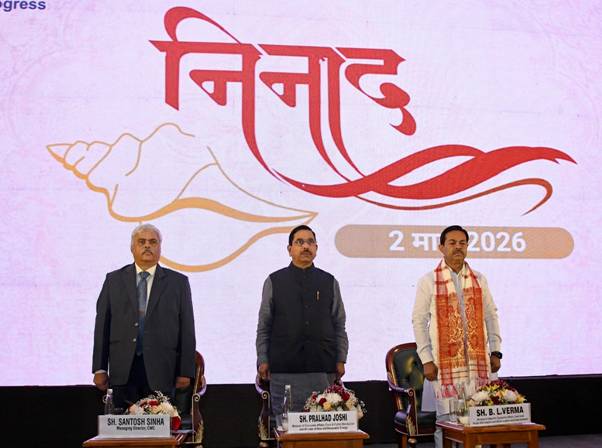
NEW DELHI: Union Minister for Consumer Affairs, Food & Public Distribution, Shri Pralhad Joshi, inaugurated the 70th Foundation Day of Central Warehousing Corporation and congratulated the Central Warehousing Corporation (CWC) on completing 70 years of service to the nation and lauded its significant contribution towards strengthening India’s food security framework, warehousing infrastructure and logistics development. Addressing the 70th Foundation Day celebrations in New Delhi, the Minister encouraged the organisation to strive towards becoming a Maharatna enterprise and to play a pivotal role in propelling India into the ranks of the top 25 global logistics performers.
Shri Joshi also said that the Central Warehousing Corporation has emerged as one of the country’s premier logistics organisations and is no longer confined to warehousing activities alone. He noted that CWC has significantly expanded its role across the logistics sector and informed that, with the approval of the Prime Minister, a proposal will be made to transform it into a company.
The Central Warehousing Corporation (CWC), a Central Public Sector Enterprise under the Ministry of Consumer Affairs, Food & Public Distribution, celebrated its 70th Foundation Day on March 2, 2026 at Bharat Mandapam, New Delhi. The event was attended by Minister of State Shri B. L. Verma, senior officials of the Ministry, and officers and employees of CWC.
On this occasion, Shri Santosh Sinha, Managing Director, CWC, presented an overview of the Corporation’s performance for FY 2024–25. He informed that CWC achieved its highest-ever turnover of ₹2,776.88 crore and Profit Before Tax (PBT) of ₹711.60 crore during FY 2024–25, compared to ₹2,303.81 crore turnover and ₹590.36 crore PBT in FY 2023–24. A dividend of ₹160.10 crore has been proposed and paid for the year.
Highlighting future growth prospects, the Managing Director stated that the Corporation continues to focus on infrastructure augmentation, digital transformation, operational efficiency and expansion of integrated logistics services to strengthen supply chains and contribute towards reduction in logistics costs. He further expressed confidence that CWC is poised to achieve its highest-ever revenue and profit in FY 2025–26, reflecting strong operational performance and sustained growth momentum.
The event marked seven decades of CWC’s contribution to India’s warehousing and logistics ecosystem and reaffirmed the Corporation’s commitment to providing efficient, technology-driven and customer-centric services in support of national food security and logistics efficiency.
Carriers halt Hormuz transits and suspend Suez/Red Sea routings amid Iran conflict risks
About 170 containerships totalling 450,000 teu are stuck inside Hormuz; Middle East Gulf ports report shutdowns and disruptions
Freight impact depends on how long Hormuz stays constrained; some vessels may get exemptions
MSC, CMA CGM, Hapag Lloyd all order ships to seek safe shelter
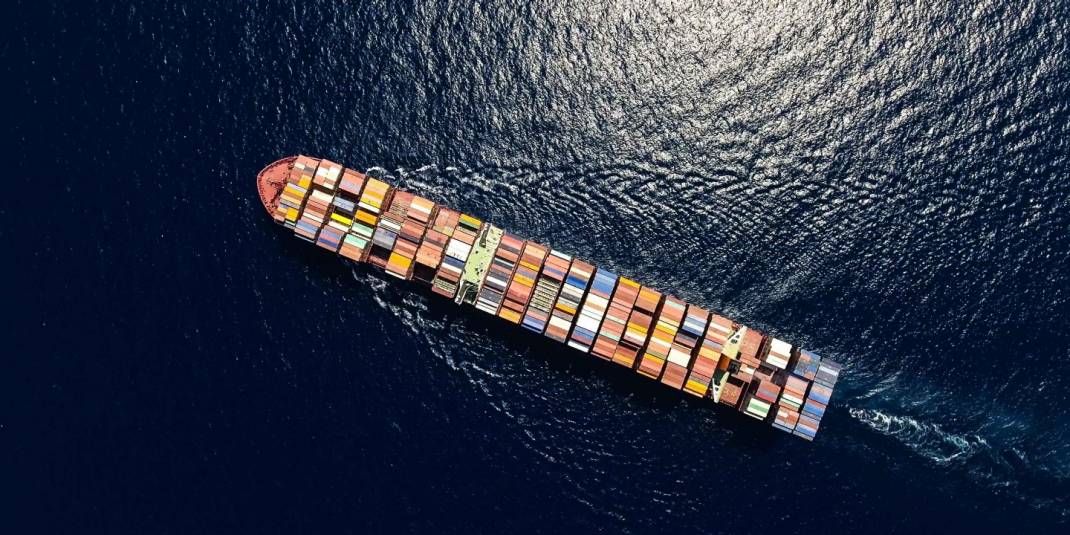
LONDON: A sudden security shock in the Middle East Gulf is forcing carriers into risk-driven reroutes and port standstills, once again testing the resilience of global shipping.
LEADING container shipping carriers have halted vessel transits through the Strait of Hormuz and rerouted vessels away from the Suez Canal after the US and Israel launched a pre-emptive attack against Iran, plunging the region’s key maritime chokepoints into crisis.
At least 15 containerships have reversed course from either entering or exiting the Strait of Hormuz, but most have either stopped or have diverted.
According to Linerlytica co-founder Hua Joo Tan, about 170 containerships with a combined capacity of around 450,000 teu — roughly 1.4% of the global fleet — are currently inside the strait and facing restrictions on exiting.
“The impact on the broader freight market depends on how long the strait remains shut,” Tan said, adding that the retreat from the Red Sea involves relatively few services and will likely have limited impact, although some ships will need to make U-turns.
Mediterranean Shipping Company, Hapag-Lloyd and CMA CGM have formally announced suspensions, but others are expected to follow later today.
“As a precautionary measure, MSC has suspended all bookings for worldwide cargo to the Middle East region until further notice,” MSC said in a statement issued on Sunday afternoon.
Earlier in the day MSC confirmed that it had instructed all vessels currently operating in the Gulf region, as well as those en route to the area, to proceed to designated safe shelter areas until further notice.
CMA CGM, the world’s third-largest shipping line, similarly ordered all ships currently in or en route to the Middle East Gulf to “take shelter” with immediate effect, and has suspended all Suez transits until further notice.
As the crisis deepened, Hapag-Lloyd issued a subsequent advisory announcing the suspension of all vessel transits through the Strait of Hormuz, citing the waterway’s “official closure by relevant authorities amid the evolving security situation”.
The carrier warned that services calling at Middle East Gulf ports would face delays, rerouting, or schedule adjustments. Although Tehran has not formally declared a blockade of the strait, multiple shipping firms and charterers have independently ordered their vessels to halt passages through the waterway.
The immediate supply chain impact centres on the Strait of Hormuz.
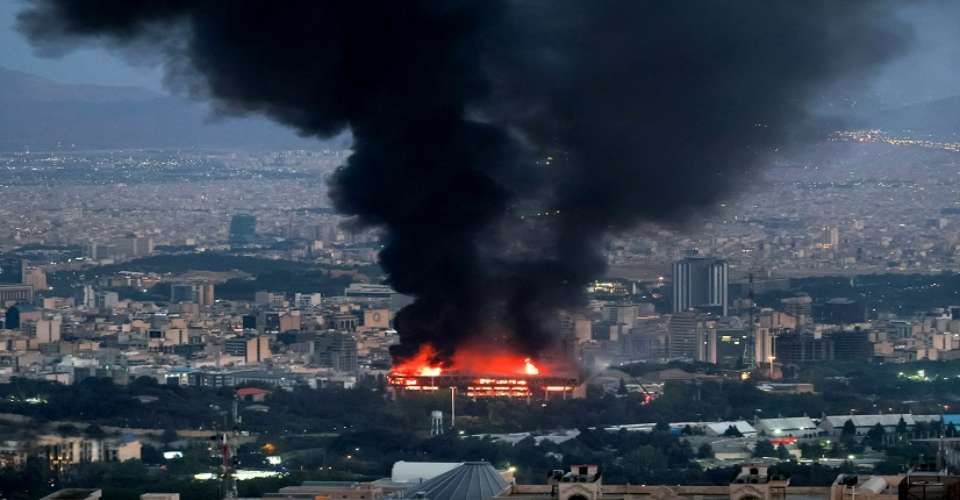
There is no viable alternative to getting containers in or out of Middle East Gulf ports such as Dubai’s Jebel Ali, which was shut temporarily on Saturday after a fire caused by falling debris from a rocket attack.
“Carriers will instead omit these calls on east-west services and drop boxes at a least-worst alternative ports for onward transportation by road,” said Peter Sand, chief analyst at freight intelligence platform Xeneta.
“This will cause severe disruption and port congestion at a regional level but will not have a major impact on a global scale when compared to the seismic influence of conflict in the Red Sea.”
The rapidly disintegrating security situation is likely to further extend container line rerouting away from the Red Sea.
“The repercussions of the joint military operation will see the further weaponisation of trade and shatter hopes of a large-scale return of container shipping to the Red Sea in 2026,” said Sand.
Carriers had been returning selected east-west services to Suez Canal transits in recent months after sailing around the Cape of Good Hope since late 2023 because of attacks by Iran-backed Houthi militia. Those plans, Sand said, will now be shelved.
Gemini partners Maersk and Hapag-Lloyd both issued customer advisories announcing the rerouting of selected services involving Middle East/India to Mediterranean and US East Coast trades from the Trans-Suez route to the Cape of Good Hope, citing “unforeseen constraints arising from the wider operating environment in the Red Sea region”.
While that was understood to relate to a lack of naval escort capacity, the prospect of Houthi attacks resuming will now reverse all previous plans to re-enter the Red Sea route.
Longer sailing distances around the Cape of Good Hope currently absorb around 2.5m teu of global container shipping capacity.
A large-scale return to the Red Sea would have freed up this capacity, slashed transit times and potentially seen freight rates collapse. With that prospect now off the table, Sand said rates on major global trades will continue to soften but “will not fall as hard as previously expected in the second half of the year.”
Speculation, nevertheless, has emerged that Chinese-owned vessels may be granted exemptions from the de facto Hormuz blockade by Iranian authorities, mirroring the informal immunity they have largely enjoyed from Houthi attacks in the Red Sea.
HAMBURG: Due to the conflict in the Middle East and the official closure of the Strait of Hormuz (SOH) by relevant authorities amid the evolving security situation in the region, Hapag-Lloyd is suspending all vessel transits through the waterway until further notice, the company said in a Trade Advisory.
The carrier emphasized that the safety of crews, vessels, and cargo remains its highest priority, noting that the suspension is not discretionary but a necessary response to current conditions. Hapag-Lloyd confirmed that its teams are closely monitoring developments, which continue to evolve rapidly, while maintaining ongoing coordination with authorities and security partners.
The disruption is expected to impact services calling ports across the Arabian Gulf, with potential delays, rerouting, or scheduling changes. The company stated that efforts are underway to minimize operational disruption and committed to communicating any significant updates to affected shipments as soon as possible.
Customers with cargo already in transit, or with planned shipments to or from the region, are advised to contact their local Hapag-Lloyd representative for shipment-specific guidance as the situation develops.
Hapag-Lloyd expressed appreciation for customers’ understanding and continued trust during this period of heightened operational uncertainty.