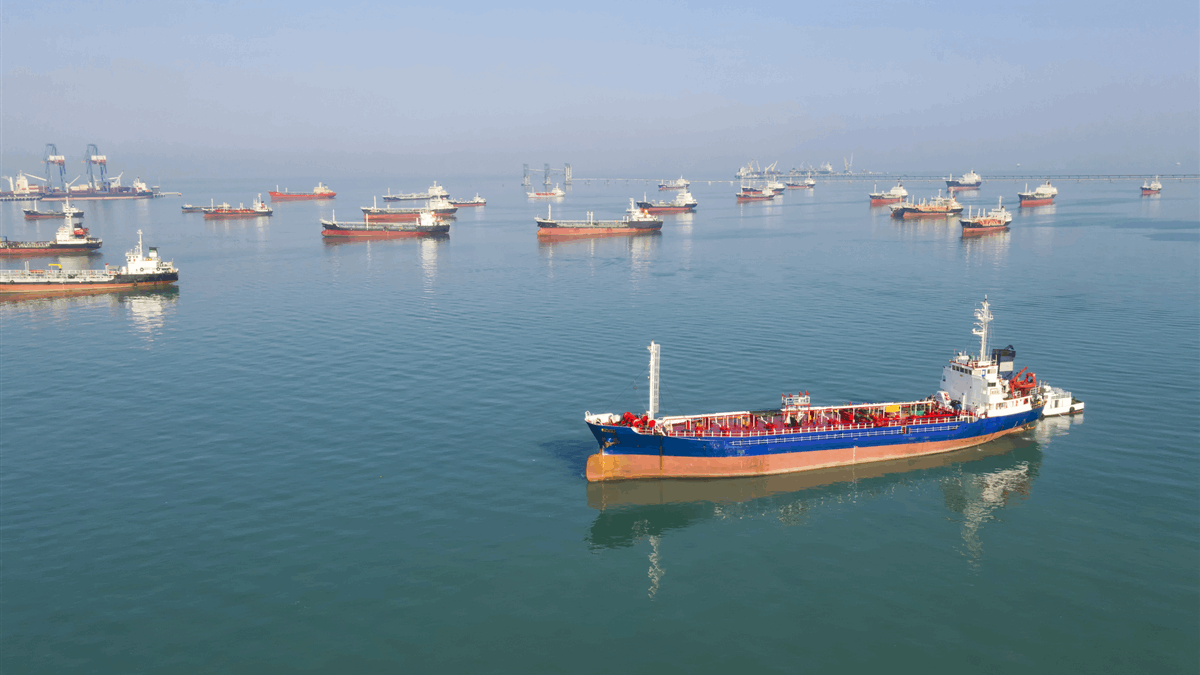
COPENHAGEN: In a renewed shift to safeguard operational reliability, Danish shipping major Maersk has decided to temporarily reroute several of its vessel services away from the Suez Canal corridor, opting instead for the longer passage around the Cape of Good Hope.
The decision comes amid emerging operational complexities in the Red Sea region. Although the company had recently initiated a phased return to Suez Canal transits—signaling cautious optimism after prolonged disruptions—the evolving security and navigational environment has prompted a reassessment.
In an official communication, Maersk indicated that ongoing regional developments are affecting the predictability of vessel movements. Following consultations with security advisors, the company concluded that maintaining consistent, delay-free transit through the area may not be feasible under current conditions. However, specific details regarding the nature of these operational constraints were not disclosed.
The move once again highlights the persistent vulnerability of global maritime supply chains passing through the Red Sea, a corridor that has faced sustained instability over the past two years. Diversions via the Cape route, while ensuring greater navigational certainty, are expected to increase voyage durations and operational costs, with broader implications for international trade connectivity and freight schedules.
Maersk’s latest course correction reflects the cautious approach being adopted by global carriers as they navigate a complex geopolitical and security landscape in one of the world’s most strategically significant shipping lanes.
MUMBAI: Amid escalating tensions in West Asia in the wake of US-Israel strikes against Iran, a leading Indian-American maritime executive has voiced concern over the impact on the crucial oil artery of the Strait of Hormuz and implications for global oil prices.
“Shipping is the hardest-hit industry in any such turbulence in the geopolitical situation,”Chairman of maritime company Safesea Group Dr S.V. Anchan told PTI.
“The Strait of Hormuz must not be allowed to be shut down,” Anchan said, calling for urgent action to ensure safe passage of vessels in the area. Anchan said oil prices are expected to rise on Monday in the wake of the geopolitical developments in the region, but added that prolonged high oil prices will be bad for the economy.
“It’s in no one’s interest globally, including the US,” he said, adding that “blocking the Hormuz is no less than choking the people at large of the region, at a time when even the airspaces are also closed.” There are estimates that already 150 tankers dropped anchor outside the Strait of Hormuz and are not going in, he said.
“It’s in the economic interest as well as in the interest of people of the Arabian Gulf Nations to continue the vessels’ operations at ports and offer a safe passage to vessels to trade in and out of the Strait of Hormuz, if need be, with the support from Navy vessels,” Anchan said.
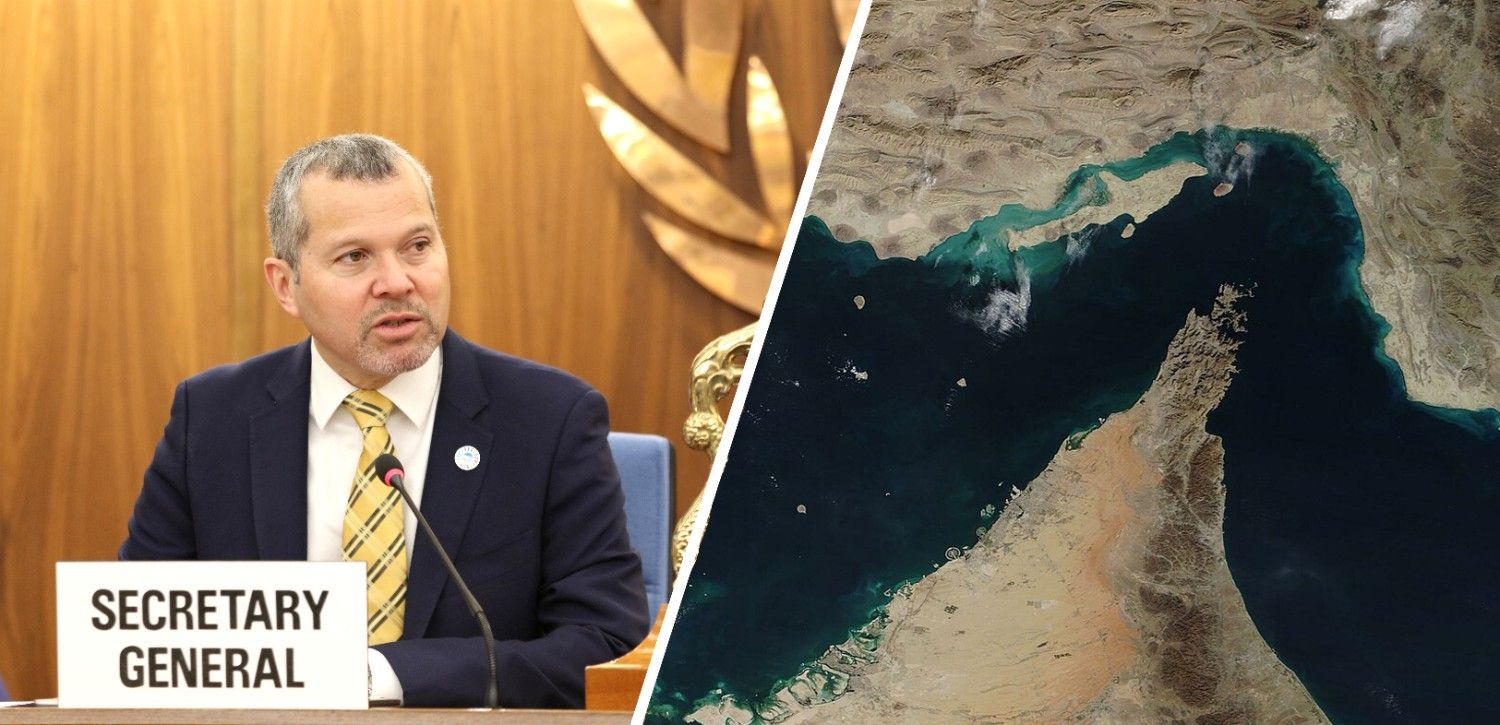
The Strait of Hormuz is located between Oman and Iran and connects the Persian Gulf with the Gulf of Oman and the Arabian Sea. It is one of the world’s most important oil chokepoints.
WASHINGTON D.C. : “The recent escalation of conflict in the Middle East is causing disruption to global liner shipping, with many ocean carriers pausing or rerouting services as they assess the evolving security situation,” World Shipping Council President & CEO Joe Kramek said.
“The safety of seafarers is paramount. Seafarers must not be targeted or placed at risk as a result of conflict, and the fundamental principle of freedom of navigation must be respected. Ocean carriers are making operational decisions based on the best available information and their individual risk assessments. Our thoughts are with the seafarers currently in and around the affected region.”
“The Middle East sits at the crossroads of major global trade routes. When services through the region are suspended or diverted, the impact is not limited to the immediate area. Longer voyages and changes to network rotations can lead to delays and scheduling adjustments across connected trades routes worldwide.”
“The industry has recent experience navigating disruption, including during increased hostility in the Red Sea. While rerouting is complex and can extend transit times, it has enabled trade to continue moving under difficult conditions,” Joe Kramek concluded.
LONDON: Secretary-General of the International Maritime Organization Mr. Arsenio Dominguez has issued a statement on the situation in the Strait of Hormuz:
“I am deeply concerned by reports of at least one fatality and several seafarers injured in attacks on merchant vessels. No attack on innocent seafarers or civilian shipping is ever justified. These crews are simply doing their jobs and must be protected from the effects of wider geopolitical tensions.
Freedom of navigation is a fundamental principle of international maritime law, and it must be respected by all Parties, with no exception.
I am monitoring the situation closely, and I urge all shipping companies to exercise maximum caution. Where possible, vessels should avoid transiting the affected region until conditions improve.
I also call on all stakeholders to remain vigilant against disinformation and to rely only on verified, authoritative sources when making navigational decisions.
My thoughts are with the injured seafarers and their families. Their safety and welfare are our highest priority, and the IMO will continue working closely with Member States and partners to support safe navigation and to uphold the principle that civilian mariners must never be harmed.”
NEW DELHI: Indian Rice Exporters Federation (IREF) has issued an advisory to its members in view of the deteriorating situation in the Islamic Republic of Iran and parts of the Gulf, and reports that movements through the Strait of Hormuz could be restricted. Members are advised not to undertake new CIF (cost, insurance and freight) commitments for these destinations and, wherever feasible, to conclude sales on FOB (free on board) terms so that freight & insurance and related risks remain with the international buyer.
Developments in Iran and the United Arab Emirates can have an immediate impact on bunker (ship fuel) prices and, if oil prices rise, may also disrupt container and bulk vessel availability. In such circumstances, container and bulk freight could increase sharply at short notice, exposing exporters to losses on fixed delivered-price contracts. The situation may also lead to steep increase in insurance premiums. Exporters are also advised to exercise restraint while concluding new orders and to avoid open-ended, unhedged positions.
India’s rice trade with Africa and the Middle East together accounts for roughly half of nationa rice exports. During April–December 2025, exports to the Middle East totalled 3.90 million MT and to Africa 7.16 million MT, as detailed below. The five leading basmati destinations are in the Middle East—Saudi Arabia, Iran, Iraq, UAE and Yemen—are therefore among the most directly affected and account for about 50% of all basmati rice exports from India.
IREF is monitoring developments closely and is in touch with exporters whose consignments are in transit or awaiting clearance at destination ports. Any member facing such issues may seek the Federation’s assistance. With basmati wholesale prices up 10–15% over the past month and Iran being a key market, heightened volatility in basmati prices is expected in the coming days. The Federation will issue further advisories as the situation evolves.
NEW DELHI: In pursuance of the Union Budget 2026–27 announcement by the Union Minister for Finance and Corporate Affairs, the Central Board of Indirect Taxes and Customs (CBIC) has introduced a new facilitation measure for trusted manufacturers by enabling the facility of deferred payment of Customs duty to a new category of importers called Eligible Manufacturer Importers (EMIs). CBIC has issued detailed eligibility conditions, application process and operational guidelines through Circular No. 08/2026-Customs dated 28th February, 2026, in this regard.
Under this initiative, Eligible Manufacturer Importers (EMI) will be able to clear imported goods without paying Customs duty at the time of clearance. Instead, the applicable duty can be paid on a monthly basis as prescribed under the Deferred Payment of Import Duty Rules, 2016, helping manufacturers better manage cash flows and working capital.
The facility will be available from 1st April, 2026 and will remain in force till 31st March, 2028. The deferred payment facility shall be available to EMI meeting prescribed criteria related to Customs and GST compliance, turnover, financial standing and past track record. Existing AEO-T1 entities, including MSMEs, that fulfil the eligibility conditions are also eligible to participate.
The EMI scheme is designed as a trust-based facilitation measure, encouraging compliant manufacturers to benefit from simplified procedures while nudging them towards higher levels of compliance. During the validity period of the scheme, approved Eligible Manufacturer Importers are expected to progressively obtain AEO-T2 or AEO-T3 status, enabling access to enhanced facilitation, faster clearances and priority treatment under the AEO Programme.
Applications under the EMI scheme can be submitted online from 1st March, 2026 on the AEO portal at www.aeoindia.gov.in under the tab “Eligible Manufacturer Importer”.
This reform is expected to significantly improve ease of doing business, strengthen the compliance culture, promote wider participation in the AEO programme and provide a boost to domestic manufacturing. It reflects CBIC’s continued commitment to creating a predictable, efficient and facilitative Customs environment to support India’s manufacturing-led and export-oriented growth.
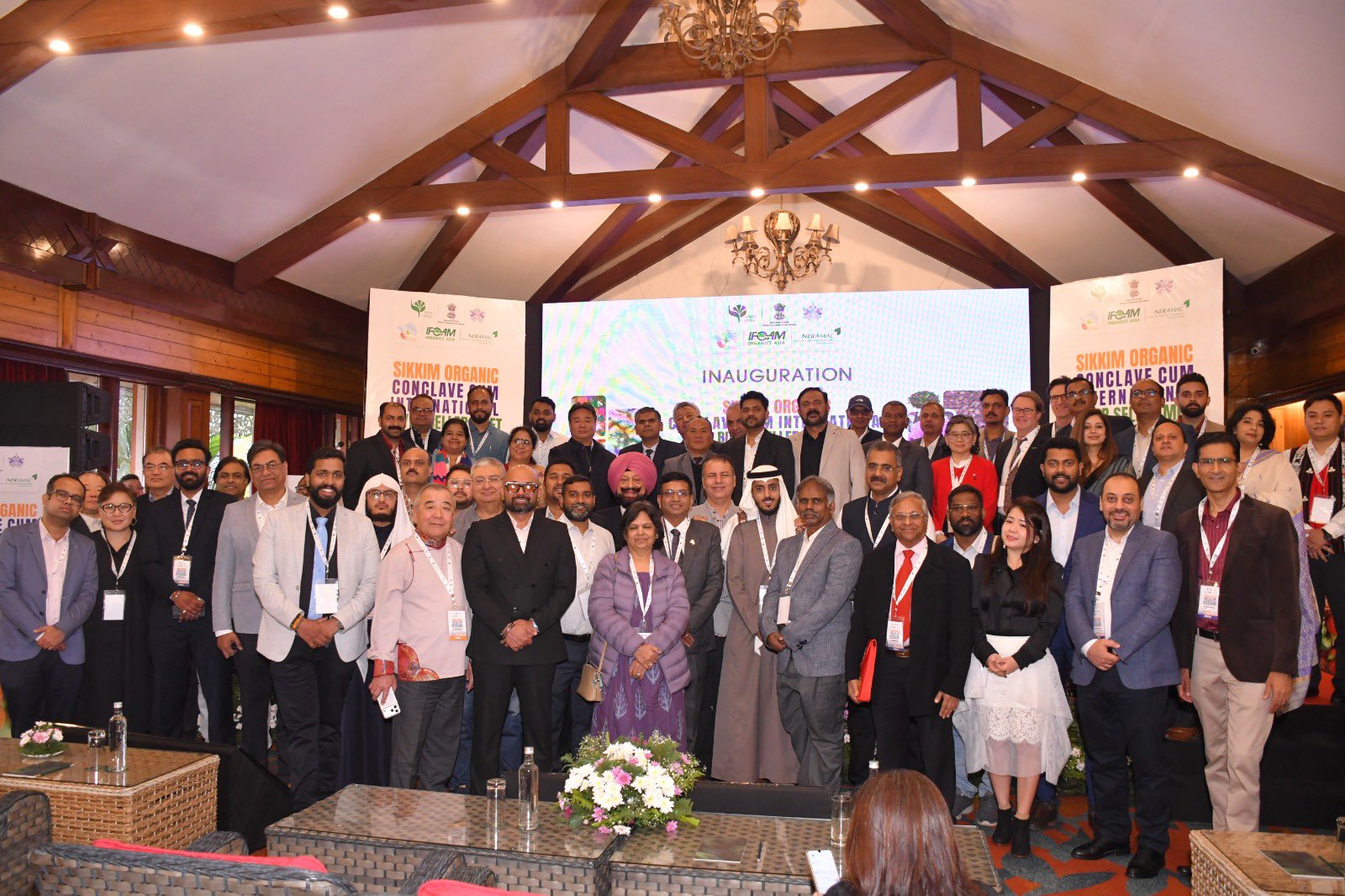
GANGTOK: The Agricultural and Processed Food Products Export Development Authority (APEDA), under the Ministry of Commerce & Industry, Government of India, in collaboration with the Government of Sikkim and in association with IFOAM-Asia, organised the Sikkim Organic Conclave-cum-International Buyer Seller Meet (IBSM) in Gangtok, Sikkim.
During the Conclave, a Knowledge Report titled “Study on Supply Chain & Export Readiness for Organic Farm Products in Sikkim” was released. Prepared by NICDC Logistics Data Services Ltd. (NLDSL), the report outlines a roadmap to strengthen Sikkim’s organic export ecosystem through improved infrastructure, streamlined processes, enhanced aggregation, transparent price discovery and strategic market positioning. It identifies measures to improve export competitiveness while ensuring sustainability, traceability and farmer-centric growth.
The event witnessed significant international participation, with around 40 buyers from 17 countries including South Korea, UAE, Mongolia, Saudi Arabia, Oman, Singapore, Norway, Kuwait and the United Kingdom, among other key markets. About 20 leading Indian exporters, including NCEL, Basillia Organics, Flex Foods and Nexton, participated in a structured Buyer–Seller Meet with approximately 100 Farmer Producer Organisations (FPOs/FPCs) from Sikkim. The interaction was coordinated by the Department of Agriculture & Horticulture, Government of Sikkim, and the Sikkim Organic Farming Development Agency (SOFDA).
The inaugural session was graced by Minister for Agriculture, Government of Sikkim, Shri Puran Kumar Gurung; Chairman, APEDA, Shri Abhishek Dev; Commissioner & Secretary, Department of Agriculture and Horticulture, Government of Sikkim, Shri Jigmee Dorjee Bhutia; Executive Director, IFOAM Organics Asia, Ms. Jennifer H. Chang; along with other senior dignitaries and officials from APEDA, the Government of Sikkim and stakeholders from the organic and export sector.
An exhibition featuring around 12 exhibitors showcased Sikkim’s certified organic products, including Large Cardamom, GI-tagged Dalle Khursani, Sikkim Mandarin, Buckwheat, Turmeric and Orchids. The exhibition highlighted the State’s diverse and export-ready organic produce and attracted interest from international buyers.
Sikkim became India’s first fully organic state in 2016, enabling its produce to gain recognition under APEDA’s export certification system. The State was conferred the Future Policy Gold Award by the United Nations Food and Agriculture Organization in 2018 in recognition of its leadership in organic agriculture.
A technical session was also conducted to sensitise stakeholders on the 8th Edition of the National Programme for Organic Production (NPOP), covering updated regulations and labelling requirements. The session aimed to enhance awareness among exporters, FPOs and certification bodies regarding compliance standards, traceability norms and international equivalence requirements, thereby reinforcing India’s credibility in global organic trade.
The second phase of the event includes field visits by international buyers and exporters to high-potential organic production clusters in Sikkim. The visits are intended to provide first-hand exposure to certified organic farming practices, traceability systems, post-harvest handling and value addition processes. Interactions with farmers and FPOs are expected to strengthen farm-to-market linkages and enhance buyer confidence in Sikkim’s quality standards and export readiness.
Through initiatives such as the Organic Conclave-cum-IBSM, APEDA continues to promote organic exports, expand market access, build capacity among FPOs and exporters and position Sikkim as an important contributor to India’s growing organic export sector.
The speed with which the global maritime industry is adopting AI technology to optimise operations, recruitment and maintenance is leaving the sector open to a swift, autonomous cyber-attack that is almost impossible to detect before it’s too late.
New data shows that up to 60% of all newly disclosed software vulnerabilities on ship, onshore and offshore are being weaponised within 48 hours as hackers also begin to use AI to accelerate attacks.
In 2018, the average time from new software vulnerabilities being published to an actual attack was 63 days; by 2024, it had fallen to five days. Today, AI-driven tools have reduced the hacking window to less than 48 hours, with many systems being targeted within just 15 minutes of a system flaw being detected.
Tetsuji Madarame, a distinguished maritime and logistics expert and former Head of Digital Transformation and Innovation at NYK Line, says that as AI moves rapidly from a generative to agentic and physical model, expanding capabilities into autonomous navigation and optimal fleet operations, “protecting AI-related assets must be a top priority.”
Findings from a Cydome security research paper published this week indicates that 87% of organisations now view AI-related vulnerabilities as the fastest-growing risk, highlighting a dangerous collapse in the traditional security response window. While the technology streamlines operations, it also enables the nefarious to carry out “flawless deception”.
Theofano Somaripa, Group CIO with dry bulk operator Newport S.A, says that cyber-attacks in 2026 will be defined by a “shift in focus from digitalisation to the radical restructuring of business models through AI”.
The report notes that 83% of phishing emails already use AI to target multi-national crews in their native language, and in a way that instantly establishes trust. This has led to a 1600% surge in voice phishing (vishing), where AI clones the speech pattern of C-suite executives to authorise fraudulent transactions.
In a one incident, this type of AI-based skullduggery was used to fleece a European energy major out of US$25 million, when attackers used a deepfake audio clone of the company’s CFO to instruct staff to carry out an urgent wire transfer. The voice was so precise in tone, dialect and cadence that the money was gone in a flash.
In a different incident, a US$200,000 crew compensation payment was diverted using an AI-based email interceptor to a criminal’s own account rather than to the family of the deceased seafarer.
And further illustrative of the 195% increase in AI-driven identity fraud, a firm unknowingly hired an operative who used an AI-enhanced photograph and a stolen identity to pass four separate video interviews. Bypassing standard captcha-style verification processes, the fraudster used a “laptop farm” to mask their true location while attempting to infiltrate the company’s internal servers.
This mirrors a broader identity crisis where 82 autonomous AI agents now operate on the internet for every one human identity.
Shipping companies are deploying AI faster than they are defining cyber accountability,” warns Katerina Raptaki, IT Manager at Greek shipping company Navios, in the report. “In 2026, the question after an incident won’t be was the AI wrong?’ but why was it trusted?”
Data suggests that system trust is also being eroded with the proliferation of edge network devices, such as routers, firewalls, and VPNs. According to Cydome this “digital gateway” was routinely exploited, with attacks increasing in 2025 by 800%, of which 20% targeted firewalls and VPNs directly.
The report reveals that it was in fact the wiping of “the network edge” that allowed Lab Dookhtegan hacktivists to disconnect a fleet of 116 tankers from the internet and the outside world.
By compromising the infrastructure of the connectivity provider, VSAT partitions on the ships hard drive were completely wiped. This resulted in a total loss of connectivity, substantial operational and safety risks, and compliance and legal issues. Hackers seized control of all ship-to-shore VOIP services.
“In 2026, the most significant cybersecurity risk will come from inside the perimeter,” says Øystein Brekke-Sanderud, Head of Maritime OT/ICS Security at NORMA Cyber. “As organisations become more digitally integrated, insider risk, whether malicious, compromised, or accidental, will be one of the hardest challenges to detect and manage. Resilience will increasingly depend on how well we detect subtle signals early, not just how well we defend the edge.”
Panagiotis Anastasiou, Cyber Security Strategy Leader with Bureau Veritas Marine & Offshore furthers: “Attacks are inevitable and, as an incidents analysis indicates, are becoming more sophisticated; the differentiator will be how quickly and safely a shipping company can detect, respond, and continue operations.”
ABOUT CYDOME
Cydome delivers a smarter, proactive and more resilient approach to maritime cybersecurity. Its independent and unbiased cybersecurity for maritime vessels and companies brings to light and prevents risks that companies aren’t even aware of. Remote facilities operations such as vessels and offshore facilities require uncompromising cybersecurity that does not add an operational overhead.
Cydome was established by a group of cyber and marine experts. Its headquarters are in the United Kingdom, with several other branches supporting operations around the globe. https://cydome.io
HAMBURG: Mental health experts are warning crewing managers to be alert to signs of technostress that could arise from the digital demands a seafarer must grapple with while at sea.
As ships become smarter, more connected and quieter, a new challenge of technostress is slowly emerging, warns Mental Health Support Solutions.
From fatigue sensors to AI-assisted navigation, the industry is evolving quickly. While these can make operations safer and more efficient, they can also create added pressures for seafarers who are expected to keep up with these new systems.
Mental Health Support Solutions, member of the OneCare Group, is urging shipowners to take a proactive approach to reducing digital stress through encouraging digital literacy and crew involvement.
“Technostress can wear crews down, making day-to-day tasks feel harder and affecting their focus and wellbeing,” said Charles Watkins, Director of Clinical Operations at Mental Health Support Solutions.
“Pairing every technological rollout with psychological safety training and clear, transparent communication helps to ensure that crews remain the purpose, not the byproduct,” he said.
Seafarers face different challenges depending on the technologies onboard. Whilst senior crew members may feel uneasy when working with new systems, younger seafarers may experience stress when joining vessels equipped with older equipment.
“Practical training and support are essential,” said Charles Watkins.
When people feel included in this transformation, technology becomes a tool for support, not a source of pressure.
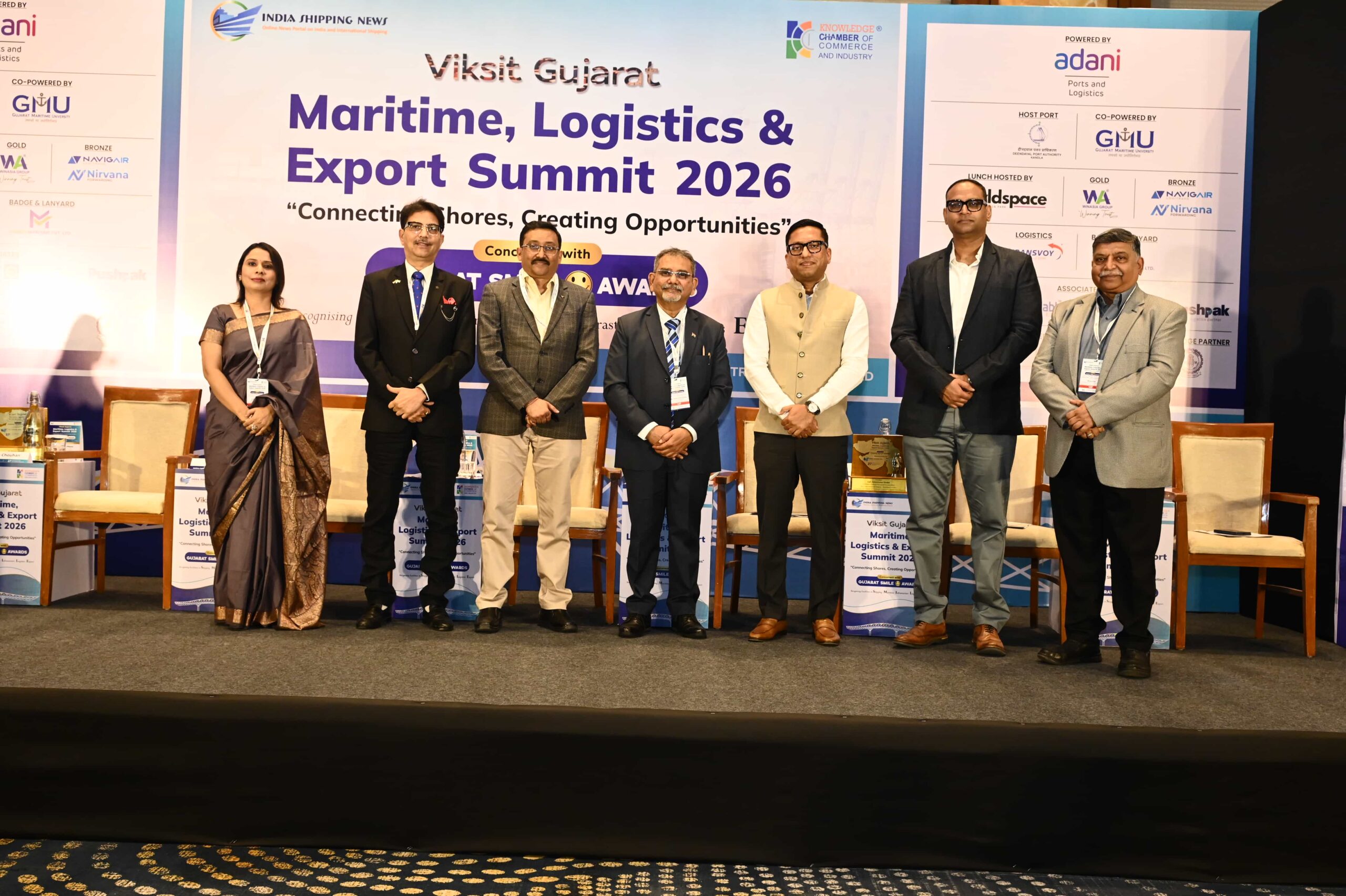
AHMEDABAD: The “Viksit Gujarat: Maritime, Logistics & Export Summit 2026”, organised by India Shipping News jointly with the Knowledge Chamber of Commerce & Industry (KCCI), concluded successfully on Friday (27-02-26) at Hyatt, Vastrapur, Ahmedabad, witnessing an overwhelming response from the maritime, logistics, export-import, infrastructure and policy fraternity.
The high-level Summit brought together leading policymakers, senior port officials, industry stalwarts, trade association leaders, financial institutions, exporters, logistics professionals, academicians and young entrepreneurs on a single platform to deliberate on Gujarat’s growing role in India’s maritime and export-led growth story.
Inaugural Session Sets Strategic Direction
The Inaugural Session was graced by eminent dignitaries from Government, port authorities and industry leadership, who emphasised the importance of integrated infrastructure development, port-led growth, multimodal connectivity and export competitiveness and women empowerment aligned with the vision of Viksit Bharat 2047 and Viksit Gujarat.
The Inaugural Session of Viksit Gujarat: Maritime, Logistics & Export Summit 2026 witnessed thought-provoking addresses from eminent leaders representing policy, ports, customs, trade associations, and academia. The session commenced with a Welcome Address by Shri Bharat Patel, Director General, Knowledge Chamber of Commerce & Industry (KCCI), who underlined the importance of collaborative policy and industry engagement in achieving the vision of Viksit Gujarat. This was followed by Theme Remarks by Shri Devang Joshi, Chairman, Ahmedabad Customs Brokers’ Association, who highlighted the critical role of customs brokers in ensuring seamless trade facilitation and regulatory compliance. Delivering the Regional Women Empowerment Address, Dr. Mangla Chouhan, Vice President, Baroda Management Association (BMA), emphasized the importance of inclusive growth, leadership diversity, and capacity building in strengthening Gujarat’s economic ecosystem. A strong maritime perspective was brought forth through the Ports Address by Shri Rajesh Menon, Maritime Expert, who spoke about strategic port-led development and global maritime competitiveness. The session further featured a brief Address by Shri Lokesh Damor, Additional Commissioner of Customs, Ahmedabad, who spoke on Customs and digitization. The Inaugural Session concluded with an impactful Keynote Address by Capt. Santoshkumar Darokar, Joint Director General (Technical) / Principal Officer, Directorate General of Shipping, Government of India, who elaborated on India’s maritime roadmap, regulatory advancements, safety standards, and the nation’s growing global shipping footprint and Vote of Thanks by Ms. Sabarnaa M, Editor, India Shipping News.
A significant highlight of the Inaugural Session was the release of an insightful White Paper titled “Port-led Development: Ports as Cognitive Engines of Industrial Growth in Gujarat” authored by Prof. (Dr.) Jitesh J. Thakkar, Dean (Academics) & Professor – Logistics & SCM, Gati Shakti Vishwavidyalaya (A Central University sponsored by the Ministry of Railways, Government of India,
Insightful Deliberations Across Thematic Sessions
The Summit featured focused panel discussions covering:
Session-I: Ports of the Future: Infrastructure, Investment & Global Integration
Shri Nilabhra Das Gupta, IRS, Dy. Chairman – Deendayal Port Authority Shri Hitesh Arya, VP and Business Head Road Logistics Solutions, Adani Logistics Shri Vinesh Tejwani, Founder, Worldspace Industrial & Logistic Park Dr. Dharmesh Raval , Head , Centre of maritime Economy, Gujarat Maritime University (GMU) Shri Rajesh Menon, Associate Director and Maritime Expert, GOI
Dr. Darshan Mashroo, Director & COO, EPT Global Logistics Pvt. Ltd.
Esteemed Panelists:
Dr. Rahul Singh, I.T.S, Jt. Director General of Foreign Trade, DGFT, Department of Commerce, GoI Shri T.K. Solanki, Asst. Director, MSME-DI, GoI Shri Suvidh Shah, Addl Director General, FIEO, New Delhi,GoI Dr. Chandra Kant Upadhyay, Asst.Professor, Gujarat Maritime University CA Minal Mehta Buch, Founder and Lead Consultant, Bizbrains Advisors
Moderated by seasoned industry experts, the sessions generated meaningful discussions on cargo diversification, supply chain resilience, EXIM financing, infrastructure modernisation, compliance frameworks, digital transformation, and sustainable logistics practices.
Panelists shared practical insights, policy recommendations and forward-looking strategies aimed at strengthening Gujarat’s position as a national leader in maritime trade and logistics efficiency.
Gujarat SMILE Awards 2026 Recognise Excellence
A major highlight of the Summit was the presentation of the Gujarat SMILE Awards 2026, honouring outstanding contributions in the Logistics and Export sectors. The awards recognised industry leaders, young professionals, CSR contributors, trade institutions and lifetime achievers who have significantly contributed to strengthening the ecosystem.
The Awards ceremony received an enthusiastic response and was appreciated for its transparent and credible jury process.
The Summit witnessed good participation from across Gujarat, including representatives from port authorities, customs, EXIM trade bodies, customs brokers, freight forwarders, ICD operators, exporters, academia and financial institutions.
The organisers expressed their sincere gratitude to all dignitaries, speakers, sponsors, jury members, trade associations, delegates and partners whose presence and support made the event a grand success.
Full Event Coverage to Follow
A detailed report covering key highlights, policy insights, award winners, speaker quotes and photo features from the Summit will be published shortly in India Shipping News.