Home Blog Page 416

India-Israel ties have stood ‘test of time’; will soon finalise FTA: PM Modi

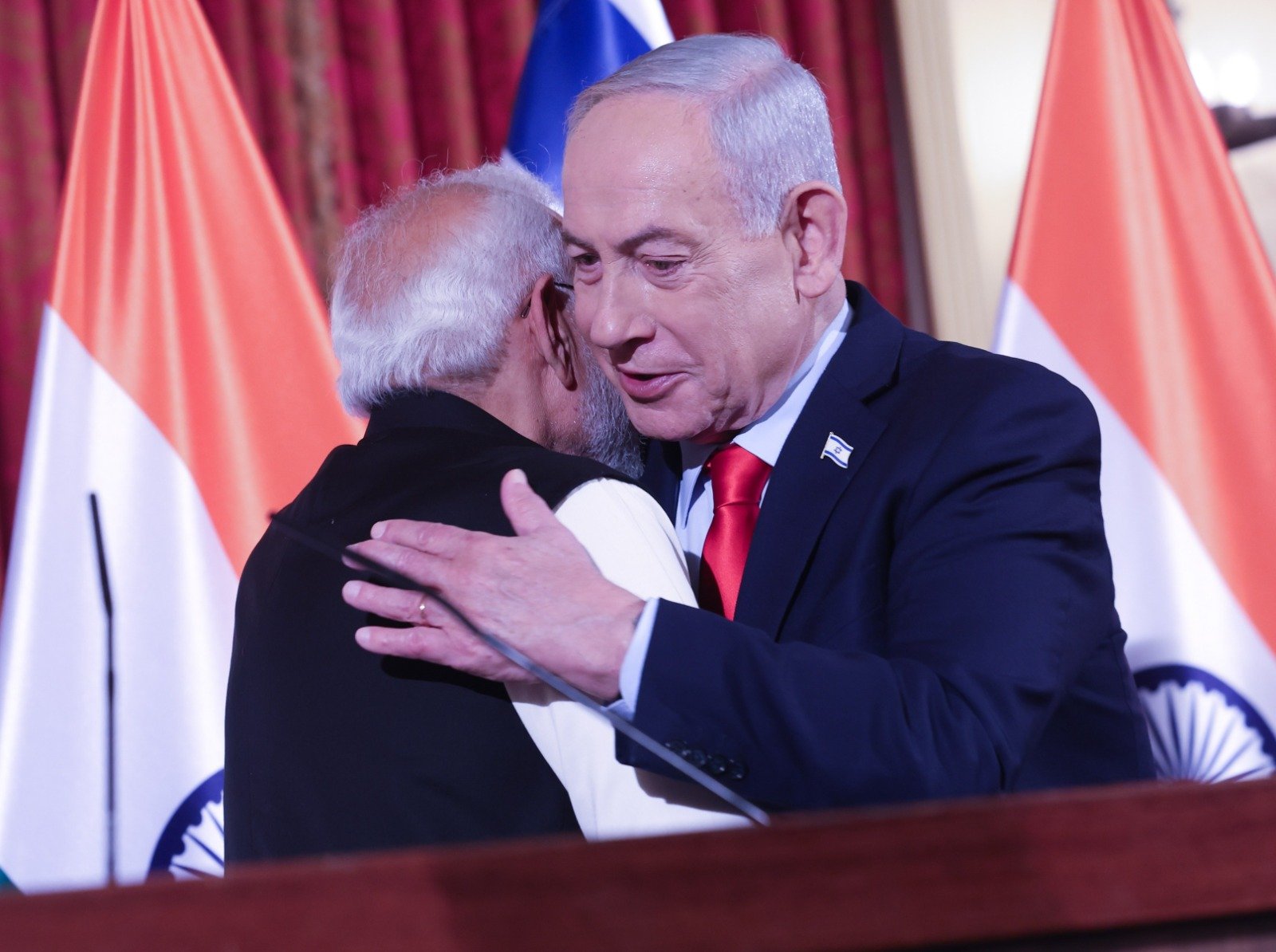
NEW DELHI : Prime Minister Shri Narendra Modi on Thursday said India and Israel have elevated their bilateral relationship to the status of a special strategic partnership, adding that the “historic decision” reflects the aspirations of the people of the two countries whose relationship is founded on “deep trust, shared democratic values, and humanitarian bonds.”

“In today’s meeting, we discussed giving new direction and greater momentum to our cooperation,” Modi said at a joint press briefing with Israeli PM Benjamin Netanyahu after the two leaders held delegation-level talks in Jerusalem.

The discussions covered a raft of areas including defence and security, technology and innovation; cybersecurity; trade, investment and connectivity; agriculture, water and environmental protection; combating terror and promoting peace; parliamentary cooperation; health; education; and people-to-people exchanges.

“The leaders noted the immense progress made in the India-Israel bilateral relationship across diverse domains, including emerging technologies, cyber, agriculture, water management, health, entrepreneurship, defence, security, and more. Prime Minister Netanyahu and Prime Minister Modi agreed and decided to elevate the Strategic Partnership to a new level – ‘A Special Strategic Partnership for Peace, Innovation & Prosperity,’” said a joint statement issued in Jerusalem.

At a special press briefing later, foreign secretary Vikram Misri said the US-Iran tensions and the overall regional situation figured in the discussions between the two PMs.

“The PM (Modi) reiterated India’s firm belief in the value of dialogue and pursuing peaceful solutions to all such issues. He also reiterated India’s readiness to offer its support for a peaceful solution of issues,” Misri said.

On a question about what role India could play in the post-conflict reconstruction of Gaza, he said, “We do see a role. What exactly that role will be depends on a little more clarity on how things will develop on the ground in Gaza. I am not going to speculate at this point in time on the exact areas in which we may come in, but India has very specific capabilities and capacities which would be of considerable relevance in a situation like the one we see on the ground in Gaza. We do have the capacity to contribute,” he added.

India, Israel ties have ‘stood test of time’
Several outcomes were finalised during the talks including in the areas of technology, science, trade, financial services, artificial intelligence, cybersecurity, agriculture, blue economy, labour mobility, education and culture.

The outcomes included 17 memoranda of understanding or agreements, and 10 other announcements, including one on elevation of the relationship to special strategic partnership.

“Our ties have stood the test of time. Our economic cooperation continues to serve as an engine of growth, innovation, and shared prosperity. Last year, we signed a Bilateral Investment Agreement to promote mutual investments. We will also soon finalise a mutually beneficial Free Trade Agreement,” Modi said at the press briefing.

The leaders asserted their commitment to realising the FTA and tasked the negotiating teams to expedite negotiations for an early conclusion, the statement said.

Technology lies at the heart of the future partnership between the two countries, Modi said.

“Today, we decided to establish a Critical and Emerging Technologies Partnership. This will impart fresh momentum to cooperation in areas such as AI, quantum technologies, and critical minerals,” the PM said at the media briefing.

India and Israel believe that this initiative on critical and emerging technologies, led by the national security advisors of both countries, will synergise their individual strengths in niche technologies, fostering a focused and futuristic partnership.

The joint statement said both leaders provided a vision and a road map for future defence cooperation, following the MoU signed last November to boost defence cooperation.

“We have enjoyed decades of trusted cooperation in the defence sector. The MoU signed last year will add new dimensions to this partnership. Together, we will advance towards joint development, joint production, and transfer of technology,” Modi said.

The MoU was signed in Tel Aviv last November to provide a unified vision and policy direction to deepen the already strong defence cooperation between the two countries; it will enable the sharing of advanced technology and promote the co-development and co-production of weapons and systems.

Modi said the two countries will further strengthen their cooperation in areas such as civil nuclear energy and space. The two leaders welcomed the ongoing collaboration between the Israel Space Agency (ISA) and the Indian Space Research Organisation (Isro), recognising the significant potential for Israeli space-based start-ups and companies to engage more deeply with their Indian counterparts.

They emphasised the importance of fostering greater cooperation between the two nations’ space industries, encouraging joint ventures, innovation partnerships, and knowledge exchange to drive progress in the global space sector,” the statement said.

“I am pleased that an agreement has been concluded to enable the use of UPI in Israel. We are also committed to improving the lives of our people by sharing our experiences in the field of digital health,” Modi said.

He touched upon agricultural cooperation between the two sides. “Agricultural cooperation between our two countries has a long and successful history. Today, we have resolved to give this cooperation a futuristic direction.

The Centres of Excellence in agriculture established in India with Israeli cooperation are a shining example of our friendship. We have set a target of increasing their number to 100 (from the current 43),” the PM said.

Creating Villages of Excellence in India is also in the works, he said.

“This initiative will bring Israeli technology to every village in India, significantly increasing the income and productivity of millions of farmers. We will also jointly develop future-ready farming solutions. The establishment of the India-Israel Innovation Centre for Agriculture in India will provide a strong foundation for advancing this cooperation.”

Modi described people-to-people ties as an important pillar of the India-Israel relationship, adding that through the 2023 Manpower Mobility Agreement, India has made significant contributions to Israel’s construction and care-giving sectors.

“This cooperation is being expanded to areas such as commerce and services. Connecting the youth, researchers, and innovators of both countries has been a key priority for us. Today, we are establishing the India-Israel Academic Forum,” the PM said. With an eye on promoting regional connectivity, the two sides will move with renewed momentum on the India-Middle East-Europe Economic Corridor (IMEC) and the India-Israel-UAE-USA (I2U2) initiatives, he said.

Modi said India and Israel are unequivocal that terrorism has no place in the world and cannot be tolerated in any form. He added that New Delhi’s security interests are directly linked to peace and stability in West Asia.

“We have stood shoulder to shoulder in opposing terrorism and those who support it, and will continue to do so…From the very beginning, we have supported dialogue and a peaceful solution of issues. India’s position is clear — humanity must never become a victim of conflict. The Gaza Peace Plan has opened a pathway towards peace. India has extended its full support to these efforts. We will continue to engage in dialogue and cooperation with all countries,” Modi added.

The two leaders unequivocally and strongly condemned terrorism, in all its forms and manifestations including cross-border terrorism. They called for decisive and concerted international efforts to combat terrorism in a comprehensive and sustained manner, reaffirming their collective resolve to combat the menace as the leaders of two vibrant and resilient democracies.

“They strongly condemned the heinous October 7, 2023 terror attack on Israel, the savage terror attack on Indian tourists at Pahalgam in Jammu & Kashmir in India on April 22, 2025 and the terror incident near Red Fort, New Delhi on November 10, 2025,” the statement said.

Modi’s visit comes at a juncture when India seeks to create a formidable military capability to defend the country’s defence and civilian installations against aerial attacks and also hit back with overwhelming force under Mission Sudarshan Chakra, signalling the country’s intent to be ready for future battlefield challenges.

The PM announced Mission Sudarshan Chakra in his Independence Day address last year and set a 10-year deadline for developing the national defence shield, which is expected to integrate some Israeli technologies and missile systems.

Source : HT
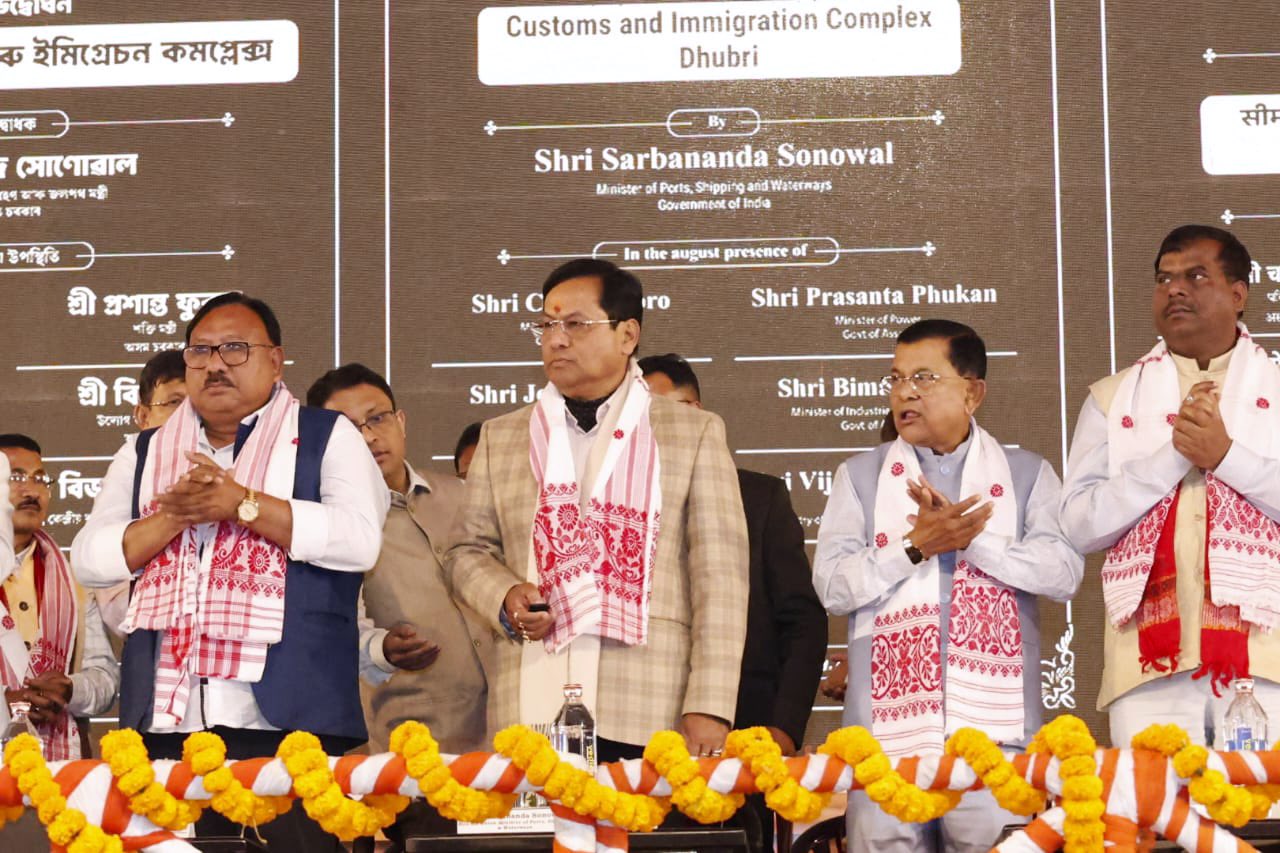
Sarbananda Sonowal inaugurates three projects to bolster Inland Waterways on Brahmaputra (NW 2) in Dibrugarh

DIBRUGARH : Union Minister of Ports, Shipping and Waterways (MoPSW), Shri Sarbananda Sonowal, inaugurated three major inland waterways infrastructure projects in Dibrugarh on National Waterway-2 (River Brahmaputra), underscoring what he described as a balanced approach of “Vikas and Virasat” under Prime Minister Shri Narendra Modi’s leadership.

The projects include the Customs and Immigration Complex at Bogibeel, the Customs and Immigration Complex at Dhubri, and the renovated Heritage Building of the Inland Waterways Authority of India (IWAI) at Dibrugarh.

The programme, held at Chowkidingee Field, was attended by Assam Power Minister Prasanta Phukan, Public Works Minister Jogen Mohan, Industries and Commerce Minister Bimal Borah. MP Rameswar Teli, MLAs Terash Gowalla, Chakradhar Gogoi, Binod Hazarika, Ponakan Baruah, Taranga Gogoi, Sanjoy Kishan, and Bhaskar Sharma were also present, along with Vijay Kumar, IAS, Secretary, MoPSW and Sunil Paliwal, Chairman, IWAI, among other senior officials of the Ministry and IWAI.

Addressing the gathering, Sonowal said the projects reflect the dynamic governance model of Prime Minister Narendra Modi that seeks rapid development without losing cultural identity.

“Under the dynamic leadership of Prime Minister Narendra Modi ji, we are moving ahead with a clear vision of Vikas and Virasat. We are striving toward progress and economic development while preserving our roots, our heritage and our culture. The Brahmaputra is not just a river; it is our lifeline, our history and our future,” Sarbananda Sonowal said.

Sonowal said the newly inaugurated infrastructure will strengthen logistics, enhance passenger movement and unlock fresh opportunities for trade and tourism in the Northeast.

The Customs and Immigration Complex at Bogibeel has been developed as part of a modern tourist-cum-cargo terminal integrating customs, immigration and IWAI administrative functions within a single complex. The facility includes dedicated arrival and departure waiting halls, cargo storage areas, administrative blocks, staff amenities and integrated security systems, aimed at improving operational efficiency along NW-2 and facilitating trade under the Indo-Bangladesh Protocol routes.

The Dhubri Customs and Immigration Complex is designed to enhance regulatory oversight and boost export-import operations in western Assam, positioning the town as a strategic gateway for inland water transport and cross-border commerce with Bangladesh and Bhutan.

The renovated Heritage Building at Dibrugarh combines restoration of architectural features with upgraded operational infrastructure. Officials said the building will serve IWAI’s administrative requirements on NW-2 while also contributing to riverine tourism and preserving the region’s architectural legacy.

Under the National Waterways Act, 2016, 20 rivers in the Northeast have been declared National Waterways, with the Brahmaputra (NW-2), Barak (NW-16), Dhansiri (NW-31) and Kopili (NW-57) being actively developed.

Vijay Kumar, IAS, Secretary, Ministry of Ports, Shipping and Waterways, and Sunil Paliwal, IAS, Chairman, Inland Waterways Authority of India, highlighted the government’s initiatives to strengthen inland waterways as a viable alternative mode of transport and to revive traditional river-based connectivity for promoting trade and tourism. They expressed confidence that the infrastructure being developed on National Waterway–2 would further accelerate efforts to position the Northeast as an engine of growth.

The projects are expected to reduce logistics costs, strengthen cross-border trade, improve passenger and cargo movement and reinforce the Brahmaputra’s role as a dependable and sustainable economic corridor for the Northeast.

India focused on getting best trade deal with U.S. : Piyush Goyal

NEW DELHI : New ‌Delhi continues to hold ​talks ⁠with Washington on trade ‌and is observing ‌the situation ‌on ⁠President Donald ⁠Trump’s tariffs, Indian Trade Minister Shri ​Piyush ‌Goyal said on Friday (February 27, 2026)

The South Asian ‌nation is ​focused on engaging ⁠to ensure it secures ‌the best deal in terms of competitive ‌advantage compared to peers, ​he told broadcaster ⁠CNN-News18.Mr. Goyal discussed ‌trade ⁠and economic partnership with U.S. Secretary of Commerce Howard Lutnick over lunch in New Delhi on Thursday (February 26, 2026), a meeting that came as a surprise as Mr. Lutnick’s private visit to India ​had not been ‌publicised.

Earlier this week, Mr. Trump warned countries against backing away from recently negotiated trade deals with the U.S. after the Supreme Court struck down his emergency ‌tariffs and weakened his legal authority to impose ​sweeping global tariffs.

Since the order, Mr. Trump has announced a temporary 10% duty on all ⁠nations, including India, and promised to raise it to 15% – the maximum allowed under the statute he ‌has resorted to.

The path forward for Mr. Trump’s foreign trade deals remained uncertain, with China urging Washington to scrap tariff measures, the E.U. freeze on its approval, and India delaying planned talks.

Mr. Goyal said he would not put a timeline on completing trade deals. New ‌Delhi and Washington had previously planned to sign a legal ​agreement in March.

India had delayed plans to send a trade delegation to Washington last week, ⁠after the U.S. Supreme Court struck down the tariffs. Before the ruling, both countries had agreed on a framework for Washington to cut tariffs ‌on India to 18% from 50% – a rate that previously included a 25% punitive tariff ​for New Delhi’s Russian oil purchases.

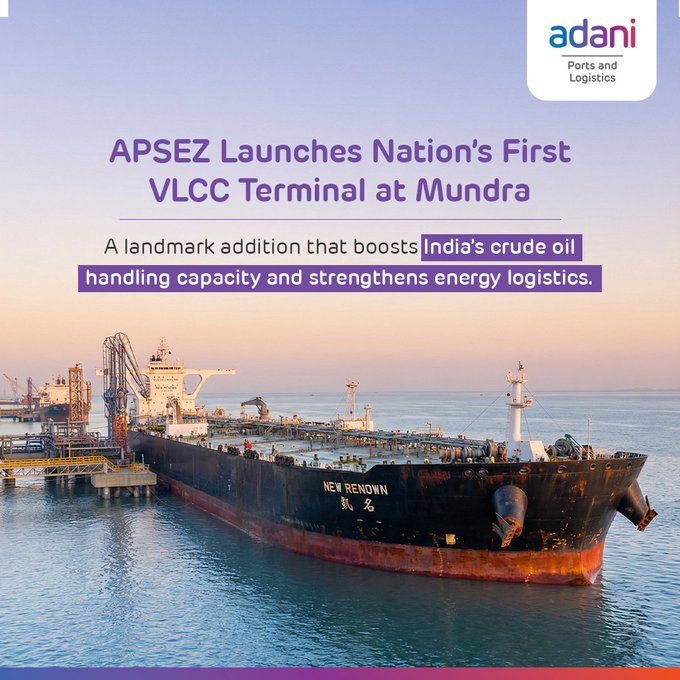
APSEZ launches nation’s first VLCC Terminal, strengthening India’s energy security

MUNDRA : In a landmark development for India’s maritime and energy sectors, Adani Ports and Special Economic Zone Limited (APSEZ) has inaugurated the nation’s first dedicated VLCC (Very Large Crude Carrier) Terminal at Mundra Port. The state-of-the-art facility marks a transformative step in enhancing India’s crude oil import capabilities and strengthening long-term energy security.

Designed to handle Very Large Crude Carriers with capacities exceeding 300,000 DWT, the new terminal significantly augments the country’s ability to directly berth and discharge large crude shipments without the need for lighterage operations. This will reduce turnaround time, optimize freight economics, and improve supply chain efficiencies for oil marketing companies and refiners.

The terminal is equipped with advanced marine infrastructure, high-capacity pumping systems, and modern safety mechanisms aligned with global standards. Its deep-draft berthing facility enables seamless handling of the world’s largest crude carriers, reinforcing Mundra Port’s position as a premier energy gateway for the nation.

Strategically located on India’s western coast, Mundra Port offers robust multimodal connectivity through pipelines, rail, and road networks, ensuring efficient evacuation of crude to major refineries across the hinterland. The commissioning of this dedicated VLCC terminal is expected to reduce logistics costs, enhance operational flexibility, and improve resilience in crude sourcing amid evolving global energy dynamics.

Speaking on the occasion, officials highlighted that the launch aligns with India’s broader vision of strengthening port-led development under the Sagarmala framework and building world-class infrastructure to support the country’s growing energy demand.

With this milestone, APSEZ continues to reinforce its leadership in port infrastructure, innovation, and sustainable growth, further consolidating India’s position in global maritime trade and energy logistics.

About APSEZ:
Adani Ports and Special Economic Zone Limited (APSEZ) is India’s largest private port operator, managing a diversified portfolio of ports and terminals across the country, handling containers, bulk, liquid, and energy cargo.

Apeejay Shipping to commence Andaman Service with new container vessel

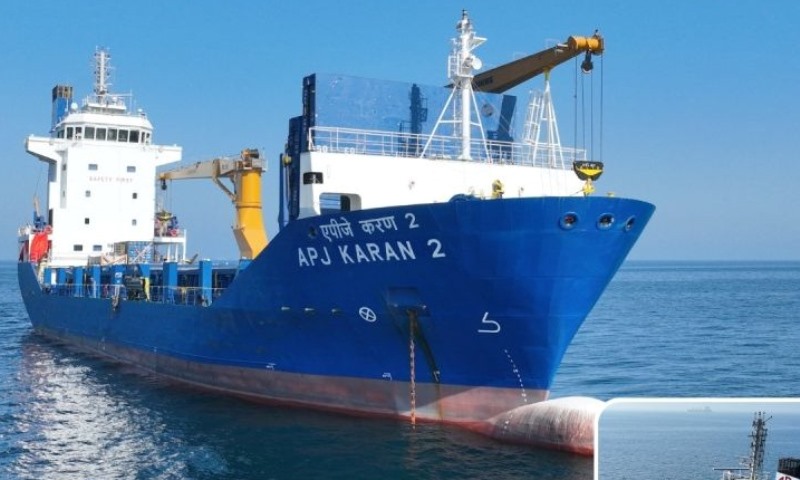
KOLKATA : Apeejay Shipping, part of the Apeejay Surendra Group, has acquired a 3,000-tonne multi-purpose container vessel equipped with two 60T cranes to launch a dedicated shipping service to the Andaman Islands. The vessel, APJ Karan 2, is scheduled to make its maiden voyage to Port Blair in March.

The service will operate with regular scheduled departures from Kolkata, catering to a broad spectrum of cargo requirements. The initiative aims to strengthen maritime connectivity and enhance the logistics infrastructure for the region.

Last Sept, Apeejay Shipping announced the acquisition of two Kamsarmax bulk carriers — APJ Priya 2 and APJ Priti 2. These refurbished vessels, built in Japan and equipped with advanced scrubber technology, were inducted into the company’s operations in July and Aug 2025.

India’s Q3FY26 GDP growth slows to 7.8% from 8.4% in Q2 on new series

NEW DELHI : India’s economic growth for the third quarter of FY26 came in at 7.8 per cent under the new GDP series, according to data released by the Ministry of Statistics and Programme Implementation (MoSPI) on Friday.

Real GDP — which adjusts for inflation — stood at ₹84.54 trillion in the October-December quarter (Q3FY26), up from ₹78.41 trillion in the same period last year. This translates into a 7.8 per cent year-on-year growth rate.

Nominal GDP, which is calculated at current prices without adjusting for inflation, rose 8.9 per cent to ₹90.91 trillion in Q3FY26, compared to ₹83.46 trillion a year ago.

FY26 growth improves over FY25

For the full financial year FY26, India’s real GDP is estimated at ₹322.58 trillion, higher than the First Revised Estimate of ₹299.89 trillion for FY25. The economy is now projected to grow 7.6 per cent in FY26, compared to 7.1 per cent in the previous year.

Nominal GDP for FY26 is estimated at ₹345.47 trillion, up from ₹318.07 trillion in FY25. This marks an 8.6 per cent increase year-on-year.

GVA growth strengthens

Gross Value Added (GVA), which measures the value of goods and services produced across sectors, also showed stronger growth during the year.

In real terms, GVA is estimated at ₹294.40 trillion in FY26, compared to ₹273.36 trillion in FY25. This reflects a growth rate of 7.7 per cent, higher than the 7.3 per cent recorded last year.

For the third quarter alone, real GVA stood at ₹77.38 trillion, up from ₹71.77 trillion in Q3FY25, registering 7.8 per cent growth.

In nominal terms, GVA for FY26 is projected at ₹313.61 trillion, compared to ₹288.54 trillion in FY25, marking an 8.7 per cent rise. Nominal GVA in Q3FY26 increased 8.2 per cent to ₹82.58 trillion from ₹76.35 trillion a year earlier.

Overall, the new GDP series shows that while quarterly growth moderated slightly to 7.8 per cent in Q3FY26, the full-year growth estimate for FY26 remains stronger than the previous financial year.

New GDP series with base year 2022-23

The ministry on Friday released the new series of Annual and Quarterly National Accounts Estimates with 2022-23 as the base year. This replaces the earlier GDP series that used 2011-12 as the base year.

The revised series updates growth numbers and introduces several methodological and data-related improvements. Higher growth estimates under new series

The economy has shown steady momentum, with real GDP growth of 7.2 per cent in FY 2023-24 and 7.1 per cent in FY 2024-25.

Real GDP is estimated to grow 7.6 per cent in FY 2025-26, while nominal GDP is projected to rise 8.6 per cent. These growth rates are higher than the respective First Advance Estimates calculated using the previous base year (2011-12).

The overall economic performance in FY 2025-26 is mainly supported by strong real GDP growth in the second quarter (8.4 per cent) and third quarter (7.8 per cent).

Nominal GDP recorded growth rates of 11.0 per cent in FY 2023-24 and 9.7 per cent in FY 2024-25.

Sector-wise performance

  • The manufacturing sector has been a key driver of economic resilience over three consecutive financial years after rebasing. It recorded double-digit growth in FY 2023-24 and FY 2025-26.
  • The secondary and tertiary sectors supported overall growth, each registering more than 9.0 per cent growth in FY 2025-26.
  • The ‘Trade, Repair, Hotels, Transport, Communication & Services related to Broadcasting and Storage’ sector grew 10.1 per cent at constant prices in FY 2025-26.

Consumption and investment trends

Symposium on Seafarers’ Recruitment & Welfare held in Kolkata ; DG Shipping reaffirms commitment to ethical maritime manpower practices

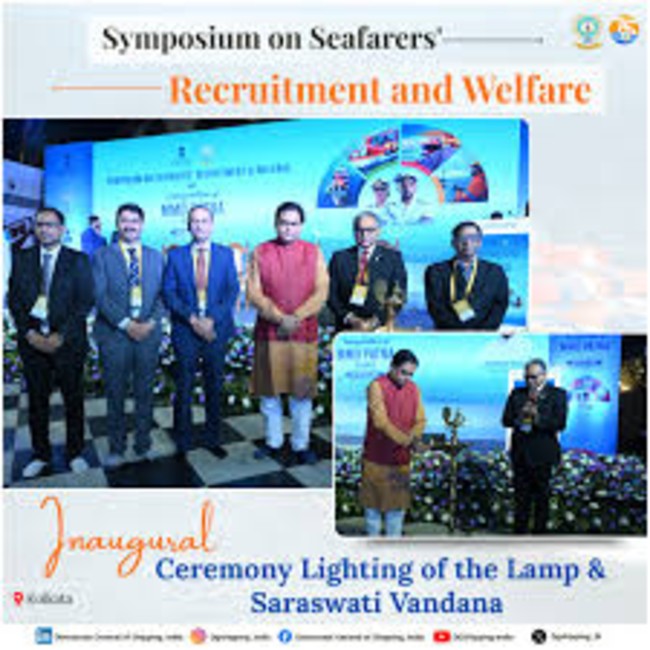
KOLKATA : A prestigious Symposium on Seafarers’ Recruitment and Welfare was successfully convened in Kolkata under the aegis of the Directorate General of Shipping, Ministry of Ports, Shipping and Waterways. The event brought together key stakeholders from the maritime sector, including Recruitment and Placement Services License (RPSL) holders, industry representatives, and senior officials, to deliberate on strengthening India’s maritime manpower ecosystem.

Addressing the gathering, Shri Sushil Mansing Khopde, IPS, Additional Director General of Shipping, shared strategic insights on the evolving challenges faced by RPSL holders in a dynamic global maritime environment. His address focused on enhancing regulatory compliance, improving transparency in recruitment processes, and reinforcing the protection of seafarers’ rights.

The session highlighted critical regulatory concerns, including adherence to established compliance standards, prevention of fraudulent recruitment practices, and the importance of maintaining accurate documentation and reporting systems. Shri Khopde emphasized the need for ethical recruitment mechanisms aligned with international maritime conventions and best practices, thereby safeguarding the dignity and welfare of Indian seafarers.

Underscoring the importance of collaborative governance, he called for stronger coordination between regulators, RPSL agencies, and industry stakeholders to ensure seamless monitoring and enforcement. He also stressed the role of digital monitoring mechanisms and data-driven oversight to enhance accountability, prevent malpractices, and improve service delivery.

The symposium further deliberated on capacity-building initiatives aimed at empowering RPSL holders with updated regulatory knowledge, technological tools, and standardized operating procedures. The roadmap discussed during the session envisions strengthening India’s maritime manpower framework while enhancing the global credibility of Indian seafarer recruitment systems.

The event reaffirmed the Directorate General of Shipping’s commitment to safeguarding seafarers’ welfare and promoting transparent, ethical, and globally compliant recruitment practices. By fostering dialogue and shared responsibility, the symposium marked a significant step toward reinforcing robust maritime governance and ensuring sustainable growth of India’s seafaring community.

IRS marks first overseas defence project with launch of floating dry dock for Sri Lankan Navy

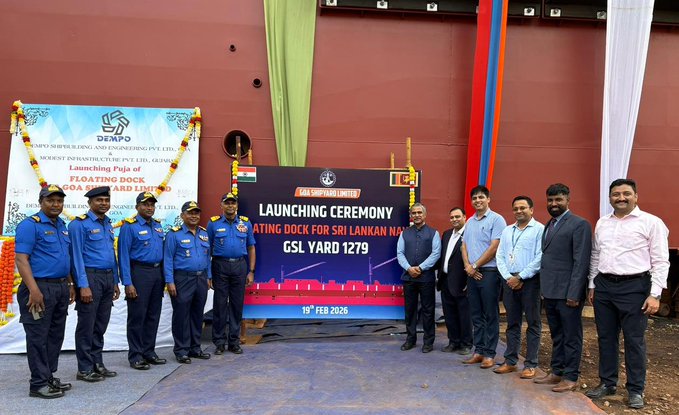
GOA : Indian Register of Shipping (IRS) crossed a significant milestone with the launch of its first defence-export project – a Floating Dry Dock (FDD) being constructed for the Sri Lanka Navy at Goa Shipyard Limited (GSL).

The Chief Guest at the launching ceremony, held on 19 February 2026 at GSL, was Rear Admiral MDK Wijewardana of the Sri Lanka Navy. Senior officials from the shipyard and IRS were also present. The project represents a landmark achievement in IRS’s expanding defence portfolio and underscores India’s growing role as a trusted maritime partner in the Indian Ocean Region.

The Floating Dry Dock, designed and built to meet the operational requirements of the Sri Lanka Navy, will significantly enhance their in-country ship repair and maintenance capabilities. The dock will support underwater repair, and maintenance of a large range of naval vessels, thereby improving operational readiness and self-reliance. IRS has been closely associated with the project, providing classification services and technical oversight in accordance with its Rules and standards.

The successful launch of the Floating Dry Dock stands as a testament to the strong partnership between IRS, Goa Shipyard Limited, and the Sri Lanka Navy. It also aligns with broader efforts to promote indigenous shipbuilding, enhance defence exports, and advance India’s position as a global maritime hub.

“This launch marks a historic milestone for IRS as our first defence export project” said Cdr KK Dhawan, Head Defence at IRS. “It reflects the trust placed in Indian shipbuilding and classification capabilities and demonstrates our commitment to supporting friendly foreign navies with robust, reliable and globally benchmarked technical standards. We are proud to contribute to strengthening maritime cooperation between India and Sri Lanka.”

Global treaty on fishing vessel safety to enter into force in 2027 :IMO

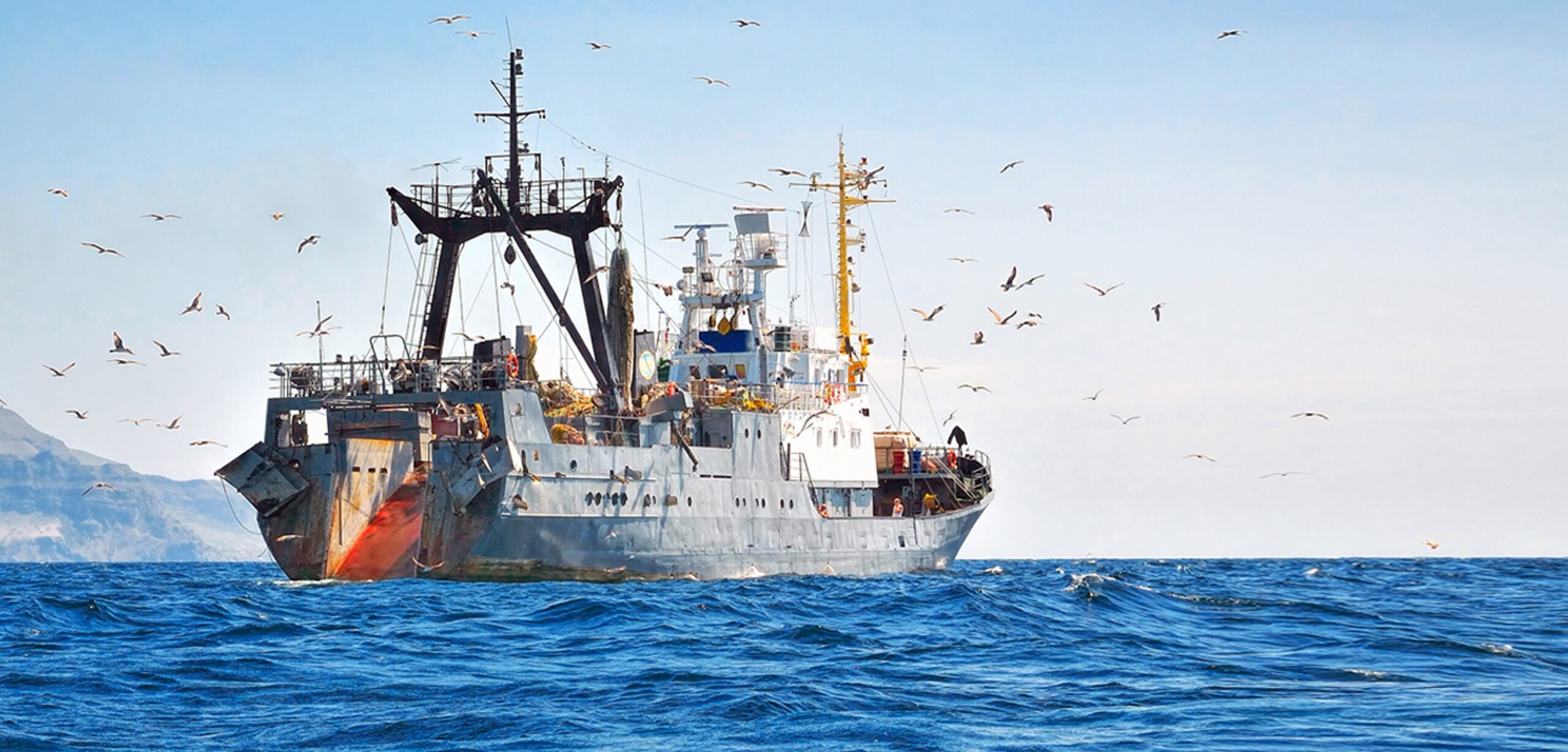
LONDON : Argentina accedes to the Cape Town Agreement, triggering its entry into force in 12 months. The 2012 Cape Town Agreement has met the requirements for entry into force and will enter into force in February 2027, closing a longstanding gap in the global maritime safety framework.

The Agreement sets out mandatory safety standards for more than 45,000 fishing vessels of 24 metres in length and over, according to FAO data, helping to prevent casualties, improve working conditions for fishers, enhance competitiveness and protect the marine environment.

Welcoming the milestone, IMO Secretary-General Mr. Arsenio Dominguez said: “Thousands of fishers lose their lives every year while working to supply the world’s growing appetite for fish and fish products. The 2012 Cape Town Agreement will help protect fishing crews, while safeguarding vessels.”

Argentina accedes to the CTA
Argentina became the latest country to accede to the Agreement, with H.E. Ms. Mariana Edith Plaza, Argentina’s Ambassador to the United Kingdom, depositing the instrument of accession on 24 February 2026 at IMO Headquarters in London.

This brings the total number of Member State accessions to 28, representing 3,754 vessels of 24 metres or more in length. The Cape Town Agreement enters into force 12 months after at least 22 States, collectively representing 3,600 qualifying fishing vessels – typically ocean-going ships operating on the high seas – consent to being bound by the treaty.

Keeping fishers and ships safe
Once in force, States Parties must incorporate the provisions of the 2012 Cape Town Agreement into national law and enforce it as they would any other legislation.

Flag States must ensure that vessels under their registries comply, while Port States have the right to inspect foreign vessels in their ports to verify compliance with the 2012 Cape Town Agreement requirements. These cover the design, construction, equipment and inspection of fishing vessels, as well as vessel stability and seaworthiness, machinery and electrical installations, life-saving appliances, fire protection and communications equipment.

Beyond safety, the Agreement is also expected to support the reduction of marine plastic pollution from abandoned or lost fishing gear.

Four pillars for fishing vessel safety
The 2012 Cape Town Agreement is the culmination of decades of work by IMO, building on earlier international instruments that did not enter into force, including the 1977 Torremolinos International Convention for the Safety of Fishing Vessels and the 1993 Torremolinos Protocol. The treaty is now set to enter into force in 2027, nearly 15 years after it was adopted in 2012.

The Cape Town Agreement represents the fourth pillar in global fishing vessel safety, alongside the following key instruments, all of which are in force:

IMO’s STCW-F Convention on training and certification of fishers.
ILO’s Work in Fishing Convention, 2007, which sets minimum requirements for work on board, including hours of rest, food, minimum age and repatriation.
FAO’s Agreement on Port State Measures to Prevent, Deter and Eliminate Illegal, Unreported and Unregulated (IUU) Fishing, 2009, which seeks to combat IUU fishing through effective port State measures.
Contracting States
With Argentina’s accession, the 28 Contracting States to the Cape Town Agreement, representing 3,754 qualifying fishing vessels, include:

Argentina, Belgium, Belize, Congo, Cook Islands, Croatia, Denmark, Finland, France, Germany, Ghana, Iceland, Japan, Kenya, Namibia, Kingdom of the Netherlands, New Zealand, Nicaragua, Norway, Peru, Portugal, Republic of Korea, Saint Kitts and Nevis, Sao Tome and Principe, Solomon Islands, South Africa, Spain and Vanuatu.

Bravery Award winner pays poignant visit to IMO

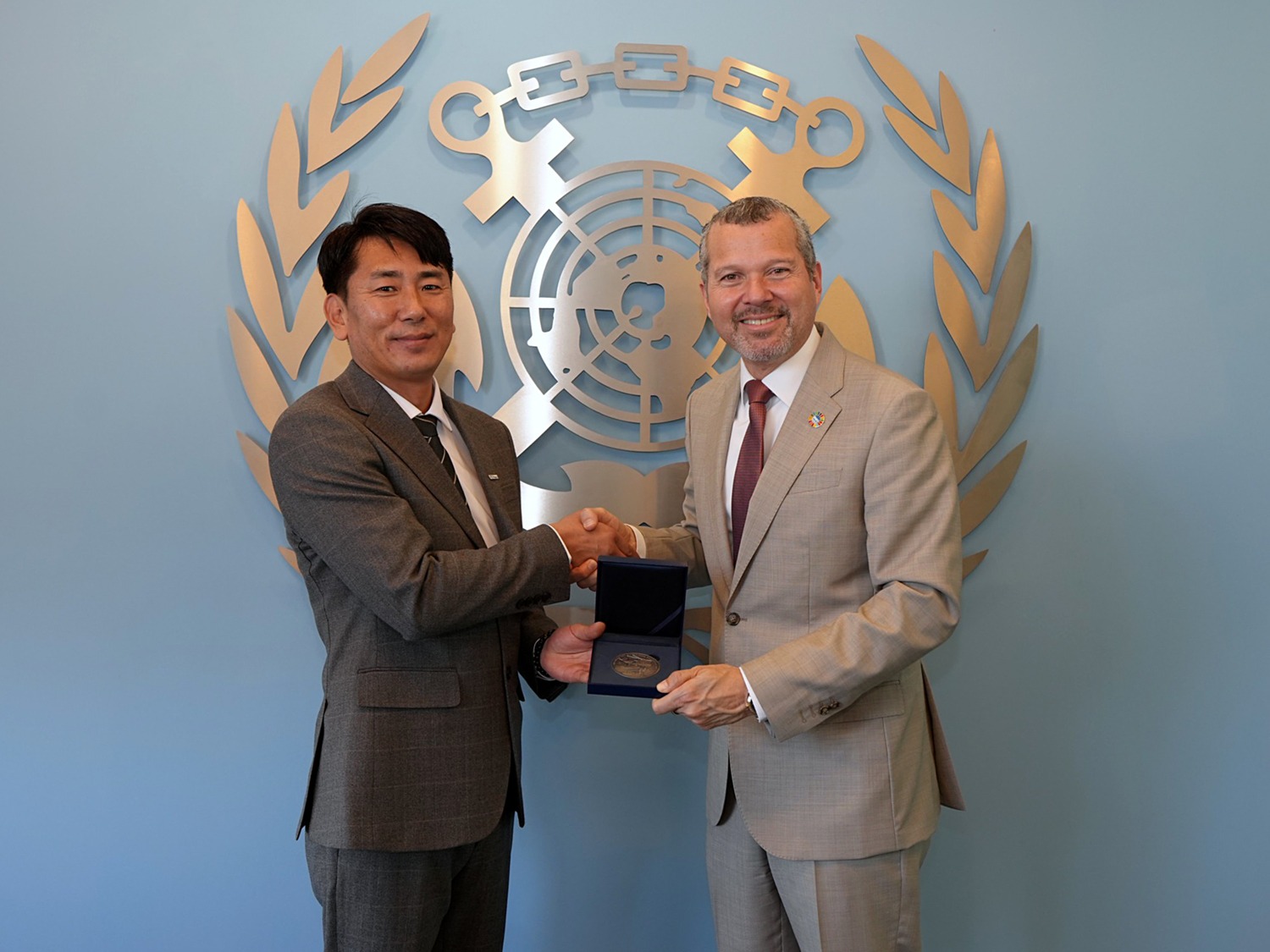
LONDON : Seafarer Lee Tae-Young of the Republic of Korea formally received the 2025 IMO Award for Exceptional Bravery at Sea from Secretary-General Arsenio Dominguez, in an emotional meeting at IMO Headquarters in London.

Mr. Lee was recognized for saving 12 fellow crew members from the fishing vessel Geum Seong No. 135 when it sank off the coast of Jeju Island in the Republic of Korea in November 2024.

He had been unable to attend the official awards ceremony held in December 2025 due to health issues.

Presenting the medal, Mr. Dominguez thanked him for his courage and leadership.

“We owe you a great deal of gratitude,” said Secretary-General Dominguez. “What you did highlighted the importance of safety of fishing vessels as well as being trained in these situations.”

Mr. Lee had no prior search and rescue training when the Geum Seong No. 135 suddenly capsized in the early hours of 8 November. But facing strong currents and extremely harsh conditions, he put his own life at immense risk to help his crewmates board rescue boats, refusing to leave the vessel until others were safe. Of the 27 crew on board, 12 were rescued by Mr. Lee.

“This award is for all the fishers, on the water and under the water. I will share it with everyone,” he said, holding back tears.

Mr. Lee is determined to use his voice to help improve the safety of fellow fishers. More than 32,000 fishers lose their lives every year, according to FAO data.

His visit on 25 February came just a day after the 2012 Cape Town Agreement on fishing vessel safety finally met the requirements to enter into force in February 2027, closing a longstanding gap in global maritime safety regulations.

The Agreement sets mandatory safety standards for fishing vessels measuring 24 metres and above (including vessels such as the Geum Seung No. 135), aimed at reducing casualties at sea, improving working conditions for fishers, and enhancing marine environment protection.

Representatives from the Republic of Korea’s Ministry of Oceans and Fisheries, the RoK Permanent Mission to IMO, the International Transport Workers Federation (ITF), the Federation of Korean Seafarers Union (FKSU), the Korea Institute of Maritime and Fisheries Technology (KIMFT) and Fish Platform also attended the meeting.