Home Blog Page 417

Leading luminaries of Maritime, Logistics & Export–Import Trade to join Viksit Gujarat 2026 Summit in Ahmedabad

AHMEDABAD: The stage is set for one of Gujarat’s most significant industry gatherings as the Viksit Gujarat: Maritime, Logistics & Export Summit 2026 unfolds today at Hotel Hyatt, Vastrapur, Ahmedabad. The high-profile summit brings together leading policymakers, port authorities, customs officials, railway leaders, export strategists, academicians, and industry captains to deliberate on strengthening Gujarat’s position as India’s gateway to global trade.

Organised jointly by India Shipping News (ISN) and the Knowledge Chamber of Commerce & Industry (KCCI), the Summit is themed “Connecting Shores, Creating Opportunities” and is witnessing enthusiastic participation from across the maritime and EXIM ecosystem.

High-Level Inaugural Session

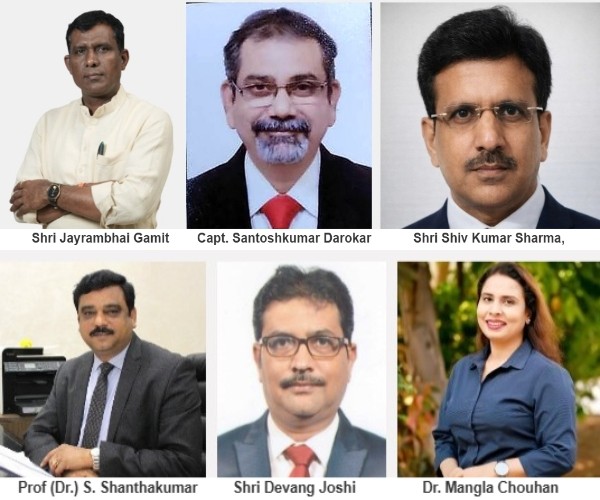
The Inaugural Session, themed “Gujarat: India’s Gateway to Global Trade,” will be graced by Shri Jayrambhai Chemabhai Gamit, Hon’ble Minister of State, Government of Gujarat, as Chief Guest. The session will also witness the presence of senior dignitaries as Guest of Honor and Special Guests including:

Capt. Santoshkumar Darokar, Joint Director General (Technical), Directorate General of Shipping, Government of India

Shri Shiv Kumar Sharma, IRS, Principal Commissioner of Customs, Ahmedabad

Prof. (Dr.) S. Shanthakumar, Provost, Gujarat Maritime University

Shri Devang Joshi, Chairman, Ahmedabad Customs Brokers’ Association

Dr. Mangla Chouhan, Vice President, Baroda Management Association

The session will set the tone for discussions around port-led development, trade facilitation, multimodal infrastructure, and Gujarat’s growing global maritime influence.

Insightful Panel Deliberations

The Summit features three high-impact panel sessions:

Panel I: Ports of the Future – Infrastructure, Investment & Global Integration

Moderated by Shri Amit Oza, Founder CEO, Astramar Shipping & Trading Services, the session includes senior leaders from Deendayal Port Authority, Adani Logistics, Gujarat Maritime University, and Worldspace Industrial & Logistics Park, focusing on smart port infrastructure, sustainable investments, and global integration strategies.

Panel II: Next-Gen Logistics – Building Efficient Hinterland Connectivity

Moderated by Dr. (Prof.) Debjit Roy, IIM Ahmedabad, the session brings together senior officials from Indian Railways, DFCCIL, Adani Logistics, CONCOR, and industry experts to discuss multimodal connectivity, Dedicated Freight Corridors, ICDs, and technology-driven logistics transformation.

Panel III: Global Trade Winds – EXIM Strategy, Policy & Supply Chain Realignment

Moderated by Dr. Darshan Mashroo, Director & COO, EPT Global Logistics, the session features senior representatives from DGFT, FIEO, MSME-DI, Gujarat Maritime University, leading exporters, trade advisors, and policy specialists to examine evolving trade frameworks, export promotion strategies, and supply chain resilience.

The Summit is powered by leading industry stakeholders including Adani Ports & Logistics, with participation from prominent logistics, port, ICD, rail, warehousing, AI, and trade advisory organizations, reflecting strong public-private collaboration.

Bumper Response from Trade Fraternity

The event has received an overwhelming registration response from exporters, customs brokers, freight forwarders, shipping lines, ICD operators, railway officials, policymakers, academicians and logistics entrepreneurs from across Gujarat and neighbouring regions.

The enthusiastic participation underscores the growing relevance of Gujarat as a strategic hub in India’s maritime and logistics transformation journey aligned with the vision of Viksit Bharat 2047.

Celebrating Excellence: Gujarat SMILE Awards 2026

A key highlight of the Summit will be the prestigious Gujarat SMILE Awards 2026 (Shipping, Maritime, Infrastructure, Logistics & Export Excellence Awards), instituted to recognize outstanding contribution and leadership in the Maritime, Logistics, Infrastructure, and Export-Import Trade. The Awards honour organizations and individuals who have demonstrated innovation, operational excellence, sustainability, trade facilitation, and impactful industry leadership. Gujarat SMILE Awards aim to celebrate the changemakers who are strengthening Gujarat’s position as India’s global trade gateway.
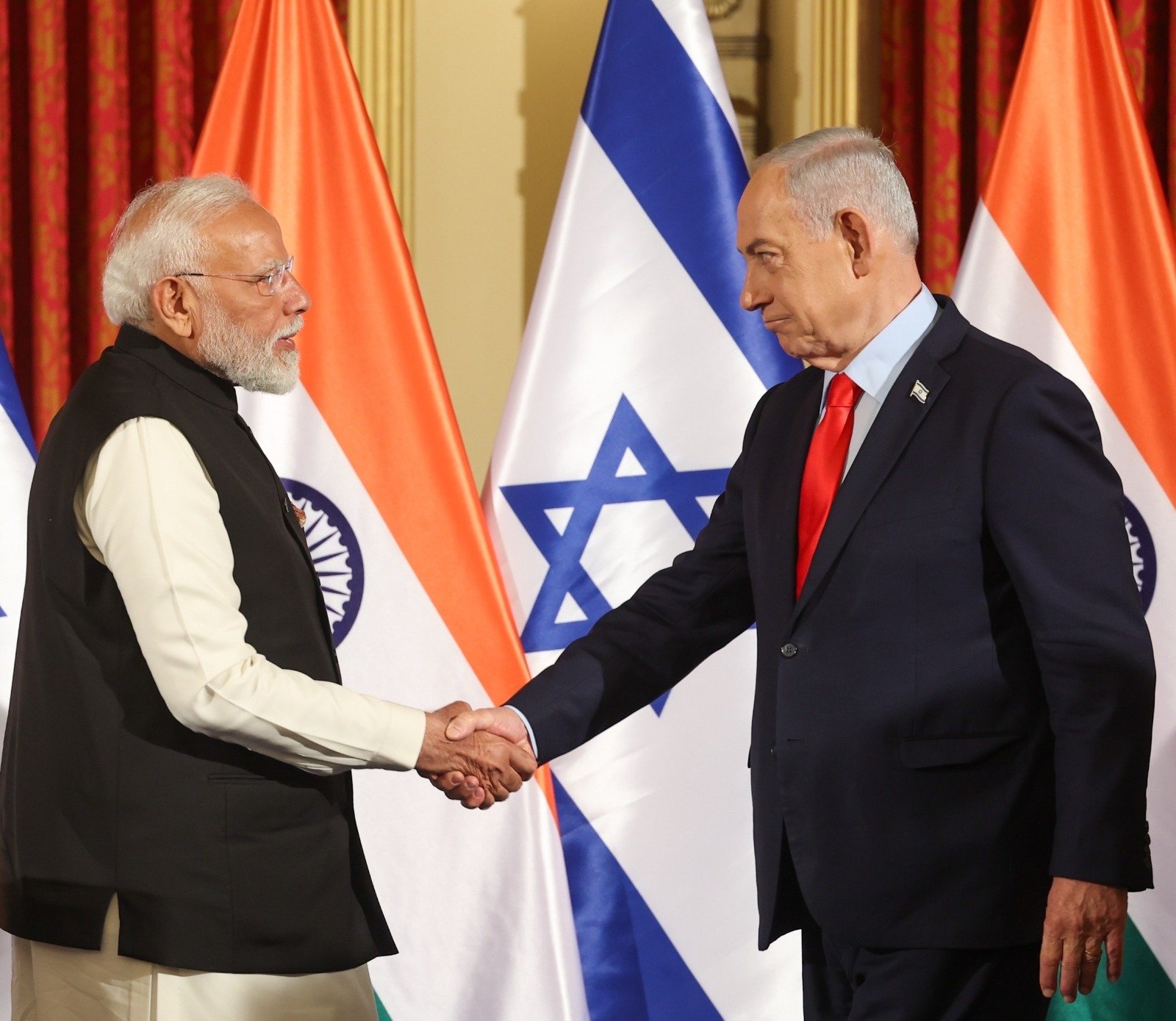
First round of India–Israel FTA talks conclude successfully : Next round to be held in Israel in May 2026

NEW DELHI : The first round of negotiations for the India–Israel Free Trade Agreement (FTA), held from 23 to 26 February 2026 in New Delhi, concluded successfully today. The Terms of Reference (ToR) was signed in November 2025, establishing a structured framework for discussions on identified areas to enhance trade and economic cooperation.

Presently on a two-day State Visit to Israel, Prime Minister Shri Narendra Modi while addressing a Special Plenary of the Knesset in Jerusalem on February 25, 2026, called for early finalization of an ambitious Free Trade Agreement to realize the untapped trade potential between the two countries.

On 24th February 2026, Union Minister of Commerce and Industry, Shri Piyush Goyal, met the visiting Israeli delegation and emphasized that both sides should work closely to unlock new opportunities in trade, innovation, and growth, thereby further strengthening the valued partnership between the two countries. He encouraged both sides to strive towards a modern, comprehensive, and future-ready trade agreement.

During the four-day negotiations, both countries engaged in discussions covering a wide range of areas, including trade in goods and services, rules of origin, sanitary and phytosanitary measures, technical barriers to trade, customs procedures, intellectual property rights, digital trade, and other key chapters. Discussions were held in a constructive and forward-looking manner, with both sides reaffirming their objective of negotiating a comprehensive, balanced, and mutually beneficial agreement. Both sides also agreed to continue inter-sessional engagements virtually. The next round of in-person negotiations will be held in May 2026 in Israel.

Bilateral merchandise trade between the two countries stood at approximately USD 3.62 billion in FY 2024–25. The proposed FTA offers a valuable opportunity to enhance trade flows by providing a stable and predictable framework for businesses in both India and Israel. Both sides noted the untapped potential in key sectors, including machinery, chemicals, textiles, agriculture, medical devices, and advanced technologies. The successful conclusion of the first round reflects a shared commitment to deepen economic partnership and creating new opportunities for stakeholders.

India set to become Global Maritime Powerhouse; Among top shipping centres by 2047: Shantanu Thakur

KOLKATA : Reinforcing the Government’s commitment to port-led development as a cornerstone of India’s export competitiveness and economic growth, the Ministry of Ports, Shipping and Waterways (MoPSW) is implementing major initiatives to modernise maritime infrastructure, strengthen multimodal connectivity and improve logistics efficiency across the country.

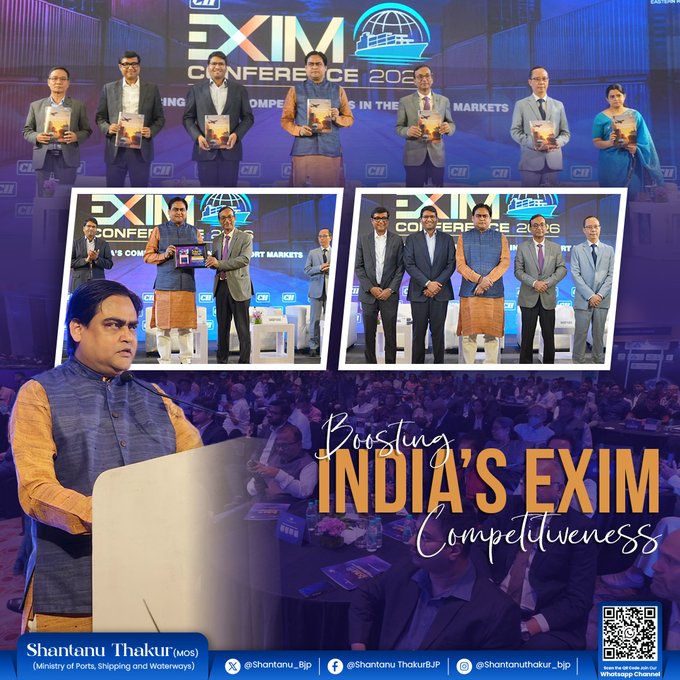
Addressing the CII EXIM Conference 2026 in Kolkata, the Hon’ble Minister of State for Ports, Shipping and Waterways, Shri Shantanu Thakur, highlighted the central role of the maritime sector in India’s global trade expansion and the vision to position India as a leading shipping hub by 2047.

Shri Shantanu Thakur said: “Nearly 95% of India’s trade by volume and around 70% by value is handled through our ports. This clearly shows that the maritime sector is not merely a transport channel — it is a strategic enabler of India’s global trade ambitions.”

Emphasising the progress achieved in the maritime sector over the past decade, the Minister noted that India’s port capacity has more than doubled, cargo handling efficiency has improved significantly, and turnaround time at major ports has reduced substantially, supported by mechanisation and digitalisation initiatives.

He added: “As India moves towards becoming a USD 5 trillion economy and realising the vision of Viksit Bharat 2047, export competitiveness will be one of the strongest pillars of our economic transformation.”

Shri Shantanu Thakur also highlighted the Government’s renewed focus on strengthening India’s shipbuilding ecosystem, noting that recent policy measures and budgetary support will help position India as a major global shipbuilding nation.

He said: “As you are aware, the Hon’ble Finance Minister in the recent Union Budget has emphasised the development of shipbuilding and support for the inland shipbuilding sector. India’s geographical position is highly significant for global trade as well as the global shipbuilding industry.”

Highlighting India’s long-term potential in the sector, the Minister said that with sustained policy support and industry participation, India has the potential to emerge among the leading shipbuilding nations globally.“With the right momentum and support to shipbuilding, we can achieve our targets and reach among the top shipbuilding nations in the world.”

Shri Thakur emphasised the importance of industry partnership in strengthening the maritime ecosystem and advancing India’s global competitiveness. “With your efforts and support, we will move India forward and bring our maritime sector to the forefront. Under the leadership of Hon’ble Prime Minister Shri Narendra Modi ji, this initiative began in 2014, and we are committed to building a globally competitive maritime sector in the years ahead.”

The conference brought together policymakers, industry leaders and international partners to deliberate on strengthening India’s export ecosystem through improved trade infrastructure and logistics efficiency.

The inaugural session was attended by Mr Aung Myo Thein, Consul General of Myanmar; Mr Shashwat Goenka, Chairman, CII Eastern Region; and Mr Sandeep Kumar, Chairman, CII ER International Trade Subcommittee, along with senior industry representatives.

Vijay Kumar Secretary, MoPSW, holds strategic meeting with CEO of Drydocks World to strengthen India–UAE Maritime Collaboration

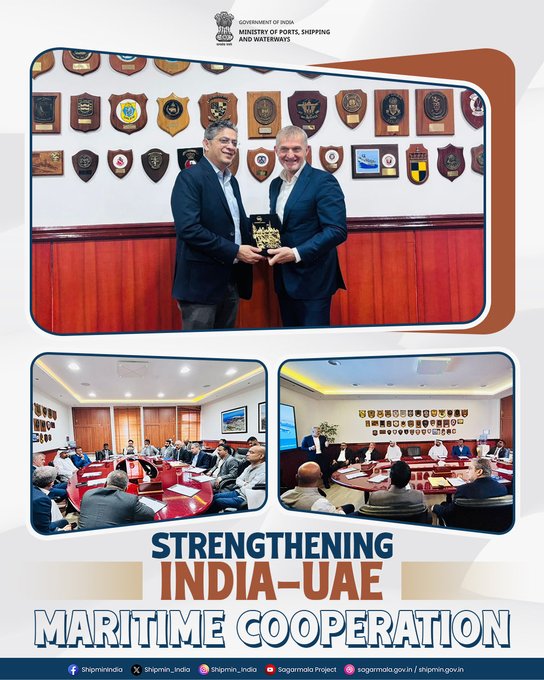
NEW DELHI : Shri Vijay Kumar (IAS), Secretary, Ministry of Ports, Shipping and Waterways (MoPSW), held a productive and forward-looking meeting with Mr. Rado Antolovic, CEO of Drydocks World (part of DP World), to explore avenues for enhanced cooperation in ship repair, maritime infrastructure development, and integrated logistics solutions.

The discussions focused on expanding collaboration in the ship repair and offshore fabrication segments, with particular emphasis on leveraging India’s growing port ecosystem and strategic coastal advantages. Both sides deliberated on opportunities to develop world-class ship repair clusters, enhance dry docking capacity, and introduce advanced marine engineering capabilities aligned with global standards.

Shri Vijay Kumar highlighted India’s ongoing maritime transformation under the Sagarmala programme and the Government’s commitment to strengthening port-led industrialisation, coastal economic zones, and multimodal connectivity. He emphasised India’s vision of becoming a global maritime hub by enhancing shipbuilding and ship repair capabilities, modernising port infrastructure, and promoting ease of doing business in the sector.

Mr. Rado Antolovic shared Drydocks World’s expertise in complex vessel repairs, offshore energy projects, and marine engineering services, expressing keen interest in expanding its footprint in India through technology partnerships, skill development initiatives, and sustainable maritime solutions.

The meeting also explored collaboration in green and sustainable maritime practices, including energy-efficient ship retrofits, decarbonisation strategies, and digital integration across port and logistics operations. Both sides acknowledged the immense potential for joint ventures, capacity building, and knowledge exchange to strengthen maritime value chains.

The engagement marks another significant step in deepening the growing maritime partnership between India and the United Arab Emirates, reflecting shared ambitions to enhance trade connectivity, industrial cooperation, and long-term strategic collaboration in the maritime domain.

CMDs of CONCOR and SCI hold strategic discussions to explore long-term collaboration

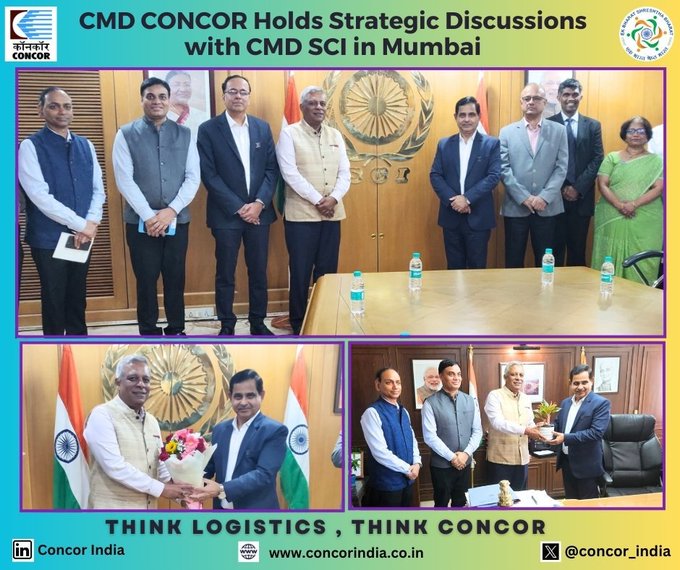
MUMBAI : Shri Sanjay Swarup, Chairman & Managing Director of Container Corporation of India Ltd. (CONCOR), met Capt. B. K. Tyagi, Chairman & Managing Director of Shipping Corporation of India Ltd. (SCI), in Mumbai to deliberate on strengthening cooperation and exploring long-term collaborative opportunities between the two leading public sector enterprises.

The meeting witnessed detailed discussions on enhancing multimodal logistics integration, expanding coastal and EXIM cargo movement, and leveraging synergies between rail-based container logistics and maritime shipping services. Both sides explored possibilities for creating seamless end-to-end supply chain solutions aimed at improving efficiency, reducing transit time, and optimising logistics costs for trade and industry.

The leadership of both organisations emphasised the importance of integrated planning to strengthen India’s logistics ecosystem in line with the Government’s vision of promoting multimodal connectivity and port-led development. Potential areas of cooperation discussed included containerised coastal shipping, inland container depot connectivity, strategic cargo partnerships, and digital coordination to streamline cargo flows.

Senior officers from both organisations were present during the meeting, including Rear Admiral Jaswinder Singh, Director (Liner & Passenger Services), SCI; Shri Narmadeshwar Jha, Cluster Head, Mumbai, CONCOR; and Shri Vineet Mathur, Executive Director (Corporate Coordination), CONCOR. Their participation underscored the operational and strategic significance of the discussions.

The interaction marks a constructive step towards building a structured, long-term partnership between CONCOR and SCI, aimed at enhancing India’s maritime and logistics capabilities while supporting the nation’s expanding trade ambitions.

Piyush Goyal meets US counterpart Howard Lutnick, Ambassador Sergio Gor; discuss economic partnership

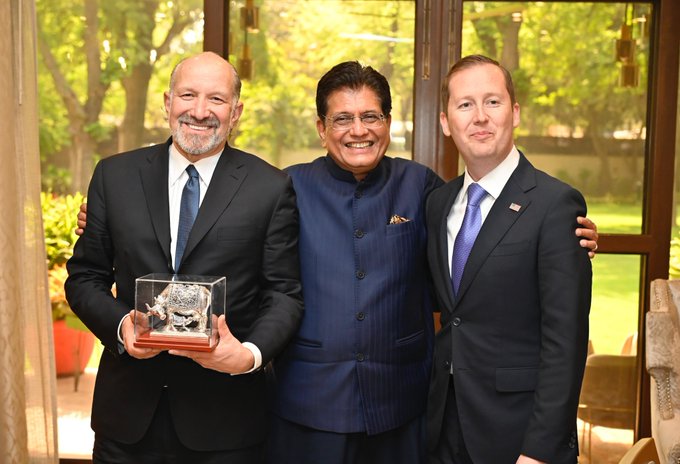
NEW DELHI : Union Minister of Commerce and Industry, Shri Piyush Goyal, on Thursday hosted United States (US) Secretary of Commerce Howard Lutnick and US Ambassador to India Sergio Gor to hold a discussion around trade and economic partnership.

“Hosted US Secretary of Commerce @HowardLutnick & @USAmbIndia Sergio Gor. Engaged in very fruitful discussions to expand our trade and economic partnership,” Goyal said in a post on X.US Ambassador to India Sergio Gor also shared a glimpse of the meeting on X, where the leaders met over lunch.

“A highly productive lunch with @howardlutnick and @PiyushGoyal. So many areas of cooperation for our two nations!” he said.
On Wednesday, Sergio Gor held talks with IBM CEO Arvind Krishna at the Embassy. In a post on X, Gor said, “Enjoyed hosting Arvind Krishna at the US Embassy today. IBM continues to lead the world in technology advancement, a great bridge between the US and India.”

Gor also hosted a dinner at the Chief of Mission’s Residence in New Delhi. The gathering was attended by several global leaders and industry heads, including Raj Subramanian, CEO of FedEx; Sam Altman, CEO of OpenAI; Andrej Plenkovic, Prime Minister of Croatia; Tshering Tobgay, Prime Minister of Bhutan; Union Minister for Commerce and Industry, Piyush Goyal; and Sunil Bharti Mittal, Chairman, Bharti Airtel Limited, among other Heads of State and CEOs of multinational corporations.

Telangana CM A Revanth Reddy also attended the dinner, where he interacted with the dignitaries and business leaders, highlighting Telangana’s progressive industrial policy, world-class infrastructure, and investor-friendly ecosystem. He elaborated on the State Government’s proactive approach towards facilitating investments, particularly in emerging sectors such as technology, artificial intelligence, logistics, advanced manufacturing, and green energy.

Source : ANI

India’s dependence on foreign vessels a strategic weakness; govt plans expansion of domestic maritime capabilities : Sanjeev Sanyal

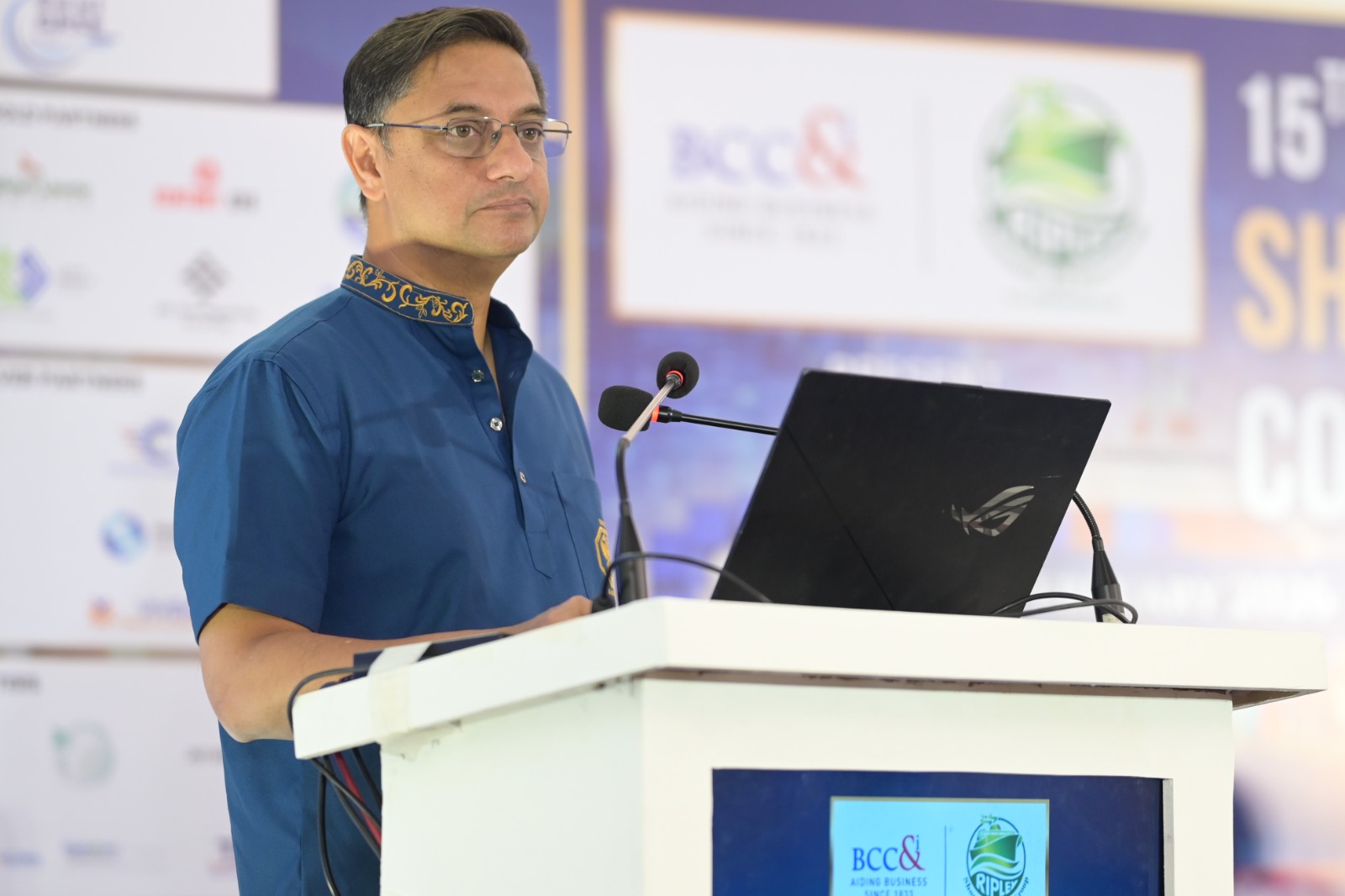
KOLKATA : India’s reliance on foreign ships for over 90 per cent of its imports and exports represents a significant strategic weakness that the government is moving to address through a massive expansion of domestic maritime capabilities says Sanjeev Sanyal, Member of the Economic Advisory Council to the Prime Minister. While speaking to ANI, Sanyal stated that the current lack of a large-scale merchant fleet limits the country’s economic security.

He explained that while a strong military presence is vital, it must be matched by commercial ownership to ensure stability during global disruptions. “I have argued many times before that ships and this maritime capability is one of our biggest strategic weaknesses,” Sanyal noted, adding that a merchant fleet is essential to “provide support to the economy in good times and bad.”
The central government is responding to this challenge by prioritising shipbuilding, port development, and ship flagging as critical thrust areas. Recent legislative changes have already granted infrastructure status to ships and updated laws relating to ownership to attract investment. Sanyal highlighted that the effort is not just about the vessels themselves but about creating a self-sustaining industrial base. “Until we own our own ships, build our own ships, it’s not enough to only have a navy,” he said. He further emphasised that this transition is supported by a Rs 77,000 crore package designed to build a national fleet and enhance India’s standing as a maritime power.

This push for a domestic shipping industry is expected to serve as a major engine for job creation and industrial growth. Shipbuilding is a labour-intensive sector that triggers demand for engineering, heavy machinery, and raw materials like steel. Sanyal described the industry as an “ecosystem of jobs” that benefits various technical trades. “It requires basically a large amount of welding. There is all the engineering that goes into it, the steel that comes from it,” he remarked. He noted that the ripple effects extend to the broader logistics sector, including ports and the movement of goods, creating a comprehensive network of economic activity.
West Bengal is positioned to be a primary beneficiary of these maritime initiatives due to its deep-rooted history in sea trade and existing infrastructure. Sanyal pointed to ancient ports like Chandraketugarh and Tamralipti, as well as modern hubs in Kolkata and Haldia, as evidence of the region’s potential. He suggested that the state’s current facilities, including Garden Reach Shipbuilders, are well-placed to leverage the new central policies. “I’m sure this big effort that the central government is doing in terms of building out the shipbuilding and shipping industry has many paybacks to places like Bengal,” he stated, referencing the historical and geographical advantages of the eastern coast.
As India expands its international trade, particularly through free trade agreements with partners like the US, the necessity for domestic shipping links becomes even more urgent. While service exports are significant, the physical transport of goods remains the backbone of trade growth. Sanyal concluded that achieving maritime independence is a prerequisite for a successful long-term trade strategy. “As trade grows, the shipping industry will be a very important part of that trade,” he said. He emphasised that maintaining strong maritime links and a robust merchant navy is “absolutely critical” to supporting the nation’s future economic ambitions.

Source : ANI

Centre approves ₹797 crore Green Hydrogen Jetty at Paradip Port

NEW DELHI : The Ministry of Ports, Shipping & Waterways (MoPSW) has approved the development of a dedicated jetty with allied facilities for handling green hydrogen, ammonia and other liquid cargo at Paradip Port at an estimated cost of ₹797.17 crores. The project will be implemented by Paradip Port Authority on a build-operate-transfer (BOT) basis.

The proposed facility will have a handling capacity of 4.0 million tonnes per annum and is designed to strengthen Paradip Port’s role as a hub for green energy cargo. The infrastructure will include a dedicated jetty, storage systems, pipelines, handling equipment and associated facilities.

Union Minister of Ports, Shipping and Waterways Shri Sarbananda Sonowal said the approval reflects the Centre’s commitment to building future-ready green infrastructure under the leadership of Prime Minister Shri Narendra Modi.

“This approval is a direct outcome of Prime Minister Narendra Modi ji’s inspiring and decisive leadership in positioning India as a global leader in clean energy. Under his guidance, our ports are being transformed into gateways for green growth, innovation and sustainable logistics,” Sarbananda Sonowal said.

The jetty will have a centre-to-centre distance of 279 meters between extreme end dolphins and a dredged depth of 14.3 meters in front of the berth to enable safe handling of liquid cargo vessels.

Paradip Port Authority will provide capital support equivalent to 20% of the project cost, amounting to ₹159.43 crore, during the construction phase. The project is expected to be completed within 24 months.

Union Minister Sarbananda Sonowal said the dedicated green hydrogen jetty will play a critical role in strengthening export logistics and integrating Odisha’s emerging green hydrogen production clusters with global markets.

“Guided by Prime Minister Modi ji’s vision of an Atmanirbhar and environmentally responsible India, we are building world-class port infrastructure that supports the National Green Hydrogen Mission. The Paradip project will not only enhance cargo capacity but also catalyse investment, generate employment and create a robust green energy ecosystem in eastern India,” Sonowal added.

The facility will also include provisions for handling other liquid cargo to ensure optimal utilisation during the initial growth phase of the green hydrogen sector and to diversify Paradip Port’s cargo profile.

Officials said the project is aligned with the objectives of the National Green Hydrogen Mission and is expected to support investments in green energy infrastructure in Odisha while strengthening port-based logistics for clean energy commodities.

The proposed jetty will incorporate specialised infrastructure and advanced safety systems for handling and storing green energy derivatives and other liquid cargo, supporting the development of an integrated green hydrogen ecosystem around Paradip Port.

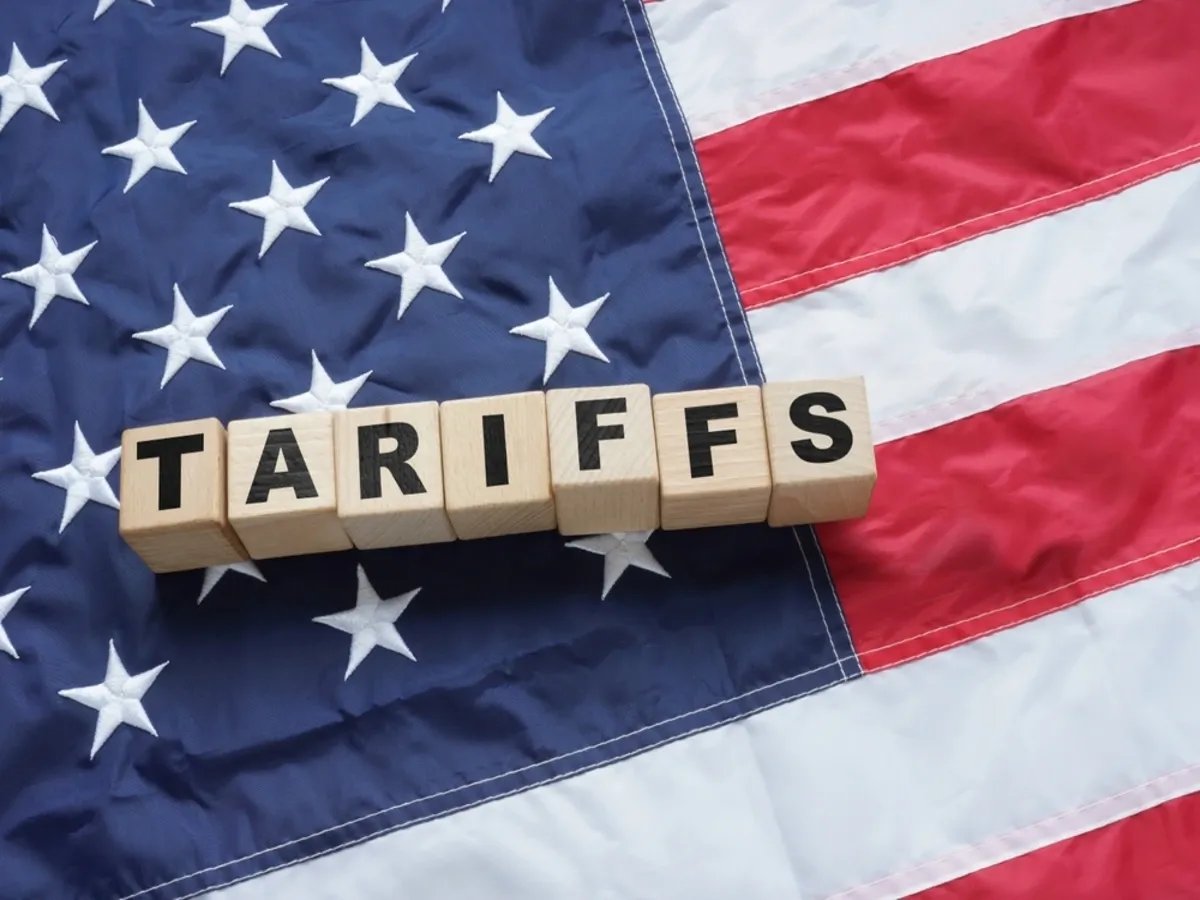
India, China among winners as US Supreme Court blocks Trump tariffs

NEW DELHI : In a swift reversal of fortunes, countries that had been hardest hit by US President Donald Trump’s tariffs have emerged as the biggest winners from the Supreme Court’s decision to strike down his emergency levies.

China, India and Brazil are among those now seeing lower tariff rates for shipments to the US after the court ruled Trump’s use of the International Emergency Economic Powers Act to impose duties was illegal. While Trump subsequently announced plans for a 15% global rate, Bloomberg Economics calculated that would mean an average effective tariff rate of around 12% — the lowest since his “Liberation Day” tariffs were released in April.

For Asia, Morgan Stanley economists say the weighted average tariff rate will fall to 17% from 20%, with average levies on goods from China declining to 24% from 32%. Relief may be temporary as the Trump administration seeks to impose sectoral and economy-specific duties to rebuild its tariff regime.

Still, “the peak level of uncertainty on tariffs and trade tensions has passed,” Morgan Stanley economists led by Chetan Ahya wrote in a note.

The new across-the-board levy effectively resets the playing field for America’s trade partners. For the likes of China, which also saw a 10% fentanyl tariff scrapped by the courts, exports now face less punitive rates. Losers include economies including the UK and Australia that had negotiated lower levies of 10% under the old “reciprocal” framework.

The dollar and futures on the S&P 500 slid on Monday as uncertainty over trade policy damped sentiment. Chinese stocks in Hong Kong rallied.

Senior US officials are pressing partners including the European Union and Japan to stick to commitments they made in earlier negotiations. They also sought continuity in the one-year truce with China, with Trump planning to soon visit Beijing for a meeting with President Xi Jinping. China, in the midst of a long holiday, has yet to officially comment on the Supreme Court decision.

“We want to make sure that China is complying with its part of the deal,” US Trade Representative Jamieson Greer told Fox News Sunday. “So that means they continue to buy the products they said they would buy.”

Canada and Mexico had also faced fentanyl-related levies, so they win out as those no longer apply. If exemptions under the US-Mexico-Canada (USMCA) trade agreement remain in place, they’ll emerge in a “very favorable position,” BE analysts Nicole Gorton-Caratelli, Chris Kennedy and Maeva Cousin wrote in a note.

The new 15% levy leaves countries with the earlier 10% rate worse off, with Australia and the UK in that position. Meantime, those that previously had what was then a competitive 15% level applied on their exports — such as Japan — have now seen that advantage stripped away.

Even as the court ruling adds a fresh layer of uncertainty, analysts are pointing to the resilience of global commerce over the past year and the relatively minor shift in the overall average tariff rate to suggest the near-term effects may prove limited.

Economists at Goldman Sachs Group Inc. including David Mericle estimate that the combination of the Supreme Court ruling and the newly announced Section 122 tariff will reduce the increase in the effective tariff rate since the start of 2025 from just over 10 percentage points to 9 percentage points.

“Imports from countries that will experience meaningful tariff reductions from the latest policy changes are likely to pick up in coming months,” the economists wrote. “But the impact on GDP should be largely offset by increased inventory accumulation and consumption, reduced imports from other countries through which trade had been rerouted, and small reductions in imports from countries whose tariff rate has risen.”

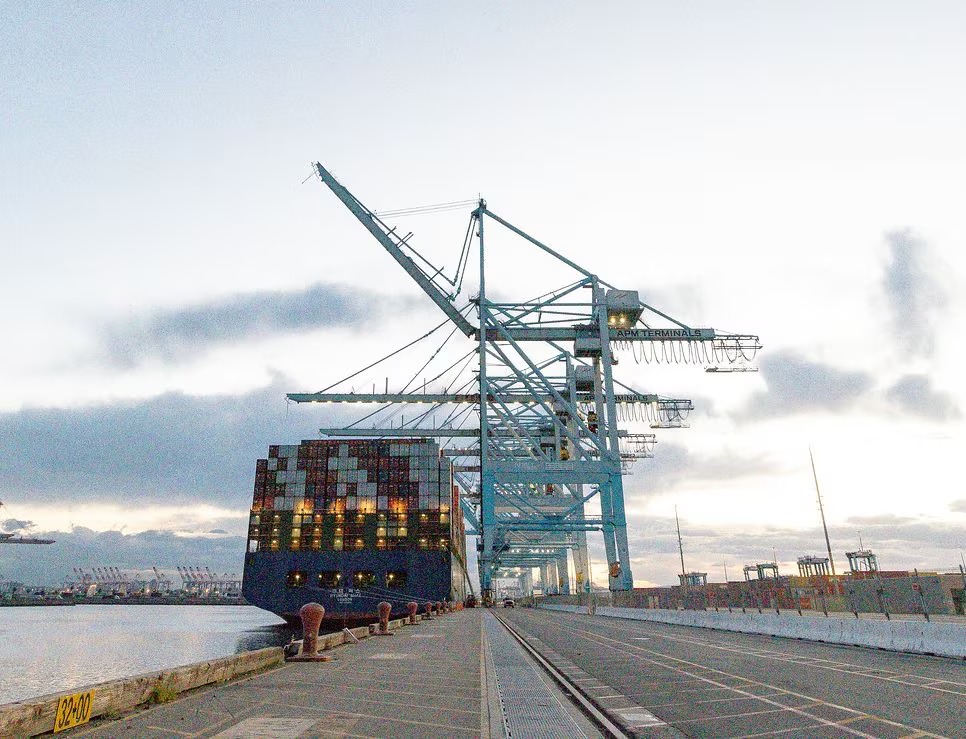
APM Terminals Los Angeles publishes inaugural Annual Impact Report

LOS ANGELES : APM Terminals Los Angeles published its 2025 Annual Impact Report, a comprehensive overview of operational performance, environmental progress, safety achievements, and community investment at Pier 400 — the largest container terminal in the Western Hemisphere. The report presents data spanning 2023 through 2025 and reflecting a high standard for transparency in terminal operations.

“More than just the largest container terminal in the Western Hemisphere, our terminal is a critical gateway for trade, jobs, and opportunity,” said Jon Poelma, Managing Director of APM Terminals Los Angeles. “Every achievement in this report reflects the work of dedicated professionals who keep cargo moving, protect the harbor, and strengthen the communities we serve.”

Operational Performance

Pier 400 handled 3.25 million TEUs in 2025, representing a 62 percent increase since 2023. Rail moves grew 104 percent over the same period, and gate transactions climbed 40 percent. The terminal delivered an average truck turn time of 39 minutes — the fastest in the San Pedro Bay Complex and a 55 percent improvement since 2023.

Environmental Progress

The report documents reduction in overall emissions since 2017, achieved while cargo volumes grew significantly. Specific reductions include a 68 percent drop in nitrogen oxide emissions and a 30 percent reduction in sulfur oxides. Pier 400 now operates 71 electric units — 15 percent of its container-handling fleet — with nearly 95 additional units funded or on order, which will bring the fleet to roughly 35 percent electric. The terminal also secured $66.5 million in grant funding through the EPA Clean Ports Program and California’s CORE program, complemented by $40 million in the company’s own capital investment.

In December 2025, the terminal earned TRUE Silver Zero Waste Certification from the U.S. Green Building Council, and in July 2025 achieved dual ISO certifications in environmental management (ISO 14001) and occupational health and safety (ISO 45001).

“These results reflect years of disciplined investment in cleaner technology, standardized safety processes, and a culture where every person on this terminal takes ownership of environmental and safety performance,” said Christopher Allen, Director of Health, Safety, Security and Environment. “Earning dual ISO certifications and the PMA Safety Award in the same year tells us the systems are working — but continuous improvement means we’re already focused on what comes next.”

Safety

Pier 400 received the PMA Safety Award for achieving a Lost Time Injury rate of 0.56 — the lowest among large West Coast terminals. The terminal employs ILWU labor across all key functions and has invested in workforce training to support the transition to zero-emission equipment.

Community Investment

The report also highlights Pier 400’s role as a committed neighbor. In 2025, the terminal contributed more than $400,000 to local nonprofits, supported over 40 community partners, and logged 750+ employee volunteer hours — from wildfire relief efforts to youth mentorship programs across San Pedro and Wilmington.