Home Blog Page 421

Sarbananda Sonowal launches over ₹1,500 crore projects at VOC Port, boosting Green & Digital Maritime Infrastructure

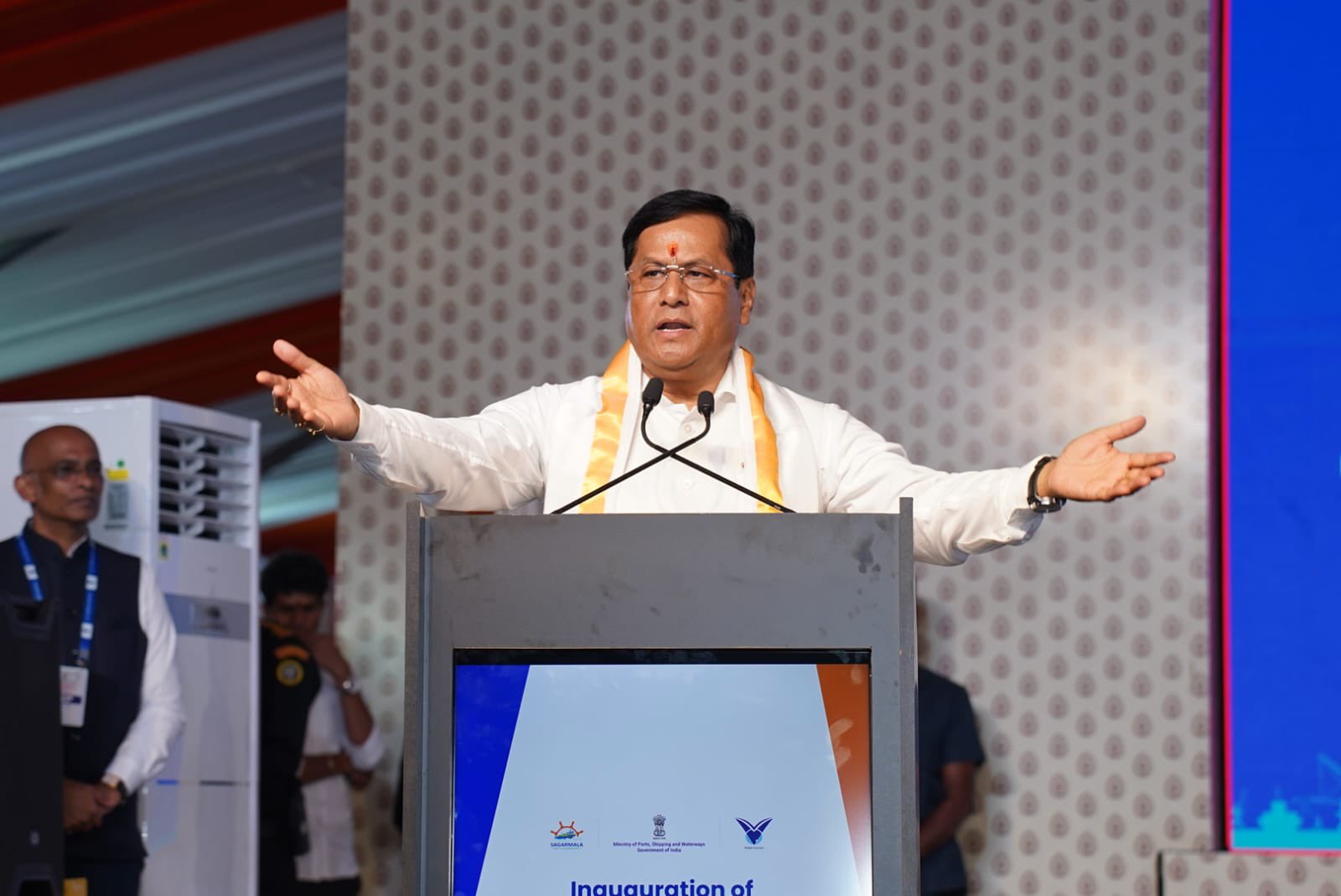
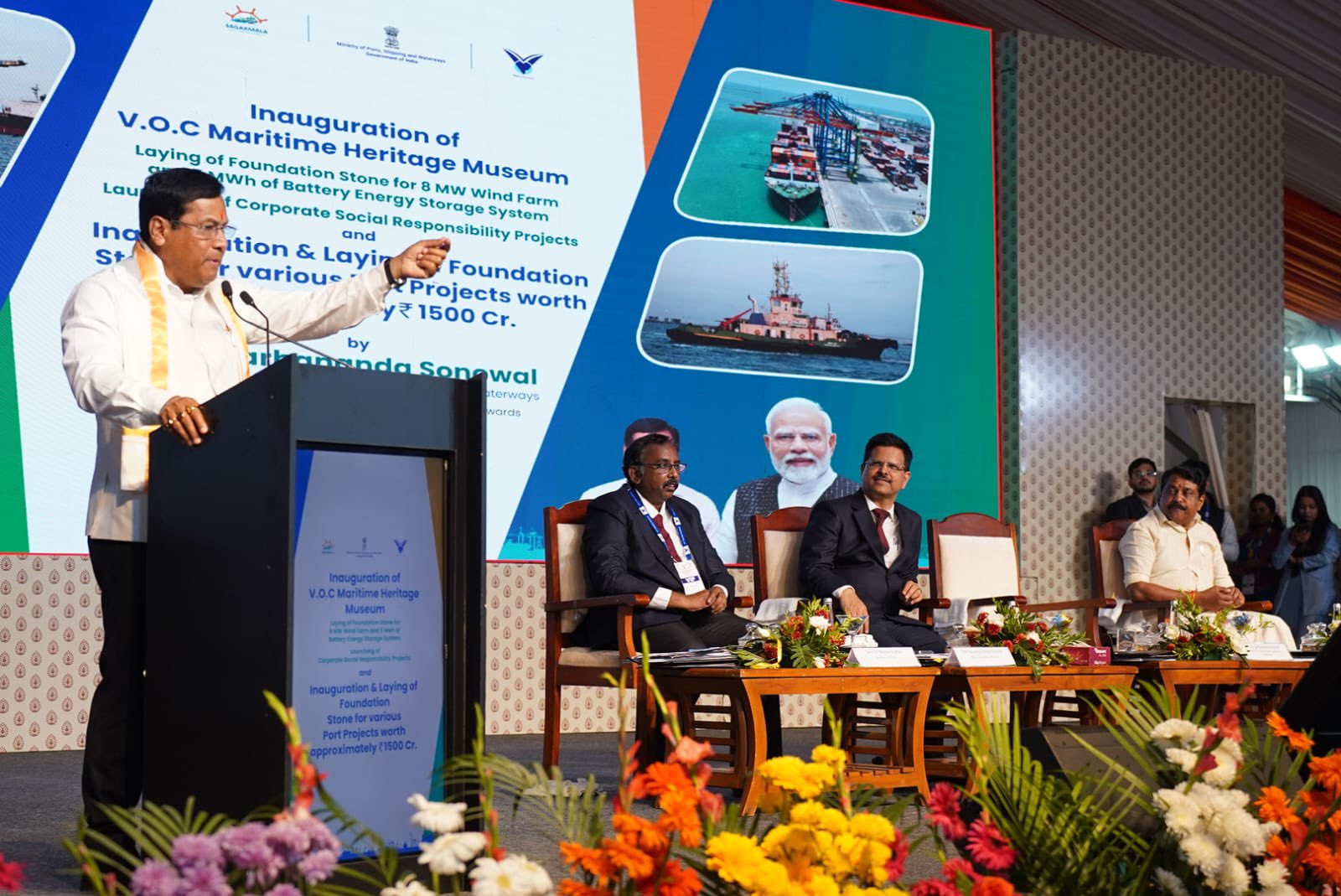
TUTICORIN : Union Minister of Ports, Shipping and Waterways (MoPSW), Shri Sarbananda Sonowal inaugurated and laid the foundation of projects worth more than ₹1,500 crore at V.O. Chidambaranar Port Authority (VOC Port), Tuticorin, marking a major expansion of infrastructure, renewable energy integration and digital modernisation at the port.

A key highlight of the event was the inauguration of the VOC Maritime Heritage Museum, an immersive institution dedicated to India’s maritime legacy and the contribution of freedom fighter V.O. Chidambaranar. The museum has been conceived as a cultural and educational landmark for southern Tamil Nadu and is expected to promote tourism, community engagement and awareness of the Coromandel Coast’s maritime history.

Shri Sonowal posted on X, “delighted to inaugurate and lay the foundation of projects worth more than ₹1,500 crore at VO Chidambaranar Port in Tuticorin. Led by Hon’ble PM Shri Modi ji’s vision, these projects will seamlessly integrate massive infra upgrades with advanced digital and safety platforms to future proof port operations. VOC Port is emerging as a crucial global maritime hub. Building upon recent milestones, such as the North Cargo Berth-III dedicated to the nation by PM Modi ji in July 2025, we are also accelerating work on the crucial Outer Harbour project. Once complete, it will equip the port to handle mega vessels, multiply trade volumes and establish a world-class logistics network bolstered by multimodal connectivity. This ongoing transformation is immensely important for both Tamil Nadu and the nation, as it will accelerate industrial growth and establish India as a global maritime powerhouse as we set sail towards an Aatmanirbhar and Viksit Bharat.”

Sonowal also inaugurated and laid foundation stones for projects spanning rail and road connectivity upgrades, power infrastructure enhancement, renewable energy integration — including solar, wind, battery storage and green hydrogen production — advanced safety systems and digital platforms.

“The projects reflect the government’s focus on port-led development under Prime Minister Shri Narendra Modi ji’s Maritime Vision 2047 and aim to strengthen VOC Port’s position as a green and technologically advanced maritime hub”, Union Minister Sarbananda Sonowal remarked.

Adding further, Sonowal said, “These landmark projects are a direct reflection of the dynamic and visionary leadership of Prime Minister Narendra Modi ji. Under his guidance, India’s ports are being transformed into engines of growth, innovation and global competitiveness, driving our journey toward a self-reliant, green and technologically advanced maritime sector.”

The event builds on recent milestones at the port, including the commissioning of three new berths in the past 18 months. Among them is North Cargo Berth-III, dedicated by Prime Minister Modi in July 2025, which has expanded bulk cargo capacity. Work is also progressing on the Outer Harbour project, designed to handle larger vessels and increase trade volumes.

VOC Port has emerged as a leader in sustainable maritime operations and became the first Indian port to produce and use green hydrogen on-site. A pilot project has been operational since late 2025, with plans for commercial-scale development by 2029. Officials said integrated renewable initiatives, green methanol facilities and partnerships in e-ammonia and carbon capture, utilisation and storage (CCUS) are positioning the port as a future-ready green fuel bunkering center.

On the technology front, the port has deployed India’s first comprehensive Digital Twin platform for real-time monitoring, predictive maintenance and data-driven optimisation. An anti-drone system has also been installed to strengthen security of critical infrastructure.
“Green Hydrogen, Digital Twin and Outer Harbour Projects Propel VOC Port into Next-Gen Maritime Hub”: Sarbananda Sonowal

THIRUVANANTHAPURAM : Union MoPSW Shri Sarbananda Sonowal inaugurated the V.O. Chidambaranar Port Authority (VOC Port), Tuticorin, Maritime Heritage Museum. VOC Port has emerged as a leader in sustainable maritime operations and became the first Indian port to produce and use green hydrogen on-site. A pilot project has been operational since late 2025, with plans for commercial-scale development by 2029. Officials said integrated renewable initiatives, green methanol facilities and partnerships in e-ammonia and carbon capture, utilisation and storage (CCUS) are positioning the port as a future-ready green fuel bunkering center.

On the technology front, the port has deployed India’s first comprehensive Digital Twin platform for real-time monitoring, predictive maintenance and data-driven optimisation. An anti-drone system has also been installed to strengthen security of critical infrastructure.
Sonowal ji said, “At V.O.C. Port, initiatives such as the Outer Harbour project, shipbuilding development and comprehensive green energy measures will reshape the economic landscape of the region and strengthen its position as a major transshipment hub. Guided by Prime Minister Modi’s Maritime Vision 2047, these efforts will promote inclusive growth, sustainability and establish India as a global maritime powerhouse.”

It is expected that the projects will reduce logistics costs, accelerate industrial growth across the Tuticorin, Tirunelveli and Madurai districts, attract new investments and generate significant employment opportunities. The Maritime Heritage Museum is also expected to enhance tourism and contribute to the overall socio-economic development of the region, Sonowal said.

With ongoing investments in infrastructure, sustainability, digital innovation and port-led industrialisation, VOC Port is consolidating its position as a major maritime gateway on India’s eastern seaboard and a model for green and secure port development.”

India must become high-quality producer to achieve $2 trillion export target : Piyush Goyal

NEW DELHI : Union Minister of Commerce and Industry Shri Piyush Goyal emphasised that quality must become the defining mantra of India’s manufacturing and export ecosystem, asserting that Prime Minister Shri Narendra Modi’s vision of “zero defect, zero effect” will serve as the cornerstone of India’s growth story in the Amrit Kaal. Aligning the initiative with the Prime Minister’s vision of Viksit Bharat 2047, the Minister said India’s ambition to become a $30–35 trillion economy by 2047 rests on three pillars — zero defect (quality), zero effect (sustainability), and equitable opportunity (inclusivity).

Addressing the first National Quality Conclave, organised by the Department for Promotion of Industry and Internal Trade (DPIIT) in partnership with the Quality Council of India (QCI), Shri Goyal, who joined the event virtually, underscored that no country can progress merely as a consumer; it must establish itself as a globally recognised producer of high-quality goods and services. He emphasised that Brand India must stand for quality, reliability and trust. Noting that India has been the world’s fastest-growing large economy for the past four years and is poised to become the third-largest GDP in the next two to two-and-a-half years, he said the country’s $2 trillion export target — comprising $1 trillion in merchandise and $1 trillion in services within the next six to seven years — can only be achieved through uncompromising quality standards.

Highlighting India’s expanding trade outreach, Shri Goyal said that nine Free Trade Agreements finalised in the past three to three-and-a-half years with 38 developed countries now cover nearly two-thirds of global GDP and trade. These agreements, he noted, open new opportunities in sectors such as textiles, leather, footwear and pharmaceuticals, provided Indian products consistently meet the highest global benchmarks. He reiterated that India’s current share in global trade remains modest, even in competitive and labour-intensive sectors, and urged industry to leverage new market access opportunities created through these agreements.

Recalling earlier challenges, Shri Goyal remarked that Indian consumers were once compelled to seek “export quality” products, reflecting a dual-quality ecosystem. He stressed that such a culture must be decisively replaced with uniform, high standards for both domestic and international markets. He lauded the Quality Council of India (QCI) and the Department for Promotion of Industry and Internal Trade (DPIIT) for taking the message of quality to the grassroots through extensive consultations across clusters and sectors.

Outlining a five-pillar action agenda to institutionalise quality, the Minister emphasised the need for clearly defined standard operating processes with strict compliance and continuous inspection from raw material to finished product stage; skilling and re-skilling of the workforce to reduce wastage and enhance productivity, particularly in sectors such as textiles; undertaking gap analysis and benchmarking with global best practices to improve competitiveness and environmental outcomes; streamlining testing and certification protocols to reduce delays and costs; and strengthening shared infrastructure through modern, automated testing facilities across manufacturing clusters.

Shri Goyal assured that funds would not be a constraint for establishing high-quality testing infrastructure. He encouraged industry to seek support under the Export Promotion Mission (EPM) for international approvals and compliance requirements, including REACH regulations, CBAM verification, SPS and TBT measures, and other non-tariff barriers. He stated that government support would particularly benefit micro and small enterprises in accessing global markets and meeting international standards.

Quoting Prime Minister Shri Narendra Modi, Shri Goyal reiterated that India must be recognised globally as a guarantee of quality. He emphasised that quality consciousness has been a recurring theme in the Prime Minister’s recent public engagements and called for replacing the “chalta hai” mindset with a culture of excellence across all levels — from promoters and directors to workers on the shopfloor and personnel in laboratories and back offices.

The Union Minister also reflected on the symbolic “manthan” process, stating that just as nectar emerged from the Samudra Manthan, the consultative efforts under the Conclave must yield the nectar of quality, trust and excellence in day-to-day work. He reaffirmed the government’s readiness to support industry initiatives aimed at embedding quality deeply within India’s manufacturing ecosystem.

Union Minister of State for Commerce and Industry Shri Jitin Prasada emphasised that as global opportunities expand, India must transition decisively towards quality-led manufacturing. He stated that platforms such as the National Quality Conclave will play a crucial role in strengthening India’s global standing as a reliable manufacturing and export destination.

Secretary, DPIIT, Shri Amardeep Singh Bhatia highlighted that strengthening Bharat’s industrial ecosystem requires coordinated engagement between government, industry and institutions anchored in quality-driven policy frameworks. He described quality improvement as a long-term commitment essential for meeting global demand, building international trust and positioning India as a reliable part of global supply chains.

Chairperson, QCI, Shri Jaxay Shah underscored that quality must move beyond audits and certifications to become a daily discipline at the shopfloor level. He stated that for Viksit Bharat 2047, quality is not merely a pathway but the destination.

The National Quality Conclave represents a first-of-its-kind national initiative structured around extensive on-ground consultations with industry and MSMEs to directly capture shop-floor and supply-chain insights and integrate them into policy deliberations and the development of sector-specific quality roadmaps. Series 1 of the Conclave brought together senior policymakers, industry leaders, regulators and key stakeholders from four priority manufacturing sectors — textiles, leather, footwear and pharmaceuticals — identified for their strong export potential, extensive MSME participation and contribution to employment generation.

The Conclave adopted a sector-differentiated, evidence-driven three-stage engagement process over two months across more than twenty cities to ensure actionable outcomes. In the leather sector, 25+ nationwide consultations and 15+ Gunvatta Manthan dialogues were conducted with participation from 65+ industry stakeholders and MSMEs. The textiles sector engagement comprised 30+ nationwide consultations and 10+ Gunvatta Manthan dialogues engaging 10+ stakeholders and MSMEs, while the pharmaceuticals sector saw focused discussions through 7+ nationwide consultations involving 55+ stakeholders and MSMEs. The programme covered 14 manufacturing clusters and engaged over 50 government and regulatory bodies through a twin-track approach involving both private sector stakeholders and government agencies.

The National Quality Conclave is envisaged as part of an ongoing series of sector-focused engagements, with DPIIT and QCI undertaking regular consultations across manufacturing sectors to systematically address quality challenges, strengthen industry–government coordination and build sustained momentum for quality-led industrial growth. The outcomes of the Conclave will contribute to the development of a National Quality Roadmap for Manufacturing, guiding coordinated action across government, regulators and industry in the period ahead.

Piyush Goyal meets ministers from Tajikistan and Cambodia to expand bilateral trade and investment ties

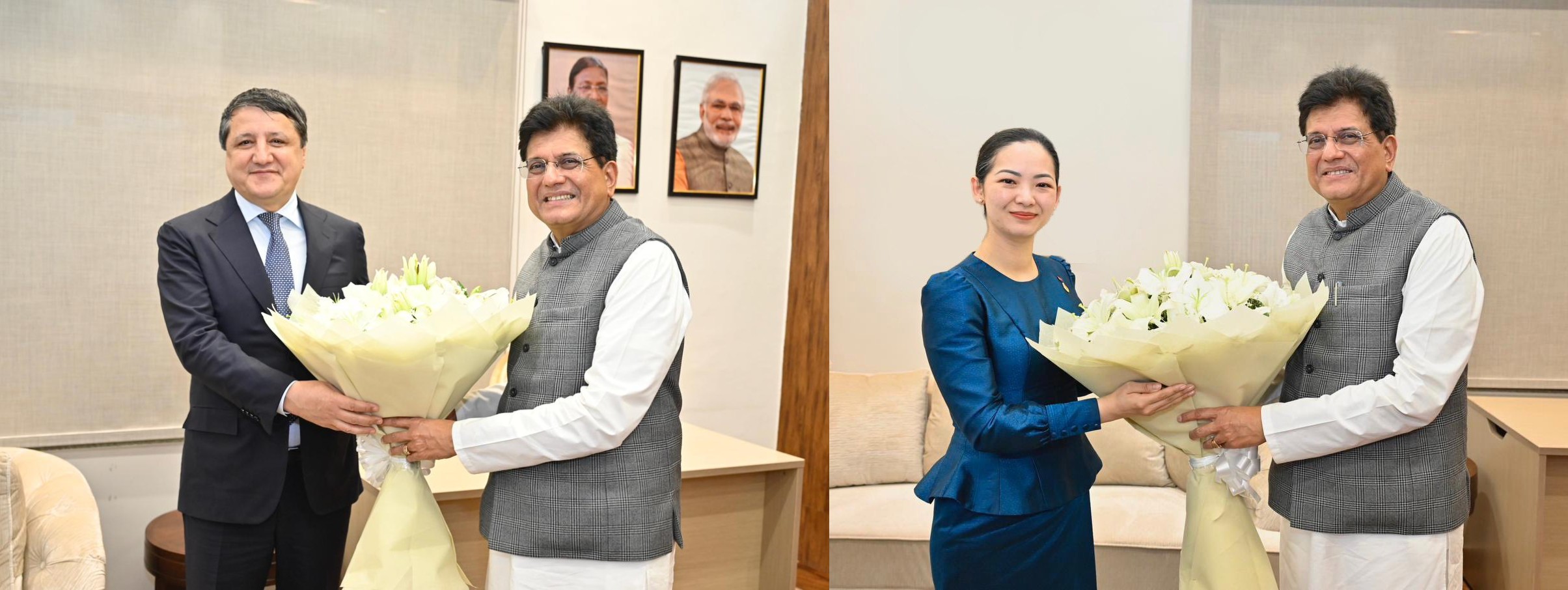
NEW DELHI : Union Minister of Commerce and Industry Shri Piyush Goyal held high-level discussions with ministers from Tajikistan and Cambodia to expand bilateral trade and investment ties across multiple sectors. The meetings focused on deepening economic cooperation and unlocking new business opportunities between India and these nations. Goyal detailed the scope of these international partnerships on X.

“Held a productive meeting with Mr. Sherali Kabir, Minister of Industry and New Technologies, Tajikistan. We discussed expanding overall bilateral trade and strengthening investment ties, with a focus on key sectors including textiles, IT, pharmaceuticals, food processing, critical minerals, and tourism. Committed to unlocking new opportunities for businesses and deepening economic cooperation between our two countries,” Goyal said on X.

In a separate post on X, Minister Goyal detailed his meeting with his Cambodian counterpart. “Had a productive discussion with @C_Nimul, Minister of Commerce of Cambodia. We explored avenues to further strengthen the growing trade and investment partnership between both sides. With increasing collaboration across sectors, we also explored the potential to diversify cooperation to unlock greater opportunities for our people and businesses”.

Earlier on Saturday, Goyal highlighted the expanding cooperation between India and Brazil across sectors. Referring to the growth in bilateral trade by 25 per cent in the past year to reach USD 15 billion, he described the current level as suboptimal and called for greater ambition in further strengthening economic engagement between the two countries. Referring to higher benchmarks set by President Luiz Inacio Lula da Silva and Prime Minister Shri Narendra Modi, he expressed confidence that both nations can grow faster, grow bigger and grow together for shared prosperity.

Highlighting the India-Brazil partnership, the Minister said, “India and Brazil are natural partners. Our relationship is built on the foundation of democracy, diversity and shared aspirations for development. We have a strong, multi-faceted strategic partnership driven by people-to-people ties and expanding cooperation across sectors. Brazil is India’s largest trading partner in Latin America and the Caribbean region. We are also expanding cooperation in health and pharma, energy, including renewable energy, critical minerals, defence, the aviation sector, and there is significant growth in our collaboration in science and technology, digital public infrastructure, and artificial intelligence.”

Goyal also emphasised the broader dimensions of the partnership, including South-South cooperation and collaboration under BRICS, IBSA, the G20 and the World Trade Organization (WTO). He expressed confidence in the bright future of bilateral ties. Source : ANI

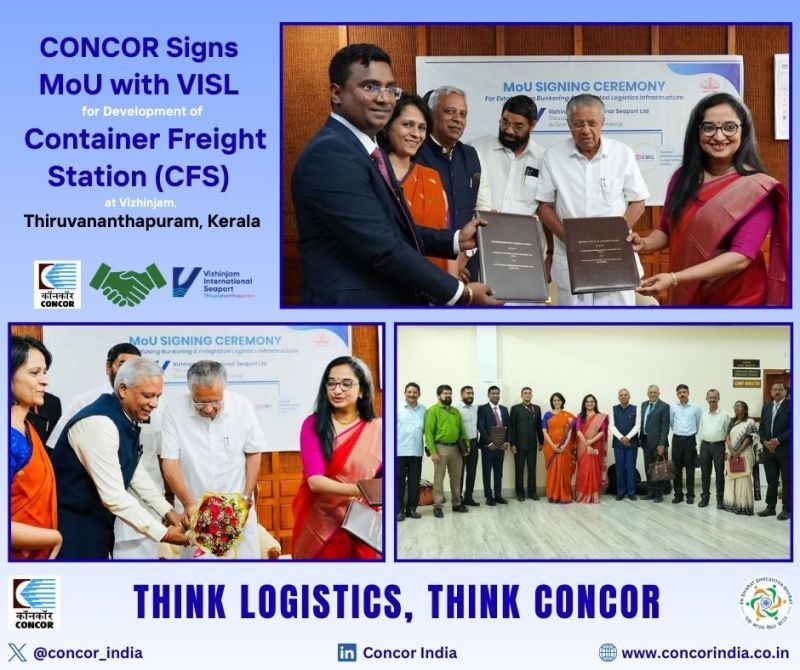
CONCOR signs MoU with Vizhinjam International Seaport Limited for development of CFS

THIRUVANANTHAPURAM : In a significant step towards enhancing India’s port-led logistics ecosystem, Container Corporation of India Ltd. (CONCOR) signed a Memorandum of Understanding (MoU) with Vizhinjam International Seaport Limited (VISL) for the development of a state-of-the-art Container Freight Station (CFS) in the vicinity of Vizhinjam International Seaport, Kerala.

The MoU was signed in the august presence of Shri Pinarayi Vijayan, Hon’ble Chief Minister of Kerala; Shri V. N. Vasavan, Hon’ble Minister for Cooperation & Ports, Government of Kerala; Shri Kowsigan, IAS, Secretary – Shipping & Ports, Government of Kerala; Shri Sanjay Swarup, CMD, CONCOR; and Ms. G. Gayatri, Area Head (South), CONCOR.

The agreement was formally executed by Mr. A. Vijuvin, Cluster Head – Chennai, on behalf of CONCOR, and Ms. Divya Iyer, MD, VISL, on behalf of VISL.

Boost to Hinterland Connectivity & Trade Facilitation

The proposed CFS will play a pivotal role in supporting EXIM trade by offering integrated logistics services including:

Container stuffing and de-stuffing

Customs clearance and documentation support

Warehousing and value-added services

Seamless rail-road-port connectivity

Faster cargo evacuation and reduced dwell time

Strategically located near the deep-water transshipment port at Vizhinjam, the CFS is expected to strengthen Kerala’s position as a key gateway for international trade. The facility will enable exporters and importers across Kerala and neighbouring states to benefit from efficient, cost-effective, and time-bound logistics solutions.

Alignment with National Logistics Vision

The initiative aligns with the Government of India’s focus on port-led development and integrated infrastructure planning under the PM GatiShakti framework. By enhancing multimodal linkages and reducing logistics costs, the project will contribute to improving India’s global trade competitiveness.

The collaboration between CONCOR and VISL reflects a shared commitment to building future-ready logistics infrastructure that supports economic growth, promotes ease of doing business, and fosters sustainable freight movement.

With Vizhinjam emerging as a major international maritime hub, the development of a dedicated CFS will further catalyse industrial growth, attract investments, and generate employment opportunities in the region.

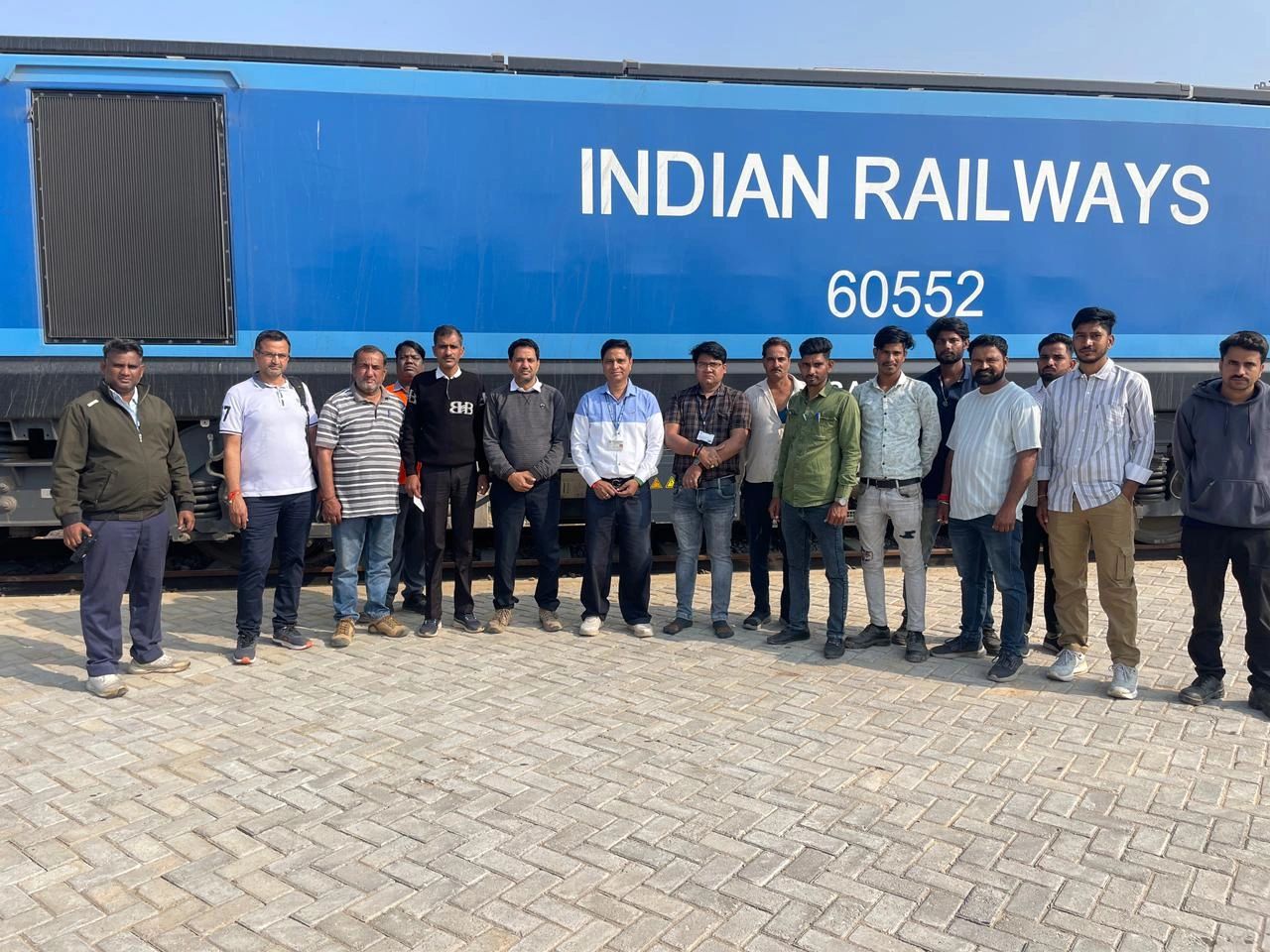
First ISO container train placed at CONCOR (GCT) – MMLP Mandalgarh : A major boost to multimodal logistics under PM GatiShakti

NEW DELHI : In a significant milestone for regional logistics infrastructure, the first ISO Container Train has been successfully placed at CONCOR (GCT) – Multi Modal Logistics Park (MMLP), Mandalgarh, marking the beginning of a new chapter in efficient, integrated cargo movement for Rajasthan.

MAERSK CONTAINER First ISO container train placed at CONCOR (GCT) – MMLP Mandalgarh : A major boost to multimodal logistics under PM GatiShakti

This landmark development reinforces the Government of India’s vision under PM GatiShakti – National Master Plan, aimed at strengthening multimodal connectivity and reducing logistics costs across the country.

The operationalisation of container train services at MMLP Mandalgarh is expected to transform supply chain dynamics in Bhilwara and adjoining industrial clusters, which are well known for textiles, mining, and manufacturing activities. With seamless rail-road integration, exporters and domestic traders will now benefit from:

Faster and reliable cargo evacuation

Reduced transportation costs

Enhanced containerised cargo handling capacity

Improved turnaround time for EXIM and domestic shipments

Environmentally sustainable freight movement through rail connectivity

Strategically located, MMLP Mandalgarh is designed to serve as a logistics hub for southern Rajasthan, offering modern infrastructure including container handling facilities, warehousing, and value-added logistics services. The commencement of ISO container train operations further strengthens its position as a critical node in the national logistics grid.

The initiative will significantly ease congestion on roads, promote modal shift to rail, and improve supply chain efficiency, thereby enhancing the competitiveness of regional industries in both domestic and global markets.

This achievement stands as a testament to coordinated efforts among stakeholders in advancing infrastructure development and accelerating India’s journey toward a more integrated, resilient, and cost-efficient logistics ecosystem.

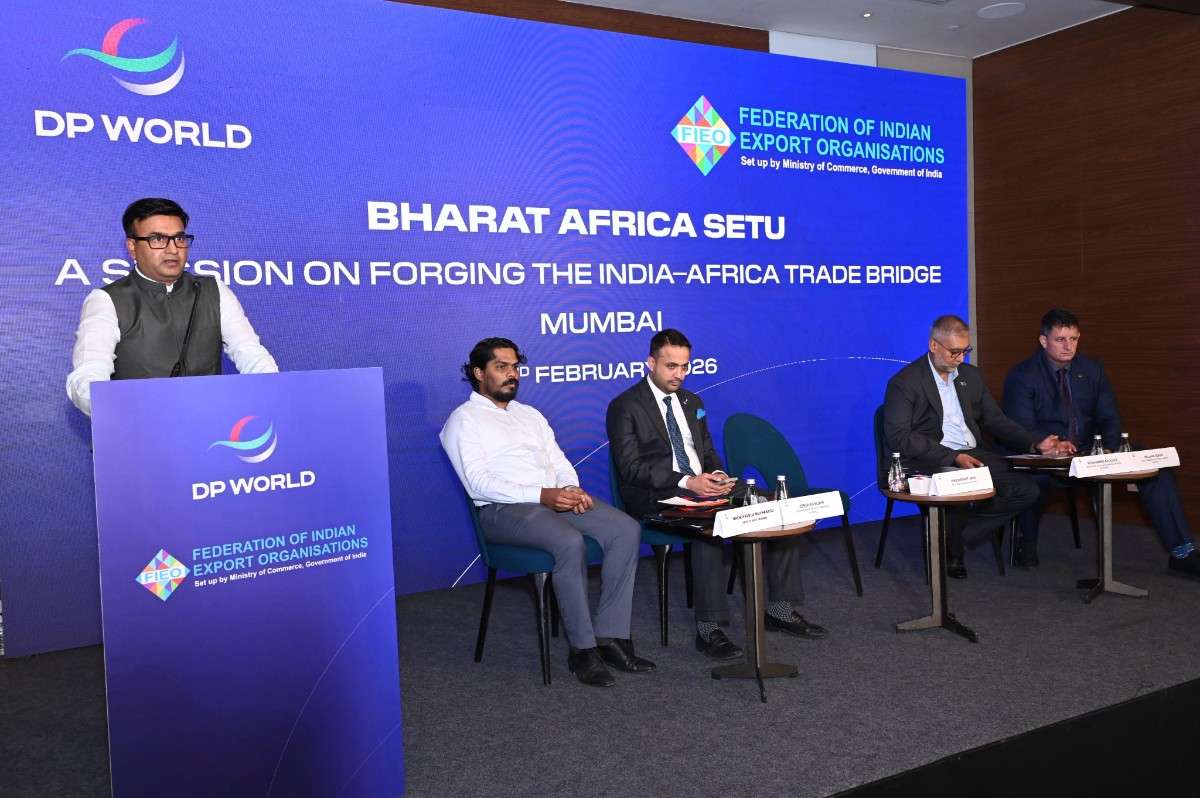
FIEO & DP World host interactive session on unlocking African market potential through Bharat Africa Setu

MUMBAI : The Federation of Indian Export Organisations (FIEO), in collaboration with DP World, successfully hosted a high-impact Interactive Session on “Exploring Export Potential of the African Market with Bharat Africa Setu” in Mumbai.

The session brought together exporters, trade experts, policymakers, and logistics leaders to deliberate on strategies for expanding India’s footprint in the rapidly growing African market.

Mission & Vision

The initiative is anchored in a clear mission — to build a cost-effective trade bridge enabling Indian businesses to access the USD 430 billion African import market.

The shared vision is to double India’s export share to Africa from 6.5% to 12% by 2030, strengthening South-South trade ties and enhancing India’s global export competitiveness.

At the core of this initiative is the Bharat Africa Setu platform, designed to empower Indian exporters with seamless logistics solutions, enhanced connectivity, market intelligence, and integrated supply chain support.

Distinguished Speakers & Key Insights

The session featured insightful addresses from eminent leaders across trade and logistics:

Mr. Khushwant Jain, Regional Chairman (WR), FIEO

Mr. Mohammed Akoojee, CEO & MD – Sub Saharan Africa Region, DP World

Mr. William Sears, Chief Commercial Officer – Logistics, DP World

Mr. Zeeshan Mukhi, Vice President – Freight Forwarding, DP World

Mr. Backiyavelu Mutharasu, Deputy DGFT, Mumbai

Mr. Mrigank Gupta, Managing Committee Member, FIEO

Mr. Rishi Kant Tiwari, Director & Regional Head (WR), FIEO

Speakers highlighted the vast untapped potential across sectors such as pharmaceuticals, engineering goods, textiles, food products, and consumer goods. They emphasized the importance of integrated logistics, policy facilitation, and digital platforms like Bharat Africa Setu in overcoming traditional trade barriers such as high freight costs, fragmented supply chains, and limited market intelligence.

Strengthening India–Africa Trade Ties

Africa remains one of the fastest-growing economic regions globally, with expanding urban populations and increasing demand for quality imports. The session underscored the strategic importance of deepening India–Africa economic engagement through structured trade corridors, improved maritime connectivity, and institutional partnerships.

By leveraging DP World’s extensive presence across African ports and logistics infrastructure along with FIEO’s exporter network, Bharat Africa Setu aims to create a seamless, scalable, and sustainable trade ecosystem.

Way Forward

The interactive session concluded with a strong call for collaborative action among exporters, logistics providers, financial institutions, and government agencies to capitalize on emerging opportunities in Africa.

With focused initiatives like Bharat Africa Setu, India is poised to significantly enhance its export presence across the African continent, reinforcing economic partnerships and advancing shared prosperity.

About FIEO:
The Federation of Indian Export Organisations is the apex trade promotion body set up by the Ministry of Commerce, Government of India, to promote and facilitate India’s exports across global markets.

About DP World:
DP World is a leading global provider of end-to-end supply chain solutions, operating ports, terminals, and logistics services across key international trade routes.

GIFT City hosts West Midlands mayoral delegation to advance India-UK financial, innovation partnerships

GANDHINAGAR : GIFT City on Monday hosted a high-level mayoral delegation from the West Midlands Combined Authority, United Kingdom, led by HE Richard Parker, Mayor of the West Midlands, marking a significant step towards strengthening India-UK collaboration in financial services, innovation and institutional partnerships, a release said.

The delegation included representatives from the West Midlands Growth Company, leading universities such as the University of Warwick, University of Birmingham, Birmingham City University, Aston University and Coventry University — which has already established an international branch campus in GIFT City — along with industry leaders from mobility, advanced manufacturing, energy, artificial intelligence and financial services, as well as members of the Birmingham Chamber of Commerce and trade bodies. The visit was facilitated in collaboration with India Global Forum.

Discussions focused on deepening bilateral engagement in international financial services, enabling institutional partnerships, and exploring collaboration across digital finance, artificial intelligence, sustainable finance and academic research. The interaction also highlighted opportunities for universities and innovation institutions from the West Midlands to expand their presence and partnerships within GIFT City’s ecosystem.

During the visit, GIFT City officials presented the evolution of India’s first operational International Financial Services Centre (IFSC), highlighting its globally benchmarked regulatory framework, unified ecosystem and expanding opportunities across banking, capital markets, insurance, asset management, fintech, sustainable finance and global capability centres.

The delegation was briefed on GIFT City’s infrastructure readiness, policy stability and its growing role as a gateway for global institutions seeking to access India’s markets while operating within an internationally aligned regulatory environment.
Commenting on the visit, Sanjay Kaul, Managing Director and Group CEO, GIFT City, said, “This engagement with the West Midlands mayoral delegation reflects the growing depth of India-UK cooperation across financial services, innovation and education. GIFT City provides a platform for global institutions, universities and enterprises to collaborate, invest and scale international operations from India. We see strong potential to expand partnerships with the West Midlands across financial services, global capability centres, research and emerging technology.”

The visit concluded with a networking interaction and strategic discussions aimed at identifying next steps for collaboration, including institutional linkages, investment opportunities and knowledge partnerships. The engagement underscores GIFT City’s continued focus on building global partnerships that support cross-border capital flows, talent development and innovation-led growth.

Source : ANI

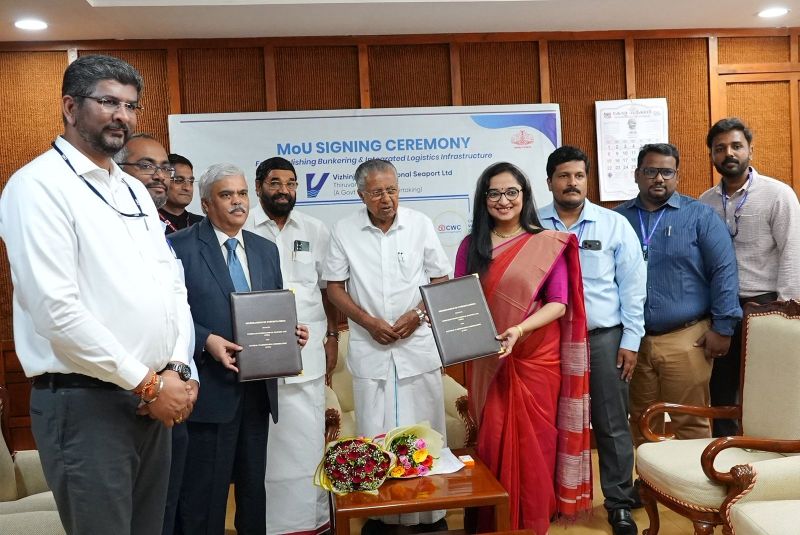
CWC signs MoU with VISL to develop multi-modal logistics park at Vizhinjam

THIRUVANANTHAPURAM : In a significant step towards strengthening India’s integrated logistics infrastructure, the Central Warehousing Corporation (CWC) has entered into a Memorandum of Understanding (MoU) with Vizhinjam International Seaport Limited (VISL) for the development of a state-of-the-art Multi Modal Logistics Park (MMLP) at Vizhinjam, Thiruvananthapuram.

The MoU was signed in the esteemed presence of Shri Pinarayi Vijayan, Hon’ble Chief Minister of Kerala; Shri V. N. Vasavan, Hon’ble Minister for Ports; and Shri A. Kowsigan, IAS, Secretary, Ports Department, Government of Kerala.

The agreement was formalised by Shri Santosh Sinha, Managing Director, CWC, and Dr. Divya S. Iyer, IAS, Managing Director, VISL. Shri Sreekumar Nair, CEO, VISL, along with senior officials from CWC including Shri Maneesh B. R., General Manager (New Business) and Shri Sundara Moorthi G. S. R., Regional Manager, Kochi, were also present on the occasion.

Transforming Logistics at Vizhinjam

The proposed MMLP at Vizhinjam is envisioned as a world-class logistics hub designed to integrate port, rail, road, and warehousing infrastructure into a seamless ecosystem. Strategically located near the upcoming deep-water transshipment hub at Vizhinjam, the facility will offer:

Modern warehousing and bonded storage facilities

Container freight station (CFS) services

Value-added logistics services including packaging, aggregation, and distribution

Cold chain infrastructure for perishable cargo

Digital cargo tracking and smart inventory management systems

The park is expected to significantly reduce cargo dwell time, lower logistics costs, and enhance supply chain reliability for exporters and importers across Kerala and southern India.

Boost to Regional and National Economy

The initiative aligns with the Government of India’s vision under the PM Gati Shakti National Master Plan and the National Logistics Policy, aimed at reducing logistics costs and improving multimodal connectivity. The MMLP will not only strengthen Kerala’s position as a key maritime gateway but also generate employment opportunities and attract new investments in trade and industry.

Speaking on the occasion, the dignitaries highlighted that the collaboration between CWC and VISL marks a strategic milestone in India’s logistics transformation, positioning Vizhinjam as a critical node in global maritime trade routes.

With this partnership, CWC reaffirms its commitment to building modern, technology-driven logistics infrastructure that supports India’s aspiration to become a global manufacturing and export powerhouse.

About Central Warehousing Corporation (CWC)
CWC, a Government of India enterprise under the Ministry of Consumer Affairs, Food & Public Distribution, is a leading provider of integrated warehousing and logistics solutions across the country.

About Vizhinjam International Seaport Limited (VISL)
VISL is a Government of Kerala undertaking responsible for the development and operational oversight of the Vizhinjam International Deepwater Seaport, envisioned as a major transshipment hub in South Asia.

Engine optimisation can reduce emissions costs as EU ETS reaches full phase-in

GLUCKSTADT, GERMANY : With maritime transport now operating under the 100% phase-in of the EU Emissions Trading System, shipowners are placing greater emphasis on engine optimisation as a means of controlling emissions-related operating costs, according to German engine diagnostics specialist CM Technologies GmbH (CMT).

From 1 January 2026, vessels trading between EU ports are required to surrender EU Allowances for the full volume of verified greenhouse-gas emissions, bringing the transition period that began in 2024 to an end. Emissions costs are no longer treated as a just another compliance issue but are an important factor in voyage economics.

Industry reports published at the start of 2026 indicate that full ETS compliance now adds about US$320/t of VLSFO consumed on intra-EU voyages, based on prevailing allowance prices and regulated fuel emission factors. While the exact cost varies with carbon markets and exchange rates, CMT says the scale of the exposure has sharpened operational focus on fuel efficiency and combustion quality.

“Under full ETS exposure, emissions costs are clearly visible at voyage level, which means even modest inefficiencies now have a direct financial impact,” said David Fuhlbrügge, joint Managing Director of CMT. According to the company, incremental losses in combustion efficiency remain among the most common sources of avoidable emissions. Retarded ignition timing, uneven cylinder loading or injector degradation often develop gradually and may not trigger alarms, yet they steadily increase fuel consumption. Under the ETS framework, each additional tonne of fuel burned directly increases allowance requirements.

“Shipowners and managers are making greater use of performance data, fuel monitoring and combustion analysis to control fuel consumption and manage emissions exposure as carbon pricing becomes embedded in daily operations,” Fuhlbrügge said.
This is being reinforced by major classification societies. Recent guidance from DNV and ClassNK has indicated that managing EU ETS exposure requires closer operational control of fuel consumption and engine performance, alongside robust monitoring and verification of emissions data.

CMT says the combination of regulatory guidance and early operational experience under the ETS is driving a more proactive approach to engine optimisation, with operators seeking to identify and correct small efficiency losses before they translate into emissions costs.

The company reports growing interest in onboard combustion analysis to assess ignition timing and cylinder balance under real operating conditions, allowing adjustments to be made. At the same time, wear-related efficiency losses under low-sulphur fuel operation are being monitored more closely, as liner and piston-ring wear can increase friction and fuel demand well before traditional maintenance thresholds are reached.