Home Blog Page 425

Hapag-Lloyd/Zim takeover embeds Top 5 carriers’ preeminence: Drewry

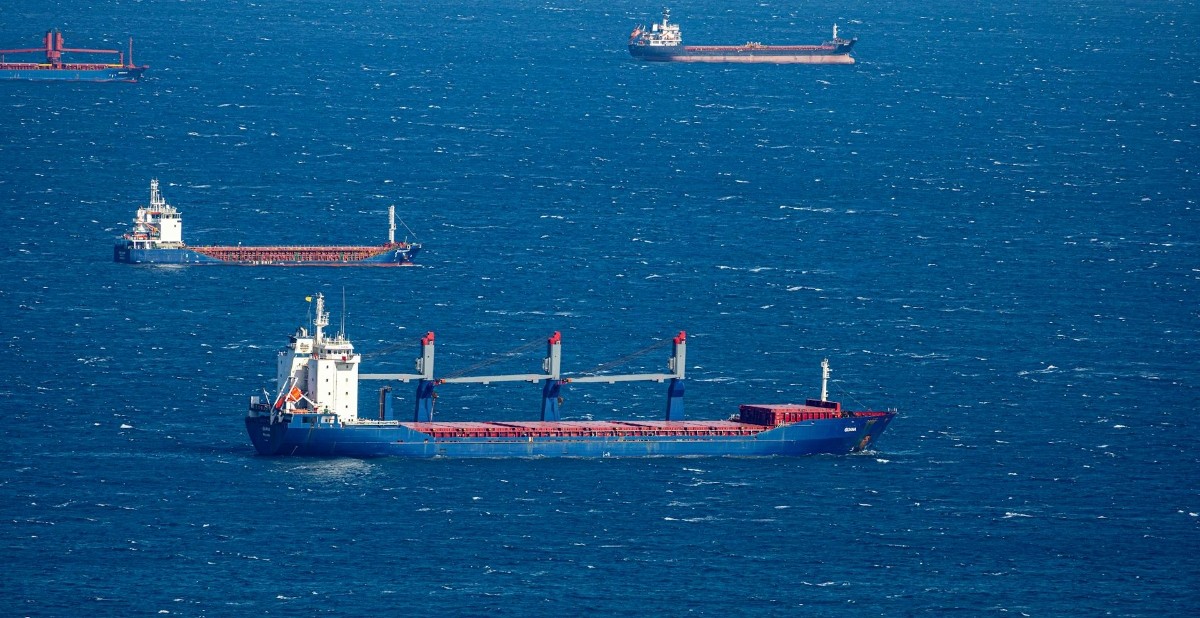
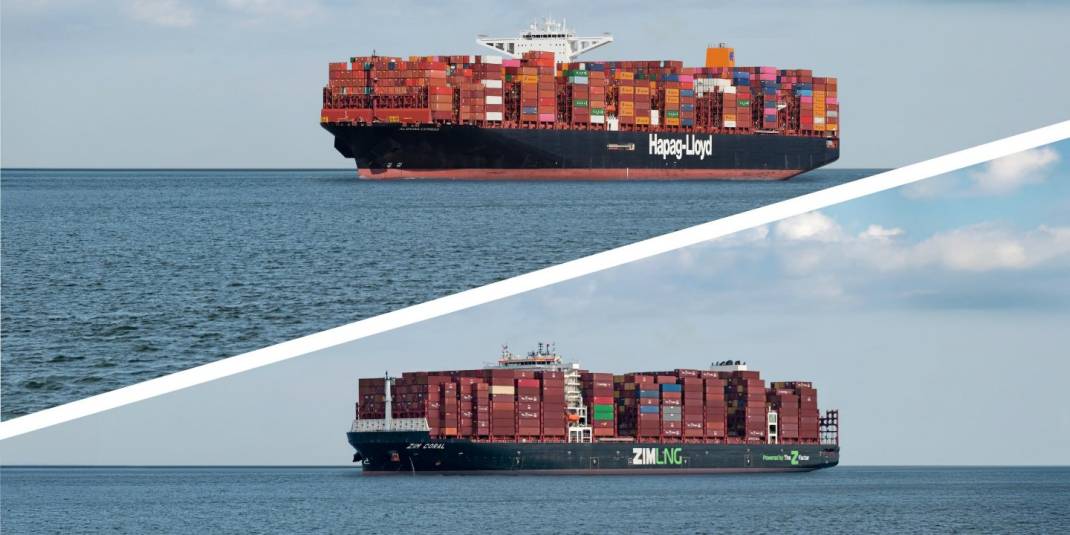
LONDON: Hapag-Lloyd’s planned $4.2 billion takeover of Zim will help it stay relevant in an increasingly consolidated container shipping market. What are the implications of the Top 5’s share rising to 67% and other smaller carriers being left behind?

On Monday, Germany’s Hapag-Lloyd, the world’s fifth largest carrier by operating capacity, announced an agreement to acquire Israeli carrier Zim (ranked tenth) for $4.2 billion. The deal is subject to Zim shareholder approval (simple majority), clearance from the Israeli government, and antitrust approvals globally. Hapag-Lloyd expects completion in late 2026.

If approved, the combined group would reinforce Hapag-Lloyd’s fifth-place capacity ranking, lifting its active fleet to around 3.2 million teu and its orderbook to roughly 700 kteu (see Figure 1). This would narrow the gap to fourth-placed Cosco (3.6 mteu active fleet / 1.4 mteu orderbook).

Zim’s fleet of 117 containerships is predominantly chartered-in, although it has 218 kteu on order. Hapag-Lloyd said the additional chartered tonnage would provide greater flexibility to adjust capacity in line with demand, and expects annual synergy savings of $300m–$500m, mainly from network optimisation.

The takeover of Zim would be Hapag-Lloyd’s fifth in the last 20 years and is part of a relentless consolidation of the carrier industry. A more detailed analysis of carrier M&A this century is available in Drewry’s OnDemand tool.

When news first emerged late last year that talks were under way, we assigned a very low probability to Hapag-Lloyd succeeding. We assumed its ownership structure would be unacceptable to the Israeli government, given that it includes Middle East-based sovereign funds from Saudi Arabia and Qatar, a legacy of its 2017 merger with United Arab Shipping Company (UASC).

To address Israeli strategic concerns, FIMI Opportunity Funds, Israel’s largest private equity fund, will become the owner of “New Zim”, an independent carrier that will assume the obligations of the State of Israel’s “Golden Share” structure, which grants veto rights over certain corporate actions.

New Zim will acquire 16 ships (12 owned, four chartered) from the combined group to maintain Israel’s connectivity with key Mediterranean and US East Coast markets. Hapag-Lloyd will also act as a slot-charter partner to New Zim.

So, given the deal’s complexity and political sensitivities, what is the business logic for Hapag-Lloyd?

In our view, it comes down to scale and relevance.

Scale is becoming existential

Previous M&A this century, combined with aggressive organic growth from the largest operators, has shifted the balance of power sharply towards a handful of dominant carriers.

In 2005, the Top 5 carriers collectively controlled 37% of global capacity. Twenty years later, that share has risen to around 65% It would climb to roughly 67% if Hapag-Lloyd completes the Zim acquisition.

Notably, the Top 5’s growth has largely come at the expense of carriers ranked outside the Top 10. The aggregate share of carriers ranked six to nine has remained relatively stable over the past two decades at 18%–20%, but that stability still implies a loss of relevance versus the much faster-growing Top 5.

By contrast, carriers ranked 11–15 have seen their collective share shrink from 13.5% to 4.7%, while those ranked 16–20 have fallen from 10.6% to just 2.1%.

The Top 20 is no longer an exclusive club signalling power or influence. In 2005, entry into the Top 20 required minimum capacity of around 150k teu and a market share of 1.7%. Today, the threshold has fallen closer to 100k TEU and 0.4%.

Ultimately, being viewed as a major global carrier that can genuinely “move the needle” increasingly requires membership of the Top 5.

Hapag-Lloyd’s position was under threat

The problem for Hapag-Lloyd is that its position within the Top 5 is being squeezed from both directions.

Below it, without Zim’s capacity, Ocean Network Express (ONE) and Evergreen both threaten to overtake Hapag-Lloyd, supported by larger orderbooks. Above it, the four carriers ahead will stretch further away for the same reason.

Hapag-Lloyd first entered the Top 5 in late 2005 when its $2.3 billion takeover of CP Ships propelled its ranking from sixteenth to fifth place. It has since been bounced out on some occasions by Evergreen and NOL/APL, but it has locked down fifth place ever since the 2017 merger with UASC. Since that deal was concluded the same five carriers have occupied the Top 5, although there have been some positional changes involving the other four carriers.

To stay in the Top 5, it was imperative for Hapag-Lloyd to beat Maersk to Zim, which also helps explain the elevated price premium: the agreed $35 per share represents a 58% uplift to Zim’s closing price on Friday 13 January.

Had Maersk succeeded instead, Hapag-Lloyd would have risked drifting into the role of a mid-tier operator, and increasingly the junior partner in the Gemini Cooperation (the Maersk/Hapag-Lloyd alliance). In strategic terms, it is the difference between being predator and prey.

Implications for market structure

One could conclude that, in the container shipping sector, the top 5 carriers alone will shape the future of the sector and drive structural changes across the industry.

However, much will depend on the response from mid-tier players and occasional new entrants. Will ONE, Evergreen, HMM and Yang Ming continue trying to keep pace through newbuild ordering – often to the detriment of supply/demand balance?

Or, might they consider deeper cooperation to bridge the widening gap? Echoes here of Canadian prime minister Mark Carney’s recent Davos speech regarding middling powers’ response to overbearing superpowers.

Alternatively, could more of them follow Zim’s route and ultimately be absorbed into the Top 5?

Our view

The preeminent top 5 global carriers (4 from Europe and 1 from China) will increasingly control network decisions, operational discipline, pricing, cost leadership, terminals, shipbuilders and other contractors, and could even influence how the top carriers respond to shippers’ tenders.


Source: Drewry
Xeneta Schedule Reliability Scorecard – January 2026 – Monthly Update

OSLO: Xeneta monthly schedule reliability update, where we review what the latest reliability developments are signaling across the global supply chain – and what to carry forward into next month’s operations.

Global

The mid-2025 ceiling of 38% gave way to uncertainty in Q4 and the start of 2026 shows us this slide was not an exception.

Global Monthly On-Time Arrivals by Trade, 2025 – 2026

Global on-time performance in January has continued to decline, landing at 29% of arrivals on-time. This marks a departure from the characteristic sideways progression of 34-37% of monthly on-time arrivals that we observed in Q2 and Q3 in 2025. Compounding the decline is the magnitude of delays, from 3.7 days up to 4.2 days at berth arrival. This means that we didn’t just see more late arrivals, but also an increase in the severity of those delays.

With tender season approaching fast, a consistent month-over-month decline from 37% in October down to 29% in January warrants scrutiny from shippers. Careful consideration of carrier-level performance balanced across transit times, on-time arrivals, and cancellation rates should be incorporated before firming contracts.

Trade

Trade reliability, as always, is a finer tuned indicator of where challenges to our supply chains lie and which geopolitical events are proving to be the most impactful.

This month the sharpest declines appeared on the following trades:

  • Africa down by 9 points to 20% on-time
  • Europe – North America down by 10 points to 32% on-time
  • Far East – North America down by 8 points to 29% on-time

West Africa has seen consistent commercial growth by way of the Red Sea rerouting since Q1 2024, but many ports have remained hard-pressed to meet this with an equally accelerated improvement in infrastructure. The port of Conakry is a prime example, reportedly experiencing a 42% surge in activity in Q4 2025, with weekly average congestion topping 75% for the past 7 months.

The ongoing Red Sea uncertainty remains a major amplifier for the Africa trade, and this makes it a key market to watch for dynamic capacity shifts and swells of poor reliability in the event of a large-scale return to Suez Canal.

As for historically stable Europe – North America, much of the latest troubles on the transatlantic can be attributed to a series of severe weather disruptions. Repeat storms led some ports to announce several days of closure and racked up over a week of additional delays on multiple vessels to the East Coast North America across 16+ services. See our detailed coverage here.

The transpacific trade is currently seeing its worst reliability since January 2025, when the alliance turnover period brought it down to 29% of on-time arrivals. This year’s drivers are less dependent on dramatic network overhauls, but comparable in operational impact. Paired with the seasonal spike in cancellation rates in February and March totaling 687,000 TEU and 93 cancelled sailings, these delays indicate a rough start to 2026 for US shippers.

Alliances

The alliance hierarchy was largely unchanged in January within the scope of global reliability, but there was one modest outlier. Non-alliance strings remained stable at 28% of on-time arrivals and inched back into second place just ahead of Ocean Alliance, which fell by 5 points.

  • Gemini Cooperation: 68% on-time
  • Non-alliance: 28% on-time
  • Ocean Alliance: 23% on-time
  • MSC (outside Premier: 19% on-time
  • Premier Alliance: 12% on-time

All networks with the exception of non-alliance services declined at the outset of 2026, highlighting the operational headwinds we can expect to face in Q1 and Q2. Ocean Alliance, MSC, and even Gemini all took considerable hits to their performance this past month, from 5 to 7 points of decline.

This concentration of negative impact tracks well with our trade level observations. MSC and Gemini, which each fell by 7 points, are both key players on the transpacific and transatlantic trades in terms of market share.

Volatile reliability patterns are fairly expected for MSC, but seeing the Gemini Cooperation lose some foothold lends a different weight to the severity of the localized issues. The dual pressure of prolonged wait times and congestion at Asian hubs throughout January, as well as widespread weather disruptions in the North Atlantic Ocean caused created operational strain for the most resilient network.

Source: XENETA

Shipping’s ‘constantly changing reality’

By Carly Fields
 

In a year where “geopolitics stole almost all the headlines”, 2025 has left the shipping markets in a “constantly changing reality”, according to Jakub Walenkiewicz, principal market analyst at DNV.

Speaking in an episode of DNV Market Views, Walenkiewicz said this “new world order … creates a very complex environment to understand”. Shipping markets must therefore find a way to “function, adapt or perhaps even reinvent”.

Walenkiewicz was joined by Christopher Pålsson, managing director and partner of maritime-insight, in a discussion dissecting last year and how it sets the tone for 2026. Last year was marked by trade wars, port fee disputes, and a significant setback in international climate policy with the IMO’s failure to adopt a Net-Zero Framework, noted Walenkiewicz.

Pålsson said that while seaborne trade is historically resilient to business cycle disruptions, the current geopolitical climate is “quite different”, 

With dramatic shifts in trade patterns determined by “who does what to whom”. This has fundamentally altered the discourse in shipping forums, where 90% of inquiries now focus on political developments in the Middle East, Russia, Ukraine, and the US rather than traditional commodity drivers.

One of the themes discussed was the “rise and fall of empires”, a concept Pålsson used to describe the shifting balance of global power. He argued that historically, an empire’s strength was inextricably linked to its control of the seas through shipbuilding capacity. Here he highlighted the US’ total shipbuilding output over the last decade as being roughly equivalent to a single week’s production in China. This imbalance has prompted a renewed focus on domestic shipbuilding in the US, with several initiatives and significant funding now flowing into the sector to restore maritime competitiveness and maintain control over naval interests.

Rise of India

Beyond the US and China, India is emerging as a critical player on the new trade map. Although India has struggled for years to establish a dominant shipbuilding presence, Pålsson noted it is now on a “much more positive trajectory” with strong government backing and an influx of contracts. The presence of marine equipment companies in India further suggests a sustainable development cycle. Walenkiewicz added that India’s growth is driven by its status as the world’s most populous country, with immense energy needs that are essential for lifting its population out of poverty.

This demographic shift is central to the future trade map. With 1.5 billion more people expected on the planet by 2050, the demand for energy, food, and housing will skyrocket, particularly in sub-Saharan Africa and Asia. Walenkiewicz pointed out that even if per-capita energy use remains stagnant, population growth alone will necessitate 15-20% more energy by 2050.

However, as these developing regions grow, their energy consumption will likely increase dramatically. Pålsson noted that the average energy consumption in sub-Saharan Africa is currently around 5 gigajoules per capita, compared to 200-400 gigajoules in the Western world. 

Underscoring the massive implications for the trade of steel, cement, iron ore, and grain.

This growth is shifting the global economic “centre of gravity” eastward and southward. The traditional trade model—East produces, West consumes—is being challenged as emerging

Economies develop robust domestic demand. Europe must find a new role in this landscape, as it is no longer the primary source of growing demand, Pålsson said. He envisioned a future dominated by intra-Asian trade and increasing South-South trade between Asia, Africa, and Latin America. This shift is not a modern phenomenon but a return to a historical norm; before the Industrial Revolution, global GDP was largely proportional to population size, and the rest of the world is now “catching up quite rapidly”.

Energy shift

The energy transition adds another layer of complexity. While the move toward renewable and electro-fuels is underway, Pålsson expressed scepticism about a complete phase-out of fossil fuels in the near term, particularly given the reliance of developing nations on “cheap energy” like steam coal. Currently, fossil energy commodities account for 40% of global shipping. A plateau or decline in oil consumption, driven by electrification in the transportation sector, would significantly impact investment and ship utilisation, particularly for long-haul VLCCs.

In the immediate future, the shipping industry faces significant logistical hurdles. 

Pålsson said that a return to normal Suez traffic would suddenly release 11-15% of existing capacity back into the market, putting downward pressure on freight rates in an already oversupplied environment. While low rates may benefit cargo owners, they present a challenge for ship operators who may resort to “blank sailings” or network changes to manage capacity.

The aging of the world fleet is another concern. Walenkiewicz noted that disruptions have kept older ships in service longer, resulting in historically low scrapping rates. Replacing these vessels is a monumental task that will likely take a decade rather than a few years. Pålsson highlighted a severe lack of green recycling capacity, with most activities concentrated in India, Pakistan, Bangladesh, and Turkey. Walenkiewicz said that AIS data suggests that many smaller, older vessels may already be mothballed, potentially making the active fleet younger than official registers suggest. However, for the large-vessel segments built during the 2006-2012 boom, the aging problem remains acute and unavoidable.

Ultimately, Walenkiewicz and Pålsson speak of a shipping industry facing a “multipolar world” where old alliances and trade routes are being rewritten. As Pålsson concluded, the industry’s success will depend on its ability to “be smart, come up with intelligent solutions, find trade and new ways to cooperate” in today’s changed world.

Author:

carly fields 1.png.256x256 q100 crop smart Shipping’s ‘constantly changing reality’

By Carly Fields,Journalist, Baltic Exchange

Artificial Intelligence marks a transformative chapter in human history: PM

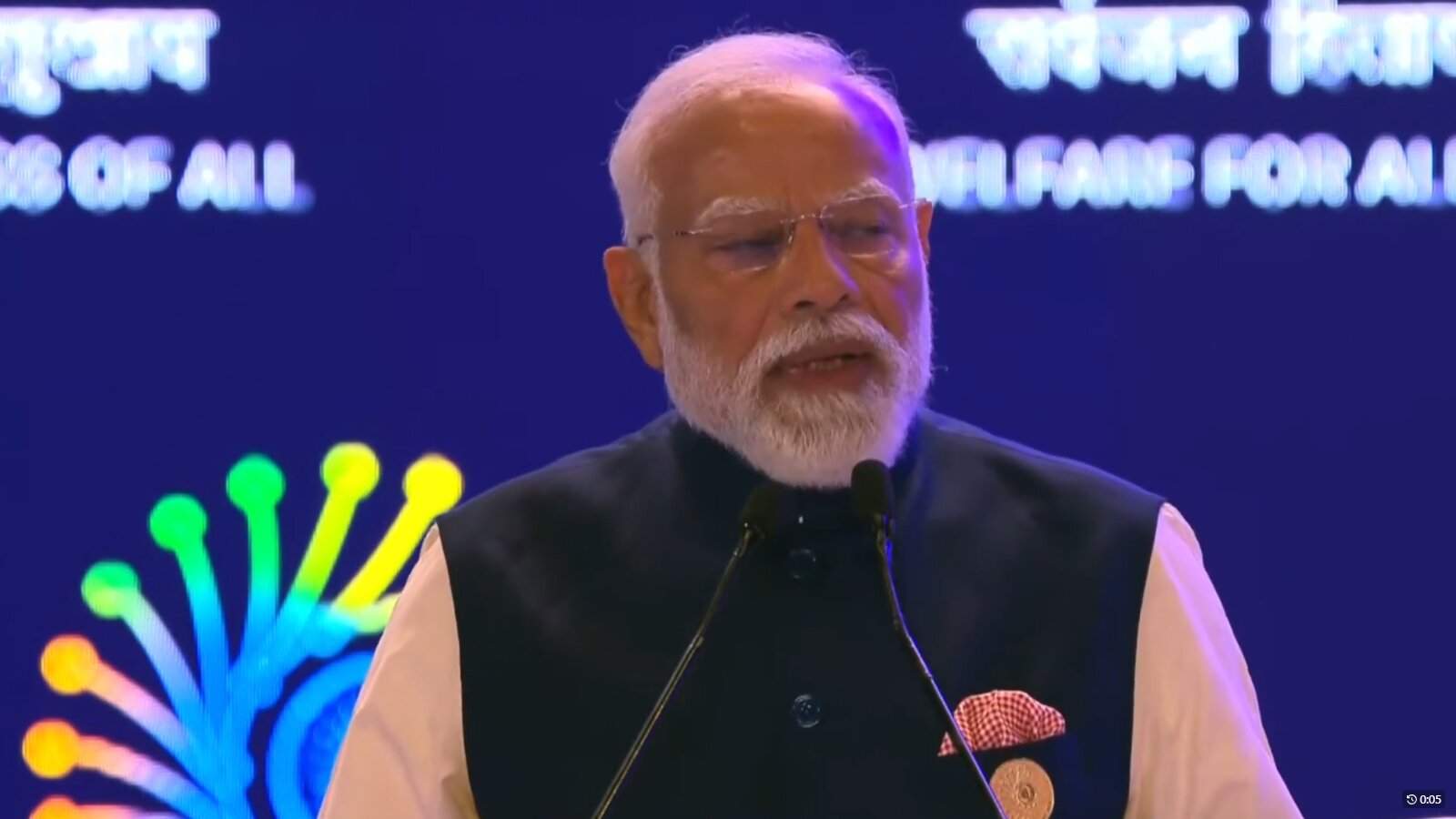
NEW DELHI : Prime Minister Shri Narendra Modi inaugurated the India AI Impact Summit 2026 at Bharat Mandapam in New Delhi on Thursday. Addressing the gathering on the occasion, Shri Modi remarked that the world’s largest and historic AI Impact Summit is being held in India, a nation representing one-sixth of humanity. He highlighted that India is home to the world’s largest youth population, the biggest tech talent pool, and a thriving tech-enabled ecosystem. He emphasized that India not only creates new technologies but also adopts them at an unprecedented pace. The Prime Minister noted that 140 crore Indians are eager to embrace new technologies and, on their behalf, he extended a warm welcome to Heads of Governments, leaders of the global AI ecosystem, and innovators participating in the summit. He expressed gratitude for their presence and underlined that hosting this summit in India is a matter of pride not only for the country but also for the entire Global South.

Pointing out that the summit has brought together the “who’s who” of the AI world, with representation from over 100 countries and distinguished participants from across the globe, taking its success to new heights, Shri Modi highlighted the strong presence of the young generation at the summit, which he said instills new confidence. He observed that while new technologies often face initial skepticism, the speed and trust with which the youth worldwide are accepting AI, taking ownership of it, and using it, is unprecedented. The Prime Minister also remarked on the enthusiasm surrounding the AI Summit’s exhibition, particularly the large participation of young talent. He highlighted that solutions presented in areas such as agriculture, security, assistance for divyangjan, and meeting the needs of multilingual populations reflect the strength of ‘Made in India’ and showcase India’s innovative capabilities in the AI field.

Prime Minister remarked that in human history, every few centuries a turning point emerges that resets the direction of civilization. He highlighted that such moments change the pace of development and transform paradigms of thinking, understanding, and working. He observed that during such periods of transformation, the true impact is often not immediately understood. He recalled that when sparks were first generated from stones, no one imagined that the same spark would become the foundation of civilization. Shri Modi noted that when spoken language was first converted into script, no one realized that written knowledge would become the backbone of future systems. He further remarked that when signals were first transmitted wirelessly, no one could have imagined that one day the entire world would be connected in real time.

“Artificial Intelligence represents a transformation of the same magnitude as historic turning points in human civilization”, remarked Shri Modi, highlighting that what is being seen and predicted today are only the initial signs of its impact. He stated that AI is making machines intelligent, but more importantly, it is multiplying human capability many times over. The Prime Minister emphasized that the difference this time lies in the unprecedented speed and unexpected scale. He noted that earlier, the impact of technology took decades to manifest, but today, the journey from machine learning to learning machines is fast, deep, and wide. He underlined that this requires a larger vision and equally greater responsibility. Shri Modi stressed that along with the present generation, there must also be concern about the form of AI that will be handed over to future generations. He remarked that the real question is not what AI can do in the future, but what humanity chooses to do with AI in the present. Drawing parallels with nuclear power, the Prime Minister noted that humanity has witnessed both its destructive potential and its positive contributions. He asserted that AI too is a transformative power—if directionless, it leads to disruption, but with the right direction, it becomes a solution. Shri Modi highlighted that the core purpose of the Global AI Impact Summit is to deliberate on how AI can be made human-centric rather than machine-centric, and how it can be made sensitive and responsible.

Prime Minister Modi remarked that India’s vision for AI is clearly reflected in the theme of the summit— ‘Sarvajan Hitaya, Sarvajan Sukhaya’—Welfare for all, Happiness of all. He emphasized that this is the benchmark for India. He cautioned that humans must not become mere data points or raw material for AI, and therefore AI must be democratized. He highlighted that AI should serve as a medium of inclusion and empowerment, especially in the Global South.

The Prime Minister stated that AI must be given an open sky, while command must remain in human hands. He compared this to GPS, which suggests the route but leaves the final decision to the user. He underlined that the direction in which humanity takes AI today will determine the future.

At the New Delhi AI Impact Summit, the Prime Minister presented India’s M.A.N.A.V. Vision for AI. He explained that M.A.N.A.V. stands for:

M – Moral and Ethical Systems: AI must be based on ethical guidelines.

A – Accountable Governance: Transparent rules and robust oversight.

N – National Sovereignty: Data belongs to its rightful owner.

A – Accessible and Inclusive: AI must not be a monopoly, but a multiplier.

V – Valid and Legitimate: AI must be lawful and verifiable.

He asserted that India’s M.A.N.A.V. Vision will become a crucial link for humanity’s welfare in the AI-driven world of the 21st century.

Prime Minister Modi remarked that decades ago, when the internet began, no one could imagine how many jobs it would create. He highlighted that the same is true for AI today, as it is difficult to predict what kinds of jobs will emerge in the future. He emphasized that the future of work in AI is not pre-defined, but will depend on collective decisions and actions. Shri Modi stated that the future of work is a new opportunity, marking an era where humans and intelligent systems co-create, co-work, and co-evolve. He underlined that AI will make work smarter, more efficient, and more impactful, enabling better design, faster building, and improved decision-making.

Shri Modi noted that AI will also open higher-value, creative, and meaningful roles for more people, creating opportunities for innovation, entrepreneurship, and new industries. He stressed the importance of making skilling, reskilling, and lifelong learning a mass movement.

Asserting that the future of work will be inclusive, trusted, and human-centric, the Prime Minister remarked that if humanity moves forward together, Artificial Intelligence will elevate human potential to new heights.

Prime Minister remarked that transparency is the greatest safeguard, noting the saying “Sunlight is the best disinfectant.” He observed that while some countries and companies consider AI a strategic asset to be developed confidentially, India believes AI will benefit the world only when it is shared. He emphasized that open code and shared development will allow millions of young minds to make AI better and safer. He called for a collective resolve to develop AI as a Global Common Good.

Highlighting the urgent need for global standards, the Prime Minister pointed out that deepfakes and fabricated content are destabilizing open societies. Drawing a parallel with nutrition labels on food, he said that digital content too must carry authenticity labels so people can distinguish between real and AI-generated material. Shri Modi underlined the growing need for watermarking and clear source standards as AI increasingly generates text, images, and videos, stressing that trust must be built into technology from the start.

Emphasising the importance of child safety, the Prime Minister stated that just as school syllabi are curated, the AI space must also be child-safe and family-guided. He remarked that today there are two kinds of people—those who see fear in AI and those who see fortune. He asserted that India sees fortune and future in AI, backed by talent, energy capacity, and policy clarity. Shri Modi expressed happiness that three Indian companies have launched their AI models and apps during the summit. He said these models reflect the talent of India’s youth and showcase the depth and diversity of solutions that India is contributing to the global AI landscape.

Prime Minister Modi remarked that India is building a resilient ecosystem ranging from semiconductors and chip-making to quantum computing. He highlighted that secure data centers, a strong IT backbone, and a dynamic startup ecosystem make India a natural hub for affordable, scalable, and secure AI solutions. Shri Modi emphasized that India possesses diversity, demography, and democracy. He noted that any AI model that succeeds in India can be deployed globally. He extended an invitation to the world with the call: ‘Design and Develop in India. Deliver to the World. Deliver to Humanity’. He concluded by conveying his best wishes to all participants.

President of the Republic of France, H.E. Mr Emmanuel Macron, Secretary General of United Nations, Heads of State, ministers, senior representatives from multilateral institutions and tech and AI industry leaders were present among other dignitaries at the event.

Background

The theme of India AI Impact Summit 2026 is सर्वजन हिताय, सर्वजन सुखाय i.e. welfare for all, happiness of all. It aims to position India as a leader in the field of AI and envisions a future where AI advances humanity, fosters inclusive growth, and safeguards our shared planet.

Seven Working Groups anchor the Summit, aligned to three pillars: People, Planet, and Progress. These groups will work on delivering concrete outcomes demonstrating AI’s impact across sectors. The seven themes are: AI for Economic Growth and Social Good; Democratizing AI Resources; Inclusion for Social Empowerment; Safe and Trusted AI; Human Capital; Science; Resilience, Innovation and Efficiency.

The Summit will bring together more than 500 Global AI Leaders, including CEOs/CXOs, around 100 CEOs and Founders, 150 Academicians and Researchers, and 400 CTOs, VPs, and Philanthropists. It will also engage over 100 government representatives, including more than 20 Heads of State and Government and around 60 Ministers and Vice Ministers.

India emerges as a confident voice of the Global South, shaping a more inclusive world order: PM message at the inaugural edition of Global Economic Cooperation 2026

Hon’ble Union Minister for External Affairs Dr. S. Jaishankar inaugurates GEC 2026;
Hon’ble Chief Minister of Maharashtra & Chief Patron of Future Economic Cooperation Council,
Shri Devendra Fadnavis, emphasises India’s position as a trusted convenor of inclusive global economic partnerships

MUMBAI: Dr. S. Jaishankar, Hon’ble Union Minister for External Affairs, Thursday inaugurated the Global Economic Cooperation (GEC) 2026, a three-day, high-level, international forum convened by the Future Economic Cooperation Council (FECC). The forum is being organised in cooperation with the Ministry of External Affairs (MEA), Government of India, and the Government of Maharashtra, with the support of Shri Devendra Fadnavis, Hon’ble Chief Minister of Maharashtra and Chief Patron of FECC.

Bringing together senior ministerial and business delegations from major global economies including France, United Kingdom (UK), United Arab Emirates (UAE), United States (US), Australia, Seychelles, Sri Lanka and others, GEC 2026 commences at a pivotal moment for the global economy. Against the backdrop of shifting trade architectures and an increasingly multipolar world, the forum aims to shape practical frameworks for resilient, inclusive and future-ready economic cooperation.

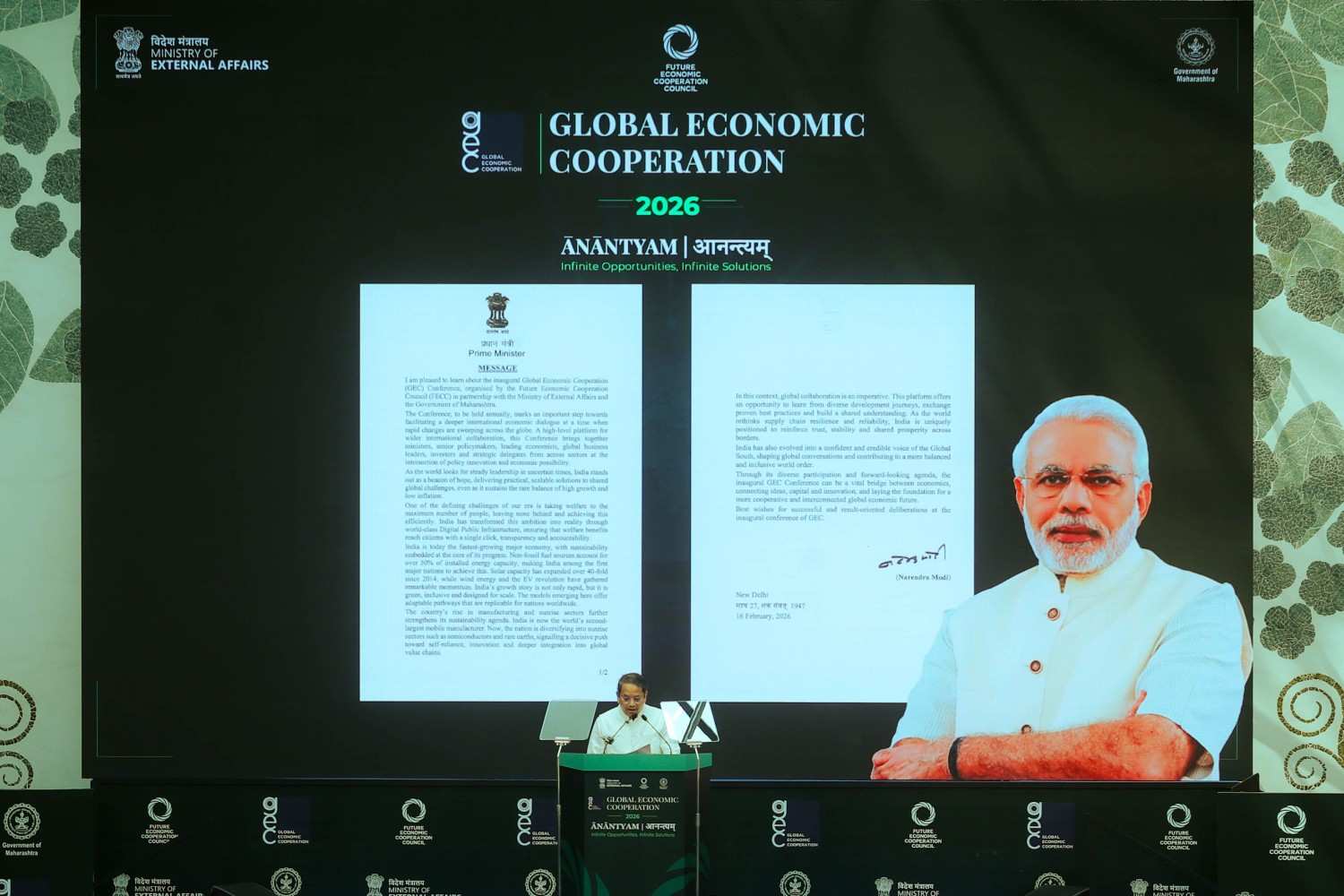
During his introductory remarks, Shri Vijay Chauthaiwale, Executive Director, FECC, and In-Charge Foreign Affairs, BJP, read a message from Hon’ble Prime Minister Shri Narendra Modi. Addressing the august gathering, the Prime Minister wrote, “As the world looks for steady leadership in uncertain times, India stands out as a beacon of hope, delivering practical, scalable solutions to shared global challenges, even as it sustains the rare balance of high growth and low inflation. The nation has also evolved into a confident and credible voice of the Global South, shaping global conversations and contributing to a more balanced and inclusive world order. One of the defining challenges of our era is taking welfare to the maximum number of people, leaving none behind and achieving this efficiently. India has transformed this ambition into reality through world-class Digital Public Infrastructure, ensuring that welfare benefits reach citizens with a single click, transparency and accountability.”

Sharing his best wishes for successful and result-oriented deliberations at the inaugural conference of GEC, the Hon’ble Prime Minister added, “Through its diverse participation and forward-looking agenda, the GEC Conference can be a vital bridge between economies, connecting ideas, capital and innovation, thereby laying the foundation for a more cooperative and interconnected global economic future.”

In his inaugural address, Dr. S. Jaishankar, Hon’ble Minister of External Affairs, said, “The world has entered an uncertain era, where long-standing assumptions are being questioned and key dimensions are transforming simultaneously, be they strategic, political, economic or technological. In such a landscape, the argument for de-risking and diversifying across the entire spectrum from sourcing to production, and to markets, becomes more compelling by the day. It is in this context that GEC 2026 assumes relevance, providing a platform to deliberate on resilient supply chains, trusted partnerships and balanced frameworks of global economic cooperation. India’s response has been to further build national capabilities, address growth challenges comprehensively, and engage international partners more intensively from a position of strength. As we move towards our goal of Viksit Bharat by 2047, we seek not only to contribute to global growth, but also to global stability, predictability and trust.” 

Commenting on the significance of the forum, Shri Devendra Fadnavis, Hon’ble Chief Minister of Maharashtra and Chief Patron of FECC, said, “We meet at a time when the global order is recalibrating. Global trade growth is undergoing a major upheaval. Supply chains are reorganising. Strategic sectors, semiconductors, energy, food, rare earth, AI are now embedded in national security doctrines. Capital flows are increasingly guided by geopolitical alignment, not just returns. In this era of economic statecraft India’s rise is not accidental – it is structural and GEC 2026 is a platform to architect the next framework of cooperation. From Mumbai, a city built on maritime trade, entrepreneurial spirit and global engagement, let us shape an economic order that is resilient, inclusive and strategically stable.”

The forum is led by Shri Vijay Chauthaiwale, and Ms. Priyam Gandhi-Mody, Director, FECC. It is guided by an Advisory Council comprising leading industry figures of India, including:

  • Mr. Anand Mahindra, Chairman, Mahindra Group
  • Mr. Baba Kalyani, Chairman and Managing Director, Bharat Forge Limited
  • Mr. Cyril Shroff, Managing Partner, Cyril Amarchand Mangaldas
  • Mr. Adil Zainulbhai, Chairman, Network18 Group

In his capacity as an advisor Mr. Baba Kalyani, said, “Through the FECC we are on a mission to advance global economic cooperation by promoting free trade, investment flows and resilient economic partnerships, enabling an inclusive and sustainable global order. As you heard in the Prime Minister’s message, India is the fastest growing large economy with a large pool of young workforce – our biggest strength today. We in India believe in the philosophy of Vasudeva Kutumbakam, which emphasises shared prosperity and openness. If harnessed effectively through GEC 2026, India can also partner with other countries and collaborate with world societies to bring much needed stability, peace, economic and inclusive growth across the world.”

Over the next three days, leaders from governments, multilateral institutions and global corporations will deliberate on financial resilience, long-term infrastructure capital, trade corridors, competitiveness, and supply chain diversification. Sessions will also examine artificial intelligence, technology transitions, sustainability, ESG priorities, and women’s leadership in driving inclusive growth.

The GEC 2026 aims to reinforce India’s expanding influence in shaping the direction of global economic dialogue at a time when economic power is increasingly diffused across a multipolar world. India will leverage this forum to advance its position as a trusted economic partner, investment destination, and bridge between developed and emerging economies.

About the Future Economic Cooperation Council

The Future Economic Cooperation Council (FECC) is a strategic platform to advance dialogue and collaboration on global economic cooperation in a rapidly evolving world order. Grounded in India’s expanding diplomatic and economic leadership, FECC serves as a connector between emerging and advanced economies navigating the new age of multipolarity, shifting trade norms and technological independence. Through high impact convenings and strategic initiatives, FECC aims to position India as a trusted convenor and catalyst for inclusive, forward-looking economic partnerships worldwide.

India–Switzerland Strategic Cooperation to advance under India–EFTA TEPA

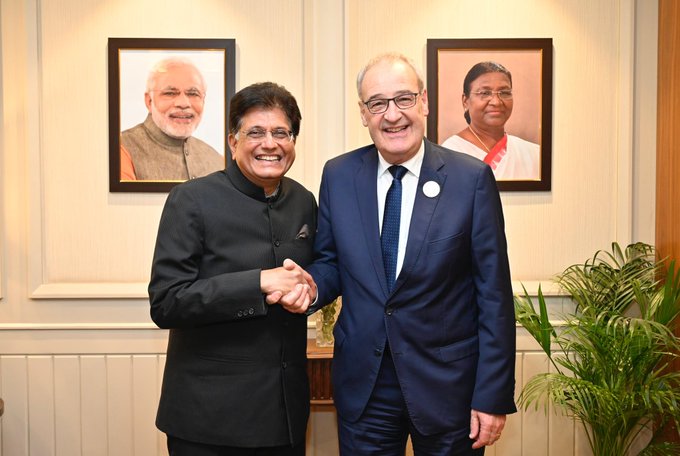
NEW DELHI : Union Minister of Commerce and Industry, Shri Piyush Goyal, held a high-level meeting with H.E. Mr. Guy Parmelin, President of the Swiss Confederation, in New Delhi on 19 February 2026, during his official visit to India to attend the India AI Impact Summit 2026. The meeting reviewed the next steps for translating TEPA’s market-access gains into business partnerships and investment commitments.

Highlighting India’s growth trajectory, Shri Goyal noted that under Prime Minister Shri Narendra Modi’s leadership, India is now the world’s fourth-largest economy, with an estimated GDP of USD 4.51 trillion in 2026. He underscored India’s scale, sustained reform momentum, a large and expanding consumer market, a deepening industrial base, and continued focus on ease of doing business, digitisation, and infrastructure-led competitiveness, which together provide a stable and scalable platform for long-term partnerships. The Minister encouraged greater Swiss investment in India, particularly in sectors where Switzerland has established niche technological strengths. He also underlined India’s role as a reliable global supplier of affordable, high-quality medicines and vaccines, and called for deeper cooperation in R&D, biotechnology, specialty pharmaceuticals, and advanced therapeutics.

The meeting reaffirmed India and Switzerland’s commitment to expand economic and strategic cooperation under the India–EFTA Trade and Economic Partnership Agreement (TEPA). In the context of the AI Impact Summit, both sides noted the need to balance innovation with responsibility, and recognised TEPA as an enabling framework for technology and innovation collaboration, including precision engineering, health sciences, renewable energy, and R&D.

TEPA is India’s first trade agreement with the EFTA economies (Iceland, Liechtenstein, Norway, and Switzerland), which are characterised by high-income markets, exacting standards, and strong demand for quality products and services. It is also India’s first operational trade arrangement with a European economic bloc, complementing our engagements with the European Union and the United Kingdom. The Agreement is expected to support deeper integration of “Make in India” products into European value chains, with Switzerland as an important gateway market, while expanding opportunities across farmers and fishermen, forest-based communities, workers, women and youth, as well as MSMEs and professionals.

Under TEPA, EFTA has offered improved market access on 92.2% of its tariff lines, covering 99.6% of India’s exports, along with tariff concessions on processed agricultural products. The Agreement is expected to create opportunities across Indian states, including Maharashtra (grapes), Karnataka (coffee), Kerala (spices and seafood), and the North Eastern States (horticulture). India has safeguarded sensitive sectors such as dairy, soya, and coal to protect farmers, MSMEs, and businesses. Sensitivities linked to PLI-supported sectors, including pharma, medical devices, and processed food, have also been addressed. TEPA carries an agreed ambition to facilitate USD 100 billion in investments into India and support the creation of one million direct jobs.

Both sides reaffirmed their commitment to strengthening regulatory cooperation and institutional engagement to realise TEPA’s full potential. Shri Goyal highlighted the dedicated EFTA Desk at Invest India as a facilitation mechanism for Swiss companies seeking to expand their presence in India.

Both leaders expressed confidence that sustained high-level engagement would advance commercial outcomes and contribute to long-term prosperity for both countries.

Global fraternity must join hands to tackle evolving maritime challenges : Rajnath Singh

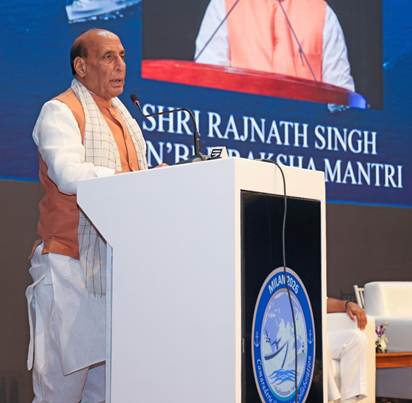
VISAKHAPATNAM : Raksha Mantri Shri Rajnath Singh has called upon the international community to effectively tackle the evolving complex & interconnected challenges at sea while acting in the spirit of mutual respect and give & take. He was addressing Navy Chiefs and Heads of Delegations from 74 countries during the inaugural ceremony of Exercise MILAN at Visakhapatnam, Andhra Pradesh on February 19, 2026.

MILAN 2026 Global fraternity must join hands to tackle evolving maritime challenges : Rajnath Singh

“The role of Navies in international peacemaking has only increased over time. There has been an exponential economic growth during last few decades leading to massive increase in international trade and transport. There has also been a rise in contests for ownership of straits and channels, sometimes causing threats of flare up. Increasing international attention to underwater resources, particularly rare-earth minerals are adding a new dimension to this tension. In addition, there is a need to guard our waters from the nefarious terrorist activities which are spreading tentacles across countries and regions,” said Raksha Mantri.

Shri Rajnath Singh asserted that traditional threats coexist with emerging challenges such as piracy, maritime terrorism, illegal fishing, trafficking, cyber vulnerabilities, and disruptions to critical supply chains, adding that climate change is intensifying natural disasters, making humanitarian and disaster relief operations more frequent and demanding. No single navy, however capable, can address these challenges alone, he said, underscoring the need for enhanced cooperation among the Navies to ensure a safer and more secure future.

Raksha Mantri emphasised that the robust legal framework provided by the UN Convention on the Law of Seas (UNCLOS) to address matters related to international waters can be further strengthened through a comprehensive global naval architecture. He stated that UNCLOS provides a comprehensive and time-tested mechanism for dispute redressal & peaceful co-existence among nations, and the comprehensive global naval architecture would facilitate information sharing, protect links of communications and curbs criminal activities, including terrorism on high seas, along with the usual role of protecting the national boundaries on a global scale.

Pointing out that the established international order is witnessing an upheaval, Shri Rajnath Singh stated that platforms like MILAN bring together professional expertise, build mutual trust, enhance interoperability, and enable coordinated responses to common challenges. “When our ships sail together, when our sailors train together, and when our commanders deliberate together, we build a shared understanding that transcends geography & politics and provides an opportune moment to deliberate on this idea of cooperation,” he said.

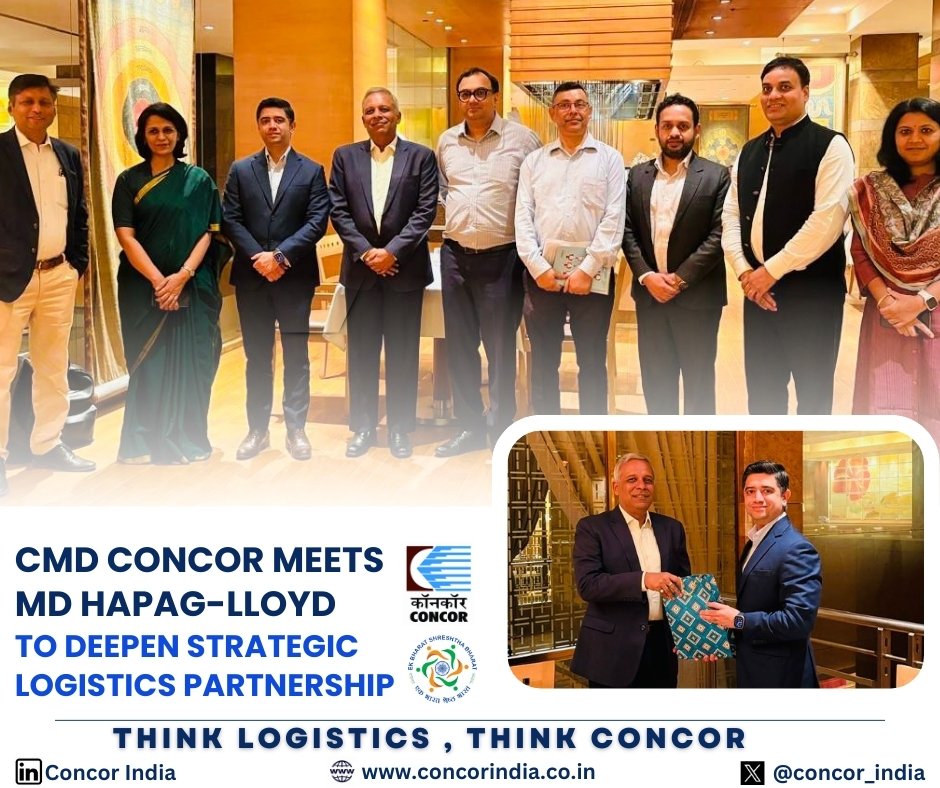
CONCOR strengthens strategic engagement with Hapag-Lloyd to enhance customer-centric logistics solutions

NEW DELHI : In a significant step towards deepening industry partnerships and enhancing service excellence, Mr. Sanjay Swarup, Chairman & Managing Director, Container Corporation of India Ltd. (CONCOR), along with senior officials, held a high-level meeting with Mr. Sanjay Kushwaha, Managing Director of Hapag-Lloyd India.

During the interaction, Mr. Swarup apprised the Hapag-Lloyd leadership of various customer-centric initiatives undertaken by CONCOR in recent times. These include enhanced digital solutions for seamless documentation and cargo tracking, expansion of rail-linked inland container depots (ICDs), faster turnaround times, improved last-mile connectivity, and tailored logistics offerings to meet evolving trade requirements.

The discussions also covered opportunities for long-term collaboration aimed at strengthening multimodal logistics integration, optimizing container movement efficiency, and enhancing reliability across key trade corridors. Both sides explored avenues to improve service delivery through coordinated planning, operational synergies, and technology-driven solutions.

Emphasis was laid on supporting India’s growing EXIM trade by ensuring cost-effective, sustainable, and time-bound logistics services. The meeting further underscored the importance of strengthening partnerships between rail-based logistics providers and global shipping lines to drive efficiency, transparency, and customer satisfaction.

The engagement reflects CONCOR’s continued commitment to fostering strategic alliances with leading global carriers such as Hapag-Lloyd to enhance India’s logistics competitiveness and contribute to the nation’s trade growth objectives.

Both expressed confidence that sustained collaboration would unlock new opportunities, improve supply chain resilience, and deliver greater value to customers across the logistics ecosystem.

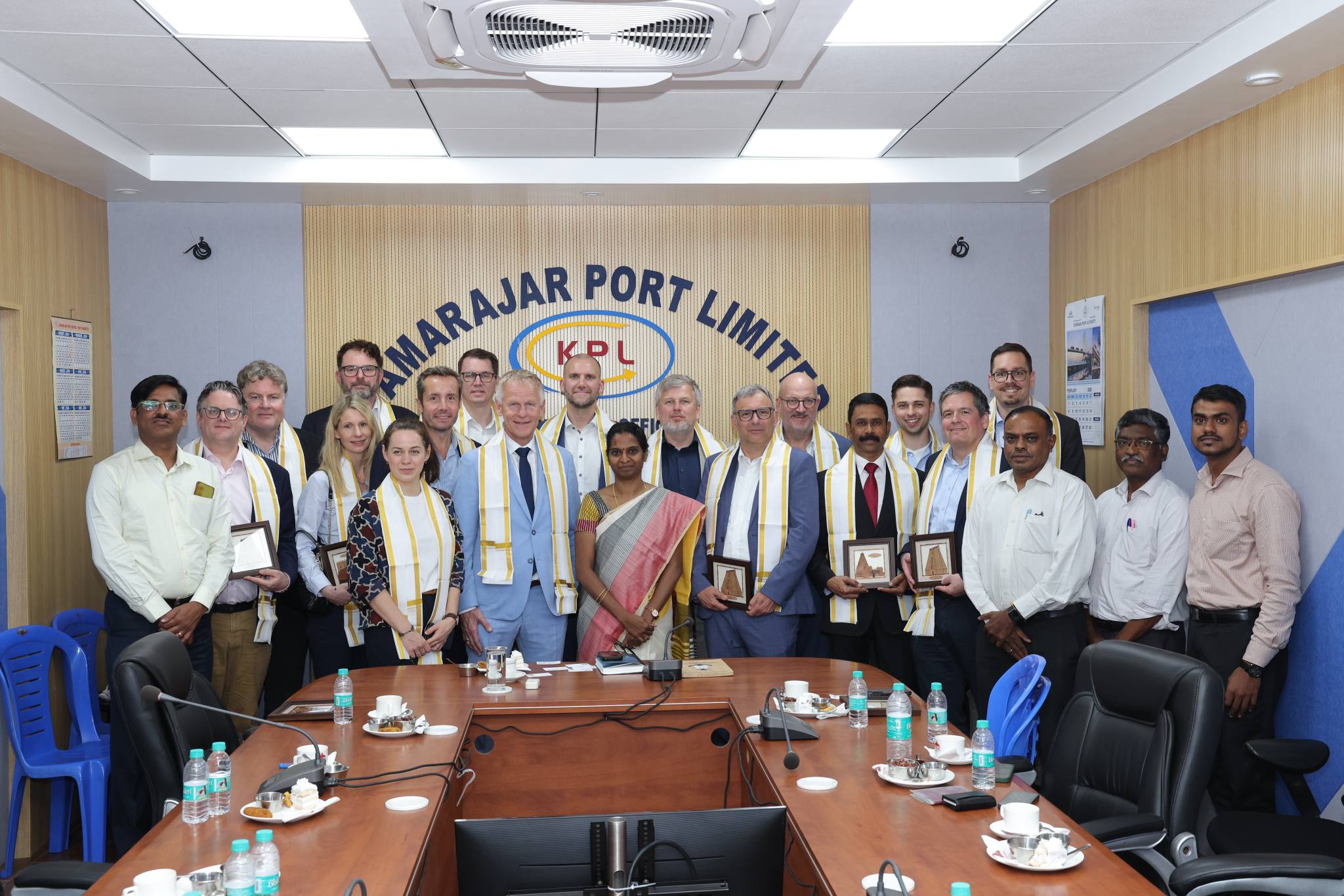
Kamarajar Port strengthens Indo-German Maritime Ties with Hamburg Port Authority visit

NEW DELHI : Kamarajar Port Limited had the privilege of hosting a distinguished delegation from Hamburg Port Authority (HPA), led by Mr. Jens Meier, President – International Association of Ports and Harbors (IAPH) and CEO of HPA.

kamarjar port hpa Kamarajar Port strengthens Indo-German Maritime Ties with Hamburg Port Authority visit

The high-level visit marks a significant milestone in strengthening Indo-German maritime cooperation and deepening bilateral engagement between two globally connected port ecosystems.

During the visit, senior officials from both sides engaged in detailed discussions focused on:

Sustainable Port Development: Adoption of green port practices, decarbonization strategies, and renewable energy integration.

Digital Transformation: Implementation of smart port technologies, data-driven logistics, automation, and enhanced port community systems.

Energy Transition & Green Initiatives: Exploring hydrogen readiness, shore power solutions, and climate-resilient infrastructure.

Operational Excellence: Enhancing efficiency, safety standards, and cargo handling optimization through global best practices.

The delegation was apprised of Kamarajar Port’s recent customer-centric initiatives, infrastructure expansion, mechanized cargo handling systems, and its growing role as a key gateway on India’s eastern coast.

Mr. Jens Meier emphasized the importance of global collaboration among ports to address shared challenges such as climate change, digital disruption, and evolving supply chain dynamics. The discussions also explored avenues for structured knowledge exchange programs, technical cooperation, and potential partnerships in innovation-led port management.

The visit reflects the growing synergy between India and Germany in maritime trade and port modernization, aligned with global sustainability goals and resilient supply chain development.

Kamarajar Port reaffirmed its commitment to building a future-ready, technology-driven, and environmentally responsible port ecosystem that supports global trade and contributes to economic growth.

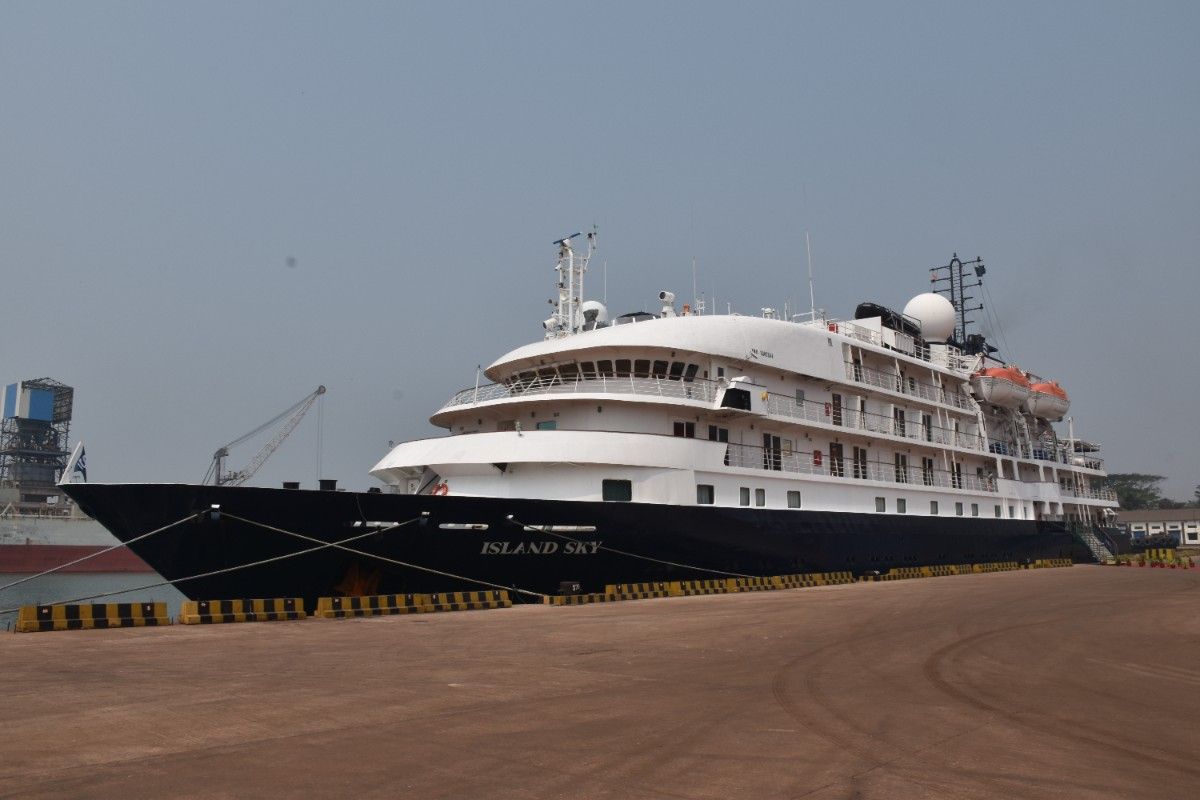
NMPA welcomes second cruise vessel of the season

MANGALURU : New Mangalore Port Authority on Thursday 19th February, welcomed the second cruise vessel of the current cruise season, M.S. Island Sky. The vessel, sailing under the Bahamas flag and managed by Salen Shipmanagement AB, arrived at the Port at 07:30 hrs from Mormugao.

The cruise ship arrived carrying 95 passengers and 70 crew members, to the sight of a warm traditional welcome at port’s Cruise Terminal. Extensive preparations were made by NMPA and all stakeholder to ensure a seamless and delightful experience for the visiting tourists. In addition, a Meditation Centre set up by the Ministry of AYUSH, free Wi-Fi connectivity provided by NMPA, and a Selfie Stand depicting Mangaluru’s Yakshagana art form installed by the Ministry of Tourism added unique experiential value for the cruise passengers.

nmpa NMPA welcomes second cruise vessel of the season

Passengers undertook guided tours to prominent destinations in and around Mangalore, including Kudroli Gokarnath Temple, St. Alloysius Chapel, local markets, and Kalbavi Cashew Factory. To ensure a smooth immigration process for the large number of arriving passengers, NMPA undertook advanced planning and coordination, significantly reducing waiting times and enhancing the overall passenger experience.

After a successful port call, the cruise vessel departed at 13:00 hrs, with passengers carrying fond memories and enriching experiences of their visit to Mangaluru. The arrival of cruise vessels highlights the Port’s growing role in promoting cruise tourism and boosting the local economy. The New Mangalore Port Authority remains committed to providing world-class infrastructure and seamless passenger experience to strengthen the region’s position as an emerging cruise tourism destination.