Home Blog Page 427

PM to inaugurate India AI Impact Summit 2026 today

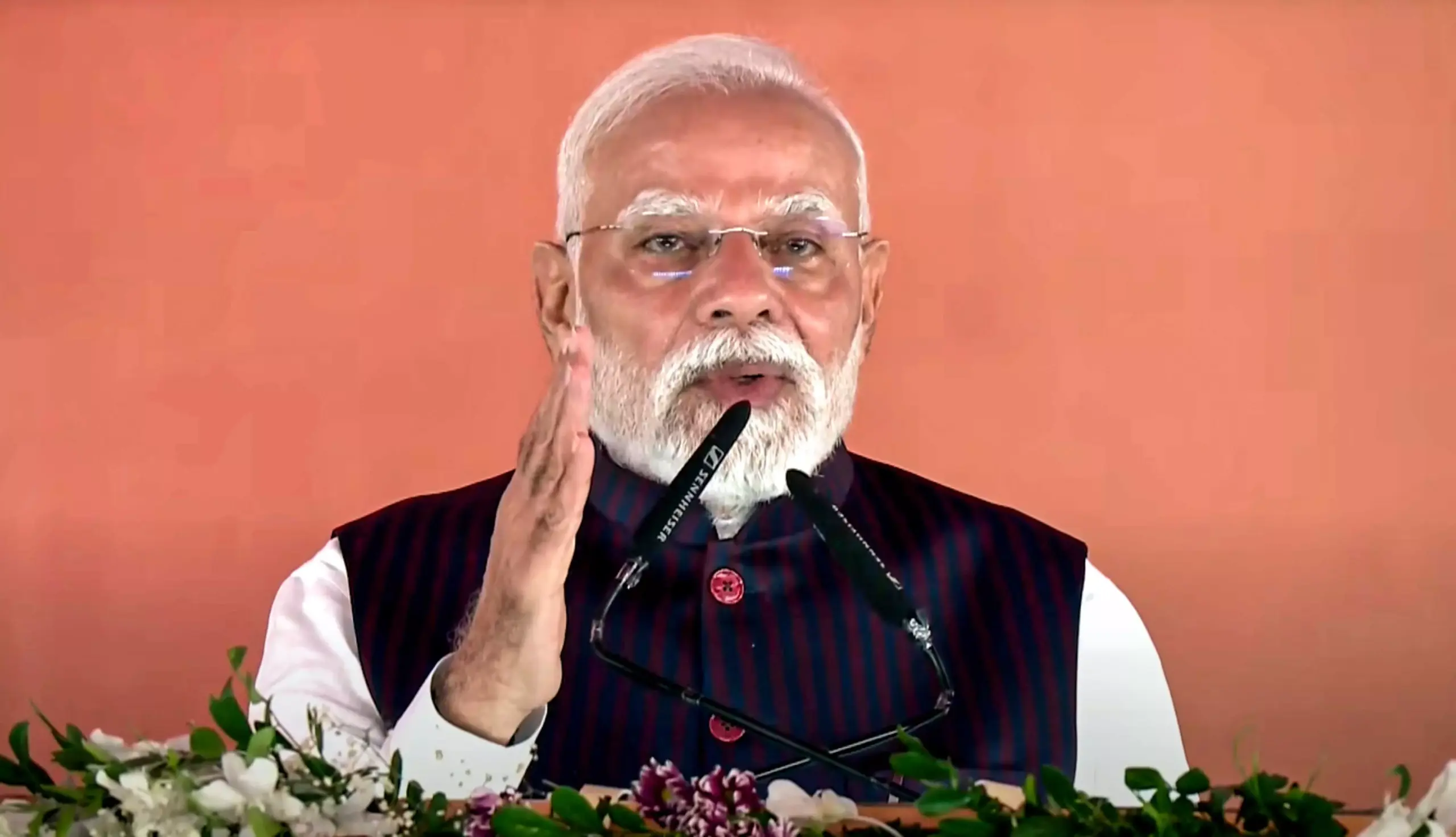
NEW DELHI: Prime Minister Shri Narendra Modi will visit and inaugurate the India AI Impact Summit 2026 on 19 February at Bharat Mandapam, New Delhi. Prior to this, on 18 February at around 7 PM, Prime Minister will welcome the leaders of various countries participating in the Summit at Bharat Mandapam. On the sidelines, Prime Minister will also hold bilateral meetings with several world leaders attending the Summit.

On 19th February, the Prime Minister will participate in the Opening Ceremony of the India AI Impact Summit 2026 at around 9:40 AM. Along with the Prime Minister, the Opening Ceremony will also be addressed by the President of France, Secretary-General of the United Nations as well as various top industry leaders from across the world.

This will be followed by a visit to the India AI Impact Expo 2026 along with other leaders at around 11 AM, where they will visit various country pavilions.

Prime Minister will then participate in the Leaders’ Plenary which will take place around 12 noon onwards. It will bring together Heads of State, ministers, and senior representatives from multilateral institutions to outline national and global priorities on AI, including governance, infrastructure, and international cooperation.

Thereafter, Prime Minister will participate in the CEO roundtable from 5:30 PM onwards. It will convene senior executives from global technology and industry firms with government leadership to discuss investment, research collaboration, supply chains, and deployment of AI systems.

The theme of India AI Impact Summit 2026 is सर्वजन हिताय, सर्वजन सुखाय i.e. welfare for all, happiness of all. It aims to position India as a leader in the field of AI and envisions a future where AI advances humanity, fosters inclusive growth, and safeguards our shared planet.

Seven Working Groups anchor the Summit, aligned to three pillars: People, Planet, and Progress. These groups will work on delivering concrete outcomes demonstrating AI’s impact across sectors. The seven themes are: AI for Economic Growth and Social Good; Democratizing AI Resources; Inclusion for Social Empowerment; Safe and Trusted AI; Human Capital; Science; Resilience, Innovation and Efficiency.

The Summit will bring together more than 500 Global AI Leaders, including CEOs/CXOs, around 100 CEOs and Founders, 150 Academicians and Researchers, and 400 CTOs, VPs, and Philanthropists. It will also engage over 100 government representatives, including more than 20 Heads of State and Government and around 60 Ministers and Vice Ministers.
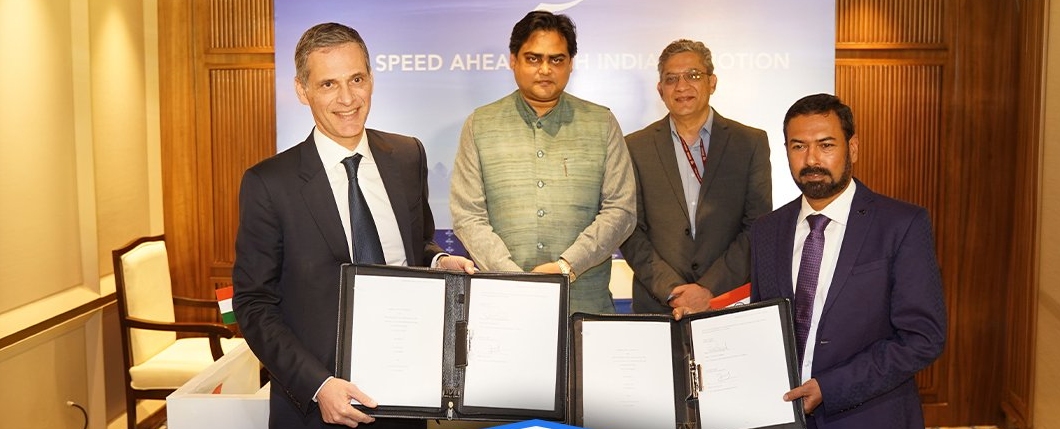
CMA CGM and Cochin Shipyard Limited Sign Contract for Six LNG-Fuelled Container Vessels

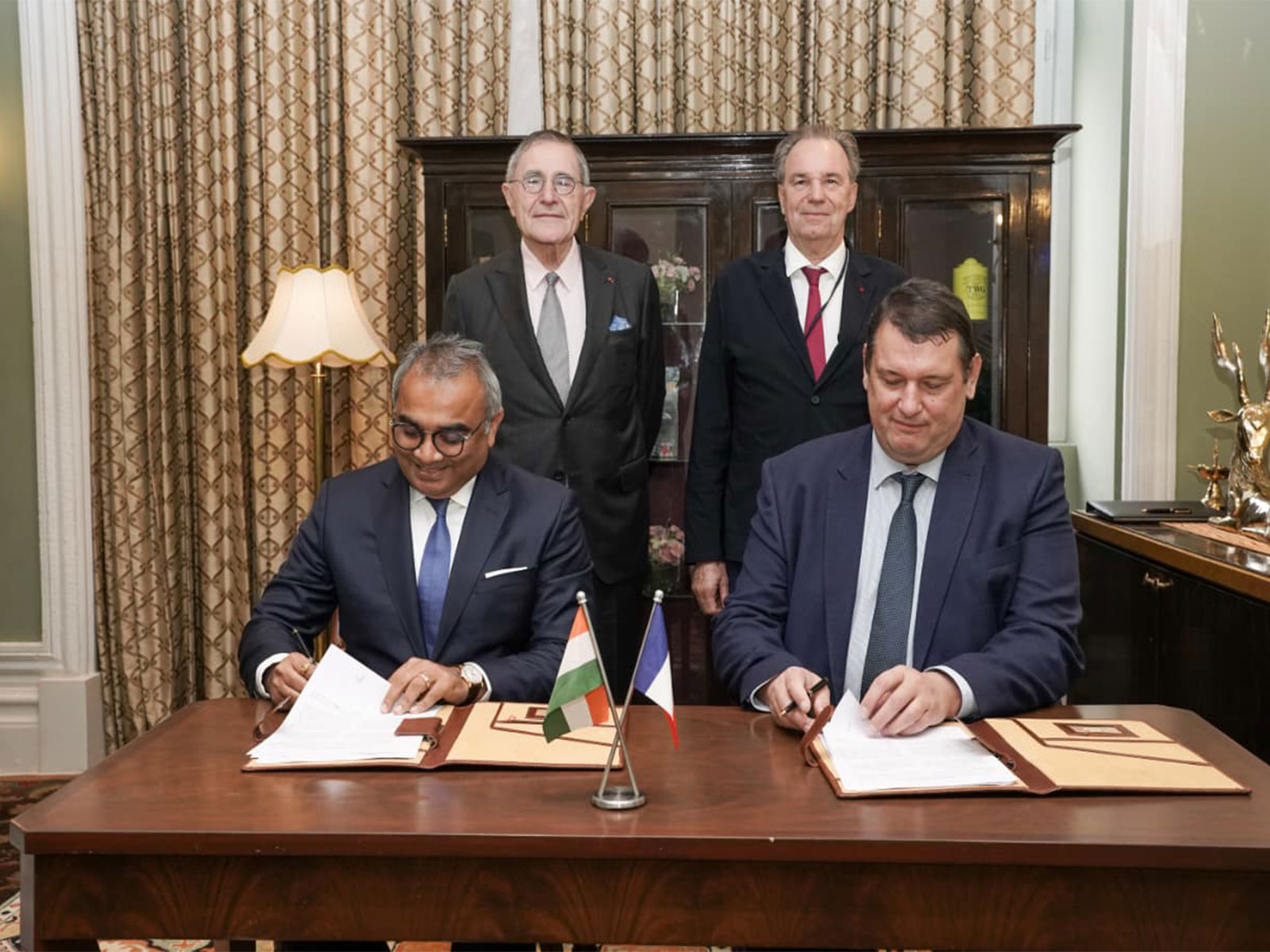
NEW DELHI: India’s ongoing maritime sector reforms are translating into concrete outcomes in shipbuilding and green shipping, with the signing of a contract between global shipping major CMA CGM and Cochin Shipyard Limited (CSL) for the construction of six 1,700 TEU LNG-fuelled feeder container vessels, signed at an event held in New Delhi on Wednesday.

The ceremony was attended by the Minister of State for Ports, Shipping and Waterways, Shri Shantanu Thakur; Chairman and CEO of the CMA CGM Group, Mr. Rodolphe Saadé; Secretary, MoPSW, Shri Vijay Kumar, IAS; senior officials of the Ministry; and representatives of the partnering organisations.

Pi7 Image Cropper 18 CMA CGM and Cochin Shipyard Limited Sign Contract for Six LNG-Fuelled Container Vessels

The vessels will be constructed by Cochin Shipyard Limited in Kochi and will be registered under the Indian flag. The project adds to India’s commercial shipbuilding order book and reflects increasing global engagement with Indian shipyards under the Government’s policy framework for maritime sector development.

In a message on the occasion, the Union Minister for Ports, Shipping and Waterways, Shri Sarbananda Sonowal, said: “India and France share a deep and trusted strategic partnership — spanning defence, space cooperation, clean energy and Indo-Pacific maritime security. The presence of French President H.E. Emmanuel Macron in India on recent occasions further reflects the strength and maturity of our bilateral ties.

Under the visionary leadership of Hon’ble Prime Minister Shri Narendra Modi ji, India is advancing with a clear roadmap to become a leading maritime nation, driven by sustainability, innovation and global partnerships. The collaboration between CMA CGM and Cochin Shipyard Limited is a natural extension of this vision into the maritime domain.

It demonstrates the growing confidence of global maritime leaders in India’s shipbuilding capabilities and reinforces our commitment to building a strong, self-reliant and globally integrated maritime ecosystem.”

Addressing the gathering, the Minister of State for Ports, Shipping and Waterways, Shri Shantanu Thakur, said:

“This milestone has its roots in high-level strategic engagement. During the official visit of the Hon’ble Prime Minister Shri Narendra Modi ji to France on 12 February 2025, he visited the CMA CGM headquarters along with the President of France. During that interaction, the Chairman of CMA CGM expressed strong interest — under India’s progressive shipping policy framework — in exploring the flagging of vessels in India and building new ships in Indian shipyards. Today’s agreement is the concrete outcome of that dialogue and shared vision.”

Following a series of meetings to finalise vessel specifications, Cochin Shipyard Limited (CSL) executed a Letter of Intent (LoI) with CMA CGM for the design and construction of six feeder container vessels, each with a capacity of 1,700 TEU and powered by liquefied natural gas (LNG). Under the LoI, CSL and CMA CGM worked towards finalising techno-commercial terms, leading to the formal shipbuilding contract.

Adani Ports & SEZ and Port of Marseille Fos Sign Strategic IMEC Partnership to Strengthen India–Europe Trade Connectivity

AHMEDABAD: Adani Ports and Special Economic Zone Ltd (APSEZ), the world’s fastest-growing integrated transport utility, and the Port of Marseille Fos, France’s leading port and the Mediterranean’s premier gateway, have signed a Memorandum of Understanding (MoU) to deepen cooperation on trade facilitation, port innovation, and energy transition.

This partnership proposes the creation of an IMEC Ports Club to strengthen coordination among key ports along the India–Middle East–Europe Economic Corridor (IMEC) route, reinforcing connectivity between India and the European Union. This completes the IMEC pathway for India-EU trade, that has been boosted by the FTA between India and the EU, termed as ‘the mother of all deals’ by the Hon’ble Prime Minister of India Shri Narendra Modi.

The MoU was signed during the visit of French President Emmanuel Macron, underscoring the expanding India–France strategic partnership and aligning it with the broader IMEC and India–EU trade vision. Launched at the 2023 G20 Summit in New Delhi, the India–Middle East–Europe Economic Corridor (IMEC) is a 6,000-km multimodal connectivity initiative linking India and Europe through integrated maritime routes, rail networks, digital systems and clean-energy pathways.

On the eastern gateway of IMEC, APSEZ’s ports at Mundra and Hazira form a multimodal logistics hub connecting South Asia to West Asia. Through this MoU, Marseille Fos strengthens the western European gateway of the corridor, adding approximately 70 million tonnes of capacity and extending IMEC’s reach deeper into Europe.

Marseille Fos is one of Europe’s largest integrated multi modal port ecosystems. This partnership establishes a more structured and coordinated pathway to facilitate India–EU trade flows.

The partnership will focus on:

  • Promoting the IMEC route as a sustainable, secure, and competitive alternative for Eurasian trade flows, including joint campaigns, participation in international trade fairs and roadshows, and targeted B2B engagements.
  • Technical exchange and capacity building in port digitalisation, smart-port platforms, data interoperability, cybersecurity, alternative fuels, shore power supply and low-carbon bunkering.
  • Developing the Mundra–Marseille Fos Green Maritime Corridor.
  • Co-founding an IMEC Ports Club to institutionalise dialogue among corridor ports and coordinate inputs for policy discussions and investment frameworks supporting IMEC infrastructure.

“India has already taken a leadership role in advancing this corridor, and with the conclusion of the India–EU Free Trade Agreement, trade between the participating countries is expected to grow manifold,” said Mr. Ashwani Gupta, Whole-time Director & CEO, APSEZ. “At APSEZ, our ports in Hazira and Mundra on India’s western coast have already established a seamless pathway across the first and middle legs of the corridor. With this MoU with the Port of Marseille Fos in France, we have now successfully connected the final leg to Europe. This partnership will significantly accelerate the exchange of information and materials among all participating nations, further strengthening economic cooperation and supply-chain resilience.”

Mr Hervé Martel, CEO of the Port of Marseille Fos, added: “We are pleased to strengthen our partnership with APSEZ at a moment when the IMEC corridor is entering a decisive phase. India and Marseille stand at the two extremities of this future trade backbone, giving both ports a major responsibility in structuring and energizing this new route. Together, we intend to mobilize and federate the ports involved, and to act as strong advocates of a more efficient, resilient and sustainable connection between our regions.”

Vadhvan Port Project compensation rates approved; more than Rs 2 crore per hectare for agri land

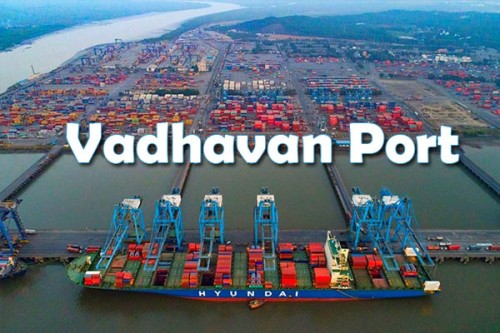
PALGHAR : People affected by the Vadhvan Port Project in some villages across Palghar taluka in Maharashtra will receive a compensation of more than Rs 2 crore per hectare on average for acquired agricultural land, according to the district administration.

The administration announced fixed compensation rates and a streamlined document submission process during a high-level meeting held on Tuesday.

The acquisition follows a Central Government Gazette notification dated August 29, 2024, issued under Section 3(A) of the National Highways Act, 1956.

District Collector Indu Rani Jakhar stated that the acquisition is primarily focused on constructing essential road and rail connectivity for the proposed port in Mouje Vadhvan, Dahanu taluka.

The upcoming project spans 24 villages across Palghar district, including 10 villages in Dahanu taluka and 14 villages in Palghar taluka.

Affected citizens will receive double the fixed market value of their land, plus a 100 per cent solatium. Additionally, a 12 per cent interest rate will be applicable from August 29, 2024, according to an official release.

In Palghar Taluka, agricultural land rates for most villages are fixed at Rs 62.50 lakh per hectare, while non-agricultural land rates range from Rs 780 to Rs 2,940 per sq. metre depending on the village.

In Dahanu taluka, higher rates have been fixed for specific clusters. For Varor, Chinchani, and Tanashi villages, the rate is Rs 1,16,44,106 per hectare and Rs 1,22,42,408 (per hectare) for Bawde, Kolavli, and Wangaon villages.

Separate compensation will be provided for assets on the land, including buildings, trees, wells, and borewells, following professional evaluation.

The National Highways Authority of India (NHAI) has already approved these awards, the Collector said.Project-affected persons have been asked to submit the necessary documents within 60 days to the respective competent authorities.

“Ensuring transparency, speed, and justice in the land acquisition process is the priority of the administration,” Jakhar said, urging citizens to complete the process on time to receive their compensation. The Vadhavan Port Project is an ambitious Rs 76,220 crore greenfield, deep-draft port in Palghar district, designed to be one of the world’s top 10 ports, being developed by JNPA and Maharashtra Maritime Board.

Source : PTI

Brazil steps up trade push in India, targets USD 20 billion bilateral trade by 2026

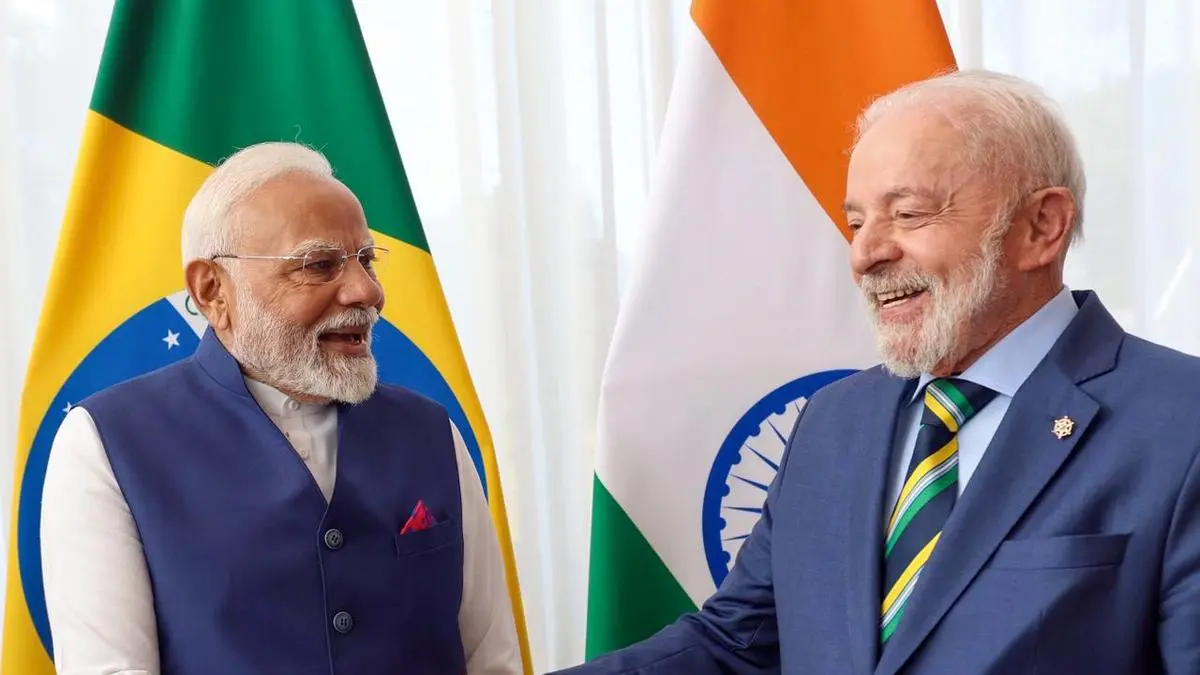
SAO PAULO : Brazilian President Luiz Inacio Lula da Silva’s official visit to India has marked a renewed push to deepen trade, investment, and strategic cooperation between the two major Global South economies.

During the visit, Brazil hosted the India-Brazil Business Forum 2026 and inaugurated the first ApexBrasil office in the Indian capital, aimed at expanding exports and strengthening commercial presence in one of the world’s fastest-growing markets.The initiative comes amid robust growth in bilateral trade. Commerce between the two countries reached 15.2 billion US dollars in 2025, a 25 per cent increase from the previous year.

Both sides now aim to raise the figure to 20 billion dollars by 2026 and significantly expand the product basket, as cited by Brasil 247.

President Lula described India and Brazil as natural partners, citing their democratic systems, cultural diversity, and expanding economies.India’s vast consumer market, rising demand for energy, food, and industrial inputs, along with rapid infrastructure growth, have positioned it as a priority destination for Brazilian exports.

Brazilian exports to India climbed to 6.9 billion dollars in 2025, the highest in two decades, led by sugar, crude oil, vegetable oils, cotton, and iron ore.

The export promotion agency ApexBrasil has identified 378 new opportunities across minerals, machinery, food products, health technology, and renewable energy sectors.

Agricultural items such as ethanol derivatives and cotton, along with industrial equipment for agribusiness and power generation, are key focus areas.

At the same time, India continues supplying higher value-added goods to Brazil, including pharmaceuticals, chemicals, and auto components.

Brazilian imports from India stood at 8.4 billion dollars in 2025.

Investment ties are also expanding, with Indian foreign direct investment in Brazil reaching 2.1 billion dollars and new industrial collaborations emerging.

The partnership is reinforced through frameworks such as the Mercosur-India Preferential Trade Agreement and cooperation within BRICS, G20, BASIC, and IBAS, highlighting the growing importance of South-South economic collaboration. (

SOURCE : ANI

ET NOW Global Business Summit 2026 Positions India at the Centre of Global Economic Dialogue

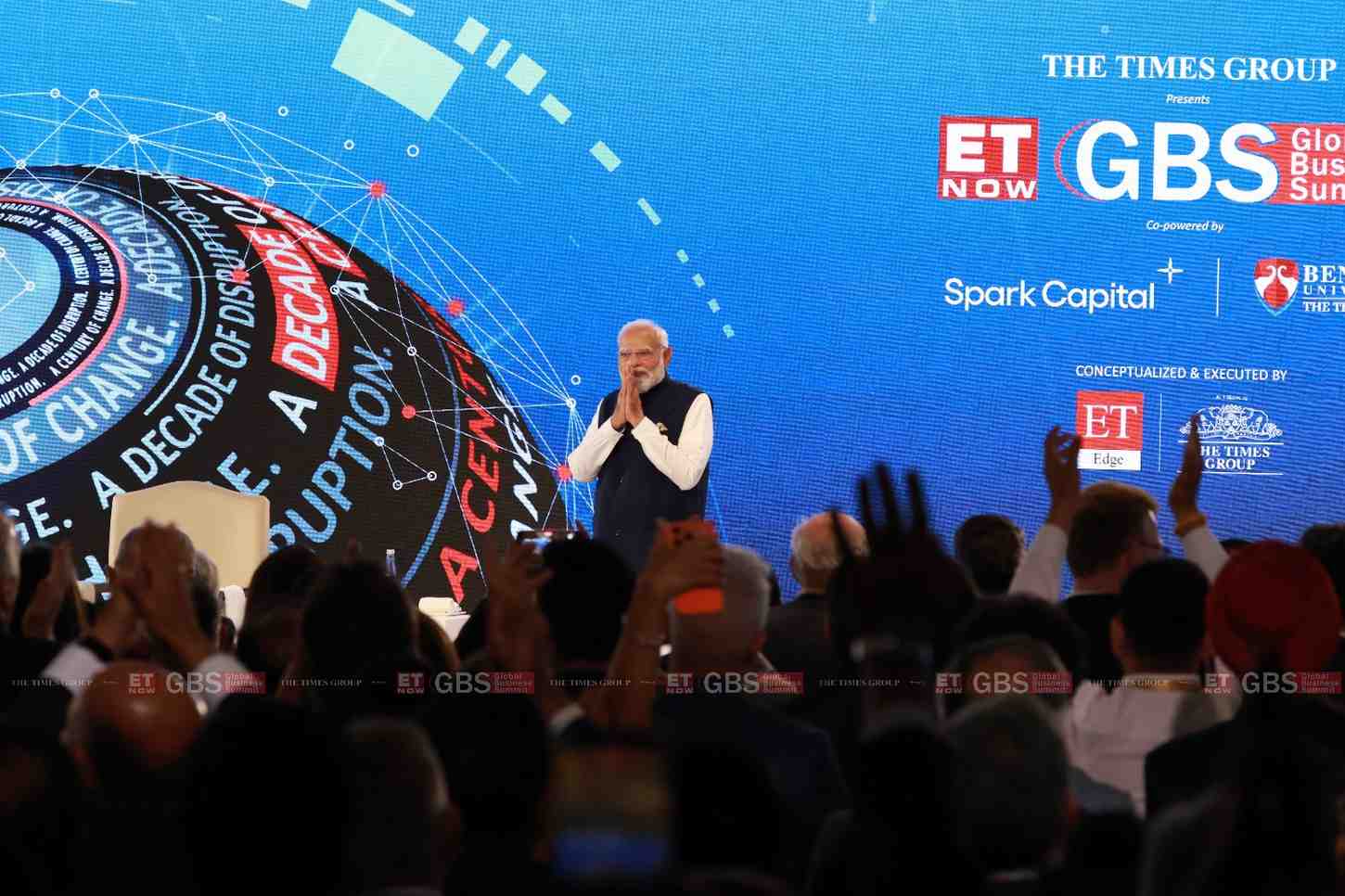
NEW DELHI: The 10th edition of the ET NOW Global Business Summit 2026 concluded after two days of high-impact deliberations, positioning India at the centre of global economic and strategic conversations. Held under the theme “A Decade of Disruption. A Century of Change,” the summit brought together 1300+ delegates, including policymakers, global business leaders, economists, investors and technology experts, making it one of the most influential business gatherings of the year.

The summit served as a high-level platform for candid conversations on the forces reshaping global order. Policymakers and global business leaders discussed trade, technology, capital markets and regulatory frameworks amid geopolitical and economic uncertainty on day 1. Technology and AI emerged as key structural forces transforming industries and financial systems, while infrastructure, manufacturing and digital public infrastructure were highlighted as critical growth pillars. State-led growth strategies, execution-driven policy frameworks and enterprise transformation were also key themes.

Day 2 shifted the focus from macro themes to execution, with deep dives into digital infrastructure, ease of doing business, trillion-dollar state economies, urban transformation and artificial intelligence. Experts highlighted the need for predictive governance, technology-led urban planning and responsible AI frameworks as critical pillars for sustainable and inclusive growth. Cultural and business conversations added insights on brand trust, innovation and India’s evolving “Built for India” narrative in the global marketplace.

A defining moment of the summit was the presence of Prime Minister Narendra Modi, who delivered the Chief Guest address, setting the tone for India’s global ambitions and reform-led growth trajectory. His address becomes India’s resilience amid global disruptions, its expanding role in global growth, and its roadmap to becoming a developed nation by 2047, anchored in infrastructure expansion, manufacturing, digital public infrastructure and global trade partnerships.

The ET NOW Global Business Summit 2026 served as a powerful convening platform for global and Indian leaders, shaping strategic discourse at a time of unprecedented disruption and opportunity. As India advances into a decisive growth decade, the summit reaffirmed its role in driving conversations that will define policy, capital allocation and innovation pathways for a century of change.

Gujarat Budget increased to Rs 4.08 lakh crore; 65 pc allocated for development: CM

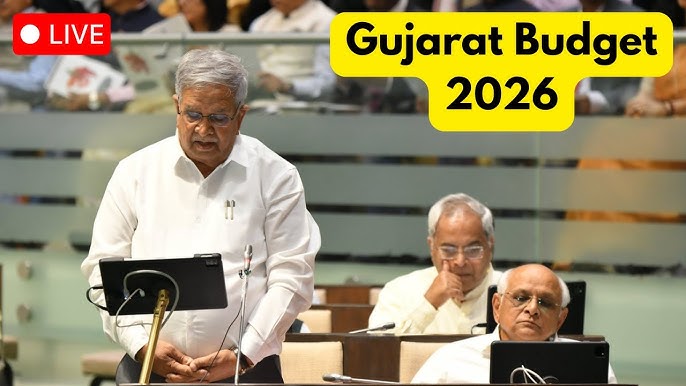
GANDHINAGAR: Gujarat’s Budget for 2026–27 has been set at Rs 4.08 lakh crore, reflecting a 10.2 per cent increase over the previous year, with 65 per cent of the total expenditure earmarked for developmental spending.

The Budget was presented in the Legislative Assembly by Finance Minister Shri Kanu Desai.

Reacting to the Budget, Chief Minister Shri Bhupendra Patel said it advances the state’s growth trajectory without introducing any new taxes.

“This Budget takes forward the state’s continuous development journey without placing any additional tax burden on citizens,” he said, adding that 39 per cent of the outlay has been allocated to capital expenditure to accelerate infrastructure expansion through prudent financial management.

Patel said the Budget rests on five pillars — social security, human resource development, infrastructure, economic development and green growth — and reflects a framework of trust-based governance and a human-centric economy.

He stated that special emphasis has been placed on empowering the poor, youth, farmers and women.

Over Rs 64,000 crore, accounting for 20 per cent of the total allocation, has been set aside for education, sports, art and culture. “To build an educated, skilled and future-ready youth force, Rs 226 crore has been provided for the ‘Namo Gujarat Skill and Employment Mission’,” Patel said.

He added that 19 per cent of the Budget has been allocated for health and social services, while 11 per cent has been earmarked for agriculture, irrigation, water resources and urban development.

Highlighting environmental commitments, the Chief Minister said more than Rs 15,000 crore has been allocated under the Green Budget.

“Responding to the Prime Minister’s call for green growth, we have made significant provisions to strengthen sustainable development,” he said

In the year marking the 150th birth anniversary of Birsa Munda, the state has allocated more than Rs 35,000 crore for tribal development.

Patel said a lift irrigation scheme covering 51,480 hectares across 18 talukas in four tribal districts has been planned, and five new GIDC estates will be set up in tribal regions to create employment opportunities locally.

The Budget also provides more than Rs 1,200 crore to develop sports infrastructure and modern transport facilities to prepare Ahmedabad as an Olympic-ready city after securing the opportunity to host the Commonwealth Games.

Gujarat CM credited the efforts of Prime Minister Shri Narendra Modi and Union Home and Cooperation Minister Shri Amit Shah for the hosting opportunity.

Further allocations include Rs 800 crore for the Gujarat High-Speed Corridor, Rs 600 crore for climate-resilient and new-technology roads, and more than Rs 850 crore for artificial intelligence and digital governance initiatives, including a Data Fusion Centre and a Centre of Excellence.

Around Rs 7,000 crore has been earmarked for six Regional Economic Master Plans aimed at ensuring balanced economic growth and advancing the roadmap towards Viksit Gujarat @2047.

Gujarat CM congratulated Finance Minister Desai and his team, stating that the Budget would enable citizens to take pride in the state’s continued development.

Gujarat Govt announces Multi-Modal Transport Hub at Somnath with ₹100 crore provision in Budget 2026

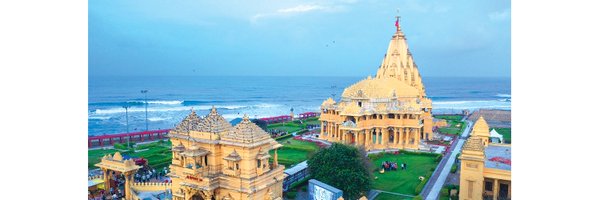
SOMNATH : As part of its ₹4.08 lakh crore budget for the fiscal year 2026–27, the Gujarat Government has announced plans to develop a state-of-the-art Multi-Modal Transport Hub at Somnath. The project is expected to boost the government’s efforts to position Somnath as a “global destination” while enhancing the travel experience for millions of pilgrims.

A Modern Transit Hub for Somnath
The proposed Somnath Multi-Modal Transport Hub will function as a world-class bus port equipped with modern facilities designed to seamlessly integrate multiple modes of travel. The government has allocated ₹100 crore for the project under the Viksit Gujarat Fund.

This initiative forms part of a broader ₹447 crore plan to develop iconic bus stations at major pilgrimage centres, including Ambaji, ensuring that spiritual significance is matched by high-quality infrastructure.

Boosting Public Bus Transport
Beyond the Somnath project, the state has unveiled a major plan to modernise its public transport fleet and infrastructure:

New fleet: The government will introduce 2,963 new buses equipped with modern technology to enhance passenger safety and convenience.

Green growth: The expansion includes 500 air-conditioned electric buses, reinforcing the state’s commitment to sustainable mobility.

Tribal empowerment: A dedicated fleet of 500 midi-buses will be deployed in tribal areas to facilitate easier travel for students, residents, and workers commuting to industrial hubs.

Student support: A provision of ₹223 crore has been proposed for bus-pass fee concessions, expected to benefit around 13 lakh students across the state.

Overall, the announcements underline the Gujarat government’s focus on modern, inclusive, and sustainable public transport infrastructure, while strengthening connectivity to key religious and economic destinations.

Gujarat govt proposes establishment of 5 new GIDCs in Budget 2026

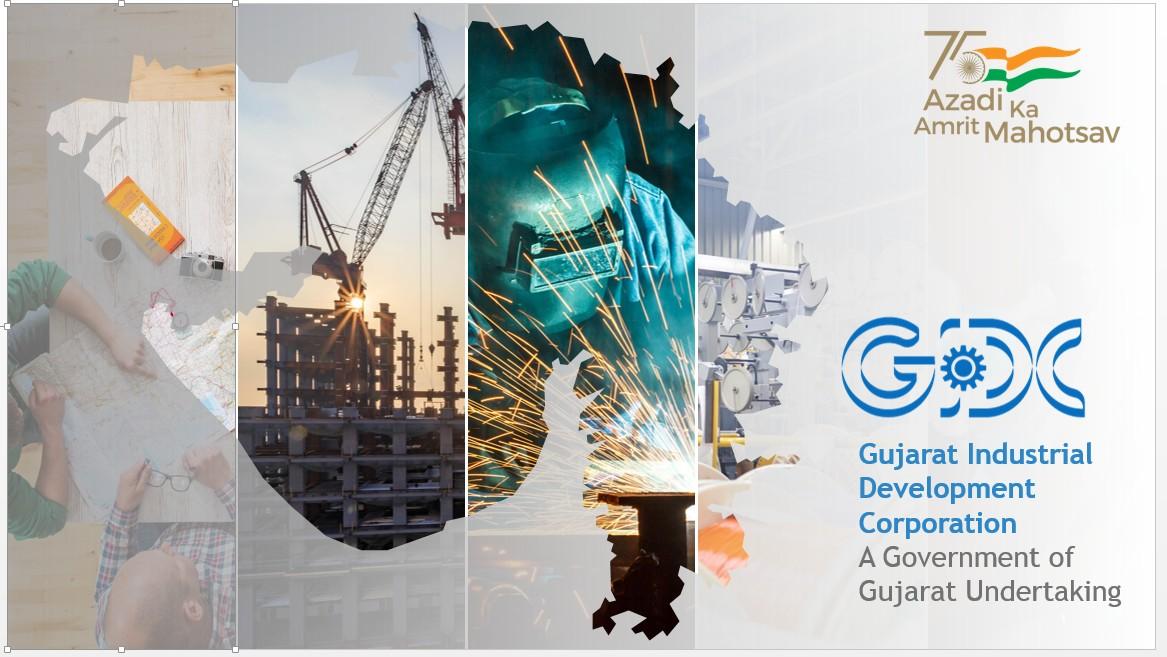
GANDHINAGAR: In a push toward balanced regional development and tribal empowerment, the Government of Gujarat has announced the establishment of five new industrial estates (GIDCs) across the state’s tribal belt. This initiative is part of the ₹4,08,053 crore budget for the fiscal year 2026–27, presented today in the State Assembly.

To promote industrialisation and create local employment opportunities, the five new industrial estates will be strategically located in tribal regions. Specifically, two estates will be established in the Zalod and Garbada talukas of Dahod district, while the remaining three will be developed in other districts, including Aravalli.

“To promote industrialisation and provide employment opportunities in the tribal areas of the state, I announce the establishment of five new industrial estates, two in the Zalod and Garbada talukas of Dahod district and three in other districts, including Aravalli,” Finance Minister Kanu Desai said.

Modernising Industrial Infrastructure

Beyond the creation of new estates, the state government is also focusing on upgrading existing industrial hubs to global standards:

  • Smart GIDCs: A total of 25 GIDCs will be converted into “Smart GIDCs.” With a proposed investment of ₹1,250 crore, these estates will witness significant strengthening of water, electricity, gas, and digital networks through modern technology.
  • Mini GIDCs: The government plans to upgrade 120 Mini GIDCs with a proposed investment of ₹50 crore to enhance operational efficiency.
  • Dahej and Saykha: A provision of ₹50 crore has been made for Common Effluent Treatment Plants (CETPs) in the Dahej and Saykha industrial estates to support sustainable industrial growth.

Strategic EModernising Industrial Infrastructure

Beyond the creation of new estates, the state government is also focusing on upgrading existing industrial hubs to global standards:

  • Smart GIDCs: A total of 25 GIDCs will be converted into “Smart GIDCs.” With a proposed investment of ₹1,250 crore, these estates will witness significant strengthening of water, electricity, gas, and digital networks through modern technology.
  • Mini GIDCs: The government plans to upgrade 120 Mini GIDCs with a proposed investment of ₹50 crore to enhance operational efficiency.
  • Dahej and Saykha: A provision of ₹50 crore has been made for Common Effluent Treatment Plants (CETPs) in the Dahej and Saykha industrial estates to support sustainable industrial growth.

Strategic Economic Growth

These developments align with the government’s broader strategy of “Earning Well – Living Well” and the promotion of the MSME ecosystem, which already has more than 29 lakh registrations in the state. To further support these units, the budget proposes ₹1,775 crore under the Atmanirbhar Gujarat Scheme for Assistance to MSMEs.

By expanding the industrial footprint into tribal areas, the state government aims to ensure that no region is left behind in Gujarat’s journey toward becoming a global manufacturing and economic powerhouse. 

Gujarat Budget 2026: ₹610 crore for Dholera infrastructure

GANDHINAGAR: Finance Minister Kanubhai Desai proposed ₹610 crore for trunk infrastructure development at Dholera Special Investment Region (SIR).

The budget highlighted the emerging semiconductor manufacturing ecosystem at Dholera and Sanand, which the government said is positioning Gujarat prominently in global chip manufacturing and supporting India’s push for semiconductor self-reliance.

Authorities expect the hubs to attract high-technology industries and skilled employment in electronics manufacturing.

Under Phase-1 of the Logistics and Trunk Infrastructure Project at Dholera SIR, the government will invest ₹610 crore, including funding from the Developed Gujarat Fund.

The project includes development of Dholera Airport infrastructure, modern road networks, water supply and wastewater treatment systems, underground power distribution, smart ICT facilities

The integrated infrastructure is intended to support future industries and innovation-driven enterprises, with the government projecting Dholera as a global industrial and employment hub.