Home Blog Page 428

FedEx breaks ground on a fully Automated Air Cargo Hub at Navi Mumbai International Airport

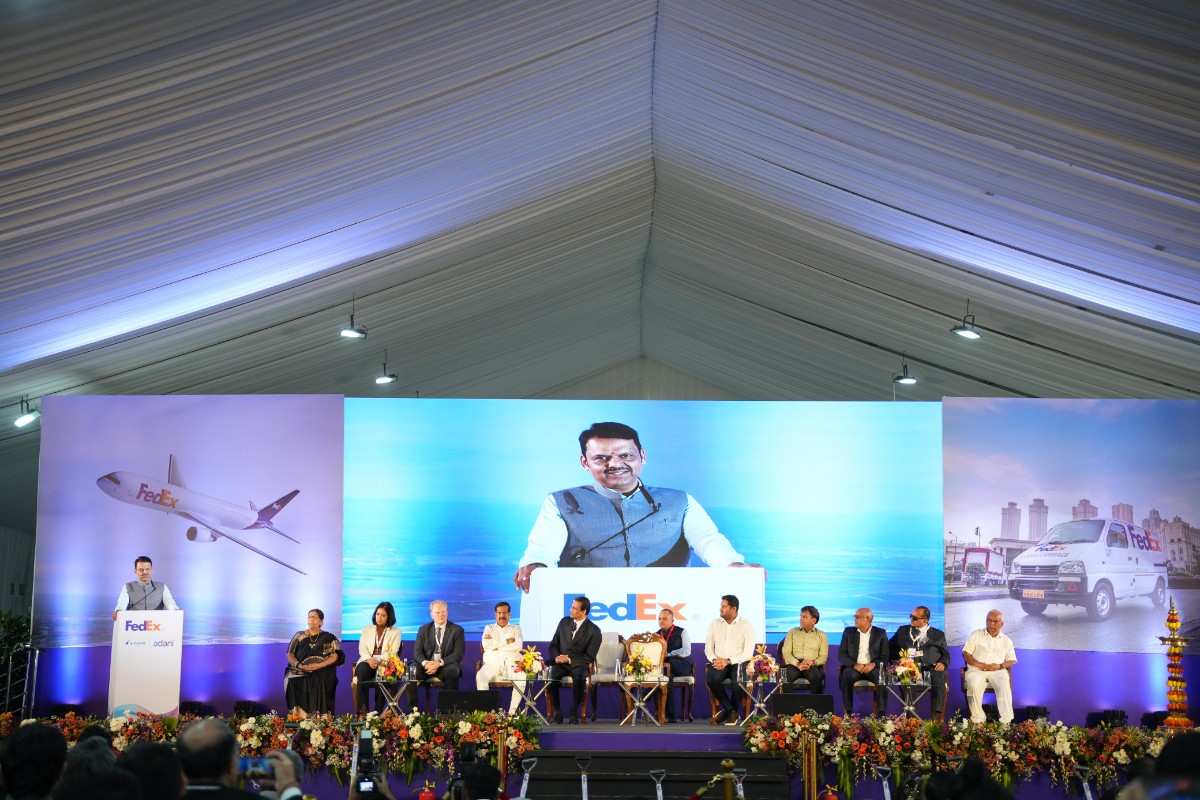
MUMBAI : FedEx and Navi Mumbai International Airport (NMIA) on Wednesday broke ground on FedEx’s fully automated air cargo hub, advancing capacity in India’s largest international trade corridor and strengthening its role as an integrated logistics and trade gateway for Western India.

The ₹2,500 crore long-term investment by FedEx will support the proposed 300,000 sq. ft. facility, designed as a regional consolidation and redistribution hub and developed in partnership with Adani Airport Holdings Ltd. (AAHL). The hub leverages NMIA’s multimodal infrastructure to strengthen Western India’s international trade corridor. Once operational, the hub is expected to create more than 6,000 direct and indirect employment opportunities across logistics, warehousing, transportation and allied services.

The ceremony was held in the presence of the Honourable Chief Minister of Maharashtra, Shri Devendra Fadnavis; Mr Raj Subramaniam, President and CEO, FedEx; Mr Richard Smith, CEO, Airline and COO, International, FedEx; Ms Kami Viswanathan, President, FedEx Middle East, Indian Subcontinent and Africa (MEISA); and Mr Jeet Adani, Director, AAHL.

Mr Jeet Adani, Director, AAHL, said: “This development reflects NMIA’s long-term vision of building integrated infrastructure that strengthens India’s trade competitiveness. With its proximity to Jawaharlal Nehru Port, industrial corridors and multimodal transport networks, NMIA is uniquely positioned to support high-growth export sectors and enhance Maharashtra’s role as a global logistics gateway.”

Ms Kami Viswanathan, President, FedEx MEISA, said:“India’s competitiveness in global trade will increasingly depend on the reliability and speed of its logistics infrastructure.

Establishing this hub at NMIA allows us to integrate global network strength with India’s fastest-growing trade corridor, providing greater certainty, speed and efficiency to customers.”

The development will support trade flows across Southeast Asia, West Asia, Europe and the United States, embedding global network connectivity directly within India’s primary trade corridor. Equipped with advanced automated sorting systems, dimensional scanning, high-speed screening technology and dedicated aircraft parking bays, it will enable simultaneous processing of inbound and outbound shipments and enhance routing flexibility and transit time predictability, particularly for high-value and time-sensitive sectors such as electronics, engineering goods, pharmaceuticals and perishables. The improved reliability is also expected to strengthen export-import capabilities for micro, small and medium enterprises (MSMEs) while contributing to lower logistics costs and faster turnaround times.

NMIA’s cargo infrastructure is planned to commence with an initial handling capacity of approximately 0.5 million metric tonnes (MMT) annually, scaling in phases to around 3.25 MMT in its final development stage. This calibrated capacity expansion supports the airport’s long-term strategy of positioning the Mumbai Metropolitan Region (MMR) as one of India’s most advanced air freight and logistics gateways.

Building on nearly three decades of operations in India, the hub expands FedEx’s dedicated presence while supporting NMIA’s role as an integrated aviation and multimodal trade platform in global supply chains.
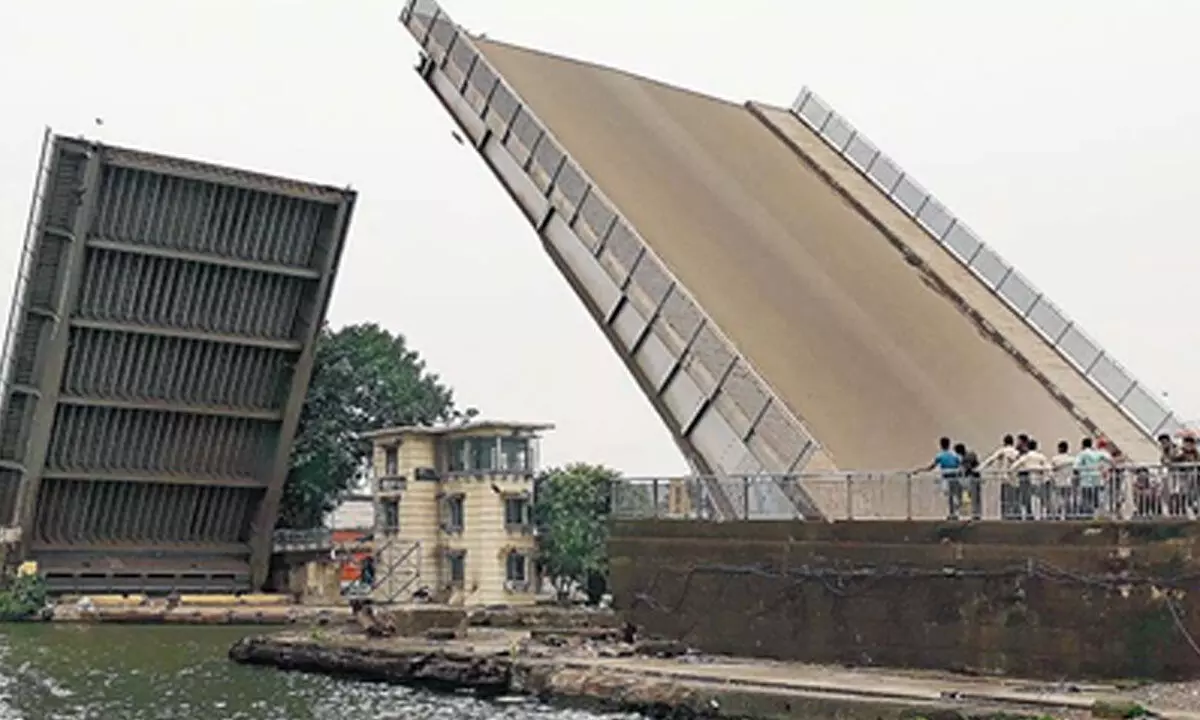
SMP Kolkata initiates major renovation project for iconic Bascule Bridge

KOLKATA : The Syama Prasad Mookerjee Port, Kolkata (SMPK), has launched a major renovation of the historic Bascule Bridge at the Kolkata Dock System (KDS) to ensure safer, faster, and more efficient cargo movement.The renovation will also ensure uninterrupted traffic movement between the Garden Reach-Metiabruz area and the rest of the city.

The vital infrastructure project, valued at Rs 117.54 crore, will modernise the 1966-built engineering marvel, originally constructed by the Austrian Firm, Waagner-Biro Bridge Systems AG. The double-leaf rolling bridge is a unique piece of engineering.

Its leaves open to allow cargo ships to pass between Kidderpore Dock-I and Dock-II, and close to provide a primary road route for heavy commercial vehicles and local commuters.

“Given its nearly six decades of service, this overhaul is essential for maintaining the structural integrity and mechanical efficiency of the port’s most important evacuation route,” a senior SMPK official said.

SMPK has partnered with Rail Vikas Nigam Limited (RVNL) through a formal Memorandum of Understanding for the completion of this project. Following a competitive tender process, the work was awarded to M/s H & H Fressinet, Mumbai.

“The renovation involves a complete upgrade of the bridge’s massive 1,640-tonne steel structure and its intricate electro-mechanical systems, including the hydraulic gears and the rack and pinion arrangements that power its movement. The Ministry of Ports, Shipping & Waterways, Government of India, has recognised the strategic importance of this project by granting Rs 40 crore under the Sagarmala Scheme,” the official said.

“The Bascule Bridge is a cornerstone of our port’s logistics network,” SMPK Chairman Rathendra Raman said, adding, “By investing in this comprehensive renovation, we are not just preserving a historic landmark but actively enhancing the safety and speed of port operations. This project ensures that Kolkata remains a robust and reliable gateway for maritime trade, while also supporting the daily transit needs of the city’s residents. We look forward to its completion by May 2027.”

There are only three such bridges in India. Apart from the one in Kolkata, the two others are in Mumbai and Tamil Nadu.

Hapag-Lloyd’s acquisition of Zim an era defining moment

HAMBURG : Hapag-Lloyd’s $4.2 billion deal to buy Zim is the beginning of the end of the container shipping’s age of consolidation as the top carriers vie for market share.

More than 20 years ago, the late great Containerisation International writer John Crichton was mulling over which six carriers would remain after the container shipping market consolidated.

Maersk and MSC were top of the pile, Cosco and a South Korean line would both have government backing, and after that Evergreen and probably Hapag-Lloyd.

As the consolidation of the market approaches its denouement with the German carrier consolidating its fifth position in the pecking order, following the scooping up of the tenth largest carrier in Zim, the container seer’s vision is taking shape nicely.

With the barriers to entry now very high, achieving a top ten billing will be tough, and will need the backing of a state such as India which is investing billions of dollars into the Bharat Container Shipping Line (BCSL), a strategic provision to boost its emergent export market.

Recently, Hapag-Lloyd CEO Rolf Habben-Jansen explained some of the reasoning behind the acquisition of the Israeli carrier, with the German line essentially buying 99 vessel charter contracts and some service synergies.

Source : Seatrade Maritime

Bharat Supply to open 40 distribution centres across Central India; to create over 500 local jobs

Logistics startup Bharat Supply announced a major expansion across central India, with plans to open 40 new distribution centres across Madhya Pradesh, Uttar Pradesh and neighbouring states. The rollout marks one of the company’s largest regional expansions and significantly strengthens its last-mile reach across high-growth Tier-2, Tier-3 and rural markets.

As part of this expansion, the company will create employment opportunities for over 500 local youth across roles in delivery, warehouse management, operations, and partner support. On-ground hiring is already underway and will scale further as the network deepens across the central corridor.

The newly established distribution centres will serve key distribution points including Shahdol, Balaghat, Neemuch, Unnao, Jhansi and Prayagraj, as well as surrounding rural clusters. Each node will function as a daily delivery hub for small retailers, Agri-input dealers, and rural micro-entrepreneurs.

These distribution centres act as hyperlocal supply hubs, keeping essential goods moving smoothly across underserved markets. Each centre stores, sorts, and dispatches products daily, ensuring retail stores, rural micro-entrepreneurs and ecommerce customers receive fast, reliable delivery. These hubs break down bulk shipments into retailer-ready orders, manage local inventory, coordinate delivery teams, and handle returns or issue resolution on the spot. By strengthening last-mile connectivity, the centres help prevent stock-outs, speed up deliveries, and improve access to everyday essentials, from FMCG to agri-inputs, across Central India.

The expansion aligns with the national push toward infrastructure-led growth and enhanced logistics connectivity under the government’s broader “Viksit Bharat” vision. With increased public investment in multimodal logistics, rural infrastructure, and supply chain digitisation, efficient last-mile distribution is emerging as a critical enabler of inclusive economic growth and consumption expansion beyond metros.

“Central India represents one of the country’s most dynamic non-metro consumption corridors, yet supply fragmentation continues to limit the full potential of local markets,” said Taranbir Singh, Chief Executive Officer of Bharat Supply. “By expanding our distribution footprint across Madhya Pradesh, Uttar Pradesh and adjoining Central markets, we are strengthening daily access to essential goods while generating meaningful employment for youth in these regions. Our focus remains on building a dependable, technology-enabled supply network that supports India’s growth ambitions and strengthens grassroots commerce.”

The company noted that the central expansion is part of its broader strategy to build scalable, technology-enabled distribution infrastructure across small towns and rural districts — markets where supply inefficiencies often limit growth for small retailers and micro-enterprises.

About Bharat Supply

Bharat Supply is a beyond-metros logistics company formed through the merger of Connect India and the logistics arm of Bangalore-based Faarms. Backed by marquee investors including Aavishkaar Capital, Conny & Co., and Singaporean angel investor Koh Boon Hwee, the company serves over 200,000 villages and is expanding rapidly to cover more than 300 districts by 2025. By partnering with leading players in e-commerce, agriculture, and consumer durables, Bharat Supply enables efficient last-mile delivery and strengthens market access for consumers and small businesses across India’s heartland.

Blue Dart achieves Landmark Milestone of 1 Million Trees Planted Across India

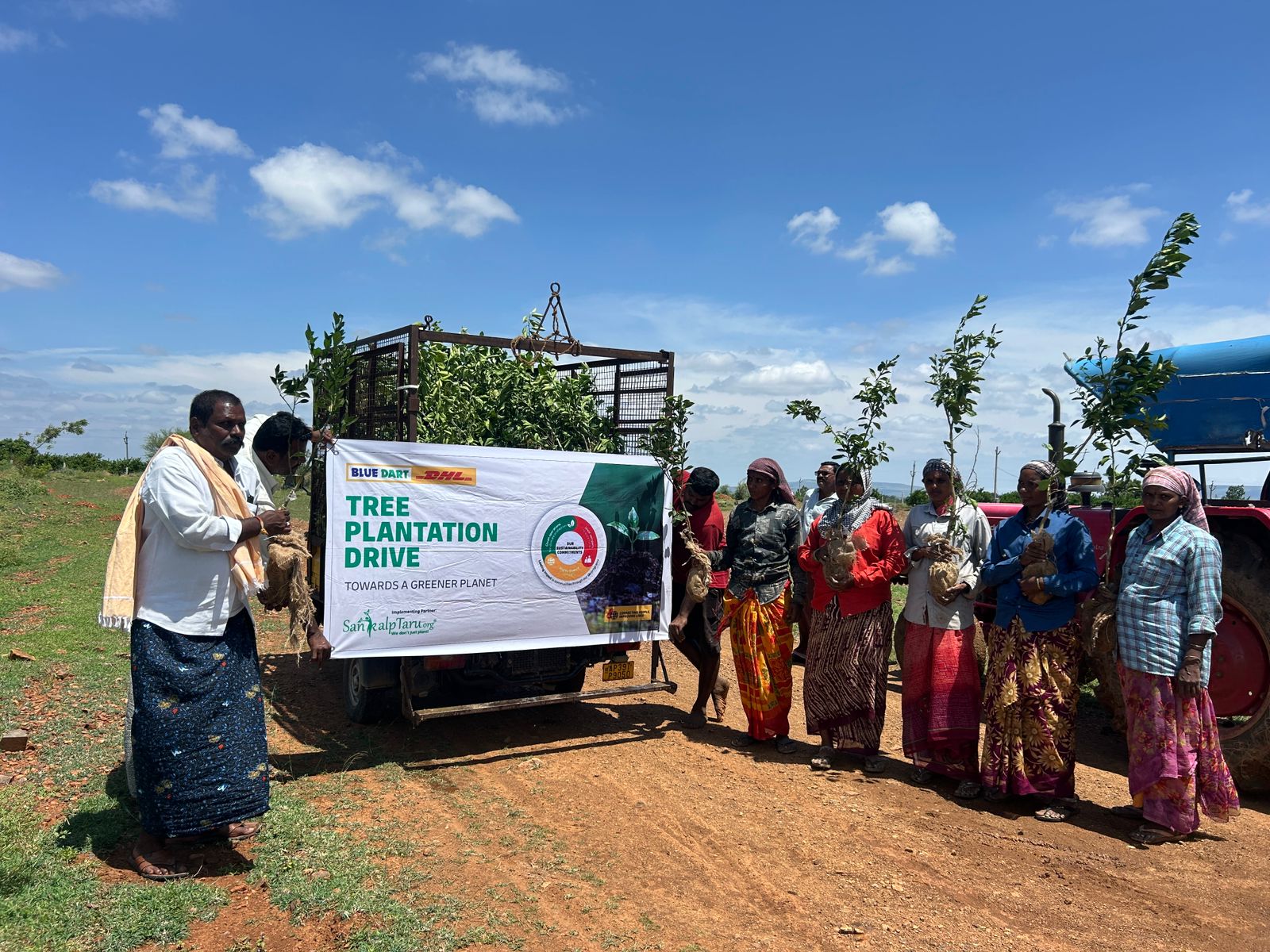
MUMBAI: Blue Dart Express Ltd., South Asia’s premier express air and integrated transportation and distribution company, today announced a significant sustainability milestone — the successful plantation of 1 million trees across India, reinforcing its long-term commitment to climate action and community empowerment.

The pan-India initiative has been implemented over the years with a clear dual purpose. It contributes to carbon sequestration and ecosystem restoration, while also creating sustainable income opportunities for farmers. At maturity, the 1 million trees are estimated to sequester approximately 20,000 tonnes of carbon dioxide per year, strengthening climate resilience and supporting India’s broader environmental goals.

Beyond carbon impact, the project plays a vital role in restoring ecological balance. The plantations improve soil fertility, prevent erosion, enhance water retention, and contribute to better air quality by absorbing pollutants and generating oxygen. By stabilising local microclimates and supporting improved water cycles, the initiative enhances long-term environmental sustainability. Furthermore, the initiative aligns closely with the United Nations Sustainable Development Goals (SDGs), particularly SDG 13 (Climate Action), SDG 15 (Life on Land), SDG 12 (Responsible Consumption and Production), and SDG 2 (Zero Hunger).

Commenting on the milestone, Balfour Manuel, Managing Director, said: “Reaching the milestone of one million trees planted is a significant step in our commitment to supporting India’s carbon reduction and climate resilience goals. As one of the country’s largest logistics networks, we recognise our responsibility in contributing to a low-carbon future. Expanding green cover at scale not only supports national decarbonisation ambitions but also strengthens long-term environmental sustainability. Equally important, our initiative has strengthened rural livelihoods by equipping farmers with sustainable practices and long-term income opportunities. For us, climate action must be measurable, inclusive, and aligned with India’s broader ambition of building a resilient, sustainable economy.”

A key differentiator of the programme is its strong focus on farmer capacity building. Beneficiaries receive structured training on tree plantation, maintenance, organic farming practices, mulching, pruning, pest control, and water conservation techniques. Demonstration plots and workshops enable hands-on learning, ensuring sustainable outcomes and long-term livelihood benefits. This milestone reflects Blue Dart’s continued efforts to integrate environmental responsibility with inclusive growth by strengthening ecosystems, supporting communities, and contributing meaningfully to a greener future.

Maersk introduces Flexitank Removal Service at Spanish Ports to streamline import operations

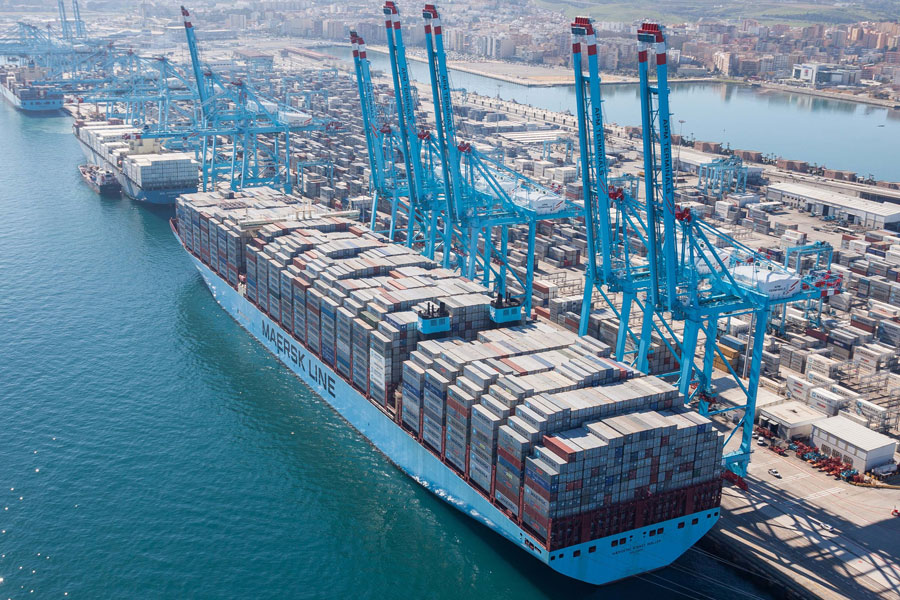
VALENCIA / BARCELONA / ALGERICAS : Maersk has announced the introduction of a dedicated Flexitank removal service at the Spanish ports of Valencia, Barcelona, and Algeciras, aimed at improving supply chain efficiency and simplifying post-import container handling for customers.

Under this new initiative, Maersk will assume responsibility for the removal of Flexitanks installed in import containers at the above-mentioned ports. The service ensures that the removal process is conducted in full compliance with all applicable technical, environmental, and safety standards, including proper destruction and recycling procedures.

Enhancing Supply Chain Simplicity

The centralized handling of Flexitank removal by Maersk is designed to:

Reduce operational complexity for importers

Ensure adherence to regulatory and environmental requirements

Improve turnaround time and container availability

Provide a standardized, compliant disposal process

By integrating this service into its port operations, Maersk aims to offer customers greater transparency, reliability, and operational consistency across Spanish gateways.

Service Charges

The Flexitank removal service will be applicable at a charge of:

EUR 695 per container

Effective Dates

The implementation of the service will follow the schedule below:

Non-Regulated Countries: Effective 18 February 2026

Vietnam: Effective 05 March 2026

Regulated Countries: Effective 21 March 2026

Customers are advised to plan shipments accordingly and coordinate with their local Maersk representatives for further operational guidance.

This initiative reinforces Maersk’s continued commitment to operational excellence, environmental responsibility, and delivering end-to-end logistics solutions that simplify global trade.

DP World and APM Terminals announce strategic partnership at Jeddah Islamic Port

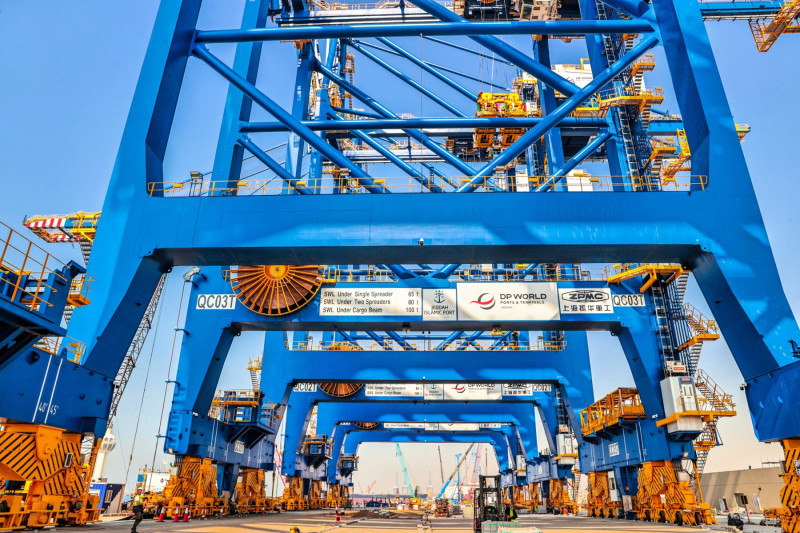
DUBAI : DP World and APM Terminals, an independent subsidiary of A.P. Moller–Maersk, announced a strategic partnership in the Southern Container Terminal at Jeddah Islamic Port. Under the agreement, APM Terminals will acquire a 37.5% minority stake in the terminal, while DP World will retain a 62.5% majority shareholding and continue to lead the operations at the facility

The investment strengthens the long-term collaboration between the two organisations and brings together complementary capabilities to enhance Jeddah Islamic Port’s role as a vital gateway to Saudi Arabia and a key Red Sea hub connecting trade flows between Asia, Europe and Africa. Since securing the 30-year Build-Operate-Transfer concession in 2019, DP World has delivered a major upgrade and expansion of the Southern Container Terminal, significantly increasing capacity, improving efficiency and raising sustainability standards in line with Saudi Arabia’s Vision 2030.

Separately, both DP World and Maersk have made significant investments in integrated logistics capacity within Jeddah Islamic Port, linking the quay to warehousing, distribution and inland transport, allowing customers to benefit from enhanced connectivity and more integrated logistics support across the supply chain, while ensuring the terminal continues to serve as a critical gateway for import and export cargo.

Yuvraj Narayan, Group CEO of DP World, said: “Saudi Arabia is a strategic market for DP World, and Jeddah Islamic Port has been central to our growth in the Kingdom for more than two decades. Since securing the concession in 2019, we have transformed the Southern Container Terminal into a modern, high-capacity gateway, further strengthening Jeddah’s position as a leading Red Sea hub in support of Saudi Arabia’s Vision 2030. This partnership reflects the confidence global industry leaders place in DP World’s capabilities and the world-class terminal we have developed in Jeddah Islamic Port.”

Keith Svendsen, CEO of APM Terminals, said:“Jeddah Islamic Port is a vital gateway to the Kingdom of Saudi Arabia and a key hub in our customers’ supply chains. We are pleased to invest in the Southern Container Terminal and to deepen our presence in Saudi Arabia through this strategic step. Jeddah is one of the region’s most important trade corridors. This investment secures long-term access to quality infrastructure and strengthens our ability to support customers with reliable, scalable capacity in the Kingdom.”

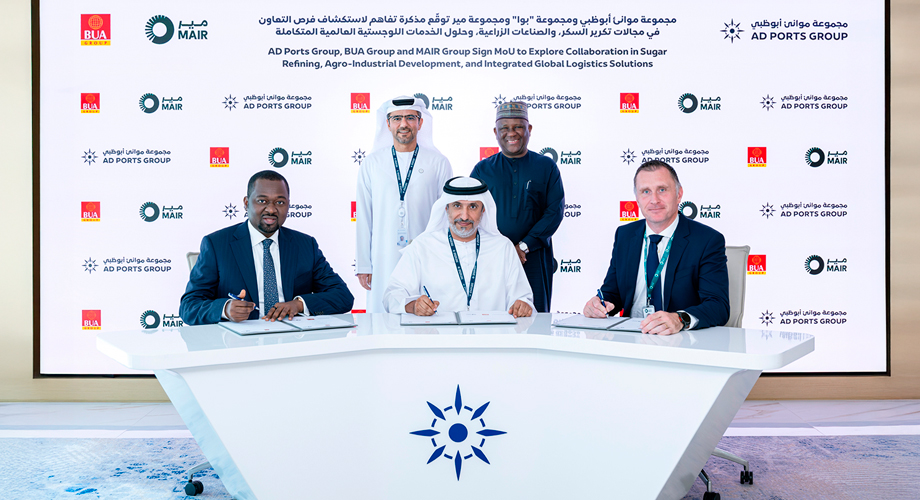
AD Ports Group, BUA Group, and MAIR Group sign MoU to explore collaboration in sugar refining, agro-industrial development, and Integrated Global Logistics Solutions

ABU DHABI : AD Ports Group, a leading global enabler of trade, industry, and logistics solutions, signed a Memorandum of Understanding (MoU) with BUA Group, one of Africa’s largest foods, mining, manufacturing, and industrial conglomerates, and MAIR Group, a strategic investment company focused on grocery retail and commercial real estate in the UAE, to explore the development of integrated sugar refineries and edible oil facilities in Abu Dhabi and select international markets.

The partnership aims to create a world-class food manufacturing and processing ecosystem with the ambition of establishing the region’s largest agri-food hub, serving both regional and global demand. In line with the UAE National Food Security Strategy 2051, the initiative would support economic diversification, stimulate industrial growth, and reinforce the UAE’s position as a global centre for agri-food trade and distribution.

The MoU covers potential projects at Khalifa Port in Abu Dhabi, and in Africa and Latin America, leveraging Khalifa Port’s advanced infrastructure and multimodal connectivity to advance AD Ports Group’s growing global presence in the agro-industrial sector, the Group is already developing agri-bulk handling and storage infrastructure with partners in Pakistan and Kazakhstan.

The MoU will also assess opportunities in grains, pulses, animal feed, agricultural commodities, and associated maritime, logistics, port, and distribution solutions.

Captain Mohamed Juma Al Shamisi, Managing Director and Group CEO, AD Ports Group, said: “This MoU reflects our ambition to expand AD Ports Group’s role across strategic agro-processing value chains and contribute to the UAE National Food Security 2051. By combining our integrated end-to-end trade and logistics capabilities, with BUA Group’s agro-industrial expertise and MAIR Group’s strategic focus on the food sector, we will explore opportunities that strengthen food supply chains, drive industrial value creation, and deepen trade ties between Africa and the UAE, in line with the vision of our wise leadership.”

Abdul Samad Rabiu, Founder and Chairman of BUA Group, said: “This strategic partnership marks a major milestone in BUA’s international expansion and reflects our long-term vision of building globally competitive industrial platforms. As one of Africa’s leading conglomerates, we are proud to collaborate with AD Ports Group and MAIR Group in support of the UAE’s National Food Security Strategy 2051. Together, we aim to create a future-ready food processing ecosystem that strengthens cross-continental trade, enhances supply chain resilience, and delivers sustainable economic value for generations to come.”

Nehayan Hamad Alameri, Managing Director and Group CEO of MAIR Group, said: “This partnership brings together complementary strengths across investment, industrial development, and logistics. MAIR Group’s focus on grocery retail, commercial real estate, and supply chain infrastructure positions us well to support the integration of agro-industrial and food industries. By exploring opportunities in sugar refining, edible oils, and broader food processing, we are contributing to a more integrated and resilient food ecosystem that supports national and regional food security.”

Marcura acquires Shipdem, strengthening chemical tanker claims capability

DUBAI/LONDON:  Marcura has acquired Shipdem, a UK-based specialist in chemical tanker laytime and demurrage, from its parent company, Casper Shipping. The acquisition deepens Marcura’s capability in one of the most technically demanding tanker segments.

Shipdem brings proven expertise in chemical tanker demurrage, where operational complexity and contractual nuance demand deep technical knowledge and disciplined claims handling process. The team has built strong relationships within the chemical market, managing the full end-to-end claims process for traders and operators.


The acquisition follows HubSE in 2025 and continues Marcura’s investment in claims management capabilities across all major cargo types. HubSE’s self-service technology for tanker demurrage complements Shipdem’s fully managed service capability, providing end-to-end services that adapt to how customers operate.


“Customers need different levels of support depending on how they operate,” said Henrik Hyldahn, Group CEO, Marcura. “Our goal is to deliver that flexibility, whether through software that supports self-service or expert teams who manage the entire claims process. Adding Shipdem and their team strengthens our technical capability in chemical demurrage and reinforces the choice we offer to customers.”


Shipdem will be fully integrated into Marcura Claims, with the current team continuing to focus on chemical demurrage while contributing specialist knowledge across the wider organisation. Current Shipdem customers will benefit from complete continuity of service, now supported by Marcura’s global infrastructure, broader dispute expertise and ongoing technology investment.


“Marcura’s focus on building comprehensive claims management capabilities aligns well with what Shipdem has built in the chemical tanker market,” said Michael Shakesheff. Group Managing Director, Casper Shipping. “Our customers will continue working with the same team they have relied on, now backed by Marcura’s global infrastructure and resources.”

PM Modi welcomes French President to India, emphasises strengthening Bilateral Ties

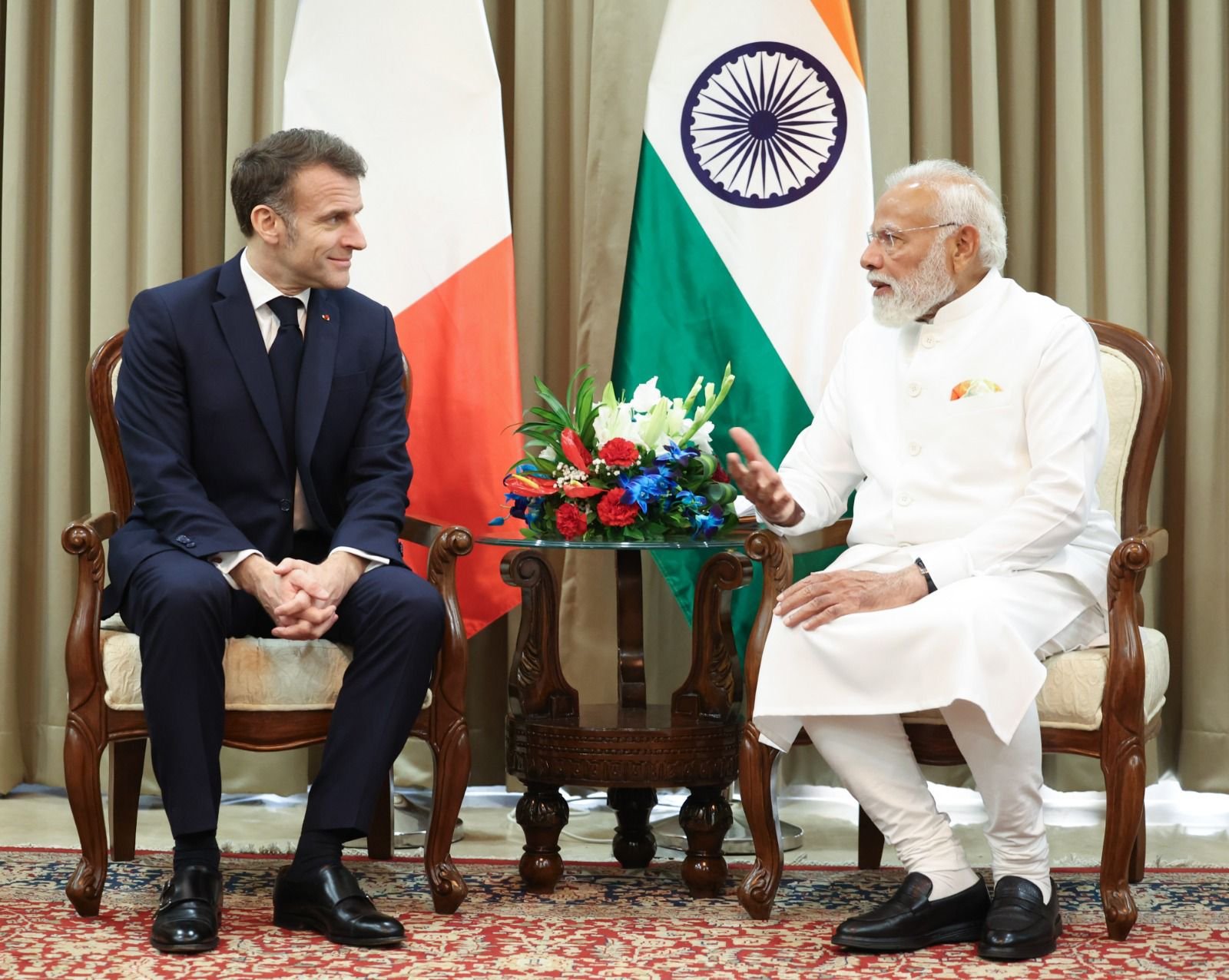
NEW DELHI : Prime Minister Shri Narendra Modi extended a warm welcome to President Emmanuel Macron of France, expressing confidence that the visit will elevate India–France relations to new heights.

Highlighting the significance of the visit, Prime Minister Modi noted that the engagements in Mumbai and later in Delhi will provide fresh momentum to the strategic partnership between the two nations. He reaffirmed that their collaboration will continue to benefit not only both countries but also the wider global community.

In separate posts on X, Shri Modi wrote:

“Welcome to India! India looks forward to your visit and to advancing our bilateral ties to new heights. I am confident that our discussions will further strengthen cooperation across sectors and contribute to global progress. See you in Mumbai and later in Delhi, my dear friend @EmmanuelMacron.”

Held wide-ranging talks with President Macron in Mumbai. This meeting assumes significance because we have elevated the India-France relationship to a Special Global Strategic Partnership. Ours is a partnership for global stability and progress. We discussed cooperation in industry, defence, clean energy, space and emerging technologies. Our nations will also build strong networks between StartUps and MSMEs, facilitate student and researcher exchanges and establish new joint innovation centres.