Home Blog Page 432

ClassNK launches Pilot Testing of 3D Model-based approval system with ten Japanese companies

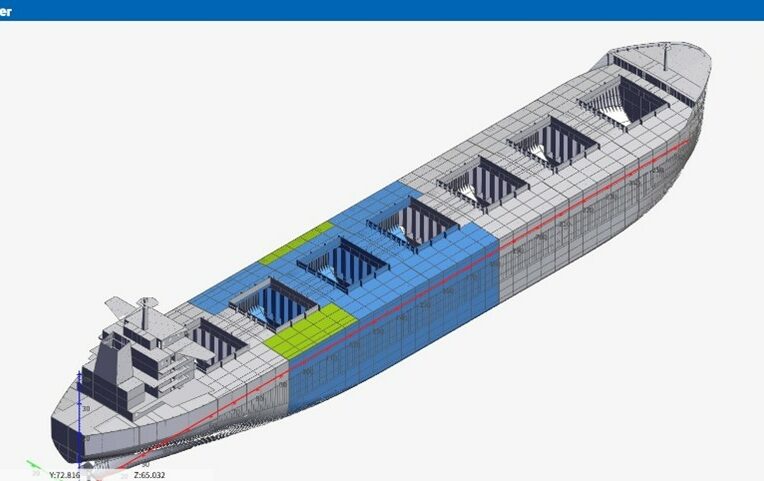
TOKYO : ClassNK has launched a joint pilot test with ten Japanese companies for its drawing approval system ‘NK-PASS1’ and the ‘ClassNK 3DViewer2, both compatible with 3DMBA (3D Model-Based Approval), scheduled for official release in spring 2026.

3DMBA is an approach in which approval processes are centered on 3D models instead of conventional 2D drawings, and its adoption is expanding globally. By utilizing 3D models, it is expected to enhance visualization and accuracy for information that was difficult to identify in traditional processes, as well as enable faster detection of design changes and potential errors.

The new systems are being developed to support the transition from the conventional 2D drawing-based approval process to a new workflow centered on 3D models. In particular, they are designed to accommodate the internationally standardized OCX (Open Class 3D Exchange) format*3, contributing to digital transformation across the shipbuilding industry

■ Pilot Test

Oshima Shipbuilding Co., Ltd.

Kawasaki Heavy Industries, Ltd.

Shin Kurushima Sanoyas Shipbuilding Co., Ltd.

Shin Kurushima Dockyard Co., Ltd.
Tsuneishi Solutions Tokyobay Co., Ltd.

Tsuneishi Shipbuilding Co., Ltd

Hakodate Dock Co., Ltd.

Namura Shipbuilding Co., Ltd.

Nippon Shipyard Co., Ltd.

Mitsubishi Shipbuilding Co., Ltd.

Under the cooperation of the ten participating companies, the pilot test will focus on:

  • Verification of 3DMBA-compatible functionalities
  • Verification of data interoperability using the OCX format
  • Verification of practical operations combining 3D models with supplementary 2D drawings as needed during the transition phase

Through this pilot testing, ClassNK aims to identify operational challenges and advantages of 3DMBA and refine the system in preparation for its official release in spring 2026.

■ Publication of Guidelines

Alongside the system release, ClassNK is also planning to publish the ‘Guidelines on 3D Model-Based Approval (3DMBA)’ (tentative title).

The guidelines will outline:

  • Requirements for submitting 3D models
  • Standard operational procedures within the approval process
  • Handling of OCX-based 3D models

Feedback obtained from the pilot test will be reflected in the guideline content to support the effective adoption of 3DMBA.

*1 NK-PASS:

A drawing approval management system provided by ClassNK. Traditionally used for 2D drawing approval, it will be equipped with functions supporting 3DMBA in its spring 2026 update, enabling approval processes using OCX‑based 3D models.

*2 ClassNK 3DViewer:

A 3D viewer under development by ClassNK is designed to render OCX‑based 3D models. It is intended for use in workflows centered on 3D models, including those under the 3DMBA framework, and supports broader utilization of digital data.

*3 Open Class 3D Exchange (OCX) format:

A type of file format that contains 3D model data and design specifications, developed to enable seamless digital workflows among shipyards and classification societies. It is a 3D digital protocol applicable to the design approval process for ships, and standardization is being advanced within a consortium comprising classification societies, 3D software vendors, designers, and related stakeholders.
PM to inaugurate India AI Impact Expo 2026 today

NEW DELHI : Prime Minister Shri Narendra Modi will inaugurate India AI Impact Expo 2026 on 16th February, 2026 at 5 PM at Bharat Mandapam, New Delhi.

The India AI Impact Expo 2026 will be held from 16th to 20th February 2026, alongside the India AI Impact Summit, at Bharat Mandapam. The Expo will serve as a national demonstration of AI in action, where policy meets practice, innovation meets scale, and technology meets the everyday citizen.

Spread across 10 arenas covering more than 70,000 square metres, the Expo will bring together global technology firms, startups, academia and research institutions, Union Ministries, State Governments, and international partners. The Expo will also feature 13 country pavilions, showcasing international collaboration in the AI ecosystem. These include pavilions from Australia, Japan, Russia, United Kingdom, France, Germany, Italy, Netherlands, Switzerland, Serbia, Estonia, Tajikistan and Africa.

The Expo will host over 300 curated exhibition pavilions and live demonstrations, structured across three thematic chakras – People, Planet and Progress. In addition, the Expo will feature over 600 high-potential startups, many of them building globally relevant and population-scale solutions. These startups will demonstrate working solutions that are already deployed in real-world settings.

The India AI Impact Expo 2026 is expected to witness participation of over 2.5 lakh visitors, including international delegates. The event aims to foster new partnerships and create business opportunities within the global AI ecosystem.

Over 500 sessions will be organised, featuring more than 3250 visionary speakers and panel members. These sessions will focus on acknowledging the transformative impact of AI across sectors and deliberating on future actions to ensure that AI benefits every global citizen.

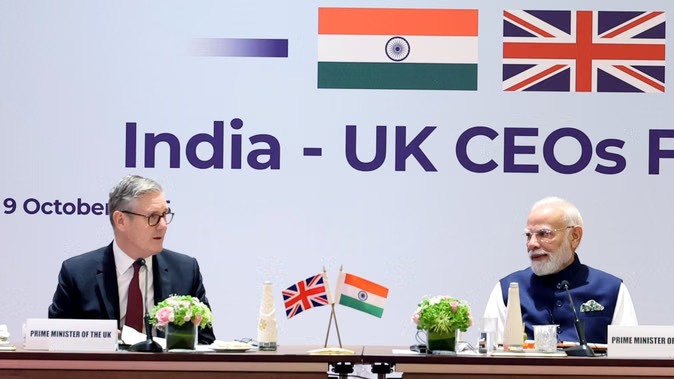
India-UK FTA : CETA likely to be implemented by April 2026

LONDON/NEW DELHI : The India-UK Comprehensive Economic and Trade Agreement (CETA), which was signed in July last year, is expected to take effect in April 2026. The deal aims to double bilateral trade to $56 billion by 2030, significantly reducing tariffs on British whiskey and cars while boosting Indian exports in textiles and jewelry.

The Comprehensive Economic and Trade Agreement (CETA) between India and the United Kingdom is slated for implementation by April 2026. Signed on July 24, 2025, this landmark agreement is designed to redefine the economic landscape between the two nations. According to government officials, the deal will allow 99% of Indian goods to enter the UK market duty-free. Conversely, India will Importantly lower import duties on iconic British exports, including Scotch whiskey and premium automobiles. Both nations are currently fast-tracking the necessary administrative and legislative procedures to ensure the agreement becomes operational within the projected timeline.

Significant Tariff Reductions on Whiskey and Automobiles
One of the most prominent features of the CETA is the reduction of import duties on Scotch whiskey. Currently, India imposes a 150% tariff on these imports, which will be immediately slashed to 75% upon the agreement’s enforcement. According to the agreed schedule, this duty will further decrease to 40% by the year 2035. In the automobile sector, India will implement a quota-based system to reduce tariffs on British cars from the current 110% to 10% over a five-year period. These measures are expected to make luxury British goods more accessible to the Indian market while fostering a more open trade environment.

Enhanced Market Access for Indian Export Sectors
The agreement provides a substantial boost to Indian exporters, particularly in labor-intensive sectors such as textiles, footwear, gems and jewelry, sporting goods, and toys. By securing duty-free access to the UK market for nearly all its products, India aims to increase its global market share in these categories. Officials state that the removal of trade barriers will provide Indian manufacturers with a competitive edge over other regional exporters. This enhanced access is a core component of the strategy to strengthen India’s manufacturing base and increase foreign exchange earnings through diversified exports.

Legislative Approval Process in UK and India
Before the CETA can be formally implemented, it must undergo a rigorous ratification process in both countries. In the United Kingdom, the agreement requires approval from both the House of Commons and the House of Lords, while during recent debates in the British Parliament, Chris Bryant, Minister of State in the Department for Business and Trade, described the deal as a milestone that surpasses previous precedents in opening doors for British businesses. In India, the agreement is subject to approval by the Union Cabinet. Both governments are working in coordination to complete these statutory requirements to meet the April 2026 deadline.

Double Contribution Convention and Social Security
Parallel to the trade agreement, India and the UK have signed the Double Contribution Convention (DCC), while this treaty addresses a long-standing concern for temporary workers moving between the two nations. The DCC ensures that professionals don’t have to pay social security taxes in both jurisdictions simultaneously, thereby reducing the financial burden on businesses and employees alike. This move is expected to facilitate smoother movement of skilled labor and enhance cooperation in the services sector, which remains a vital part of the bilateral economic relationship.

Strategic Impact on Consumer Goods and Trade Volume
The CETA sets an ambitious target to double the current $56 billion bilateral trade between India and the UK by 2030. Beyond whiskey and cars, India has opened its markets to various British consumer products, including chocolates, biscuits, and beauty products, while in exchange, Indian manufacturers of electric and hybrid vehicles will gain specific market access under a quota framework in the UK. As the world’s fifth and sixth largest economies, this strategic partnership is expected to reshape trade flows and strengthen economic ties through a comprehensive and mutually beneficial framework.

Source : Zoom News

MoPSW Secretary chairs comprehensive review of major ports; Emphasis on Capacity Expansion and Operational Efficiency

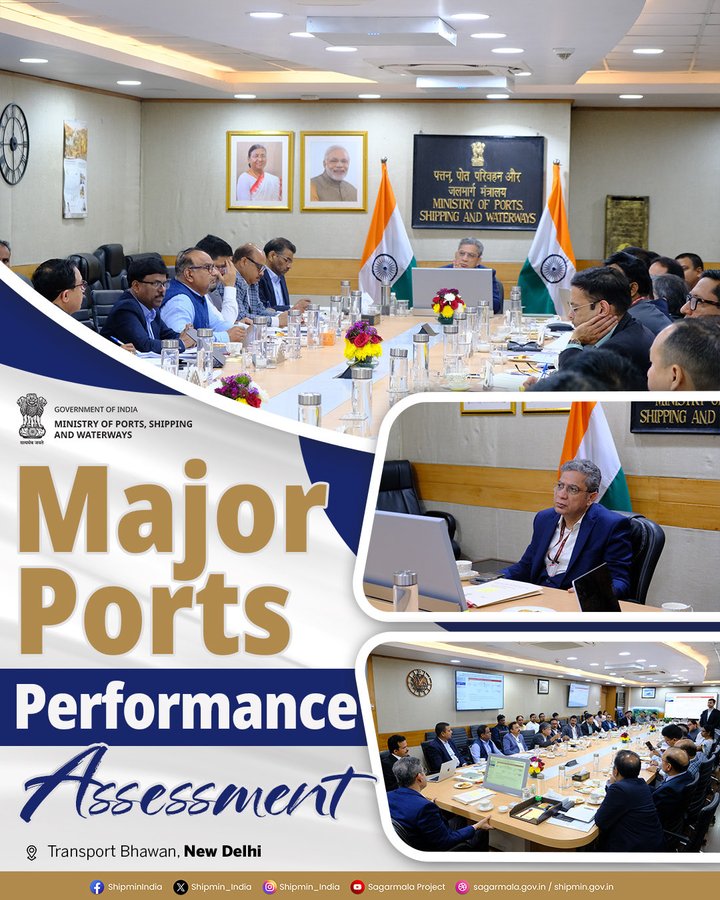
NEW DELHI : Shri Vijay Kumar, IAS, Secretary, Ministry of Ports, Shipping and Waterways (MoPS&W), chaired a comprehensive review meeting of India’s Major Ports to assess performance parameters, capacity augmentation plans and operational efficiency initiatives.

The review focused on key indicators including cargo growth trends, turnaround time, berth productivity, evacuation efficiency, and digital transformation measures being undertaken across ports. Detailed discussions were held on infrastructure expansion projects, mechanization of berths, modernization of cargo handling systems, and last-mile connectivity improvements to enhance overall competitiveness.

The Secretary emphasized the need for sustained cargo growth through diversification of cargo mix, improved customer engagement and seamless multimodal integration with rail, road and inland waterways networks. He also reviewed progress on capacity augmentation projects aimed at meeting future trade demand and ensuring optimal asset utilization.

Special attention was given to enhancing ease of doing business through process simplification, reduction in dwell time, greater adoption of digital platforms, and transparent tariff mechanisms. Ports were encouraged to leverage technology-driven solutions such as Port Community Systems, real-time cargo tracking and automated gate operations to improve service delivery and stakeholder satisfaction.

Shri Vijay Kumar underscored the importance of financial prudence, timely project execution and adherence to environmental and sustainability benchmarks. He called upon port authorities to align their development strategies with national logistics objectives and contribute to strengthening India’s maritime ecosystem as a key driver of economic growth.

The review reaffirmed the Ministry’s commitment to building world-class port infrastructure, improving operational benchmarks and positioning India as a leading maritime nation.

Adani Port Limited gets relief in Telangana HC

HYDERABAD : The Telangana High Court has ruled in favour of Adani Gangavaram Port Limited (AGPL), striking down a 2018 policy circular that had curtailed export-linked incentives for certain port operators.

AGPL, which manages port and maritime logistics operations at the port, had earlier received incentives under the Service Exports from India Scheme (SEIS) for the financial years 2015-16 and 2016-17. The Directorate General of Foreign Trade (DGFT) issued the policy circular in 2018, restricting SEIS benefits to entities categorised as “actual service providers”, such as tug operators, effectively excluding port operators that had outsourced segments of marine services.

Challenging the move, AGPL contended that the DGFT had altered the scope of eligibility through an executive circular rather than through a statutory amendment to the Foreign Trade Policy. During the dispute, AGPL deposited approximately `2.95 crore, along with applicable interest, under protest to prevent coercive recovery measures.

Authorities maintained that the circular was merely interpretative, intended to ensure that SEIS incentives were granted only to those directly generating foreign exchange rather than intermediaries. They asserted that the cancellation order had been duly issued, even though postal delivery was unsuccessful.

Justice Nagesh Bheemapaka held that once a policy circular was declared ultra vires by a constitutional court, its invalidity extended nationwide. The court observed that the DGFT did not possess the authority to introduce new substantive restrictions beyond the framework of the Foreign Trade Policy. The court clarified that port operators delivering integrated services remained principal service providers, even if they subcontracted specific ancillary operations such as tug services.

Terming the government’s position legally unsustainable, the court annulled the cancellation of benefits and directed the refund of `2.95 crore with interest within four weeks.

WDFC won’t divert cargo volumes to competing ports : APSEZ

AHMEDABAD : Adani Ports and Special Economic Zone Ltd (APSEZ) has dismissed concerns that the Western Dedicated Freight Corridor (WDFC) could siphon cargo away from its flagship Mundra Port in Gujarat, saying structural advantages like draft, vessel turnaround and integrated logistics will keep the port competitive.

The Western DFC, a 1,506-km electrified freight corridor connecting Dadri in Uttar Pradesh to ports including Mundra and Nhava Sheva, is designed to enable faster, high-capacity double-stack container trains. While it is expected to increase freight efficiency across northern and western India, APSEZ said the corridor would have minimal impact on Mundra’s volumes, as the port’s operational and cost advantages remain unmatched.

Mr.Ashwani Gupta, Whole-time Director & CEO of APSEZ, recently told investors, “Anything which comes to Mundra can also go to a Vizhinjam for the transshipment. So that is the competitiveness in Mundra as a port. Now we can always say that the catchment area for our competitor and us are different, so that will always continue. Now the question is what is the impact of DFC on us? It is negligible, or I would say zero even, because when it comes to the travel time, the travel time on the DFC will improve but the travel time on connections to the competitor port and to the competitor ICD will remain the same as it is between Mundra and our other ICDs in the NCR.”

Dr. Jaishankar reiterates India’s support for UNSC Reform in Munich Conference

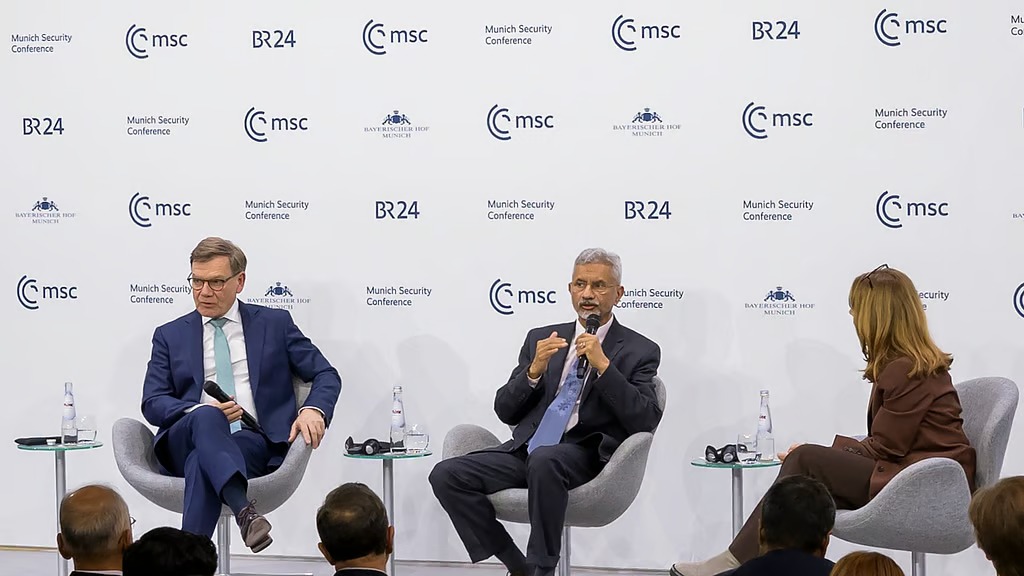
MUNICH : External Affairs Minister Dr. S Jaishankar on Saturday met his counterparts from the G7 countries as he reiterated India’s support for reform of the UN Security Council (UNSC) at the Munich Security Conference.

The meeting comes after India concluded a free trade agreement (FTA) with the 27-nation European Union in January.

Jaishankar in a social media post said he was pleased to engage with G7 Foreign Ministers and reiterated India’s support of the UN@80 agenda, particularly meaningful reform of the UN Security Council.

The external affairs minister said he emphasised India’s role in “safeguarding sea lines of communication, serving as a first responder, strengthening port security, and contributing to resilient submarine cable infrastructure”.

“Our conversation brought out the many convergences and shared interests between India and the G7,” the minister added.

Jaishankar started his Munich Security Conference with a roundtable ‘Delhi Decided: Mapping India’s Policy Calculus’, organised by the Ananta Aspen Centre, a non-partisan organisation.

The external affairs minister said he highlighted the “importance of a nimble and dynamic foreign policy to meet the demands of multipolarity”.

In a discussion with Indrani Bagchi, CEO Ananta Centre, Jaishankar said he also noted the significance of the India-EU FTA and the India-US trade deal in that regard.

“The discussion looked at India’s growth strategy, the choices before key partners, and why strategic autonomy remains a steady anchor as global dynamics evolve,” the Ananta Centre said.

India and the 27-nation bloc on January 27 announced the conclusion of negotiations for the free trade agreement.

The free trade agreement that will account for almost a quarter of the global GDP will reduce tariffs on 99 per cent of Indian exports to the EU and cut duties on over 97 per cent of the EU’s exports to India, according to officials.

The UN@80 initiative was launched by UN Secretary-General António Guterres in March 2025. This initiative focuses on improving organisational efficiency, reviewing mandate implementation, and aligning programmes to be more integrated and responsive.

The 62nd Munich Security Conference is taking place from February 13 to 15. Nearly 50 heads of state and government would be in attendance. This includes leaders from most European countries, alongside a large delegation from the German government, led by Chancellor Friedrich Merz.

Cabinet clears Rs 4,583 crore for four-laning of key NH-56 stretches in Gujarat

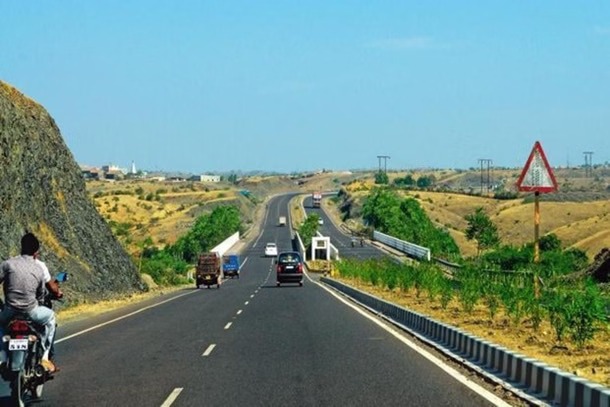
NEW DELHI : The Cabinet Committee on Economic Affairs (CCEA), chaired by Prime Minister Shri Narendra Modi, has approved the upgradation of two stretches of National Highway 56 in Gujarat to four-lane standards at a total capital cost of ₹4,583.64 crore.

The project involves the construction of four-lane sections from Dhamasiya to Bitada/Movi (47.46 km) and Nasarpore to Malotha (60.21 km), covering a total length of 107.67 km. The works will be implemented under the Hybrid Annuity Mode (HAM).

NH-56 originates at Nimbahera in Rajasthan, passes through Dahod district in Gujarat, Alirajpur district in Madhya Pradesh, and re-enters Gujarat near Chhota Udepur before terminating at its junction with NH-48 near Vapi.

The approved stretches pass through the aspirational district of Narmada and are expected to significantly improve connectivity to tribal regions in Dahod, Chhota Udepur, Tapi and Bharuch districts. Officials said the project will help spur economic growth and social development in these areas.

The upgraded corridor will also enhance access to the Statue of Unity, a major national tourist destination located about 11 km from NH-56 in Kevadia.

Designed for a speed of 100 km/h, the upgraded highway is expected to enable an average speed of 70 km/h, reducing travel time by around 40 per cent — from 2.5 hours to 1.5 hours across the project stretch.

The Ministry of Road Transport and Highways, through the National Highways Authority of India, has undertaken the upgradation of the congested Jambugam (Bodeli)–Malotha section (175 km) of NH-56 in four packages. Earlier stretches from Jambugam (Bodeli) to Dhamasiya and from Movi to Nasarpore were awarded in November 2025 and are currently under construction with a two-year completion timeline.

Upon completion of the newly approved sections, a continuous four-lane corridor from Bodeli to Malotha will be established. This is expected to ease congestion on NH-56 and improve connectivity to NH-53, NH-48 and the Delhi–Mumbai Expressway (NE-4).

The 107.67-km project is projected to generate approximately 19.38 lakh man-days of direct employment and 22.82 lakh man-days of indirect employment during construction. Additional job opportunities are also anticipated due to increased economic activity along the corridor.

CBIC organises Post-Budget interactive session with stakeholders in Mumbai

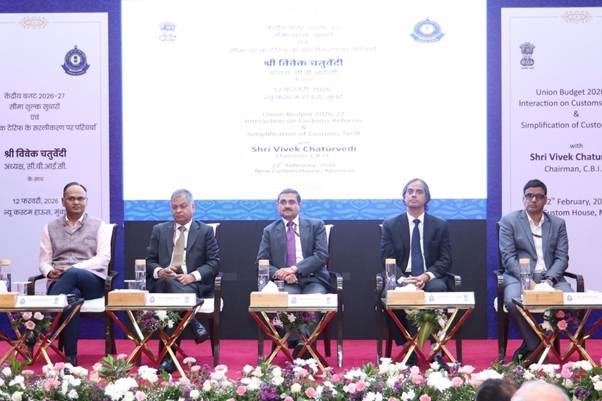
NEW DELHI : The Central Board of Indirect Taxes and Customs (CBIC) organised an interactive session with representatives of Trade Associations, Chambers of Commerce, Exporters, Importers, Custodians, Customs Brokers, Logistics Service Providers, at New Custom House, Mumbai.

The event was presided over by Shri Vivek Chaturvedi, Chairman, CBIC; and Shri Yogendra Garg, Member (IT, Taxpayer Services & Technology), CBIC. Pr. Chief Commissioners of Mumbai Customs and GST, Joint Secretary (Customs), Commissioner (Customs & Export Promotion) and Commissioner, GST Policy Wing were also present along with other senior officers of the Department.

In his address, Shri Chaturvedi elaborated how the newly-introduced reforms, which emphasise trust-based governance in Indirect Taxes, announced in the Union Budget 2026–27, will contribute to the vision of the Government. He clarified the intricacies of the Budgetary policy changes and explained how the Customs is working towards simplification of Customs processes.

In his address, Shri Garg highlighted the benefits of a single integrated digital ecosystem connecting all export-import stakeholders, including other participating government agencies, to enable faster clearances, better business planning and strengthen Make in India.

Joint Secretary (Customs) informed that for public facilitation and for ease of understanding these initiatives, FAQs have been released by CBIC and are posted on the official website at https://www.cbic.gov.in.

The interaction with stakeholders was aimed at addressing the doubts of trade and industry and was followed by an interaction with media persons.Shri Chaturvedi also held an interaction with the officers and staff working at the cutting edge level in Mumbai Customs, Airport, Courier Terminal and CGST to sensitise them regarding efficient implementation of reform initiatives and to enhance the ease of doing business for the trade and industry.

Major ports retain dominant share with 53.52% of India’s cargo in FY 2024–25

NEW DELHI : Union Minister of Ports, Shipping and Waterways, Shri Sarbananda Sonowal, informed in a written reply to the Lok Sabha that, India’s maritime sector has recorded robust growth over the past decade, with both Major Ports and Other Than Major Ports (OTMPs) witnessing significant increases in cargo handling volumes.

Cargo handled by Major Ports rose from 581.34 million metric tonnes (MMT) in Financial Year (FY) 2014–15 to 854.86 MMT in FY 2024–25, reflecting sustained expansion in capacity, efficiency, and infrastructure. During the same period, cargo handled by OTMPs increased from 470.89 MMT to 742.41 MMT.

In FY 2024–25, Major Ports accounted for 53.52% of the total cargo handled across the country, reaffirming their dominant position in India’s maritime and logistics ecosystem.

The growth trajectory has been supported by a series of policy reforms in the Ports, Shipping and Waterways sector aimed at fostering a level playing field. The Government has introduced measures promoting open competition and transparent auction methodologies, enabling all market participants to compete freely for terminals, berths, and other port facilities under the framework of the Central Government and the Major Port Authorities Act, 2021.

The Model Concessionaire Agreement (MCA), 2021, further ensures equal opportunities for stakeholders through a transparent bidding process. In addition, the provision for 100% Foreign Direct Investment (FDI) in the sector has attracted both domestic and international investors, strengthening capital inflows and technological advancement.

The Government continues to promote the Public Private Partnership (PPP) model through a collaborative approach, with a focus on enhancing operational efficiency, boosting productivity, and modernizing India’s maritime infrastructure.