Home Blog Page 433

NITI Aayog releases study reports on scenarios towards Viksit Bharat and Net Zero

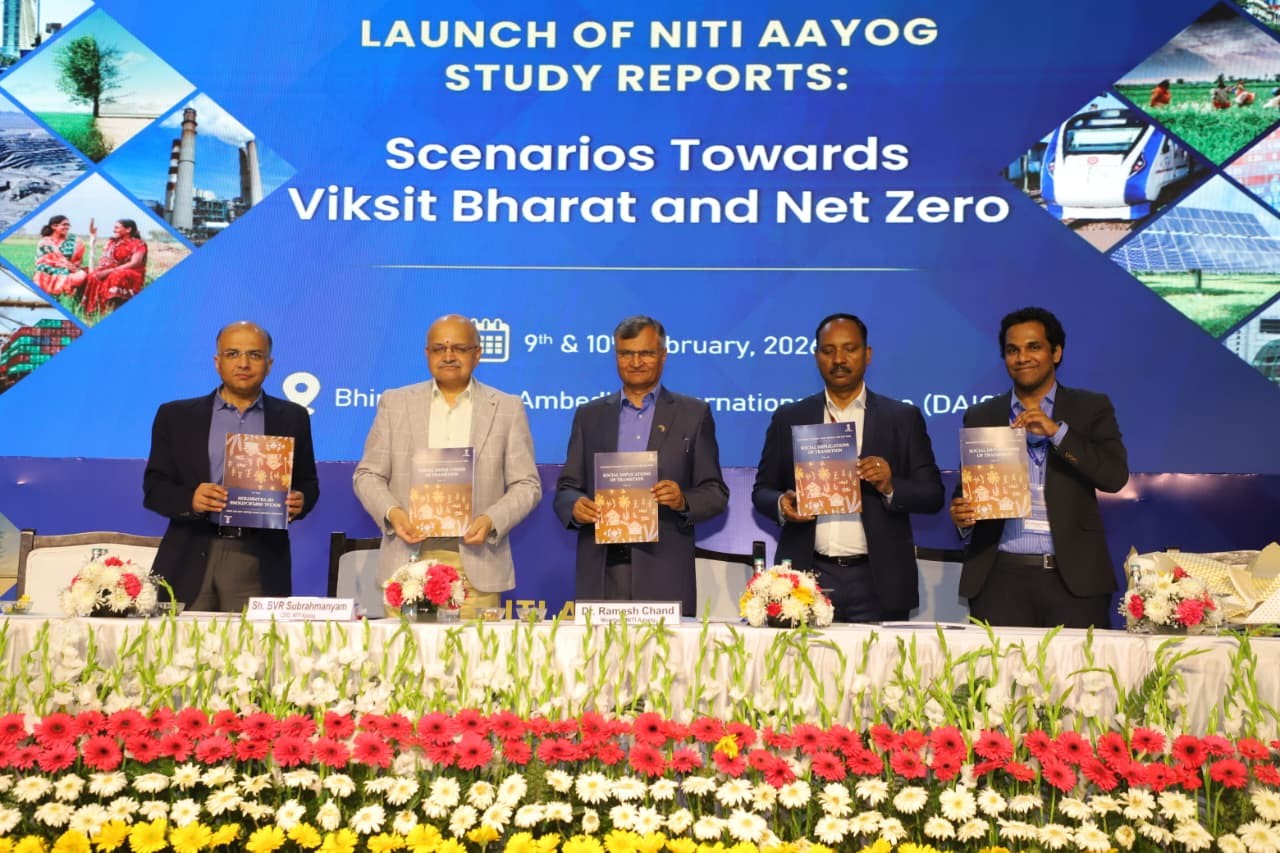
NEW DELHI : NITI Aayog is releasing eleven study reports on Scenarios towards Viksit Bharat and Net Zero on the 9th and 10th of February 2026. The final set of four reports were released on the afternoon of 10th February 2026 at an event held at the Ambedkar International Centre, New Delhi.

The reports were released in the presence of Dr. Ramesh Chand, Member, NITI Aayog; Sh. B.V.R. Subrahmanyam, CEO, NITI Aayog; Dr. Mangi Lal Jat, Secretary, Department of Agricultural Research and Education, and Director General, Indian Council of Agricultural Research (ICAR), with a virtual address by Dr. V. K. Paul, Member, NITI Aayog.

The following reports were released:

Scenarios Towards Viksit Bharat and Net Zero – Sectoral Insights: Buildings (Vol. 5)
This report highlights that roughly 86% of the building floor space that will exist in 2070 is yet to be built. By focusing on passive design, super-efficient appliances, and low-carbon materials, India can avoid locking in high energy demand and heat stress. This is critical as air-conditioner ownership is projected to jump from 10% today to 80% by 2070.

Scenarios Towards Viksit Bharat and Net Zero – Sectoral Insights: Agriculture (Vol. 6)
The transition strategy in this report emphasises ‘strategic sequencing’, where the primary focus is on resource efficiency such as micro-irrigation and fertiliser optimisation to directly boost farmer incomes and soil health before transitioning to large-scale energy substitution.

Scenarios Towards Viksit Bharat and Net Zero – Sectoral Insights: Waste (Vol. 8)
This report focuses on bridging structural gaps in the waste sector, through universal collection, 100% door-to-door segregation, and the large-scale adoption of bio-methanation. The report also highlights how by adopting waste-to-energy solutions, waste can be transformed into a resource such as Bio-CNG, compost, and treated wastewater, that contributes to soil health and circular urban economies.

Scenarios Towards Viksit Bharat and Net Zero- Social Implications of Transition (Vol. 11)
This report emphasises that the net-zero journey is a human-centric development project, not just a technical one. It highlights that the transition will reshape critical areas such as land use, employment, and migration patterns. The report also underscores the health benefits of the transition, such as reduced air pollution, and the necessity of building climate-ready health systems.

Following the release, a panel discussion was held on “Climate Transition and Social Implications Across Sectors”. The session was moderated by Sh. Madhav Pai, CEO, World Resources Institute (WRI) India. The panelists included Sh. Ashish Kumar Singh, Chief Mentor, Lodha Foundation; Smt. Uma Mahadevan, Development Commissioner, Government of Karnataka; Sh. Ajay Kumar Rastogi, Chairman, Taskforce on Sustainable Just Transition, Government of Jharkhand; and Dr. Shahidur Rashid, Director-South Asia, International Food Policy Research Institute (IFPRI).

In his address, Dr. Ramesh Chand, Member, NITI Aayog, shared “The relationship between climate change and agriculture is unique, as there is a two-way relationship between agriculture and climate change. Agriculture not only is a source of emissions but is also affected by emissions, and emissions from agriculture are invisible but emissions from other sectors are seen. We should keep in mind the vulnerability of the agriculture sector to climate change while mapping out path to Net Zero.”

Dr. V. K. Paul, Member, NITI Aayog, in his virtual address, said “While the aggregate requirements of the transition on land and water appear manageable, these demands have to be examined in the context of competing uses and socio-spatial dimensions. Climate change compounds these challenges with 40% of our districts facing high climate risks and impending implications for human health. The path to Net Zero is fundamentally a path to a more just, resilient, and prosperous India for our present and future generations.”

Sh. B.V.R. Subrahmanyam, CEO, NITI Aayog, observed “There is going to be a huge jump in space that we occupy. Buildings – office, commercial and residential – have to grow at a magnitude we have not seen in the past. Being a tropical country, cooling load will also go up with air conditioning ownership reaching almost 85%. There are solutions available – more efficient appliances, better building materials, better design. Buildings for 2070 need to be built with Net Zero goals in mind from the outset.”

Dr. Mangi Lal Jat, Secretary, Department of Agricultural Research and Education and Director General, ICAR, stated “Agriculture is both a source and a sink for emissions. Net Zero can contribute to the livelihoods of farmers through carbon credits and payments for ecosystem services, areas that are now booming in India. This report will help all stakeholders build resilience.”

The eleven reports being released by NITI Aayog detail the findings of India’s first government-led, multi-sectoral, integrated study to assess development scenarios that deliver on the Hon’ble Prime Minister’s vision Viksit Bharat 2047 while simultaneously reducing net green-house gas (GHG) emissions to zero by 2070.

NITI Aayog’s study entails a scenario-based analytic modelling exercise that integrates economic growth, India’s development priorities, and climate commitments. The study has been informed by ten inter-ministerial working groups that examined long-term transition scenarios across key domains like macroeconomic aspects of the transition; sectoral low carbon transition in power, transport, industry, buildings, and agriculture; financing for climate action; critical minerals; R&D and manufacturing; and the social implications of the transition. NITI Aayog undertook this comprehensive assessment to inform long-term policy planning.

Union Budget 2026-27: Building Champion MSMEs for a Global India

Union Budget 2026–27 Places MSMEs at the Centre of Growth

Micro, Small & Medium Enterprises (MSMEs) are of great importance in India’s economic development, serving as engines of growth and drivers of socio-economic progress. These enterprises are integral to job creation, particularly in rural and backward areas, contributing significantly to the reduction of unemployment and poverty. With over 7.47 crore enterprises employing over 32.82 crore persons, the sector holds its position as the second-largest employer after agriculture. The Union Budget 2026-27 highlights that MSMEs account for ~35.4% of manufacturing, ~48.58% of exports, and 31.1% of GDP in India.

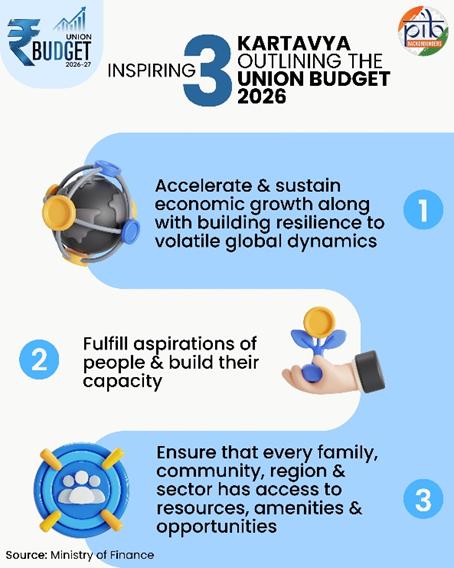
With a focused commitment to the poor, underprivileged, and disadvantaged, the Budget outlines three key Kartavyas: to accelerate and sustain economic growth; to fulfil the aspirations of the people; and to build capacities while ensuring that every family, community, region, and sector has equitable access to resources, amenities, and opportunities for meaningful participation in the nation’s development.

Under the first Kartavya, the Budget proposes a three-pronged approach to help MSMEs grow as champions, by providing equity support, enhancing liquidity, and strengthening access to professional and managerial expertise.

Budget Reforms and Strategic Initiatives for MSME Sector

The Ministry of Micro, Small & Medium Enterprises envisions a vibrant MSME sector by promoting its growth and development. It primarily supports states in promoting entrepreneurship, generating employment and livelihood opportunities, and strengthening the competitiveness of MSMEs. Over the years, the Budget outlay for the Ministry has been on a consistent rise, focusing on the long-term goal to enhance the performance of MSMEs through skill and entrepreneurship development.

The Union Budget 2026–27 introduces multiple measures to strengthen the MSME sector by enhancing financial support, promoting innovation, and easing regulatory compliance. Through these initiatives, the Government aims to improve the competitiveness of MSMEs in both domestic and global markets.

Three-pronged approach to help MSMEs grow as Champions under first Kartavya

Equity Support: Under equity support measures, a dedicated ₹10,000 crore SME Growth Fund has been announced to generate future champions by incentivizing enterprises based on defined eligibility criteria. In addition, the Self-Reliant India (SRI) Fund, established in 2021, will be increased with ₹2,000 crore to sustain support for micro enterprises and ensure continued access to risk capital. Notably, the SRI Fund has assisted 682 MSMEs by way of investment worth ₹15,442 crore (as of 30 November 2025).

Liquidity Support: On this front, ₹7 lakh+ crore has already been unlocked for MSMEs through the TReDS platform. To fully harness its potential, four key measures have been announced-

Mandate TReDS as the settlement platform for all purchases from MSMEs by CPSEs, setting a benchmark for other corporates.
Introduce CGTMSE-backed credit guarantee support for invoice discounting on TReDS platform.
Integrate GeM with TReDS to enable information-sharing with financiers on government MSME purchases, facilitating faster and cheaper credit.
Understanding TReDS

TReDS is an electronic platform facilitating financing, discounting of trade receivables of MSMEs via multiple financiers. The receivables can be due from corporates, other buyers, incl. Government Departments, PSUs.

Introduce TReDS receivables as asset-backed securities to deepen the secondary market, improve liquidity, and speed up settlements.

Professional support: As per the final approach, the Government will facilitate Professional Institutions such as ICAI, ICSI, ICMAI to design short-term, modular courses and practical tools to develop a cadre of ‘Corporate Mitras’, especially in Tier-II and Tier-III towns. These accredited para-professionals will help MSMEs meet compliance requirements at affordable costs.

Tax proposal to unlock global markets for India’s small businesses

The Budget proposes to remove the existing ₹10 lakh limit per consignment on courier exports, which is likely to reduce friction in cross-border B2C trade. This will help India’s small businesses, artisans, and start-ups reach global markets through e-commerce. It also aims to improve the handling of rejected and returned shipments by using technology to better track and identify such consignments.

Powering MSMEs: Policies Turning Potential into Performance

Udyam Registration Portal was launched in 2020 to enable ease of registration for MSMEs and have access to all schemes and benefits. The registration process remains free of cost, paperless and digital. Further, the Udyam Assist Platform (UAP) Portal on was launched in January 2023, for bringing Informal Micro Enterprises (IMEs) into the formal ambit, and for availing Priority Sector Lending (PSL) benefits.

The MSME sector witnessed a digital transformation milestone in 2025 with formalization on the rise. Over 7.30 crore enterprises have been registered on Udyam Registration Portal and Udyam Assist Platform, from 1 July 2020 to December 2025. This includes 4.37 registrations on the Udyam Portal and 2.92 crore on the Udyam Assist Platform.

The Prime Minister’s Employment Generation Programme (PMEGP)

PMEGP supports micro-entrepreneurs by offering margin money subsidies on bank loans. It has been expanded to include higher project costs and an enhanced scope of activities. Since inception (FY 2008-09), till FY 2025-26 (December 2025), 10.71 lakh+ micro enterprises have been assisted with disbursement of Margin Money subsidy of ₹29,249.43 crore, generating a total estimated employment for 87 lakh+ persons.

MSME Champions Scheme

The MSME Champions Scheme aims to identify and nurture select enterprises by upgrading their processes, minimizing inefficiencies, improving competitiveness, and supporting their growth to achieve excellence in both domestic and international markets.

It has three components- ‘MSME-Sustainable (ZED)’, ‘MSME Competitive (LEAN)’ and ‘MSME-Innovative (Incubation, Design & IPR). To bolster competitiveness, the MSME Champions Scheme promotes “Zero Defect, Zero Effect” practices through ZED Certification and productivity improvements via the MSME Competitive (Lean) Scheme. Innovation is also being institutionalized via the MSME-Innovative component, which enables incubation, design interventions, and protection of IPR (Intellectual Property Rights). 

A total of 2,71,373 MSMEs registered under MSME Sustainable (ZED) Certification Scheme & 1,92,689 enterprises were certified.A total of 32,077 MSMEs registered under MSME Competitive (LEAN) Scheme and 31,987 MSMEs took the Lean pledge, a “pre-commitment” to uphold values of Lean Practices & Philosophy. 

Initiatives for promoting e-commerce and supply chains

The rapid expansion of the ONDC (Open Network for Digital Commerce) ecosystem, along with the TEAM (Trade Enablement and Marketing) Initiative- which targets onboarding 5 lakh MSMEs-provides a transformative pathway for MSMEs to integrate into formal e-commerce and supply chains while significantly lowering transaction costs.

Online Dispute Resolution (ODR) 

Government accelerates implementation of new maritime laws through comprehensive rule-making and stakeholder consultations

NEW DELHI : In a significant step towards strengthening India’s maritime regulatory framework, the Government has initiated an extensive rule-making and institutional preparedness exercise to ensure the timely and effective implementation of the newly enacted maritime legislations — the Coastal Shipping Act 2025, Merchant Shipping Act 2025, and Indian Ports Act 2025.

The rule-making process has been undertaken through a structured and inclusive consultative approach, ensuring active participation of all key stakeholders at the drafting stage itself.

Robust Institutional and Capacity-Building Measures

To facilitate smooth implementation, the following measures have been undertaken:

Fourteen (14) Technical Committees comprising Nodal Officers from the Directorate General of Shipping (DGS) and industry experts have been constituted for drafting rules under the Merchant Shipping Act, 2025 and the Coastal Shipping Act, 2025.

Twelve (12) Committees are currently finalising draft rules under the Merchant Shipping Act, 2025.

Two (02) Committees have been tasked with drafting rules under the Coastal Shipping Act, 2025.

Four (04) Consultative Meetings were conducted with stakeholders for rule-making under the Indian Ports Act, 2025.

Legal consultants have been engaged to ensure clarity and simplicity in the drafting of rules.

A dedicated Legal Vertical has been established within the Directorate General of Shipping to streamline legal processes and support timely implementation.

Extensive Stakeholder Consultations

The rule-making exercise has involved wide-ranging consultations with major maritime stakeholders, including:

Shipowners and Operators

Seafarers’ Associations

Maritime Training & Education Institutions

Classification Societies

Ports and State Maritime Boards

Ship Management and Offshore Services

Coastal, Inland and Sailing Vessel Sector Associations

Legal Experts and Government Departments

The Draft Merchant Shipping Rules were placed on the DGS website on 12.12.2025 and subsequently on the Ministry’s website on 24.12.2025, 26.12.2025, and 22.01.2026 for public and stakeholder comments.

In compliance with Section 39(1) of the Coastal Shipping Act, 2025, the Draft Coastal Shipping (Licensing of Foreign Vessels) Rules, 2026 and Draft Coastal Shipping (Strategy and National Database) Rules, 2026 were published in the Gazette of India on 19.12.2025, inviting suggestions and observations. These drafts were also uploaded on the Ministry’s website on 26.12.2025 for public consultation.

Further, Draft Indian Ports Rules under Sections 76 and 78 of the Indian Ports Act, 2025 were published in the Gazette of India on 23.01.2026. The Ministry engaged with Major Port Authorities, State Maritime Boards, and industry bodies during the drafting process.

Acts Brought into Force

As no rules were required under the Bills of Lading Act, 2025 and the Carriage of Goods by Sea Act, 2025, both Acts have come into force with effect from 10 September 2025.

Continuous Review Mechanism

The Government reiterated that the review of maritime laws and rules remains a continuous and dynamic process. Amendments and refinements are undertaken based on stakeholder inputs, complaints, research findings, and expert recommendations to ensure that India’s maritime legal framework remains responsive, transparent, and globally competitive.

CISF’s Vande Mataram Coastal Cyclothon–2026 arrives in Mumbai

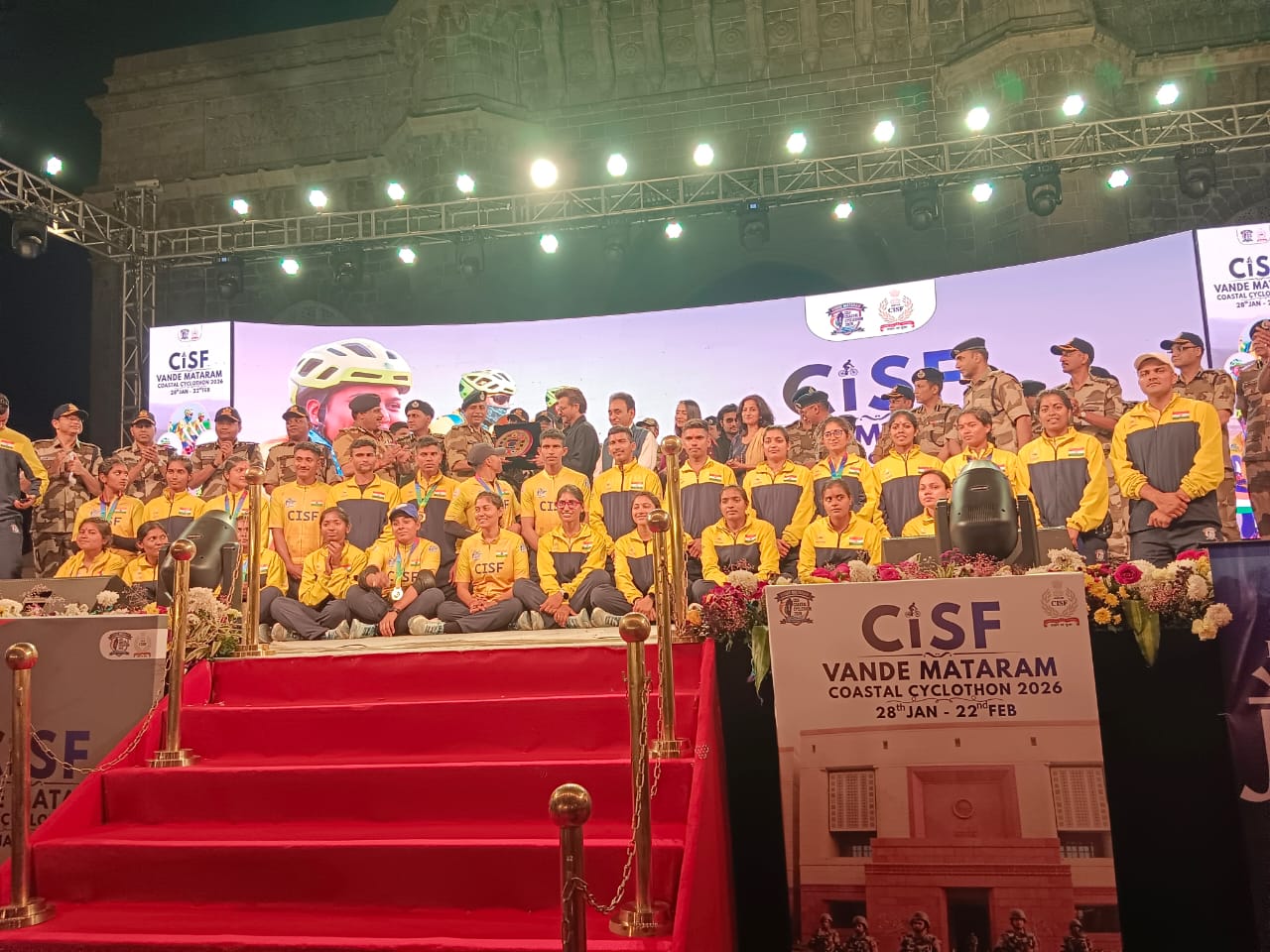
MUMBAI : The Central Industrial Security Force (CISF) Vande Mataram Coastal Cyclothon–2026, a historic 6,500-kilometre expedition, arrived in Mumbai on Wednesday (11 February 2026).

The arrival was marked by a grand welcome, with the Bandra-Worli Sea Link illuminated with Cyclothon visuals, reinforcing the message of coastal vigilance across the city. Addressing the gathering at the Gateway of India, Director General, CISF, Shri Praveer Ranjan said that as the nation commemorates 150 years of the iconic ‘Vande Mataram’, the initiative has generated renewed awareness about the Blue Economy, anti-drug trafficking and maritime vigilance, particularly among youth and fisherfolk in Maharashtra. He said the enthusiastic response in Mumbai reflects the shared commitment of citizens and security forces towards building a secure and prosperous maritime India.

The main event witnessed the presence of sports personalities, members of the film fraternity, senior ministers and state officials who joined hands to promote the cause of maritime security.

Beyond promoting fitness and patriotism, the Cyclothon with its motto – “Surakshit Tat, Samriddh Bharat” aligns with India’s strategic maritime security framework.

CISF has been designated as the Recognised Security Organisation (RSO) under the International Ship and Port Facility Security (ISPS) Code, strengthening its role in port and coastal security in line with the Prime Minister’s vision of SAGAR — “Security and Growth for All in the Region”

As part of sustained outreach, CISF has announced the adoption of 52 coastal villages for year-long engagement. In coordination with stakeholders such as ONGC and Port Authorities, community welfare and infrastructure initiatives will be undertaken through CSR programmes. Cyclists also interacted with fisherfolk as “Tat Praharis”, promoting awareness on the Blue Economy and anti-drug vigilance. With 50 per cent women participants and environmental initiatives along the coast, the Cyclothon will culminate at Kochi on February 22, 2026.

The event was supported by key stakeholders, including ONGC and BPCL, reflecting a whole-of-nation approach to coastal security.

ZIM to be sold to Hapag-Lloyd for over $3 billion

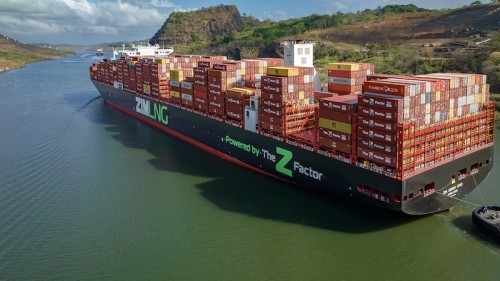
HAIFA : ZIM will be sold to German shipping giant Hapag-Lloyd in a deal worth over $3 billion, according to media reports. The deal, which has been under discussion for some six months, reports.

The newspaper says the parties have agreed on the details of the deal, which is expected to be signed soon. According to Calcalist, Hapag-Lloyd will purchase all of ZIM’s shares, leading to the Israeli firm’s delisting from the New York Stock Exchange.

The newspaper says the agreement is slightly unconventional, in that Hapag-Lloyd will take over the international operations while FIMI will control ZIM’s Israeli operations, rather than a more standard equity partnership.

The Globes financial newspaper says that workers unions are expected to meet with management in the coming hours after they were “surprised” to hear about the closing of the deal. According to Globes, there is a possibility of industrial action.

The Israeli government holds a so-called “golden share” in ZIM, giving it special rights.

According to Calcalist, the golden share provision in this case means that ZIM’s management must stay in Israel and a certain number of ships must remain Israeli-owned to ensure maritime traffic continues even in times of war.

PM Modi addresses ET Now Global Business Summit 2026

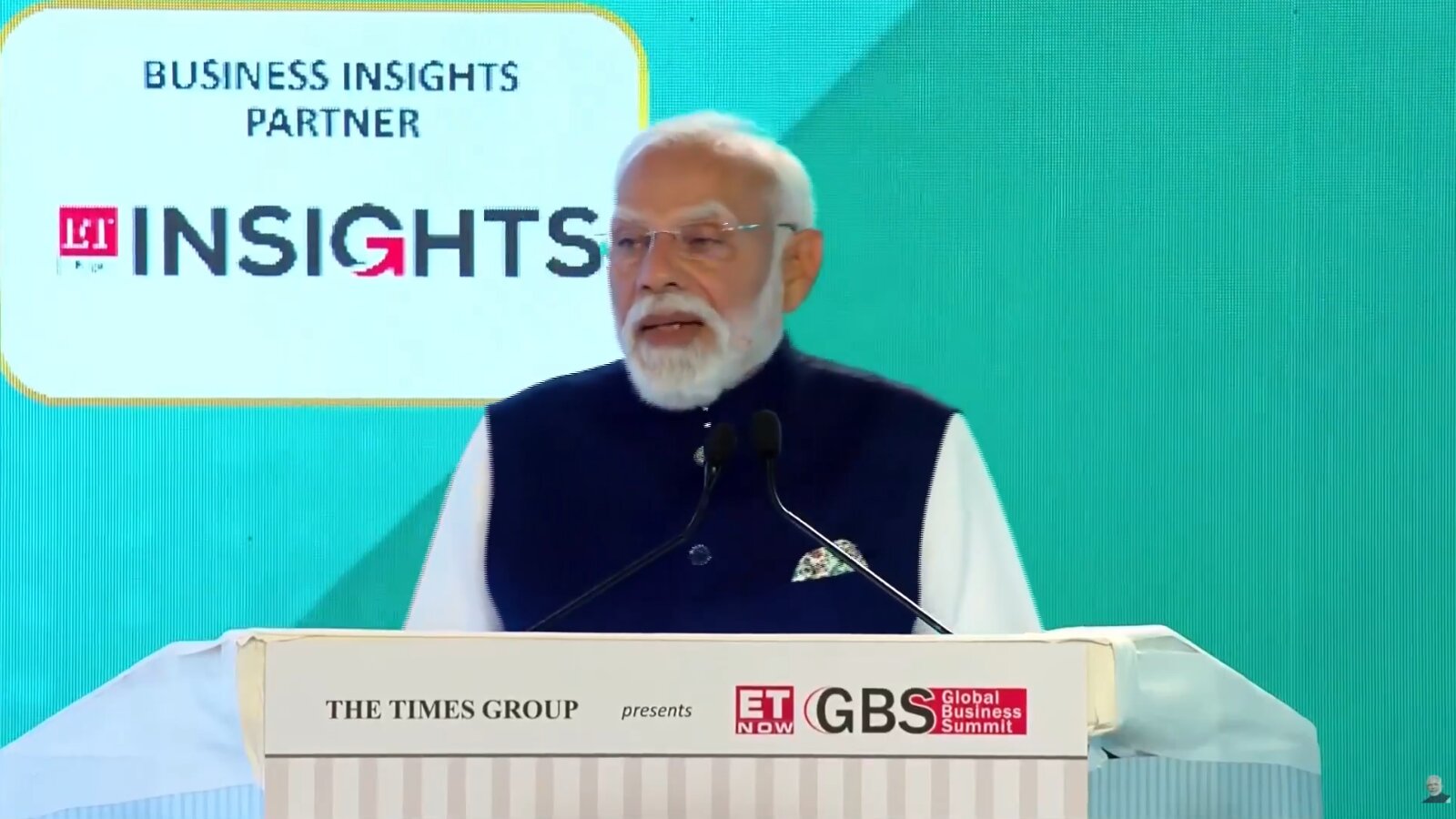
NEW DELHI : Prime Minister Shri Narendra Modi addressed the ET Now Global Business Summit 2026 in New Delhi on Friday. Speaking on the occasion, the Prime Minister extended greetings to all present at the Global Business Summit and remarked on the theme, – ‘A Decade of Disruption, A Century of Change’. He highlighted that the past decade of the 21st century has witnessed unprecedented disruptions, including the global pandemic, tension and wars in different regions, and supply chain breakdowns that shook global balance. He emphasized that crises reveal the true strength of a nation and expressed pride that despite these disruptions, India’s decade has been marked by remarkable development, outstanding delivery, and the strengthening of democracy. Shri Modi recalled that when the last decade began, India was the eleventh largest economy, and amidst turmoil there were fears of decline, but today India is rapidly advancing to become the world’s third largest economy. Underlining that India will be a major foundation for the Century of Change, Shri Modi noted that India currently contributes more than sixteen percent to global growth and expressed confidence that this contribution will continue to rise year after year. He affirmed that India will drive global growth and emerge as the new engine of the world economy.

The Prime Minister remarked that after the Second World War, a new global order had emerged, but seven decades later that arrangement is breaking down and the world is moving towards a new order. He questioned why this is happening and explained that the earlier system was built on a One Size Fits All approach. He noted that it was assumed the world economy would remain at the core, supply chains would stay strong and reliable, and nations would be seen only as contributors. He highlighted that this model has now been challenged and is losing relevance, with every country realizing it must build its own resilience.

Shri Modi emphasized that what the world is discussing today, India had already made part of its policy in 2015. He recalled that when NITI Aayog was established a decade ago, its founding document clearly set out India’s vision—that the country would not import a single development model from abroad but would pursue its own approach to development. He underlined that this policy gave India the confidence to take decisions according to its own requirements and interests. He stressed that this has been a major reason why, even in a decade of disruptions, India’s economy did not weaken but continued to grow stronger.

“In this decade of the 21st century, India is riding the Reform Express”, exclaimed the Prime Minister, stating that its greatest strength lies in the fact that reforms are being driven not by compulsion but by conviction and commitment. He highlighted that experts and economic leaders present have witnessed the pre-2014 era when reforms were undertaken only under crisis or compulsion. He recalled that the 1991 reforms came when the country faced bankruptcy and had to mortgage gold, and noted that earlier governments followed the same pattern—introducing reforms only when forced. Shri Modi further cited examples such as the formation of NIA after the 26/11 terror attack, reforms in the power sector only after grid failures, and the Food Security Act introduced when inflation soared and hunger spread in tribal areas, yet even then it was poorly implemented. The Prime Minister emphasized that reforms born out of compulsion never yield proper results for the nation. He expressed pride that in the past eleven years, reforms have been carried out with conviction, across policy, process, delivery, and even mindset. He stressed that if policy changes but processes and mindset remain the same, reforms remain only on paper, which is why his government worked to transform the entire system. Shri Modi elaborated on process reforms, citing the example of cabinet notes, which earlier took weeks or months to prepare, slowing development. His government made decision-making time-bound and technology-driven, ensuring that files could not remain pending indefinitely, and the results are visible today.

Citing the example of railway over-bridge approvals, which earlier took years and required multiple clearances, Shri Modi said it has now been streamlined, leading to rapid infrastructure growth. He also highlighted border infrastructure, recalling that earlier even a simple road in border areas required permissions from Delhi, creating barriers for local decision-making. Post-2014, his government empowered local administration, resulting in fast-paced border infrastructure development.

The Prime Minister underscored that one reform which has created global impact is UPI, India’s digital payment system, which is not just an app but proof of convergence of policy, process, and delivery. He noted that UPI has brought banking and financial benefits to citizens who never imagined access to such services. Shri Modi further emphasized that Digital India, the digital payment system, and the Jan Dhan-Aadhaar-Mobile trinity were not born out of compulsion but conviction, driven by the vision of including citizens who were earlier left out. He affirmed that even today, the government continues to move forward with the same conviction.

Underlining that India’s new outlook is reflected in the budget as well, the Prime Minister highlighted that earlier discussions around the budget focused only on outlay—how much money was allocated, what became cheaper or costlier, how many new trains were announced—without questioning the outcomes of those announcements. He emphasized that his government made the budget outcome-centric along with outlay-centric. Shri Modi noted another major change in Budget, stating that before 2014, off-budget borrowing dominated discussions, whereas now off-budget reforms are the focus. He recalled reforms outside the budget such as next-generation GST, the creation of NITI Aayog in place of the Planning Commission, the abrogation of Article 370, the law against triple talaq, and the enactment of the Nari Shakti Vandan Adhiniyam. The Prime Minister underlined that whether announced in the budget or outside it, the Reform Express continues to gain momentum. He pointed out that in just the past year, reforms were carried out in the ports and maritime sector, initiatives were taken for the shipbuilding industry, reforms were advanced under the Jan Vishwas Act, the SHANTI Act was introduced for energy security, labor law reforms were implemented, the Bharatiya Nyaya Sanhita was brought in, reforms were made in the Waqf Act, and a new Viksit Bharat G RAM G bill was enacted to generate rural employment. He stressed that numerous such reforms have been consistently undertaken throughout the year.

The Prime Minister remarked that this year’s budget has further advanced the Reform Express and emphasized two important factors—capital expenditure and technology. He highlighted that, as in previous years, infrastructure spending has been increased to nearly 17 lakh crore rupees, noting the significant multiplier effect of capex in boosting capacity, productivity, and job creation across multiple sectors. He pointed to announcements such as the construction of five university townships, the development of city economic regions for tier-2 and tier-3 cities, and seven new high-speed rail corridors, describing them as true investments in the youth and the future of the nation.

Underscoring that over the past decade, technology and innovation have been recognized as core drivers of growth, with the promotion of startup and hackathon culture, Shri Modi noted that India now has more than two lakh registered startups working across diverse sectors. He added that the government has encouraged risk-taking and rewarded innovation, with visible results. He stated that this year’s budget strengthens these priorities, particularly with significant announcements for sectors such as biopharma, semiconductors, and artificial intelligence.

The Prime Minister further remarked that as India’s economic strength has grown, the government has also empowered states. He cited figures showing that between 2004 and 2014, states received around 18 lakh crore rupees through tax devolution, whereas from 2014 to 2025, states have already received 84 lakh crore rupees. He added that with the nearly 14 lakh crore rupees proposed in this year’s budget, the total tax devolution to states under his government will reach close to 100 lakh crore rupees, enabling state governments to advance development work across the country.

The Prime Minister remarked that India’s free trade agreements are being widely discussed and analyzed globally, but he offered an important perspective on why such deals were not possible before 2014. He questioned why, despite the same country, youth power, and government system, comprehensive trade deals with developed nations were absent earlier. He explained that the change lies in the government’s vision, policy, intent, and India’s enhanced strength. He highlighted that during the period when India was counted among the Fragile Five economies, suffering from policy paralysis and surrounded by scams, no country was willing to trust India. Shri Modi noted that before 2014, India’s manufacturing base was weak, and earlier governments feared that trade deals with developed nations would lead to market capture and product dumping. He recalled that in that atmosphere of despair, the previous government managed only four comprehensive trade agreements. In contrast, he emphasized that in the past decade India has concluded trade deals covering 38 countries across diverse regions. The Prime Minister underlined that today’s India is confident, ready to compete globally, and has built a strong manufacturing ecosystem over the past eleven years. He affirmed that this strength and empowerment have earned the trust of the world, forming the basis of a paradigm shift in India’s trade policy, which has become an essential pillar of the journey towards a developed India.

Underlining that the government is working with full sensitivity to make every citizen a participant in development, prioritizing those who were left behind, Shri Modi highlighted that earlier governments only made announcements for Divyang citizens, but their government institutionalized Indian Sign Language as an example of true sensitivity. He noted that the transgender community had long struggled for rights, and their government enacted a law to provide them dignity and protection. He emphasized that in the past decade, millions of women were freed from the practice of triple talaq, and reservation for women in Lok Sabha and state assemblies was secured. The Prime Minister underlined that the mindset of government machinery has also changed, becoming more sensitive, which is evident in schemes like free ration distribution. He criticized the opposition for mocking the scheme, pointing out that while 25 crore people have come out of poverty, free ration ensures that those entering the neo-middle class do not fall back into poverty. He stated that the government has spent lakhs of crores on this scheme, providing immense support to the poor and neo-middle class.

Shri Modi further remarked on the difference in vision, noting that some question why he speaks of 2047 and developed India, dismissing it as uncertain. He countered that if freedom fighters had thought similarly, India would never have achieved independence. He stressed that when the nation comes first, every decision and policy is for the country. The Prime Minister affirmed that the government’s vision is clear—to continuously work towards making India developed. He added that whether or not today’s generation remains till 2047, the nation and its future generations will, and therefore it is the duty of the present to dedicate itself so that the future is secure and bright.

The Prime Minister remarked that the world must now be prepared to live with disruptions, noting that their nature will continue to evolve but systems will change rapidly. He highlighted the disruptions already visible due to artificial intelligence and emphasized that AI will bring even more revolutionary changes in the future, for which India is ready. Shri Modi announced that in a few days, the Global AI Impact Summit will be held in India, with participation from numerous countries and technology leaders from across the world. He concluded by affirming that together, efforts will continue to build a better world and, with this confidence, extended his best wishes for the success of the Summit.

DP World Chairman quits after Epstein links revealed

DUBAI : The head of global ports operator DP World has left the company after mounting pressure over his links to convicted sex offender Jeffrey Epstein. Sultan Ahmed bin Sulayem’s exit as Chairman and Chief Executive comes after newly-released files showed the Emirati mogul appears to have exchanged hundreds of emails with Epstein over a decade.

Being mentioned in the files is not a sign of any wrongdoing, and the BBC has approached Sulayem for a comment.

DP World announced his resignation, “effective immediately”, on Friday, naming Essa Kazim as Chairman and Yuvraj Narayan as CEO. A photograph of Sulayem appeared to have been removed from its website.

DP World, the Dubai-owned logistics giant that runs port terminals across six continents and plays a significant role in global trade infrastructure, has come under increasing pressure over recent days from businesses it works with.

Earlier this week, the UK development finance agency and Canada’s second largest pension fund La Caisse said they were suspending new investment into the firm.

And the Prince of Wales’ Earthshot project, which received funding from DP World, was reported to the UK Charity Commission after Sulayem appeared in the files.

The documents reveal what appears to have been a close and wide-ranging relationship between one of the Gulf’s most influential business figures and Epstein.

They indicate Epstein introduced Sulayem to various international figures from politics and business by email, and that Sulayem gave the Prince of Wales a tour of DP World’s London Gateway port in 2016.

Sulayem was also accused by two US lawmakers, Ro Khanna and Thomas Massie, of being one of “six powerful men” who were associated with the disgraced financier.

The congressmen, who co-sponsored the law that compelled the justice department to release the Epstein files last year, say they were improperly redacted.

Source : BBC

Among the redactions flagged by Massie on 9 February was a document appearing to show an email from Epstein in 2009 referring to a “torture video”. The recipient replied that they would be travelling between China and the US. The context is not known.

US officials disclosed that Sulayem was the recipient behind that email from Epstein.

‘Trusted friends’
According to a BBC News Arabic analysis of the documents, the emails appear to indicate Sulayem appears to have been in contact with Epstein as far back as 2007.

The trail of emails suggest the two developed a close friendship, regularly sending each other their travel plans, business ideas and contacts as well as news articles and crude jokes.

Epstein described Sulayem as “one of his most trusted friends” in an email from June 2013. The men discussed business ideas around the world, including for Dubai to launch an “Islamic” digital currency.

Meanwhile, in several emails over the years, it would appear Sulayem sought Epstein’s advice on health matters concerning himself, his daughter and his wider family and friends.

They apparently stayed in touch until at least 2017, two years before Epstein’s death and despite Epstein’s first criminal conviction in 2008 for soliciting and procuring a person under the age of 18 for prostitution.

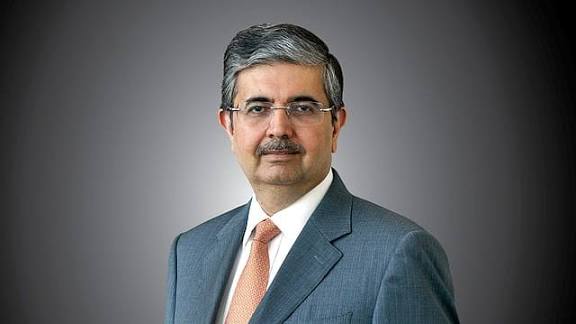
Veteran Banker Uday Kotak appointed as the Chairman of the GIFT City by Gujarat Govt

GANDHINAGAR : India’s western state of Gujarat has appointed veteran banker Uday Kotak as the Chairman of GIFT City, replacing former bureaucrat Hasmukh Adhia, according to a notice by the state government. Gujarat International Finance Tec-City, or GIFT City, offers easier tax rules and regulations as it seeks to attract global capital to compete with financial centres such as Singapore and Dubai.

Earlier this month, India’s federal government doubled the tax holiday for businesses establishing operations in GIFT City to 20 years.

Uday Kotak is the largest shareholder in India’s Kotak Mahindra Bank and his financial empire includes an alternative investment business, asset management and insurance, among others.

Source : Reuters

DFCCIL reviews strategic collaboration with World Bank to accelerate freight infrastructure development

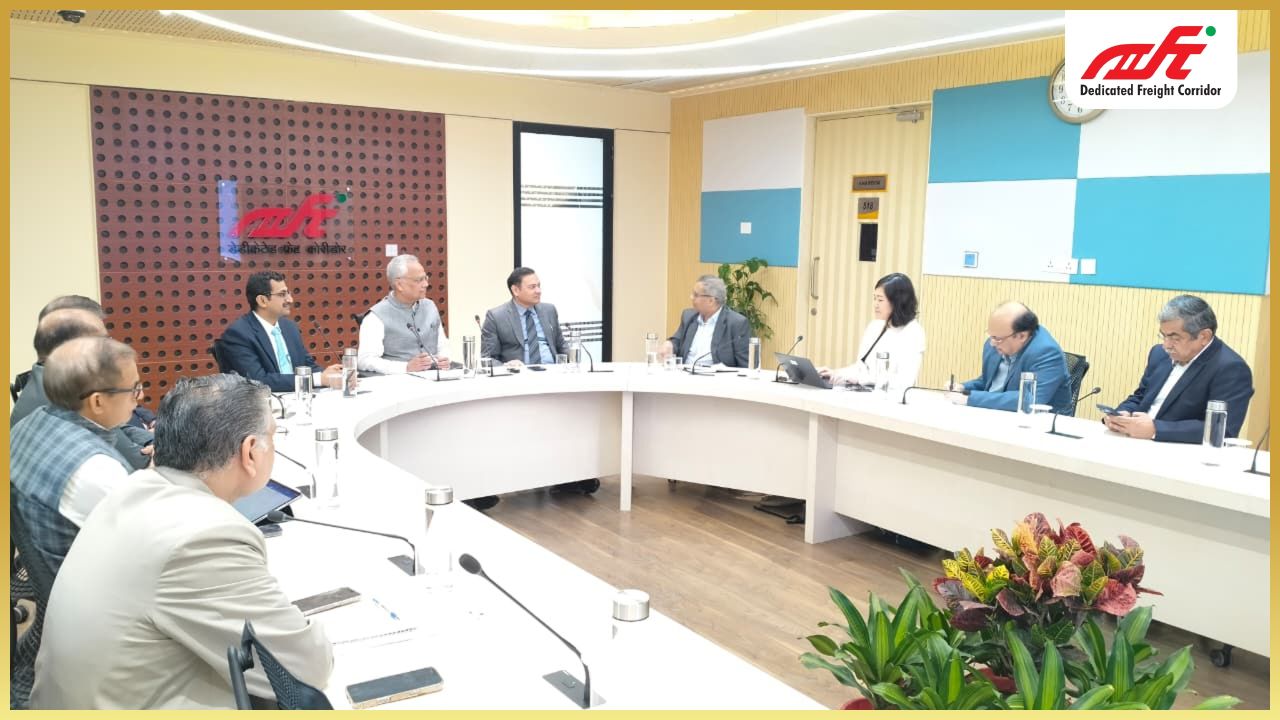
NEW DELHI : Shri. Praveen Kumar, Managing Director of Dedicated Freight Corridor Corporation of India Limited (DFCCIL), held a high-level meeting with representatives of the World Bank, led by Shri. Pankaj Gupta, Regional Practice Director, to review the progress of ongoing collaboration and explore future avenues of partnership.

The meeting focused on assessing the implementation status of key projects supported under the DFCCIL–World Bank engagement and identifying strategic priorities for the next phase of freight infrastructure development in India. Discussions underscored the shared commitment to enhancing operational efficiency, strengthening institutional capacity, and accelerating sustainable logistics growth.

Senior DFCCIL officials present during the meeting included Sh. Pawan Kumar Rai, Director (Projects & Planning); Sh. Rahul Kapoor, Director (Finance); Sh. Manish Kumar Awasthy, Executive Director (Infrastructure); Sh. Ajay Kumar, Executive Director (Asset Management); Sh. Sanjeev Gupta, Executive Director (Finance); and Sh. Nitin Bansal, GGM (Operations).

The World Bank delegation comprised Ms. Jen Jung Eun Oh, Practice Manager (Transport), and Mr. Arnab Bandyopadhyaya, Lead Transport Specialist.

The interaction provided a valuable platform to exchange perspectives, share global best practices, and deliberate on innovative financing and project management approaches. Both sides reiterated their commitment to deepening cooperation to support India’s evolving freight ecosystem, enhance multimodal connectivity, and strengthen long-term infrastructure resilience.

The continued collaboration between DFCCIL and the World Bank is expected to play a pivotal role in advancing dedicated freight corridors, improving logistics efficiency, and reinforcing India’s position as a globally competitive supply chain hub.

Ivey Publishing Features Allcargo Group’s Breakthrough Case Study on Data-driven Customer Retention Management

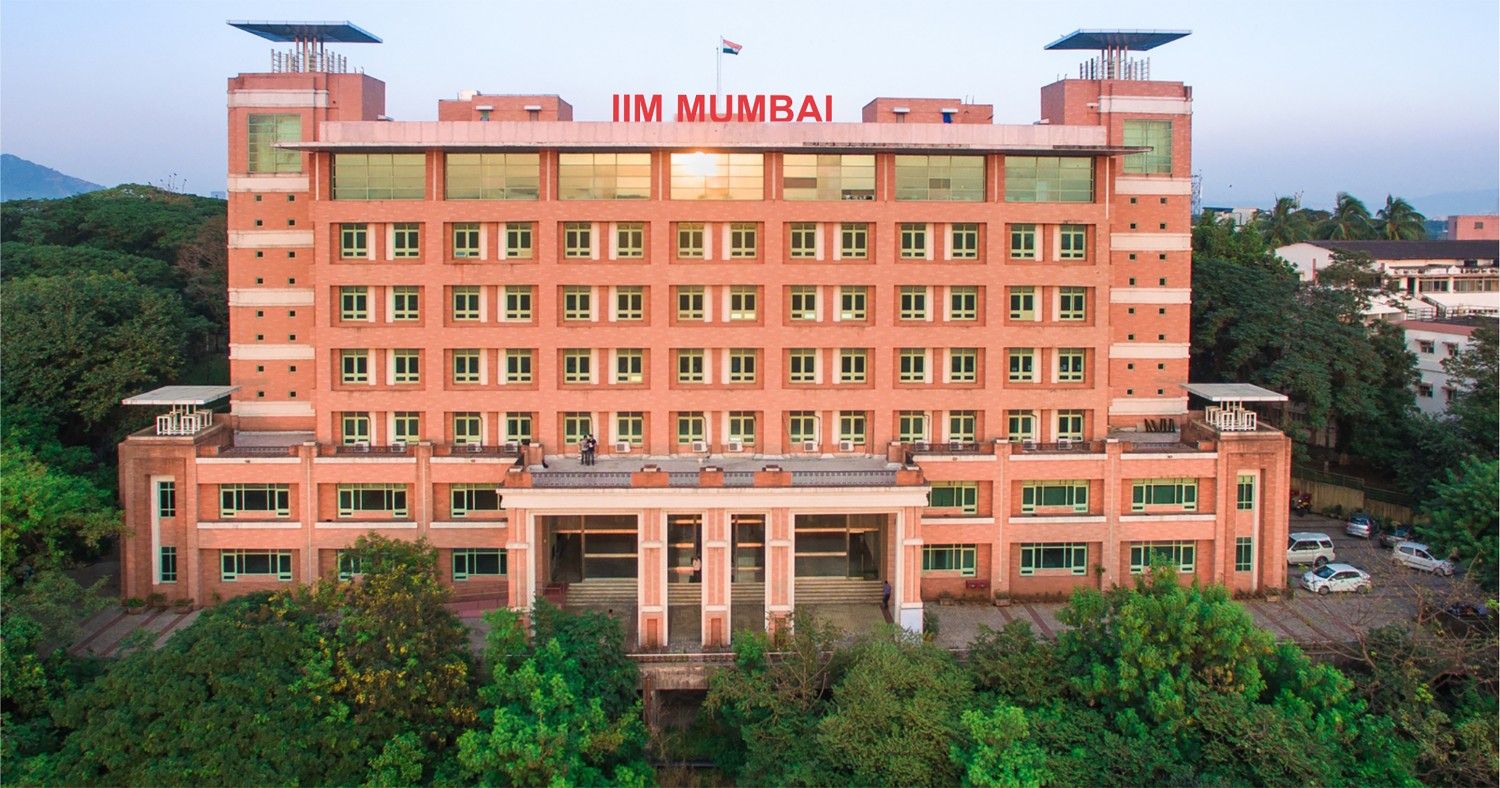
MUMBAI: ECU Worldwide, a global leader in LCL consolidation and a wholly-owned subsidiary of the newly formed Allcargo Global — following the demerger of the International Supply Chain (ISC) business from Allcargo Logistics — has announced that its global case study titled “ECU Worldwide: Data-Driven Customer Retention Management” has been featured by the prestigious Ivey Publishing, a global leader in business case studies creation and distribution. Developed by a research team at IIM Mumbai, led by Prof. Manoj K. Tiwari, Director, IIM Mumbai, the case highlights ECU Worldwide’s pioneering analytics-driven customer retention initiative led by Vaishnav Shetty, recently designated as Deputy Managing Director at Allcargo Global & Group Chief Digital Officer, along with Shloka Shetty, Head of Innovation, Allcargo Group.

Link to the Ivey Case Study – ECU Worldwide: Data-Driven Customer Retention Management

The customer retention project undertaken in 2024 enhanced profitability by reducing the ECU Worldwide’s customer churn which was at par with the global industry average at that time. The initiative gained even greater significance amid global disruptions which adversely impacted shipping operations and raised freight rates. The company opted for an analytics-driven approach to address the inefficiency, categorising customers by risk profile and forecasting churn to improve retention and sustain competitive edge.

The case study captures deep insights of the project, demonstrating how machine learning algorithms and the latest AI tools and techniques led to the drastic reduction of customer churn and enhanced active customer base. As part of this project, ECU Worldwide integrated customer relationship management (CRM) systems with cloud computing to automate data flow and streamline processes. This advanced digital technology intervention significantly improved decision-making and operational efficiency apart from enhancing the digital customer experience through personalised and responsive engagements, leading to increased customer satisfaction and loyalty of ECU Worldwide.

VaishnavShettyDeputyManagingDirectorAllcargoGlobal Ivey Publishing Features Allcargo Group’s Breakthrough Case Study on Data-driven Customer Retention Management

Commenting on the recognition, Vaishnav Shetty, Deputy Managing Director at Allcargo Global & Chief Digital Officer, Allcargo Group said, “Our customer retention project is a pioneering initiative, reflecting the transformative potential of technology. This case study will inspire future business leaders and encourage other enterprises to adopt digital transformation, supporting India’s vision for a developed future. We firmly believe that advanced analytics and AI can unlock immense value for customers while shaping future-ready business models. The success story sets a benchmark for other businesses, demonstrating the transformative power of digitalization. Allcargo Group’s digitalisation initiatives in line with the National Skill Development Mission impart advanced skills in data analytics, CRM, and cloud computing among the group’s professionals. By inspiring innovation and efficiency, Allcargo Group aims to contribute to the Viksit Bharat 2047 mission.”

Prof. Manoj Tiwari Director IIM Mumbai Ivey Publishing Features Allcargo Group’s Breakthrough Case Study on Data-driven Customer Retention Management

Commenting on the global case study, Prof. Manoj K. Tiwari, Director, IIM Mumbai said, “We have developed the global case study to offer invaluable insights to aspiring leaders in logistics and supply chain management by exemplifying how data-driven decision-making can drive strategic initiatives and operational excellence. It will benefit the future leaders immensely by offering guidance on reducing churn and enhancing customer loyalty for sustainable growth while underlining the necessity to embrace technological advancements to stay competitive.”

About ECU Worldwide

Founded in 1987, ECU Worldwide, is one of the major players in multi-modal transport and a global leader in LCL consolidation. ECU Worldwide is powered by the vision of a digital first approach and backed by passionate leadership with expertise in logistics, data science and technology. ECU Worldwide’s digital platform, ECU360 delivers a customer-centric digital logistics experience that enables end-to-end shipping services at the click of a button. The company boasts of more than 300+ offices, across 180 countries, with over 2400 direct trade lanes, converging their international standard expertise across continents. ECU Worldwide practices highest level of Environment, Social and Corporate Governance in line with the United Nations’ Sustainable Development Goals (UNSDGs), Global Reporting Initiative (GRI) 2021 Standards and have set out to achieve carbon neutrality and adopt 100% renewable energy at all owned facilities by 2040.

About Indian Institute of Management Mumbai (IIM)

Formerly known as NITIE, Indian Institute of Management Mumbai (IIM Mumbai), established by the Government of India in 1963 in the financial capital of the country, has been consistently ranking among the top B-schools in India. With around 1,200 students across various programs, IIM Mumbai is a leader in management education in the country and ranked 6th in the National Institutional Ranking Framework (NIRF) for 2024 among Management institutes across India. IIM Mumbai is committed to creating skilled professionals in diverse functional areas like Operations Management, Analytics, Finance, Marketing, Project Management, HR, Information Technology, and Sustainability Management.