Home Blog Page 436

Reset ambitions for trillion-dollar tech future by 2035, embrace AI and clean energy: Piyush Goyal to Industry

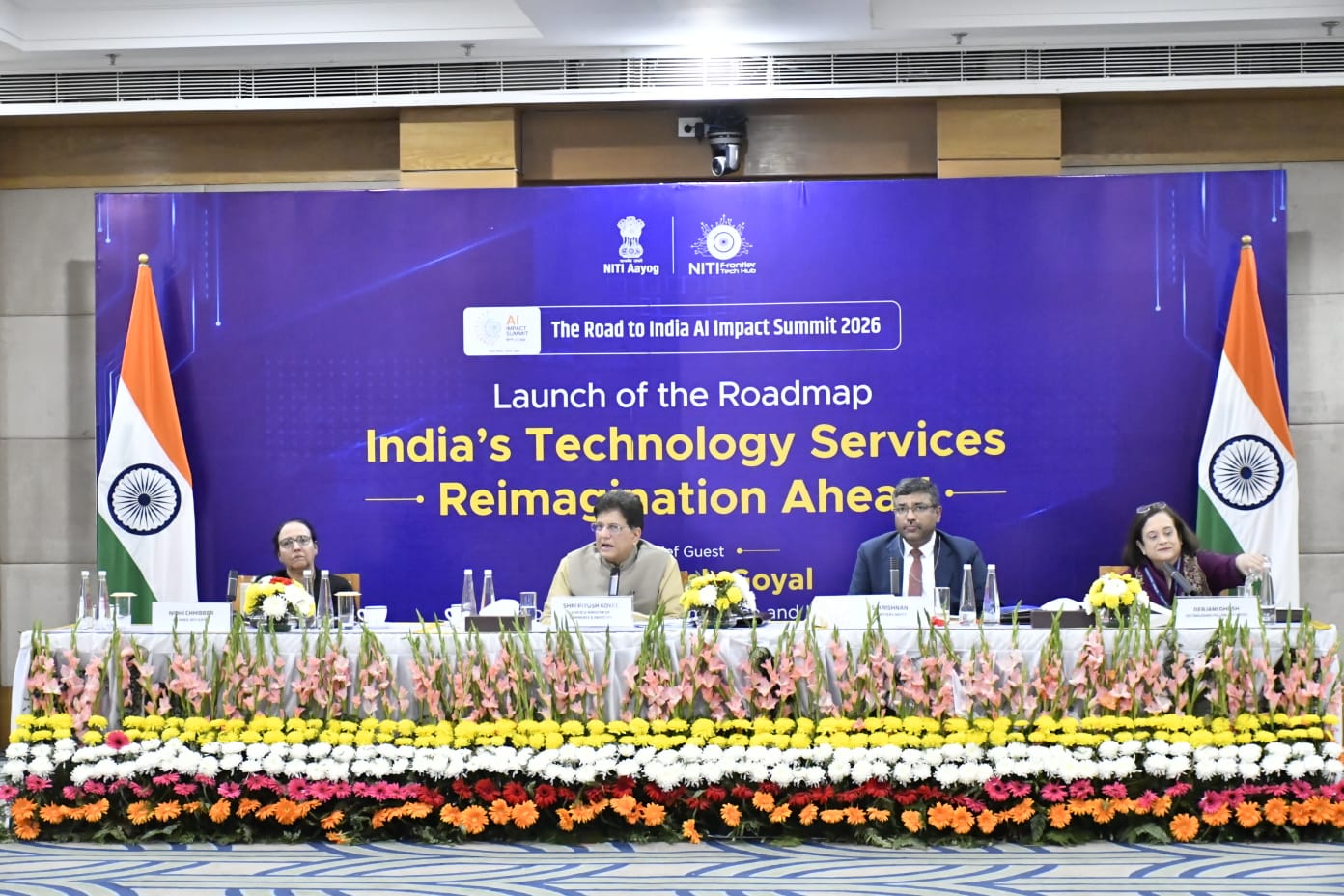
NEW DELHI : Calling upon India’s technology sector to reset its ambitions towards a trillion-dollar opportunity by 2035, Union Minister of Commerce and Industry Shri Piyush Goyal said the industry must embrace reimagination to stay ahead in an era defined by artificial intelligence, data centres and clean energy.

Launching the NITI Frontier Tech Hub’s roadmap report titled “Reimagination Ahead” in New Delhi, the Minister said India should target at least 10 GW of data centre capacity by 2030 and position itself as a global hub for AI-driven technology services. He emphasized that the future lies in applied AI, reskilling at scale, domestic value creation and retaining talent within the country.

Shri Goyal highlighted that India’s nearly one billion internet users, among the world’s highest per capita data consumption, and rapid AI adoption provide a strong foundation for expansion. Affordable data, 5G rollout and upcoming 6G capabilities have strengthened India’s digital ecosystem, enabling the growth of a $250–$300 billion technology services industry.

He underlined that robust infrastructure reforms have powered this rise. Recalling the New Telecom Policy of 1999 under Prime Minister Shri Atal Bihari Vajpayee, he noted that affordable connectivity laid the groundwork for digital transformation. He also cited the post-2014 strengthening of India’s unified national power grid, which now has 500 GW installed capacity, including 250 GW of clean energy.

Renewable energy capacity has expanded rapidly, supported by transparent reverse bidding that brought solar tariffs down to nearly ₹2.31–₹2.41 per unit and wind tariffs to around ₹2.5 per unit. India now provides 24-hour clean energy at under ₹6 per kilowatt hour and aims to achieve 500 GW of renewable capacity by 2030.

The Minister said recent Budget announcements offering income tax benefits up to 2047 for certain investments will further boost foreign direct investment, foreign exchange inflows and job creation, particularly in the broader ecosystem around data centres. Clean energy integration, nuclear expansion, pumped storage, battery storage, green hydrogen and green ammonia initiatives will reinforce India’s competitiveness.

On artificial intelligence, Shri Goyal stressed that while AI will augment human capabilities, cybersecurity, human validation and data integrity will remain critical. He called for widespread AI education among business leaders, policymakers and decision-makers to ensure effective adoption.

Emphasizing an industry-led approach with government as facilitator, he proposed structured, ongoing engagement involving MeitY, the Ministry of Commerce & Industry, DPIIT, Invest India, NITI Aayog, the Ministry of Education, the Ministry of Skill Development and industry bodies such as NASSCOM. He suggested dedicating one Saturday each month for structured dialogue to address emerging challenges.

He also highlighted the importance of coordinated action with states to streamline single-window clearances, land approvals, electricity access and distribution upgrades required for high-intensity AI and data centre operations.

Assuring full support, Shri Goyal said the government stands ready to partner with industry in mission mode to ensure India emerges as a global leader in technology services and frontier technologies.
Piyush Goyal calls on MedTech startups to go global, leverage trade pacts covering 70% of world GDP

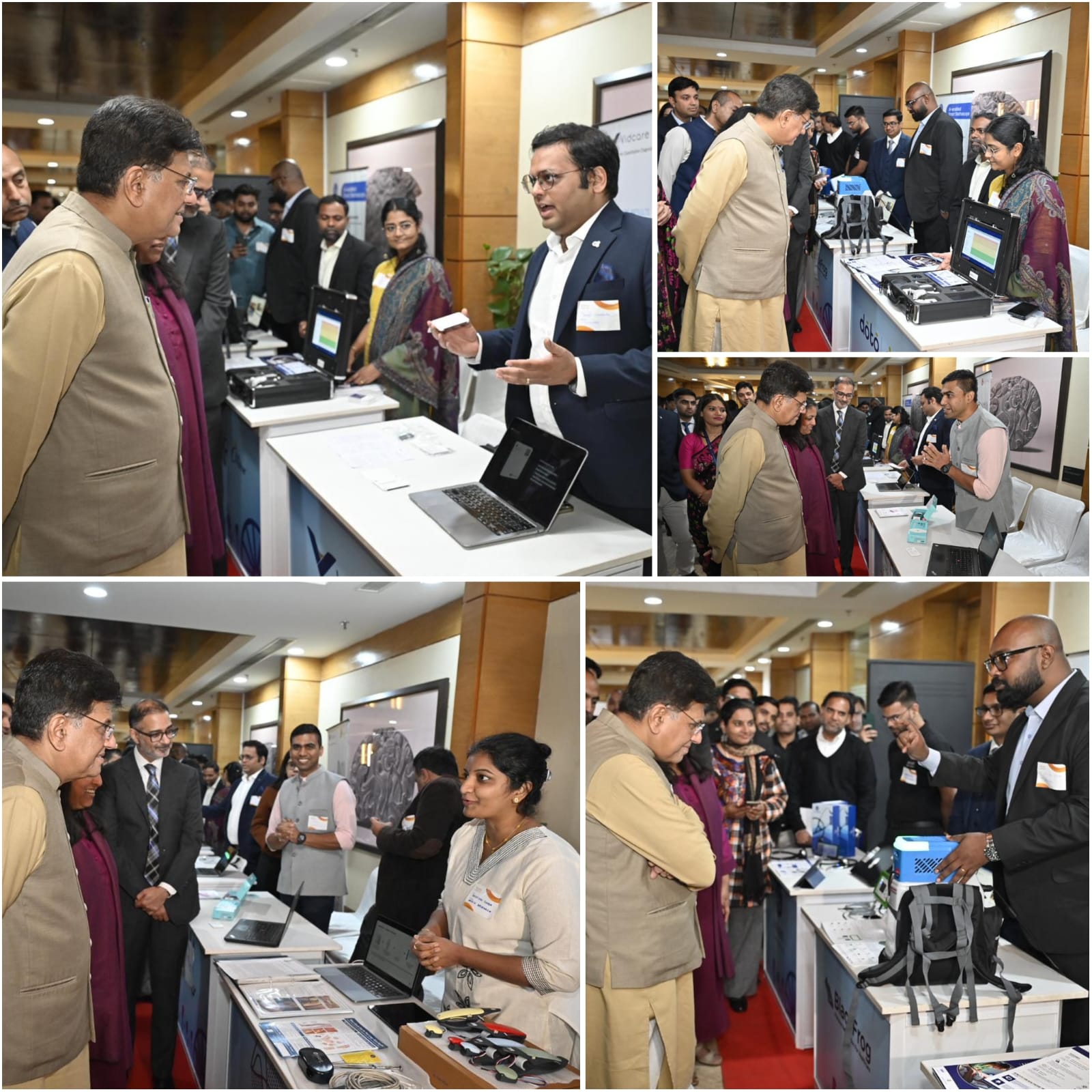
NEW DELHI : Union Minister of Commerce and Industry Shri Piyush Goyal urged medtech startups to look beyond the domestic market, leverage India’s expanding trade agreements covering nearly 70% of global GDP, and scale affordable innovations to serve both India and the world.

Addressing the Pfizer INDovation Startup Showcase Programme in New Delhi, the Minister emphasized that affordable, scalable medical technology can help reach the remotest parts of India and also access global markets across Africa, Latin America, Central Asia, Southeast Asia and developed economies.

He noted that nine Free Trade Agreements concluded in the last three years cover 38 countries with strong per capita incomes, and that most developed markets now have trade arrangements with India. Agreements include the 27-nation EU bloc, four-nation EFTA bloc, the UK, Australia and New Zealand, the United States of America, while Japan and Korea were concluded earlier, along with ASEAN nations. He said India now has market access to 70% of global GDP, in most cases at zero duty for Indian products.

Shri Goyal said startups should not limit themselves to the domestic market and should participate in global fairs and exhibitions. He assured that the Commerce Ministry would support delegations and that India’s missions in over 190 countries are available to assist innovators. He also encouraged collaboration with global companies, present in over 100 countries, to access developed markets.

The Minister highlighted that affordable and scalable medtech products can reduce costs and improve quality through economies of scale. Referring to startups present at the programme, he noted that many had secured CDSCO approvals and some were on the verge of receiving FDA approvals, enabling them to expand internationally.

The Minister stressed that innovation must address India’s day-to-day needs and ground-level imperatives. He underlined the importance of showcasing success stories and urged Startup India, the private sector and the media to encourage entrepreneurs, including those who may not succeed initially.

Stating that failure is not a stigma but a stepping stone to success, Shri Goyal cited the example of Abraham Lincoln, who faced repeated failures in education, business, law practice and elections before becoming President of the United States. He urged young innovators to persevere.

Shri Goyal referred to the Andhra Pradesh MedTech Zone (AMTZ) near Visakhapatnam and expressed interest in establishing a similar facility in North India, possibly in Rajasthan or Uttar Pradesh, or within NICDC (National Industrial Corridor Development Corporation) industrial projects with dedicated land for medical devices and co-working spaces for startups. He also suggested setting up tinkering labs in nearby schools to create a holistic ecosystem.

The Minister stated that over 200,000 startups are registered in India, with many more unregistered, and reiterated the goal of making India a reliable and trusted global partner.

He announced that three more National Institutes of Pharmaceutical Education and Research (NIPERs) are being established alongside the upgradation of seven existing NIPERs. A new National Institute of Design (NID) will be set up in East India, with states competing to provide the best proposal. He suggested that NID could assist startups in improving product design, visual appeal and overall quality, possibly through pro bono programmes.

Shri Goyal also highlighted that startups receive an 80% discount on IP-related fees to support genuine innovation while discouraging frivolous applications. He assured that the Ministry’s doors remain open 24×7, supported by a dedicated Startup India team.

Concluding his address, the Minister quoted the Prime Minister Shri Narendra Modi’s Independence Day message: “To the youth, bring forward your innovative ideas. I stand with you. I am ready to be your partner in this journey.”

The Department for Promotion of Industry and Internal Trade (DPIIT), Ministry of Commerce & Industry, Government of India, in collaboration with Pfizer, Department of Pharmaceuticals, and NITI Aayog, felicitated the winners of the Pfizer INDovation Program 2025, reinforcing DPIIT’s commitment to building a globally competitive, innovation-driven healthcare and MedTech ecosystem

Through this collaboration, 14 high-potential Indian healthtech startups have been awarded grants of ₹60 lakh each (over ₹8 crore in total) along with 18 months of structured incubation, clinical validation, mentorship, and real-world deployment support. The initiative reflects DPIIT’s ongoing efforts to enable strong public–private partnerships that help startups transition from innovation to impact, accelerating their journey from lab to market.

The selected startups are developing breakthrough solutions across priority healthcare areas including immunization, non-communicable diseases, brain health, oncology, and maternal & child health—sectors critical to strengthening India’s public health systems and improving healthcare access and affordability.

Impact of Sagarmala project on the country’s maritime trade

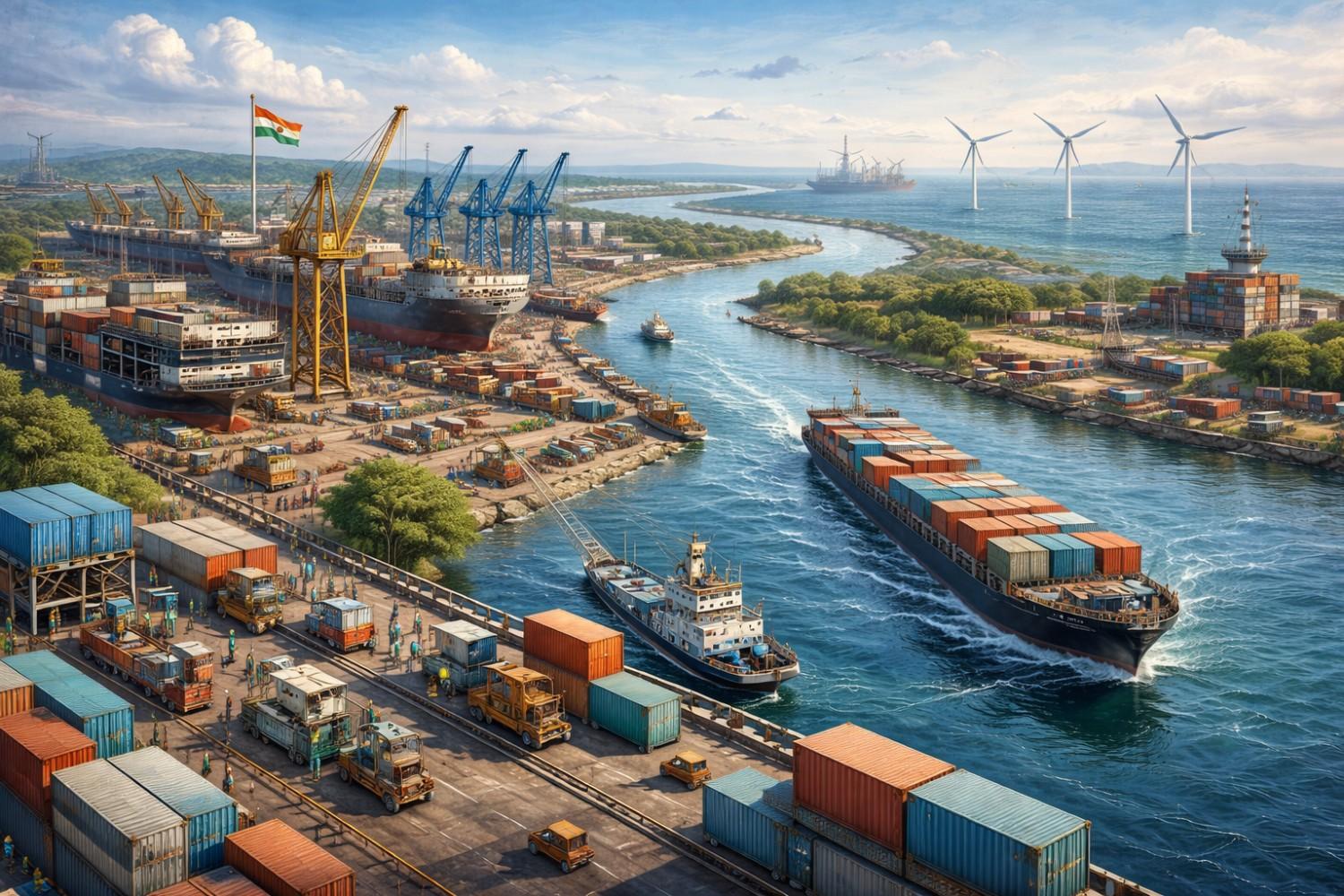
NEW DELHI : Union Minister of Ports, Shipping, and Waterways, Shri Sarbananda Sonowal, informed in a written reply to the Lok Sabha that, Sagarmala is a central sector scheme of the Ministry of Ports, Shipping, and Waterways to promote port-led development in the country. Under this scheme, the ministry provides financial assistance to the projects under 5 pillars, namely port modernization, port connectivity, port-led industrialization, coastal community development, and coastal shipping & inland water transport. Since the inception of the scheme, 6 projects of construction of coastal berths worth ₹385.5 crore have been funded under the pillar of coastal shipping & inland water transport. Out of these, 5 projects worth ₹ 320.5 crore have been completed. The completed projects have increased coastal cargo handling capacity by ~6.5 million tonnes. Further, 17 projects worth ₹852.4 crore out of 24 projects worth ₹ 1033.43 crore, funded under the port modernisation pillar, have been completed. The completed projects resulted in implementation of automation, modernisation, safety measures, and sustainable initiatives.

The above 22 completed projects have strengthened India’s maritime trade competitiveness by enhancing cargo handling capacity, promoting coastal shipping, reducing logistics costs and turnaround times, thus contributing to the country’s EXIM trade and economic growth.

Allocating funds to Sagarmala projects outweighs the associated opportunity costs. This investment would be strategically made in the projects across various pillars of Sagarmala i.e. port modernisation, port connectivity, coastal community development, coastal shipping and inland water transport, ship repair and recycling, and island development. Collectively, these pillars encompass the development of digital infrastructure, skilling and employment generation for coastal communities, inland water transport, and port-linked infrastructure to enhance EXIM trade competitiveness. This would also provide support to coastal communities and promote ancillary industries such as multi-modal logistics parks, ship repair clusters, and green hydrogen fuel hubs. These interventions would, inter alia, generate a strong multiplier effect on the national economy while significantly enhancing livelihoods, regional development, and competitiveness of the maritime sector and help in achieving the objectives of the  Maritime Amrit Kaal Vision (MAKV) 2047.

India’s logistics push is quietly rewriting the marine risk landscape

By Mr. Suresh Matcha, Associate President, Head Operations & Marine, Howden (India)

India’s recent wave of public investment is doing something more fundamental than expanding ports and building new logistics corridors. It is changing the very shape of marine risk. As port infrastructure gets bigger and more sophisticated, and as road, rail and waterways become more tightly linked, the risks that insurers manage are becoming heavier, more interconnected and far more concentrated. At the same time, companies are starting to look for broader cover that follows cargo throughout its journey, rather than sticking to traditional marine boundaries.

This shift has been years in the making. Programs such as Sagarmala, Maritime India Vision 2030 and Amrit Kaal Vision 2047 have pushed India’s port sector into a new phase of modernisation. According to government data, Sagarmala alone identified more than 800 projects worth nearly ₹6 lakh crore by early 2025. These investments have helped major ports grow cargo volumes by more than 85 percent since 2014–15, and the assets sitting on the waterfront today are significantly more valuable than they were a decade ago.

A different kind of exposure

For insurers, the concentration of high‑value infrastructure at ports creates very different exposure patterns:

  • Modern terminals, automated cranes, deep‑draft berths and LNG facilities have increased the sums insured for property and equipment.
  • A single incident can now cut across multiple lines: port property, hull, cargo and business interruption.
  • The ongoing build‑out, from dredging to new deep‑sea ports like Vadhavan and Vizhinjam, keeps construction and DSU covers in steady demand.

The multimodal shift

The most profound change, however, is happening outside the ports. The PM Gati Shakti National Master Plan has connected ports with highways, dedicated rail corridors, inland waterways and logistics parks. More than 300 multimodal cargo terminals have been approved, and a sizeable portion of that capacity is already operational.

As a result, marine insurance is no longer confined to the waterfront. Three shifts are becoming increasingly visible:

  1. Modal boundaries are fading. Cargo now moves through rail yards, warehouses, container depots and ports as a single chain, and companies want policies that reflect that end‑to‑end journey.
  2. The inland leg matters more than before. Rail and waterways are taking a larger share of cargo movement, which forces insurers to account for inland congestion, depot risks and first‑ and last‑mile exposures.
  3. Liability is harder to untangle. With more operators involved, determining who is responsible when something goes wrong can be complicated, prompting a need for clearer and broader liability cover.

Volume brings frequency, and occasionally severity

In FY 2024–25, major ports handled roughly 855 million tonnes of cargo, and total cargo across all ports crossed 1.6 billion tonnes. Higher throughput inevitably brings more day‑to‑day claims, whether from tight berthing schedules, faster loading cycles or simple handling errors. At the same time, the value of goods has increased. Larger vessels, bigger stacks of containers and more specialised commodities like LNG and chemicals raise the stakes when a major incident does occur.

A market that is maturing, not just growing

India’s cargo insurance market stood at around USD 2.6 billion in 2024 and is expected to continue expanding. But the more interesting shift is the type of cover buyers want. All‑risk policies are gaining popularity because they better match the operational realities of multimodal logistics. Coastal shipping and inland waterways are also drawing in smaller operators who were previously uninsured or underinsured.

There is also renewed interest in building more domestic marine capacity. Discussions around a homegrown P&I‑style facility reflect a desire to reduce dependence on overseas clubs, especially during geopolitical disruptions. However, even if domestic capacity increases, it will still rely on global reinsurers for scale and expertise.

How insurers are adapting

The industry is adjusting in several ways:

  • Offering more integrated policies that combine cargo, terminal liability and inland transit.
  • Increasing capacity for ports and terminals through layered reinsurance programs.
  • Using parametric triggers and data‑driven tools to handle weather disruptions and port closures.
  • Strengthening accumulation controls at locations where multiple lines converge.

What this means for reinsurers

Reinsurers are dealing with the same core issue: accumulation. Larger ports filled with higher‑value cargo create scenarios where one event can affect multiple classes of business at once. This requires closer management of peak exposures by location rather than by product line.

Growth opportunities lie more in the upper layers of reinsurance towers, where tail risk sits, rather than in the thinner lower layers that absorb frequent multimodal losses. End‑to‑end logistics also means treaties need to reflect journeys that extend far inland rather than stopping at the coastline.

Comparative Snapshot (Reinsurer View)

Cargo TypeFrequencySeverityAccumulation RiskBest Reinsurance Capital
ContainersMedium–HighMedium–HighHigh (yard/terminal)Upper XoL, indexed limits
LNG / EnergyVery LowExtremeVery High (single site)High‑attachment cat & liability
Project CargoLowMedium–HighLow (but volatile)Project‑specific QS / XoL

The road ahead

India’s logistics network is becoming more integrated every year, and the insurance market is catching up. The most successful carriers and reinsurers will be those that understand cargo movement at a granular level, invest in better data and treat accumulation as a central pillar of underwriting rather than an afterthought.

The country is building a modern, connected logistics system. The risk framework that supports it will need to be just as integrated, flexible and informed.

Author:

Suresh Matcha Associate President Head Operations Marine Howden India India’s logistics push is quietly rewriting the marine risk landscape

Mr. Suresh Matcha, Associate President, Head Operations & Marine, Howden (India)

Record-breaking year for global container volumes in 2025

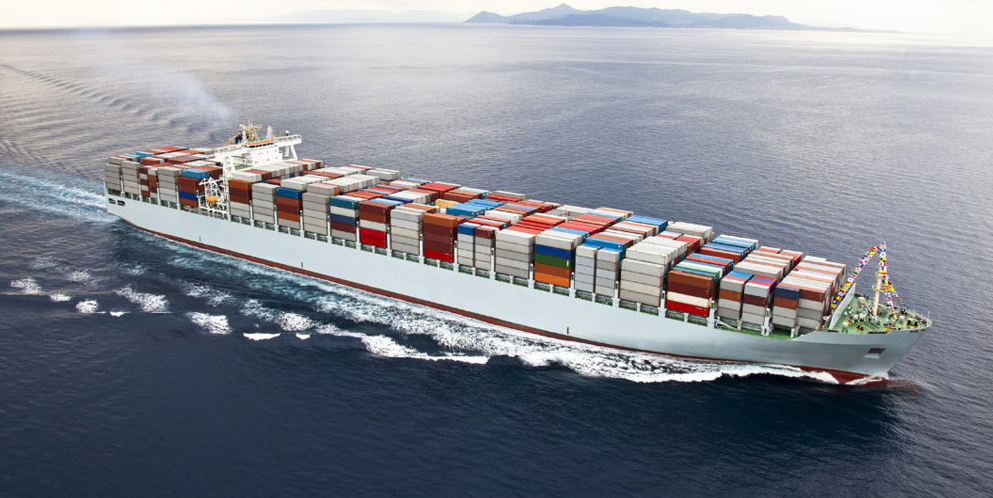
LONDON : Global container volumes for 2025 hit another all-time record. Volumes rose to 192.9m teu for the year — up from 184.3m teu in the previous year, according to UK-based Container Trades Statistics (CTS).

That was capped by an exceptional year-end, with December setting another monthly lifting record of 16.97m teu.

Eight months in 2025 exceeded 16m teu, with March, May, August, and December establishing new records respectively.

However, record volumes failed to sustain freight rates, which were nearly 20% lower at the end of 2025 compared with the previous year.

“That divergence suggests that the traditional relationship between volumes and pricing, long governed by supply and demand, may be evolving, as record volumes no longer translate directly into higher prices,” CTS notes.

Sign of things
The failure of higher volumes to sustain carrier revenues may be a sign of things to come, argues Freightos analyst Judah Levine.

Both AP Moller-Maersk and Hapag-Lloyd are reporting a drop in earnings in the fourth quarter last year for the first time in a long time, despite volume growth.

“And as a clear indication of the current uncertainty in the market, even with projections for demand growth again this year, Maersk forecasts either a profit or loss of around $1bn for 2026, mostly hinging on whether or not container traffic returns to the Red Sea,” he notes.

The Far East remained the dominant exporting region, increasing container exports by nearly 7m teu compared with 2024, says CTS.

This performance is particularly notable given earlier concerns around the Trans-Pacific trade amid economic uncertainty.

A major contributor was Intra-Asia trade, which rose 5% year-on-year and emerged as the largest trade lane of 2025.

That is more than double the size of the second-largest trade, Far East to North America.

European container imports also witnessed a sustained surge, driven largely by a 9% increase in cargo originating from the Far East.

This trade reached unprecedented levels in 2025, recording monthly liftings of up to 1.8m teu.

North America was the only region to experience an overall decline in imports during 2025, falling 2% year on year.

This was driven by a reduction in Far East exports to the region, alongside stagnation in European exports into North America.

Source : Trade Winds

MYCRANE strengthens Global Leadership with Appointment of Aziz Amri as Director of Sales & Marketing, KSA

DUBAI:  MYCRANE, the first global platform for crane rental and purchase, has appointed Aziz Amri as Director of Sales and Marketing for the Kingdom of Saudi Arabia, strengthening the company’s commercial leadership as it expands operations across the Gulf region.

Based in Riyadh, Amri will lead MYCRANE’s market strategy across both its crane rental platform and MYCRANE Trading division in Saudi Arabia, supporting the Kingdom’s construction and industrial sectors as they advance under Vision 2030.

His arrival builds on the earlier appointment of Sudheesh Mohan as Head of Sales and Marketing, who joined MYCRANE in 2025 to oversee commercial activity at MYCRANE Trading’s headquarters in Dubai, United Arab Emirates.

Amri brings extensive international OEM and heavy equipment commercial leadership experience, having held senior sales and marketing roles across North America, Asia and the MENA region. His career spans global organisations including SANY Canada and SANY International, as well as Electromag-Graybar and EBI Electric, where he led go-to-market strategies, brand positioning, dealer network development and revenue acceleration initiatives within highly competitive industrial markets.

With professional experience across China, Canada and emerging markets, he combines global OEM exposure with cross-border sales execution and strategic business development expertise, offering a comprehensive understanding of equipment value chains – from manufacturing and distribution to end-user engagement.

“Aziz’s broad international OEM and industrial background, combined with his proven ability to deliver structured commercial growth across diverse markets, makes him ideally positioned to accelerate our development in Saudi Arabia,” said Andrei Geikalo, MYCRANE founder and CEO. “His appointment, closely following Sudheesh joining the business, positions MYCRANE to deliver complete crane procurement solutions – from rental platform access to equipment trading – with local expertise backed by international resources.”

Sudheesh Mohan joined MYCRANE in 2025 as Head of Sales and Marketing, bringing over 20 years of experience across the Middle East and Africa. He has spent more than 13 years exclusively in heavy equipment sales, business development, and operations, working closely with regional and global stakeholders.

Prior to joining MYCRANE, he held senior roles at The Manitowoc Company, where he worked extensively across the MEA region. His responsibilities included key account development, dealer management, and expanding market presence for one of the world’s leading lifting equipment manufacturers.

At MYCRANE, Mohan leads customer engagement, inventory procurement and the overall sales strategy for the trading division. His appointment has been a key driver in MYCRANE’s evolution from a purely digital platform into a full-service equipment provider, with physical inventory, structured sales operations and comprehensive after-sales support.

The Saudi Arabian market represents a strategic priority for MYCRANE, with the Kingdom investing heavily in infrastructure, industrial development and mega-projects as part of Vision 2030. Amri will work closely with contractors, project developers and fleet owners to provide access to MYCRANE’s crane rental platform and trading inventory, offering customers flexible procurement options backed by rigorous equipment verification and inspection processes.

Both appointments support MYCRANE’s broader expansion strategy, which includes the recent launch of MYCRANE Trading’s Jebel Ali facility in Dubai and the arrival of the company’s first physical inventory in January 2026.

Fragmented Carbon Schemes Threaten Maritime Progress, Warns BAR Technologies

PORTSMOUTH: BAR Technologies is urging immediate action toward a unified global carbon framework, warning that the proliferation of regional emissions trading schemes is placing unprecedented compliance pressure on the maritime sector and risks delaying progress on decarbonisation.

With multiple overlapping schemes now in effect or emerging, including the EU ETS, FuelEU Maritime, the IMO’s postponed Net-Zero Framework, and proposed Greenhouse gas Fuel Intensity (GFI) measures, shipowners are increasingly navigating a maze of conflicting obligations. According to the International Carbon Action Partnership (ICAP), over 30 emissions trading systems are now either in force or under development worldwide. This pattern of fragmentation reflects a broader global challenge: recent research from the Grantham Research Institute at the London School of Economics identified over 900 climate adaptation laws and policies adopted across 35 countries since the Paris Agreement. While this surge signals growing ambition, it also highlights the risks of uncoordinated frameworks that lead to implementation gaps, increased costs and regulatory friction across borders.

“Carbon compliance is becoming more fragmented by the month,” said John Cooper, CEO of BAR Technologies. “Instead of building momentum behind a single global framework, we’re creating a patchwork of schemes with different baselines, rules and cost mechanisms. That creates confusion, inflates costs, and weakens the industry’s ability to invest in real, scalable solutions.”

The situation is further complicated by mechanisms such as the EU’s Carbon Border Adjustment Mechanism (CBAM), which went live on 1 January 2026. While not directly taxing shipping emissions, CBAM introduces indirect carbon costs into the trade system by pricing the embedded emissions of goods such as steel, aluminium, cement, and fertilisers, all of which are major seaborne cargoes.

“CBAM is an example of how carbon pricing is now embedded into trade,” Cooper noted. “But it’s also a reminder that without multilateral alignment, we risk policy friction and commercial uncertainty on a global scale.”

To avoid paralysis through bureaucracy, BAR Technologies is calling for a single carbon policy, one that is globally agreed, fairly administered and financially transparent. The company continues to advocate for a bunker-level collection mechanism to fund climate-positive reinvestment, while avoiding the duplication and complexity of overlapping schemes.

“While we await consensus on a unified framework, we cannot afford inaction,” Cooper continued. “We need technologies that work today, across regulatory zones and wind propulsion is leading that charge.”

BAR Technologies’ WindWings®, already deployed on multiple vessels, offer immediate fuel savings and emissions reductions. Beyond near-term impact, they enhance the viability of alternative fuels like methanol and ammonia by reducing overall fuel demand.

“Wind doesn’t need permission,” said Lauren Eatwell, Head of WindWings® at BAR Technologies. “It’s scalable, proven, and will be around forever. The industry has an opportunity to act now and lead, not wait to be regulated into action.”

With carbon policy divergence increasing, BAR Technologies is encouraging the maritime industry to back deployable, fuel-agnostic solutions that reduce emissions now, while supporting the transition to a more coherent and effective global framework.

Lloyd’s Register FOBAS report warns of late year surge in marine fuel quality failures

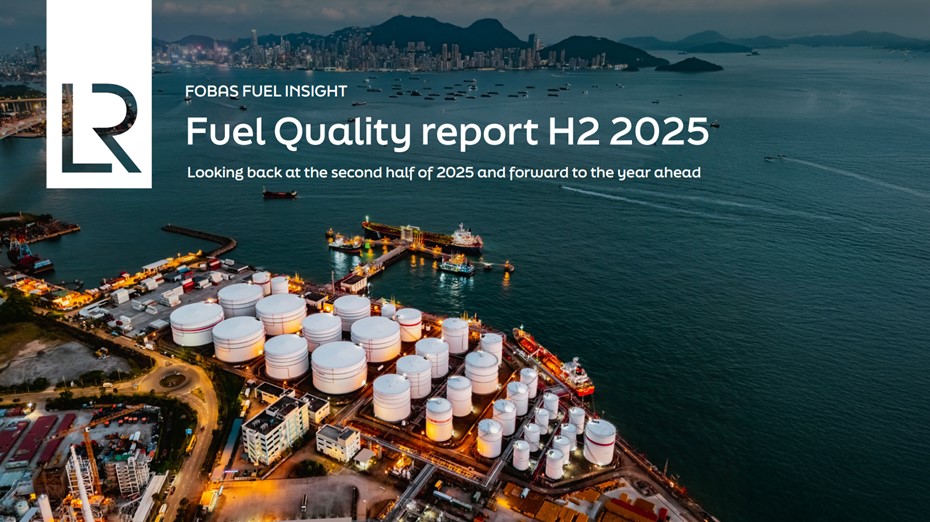
LONDON: Lloyd’s Register (LR) has released its latest Fuel Oil Bunker Analysis and  Advisory Service (FOBAS) Fuel Quality Report covering July to December 2025, revealing a sharp rise in the frequency and severity of off specification marine fuel incidents across several of the world’s busiest bunkering hubs.

The second half of 2025 was characterised by a significant concentration of repeated fuel quality failures across major ports including Singapore, Rotterdam, Antwerp, Hong Kong and Port Klang. 

December saw the highest number of monthly off specification cases recorded in 2025, driven by recurring issues involving high sulphur levels, extreme catalytic fines, elevated sediment, and excessive water content.

Distillate fuels also continued to show vulnerabilities. Repeated flash point failures were recorded in ports such as Civitavecchia, Lisbon, Palermo and Lianyungang, with several samples testing between 47°C and 55°C, well below the SOLAS minimum of 60°C. The report links some of these cases to land-grade diesel entering the marine supply chain, reinforcing the need for strict supplier verification and routine laboratory flash point testing, particularly outside major bunkering hubs.

Murray Kirkwood, Fuel Specialist Consultant, Lloyd’s Register, said: “The clustering of off specification events towards the end of 2025 demonstrates the ongoing volatility of the global marine fuel supply chain. While many fuels continue to meet specification, the scale and severity of late year incidents leave little margin for error and reinforces the need for conservative fuel handling, robust testing regimes and proactive onboard management.”   

The FOBAS Fuel Insight: Fuel Quality Report H2 2025 builds on LR’s earlier analysis from the first half of the year. It provides updated data, new case studies and deeper insight into how regional trends are evolving under tightening environmental regulation and changing fuel formulations, including the full enforcement of the Mediterranean Sulphur Emission Control Area.

The report also highlights the importance of proactive fuel management as the industry moves into 2026. With the expansion of the EU Emissions Trading System and the introduction of FuelEU Maritime requirements, operators are expected to encounter a more complex fuel landscape. As new feedstocks, biofuel blends and alternative fuels enter the market, LR notes a growing requirement for robust onboard fuel management and consistent application of best practice sampling and testing procedures.‑practice sampling and testing procedures.

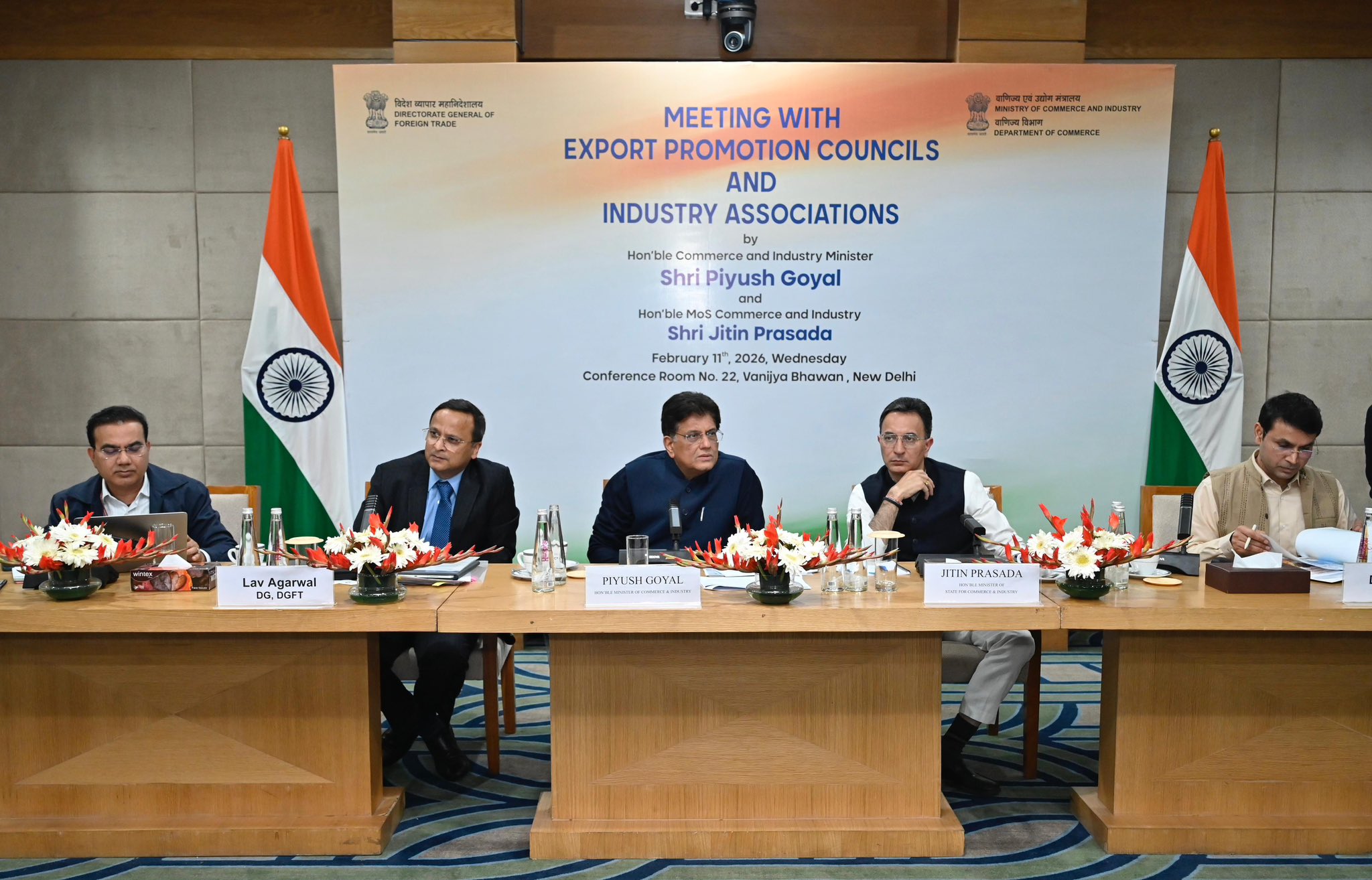
Piyush Goyal urges Export Promotion Councils and Industry bodies to utilize FTAs to gain greater presence in world markets

NEW DELHI : Union Commerce and Industry Minister Shri Piyush Goyal has urged exporters and industry bodies to take full advantage of the series of Free Trade Agreements signed with developed countries maximise job creation and boost exports of goods and services.

The minister met 35 Export Promotion Councils (EPCs) and key Industry Associations representing India’s major export sectors. Industry leaders and association office bearers appreciated the government’s trade-promotion initiatives during their interaction with the minister.

Shri Goyal said the Modi government had signed Free Trade Agreements with developed countries to help India’s farmers, workers, professionals, artisans and MSMEs take advantage of the global market with preferential access. With these trade agreements, India’s traditional medicines and yoga will also get global opportunities, while the interest of India’s agriculture and dairy sectors have been protected.

“Industry must now intensify its efforts to penetrate new markets, upgrade quality and become more competitive to take maximum advantage of trade agreements. India has made its mark in international trade since the ancient era. Our trade deals will accelerate our Viksit Bharat mission and carry forward Prime Minister Shri Narendra Modi’s mantra of ‘Vikas bhi, Virasat bhi’,” Shri Goyal said at a meeting with EPCs and industry bodies.

Industry representatives conveyed their deep gratitude to the Prime Minister and the Minister of Commerce & Industry for the decisive leadership that enabled the successful conclusion of recent trade agreements with the United Kingdom, European Union and the United States of America.

Particular appreciation was expressed for the elimination of the additional 25 % tariff on Indian imports to the United States, as terminated through the United States Executive Order dated 6 February 2026, which is expected to restore competitive market access for Indian exports. Industry noted that the United States is among India’s largest export destinations and that the tariff relief provides significant stability and renewed competitiveness to Indian exporters.

Associations representing sectors earlier impacted by the US tariff measures — including gems & jewellery, textiles and apparel, carpets, leather and footwear, marine products, handicrafts, engineering goods and chemicals — highlighted that the tariff rollback has restored business confidence and safeguarded employment in labour-intensive sectors. Key participating bodies included the Federation of Indian Export Organisations (FIEO); Gem & Jewellery Export Promotion Council (GJEPC); Apparel Export Promotion Council (AEPC); Council for Leather Exports (CLE); Engineering Export Promotion Council of India (EEPC India); Basic Chemicals, Cosmetics & Dyes Export Promotion Council (CHEMEXCIL); Cotton Textiles Export Promotion Council (TEXPROCIL); Manmade and Technical Textiles Export Promotion Council (MATEXIL); other major textile EPCs; Carpet Export Promotion Council (CEPC); Export Promotion Council for Handicrafts (EPCH); agricultural and allied bodies including the Seafood Exporters Association of India (SEAI); Agricultural and Processed Food Products Export Development Authority (APEDA); Shellac and Forest Products Export Promotion Council (SHEFEXCIL); Indian Oilseeds and Produce Export Promotion Council (IOPEPC); India SME Forum; Sourcing Consultants Association (BAA); and apex industry chambers including the Federation of Indian Chambers of Commerce & Industry (FICCI), Associated Chambers of Commerce & Industry of India (ASSOCHAM), National Association of Software and Service Companies (NASSCOM) and PHD Chamber of Commerce and Industry (PHDCCI), along with several other leading sectoral associations.

The Ministry also made presentations on the recently concluded trade engagement with the United States, outlining market access opportunities, compliance frameworks and export expansion pathways. Industry welcomed the clarity provided and reaffirmed its commitment to scale exports in priority sectors.

Discussions also highlighted the progress under the Export Promotion Mission (EPM), the Government’s flagship framework to support exporters. Industry welcomed the Interventions already rolled out under the Mission, including enhanced access to trade financethrough Interest Subvention Support for export credit loans, Collateral Guarantee for Export Credit extended to MSMEs and targeted market access support. It was noted that additional measures relating to trade finance, export logistics, export compliances, branding and market diversification are being rolled out shortly, in a phased manner to further strengthen India’s export ecosystem.

The Minister reaffirmed the Government’s commitment to accelerate export growth, deepen global integration and leverage new trade agreements to position India as a trusted global supply partner.

MoRTH informs on Green Highways and Sustainable Road Infrastructure

NEW DELHI : Union Minister for Road Transport and Highways, Shri Nitin Jairam Gadkari Ji informed in a written reply to the Rajya Sabha that, in accordance with the Green Highways (Plantation, Transplantation, Beautification and Maintenance) Policy, 2015 and Indian Road Congress (IRC): SP: 21-2009, plantation activities are undertaken along the available Right of Way and medians of National Highways, wherever feasible, with emphasis on native species having high survival rate and carbon absorption capacity.

Concerned agencies are continuously promoting and adopting the use of recycled materials, waste products, and environment friendly technologies in the construction and maintenance of National Highway projects.

Various sustainable and recycled materials, such as fly ash in embankment and structural works, Reclaimed Asphalt Pavement (RAP) in bituminous layers, and Construction and Demolition (C&D) waste are utilized and used in suitable road works as per technical specifications in Highways projects.

The use of plastic waste in bituminous mixes, natural geo-textiles in addition to other sustainable materials including slag, crumb rubber, and other recycled or industrial by-products are being promoted as per feasibility and guidelines to improve pavement performance for addressing environmental concerns.

These initiatives contribute significantly to India’s climate goals by promoting resource efficiency, reducing greenhouse gas emissions, and minimizing environmental degradation associated with highway construction and thus, supporting the principles of circular economy.