Home Blog Page 439

Indian Railways introduces stainless steel containers to revolutionise bulk cargo logistics : The future of “Freight on Rail”

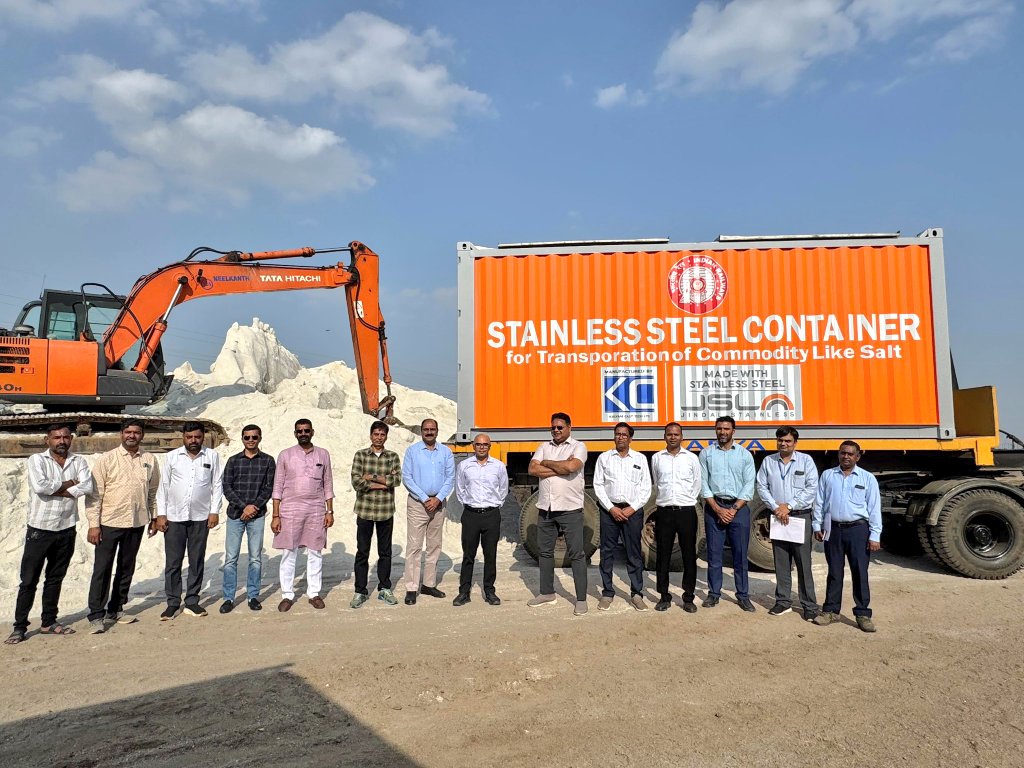
NEW DELHI : In a major step towards modernising bulk freight movement and strengthening India’s multimodal logistics ecosystem, Indian Railways has introduced advanced Stainless Steel Containers designed specifically for high-volume bulk cargo transportation. The future of “Freight on Rail.”

The initiative marks a significant shift in conventional freight handling by combining containerisation benefits with the payload strength of traditional open wagons, offering enhanced efficiency, durability, and faster turnaround times.

Enhanced Loading and Turnaround Efficiency
The newly introduced containers have demonstrated remarkable operational performance. Each unit can be loaded with 34.2 tonnes in just 15 minutes, while unloading is completed in approximately 5 minutes, substantially reducing terminal dwell time and improving rake availability.

The containers are equipped with dual 7 ft x 4 ft top openings, enabling precision-based, fully mechanised loading. This design ensures minimal spillage, zero material wastage, and seamless integration with conveyor and mechanised handling systems at loading terminals.

High Payload with Optimised Wagon Utilisation
Each wagon carries two stainless steel containers with a combined payload capacity of 68.4 tonnes, effectively matching the carrying capacity of conventional BOXN wagons while leveraging the advantages of containerised cargo movement.

A full rake of 48 wagons can transport up to 3,300 tonnes of salt in a single trip, demonstrating strong suitability for bulk commodities such as salt, fertilizers, food grains, cement, fly ash, and other industrial raw materials.

Durability and Lifecycle Advantage
Manufactured using a 20-foot stainless steel body, the containers are corrosion-resistant and designed to eliminate rust-related degradation. This significantly extends asset life, reduces maintenance costs, and ensures consistent performance even in high-salinity or moisture-prone environments.

The design also removes the need for tarpaulins and manual cleaning, resulting in improved operational safety, lower labour dependency, and reduced turnaround cycles.

Boost to Multimodal and Sustainable Logistics
By combining the strength of rail bulk handling with containerised flexibility, the new stainless steel containers are expected to enhance first-mile and last-mile connectivity. The innovation supports the Government’s broader vision of increasing rail’s share in freight transportation while promoting sustainable and cost-effective logistics solutions.

With faster loading, higher durability, reduced wastage, and improved asset utilisation, Indian Railways’ stainless steel containers represent a transformative step toward a more efficient, technology-driven freight ecosystem.

PM GatiShakti Network Planning Group evaluates 352 infrastructure projects worth ₹16.10 lakh crore

NEW DELHI : PM GatiShakti National Master Plan (PMGS NMP), a transformative approach for planning and development of infrastructure in the country, was launched in October 2021. The Network Planning Group (NPG), constituted under the PM Gati Shakti National Master Plan (PMGS-NMP) framework, evaluates the critical infrastructure projects of the Central Government to ensure integrated planning, multimodality, inter-modality, synchronization of efforts, last mile connectivity, comprehensive development in and around the project location, data-driven decision makings, etc at the planning stage. As on date, 352 infrastructure projects with total estimated cost of ₹ 16.10 Lakh Crore have been evaluated through the NPG mechanism. Out of these 352 projects, 201 projects have been sanctioned – out of which, 167 projects are under implementation.

Ministry of Finance, Department of Expenditure through Part-II (for PM Gati Shakti related expenditure) of the “Scheme for Special Assistance to States for Capital Investment for 2022-23” made a provision of ₹ 5000 crores for disbursement among the States for infrastructure development in the form of 50 years interest-free loan. Details of projects of the States, approved under the Part-II of the “Scheme for Special Assistance to the States for Capital Investment” and funds allocated.

Monitoring of implementation of ongoing Central Sector Projects, including the infrastructure projects planned and evaluated under the PM Gati Shakti framework, costing ₹150 crore and above are carried out by the Ministry of Statistics and Programme Implementation (MoSPI). A detailed flash report, showing status, cost overruns etc., is being published from July 2025 onwards on PAIMANA (Project Assessment Infrastructure Monitoring and Analytics for Nation Building) portal (i.e. https://ipm.mospi.gov.in/ReportPage).

Further, an institutional mechanism, i.e. Project Monitoring Group (PMG), has been set up with the objective of milestone-bases monitoring of projects and for expediting issue resolution and fast tracking the execution of large-scale infrastructure projects (having estimated cost of Rs.500 Crore & above). PMG has implemented a unique 5-tier Escalation framework that ensures issues are addressed at the appropriate level, beginning with the respective Ministry for regular issues and escalating upto the PRAGATI (Pro-Active Governance and Timely Implementation) forum for complex issues. This approach streamlines the review mechanism, prevents duplication and enables higher authorities to focus on critical issues. To resolve bottlenecks and ensure timely completion of projects, the PM GatiShakti National Master Plan has been integrated with the PMG that has expedited resolution of issues and regulatory bottlenecks in implementation of the projects.

IWAI facilitates ODC movement via Inland Waterways to boost Assam’s semiconductor ecosystem

GUWAHATI : The Inland Waterways Authority of India (IWAI) has facilitated another major milestone in the movement of Over Dimensional Cargo (ODC) through inland waterways, reinforcing its commitment to efficient and environmentally sustainable transport.

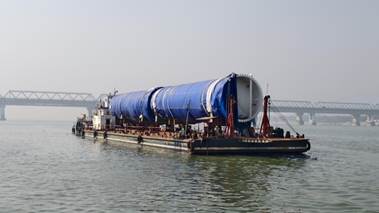
An ODC consignment weighing 189.260 metric tonnes, crucial for strengthening Assam’s semiconductor ecosystem, is being transported via National Waterway–2 (Brahmaputra) and has reached Pandu in Guwahati. Its final destination is at the Tata Semiconductor Assembly in Morigaon.

The cargo commenced its journey from Diamond Harbour, is being ferried by MV Chitrangada through the Indo-Bangladesh Protocol Route (IBPR) via Dhubri, and is scheduled for unloading at Silghat.

This movement underscores the growing role of inland waterways as a smooth, cost-effective and green logistics alternative for heavy and specialised cargo.

DPIIT launches business reforms action plan and key initiatives to improve EoDB

NEW DELHI : In the last 5 years, India have improved by 79 ranks in EoDB rankings published by World Bank Group as Doing Business Report. As per the latest DBR ranking published in 2019, India ranked at 63.

Following the discontinuation of the DBR Report in 2020, the World Bank launched the B-Ready Assessment in 2024 to evaluate 180+ countries over three years across 10 topics spanning the entire business lifecycle: Business Entry, Business Location, Utility Services, Labor, Financial Services, International Trade, Taxation, Dispute Resolution, Market Competition, and Business Insolvency. India is to be part of the Third B-Ready Report, schedule to release in 2026.

With a view to improve India’s business climate, attract investments, and foster economic growth, Department for Promotion of Industry and Internal Trade (DPIIT) has launched several initiatives including Business Reforms Action Plan (BRAP) under the overall umbrella initiative of Ease of Doing Business.

BRAP initiative was launched in 2014 by the Department for Promotion of Industry and Internal Trade (DPIIT). It focuses on streamlining regulations, reducing compliance burdens, and implementing digital solutions to improve the business environment in India. Key reforms include establishing single window systems, simplifying building permissions, enhancing inspection procedures, and digitizing various business processes. These reforms aim to make India a more attractive destination for both domestic and foreign investment.

So far, seven editions of BRAP (2015, 2016, 2017-18, 2019, 2020, 2022 and 2024) have been completed, wherein States/UTs have been assessed. The seventh edition, BRAP 2024, is currently in progress. Over 9,700 reforms have been carried out across States and Union Territories. State/UT Ranking on Ease of Doing Business.

Under the Regulatory Compliance Burden (RCB) initiative, launched by the Government of India in 2020, Central Ministries/Departments and States/UTs undertook a self-identification exercise to reduce burdensome compliances for businesses and citizens. As a result, over 47,000 compliances have been reduced during the last five years.

Of the total compliances reduced:

16,109 compliances were simplified, 22,287 compliances were digitized,
4,623 compliances were decriminalized, and
4,270 compliances were eliminated by removal of redundant and duplicative requirements.
Further, under the RCB+ initiative, 4,846 compliances have been reduced out of 6,262 identified compliances across 23 Acts commonly implemented by States/UTs.

The Jan Vishwas (Amendment of Provisions) Act, 2023 was passed in both Houses of the Parliament (Lok Sabha on 27th July 2023, Rajya Sabha on 02nd August 2023) and received President’s Assent on 11th August 2023. The Act decriminalizes 183 provisions under 42 Acts administered by 19 Ministries/ Departments.

The Act employs various approaches to decriminalization, including the removal of both imprisonment and fines, conversion of imprisonment and/or fine into penalties, and the introduction of compounding of offenses in certain cases. DPIIT on recommendations of the Joint Parliamentary Committee initiated the process of further identifying minor criminal provisions to be compiled for another common amendment bill.

The Jan Vishwas (Amendments of Provisions) Bill, 2025 was approved by the Union Cabinet on 12.08.2025 and was subsequently laid before the Lok Sabha on 18 August 2025. Thereafter, the Bill was referred to the Select Committee constituted under the Chairmanship of Shri Tejasvi Surya. At present, the Bill is under examination by the said Committee.

This exercise builds on the success of the Jan Vishwas (Amendment of Provisions) Act, 2023 by expanding the reform agenda to cover 16 Central Acts administered by 10 Ministries/Departments. A total of 355 provisions are proposed to be amended 288 provisions decriminalized to foster Ease of Doing Business, and 67 provisions proposed to be amended to facilitate Ease of Living.

To systematically reduce regulatory overlaps and eliminate redundant compliances, the Government adopted a multi-stage institutional and analytical approach under the RCB initiative. Key measures undertaken include:

Conducting self-identification exercises by Central Ministries/Departments and States/UTs to identify overlapping, obsolete and duplicative compliances, which led to the identification of over 47,000 compliances for review.
Analytical mapping by DPIIT of more than 42,000 reduced compliances across over 670 unique Acts to identify common regulatory provisions and overlapping compliance requirements across States/UTs.
Identification of 23 Acts under which more than 10 States/UTs had undertaken compliance reduction, and inclusion of these Acts under the RCB+ initiative for focused harmonisation and rationalisation.
Review of 6,262 compliances under these Acts, resulting in the reduction of 4,846 compliances, thereby addressing inter-State and intra-regulatory duplication.
These measures have enabled elimination of redundant compliances, reduction of regulatory overlaps, and harmonisation of regulatory frameworks across jurisdictions.

The Government of India has undertaken a series of comprehensive reforms under the Business Reform Action Plan (BRAP), which cut across critical areas such as Labour, Environment, Land Administration, and Taxation. These measures have significantly reduced both turnaround time and cost for setting up and operating businesses in the country. The intent of the Government is clear—to create a favorable and enabling environment for enterprises, thereby strengthening India’s position as an attractive investment destination.

BRAP, true to its dynamic nature, has continuously evolved to incorporate additional reforms, focus sectors, and the adoption of Information and Communication Technology (ICT) for delivering quality and efficient services to businesses. The reforms include initiatives such as online delivery of services through single-window systems, simplified environmental clearances, digitized registrations and renewals, and streamlined processes for utility connections. Furthermore, digital integration has been extended to the creation of land banks and Geographic Information Systems (GIS) for industrial parks, integrated with the India Industrial Land Bank (IILB), which provides comprehensive investor-related information.

In addition to BRAP, the Government has introduced key initiatives such as Reducing Compliance Burden (RCB), Decriminalization of business laws, and the National Single Window System (NSWS). These initiatives are designed to provide further impetus to ease of doing business in India. The Government remains determined to build an investment-friendly ecosystem that supports both domestic and foreign investments, with a strong focus on removing sectoral hurdles and establishing multiple investment hubs across the nation.

The Department for Promotion of Industry and Internal Trade (DPIIT) has operationalized the National Single Window System (NSWS) to facilitate clearances and approvals for businesses. At present, registered businesses are able to track the status of their applications through the Investor Dashboard, which provides visibility into approval status and enables monitoring of progress in a transparent and time bound manner.

Currently, 32 Central Ministries/Departments and 33 States/UTs have been integrated with NSWS for facilitating and streamlining G2B approvals with access to 300+ G2B approvals of Central Departments and 3000+ G2B approvals of States/UTs. The NSWS helpline can be reached over call and email by business users for any grievances or support required for any issue related to NSWS. Daily grievance call mechanism is also in place for users requiring support to resolve their issues

This initiative is aimed at strengthening transparency, accountability, and efficiency in regulatory processes, thereby enhancing investor confidence and contributing to the Government’s ongoing efforts to improve the ease of doing business in the country.

NimbusPost appoints Nitish Gupta as Senior Vice President, Technology

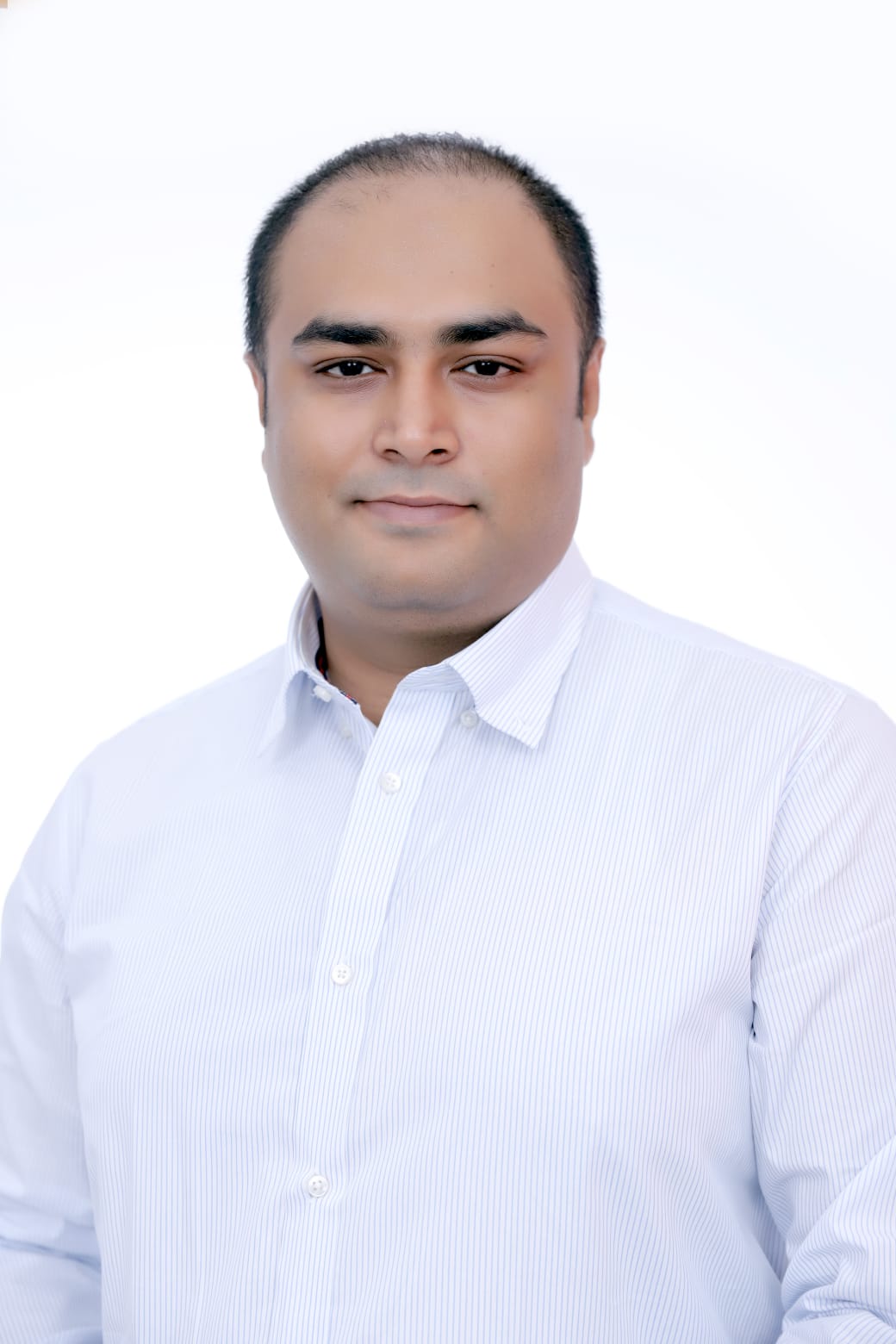
 NEW DELHI: NimbusPost, India’s leading AI-powered logistics and shipping enablement platform, announced the appointment of Nitish Gupta as Senior Vice President,Technology strengthening its leadership bench as the company accelerates platform innovation and intelligent, automation-led logistics at scale.

A technology leader known for first-principles thinking and execution discipline, Nitish brings deep experience in building resilient, production-grade logistics systems that translate real-world operational complexity into structured, scalable platforms.

Nitish previously founded Shippigo, where he led the company from inception to scale, owning product direction, engineering architecture, and day-to-day execution across operations and technology. Following its acquisition by Emiza, he served as CTO, driving enterprise technology strategy and delivery across mission-critical systems including Warehouse Management (WMS), Order Management (OMS), Logistics Management (LMS), fulfillment orchestration, billing automation, and control-tower capabilities. He also built high-performing engineering teams and successfully transitioned startup systems into enterprise-grade, multi-team platforms.

At NimbusPost, Nitish will own the end-to-end technology vision, platform architecture, engineering execution, and data strategy. He will be accountable for system reliability, security, and scalability across all products, while aligning business goals with technical reality to ensure faster innovation and durable growth. He will also serve as the company’s single, authoritative technology voice to leadership and the board, driving clarity in decision-making and long-term platform strategy.

Irwin Anand, CEO, NimbusPost, said “Nitish combines a founder’s ownership mindset with deep systems expertise. His ability to simplify complexity and build scalable, reliable platforms is exactly what NimbusPost needs as we expand our technology backbone. He will play a critical role in shaping the next phase of our growth.”

Nitish on his appointment said “NimbusPost is fundamentally transforming the eCommerce landscape in India, and I am thrilled to join at such a pivotal stage of its journey. My focus will be on building a robust, future-ready technology architecture that simplifies the inherent complexities of shipping and fulfillment. We have a massive opportunity to set new benchmarks in logistics automation and reliability, using AI-powered insights to give D2C brands a smart platform that does much more than just shipping but also helps them make better decisions and grow their business”

This appointment underscores NimbusPost’s continued investment in strengthening its technology foundations as it scales its intelligent multi-courier allocation, automation, and data-driven logistics capabilities to serve thousands of growing D2C brands and enterprises across India.

About NimbusPost

NimbusPost is a leading eCommerce enabler for India’s new-age online businesses. Offering easy-to-use and scalable logistics and fulfillment solutions, NimbusPost is building an all-in-one tech & service stack for the entire value chain – from acquisition and conversion, to post-purchase engagement and retention. The company has partnerships with India’s leading logistics companies including DTDC, Blue Dart, Delhivery, XpressBees, Shadowfax, Ekart and others. Founded in 2019, NimbusPost leverages technology, data and AI to deliver insights to D2C brands and product owners to make right choices which further helps deliver superior customer experience.

US Forces seized oil tanker in Indian Ocean as America steps up quarantine

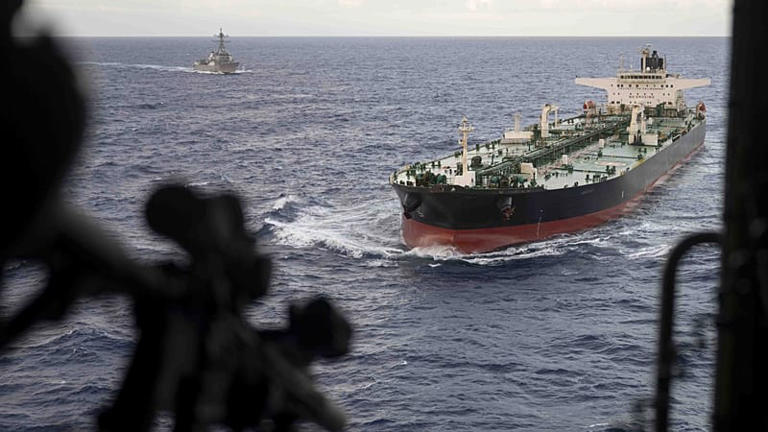
NEW DELHI : U.S. military forces boarded a sanctioned tanker in the Indian Ocean after tracking the ship from the Caribbean Sea as part of an oil quarantine meant to squeeze Venezuela, Defense Secretary Pete Hegseth said Monday.

Venezuela had faced U.S. sanctions on its oil and relied on a shadow fleet of falsely flagged tankers to smuggle crude into global supply chains. Following the U.S. raid to apprehend then-President Nicolás Maduro in early January, several tankers fled the Venezuelan coast, including the ship that was boarded in the Indian Ocean overnight.

Hegseth vowed to eventually capture all those ships, telling a group of shipyard workers in Maine on Monday that “the only guidance I gave to my military commanders is none of those are getting away.”“I don’t care if we got to go around the globe to get them; we’re going to get them,” he added.

The Trump administration has seized seven tankers as part of its broader efforts to take control of the South American country’s oil. Unlike those previous actions, the Aquila II has not been formally seized and placed under U.S. control, a defense official said.

Instead, the ship is being held while its ultimate fate is decided by the U.S., according to the official, who spoke on condition of anonymity to discuss ongoing decision-making.

The Aquila II is a Panamanian-flagged tanker under U.S. sanctions related to the shipment of illicit Russian oil. Owned by a company with a listed address in Hong Kong, ship tracking data shows it has spent much of the last year with its radio transponder turned off, a practice known as “running dark” commonly employed by smugglers to hide their location.

It was one of at least 16 tankers that fled the Venezuelan coast last month, according to Samir Madani, co-founder of TankerTrackers.com, who said his organization used satellite imagery and surface-level photos to document the ship’s movements. According to data transmitted from the ship Monday, it is not currently laden with a cargo of crude oil.

The Pentagon’s post on X said the military “conducted a right-of-visit, maritime interdiction” on the ship.

“The Aquila II was operating in defiance of President Trump’s established quarantine of sanctioned vessels in the Caribbean,” the Pentagon said. “It ran, and we followed.”

A Navy official, who spoke on condition of anonymity to discuss military operations, would not say what forces were used in the operation but confirmed the destroyers USS Pinckney and USS John Finn as well as the mobile base ship USS Miguel Keith were operating in the Indian Ocean.

In videos the Pentagon posted to social media, uniformed forces can be seen boarding a Navy helicopter that takes off from a ship that matches the profile of the Miguel Keith. Video and photos of the tanker shot from inside a helicopter also show a Navy destroyer sailing alongside the ship.

Since the U.S. ouster of Maduro in a surprise nighttime raid on Jan. 3, the Trump administration has set out to control the production, refining and global distribution of Venezuela’s petroleum products. Officials in President Donald Trump’s Republican administration have made it clear they see seizing the tankers as a way to generate cash as they seek to rebuild Venezuela’s battered oil industry and restore its economy.

Trump also has been trying to restrict the flow of oil to Cuba, which faces strict economic sanctions by the U.S. and relies heavily on oil shipments from allies like Mexico, Russia and Venezuela.

Since the Venezuela operation, Trump has said that no more Venezuelan oil will go to Cuba and that the Cuban government is ready to fall. Trump also recently signed an executive order that would impose a tariff on any goods from countries that sell or provide oil to Cuba, primarily pressuring Mexico because it has acted as an oil lifeline for Cuba.

LR Advisory partners with Geogas Trading to strengthen operational readiness for FuelEU pooling

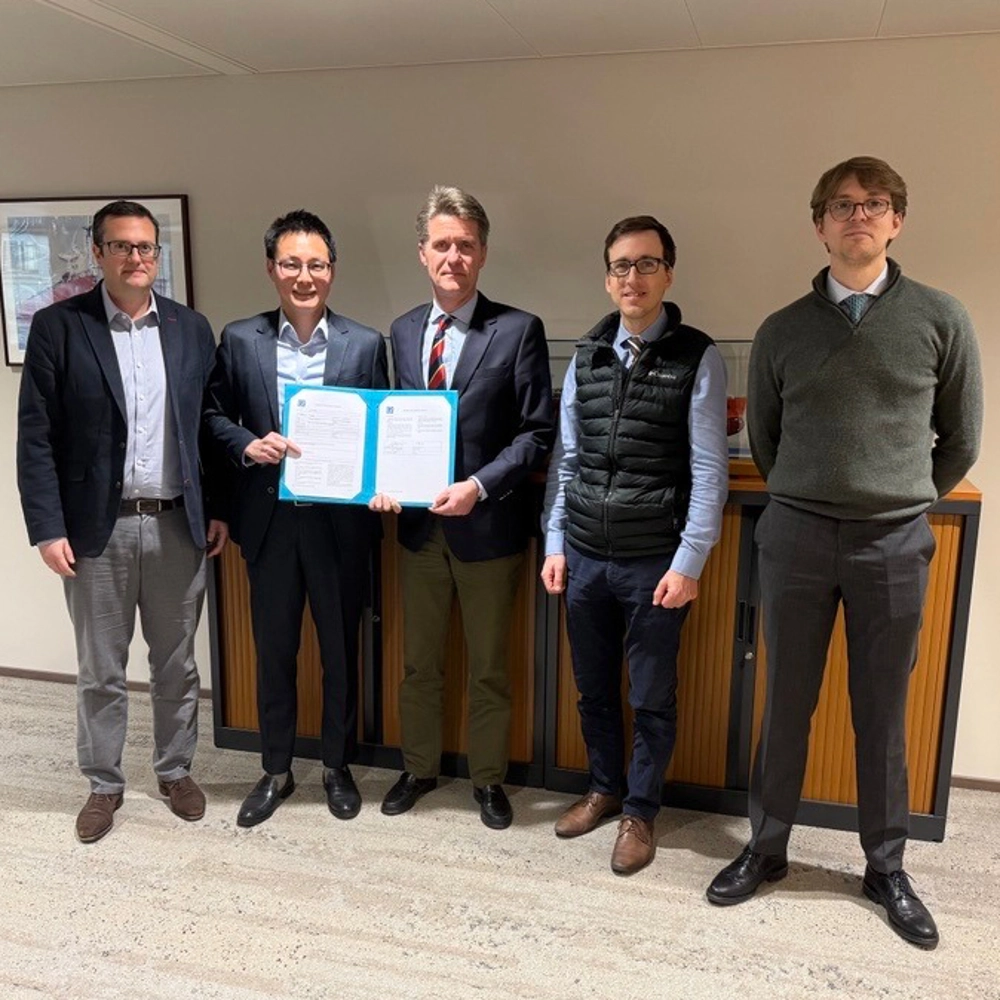
LONDON: Lloyd’s Register (LR) Advisory has been appointed by Geneva-based LPG trader and shipowner Geogas to support the development of a multi-year emissions compliance plan and operationalisation of FuelEU pooling, as it prepares for the first compliance cycle of FuelEU Maritime.

Under the agreement, LR Advisory will provide expert insight into the commercial implications of current and forthcoming emissions regulations, alongside targeted knowledge transfer to build internal capability. The project will support Geogas Trading to design and implement its own FuelEU Maritime pooling structure and develop the operational frameworks and steps needed to execute pooling.

LR Advisory will also work with the company to map and mitigate commercial risk of FuelEU , helping to shape a forward-looking compliance strategy that extends beyond the initial FuelEU cycle.

Luke Shu, Technical Advisory Manager – Maritime Commercial Markets, LR Advisory, said: “FuelEU Maritime represents a fundamental shift in how emissions regulation affects commercial outcomes.

“Charterers and shipowners are now directly exposed to incentives and penalties that influence day-to-day operational, chartering decisions and P&L. Our role is to support organisations like Geogas understand those impacts in detail and put practical structures in place that allow them to operate confidently and competitively as the regulatory landscape tightens.”

Jean-Marc Baudart, Fleet Manager, Geogas Trading said: “As a trader and charterer with a significant exposure to European trades, it is essential that we fully understand the commercial and operational implications of FuelEU Maritime. Working with LR Advisory allows us to develop a structured compliance strategy that supports our business while maintaining flexibility as regulation continues to develop.”

Elcome and Amazon ink connectivity agreement

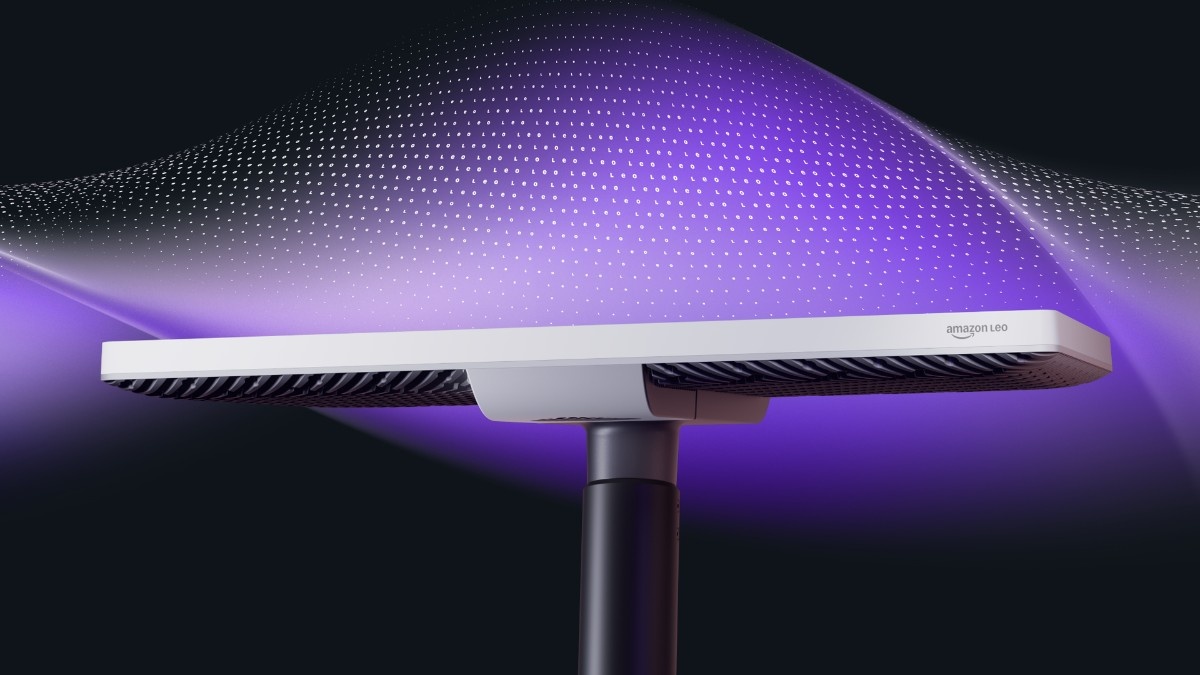
DUBAI: ELCOME, a global provider of maritime technology and satellite communication solutions, announced today that it has signed an authorised reseller agreement with Amazon Leo (formerly Project Kuiper) to offer satellite-based connectivity to the commercial maritime sector.

Under this agreement, ELCOME will offer Amazon Leo to fleets operating across all major oceans, supporting merchant shipping, offshore service vessels commercial fishing, and yachting.

Building on ELCOME’s existing fleet connectivity footprint across more than 5,000 vessels, the addition of Amazon Leo Pro and Leo Ultra terminals will provide operators with an independent low Earth orbit connectivity path that improves availability and network diversity at sea.

Customers will see increased resilience, optimized application performance, and accelerated modern digital operations onboard and between ship and shore.

Amazon Leo is building one of the most advanced satellite communications systems in the world. Powered by a constellation of thousands of satellites in low Earth orbit, the system will provide lower latency and higher transmission capacity than traditional geostationary satellite solutions, enabling real-time applications, telemetry, remote operations, and hybrid network architectures.

“This agreement advances our mission to deliver global, scalable, and future-ready connectivity to the maritime industry,” said Jimmy Grewal, Managing Director of ELCOME.

“Amazon Leo technology will help transform how vessels communicate, operate, and integrate with their shoreside networks.”

“Through this agreement with Amazon Leo, Elcome will provide the connectivity that modern maritime operations demand. Customers on the open seas will have the ability to power critical technology, using our antennas designed to operate seamlessly in challenging maritime environments.” said Trevor Vieweg, Head of Global Business, Amazon Leo.

Maritime operators will benefit from ELCOME’s global engineering footprint, 24/7 support operations, and long experience deploying satellite communication systems for fleets of all sizes.

Lehmann Marine supplying battery systems for three new, fully electric passenger ferries for Port of Hamburg

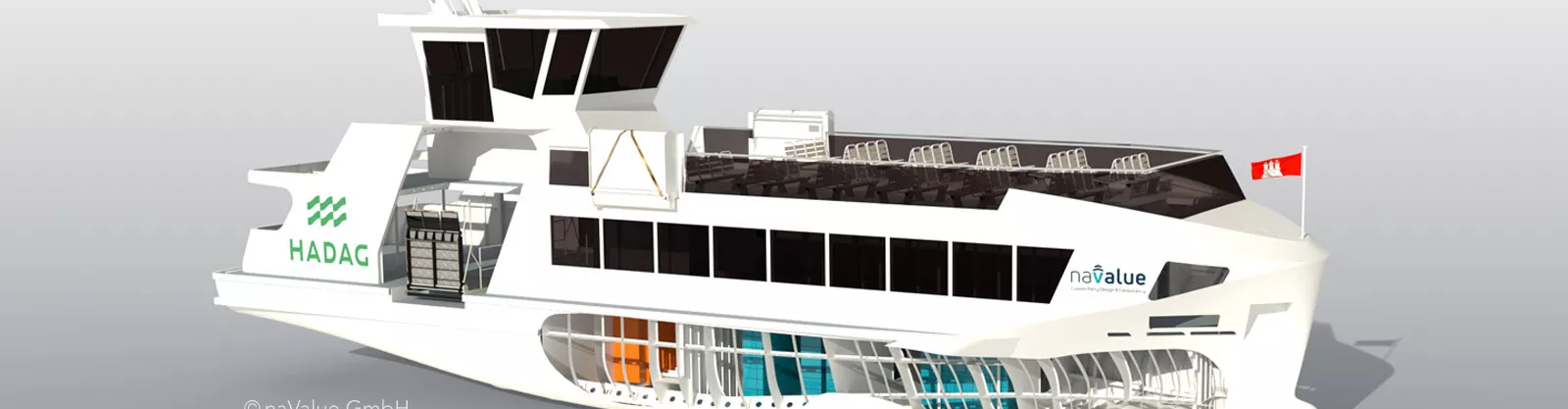
HAMBURG: Lehmann Marine is contributing to the transformation of the Port of Hamburg towards sustainability by supplying the battery systems for three new, fully electric passenger ferries.

This project represents the largest order in the company’s history and serves as a significant lighthouse project for the electrification of urban maritime transport. Built by SET Schiffbau- und Entwicklungsgesellschaft Tangermünde mbH on behalf of HADAG Seetouristik und Fährdienst AG, the vessels will be deployed in the Port of Hamburg as HADAG’s first purely electrically propelled ferries. With the construction of three fully electric new-build ferries, HADAG is consistently advancing the modernization of its fleet. Operating the public ferry services atPort of Hamburg, HADAG is thereby sending a clear signal for sustainable waterbound mobility.

The core component of the new Type 2030e ferries is Lehmann Marine’s modular CUBE energy storage system. The system is already in operation on numerous vessels worldwide and is distinguished by high safety standards, long service life, and a flexible, maintenance-friendly design. Its modular architecture enables straightforward integration into a wide range of vessel concepts and significantly simplifies onboard service and maintenance operations.

Measuring approximately 30 meters in length and eight meters in beam, each ferry will accommodate 250 passengers. With an installed battery capacity of 3.8 MWh per vessel, the battery systems supplied by Lehmann Marine provide the foundation for fully emission-free and quiet ferry operations under the demanding conditions of port service. All three vessels are scheduled to enter service in 2028.

“As a company with roots in Hamburg competing in a strong global market, we are proud to contribute to the electrification of the HADAG fleet in the Port of Hamburg,” says Alexander Lehmann, Managing Director of Lehmann Marine GmbH. “This project demonstrates that high-performance battery systems are now a proven and practical solution for the emission-free operation of passenger vessels.”

Lars Köhler, Head of Sales at Lehmann Marine, adds: “Fully electric propulsion systems are no longer just a technical alternative in ports – they are the decisive step toward eliminating emissions that affect residents and tourists alike. Our CUBE system enables quiet, clean, and climate-friendly port operations that protect the ecosystem and improve the environmental footprint of the Port of Hamburg.”

The shipyard and the shipowner deliberately selected Lehmann Marine as their technology partner. The collaboration between SET Shipyard, HADAG, and Lehmann Marine underscores their shared commitment to implementing sustainable maritime mobility concepts through innovative propulsion solutions.

India – Seychelles Joint Vision for sustainability, economic growth and security through enhanced linkages

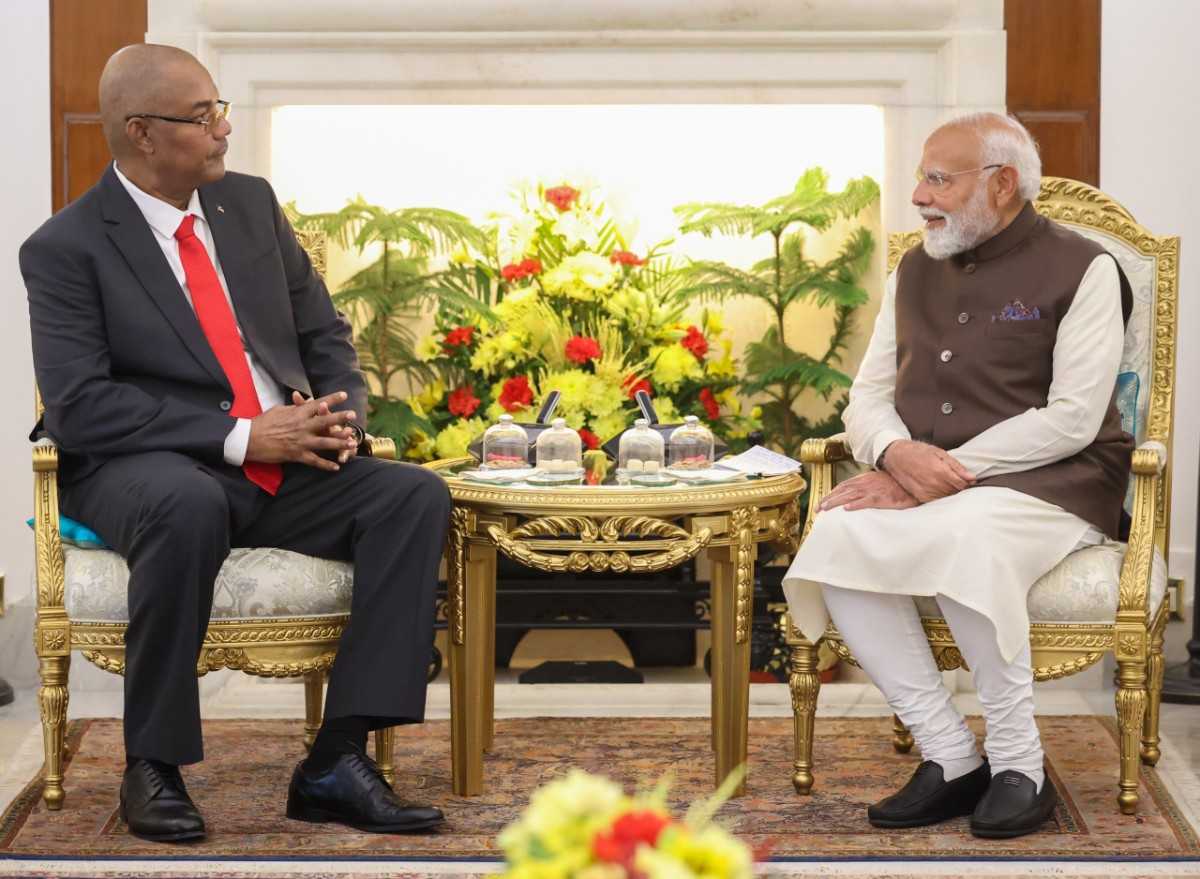
NEW DELHI : At the invitation of Prime Minister Shri Narendra Modi, the President of the Republic of Seychelles Dr. Patrick Herminie is on a State Visit to India from 5 to 10 February 2026.

President Herminie’s State Visit coming around 100 days after his inauguration signals the shared commitment of India and Seychelles to strengthen, expand and deepen our longstanding and multifaceted bilateral partnership. The State Visit has added significance as it coincides with the 50th year of Independence of Seychelles, and the 50th year of establishment of diplomatic relations between the two countries.

During their meeting on 9 February 2026, Prime Minister Modi and President Herminie had comprehensive and productive discussions covering the entire spectrum of bilateral relations. Prime Minister Modi congratulated President Herminie for his success in the elections held in October 2025. The two leaders reaffirmed that India and Seychelles, as close maritime neighbours, enjoy a special and time-tested partnership built on ties of history and kinship, and nurtured by the shared values of democracy and pluralism. The leaders acknowledged that Seychelles-India ties are people-centric and reinforce security and stability in the Western Indian Ocean Region. The leaders also reaffirmed Seychelles’ role as an important pillar in India’s Vision MAHASAGAR (Mutual and Holistic Advancement for Security and Growth Across Regions).

Recalling the rich and historic people-to-people ties connecting India and Seychelles, both leaders emphasized the need for closer engagement on national development priorities to enhance security, prosperity and well-being of the peoples of Seychelles and India.

President Herminie underlined India’s role as a trusted partner for Seychelles and the region. He expressed gratitude to India for the longstanding assistance and cooperation extended to Seychelles in achieving its development agenda.

Underlining the respective strengths of both nations and recognising the importance of the relationship, the two leaders announced a Joint Vision for Sustainability, Economic Growth and Security through Enhanced Linkages (SESEL).

Political Exchanges

The leaders acknowledged the importance of regular high-level political meetings, visits and consultations between Seychelles and India. Both sides agreed to intensify political and socio-economic engagements at leadership, Ministerial and Senior Official levels.

Both leaders agreed to deepen cooperation and intensify Parliamentary Exchanges between the two countries, including the sharing of best practices on parliamentary proceedings and capacity building.

Development Partnership

President Herminie acknowledged India’s steadfast support for the development and security needs and aspirations of Seychelles through lines of credit, grants, capacity building and high-impact community development projects (HICDP). Prime Minister Modi reaffirmed India’s commitment to remaining a pivotal and reliable partner in Seychelles’ national development agenda, with particular focus on sustainability, defence and maritime security, capacity building, resilience and inclusive growth.

Reaffirming their commitment to work closely to expand and intensify the people-centric development partnership between the two countries, India announced a ‘Special Economic Package’ of USD 175 million, which will include a blended financial assistance of USD 125 million in Rupee-denominated Line of Credit and USD 50 million in Grant assistance for development cooperation projects, capacity building for civilians and defence officials, maritime security, etc.

Recognising that India’s rapid digitalization is a force for good in the Global South, the two leaders agreed to work closely in the sphere of digital transformation. Noting the need for Seychelles to digitise governance for the benefit of its citizens, India agreed to undertake comprehensive efforts on the buildout of Digital Public Infrastructure (DPI), including digital payments, in accordance with the needs and requirements of Seychelles.

Cooperation in the fields of Health and Essential Commodities

President Herminie expressed gratitude to Prime Minister Modi for the donation of 10 ambulances (Basic Life Support and Advance Life Support). These ambulances, fitted with the latest equipment will support emergency health services in Seychelles. This gesture underlines the people-centric approach of the India-Seychelles partnership.

The two leaders agreed that recognition of Indian Pharmacopoeia (IP) by Seychelles would streamline procurement of quality assured essential medicines and facilitate access to affordable medicines through collaboration under India’s Jan Aushadhi initiative.

Both leaders agreed to:

  • Implement training programmes and exchange visits in the area of mental health through institutional linkages.
  • Support recruitment and deputation of medical specialists, nurses, paramedics and technicians from India to meet the needs of Seychelles.
  • Strengthen bilateral cooperation in public health through exchange of visits and institutional linkages.
  • Work together to support the construction of a new hospital in Seychelles.

Acknowledging that high cost of living remains a major concern for the Government of Seychelles, both leaders agreed to:

  • Collaborate on long term augmentation of healthcare infrastructure of Seychelles, including measures to enhance affordability and reliable access to medicines and medical equipment.
  • Work together to institutionalize a mechanism to procure quality and cost-effective food and essential commodities from India.
  • President Herminie expressed gratitude to the Prime Minister Modi for the donation of 1000 metric tons of grains to Seychelles. This donation of food will strengthen food security in Seychelles and bring down the cost of food for the people of Seychelles.

Capacity Building, Human Resource Development and Institutional Linkages

President Herminie conveyed deep appreciation for India’s continued support to enhance Seychelles’ institutional and administrative competencies. Both sides underscored the strong cooperation in capacity building, including through the Indian Technical and Economic Cooperation (ITEC) programme, training programmes for civil servants, defence personnel, and health professionals. The leaders agreed to explore more training programmes and institutional linkages in policing, finance, agriculture, climate change, marine conservation, and other domains in line with the needs and requirements of Seychelles.

On education and vocational training, the leaders urged expansion of skill development initiatives, interactions between academic institutions and digital education platforms.

Both leaders agreed to:

  • Implement the customised training programme for Seychellois civil servants in India through the National Centre for Good Governance (NCGG).
  • Strengthen capacity building, cooperation and exchanges in the areas of cybersecurity and financial intelligence.
  • Facilitate the deputation of experts from India to Seychelles, and capacity building in the areas of technology, health, education, renewable energy, law, auditing, maritime security, finance, land and infrastructure development, tax administration, women empowerment, fisheries and other realms of mutual interest.
  • Advance capacity building and institutional linkages between India and Seychelles in the area of marine sciences and conservation through Government and non-Government institutions.
  • Cooperate and collaborate for promotion of Micro, Small and Medium Enterprises (SMEs).
  • Customise training programs according to the needs of Seychelles in collaboration with Sushma Swaraj Institute of Foreign Service.

Renewables, Climate Action, and Sustainability

Both sides reaffirmed their commitment to deepen cooperation in renewable energy and climate resilience, including through innovative clean energy solutions. President Herminie acknowledged India’s steadfast support in assisting Seychelles to achieve its renewable energy objectives. He noted that the solar power projects implemented under the aegis of the International Solar Alliance, with the support of the Government of India, have delivered tangible and community-level benefits, particularly in the agriculture and healthcare sectors of Seychelles.

In order to further deepen the cooperation in the areas of preparedness and mitigation of effects of climate change, both leaders agreed to support the implementation of Multi-Hazard Early Warning Systems in Seychelles.

India agreed to extend technical assistance to Seychelles in managing its power grid, in support of the country’s transition to a green public transport system. Both sides also agreed to explore new avenues of cooperation and projects in energy conservation, sustainability, renewable energy and green mobility domains to cater to the needs of Seychelles.

Both leaders acknowledged that access to finance remains a key challenge for SIDS such as Seychelles. President Herminie expressed his hope that Seychelles can continue to rely on India’s strong and constructive voice in international platforms to support consideration of multidimensional vulnerability, including the Multidimensional Vulnerability Index (MVI), as a complementary and important analytical tool, while taking into account equity, Common But Differentiated Responsibilities and Respective Capabilities (CBDR-RC), and nationally determined needs in relevant engagements with Multilateral Development Banks, International Financial Institutions, and UN development partners.

Both leaders agreed that Seychelles would join the Coalition for Disaster Resilient Infrastructure (CDRI).

Trade, Investment, Connectivity and Tourism

President Herminie stressed the need for Indian companies and businesses to see Seychelles as a major investment hub and benefit from trade and business opportunities offered by Seychelles in the affordable housing, digital technology and AI, financial services, blue economy, tourism and fisheries sectors.

Both leaders acknowledged that direct flights increased the number of Indian tourists visiting Seychelles. They underlined that the increase in tourists visiting from India has strengthened the resilience of the tourism sector in Seychelles. Further, both sides agreed to work together to explore enhancing more flight connectivity between the two countries.

The leaders underscored the need for exploiting the full potential of bilateral trade for the shared objective of economic growth and prosperity of Seychelles and India.

Cooperation in Hydrography

Both leaders agreed to step up bilateral cooperation in the field of hydrography to support Seychelles’ efforts in accelerating its blue economy growth through the conduct of more joint hydrographic surveys. In this regard, Seychelles will establish a Seychelles Hydrographic Unit (SHU) with Indian assistance. To give direction and momentum to this area of bilateral cooperation, it was decided that the 3rd JCM on Hydrography will be held in Seychelles in early 2026.

Defence Cooperation and Maritime Security

Prime Minister Modi and President Herminie underlined that maritime security and defence constituted a key and time-tested pillar of the bilateral partnership. Prime Minister Modi noted that Seychelles is an important maritime partner in India’s vision of MAHASAGAR (Mutual and Holistic Advancement for Security and Growth Across Regions) and reiterated India’s continued support and assistance to Seychelles in meeting its maritime security and defence needs.

Both leaders acknowledged that a strong Seychelles-India partnership in the maritime security and defence domain reinforces regional stability and security and advances the well-being and prosperity of the people of Seychelles and India.

The leaders further reaffirmed that Seychelles and India remain committed to ensuring a free, open, safe and secure Indian Ocean Region, underpinned by respect for international law, freedom of navigation and a rules-based maritime order. They reiterated their resolve to work closely to counteract maritime challenges such as piracy, smuggling of narcotics and human trafficking, illegal, unregulated and unreported fishing, and other transnational crimes, including those with linkages to organized crime and terrorism financing, and to reinforce peace, security and stability in the Indian Ocean Region through enhanced maritime domain awareness, information sharing, capacity building and coordinated operational management.

President Herminie conveyed his appreciation to Prime Minister Modi for the steadfast support to Seychelles for joint maritime surveillance, hydrography surveys, bilateral exercises, information sharing and capacity building for the Seychelles Defence Forces (SDF). Both leaders agreed to strengthen bilateral cooperation in the maritime security and defence sphere through customised training and provision of naval and air assets and transport vehicles.

Both leaders agreed to initiate the process to elevate institutional engagement in order to ensure greater effectiveness, enhanced coordination and higher-level engagement.

President Herminie appreciated India’s participation in Seychelles’ National Day celebrations through Indian Armed Forces contingents. Both sides agreed to continue this tradition for the 50th National Day celebrations.

President Herminie expressed gratitude to India for its continued support towards the refit of PS Zoroaster through grant assistance. He also acknowledged the recent donation of 10 utility vehicles and 5 sets of laser radial boats to Seychelles. This will cater to the logistical needs of the Seychelles Defence Forces.

Regional and Multilateral Cooperation

Acknowledging the role of regional mechanisms in furthering maritime security and addressing common challenges in the Indian Ocean Region, both leaders agreed to work closely to exchange views on issues of mutual interest.

Prime Minister Modi welcomed the decision of Seychelles to become a full member of the Colombo Security Conclave (CSC). He also expressed his gratitude to President Herminie for the support given by Seychelles to India for various candidatures to regional and international bodies. President Herminie reaffirmed Seychelles’ support for India’s permanent membership at the UN Security Council.

People-to-People and Cultural Ties

Recognising the deep historical ties between India and Seychelles, Prime Minister Modi and President Herminie highlighted the contributions of Seychellois of Indian heritage to the economic, social, and cultural fabric of Seychelles. Both leaders also acknowledged the contribution of Indian professionals to the economy and infrastructure of Seychelles. Both leaders agreed to institutionalise cooperation in the fields of culture, tourism, education, and youth engagement.

The two leaders expressed satisfaction at the comprehensive discussions covering all aspects of bilateral relations. They concluded the meeting with the shared understanding that the Seychelles-India partnership remains a cornerstone for stability and development in the Indian Ocean Region. They expressed confidence that the decisions taken today will elevate and strengthen the bilateral partnership and deliver tangible benefits to the peoples of both nations.

President Herminie thanked Prime Minister Modi for the warm hospitality extended on his State Visit to India. He also extended an invitation to Prime Minister Modi to undertake an official visit to Seychelles at a mutually convenient time.