Home Blog Page 450

Budget 2026 Spurs Greener Logistics and Faster Cargo Movement, says SMILe and Coldverse

AHMEDABAD: Logistics and supply chain companies have welcomed the Union Budget 2026–27, citing its emphasis on multimodal connectivity, greener logistics networks and technology-enabled trade facilitation as key enablers for improving India’s supply-chain competitiveness.

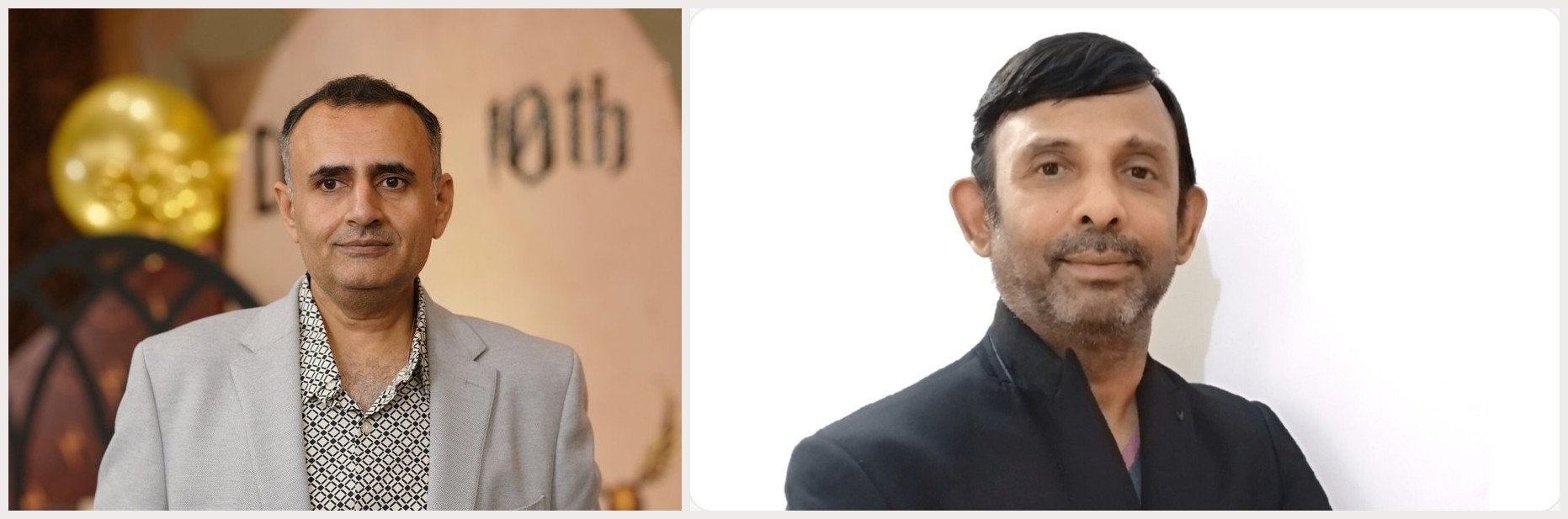
Commenting on the government’s push to strengthen East–West connectivity through dedicated freight corridors and inland waterways, Mr. Ajay Mokariya, Managing Director, Shree Maruti Integrated Logistics (SMILe), said enhanced regional connectivity would play a critical role in reducing supply-chain bottlenecks, emissions and delivery timelines across sectors.

“Enhanced connectivity across regions—particularly stronger East-West linkage—can significantly reduce supply-chain bottlenecks and enable faster delivery cycles for manufacturing, agriculture and export-oriented sectors. The expansion of dedicated freight corridors and inland waterways supports India’s transition towards greener logistics by shifting cargo away from an over-reliance on trucking, thereby lowering emissions and fuel consumption,” Mr. Mokariya said.

He highlighted that inland waterways, being more energy-efficient and cost-competitive for bulk cargo, are especially suited for commodities such as minerals, cement and agricultural produce. According to him, connecting mineral-rich and industrial regions such as Talcher and Angul with ports like Paradip and Dhamra can improve access to global markets, while integrated multimodal logistics chains would strengthen last-mile connectivity and overall supply-chain resilience.

Sharing his perspective on customs reforms and MSME-focused measures, Mr. Ganesh Iyer, Chief Executive Officer, Coldverse, said the Budget lays the groundwork for faster, technology-enabled and globally competitive supply chains by easing cargo movement and reducing compliance friction.

“The Union Budget sends a strong and timely signal for India’s supply chain and logistics ecosystem. Measures such as recognising trusted importers within the risk management system and enabling factory-to-port clearance through electronic sealing will significantly reduce dwell time, compliance friction, and uncertainty across cargo movement,” Mr. Iyer said.

He also welcomed the proposed safe harbour for bonded warehousing at a competitive tax incidence of around 0.7 percent, calling it a decisive step to support just-in-time logistics, particularly for electronics and advanced manufacturing sectors.

Highlighting the continued policy focus on MSMEs, Iyer noted that small and medium enterprises remain central to India’s manufacturing ambitions and export competitiveness.

“Together, these reforms will enhance supply chain efficiency, improve export competitiveness, and support India’s goal of raising manufacturing’s share of GDP toward 25 percent through faster, more resilient, and technology-led logistics networks,” he added.

Sagarmala loses steam as Budget 2026 slashes funding by 29%, new maritime schemes get priority

NEW DELHI : The government’s ambitious Sagarmala Programme, designed to transform India’s coastline into an economic powerhouse, has been dealt a blow in the Union Budget 2026-27.

Finance Ministry has slashed the scheme’s allocation by nearly 29 per cent, from Rs 866 crore in the original 2025-26 budget to just Rs 616.88 crore for the coming financial year (FY).

Launched to mobilise over Rs 5 lakh crore in infrastructure investment and double the share of inland and coastal waterways in cargo movement, Sagarmala now finds itself competing for shrinking resources even as newer schemes receive substantial backing.

Analysis of the Ministry of Ports, Shipping and Waterways budget documents reveals the programme has been on a downward trajectory.

After peaking at Rs 866 crore in the 2025-26 budget estimate, allocations were revised down to Rs 699 crore mid-year. The latest budget takes the cut even deeper, leaving Sagarmala with less than it received in actual expenditure during 2024-25 (Rs 658.29 crore).

What makes the squeeze particularly striking is the contrast with other maritime initiatives that received generous treatment.

The newly announced Maritime Development Fund walked away with Rs 1,000 crore, whilst shipbuilding support schemes secured Rs 515 crore and Rs 250 crore respectively for the coming FY.

Most dramatically, grants to the Inland Waterways Authority of India (IWAI) surged from a mere Rs 7 crore in the revised 2025-26 estimates to Rs 265 crore — a 37-fold increase.

The Sagarmala programme encompasses development of coastal communities, the National Maritime Heritage Complex, and infrastructure to promote cargo and passenger movement via sea and national waterways.

It also includes projects for minor ports development. However, despite these wide-ranging objectives, the scheme has struggled to secure consistent funding support.

The year’s budget speech emphasised coastal cargo promotion and announced 20 new national waterways over five years.

The programme’s reduced envelope will likely force project delays and scaling back, particularly in coastal infrastructure development where private investment has been slower to materialise than anticipated.

The budget documents show that revenue expenditure for Sagarmala dropped from Rs 634.47 crore in 2024-25 to Rs 576.88 crore in 2026-27, whilst capital expenditure rose modestly from Rs 23.82 crore to Rs 40 crore.

This suggests ongoing commitments are being maintained, but new project approvals may face severe constraints.

Source : Swarajya

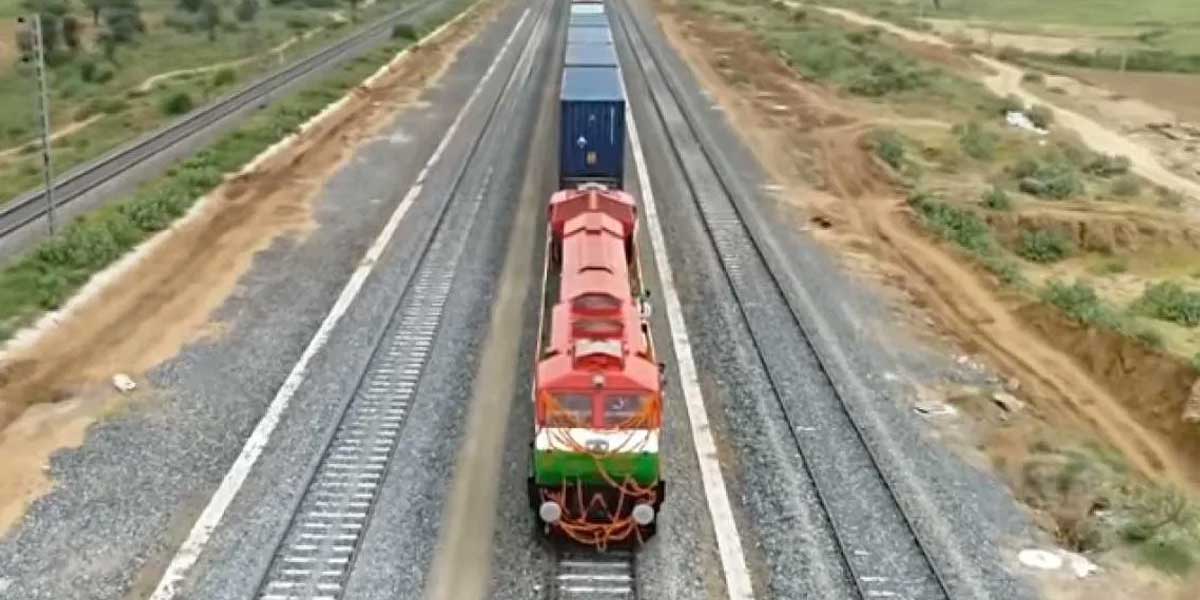
Dankuni-Surat DFC announces in Budget 2026 ; to connect Gujarat to Bengal

NEW DELHI : The corridor is expected to emerge as a major freight link, enabling faster and greener transportation of goods between key industrial hubs in the east and the ports and manufacturing centres in the west.

Strategic Importance
India’s existing Dedicated Freight Corridors, including the Eastern DFC (from Ludhiana to Dankuni) and the Western DFC (from Dadri to Jawaharlal Nehru Port), have already transformed rail logistics by separating freight operations from passenger traffic, reducing transit time, and increasing capacity.

The proposed Dedicated Freight Corridor connecting Dankuni in West Bengal with Surat will pass through Odisha, Chhattisgarh, Madhya Pradesh, and Maharashtra. This 2,052-km corridor will integrate with the existing Western Dedicated Freight Corridor, enabling seamless movement of goods to ports along the west coast. The Union Minister noted that the existing Eastern and Western DFCs are already operating at near-saturation levels, handling around 400 freight trains daily, necessitating additional corridors to meet future demand.

By linking mineral-rich regions in the east with Surat’s textile, diamond, and port-based industries, the corridor is expected to promote balanced regional development and boost India’s freight infrastructure.

NHAI signs MoU with NFSU to strengthen digital security for National Highway Management

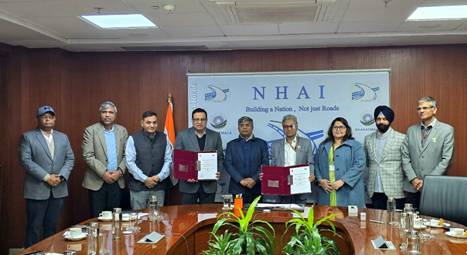
GANDHINAGAR : To strengthen digital security and data protection, Indian Highways Management Company Limited (IHMCL), a company promoted by NHAI signed a Memorandum of Understanding (MoU) with the National Forensic Sciences University (NFSU), a Government of India Institution of National Importance headquartered in Gandhinagar, Gujarat to foster collaboration in the fields of research, training and consultancy, particularly in cyber forensics, digital evidence integrity and advanced technological applications relevant to the National Highway management. The MoU was signed by Shri A.R. Chitranshi, Chief Operating Officer, IHMCL and Dr. S.O. Junare, Campus Director, NFSU, Gandhinagar in presence of NHAI Chairman, Shri Santosh Kumar Yadav; Shri Vishal Chauhan, Chairman and Managing Director, IHMCL and other senior officials from NHAI, IHMCL and NFSU.

NHAI MOU NHAI signs MoU with NFSU to strengthen digital security for National Highway Management

The MoU aims to facilitate mutually beneficial academic and research-oriented cooperation between the two government bodies to enhance knowledge creation, technological resilience and institutional capacity building. The collaboration will contribute towards strengthening cyber security frameworks and forensic reliability in critical National Highway operations and digital platforms.

Under the MoU, NFSU will provide technical guidance and support to IHMCL for the development of laboratories equipped with state-of-the-art technologies, including CCTV, multimedia analysis, audio-video analysis and digital as well as cyber forensics laboratories.

In addition, the University will support IHMCL in strengthening cyber resilience and evidence integrity by providing specialized training programs in cyber & digital forensics, multimedia analysis and related domains.

The MoU will focus on enhancing collaboration in areas such as Multi-Lane Free Flow (MLFF), Advanced Traffic Management Systems (ATMS), Automatic Number Plate Recognition (ANPR), Traffic Management Systems (TMS) and Weigh-in-Motion (WIM). Identified areas also include secure camera-based imaging systems, encrypted data storage and retrieval, cybersecurity reviews of critical applications, Evidence integrity and Forensic reliability, scientific improvement of imaging accuracy, and establishment of Security Operations Centre (SOC) services and forensic validation laboratories.

Also, both organizations will undertake joint research, development and consultancy projects in mutually agreed areas. A coordinator will be nominated by each organization to oversee implementation and periodically review progress. The MoU will remain valid for a period of three years.

The MoU reflects NHAI’s focus on advancing secure and robust digital ecosystems that will strengthen rapidly expanding National Highway infrastructure across the country.

Maersk deploys first vessel in new mid-size class

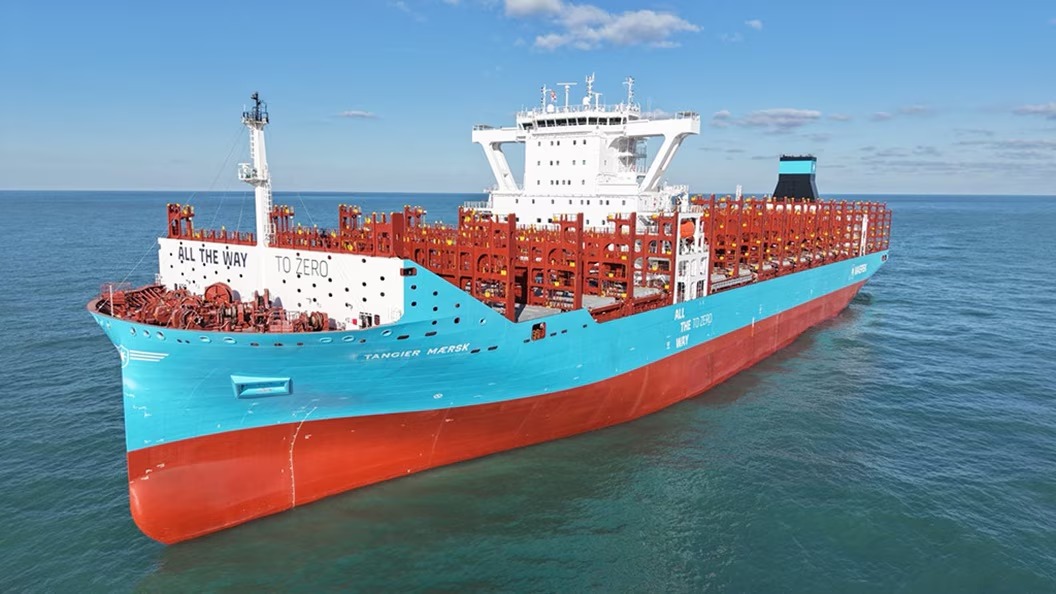
COPENHAGEN : A.P. Moller – Maersk has taken delivery of the first vessel in a new series consisting of six mid-size vessels. The delivery took place at Yangzijiang Shipbuilding Group’s yard in Jingjiang, China, where the vessel was named Tangier Mærsk.

We are pleased to take delivery of Tangier Mærsk, marking the first of six vessels in this new series. Together with the remaining vessels in the series, it will contribute to our ongoing fleet renewal and support our long‑term competitiveness.

Anda Cristescu
Head of Chartering & Newbuilding at Maersk
The six vessels in this new series have a capacity of 9000 TEU each and are equipped with a dual fuel engine able to operate on methanol.

On its maiden voyage, Tangier Mærsk will call Shanghai and enter deployment on Maersk’s TP15 service, which connects East Asia with the US Gulf Coast via the Panama Canal.

With the launch of Tangier Mærsk, Yangzijiang Shipbuilding Group delivered the vessel three months ahead of schedule. Maersk will take delivery of four additional vessels in the series later this year, followed by the final delivery in early 2027.

About Maersk
A.P. Moller – Maersk is an integrated logistics company working to connect and simplify its customers’ supply chains. As a global leader in logistics services, the company operates in more than 130 countries and employs around 100,000 people. Maersk is aiming to reach net zero GHG emissions by 2040 across the entire business with new technologies, new vessels, and reduced GHG emissions fuels*.

Lloyd’s Register issues first Guidance Notes for onboard hydrogen generation as industry seeks regulatory clarity

LONDON: Lloyd’s Register (LR) has published the maritime industry’s first dedicated Guidance Notes for onboard hydrogen generation, providing long-awaited clarity on the safe design and integration of hydrogen generator technologies on ships.

The new Guidance Notes respond directly to growing interest from shipowners, yards and technology developers in producing hydrogen onboard using alternative fuels such as LNG, methanol and ammonia.

While hydrogen is widely seen as a key fuel for decarbonisation, limited supply and availability of complex bunkering infrastructure significantly slow adoption in shipping. In addition, onboard storage may also pose challenges due to space demands and system complexity, adding further barriers to implementation.

Onboard hydrogen generation offers a practical bridge to the future of zero-emission shipping. By producing hydrogen directly on board, shipowners can avoid the need for space-demanding and complex compressed or liquefied hydrogen storage systems and eliminate dependence on the future development of widespread hydrogen supply chains and bunkering infrastructure. At the same time, they position themselves for compliance with tightening emission requirements and future decarbonisation regulations.

However, onboard hydrogen generation also presents safety and regulatory challenges due to the presence of two gases or low-flashpoint fuels and the absence of mature international regulations. Drawing on established LR Rules for fuel cells and low-flashpoint fuels, the Guidance Notes provide a clear, risk-based framework that reduces uncertainty, supports plan approval and accelerates project delivery for newbuilds and retrofits.

The Guidance Notes set out practical requirements for the design, safety and onboard installation of hydrogen generators, recognising the challenges of adapting land-based technologies for the marine environment. By aligning safety principles with existing class requirements, they offer a consistent and credible basis for engagement with flag Administrations and other stakeholders.

For shipowners, yards and technology providers, the Guidance Notes are expected to reduce technical and regulatory uncertainty for projects currently under development, helping to shorten approval timelines and de-risk investment decisions in hydrogen-based solutions.

Thomas Bayer, Lead Specialist Fuel Cell Technology, Technical Directorate, Lloyd’s Register, said: “Clear guidance is essential for emerging technologies. The industry cannot afford to stand still while formal regulations are developed; our Guidance Notes provide the clarity needed to move projects from concept to delivery.

“By publishing dedicated guidance ahead of formal international standards, LR reinforces its position as a trusted advisor on emerging technologies and a leader in supporting the maritime industry’s transition to low- and zero-carbon energy.”

The Guidance Notes are available now via the LR website at: LR-GN-061 Guidance Notes for Onboard Hydrogen Generation | LR

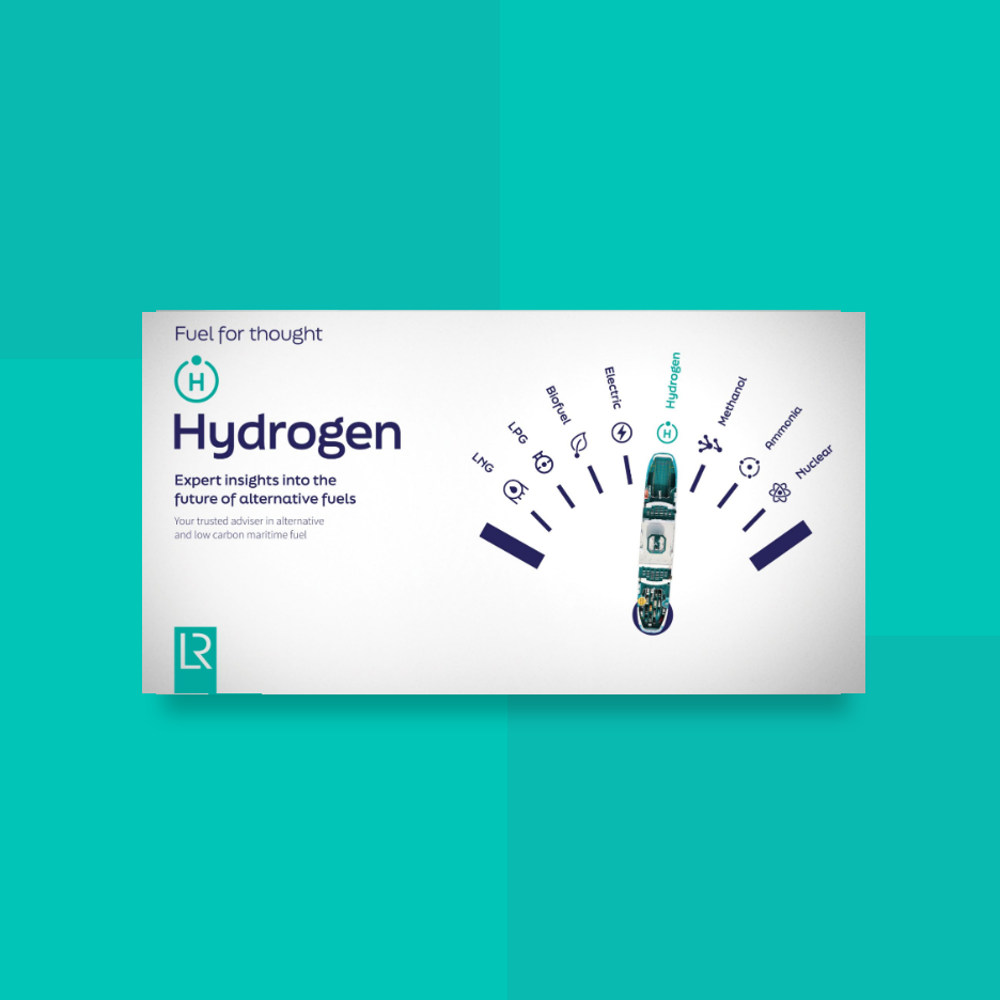
LR recently published the latest report in its award-winning Fuel for thought series, providing a comprehensive assessment of hydrogen’s potential role in maritime decarbonisation.

Fuel for thought: Hydrogen examines hydrogen from production and supply through to onboard use, highlighting the fuel’s advantages alongside the safety, infrastructure and cost challenges that currently restrict its adoption.

DHL Group adds new sustainability milestones in Asia Pacific across skies and streets

SINGAPORE: DHL Group has marked significant milestones in its sustainability journey across Asia Pacific by reinforcing its commitment to decarbonization and readiness to meet the region’s growing demand for emissions-reduced logistics solutions. In 2025, DHL advanced its sustainability roadmap. From this wide range of initiatives, five examples stand out, including sustainable fuel agreements, electric vehicle deployment, and carbon-neutral facilities.

Leading the charge with sustainable fuels

Despite aviation being one of the most challenging sectors to decarbonize, DHL is making steady moves to achieve 30% sustainable aviation fuel (SAF) usage by 2030. 2025 saw DHL Express sign landmark SAF agreements with leading partners across Asia, including Cosmo Energy, Cathay and Neste to boost SAF demand and adoption for air cargo flights. These contracts accounted for close to 20 million liters of SAF to be supplied to DHL Express flights departing Narita, Incheon and Singapore. To date, DHL is one of the leading SAF users in the logistics industry.

Additionally, SAF is also widely adopted by customers in the Asia Pacific region through DHL’s GoGreen Plus service. In 2025, over 153,000 customers shipped using the service to reduce the Scope 3 emissions of their international air shipments via SAF. Through the ‘book and claim’ system, DHL can substitute fossil fuels with sustainable fuels across its network and assign the resulting environmental benefits to customers who invest in GoGreen Plus – even if their shipments are not physically transported using assets powered by these fuels.

Ken Lee, CEO, Asia Pacific, DHL Express said, “Sustainability isn’t just a slogan for us. We lead with action – whereas others follow – to reduce the greenhouse gas emissions from our operations. Together with the right partners, we are setting a benchmark for the logistics industry. We are determined to extend our efforts and scale solutions that can make a real impact for our customers and reduce our impact to the planet.”

Meanwhile, DHL Global Forwarding formed a global partnership with CMA CGM to purchase 8,800 metric tons of UCOME second-generation biofuel with the aim of reducing around 25,000 metric tons of greenhouse gas emissions on a well-to-wake basis. This collaboration reiterates DHL’s commitment to driving the demand for sustainable marine fuel to achieve low-carbon maritime transport.

Niki Frank, CEO, Asia Pacific, DHL Global Forwarding, said, “Our role goes beyond moving goods. We enable global trade to become more sustainable. Customers are increasingly asking for solutions that could help them decarbonize entire supply chains. With our global reach and expertise across air, ocean and road freight, DHL is uniquely positioned to deliver those ambitions through innovation and collaboration.”

Expanding electric vehicle fleet

Credit DHL Group service point dhl driver pick up DHL Group adds new sustainability milestones in Asia Pacific across skies and streets

Beyond the skies and the seas, DHL continues to accelerate the transition to emissions-reduced ground transport through the deployment of hydrogen-powered vehicles and the electrification of its fleet.

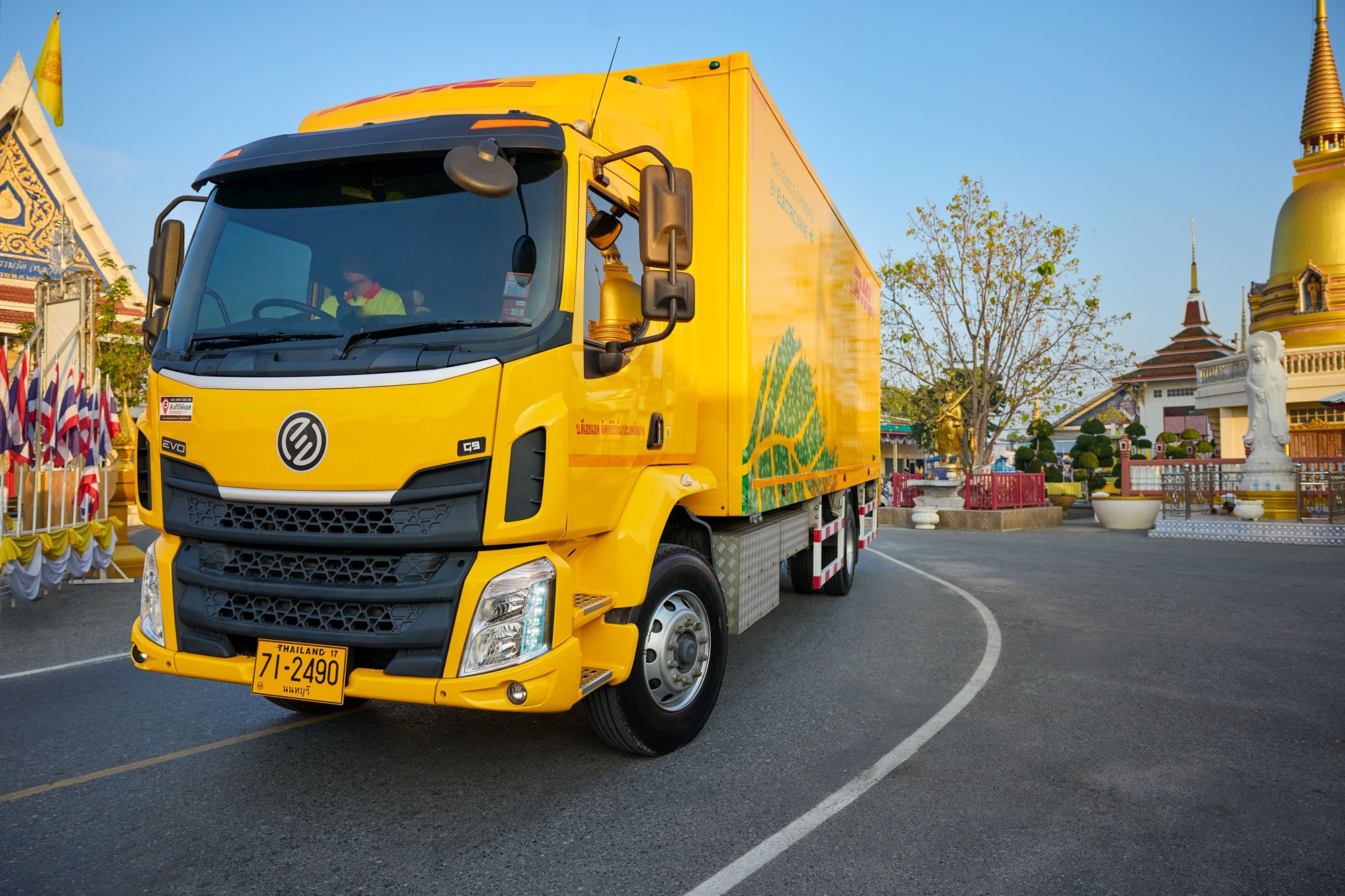
Last year saw DHL Supply Chain deploy hydrogen-powered trucks in Japan for long-haul operations. In Thailand, the division supported Boots with the launch of a 100% electric vehicle fleet to service over 250 stores across the country. In the Philippines, DHL Summit Solutions, Inc., the joint venture between DHL Supply Chain Asia Pacific and JG Summit Holdings, Inc., introduced 23 electric vehicles and 22 electric prime movers.

DHL Express also expanded its EV fleet across Asia Pacific by adding over 100 electric vehicles in the Philippines, Korea and China. It currently operates more than 1,400 such vehicles for its last-mile pickup and delivery.

Similarly in Thailand, DHL eCommerce introduced two electric trucks to support its delivery operations.

To date, the Group has over 1,800 electric vehicles in the Asia Pacific region – supporting its target of operating two-thirds of its last-mile fleet with electric vehicles by 2030, contributing carbon emissions reductions in logistics and improvement of air quality in cities.

Reducing emissions at new facilities

To further DHL Group’s ‘Green Logistics of Choice’ agenda, new owned facilities have been built to operate carbon neutral. In Thailand, DHL Supply Chain unveiled its first fully renewable energy warehouse globally that is powered by on-site solar systems – a global milestone for the company. Equipped with a 4.2 MWp solar array and advanced battery storage, the site generates all of its energy on-site, eliminating reliance on fossil-fuel-based grid power. Also launched in Thailand and the Philippines were new DHL Express service centers that were designed and built to reduce energy consumption.

Javier Bilbao, CEO, Asia Pacific, DHL Supply Chain said, “When it comes to sustainability, we don’t wait for mandates – we act now to set new industry standards. Our carbon-neutral buildings and EV fleet developments reflect a long-term vision to reimagine logistics infrastructure for a low-carbon world. By investing early and decisively, we are shaping the future of sustainable and resilient supply chains for our customers and the industry.”

These highlighted initiatives reaffirm DHL’s ambition to achieve net-zero emissions by 2050 by deploying solutions that support customer’s decarbonization agenda as well as signal to suppliers that there is demand.

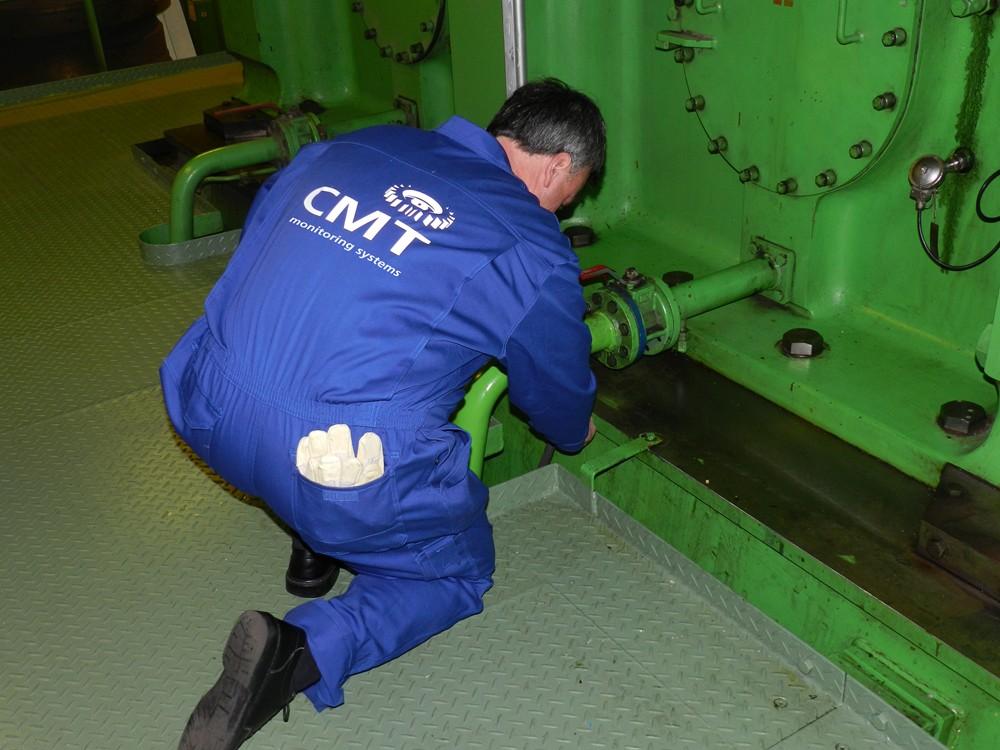
CMT Welcomes important guidance on two-strokes

HAMBURG: Germany’s CM Technologies (CMT) has welcomed an important clarification from marine engine builder Everllence on how to properly monitor, manage and interpret the cylinder condition of large two-stroke marine diesel engines.

Service Letter SL2025-776/NHN, distributed to engine operators towards the end of last year, sets out new guidelines for iron content and residual base number (BN) in scavenge drain oil, alongside clarified sampling procedures, recommended analysis intervals, and defined corrective actions for normal, abnormal and alert wear conditions. The guidance applies to Everllence B&W MC/MC-C and ME/ME-C two-stroke engines operating on all fuel types.

CM Technologies said the November 2025 guidance reflects a fundamental change in how two-stroke engines are now being operated in service. “What has changed is the way engines are being operated,” said David Fuhlbrügger, CMT’s Joint Managing Director.

“Two-stroke engines are now running much closer to their lubrication limits, largely because of fuel variability and the drive to reduce cylinder oil consumption. The new guidance recognises that optimisation has to be backed up by proper monitoring, sound interpretation of the data and clear corrective actions when wear levels move out of range.”

A central element is the requirement to interpret drain oil results in context. Everllence advises that measured iron values must be corrected to a reference cylinder oil feed rate and assessed alongside fuel sulphur content and residual BN. This helps distinguish between corrosive, abrasive and adhesive wear mechanisms, since system-oil dilution can artificially lower both iron and BN readings, creating misleading results if not identified.

“The key take-away here is that low numbers alone are not enough,” Fuhlbrügger said. “If iron values are not corrected for feed rate, or dilution effects are not identified, actual wear rates can be masked, which can lead to insufficient lubrication and accelerated wear of piston rings and cylinder liners before the condition is recognised.”

The service letter reinforces that onboard scavenge drain oil analysis is intended as a supplement to accredited laboratory testing, providing an operational early-warning function between scheduled laboratory analyses, which Everllence specifies at intervals of 1500 running hours or three months.

“Without regular scavenge drain oil testing, operators lose an early-warning mechanism that Everllence identifies as essential for detecting abnormal wear before it becomes a potentially catastrophic and very costly problem,” Fuhlbrügge added.

CM Technologies’ suite of Cylinder Drain Oil Management solutions are designed to support this monitoring layer by enabling frequent onboard assessment of key parameters, including iron content and remaining alkalinity. Used alongside laboratory analysis, these tools help crews and technical managers identify developing trends, verify the effect of feed-rate adjustments and decide when escalation to laboratory testing or further investigation is required.

The Everllence guidance also addresses high-sulphur fuel operation through defined sweep-test procedures, underlining that lubrication optimisation under corrosive conditions must be validated through structured testing rather than assumed settings.

“Better understanding of the total iron content in scavenge drain oil, lends itself to better understanding of the combined effects of corrosive, abrasive and adhesive wear on the cylinder liners and piston rings. Certainly, when engines operate on high-sulphur fuels, lubrication settings must be validated rather than assumed.”

The new guidance points to a paradigm shift in engine optimisation methodology, moving more towards a controlled, evidence-based process,” furthered Fuhlbrügge. “It reinforces the importance of systematic condition monitoring in extending component life and supporting responsible engine management, particularly where operators are seeking to optimise lubrication without compromising reliability.”

IMO Progress on Wind Propulsion Safety Framework signals major step forward for Maritime Decarbonisation

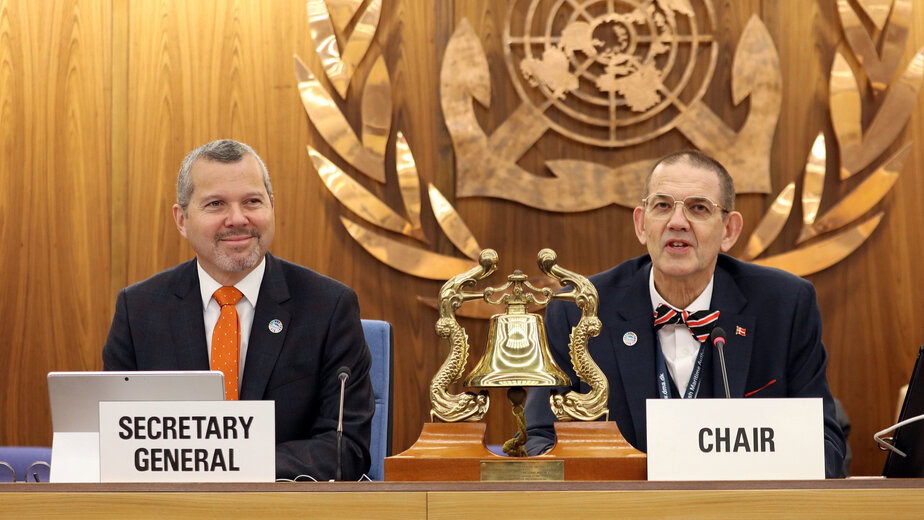
PORTSMOUTH: BAR Technologies welcomes theInternational Maritime Organization’s (IMO) decision to incorporate wind propulsion into its draft safety framework for greenhouse gas (GHG)-reducing technologies. The announcement follows the 12th session of the IMO’s Sub-Committee on Ship Design and Construction (SDC), which concluded with a commitment to develop interim guidelines for wind propulsion systems by 2029.

The move represents a pivotal shift in regulatory momentum, offering a clear pathway to support the safe, scalable, and commercially ready deployment of wind technologies at sea.

BAR Technologies maintains that as the maritime industry works toward the IMO’s 2050 net-zero targets, the need for zero-emission propulsion systems has never been more urgent.

JC headshot 4mb scaled 1 IMO Progress on Wind Propulsion Safety Framework signals major step forward for Maritime Decarbonisation

Mr. John Cooper, CEO of BAR Technologies, commented: “This development marks a vital milestone in the decarbonisation of the global fleet. By creating a regulatory environment that supports wind propulsion, the IMO is unlocking one of the most effective zero-emission technologies available today.”

Wind propulsion technologies, including BAR Technologies’ WindWings®, offer immediate reductions in fuel consumption and emissions.

The inclusion of wind in the IMO’s safety framework ensures these solutions are not only viable but can now be adopted with greater confidence by shipowners, insurers, and classification societies.

According to the IMO’s draft workplan, wind propulsion systems will benefit from formally endorsed safety guidelines that address longstanding regulatory gaps that have slowed widespread adoption.

The 2029 target for interim safety approval marks a tangible milestone for the sector, aligning with the increasing demand for green shipping corridors and zero-emission-ready vessels.

Lauren Eatwell Head of WindWings At BAR Technologies 290 IMO Progress on Wind Propulsion Safety Framework signals major step forward for Maritime Decarbonisation

Ms. Lauren Eatwell, Head of WindWings® at BAR Technologies, adds: “Safety and scalability go hand in hand. The IMO’s commitment is not just about regulation, it’s about enabling real change. We’re proud to be leading the charge with proven solutions like WindWings®.”

John Cooper stated: “WindWings® are already proving their value in commercial operation, and this move gives the industry the clarity it needs to scale adoption at pace.”

The IMO’s progress complements efforts from the International Windship Association (IWSA), which continues to advocate for equitable treatment of wind in efficiency metrics and financial incentives under the Net-Zero Framework. Ensuring that direct energy solutions like wind are not undervalued in greenhouse gas calculations is critical to maintaining a level playing field.

As BAR Technologies prepares to scale WindWings® across a growing fleet of vessels, we encourage all maritime stakeholders to engage with the IMO process, support fair regulatory treatment of wind technologies, and accelerate investment in zero-emission-ready infrastructure.

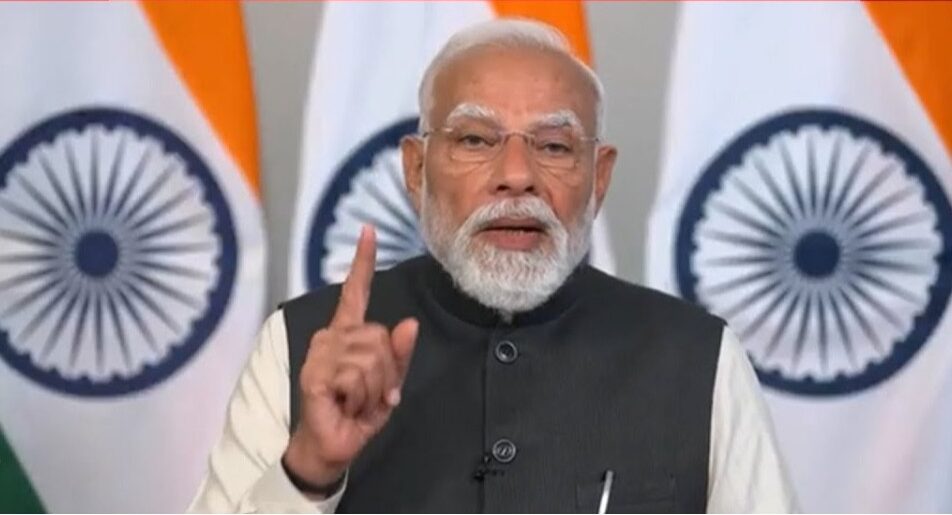
This budget is the foundation for our journey towards a Viksit Bharat by 2047: PM

NEW DELHI: Prime Minister Shri Narendra Modi shared his remarks on Union Budget 2026 via video message on Sunday. Speaking on the occasion, Prime Minister remarked that today’s budget is historic and reflects the empowered spirit of the nation’s women. He highlighted that Union Finance Minister Smt Nirmala Sitharaman, as a woman finance minister, has set a new record by presenting the country’s budget for the ninth consecutive time. The Prime Minister stated that this budget is a highway of immense opportunities, one that fulfills the dreams of the present and strengthens the foundation of India’s bright future. He emphasized that the budget serves as the basis for India’s high flight towards becoming a developed nation by 2047. 

Shri Modi noted that the reform express on which India is riding will gain new energy and new momentum through this budget. He underlined that the path-breaking reforms undertaken provide the aspiring, courageous, and talented youth of India with an open sky to soar. He further remarked that the budget realizes the vision of trust-based governance and a human-centric economic framework. The Prime Minister stressed that this is a unique budget, focused on reducing fiscal deficit and controlling inflation, while simultaneously ensuring high capital expenditure and high growth.

Prime Minister Modi remarked that this budget strengthens India’s global role anew. He highlighted that India’s 140 crore citizens are not satisfied with being the fastest growing economy, and the nation is determined to soon become the world’s third largest economy. He emphasized that this is the collective resolve of millions of Indians. The Prime Minister stated that India’s role as a trusted democratic partner and trusted quality supplier is continuously expanding. He underlined that the recent major trade deals India has undertaken are aimed at ensuring maximum benefit for the country’s youth and for small and medium enterprises, with significant steps taken in this budget to advance that direction. 

Emphasising that the budget presents an ambitious roadmap to accelerate Make in India and the Atmanirbhar Bharat campaign, Shri Modi noted that the unprecedented support given to sunrise sectors such as the BioPharma Shakti Mission, Semiconductor Mission 2.0, Electronic Component Manufacturing Scheme, creation of a Rare Earth Corridor, strengthening critical minerals sector, new schemes in the textile sector, promotion of high-tech tool manufacturing, and preparation of champion MSMEs is futuristic and addresses both present and future needs of the nation. The Prime Minister remarked that the support extended to MSMEs, including small and cottage industries, will empower them to grow from local to global. 

Shri Modi further highlighted that the budget takes several major steps to strengthen infrastructure, including a dedicated freight corridor, expansion of waterways across the country, a high-speed rail corridor, special focus on the development of tier-2 and tier-3 cities, and promotion of municipal bonds to provide stronger economic foundations for cities. He stressed that all these measures will accelerate the journey towards a developed India.

Prime Minister remarked that the greatest capital of any nation is its citizens, and in recent years the government has made unprecedented investments to enhance their capabilities. He highlighted that the continuous effort has been to strengthen skill, scale, and sustainability. Reiterating Union Finance Minister Smt. Nirmala Sitharaman’s statement that this is a youth power budget,  Shri Modi emphasized that the provisions made in the budget will prepare leaders, innovators, and creators across different sectors. He noted that through the establishment of medical hubs, allied health professionals, promotion of the orange economy including audio-visuals, encouragement of gaming, tourism, and the Khelo India Mission, new opportunities will open for the youth. He remarked that a major tax concession has been announced to make India the world’s data center hub. Extending special congratulations to the youth, he said this budget will give a significant boost to the employment generation. The Prime Minister expressed happiness that concrete steps have been taken to promote tourism, particularly in the North East, and that the foundation of balanced development has been strengthened by empowering different states. 

Highlighting that more than 10 crore women are associated with self-help groups, Shri Modi said the budget prioritizes building a modern ecosystem for women-led and women-run self-help groups, with the aim that every household welcomes prosperity. He noted that the campaign to build new hostels for girl students in every district will make education more accessible. 

The Prime Minister stressed that agriculture, dairy, and fisheries have always been given the highest priority by the government. He pointed out that in this budget, important measures have been taken for farmers engaged in the production of coconut, cashew, cocoa, and sandalwood. He remarked that the Bharat Vistaar AI tool will greatly help farmers by providing information in their own language. He further stated that promoting entrepreneurship in fisheries and animal husbandry will create more employment and self-employment opportunities in villages. The Prime Minister concluded by saying that this budget is ambitious and addresses the aspirations of the nation. He once again congratulated Union Finance Minister Smt. Nirmala Sitharaman and her team for presenting a futuristic, sensitive budget, and a budget dedicated to the welfare of villages, the poor, and farmers.