Home Blog Page 451

Highlights of Union Budget 2026-27

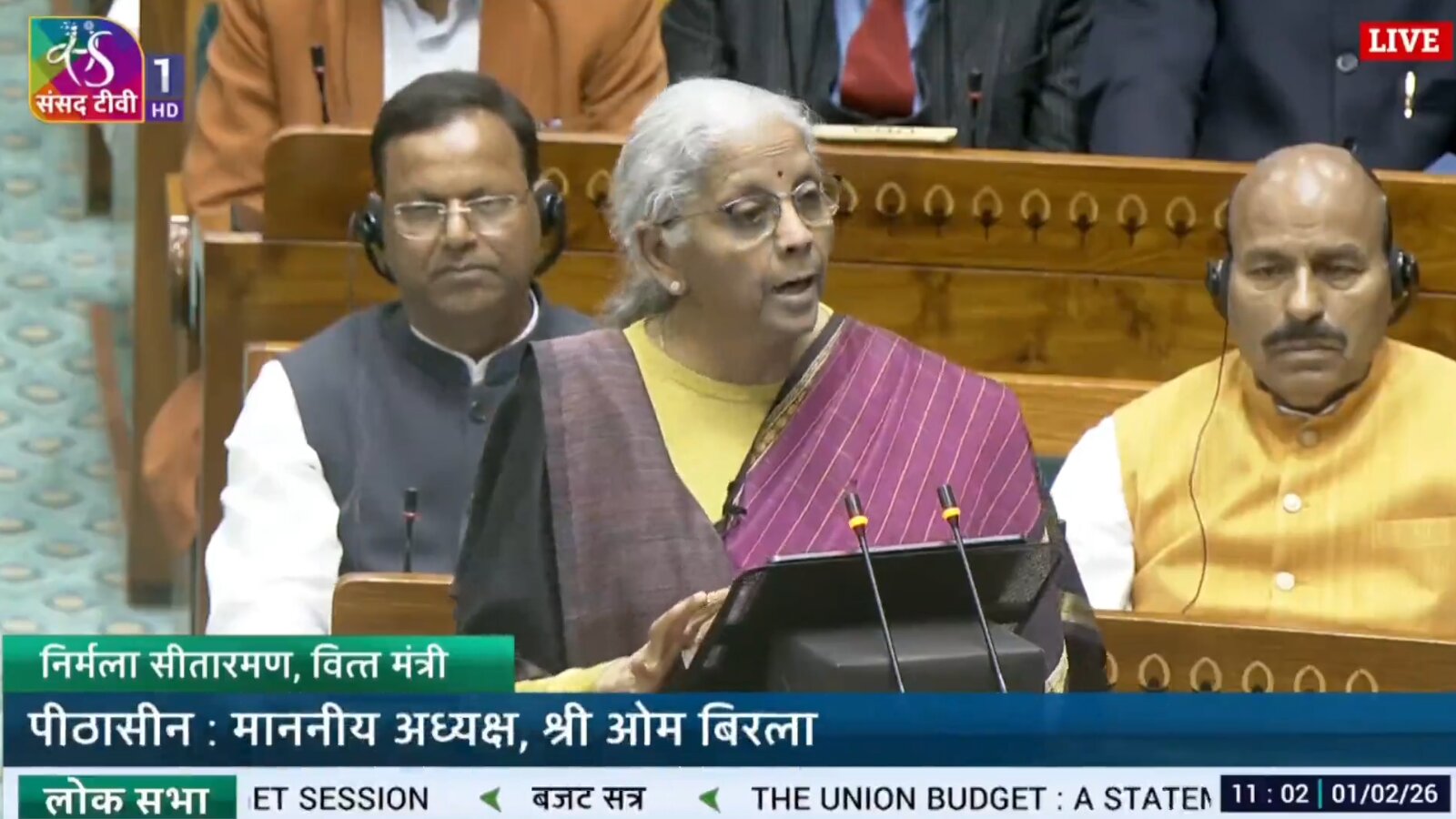
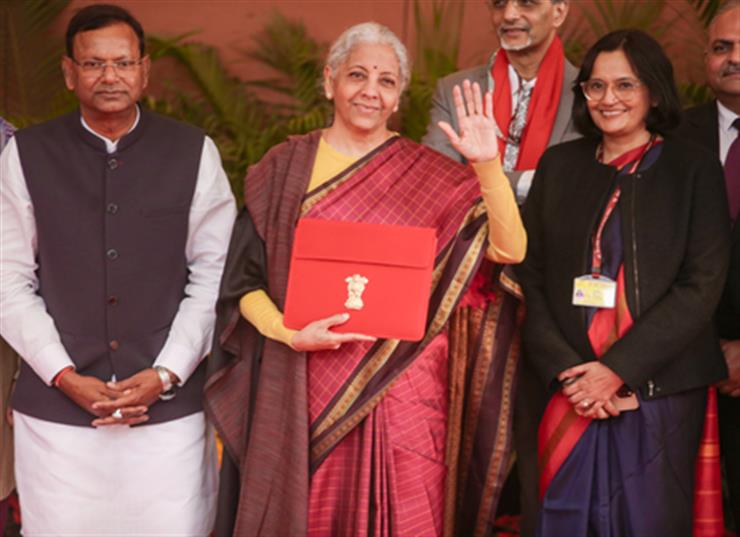
NEW DELHI : Union Minister for Finance and Corporate Affairs, Smt. Nirmala Sitharaman tabled the Union Budget 2026-27 in the parliament on Sunday. The highlights of the budget are as follows:

The first Budget prepared in Kartavya Bhawan, is inspired by 3 kartavyas:

First kartavya is to accelerate and sustain economic growth, by enhancing productivity and competitiveness, and building resilience to volatile global dynamics.
Second kartavya is to fulfil aspirations of people and build their capacity, making them strong partners in India’s path to prosperity
Third kartavya, aligned with vision of Sabka Sath, Sabka Vikas, is to ensure that every family, community, region and sector has access to resources, amenities and opportunities for meaningful participation.
Budget Estimates

The non-debt receipts and the total expenditure are estimated as ₹36.5 lakh crore and ₹53.5 lakh crore respectively. The Centre’s net tax receipts are estimated at ₹28.7 lakh crore.
The gross market borrowings are estimated at ₹17.2 lakh crore and the net market borrowings from dated securities are estimated at ₹11.7 lakh crore.
The Revised Estimates of the non-debt receipts are ₹34 lakh crore of which the Centre’s net tax receipts are ₹26.7 lakh crore.
The Revised Estimate of the total expenditure is ₹49.6 lakh crore, of which the capital expenditure is about ₹11 lakh crore.
The fiscal deficit in BE 2026-27 is estimated to be 4.3 percent of GDP.
In RE 2025-26, the fiscal deficit has been estimated at par with BE of 2025-26 at 4.4 percent of GDP.
The debt-to-GDP ratio is estimated to be 55.6 percent of GDP in BE 2026-27, compared to 56.1 percent of GDP in RE 2025-26.

First Kartavya is to accelerate and sustain economic growth and proposes 6 interventions

  1. Scaling up manufacturing in 7 strategic and frontier sectors

Biopharma SHAKTI (Strategy for Healthcare Advancement through Knowledge, Technology and Innovation) announced, with an outlay of ₹ 10,000 crores over the next 5 years to develop India as a global Biopharma manufacturing hub.
A Biopharma-focused network to be created with 3 new National Institutes of Pharmaceutical Education and Research (NIPER) and upgrading 7 existing ones.
A network of over 1000 accredited India Clinical Trials sites to be created

India Semiconductor Mission (ISM) 2.0 to be launched to produce equipment and materials, design full-stack Indian IP, and fortify supply chains with focus on industry led research and training centres to develop technology and skilled workforce.

The Electronics Components Manufacturing Scheme outlay increased to ₹40,000 crore.

Dedicated Rare Earth Corridors to be established, to support the mineral-rich States of Odisha, Kerala, Andhra Pradesh and Tamil Nadu to promote mining, processing, research and manufacturing.

Government to launch a Scheme to support States in establishing 3 dedicated Chemical Parks, through challenge route, on a cluster-based plug-and-play model.

Strengthening Capital Goods Capability

Hi-Tech Tool Rooms to be established by CPSEs at 2 locations as digitally enabled automated service bureaus that locally design, test, and manufacture high-precision components at scale and at lower cost.
A Scheme for Enhancement of Construction and Infrastructure Equipment (CIE) to be introduced, to strengthen domestic manufacturing of high-value and technologically-advanced CIE.
A Scheme for Container Manufacturing announced, to create a globally competitive container manufacturing ecosystem, with a budgetary allocation of over ₹10,000 crore over a 5 year period.

Integrated Programme for the Textile Sector announced

The National Fibre Scheme for self-reliance in natural fibres such as silk, wool and jute, man-made fibres, and new-age fibres.

Textile Expansion and Employment Scheme to modernize traditional clusters with capital support for machinery, technology upgradation and common testing and certification centres.

Mega Textile Parks to be setup in challenge mode with focus on bringing value addition to technical textiles.
Mahatma Gandhi Gram Swaraj initiative announced, to strengthen khadi, handloom and handicrafts.
Initiative to help in global market linkage, branding and will streamline and support training, skilling, quality of process and production.

  1. Rejuvenating legacy industrial sectors

A Scheme to revive 200 legacy industrial clusters announced, to improve their cost competitiveness and efficiency through infrastructure and technology upgradation.

  1. Creating “Champion SMEs” and supporting micro enterprises A dedicated ₹10,000 crore SME Growth Fund, to be introduced, to create future Champions, incentivizing enterprises based on select criteria.
    Self-Reliant India Fund to be allocated with additional ₹2,000 crore, to continue support to micro enterprises and maintain their access to risk capital.
    Government to facilitate Professional Institutions such as ICAI, ICSI, ICMAI to design short-term, modular courses and practical tools to develop a cadre of ‘Corporate Mitras’, especially in Tier-II and Tier-III towns.
  2. Delivering a powerful push to Infrastructure Public capital expenditure to be increased to ₹12.2 lakh crore in FY 2026-27.
    Government to set up an Infrastructure Risk Guarantee Fund to strengthen the confidence of private developers regarding risks during infrastructure development and construction phase.
    Government to accelerate recycling of significant real estate assets of CPSEs through the setting up of dedicated REITs.
    To promote environmentally sustainable movement of cargo, following measures are proposed:

New Dedicated Freight Corridors to be established connecting Dankuni in the East, to Surat in the West

20 new National Waterways (NW) to be operationalised over next 5 years, starting with NW-5 in Odisha to connect mineral rich areas of Talcher and Angul and industrial centres like Kalinga Nagar to the Ports of Paradeep and Dhamra.

Training Institutes to be set up as Regional Centres of Excellence for development of the required manpower.
Further, a ship repair ecosystem catering to inland waterways to be set up at Varanasi and Patna

A Coastal Cargo Promotion Scheme to be launched for incentivising a modal shift from rail and road, to increase the share of inland waterways and coastal shipping from 6% to 12 % by 2047.
Incentives to be provided to indigenize manufacturing of seaplanes and enhance last-mile and remote connectivity, and promote tourism.
Seaplane VGF Scheme to be introduced to provide support for operations.

  1. Ensuring long term energy security and stability

An outlay of ₹20,000 crore over the next 5 years, announced for Carbon Capture Utilization and Storage (CCUS) technologies.

  1. Developing City Economic Regions

An allocation of ₹5000 crore over 5 years, per city economic regions (CER) announced, for implementing their plans through a challenge mode with a reform-cum-results based financing mechanism.
Government to develop Seven High-Speed Rail corridors between cities as ‘growth connectors’ to promote environmentally sustainable passenger systems. These include:
Mumbai-Pune
Pune-Hyderabad,
Hyderabad-Bengaluru,
Hyderabad-Chennai
Chennai-Bengaluru,
Delhi-Varanasi,
Varanasi-Siliguri.

Government to setup a “High Level Committee on Banking for Viksit Bharat”, to comprehensively review the sector and align it with India’s next phase of growth, while safeguarding financial stability, inclusion and consumer protection.
Government to restructure the Power Finance Corporation and Rural Electrification Corporation to achieve scale and improve efficiency in the Public Sector NBFCs.
A comprehensive review of the Foreign Exchange Management (Non-debt Instruments) Rules is proposed, to create a more contemporary, user-friendly framework for foreign investments, consistent with India’s evolving economic priorities.

Municipal Bonds

An incentive of ₹100 crore for a single bond issuance of more than ₹1000 crore announced, to encourage the issuance of municipal bonds of higher value by large cities.

Second Kartavya is to fulfil aspirations and build capacity of people

Government to set up a High-Powered ‘Education to Employment and Enterprise’ Standing Committee to recommend measures that focus on the Services Sector as a core driver of Viksit Bharat.

Creation of Professionals for Viksit Bharat

Existing institutions for Allied Health Professionals (AHPs) to be upgraded and new AHP Institutions to be established in private and Government sectors
100,000 Allied Health Professionals to be added over the next 5 years

Five Regional Medical Hubs to be established, to promote India as a hub for medical tourism services.
AYUSH

3 new All India Institutes of Ayurveda to be established
.

Animal Husbandry

Government to scale up availability of veterinary professionals by more than 20,000
A loan-linked capital subsidy support scheme to be launched for establishment of veterinary and para vet colleges, veterinary hospitals, diagnostic laboratories and breeding facilities in the private sector.
Orange Economy

Indian Institute of Creative Technologies, Mumbai to be provided support in setting up , Visual Effects, Gaming and Comics (AVGC) Content Creator Labs in 15,000 secondary schools and 500 colleges.

Education

5 University Townships to be created in the vicinity of major industrial and logistic corridors through challenge route.
Through VGF/capital support, 1 girls’ hostel to be established in every district
Tourism

National Council for Hotel Management and Catering Technology to be upgraded to National Institute of Hospitality
A pilot scheme for upskilling 10,000 guides in 20 tourist sites announced through a standardized, high-quality 12-week training course in hybrid mode In collaboration with an IIM.
A National Destination Digital Knowledge Grid to be established to digitally document all places of significance—cultural, spiritual andheritage.

Heritage and Culture Tourism

15 archeological sites including Lothal, Dholavira, Rakhigarhi, Adichanallur, Sarnath, Hastinapur, and Leh Palace to be developed into vibrant, experiential cultural destinations
Sports

Khelo India Mission to be launched to transform the Sports sector over the next decade.
Third Kartavya is aligned with vision of Sabka Sath, Sabka Vikas and requires targeted efforts in the following four areas:

  1. Increasing Farmer Incomes

New Initiatives to be undertaken for
Integrated development of 500 reservoirs and Amrit Sarovars
High Value Agriculture:

Govt. to support high value crops such as :
coconut, sandalwood, cocoa and cashew in coastal areas
Coconut Promotion Scheme to be launched to increase production and enhance productivity.
Bharat-VISTAAR (Virtually Integrated System to Access Agricultural Resources)

Government to launch Bharat-VISTAAR, a multilingual AI tool to integrate the AgriStack portals and the ICAR package on agricultural practices with AI systems.

  1. Empowering Divyangjan

Divyangjan Kaushal Yojana for Divyangjans to offer task-oriented and process-driven roles in IT, AVGC sectors, Hospitality and Food and Beverages sectors.

  1. Commitment to Mental Health and Trauma Care

Government to set up NIMHANS-2 in north India.
Government to upgrade National Mental Health Institutes in Ranchi and Tezpur as Regional Apex Institutions.

  1. Focus on the Purvodaya States and the North-Eastern Region

Government to develop an integrated East Coast Industrial Corridor with a well-connected node at Durgapur, creation of 5 tourism destinations in the 5 Purvodaya States, and the provision of 4,000 e-buses.
A scheme to be launched for the development of Buddhist Circuits in Arunachal Pradesh, Sikkim, Assam, Manipur, Mizoram and Tripura.
16th Finance Commission

Government provided ₹1.4 lakh crore to the States for the FY 2026-27 as Finance Commission Grants as recommended by the 16th Finance Commission.

New Income Tax Act

· New Income tax Act ,2025 to come into effect from April 2026

· The simplified Income Tax Rules and Forms will be notified shortly. The forms redesigned for easy compliance of ordinary citizens.

Ease of Living

Interest awarded by the Motor Accident Claims Tribunal to a natural person will be exempt from Income Tax, and any TDS on this account will be done away with.
TCS Rationalization
Reduce TCS rate on sale of overseas tour program package to 2 % (from current 2-20%).
Reduce the TCS rate to 2% (from current 5%) for LRS remittances for education and medical.
Simplified TDS provisions for manpower supply will benefit labour intensive business.
Scheme for small taxpayers wherein a rule based automated process for obtaining Lower or nil deduction certificate instead of filing application with the assessor.

Single window filing with depositories for Form 15G or 15 H for TDS on dividends, interests etc
Extend time available for revising returns from 31st December to upto 31st March with payment of nominal fees
The timeline for filing of tax returns to be staggered .
TAN for property transactions involving NRIs will be replaced with resident buyers PAN based challan.
A one time 6 month foreign asset disclosure scheme for small taxpayers to disclose their overseas income or asset.
Rationalizing Penalty and Prosecution

IT assessment & penalty proceedings are proposed to be integrated by way of common order for both.
Taxpayers allowed to update their returns even after reassessment proceedings have been initiated to reduce litigations, at an additional 10 percent tax rate over and above the rate applicable for the relevant year.
Penalty for misreporting of income also eligible for immunity with payment of additional income tax.
Prosecution framework under the Income Tax Act to be rationalized.
Non-production of books of account and documents, and requirement of TDS payment, where payment is made in kind, to be decriminalised.
Non-disclosure of non-immovable foreign assets with aggregate value less than 20 lakh rupees to be provided with immunity from prosecution with retrospective effect from 1.10.2024.
Cooperatives

Extend deduction already allowed to a primary cooperative society engaged in supplying milk, oilseeds, fruits or vegetables raised or grown by its members to those supplying cattle feed and cotton seed also.
Allow the inter-cooperative society dividend income as deduction under the new tax regime to the extent it is further distributed to its members.
Exemption for a period of 3 years allowed to dividend income received by a notified national cooperative federation, on their investments made in companies up to 31.1.2026, for dividends further distributed to its member co-operatives.

Supporting IT sector as India’s growth engine

Software development services, IT enabled services, knowledge process outsourcing services and contract R&D services relating to software development to be clubbed under a single category of Information Technology Services with a common safe harbour margin of 15.5 percent.
The threshold for availing safe harbour for IT services to be enhanced from 300 crore rupees to 2,000 crore rupees.
Safe harbour for IT services shall be approved by an automated rule-driven process, can be continued for a period of 5 years at a stretch.
Unilateral Advanced Pricing Agreement (APA) process for IT services to be fast-tracked with the endeavour to conclude it within a period of 2 years, which can be extended by 6 months on taxpayer’s request.
The facility of modified returns available to the entity entering APA to be extended to its associated entities.

Attracting global business and investment

Any foreign company that provides cloud services to customers globally by using data centre services from India to be provided Tax holiday till 2047
A safe harbour of 15 percent on cost to be provided if the company providing data centre services from India is a related entity.
A safe harbour to non-residents for component warehousing in a bonded warehouse at a profit margin of 2 percent of the invoice value. The resultant tax of about 0.7 percent will be much lower than in competing jurisdictions.
Exemption from income tax for 5 years to be provided to any non-resident who provides capital goods, equipment or tooling, to any toll manufacturer in a bonded zone.
Exemption to global (non-India sourced) income of a non-resident expert, for a stay period of 5 years under notified schemes
Exemption from Minimum Alternate Tax (MAT) to all non-residents who pay tax on presumptive basis.

Tax administration

A Joint Committee of Ministry of Corporate Affairs and Central Board of Direct Taxes to be constituted for incorporating the requirements of Income Computation and Disclosure Standards (ICDS) in the Indian Accounting Standards (IndAS) itself. Separate accounting requirement based on ICDS will be done away with from the tax year 2027-28.
Definition of accountant for the purposes of Safe Harbour Rules to be rationalized.

Other Tax proposals

In the interest of minority shareholders, buyback for all types of shareholders to be taxed as Capital Gains. Promoters to pay an additional buyback tax, making effective tax 22 percent for corporate promoters and 30 percent for non-corporate promoters.
TCS rate for sellers of specific goods namely alcoholic liquor, scrap and minerals will be rationalized to 2 percent and that on tendu leaves will be reduced from 5 percent to 2 percent.
STT on Futures to be raised to 0.05 percent from present 0.02 percent. STT on options premium and exercise of options to be raised to 0.15 percent from the present rate of 0.1 percent and 0.125 percent respectively.
To encourage companies to shift to the new regime, set-off of brought forward MAT credit to be allowed to companies only in the new regime. Set-off using available MAT credit to be allowed to an extent of 1/4th of the tax liability in the new regime.
MAT is proposed to be made final tax. There will be no further credit accumulation from 1st April 2026. The rate of final tax to be reduced to 14 percent from the current MAT rate of 15 percent. The brought forward MAT credit of taxpayers accumulated till 31st March 2026, will continue to be available to them for set-off as above.

Indirect taxes:

Tariff Simplification

Marine, leather, and textile products:

The limit for duty-free imports of specified inputs used for processing seafood products for export, to increase from the current 1 per cent to 3 per cent of the FOB value.
The duty-free imports of specified inputs, which is currently available for exports of leather or synthetic footwear to be allowed.
Energy transition and security:

The basic customs duty exemption given to capital goods used for manufacturing Lithium-Ion Cells for batteries to be extended.
The basic customs duty on import of sodium antimonate for use in manufacture of solar glass to be exempted.
Nuclear Power:

The existing basic customs duty exemption on imports of goods required for Nuclear Power Projects to be extended till the year 2035.

Critical Minerals:

The basic customs duty to the import of capital goods required for processing of critical minerals to be exempted.

Biogas blended CNG:

The entire value of biogas while calculating the Central Excise duty payable on biogas blended CNG to be excluded.

Civil and Defence Aviation:

The basic customs duty on components and parts required for the manufacture of civilian, training and other aircrafts to be exempted.
The basic custom duty on raw materials imported for manufacture of parts of aircraft to be used in maintenance, repair, or overhaul requirements by Units in the Defence sector to be exempted.

Electronics:

The basic customs duty on specified parts used in the manufacture of microwave ovens to be exempted.

Special Economic Zone:

A special one-time measure, to facilitate sales by eligible manufacturing units in SEZs to the Domestic Tariff Area (DTA) at concessional rates of duty is proposed. The quantity of such sales will be limited to a prescribed proportion of their exports.

Ease of Living:

The tariff rate on all dutiable goods imported for personal use to be reduced from 20 per cent to 10 per cent.
The basic customs duty on 17 drugs/ medicines is to be exempted.
Duty free personal import of drugs/ medicines and food for 7 more rare diseases.

Customs Process simplification

Custom processes to have minimal intervention for smoother and faster movement of goods.

Trust-based systems

Duty deferral period for Tier 2 and Tier 3 Authorised Economic Operators, known as AEOs, to be enhanced from 15 days to 30 days. Same is extended to the eligible manufacturer-importers
Validity period of advance ruling, binding on Customs, to be extended from the present 3 years to 5 years.
Government agencies will be encouraged to leverage AEO accreditation for preferential treatment in clearing their cargo.
Filing of bill of entry by a trusted importer, and arrival of goods will automatically notify Customs for completing their clearance formalities (for import of goods not needing any compliance).
The Customs warehousing framework to be transformed into a warehouse operator-centric system with self-declarations, electronic tracking and risk-based audit.

Ease of Doing Business

Cargo clearance approvals from various Government agencies to be seamlessly processed through a single and interconnected digital window by the end of the financial year.
Processes involved in clearance of food, drugs, plant, animal & wild life products, accounting for around 70 percent of interdicted cargo, to be operationalised on this system by April 2026 itself.
For goods not having any compliance requirement, clearance to be done by Customs immediately after online registration is completed by the importer.
Customs Integrated System (CIS) to be rolled out in 2 years as a single, integrated and scalable platform for all the customs processes.
Utilization of non-intrusive scanning with advanced imaging and AI technology for risk assessment to be expanded in a phased manner with the objective to scan every container across all the major ports.

New export opportunities

Fish catch by an Indian fishing vessel in Exclusive Economic Zone (EEZ) or on the High Seas to be made free of duty, Landing of such fish on foreign port will be treated as export of goods.
Complete removal of the current value cap of ₹10 lakh per consignment on courier exports-supports aspirations of India’s small businesses, artisans and start-ups to access global markets through e-commerce

Ease of Living

· Provisions governing baggage clearance to be revised during international travel. Revised rules to enhance duty-free allowances in line with the present day travel realities.

· Honest taxpayers, willing to settle disputes will be able close cases by paying an additional amount in lieu of penalty.
Budget proposals for Customs and Central Excise aim to further simplify the tariff structure, support domestic manufacturing : Finance Minister

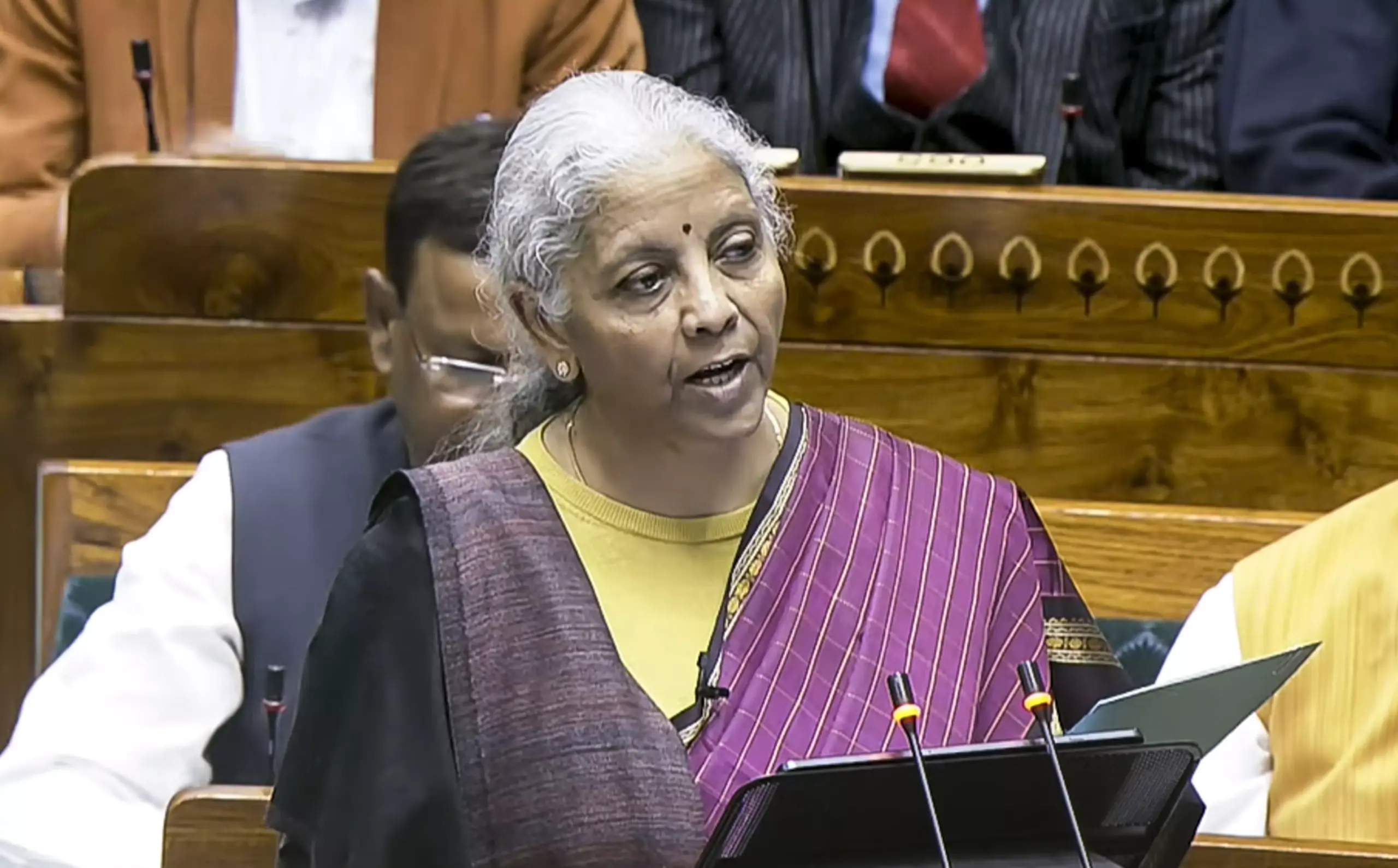
NEW DELHI : The Union Budget proposals for Customs and Central Excise aim to further simplify the tariff structure, support domestic manufacturing, promote export competitiveness, and correct inversion in duty, said Union Minister for Finance and Corporate Affairs Smt. Nirmala Sitharaman while presenting the Union Budget 2026-27, in Parliament on Sunday.

Taking forward the weeding out of long continuing customs duty exemptions, the Budget proposes to remove certain exemptions on items which are being manufactured in India or where the imports are negligible. Similarly, to further simplify the process of ascertaining the rate of duty applicable on a particular item, the Budget proposes to incorporate certain effective rates in various customs notifications to the tariff schedule itself.

With an aim to promote exports, the Finance Minister Smt Nirmala Sitharaman recommended to increase the limit for duty-free imports of specified inputs used for processing seafood products for export, from the current 1 per cent to 3 per cent of the FOB value of the previous year’s export turnover. The Budget also proposes to allow duty-free imports of specified inputs, which is currently available for exports of leather or synthetic footwear, to exports of Shoe Uppers as well. Fianance Minister also proposed to extend the time period for export of final product from the existing 6 months to 1 year, for exporters of leather or textile garments, leather or synthetic footwear and other leather products.

The Budget carries several proposals to ensure energy transition and security. Firstly, the Budget proposes to extend the basic customs duty exemption given to capital goods used for manufacturing Lithium-Ion Cells for batteries, to those used for manufacturing Lithium-Ion Cells for battery energy storage systems too. With respect to solar energy, Finance Minister proposed to exempt basic customs duty on import of sodium antimonate for use in manufacture of solar glass.

Giving a push to the Nuclear Energy sector, Smt Nirmala Sitharaman recommended extension of the existing basic customs duty exemption on imports of goods required for Nuclear Power Projects till the year 2035 and expand it for all nuclear plants irrespective of their capacity. The Budget also proposes to provide basic customs duty exemption to the import of capital goods required for processing of critical minerals in India. To promote biogas blending in CNG, the Budget proposes to exclude the entire value of biogas while calculating the Central Excise duty payable on biogas blended CNG.

Finance Minister also proposed exemption of basic customs duty on components and parts required for the manufacture of civilian, training and other aircrafts. The Budget also proposes to exempt basic customs duty on raw materials imported for manufacture of parts of aircraft to be used in maintenance, repair, or overhaul requirements by Units in the Defence sector.

To deepen value addition in the consumer electronics sector, the Budget proposes to exempt basic customs duty on specified parts used in the manufacture of microwave ovens.

The Budget addresses the concerns arising about utilization of capacities by manufacturing units in the Special Economic Zones due to global trade disruptions. For this, the Finance Minister proposed to facilitate sales by eligible manufacturing units in SEZs to the Domestic Tariff Area (DTA) at concessional rates of duty as a special one-time measure. The quantity of such sales will be limited to a prescribed proportion of their exports. Smt Nirmala Sitharaman said that necessary regulatory changes will be undertaken to operationalise these measures while ensuring level-playing field for the units working in the DTA.

Finance Minister proposes to introduce dedicated SME growth fund worth Rs 10,000 crore

NEW DELHI: The Finance Minister of India, Smt. Niramala Sitharaman, has proposed to introduce a dedicated 10,000 crores SME growth fund to create future jobs, incentivising enterprises based on select criteria during Union Budget 2026. She stated that the government recognises MSMEs as a vital engine of growth, and proposes a three-pronged approach to help them grow as champions. Equity support.

“I propose to introduce a dedicated 10,000 crores SME growth fund to create future champions, incentivising enterprises based on select criteria. I also propose to top up the self-reliant India fund set up in 2021 with 2,000 crores to continue support to micro-enterprises and maintain their access to risk capital,” she said.

More than Rs 7 lakh crore has been made available to MSMEs through liquidity support.

“To leverage its full potential, I propose four measures. One: mandate TREDS as the transaction settlement platform for all purchases from MSMEs by CPSEs. Survey as a benchmark for other corporates. Two: introduce a credit guarantee support mechanism through CGT-MSC for invoice discounting on the TREDS platform. Three: link GEN with TREDS for sharing information with financiers about government purchases from SMEs, encouraging cheaper and quicker financing. Four: Introduce TREDS receivables as asset-backed securities, helping develop a secondary market, enhancing liquidity and settlement of transactions,” The Minister said.

Smt. Sitharaman also noted that the government shall continue to focus on developing infrastructure in cities with over 5 lakh population, that is, Tier II and Tier III cities, which are expanded to become growth centre.

Public capital expenditure has increased manifold from Rs 2 lakh crore in 2014-15 to an allocation of Rs 11.2 lakh crore. In this coming year, that is, this financial year 2026-27, I propose to increase it to Rs 12.2 lakh crore to continue the momentum.

Finance Minister Smt. Sitharaman presented her record ninth consecutive Union budgeton Sunday in the Parliament. On Thursday, Union Finance Minister Smt. Nirmala Sitharaman tabled the Economic Survey of India in Parliament for the financial year 2025-26.

The tabling of the Economic Survey ahead of the Budget follows the long-standing tradition of outlining the state of the economy before detailing future fiscal plans. The document provided a comprehensive, data-backed review of the economy’s performance over the previous year and offers a broad roadmap for future policy direction. As the government’s flagship annual report, it reviews key economic developments over the past 12 months.

India’s real GDP growth for 2026-27 is projected in the range of 6.8-7.2 per cent, reflecting sustained medium-term growth capacity amid a challenging global environment.India recorded the lowest inflation rate since the beginning of the CPI series, with April-December 2025 average headline inflation coming in at 1.7 per cent, attributing to general disinflationary trend in food and fuel prices. Looking ahead, the inflation outlook remains benign, supported by favourable supply side conditions and the gradual pass-through of GST rate rationalisation.

Source: ANI

“Union Budget Instrumental in Sailing Bharat towards Becoming a Top Global Maritime Superpower”: Sarbananda Sonowal

₹10,000-Crore Container Scheme to Boost Maritime Atmanirbharata, Strengthen Supply Chain Resilience”: Sarbananda Sonowal

“20 New National Waterways to boost Bharat’s Green, Sustainable Logistics Movement”: Sonowal

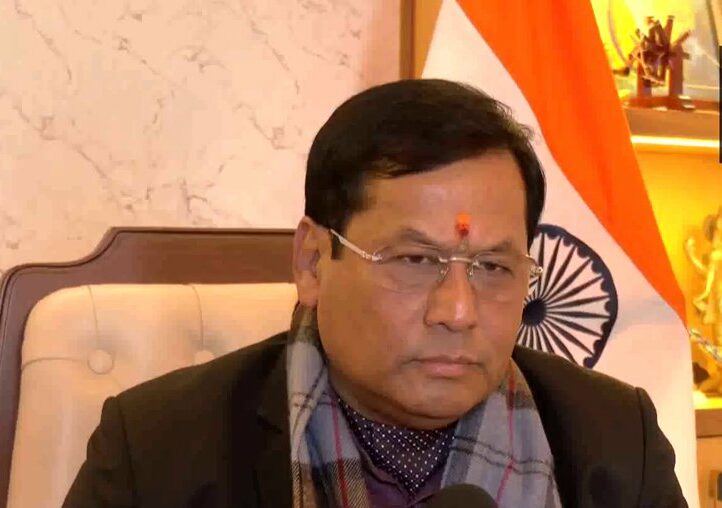
NEW DELHI: Union Minister of Ports, Shipping and Waterways Shri Sarbananda Sonowal said the Union Budget has provided a powerful thrust to India’s economic transformation by accelerating the Reform Express, strengthening the foundations of growth and ‘positioning the maritime sector as the anchor in achieving the vision of Viksit Bharat’. The Union Minister said the Budget reflects the government’s commitment to the three Kartavyas — accelerating and sustaining economic growth, fulfilling aspirations by building capacity, and ensuring inclusive development in line with the vision of ‘Sabka Saath, Sabka Vikas’.

“PM Narendra Modi ji’s dynamic leadership has resulted in the acceleration of the Reform Express which is firmly on track as it maintains its momentum to help us fulfil our Kartavya, our duties. This budget enhances productivity, builds economic resilience and ensures that every sector, region and community has access to opportunities for meaningful contribution,” Shri Sarbananda Sonowal said.

Sonowal said the Union Budget has clearly positioned the maritime sector as a strategic enabler of India’s trade competitiveness, logistics efficiency and long-term economic resilience. “Maritime sector emerges as a strategic growth engine. The Budget has created an enabling ecosystem that empowers our stakeholders, transporters and industry partners to build capacity, expand operations and grow further,” he said. He expressed gratitude to Union Finance Minister Smt. Nirmala Sitharaman, who presented her ninth consecutive Union Budget, calling it a testament to policy continuity, reform stability and women empowerment.

A major highlight of the Union Budget is the announcement of a Container Manufacturing Assistance Scheme (CMAS) with a total outlay of ₹10,000 crore over the next five years. The scheme aims to establish a globally competitive container manufacturing ecosystem in India, supporting the rapid growth of containerised cargo, which accounts for nearly two-thirds of the value of international trade. Under the initiative, India targets achieving an annual domestic manufacturing capacity of approximately one million TEUs over the next decade. The programme is expected to generate a total market value of nearly ₹1.07 lakh crore, reflecting a multiplier impact of about eight times the government support. It is also projected to create around 3,000 direct jobs and more than 50,000 indirect jobs, while catalysing the development of ancillary industries such as corner castings, wooden frames, specialised steel and water-based paints. The initiative will significantly reduce India’s dependence on imported empty containers, which currently stands at nearly two million units, and strengthen national supply-chain resilience.

Union Minister Sarbananda Sonowal said, “This scheme will build a strong domestic ecosystem capable of meeting the rising demand of containerised cargo and enhancing India’s competitiveness in global trade. The scheme represents a transformative step in India’s maritime growth journey. With a targeted capacity of one million TEUs annually over the next 10 years and a potential market creation of over ₹1 lakh crore, this initiative will generate large-scale employment, strengthen ancillary manufacturing and significantly reduce import dependence. Together with the Bharat Container Shipping Line, this marks a decisive move toward maritime self-reliance and a more resilient logistics supply chain for the country.”

The Union Budget provides renewed momentum to India’s inland waterways revolution. India will operationalise 20 new National Waterways over the next five years, further expanding the national network and enabling greener, cost-effective cargo movement. Sonowal recalled that while only five national waterways existed prior to 2014, the number has since expanded to 111 waterways under the National Waterways Act. Cargo movement on inland waterways has increased from 18.1 million metric tonnes in 2013–14 to 145.5 million metric tonnes in 2024–25, recording nearly 700 percent growth with a compound annual growth rate of about 21 percent. The operational length of waterways has expanded from 2,716 km to more than 5,155 km, easing congestion on road and rail networks.

“The Union Budget has given fresh momentum to India’s inland waterways transformation. The decision to operationalise 20 additional waterways over the next five years will further strengthen green, cost-effective logistics and reduce pressure on road and rail networks. The focused development of National Waterway-5 on the Mahanadi system will unlock the economic potential of eastern India by connecting mineral belts, industrial centres and ports, reinforcing waterways as a key pillar of India’s multimodal transport and sustainable growth strategy,” Sarbananda Sonowal said.

An important announcement in the Budget is the focused development of National Waterway–5 on the Mahanadi river system in Odisha. The waterway will connect the mineral-rich areas of Talcher and Angul with major industrial centres such as Kalinga Nagar and ports at Paradeep and Dhamra. Major terminals will be developed at Kakudi, Kurunti and Pankapal, with coal, coking coal and limestone as principal cargo. The corridor has a cargo potential of approximately 10 million tonnes by 2032, increasing to 20 million tonnes by 2047, with an estimated investment of around ₹13,000 crore.

To fulfil the Kartavya of building capacity, the Union Budget announced the establishment of training institutes as Regional Centres of Excellence (RCoE) for skill development in the inland waterways sector. Training centres will be set up in Kolkata and Varanasi, enabling youth across the entire waterway stretch to acquire specialised maritime and logistics skills. In addition, a dedicated ship repair ecosystem catering to inland waterways will be established at Varanasi and Patna, improving operational reliability while generating skilled employment. A RCoE is also being developed in Dibrugarh, Assam.

The Budget announced the launch of a Coastal Cargo Promotion Scheme to incentivise modal shift from rail and road to waterways. Under the scheme, India aims to increase the share of inland waterways and coastal shipping from 6 percent to 12 percent by 2047, supporting lower logistics costs, reduced emissions and enhanced energy efficiency. To strengthen multimodal integration, the Budget proposed the development of new Dedicated Freight Corridors connecting Dankuni in the east to Surat in the west. These corridors will significantly improve port connectivity, cargo evacuation efficiency and industrial logistics. Enhanced integration of waterways with major ports, particularly Paradeep and Dhamra, will further reduce pressure on road and rail transport.

The Budget also proposed indigenisation of seaplane manufacturing, along with a Viability Gap Funding scheme to support operations. The initiative aims to improve last-mile connectivity, promote tourism and enhance access to remote and island regions including Andaman and Nicobar Islands and Lakshadweep.

To promote Indian ship ownership, the Budget extended the tax deduction period for units in GIFT IFSC and Offshore Banking Units from 10 to 20 consecutive years within a 25-year span. The sunset clause for customs duty exemption on import of small vessels has been extended until March 2028, while the exemption on large vessels has been permanently removed. “These measures will encourage Indian flagging, fleet expansion and tonnage growth,” Sonowal said.

The Budget places strong emphasis on ‘Purvodaya’, with focused initiatives for eastern and northeastern India. Key announcements include development of an East Coast Industrial Corridor, creation of five major tourism destinations, deployment of 4,000 e-buses, and a dedicated scheme for the development of Buddhist Circuits across Assam, Arunachal Pradesh, Sikkim and other northeastern states. Sonowal said these initiatives honour India’s rich spiritual heritage while transforming the region into a powerhouse of culture, commerce and connectivity. Sonowal also welcomed the decision to elevate the Tezpur mental health institute into a regional apex body for mental health wellness.

Sonowal said the Union Budget clearly positions waterways, shipping, shipbuilding and container manufacturing as strategic enablers of India’s logistics and trade competitiveness. “This Budget is instrumental in propelling Bharat toward becoming a leading global maritime superpower. It balances ambition with inclusion and chooses action over ambivalence and reform over rhetoric,” Sonowal said.

With its strong focus on the three Kartavyas — accelerating growth, fulfilling aspirations and ensuring ‘Sabka Saath, Sabka Vikas’ — the Budget lays a solid foundation for the nation’s next phase of development. “PM Narendra Modi ji’s vision is reflected through this budget which is people centric, welfare oriented, capacity enhancing and holistic development of our country. This is a budget for every Indian. It empowers our Yuva Shakti, strengthens regional equity and ensures that the fruits of development reach the last mile,” Sonowal added.

Budget 2026 lays foundation for “future-ready India”, says Piyush Goyal

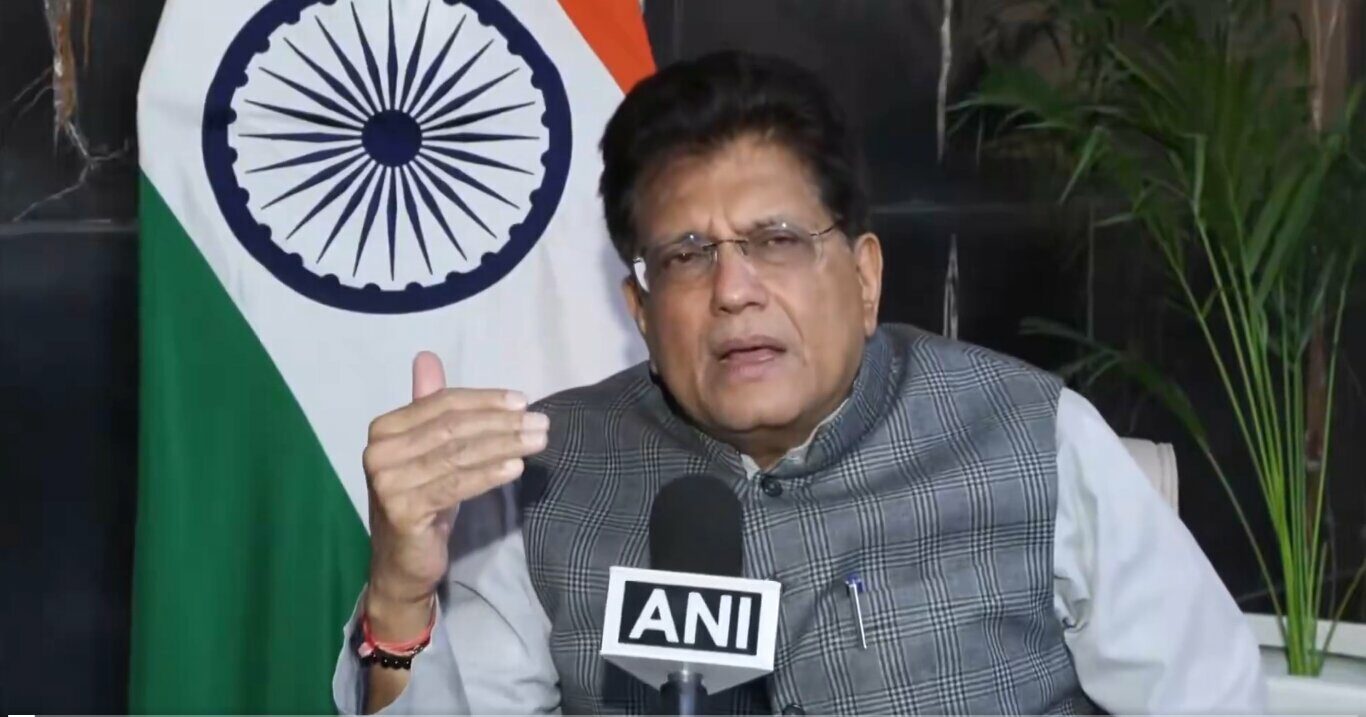
NEW DELHI: Union Commerce and Industry Minister Shri Piyush Goyal on Sunday described the Union Budget 2026-27 as a visionary document that establishes the groundwork for India to become a developed nation or “Viksit Bharat” by 2047. Speaking to the media post the Budget 2026 session, Shri Goyal stated that the announcements reflect the ambitions of a “future-ready India” and will inspire citizens to work with a sense of duty toward national development.

Manufacturing emerged as a primary focus area in Goyal’s assessment of the budget’s strengths. He highlighted the government’s push for new factories and increased investment to meet the growing demands of producers.

To achieve self-reliance, the Minister pointed out that the budget seeks to double the output of electronics components and strengthen the textile industry. He noted that new textile parks will be established, particularly to boost modern man-made fibre textiles, which currently account for two-thirds of global trade.

Addressing infrastructure and logistics, Goyal highlighted a significant allocation of Rs 10,000 crore dedicated solely to container manufacturing. “For years, we used to think, ‘why can’t containers be made in India?’,” Shri Goyal noted and stated that this move would further propel the world’s fastest-growing economy. Additionally, he mentioned the focus on MSMEs, noting a Rs 10,000 crore allocation and a new credit guarantee scheme to support small and medium-sized industries.

A “historic” highlight of the budget, according to Shri Goyal, is the decision to allow foreign companies to establish data centers in India with a tax holiday extending until 2047. He explained that a single gigawatt data center involves an investment of approximately Rs 1.25 lakh to Rs 1.5 lakh crore. This initiative is expected to draw massive foreign investment and create significant employment while increasing demand for green energy sources like solar, wind, and green hydrogen.

The Minister also noted that the budget addresses diverse sectors, including animal husbandry, fisheries, and the marine sector. He pointed to the rejuvenation of old industrial estates, the development of high-speed rail, and the promotion of inland waterways as key drivers for modernising small and emerging cities.

Shri Goyal stated that while the stock market may take time to fully grasp the “comprehensive form” of these reforms, the long-term impact will provide immense strength to the Indian economy.

The Minister emphasised the rapid pace of structural reforms undertaken by the government in recent years to simplify the business environment. He noted that over 350 reforms, ranging from the simplification of GST to the notification of Labour Courts and the decriminalisation of various laws, have been implemented in a short period.

Shri Goyal remarked that these initiatives are designed to accelerate the mantra of “Sabka Saath Sabka Vikas” during the Amrit Kaal.

Source: ANI

DP World CEO Rizwan Soomar Welcomes Union Budget 2026 Push to Strengthen Trade and Logistics Ecosystem

MUMBAI: Reacting to the Union Budget 2026–27, Mr. Rizwan Soomar, Chief Executive Officer and Managing Director for MENA (Middle East and North Africa) and the India Subcontinent at DP World, said the Budget marks a decisive step towards strengthening India’s end-to-end trade and logistics ecosystem.

Commenting on key policy measures, Mr. Soomar highlighted the ₹10,000 crore allocation for domestic container manufacturing, stating that it directly addresses a critical supply chain vulnerability and enhances India’s self-reliance in trade infrastructure.

“This Budget takes a decisive step towards strengthening India’s end-to-end trade and logistics ecosystem. The ₹10,000 crore allocation for domestic container manufacturing directly addresses a critical supply chain vulnerability, while digital customs, AI-enabled inspections and modern warehousing will materially reduce dwell time and improve cargo predictability,” Soomar said.

He further welcomed the expansion of Authorised Economic Operator (AEO) benefits, including the provision for 30-day duty deferral, noting that the move would unlock working capital for trade-intensive businesses and improve ease of doing business across supply chains. According to him, enhanced flexibility in Special Economic Zones (SEZs) would also lead to better asset utilisation across India’s manufacturing hubs.

Mr. Soomar also underscored the importance of sustained investments in freight corridors, inland waterways and ship-repair capabilities, stating that these initiatives reinforce India’s ambition to emerge as a globally competitive, resilient and sustainable logistics gateway.

“Expanded AEO benefits, including 30-day duty deferral, will unlock working capital for trade-intensive businesses, and greater SEZ flexibility will drive better asset utilisation across manufacturing hubs. Sustained investments in freight corridors, inland waterways and ship-repair capabilities reinforce India’s ambition to become a globally competitive, resilient and sustainable logistics gateway,” he added.

Allcargo Chairman Shashi Kiran Shetty Welcomes Infrastructure Push in Union Budget 2026–27

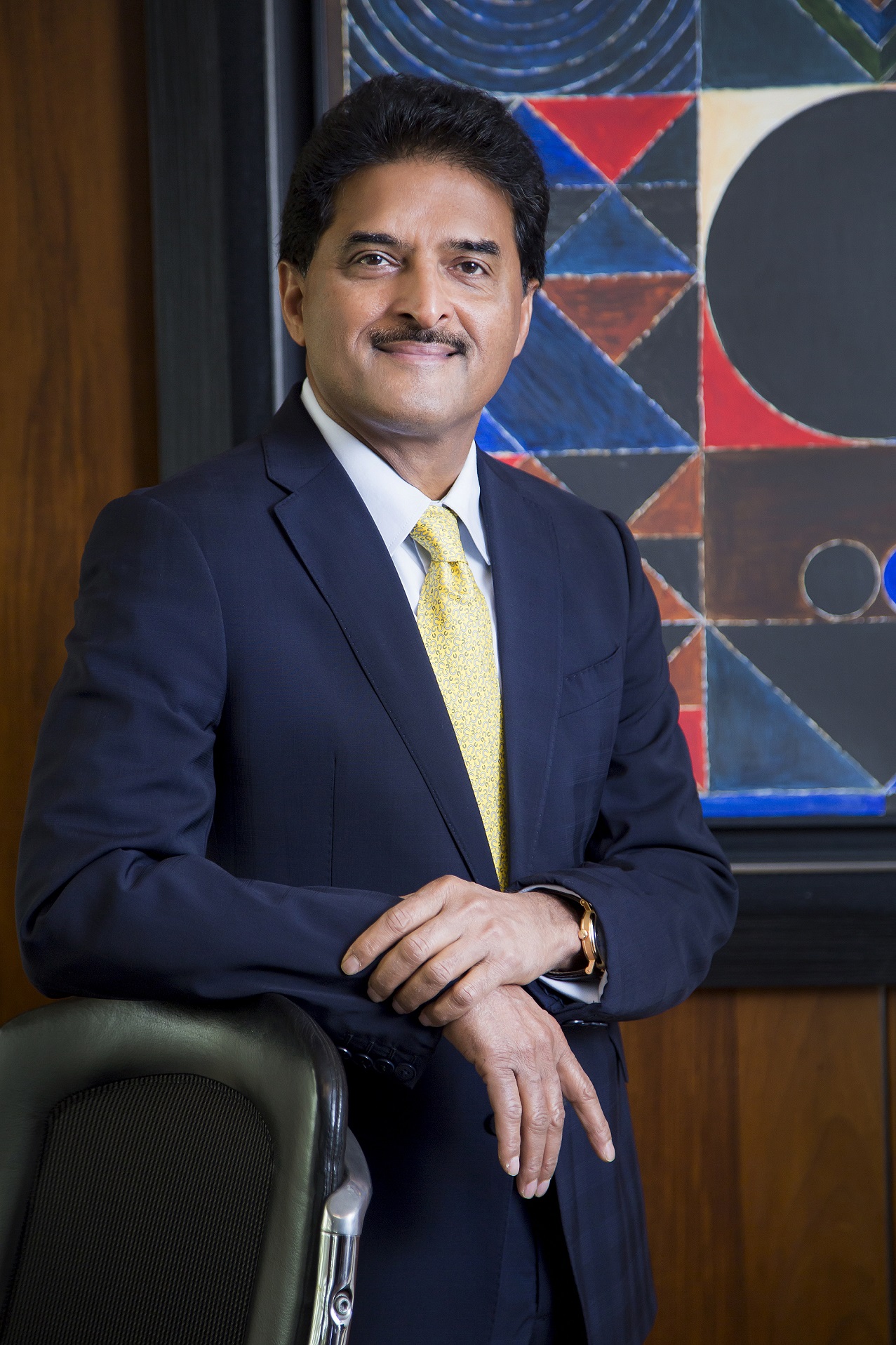
MUMBAI: Welcoming the Union Budget 2026–27, Mr. Shashi Kiran Shetty, Founder & Chairman of Allcargo Group, said the Budget lays down a comprehensive and forward-looking macroeconomic framework that balances immediate growth priorities with long-term structural reforms, firmly anchoring India’s vision of Viksit Bharat.

Reacting to the post-Budget announcements, Mr. Shetty noted that the government’s six-point intervention plan spanning manufacturing, MSMEs, infrastructure, security and city economic regions provides a strong foundation for building a resilient, inclusive and future-ready economy amid global supply chain disruptions and shifting trade patterns.

“The Union Budget 2026–27 presents a comprehensive and forward-looking macro framework that addresses near-term growth priorities while signalling a long-term structural overhaul of the economy, firmly anchoring India’s journey towards Viksit Bharat,” said Shetty.

He highlighted the sustained focus on infrastructure development, particularly the proposed public sector capital expenditure of ₹12.2 lakh crore in FY27, which reiterates the critical role of logistics as a growth driver in India’s development journey. According to him, initiatives such as the development of new national waterways, the coastal cargo scheme, ship repair ecosystems for inland waterways, and the proposed East–West Dedicated Freight Corridor will significantly enhance multimodal connectivity, boost cargo productivity and help reduce logistics costs.

Mr. Shetty also welcomed the proposed Infrastructure Risk Guarantee Fund, stating that it would strengthen investor and lender confidence, enabling faster execution of large-scale infrastructure projects.

“All in all, these initiatives will further strengthen India’s competitiveness in the global economy and increase its integration with global value chains,” he added, underscoring that the growth-oriented announcements reflect a clear vision to build capacity, high-quality infrastructure and efficient supply chains — the essential pillars of Viksit Bharat.

Allcargo Logistics CEO Ketan Kulkarni highlights Supply Chain and MSME boost in Union Budget 2026

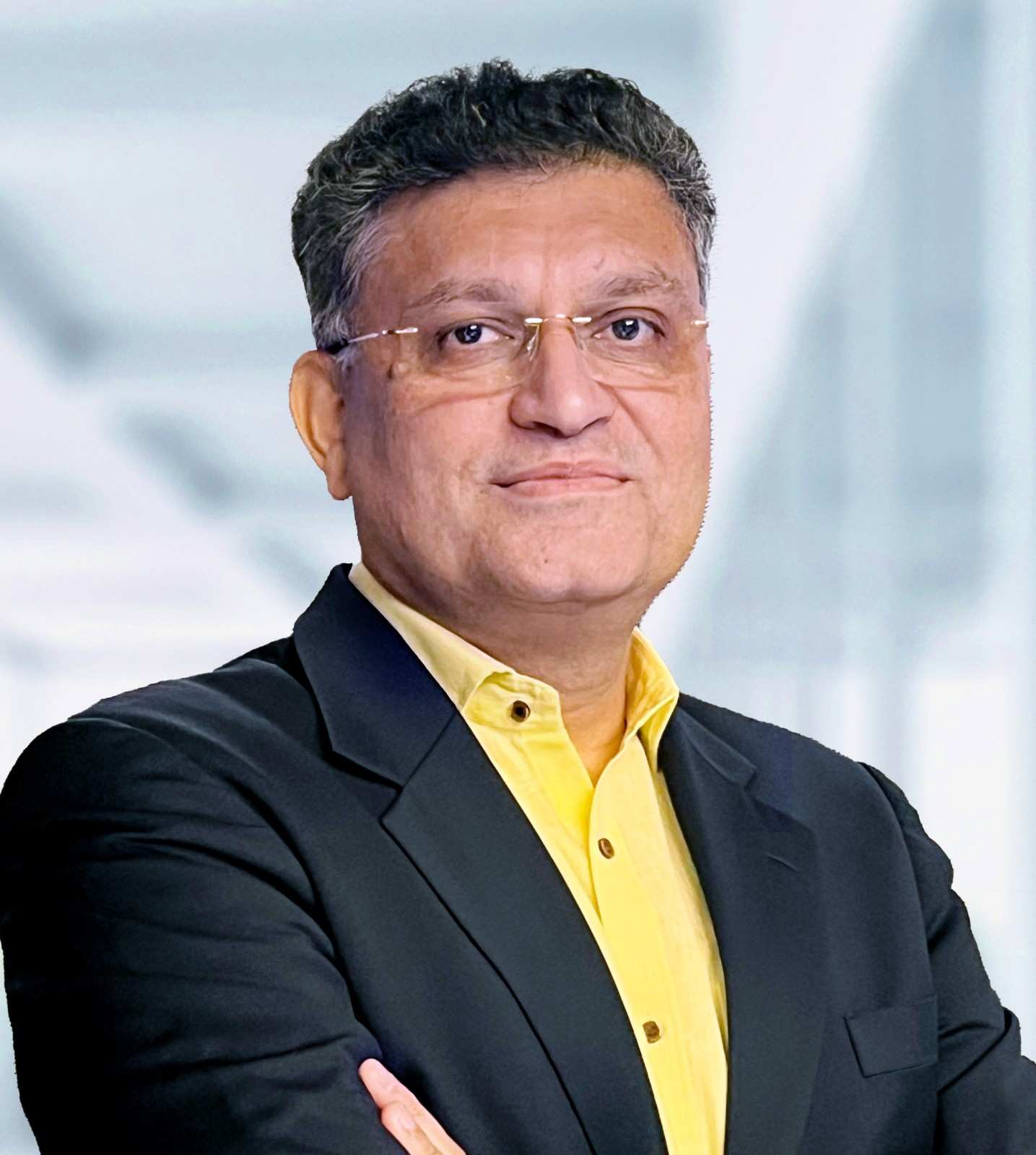
MUMBAI: Responding to the Union Budget 2026, Mr. Ketan Kulkarni, Managing Director & Chief Executive Officer of Allcargo Logistics, said the Budget delivers a strategic response to the evolving global trade environment by reinforcing India’s logistics and supply chain ecosystem.

Commenting on the government’s emphasis on infrastructure-led growth, Mr. Kulkarni noted that the focus on multimodal infrastructure — including new freight corridors, inland waterways, cargo movement projects and improved last-mile connectivity for remote regions — would be instrumental in enhancing operational efficiency and reducing logistics costs across the country.

“Budget 2026 offers a strategic response to a rapidly changing global trade environment by strengthening India’s logistics and supply chain ecosystem. The focus on multimodal infrastructure including new freight corridors, inland waterways, cargo movement projects and last-mile connectivity for remote regions will be critical in improving efficiency and lowering logistics costs,” Mr. Kulkarni said.

He further welcomed the ₹10,000-crore SME Growth Fund and measures aimed at improving liquidity for small and medium enterprises through mandatory adoption of TReDS, credit-backed invoice discounting and integration with the Government e-Marketplace (GeM). According to him, these initiatives will enable MSMEs to scale operations, formalise business processes and participate more actively in export-led growth.

Mr. Kulkarni also highlighted the incentives announced for indigenous seaplanes and waterway-based cargo movement, stating that they would unlock regional connectivity and alternative logistics pathways.

“Together, these measures reinforce India’s ambition to remain deeply integrated with global markets, attract long-term investment and build resilient, job-creating enterprises advancing the vision of a Viksit Bharat,” he added.

Jeena & Company Group CFO Gayomard Driver Welcomes Continuity in Logistics and Infrastructure Roadmap under Union Budget 2026

MUMBAI: Responding to the Union Budget 2026–27, Gayomard Driver, Group Chief Financial Officer of Jeena & Company, said the Budget provides much-needed continuity and clarity on India’s long-term infrastructure and logistics development agenda, while reinforcing the sector’s growing strategic importance in national economic growth.

Commenting on the Budget presented by Finance Minister Smt. Nirmala Sitharaman, Driver noted that the sustained emphasis on freight corridors, expansion of national waterways, promotion of coastal cargo and the development of high-speed rail corridors reflects a decisive shift towards an integrated, multimodal and more sustainable logistics network.

“The Budget 2026 provides welcome continuity and clarity on India’s infrastructure and logistics roadmap. The emphasis on freight corridors, expansion of national waterways, promotion of coastal cargo, and development of high-speed rail corridors reflects a clear move toward an integrated, multimodal and more sustainable logistics network,” Driver said.

He further highlighted that infrastructure development in Tier II and Tier III cities, combined with continued support for manufacturing and MSMEs, is expected to accelerate decentralised growth and create new trade and distribution hubs across the country.

From a corporate finance standpoint, Driver pointed out that the policy direction outlined in the Budget enhances long-term visibility for logistics players, supports capital recycling and enables companies to align investment strategies with India’s evolving manufacturing, trade and export ambitions.

“From a corporate finance perspective, the Budget improves long-term visibility, encourages capital recycling, and enables logistics companies to align investment strategies with India’s evolving manufacturing, trade and export ambitions,” he added.

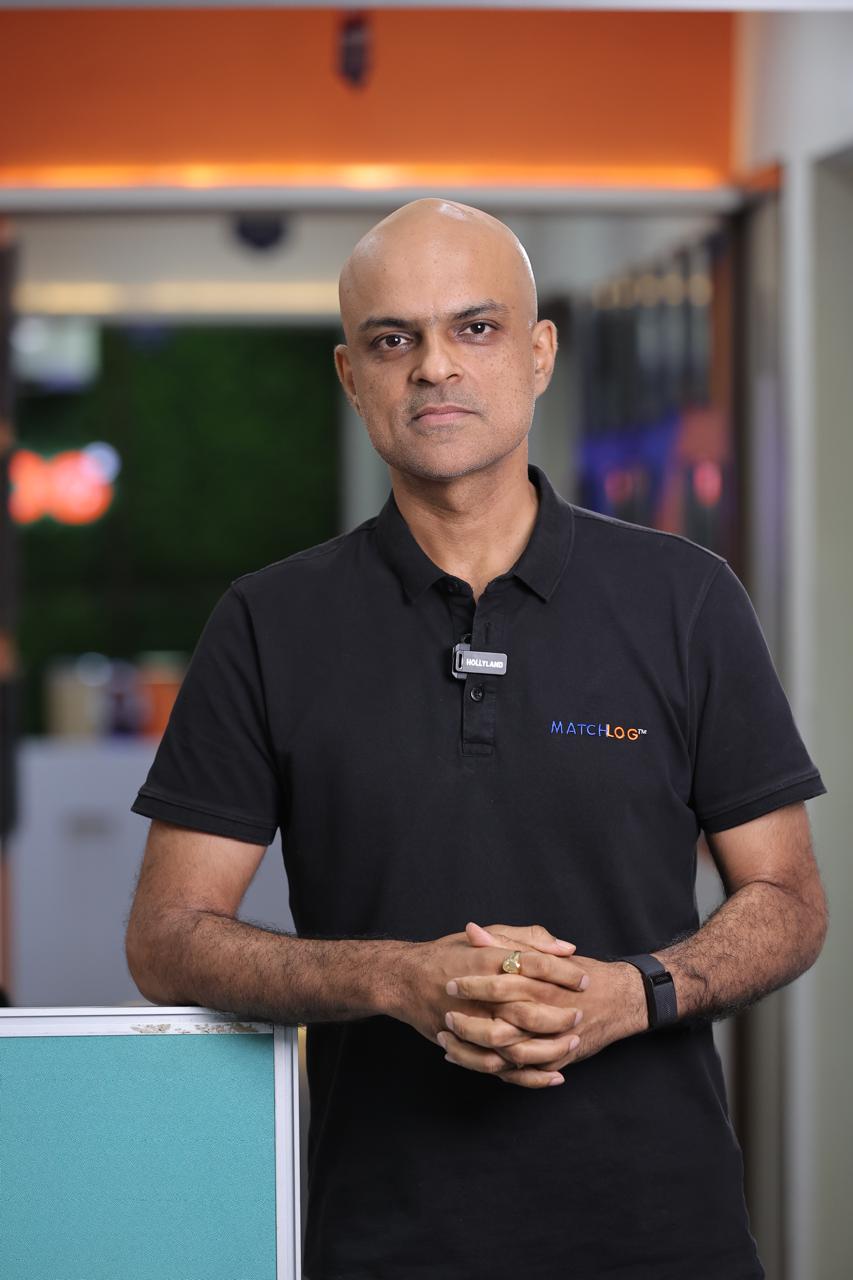
MatchLog Founder Dhruv Taneja sees Union Budget 2026 as Blueprint for Greener, Faster Logistics Growth

MUMBAI: Reacting to the Union Budget 2026–27, Mr.Dhruv Taneja, Founder and Global Chief Executive Officer of MatchLog Solutions, said the Budget lays out a visionary roadmap for strengthening India’s logistics backbone through infrastructure-led, sustainable growth.

Commenting on the government’s increased public capital expenditure and focus on multimodal connectivity, Mr.Taneja highlighted the emphasis on new freight corridors, inland waterways, coastal cargo promotion and high-speed rail connectivity as key enablers for faster and greener cargo movement, along with improved last-mile access.

“The Union Budget 2026–27 delivers a visionary blueprint for India’s logistics backbone, with public capex rising to ₹12.2 lakh crore, new freight corridors between Dankuni and Surat, 20 additional national waterways, coastal cargo promotion, and seven high-speed rail corridors all pointing to a clear focus on faster, greener cargo movement and last-mile connectivity,” Mr.Taneja said.

He also welcomed the creation of the Infrastructure Risk Guarantee Fund, the introduction of dedicated REITs for CPSE real estate recycling, and the ₹5,000 crore allocation for City Economic Regions in Tier II and Tier III cities, noting that these measures signal a clear intent to de-risk long-gestation infrastructure projects and align logistics growth with emerging demand centres.

Mr.Taneja further pointed to the significance of trust-based customs and warehousing reforms, along with the proposed container manufacturing scheme, stating that these initiatives could strengthen India’s role in global trade flows and improve supply chain reliability.

“Equally important are the trust-based customs and warehousing reforms and the proposed container manufacturing scheme, which can strengthen India’s position in global trade flows,” he added.

Highlighting the next phase of sustainable logistics transformation, Mr.Taneja stressed the need for direct incentives to promote container reuse and reduce empty runs, supported by data-driven frameworks for measurable emission reduction.

“Clear signals on technology adoption, reuse-led models, and outcome-based incentives would help scale digital platforms faster and make India’s supply chains not just more efficient, but genuinely sustainable,” he said.