Home Blog Page 452

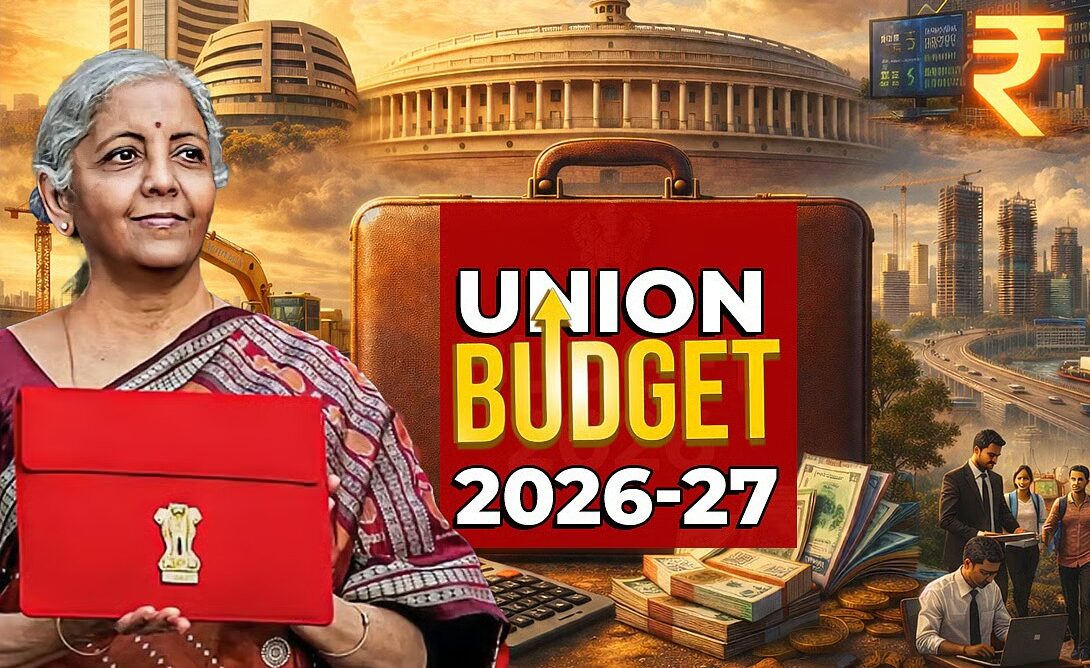
Union Budget 2026–27: Exports take centre stage as Budget pushes jobs, manufacturing and Global Value Chains

NEW DELHI : The Union Budget 2026–27 places international trade and exports at the heart of India’s growth strategy, reaffirming the Government’s commitment to building a competitive, resilient, and globally integrated economy. Anchored in macroeconomic stability, fiscal discipline, and sustained public investment, the Budget advances a comprehensive reform and investment agenda aimed at strengthening India’s position as a trusted global trading partner and accelerating progress towards the vision of Viksit Bharat.

Recognising exports as a critical driver of employment, industrial upgrading, foreign exchange earnings, and global value chain integration, the Budget announces a wide range of measures spanning the services sector, manufacturing, Special Economic Zones (SEZs), infrastructure, ease of doing business, and sector-specific reforms.

A major highlight of the Budget is its sharp focus on scaling domestic manufacturing in strategic and labour-intensive sectors, thereby strengthening export competitiveness and reducing critical import dependence. Flagship initiatives include Biopharma SHAKTI, the launch of India Semiconductor Mission 2.0, expansion of the Electronics Components Manufacturing Scheme, development of Rare Earth Corridors, establishment of Chemical Parks, and targeted support for capital goods and container manufacturing.

Labour-intensive sectors such as textiles, footwear, sports goods, handicrafts, and handlooms receive renewed attention through integrated parks, modernisation schemes, skilling initiatives, cluster rejuvenation, and sustainability-focused programmes. The revival of 200 legacy industrial clusters through infrastructure and technology upgradation will help lower costs, improve productivity, and make traditional export hubs more competitive.

The gems and jewellery sector, one of India’s largest foreign exchange earners, stands to benefit significantly from indirect measures aimed at trade facilitation and logistics efficiency. Removal of the ₹10 lakh value cap on courier exports will support small exporters and e-commerce-led shipments, while improvements in handling of returned consignments will reduce friction in global B2C trade. Extensions of concessional customs duty regimes for gold and silver dore bars and lab-grown diamond inputs will further support domestic refining and value addition.

The services sector receives a strong policy thrust. A High-Powered Education-to-Empowerment and Enterprise Standing Committee has been proposed to guide coordinated reforms and position India as a global leader in services, with an aspirational target of a 10 per cent share in global services exports by 2047. Targeted tax and regulatory reforms for IT and IT-enabled services—such as a unified classification of IT services, higher safe-harbour thresholds, automated approvals, faster Advance Pricing Agreements, and long-term certainty—will enhance India’s attractiveness for Global Capability Centres (GCCs) and international service providers.

The Budget also proposes tax holidays up to 2047 for foreign companies providing global cloud services through India-based data centres, along with safe-harbour norms for related-party services. These measures are expected to accelerate foreign investment, deepen digital infrastructure, and establish India as a global hub for digital and data-driven services.

Reforms in Special Economic Zones are designed to enhance capacity utilisation, economies of scale, and overall resilience of the SEZ ecosystem while maintaining export orientation. One-time facilitation for limited Domestic Tariff Area sales at concessional duties and extended tax incentives for cloud and data-centre operations are expected to attract global manufacturers and technology players to SEZs.

A powerful push for infrastructure development underpins the export strategy. Increased public capital expenditure, expansion of Dedicated Freight Corridors, new National Waterways, coastal shipping promotion, container manufacturing, logistics parks, and high-speed rail corridors will significantly reduce logistics costs and improve connectivity, particularly for tier-2 and tier-3 cities. These investments will directly enhance export competitiveness by reducing dwell times and improving supply-chain efficiency.

The Budget advances a trust-based, technology-driven approach to ease of doing business in trade. Key measures include electronic sealing of export cargo, trusted supply-chain recognition, automated customs processes, expansion of non-intrusive scanning, longer validity of advance rulings, enhanced duty deferment for Authorised Economic Operators, and removal of value caps for courier exports. Together, these reforms will improve predictability, reduce transaction costs, and strengthen India’s standing on global trade facilitation indices.

MSMEs—India’s export backbone—receive focused support through a ₹10,000 crore SME Growth Fund, enhanced credit guarantee mechanisms, mandatory use of TReDS by CPSEs, and integration of GeM with TReDS to improve access to timely and affordable finance. These measures directly address working-capital constraints and enable MSMEs to scale in global markets.

Sector-specific initiatives in agriculture, marine products, pharmaceuticals, tourism, AVGC, and allied health services open new export opportunities and reinforce India’s diversified export base.

Overall, Union Budget 2026–27 presents a coherent and forward-looking trade and export strategy—one that combines competitive manufacturing, services excellence, logistics modernisation, regulatory simplification, and infrastructure investment. It reinforces India’s role as a reliable global partner and lays a strong foundation for sustained export growth, job creation, and long-term economic resilience.
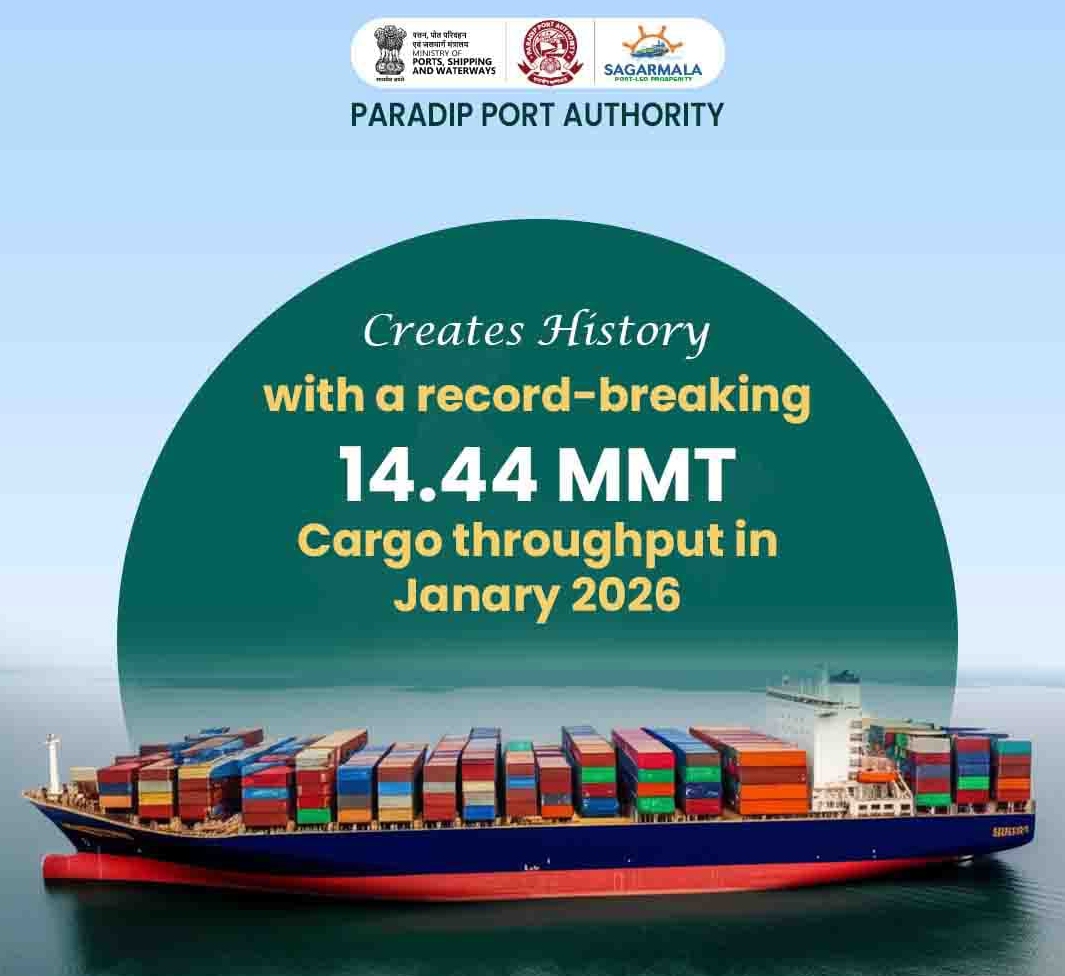
Paradip Port Authority sets New January Record with 14.44 MMT Cargo Handling

PARADIP: Paradip Port Authority (PPA) has begun the year 2026 with a landmark achievement by recording its highest-ever cargo handling for the month of January. The Port handled 14.44 million metric tonnes (MMT) of cargo during the month, surpassing its previous January record of 14.32 MMT achieved in 2024.

This record-breaking performance reinforces Paradip Port’s position as one of India’s leading Major Ports and reflects the steady growth in its operational capabilities. The achievement is the outcome of sustained infrastructure augmentation, streamlined processes, and improved coordination across terminals and stakeholders.

The consistent rise in cargo volumes also underscores the efficiency, resilience, and dedication of the workforce at Paradip Port, who continue to deliver strong operational results despite increasing demand and complexities in maritime logistics.

Shri P. L. Haranadh, Chairman, Paradip Port Authority, attributed this milestone to the strategic vision and leadership of the Hon’ble Union Minister of Ports, Shipping and Waterways, Shri Sarbananda Sonowal, and the relentless efforts of officers, employees, contractual workers, and all stakeholders associated with the Port.

“With continued focus on modernization, capacity enhancement, and operational excellence, Paradip Port remains committed to supporting India’s growing trade and contributing to the nation’s economic development,” he said.

The record January performance sets a positive tone for the year ahead as Paradip Port continues its journey towards achieving world-class mega port status.

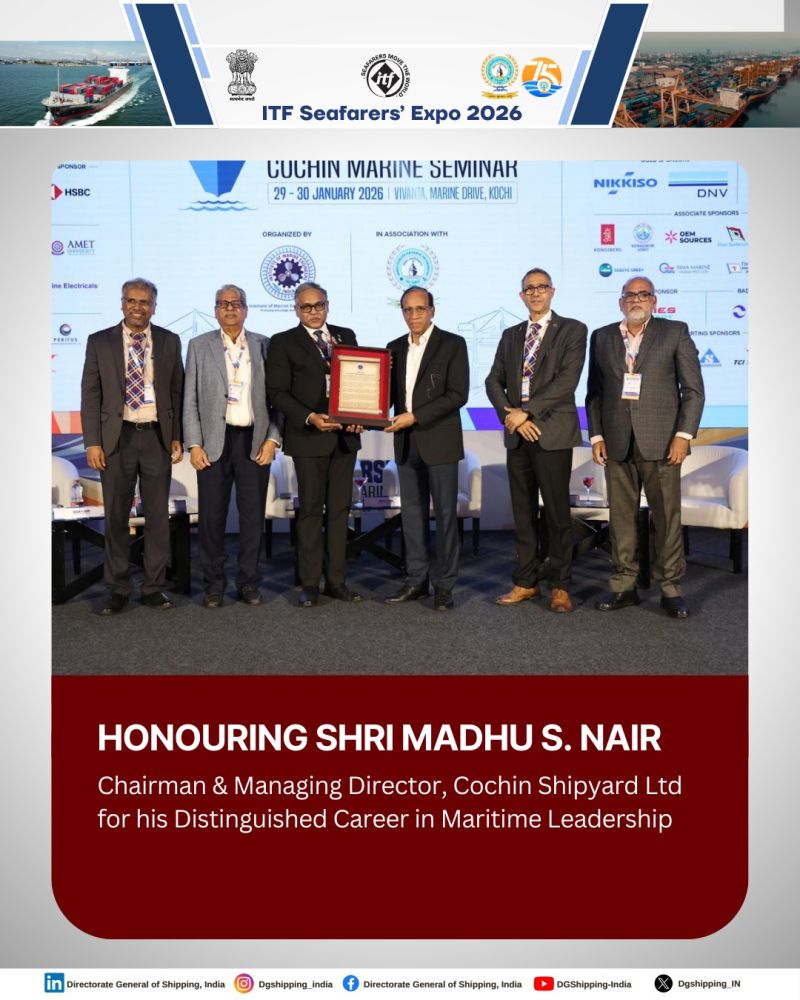
DG Shipping pays tribute to Madhu S. Nair on his superannuation

MUMBAI : The Directorate General of Shipping, under the leadership of Shri Shyam Jagannathan, Director General of Shipping, places on record its deep appreciation and sincere gratitude to Shri Madhu S. Nair, Chairman and Managing Director of Cochin Shipyard Limited (CSL), on the occasion of his superannuation.

With an illustrious professional journey spanning over 37 years at Cochin Shipyard Limited, including a transformative decade as Chairman and Managing Director, Shri Madhu S. Nair has rendered exemplary service to the nation and the maritime sector. His visionary leadership has been pivotal in positioning CSL as a globally competitive shipbuilding and ship repair organisation.

During his tenure, CSL achieved several significant milestones, including strategic capacity expansion, successful public listing, development of world-class shipbuilding and ship repair infrastructure, and the creation of a robust, resilient, and self-reliant national ship repair ecosystem. These achievements have substantially strengthened India’s maritime industrial capabilities.

Shri Nair’s unwavering commitment to excellence, innovation, and institutional strengthening has made a lasting contribution to advancing India’s shipbuilding and maritime capabilities, in alignment with the national vision of Atmanirbhar Bharat and maritime self-reliance.

The Directorate General of Shipping conveys its warmest best wishes to Shri Madhu S. Nair for good health, fulfillment, and continued success in all his future endeavours. His legacy will continue to inspire the maritime fraternity and public sector leadership for years to come.

ET NOW Global Business Summit 2026 to reflect on ‘A Decade of Disruption, A Century of Change’

NEW DELHI: South Asia’s definitive thought leadership dialogue, The Times Group’s ET NOW Global Business Summit 2026 co-powered by Spark Capital and Bennett University, is back. The Summit will be held on February 13 and 14 in New Delhi, with the theme ‘A Decade of Disruption, A Century of Change’. This has been, by most accounts, a decade of unprecedented disruption, marked by seismic shifts in geopolitics, climate, capital and technology. In fact, over these ten years, the world has learnt to view disruption not just as a rare event but almost as a constant. There is a new and often chaotic world order and Artificial Intelligence (AI) technology has already disrupted the way we live and work. Then, rapid and unforeseen climate change emergencies have often required an urgent systemic response, which needs resources and newer SOPs. And, the Covid19 pandemic and a large number of economic realignments have simultaneously fractured legacy models.

As a result, we are not just managing change, we are entering a Century of Change and new paradigms of leadership, growth and governance must be reimagined which continue to also remain rooted in resilience, inclusivity and ethical innovation. Amid these challenges, the Global Business Summit offers a platform for discussions around critical socio-economic and business issues.

It is only befitting that India, now the world’s fourth largest economy and a rising global power, should host thought leaders, policy makers and heads of state during the Global Business Summit.

The summit holds an extraordinary convening power, having brought together Nobel laureates, heads of state, senior policymakers, global business leaders, technocrats and leading thinkers from India and the world through the last decade.

In the previous editions, the summit has hosted leaders and luminaries from across the world like Prime Minister of Guyana Mr. Mark Anthony Phillips, Commonwealth’s Secretary-General Rt Hon Patricia Scotland KC, Nobel Laureate Paul Krugman, Microsoft’s Bill Gates, Blackstone Group’s Stephen A. Schwarzman, Apple’s Steve Wozniak, Airbnb’s Brian Chesky, Netflix’s Reed Hastings, Standard Chartered Bank’s Bill Winters, Franklin Templeton’s Jenny Johnson and many others, fostering discussions that have often influenced policies and business practices across sectors. 

The 2026 edition will explore the defining challenges and opportunities of our time, from economic disruption and Industry 5.0 to globalisation, workforce transformations, energy security and business diversification. In all, ET NOW Global Business Summit 2026 will host over 2,000 high-profile delegates, making it a unique platform for dialogue, collaboration and global insight-sharing.

Three Adani Group companies secure landmark ratings from Japan Credit Rating Agency

AHMEDABAD : Three companies of Adani Group— Adani Ports and Special Economic Zone Ltd. (APSEZ), Adani Green Energy Ltd . (AGEL), and Adani Energy Solutions Ltd. (AESL)—have received long-term foreign currency credit ratings with a Stable outlook from Japan Credit Rating Agency (JCR), marking a key milestone in the conglomerate’s global credit profile.

JCR, Japan’s leading credit rating agency, assigned APSEZ an A- (Stable) rating, a rare instance of an Indian corporate being rated above the country’s sovereign foreign-currency rating by an international agency. AGEL and AESL were each rated BBB+ (Stable), in line with India’s sovereign rating.

The rating on APSEZ reflects its diversified asset base, resilient cash flows and strong financial management, placing it among a select group of Indian infrastructure companies to secure an above-sovereign rating from a global agency. JCR cited the company’s superior infrastructure capabilities, consistent profitability, and stable long-term cash flows, though the rating remains capped by the country ceiling.

The assessments also mark one of the first instances of Indian infrastructure platforms being evaluated by JCR at these levels, underscoring the Adani Group’s increasing engagement with global rating agencies and alignment with international credit benchmarks.

Jugeshinder Singh, Group CFO of Adani Group, said the ratings reflect the group’s focus on disciplined financial management, balance sheet strength and execution across its infrastructure businesses. He said the endorsement reinforces confidence among global lenders and investors in the group’s long-term strategy and sustainable growth plans.

APSEZ
APSEZ currently operates a diversified portfolio of 15 domestic and four international ports, handling nearly 30% of India’s cargo and about half of its container volumes, supported by an integrated logistics platform spanning ports, special economic zones, logistics and marine services. The company reported EBITDA growth from ₹7,566 crore in FY20 to ₹19,025 crore in FY25, and ₹11,046 crore in the first half of FY26 while maintaining a net-debt-to-EBITDA ratio of 1.8x and strong liquidity.

AESL
AESL, which focuses on power transmission, distribution, smart metering and cooling solutions, continues to benefit from stable, regulated cash flows. Its network spans 26,705 circuit kilometres of transmission lines and 97,236 MVA of capacity, alongside a rapidly expanding smart metering portfolio. EBITDA rose from ₹4,532 crore in FY20 to ₹7,747 crore in FY25, supported by a $1 billion equity raise and a diversified long-tenor funding profile.

AGEL
AGEL, India’s largest renewable independent power producer, was recognised for its strong governance, long-term power purchase agreements, and operational performance. With over 16.7 GW of operational capacity as of September 2025, AGEL has expanded rapidly from 2.5 GW in FY20. Its EBITDA grew from ₹1,855 crore in FY20 to ₹10,532 crore in FY25, supported by improved equity levels, diversified global funding and an average debt maturity of 9.4 years.

DFCCIL achieves historic milestone in freight operations on eastern corridor

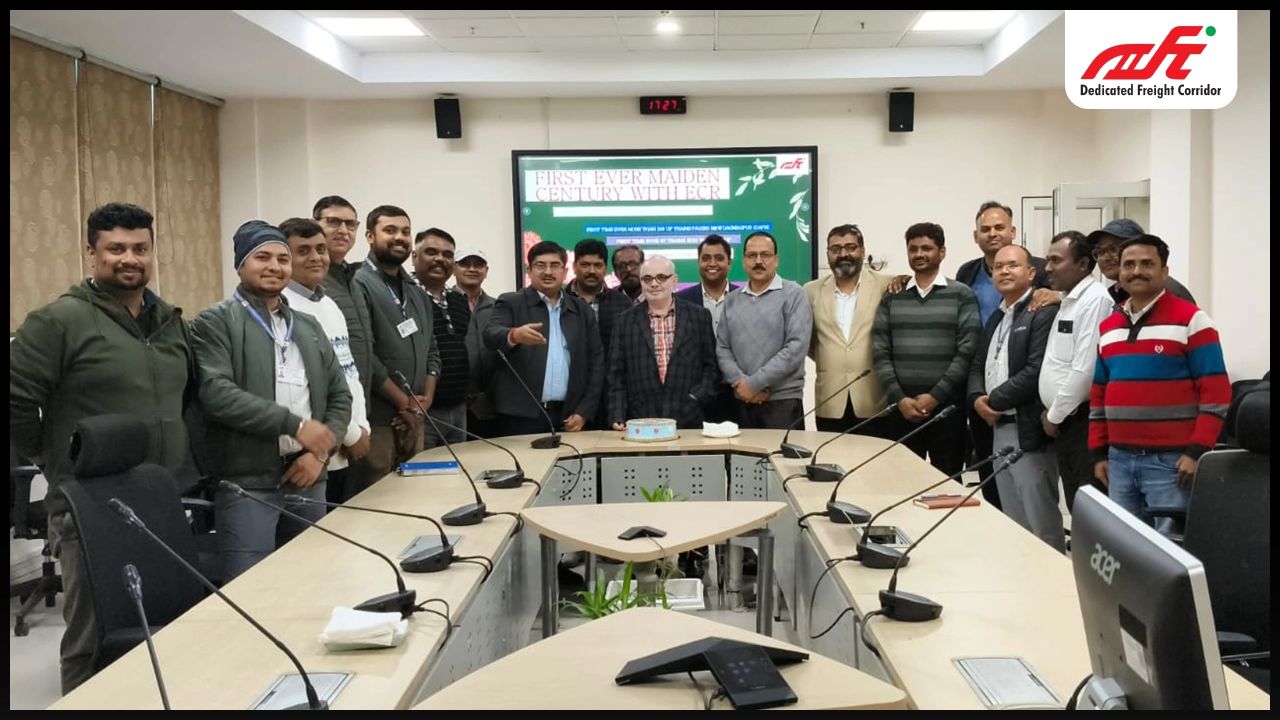
NEW DELHI : Dedicated Freight Corridor Corporation of India Limited (DFCCIL) has set a new benchmark in freight transportation with the Eastern Dedicated Freight Corridor (EDFC) achieving its highest-ever interchange performance at Pt. Deen Dayal Upadhyaya Junction on January 29, 2026.

On this landmark day, a record 87 freight trains were successfully taken over between the Dedicated Freight Corridor (DFCR) network and East Central Railway (ECR), surpassing the previous highest interchange of 85 trains recorded on July 28, 2024.

For perspective, during 2011–12, the average daily receipt at this interchange stood at 38.2 trains (37.7 from North Central Railway and 0.5 from Chunar). With the progressive operationalisation of the EDFC, freight movement has witnessed a transformational surge. The UP direction now handles 101 freight trains per day, comprising 87 trains via Pt. Deen Dayal Upadhyaya Junction and 14 trains from Indian Railways (Chunar), all transiting through New Dagmagpur.

This translates into an unprecedented 169.4% increase in freight throughput, marking the first-ever ‘century’ milestone of 100+ trains handled in the UP direction at a single interchange point — the highest ever recorded.

The achievement highlights the enhanced coordination between DFCCIL, zonal railways, and control offices, along with significant capacity augmentation and improved operational efficiencies. It also reflects the growing operational maturity of the Eastern Dedicated Freight Corridor.

This milestone reaffirms the EDFC’s pivotal role as a transformative enabler in India’s freight logistics ecosystem, strengthening supply chains, improving transit times, and supporting the nation’s economic growth.

Venezuela’s acting President Rodriguez dials PM Modi, agrees to boost bilateral ties and energy cooperation

NEW DELHI : Prime Minister Shri Narendra Modi on Friday spoke with Venezuela’s acting President Delcy Rodriguez in a telephonic conversation, when the two leaders had a detailed discussion on deepening the partnership between both nations and take the bilateral relations to new heights in the coming years.

The phone call between Rodriguez and Modi was the first since the capture of Venezuelan President Nicolas Maduro and his wife by the United States.

“Spoke with Acting President of Venezuela, Ms Delcy Rodri­guez,” the Prime Minister said in a post on X. “We agreed to further deepen and expand our bilateral partnership in all areas, with a shared vision of taking India-Venezuela relations to new heights in the years ahead,” he added.

A statement from the Prime Minister’s Office (PMO) said the two leaders agreed to further expand and deepen the India-Venezuela partnership in all areas, including trade and investment, energy, digital technology, health, agriculture and people-to-people ties.

“Both leaders exchanged views on various regional and global issues of mutual interest and underscored the importance of their close cooperation for the Global South. The two leaders agreed to remain in touch,” read the PMO statement.

Rodriguez took over as the interim president of oil-rich Venezuela on January 5, two days after US forces captured her predecessor, Maduro, to face trial in New York. After the phone call, Rodriguez said that both leaders agreed to move forward on a common roadmap to relaunch India-Venezuela relations in 2026. Since the January 3 ouster of leader Nicolas Maduro in a US military operation, Venezuela has been working to reset ties, seeking to revive its battered economy.

“I had a fraternal telephone conversation with the Prime Minister of the Republic of India, Mr Narendra Modi, in a dialogue of deep human and spiritual connection, in which we agreed to deepen and expand our bilateral partnership in all areas,” Rodriguez said in a post on X.

“We addressed strategic cooperation in energy, agriculture, science and technology, the pharmaceutical industry, mining, the automotive sector, and tourism,” said Rodriguez, who assumed power with US President Donald Trump’s consent after Maduro’s toppling.

The interim president further thanked the Indian government and people of India for their supportive solidarity with the country. “Prime Minister Modi reiterated the willingness to accompany the Venezuelan people in the defence of their peace, sovereignty, and independence,” she added.

It is worth mentioning that Venezuela sits on the world’s biggest proven oil reserves, and was one of India’s main crude suppliers until 2025, when Trump increased US sanctions on Caracas.

According to the Ministry of External Affairs (MEA), India and Venezuela have always enjoyed cordial relations, owing to a similarity of views on major international, political and economic issues. Besides actively promoting bilateral relations, the two countries cooperate in multilateral forums. The countries marked the 64th Anniversary of establishment of diplomatic relations in 2023. Resident Embassies have been in Caracas and New Delhi for over four decades, with Venezuelan experts being sent to India every year under ITEC programme.

IndoSpace MD & CEO Anshuman Singh Welcomes Integrated Logistics and Infrastructure Push in Union Budget 2026

MUMBAI: Reacting to the Union Budget 2026, Mr. Anshuman Singh, Managing Director & Chief Executive Officer of IndoSpace and Co-Chairman of the Logistics Committee at FICCI, said the Budget reflects a more integrated and strategic approach to strengthening India’s industrial competitiveness by recognising infrastructure and logistics as key enablers of manufacturing and exports.

Commenting on the broader policy direction, Singh noted that the convergence of advanced manufacturing clusters with freight corridors, multimodal connectivity, customs reforms and high-speed connectivity between growth centres reinforces India’s ambition to emerge as a globally integrated manufacturing and services economy.

“Union Budget 2026 signals a more integrated approach to industrial competitiveness, recognising infrastructure and logistics as strategic enablers of manufacturing and exports. The convergence of advanced manufacturing clusters with freight corridors, multimodal connectivity, customs reform and high-speed connectivity between growth centres, reinforces India’s ambition to become a globally integrated manufacturing and services economy,” Singh said.

He highlighted customs modernisation measures such as operator-centric customs warehousing, electronic tracking and trusted-importer based clearances, stating that these initiatives would improve cargo velocity and predictability — critical requirements for globally competitive manufacturing ecosystems.

Singh also welcomed the continued focus on freight corridors, coastal shipping and inland waterways, noting that sustained investments in these areas would help create lower-cost and lower-carbon logistics networks aligned with India’s sustainability goals.

“The Infrastructure Risk Guarantee Fund will enable and encourage lenders and investors to finance large infrastructure projects with greater confidence and lower financing costs, improve project viability, and speed up execution — especially in logistics, freight corridors, ports and industrial infrastructure. Together, these interventions lay the foundation for a more resilient and globally aligned industrial ecosystem,” he added.

Achilles APAC Regional Director Smitha Shetty sees Budget 2026 as Boost to Industrial Competitiveness and Supply Chain Resilience

MUMBAI: Reacting to the Union Budget 2026, Ms. Smitha Shetty, Regional Director – APAC at Achilles Information Limited, said the Budget underscores India’s intent to build long-term industrial competitiveness by strengthening manufacturing capabilities and creating more resilient supply chains.

Commenting on key structural measures, Ms. Shetty highlighted initiatives such as Semiconductors Mission 2.0, dedicated rare earth corridors and support for domestic chemical clusters, noting that these reflect a clear policy focus on reducing import dependence in strategic sectors that are increasingly shaping global production systems.

“Union Budget 2026 reinforces India’s intent to build long-term industrial competitiveness through stronger manufacturing depth and more resilient supply chains. Semiconductors Mission 2.0, dedicated rare earth corridors, and support for domestic chemical clusters reflect a clear focus on reducing import dependency in strategic sectors that are shaping global production systems,” she said.

Ms. Shetty also welcomed the continued emphasis on MSME growth, particularly measures such as the ₹10,000 crore SME Growth Fund, additional micro-enterprise risk capital and reforms aimed at improving working capital efficiency through receivables financing and procurement-linked mechanisms.

Highlighting the ‘corporate mitras’ initiative, she noted that the move could play an important role in strengthening compliance readiness among smaller suppliers without adding undue burden, especially for enterprises operating in Tier 2 and Tier 3 cities.

“Importantly, the ‘corporate mitras’ initiative can help strengthen compliance readiness without overburdening smaller suppliers, especially in Tier 2 and Tier 3 cities. In an uncertain global trade environment, this is a balanced and forward-looking Budget,” Shetty added.

Delhivery Q3 net profit surges 58% on strong volume growth, EBITDA more than doubles

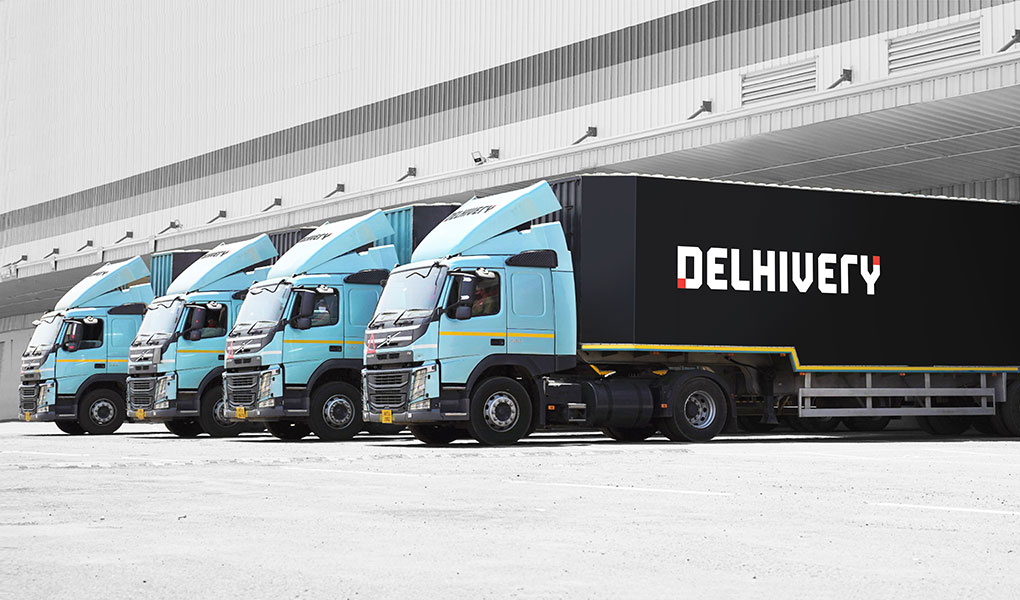
NEW DELHI : Logistics major Delhivery reported a strong set of numbers for the December quarter, with net profit rising 58.4% year-on-year to ₹39.6 crore, aided by healthy volume growth and operating leverage. Revenue increased 18% to ₹2,804 crore compared with ₹2,378 crore in the year-ago period.

EBITDA more than doubled to ₹208.5 crore from ₹103 crore a year earlier, while operating margin improved to 7.4% from 4.3%.

The company said its Part Truck Load (PTL) business crossed 500,000 metric tonnes for the first time, registering 23% year-on-year growth, driven by consistent sales efforts and stable service quality despite a sharp rise in network volumes. Separately,

Delhivery said it has assessed the financial impact of the recently notified Labour Codes, which consolidate multiple existing labour laws into a single framework. The changes have led to an increase in gratuity and leave liabilities amounting to ₹20.86 crore, which has been classified as an exceptional item in the consolidated results for the quarter and nine months ended December 31, 2025.

The company said it continues to monitor developments and will evaluate any further impact once the final rules and effective dates are notified.

Delhivery Ltd said its Chairman, Deepak Kapoor, has stepped down from the company’s board. Kapoor had joined the board in 2017 and has been associated with Delhivery’s growth over the past several years.