Home Blog Page 466

Govt announces interest subvention scheme for export credit under EPM

NEW DELHI: The government has announced an interest subvention scheme for pre- and post-shipment export credit under the Export Promotion Mission (EPM), titled Niryat Prothsahan, the Reserve Bank of India (RBI) said in a notification on Monday.

Under the instructions, lending institutions are required to extend interest subvention on export credit in line with the scheme provisions and in compliance with regulatory instructions issued by the RBI.

“In terms of the above instructions, eligible lending institutions shall extend the benefit of interest subvention to eligible exporters strictly in accordance with the provisions of the scheme, and subject to compliance with the extant regulatory instructions issued by the Reserve Bank,” the notification said.

Lending institutions have been directed to ensure that interest subvention is provided only for export credit covered under the scheme. Claims are to be submitted in accordance with procedures prescribed from time to time.

NITI Aayog releases report MSME sector

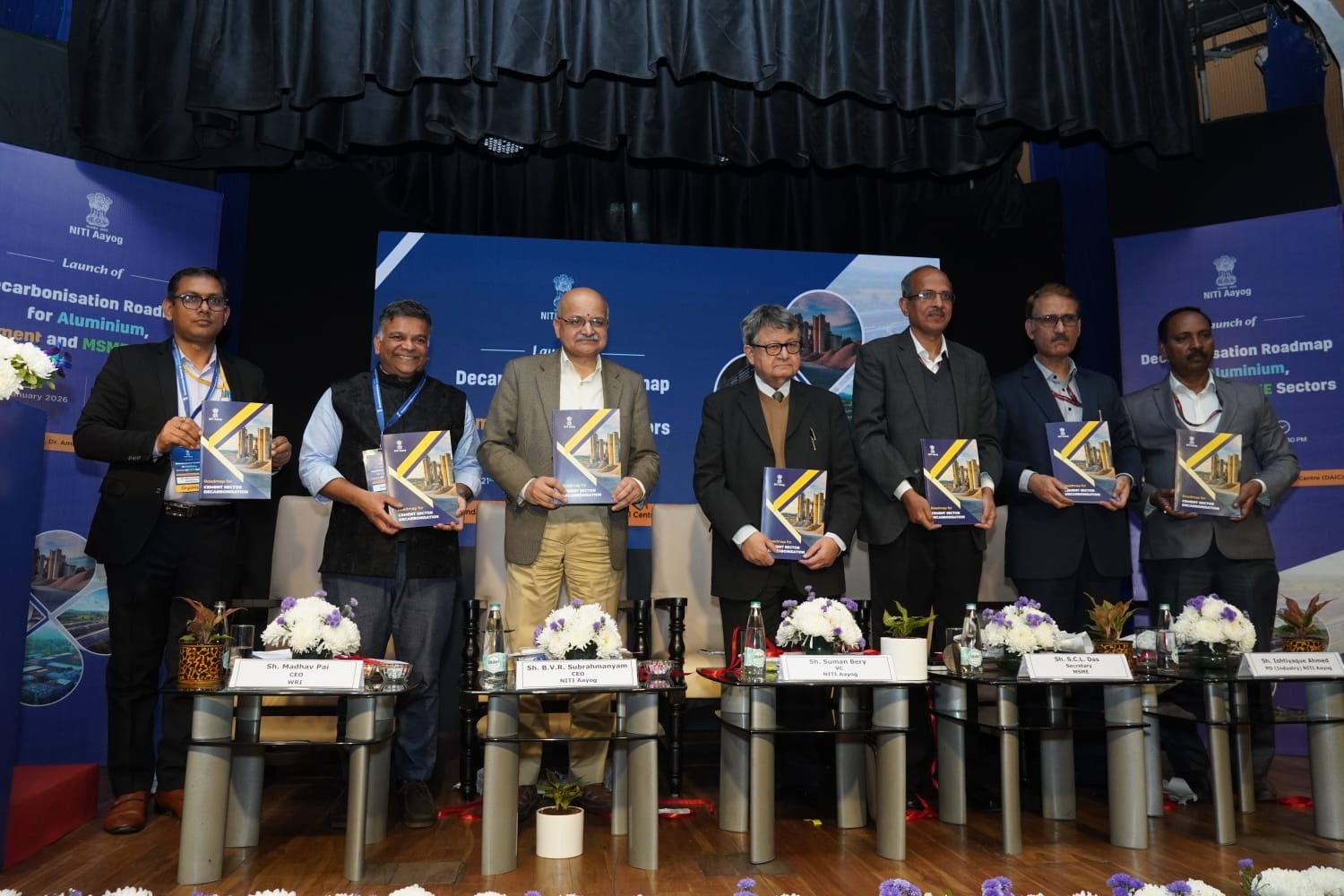
NEW DELHI: India has an aspiration of becoming Viksit Bharat by 2047 and achieving USD 30 trillion economy. This economic expansion will be driven by a significant increase in industrial activity and accompanied by extensive infrastructure development. Increasing the share of manufacturing sector from 17% to 25% in GDP is a key national objective that is central to India’s developmental goals. India has also pledged to achieve net-zero greenhouse gas emissions by 2070. Therefore, a need was identified for developing industry specific green transition roadmaps that are consistent with Viksit Bharat by 2047. In this context, NITI Aayog released three report on MSME sector. The report have been prepared in consultation with line ministries/ departments, industry stakeholders, research institutions and knowledge partners.

MSME Sector: India’s Micro, Small and Medium Enterprises (MSMEs) form the backbone of the nation’s industrial landscape, contributing nearly 30% to national GDP, employing over 250 million people and accounting for approximately 46% of exports. The Roadmap for Green Transition of MSMEs focuses on three key levers: deployment of energy-efficient equipment, adoption of alternative fuels, and integration of green electricity.

Shri Suman Bery, Vice Chairperson, NITI Aayog observed that MSMEs are important members of domestic and international supply chains. He urged prioritizing technology adoption, access to affordable finance, skilling & regulatory reforms, and increased participation of female workforce to achieve overall competitiveness of MSMEs. Shri B. V. R. Subrahmanyam, CEO, NITI Aayog emphasized that these roadmaps would serve as reference manuals for India to achieve its unique goal of becoming a developed country as well as decarbonising the industry simultaneously. Shri S. C. L. Das, Secretary, MSME appreciated the broad focus of the reports and highlighted that cluster-based framework will help in effective implementation of the roadmap. Shri Madhav Pai, CEO, WRI India recognized the timeliness of releasing these roadmaps in light of India’s developmental ambitions and climate commitments. Shri Ishtiyaque Ahmed, Programme Director, NITI Aayog delivered a detailed presentation emphasizing that cement, aluminium and MSME sectors can be decarbonized using levers such as energy efficiency, round-the-clock renewables, CCUS and nuclear energy.

Access the full report here

https://niti.gov.in/sites/default/files/2026-01/Roadmap_for_Green_Transition_of_MSMEs.pdf

NHAI and Konkan Railway Sign MoU to Strengthen Integrated Infrastructure Development

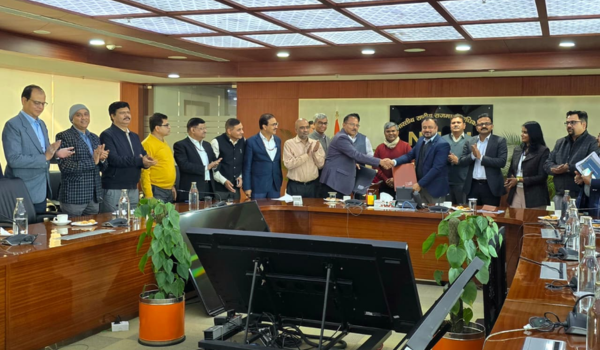
NEW DELHI: In order to strengthen Integrated Infrastructure Development, NHAI and Konkan Railway Corporation Limited (KRCL), a Public Sector Undertaking under the Ministry of Railways, on Wednesday signed a Memorandum of Understanding (MoU) to establish a broad framework for cooperation in resource optimization, and exploration of mutually beneficial opportunities. The MoU was signed in presence of NHAI Chairman, Shri Santosh Kumar Yadav, along with senior officers from NHAI and KRCL at NHAI Headquarters in New Delhi. The MoU aims to leverage the complementary strengths and technical expertise of both the organizations to support India’s infrastructure growth and enhance connectivity.

Under the umbrella MoU, NHAI and KRCL will collaborate to identify, plan, and pursue areas of mutual interests. The partnership will enable closer coordination in road and rail infrastructure planning, particularly in complex and challenging terrains where integrated solutions can deliver greater efficiency, safety, and economic value.

Key areas of cooperation include planning for integrated development of National Highway and Rail infrastructure such as rail-cum-road bridges and tunnels, Multi-Modal Logistics Parks, Inter-modal Hubs, and grade separators at locations where National Highways intersect or coexist with Railway lines. The MoU also envisages the development of common utility corridors wherever feasible.

The collaboration will also help NHAI to access KRCL’s extensive experience in executing projects in difficult terrains that include specialized support for review/proof check of design, drawing and safety aspects in complex bridge and tunnel projects and slope stabilization. MoU also covers providing safety and quality audits of existing tunnels and slope protection works, as well as organizing training programs for NHAI officers and staff at KRCL’s training institute.

In addition, the MoU provides for sharing technical expertise including best practices in project management, engineering design, construction methodologies, handling geological challenges, and environmental management. Collaborative research and development in innovative construction materials and techniques, as well as provision of providing project-specific consultancy services, are also envisaged under the MoU.

Both organizations will explore opportunities for joint identification and utilization of surplus or underutilized land parcels for commercial development, logistics facilities and other infrastructure projects along the National Highway network and the Konkan Railway corridor. The collaboration will also focus on enhancing logistics and connectivity by planning efficient first-mile and last-mile solutions for freight and passenger movement, integrating road and rail networks, as well as providing solutions towards establishing dedicated freight corridors or linkages to enhance the efficiency of goods movement.

Further, NHAI and KRCL will collaborate on adoption of advanced technologies and digital solutions for project monitoring, traffic & asset management and smart infrastructure solutions, along with data sharing to improve planning and operational efficiency.

To facilitate effective implementation, a Joint Working Group (JWG) comprising representatives from both organizations will be constituted. The JWG will be responsible for identifying specific projects for collaboration, conducting preliminary assessments and feasibility studies, developing detailed project proposals, monitoring progress, and resolving operational issues. The MoU will remain valid for an initial period of five years.

This strategic collaboration reflects NHAI’s commitment to integrated planning, efficient use of public resources, and development of future-ready infrastructure that will contribute towards the overall growth and development of the country.

CTIL and Gujarat National Law University Organize 9th International Conference on Law and Economics at Gandhinagar

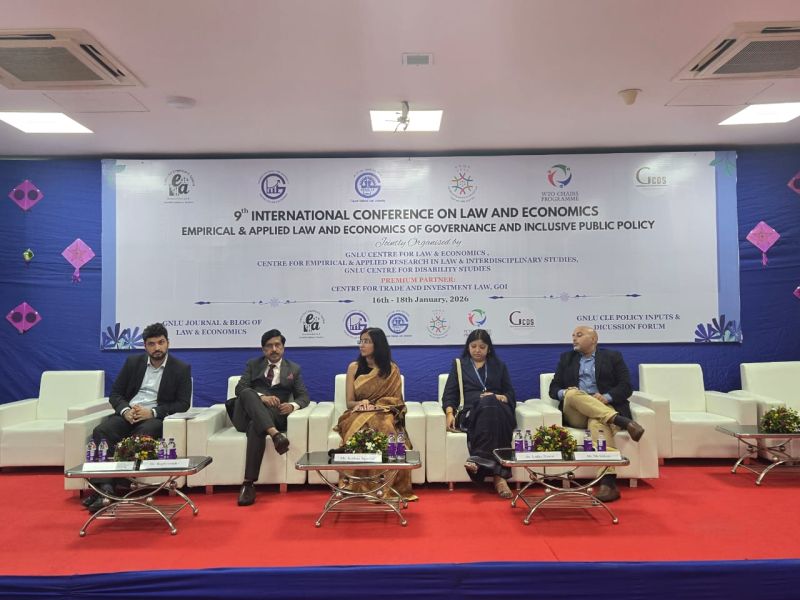
GANDHINAGAR: The Centre for Trade and Investment Law (CTIL), in collaboration with the Gujarat National Law University (GNLU), through its Centre for Law and Economics, Centre for Empirical & Applied Research in Law & Interdisciplinary Studies, and Centre for Disability Studies, successfully organised the 9th International Conference on Law and Economics (Empirical & Applied Law and Economics of Governance and Inclusive Public Policy) at GNLU, Gandhinagar.

The Conference examined key issues at the interface of law and economics, including trade policy challenges from the perspectives of policymakers, academicians, practitioners and industry stakeholders. It featured panel discussions, technical sessions and expert plenary talks. Over the three days, the Conference brought together leading figures from legal academia, the judiciary, legal practice, industry and policymaking to deliberate on contemporary legal and economic issues shaping trade policy, governance and inclusive public policy. CTIL led two panel discussions on “World Intellectual Property Organization (WIPO) Treaty on Intellectual Property, Genetic Resources, and Associated Traditional Knowledge (TKGR Treaty) and the Trade Related Aspects of Intellectual Property Rights (TRIPS) Agreement”, and “India’s Approach to Trade in Health Services: Emerging Challenges and Gaps.”

The inaugural session was attended by Former Judge, Supreme Court of India, Justice A.K. Sikri, and Attorney General of India, Shri R. Venkatramani, as special guests. In his keynote address, Justice A.K. Sikri emphasised that judges should not only apply the law but also consider the economic consequences of legal interpretations. The Attorney General of India, Shri R. Venkatramani, highlighted the need for new institutional arrangements and empirical models to address emerging challenges faced by policymakers.

The Conference witnessed participation from scholars and practitioners specialising in law and economics from national law schools across India, along with international scholars from leading universities and international organisations, including the University of Hamburg, Germany; Myongji University, South Korea; University of Pretoria, South Africa; Tomyongji Hoku University, Japan; and the United Nations Economic and Social Commission for Asia and the Pacific (UNESCAP). Industry leaders from the healthcare and biotechnology sectors also participated in the deliberations.

Head, Centre for Trade and Investment Law, Prof. (Dr.) James J. Nedumpara, in his expert plenary talk on “Services Trade and Professional Mobility”, discussed recent developments in the India–New Zealand Free Trade Agreement and the India–United Kingdom Comprehensive Economic Partnership Agreement, with specific reference to commitments on the temporary movement of natural persons. He also provided insights on cross-border modes of services delivery, visa-related regulatory barriers and the growing relevance of Mutual Recognition Arrangements (MRAs).

A CTIL-organised panel examined the interface between the WIPO TKGR Treaty and the WTO TRIPS Agreement. Chair of the session, Prof. (Dr.) Unnat Pandit, in his special address, emphasised the robustness of India’s patent regime and the facilitative role of biological diversity regulation in protecting and integrating traditional knowledge with modern scientific research. The panel highlighted the significance of the WIPO TKGR Treaty in addressing fraudulent disclosures and wrongful grant of patents based on traditional knowledge. The panel included Dr. Raghavender G.R., Department for Promotion of Industry and Internal Trade (DPIIT), Ms. Latika Dawara, Indian Patent Office, Mumbai, and practitioners Mr. Anand Shetty and Mr. S.K. Srihari, who outlined practical compliance-related challenges. Associate, CTIL, Mr. Pranav Narang, provided insights on the legal interplay between the TKGR Treaty and other international agreements.

CTIL also convened a panel on India’s approach towards trade in health services. President, Shalby Hospitals Limited, Mr. Shanay Shah, chaired the session and spoke on the growth of medical tourism in India and the need for improvements in insurance portability and visa facilitation. The discussion highlighted global shifts driven by digital health, artificial intelligence adoption and intermodal linkages, and emphasised the need for coordinated national strategies to balance commercial expansion with universal access. The panel also included Mr. Sreejith Narayanan Edamana, Apollo AyurVaid, Dr. Rupa Chanda, United Nations Economic and Social Commission for Asia and the Pacific (UNESCAP), and Assistant Professor, CTIL, Ms. Shiny Pradeep, who discussed India’s facilitative approach to traditional medicine. Professor, University of Pretoria, South Africa, Prof. (Dr.) Stephanus Phillipus van Zyl, highlighted fiscal mechanisms that can be leveraged to attract investment in the healthcare sector.

9th Meeting of India–Myanmar Joint Trade Committee Held in Nay Pyi Taw

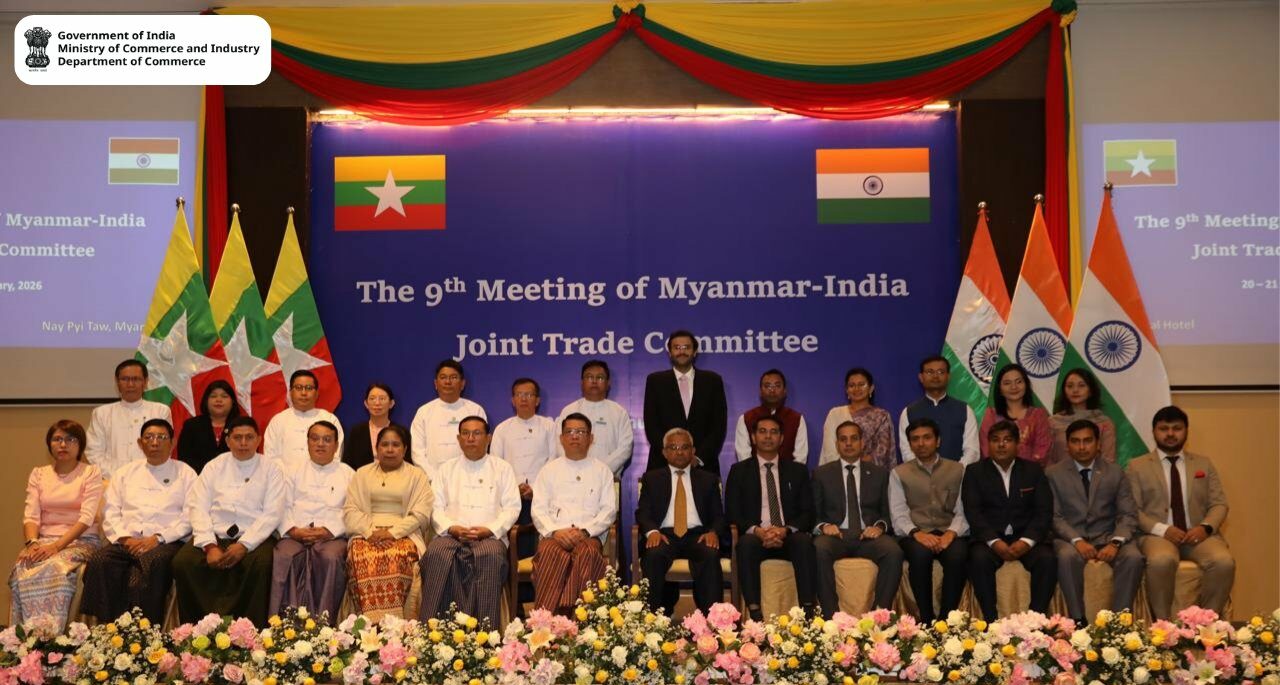
NAY PYI TAW: The Ninth Meeting of the India–Myanmar Joint Trade Committee (JTC) was held on Wednesday in Nay Pyi Taw, Myanmar. The meeting was co-chaired by Deputy Minister, Ministry of Commerce of the Republic of the Union of Myanmar U Minn Minn and Additional Secretary, Department of Commerce, Ministry of Commerce and Industry, Government of India Shri Nitin Kumar Yadav. Representatives from concerned stakeholder Ministries of both sides also participated in the meeting.

The meeting deliberated on a wide range of issues, including improving connectivity, expanding market access, streamlining financial transactions, upgrading border infrastructure, re-opening border trade posts, promoting the Rupee–Kyat trade settlement mechanism, and maximizing the benefits of the ASEAN–India Trade in Goods Agreement (AITIGA). The Myanmar side expressed its appreciation to the Government of India for maintaining an open and supportive policy environment for Myanmar’s exports, particularly in the pulses and beans sector.

Discussions were also held on potential areas of cooperation to drive mutual growth, with emphasis on sectors such as Textiles, Transport and Connectivity, Capacity Building, Customs and Border Management, Shipping, Power, Information and Communication Technology (ICT), Micro, Small and Medium Enterprises (MSMEs), Health, Pharmaceuticals, and Agriculture. Both sides emphasized that enhanced cooperation in these areas could yield sustained long-term gains and strengthen the framework of mutual support and collaboration.

The meeting reaffirmed the strategic importance of the Tamu–Moreh and Rhi–Zokhawthar border trade posts in facilitating cross-border trade. The Indian side reiterated its request for the early reopening of these land border points. Both sides also underscored the need for developing a corresponding Integrated Check Post at Tamu to further enhance trade efficiency.

Bilateral trade between India and Myanmar reached USD 2.15 billion during 2024–25, reflecting a strong and positive growth trajectory. Recognizing the significant potential for further expansion, both sides agreed on a shared vision to scale bilateral trade to USD 5 billion by 2030.

Both sides reaffirmed their commitment to the expeditious completion of the review of the ASEAN–India Trade in Goods Agreement (AITIGA), with a view to making it simpler, balanced, mutually beneficial, and more trade-facilitative. They also agreed to strengthen cooperation across all discussed areas and to maintain regular communication among relevant agencies to ensure effective follow-up actions.

The next meeting of the India–Myanmar Joint Trade Committee (JTC) will be held in New Delhi.

IWDC 3.0 to Chart the Next Phase of Growth for India’s Inland Waterways

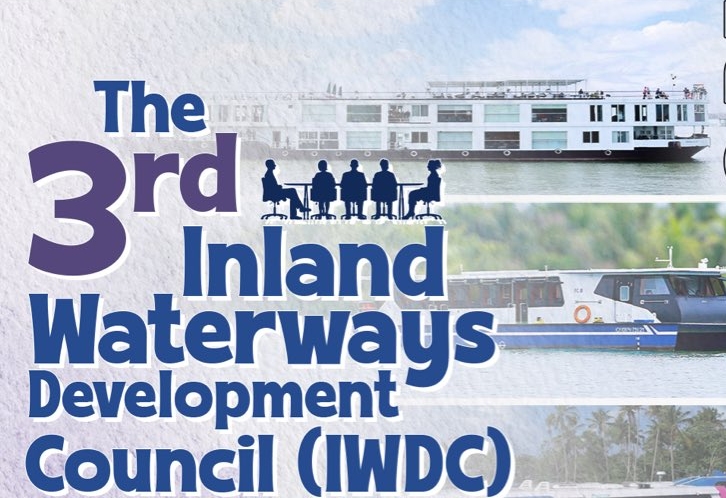
KOCHI: The third meeting of the Inland Waterways Development Council (IWDC) will be held on January 23, 2026, at Kochi, Kerala, with the objective of highlighting the achievements of the Inland Water Transport (IWT) sector and outlining its future vision.

The day-long session will be chaired by Union Minister of Ports, Shipping and Waterways, Shri Sarbananda Sonowal and will be attended by Minister of State for Ports, Shipping and Waterways, Shri Shantanu Thakur along with ministers from various state governments.

During the meeting, the Minister of Ports, Shipping and Waterways will launch new initiatives to further develop inland water transport in various states. Several State Support Agreements are also expected to be signed, strengthening Centre-State collaboration for IWT projects.

The IWDC 3.0 agenda includes sessions on building a resilient urban water transport system, enhancing the efficiency of cargo transport, promoting green vessels for passenger transport, advancing river cruise tourism and implementing digital and sustainable practices. The meeting will also review the regulatory framework for inland waterways and address concerns raised by states related to ongoing and proposed inland water transport projects.

India boasts an extensive network of inland waterways, with over 145 million tonnes of cargo moved annually, offering a fuel-efficient and environmentally friendly mode of transport. Inland waterways complement the overburdened rail and road networks and facilitate initiatives such as Roll-on-Roll-off (Ro-Ro) vehicle transport and river cruise tourism. Of the total 111 National Waterways across 23 states and four union territories, 32 are currently operational for cargo and passenger movement. Inland Waterways Authority of India (IWAI) under the Ministry of Ports, Shipping and Waterways is primarily responsible for development, maintenance and regulation of these waterways.

Cargo movement on national waterways has increased from 18 million tonnes in 2013-14 to 145.84 million tonnes in 2024-25, while passenger traffic has grown to 7.64 crore in 2024-25. This momentum has been further accelerated through transformative initiatives such as the ‘Jalvahak’ Cargo Promotion Scheme, incentivising shippers to shift cargo from road and rail to waterways, and ‘Jal Samriddhi’, which promotes strong private sector participation in terminal development and operations.

“Under the visionary leadership of Hon’ble Prime Minister Shri Narendra Modi, the IWDC has become a truly collaborative national platform, bringing together policymakers and representatives of various state governments and concerned departments to shape the future of inland waterways. Hon’ble Union Minister Shri Sarbananda Sonowal has transformed IWDC into a catalyst for aligning Centre-State priorities, translating policy intent into actionable outcomes, and advancing a greener, more efficient transport ecosystem. By combining infrastructure development with sustainability and community participation, the Council is reviving India’s riverine heritage and repositioning inland waterways as a preferred mode of transport for cargo and passengers. In Kochi, we aim to consolidate the progress made since IWDC 1.0 in 2024 and IWDC 2.0 in 2025, accelerate project execution and scale green, technology-driven inland waterways in close partnership with states,” said Shri Sunil Paliwal, Chairman of IWAI.

Assam at IWDC 3.0

Steady growth in inland waterways traffic in Assam underscores how the IWDC has successfully translated policy decisions into tangible outcomes over the past two years. Fully operational NW2 (Brahmaputra with multimodal terminals at Pandu and Jogighopa, permanent terminals at Dhubri and Bogibeel, multiple floating terminals and assured depth maintenance from the Bangladesh border to Sadiya is redefining sustainable transport in the North Eastern Region. NW2 handles over 98% of Assam’s inland waterways cargo, including vehicles, over-dimensional cargo and construction materials.

Building on IWDC-led coordination, the government has planned investments of ₹5,000 crore for inland waterways development in the Northeast between 2025 and 2030. Projects worth around ₹1152 crore are already under implementation, with detailed project reports underway for the remainder. The upcoming IWDC 3.0 meeting will focus on operationalising Dibrugarh’s Regional Centre of Excellence (RCoE), completing the ship-repair facility at Pandu and scaling green vessel operations, reinforcing IWDC’s role as a national platform for coordinated and sustainable inland waterways development. The approach road to Bogibeel River Port and a tourist jetty at Uzan Bazaar Ghat are likely to be announced during the meeting alongside plans to develop 85 jetties across the region’s waterways.

The upcoming IWDC 3.0 meeting in Kochi is expected to serve as a dynamic forum to evaluate the potential and advantages of the inland water transport sector and to chart a clear roadmap for its future growth and expansion.

“India’s presence strongly felt”: Ashwini Vaishnaw at Davos

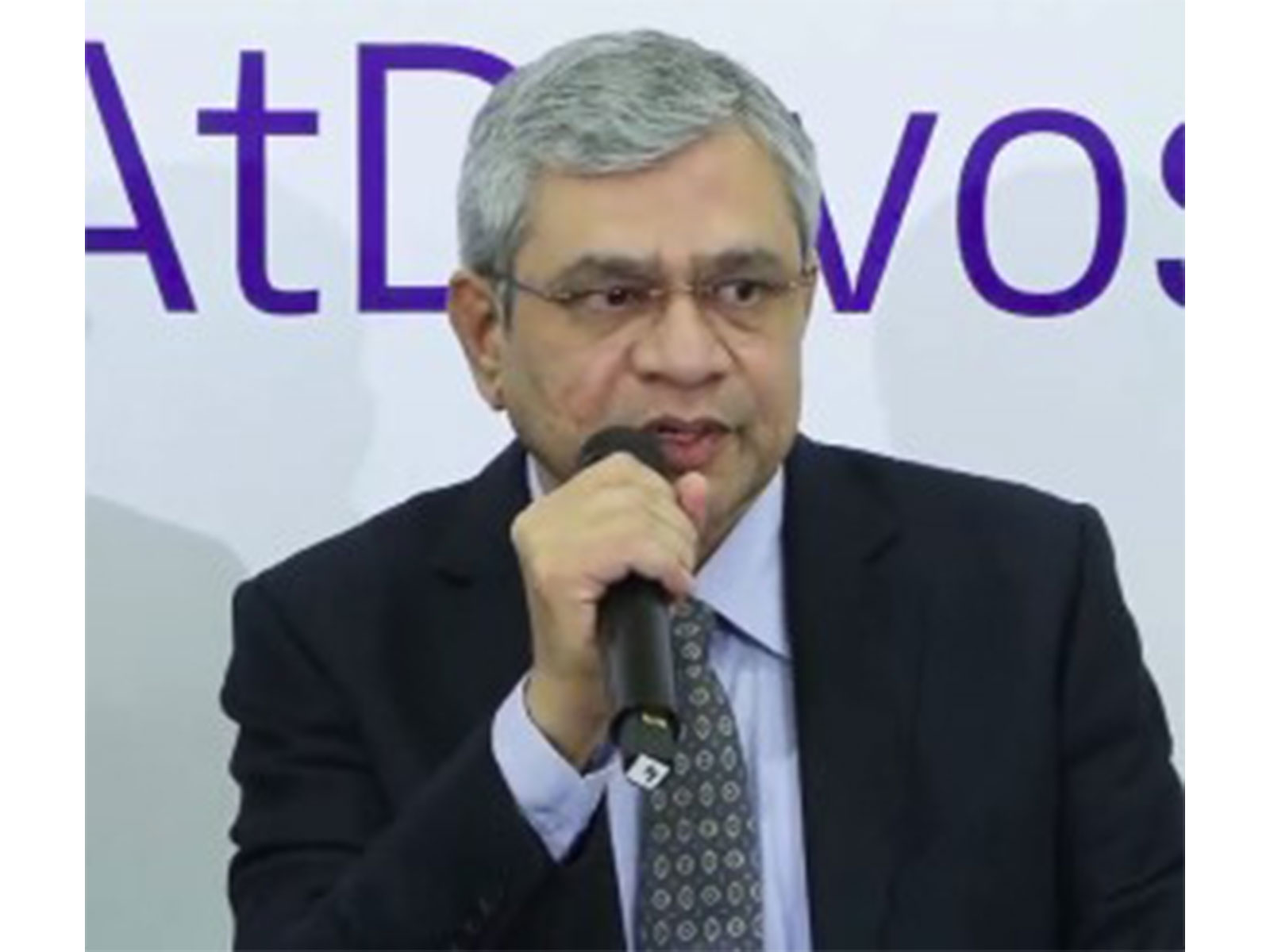
DAVOS: The progress of the Indian economy under the leadership of Prime Minister Shri Narendra Modi has become a top subject of debate among world leaders in Switzerland. Union Minister Shri Ashwini Vaishnaw on Wednesday (Indian Standard Time) shared that the Indian team is present at all major meetings to explain how the country is combining modern technology with fair growth for all citizens.

Regarding the focus of international forums, the Union Minister Ashwini Vaishnaw said, “Today, the Indian delegation is actively participating in Davos 2026 and all major events here. I am joined by the Chief Minister of Maharashtra, Devendra Fadnavis. India’s presence is being strongly felt here, as discussions on the country’s development and economic growth under Prime Minister Narendra Modi are taking centre stage. The leadership role India is playing in technology, and its focus on inclusive growth, are key topics of conversation across all forums.”

Meanwhile, on Tuesday, the US Department of State stated that the inaugural Critical Minerals Ministerial, to be held on February 4 by US Secretary of State Marco Rubio, will bring together partners from across the globe to strengthen cooperation on critical mineral supply chains.

Announcing the development in a post on X, the State Department said the ministerial will focus on enhancing international collaboration to secure reliable, resilient critical mineral supply chains, which are essential to the US’s economic and national security, technological leadership, and energy transition.

“On February 4, Secretary Rubio will welcome partners from across the globe to the State Department for the inaugural Critical Minerals Ministerial. Strengthening critical mineral supply chains with our international partners is vital to America’s economic and national security, technological leadership, and a resilient energy future,” the State Department stated in its post.

India was represented by Union Minister for Railways, Information and Broadcasting, and Electronics and Information Technology, Ashwini Vaishnaw, at the Davos summit.

Senior US officials, including US Trade Representative Jamieson Greer and Export-Import Bank President and Chairman John Jovanovic, also participated, along with private-sector representatives.

During the discussions, participants expressed a strong and shared resolve to urgently address weaknesses in critical mineral supply chains, which have become increasingly concentrated and vulnerable to disruption and manipulation. The United States outlined actions and investments already undertaken, as well as planned measures to build resilient, secure, and diversified supply chains for critical minerals.

Source: ANI

“Growth Engine of India”: CM Fadnavis shares benefits of bilateral agreement for Maharashtra

DAVOS: Maharashtra is set to see a boost in industrial growth following several international trade discussions held in the World Economic Forum on Wednesday IST (India Standard Time).

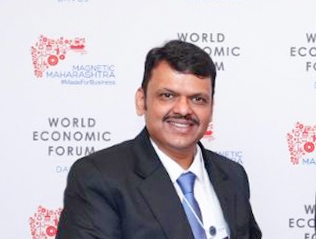
Chief Minister Shri Devendra Fadnavis stated that global partnerships and trade agreements are vital to the state, as they attract more factories and business opportunities to keep Maharashtra ahead in the national economy. The state has emerged as a top destination for large-scale energy projects, with the latest being a lithium refinery.

Elaborating on the state’s strategic advantage, the Chief Minister said, “Lithium refinery, it has come to Maharashtra, and there are certain other areas where the investments are coming. Any bilateral agreement is beneficial to a state like Maharashtra, which has always been a growth engine of the Indian economy. Any bilateral tie-up, FTA, is always very beneficial to Maharashtra.”

Meanwhile, Maharashtra Chief Minister Shri Devendra Fadnavis also announced a new plan to use advanced medical technology to make healthcare accessible to everyone in the state. During a special session in Switzerland, the state government met with global medical companies to discuss how new machines and digital health tools can lower the cost of treatment for the common man.

The 56th Annual Meeting of the World Economic Forum is being held from January 19 to 23, 2026, at Davos-Klosters, welcoming nearly 3,000 participants from over 130 countries, including a record number of world leaders, CEOs, innovators and policymakers, under the theme “A Spirit of Dialogue.”

World leaders from government, business, civil society, and academia will convene in Davos to engage in forward-looking discussions on global issues and set priorities. The call for bold collective action makes the meeting particularly relevant. India is Pitched as One of the World’s Fastest-Growing Renewable Energy Markets at Davos. Union Minister Pralhad Joshi urges global investors to partner in India’s rapid clean energy expansion at the World Economic Forum 2026 in Davos.

Source: ANI

International Media delegation visits JNPA to witness India’s Port-Led growth story

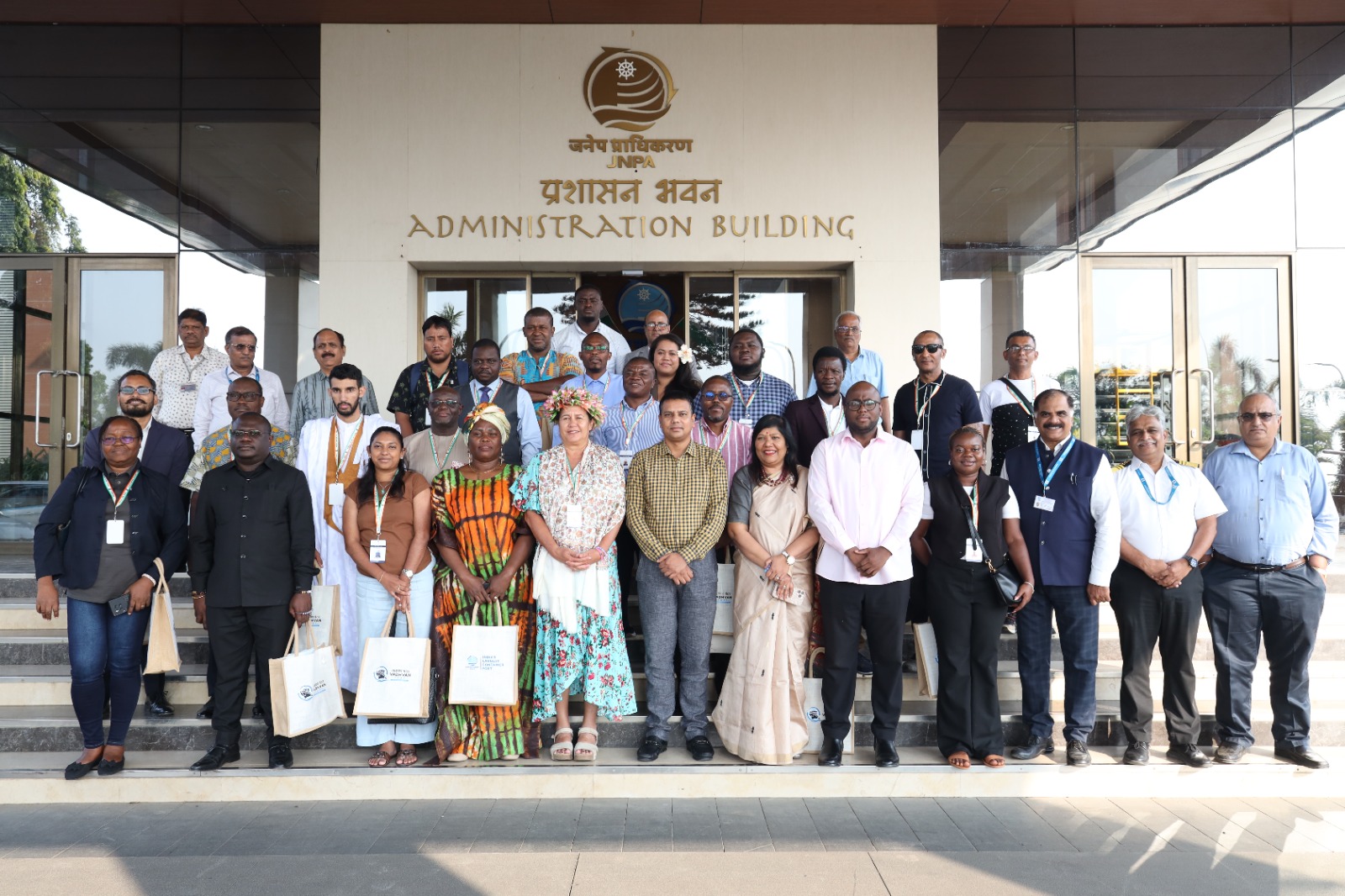
MUMBAI : Jawaharlal Nehru Port Authority (JNPA) – India’s Largest Container Port, hosted a delegation of 27 international media journalists representing 26 International countries on Tuesday, January 20th, 2026, as part of a familiarization tour organised by the Ministry of External Affairs (MEA).

The visit provided journalists with an in-depth overview of India’s largest container port and its pivotal role in facilitating global trade. As part of the programme, the delegation was taken on a guided port visit to one of the container terminals at JNPA operated by DP World, where they witnessed live cargo handling operations and the application of advanced mechanisation and digital systems. The visit was followed by a fruitful interaction with JNPA officials, during which the delegation engaged in detailed discussions on port-led development, ease of doing business, and India’s expanding maritime footprint.
The journalists were also apprised of JNPA’s upcoming infrastructure projects with special emphasis on Vadhvan Port which is poised to be amongst the top 10 container ports globally, ongoing research and development initiatives, and its long-term vision for sustainable and future-ready port operations.
The interaction highlighted India’s rapid strides in the maritime and logistics sector, showcasing how cutting-edge technology, process innovation, and strategic planning are enabling seamless cargo movement across global trade corridors.

Speaking on the occasion, the Shri Gaurav Dayal, IAS, Chairperson, JNPA, said, “JNPA has long served as a critical gateway for India’s trade and cooperation with other countries. A substantial volume of supplies and humanitarian assistance from the Government of India to African and other countries is routed through JN Port. Hosting the international media delegation allowed us to showcase India’s advanced port capabilities, efficient cargo handling systems, while underscoring India’s growing role in global logistics and connectivity.”

The familiarization visit was part of MEA’s ongoing efforts to engage foreign media representatives through structured exposure to India’s growth story, contemporary developments, and institutional strengths. These interactions aim to enhance awareness and understanding of India’s progress across sectors, while also providing foreign media professionals direct access to key stakeholders from the public and private sectors.

Such initiatives contribute significantly to fostering informed and balanced international media coverage by enabling firsthand interactions, thereby addressing misinformation and misinterpretation, and strengthening people-to-people and media-to-media ties between India and partner countries.

About JNPA:

The Jawaharlal Nehru Port Authority (JNPA) is one of the premier container-handling ports in India. Since its inception on May 26, 1989, JNPA has transformed from a bulk cargo terminal into the premier container port in the country.

Currently, JNPA operates five container terminals – NSFT, NSICT, NSIGT, BMCT and APMT. The Port also has a Shallow Water Berth for general cargo. A Liquid Cargo Terminal present at the JNPA Port is managed by the BPCL-IOCL consortium and the additional liquid cargo terminal developed by JNPA will be operated by M/s JSW – JNPT Liquid Terminal Pvt. Ltd. Additionally, the newly constructed coastal berth links other Indian ports and facilitates enhancing the traffic of coastal containers.

Nestled across 277 hectares of land, JNPA also operates a meticulously designed multi-product SEZ, with state-of-the-art infrastructure, to boost export-oriented industries in India.

JNPA is also developing an all-weather, deep-draft, greenfield port at Vadhvan, the 13th Major Port of India in Maharashtra. It is poised to be among the top 10 ports globally and will be a 100% green port since its inception.

India-EU FTA: EU chief says on cusp of historic trade pact, calls it ‘mother of all deals’

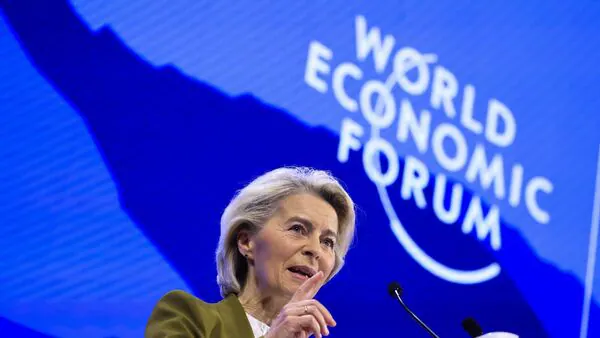
DAVOS : European Commission President Ursula von der Leyen said on Tuesday that the European Union is close to finalising a free trade agreement with India, though some work remains to seal the deal.

During a speech at the World Economic Forum in Davos on Tuesday, the EU chief said that both sides are on the “cusp of a historic trade deal”, signalling that the pact could be signed soon. She also described it as the “mother of all deals”.

“There is still work to do. But we are on the cusp of a historic trade agreement. Some call it the mother of all deals. One that would create a market of 2 billion people, accounting for almost a quarter of global GDP,” she said in a section of her speech on EU efforts to diversify its trade.

Von der Leyen is expected to visit India early next week and will be the chief guest at the Republic Day parade on January 26 along with other European leaders.

Commerce and Industry Minister Shri Piyush Goyal had also described the proposed FTA as the “mother of all deals”. “We have done FTA deals with seven developed countries so far. This one (EU) will be the mother of all. It will cover two of the world’s most powerful economies. We have very good growth possibilities,” Goyal said in New Delhi.

Moneycontrol had reported earlier that sensitive goods in agriculture will be kept out of the free trade agreement between India and European Union Free Trade Agreement (FTA).

Earlier this month, Commerce Secretary Rajesh Agrawal said India and the EU have fully closed 20 of the 24 negotiating chapters and are working to wrap up the remaining ones.

“We expect to conclude the talks and have the deal ready, and then we can have some kind of announcement (ahead of the leaders’ meet from January 25-27), but it depends on the progress in the next five days,” Agrawal said.

Source : Moneycontrol