Home Blog Page 465

Buoyancy Consultants and MARC forge Strategic MoU to elevate India’s Shipbuilding & Maritime Sector for Global Investors

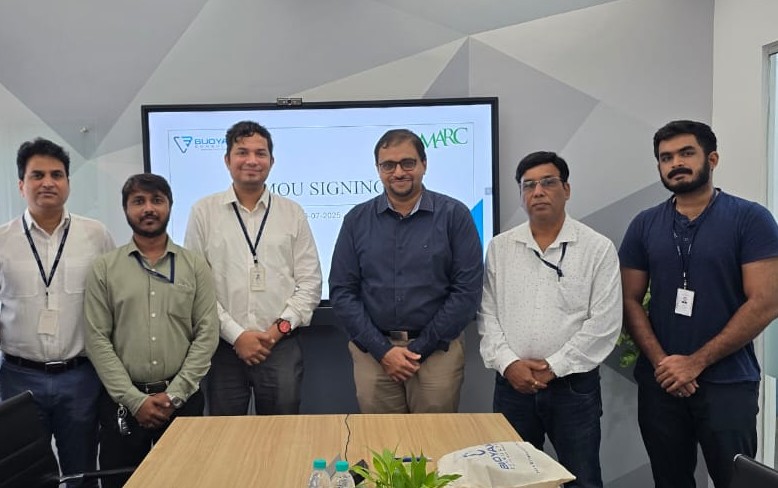
PANAJI: Mangal Analytics and Research Consulting (MARC), India’s premier business growth and transaction advisory firm, signed a Memorandum of Understanding (MoU) with Buoyancy Consultants, a global marine engineering and design firm headquartered in Goa, delivering cutting-edge ship and offshore solutions that combine precision engineering with sustainability. To create an integrated ship‑design and market‑research platform aimed at positioning India’s shipbuilding and maritime industries as strategic, investible sectors for Foreign Direct Investment (FDI). The MoU was signed by Managing Director at Mangal Analytics and Research Consulting (MARC), Ashutosh Kharangate and Buoyancy Consultants, CEO, Mr. Prasad Prabhakar Sawant.

“India’s coastal heritage and rapidly expanding maritime infrastructure present a unique opportunity to attract global capital,” said Ashutosh Kharangate. “Through this collaboration with Buoyancy, we bring together end‑to‑end ship‑design expertise and rigorous market intelligence to showcase the sector’s true market size, value‑creation potential, and return on investment.”

Prasad Prabhakar Sawant, CEO, Buoyancy Consultants shared: “This MoU is more than a partnership, it’s a convergence of strengths. At Buoyancy Consultants, our niche lies in advanced ship design and green-tech integration, while MARC brings unmatched global outreach and market intelligence. Together, we aim to create a future full of possibilities for India’s maritime sector, where innovation meets investment, and ideas transform into world-class vessels and infrastructure.”

The signing ceremony took place at Buoyancy Consultants office in Panaji and was attended by Mr. Ashutosh Kharangate, Mr. Prasad Sawant and Mr. Suraj Mahajan from Buoyancy Consultants.

The global shipbuilding market is projected to expand from USD 150.4 billion in 2024 to USD 203.8 billion by 2033 (CAGR 3.4%). India’s ambition is to secure a 5-7% share of this market over the next decade. The MARC‑Buoyancy partnership aims to:

  • Engage sovereign wealth funds and strategic investors in Europe, Japan, and the Middle East through tailored joint‑venture frameworks and curated deal pipelines.
  • Develop decarbonization strategies and lifecycle‑emissions models for LNG‑powered vessels, hydrogen ferries, and waste‑to‑energy ships, catering to ESG‑focused capital.
  • Leverage the digital shipyard opportunity (forecast to grow at 22.1% CAGR by 2030) by integrating advanced CAD/CAM/CAE and production‑optimization tools, enhancing cost‑efficiency and time‑to‑market.
  • Provide comprehensive investment theses, combining market sizing, sub‑sector segmentation (commercial shipyards, offshore services, green shipping), and financial modeling, to capture surging demand for custom vessels, port upgrades, and marine‑tech solutions by 2035.

In the 2025 Union Budget, the Ministry of Ports, Shipping & Waterways introduced a revamped Shipbuilding Financial Assistance Policy, establishing a INR 25,000 crore Maritime Development Fund, extent Basic Customs Duty exemptions on shipbuilding inputs for ten more years, and launched the ‘Green Tug Transition’ and ‘Harit Nauka’ sustainability programs. These measures, alongside standardized tug designs and strengthened “Right of First Refusal” rules, are designed to broaden India’s shipbuilding clusters, boost indigenous manufacturing, and attract new FDI into new‑build, retrofit, brownfield, and greenfield projects.

Under this MoU, Buoyancy Consultants naval architect’s & marine‐engineering design team will ensure every vessel design and retrofit proposal remains on budget and on schedule, while MARC’s research division will highlight the most attractive investment opportunities and guide investors on leveraging government incentives. Together, they will remove uncertainty from the decision‑making process, empowering global stakeholders to participate confidently in India’s shipbuilding boom.

About MARC

MARC is India’s premier business growth advisory firm specializing in M&A, due diligence, growth advisory, valuations, and market research and feasibility studies, trusted by corporates, PE/VC firms, and family offices. MARC boasts of 13 offices across India and in USA together with a network of industry and management consulting experts across the globe
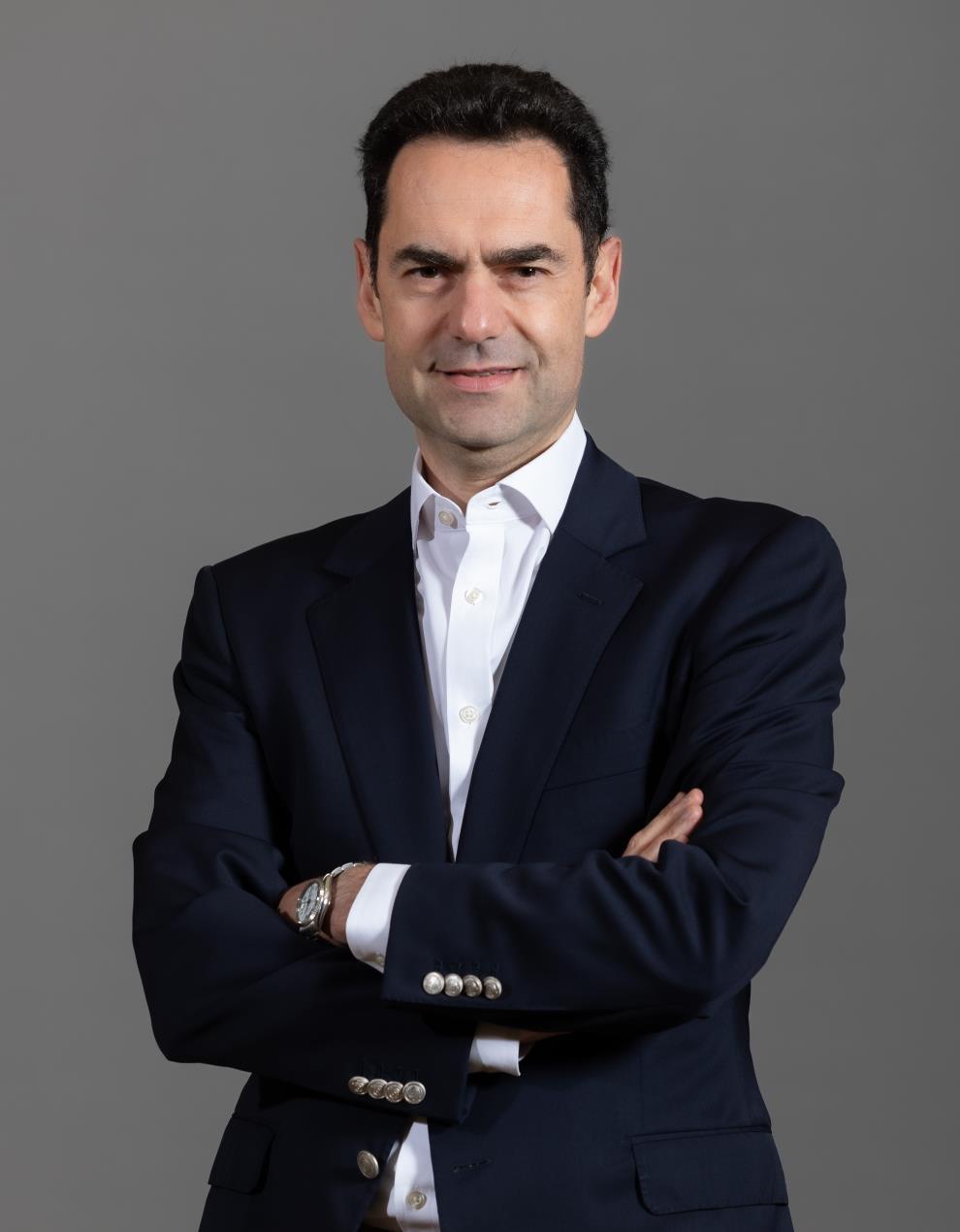
Nikos Kakalis appointed Managing Director of the Maritime Emissions Reduction Centre 

LONDON: The Maritime Emissions Reduction Centre (MERC) has appointed Nikos Kakalis as its new Managing Director. 

Kakalis, who currently serves as Lloyd’s Register’s Global Bulk Carriers Segment Director, succeeds Stelios Korkodilos in leading the Athens-based non-profit industry collaboration. 

The MERC was co-established by the Lloyd’s Register Maritime Decarbonisation Hub and leading shipowners Capital Group, Navios Maritime Partners, Neda Maritime Agency, Star Bulk and Thenamaris (Ships Management) Inc., with enabling support from Lloyd’s Register.  

The centre is focused on accelerating the reduction of greenhouse gas emissions of the global shipping fleet by identifying, validating and promoting technology and operational solutions that can deliver efficiency and scalable impact and ensure existing vessels contribute to global decarbonisation efforts. 

Since its inception, the MERC has developed its impact strategy around several research and development pillars, including optimising hydrodynamic efficiency, benchmarking wind assisted propulsion solutions, exploring alternative auxiliary power generation, and scoping a data programme to integrate technical and commercial use of performance data to drive emissions reduction optimisation and benefit sharing. 

As managing director, Kakalis will drive the centre’s strategy, develop further its network of industry partners, and align its programmes with emerging regulatory and market developments shaping the energy transition.  

Nikos Kakalis said: “Decarbonising the existing fleet is the defining challenge facing the maritime industry.  

“The MERC provides a unique platform to bring together owners, operators, class and technology providers to deliver solutions that work in practice. I am excited to assume this role and to build on the strong foundation established by all of our partners.” 

Kakalis brings extensive technical and commercial experience to the role. During his four years with LR, he has led the organisation’s global bulk carrier strategy, guiding shipowners through the complex landscape of new fuels, energy efficiency technologies and evolving regulation.  

Before joining LR, he held senior positions at DNV, where he managed R&D and Advisory services in the Eastern Mediterranean, and at Bureau Veritas Marine Fuel Services, where he oversaw business development across marine fuel quality and sustainability. 

Vasileios Lampropoulos, MERC Board Chairman and Chief Operating Officer, Thenamaris (Ships Management) Inc., said: “Nikos’s leadership, technical insight and experience make him exceptionally well placed to steer the MERC’s next phase of development.  

“His appointment reinforces the importance of collaboration between class, shipowners and technology partners in tackling the emissions reduction challenge head-on. The MERC is an important catalyst for real progress on maritime decarbonisation, and Nikos is perfectly positioned to lead that mission.” 

ClassNK releases ‘ClassNK Technical Journal’

TOKYO: ClassNK has released ‘ClassNK Technical Journal’. This journal is issued with the aim of contributing technologically to the maritime industry and other related sectors by presenting ClassNK’s technical activities and research outcomes.

The latest issue, ‘ClassNK Technical Journal No.12 2026 (Ⅰ)’, features special articles on CCS (CO2 Capture and Storage), which has been attracting growing attention for achieving sustanable society. In addition to two articles that summarize ClassNK’s knowledge and insights on Onboard CCS, the issue includes a contribution from Mitsubishi Heavy Industries, Ltd., a company that has been engaged in the development of CO2 capture technologies for many years and has operational experience with equipment for both onshore and onboard use.

It also contains explanatory articles from the New Energy and Industrial Technology Development Organization (NEDO) and the Japan Organization for Metals and Energy Security (JOGMEC) regarding the maritime transportation of liquefied CO2 – an essential component in establishing a global CO2 value chain.

This issue provides readers with a comprehensive overview of CO2 capture, storage, and transportation in the maritime sector.

<Contents>

Special Feature Articles on ‘CCS (CO2 Capture and Storage)’

–     Treatment and Issues of Onboard CO2 Capture and Storage/Utilization under GHG Regulations

–     Overview of Guidelines for Onboard CO2 Capture and Storage Systems and Their Latest Revision

–     Ship Transportation in the CCS Business

–     NEDO’s Technology Development for Liquefied CO2 Ship Transportation

–     CO2 Capture Technology of Mitsubishi Heavy Industries

Technical Topics

–     Prospects for Offshore Wind Power and ClassNK’s Initiatives for the Safety of Related Work Vessels

–     Current Status of MASS and Initiatives of ClassNK

–     Lifting Appliances and Anchor Handling Winches

–     Cost Simulation Based on IMO’s Mid-term GHG Reduction Measures

–     Research on Carbon Reduction Strategies for Operating Small and Medium-Sized Bulk Carriers

–     Recent Topics at IMO

ClassNK Technical Journals are available to download via ClassNK’s website.
https://www.classnk.or.jp/hp/en/research/rd/giho.html

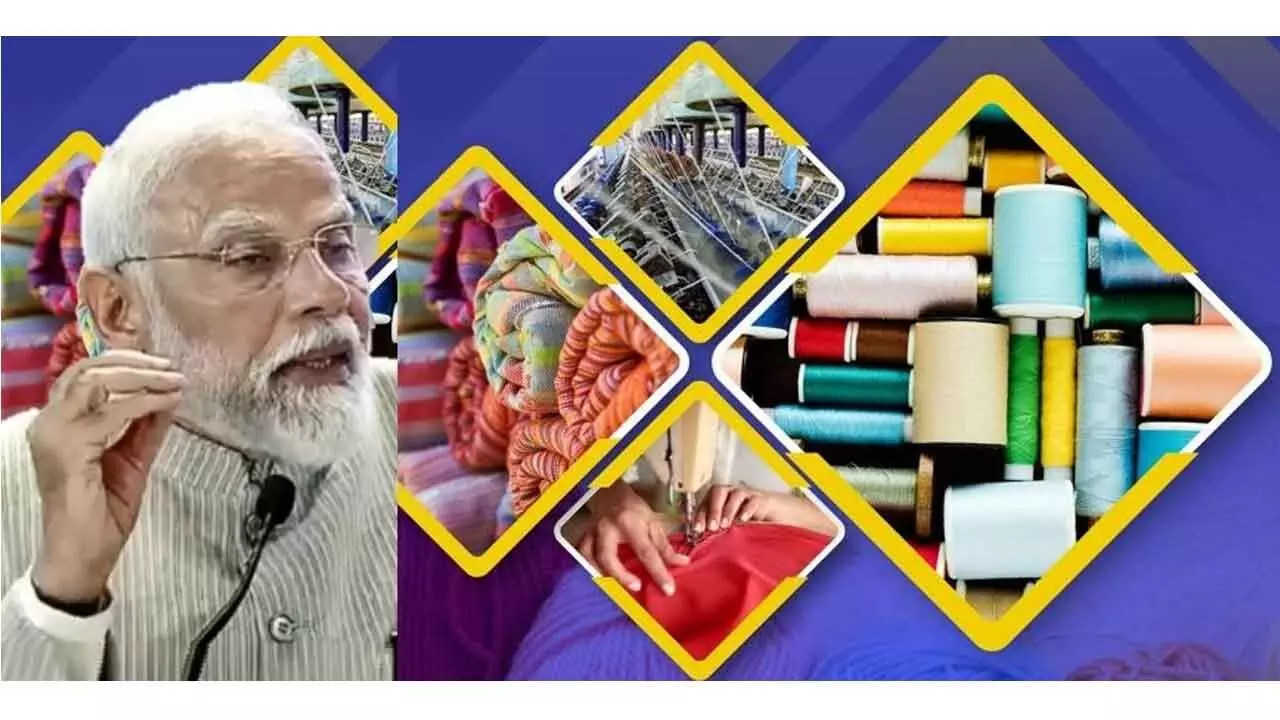
Modi flags textile sector as biggest job engine of decade

NEW DELHI: Prime Minister Shri Narendra Modi on Tuesday spotlighted Minister Giriraj Singh’s assessment of India’s textile sector, underscoring the government’s push to transform the traditional industry into a future-ready, job-creating growth engine anchored in Aatmanirbhar Bharat. Sharing Singh’s write-up, the Prime Minister said in a social media post, policy interventions such as PM MITRA Parks, the Production Linked Incentive (PLI) scheme and a series of new Free Trade Agreements (FTAs) are driving the next wave of employment and exports.

“In this article, Minister Giriraj Singh outlines the rise of India’s textile sector from a legacy industry to a powerful, job-creating, people-centric engine of growth,” the Prime Minister said in his post on handle X, adding that the reforms are opening up new global markets and strengthening domestic manufacturing capacity.

Singh, the Minister for Textiles, said the sector is poised to emerge as the biggest job creator of the decade under Prime Minister Modi’s leadership. “Key growth drivers include doubling of per capita textile consumption, an export surge powered by FTAs opening new global markets, sustainability-led growth creating fresh opportunities for the handicrafts and handlooms sector, and technology and innovation transforming productivity and value chains,” he said.

Describing textiles as central to inclusive development, Singh stressed that the industry is no longer confined to its legacy status. “Textiles are no longer a legacy sector. It is a future-ready engine of inclusive, sustainable and women-led growth, strengthening Atmanirbhar Bharat and accelerating Viksit Bharat,” he said.

The government has positioned textiles as a priority sector given its labour-intensive nature and its capacity to absorb large-scale employment, particularly for women. Initiatives such as PM MITRA (Mega Integrated Textile Region and Apparel) Parks aim to create world-class infrastructure by integrating the entire value chain, from fibre to fabric to finished goods, while the PLI scheme incentivises scale, innovation and competitiveness in man-made fibres and technical textiles.

In parallel, India’s expanding network of FTAs is expected to give textile and apparel exporters preferential access to key markets, boosting exports and attracting investment. Sustainability-focused measures and support for handlooms and handicrafts are also being pitched as pathways to preserve traditional skills while creating new livelihood opportunities.

Allcargo Global elevates Vaishnav Shetty to Deputy Managing Director in leadership succession

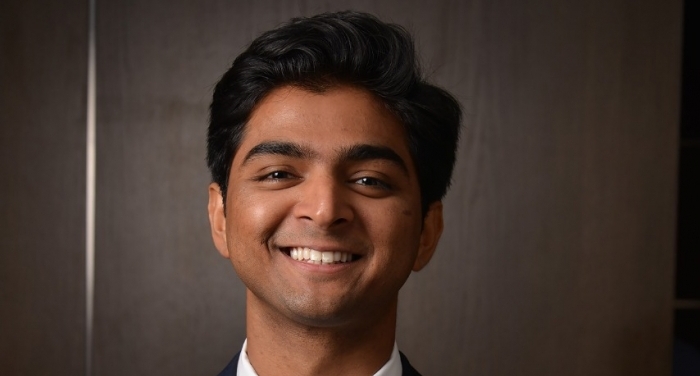
MUMBAI: Allcargo Global Limited (“AGL”), the international supply chain arm of the Allcargo Group, has announced the appointment of Mr. Vaishnav Shetty as Deputy Managing Director, with immediate effect. He has also been inducted into the Board of Directors of Allcargo Global. AGL represents the largest business of Allcargo Group, contributing 80% of its annual revenue.

Mr. Vaishnav Shetty, son of Allcargo Group Founder and Chairman Mr. Shashi Kiran Shetty, will work closely with Mr. Adarsh Hegde, Managing Director, Allcargo Global Limited. His elevation underscores the Group’s structured approach to succession planning and building a digital-first and future-ready organisation.

The appointment has been approved by the Board of Directors and comes at a critical juncture of Allcargo Group’s ongoing restructuring exercise, under which its businesses are being reorganised into four independent and focused entities. As part of this process, the Group’s International Supply Chain business has been demerged into Allcargo Global Limited, which is proposed to be listed, enabling sharper strategic focus and greater operational agility.

Mr. Shashi Kiran Shetty, Founder and Chairman, Allcargo Group said, “Vaishnav’s appointment reflects our commitment to build a strong leadership framework capable of driving sustainable growth, operational excellence, and digital innovation in an increasingly competitive global logistics environment. His impact across digital transformation and business leadership demonstrates the readiness of the next generation to step up and strengthen the organisation. His progression underscores our belief in developing leadership from within, ensuring continuity, resilience, and long-term value creation for all stakeholders.’’

Mr. Adarsh Hegde, Managing Director, Allcargo Global Limited said, “Vaishnav represents the next-generation of leadership at Allcargo, geared up to lead the next phase of growth. With his innovation-driven and technology-oriented mind-set, I am confident that he will contribute even more significantly to our mission to build an organisation that leads the global logistics landscape”.

Commenting on his appointment, Mr. Vaishnav Shetty, Deputy Managing Director, Allcargo Global Limited said “I am honoured to be a part of the core leadership team of AGL. As we prepare for the next phase of growth, our focus will remain on customer centricity, technology-led innovation, and disciplined execution. We look forward to leverage emerging opportunities to strengthen India’s role in global trade by deepening our capabilities and expanding our global footprint.”

An alumnus of Emory University, USA, Vaishnav joined Allcargo Group in 2017 and has been spearheading multiple portfolios across the Group. He has been instrumental in driving the Group’s digital transformation and adoption of data-led, next-gen technologies as well as AI-enabled processes. As Chief Digital Officer of Allcargo Logistics Limited, he led the Group’s digital and innovation agenda. Under his leadership, Allcargo launched several industry-first digital solutions, enhancing customer experience and operational efficiency. In his previous role as Executive Director – North Asia, Vaishnav has led various strategic initiatives to further strengthen and consolidate AGL’s position in this region.

A key milestone in Vaishnav’s journey has been his role in the development of ECU360, one of the best-in-class digital freight platforms in the industry. The platform has set new benchmarks globally for usability, transparency, and adoption, reinforcing Allcargo’s leadership position in international consolidation and supply chain solutions. Beyond technology, Vaishnav has also been closely involved in the conceptualisation and execution of strategic initiatives that support the Group’s long-term international growth ambitions.

About Allcargo Global Limited

Allcargo Global Limited is the international supply chain-focused company of the Allcargo Group, formed following the demerger of the Group’s International Supply Chain business. The Company’s wholly-owned global subsidiary, ECU Worldwide, is a global leader in LCL consolidation and multimodal transport. With over four decades of industry expertise and 300+ offices across 180 countries, its digital-first platform ECU360 delivers seamless, end-to-end logistics solutions powered by technology, efficiency, and customer-centric innovation.

DP World Survey: Trade Leaders upbeat on 2026 despite Rising Barriers

DAVOS: The global trade outlook looks fragile. Business confidence does not. That’s the core finding of DP World’s new Global Trade Observatory (GTO) Annual Outlook Report 2026, showing 94% of respondents expect 2026 trade growth to match or exceed the pace of 2025, despite rising frictions and volatility.

The findings are based on a survey of 3,500 senior supply chain and logistics executives across eight industries and 19 countries, conducted ahead of the World Economic Forum Annual Meeting in Davos.

In total, 54% expect trade growth to be faster than 2025 and 40% expect it to be equal. This is despite 53% anticipating high or very high policy uncertainty, 90% expecting trade barriers to rise or remain unchanged. Only 25% expect a negative impact on their business, with 49% expecting no effect and 26% even seeing a positive impact.

This frontline sentiment contrasts with some macro projections, with the IMF forecasting trade growth (by volume) could slow to 2.3% in 2026, down from an estimated 3.6% in 2025.

Asked where trade growth potential is greatest in 2026, executives most frequently pointed to Europe (22%) and China (17%), followed by Asia Pacific (14%) and North America (13%).

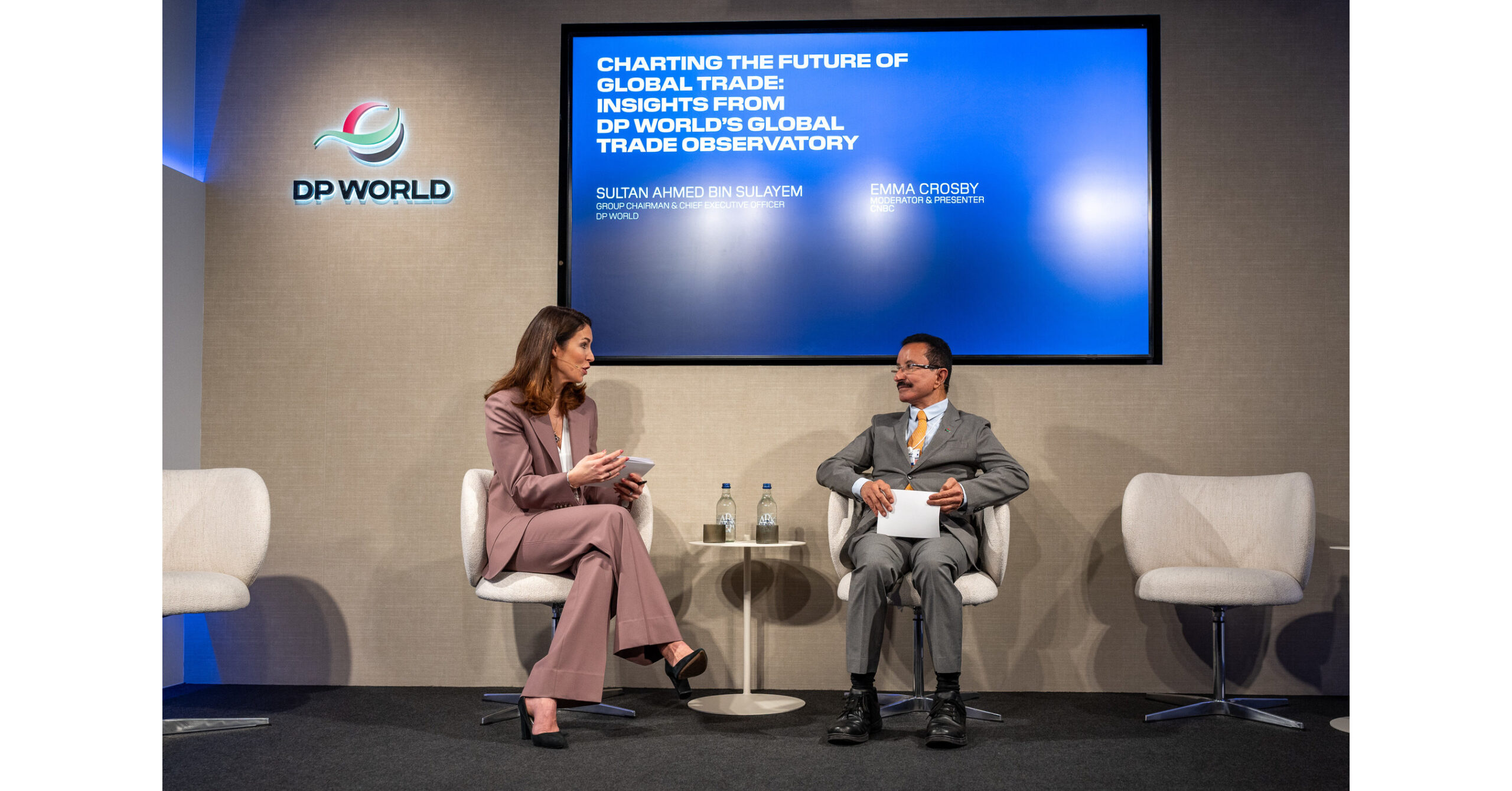
Sultan Ahmed bin Sulayem, Group Chairman and CEO of DP World, said: “Global trade is becoming increasingly complex, not less so. Our role is clear: to keep trade moving by understanding where friction exists, anticipating where it may emerge next, and investing in the infrastructure, capabilities and partnerships that help our customers operate more efficiently and reliably.”

The GTO Annual Outlook was developed with Geneva-based insights agency, Horizon Group. Margareta Drzeniek, Managing Partner, Horizon Group, said: “What we’re seeing is confidence with contingency plans. Executives are embedding resilience into strategy by diversifying suppliers, reassessing routes and adding options, because volatility is now the baseline. Those best positioned will be the ones who can turn those resilience plans into measurable performance.”

What companies are doing differently in 2026

The survey indicates companies are responding to volatility by actively redesigning supply chains and trade routes. This includes:

  • Resilience as strategy: Supplier diversification (51%), higher inventories (44%), and friend-shoring (36%) are cited among the most common strategic shifts planned for 2026.
  • Route agility increases: 26% intend to use new routes, while 23% are evaluating them. Decisions are driven by cost savings (38%), improved connectivity/inland infrastructure (36%), and faster customs procedures/clearance times (35%).
  • Border friction remains a choke point: 60% cite customs clearance as a leading cause of delays and disruption. Executives also prioritise investment in warehousing and logistics hubs (39%), road networks (36%), and border/customs processing infrastructure (36%).

The DP World Global Trade Observatory (GTO) is a data- and insights-led platform designed to provide decision-makers with actionable intelligence on the forces reshaping global trade, grounded in research including a proprietary survey of 3,500 supply chain and logistics executives across eight industries and 19 countries. Research was conducted in November 2025 with Geneva-based insights agency Horizon Group.

EU ready to deliver on powerful agenda with India”: EU Foreign Policy Chief Kaja Kallas

BRUSSELS: The European Union is looking forward to a major comprehensive deal with India, which is likely to be inked during the visit of the President of the European Commission and the President of the European Council to India.

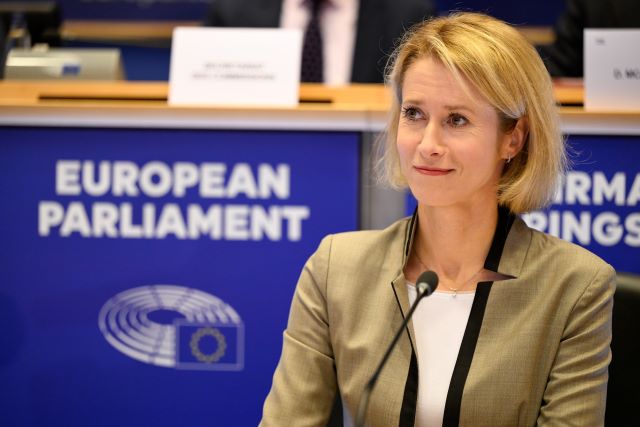
Speaking in the European Parliament, Kaja Kallas EU High Representative for Foreign Affairs and Security Policy, said, “Europe is ready to deliver on a powerful new agenda with India. Today, the EU agreed to move forward with the signature of a new Security and Defence Partnership. It will expand our cooperation in areas such as maritime security, counterterrorism, and cyber defence. I look forward to signing it next week during the EU-India Summit in New Delhi.”

The European Union and India will hold the 16th summit in New Delhi, where a new EU-India comprehensive strategic agenda is expected to be adopted.

Earlier, European Commission President Ursula von der Leyen stated that the European Union is close to finalising a Free Trade Agreement with India and noted that some describe it as “the mother of all deals”.
Addressing the World Economic Forum in Davos, she stressed Europe’s intent to expand trade and international cooperation.

She also referred to the scale of the proposed trade deal with India.

“There is still work to do. But we are on the cusp of a historic trade agreement. Some call it the mother of all deals. One that would create a market of 2 billion people, accounting for almost a quarter of global GDP,” von der Leyen said.

The President of the European Commission said she will travel to India next weekend. She said the visit is aimed at taking forward work on the proposed trade agreement and added that there is important work to be done to strengthen economic relations and deepen cooperation between Europe and India.
Placing the proposed India agreement in Europe’s larger global trade approach, von der Leyen said Europe remains open to doing business with partners worldwide.

European Council President Antonio Luis Santos da Costa and European Commission President Ursula von der Leyen will pay a three-day State Visit to India from January 25 to 27 and will be Chief Guests at the 77th Republic Day celebrations.

During the visit, the leaders will also co-chair the 16th India-EU Summit to be held on January 27. They will meet President Droupadi Murmu and hold restricted and delegation-level talks with Prime Minister Shri Narendra Modi.

An India-EU Business Forum is also expected to be organised on the sidelines of the India-EU Summit. India and the European Union have been strategic partners since 2004. The 15th India-EU Summit was held virtually on July 15, 2020.

The participation of EU leaders as Chief Guests at the 77th Republic Day and the 16th India-EU Summit will further deepen the India-EU Strategic Partnership and advance collaboration in priority areas of mutual interest.

President Costa and President von der Leyen are visiting India on invitation of PM Modi. The visit of two leaders comes amid negotiations between India and the European Union for a Free Trade Agreement, which is at an advanced stage and is expected to be completed at the time of the visit.

Source: ANI

DG Shipping launches Online Portal for Shipbuilding Financial Assistance Scheme

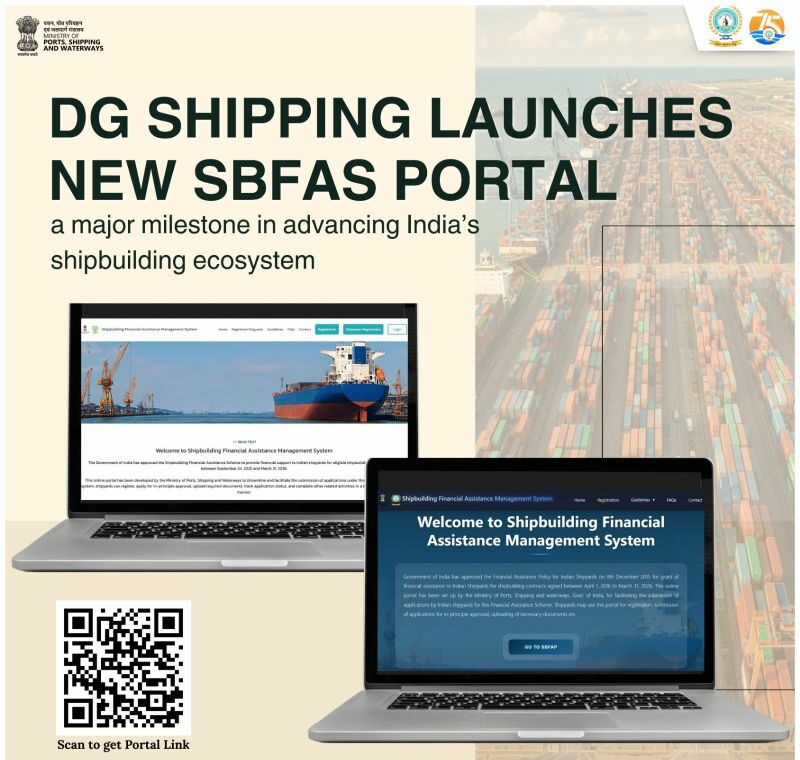
MUMBAI: In a significant step towards strengthening India’s shipbuilding ecosystem, the Directorate General of Shipping (DG Shipping) has launched the online portal for the Shipbuilding Financial Assistance Scheme (SBFAS). The digital platform is now live and is expected to streamline access to financial support for Indian shipyards under the government’s flagship scheme.

The new SBFAS portal enables end-to-end online submission and processing of applications in accordance with the notified guidelines. Shipyards can now submit proposals, track the status of their applications, and access detailed scheme information through a transparent and user-friendly interface.

The initiative is part of the ₹24,736 crore SBFAS framework, aimed at enhancing ease of doing business and improving the global competitiveness of India’s shipbuilding sector. By digitising workflows and reducing manual intervention, the portal is expected to significantly improve efficiency, transparency, and turnaround time for approvals.

According to DG Shipping, the enhanced digital platform will play a key role in supporting shipyards through improved financial access and real-time monitoring, aligning with India’s broader ambition to emerge as a global shipbuilding hub.

Several additional features are scheduled to be rolled out on the portal in the coming days. These include provision for additional financial assistance at the keel laying and launching stages to ease shipyard cash flows, introduction of a Ship Breaking Credit Note, and an enhanced notification system for timely updates and compliance alerts.

The portal will also offer analytical dashboards for real-time performance monitoring and system-generated annexures to streamline documentation, reduce manual inputs, and accelerate application processing.

With the launch of the SBFAS portal, the Directorate General of Shipping has taken a decisive step towards digital governance in the maritime sector, reinforcing policy support for domestic shipbuilding and allied industries.

New shipyard set to come up at Ponnani port in Kerala

MALLAPURAM: In a significant boost to the development of the Malabar region, a major shipyard project is set to come up at Ponnani Port.

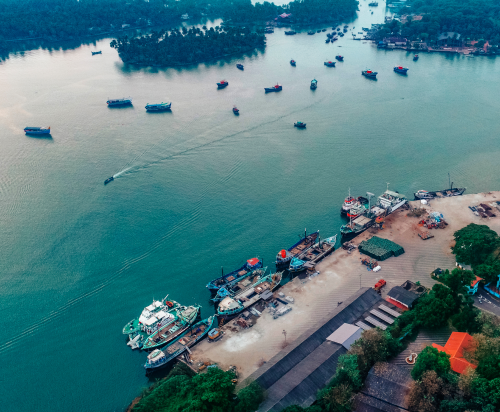
The shipyard will be established on 29 acres of land on the western side of the Ponnani Fishing Harbour, under the jurisdiction of the Kerala Maritime Board. With this, Ponnani will host the state’s second shipyard after Kochi, to be developed under a public-private partnership model.

A shipbuilding-related training institution will also be launched as part of the project. Once the shipyard becomes operational, cargo movement through the port is expected to begin. The tender process for the project has already been completed, and the contract signing is scheduled to take place within the next two weeks.

The first phase will focus on the construction of small vessels. As part of this phase, a wharf will be built at the estuary near the old Jankar Jetty close to the breakwater. Plans are in place to expand the facility in the second phase to include the construction of large ships. The project is expected to generate around 1,000 new employment opportunities.

MLA Shri P Nandakumar said the project would mark a major leap in Ponnani’s development and called for strong local support.

“In the first phase, a system to build small ships will be set up at a cost of Rs 200 crore. In the second phase, a large shipyard with an investment of Rs 1,000 crore is being planned. With the implementation of this project, the face of Malabar will change,” he said.

Meanwhile, a meeting chaired by the district collector has decided to provide alternative facilities on the eastern side of the harbour for fishermen operating in the area earmarked for the shipyard.

Karaikal Port berths MT Grace, Marks First Vessel Under Partnership with Tvarur Oils

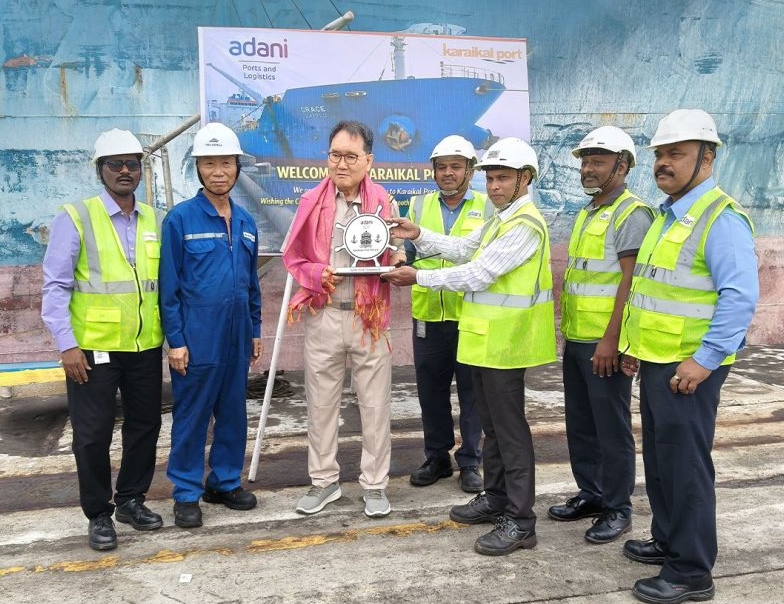
KARAIKAL: Karaikal Port has achieved an important operational milestone with the successful berthing of MT Grace, a 6,000 MT vessel carrying Crude Palm Oil. This marks the first vessel to call at the port under its partnership with Tvarur Oils, underscoring a new chapter of collaboration and growth.

The seamless handling of the vessel highlights Karaikal Port’s strong operational capabilities and readiness to support liquid bulk cargo, particularly edible oil imports that are vital to domestic supply chains. The successful berthing further reinforces the port’s position as a reliable and efficient maritime gateway on India’s eastern coast.

Karaikal Port continues to focus on high standards of operational efficiency, safety, and sustainability while enabling smooth cargo movement for its trade partners. The commencement of operations with Tvarur Oils reflects the port’s commitment to building long-term partnerships and supporting the evolving needs of industry and commerce.

With robust infrastructure and a customer-centric approach, Karaikal Port remains well-positioned to facilitate regional trade growth and contribute meaningfully to India’s maritime and logistics ecosystem.