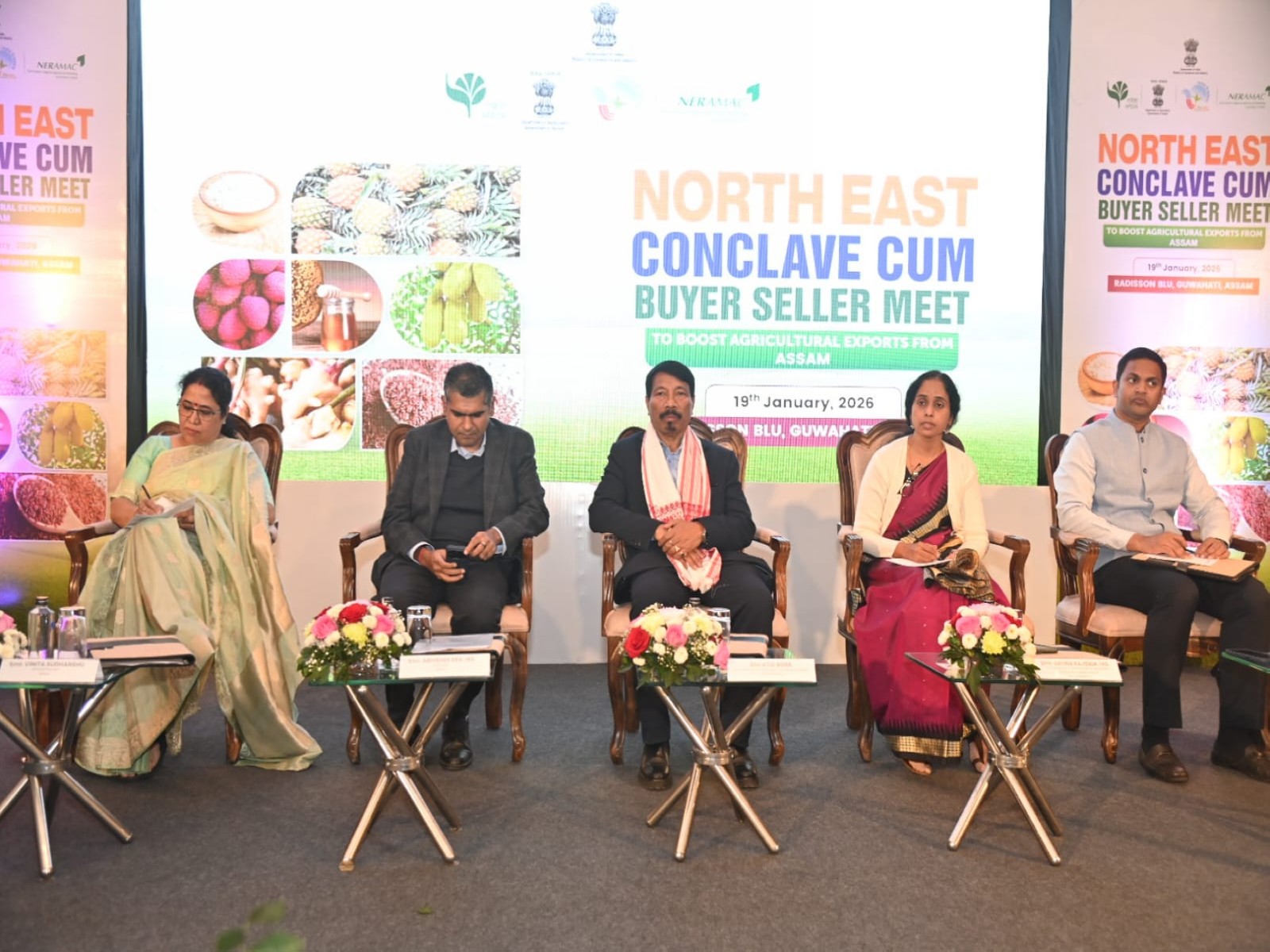
GUWAHATI: The Agricultural and Processed Food Products Export Development Authority (APEDA), under theMinistry of Commerce and Industry, Government of India, organised an Organic Conclave-cum-Buyer Seller Meet at Guwahati, in collaboration with the Government of Assam. The event was aimed at strengthening agri-export linkages and improving market access for Assam’s agricultural and processed food products.
The conclave witnessed participation from over 30 exporters, 9 importers and around 50 Farmer Producer Companies (FPCs) from Assam. The Buyer Seller Meet provided a structured platform for business-to-business interactions, enabling stakeholders to explore trade opportunities and establish long-term partnerships with domestic and international buyers.
Assam, with its rich agro-climatic diversity, produces a wide range of export-potential commodities. In addition to Assam Joha Rice and various non-basmati speciality rice varieties, fruits and vegetables such as banana, pineapple, mandarin orange, Assam lemon, organic ginger, turmeric, black pepper, along with a range of horticultural and other organic produce, offer strong opportunities to expand the State’s presence in global agricultural markets.
The conclave also featured a sensitisation session on the National Programme for Organic Production (NPOP) 8th Edition, including the regulatory framework and labelling requirements. The session aimed at enhancing awareness among exporters, Farmer Producer Organisations (FPOs), FPCs and entrepreneurs to ensure compliance with international quality and certification standards. The Buyer Seller Meet facilitated direct interactions among producers, exporters and buyers, supporting the development of new trade partnerships.
Addressing the gathering, Minister of Agriculture, Horticulture and Excise, Government of Assam, Shri Atul Bora, stated that Assam and the Northeast possess a rich basket of high-quality, organically grown agricultural and horticultural products, including Joha Rice, speciality rice varieties, spices, fruits and indigenous produce with strong global demand. He emphasised that with focused support in aggregation, certification, infrastructure and market access, and with APEDA’s continued partnership, the State is committed to transforming regional farm produce into globally competitive exports while ensuring sustainable livelihoods for farmers.
Commissioner and Secretary-cum-Agriculture Production Commissioner, Government of Assam, Smt. Aruna Rajoria, IAS, stated that Assam has unique GI-tagged and organically grown agricultural products with strong global demand. She emphasised that strengthening aggregation, certification and market linkages, in close collaboration with APEDA, will enable farmers and entrepreneurs to access international markets in a sustainable and commercially viable manner.
During his address, Chairman, APEDA, Shri Abhishek Dev, appreciated the coordination and support of the Government of Assam in APEDA’s export promotion activities. He highlighted the immense potential for agricultural, horticultural and organic exports from the State, supported by farmer-friendly provisions in the revised NPOP and expanded market access for organic products through recently signed Organic Mutual Recognition Agreements with Australia and New Zealand, as well as recently finalised Free Trade Agreements with the United Kingdom, Oman and the EFTA countries.
The inaugural session was graced by Minister of Agriculture, Horticulture and Excise, Government of Assam, Shri Atul Bora, and attended by Commissioner and Secretary-cum-Agriculture Production Commissioner, Government of Assam, Smt. Aruna Rajoria, IAS; Chairman, APEDA,Shri Abhishek Dev; and Director of Agriculture, Government of Assam, Shri Uday Praveen, IAS.
The Assam Organic Conclave-cum-Buyer Seller Meet reflects APEDA’s continued efforts to integrate regional strengths into India’s agri-export growth story, while positioning Assam as a key contributor to high-value and sustainable agricultural exports.
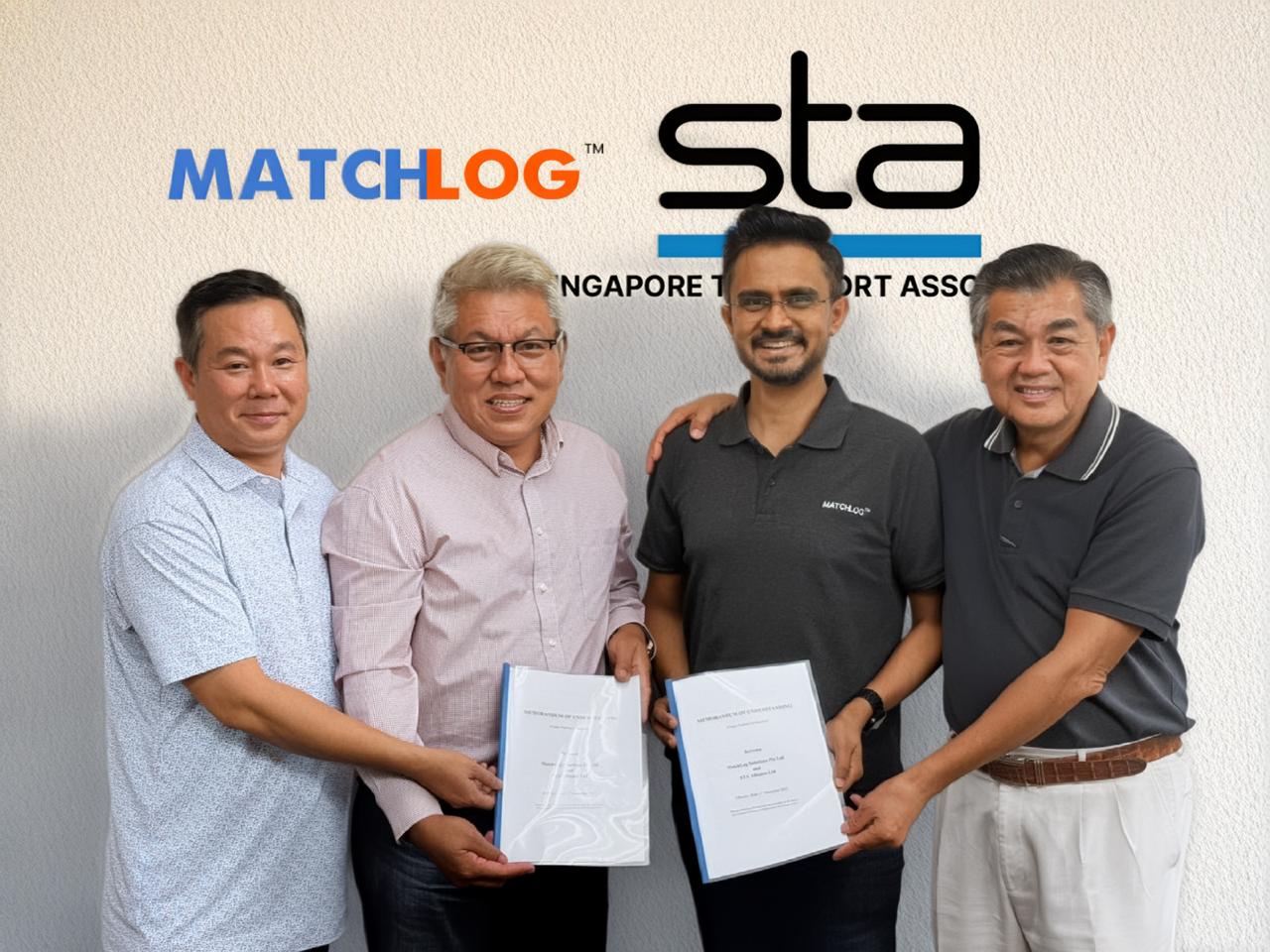
MUMBAI: MatchLog, a leading global container-reuse platform, and STA Alliance Ltd, the wholly owned commercial subsidiary of the Singapore Transport Association (STA), have signed a Memorandum of Understanding (MOU) to advance digitalisation and sustainability across Singapore’s container logistics sector.
Under the agreement, MatchLog and STA Alliance will collaborate to drive wider adoption of digital container reuse, including ‘street turns’, where empty containers are reused directly without returning to depots, among STA’s member companies. The initiative brings together MatchLog’s STinder technology platform and STA’s established transport and logistics network, with the objective of reducing empty container movements, improving asset utilisation, and lowering the environmental impact of container flows within Singapore.
The partnership is designed to support trucking and logistics operators in transitioning toward more data-led and efficient container operations. By enabling more systematic matching and reuse of containers, the collaboration aims to help hauliers reduce congestion, save fuel and time, and improve overall network efficiency. The parties also see potential for new value creation for STA members through improved visibility and coordination of container assets.
Speaking about the collaboration, Manish Singh, Co-Founder and Region Head, South East Asia, said, “Singapore has one of the most mature logistics ecosystems in the world, which makes it an ideal environment to demonstrate how data-driven container reuse can work at scale. Partnering with STA Alliance allows us to engage directly with the industry and move reuse from isolated efforts to coordinated, system-level adoption. For MatchLog, this collaboration is about embedding digital reuse into everyday operations so efficiency and sustainability become practical outcomes for operators, not abstract goals.”
The collaboration supports Singapore’s broader industry objectives around digital transformation, operational efficiency, and decarbonisation in logistics, while remaining firmly grounded in practical, industry-led implementation. The MOU establishes a framework for joint programmes, pilot initiatives, and industry outreach to support scalable adoption across the transport and logistics ecosystem.
MatchLog and STA Alliance view the MOU as the start of a long-term collaboration focused on innovation and industry-wide impact. Both organisations will continue to explore additional applications of technology and data to strengthen the resilience and sustainability of Singapore’s container logistics network.
About MatchLog
Founded in July 2019, MatchLog is transforming logistics by optimising cargo, container and trailer movements to significantly reduce operational wastage. Using advanced container-matching algorithms and a robust technology platform, MatchLog enables seamless integration across the logistics ecosystem, enhancing equipment utilisation and optimising transport routes. With a commitment to sustainability and innovation, MatchLog aims to eliminate 10 billion kilometres of unnecessary travel in the global EXIM (export–import) container supply chain, setting new benchmarks for efficiency and environmental responsibility.
About STA Alliance Ltd and the Singapore Transport Association
STA Alliance Ltd is a wholly owned subsidiary of the Singapore Transport Association. It was established to facilitate and manage commercial, operational, and programme-based initiatives on behalf of STA’s transport and logistics service provider members in Singapore.
MUMBAI: ColdStar Logistics, India’s leading temperature-controlled supply chain solutions provider, has entered into a long-term partnership with abCoffee, India’s leading Grab and Go coffee brand.
As part of this collaboration, ColdStar’s temperature-controlled and ambient supply chain solutions and warehousing services will enable abCoffee to deliver its signature beverages and ingredients fresh, in top quality and on time to customers in Mumbai, Delhi, Bengaluru, and Uttar Pradesh.
ColdStar’s advanced IoT sensors for real-time temperature monitoring, AI-driven predictive tech stack, and route optimisation technology implemented right from storage to last-mile distribution, will ensure the freshness and uninterrupted supply of products by abCoffee.
“Our partnership with abCoffee is a testament to ColdStar’s commitment to enabling India’s fast-evolving F&B landscape through a ‘Never Stock Out’ strategy which is core to our mission. We prevent stock outs and enable market responsiveness for our clients giving them the assurance to deliver on their promise of quality and taste to their consumers, every single time,” said Sameer Varma, Executive Director, ColdStar Logistics.
By addresses critical challenges for abCoffee like maintaining product freshness, preventing temperature excursions, ensuring timely and accurate restocking, and providing transparent tracking across the entire cold chain, ColdStar minimises product spoilage, stockouts, and supply chain inefficiencies for the brand.
“What helped us zero in on ColdStar as our long-term partner was their extensive pan-India network, advanced technology stack, rigorous operational protocols, and ‘Never Stock Out’ commitment. Their expertise in multi-temperature handling for storage and transport of fresh goods is unparalleled,” said Abhijeet Anand, Founder and CEO of abCoffee.
ColdStar’s robust warehousing, and pan-India distribution network spans 7,000+ pin codes across 200+ cities. Founded in 2022, abCoffee currently has 75+ outlets pan India.
In addition to this collaboration, abCoffee has also entered into a strategic partnership with Cityflo, a leading tech-enabled urban mobility provider. Through this association, abCoffee will offer its freshly brewed beverages and curated menu to passengers on select Cityflo routes in Mumbai, enabling them to pre-order via the Cityflo app and receive their orders directly at their seats. The end-to-end beverage experience, from order processing and preparation to onboard delivery will be supported by ColdStar’s temperature-controlled supply chain, ensuring consistent quality and freshness even in transit.
NEW DELHI : India’s maritime-focused economic development agenda is rapidly redefining the unnerving port flow experience that ocean carriers and shippers had to deal with out of the emerging market until a decade ago, industry stakeholders across the spectrum agree.
New Delhi has invested heavily into freight infrastructure modernization through public-private participation and pushed digital logistics solutions along with sweeping policy reforms to ease trade processes in recent years.
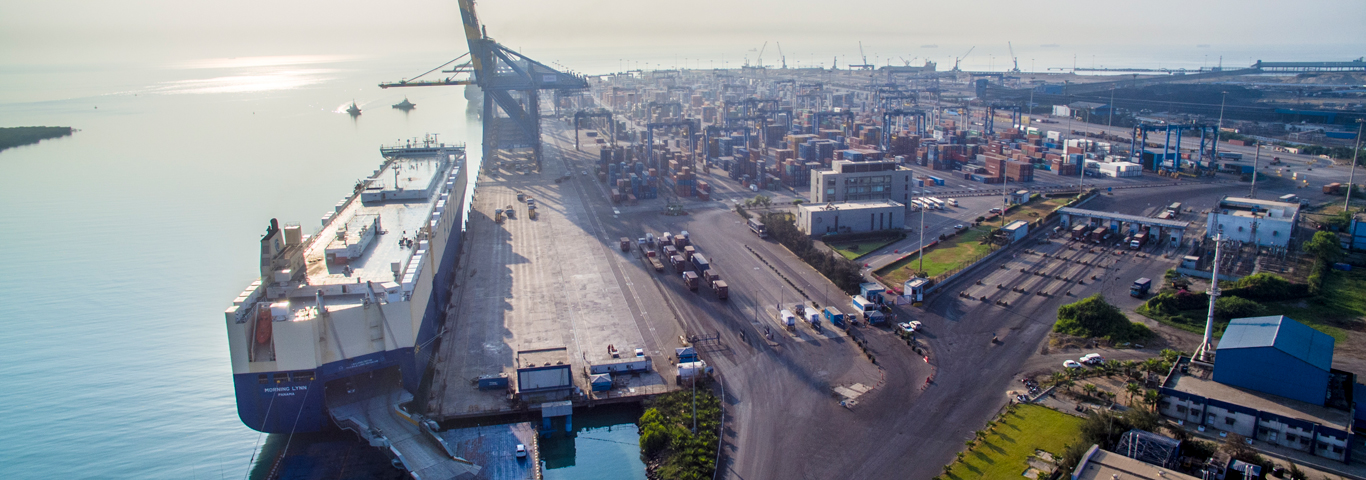
Last year marked the influx of sizeable fresh terminal capacity into Indian trade, thanks to the launch of Phase 2 operations by PSA International in Nhava Sheva Port (JNPA) and the official opening of Adani Ports’ terminal in southern India.
MARSEILLE: The CMA CGM Group has announced a temporary rerouting of select vessel services in response to the prevailing complex and uncertain international situation.
According to the company, vessels operating on its FAL 1, FAL 3 and MEX services will, for the time being, be rerouted via the Cape of Good Hope. The decision follows a continuous and close assessment of potential impacts on the group’s global operations.
CMA CGM stated that the situation remains under regular review and that it is fully mobilised across its worldwide network to ensure continuity of services and operational reliability.
Customers and stakeholders have been advised to refer to the company’s official website for the most up-to-date information on service adjustments and vessel schedules. The group also noted that its sales representatives remain available to address specific customer queries or operational requirements.
LONDON: With 2025 volumes nearly counted, Drewry’s upgraded Intra-Asia Container Market Insight, which now supports port, country and region level insights, reveals that the China to Vietnam market remains the most important country-to-country trade flow in the intra-Asia trade for the second year in a row.
This trade grabbed first place in 2024 from the China to South Korea trade (which held top spot in 2023), after a growth spurt of 27% YoY, which saw trade volumes increase from 1.82 mteu in 2023 to 2.32 mteu in 2024. During 2025, the trade grew another 16% to 2.77 mteu.
Within the commodities traded, there is a clear trend towards higher-value cargo, with the share of raw materials shrinking 16% between 2023 and 2025 while the share of intermediate goods and capital goods rose 11% and 12%, respectively, in teu-terms.
Drewry AIS identified 59 carriers deploying capacity on this route. The top-11 carriers (MSC, China COSCO Shipping, CMA CGM, Wan Hai Lines, Maersk, Ocean Network Express (ONE), Hapag-Lloyd, Evergreen Marine, SITC, Zim, and Yang Ming) deploy 88% of the nominal vessel capacity on this route.
Carriers that left the trade in 2025, after winding down volumes during 2024, were Zhonggu Shipping, Tailwind Shipping Lines, and Safeen Group. But there are also newcomers in 2025, like Antong Holdings, Sea Legend, DP World, Xiamen Dingxiangshun, Shanghai Chenxin, and Aladin Express.
On the main port connection, from Shanghai to Ho Chi Minh City, Drewry AIS identified 1,198 departures during 2025. SITC performed 211 departures with median transit time of 11 days, while Maersk performed 146 departures and SIPG 127, both with slightly shorter median transit times. Source: Drewry
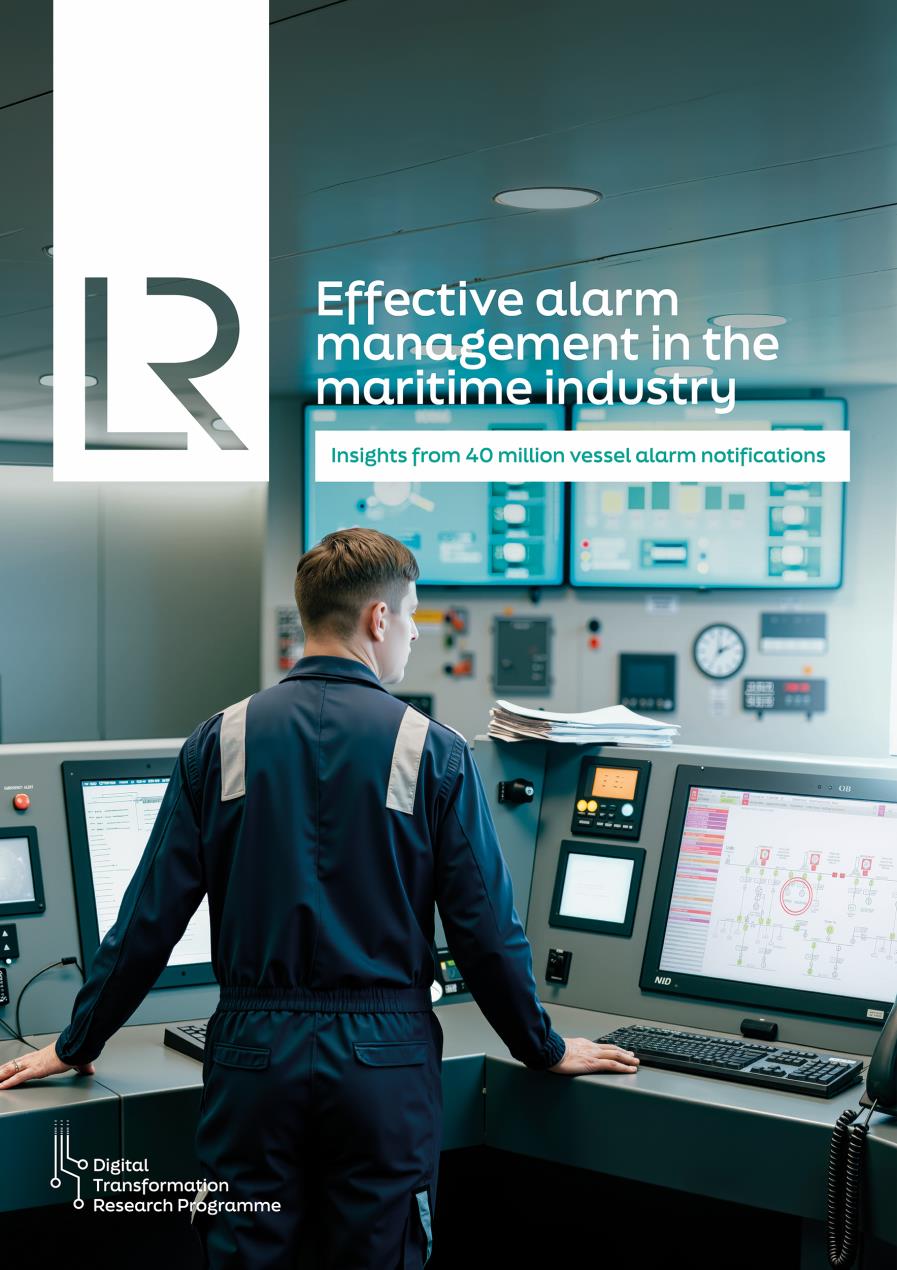
LONDON: New research from Lloyd’s Register (LR) has revealed that excessive and nuisance shipboard alarm systems are routinely overwhelming crews and, in many cases, actively undermining safety at sea.
The findings, published in Effective Alarm Management in the Maritime Industry are based on data collected from 11 operational vessels, spanning over 2,000 days and more than 40 million alarm-related events.
The study shows that many ships generate thousands of alarms every day, many of which provide little or no operational value. The result is widespread alarm fatigue, disrupted rest periods and a growing erosion of trust in systems that are intended to protect both crews and assets.
The research applied recognised industrial best practice, including IEC 62682 and EEMUA 191, to maritime operations for the first time at this scale. It found that fewer than half of the vessels studied met the recommended benchmark of fewer than 30 alarms per hour, while on ships with unattended machinery spaces alarms disrupted 63% of rest periods. In some cases, cruise ships experienced up to 2,600 alarms per day, with peak rates reaching 4,691 alarms in just ten minutes.
Crews, overwhelmed by the volume of alerts, are forced to silence alarms without acknowledgement or physically bypass alarm circuits, normalising unsafe practices and eroding trust in critical safety systems.
Effective Alarm Management in the Maritime Industry: Insights from 40 million vessel alarms builds on LR’s Effective Alarm Management in the Maritime Industry report (released in September 2024) by moving beyond diagnosis to demonstrate what can be achieved in practice. A pilot project on an operational cruise ship reduced total alarm numbers by almost 50 per cent over a six-month period, without new technology or major system redesign. Improvements were delivered through traditional marine engineering interventions, including correcting valve installations, replacing faulty sensors and tuning existing systems.
LR’s analysis also demonstrates that addressing the 10 most frequent alarms could reduce overall loads by nearly 40 per cent.
The report calls for greater adoption of objective alarm performance assessment, stronger consideration of human factors in system design and operation throughout the vessel lifecycle, and regulatory frameworks that support consistent, enforceable standards.
Duncan Duffy, LR’s Global Head of Technology, said: “Our research found that alarm systems, when poorly managed, have themselves become a safety risk. Without decisive industry action, alarm fatigue will continue to undermine situational awareness and increase the likelihood of serious incidents.
“If the maritime industry is serious about safety, it must commit to continuous performance measurement, objective evaluation, and a human-centred approach to alarm system design. Only then can alarm systems fulfil their intended purpose—supporting crews, safeguarding lives, and ensuring safer voyages for all.”
The research is part of LR’s Digital Transformation Research programme, specifically designed to provide in-depth analysis of key opportunities and challenges for maritime digitalisation.
KOLKATA : Prime Minister Shri Narendra Modi has underscored the strategic role of the Syama Prasad Mookerjee Port (formerly Kolkata Port Trust) in strengthening India’s maritime trade infrastructure and enhancing the economic integration of eastern India.
During a key maritime infrastructure launch event in West Bengal, the Prime Minister emphasized that robust port, waterway, rail and multi-modal connectivity systems are essential for industrial growth and job creation across the region. He stated that without such integrated logistics infrastructure, neither industrial expansion nor meaningful employment generation can be achieved—highlighting the critical contribution of ports like Syama Prasad Mookerjee Port to achieving these national priorities.
PM Modi has also previously reiterated the historic significance of the port at its sesquicentennial celebrations, when he announced its renaming in honor of Dr. Syama Prasad Mookerjee—describing the port as a symbol of India’s industrial, spiritual and self-sufficiency aspirations in the country’s march toward a “New India.”
His comments reflect the Government of India’s commitment to modernizing maritime infrastructure, expanding cargo handling capacities, and positioning eastern ports as important nodes in India’s global trade network.
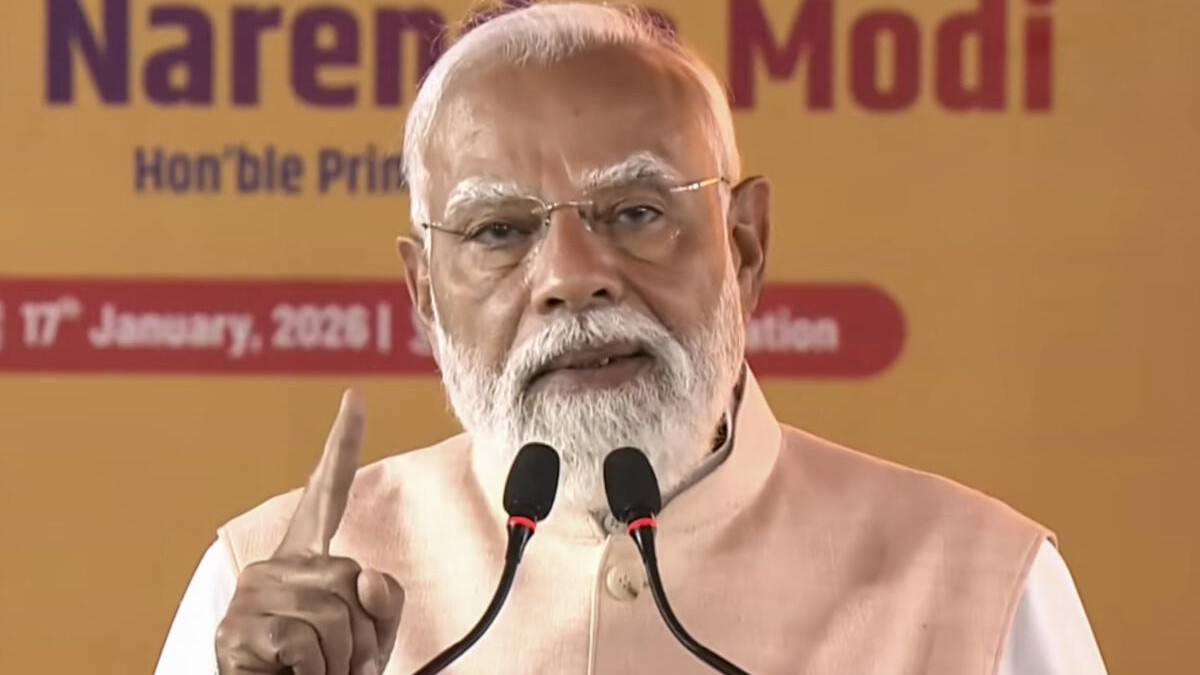
GUWAHATI : Prime Minister Shri Narendra Modi performed Bhoomi Pujan of the Kaziranga Elevated Corridor Project (4-Laning of Kaliabor-Numaligarh section of NH-715), worth over ₹6,950 Crore in Kaliabor, Assam on Sunday. Addressing the gathering on the occasion, Shri Modi expressed gratitude to the people, noting that such a large number had come to bless him and said he was deeply thankful. He remarked that on visiting Kaziranga again, memories of his previous trip came alive, recalling that two years ago, the moments spent in Kaziranga were among the most special experiences of his life. PM Modi highlighted that he had the opportunity to spend the night at Kaziranga National Park and the next morning, during an elephant safari, he experienced the beauty of the region up close.
Recalling that last year he had attended the Jhumoir Mahotsav and this time he had the opportunity to visit Assam during Magh Bihu, Shri Modi highlighted that just a month ago he came for development projects, inaugurating the new terminal building of the expanded Lokpriya Gopinath Bardoloi International Airport in Guwahati and laying the foundation stone of the Ammonia Urea Complex in Namrup. Such occasions have further strengthened their government’s mantra of “Vikas bhi, Virasat bhi,” said PM.
PM underlined the historical importance of Kaliabor in Assam’s past, present and future, noting that it is the gateway to Kaziranga National Park and a hub of connectivity for Upper Assam. He recalled that it was from Kaliabor that the great warrior Lachit Borphukan strategised to drive out Mughal invaders, and under his leadership the people of Assam, with courage, unity and determination, defeated the Mughal army. Shri Modi emphasised that this was not merely a military victory but a declaration of Assam’s pride and self-confidence. He pointed out that since the Ahom rule, Kaliabor has held strategic importance, and expressed happiness that under their government the region is now becoming a vital centre of connectivity and development.
PM recalled the words of Bharat Ratna Dr. Bhupen Hazarika, who described Kaziranga’s beauty with deep affection, noting that his lines reflected both love for Kaziranga and the Assamese people’s bond with nature. He emphasised that Kaziranga is not just a National Park but the soul of Assam and a priceless jewel of India’s biodiversity, recognised by UNESCO as a World Heritage Site. He underlined that protecting Kaziranga and its wildlife is not only about safeguarding the environment but also a responsibility towards Assam’s future and coming generations. Shri Modi announced the launch of new projects from Assam’s soil, congratulating the people for initiatives that will have a wide impact.
Highlighting that Kaziranga is home to the one-horned rhinoceros, the PM explained the challenges faced during floods when wildlife seeks higher ground and must cross the National Highway, often getting trapped. He stated that the government’s effort is to ensure smooth traffic while keeping the forest safe. He informed that under this vision, a 90-kms corridor from Kaliabor to Numaligarh is being developed at a cost of about ₹7,000 crore, including a 35-kilometre elevated wildlife corridor. Vehicles will pass above while wildlife movement below will remain unhindered, with the design prepared keeping in mind traditional movement routes of rhinos, elephants and tigers. PM Modi remarked that the corridor will also improve connectivity between Upper Assam & Arunachal Pradesh, & along with new rail services, will open fresh opportunities for the people. He congratulated the people of Assam and the nation for these important projects.
Praising the people and government of Assam for another achievement, Shri Modi recalled that there was a time when rhino poaching was a major concern, with dozens of one-horned rhinos killed in 2013 and 2014. He said their government decided this could not continue and strengthened security arrangements, provided modern resources to the forest department, enhanced surveillance, and increased women’s participation through ‘Van Durga.’ As a result, he highlighted, in 2025 not a single incident of rhino poaching was reported, made possible by the government’s political will and the efforts of the people of Assam.
PM observed that for long it was believed that nature and progress were opposed to each other, but today India is showing the world that both economy and ecology can advance together. He noted that in the past decade, forest and tree cover has increased, with people enthusiastically participating in the “Ek Ped Maa Ke Naam” campaign under which more than 260 crore trees have been planted. Since 2014, the number of tiger and elephant reserves has grown, and protected and community areas have expanded. Shri Modi remarked that cheetahs, once extinct in India, have now been brought back and have become a new attraction. He added that India is continuously working on wetland conservation and has become Asia’s largest Ramsar network, ranking third globally in terms of the number of Ramsar sites. PM stated that Assam too is showing the world how development can go hand in hand with heritage preservation and protection of nature.
Shri Modi remarked that the greatest pain of the North East has always been distance—distance of hearts and distance of places. He said that for decades, people of the region felt that development was happening elsewhere and they were being left behind, which affected not only the economy but also trust. He highlighted that their party, through the Governments at Union and State, have changed this sentiment by prioritising the development of the North East. He noted that work began simultaneously to connect Assam through roadways, railways, airways and waterways.
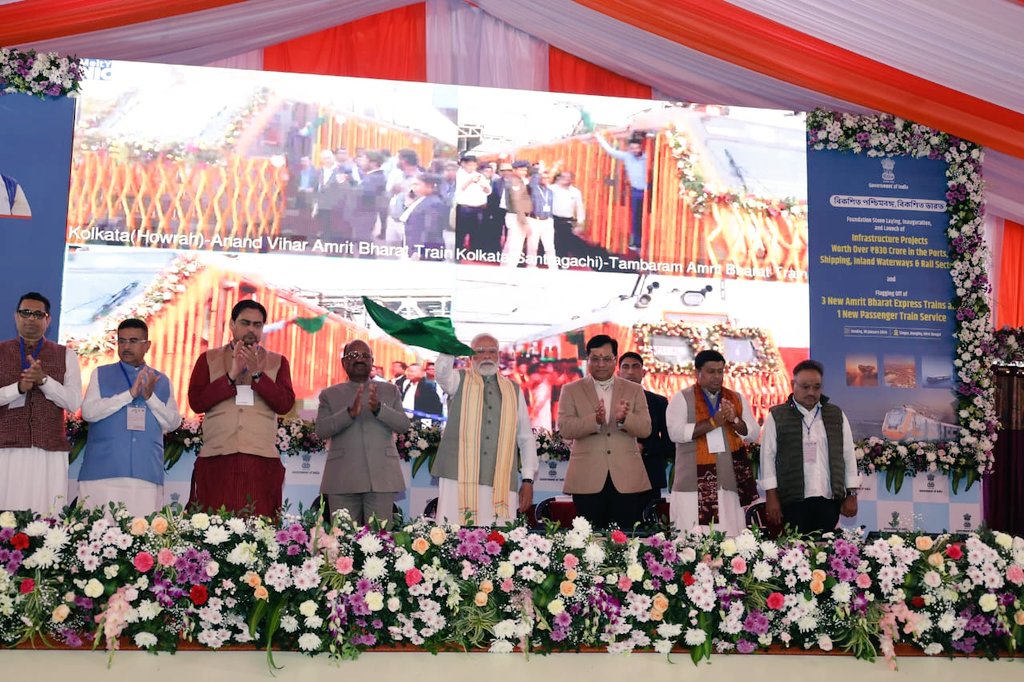
Emphasising that expanding rail connectivity benefits both social and economic levels, making it crucial for the North East, Shri Modi criticised the opposition for neglecting this, pointing out that when they were in power at the Centre, Assam received only about ₹2,000 crore in the rail budget, whereas under his government this has been increased to nearly ₹10,000 crore annually—five times more. Shri Modi stated that this enhanced investment has led to large-scale infrastructure development, with new rail lines, doubling and electrification boosting railway capacity and passenger facilities. Prime Minister announced the launch of three new train services from Kaliabor, marking a significant expansion in Assam’s rail connectivity. He said the Vande Bharat Sleeper Train will connect Guwahati to Kolkata, making long-distance travel more comfortable, while two Amrit Bharat Express trains will cover important stations across Assam, West Bengal, Bihar and Uttar Pradesh, directly benefiting lakhs of passengers. Shri Modi underlined that these trains will connect Assam’s traders to new markets, provide students easier access to educational opportunities, and simplify travel across different parts of the country. He remarked that such connectivity expansion builds confidence that the North East is no longer on the margins of development, no longer distant, but close to the heart and close to Delhi.
The Prime Minister also addressed a major challenge facing Assam—the need to protect its identity and culture. He praised their government in Assam for effectively tackling infiltration, freeing forests, historic cultural sites and people’s lands from illegal encroachments, which is being widely appreciated. PM Modi contrasted this with opposition, stating that for decades they handed Assam’s soil to infiltrators merely for votes and government formation. He said that during the opposition rule, infiltration kept increasing, and these infiltrators, with no concern for Assam’s history, culture or faith, carried out widespread encroachments. He added that infiltration led to encroachment in animal corridors, promoted illegal poaching, and increased smuggling and other crimes.
Speaking on the occasion, the Union Minister of Ports, Shipping & Waterways (MoPSW) and MP of Dibrugarh LSC, Sarbananda Sonowal said, “The Kaziranga Elevated Corridor is a landmark project that reflects our dynamic Prime Minister Shri Narendra Modiji’s commitment to sustainable development with utmost environmental responsibility. This ₹6,950-crore project will transform & smoothen connectivity across upper Assam, especially for Dibrugarh and Tinsukia, while safeguarding Kaziranga’s unique biodiversity through a dedicated elevated wildlife corridor. Along with the new Amrit Bharat Express services linking the Northeast with northern India, these initiatives will significantly improve mobility, enhance safety, reduce travel time and open new vistas for economic growth across Assam.”
Governor of Assam, Lakshman Prasad Acharya, Chief Minister of Assam, Dr Himanta Biswa Sarma, Union Minister Pabitra Margherita were present among other dignitaries at the event.
Background
Prime Minister performed Bhoomi Pujan of the Kaziranga Elevated Corridor Project (4-Laning of Kaliabor-Numaligarh section of NH-715), worth over ₹6,950 Crore. The 86 km long Kaziranga Elevated Corridor project is an environmentally conscious National Highway project. It will feature 35 km of Elevated Wildlife Corridor that will pass through Kaziranga National Park, 21 km Bypass section and 30 km widening of the existing highway section of NH-715 from two to four lanes. The project aims to improve regional connectivity while ensuring protection of the park’s rich biodiversity.
The project will pass through Nagaon, Karbi Anglong and Golaghat districts and will significantly improve connectivity to Upper Assam, particularly Dibrugarh and Tinsukia. The elevated wildlife corridor will ensure uninterrupted movement of animals, reduce human-wildlife conflict. It will also enhance road safety, reduce travel time and accident rates, and support growing passenger and freight traffic. As part of the project, Bypasses will be developed at Jakhalabandha and Bokakhat that will help to decongest towns, improve urban mobility and enhance the quality of life for local residents.
During the programme, the Prime Minister also flagged off 2 New Amrit Bharat Express trains – Guwahati (Kamakhya)-Rohtak Amrit Bharat Express and Dibrugarh-Lucknow (Gomti Nagar) Amrit Bharat Express. These new train services will strengthen rail connectivity between the Northeast and Northern India, enabling safer and more convenient travel for the people
NEW DELHI : India and the European Union are set to announce the conclusion of a free trade agreement, firming up of a defence partnership pact and a framework for mobility of Indian professionals at the summit talks next week, diplomatic sources said on Monday.
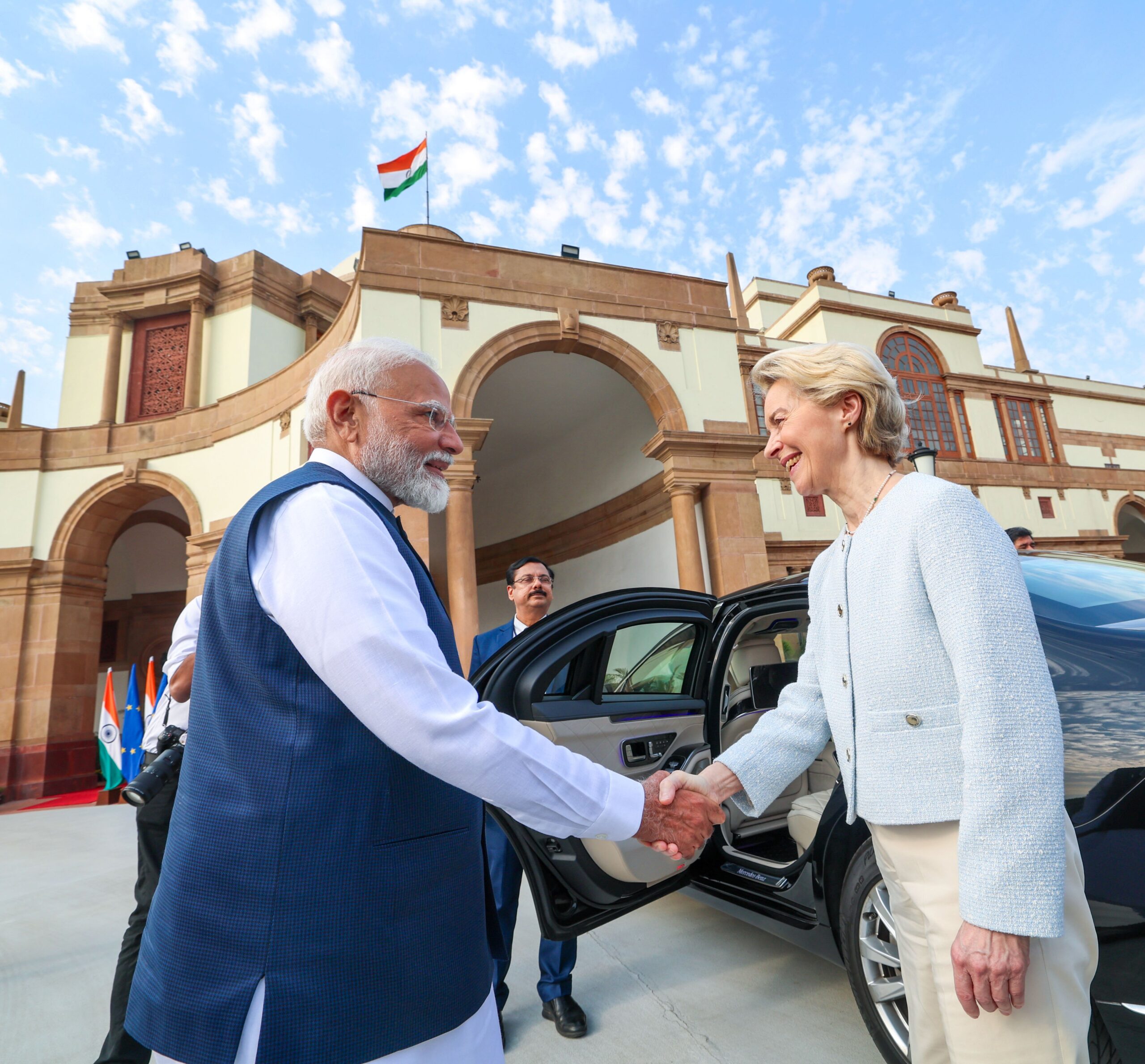
European Council President Antonio Costa and European Commission President Ursula von der Leyen will be the Chief Guests at the Republic Day celebrations on January 26, and the India-EU Summit will be held the next day.
A military contingent from the EU, featuring the military staff flag and flags of Operations Atalanta and Aspides, the naval operations of the grouping, will feature at the Republic Day parade.
The two sides are expected to conclude about 10 agreements, including one disaster risk management, the people said. The business forum, which will be addressed by Prime Minister Shri Narendra Modi and Von der Leyen, will focus on leveraging the implementation of the FTA, building resilient supply chains in critical sectors and advanced manufacturing using clean technologies.
This is only the second time that India has invited leaders of a grouping – after the Asean in 2018 – to be chief guests at the celebrations, an honour reserved for the country’s closest strategic and economic partners. Disruptions and geo-economic churn created by the trade policies of the US added urgency to efforts to finalise the trade deal with the EU, negotiations for which were relaunched in 2022 after a hiatus of almost a decade.
The 90-member delegation accompanying the top EU leaders will include foreign and security policy chief Kaja Kallas, trade commissioner Maroš Šefčovič and senior officials dealing with trade, energy and industrial policy.
With the two sides still engaged in last-mile negotiations for the free trade agreement (FTA) on contentious issues such as (CBAM), the EU’s tariff on imports of carbon-intensive goods, the summit is expected to lead to an announcement on the successful conclusion of negotiations for the trade deal, the people said.
With the conclusion of negotiations, the two sides will focus on legal scrubbing and other processes so that the FTA can be signed and come into force as soon as possible. The EU side will expedite the process of getting consent for the deal from the European Parliament and European Council, the people said.
While there was progress on the FTA’s agriculture chapter because both sides marked and mapped each other’s red lines on sensitive sectors, such as India’s concerns on dairy and farm products, CBAM continues to be an issue for which the two sides are working on a “compromise solution”, one of the people said. The Indian side has referred to CBAM as a non-tariff barrier while the EU has ruled out any dilution of the measure as it also applies to European companies.
“The idea is to have a level playing field and ensure competition while offering support for India’s decarbonisation process,” the person said.
The people said the two sides had reached an agreement on wines and spirits and that there will be tariff-rate quotas for automobiles, allowing a higher rate to be applied for quantities exceeding the quota to be imported at a lower tariff rate. The two sides are also working on a compromise for inclusion of climate-related standards under the Paris Agreement, an ask of the EU side, while retaining policy space for India, they said.
In addition to the SDP, being described as a political enabler for bringing all existing security-related initiatives under one umbrella and for branching out into new areas such as the protection of undersea cables and critical infrastructure, the two sides are expected to unveil a joint comprehensive strategic agenda for 2026-2030, the people said.
India and the EU are also set to launch negotiations for a security of information agreement, which combined with the SDP, will allow India to become a trusted partner for joint development and joint production of defence hardware such as drones and air defence systems, the people said. This will also facilitate the participation of Indian firms in EU’s Security Action for Europe (SAFE) programme, a €150-billion initiative to provide low-cost, long-term loans for defence procurement, the people said.
EU member states have scaled up their rearmament drive and begun strengthening their defence industries in view of the perceived unreliability of the US as a defence partner, and the SAFE programme will begin disbursing funds in 2026.
The proposed memorandum of understanding on facilitating the mobility of Indian workers will be a platform to help EU member states to pursue their mobility agendas through measures such as exchange of information, the people said. Seven EU member states, including France, Germany and Italy, have migration and mobility partnerships with India.
The people said regional and global issues such as the Russia-Ukraine conflict, the situation in Greenland, Venezuela and Iran, and tensions in West Asia are expected to figure in the summit.