Home Blog Page 468

Piyush Goyal discusses bilateral relationship with US senator Daines, envoy Gor in New Delhi

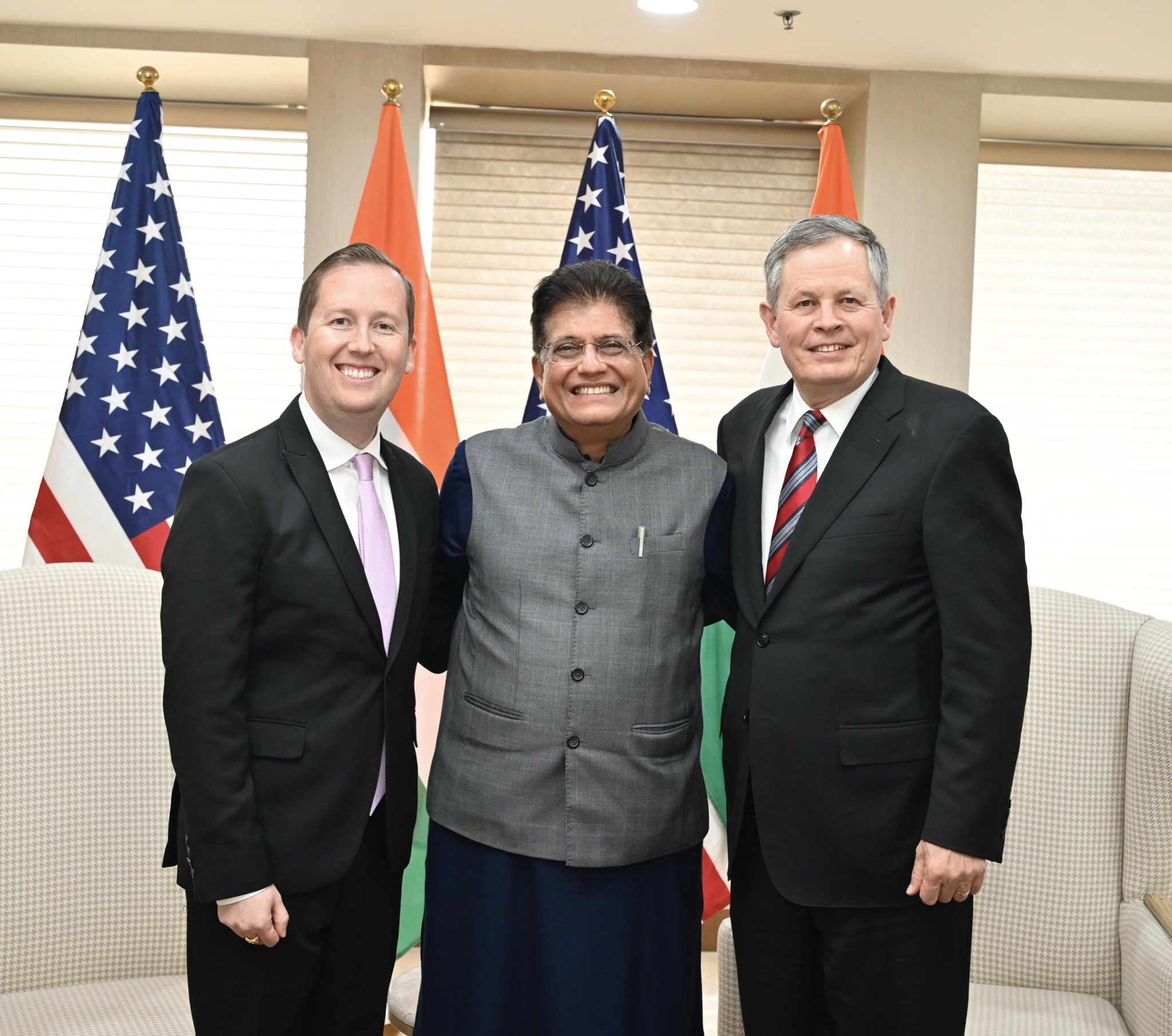
NEW DELHI: Commerce Minister Shri Piyush Goyal met US Senator Steve Daines and the US Ambassador to India Sergio Gor, and had a “productive exchange” of views on the bilateral relationship front.

“Delighted to again meet my good friends US Senator @SteveDaines and the US Ambassador to India @SergioGor. Had a productive exchange of views on our bilateral relationship,” Piyush Goyal posted on X.

External Affairs Minister Shri S Jaishankar had on Sunday also met US Senator Steve Daines, who is currently on a visit to India. They had a wide ranging and open discussion on the bilateral relationship and its strategic significance.

Last week, Indian envoy in US, Vinay Kwatra, also met Senator Daines and discussed the bilateral relationship.

These meetings come amid India and US’ talks for a Bilateral Trade Agreement.

India is currently being subjected to US tariffs of 50 per cent, even as it has been in talks with Washington since February last year, following Prime Minister Shri Narendra Modi‘s visit to the US capital.

India’s Commerce Secretary Shri Rajesh Agrawal asserted last Thursday that the much-anticipated first tranche of India-US BTA is “very near” but stopped short of putting out a timeline.

“There are engagements going on, and negotiating teams are talking virtually on issues which are still pending. But we can’t put a deadline. It’s very near. That will happen as long as both sides are ready, they feel it is the right time to announce,” he told reporters.

India and the US were initially aiming to complete the first tranche of an India-US bilateral trade agreement by fall of 2025, but new developments in the US trade policy landscape, that include tariffs, have altered those plans.

The BTA, formally proposed in February following directives from the leadership of both nations, seeks to more than double bilateral trade, from the current USD 191 billion to USD 500 billion by 2030. Talks were first announced during Prime Minister Narendra Modi’s visit to Washington in February 2025.

US Commerce Secretary Howard Lutnick had recently claimed that the trade deal between India and the United States did not happen as Prime Minister Narendra Modi did not place a call to Donald Trump.

Soon after, the Ministry of External Affairs said it had been close to a trade deal with the United States on several occasions, and the characterisation by the US Commerce Secretary Howard Lutnick about it was “not accurate.” “On several occasions, we have been close to a deal. The characterization of these discussions, the reported remarks, is not accurate,” MEA Spokesperson Randhir Jaiswal said.

India is actively negotiating trade agreements with several countries, including the US, in a bid to expand trade and secure long-term growth opportunities.

Source: ANI
Vijaykumar laid foundation stone for Modern Firefighting System at HDC

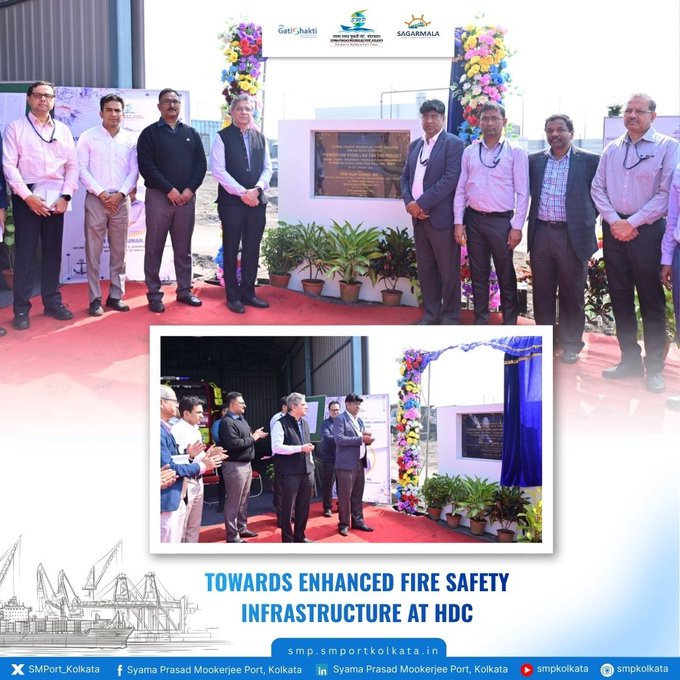
KOLKATA : In a significant step towards strengthening port safety and emergency preparedness, Shri Vijay Kumar, IAS, Secretary, Ministry of Ports, Shipping & Waterways (MoPS&W), laid the foundation stone for a state-of-the-art Firefighting System at the Haldia Dock Complex(HDC) of Syama Prasad Mookerjee Port, Kolkata (SMPort_Kolkata) on Monday.

The foundation stone ceremony was attended by Shri Rathendra Raman, Chairperson, SMPA, and Shri Samrat Rahi, Deputy Chairperson, SMPA, along with senior officials of the port. The project marks a major advancement in enhancing port security through modern, technology-driven infrastructure.

G C1PN1aoAAIaMA Vijaykumar laid foundation stone for Modern Firefighting System at HDC

The upcoming firefighting system is designed to significantly improve emergency response capabilities, ensuring faster detection, efficient fire suppression, and enhanced safety for port assets, personnel, and cargo operations. Once operational, it will align Haldia Dock Complex with global best practices in port safety and disaster management.

During his visit, Shri Vijay Kumar, IAS, reviewed bulk cargo handling operations and inspected various ongoing and planned development projects at the Haldia Dock Complex. He appreciated the port’s efforts towards capacity expansion, operational efficiency, and adoption of advanced systems to support India’s growing maritime trade.

The visit provided an opportunity for detailed discussions on infrastructure modernization, safety enhancement measures, and future growth initiatives. The Chairperson and Deputy Chairperson briefed the Secretary on key projects aimed at improving productivity, sustainability, and overall competitiveness of SMPort_Kolkata.

This initiative reinforces SMPort_Kolkata’s commitment to building a safe, resilient, and future-ready port ecosystem, supporting national logistics objectives and the Government of India’s vision for world-class port infrastructure.

DPA Kandla successfully tests LIM Pod – Targets upgrade to Magnetic Levitation Based Transportation Solution for Kandla Port

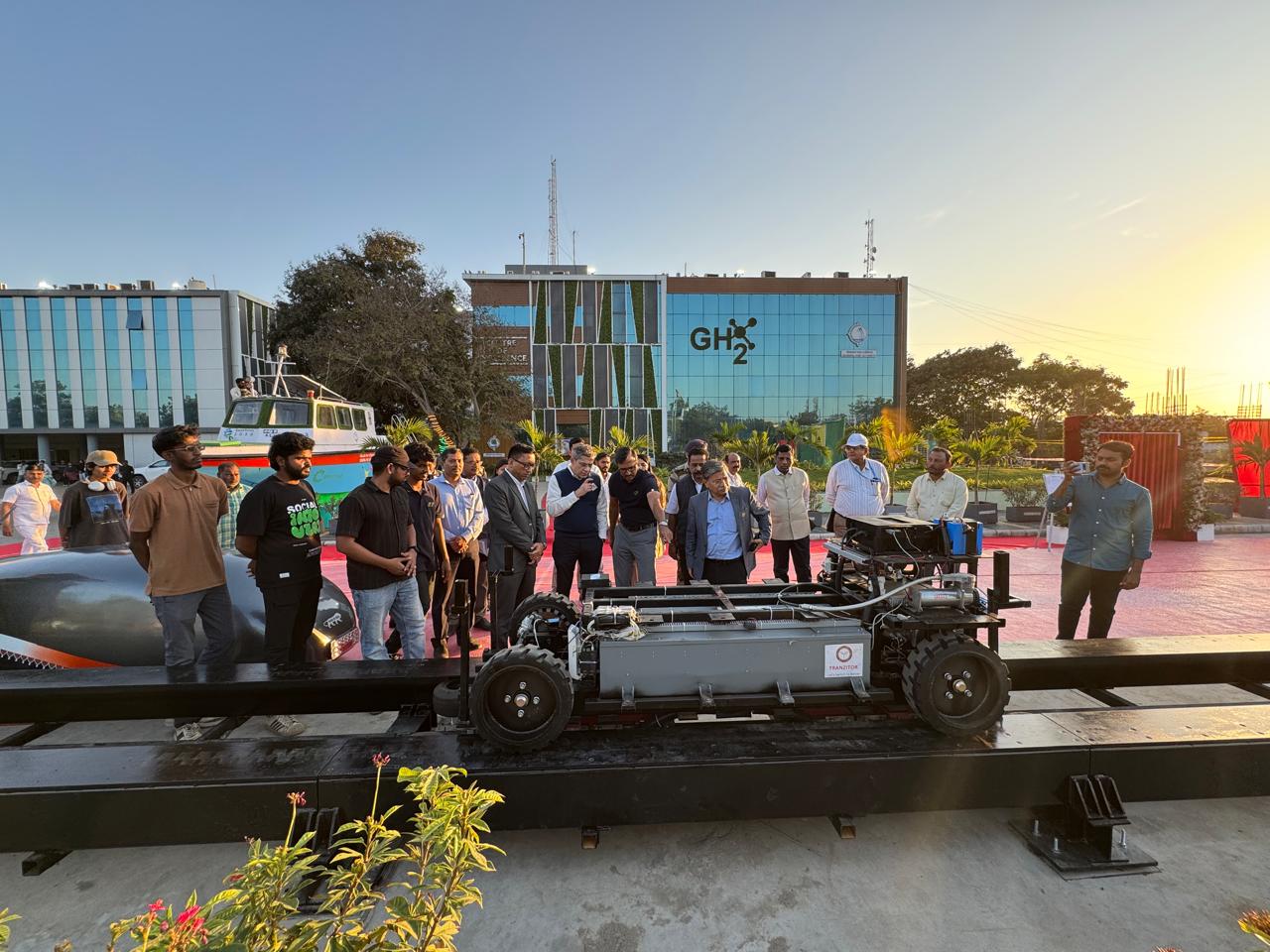
GANDHIDHAM : Deendayal Port Authority, Kandla has successfully commissioned and tested indigenously developed mobility solution for cargo transportation. The prototype of the futuristic and advanced transportation system, based on Linear Induction Motor (LIM) based technology, has been developed by TuTr Hyperloop Pvt. Ltd., a deep-tech startup incubated at Indian Institute of Technology Madras (IIT Madras). Building on this success, DPA, Kandla is now targeting to get the mobility solution upgraded to Magnetic Levitation Platform. TuTr Hyperloop, as a part of collaborative partnership with DPA, will now undertake a Magnetic Levitation (Maglev) technology demonstration at Kandla Port, marking the next phase of advanced mobility deployment at Indian ports.

The successful LIM demonstration validates India’s capability to design, develop and deploy high-performance electromagnetic propulsion systems tailored for port logistics and industrial mobility. The upcoming Maglev demonstration will further showcase the potential of contactless, low-maintenance, high-efficiency cargo movement systems, reinforcing India’s leadership in next-generation port technologies in maritime sector.

DPA, Kandla, supported by the technology partner, TuTr Hyperloop, is spearheading the technological transformation of the port sector. With this initiative, Deendayal Port Authority, Kandla is playing a pioneering role as the first port in the country to actively integrate and demonstrate advanced indigenous technologies. The collaboration strongly aligns with the Atmanirbhar Bharat vision and Viksit Bharat @2047 of the Hon’ble Prime Minister, emphasizing innovation-led infrastructure development and global competitiveness, and further positioning Kandla prominently on the global maritime map.
Shri Sushil Kumar Singh, Chairman, Deendayal Port Authority stated :

“Deendayal Port Authority, Kandla is firmly committed to adopting future-ready, indigenous technologies that enhance operational efficiency and sustainability. The successful LIM demonstration by IIT Madras-based TuTr Hyperloop is a testament to India’s growing technological self-reliance under the Make in India initiative and the Viksit Bharat vision of the Hon’ble Prime Minister Shri Narendra Modi ji. Deendayal Port, Kandla is proud to lead the way among Indian ports by supporting the upcoming Magnetic Levitation demonstration, aligning with our long-term vision of developing smart, sustainable and globally competitive port infrastructure.”

Speaking on the occasion, Dr. Aravind S. Bharadwaj, Co-Founder, TuTr Hyperloop, said
“The successful demonstration of Linear Induction Motor technology at Deendayal Port is a proud moment for Indian deep-tech innovation. Moving ahead with a Magnetic Levitation demonstration is a natural progression in our roadmap to build world-class, indigenous mobility solutions for ports and logistics. We are grateful to Deendayal Port Authority and Chairman Shri. Sushil Kumar Singh, in particular, for his visionary leadership and trust in the young TuTr team, and we remain committed to delivering solutions that place India at the forefront of global transportation innovation.”

The Maglev demonstration at Deendayal Port, Kandla will further strengthen India’s position as a global innovator in port-sector mobility which will after proof of concept will be scaled globally, showcasing how startup–port collaborations can deliver scalable, indigenous solutions for critical infrastructure.

About Deendayal Port Authority
Deendayal Port Authority, Kandla, is one of India’s premier major ports and a critical gateway for maritime trade and logistics. Strategically located on the west coast, DPA plays a key role in handling diverse cargo and supporting industrial growth across the hinterland. The port has been at the forefront of adopting modern infrastructure, digital systems and innovative technologies. With a strong focus on efficiency, sustainability and future-ready operations, Deendayal Port Authority continues to lead transformative initiatives in India’s port sector.

About TuTr Hyperloop
TuTr Hyperloop Pvt. Ltd. is a deep-tech mobility startup incubated at IIT Madras, focused on the indigenous development of next-generation electromagnetic transportation technologies. The company specializes in Linear Induction Motor (LIM) propulsion, Magnetic Levitation (Maglev) systems, and Hyperloop-based mobility solutions. TuTr works across the full technology stack, including propulsion systems, power electronics, controls, vehicle integration, and digital platforms. With active government-backed projects across ports, logistics, and urban rail, TuTr Hyperloop is translating advanced research into real-world, scalable mobility deployments.

CONCOR explores overseas shipping collaboration with Ben Line, Singapore

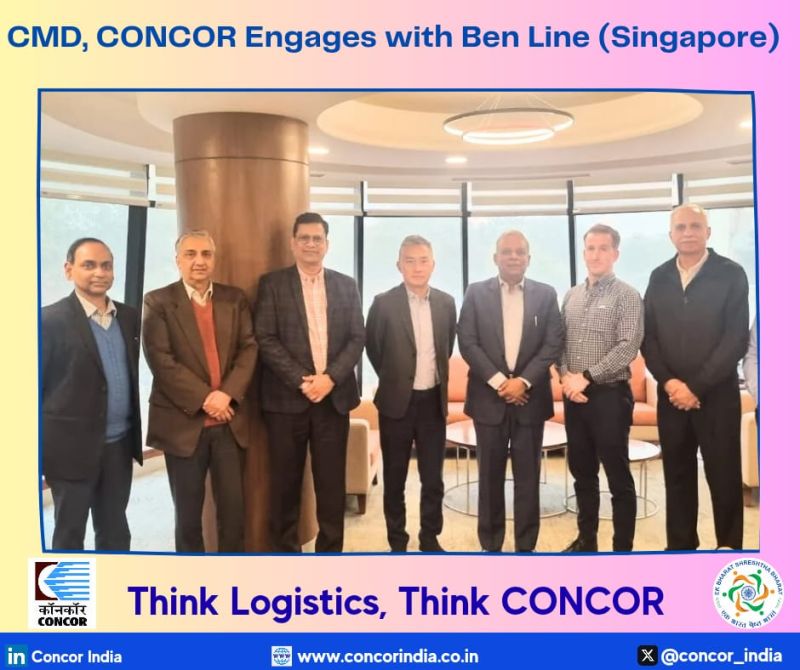
NEW DELHI : Shri Sanjay Swarup, Chairman & Managing Director (CMD), Container Corporation of India Ltd. (CONCOR), held discussions with Mr. Phillip Denham, Group General Manager – Liner & NVOCC Agency Services, M/s Ben Line, Singapore, and his team at New Delhi, to explore avenues of mutual collaboration in overseas shipping and logistics services.

The meeting focused on identifying opportunities to strengthen cooperation in international containerized trade, liner services, NVOCC operations, and integrated multimodal logistics solutions. Both sides exchanged views on leveraging their respective strengths to enhance service offerings for global and Indian customers, particularly in the areas of end-to-end supply chain connectivity, operational efficiency, and customer-centric solutions.

Shri Sanjay Swarup highlighted CONCOR’s expanding role in facilitating India’s EXIM trade through its extensive network of inland container depots (ICDs), multimodal logistics parks, and rail-linked infrastructure. He emphasized CONCOR’s commitment to forging strategic partnerships with global shipping and logistics players to improve international connectivity and support India’s growing trade requirements.

Mr. Phillip Denham shared insights into Ben Line’s global experience in liner and NVOCC agency services and expressed interest in exploring synergies with CONCOR to develop innovative and reliable overseas shipping solutions.

The interaction reaffirmed the shared intent of both organizations to work towards strengthening international logistics linkages, enhancing supply chain resilience, and supporting India’s vision of becoming a global trade and logistics hub.

Allcargo Terminals secures 10-Year extension from JNPA for speedy multimodes CFS

• Reinforces Allcargo Terminals’ strategic presence at India’s largest gateway port
• Closest CFS to JNPT with strong ODC and specialised cargo capabilities
• 53-acre facility positioned to support the next phase of EXIM growth

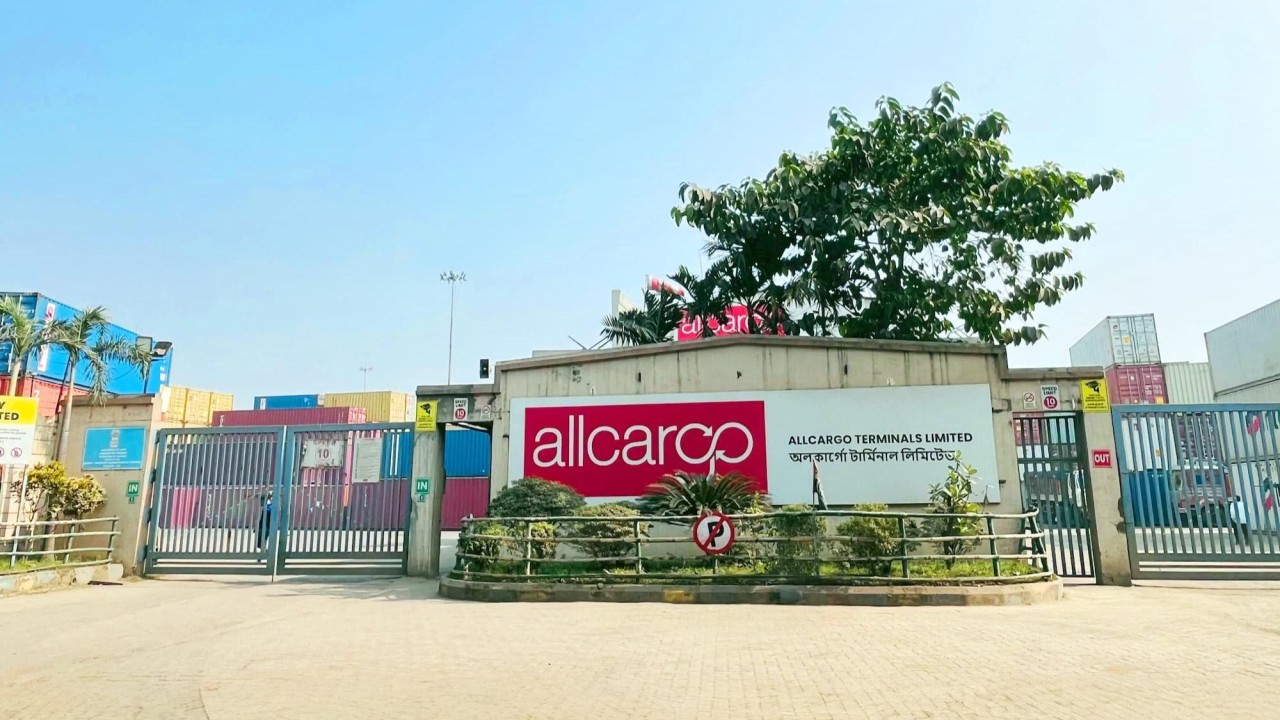
MUMBAI : Allcargo Terminals Ltd., a leading operator in India’s largest CFS-ICD network, has received 10 year-extension from Jawaharlal Nehru Port Authority (JNPA) to operate Container Freight Station (CFS) at JNPT, Nhava Sheva. This CFS operates under Speedy Multimodes, 100% subsidiary of Allcargo Terminals. This extension underscores JNPA’s continued confidence in Allcargo Terminals’ operational capabilities and reinforces Speedy Multimodes’ role as a strategic, long-standing CFS within India’s most critical port ecosystem. Located just 5 KM from JNPT, Allcargo Terminals’ Speedy Multimodes CFS is the closest to India’s largest gateway port, offering its customers significant advantages in turnaround time, operational efficiency, and cost optimisation.

One of the longest-standing CFS facilities at JNPT, Speedy Multimodes is spread over 53 acres with 8.5 acre of warehousing space. The facility has a throughput capacity of 180,000 TEU and is in plans for infrastructure upgrade in partnership with JNPA, which will further enhance the handling capacity of the facility. The facility offers a dedicated zones for special and Over-Dimensional Cargo (ODC), reinforcing its position as the preferred CFS for handling complex cargo at JNPT.

Shri Gaurav Dayal, IAS, Chairman of JNPA, emphasized the strategic importance of the partnership, “The contract extension reflects our confidence in Allcargo Terminals’ operational capabilities and its contribution to port-led logistics efficiency at JNPA. With the planned infrastructure upgrade, Speedy Multimodes CFS will be equipped to handle the steadily growing cargo volumes at JNPA with its scale, efficiency, and digital-first logistics services. The extension of the contract and upgradation of the facility will contribute to JNPA’s vision to become the first Indian port to handle 10 million TEUs by 2027.”

Commenting on the extension, Ashish Chandna, Chief Executive Officer, Allcargo Terminals Ltd., said, “We thank JNPA for their continued confidence in us and look forward to further strengthening our partnership. This extension reflects the trust placed in our operational capabilities and reinforces our role in supporting EXIM trade and port operations at JNPT with enhanced efficiency and reliability. Our proximity to the port enables faster turnaround times and smoother cargo movement, while the expanded operating scale positions us to effectively handle the next phase of growth in cargo volumes at JNPT and contribute to a stronger, more integrated port ecosystem.”

Allcargo Terminals also operates another facility near JNP, where it has recently announced a significant expansion. The facility’s handling capacity has been nearly doubled from 1,90,000 TEUs to 3,60,000 TEUs annually, a move that underscores the Allcargo Terminals’ growth strategy and commitment to boosting India’s EXIM trade infrastructure. This capacity expansion forms a key pillar of Allcargo Terminals’ strategic three-year plan focused on scale, digitization, and infrastructure enhancement across its national network.

ABOUT ALLCARGO TERMINALS LIMITED.

Allcargo Terminals Limited (ATL) demerged from Allcargo Logistics, an India-born global leader in multimodal logistics solutions and is an independent entity listed in the Indian stock exchanges in August 2023. ATL offers India’s widest CFS networks and specializes in Container Freight Stations (CFS) and Inland Container Depots (ICD), operates at the strategic locations of Nhava Sheva JNPT, Mundra, Chennai and Kolkata. Its best-in-class digital app and portal, myCFS enables contact-less CFS services. ATL adheres to unparalleled safety and security standards, including OHSAS, ISO and GSV (C-TPAT-compliant). ATL is dedicated to meeting diverse logistical needs and is well positioned to explore opportunities in terminals, including multi modal logistics parks and other ventures. Allcargo Terminals Ltd listed on the BSE Limited (Scrip Code- 543954) and The National Stock Exchange of India Limited .

GIFT City emerges as global hub for international finance; target of 100,000 jobs by 2030, says CEO Sanjay Kaul at WEF 2026 in Davos

DAVOS: Speaking on the sidelines of the World Economic Forum in Davos, Switzerland, Mr. Sanjay Kaul, the Group CEO and Managing Director of GIFT City, emphasised the integral role the international financial services centre plays in India’s ascent as a top global economy.

Highlighting the strategic importance of representing India on a global stage, Mr. Kaul noted that Davos serves as a premier platform to engage with C-suite executives and business leaders from the world’s most influential companies.

In an interview given to ANI, Kaul said, “We see it as a very important forum where two things. One is we bring to the world the financial services centre of India, number one. Number two, as well as what is it that is on offer here in India, and how can you come and set up business.” He further elaborated that this presence is vital for the national perspective, ensuring that India is recognised globally as a legitimate economic power with a sophisticated financial services hub.

Mr. Kaul revealed that the team has lined up approximately 30 bilateral meetings over three days, with immense interest pouring in from various global entities.

Reflecting on the rapid growth of the project, Mr. Kaul pointed out, “Technically, we are just four years old since we are operating. When we started operations, we were not in the top 100 financial centres of the world. And today we are 43rd. In four years, we have reached 43.”

He shared that the current ecosystem supports 27,000 workers, with a clear target to scale this to 100,000 people by the year 2030, fueled by the strong economic growth story of India.

The city has already attracted major international players across various sectors, including banking, fund management, and leasing. Global giants like JP Morgan and Morgan Stanley are already established, alongside 18 international foreign banks and subsidiaries of the NSE and BSE.

Beyond traditional finance, the hub has seen the entry of bullion exchanges, aircraft leasing, and IT/ITeS majors. He noted that the presence of these entities across diverse sectors demonstrates the comprehensive nature of the ecosystem being built.

Addressing the business performance of the hub, Mr. Kaul suggested that registration rates and global interest are more indicative of success than mere turnover figures. While the asset holding size for banks reached approximately USD 110 billion by September end and monthly trades on the exchanges averaged USD 69 billion, the momentum of new registrations remains the standout metric.

Davos 2026: India-US trade deal likely in 3 months : USISPF’s Mukesh Aghi

DAVOS : As global uncertainty reshapes economic partnerships, Mukesh Aghi, President & CEO of the US‑India Strategic Partnership Forum (USISPF), in an exclusive interaction with Business Today TV expressed cautious optimism on the prospects of a comprehensive India‑US trade agreement and the broader trajectory of bilateral ties at the World Economic Forum in Davos.

Asked if a long‑awaited trade deal between New Delhi and Washington was closer now in 2026, Aghi said negotiations have progressed through multiple rounds and are nearing finalisation. He expects “some kind of a trade … deal in the next 3 months,” with both sides working through detailed reciprocal terms, including on agriculture — an area that has been more technically complex than past deals with other partners. 

On the question of trust — particularly given recent tariff actions and concerns about unpredictability — Aghi acknowledged the dilemma many countries face when negotiating with an administration seen as volatile on trade policy. Still, he urged stakeholders to assess the durability of any agreement on its substance and reciprocal commitments, rather than solely on political rhetoric. 

Amid concerns that tariff disputes and political noise might cool commercial interest, Aghi was unequivocal about investment momentum: he said that in conversations with over 100 US and global CEOs, not a single company said it planned to reduce investment in India or shift supply chains away. He highlighted India’s importance not just as a market but as a source of global competitiveness — with over 2,000 global capability centres there, 60% of them American, and significant intellectual property generation. 

Aghi also pointed to recent major investment commitments from US companies — including large capital pledges in AI, cloud computing and data infrastructure — as evidence of companies’ confidence in India’s growth story. He noted the ongoing reform agenda in India, while urging further progress at the state level to simplify licensing and ease of doing business. 

The forum also touched on people‑to‑people ties — with Aghi describing Indian talent as integral to the US economy. He said challenges around work visas like the H‑1B reflect broader system issues that many countries have grappled with, and emphasised that Indian professionals continue to be welcomed and essential. 

On the broader strategic relationship, Aghi described India‑US ties as driven by business, defence cooperation, technology collaboration and deep diaspora linkages, rather than being solely contingent on political leadership in either capital. He urged both nations to ignore political noise and focus on “solid” mutual interests that underpin long‑term partnership.

Source : BT

IMF upgrades India’s FY27 GDP growth to 6.4% despite trade risks

DAVOS : The International Monetary Fund (IMF) on Monday revised India’s 2026–27 gross domestic product (GDP) growth forecast upwards by 20 basis points to 6.4 per cent from its October 2025 projection. This would be a decline from the 7.3 per cent growth projected for 2025–26 (FY26).

For FY26, the IMF, in its World Economic Outlook, revised its GDP growth forecast upwards by 0.7 percentage point to 7.3 per cent from its October 2025 estimate, citing a better-than-expected performance in the third quarter (October–December/Q3) and strong momentum in the fourth quarter (January–March/Q4).

“Growth is projected to moderate to 6.4 per cent in 2026 and 2027 as cyclical and temporary factors wane,” the IMF said in an update to its World Economic Outlook report.

India’s economy is estimated to grow 7.4 per cent in FY26, up from 6.5 per cent in 2024–25, according to the First Advance Estimates of GDP released by the National Statistics Office. 

Pierre-Olivier Gourinchas, IMF economic counsellor and director of research, said that while global growth has been resilient amid trade disruptions, the negative effects of such disruptions are likely to build up over time.

India is facing a 50 per cent tariff from the US, affecting labour-intensive sectors such as textile, footwear, and marine product. US President Donald Trump on January 13 announced that the country would impose a 25 per cent tariff on any nation doing business with Iran, “effective immediately”.

The IMF report said inflation in India is expected to return to near-target levels after a marked decline in 2025, driven by subdued food prices.

The growth outlook, according to the Advance Estimates, has been aided by a GDP deflator at a five-decade low of 0.5 per cent, with nominal GDP growth projected at 8 per cent in FY26 — the slowest since the pandemic-impacted 2020–21.

On artificial intelligence (AI), Gourinchas said in a blog post that AI-driven investment offers transformative potential but also introduces financial and structural risks that require vigilance.

While innovation drives growth, he said it also risks displacing jobs and depressing wages for certain segments of the workforce.

Commerce Ministry formulates specific guidelines for missions abroad to boost exports

NEW DELHI : The government has formulated specific guidelines for Indian missions abroad as it steps up efforts to boost exports through market diversification amid global economic uncertainties, an official said.

The official said trade promotion guidelines for Indian commercial missions abroad include management of non-tariff barriers, market engagement activities, planning and resource management, trade intelligence and market research.

These guidelines are important as commercial representatives are the first point of contact for the host country’s stakeholders in trade.

The official said the representative has to align trade promotion activities to leverage the ongoing free trade agreements and help increase utilisation of these pacts.

Commerce representatives have been suggested to conduct market surveys to assess the demand for Indian products.

Source : PTI

Global supply chains enter era of structural volatility as resilience becomes new growth driver, World Economic Forum Reports

DAVOS: Global value chains have officially entered an era of structural volatility, forcing a fundamental rethink of how products are made and moved around the world. A new report released by the World Economic Forum (WEF) at its Annual Meeting reveals that disruption is no longer a temporary hurdle but a permanent feature of the global economy, driven by geopolitical fragmentation, technological acceleration, and the energy transition.

The report, titled Global Value Chains Outlook 2026: Orchestrating Corporate and National Agility, finds that nearly three in four business leaders have shifted their investment strategies to prioritise resilience. Notably, 74% of executives now view resilience not merely as a defensive measure, but as a primary driver of growth. This shift comes as the scale of global disruption intensifies; in 2025 alone, tariff escalations reshuffled over $400 billion in trade flows, while shipping costs surged by 40%.

“Volatility is no longer a temporary disruption; it is a structural condition leaders must plan for,” said Kiva Allgood, Managing Director, World Economic Forum. “Competitive advantage now comes from foresight, optionality and ecosystem coordination. Companies and countries that build these capabilities together will be best positioned to attract investment, secure supply, and sustain growth in an increasingly fragmented global economy.”

To help leaders navigate this “new normal,” the Forum launched the Manufacturing and Supply Chain Readiness Navigator. This digital tool allows governments to diagnose competitiveness gaps and helps companies assess infrastructure and ecosystem maturity when deciding where to invest. The report highlights successful national models already in use, such as China’s 5G-led industrial connectivity, Ireland’s enterprise-led upskilling programs, and Qatar’s real-time food security dashboards.

Experts suggest that the era of prioritising pure efficiency is coming to a close. Per Kristian Hong, Partner at Kearney, who collaborated on the report, emphasised that the priority for supply leaders has shifted from forecasting specific shocks to building inherently flexible systems.

“Supply chain disruption in 2026 will be constant and structural. Geopolitical fragmentation, shifting trade rules and labour shortages are all redefining how value is created and moved,” Hong said. “For supply leaders, the priority is no longer forecasting disruption, but redesigning operating models to function under permanent uncertainty. That means moving away from efficiency-driven supply chains and towards adaptive networks that can be reconfigured with optionality as conditions change.”

Source: ANI