Home Blog Page 469

Columbia Group announces strategic expansion with new integrated maritime services hub in India

LIMASSOL: Columbia Group, a leading integrated maritime, logistics and offshore services company, has announced a strategic expansion into India with the opening of a new office in Mumbai, reinforcing the Group’s long-term global growth roadmap.

The new office marks a significant milestone in Columbia Group’s global expansion strategy and reflects its continued investment in strengthening regional hubs that deliver a broad spectrum of maritime and operational services. The Group plans to recruit around 220 additional professionals in India, further enhancing its global service capabilities.

Building on the success of its established hub in the Philippines, which supports a wide range of Columbia Shipmanagement (CSM) and Group-wide operations, the India office is designed to become a complementary regional centre within Columbia Group’s global network.

Together, the two hubs will provide enhanced regional coverage while supporting distinct service functions aligned with local market needs.

CSM India will support a wide range of Columbia Group companies and services, including ship management, performance optimisation, digital solutions, travel services, training coordination and operational support, reinforcing the Group’s integrated service offering across the maritime value chain.

Demetris Chrysostomou, CEO Asia Region at Columbia Group, said: “Opening our India office is both timely and strategic and represents the next step in establishing the region as a key global footprint for Columbia Group. This expansion reflects not only the important role India plays in the global maritime industry, but also our commitment to being closer to our people, partners and clients, delivering services with proximity, consistency and purpose.”

The new office will function as a regional hub supporting the full spectrum of ship management and operational services, working in close coordination with Columbia Group’s global teams to maintain the highest standards of service delivery, compliance and professional development. The expansion will also enhance operational efficiency, strengthen collaboration with regional stakeholders and support long-term talent development initiatives.

Mark O’Neil, CEO and President of Columbia Group, added: “This expansion demonstrates our commitment to building resilient and future-ready regional offices that support our integrated operating model. By establishing a strong local presence in India, we are enhancing our ability to deliver high-quality, end-to-end maritime solutions while supporting sustainable growth in one of the world’s most important maritime markets.”

The opening of the India office underscores Columbia Group’s continued focus on agility, innovation and people-led growth, as it responds to evolving market demands and strengthens its global platform across maritime, logistics and offshore services.
Source: Columbia Group

Indian Navy signs contract for three ‘Bottom opening non-propelled barges M/s Suryadipta Pvt Ltd, Thane

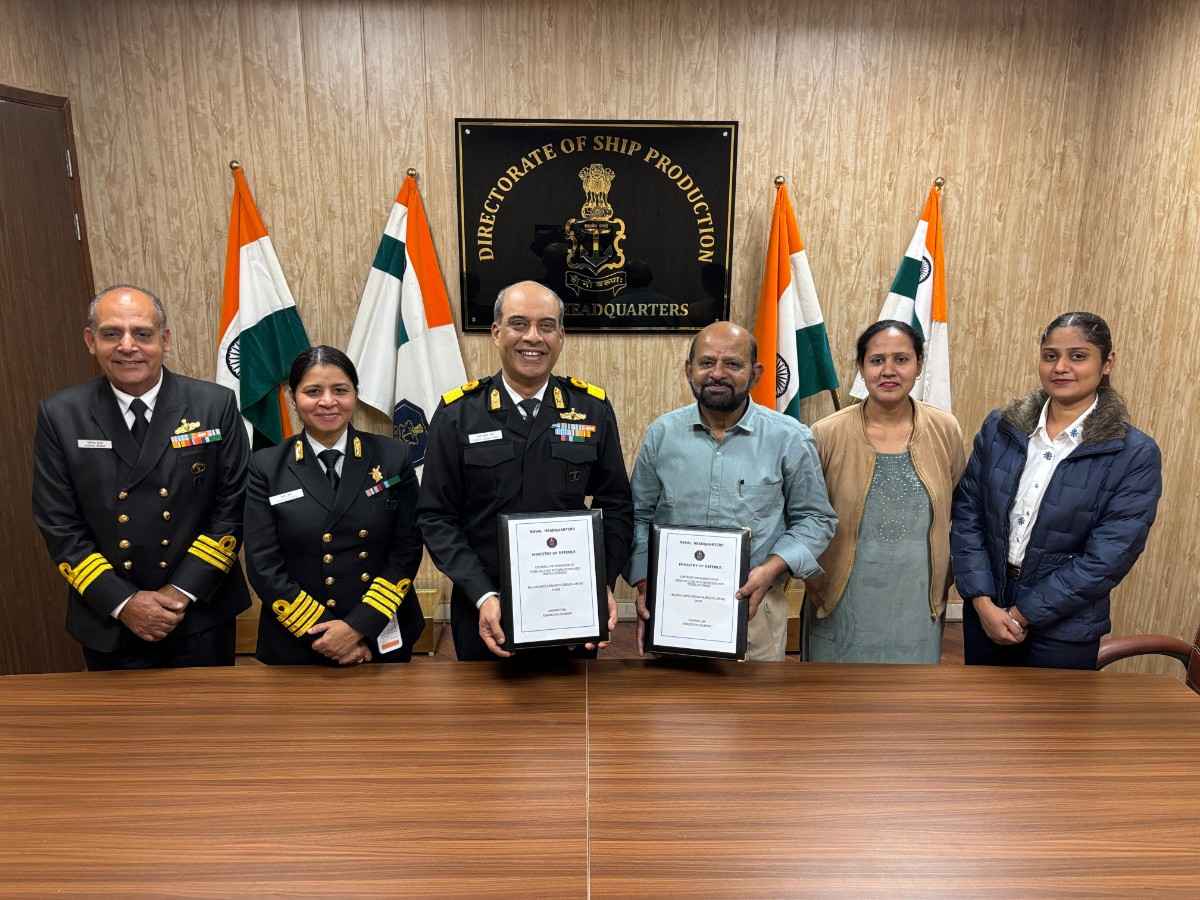
THANE : A contract for construction and delivery of 03 x 200T Bottom Opening Non-Propelled Barges has been concluded with M/s Suryadipta Projects Private Limited, Thane (MSME Shipyard) on 16 Jan 2026.

These Barges are the proud flag bearers of Make in India and Aatmanirbhar Bharat initiative of Govt. of India and will be built under the Classification Rules of Indian Register of Shipping (IRS).

With this Contract, Indian Navy has exhibited its strong commitment to encourage and bolster the growth of MSME Shipyards thereby contributing immensely towards the domestic shipbuilding Eco-system in lines of Maritime India Vision – 2030.

London Gateway Container Volumes up more than 50% to set New Annual Record

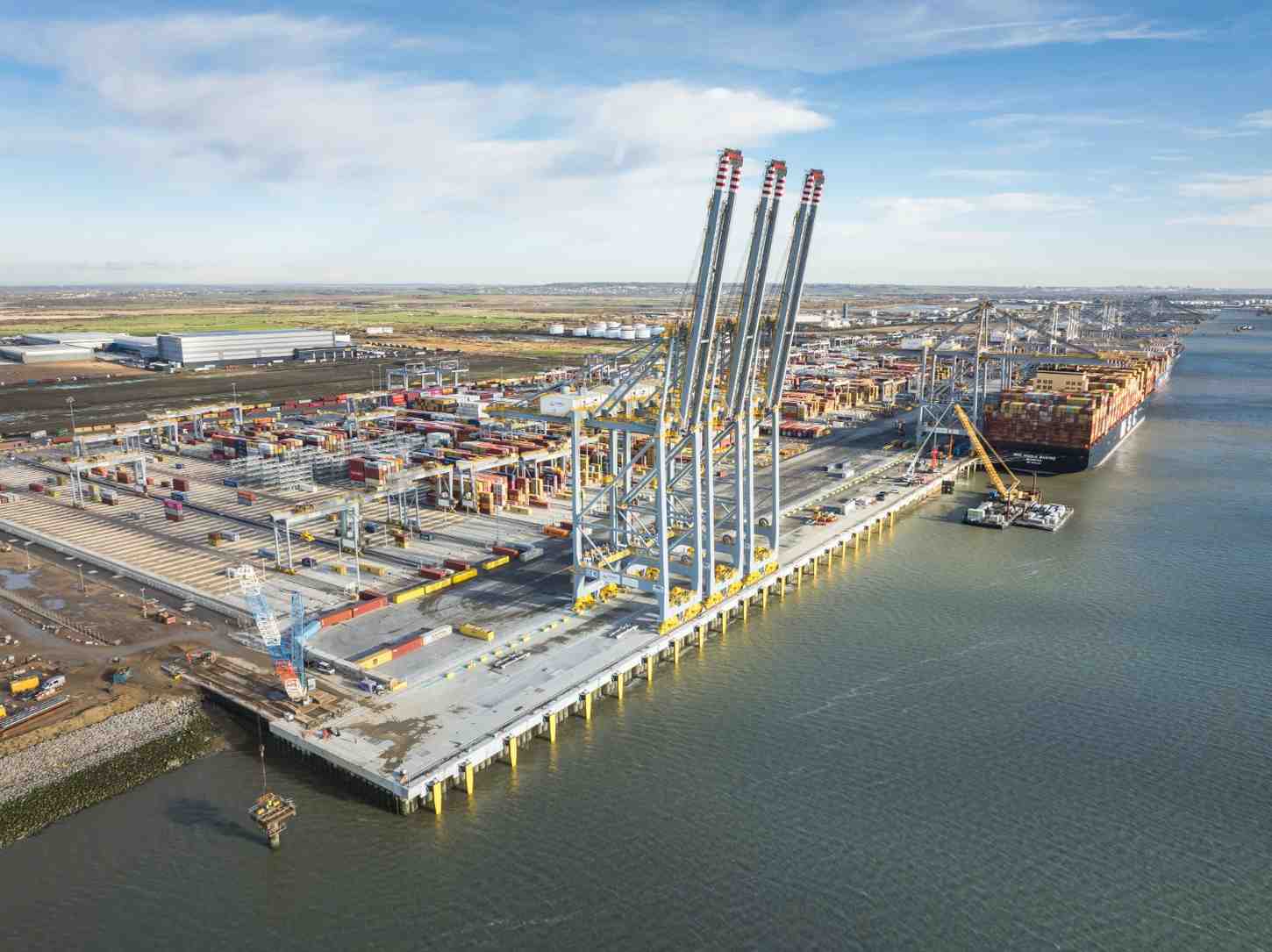
LONDON: DP World has set a new handling record at London Gateway, surpassing three million TEU (twenty-foot equivalent unit) in 2025, thanks to the newly operational fourth berth and the addition of vessel calls by the Gemini Cooperation’s Asia-Europe routes.

The three million milestone means London Gateway’s port saw growth of more than 52%, having achieved 1.9 million TEU in 2024, as it stays on track to become Britain’s most important container port.

DP World also saw growth at its Southampton terminal, which topped two million TEU, taking the company’s UK container total to more than five million in a national market totalling more than nine million TEU.

Construction is underway at London Gateway on two further all-electric berths in a £1bn investment that will take the total to six berths able to handle the world’s largest container ships. A second newly constructed rail terminal at the site started operations in 2025, while the site will also see the construction of a new BOXBAY container handling system in a £170m investment over the next two years.

Stephen Whittingham, Executive Vice President – North Europe, DP World, said: “Every container that moves through our terminals at London Gateway and Southampton is moving goods that underpin British business and daily life, from food on our shelves to products keeping manufacturers and high streets running. Our UK infrastructure plays a critical role in keeping these supply chains running quickly and efficiently, especially during the busiest times of the year.

“Surpassing five million TEUs at our UK terminals demonstrates how investment in capacity, technology and resilience is allowing DP World to move goods more reliably, sustainably and efficiently from ship to shop, continuing to raise the standard for end‑to‑end logistics.”

In further investment in its UK operations, DP World Southampton is scheduled to receive the first of its new quay cranes later this year, which will form the tallest quay crane fleet in Europe, as part of a £60m investment to future-proof operations at the Solent terminal.

Headquartered in Dubai, United Arab Emirates, DP World operates across more than 75 countries, enabling over 9% of global containerised trade.

UK-led Maritime Consortium sets out plan for nuclear-powered fleet 

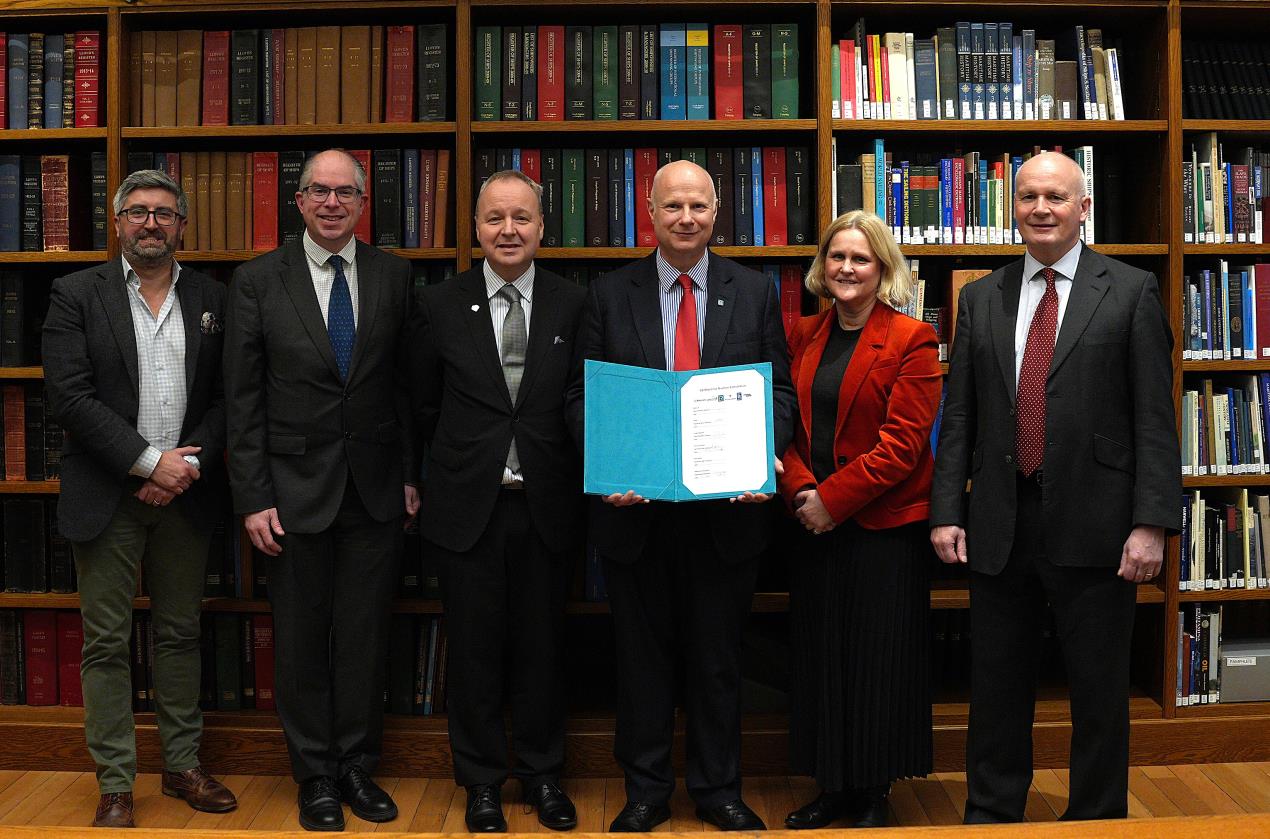
LONDON: The UK is taking a decisive step towards leading the global race to decarbonise shipping with the launch of the Maritime Nuclear Consortium. 

Convened by Lloyd’s Register (LR), the group unites leading expertise from the nuclear, maritime, insurance and regulatory sectors to set the highest international standards for safe, secure and commercially viable nuclear-powered ships. 

Maritime nuclear power is a proven, advanced and safe energy source that can tackle one of the toughest challenges in the energy transition. The next generation of advanced modular reactors (AMRs) will allow ships to sail for years without refuelling, with zero carbon emissions and rigorous safety built in from the start. 

Nuclear produces no CO₂. Reactors run for years, not weeks. With no need to trade efficiency for emissions standards, ships can run at full design speed instead of slow steaming. 

The core membership includes: 

  • Lloyd’s Register (Lead, Safety & Secretariat) 
  • Rolls-Royce (Reactor Design) 
  • Babcock International Group (Ship Design, Construction and Support)
  • Global Nuclear Security Partners (Security & Safeguards) 
  • Stephenson Harwood (Legal & Regulatory) 
  • NorthStandard (Insurance) 

The UK has a long history of leading maritime innovation and is now in a strong position to support the safe adoption of maritime nuclear power. With trusted regulators, world-class engineering and shipbuilding, and decades of naval nuclear experience, it has the credibility to shape international standards from the start.  

From London’s capital markets to northern engineering hubs, the UK also offers a complete ecosystem to support nuclear shipping – covering design, regulation, finance and insurance. 

But the window for leadership is narrowing. Other nations are moving quickly to set their own standards and develop technology. Without coordinated UK action, the chance to define the rules, create high-skilled jobs and anchor a global supply chain could be lost to faster competitors.  

Acting now would give the UK first-mover advantage, and ensure those standards, jobs and supply chains are built here. 

The consortium’s first programme will:  

  • Demonstrate a Statement of Design Acceptability (SODA) for a generic, site-licensed advanced modular reactor. 
  • Develop a class certification framework integrating nuclear and maritime regulation. 
  • Define a security and safeguards architecture to meet regulatory requirements. 
  • Establish insurability pathways for nuclear-powered vessels. 
  • Publish guidance for industry and government to accelerate safe adoption. 

Nick Brown, CEO of Lloyd’s Register, said: “Decarbonisation demands cleaner power, higher standards and a duty to the generations that follow. Nuclear is ready to meet that test. 

“Used safely in naval fleets for decades, the next generation of advanced modular reactors brings tougher safeguards and the chance to bring nuclear power into everyday commercial shipping. 

“If the UK leads on global standards, nuclear will mean more than zero-carbon ships. It will mean work in British shipyards, new business in the City, and lasting jobs for those who build, insure and sail the world’s fleet.” 

Jake Thompson, Director, Rolls-Royce Advanced Modular Reactors, said: “Energy transition is a growing priority across multiple industries and nuclear is increasingly seen as part of the solution.  

“We believe that the multi-sector collaboration from the Nuclear Maritime Consortium is a critical first step in the UK leading the development of the future international code for nuclear-powered vessels.

“Rolls-Royce is one of the world’s only nuclear reactor vendors with full lifecycle experience and end-to-end capability to credibly deliver these advanced technologies; based on proven, reliable power solutions in use across our business today.” 

Mike Salthouse, Head of External Affairs, NorthStandard, said: “Insurance plays a critical role managing the risks associated with, and fostering confidence in, new technologies. At the heart of that confidence are people. By bringing deep expertise in risk assessment, safety, and regulatory compliance, NorthStandard can provide industry with the assurance it needs to explore the potential of  innovative new applications for technologies such as civil nuclear marine. 

“Through our participation in the Maritime Nuclear Consortium, we will contribute not only technical knowledge but also human insight. We are helping shape the future of nuclear-powered shipping with a focus on safety, security, and accountability.  

“With the right people applying the right standards and joined up regulation, maritime nuclear power can become a transformative force – advancing decarbonisation, supporting commercial viability, and guiding the shipping industry towards net-zero emissions.” 

Nick Tomkinson, Senior Partner at GNSP, said: “Maritime nuclear will only succeed when safety, security and safeguards are considered together from the start.  

“This guidance document helps first movers align maritime and nuclear frameworks, apply goal-based approaches where prescriptive rules are absent, and build the confidence required by regulators, insurers and the public. GNSP is proud to contribute to this important step for the sector.” 

Kirsti Massie, Partner at Stephenson Harwood, added: “Nuclear power has the potential to turbo-charge the UK’s energy transition and efforts to reduce carbon emissions. By bringing this Consortium together the UK has the opportunity to turn that potential into progress and set the global standards that can be used for generations to come.” 

More than 700 marine nuclear reactors are in operation in naval fleets worldwide. The challenge is to adapt that technology for commercial use. By shaping rules for emerging reactor designs, the UK aims to position itself as a leading developer of maritime nuclear power and contribute to the net zero ocean economy. 

Maria Taboada, Babcock’s Marine Engineering Director, said: “The transition to nuclear-powered shipping is not just as a technological advancement, but a strategic move to secure the UK’s maritime leadership. Babcock is one of the core members of the consortium bringing decades of experience from naval nuclear programmes and will be responsible for the engineering and integration of nuclear technologies into a maritime vessel.

“We are proud to contribute to a team that’s actively building the future of maritime nuclear power working to define the future of clean shipping through UK-led innovation.”


SDC 12: Shipping Must Expedite Action on Underwater Noise – Clean Shipping Coalition

LONDON: As a meeting of the International Maritime Organization’s (IMO) Sub-Committee on Ship Design and Construction (SDC 12) opened on Monday in London, the Clean Shipping Coalition called for member states to ensure that technical needs that directly support policy tools are prioritised and not delayed by IMO member states, and that member states expedite action to reduce underwater noise from shipping globally.
 
“SDC 12 provides an opportunity for member states to ensure that shippers are getting clear technical guidance on the work they need to do in order to advance IMO policies that will assure the reduction of shipping noise”, said Sarah Bobbe, Senior Manager, Arctic Program at Ocean Conservancy. “So far, this work remains insufficient relative to the growing threats faced by regions experiencing increased shipping traffic, such as the Arctic, underscoring the need for parallel policy advancement through the IMO’s Marine Environmental Protection Committee in the coming months.”
 
For many marine organisms sound is the most important means of communication. Under water vision is restricted and without good hearing ability, elementary functions such as navigating, finding prey and partners can be hampered. This is of particular importance for marine mammals, and also for fish and even invertebrates.
 
Submitted by the Clean Shipping Coalition, SDC 12/8/3 shares the findings of a study on the potential underwater radiated noise (URN) impacts of LNG development on marine mammals in the Gulf of California. The paper examines the potential effects of URN from LNG tanker traffic on migratory and resident whales, as well as related impacts on air quality and greenhouse gas (GHG) emissions.

The proposed LNG terminals and the resulting increase in LNG tanker traffic are expected to pose serious threats to the Gulf of California’s unique biodiversity and conservation areas, including those designated as a UNESCO “World Heritage Site” and “Important Marine Mammal Areas”. These developments increase the risks of air, water, and underwater noise pollution. Given the Gulf of California’s critical ecological role—particularly as a habitat for resident and migratory marine megafauna—a precautionary approach to industrial development is essential. It is increasingly evident that the region’s ecological integrity is incompatible with the scale and nature of heavy marine traffic associated with proposed LNG facilities. 

Many regions, such as in the Arctic and the Gulf of California in Mexico, share similar potential impacts from underwater noise, and both have seen low shipping traffic in the past. Shipping traffic has been increasing in the last decade in the Arctic, while in the Gulf of California the developing LNG infrastructure will bring unprecedented vessel traffic to a marine area with enormous ecological value, in particular for marine mammals. 

“Our recommendations to SDC 12 for the Gulf of California are equally important for the Arctic as both regions could see devastating impacts from future increased shipping, especially from LNG tankers, for marine wildlife particularly sensitive to noise, like marine mammals”, said Andrew Dumbrille, Co-Founder and Director of Equal Routes. “The recommendations include: acknowledging the irreversible impacts of underwater noise caused by LNG tanker traffic on marine mammals’ behaviours and habitat; promoting the development of ship design that takes into account the serious damage underwater noise causes to the marine habitat; and opposing LNG traffic in critical ecological marine areas because of, among others, the underwater noise pollution it causes, affecting marine mammals and other marine species. Both the Gulf of California and the Arctic are marine areas of incredible ecological, social and biodiversity importance for the planet, the impacts of increased noise would change the quality of the marine habitats irrevocably.”
 
Relevant IMO Paper Submissions

 
About Underwater Noise:
For many marine organisms sound is the most important means of communication. Under water, vision is restricted and without good hearing ability, elementary functions such as navigating, finding prey and partners can be hampered. This is of particular importance for marine mammals, and also for fish and even invertebrates.
 
The most important source of continuous underwater noise in shipping is cavitation, or production of vacuum bubbles by propellers. The noise produced by this process leads to masking, where the frequency of ship noise overlaps with sound produced and used by marine mammals.

IMO welcomes entry into force of the BBNJ Agreement

LONDON: The Biodiversity Beyond National Jurisdiction (BBNJ) Agreement targets sustainable use of marine biodiversity in international waters.

The world’s first global treaty to protect ocean life in international waters enters into force on 17 January 2026, bringing into effect legally-binding rules for the sustainable use and management of marine resources in the high seas.

Formally known as the Agreement under the United Nations Convention on the Law of the Sea on the Conservation and Sustainable Use of Marine Biological Diversity of Areas beyond National Jurisdiction (BBNJ Agreement), the treaty addresses:

  • Marine genetic resources, including the fair and equitable sharing of benefits;
  • Measures such as area-based management tools, including marine protected areas;
  • Environmental impact assessments; and
  • Capacity-building and the transfer of marine technology.

Welcoming this milestone, IMO Secretary-General Mr. Arsenio Dominguez said:

“The world has demonstrated that countries can come together with a common vision and build a framework to manage the ocean sustainably while ensuring its benefits are shared fairly amongst all humanity. Now we must continue working together to put these rules into action. IMO is ready to support the BBNJ implementation within IMO’s sphere of expertise.”

Shipping and marine environment protection on the high seas
Ships trading across the world’s oceans are subject to stringent environmental, safety and security rules, which apply throughout their voyage.

IMO has developed more than 50 globally-binding treaties and other measures to support shipping’s sustainable use of the oceans, enforced through a well-established system of flag, coastal and port State control.

IMO instruments that actively contribute to the conservation of marine biological diversity in areas beyond national jurisdiction, include, among others:

  • International Convention for the Prevention of Pollution by Ships (MARPOL)
  • International Ballast Water Management Convention, which aims to prevent the transfer of potentially invasive aquatic species; and
  • London Convention and Protocol, regulating the dumping of wastes at sea.
  • A new legally-binding framework is currently being developed to address shipsʹ biofouling and minimize the transfer of invasive aquatic species.

In addition, IMO has adopted numerous protective measures, including designating Particularly Sensitive Sea Areas (PSSAs), Special Areas and Emission Control Areas in which a high level of protection and stricter rules apply to prevent sea pollution. IMO has also issued guidance on protecting marine life from underwater ship noise.

The BBNJ Agreement enters into force following its adoption in June 2023 – a culmination of decades of negotiations and preparatory works. More than 80 nations have ratified the Agreement to date.

Baltic index extends gains as all vessel segments rise

LONDON: The Baltic Exchange’s Dry Bulk Sea Freight index, which tracks rates for vessels transporting dry bulk commodities, rose for a second straight session on Monday, lifted by gains across all vessel segments.

The main index, which tracks rates for capesize, panamax and supramax vessels, rose 83 points, or 5.3%, to 1,650, a one-week high.

The capesize index added 179 points, or 8.1%, to 2,403.

Average daily earnings for capesize vessels, which typically transport 150,000-ton cargoes such as iron ore and coal, increased $1,623 to $18,293.

Iron ore futures fell to two-week lows as a raft of data from top consumer China highlighted persistent weakness in the property market, raising concerns about demand for the key steelmaking ingredient.

The panamax index gained 63 points, or 4.3%, to 1,521.

Average daily earnings for panamax vessels, which usually carry 60,000 to 70,000 tons of coal or grain, increased $568 to $13,688.

Among smaller vessels, the supramax index ticked up by 3 points to 970.
Source: Reuters

PM Narendra Modi dedicates Waterways and Railways Infra worth ₹830 Crores in WB

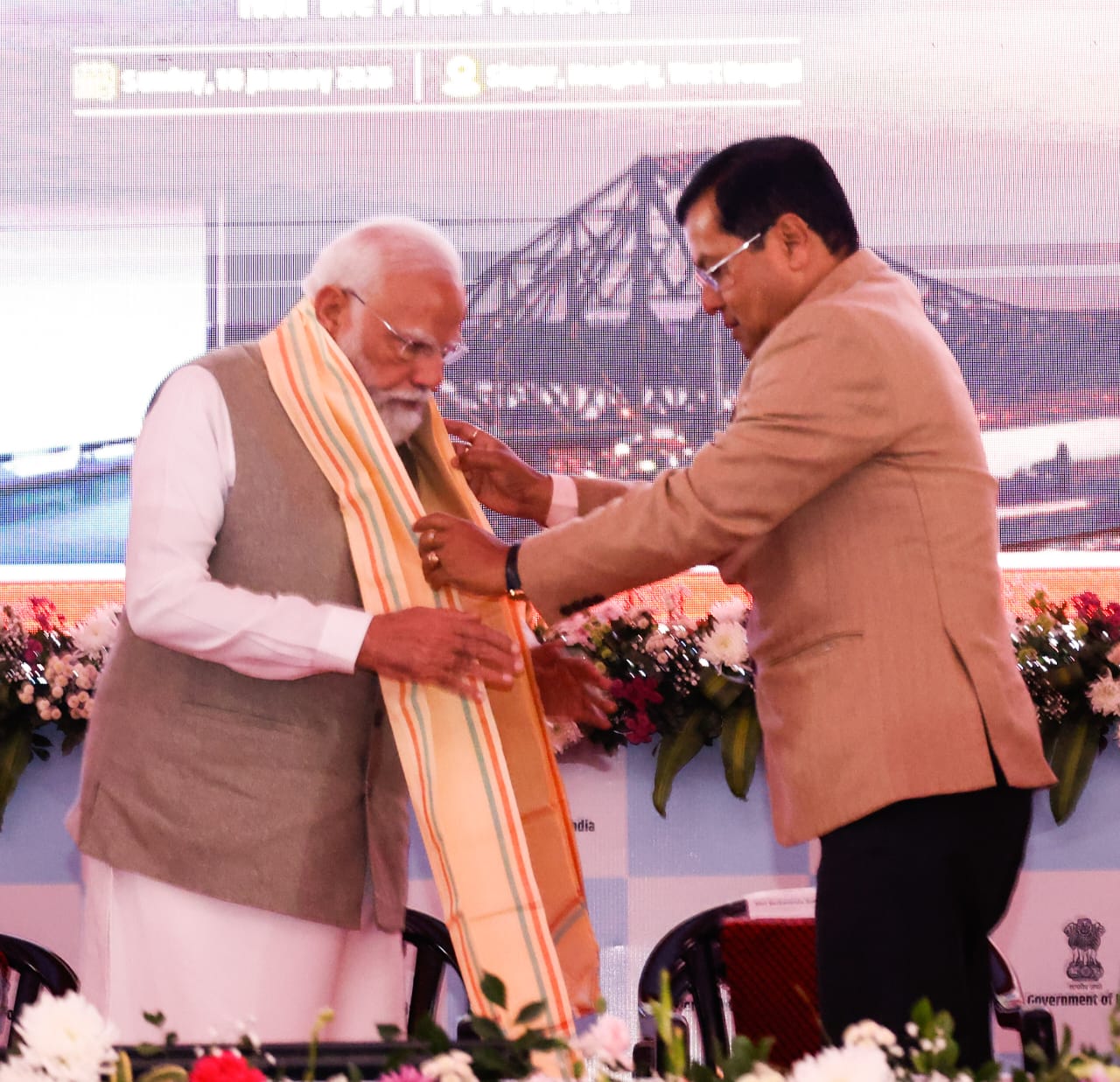
KOLKATA : Prime Minister Shri Narendra Modi inaugurated, laid the foundation stone of and flagged off various development projects worth more than ₹830 crore at Singur in Hooghly district, West Bengal on Saturday.

Addressing the gathering on the occasion, Shri Modi remarked that yesterday he was in Malda and he had the privilege of being among the people in Hooghly. He highlighted that for a developed India, the development of Eastern India is essential, and with this goal the Union Government is continuously working. He stated that the programmes of yesterday and today strengthen this resolve. The Prime Minister noted that during this period he had the opportunity to lay the foundation stone and inaugurate projects worth hundreds of crores related to the development of West Bengal.

WhatsApp Image 2026 01 18 at 5.45.03 PM PM Narendra Modi dedicates Waterways and Railways Infra worth ₹830 Crores in WB

PM Modi highlighted that yesterday the country’s first Vande Bharat Sleeper Train was launched from West Bengal. He added that Bengal has als received nearly half a dozen new Amrit Bharat Express trains. He remarked that today three more Amrit Bharat Express trains have been launched. He pointed out that one of these trains will further strengthen the connectivity between his parliamentary constituency Varanasi and Bengal. He further stated that Amrit Bharat Express trains have also been launched for Delhi and Tamil Nadu. The Prime Minister underlined that the past 24 hours have been
unprecedented for West Bengal’s rail connectivity.

PM Modi observed that Bengal has immense potential for waterways and the Union Government is working on this as well. He noted that assistance is being provided to build the necessary infrastructure for port-led development.

He stated that a short while ago, projects related to ports and river waterways were also inaugurated and foundation stones laid. He emphasised that these are very important for the development of West Bengal and India. He remarked that these are the pillars on which West Bengal can be developed into a major hub of manufacturing, trade, and logistics. The Prime Minister congratulated everyone for these projects.

“The dedication of infrastructure projects worth ₹830 crore marks a major step in scaling up waterways and rail-based transportation in West Bengal. These projects will significantly enhance cargo movement, strengthen multimodal connectivity and ensure smoother passenger travel through modern, safe and energy-efficient transport systems, while accelerating economic activity and employment generation across the region,” said Union Minister, Shri Sarbananda Sonowal on the occasion.

Speaking about the decisive leadership of Prime Minister Shri Narendra Modi for revival and rejuvenation of the Inland Waterways on the occasion Sarbananda Sonowal, Union Minister of Ports, Shipping & Waterways (MoPSW), said, “For decades, India’s inland waterways remained largely untapped despite their immense potential. Under the visionary leadership of Prime Minister Narendra Modi, this sector has been comprehensively transformed into a modern, efficient and economical mode of transportation.
Today, inland waterways are emerging as a vital pillar of India’s multimodal logistics network, reducing congestion on roads and railways, lowering logistics costs and driving sustainable growth across the country.”

In a major push to strengthen river-based logistics and promote sustainable inland water transport, projects worth ₹552 crore were launched under the ports and inland waterways sector, marking a significant step toward decongesting traditional cargo routes and expanding multimodal connectivity.

A key highlight was the inauguration of the Extended Port Gate System at Balagarh, developed by the Syama Prasad Mookerjee Port Authority (SMPA). Located about 45 nautical miles upstream from Kolkata, the facility is aimed at easing congestion at the Kolkata Dock System while enabling efficient
movement of cargo through inland waterways.

The Balagarh facility includes a modern barge terminal with two berths capable of handling containerised and coal cargo, with a projected capacity of 2.7 million tonnes per annum. The terminal is seamlessly integrated with National Waterway-1 (Ganga–Bhagirathi–Hooghly) and is supported by road
and rail connectivity, strengthening multimodal logistics across the eastern region.

Supporting infrastructure at the site includes a newly constructed road overbridge and advanced dredging facilities, enabling uninterrupted year round navigation and improved turnaround time for cargo vessels.

As part of the clean transport initiative, the Prime Minister also launched a 50-passenger hybrid electric aluminium catamaran, marking a major milestone in the transition toward green inland water transport. Developed at a cost of ₹12 crore, the vessel is powered by advanced lithium-titanate battery technology, offering an energy-efficient and environmentally sustainable option for passenger movement on inland waterways in Kolkata.

“West Bengal has always been the gateway to India’s maritime trade, and under PM Modiji’s leadership, the state is once again emerging as a growth engine for eastern India. With strengthened ports, inland waterways and rail connectivity, Bengal is becoming a vital link between the rest of the country
and the Northeast, reinforcing the Prime Minister’s vision of making eastern India the centre of India’s next development journey,” added Sonowal.

The initiatives are aligned with the government’s broader vision of leveraging inland waterways as a cost-effective, environment-friendly and reliable mode of transport, while enhancing port-led development and reducing pressure on road and rail networks.

Strengthening rail connectivity, the Prime Minister inaugurated railway infrastructure projects worth ₹280 crore and flagged off new passenger services to improve regional and long-distance travel. Key initiatives included the commissioning of the 15-km Jayrambati–Barogopinathpur–Maynapur rail section, part of the 83-km Tarakeswar–Bishnupur rail project, expected to spur socio-economic development in Bankura district. A new passenger train between Jayrambati and Maynapur was also flagged off, benefiting daily
commuters and students. In addition, three Amrit Bharat Express services were launched to enhance national connectivity — linking Santragachi with Tambaram, Howrah with Anand Vihar Terminal, and Sealdah with Banaras — strengthening economic, cultural and religious corridors across the country.

The inauguration, conducted virtually from Singur, reflects the Government of India’s commitment to strengthening logistics, mobility and regional connectivity in West Bengal and the Eastern region. Governor of West Bengal, Shri C V Ananda Bose, Union Ministers, Shri Sarbananda Sonowal, Shri Shantanu Thakur, Shri Sukanta Majumdar were present among other dignitaries at the event.

These projects reflect the Modi Government’s integrated and future-oriented approach to infrastructure development, combining sustainable inland water transport with modern rail connectivity. Together, they are expected to reduce logistics costs, ease congestion, improve passenger mobility and reinforce
West Bengal’s role as a vital gateway for trade and connectivity between India’s mainland and the North-Eastern region.

CM Vijayan to inaugurate Vizhinjam Port’s second phase on Jan 24

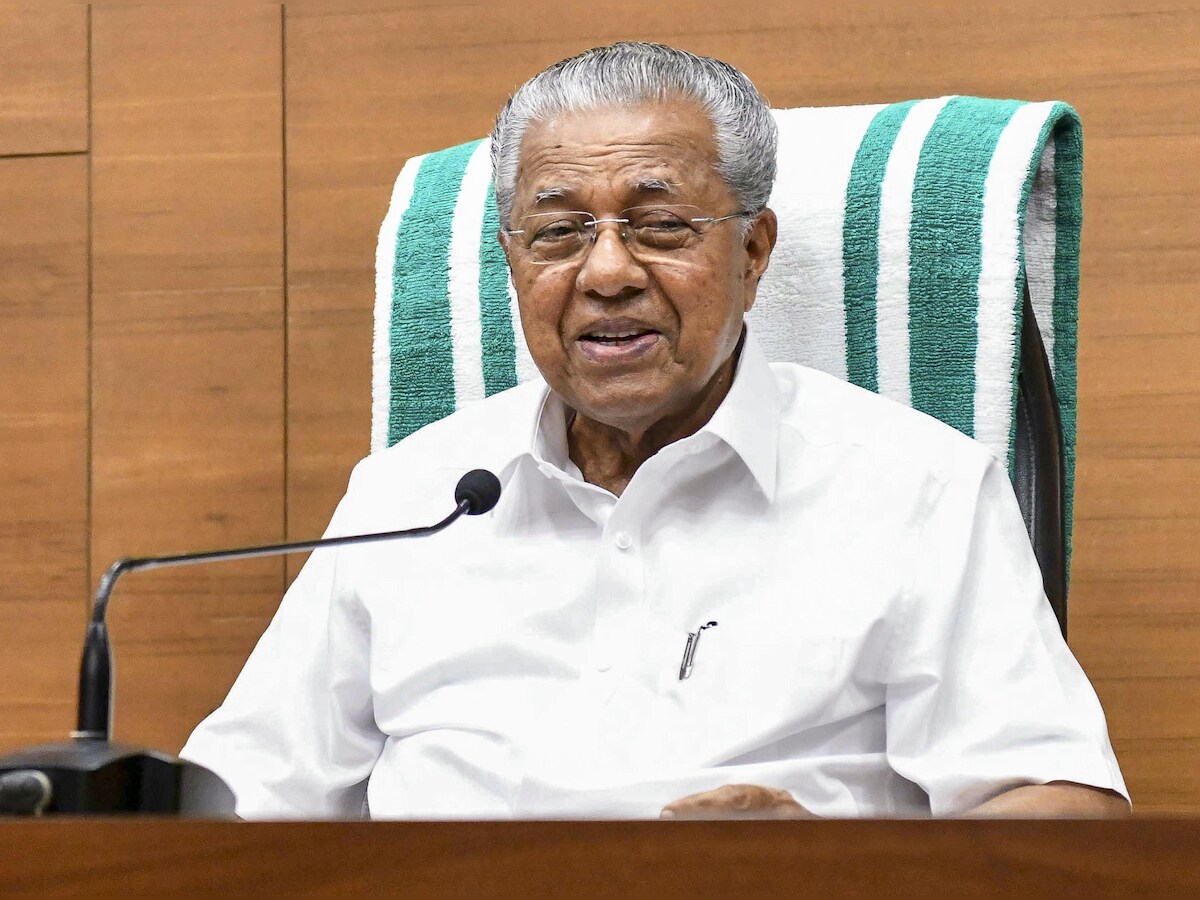
THIRUVANANTHAPURAM : Chief Minister Shri Pinarayi Vijayan will inaugurate the second phase of development of the Vizhinjam International Seaport on January 24. The inauguration ceremony will be held at 4 pm on the same day, the CMO said in a statement.

Along with the second phase of development, EXIM cargo services and a new port road connecting the transshipment hub to the National Highway bypass will also be inaugurated, the statement said.

The ceremony will also mark the inauguration of Exim Cargo services, enabling import and export operations at the port, and the opening of a new port road connecting the facility to the National Highway Bypass.

The project, with an investment of about ₹10,000 crore, will significantly expand the port’s capacity. Once completed, the port’s annual handling capacity will increase from 15 lakh TEUs to 50 lakh TEUs.

As part of the second phase, the berth length will be expanded from 800 metres to 2,000 metres, while the breakwater will be extended from 3 km to 4 km. The phase also includes the development of a railway yard, a multi-purpose berth, a liquid terminal, and a tank farm.

The inauguration ceremony will be held at 4 pm on the same day, the CMO said in a statement.
Along with the second phase of development, EXIM cargo services and a new port road connecting the transshipment hub to the National Highway bypass will also be inaugurated, the statement said.
The project, with an investment of around Rs 10,000 crore, is expected to significantly enhance the port’s capacity. Upon completion, the annual handling capacity will increase from 15 lakh Twenty-foot Equivalent Units (TEUs) to 50 lakh TEUs.

As part of the second phase, the berth length will be expanded from the existing 800 metres to 2,000 metres, while the breakwater will be extended from 3 km to 4 km. The phase will also include the development of a railway yard, a multi-purpose berth, a liquid terminal and a tank farm, the statement added.

Source ; PTI

Devendra Fadnavis set to promote Maharashtra growth story at Davos

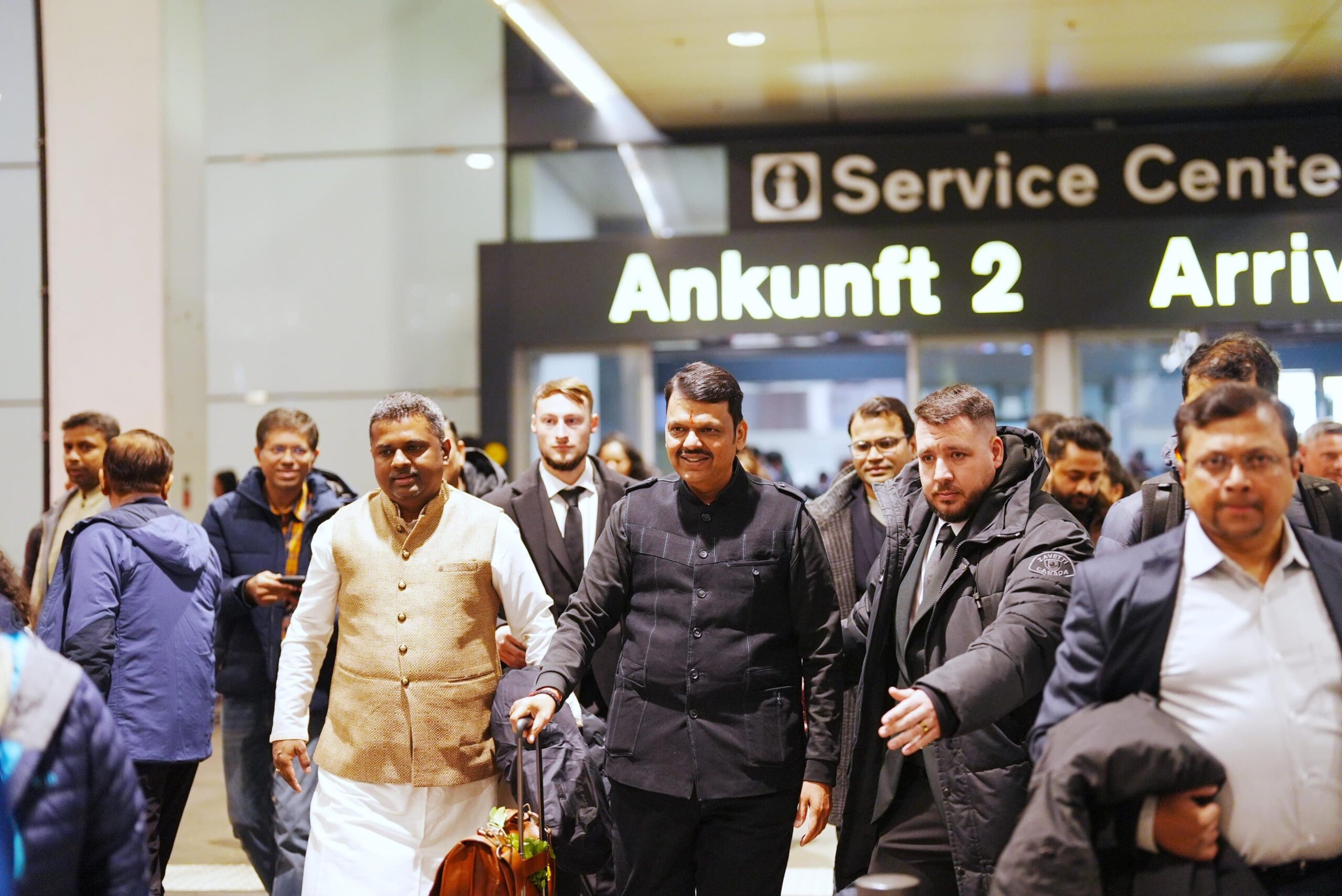
ZURICH: Maharashtra Chief Minister Shri Devendra Fadnavis is set to represent his state at the annual World Economic Forum 2026 at Davos.

Indian Ambassador to Switzerland Mr. Mridul Kumar extended a warm welcome to Maharashtra Chief Minister as he landed at Zurich, Switzerland on Saturday evening.

In a post on X just before his departure from Mumbai, Fadnavis wrote that with Maharashtra’s blessings, he was travelling to Davos, Switzerland for the WEF 2026.

“Determined to strengthen Magnetic Maharashtra as India’s growth engine on the world stage. Look forward to newer MahaGrowth stories!,” he added in the X post.

The World Economic Forum (WEF) will convene its 56th Annual Meeting in Davos from January 19 to January 23, 2026, bringing together nearly 3,000 leaders from more than 130 countries at a moment of heightened geopolitical tension, economic uncertainty and rapid technological transformation.

Held under the theme “A Spirit of Dialogue,” Davos 2026 seeks to provide an impartial platform for global leaders from government, business and civil society to reconnect, rebuild trust and explore collaborative solutions to challenges that increasingly transcend borders.

This year’s programme is shaped by ongoing geopolitical realignments, slowing global growth, trade frictions and accelerating technological change. Across sessions on geopolitics, growth and global governance, participants will explore how cooperation can be renewed amid contested norms, strained alliances and eroding trust.

The Annual Meeting is expected to see record levels of government participation, with around 400 top political leaders, including nearly 65 heads of state and government and six leaders from the G7, taking part.