Home Blog Page 47

Prozo’s Logistics Business Scales to ₹125+ Cr ARR as Integrated Supply Chain Platform Grows 50% YoY

NEW DELHI: Prozo, a full-stack supply chain company serving omnichannel brands, has recorded 50% YoY growth in FY26 vs FY25, with a CAGR of 62% since 2022. Its logistics business has scaled to ₹125+ Cr ARR, while its multi-client fulfilment network has reached 1.5+ Mn sq. ft. across India. The company has remained EBITDA positive for eight quarters and PBT positive for the last four quarters.

Prozo serves brands across FMCG, apparel, beauty and personal care, home and kitchen, industrial products and other consumer categories, with a largely sector-agnostic operating model. As these brands expand across D2C, marketplaces, general trade, modern trade and emerging commerce channels, their supply chains are becoming increasingly fragmented across inventory pools, fulfilment locations and service-level requirements.

Prozo operates through both 3PL and 4PL models. Under its 3PL model, the company leases facilities, deploys capital expenditure and directly manages warehouse operations. Its 4PL model works with regional warehouse and logistics operators, with Prozo providing technology, operating oversight and Control Tower capabilities. The model can also accommodate clients’ existing technology, depending on their requirements. The company currently has 10+ 4PL fulfilment centres, covering 2 lakh+ sq. ft., with brands such as Traya, Plix and SolarSquare using the network to access fulfilment capabilities across markets.

Prozo aims to build a 1,000+ warehouse network over the next three years, combining its 3PL and 4PL footprint to expand coverage across Tier 2 and Tier 3 markets. The model is designed to increase geographic reach while giving brands access to distributed fulfilment infrastructure without requiring them to build and manage their own networks.

Technology provides the execution and governance layer across Prozo’s network. ProWMS manages warehouse and fulfilment execution, while ProShip powers transportation workflows across D2C, B2B and other freight movements. Prozo’s platform integrates with leading marketplaces, OMS platforms and enterprise systems, including Unicommerce, EasyEcom, Vinculum and SAP. These integrations feed into the Control Tower, helping bring operational information together across channels and partners.

Sitting above the execution layer is Prozo’s Control Tower, which provides end-to-end visibility, SLA governance, exception management and operational oversight across locations, channels and logistics partners. This becomes increasingly important in an omnichannel environment where demand can shift rapidly, inventory is distributed across multiple locations and service-level commitments vary across marketplaces, D2C, general trade, modern trade and other fulfilment formats.

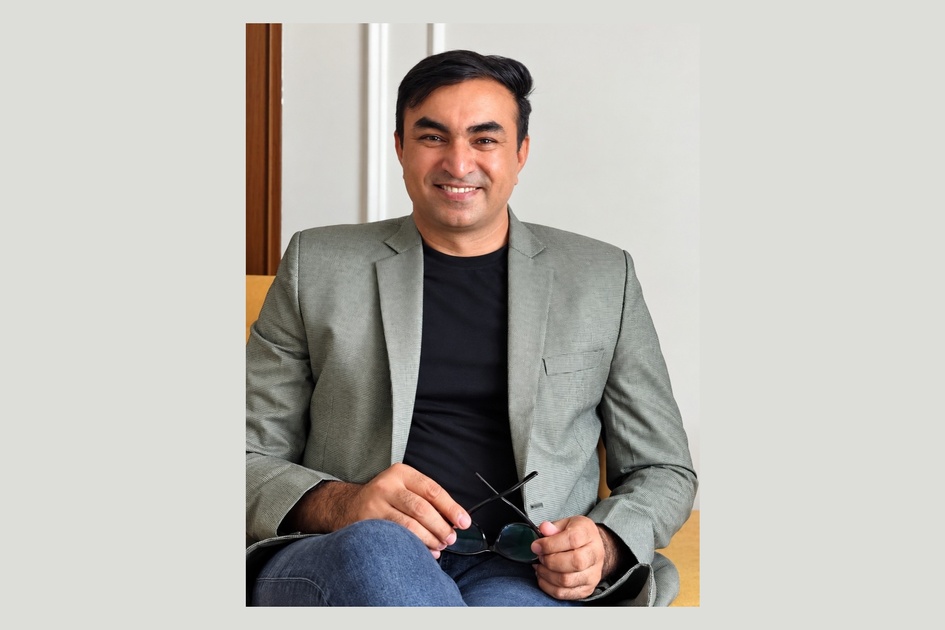
Dr. Ashvini Jakhar,(Pic above) Founder and CEO, Prozo, said, “We have evolved from a warehousing business into an integrated supply chain platform spanning fulfilment, logistics and technology. Brands today are operating across multiple channels and geographies, each with different demand patterns, inventory requirements and SLAs. The challenge is therefore not only access to distributed infrastructure, but having visibility and control across the entire network. Our focus is to deepen our physical network, strengthen our execution technology and Control Tower capabilities, and give brands the flexibility and operating control they need as they scale.”

With logistics becoming an increasingly important part of its offering, Prozo is continuing to expand its geographic coverage, fulfilment network and technology capabilities. The company is focused on building a distributed supply chain infrastructure that allows brands across sectors to enter new markets and channels while maintaining greater visibility, flexibility and control over their operations.

Ports encouraged to prepare now for advanced nuclear in maritime and clean energy

New joint Lloyd’s Register and British Ports Association paper sets out a practical readiness pathway for ports considering nuclear-powered vessels, floating power and small modular reactors.

LONDON: Ports should begin structured planning for advanced nuclear technology now, treating it as a long-term infrastructure and operating-model question rather than a new marine fuel, according to a new joint paper from the British Ports Association (BPA) and Lloyd’s Register (LR).

Advanced Nuclear Technology Use Within Port Environments outlines how nuclear could support ports’ growing demand for reliable, low-carbon power while creating new maritime and industrial opportunities. Potential applications include nuclear-powered ship calls, floating or transportable nuclear power units, and land-based small modular reactors or micro reactors to power port operations and support fuel production.

The report finds that the most significant barriers are not solely technical. Regulatory alignment, governance, emergency preparedness, liability, insurance, workforce capability and public confidence will all be critical to safe and commercially viable deployment.

It calls on ports to integrate nuclear scenarios into their established marine safety-management systems, rather than create a parallel regime. Existing disciplines used to manage dangerous goods, hazardous cargoes, security zones and high-consequence operations provide a strong foundation, but will need additional nuclear-specific evidence, competence, monitoring and regulatory interfaces.

For ports, the opportunity extends beyond accommodating nuclear-powered vessels. Advanced reactors could provide baseload electricity for port estates, shore power, cargo-handling equipment, cold storage and neighbouring industry, as well as heat and electricity for hydrogen and synthetic fuel production. Ports could also develop high-value capabilities in shipbuilding, reactor-module integration, inspection, maintenance, specialist logistics and decommissioning.

Mark Tipping, Global Offshore Power-to-X Director at Lloyd’s Register, said: “Advanced nuclear has the potential to transform ports from energy consumers into resilient, low-carbon energy and industrial hubs. But realising that opportunity will depend on more than technology alone. Ports need to further assess governance, proportionate assurance and early collaboration across the maritime and nuclear sectors. By starting that work now, port leaders can build the evidence, capability and public confidence needed to make informed decisions as the market develops.”

Richard Ballantyne, Chief Executive at BPA, said: “For ports, the opportunities for advanced nuclear go beyond receiving a nuclear-powered ship. They are already planning for significant changes in energy demand, infrastructure and the vessels they serve. Advanced nuclear may not be the right solution for every port, but it is important that the sector understands the potential applications and starts asking the right questions early on.”

The paper proposes a tiered readiness model, enabling each port to adopt a proportionate level of ambition: from becoming ‘nuclear-aware’, with the ability to assess enquiries and engage authorities, through to ‘nuclear-ready’ and ‘nuclear-enabled’, or ultimately operating as a nuclear energy hub.

Recommended no-regret actions include mapping stakeholders, assessing future energy demand and grid constraints, engaging regulators early and preparing clear, evidence-led communications for workforces and local communities.

The report also sets out a staged pathway from initial orientation and feasibility assessment to development and delivery. This is designed to help ports build evidence and confidence before major capital is committed, recognising that advanced nuclear will not be appropriate for every location.

International regulation remains a central challenge. Existing maritime nuclear frameworks pre-date today’s advanced reactor designs, while nuclear and maritime safety regimes are often insufficiently integrated. The paper highlights the importance of ports, governments, regulators, classification societies, insurers and technology developers working together to clarify responsibilities and shape workable national and international approaches.

Recent port-focused work, including the assessment of a nuclear-powered feeder containership calling at the Port of Rotterdam, indicates that nuclear ship calls can be considered through safety themes already familiar to ports, provided nuclear-specific requirements are incorporated systematically.

The BPA and LR conclude that preparation should precede procurement. Ports that begin proportionate planning now will be better placed to make informed investment decisions, maintain public confidence and influence the regulatory and commercial frameworks that will determine nuclear’s role in the next generation of maritime infrastructure.

Download a copy of the report: Advanced nuclear technology use within port environments | LR

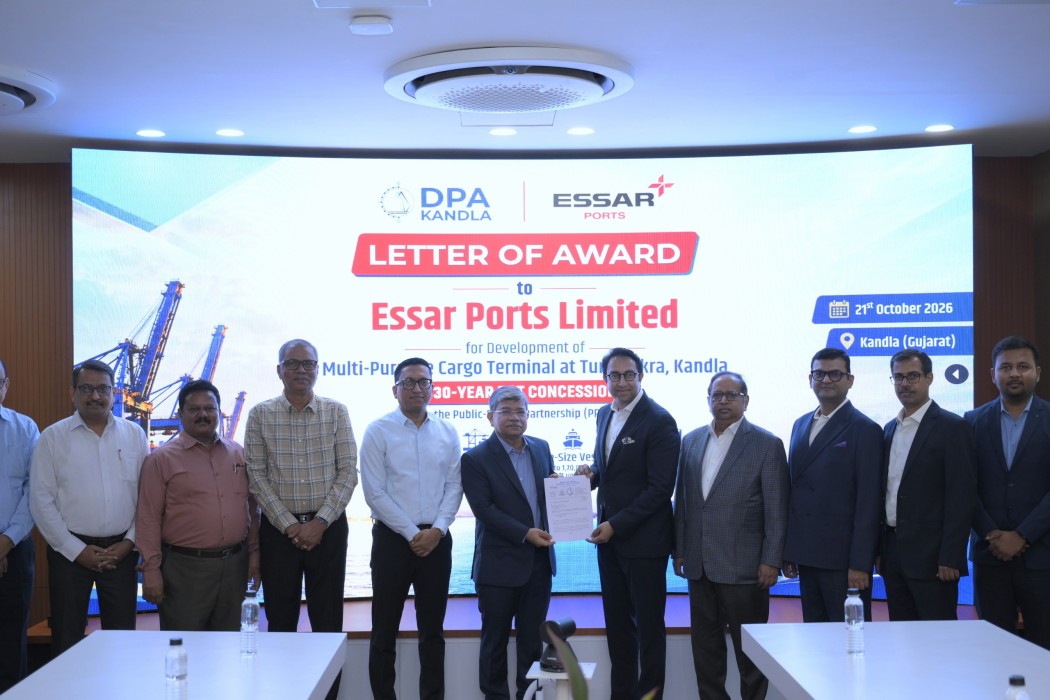
DPA Kandla issues LoA to Essar Ports Ltd for development of multi-purpose cargo terminal at Tuna Tekra, Kandla

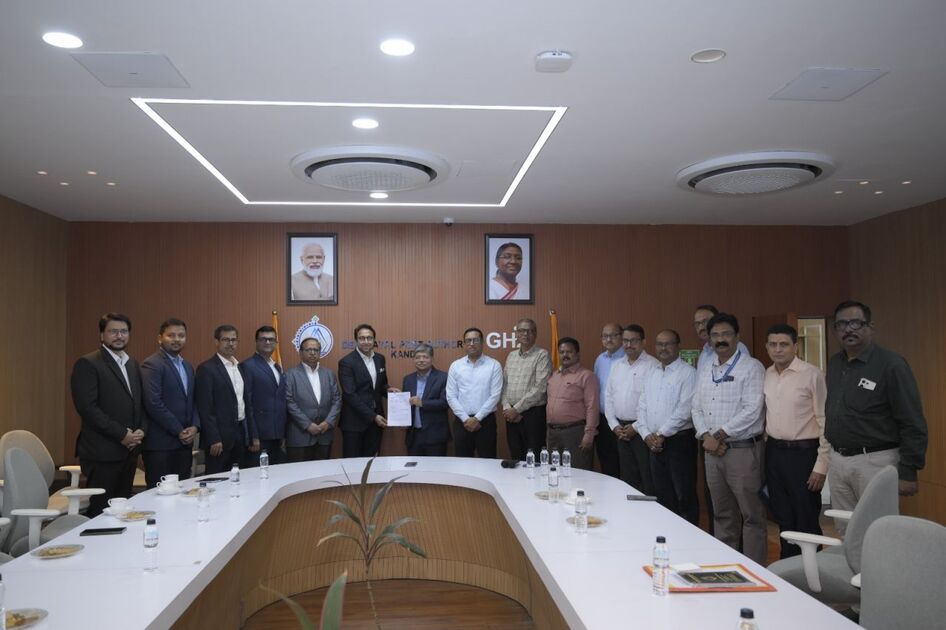
GANDHIDHAM: Deendayal Port Authority, Kandla, a Mega Port on India’s western coast, has issued the Letter of Award (LoA) to M/s Essar Ports Limited on 21st October 2026 for development of the Multi-Purpose Cargo Terminal at Tuna Tekra, Kandla. The project will be implemented on a Build-Operate-Transfer (BOT) basis under the Public-Private Partnership (PPP) mode for a concession period of 30 years, marking a significant step towards strengthening India’s maritime infrastructure.

M/s Essar Ports Limited emerged as the highest bidder through a global competitive bidding process, offering a royalty of ₹61 per tonne payable to DPA. The terminal will be developed on the eastern side of the Mega Container Terminal of DPA being developed by DP World under PPP Mode at Tuna Tekra. The project is expected to augment DPA’s multipurpose cargo-handling capacity and support the long-term growth of domestic and EXIM trade.

Under the visionary leadership of Hon’ble Prime Minister Shri Narendra Modi ji, India is witnessing a transformative era of maritime infrastructure development, driven by the vision of Viksit Bharat and port-led economic growth. Aligning with this vision, DPA Kandla, is rapidly emerging as a strategic gateway to global trade, maritime connectivity and economic prosperity, with world-class infrastructure, enhanced cargo-handling capabilities and sustainable development initiatives positioning Kandla as a major catalyst in India’s journey towards becoming a global maritime powerhouse.

On the occasion, Shri Sushil Kumar Singh, IRSME, Chairman, DPA, formally handed over the Letter of Award to Mr. V. Srinivasan, Operating Partner-Infrastructure Vertical, and Mr. Ashish Rajgarhia, Chief Executive Officer, Essar Ports, in the presence of senior officials of Deendayal Port Authority and Essar Ports Limited.

Project overview and key particulars

Strategically located on India’s western coast, the proposed Mega Greenfield Terminal is a significant step towards strengthening the country’s maritime infrastructure, enhancing cargo-handling capacity and facilitating trade growth. The project reflects the Government of India’s commitment to developing world-class port infrastructure and advancing port-led economic development.

The terminal is designed for an annual cargo-handling capacity of 18.33 million tonnes. The estimated project cost is ₹2,276.06 crore, comprising ₹1,552.57 crore to be invested by the concessionaire and ₹723.49 crore by DPA. DPA will provide common-user infrastructure, including dredging of the access channel, berth pockets and turning circles, along with a common approach road.

The facility will comprise four berths, each 300 m long, providing an aggregate berth length of 1,200 m. It is planned to accommodate Cape-size vessels of up to 1,70,000 DWT, with draft capability of up to 18 m. Commercial operations are expected to commence by 2031.

The terminal will be developed and operated in accordance with applicable environmental requirements and the Green Port Policy, with sustainability considerations integrated into its planning, construction and operations.

Expected benefits

Higher capacity and efficiency: Modern cargo-handling systems and deep-draft infrastructure are expected to improve productivity, operational efficiency and ease of doing business. Decongestion of existing berths: Additional dry-cargo capacity is expected to ease pressure on DPA’s existing dry-cargo berths, which are currently operating at over 90% berth occupancy compared with the indicated ideal level of 70%. Improved logistics competitiveness: The use of larger vessels is expected to support more efficient shipping, reduce freight and fuel costs, and improve cargo movement.

Stronger multimodal connectivity: Connectivity with major road and rail networks will support faster and more cost-effective evacuation of cargo and strengthen the competitiveness of Indian exports.

Employment and regional development: The project is expected to create direct and indirect employment and promote ancillary activities in logistics, warehousing and allied services across Kutch and Gujarat. Revenue and trade growth: Royalty receipts for DPA, along with wider economic activity and tax contributions, are expected to support public revenues and facilitate trade with international markets. Sustainable port development: Integration of environmentally sustainable practices and green technologies is intended to minimise the terminal’s environmental footprint and support sustainable port-led growth.

The Multi-Purpose Cargo Terminal is expected to strengthen DPA’s cargo-handling capability, improve the efficiency of India’s trade logistics and contribute to port-led economic growth in Gujarat and the wider hinterland.

Essar Ports Secures LOA for Tuna Tekra Multipurpose Cargo Terminal at Kandla

MUMBAI/GANDHIDHAM: Essar Ports Limited has received the Letter of Award (LOA) from Deendayal Port Authority (DPA) for the development of a multipurpose cargo terminal at Tuna Tekra, Kandla, Gujarat, on a Build, Operate and Transfer (BOT) basis under the Public-Private Partnership (PPP) mode. Essar Ports emerged as the highest bidder through a global competitive bidding process.

With a total estimated project cost of ₹2,276.06 crore, including an investment in excess of ₹1,552.57 crore by Essar Ports and ₹723.49 crore by DPA, the project marks a significant step in Essar Ports’ strategy to expand its portfolio and strengthen its presence in India’s port infrastructure sector. Strategically located on India’s western coast, the proposed terminal is a significant step towards strengthening the country’s maritime infrastructure, enhancing cargo-handling capacity and facilitating trade growth.

Essar Group is a global conglomerate with over five decades of entrepreneurial experience in conceptualising, investing, building, and operating world-class assets across the energy, infrastructure, metals & mining, technology & retail sectors. Essar’s current ports portfolio comprises approximately 60 MTPA of operational capacity across Gujarat, Indonesia and the United Kingdom. Through Essar Ports, the Group is expanding its port business in India and international markets.

Commenting on the development, Ashish Rajgarhia, CEO, Essar Ports, said, “The Tuna-Tekra project marks a defining moment for Essar Ports as we embark on a new journey to rebuild and expand our ports business. With an investment of approximately ₹2,000 crore, this project will serve as the foundation for our next phase of growth. We are particularly proud to take forward a project whose foundation stone was laid by Honourable Prime Minister Shri Narendra Modi ji. Through this investment, we reaffirm our commitment to building world-class maritime infrastructure and contributing to the Prime Minister’s vision of Viksit Bharat 2047.”


Mr. V. Srinivasan, Operating Partner-Infrastructure, Essar Group, said: “Essar Ports is entering an important phase of its growth journey, focused on expanding its portfolio, strengthening its operational capabilities and creating sustainable long-term value. Our strategy is to build on our established expertise in port infrastructure while pursuing opportunities that support India’s growing trade and infrastructure requirements. We remain committed to disciplined investments, operational excellence and building a stronger, future-ready business that delivers lasting value for all stakeholders, including our shareholders.”

The proposed terminal will have an annual cargo-handling capacity of 18.33 million tonnes and comprise four berths, each measuring 300 metres, providing an aggregate berth length of 1,200 metres. The facility is designed to accommodate Cape-size vessels of up to 170,000 deadweight tonnes (DWT), with draft capability of up to 18 metres.

As part of the project, DPA will provide common-user infrastructure, including dredging of the access channel, berth pockets and turning circles, along with a common approach road. The terminal will be developed and operated in accordance with applicable environmental requirements and the Green Port Policy.

The development of additional cargo-handling infrastructure is also expected to ease pressure on existing dry-cargo berths, improve operational efficiency and strengthen multimodal connectivity. The use of larger vessels is expected to support more efficient shipping and improve logistics competitiveness.

Source: Essar Ports

India-U.S. Bilateral Trade deal to be much different: Donald Trump

WASHINGTON D.C.: The Trade Agreement between India and the United States, which has been under negotiation for more than a year and a half now, is “pretty close” to conclusion, said US President Donald Trump, who indicated the final arrangement between the two nations would differ significantly from any earlier trade agreements signed by Washington.

While speaking to reporters at the Oval Office, Trump was asked whether Washington and New Delhi were approaching an agreement.

What Trump Said

“They want to make a deal. We’re going to make a deal. Pretty close, yeah,” Trump said. “It’s going to be a much different kind of deal than we’ve made,” he added.

Trump did not elaborate on what would make the proposed agreement different from previous arrangements. He also did not specify a date for concluding negotiations or identify the remaining issues preventing a final agreement.

His comments nevertheless suggested that Washington expected progress in talks that have been closely watched by businesses, exporters and investors in both countries.

Timing Of The Remark

The Republican leader’s remarks came as Secretary of State Marco Rubio was visiting India and holding discussions with Foreign Minister S Jaishankar on further strengthening bilateral relations, focusing on sectors such as trade, energy, technology, defence and people-to-people ties. The timing places the president’s comments against the backdrop of high-level diplomatic engagement between the two countries.

Talking to The Indian Express earlier this week, Rubio assured that the India-US trade deal, which has been under negotiation for more than a year and a half now, was “weeks, not months” away. 

Earlier this month, Commerce Minister Piyush Goyal met US Trade Representative Jamieson Greer in Milwaukee and Washington to discuss the finer aspects of the trade deal.

India-US Trade Deal

India and the United States have been negotiating a bilateral trade arrangement aimed at expanding market access and addressing longstanding differences over tariffs, agricultural products, industrial goods and regulatory barriers.

Trade negotiations have acquired additional significance under Trump’s second administration, which has made tariffs and reciprocal market access central elements of American economic policy. The administration has argued that trading partners must offer American businesses greater access to their markets while reducing barriers affecting US exports.

For India, the negotiations carry implications for major export sectors, including pharmaceuticals, engineering goods, textiles, electronics and information technology-related services. American companies have also sought greater opportunities in India’s expanding consumer market and manufacturing sectors.

VGGS 2027: Gujarat and Singapore explore Strategic Startup and Technology Partnerships

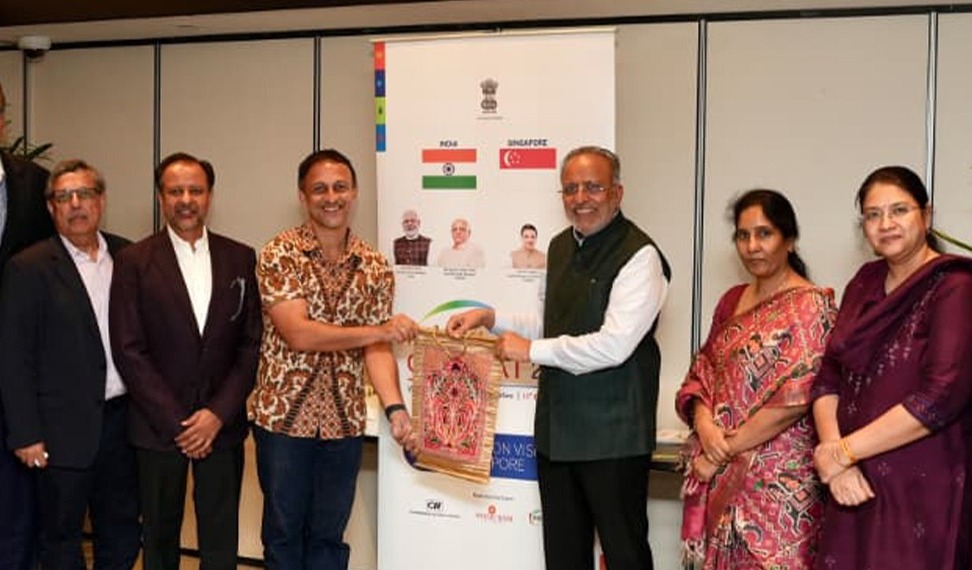
SINGAPORE: Gujarat is strengthening its global startup and innovation connections ahead of the Vibrant Gujarat Global Summit 2027 (VGGS 2027), with Hon’ble Minister Shri Arjun Modhwadia holding an interaction with TiE Singapore during the summit’s Singapore Roadshow.

According to a post shared by Vibrant Gujarat, the discussions explored opportunities to connect Singapore’s startup ecosystem with Gujarat’s expanding industrial and entrepreneurial landscape, with potential partnerships spanning artificial intelligence (AI), fintech, deep tech, advanced manufacturing, biotechnology and other innovation-driven sectors.

The interaction focused on fostering entrepreneurship, facilitating cross-border investments and promoting knowledge exchange to help startups access new markets, build international partnerships and scale their businesses globally.

Driving Cross-Border Innovation

The engagement highlighted opportunities for entrepreneurs, investors and technology enterprises in Gujarat and Singapore to collaborate on emerging technologies and innovation-led business ventures. Stronger ecosystem linkages could open avenues for investment, technology transfer and knowledge sharing while enabling startups to tap into international networks.

VGGS 2027: Building Global Business Connections

The Singapore Roadshow is part of Gujarat’s broader international outreach ahead of VGGS 2027, aimed at strengthening engagement with global business communities and exploring new avenues for investment and industrial cooperation.

The interaction with TiE Singapore reinforces the focus on connecting Gujarat’s entrepreneurial strengths with international innovation hubs, creating opportunities for technology-driven enterprises to expand their reach and compete in global markets.

PSA wins three accolades at Asian Innovation Excellence Awards 2026

AI-powered solutions for supply chain risk management, camera-health monitoring, and yard optimisation earned recognition

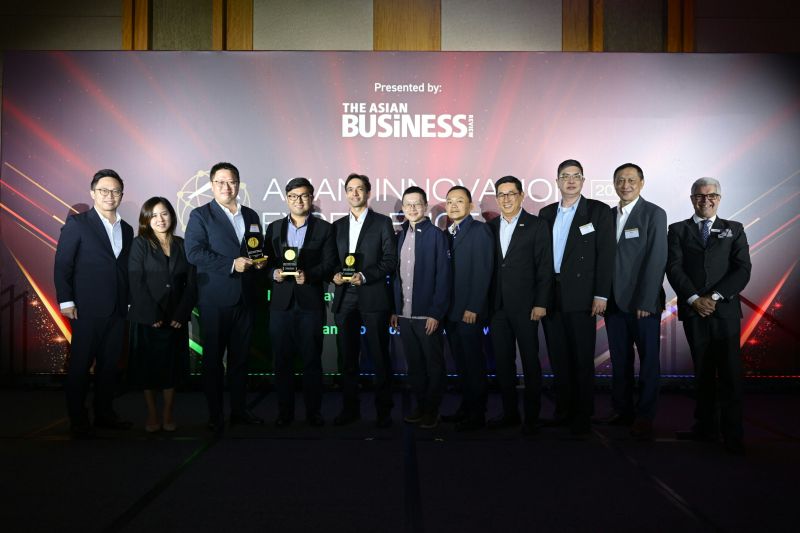
SINGAPORE: PSA has been recognised with three awards at the Asian Innovation Excellence Awards 2026, in its first year of participation. PSA International Pte Ltd won the Singapore Operational Innovation of the Year – Transportation for Smart Shuffling and the Singapore Technology Innovation of the Year – Transportation for Project Sentinel. In addition, PSA BDP won Singapore Risk Management Innovation of the Year – Logistics in the Asian Innovation Excellence Awards 2026 for its Risk Monitor platform.

Smart Shuffling

About 90% of container volume at PSA’s Singapore terminals is transshipment cargo, which creates constant yard movement and makes optimal stacking hard to maintain. Traditionally, operations personnel manually identified and repositioned containers stacked out of retrieval sequence.

Smart Shuffling is an AI-enabled solution that anticipates retrieval conflicts and repositions containers before operational demand arrives. The engine identifies yard crane idle windows and determines an efficient shuffling sequence to improve the overall stacking profile. A Temp Stow concept creates temporary space for more flexible rearrangement, whilst dependency management and automated job cancellation handle changing yard conditions.

Fewer reactive moves mean faster container retrieval and shorter vessel turnaround, helping shipping line customers keep to their schedules. Reduced equipment movement also lowers energy consumption and maintenance requirements, supporting PSA’s sustainability objectives.

Project Sentinel

Across PSA’s crane fleet in Singapore, camera health was previously checked through manual inspection, which is time-consuming and difficult to perform continuously at fleet scale. Issues range from dirty lenses and blurred images to (Pan-Tilt-Zoom) PTZ faults, communication failures, missing images or logs, offline cameras, and port flapping.

PSA developed Project Sentinel in-house as an AI-enabled, offline camera-health monitoring solution. It combines classical rule-based AI techniques, computer-vision analytics, diagnostic logic, and intelligent automation within PSA’s existing infrastructure.

Computer-vision techniques measure edge density, haze, saturation, and image variance to identify image-quality degradation. The system combines these measurements with connectivity checks, system logs, file availability, and PTZ status. Retry logic and PTZ movement checks help distinguish genuine faults from temporary operating conditions and reduce false alarms. Each identified condition is assigned a standardised fault category with supporting images, measurements, and timestamps, allowing technicians to understand and verify the basis of the finding.

Project Sentinel provides fleet-wide monitoring of more than 3,300 cameras across 286 crane equipment units, enabling earlier and more targeted maintenance intervention whilst reducing repetitive manual inspection effort. It is projected to deliver considerable annual productivity savings and supports improved crane automation reliability by detecting degraded or unavailable camera inputs earlier.

Risk Monitor

Global supply chains face frequent and unpredictable disruptions from geopolitical conflicts, natural disasters, cyber incidents, and regulatory shifts. These disruptions often emerge upstream, which makes early detection difficult for organisations. Traditional approaches to risk monitoring remain reactive and heavily reliant on manual screening.

PSA BDP created Risk Monitor to address this challenge through an AI-powered platform. The tool continuously processes and analyses data from over 30,000 global sources. It identifies potential disruptions across more than 60 categories, including environmental, supply chain, and digital risks.

The platform combines real-time shipment visibility, multi-tier supplier mapping, and macro-level intelligence. Users gain an integrated view across in-transit shipments and upstream supplier networks, moving away from siloed monitoring.

A proprietary generative AI and NLP engine sits at the core of the solution. NLP models scan and extract relevant events from structured and unstructured data. Generative AI categorises risk events and summarises key implications. The system then geolocates events, maps them to assets, scores potential operational impacts, and links affected facilities.

This layered AI approach transforms manual monitoring into an automated intelligence capability. Time to detect, assess, and act on disruptions dropped from hours or days to minutes, freeing teams to focus on responding to disruptions rather than searching for them. The platform serves as a core tool for a national food agency’s supply chain risk management. It also supports large multinational clients across chemical, industrial, electronics, and medical device sectors.

The Asian Innovation Excellence Awards honours companies that achieve measurable outcomes and address key challenges through innovation and operational improvement, recognising initiatives that drive meaningful progress across diverse industries in the region.

The Asian Innovation Excellence Awards is presented by Asian Business Review. To view the full list of winners, click here. For more information about the awards programme, you may reach Czarina Villanueva at +65 3158 1386 ext. 220 or czarinav@charltonmediamail.com.

Source : The Asian Business

Allcargo Logistics Transforms Financial Processes with Oracle Fusion Cloud Applications

MUMBAI:  Allcargo Logistics, one of the largest integrated logistics solutions companies in India, is using Oracle Fusion Cloud Applications to support its mission of delivering customer-centric, digitally enabled, and well-governed logistics services worldwide. With Oracle Fusion Applications for finance, Allcargo Logistics has standardized core business processes on a single integrated platform, reduced manual work through automation, strengthened governance and operational visibility, and reduced month-end close time by 30 percent.

Founded in 1993, Allcargo Logistics now operates more than 700 facilities in India – with customers across diverse industries such as e-commerce, automobile, pharmaceutical and more. To support continued growth, the company needed to move off its legacy on-premises systems and onto a scalable cloud platform that uses AI to automate routine business processes, provide real-time visibility, and strengthen controls. After careful evaluation, Allcargo Logistics decided to move its finance operations to Oracle Fusion Applications.

“Digital transformation is central to our long-term growth strategy and our commitment to operational excellence,” said Sanjay Khiyani, chief information officer, Allcargo Logistics. “With Oracle Fusion Applications for finance, we have been able to bring more than 4,000 users and over 700 operating units onto a single integrated platform, giving us a foundation to use AI to simplify how work gets done, strengthen visibility, and support our continued growth.”

With Oracle Fusion Cloud Enterprise Resource Planning (ERP), Allcargo Logistics has standardized and automated finance processes across its operations, helping teams spend less time on manual process execution while strengthening controls and improving financial reporting. Oracle Fusion Cloud Procurement, part of Oracle Cloud ERP, has also helped Allcargo Logistics automate end-to-end procurement processes and provide teams with a consistent view of purchasing activity across its distributed operations.

“As customer expectations continue to rise and supply chains become more dynamic, logistics providers need applications that can increasingly take on more of the work required to keep their operations moving,” said Shailesh Singla, vice president, Cloud Applications, Oracle India. “With extensive AI and Fusion Agentic Applications, Oracle is helping Allcargo Logistics automate routine tasks and move work forward, enabling its teams to spend less time managing processes and more time applying judgment to the decisions and priorities that drive business outcomes.”

The implementation was managed by Oracle PartnerNetwork (OPN) partner, Grant Thornton Bharat.

India-New Zealand sign (MoC) on electronic origin data exchange to facilitate bilateral trade under the India-New Zealand FTA

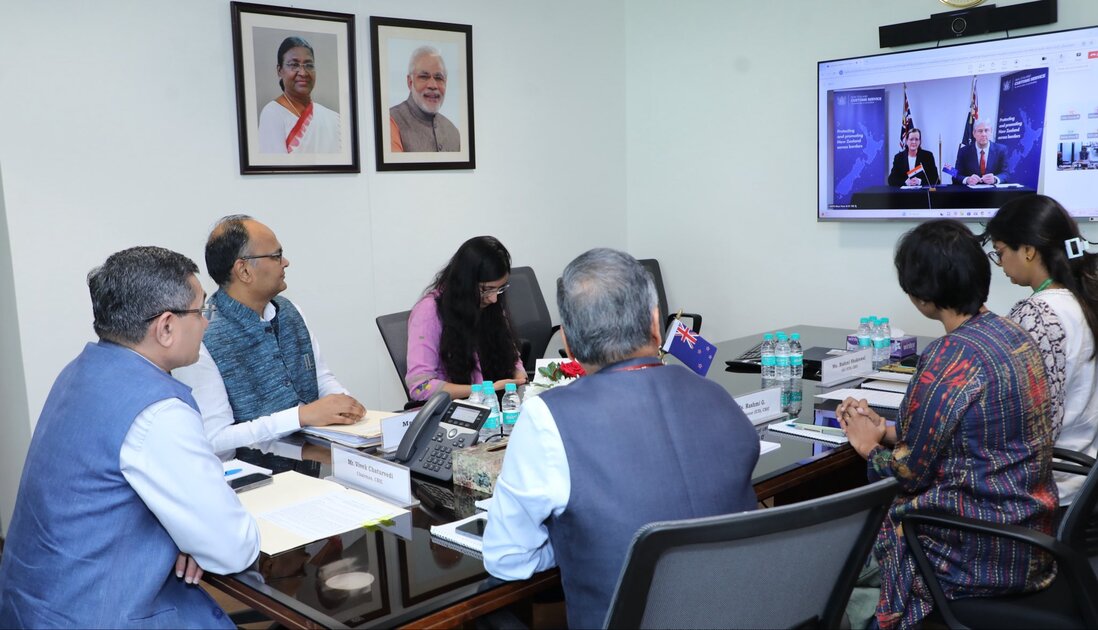
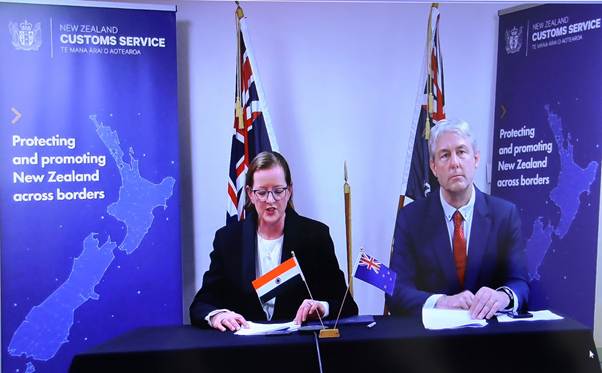
NEW DELHI : The Central Board of Indirect Taxes and Customs (CBIC), India, and the New Zealand Customs Service (NZCS) signed a Memorandum of Cooperation (MoC) concerning Electronic Origin Data Exchange of Trade in Goods.

The MoC marks an important step towards strengthening customs cooperation and facilitating bilateral trade between the two countries. The MoC was signed under the India-New Zealand FTA which entered into force from 20th October, 2026.

The MoC was signed on 19th October 2026 by Shri Vivek Chaturvedi, Chairman, CBIC, and Ms. Christine Stevenson, Comptroller and Chief Executive, New Zealand Customs Service.

india nz fta moc India-New Zealand sign (MoC) on electronic origin data exchange to facilitate bilateral trade under the India-New Zealand FTA

The MoC reflects the shared commitment of India and New Zealand to leverage digitalisation and enhanced information exchange for more efficient, secure and predictable cross-border trade. By enabling the advance electronic exchange of origin data on trade in goods, the arrangement will deepen customs cooperation and support the effective implementation of trade facilitation measures.

The initiative also reflects a forward-looking approach to align bilateral customs cooperation with evolving international practices in digitalisation, information exchange and trade facilitation. The electronic exchange of origin data is expected to improve operational efficiency, reduce information gaps and provide greater certainty to traders engaged in bilateral trade.

Importantly, the arrangement will support the effective utilisation of trade preferences under the India–New Zealand Free Trade Agreement (FTA) and help ensure that the benefits negotiated under the Agreement reach eligible businesses in both countries more efficiently and with greater certainty.

Piyush Goyal flags off first JCB Machine export to New Zealand ahead of FTA

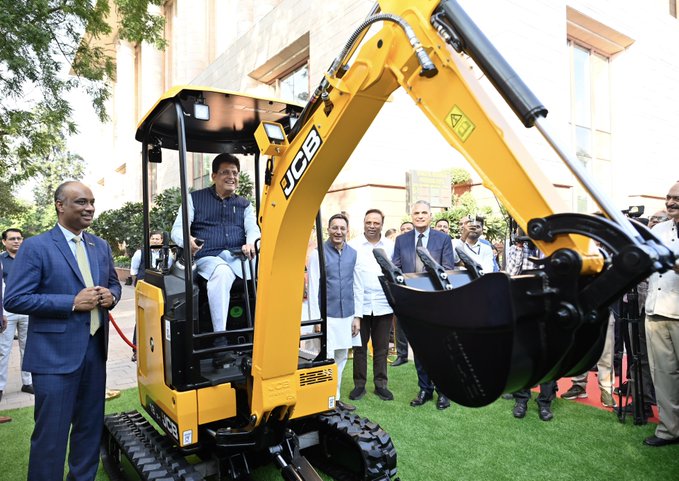
PUNE: Union Commerce and Industry Minister Shri Piyush Goyal on Monday flagged off the first-ever JCB machine export to New Zealand from Pune, Maharashtra, ahead of the implementation of the India-New Zealand Free Trade Agreement (FTA) on October 20.

“New Zealand will now build with a ‘Made in India’ JCB machine! Proud to flag off the first-ever JCB machine export to New Zealand, made in Pune, Maharashtra. The India-NewZealand FTA is unlocking new opportunities for our manufacturing”, Shri Goyal said.

The development comes as JCB India expects its overall machinery exports to increase by 20 per cent to around 18,000 units in 2026, compared with approximately 15,000 units last year.

He added, “Proud to flag off the first-ever JCB machine export to New Zealand, made in Pune, Maharashtra.” Highlighting the significance of the agreement for domestic manufacturing, the minister said, “The India-New Zealand FTA is unlocking new opportunities for our manufacturing.”

Deepak Shetty, Chief Executive Officer and Managing Director of JCB India, said the company has consistently focused on manufacturing machinery for both domestic and international markets.

“Last year we exported around 15,000 machines, and this year we’ll export around 18,000. We’ve consistently focused on making machines not just for the Indian market, but for the global market,” Shetty said.

He highlighted that JCB India now exports machines to 140 countries, with exports accounting for around 25 per cent of its India-made production.

On opportunities in New Zealand, Shetty said, “New Zealand is an advanced economy. Its per capita income is around $48,000, so a lot of our machines are used there. Not just for construction, but also in agriculture and material handling.”

The India-New Zealand FTA, which comes into effect on Tuesday, will provide zero-duty access to 100 per cent of Indian exports to New Zealand, opening opportunities for Indian manufacturers, particularly in engineering goods.

Shetty also expressed optimism about the proposed India-US trade agreement, saying it could further expand opportunities for Indian-made machinery.

“We’re already selling to America, and we’ll sell even more machines in the future once the trade agreement is finalised,” he said.